Riga Travel Guide: Essential Things to Know Before You Visit
Riga was our first taste of Latvia, and the city quickly won us over with its mix of Art Nouveau architecture, cobbled streets, cozy cafés, and Baltic charm. As we waddled through the Old Town and beyond, we picked up a few little lessons along the way, from getting around to understanding local customs and knowing what to expect. Some made exploring easier, while others made us appreciate Riga a little more. Here are the things we think are worth knowing before your own waddle around Latvia’s capital.
Basic Facts About Riga
- Founded: Officially founded in 1201 by Bishop Albert, although settlements in the area date back to at least the 12th century.
- Population: Around 600,000 people, making it Latvia’s largest city and the largest in the Baltic States.
- Area: Approximately 304 km² (117 sq mi).
- Time Zone: Eastern European Time, GMT+2, with daylight saving time in summer.
- Climate: A maritime climate with relatively cool summers and cold winters. Snow is common from around December to March.
- Airport: Riga International Airport (RIX), located around 10 km southwest of the city center.
- Nickname: Riga is often called the “Pearl of the Baltics”, reflecting its historic architecture and position on the Baltic Sea.
- UNESCO Status: Riga’s Historic Center has been a UNESCO World Heritage Site since 1997 and is particularly famous for its extensive Art Nouveau architecture.
- Art Nouveau Capital: About one-third of Riga’s buildings are in the Art Nouveau style, making it one of Europe’s major Art Nouveau centers.
- Name: The origin of the name Riga is debated. Theories connect it to Baltic, Slavic, and Germanic words, so no single explanation is universally accepted.
The Legend of Riga’s Birth
One of Riga’s most charming legends tells the story of Big Kristaps (Lielais Kristaps), a giant who lived on the banks of the Daugava River and carried people across the water. One night, he heard a child crying on the opposite bank and crossed the river to rescue him. The child was surprisingly heavy, but Kristaps carried him safely back. In the morning, he discovered that the mysterious child had left behind a pile of gold. According to the legend, Kristaps used the treasure to help build Riga, making him one of the city’s best-known folk heroes. Today, a statue of Big Kristaps stands in Riga, keeping the story alive.

17 Things to Know Before Visiting Riga
#1: Riga Was Once a Major Hanseatic City
Riga grew into an important trading center from the 13th century onwards and became a member of the Hanseatic League, connecting merchants and traders across Northern and Eastern Europe. Its position on the Daugava River helped the city grow in wealth and importance, and traces of this trading past can still be seen as you wander through the medieval Old Town.
#2: Riga Is an Art Nouveau Treasure
Riga has one of the world’s finest collections of Art Nouveau architecture, with hundreds of buildings showcasing the style. One of the best places to see it is Alberta iela, where elaborate facades feature sculptures, unusual faces, geometric details, and decorative motifs. Architect Mikhail Eisenstein designed several of the most famous buildings.


#3: A Famous Film Director Was Born in Riga
Riga was the birthplace of Sergei Eisenstein, one of cinema’s most influential film directors. Best known for Battleship Potemkin, Eisenstein pioneered editing techniques that influenced generations of filmmakers. Interestingly, his father was Mikhail Eisenstein, the architect behind several of Riga’s famous Art Nouveau buildings.
#4: Mikhail Baryshnikov Was Born Here
Riga is also the birthplace of Mikhail Baryshnikov, one of the world’s most celebrated ballet dancers. Born here in 1948, he became an international star, performing with major ballet companies before appearing in films and television.
#5: Look Up at the Freedom Monument
One of Riga’s most recognizable landmarks is the Freedom Monument, which rises 42.7 meters above the city. At the top stands Milda, a female figure holding three golden stars representing Latvia’s historical regions. The public built the monument through donations, and it remains an important symbol of Latvian independence.
#6: The Powder Tower Is a Medieval Survivor
Riga once had an extensive defensive system with 28 towers, but only one original tower remains today: the Powder Tower. Dating back to the medieval period, it later received its name because gunpowder was stored there. It offers a glimpse of when Riga was a fortified city.
#7: The Three Brothers Are Not Really Brothers
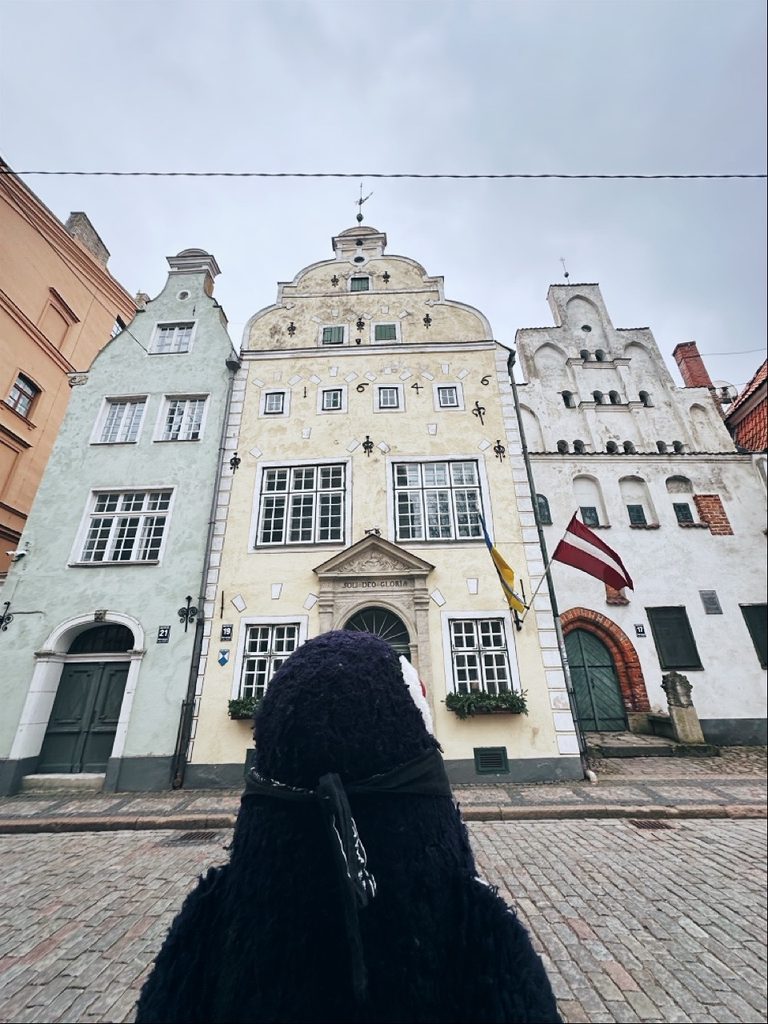
The Three Brothers are three adjoining houses in Riga’s Old Town, but despite their name, no three brothers built them. The buildings date from different periods and represent different stages of Riga’s residential architecture. Together, they form one of the city’s most recognizable architectural sights.

#8: The Cats on the Cat House Have a Story to Tell
The famous Cat House is easy to spot thanks to the two black cats sitting on its roof. According to popular legend, the building’s owner got into a dispute with Riga’s Great Guild and positioned the cats with their backs and raised tails facing the guild building. Whether every detail is true or not, the cats have become one of Riga’s most photographed details.
#9: Riga’s Historic Center is UNESCO-listed
Riga’s Historic Center has been a UNESCO World Heritage Site since 1997, recognized for its medieval architecture, historic wooden buildings, and exceptional collection of Art Nouveau architecture. This is one reason Riga is such a rewarding city to explore on foot.
#10: You Can See Riga From Above
For a different perspective, head up to the viewing platform at St Peter’s Church, one of Riga’s best-known landmarks. The tower offers panoramic views across the Old Town and beyond. Riga also gained another attraction from above with the Riga Rise Observation Wheel, which opened in 2025 and reaches 65 meters high.


#11: Riga’s Central Market Has an Unusual History
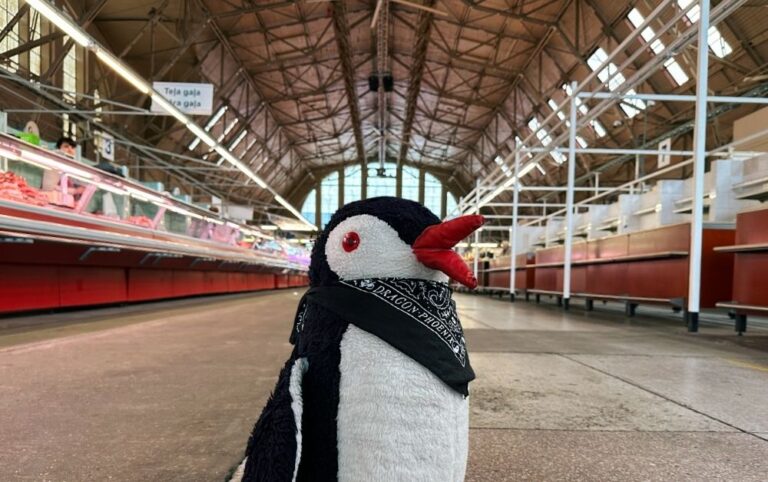
Riga Central Market is one of the city’s most interesting places to explore. Its enormous market pavilions were originally built from former Zeppelin hangars, creating an unusual mix of industrial history and everyday Latvian life. Today, the market is packed with stalls selling smoked fish, meat, cheese, bread, fruit and local produce.
#12: Richard Wagner Lived in Riga
Before becoming one of Europe’s most famous composers, Richard Wagner spent several years in Riga, where he worked as a musical director in the 1830s. His time in the city was relatively short, but it remains an interesting part of Riga’s cultural history.
#13: Riga Claims the First Decorated Christmas Tree
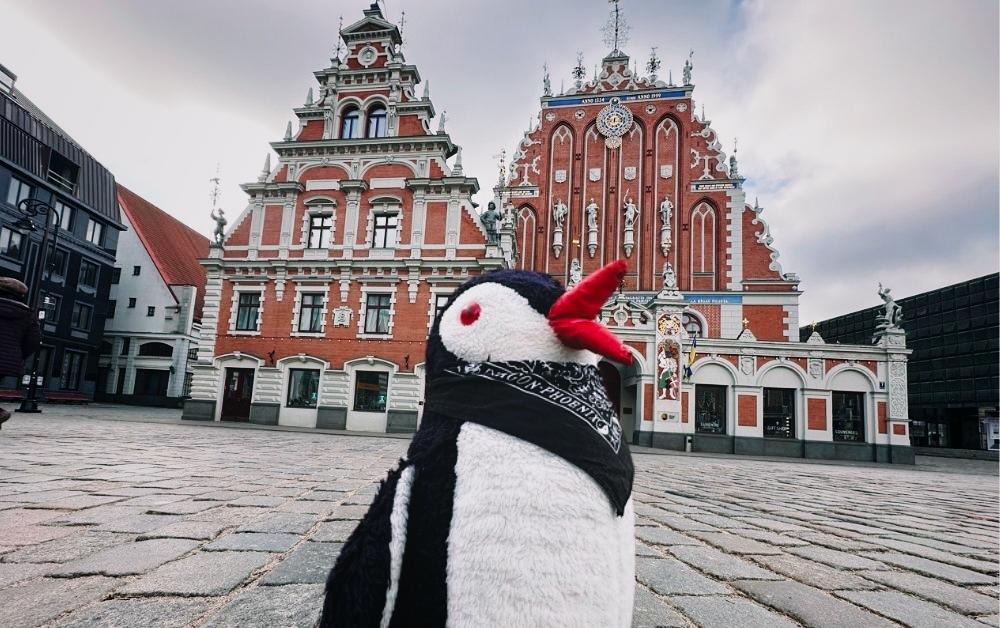
Riga is linked to one of Europe’s most famous Christmas tree traditions. According to a long-standing legend, local artisans displayed a decorated Christmas tree in Riga’s Town Hall Square in 1510, adorned with paper flowers. Historians still debate whether it was actually the first decorated Christmas tree, so it is best described as a claim and legend rather than an undisputed fact. A plaque even marks the supposed location today.


#14: Riga Has Its Own Bremen Town Musicians
Near St. Peter’s Church, you can find a rather unusual sculpture of the Bremen Town Musicians from the Brothers Grimm fairy tale. Bremen gifted the sculpture to Riga in 1990, but the Latvian version has a clever twist: instead of simply looking through a window, the donkey, dog, cat, and rooster peer through a gap in an Iron Curtain-style barrier. It became a symbolic reference to the end of the Cold War and the opening of Europe’s borders.
#15: You Can Experience a Museum in Complete Darkness
Riga has an unusual museum experience called Neredzamā pasaule, or the Invisible World. The exhibition takes place in complete darkness, with a blind guide accompanying visitors. Without relying on sight, you use your hearing, touch, smell, and taste to navigate and experience the exhibits. It is certainly different from a traditional museum visit.
#16: Riga Has a Serious Chocolate Connection
Latvia’s famous Laima chocolate dates back to 1870, when German entrepreneur Theodore Rigert established his chocolate company in Riga. Today, you can visit the Laima Chocolate Museum to learn about the history of chocolate making and even taste and make your own chocolate.
#17: Riga Turns Christmas Trees Into Art
The city’s Christmas tree connection goes beyond the famous 1510 legend. Since 2010, Riga has hosted the Christmas Tree Trail, an environmental art festival inspired by the story. Artists and designers create unusual Christmas tree installations throughout the city, turning the festive season into a large outdoor art exhibition.
Practical Travel Things to Know Before Visiting Riga
Riga is an easy city to explore, especially if you base yourself around the Old Town and central areas. Most major sights are within walking distance, while trams, buses, and trolleybuses make it simple to reach places further out. A few practical details are worth knowing before you arrive, from how tickets work to what to expect when paying in restaurants and how to avoid the occasional tourist trap.
- Tap Water. Tap water is safe to drink in Riga, so you don’t need to rely on bottled water.
- Waddling. Riga is very walkable; the Old Town, central sights, and many main attractions are close together.
- Public Transport. Buses, trams, and trolleybuses cover the city well. A 90-minute ticket currently costs €1.50, with 24-hour, three-day, and five-day options also available.
- Validate Your Ticket. Remember to register your ticket whenever you board a new vehicle, even if your time-based ticket is still valid; fines for traveling without a valid ticket range from €15 to €30.
- Airport Bus. Bus 22 connects Riga Airport with the city center and is the budget-friendly option for getting into town.
- Tipping. Tipping is appreciated but generally not compulsory. Around 10% is a reasonable tip for good restaurant service, while you can round up for smaller purchases.
- Cards. Card payments are widely accepted in restaurants, shops, hotels, and other tourist services, so you do not need to carry large amounts of cash.
- Currency. Latvia uses the euro (€), making payments straightforward for travelers from other eurozone countries.

- Restaurant Prices. Riga is reasonably affordable by many European capital standards, although prices in the Old Town can be higher. A typical restaurant meal is around €30–50 for three courses, while lunch can be around €7–10.
- Watch Bar Prices. When ordering drinks, check the price and serving size carefully. Latvia’s official tourism advice recommends checking that the volume matches the displayed price.
- Taxis. Avoid jumping into an unmarked taxi at the airport or on the street. Using a ride-hailing app such as Bolt lets you see the price before traveling. If you use a traditional taxi, make sure the meter is running.
- Pickpockets. Riga is generally safe, but keep an eye on your belongings in crowded areas, particularly the Old Town, Central Market, and the tunnels around the main railway and bus stations.
- Winter Shoes. Visiting in winter? Bring shoes with good grip. Snow and especially black ice can make Riga’s pavements surprisingly slippery.
- Crossing the Road. Drivers generally follow pedestrian crossings, but still make sure vehicles have stopped before stepping into the road, particularly on larger streets.
- Old Town Prices. The Old Town is convenient and beautiful, but restaurants, drinks, and some tourist services can cost more here than elsewhere in Riga.
Best Time to Visit Riga
Riga is a year-round destination, but the experience changes quite a lot with the seasons. Late spring through early autumn is generally the easiest time for sightseeing and long walks, while summer brings the warmest weather and longest days. We visited at the end of March, and while the city was still enjoyable, it was definitely chilly, so we wouldn’t choose that time if your main plan is to spend hours exploring Riga on foot.
- Spring (April–May). Spring brings longer days, blooming parks, and gradually warmer weather, but April can still feel cold and unpredictable. By May, conditions become much more pleasant for walking and exploring, and spring is also a good time to avoid the busiest summer crowds. Our tip: If you want spring, choose May rather than March or early April.
- Summer (June–August). Summer is the most popular time to visit Riga, with the warmest weather, long bright evenings, outdoor cafés, festivals, and plenty of opportunities for day trips. July is generally the warmest month, with Latvia’s long-term average temperature around 17°C, although warmer days are common. Our tip: June and early September can be a nice compromise if you want good conditions without the height of summer.
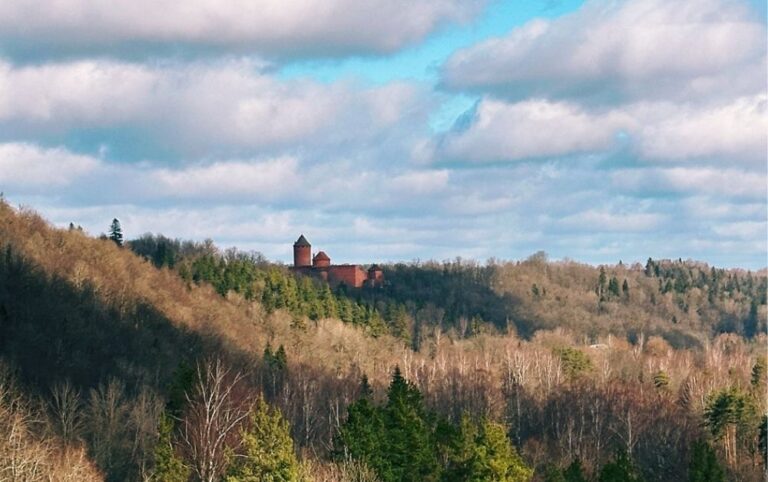
- Autumn (September–October). Autumn is one of the most beautiful times to visit, especially if you plan to combine Riga with Sigulda and Gauja National Park. The forests turn colorful, temperatures cool without immediately turning wintry, and October is especially good for autumn scenery. Our tip: Early to mid-October is our pick for beautiful autumn colors, especially around Sigulda.
- Winter (November–March). Winter transforms Riga into a completely different city. Expect short daylight hours and cold weather, but if you enjoy Christmas markets, cozy cafés, museums, and festive decorations, December can be particularly atmospheric. Snow is possible, although winter conditions vary from year to year. Our tip: Choose December for the Christmas atmosphere, but pack properly for the cold.
For our kind of trip, we would choose May, June, September, or early October. We visited at the end of March, and although we had a good time, it was still a little too cold for our ideal city-waddling weather. Riga is absolutely worth visiting then if you are prepared for chilly days, but if you want to spend most of your time waddling between the sights, we would wait for a little more warmth.
Hotel search from Trip.comShows Trip.com’s own box, which can set Trip.com cookies.Search hotels on Trip.comTrip.com’s box can’t load on this device (an ad blocker often stops it). This opens Trip.com’s own hotel search.Open Trip.com
How Many Days Do You Need in Riga
We recommend 2–3 days in Riga to see the main sights without rushing. Two full days give you enough time to explore the Old Town, Art Nouveau district, Central Market, Freedom Monument, and a few museums, while three days allow for a slower pace and extra time for cafés, neighborhoods, and viewpoints. We stayed in Riga for 4 days, which felt like enough time to get a real feel for the city while still leaving room for a little spontaneous waddling.
Where to Stay in Riga
Riga is compact enough that choosing a central neighborhood makes exploring easy, but each area has a slightly different feel. For a first visit, we would focus on Old Town, Centrs, the Art Nouveau/Quiet Center, or the area around Central Station. Old Town is best for being right in the middle of the sights, while Centrs and the Quiet Center offer a calmer stay while remaining within walking distance.
- Old Town (Vecrīga) | Best for first-time visitors. Stay here if you want medieval streets, restaurants, and Riga’s main sights right outside your door. The downside is that some streets can get noisy at night, particularly at weekends. Good options include Hilton Garden Inn Riga Old Town and Wellton Centrum Hotel & SPA.
- Centrs | Best for a quieter central location. Just outside the Old Town, Centrs offers wider streets, parks, cafés, and easy access to the Art Nouveau district, while keeping the Old Town within a comfortable walk. GRAND POET by Semarah Hotels is a polished option, while TRIBE Riga City Center Hotel – Renovated 2026 is a more modern choice.
- Art Nouveau / Quiet Center | Best for architecture lovers. Stay here if Riga’s famous Art Nouveau architecture is one reason you’re visiting. Alberta iela and Elizabetes iela are nearby, and the Old Town is still roughly a 10–15 minute walk away. Hestia Hotel Jugend is a good mid-range option, while Radisson Blu Latvija Conference & Spa Hotel, Riga offers a larger full-service hotel experience.
- Central Station / Central Market | Best for transport and value. This area is practical if you’re arriving by train, planning day trips, or want easy access to public transport. It is also close to Riga Central Market and still walkable to the Old Town. ibis Riga Center is a straightforward option, while Tallink Hotel Riga offers a little more comfort.
We stayed at Wellton Centrum Hotel & SPA right in the heart of Riga’s Old Town, and we also had the opportunity to collaborate with the hotel during our stay. If you’re considering staying here, read our full Wellton Centrum Hotel & SPA review for more details on our experience, the rooms, the location, and what we thought of the hotel.
Hotel search from Booking.comShows Booking.com’s own box, which can set Booking.com cookies.
What to Avoid in Riga
Riga is an easy city to explore, but a few things are worth watching out for, especially on your first visit. Most are simple tourist traps rather than serious problems, but knowing about them can save you money, time, and a few unnecessary headaches.
- Overpriced Old Town Restaurants. The Old Town is convenient, but restaurants directly on the busiest squares can charge considerably more for a less memorable meal. Walk a few streets away and compare menus before sitting down.
- Unlicensed Taxis. Avoid accepting rides from people approaching you at the airport or around transport hubs. Use Bolt or an official taxi and check the price before getting in.
- Unexpected Bar Bills. Be careful when ordering drinks, particularly in bars aimed at tourists. Check the menu, the price, and the serving size before ordering, especially for beer and spirits.
- Paying in Tourist Shops. If you are buying souvenirs, compare prices instead of buying from the first shop you see in the Old Town. You can often find better-value Latvian products elsewhere in the city.
- Ignoring Your Belongings at Central Market. Riga is generally safe, but in crowded places such as Riga Central Market, the Old Town, and busy transport areas, pay closer attention to your phone and wallet.
- Walking Only in the Old Town. Don’t assume Riga ends at the medieval center. The Art Nouveau district, Central Market, parks, and quieter neighborhoods are all part of what makes the city interesting.
- Expecting Warm Weather in Early Spring. March can look like spring on the calendar without actually feeling like it. We visited at the end of March, and it was still chilly, so bring proper layers if you visit early in the season.
- Forgetting Comfortable Shoes. Riga is a city made for wandering, but the Old Town’s cobbled streets can be hard on your feet. Comfortable shoes will make a noticeable difference.
- Not Checking Public Transport Tickets. If you use Riga’s buses, trams, or trolleybuses, make sure your ticket is valid and registered correctly. Ticket inspections do happen, and traveling without a valid ticket can result in a fine.
- Only Visiting During the Day. Riga’s Old Town and Art Nouveau streets have a completely different atmosphere after dark. As long as you stick to well-lit, populated areas and use normal city awareness, an evening walk can be one of the nicest parts of your visit.
Is Riga Expensive
Compared with many Western European capitals, Riga is relatively affordable, although prices depend on where you eat, drink, and stay. A coffee usually costs around €2.50–€4.50, a local beer €3–€6, and a casual lunch around €7–€10, while a three-course dinner at a mid-range restaurant can be around €30–€50 per person. Public transport is also inexpensive, with a single ticket costing €1.50, and accommodation ranges from roughly €35–€55 for budget hotels to €60–€100+ for mid-range options. Many of Riga’s best experiences, such as exploring the Old Town and admiring the Art Nouveau architecture, are free, so you can enjoy the city without spending a fortune. For a comfortable trip, we would budget around €80–€120 per person per day, including accommodation, food, transport, and activities.
How to Get Around Riga
Riga is easy to explore, and if you stay in the Old Town or city center, you can walk to most of the main sights. For places further out, the city has a good network of buses, trams, and trolleybuses, with a 90-minute ticket costing €1.50. We mostly relied on our feet, but Bolt is handy when you have luggage, are heading outside the center, or want a quick door-to-door ride. Bus 22 also connects Riga Airport with the city center. For a short 2–3 day visit, we would not bother with a car. Riga is compact, and walking is often the most enjoyable way to experience its architecture, streets, cafés, and hidden corners.
Is Riga Worth Visiting
Absolutely. Riga is worth visiting, especially if you enjoy cities where history, architecture, food, and a relaxed atmosphere come together. We loved wandering through the medieval Old Town, discovering the incredible Art Nouveau buildings, stopping for Latvian food, and simply seeing what we would find around the next corner. It is also compact enough to explore without feeling overwhelmed, while places like Sigulda and Gauja National Park are close enough to add a little nature to your trip. Riga might not have the instant wow factor of some of Europe’s bigger capitals, but give it a couple of days, and it slowly wins you over.
Buy Us a Ko-fi

Riga surprised us. We arrived not knowing quite what to expect, and the city quickly showed us there was much more to it than we imagined. From the medieval streets of the Old Town and beautiful Art Nouveau buildings to cozy cafés, local food, quirky legends, and unexpected little discoveries, we found ourselves enjoying Riga more with every waddle. In this guide, we share everything we learned during our visit, from what to see and where to eat to practical tips that will help you make the most of your own trip to Latvia’s capital.
Travel Bold. Eat Well. Waddle Wild.

This post contains affiliate links. If you click and buy, I might earn a tiny commission, enough to help a penguin keep up its globe-trotting lifestyle. No extra cost to you, just more fish for me. Thank you for supporting the adventure!