Sigulda Travel Guide: Castles, Caves, Cliffs, and the Gauja Valley
If you are spending a few days in Riga, we recommend making time for a day trip to Sigulda, a small town surrounded by forests, sandstone cliffs, and the Gauja River valley. It is close enough to Riga for an easy escape from the capital, yet it feels like a completely different side of Latvia. Before you waddle off for the day, though, there are a few things worth knowing about Sigulda, from its location and history to how to get around and how to make the most of your visit.
- Basic Facts About Sigulda
- The Rose of Turaida: Sigulda’s Tragic Love Story
- A Short History of Sigulda
- 8 Interesting Facts About Sigulda
- How to Get to Sigulda from Riga
- How to Get Around Sigulda
- How Much Time Do You Need in Sigulda
- Best Time to Visit Sigulda
- Top Things to See in Sigulda
- Things to Do Beyond Sightseeing
Basic Facts About Sigulda
- Established: 1207, when the Livonian Brothers of the Sword began building Sigulda Castle.
- Town population: About 15,000 people live in Sigulda.
- Town area: Approximately 22.9 km².
- From Riga: Around 54 km, roughly 1 hour by car.
- Setting: Located in the scenic Gauja River valley, surrounded by forests and sandstone cliffs.
- National Park: A main gateway to Gauja National Park, Latvia’s oldest national park.
- Gauja River: Latvia’s longest river, stretching about 452 km.
- Known for: Medieval castles, caves, hiking trails, viewpoints, and outdoor adventures.
- History: The area has centuries of history, with medieval castles dating back to the 13th century.
- Time needed: Allow a full day if you want to explore several sights around Sigulda.
The Rose of Turaida: Sigulda’s Tragic Love Story
The legend tells of Maija, the Rose of Turaida, a young woman who lived near Turaida Castle in the early 17th century. She fell in love with Viktors, the gardener at Sigulda Castle, and they planned to marry. But another man became obsessed with Maija and tried to lure her into meeting him by pretending to be Viktors. When she realized the deception, Maija reportedly offered him her magical red scarf, telling him it would protect him from a sword. He struck her with the sword to test the scarf, killing her. Maija chose death rather than surrender, and her story became one of Latvia’s best-known romantic legends. Her grave, marked by the Turaida Rose, can still be visited today in the churchyard near Turaida Castle.
The story is based partly on 17th-century historical records. Still, the romantic details have been embellished over time, so it is best presented as a legend inspired by a real historical case rather than fact.

A Short History of Sigulda
- 11th–12th centuries. The Gauja Livs inhabit the area and build wooden fortifications on the surrounding hilltops.
- 1207–1209. The Livonian Brothers of the Sword build the first stone castle in Sigulda, strategically overlooking the Gauja valley.
- 1237. The lands of the Livonian Brothers of the Sword pass to the Livonian Order, which continues developing the castle.
- 13th century. Sigulda becomes one of three important medieval centers in the Gauja valley, alongside Turaida and Krimulda.
- 17th century. During the Polish-Swedish wars, the medieval castle is destroyed and eventually falls into ruin.
- 18th century. The former castle lands become part of a manor estate and eventually pass to the Borch family.
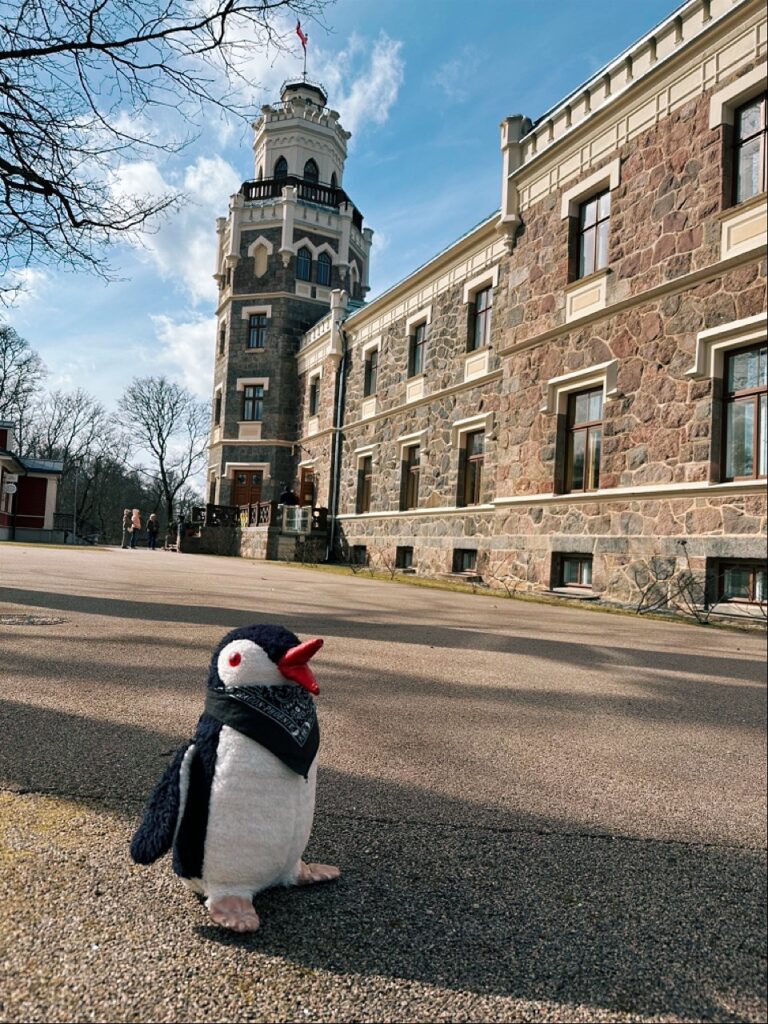
- 1878–1881. Prince Dmitry Kropotkin and his wife Olga build New Sigulda Castle, creating the striking Neo-Gothic manor that now stands beside the medieval ruins.
- 1889. The railway connecting Riga with Valga opens, making Sigulda much easier to reach and helping its development as a resort destination.
- 1928. Sigulda officially receives town status.
- 1973. Gauja National Park is established, protecting the surrounding valley and reinforcing Sigulda’s role as a gateway to the region.
- Today. Medieval ruins, the Neo-Gothic New Castle, and the surrounding Gauja valley make Sigulda a destination where several very different chapters of Latvian history sit within the same landscape.
8 Interesting Facts About Sigulda
#1: The Switzerland of Latvia
Sigulda has earned the nickname “Switzerland of Latvia” thanks to its rolling landscapes, wooded hills, and dramatic Gauja River valley. The comparison might seem ambitious at first, but once you look out across the valley, it becomes easier to understand. Instead of Alpine peaks, Sigulda offers sandstone cliffs, deep ravines, dense forests, and winding river views, creating one of Latvia’s most scenic landscapes.
#2: A Valley of Castles
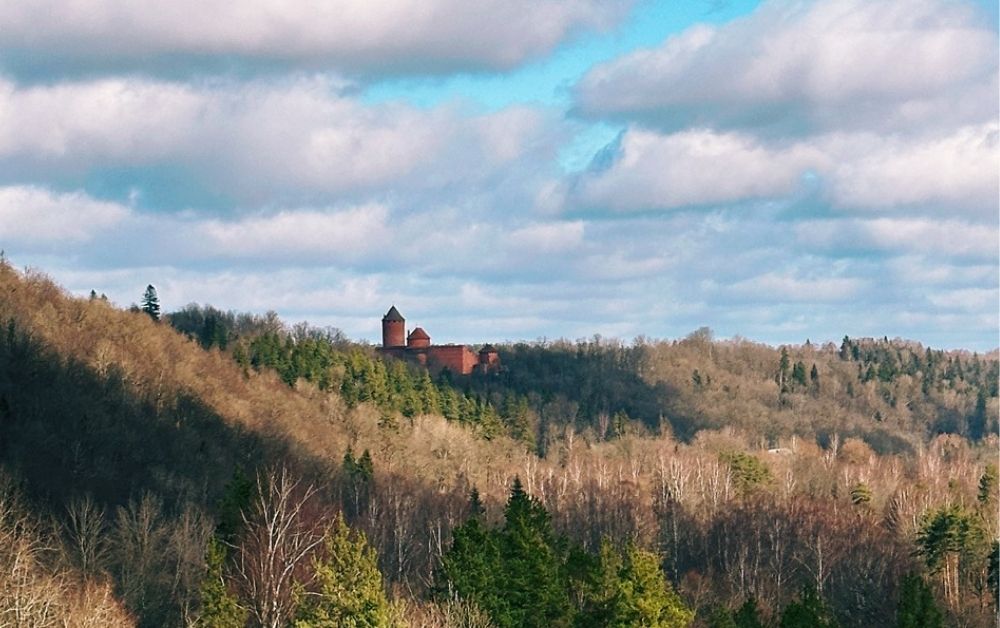
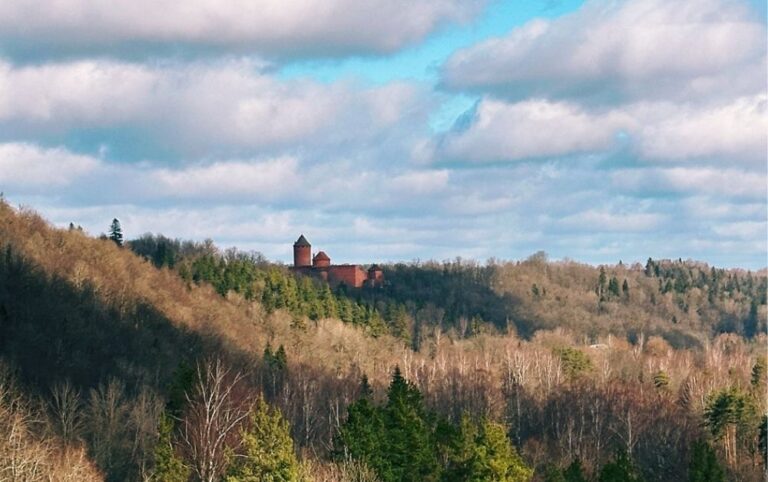
Sigulda and the surrounding Gauja valley are dotted with medieval castles, castle ruins, and manor houses, creating a landscape that reminded us a little of Sintra, Portugal. Here, though, the castles are scattered through forests and across the steep sides of the Gauja valley rather than clustered around one town. With Sigulda Castle, Turaida Castle, and Krimulda Manor all within the wider area, you can spend a day moving between different historic sites while taking in the landscape between them.
#3: The Baltic States’ Largest Cave
Just outside Sigulda, Gutmanis Cave holds a rather impressive title: it is considered the widest and highest cave in the Baltic States. Carved into the reddish sandstone cliffs of the Gauja valley, the cave is less of a deep underground adventure and more of a dramatic natural chamber. Its walls are covered with centuries-old inscriptions and markings, giving the cave an unusual connection between nature and the people who have passed through here over the generations.
#4: Latvia’s Winter Sports Hub
Sigulda is one of Latvia’s most important winter sports centers, particularly for bobsleigh, luge, and skeleton. The town’s famous track has hosted major international competitions, bringing some of the world’s top athletes to the Gauja valley. Even outside competition season, the track remains one of Sigulda’s most distinctive attractions and a reminder that this quiet-looking town has a serious sporting side.
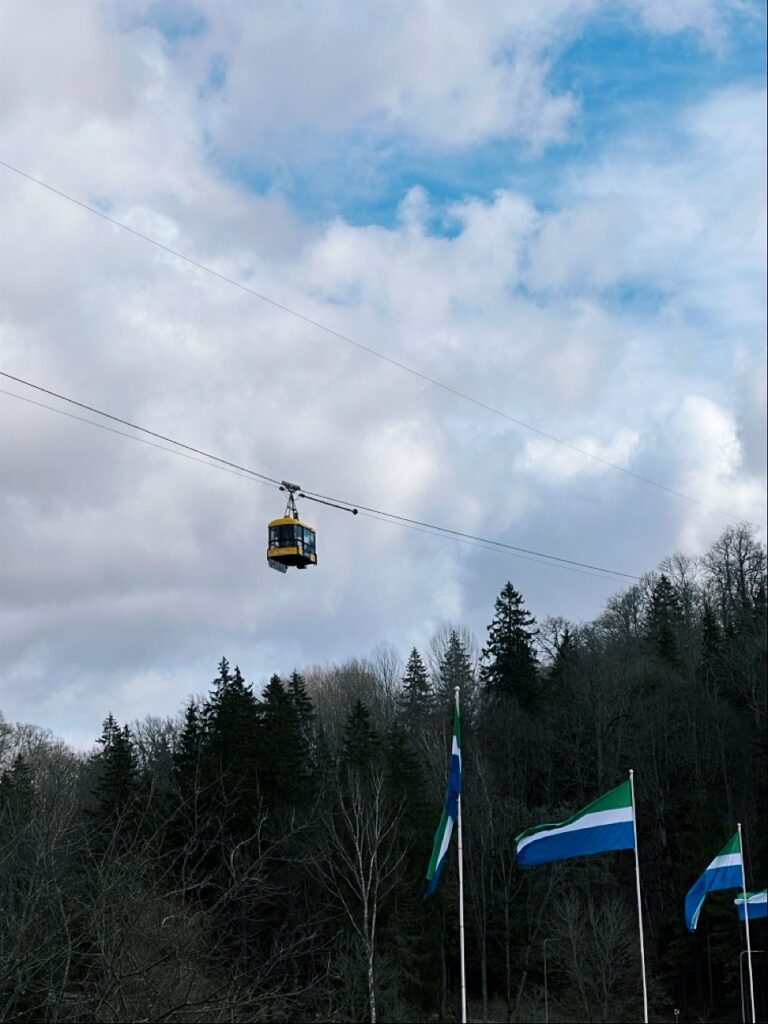
#5: A Cable Car Across the Gauja Valley
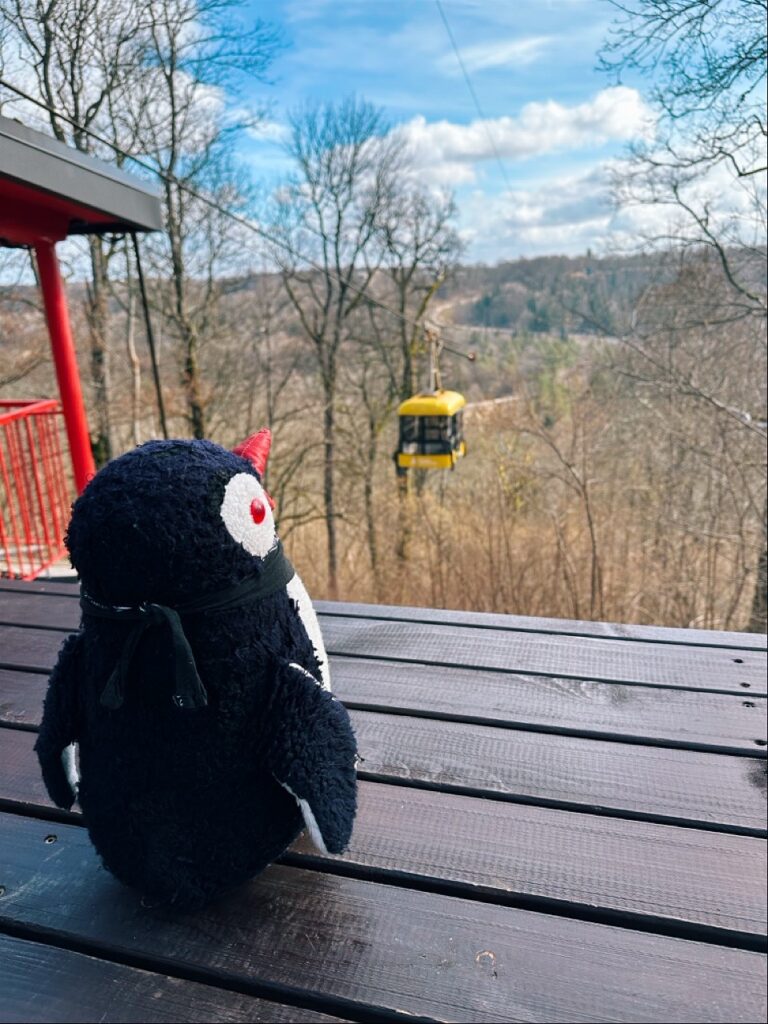
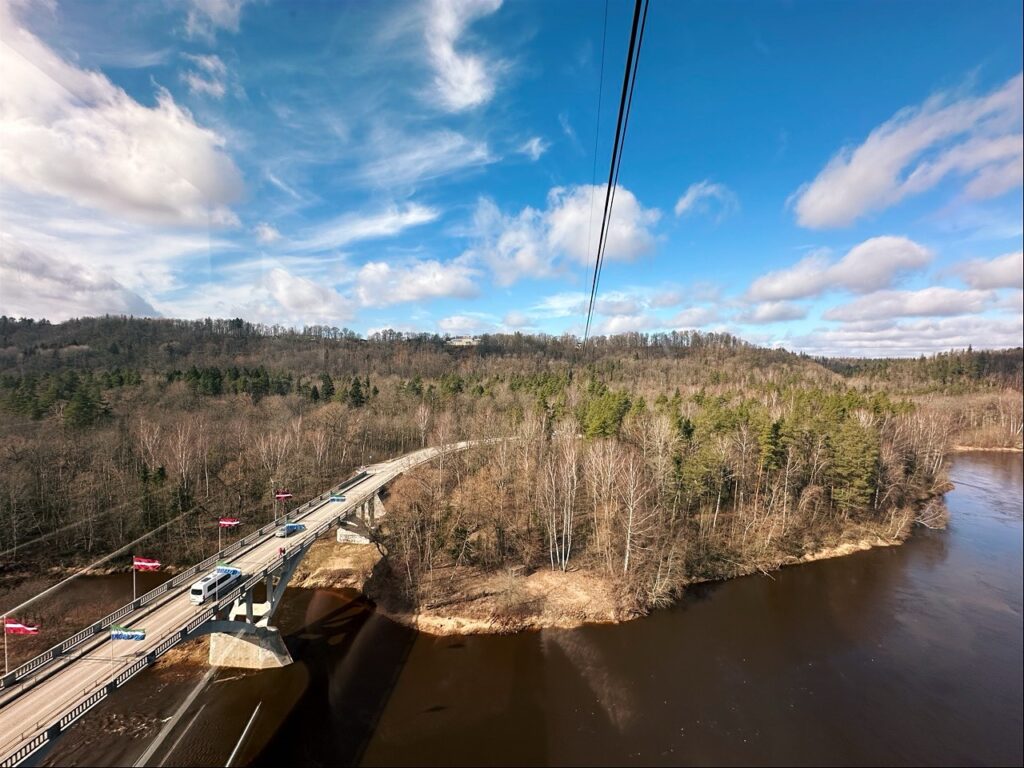
One of Sigulda’s most memorable ways to see the landscape is from above. The Gauja cable car crosses the wide river valley, connecting Sigulda with Krimulda on the opposite side. Suspended above the trees, the ride offers a different perspective of the Gauja River, forests, and surrounding cliffs, turning a simple journey between two places into a sightseeing experience of its own.
#6: A Town of Sporting Talent
For a relatively small town, Sigulda has produced an impressive number of international athletes, particularly in winter sports. The town has strong connections to luge, bobsleigh and skeleton, with athletes such as Olympic lugers Andris and Juris Šics, bobsledder Jānis Strenga and skeleton racer Lelde Priedulēna among those associated with Sigulda. The town’s sporting tradition makes sense once you see its famous track and realize how much winter sport is woven into Sigulda’s identity.
#7: Sigulda Became a Resort Before It Became an Adventure Town
Long before visitors came for cable cars and bobsleigh rides, Sigulda attracted people for its scenery and fresh air. The railway’s arrival in 1889 made the town much easier to reach from Riga and helped turn it into a popular holiday destination. The romantic landscape became particularly fashionable among Riga’s upper classes.
#8: Sigulda Has a Long Connection With the Russian Imperial Elite
During the 19th century, Sigulda became a fashionable destination for wealthy visitors from Riga and the Russian Empire. The Kropotkin family, who owned the Sigulda estate, played an important role in developing the area, including building the New Sigulda Castle.
How to Get to Sigulda from Riga
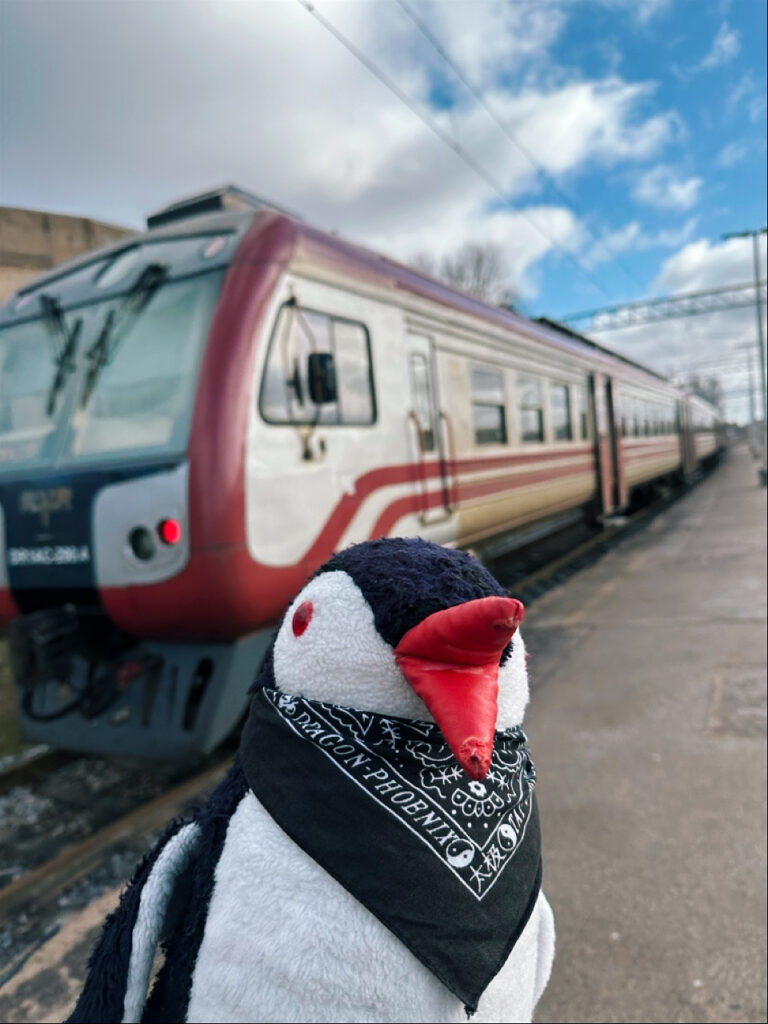
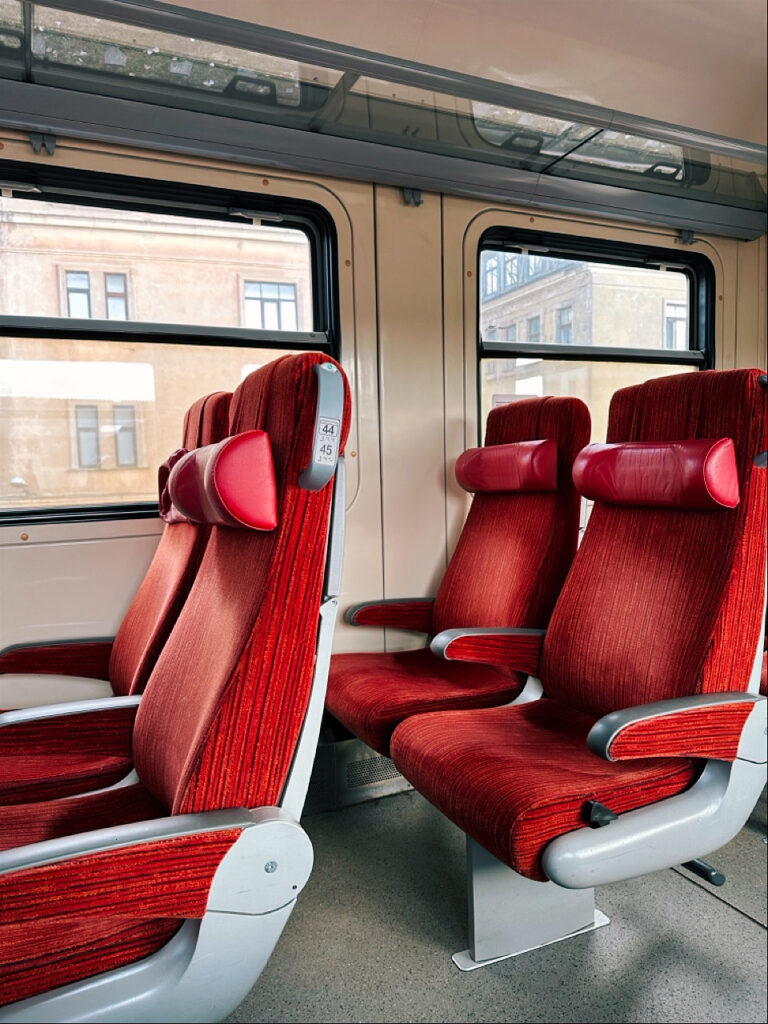
We took the train from Riga Central Station to Sigulda, covering about 54 kilometers in about an hour. It is an easy option for a day trip, especially if you do not have a car. We bought our tickets online through the Vivi Latvija app, the official app for Latvian passenger trains. The current one-way fare from Riga to Sigulda is €2.80 per person.
Remember to register/validate train tickets after boarding. On trains equipped with validators, validate your ticket there; if validation isn’t possible, contact the conductor. For an electronic ticket bought through the Vivi app, keep the ticket ready on your phone so you can show the QR/Aztec code to the conductor when requested.

How to Get Around Sigulda
Sigulda is relatively easy to explore without relying heavily on public transport. Local buses are available and can help you reach sights farther from the town center, while taxis are another option. Cycling can also be a good way to explore the wider Gauja valley. For us, though, none of that was really necessary. We waddled around, walking between the places we wanted to see and enjoying the scenery along the way. The only public transport we paid for during our visit was the Sigulda Cable Car, which crosses the Gauja Valley to Krimulda and is as much a sightseeing experience as it is a way of getting around.
How Much Time Do You Need in Sigulda
We recommend allowing a full day in Sigulda, especially if you are coming from Riga. The town and surrounding Gauja Valley have enough to keep you busy, from castles and caves to viewpoints, hiking trails, and the cable car. A day trip gives you enough time to explore without constantly checking the clock, while still allowing you to return to Riga in the evening. If you only want to see one or two sights, you can spend less time here, but a full day is ideal for getting a proper feel for Sigulda.
Best Time to Visit Sigulda
Sigulda changes dramatically with the seasons, and each one offers a different reason to visit. If you want the landscapes at their most spectacular, autumn is hard to beat, while summer is ideal for outdoor adventures.
- Spring. Nature wakes up after winter, with longer days, fresh greenery, and blooming trees. The weather can still be chilly and unpredictable, especially in March and early April.
- Summer. This is a great season for exploring Sigulda outdoors. Hiking, cycling, boating, and other adventure activities are easier to enjoy in the warmer weather, and the forests are at their greenest.
- Autumn. This is our pick for Sigulda’s most beautiful season. From late September through October, the forests of Gauja National Park turn shades of gold, orange and red, creating the famous autumn landscapes the area is known for. Mid-October is particularly popular for autumn colors.
- Winter. Snow transforms Sigulda into a winter landscape and brings the town’s winter-sports side to life, including bobsleigh and luge. Snow is not guaranteed, though, so conditions can vary from year to year.
We visited in March, and while we still enjoyed our day in Sigulda, it would not be our first choice for a return visit. It was still quite cold, and many of the area’s biggest attractions are outdoors. If we came back, we would especially love to see Sigulda in golden autumn, when the Gauja valley is at its most colorful.
Hotel search from Trip.comShows Trip.com’s own box, which can set Trip.com cookies.
Top Things to See in Sigulda
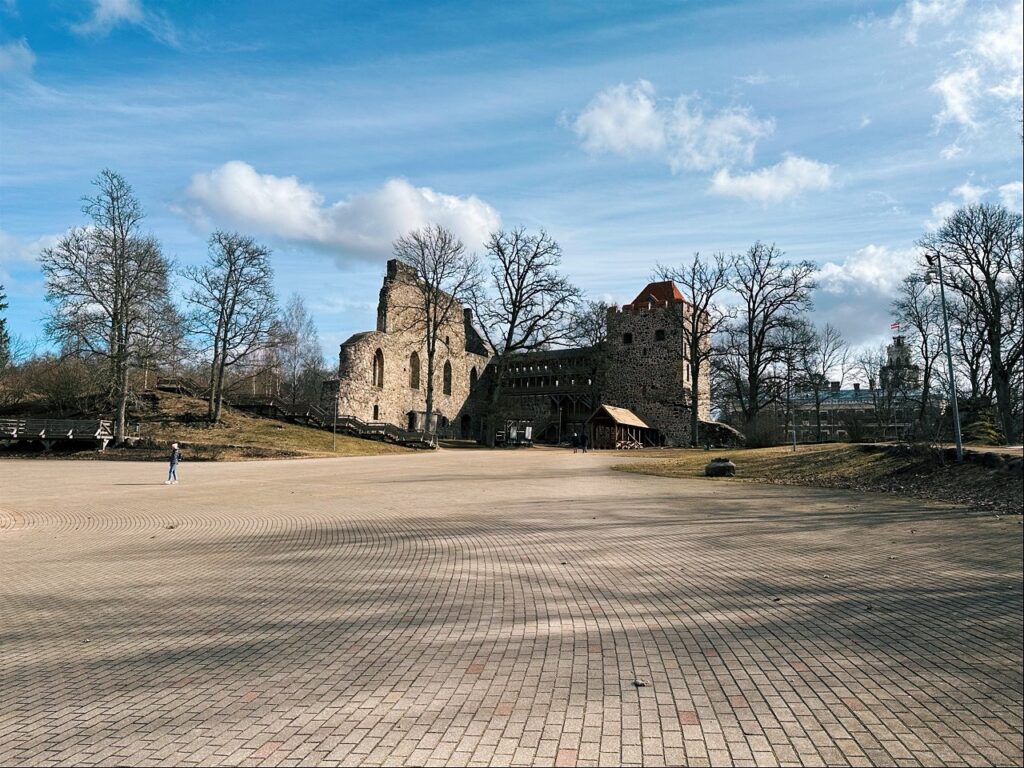
- Sigulda Castle. Medieval castle ruins and the New Sigulda Castle.
- Turaida Castle. One of the most famous medieval castles in the Gauja Valley.
- Gutmanis Cave. The Baltic States’ largest cave.
- Gauja River Valley. Dramatic sandstone cliffs, forests, and viewpoints.
- Sigulda Cable Car. Ride across the Gauja Valley to Krimulda.
- Krimulda Castle Ruins. Historic ruins surrounded by forest.
- Sigulda Bobsleigh Track. A chance to see one of Latvia’s most important winter-sports venues.
- Paradise Hill. A popular viewpoint overlooking the Gauja valley.
- Gauja National Park. Hiking trails, nature, and historic sites around Sigulda.
Things to Do Beyond Sightseeing
- Hiking. Explore the trails through Gauja National Park, with routes leading through forests, sandstone cliffs, and viewpoints over the valley.
- Adventure Activities. Try ziplining, bungee jumping, or summer tobogganing for a more adrenaline-filled visit.
- Cycling. Cycle through Sigulda and the surrounding Gauja valley, with scenic routes connecting some of the area’s main attractions.
- Winter Sports. In colder months, try skiing, snowboarding, or other winter activities at local sports facilities, or watch athletes at the famous bobsleigh and luge track.
- Boat Trips. In summer, take to the Gauja River by canoe or kayak and see the valley from the water.
Buy Us a Ko-fi

If you are staying in Riga, Sigulda is definitely worth considering for a day trip, especially if you want to swap the city streets for forests, history, and fresh air. And while we visited in March, we can already imagine how different the landscape must feel when the forests turn golden in autumn. For us, Sigulda is one of those places that leaves a little unfinished business behind, and we would happily waddle back for another look.
Travel Bold. Eat Well. Waddle Wild.

This post contains affiliate links. If you click and buy, I might earn a tiny commission, enough to help a penguin keep up its globe-trotting lifestyle. No extra cost to you, just more fish for me. Thank you for supporting the adventure!