
Penguin travel
Where to see penguins
From a parade of little penguins on an Australian beach to king penguins on South Georgia: the best places to see penguins in the wild, and the zoos and aquariums worth a visit when the wild is too far. Picked by a penguin, of course.
39 wild places · 20 species · 24 zoos and aquariums

Penguins in the wild
Colonies and beaches with regular public access. Seasons are when the birds are reliably ashore.
Antarctica and the sub-Antarctic islands
In the wild
St. Andrews Bay
- King penguin
- Gentoo penguin
It is home to South Georgia's largest king penguin rookery, with an overwhelming mega-colony exceeding 150,000 breeding pairs set against calving glaciers.
How to visit
Accessible solely via expedition cruise ships with regulated Zodiac shore landings. All visitors must travel with an authorized operator; South Georgia government visitor permit fees are included in commercial expedition cruises.
Miško’s tip: Maintain at least 5 meters distance from penguins and stay vigilant for aggressive fur seals along the shoreline.
In the wild
Salisbury Plain
- King penguin
- Gentoo penguin
It features a vast coastal glacial outwash plain hosting over 60,000 breeding pairs of king penguins.
How to visit
Reached exclusively by expedition cruise ships with small Zodiac inflatable transfers onto the cobble beach. Commercial cruises manage all visitor permits and mandatory biosecurity protocols.
Miško’s tip: Crouch low or stand completely still away from main penguin 'highways' to allow curious king chicks to pass by without stress.
In the wild
Volunteer Point
- King penguin
- Gentoo penguin
- Magellanic penguin
It is the northernmost major king penguin rookery in the world and the only site in the Falklands where kings, gentoos, and burrowing Magellanics co-exist on the same white-sand beach.
How to visit
Accessible from Stanley via guided full-day 4x4 overland tours or expedition cruise Zodiac landings. A per-person landing/conservation fee applies at Johnson's Harbour Farm.
Miško’s tip: Strict local conservation rules mandate a minimum 6-meter viewing distance from all penguins and off-limits cordoned nesting circles.
In the wild
Cuverville Island
- Gentoo penguin
- Adélie penguin
- Chinstrap penguin
It hosts one of the largest breeding colonies of gentoo penguins on the Antarctic Peninsula, with roughly 6,500 nesting pairs.
How to visit
Accessible solely via IAATO-registered expedition cruise ships and Zodiac landings. Ship voyages bundle all required Antarctic Treaty environmental permits.
Miško’s tip: Strict Antarctic Treaty and IAATO guidelines enforce a mandatory 5-meter minimum distance and limit shore landings to a maximum of 100 passengers at once.
In the wild
Baily Head
- Chinstrap penguin
- Macaroni penguin
A massive natural volcanic amphitheater holding one of the greatest chinstrap penguin rookeries in the Antarctic region.
How to visit
Visited by expedition cruise vessels with beach landings depending heavily on sea swell conditions. IAATO membership rules apply; no independent unpermitted access.
Miško’s tip: Never stand on or block the distinct, active penguin trails between the volcanic black sand beach and nesting ridges.
In the wild
Brown Bluff
- Adélie penguin
- Gentoo penguin
It is a rare continental Antarctic landing site beneath an imposing volcanic tuya where thousands of nesting Adélie penguins gather.
How to visit
Accessed via polar expedition cruise vessels making Zodiac landings on the rocky shore. Permitted solely under international Antarctic Treaty environmental guidelines.
Miško’s tip: Follow marked flags strictly and observe breeding colonies from outside designated nesting boundary margins.
South America
In the wild
Área Natural Protegida Punta Tombo
- Magellanic penguin
It protects the largest continental breeding colony of Magellanic penguins on Earth, hosting several hundred thousand individuals each breeding season.
How to visit
Accessible by rental car or organized day tour via paved and gravel roads from Trelew (110 km) or Puerto Madryn (170 km). Entry fee is required, payable online or at the visitor center.
Miško’s tip: Always remain on the marked boardwalks and give way to penguins crossing paths; keep a mandatory distance of at least 2 to 3 meters.
In the wild
Monumento Natural Los Pingüinos (Isla Magdalena)
- Magellanic penguin
It is home to the most significant Magellanic penguin rookery in southern Chile, where visitors can walk a roped trail leading up to a historic lighthouse amid tens of thousands of nesting burrows.
How to visit
Reachable only by scheduled ferry or licensed rigid inflatable boat tours departing from Punta Arenas across the Strait of Magellan. Excursion tour fee applies; landing permits are managed by CONAF.
Miško’s tip: Wear windproof layers as the Strait of Magellan is notoriously blustery, and strictly follow the demarcated 850-meter path without blocking penguins walking to the water.
In the wild
Isla Martillo (Estancia Harberton)
- Magellanic penguin
- Gentoo penguin
- King penguin
It is the only breeding colony of Gentoo penguins on the South American continent and allows controlled small-group walking tours among nesting burrows.
How to visit
Reach the island by boat cruise from Ushuaia port or via land transfer to Estancia Harberton followed by a short Zodiac crossing. Guided walking tours require a booked excursion with strictly limited permits and include park/estancia fees.
Miško’s tip: Book guided walking permits weeks in advance due to strict daily visitor caps, and maintain a strict 3-meter minimum buffer from nesting pairs.
In the wild
Reserva Natural Pingüino Rey (Bahía Inútil)
- King penguin
It protects the only resident, breeding King Penguin colony accessible to visitors on the South American mainland continent.
How to visit
Accessible by driving south on Route Y-85 from Porvenir (115 km) or via organized day tours crossing from Punta Arenas by ferry. Prior online reservation and an admission fee are mandatory.
Miško’s tip: Viewing is strictly managed behind designated blinds and viewing platforms at a distance of 20 to 50 meters, so bring binoculars or a telephoto zoom lens.
In the wild
Reserva Nacional Pingüino de Humboldt (Islas Choros y Damas)
- Humboldt penguin (spheniscus humboldti)
This archipelago sanctuary shelters around 80% of the world's wild Humboldt penguin breeding population.
How to visit
Drive or take a transfer to Punta de Choros, where local registered fishermen's cooperatives provide boat circuits around the islands. A CONAF protected-area fee applies to land on Isla Damas.
Miško’s tip: Penguins are observed entirely from the boat around Isla Choros (landing on nesting islands is prohibited); book the earliest morning departure to avoid rough midday swells.
In the wild
Islas Ballestas (Reserva Nacional Sistema de Islas, Islotes y Puntas Guaneras)
- Humboldt penguin
Year-round
Known as the Peruvian Galápagos, these steep desert guano islands offer reliable year-round sightings of wild Humboldt penguins alongside huge sea lion colonies and millions of boobies.
How to visit
Accessible by commercial speedboats embarking exclusively from the tourist pier at El Chaco marina in Paracas. Tours take around two hours and require SERNANP protected-area and port fees.
Miško’s tip: Board the earliest boats between 08:00 and 09:00 AM before the afternoon 'Paracas' coastal winds kick up chop, and sit on the left side of the boat for optimum approach views.
In the wild
Monumento Natural Islotes de Puñihuil
- Humboldt penguin
- Magellanic penguin
It is the only shared breeding site in the world where both Humboldt and Magellanic penguins nest alongside one another.
How to visit
Drive 28 km southwest of Ancud to Puñihuil Cove, then take a licensed 30-minute motorized boat excursion circling the rocky islets. A fee is charged per passenger by the local boat association.
Miško’s tip: Landing on the islets is strictly prohibited to safeguard nests; bring waterproof gear since boarding the wheeled launch boats takes place right from the surf.
In the wild
Área Natural Protegida Cabo Dos Bahías
- Magellanic penguin
It offers an intimate, off-the-beaten-path alternative to Punta Tombo, with an elevated boardwalk looping over active penguin burrows against red-rock coastal cliffs.
How to visit
Drive 28 km south from the small village of Camarones along coastal gravel Route 1; private vehicle required. A provincial protected-area entry fee is charged at the ranger outpost.
Miško’s tip: Stay strictly on the 470-meter elevated metal boardwalk to protect the soft nesting ground from foot erosion and avoid disturbing the foraging routes.
The Galápagos Islands
In the wild
Pinnacle Rock & Bartolomé Island
- Galapagos penguin
Year-round
It is one of the most reliable and photogenic central-island sites where visitors can snorkel in calm turquoise waters directly alongside foraging Galápagos penguins.
How to visit
Accessible via full-day boat excursions from Puerto Ayora (Santa Cruz) or multi-day naturalist liveaboard cruises. Visitors must enter with a licensed Galápagos National Park guide and pay the standard Galápagos National Park entrance fee.
Miško’s tip: Book an early-morning snorkel around the base of Pinnacle Rock, and remember park rules strictly mandate keeping at least 2 meters (6 feet) away from the birds without using underwater camera flashes.
In the wild
Las Tintoreras Islets
- Galápagos penguin
Year-round
This sheltered network of volcanic lava channels provides one of the easiest, land-based day tour opportunities to spot penguins sunning on lava ledges and swimming close to shore.
How to visit
Easily reached on a short panga (skiff) bay tour directly from the Puerto Villamil dock on Isabela Island. A licensed guide is required, and visitors pay the Isabela local dock fee plus the Galápagos National Park entry fee.
Miško’s tip: Scan the shady fissures and overhangs of the black basalt rocks during midday heat where penguins gather to thermoregulate out of direct sunlight.
In the wild
Punta Espinoza
- Galapagos penguin
Year-round
It hosts one of the dense core populations nourished by the cold Cromwell Current, offering sightings of penguins sharing lava shelves with endemic flightless cormorants and marine iguanas.
How to visit
Only reachable via authorized western-itinerary multi-day naturalist cruises. Access requires an accompanied licensed park guide and payment of the Galápagos National Park entry fee upon arrival in the archipelago.
Miško’s tip: Watch your step along the shoreline trail as wildlife blends into the dark volcanic rocks, and never block a penguin's direct path to or from the sea.
In the wild
Tagus Cove
- Galapagos penguin (spheniscus mendiculus)
Year-round
The sheltered volcanic cove features deep, cold water rich in nutrients where penguins frequently nest in cliff crevices and hunt schooling fish right along the waterline.
How to visit
Accessible via western-route cruise itineraries that run zodiac/panga rides along the steep cliff walls. A certified park guide is mandatory, and national park entry fees apply.
Miško’s tip: Bring a telephoto lens or binoculars on the panga excursion to observe penguins resting on the vertical volcanic shelves without the boat needing to intrude on their comfort zone.
In the wild
Elizabeth Bay
- Galapagos penguin
Year-round
The tranquil, mangrove-lined inlet is a premier foraging haven where penguins feed alongside green sea turtles and golden rays in crystal-clear shallow water.
How to visit
Visited exclusively by non-motorized or low-wake dinghies (pangas) as part of multi-day authorized cruises; landing on foot is prohibited to protect fragile habitats. Park fee applies.
Miško’s tip: Because landings are barred, keep cameras stabilized from the boat and listen quietly to the guide to avoid loud engine noise that might disrupt feeding behavior.
In the wild
Punta Vicente Roca
- Galapagos penguin (spheniscus mendiculus)
Year-round
Sitting directly on the equator, this dramatic collapsed-tuff caldera is one of the single best locations on Earth to snorkel with equatorial penguins in cold upwelling waters.
How to visit
Accessible on western Galápagos expedition cruises offering deep-water snorkeling and skiff explorations. Requires an authorized park guide and standard park entry fee.
Miško’s tip: Water temperatures can plunge under 18°C (64°F) due to deep ocean upwelling, so wear a full 3mm to 5mm wetsuit and maintain gentle, non-threatening posture if penguins dart around you.
In the wild
Los Túneles (Cabo Rosa)
- Galapagos penguin (spheniscus mendiculus)
Year-round
This surreal labyrinth of natural lava arches and calm tidal channels creates clear, shallow feeding zones where penguins often perch on bridge-like basalt formations.
How to visit
Accessible on guided speedboat day trips operating out of Puerto Villamil on Isabela Island. A local naturalist guide is required by park regulations, and municipal/national park fees apply.
Miško’s tip: Check the sea conditions in advance as traversing the coastal surf breakers requires calm tide windows, and always remain on the marked lava path when walking above the tunnels.
Southern Africa
In the wild
Boulders Beach (Table Mountain National Park)
- African penguin
Year-round
One of the most famous mainland colonies in the world, allowing visitors to view nesting birds from boardwalks and even swim near them in sheltered granite coves.
How to visit
Accessible on foot via raised boardwalks through Foxy Beach and Boulders Beach cove; self-guided with SANParks conservation entry fee required at the gate (strictly cashless).
Miško’s tip: Arrive before 08:30 AM to beat tour buses, stay on designated wooden boardwalks at all times, and strictly maintain at least 3 metres of distance—never touch or feed them as their beaks are sharp.
In the wild
Stony Point Nature Reserve
- African penguin
Year-round
One of the largest breeding mainland colonies of African penguins, situated amid the ruins of a historic early-20th-century whaling station alongside four species of breeding cormorants.
How to visit
Self-guided walk on a raised wooden boardwalk winding directly through the breeding colony; small CapeNature conservation entry fee payable at the gate.
Miško’s tip: Visit in the late afternoon when adults return from feeding at sea, and take care to stay strictly on the wooden walkway without leaning over nests.
In the wild
Halifax Island
- African penguin (spheniscus demersus)
Year-round
Namibia's most accessible wild penguin colony and an essential island breeding site within the Namibian Islands Marine Protected Area.
How to visit
Island landing is strictly prohibited to protect wildlife. Viewing is only permitted from authorized offshore boat cruises departing Lüderitz.
Miško’s tip: Tours depart early in the morning (usually 08:00 AM) and wind conditions can be chilly and blustery; dress warmly in windproof layers and bring binoculars for offshore viewing.
In the wild
St Croix Island (Algoa Bay Marine Protected Area)
- African penguin
Year-round
A rocky island nature reserve in Algoa Bay that hosts a historically critical offshore breeding population of endangered African penguins.
How to visit
Landing on the island is strictly prohibited; penguins can only be viewed from licensed offshore boat tours.
Miško’s tip: Book with licensed conservation operators that adhere to minimum-distance boat regulations so as not to disrupt rafting or nesting birds.
In the wild
Dyer Island Nature Reserve (Offshore Boat Excursions)
- African penguin
Year-round
An Important Bird Area and marine sanctuary hosting endangered African penguins alongside Cape fur seal colonies and rich marine life in Shark Alley.
How to visit
Accessible strictly via licensed eco-boat charters departing from Kleinbaai Harbour; public foot access onto the island is forbidden for conservation, so viewing is boat-based with a paid tour ticket.
Miško’s tip: Take sea sickness precautions before departure as the open ocean channel around Dyer Island can experience heavy swells.
Australia
In the wild
Phillip Island Penguin Parade
- Little penguin (eudyptula minor)
Year-round
It is home to the largest wild Little Penguin colony in the world, with hundreds to thousands waddling ashore each evening.
How to visit
Book timed entry online through Phillip Island Nature Parks; access is via tiered grandstands and raised boardwalks (entry fee required).
Miško’s tip: Strictly no photography or filming of any kind is permitted after sunset to prevent blinding and disorienting the penguins.
In the wild
St Kilda Breakwater
- Little penguin (eudyptula minor)
Year-round
It is a rare urban colony thriving among rock breakwaters against the backdrop of the Melbourne city skyline.
How to visit
Easily reached by tram from central Melbourne to the St Kilda Pier viewing platform. Access is free, though booking a free ticketed session online in advance is required.
Miško’s tip: Stay strictly on the elevated boardwalk, maintain at least 3 metres distance, and avoid flashlights or camera flashes.
In the wild
Lillico Beach Conservation Area
- Little penguin (eudyptula minor)
Volunteer guides from Friends of Lillico Penguins attend nightly throughout the breeding season to offer expert, penguin-friendly viewing.
How to visit
Drive to the coastal reserve just off the Bass Highway west of Devonport; viewing is free on an accessible timber boardwalk.
Miško’s tip: Arrive just before sunset and do not bring white-light torches; volunteer wardens provide special red-light torches to protect penguin vision.
In the wild
The Neck Game Reserve
- Little penguin
Penguins share sand dune nesting grounds with short-tailed shearwaters along a scenic narrow isthmus.
How to visit
Reach Bruny Island via vehicular ferry from Kettering, then drive to The Neck where boardwalks lead to the beach; independent viewing with no entry fee.
Miško’s tip: Remain strictly on the raised timber paths so you do not collapse nesting burrows, and dress in windproof layers for cold coastal gusts.
In the wild
Bicheno Penguin Rookery
- Little penguin
Specially designed, low-impact paths lit with penguin-friendly spectrum light allow visitors to view wild birds returning to burrows at close range.
How to visit
Accessible only by booking an evening guided tour with Bicheno Penguin Tours, which transports guests onto private conservation rookery land (entry fee required).
Miško’s tip: Wear closed-toe walking shoes and keep quiet to avoid startling birds crossing the tracks toward their nests.
In the wild
Penneshaw Foreshore
- Little penguin
Year-round
Provides an intimate look at Kangaroo Island's delicate Little Penguin population guided by local conservationists.
How to visit
Take the passenger/vehicle ferry from Cape Jervis to Penneshaw and join a nightly guided walk run by the Penneshaw Penguin Centre (entry fee required).
Miško’s tip: Follow your guide closely and never obstruct a penguin’s direct path between the water line and rocky crevices.
In the wild
Penguin Island Conservation Park
- Little penguin
It protects Western Australia's largest wild Little Penguin colony alongside nesting seabirds and marine mammals.
How to visit
Open mid-October to early June; closed winters and days ≥35°C. Discovery Centre permanently closed. Access via commercial ferry or private craft.
Miško’s tip: The island closes annually during winter breeding (early June to mid-September/October) and on extreme heat days over 35°C; do not attempt walking across the hazardous sandbar.
New Zealand
In the wild
Ōamaru Blue Penguin Colony
- Little penguin
Year-round
It is mainland New Zealand's premier scientifically monitored nesting colony of the world's smallest penguin species.
How to visit
Book tickets online or at the visitor center for evening viewing in tiered grandstands. Entry fee required; guided tours operate year-round.
Miško’s tip: Arrive before dusk and dress warmly; flash photography and white torches are strictly prohibited to safeguard returning birds.
In the wild
Pōhatu / Flea Bay Marine Reserve
- Little penguin (white-flippered penguin)
- Yellow-eyed penguin (hoiho)
It is home to the largest colony of little penguins (specifically the distinctive white-flippered form) on mainland New Zealand.
How to visit
Access is via steep 4WD tracks or water taxi; joining a commercial guided tour from Akaroa is strongly recommended. Entry fee applies for guided sanctuary access.
Miško’s tip: Use the camouflaged viewing hides and provided binoculars; maintain a distance of at least 20 metres and never use flash.
In the wild
Monro Beach
- Fiordland crested penguin (tawaki)
It is one of the only mainland walking tracks in the world where visitors can see wild rainforest-nesting Fiordland crested penguins (Tawaki).
How to visit
Walk the well-formed Department of Conservation (DOC) bush track (around 1.5 hours return) starting from SH6 near Lake Moeraki. Self-guided public access with no entry fee.
Miško’s tip: Sit quietly on the sand well back from the vegetation line, stay at least 20 metres away, and do not block paths between the sea and forest.
In the wild
Curio Bay
- Yellow-eyed penguin (hoiho)
- Little blue penguin (kororā)
It offers a rare chance to view the critically endangered yellow-eyed penguin (Hoiho) against a fossilised Jurassic forest shoreline.
How to visit
Drive to Curio Bay off the Southern Scenic Route and take the wheelchair-accessible Penguin Walk to the viewing platform. Free public access; no tour needed.
Miško’s tip: Watch exclusively from the designated viewing platforms and timber fences; do not step down onto the beach or fossil beds where birds come ashore.
In the wild
Caroline Bay
- Little penguin (eudyptula minor)
It features an urban, community-protected mainland colony where wild little penguins waddle up the rocks mere steps from a public walkway.
How to visit
Drive or walk to the southern end of Caroline Bay along Marine Parade near the port breakwater. Completely free public access with no bookings required.
Miško’s tip: Wait quietly along the footpath roughly 30 minutes after sunset, stay off the nesting boulders, and never shine torches or flash photography.
In the wild
Milford Sound (Piopiotahi)
- Fiordland crested penguin (tawaki)
- Little penguin (kororā)
It allows travellers to spot rare tawaki preening on sheer fjord rocks and swimming in glacial waters below towering peaks.
How to visit
Join a permitted scenic wildlife boat cruise or guided kayak excursion departing from the Milford Sound Visitor Centre wharf. Paid tour required.
Miško’s tip: Bring binoculars and a telephoto lens to the outer boat deck, as certified vessels must keep an ethical viewing distance off the shoreline rocks.
Zoos and aquariums
Well-regarded zoos and aquariums with penguins, many of them working on penguin conservation.
Europe
Zoo or aquarium
Edinburgh Zoo (RZSS)
- Gentoo penguin
- King penguin
- Northern rockhopper penguin
Year-round
It houses Europe's largest outdoor penguin pool and is famous for its pioneering breeding and its historical penguin parades, including Sir Nils Olav, the mascot king penguin.
How to visit
Reach the zoo easily via regular Lothian Buses from Edinburgh city centre. Entry tickets are required, and self-guided entry includes viewing at Penguins Rock.
Miško’s tip: During scheduled walks or waddles, keep a respectful distance, stay strictly behind keepers, and never touch or chase the birds.
Zoo or aquarium
Tiergarten Schönbrunn (Vienna Zoo)
- King penguin
- Northern rockhopper penguin
- Humboldt penguin
Year-round
It runs the world's most successful conservation breeding program for the endangered northern rockhopper penguin inside its chilled Polarium habitat.
How to visit
Accessible via Vienna U-Bahn line U4 (Hietzing station). A standard zoo admission ticket is required.
Miško’s tip: Head to the sub-level of the Polarium for quiet underwater viewing to watch the rockhoppers dive without tapping on the glass.
Zoo or aquarium
Zoo Basel
- King penguin
- Gentoo penguin
- African penguin
Year-round
Famous for its winter penguin walk, where king and gentoo penguins voluntarily stroll along public pathways whenever the outdoor temperature drops below 10°C.
How to visit
Located a short tram or bus ride from Basel SBB railway station. An entry fee applies, with no additional tour needed.
Miško’s tip: During the 11:00 AM winter walk, remain strictly behind the keepers, give the penguins right of way, and hold children by the hand.
Zoo or aquarium
Zoo Zürich
- King penguin
- Humboldt penguin
Year-round
The zoo features a dedicated winter penguin parade where king penguins take an outdoor walk to exercise under low temperatures.
How to visit
Take tram 6 from Zürich HB directly to the zoo terminal. A regular zoo admission ticket is required.
Miško’s tip: Check the zoo's daily agenda in the morning; the parade only occurs if temperatures stay below 10°C, and spectators must keep a 2-metre safety buffer.
Zoo or aquarium
L'Oceanogràfic
- Gentoo penguin
- King penguin
- Northern rockhopper penguin
Year-round
Its Antarctic dome features a carefully climatised habitat replicating southern polar lighting and snow cycles for a thriving gentoo colony.
How to visit
Located in the City of Arts and Sciences, reachable by EMT buses and Metrovalencia Line 10. Admission requires a paid ticket.
Miško’s tip: Visit early in the morning when feeding sessions occur and the observation tunnel has the thinnest crowds.
Zoo or aquarium
Faunia
- King penguin
- Gentoo penguin
- Adélie penguin
- Chinstrap penguin
- Southern rockhopper penguin
- Magellanic penguin
Year-round
Its Ecosistema Polar pavilion maintains real sub-zero temperatures and genuine falling snow, housing one of the largest varieties of cold-weather penguin species in Europe.
How to visit
Accessible by Madrid Metro line 9 to Valdebernardo station or Cercanías train to Vicálvaro. Paid park admission is required.
Miško’s tip: Dress warmly when entering the polar indoor pavilion, and avoid using flash photography through the expansive viewing glass.
Zoo or aquarium
Pairi Daiza
- Gentoo penguin
- King penguin
- Southern rockhopper penguin
- African penguin
Year-round
The state-of-the-art Land of the Cold features a walk-in coastal cavern cave with sub-Antarctic conditions, ice-making ceilings, and panoramic underwater tunnels.
How to visit
Arrive by train to Cambron-Casteau station followed by a short walk. General admission tickets are required, with park opening depending on the seasonal calendar.
Miško’s tip: Check the timing for keeper enrichment inside the Penguin Cave to observe the gentoos and rockhoppers hunting underwater.
Zoo or aquarium
Tierpark Hagenbeck
- King penguin
- Gentoo penguin
- Humboldt penguin
Year-round
The 8,000-square-metre Eismeer exhibit is an architectural showcase with deep cold-water pools, ice shelves, and panoramic underwater windows.
How to visit
Take U-Bahn line U2 to Hagenbecks Tierpark station. Standard zoo admission is required for entry to the Eismeer complex.
Miško’s tip: Explore the underground passage of the Eismeer to watch the king penguins diving in tandem with other seabirds.
Asia
Zoo or aquarium
Nagasaki Penguin Aquarium
- King penguin
- Gentoo penguin
- Chinstrap penguin
- Northern rockhopper penguin
- Southern rockhopper penguin
- Humboldt penguin
Year-round
It is one of the world's only specialized penguin aquariums, caring for 9 distinct species and pioneering an open-sea coastal enclosure where penguins swim in natural seawater.
How to visit
Take a local bus from Nagasaki Station directly to the Penguin Suizokukan-mae stop (approx. 30 minutes). Standard entry ticket required at the door or online.
Miško’s tip: Visit on a weekend or public holiday to catch the 'Penguin Beach' event where Humboldt penguins swim in Tachibana Bay, and always stay behind designated barrier lines.
Zoo or aquarium
Adventure World
- Emperor penguin
- King penguin
- Gentoo penguin
- Adélie penguin
- Chinstrap penguin
- African penguin
Year-round
It houses the largest variety of penguin species in the world (10 species) and is famous for its groundbreaking artificial incubation and breeding successes with Emperor penguins.
How to visit
Accessible via a 10-minute bus ride from JR Shirahama Station or direct express bus from Osaka. Entry requires a paid general admission day pass.
Miško’s tip: Head to the Center Dome and Marine Mammal Pavilion early to secure a view of the daily feeding sessions and King penguin walks without crowding the enclosure barriers.
Zoo or aquarium
Asahiyama Zoo
- King penguin
- Gentoo penguin
- Humboldt penguin
- Southern rockhopper penguin
Year-round
Pioneered Japan's famous winter 'Penguin Walk' designed to prevent captive obesity, allowing King penguins to voluntarily waddle over natural snow paths.
How to visit
Take local bus #41 or #47 from JR Asahikawa Station (approx. 40 minutes). Entry fee is paid at the gate with no mandatory advance tour booking.
Miško’s tip: Line up along the marked snow boundary at least 30 minutes before the 11:00 walk; no flash photography or sudden movements are allowed near the birds.
Zoo or aquarium
Sunshine Aquarium
- African penguin
Year-round
Famous for its innovative open-air 'Sky Penguin' cantilevered tank where African penguins swim overhead against the backdrop of Tokyo skyscrapers.
How to visit
Located on the rooftop of the World Import Mart Building in Sunshine City, an 8-minute walk from Ikebukuro Station. Requires a paid admission ticket (timed entry recommended).
Miško’s tip: Visit on clear weekday mornings when crowd numbers are low to stand directly beneath the overhanging glass pool for overhead swimming views.
Zoo or aquarium
Tokyo Sea Life Park
- Humboldt penguin
- Little penguin
- King penguin
- Southern rockhopper penguin
Year-round
Features one of Japan's largest open-air stepped penguin enclosures with rocky shores, deep diving pools, and long-running breeding success for Humboldt and Little penguins.
How to visit
A 5-minute walk from JR Kasai-Rinkai-Koen Station on the Keiyo Line. Entry requires an affordable admission ticket purchased at the gate or online.
Miško’s tip: Check the schedule for keeper feeding talks at the outdoor habitat, and avoid tapping on the underwater viewing glass windows to keep the penguins calm.
Zoo or aquarium
Sumida Aquarium
- Magellanic penguin
Year-round
Features a massive two-story, 350-ton open-air indoor basin designed with natural LED light cycles, renowned for its Magellanic penguin behavioral welfare program and detailed colony relationship charts.
How to visit
Located on the 5th and 6th floors of Tokyo Solamachi at Tokyo Skytree, directly connected to Oshiage and Tokyo Skytree stations. Paid general entry ticket required.
Miško’s tip: Stand on the upper ramp walkway in the evening to observe relaxed penguin behaviors during dimmer simulated-sunset lighting conditions.
Zoo or aquarium
SEA LIFE COEX Aquarium
- Humboldt penguin
Year-round
Home to 'Penguin's Playground', Korea's most established multi-generational Humboldt penguin colony bred in-house, supported by structured behavioral enrichment programs.
How to visit
Directly accessible underground via Samseong Station (Line 2) inside Starfield COEX Mall. Standard paid admission ticket required.
Miško’s tip: Time your arrival for the daily educational feeding presentations at Penguin's Playground, and refrain from using camera flash inside the darkened viewing zone.
Zoo or aquarium
Lotte World Aquarium
- Humboldt penguin
Year-round
Features expansive split-level polar aquatic tanks with wave simulators and high-filtration environments mimicking natural sub-Antarctic currents and coastal conditions.
How to visit
Located in the basement of Lotte World Mall, connected directly to Jamsil Station (Lines 2 and 8). Entry requires a paid admission ticket.
Miško’s tip: Visit the multi-level viewing gallery during midday keeper sessions to watch the birds dive from land straight down to deep-water viewports.
North America
Zoo or aquarium
Polk Penguin Conservation Center (Detroit Zoo)
- King penguin
- Gentoo penguin
- Macaroni penguin
- Southern rockhopper penguin
- Chinstrap penguin
Year-round
It is one of the largest polar penguin facilities globally, featuring a 25-foot-deep chilled dive pool with two acrylic underwater viewing tunnels.
How to visit
Purchase standard daytime admission tickets to the Detroit Zoo online in advance; no separate habitat tour fee is required. The center is fully wheelchair accessible.
Miško’s tip: Head to the underwater tunnels during mid-morning feeding sessions to see the penguins dive at top speeds, and avoid tapping on the acrylic viewing walls.
Zoo or aquarium
Penguin & Puffin Coast (Saint Louis Zoo)
- Gentoo penguin
- Humboldt penguin
- King penguin
- Southern rockhopper penguin
Year-round
The indoor sub-Antarctic section immerses visitors in a 45°F climate without glass barriers separating you from the birds.
How to visit
General admission to the Saint Louis Zoo is completely free year-round. Penguin & Puffin Coast is an open walk-through exhibit with no reservation required.
Miško’s tip: Staff strictly enforce rules against leaning over the barrier or attempting to touch birds; bring a light jacket as the indoor penguin room is kept frigid.
Zoo or aquarium
Penguin Coast (The Maryland Zoo in Baltimore)
- African penguin
Year-round
It is home to North America's largest breeding colony of endangered African penguins and serves as the institutional lead for the AZA African Penguin Species Survival Plan.
How to visit
Accessible with regular zoo admission; optional behind-the-scenes guided encounters can be booked separately. Entry tickets can be bought online.
Miško’s tip: Visit the underwater viewing window inside the interpretive center during daily scheduled feeding presentations.
Zoo or aquarium
Penguin Colony (New England Aquarium)
- African penguin
- Southern rockhopper penguin
Year-round
The bustling, open-air multi-island colony surrounds the base of the four-story Giant Ocean Tank, making it the centerpiece of the facility.
How to visit
Open daily along Boston's Central Wharf; entry requires an aquarium admission ticket with timed reservations strongly recommended. No guided tour required.
Miško’s tip: Plan your visit around the twice-daily keeper feedings (typically 9:00 a.m. and 2:30 p.m.) and maintain quiet around low rock perches.
Zoo or aquarium
Suzanne and Walter Scott Aquarium (Omaha's Henry Doorly Zoo)
- King penguin
- Gentoo penguin
- Southern rockhopper penguin
Year-round
Features a large Antarctic polar habitat inside one of the world's most acclaimed zoo-aquarium complexes.
How to visit
Included with standard admission to Omaha's Henry Doorly Zoo and Aquarium; tickets are available at gates or online.
Miško’s tip: Look for the submerged viewing dome window that lets kids view penguins swimming directly overhead, and catch the daily 10:30 a.m. feeding.
Zoo or aquarium
Penguin Beach at Conrad Prebys Africa Rocks (San Diego Zoo)
- African penguin
Year-round
Features a cobblestone beach and 200,000-gallon pool replicating South Africa's Boulders Beach, supported by San Diego Zoo Wildlife Alliance's active SANCCOB conservation partnership.
How to visit
Included with standard zoo day admission tickets; no special permit or tour required to visit the Africa Rocks trail.
Miško’s tip: Walk beneath the cobblestone beach to the underwater viewing gallery in the afternoon, when penguins frequently dive together to cool off.
Zoo or aquarium
Cold Water Quest (Georgia Aquarium)
- African penguin
Year-round
Showcases African penguins in a high-tech temperate coastal habitat paired with robust rescue and breeding research programs.
How to visit
Requires timed general admission tickets booked online; optional behind-the-scenes penguin encounters are available for an extra fee.
Miško’s tip: Look through the viewing acrylic to spot nesting alcoves; flash photography is discouraged to safeguard the penguins' eyes.
Zoo or aquarium
Woodland Park Zoo
- Humboldt penguin
Year-round
Features an award-winning green-designed Humboldt penguin habitat powered by geothermal heating and water conservation systems.
How to visit
Included in standard daytime admission ticket purchased online or at the gate; self-guided walk through the Pacific Northwest temperate zone.
Miško’s tip: Keep voices low and avoid leaning over perimeter rock edges, especially during spring nesting when pairs guard burrow boxes.
Where Miško has been
Penguin places we visited and wrote about ourselves.
 Waddling Through Edinburgh Zoo: A Penguin’s Guide to Edinburgh’s Wildest Adventure
 A Waddle on Amsterdam’s Wild Side: Inside ARTIS Royal Zoo
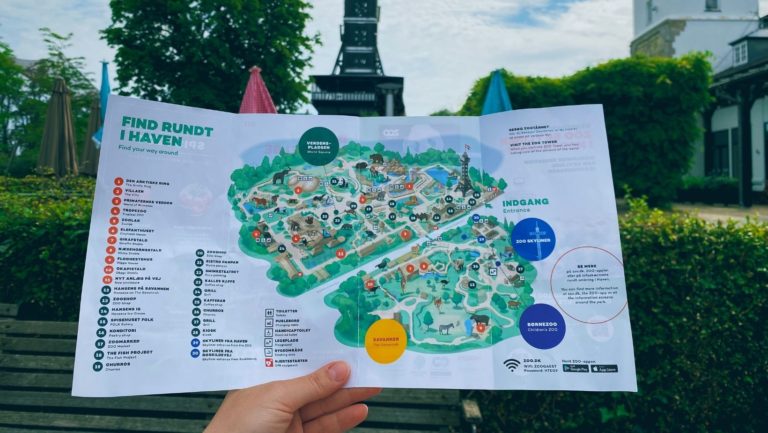 Visiting Copenhagen Zoo: Complete Guide & Travel Tips
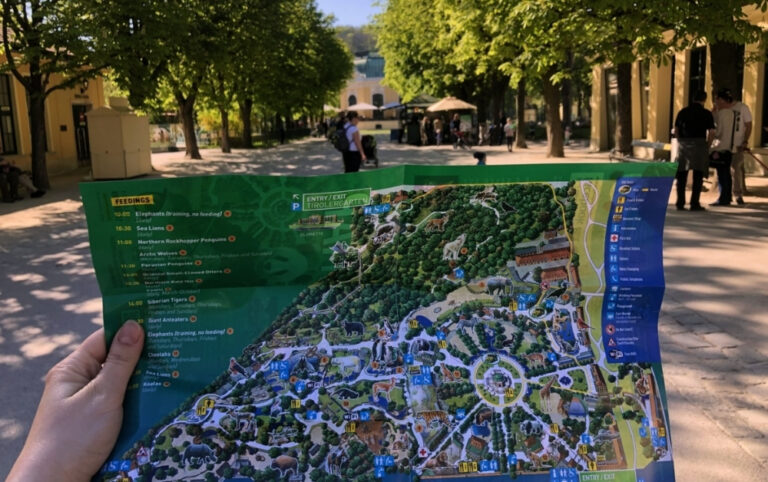 Schönbrunn Zoo Vienna: Visiting the World’s Oldest Zoo
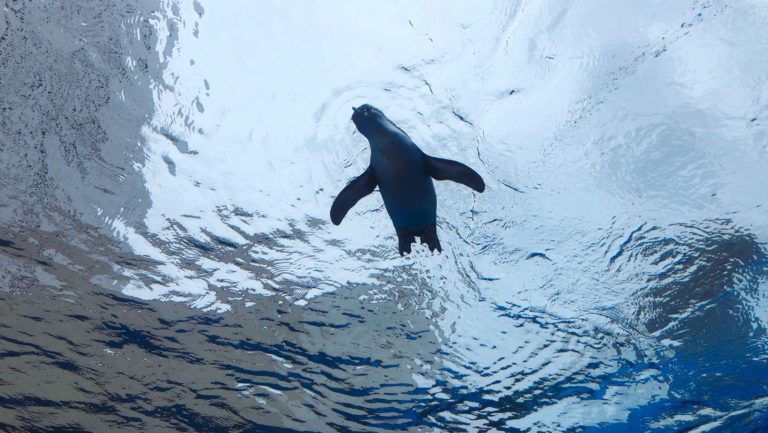 Flying Penguins in Tokyo: Visit Sunshine Aquarium
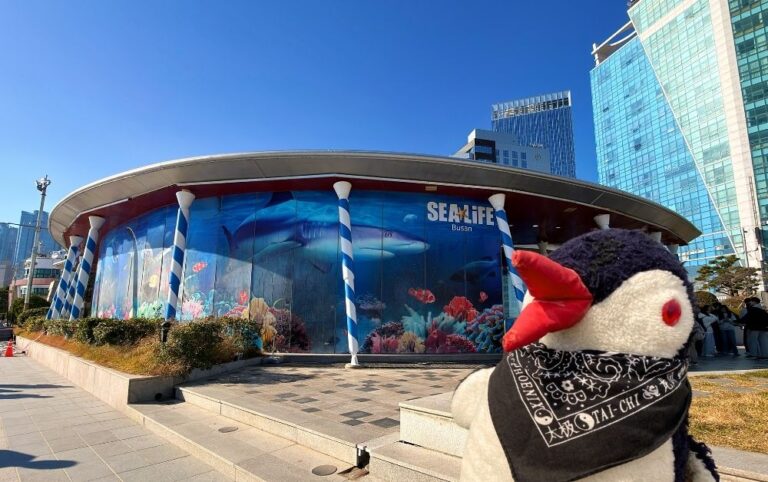 Exploring SEA LIFE Busan: Penguins, Sharks & Ocean Magic
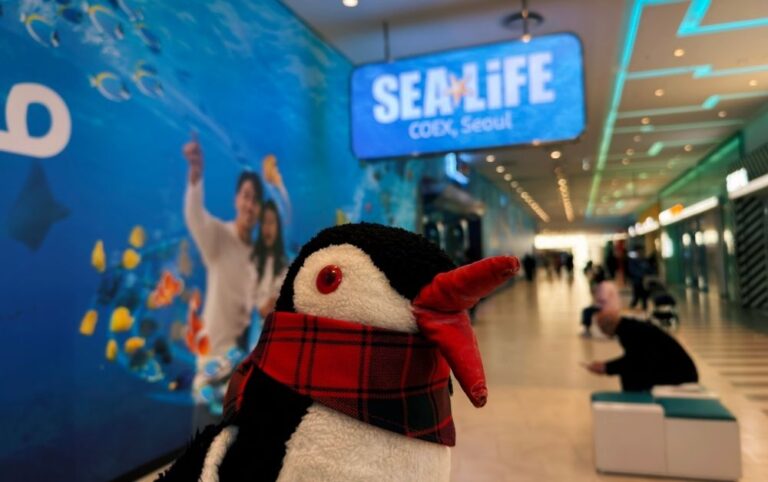 SEA LIFE COEX Aquarium Seoul Guide: What to Expect
 Seoul for Penguin Lovers: The Ultimate Penguin-Themed Travel Guide
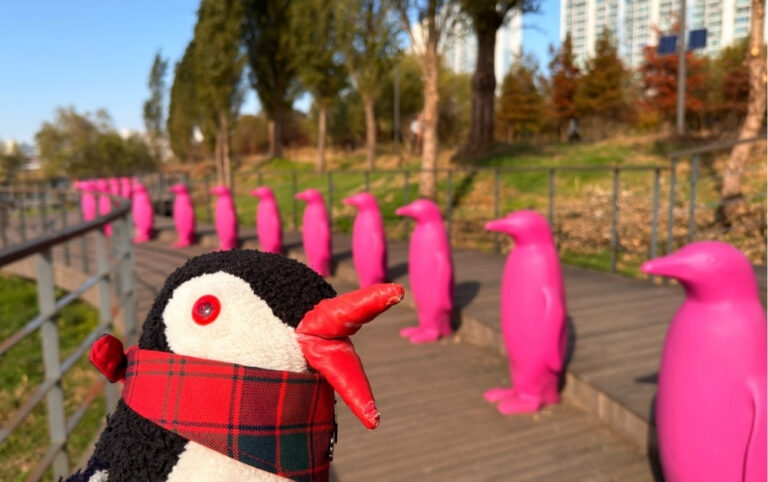 We Found a Pink Penguin in Seoul, and You Will Love It
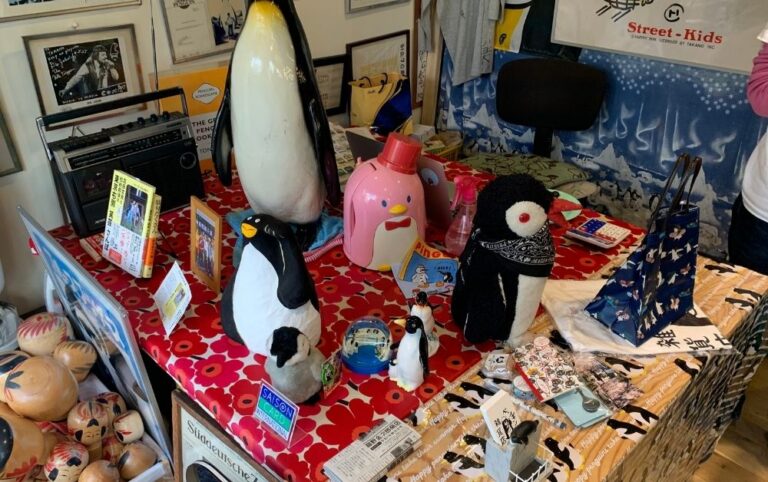 Penguin Shop in Tokyo: A Hidden Paradise for Penguin Lovers
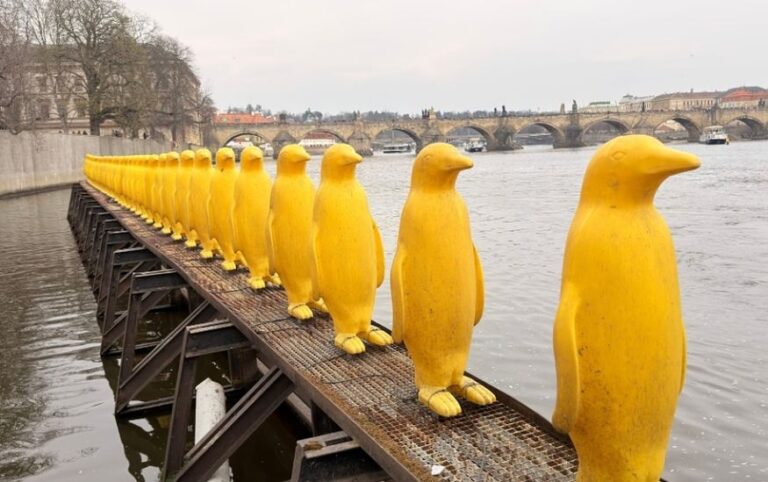 Kampa Park Penguins: A Must-See Art Installation in Prague
Be a good penguin visitor
- Keep your distance. Stay at least 5 metres away in the wild (rangers often ask for more) and let penguins walk past you, never block their path to the sea.
- No flash, no drones. Flash startles them, and most reserves ban drones and photography at night parades.
- Stay on the paths and boardwalks. Many penguins nest in burrows you cannot see, and one step can crush a nest.
- Never feed or touch them. Not even a “friendly” one.
- Pick responsible tours. In Antarctica, choose operators that follow the IAATO rules; elsewhere, follow the park or reserve rules.
- Clean your boots. On islands and in Antarctica, seeds and dirt on shoes can carry disease between colonies.
Watch, listen, help
- Penguin live camsWatch penguins live, day and night, from colonies and zoos around the world.
- All About Penguins podcast ↗Maria’s podcast about penguins, their lives and how to help them, on Spotify.
- Help the penguinsCharities and projects that protect penguins, and how to support them.
- Volunteer with penguinsPlaces where you can volunteer or work with penguins.
- Penguinstones ↗Painted penguin stones hidden around the world. Find one, or hide your own.
Facts checked against park, reserve and zoo websites in October 2026. Seasons shift and rules change, so check the official site before you go.