
Real Travel Advice After Years of Traveling
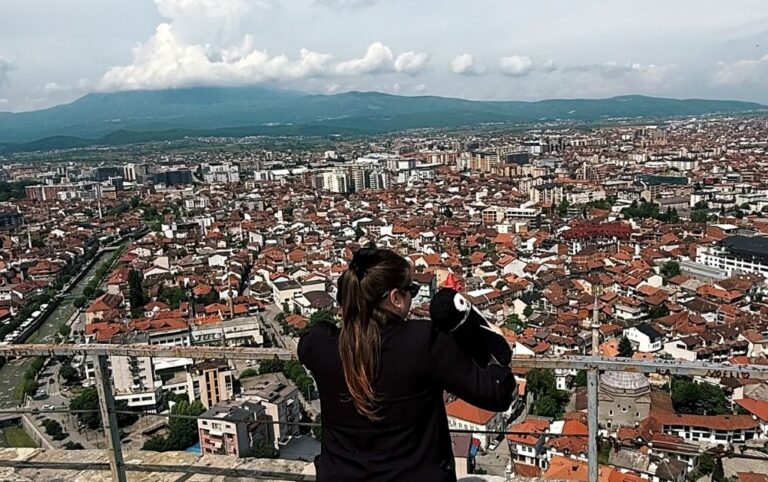
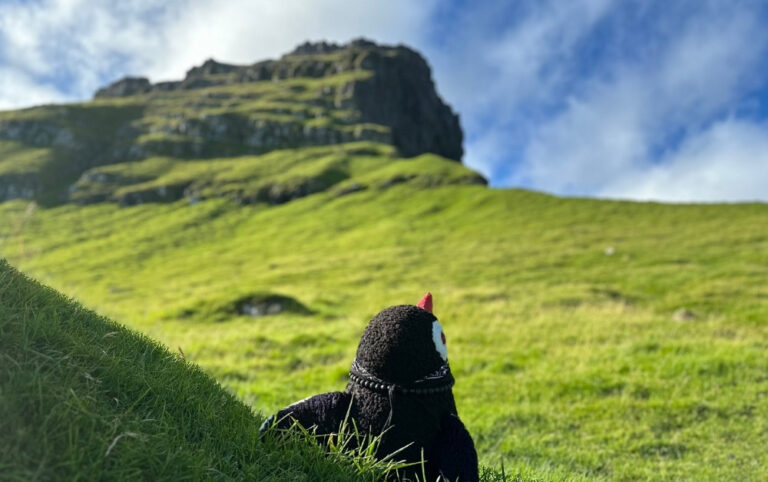
Travel online often looks perfect. Sunrise photos, empty streets, smooth train rides, and people somehow looking fresh after walking 25,000 steps. Real trips usually look a little different. Missed buses, wrong turns, tired feet, closed attractions, random weather changes, and moments you never planned for somehow become part of every adventure. Over the years, many of our friends and family kept asking us for travel tips before their trips, so we finally decided to write them all down in one place. These are practical travel tips we learned from actual trips and real travel mistakes, not staged social media content.
Hotel search from Trip.comShows Trip.com’s own box, which can set Trip.com cookies.Search hotels on Trip.comTrip.com’s box can’t load on this device (an ad blocker often stops it). This opens Trip.com’s own hotel search.Open Trip.com
Planning Tips Before You Go
A lot of travel stress actually happens before the trip even starts. Trying to fit too much into one itinerary, underestimating transport times, or forgetting to check opening hours can quickly turn a relaxing trip into a rushed one. Over time, we learned that planning a little more thoughtfully makes traveling much easier and more enjoyable. These are some of the planning tips that saved us from plenty of unnecessary travel chaos.
Do Not Overpack Your Itinerary
One of the biggest travel mistakes is trying to see absolutely everything in one trip. We used to plan itineraries that were packed from morning until late evening because online travel guides and social media make it seem like you can easily fit 10 attractions, 3 cafés, a sunset viewpoint, and a museum into one day. In reality, travel almost never works that smoothly.
Now, we usually start by adding everything we want to see to our itinerary, then cut it in half. And sometimes we even cut that list in half again. It sounds extreme, but it has saved us from so much unnecessary stress while traveling.
You will almost always walk slower than expected, especially in old towns, crowded cities, mountains, or places with stairs and uneven streets. Public transport delays happen all the time, buses get stuck in traffic, trains run late, or you miss a connection because one stop took longer than expected. And sometimes you unexpectedly find a place you genuinely enjoy and want to spend more time exploring instead of rushing to the next “must-see” location.


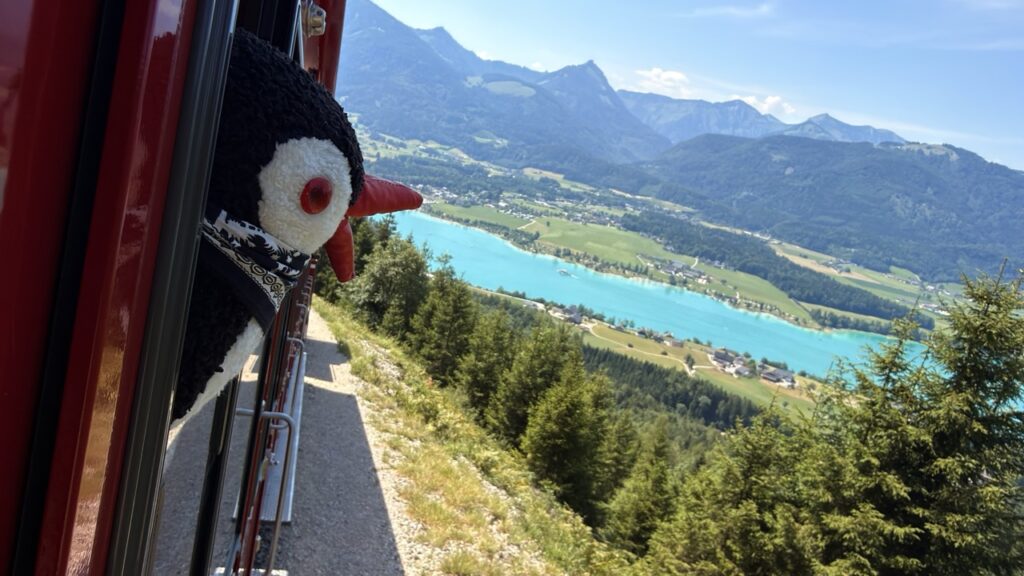
We also learned that some places deserve more time than social media makes it seem. A quick TikTok video might show a destination in 15 seconds, but in real life, you may want an hour to sit down, explore slowly, take photos, grab food, or simply enjoy the atmosphere without constantly checking the time. Leaving free space in your itinerary makes trips feel far more relaxed and much more memorable.
Research Opening Hours
This one caused us more frustration than we would like to admit. There is almost nothing worse than walking across an entire city, climbing hills, sweating through tiny streets, finally arriving at an attraction and finding a paper sign on the door saying “Closed.” Many places close much earlier than expected, especially outside the peak summer season. Always double-check the opening hours the night before and again in the morning, as they sometimes change.
One thing that catches people off guard is that churches and museums often close during lunchtime. And then there are the famous Monday closures. So many museums, castles, galleries, and historical buildings do not open on Mondays. Now we always keep a backup plan ready because eventually every traveler experiences the “closed attraction walk of disappointment.”
Always Check Local Holidays
This is one of those things most completely forget to check before traveling until they suddenly arrive somewhere and wonder why everything feels strangely empty or completely overcrowded. Local holidays can change your entire trip without you realizing it.
During holidays, shops and restaurants may close, especially smaller local businesses outside tourist centers. We have also seen public transport schedules change, with fewer buses and trains, or limited evening connections.
At the same time, holidays can also make places far more crowded than expected. Popular attractions, old towns, beaches, viewpoints, and restaurants can suddenly fill up with both tourists and locals enjoying the holiday weekend.
Airport and Transportation Tips
Transportation looks the easiest when planning, and somehow becomes the most chaotic during the actual trip.Airports, buses, trains, border crossings, rental cars, parking, delayed connections, and confusing ticket systems. Eventually, every traveler runs into at least one transportation disaster story. Over time, we learned that getting from one place to another almost always takes longer, costs more, and requires more patience than expected. These are some of the transportation tips that saved us from a lot of unnecessary stress while traveling.
Arrive Earlier Than You Think
We used to think arriving early at the airport was unnecessary, especially when traveling only with a carry-on bag.Then we started seeing what airports actually look like nowadays. In recent years, many airports have not been prepared for the huge influx of travelers, and you can end up standing in a two- to three-hour security line before you even reach your gate.
We have seen people miss flights while still waiting for security, even though they technically arrived “on time.” Add in terminal changes, delayed check-ins, passport control, random gate switches, or airport staff shortages, and things can become chaotic very quickly.
We always try to arrive earlier than we think we need to. Before some trips, we even quickly check social media, airport videos, or recent news to see if there are any strikes, long lines, delays, or other problems at that airport. It sounds a little excessive until you are standing in a massive queue watching your boarding time get closer and closer.
Hotel search from Trip.comShows Trip.com’s own box, which can set Trip.com cookies.Search hotels on Trip.comTrip.com’s box can’t load on this device (an ad blocker often stops it). This opens Trip.com’s own hotel search.Open Trip.com
Public Transport Is Not Always Easy
For us, public transport is where we spend the most time researching before a trip, especially in European cities, because each city has a completely different system. Some places want cash only, some require you to validate tickets before entering, some let you buy tickets directly on the bus, and with some buses, you enter through the front door and leave through the back.
It sounds simple until you are standing at a station, trying to figure everything out quickly while the bus is already arriving. This is also something to keep in mind when planning your days, because public transport often takes longer and uses more energy than expected, especially during the first days in a new city.
Renting a Car Sounds Easier Than It Is
We rented cars on several trips and learned pretty quickly that renting a car sounds much easier while planning than it sometimes feels during the actual trip. Having a car definitely gives you more freedom to explore places outside the main tourist areas, stop at random viewpoints, or change plans whenever you want, which we really enjoy.
At the same time, there are quite a few things worth researching before booking. We always check Google reviews and recent experiences with the rental company because some places have hidden fees, long wait times, or questionable customer service.
And then there is everything that comes after actually getting the car. Parking can become expensive very quickly, especially in city centers, and many old towns restrict cars completely or allow only locals to enter. Mountain roads can also feel stressful if you are not used to narrow roads, sharp turns, or local driving styles. It is also worth checking how toll systems work before driving because every country seems to do it differently, and figuring it out last-minute at a highway entrance is never very fun.

Border Crossings Can Ruin Your Schedule
After our recent trips through the Balkan countries, we learned very quickly that border crossings can ruin your schedule, no matter how well you planned the day. When you look at travel times online, they often do not include the reality of passport checks, traffic buildup, random inspections, or simply hundreds of cars trying to cross at the same time.
On one trip, we ended up waiting around two and a half hours at the border, and later we learned that we actually got lucky because waits can sometimes reach six or seven hours during busy summer periods.
This is especially important for day trips across borders because they almost always take longer than advertised online. A trip that looks simple on paper can suddenly turn into hours spent sitting in a bus or car, slowly inching forward, meter by meter, while everyone silently checks Google Maps, hoping the line speeds up.
Hotel and Accommodation Reality Checks
Hotels and accommodations are another part of travel that often look very different online than in real life. Photos are usually taken on the best possible day, with perfect lighting, perfect angles, and somehow no other guests around. In reality, you quickly learn that location, noise, parking, stairs, air conditioning, and even check-in times can matter far more than fancy photos. Over time, we started paying attention to the small details because those are usually the things that actually affect the trip the most.
Hotel search from Booking.comShows Booking.com’s own box, which can set Booking.com cookies.
Photos Can Be Misleading
We had our fair share of accommodation surprises over the years. Sometimes you arrive, and everything looks exactly like the photos. Other times, you open the room door and immediately realize the photographer deserves an award for creativity. Rooms can look much bigger online than they actually are, and descriptions like “city center” can sometimes mean a 30-minute uphill walk or several public transport stops away from the places you actually want to visit.
One thing we learned is always to check the latest reviews, not just the overall rating. A hotel with amazing reviews from three years ago does not help much if recent reviews suddenly mention cleanliness issues, construction noise, broken air conditioning, or check-in problems. And of course, also check out the section where we review all the accommodations we stayed at.

Elevators Are Not Guaranteed
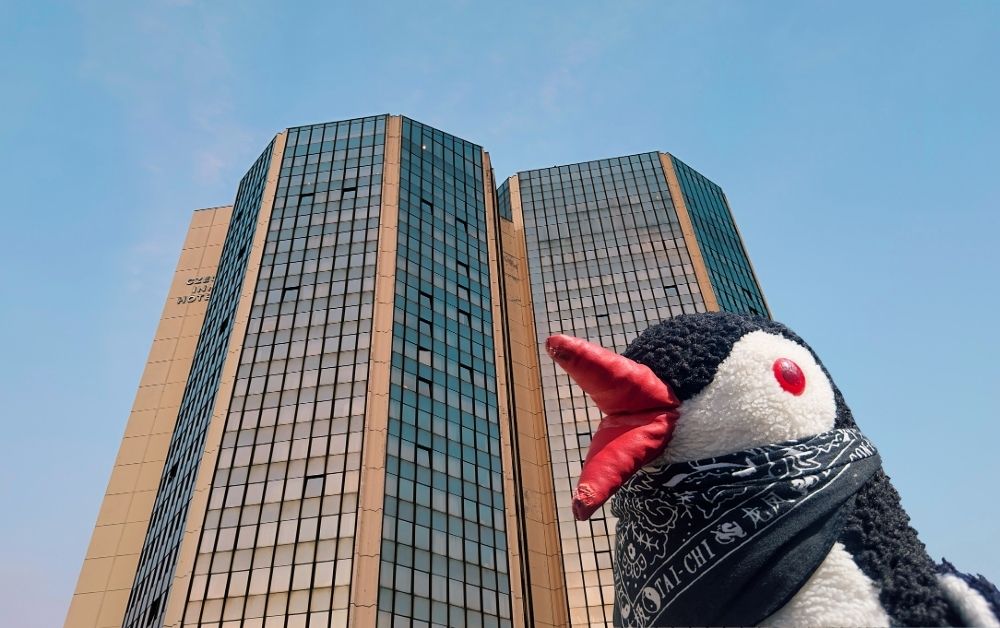
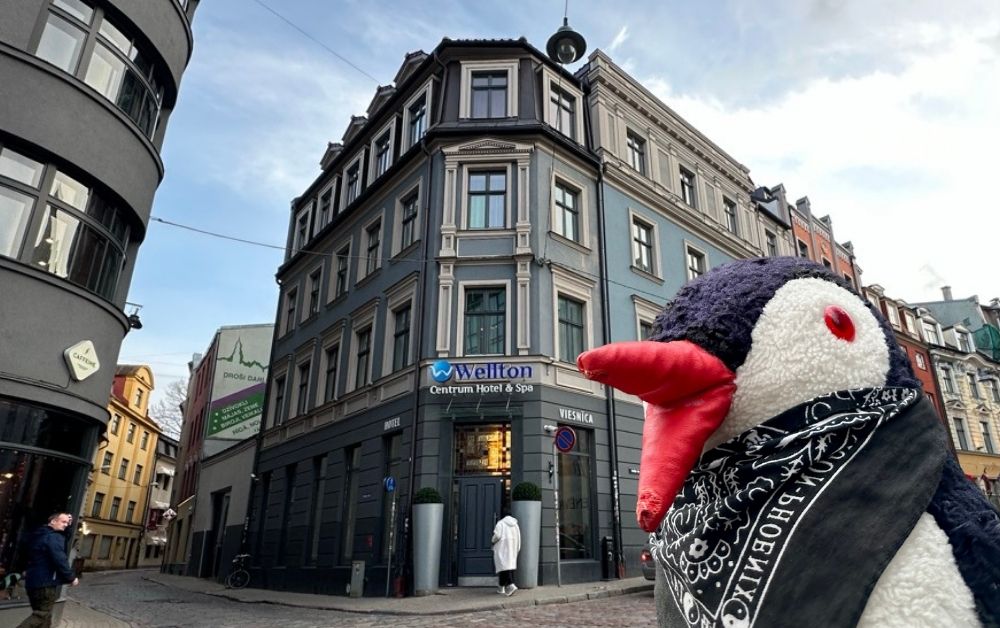
The elevator is not really something we give much thought to as we travel with only a carry-on backpack, but we know many travel with suitcases, and then the problem arises. Many accommodations, especially in older European buildings, lack elevators. Now we always quickly check whether the place mentions an elevator in the description or reviews, especially when staying in old towns or historical buildings. Carrying suitcases upstairs sounds manageable until you actually do it after walking all day in the summer heat.
Air Conditioning Matters More Than You Think
You do not realize how important air conditioning is until you end up traveling during the summer heat without it working. This is especially important during trips around southern Europe, where hotel rooms and apartments can get extremely hot, especially at night. This is also why we always recommend checking the most recent reviews and comments before booking accommodation. We had one experience in Croatia where we booked an apartment for an entire week that was advertised as fully air-conditioned. In reality, there was one very old air conditioning unit placed in the kitchen, and it barely cooled anything beyond that room. The bedrooms remained hot throughout the stay. It completely changed the trip experience because sleeping, resting, and even spending time in the apartment became uncomfortable.
Money and Budget Tips
A lot of people ask us about travel budget tips, and one thing we learned is that trips almost always cost more than expected. Flights and hotels are usually only part of the budget. Parking fees, transport tickets, snacks, luggage fees, tourist taxes, airport food, and other random extra costs can add up very quickly during the trip. Having a more realistic budget makes traveling far less stressful later on.
Tourist Areas Cost More
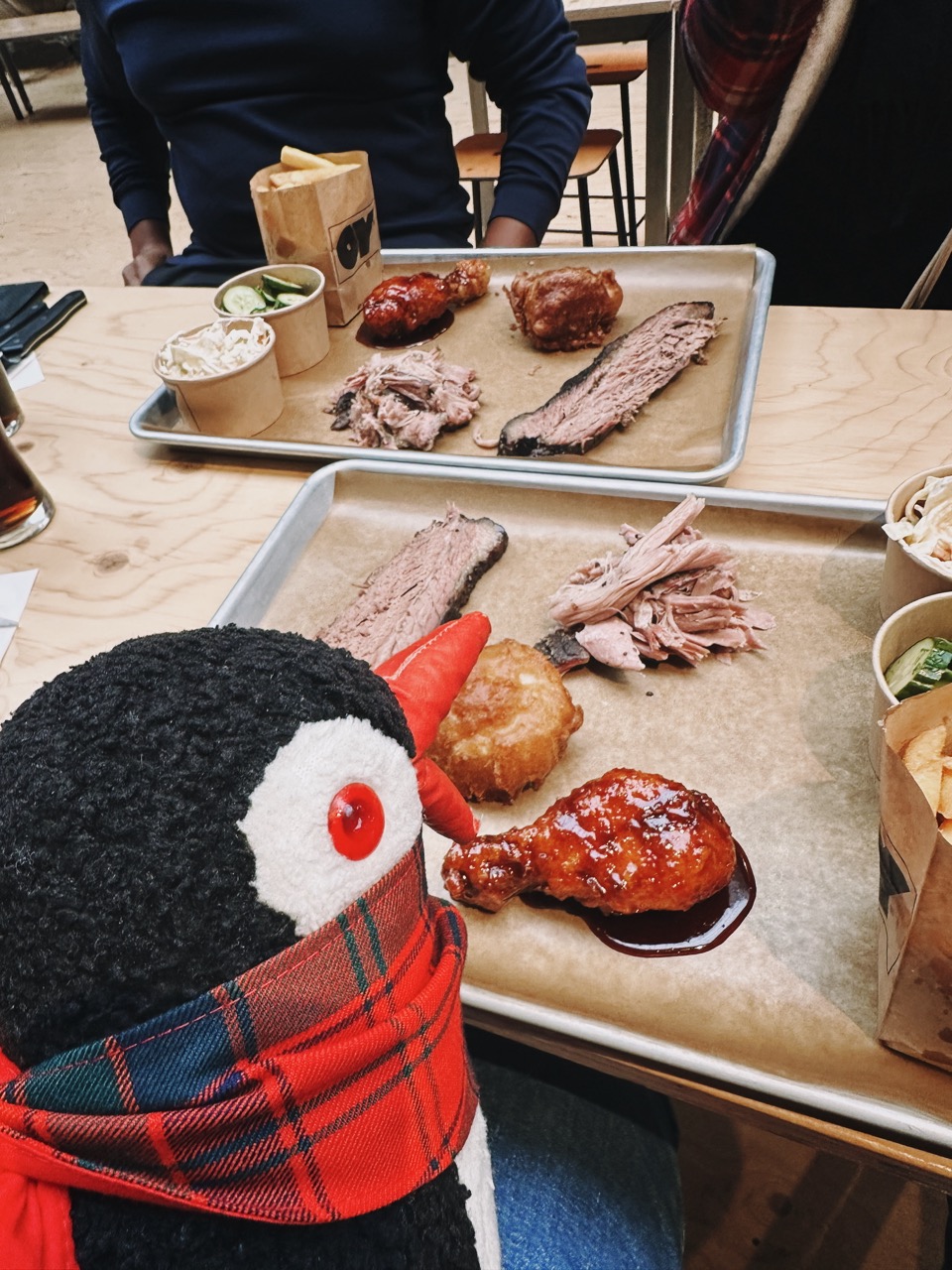
Restaurants directly next to famous landmarks are usually much more expensive, especially in the main tourist areas where many people sit down at the first place they see. We often noticed that once you waddle just a few streets away from the busiest spots, prices suddenly become much more reasonable. This is also where you often find the more local restaurants, smaller cafés, and places that feel less focused on tourists. Some of our favorite meals on trips came from completely random places hidden on side streets that we would never have noticed if we had stayed only around the main attractions.


Always Carry Some Cash
Even though cards work in many places now, we still always carry at least some cash while traveling. It has saved us many times in places like public toilets, small bakeries, parking machines, local buses, or smaller shops in rural areas where cards are not always accepted. There is also always that moment when you confidently pull out your card and suddenly see a small handwritten “cash only” sign somewhere in the corner.
Cheap Flights Usually Mean Extra Costs
Cheap flights can look like an amazing deal at first, but all the extra costs start to appear as you go through the booking process. Things like bags, seat selection, airport check-in fees, and even basic extras can quickly increase the final price much more than expected.
And then there are the costs people often forget to include, like airport transfers or overpriced airport food once you are stuck waiting several hours before departure. Sometimes the “cheap” flight ends up not feeling that cheap anymore by the end of the trip.
Realistic Sightseeing Tips
Sightseeing also tends to look much easier online than it feels during the actual trip. Travel videos usually show empty viewpoints, perfect weather, and people somehow teleporting between attractions without getting tired. In reality, sightseeing often means lots of walking, waiting, crowds, stairs, changing weather, and adjusting plans as the day goes on. Over time, we learned that keeping expectations a little more realistic makes traveling much more enjoyable.
You Will Get Tired Faster Than Expected
One thing we constantly underestimate while traveling is how tired we actually get. Walking 20,000+ steps a day suddenly becomes normal when exploring cities, old towns, viewpoints, museums, train stations, and random side streets. At home, that amount of walking would probably feel exhausting, but while traveling, you somehow keep going until your legs completely disagree later in the evening. This is also why we stopped overpacking our itineraries: eventually, exhaustion catches up with you.
Weather Changes Everything
The weather can change a trip, no matter how well you planned everything. We had days when beautiful viewpoints disappeared into fog, hikes suddenly became exhausting from the heat, or outdoor plans changed completely because of rain. Wind is another thing people often underestimate, especially near the coast or in the mountains. Strong winds can cancel boats, cable cars, ferries, and sometimes even entire tours. Keep our plans a little flexible because the weather changes very quickly, and sometimes the “perfect travel day” online turns into sitting under a café umbrella watching a thunderstorm instead.
Social Media vs Reality
Social media makes travel look almost unreal sometimes. Empty streets, perfect sunsets, beautiful cafés, nobody sweating, nobody waiting in lines, and somehow every traveler looks fully rested at 5 AM. Real trips usually look very different. There are crowds, delays, bad weather, wrong turns, tired feet, and moments where things do not go according to plan. And honestly, that is completely normal.
Most Travel Content Hides the Hard Parts
A lot of travel content online focuses only on the best moments of the trip, which makes sense, but it also hides a huge part of what traveling actually looks like. People usually do not show the long drives, hours of waiting, sweating while climbing hills in summer heat, or sitting, tired, on the sidewalk, trying to decide where to eat next.
There are also days with bad weather, sore legs after walking all day, delayed transport, or finally arriving at a place you were excited to see, only to discover it is unexpectedly closed. And honestly, almost every traveler experiences these moments. They are just usually not the part that ends up on Instagram.


You Do Not Need To See Everything
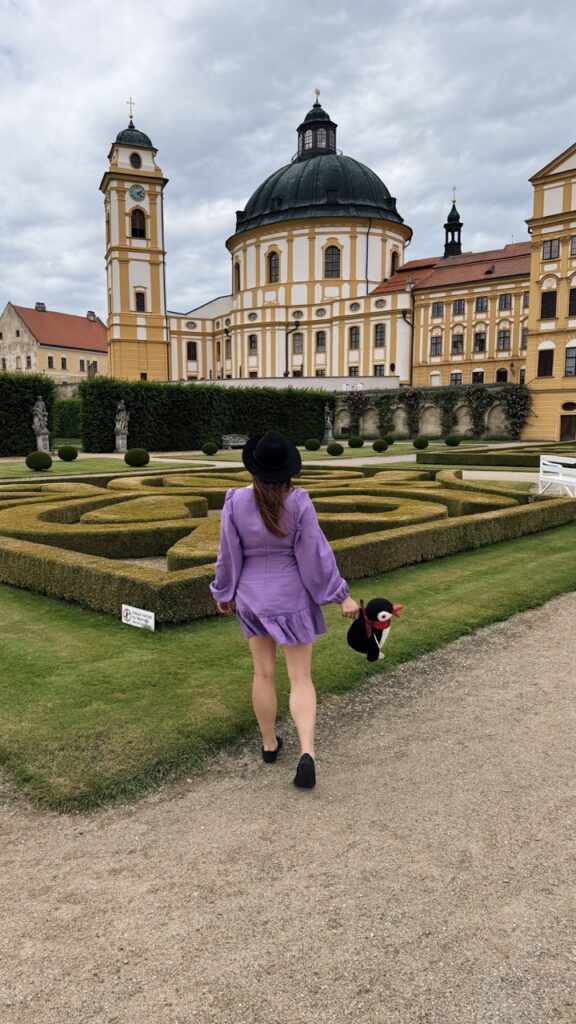
One thing we learned while traveling is that you really do not need to see everything. Trying to visit every landmark, viewpoint, museum, and restaurant often turns the trip into rushing from one place to another.
Some of our favorite travel moments actually happened when we slowed down a little, sat down at a random café, wandered without a strict plan, or stayed longer at places we genuinely enjoyed, rather than constantly checking the next location on the itinerary.
Small Things That Make Trips Easier
- Bring a power bank because navigation, photos, tickets, and maps can drain your phone’s battery surprisingly fast on travel days.
- Pack comfortable shoes because travel usually means much more walking than expected, especially in old towns and airports.
- Carry water everywhere because long sightseeing days, heat, and transport delays can quickly become exhausting.
- Screenshot important tickets in case your internet stops working right when somebody asks to see them.
- Use packing cubes because they make unpacking, organizing, and moving between places much easier.
- Bring medicine before you need it, because searching for pharmacies late at night in a foreign country is never fun.
Looking back, the trips we remember the most are usually not the ones where everything went perfectly. It is the missed buses, random detours, unexpected weather, border crossing chaos, and all the small travel fails that somehow turn into the funniest stories later. Traveling rarely goes exactly according to plan, and honestly, that is part of what makes it memorable in the first place.
Pack your bags and waddle more!

This post contains affiliate links. If you click and buy, I might earn a tiny commission, enough to help a penguin keep up its globe-trotting lifestyle. No extra cost to you, just more fish for me. Thank you for supporting the adventure!