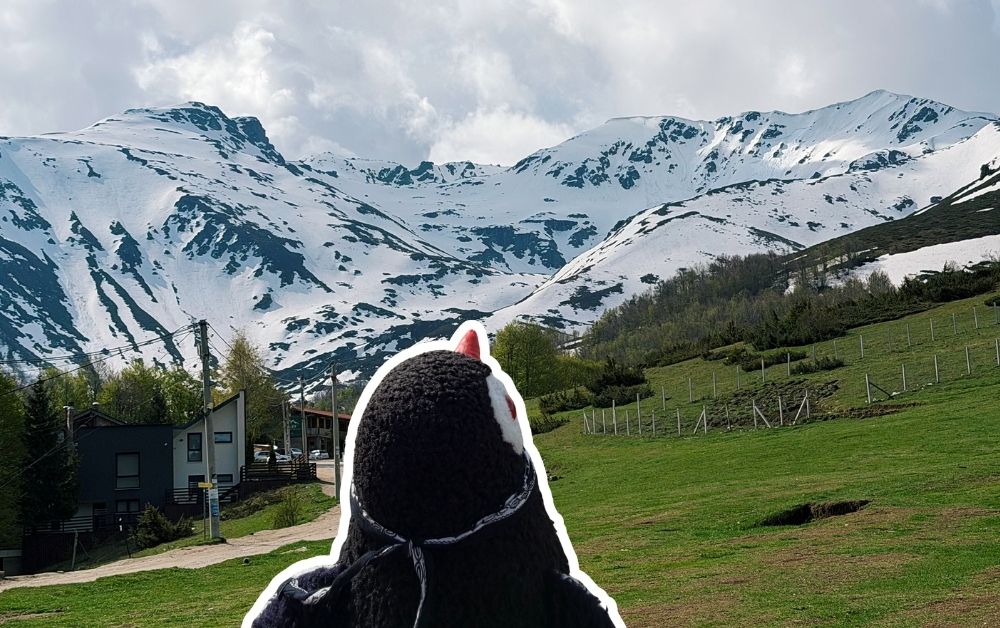
Before You Visit Kosovo: Travel Tips, Costs & Things to Know
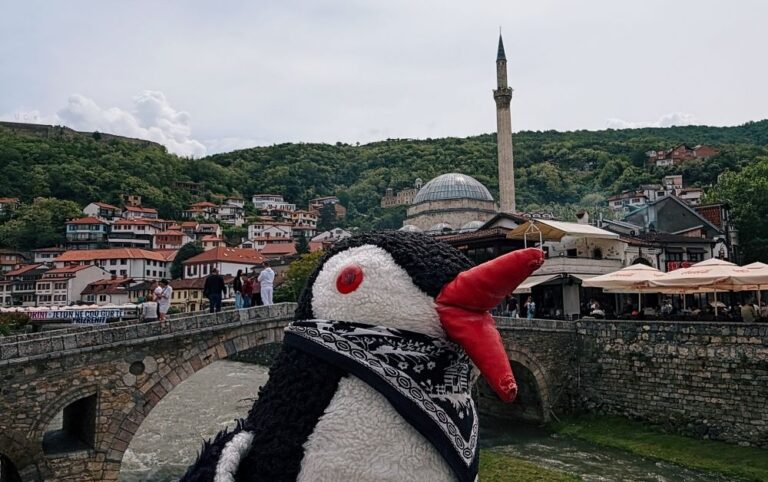
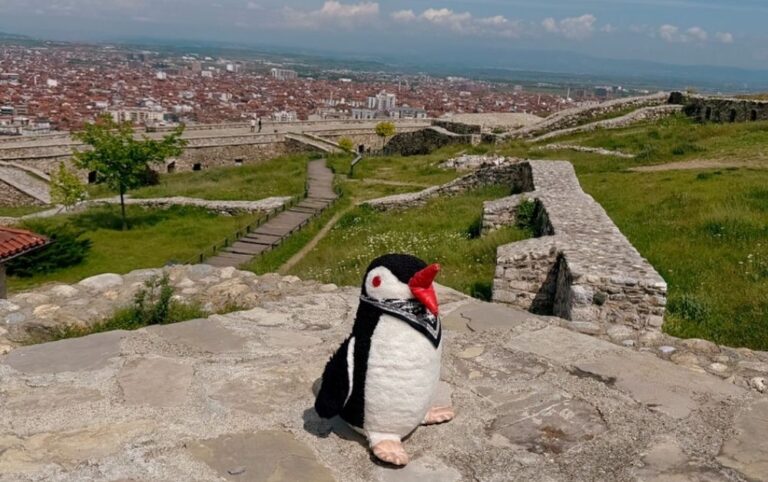
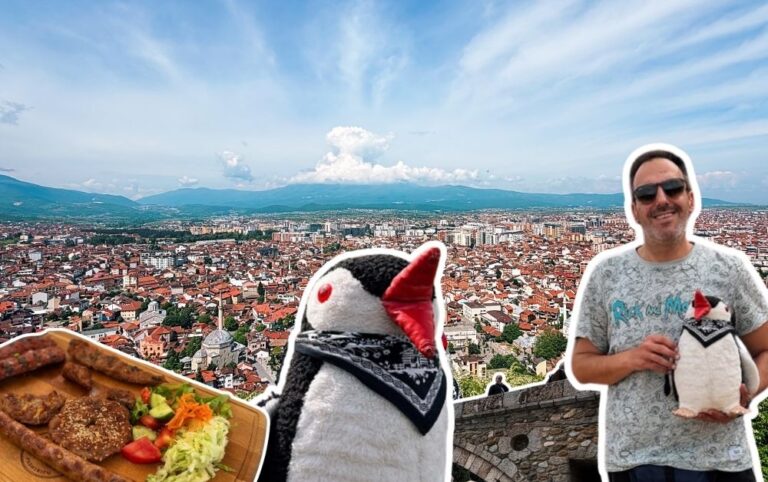
Kosovo was never really high on our bucket list. Still, since we were already traveling through Skopje, North Macedonia, it felt like the perfect opportunity to add another little adventure to the trip. With Kosovo sitting just across the border, we decided to head there for a short day trip from Skopje and get our first glimpse of one of Europe’s youngest countries.
Our time in Kosovo was brief, so this was never going to be a deep dive into everything the country has to offer. Instead, it was a quick waddle across the border, a chance to see somewhere new, learn a little more about its history and culture, and experience Kosovo for ourselves.
But before we take you along on our trip, there are a few interesting and practical things to know about Kosovo before you visit, from its complicated recent history and currency to border crossings, language, transport, and a few facts that might surprise you.
Quick Facts About Kosovo
- Location: Southeastern Europe, in the Balkans
- Capital: Pristina (Prishtina)
- Largest City: Pristina
- Population: Around 1.6 million
- Area: 10,887 km² (4,203 sq mi)
- Declared Independence: 2008
- Official Languages: Albanian and Serbian
- Currency: Euro (EUR)
- Borders: Albania, North Macedonia, Montenegro, and Serbia
- Districts of Kosovo: Kosovo is divided into 7 administrative districts and 38 municipalities.
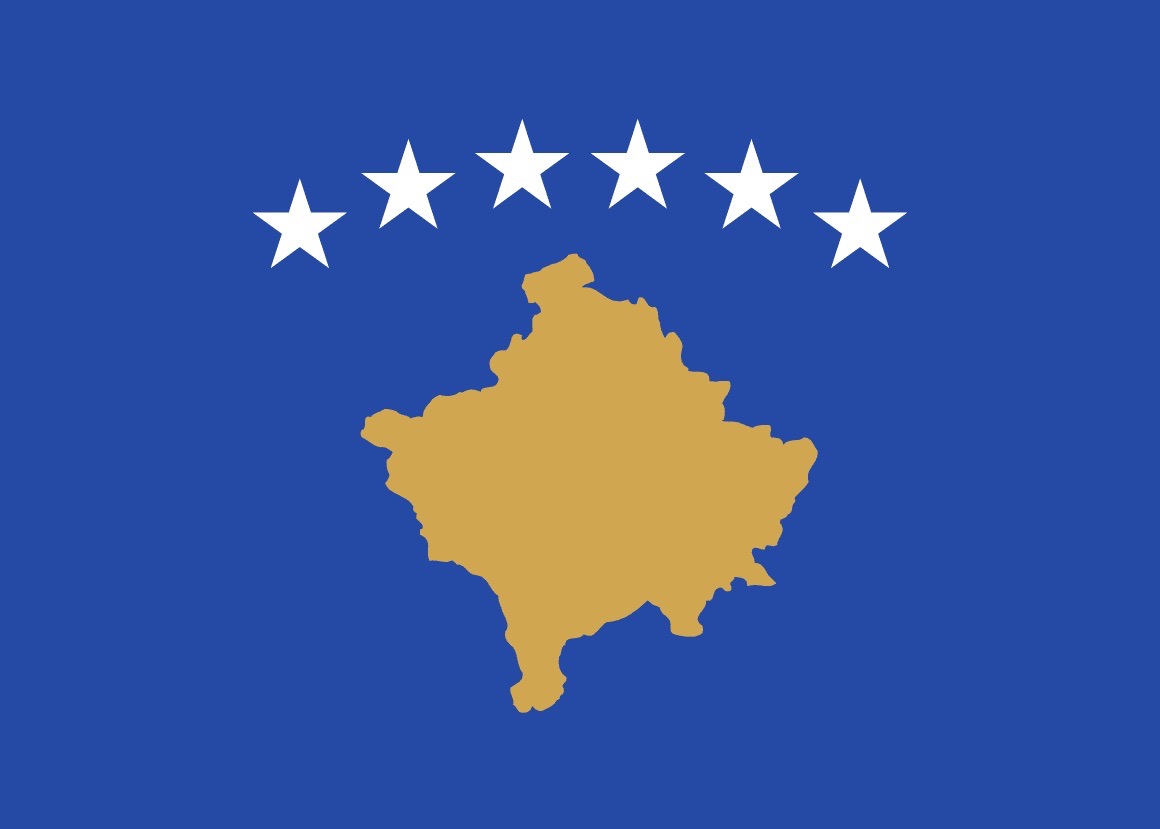
- Flag of Kosovo: The flag features a golden map of Kosovo on a blue background, with six white stars above it. The stars commonly represent Kosovo’s six major ethnic communities, while the blue-and-gold design reflects a European visual identity.
- Main River: White Drin (Drini i Bardhë)
- Government: Parliamentary republic
- Religion: Predominantly Muslim, with Roman Catholic and Serbian Orthodox Christian communities
- Highest Mountain: Gjeravica, 2,656 m (8,714 ft)
- Known For: Rugged mountains, Ottoman heritage, monasteries, cafés, traditional food, and young population
- Independence Day: February 17
- Fun Fact: Kosovo uses the euro as its currency even though it is not a member of the European Union or the Eurozone.
Brief History Of Kosovo
- Ancient Times. The Dardanians inhabited Kosovo, and it later became part of the Roman and Byzantine worlds.
- Medieval Period. The region became an important center of the medieval Serbian state.
- 1389. The Battle of Kosovo became a major event in Serbian history and tradition.
- Ottoman Rule. Kosovo remained under the Ottoman Empire for several centuries.
- 1912–1913. Ottoman rule ended during the Balkan Wars, and Kosovo became part of Serbia.
- Yugoslavia. Kosovo later became an autonomous province within Serbia in Yugoslavia.
- 1990s. Tensions between Kosovo Albanians and Serbian authorities increased.
- 1998–1999. The Kosovo War led to major conflict and displacement.
- 1999. Following NATO intervention, Kosovo came under UN administration.
- 2008. Kosovo declared independence from Serbia on February 17.
- Today. Many countries recognize Kosovo, although Serbia and several other states do not recognize its independence.
10 Interesting Facts About Kosovo
#1: Kosovo Is One of Europe’s Youngest Countries
Kosovo declared independence from Serbia on February 17, 2008, making it one of Europe’s youngest countries. Since then, many countries around the world have recognized it, although its independence is still not universally recognized.
#2: Kosovo Uses the Euro Without Being in the EU
One of the most useful facts to know before visiting Kosovo is that the euro (€) is its official currency, even though Kosovo is not a member of the European Union or the Eurozone. Kosovo adopted the euro unilaterally in 2002, replacing the German Deutsche Mark that had been widely used before it. This makes traveling from many European countries especially convenient, as there is no need to exchange money into a separate local currency.
#3: Most of Kosovo’s Population Is Ethnically Albanian
Around 90% of Kosovo’s population identifies as ethnically Albanian, making Albanians by far the country’s largest ethnic group. Kosovo is also home to Serb, Bosniak, Turkish, Roma, Ashkali, Egyptian, and Gorani communities, giving the relatively small country a diverse mix of cultures, languages, religions, and traditions.
#4: The Rugova Mountains Are Made for Adventure
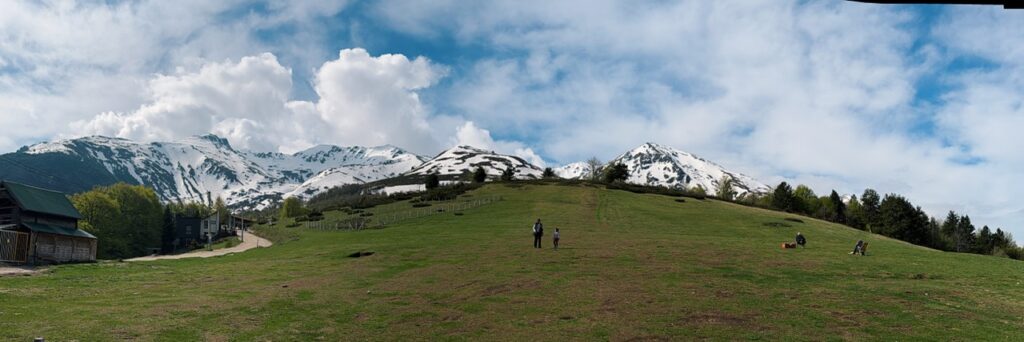
The Rugova Mountains, near the city of Peja, are one of Kosovo’s most impressive natural areas. Expect steep mountain peaks, deep gorges, forests, waterfalls, hiking trails, and small mountain villages scattered throughout the landscape. The area is especially popular for hiking, climbing, and outdoor adventures, showing a completely different side of Kosovo beyond its cities and historic sites. Gjeravica is one of Kosovo’s highest peaks, reaching around 2,656 meters.
#5: Bill Clinton Has Both a Boulevard and a Statue in Pristina
One of Pristina’s more unexpected sights is a statue of former U.S. President Bill Clinton, unveiled in 2009 along a boulevard that also carries his name. The tribute reflects the gratitude many Kosovo Albanians feel toward the United States and the Clinton administration for their role during the 1999 Kosovo conflict. You can find Bill Clinton Boulevard southwest of Pristina’s city center, with the larger-than-life statue standing beside it.
#6: Kosovo Made Its Olympic Debut in 2016
Kosovo made its Olympic debut at the 2016 Summer Games in Rio de Janeiro, just two years after the International Olympic Committee officially recognized it. It was quite a debut too: judoka Majlinda Kelmendi won gold in the women’s 52 kg category, giving Kosovo its first-ever Olympic medal at its very first Games. Since then, Kosovo has continued to make its mark at the Olympics, particularly in judo. Judoka Majlinda Kelmendi won Kosovo’s first Olympic gold medal in 2016, just a few years after the country was admitted to the International Olympic Committee.
#7: Kosovo Takes Its Coffee Seriously
Coffee is a big part of everyday life in Kosovo, and you will quickly notice that cafés are everywhere, especially in Pristina. Meeting friends over coffee is as much about socializing as it is about the drink itself, and café terraces can stay busy throughout the day. You will find everything from traditional Turkish-style coffee to espresso and modern specialty coffee shops, making Kosovo a great destination if, like us, a coffee stop is an essential part of exploring a new place.
Hotel search from Trip.comShows Trip.com’s own box, which can set Trip.com cookies.
#8: Kosovo Is Home to a Rare Marble Cave
About 20 kilometers south of Pristina, Gadime Cave, also known as the Marble Cave, is one of Kosovo’s more unusual natural attractions. The cave formed within marble rock and is filled with stalactites, stalagmites, crystals, and colorful formations created over thousands of years. It was only discovered in 1966, reportedly when a resident was working on his property.
#9: Pristina Has One of Europe’s Most Unusual Libraries
You probably will not mistake the National Library of Kosovo for any other building. Opened in 1982, its striking design features 99 white domes wrapped in a geometric metal lattice, creating one of Pristina’s most recognizable landmarks. Designed by Croatian architect Andrija Mutnjaković, the building continues to divide opinion, with people calling it everything from an architectural masterpiece to one of Europe’s strangest buildings.
#10: Besa Is an Important Part of Albanian Culture
One word that can help you understand Albanian culture in Kosovo is besa. The concept is hard to translate directly, but it’s closely connected to keeping your word, trust, honor, loyalty, and hospitality. Traditionally, giving someone your besa means making a promise you should not break, and the idea has played an important role in Albanian social and cultural traditions for generations.
Travel Tips for First-Time Visitors to Kosovo
- Bring Your Passport. Kosovo is not part of the EU or Schengen Area, so you will pass through border control when entering and leaving the country. Check the entry requirements for your nationality before traveling.
- Understand the Serbia–Kosovo Border Situation. If you are combining Kosovo and Serbia in the same trip, plan your route carefully. Serbia does not recognize Kosovo as an independent country, which can affect certain border crossings and itineraries.
- Euros Make Things Easy. Kosovo uses the euro (€), despite not being part of the Eurozone. This makes things particularly simple if you are arriving from another country that uses euros.
- Carry Some Cash. Cards are increasingly common in Pristina and other larger cities, but cash is still useful for smaller cafés, shops, markets, parking, and places outside the main tourist areas.
- Getting Around Is Affordable. Buses and minibusses connect the main cities, while taxis are relatively inexpensive. If you only have a day, an organized tour or private transfer can make it easier to fit more into your itinerary.
- English Is Widely Spoken Among Younger People. Albanian and Serbian are the official languages, but you will often find younger Kosovars speaking good English, particularly in Pristina and tourist areas.
- Learn a Few Albanian Words. A simple faleminderit (thank you) or përshëndetje (hello) is always a nice touch and can make interactions with locals even friendlier.
- Dress Respectfully at Religious Sites. Kosovo has mosques, Serbian Orthodox monasteries, and Catholic churches. When visiting religious buildings, cover shoulders and knees where appropriate and follow any instructions at the entrance.
- Mobile Roaming Can Be Different. Kosovo may not be included in your usual EU roaming plan, so check your mobile provider before crossing the border to avoid unexpected charges.
- Allow Time at the Border. If you are visiting Kosovo as a day trip from North Macedonia, do not plan your itinerary too tightly. Border crossing times can vary, especially during busy travel periods.
- Visa Requirements. Citizens of EU and Schengen countries can visit Kosovo visa-free for short stays, generally up to 90 days within six months. Many can also enter using a valid biometric national ID card. Travelers from other countries should always check Kosovo’s current visa requirements before departure.
- Passport or ID Card. If you are an EU citizen, a valid biometric national ID card may be sufficient to enter Kosovo, although carrying your passport can still be useful, particularly if Kosovo is part of a wider Balkan road trip.
- Power Sockets. Kosovo uses Type C and Type F European sockets, with a standard voltage of 230 V and 50 Hz. If you are traveling from Slovakia or most of continental Europe, your usual plugs should generally work without an adapter.
- Travel Insurance. Kosovo is not an EU member, so don’t assume all EU-based health or insurance arrangements apply. Check that your travel insurance specifically includes Kosovo before your trip.
- Emergency Number. The general emergency number in Kosovo is 112, which you can use for police, ambulance, or fire emergencies.
- Country Calling Code. Kosovo has its own international calling code, +383.

- Time Zone. Kosovo follows Central European Time (CET) and switches to Central European Summer Time (CEST), just like Slovakia and many other Central European countries.
- Driving in Kosovo. If you are arriving by car, check that your car insurance covers Kosovo before crossing the border. Depending on your policy and country of registration, you may need additional insurance.
- Tap Water. Locals generally use tap water in many areas, but water quality can vary by location and infrastructure. If you have a sensitive stomach or are unsure, bottled water is inexpensive and widely available.
- Tipping. Tipping is appreciated but generally less formalized than in countries such as the United States. Rounding up or leaving around 5–10% for good restaurant service is a simple approach.
- Sunday & Opening Hours. Pristina and other larger towns remain relatively lively on weekends, and you will usually find cafés, restaurants, bakeries, and many shops open on Sundays. However, museums and attractions may have more limited hours.
- Download Offline Maps. Kosovo is relatively easy to navigate, but having Google Maps or another map downloaded offline is handy, especially if your EU mobile plan does not include Kosovo.
- Keep Some Small Euro Notes. Since Kosovo uses the euro, you will not need to exchange money if you are arriving from the Eurozone. Still, €5, €10, and €20 notes are useful for cafés, small purchases, taxis, and markets.
Best Time to Visit Kosovo
There is not really a bad time to visit Kosovo, but the experience can feel completely different depending on the season. Most choose spring or early autumn, when the weather is comfortable enough to wander around Pristina and Prizren and still good for getting out into the mountains. Summer works well too, especially if you love long days and outdoor adventures, while winter brings snow and a completely different side of the country.
- Spring (March–May). Kosovo starts turning green again, temperatures become more comfortable, and the mountains and countryside are especially pretty. April and May are great months for sightseeing and hiking, although rain is always a possibility.
- Summer (June–August). Expect hot, sunny days, particularly in Pristina and Prizren. It is a great season for exploring the Rugova Mountains, hiking, road trips, and enjoying long evenings on café terraces. July and August can get properly hot, though, so city sightseeing is much nicer early in the morning or later in the afternoon.
- Autumn (September–November). Probably our favorite time on paper. September and early October bring milder temperatures, fewer summer crowds, and autumn colors creeping into the mountains. It is a lovely balance if you want to combine cities, food, cafés, and nature without melting while walking around.
- Winter (December–February). Kosovo gets cold and snowy, especially in the mountains. This is the season for skiing and winter landscapes, with Brezovica being the country’s best-known ski area. Cities can be chilly and grey, but cafés, hearty Balkan food, and snowy surroundings give the trip a completely different atmosphere.
If this is your first trip to Kosovo, we would aim for May, June, September, or early October. You get plenty of daylight and generally pleasant temperatures while still exploring both the cities and Kosovo’s beautiful mountain landscapes. We came in May, and it worked fine for us.
Buy Us a Ko-fi

Kosovo might not have been sitting high on our bucket list, but sometimes those little unplanned additions to a trip end up being the most interesting. Since we were already in Skopje, North Macedonia, crossing the border for a short visit felt like an opportunity we couldn’t pass up.
Our time here was brief, and we definitely only scratched the surface. Between Pristina’s café culture, complicated history, mountain landscapes, traditional food, and mix of cultures, there is much more to Kosovo than you can experience in a single day.
If you are planning your own trip, we hope these Kosovo travel tips and interesting facts help you understand the country a little better before you arrive. Come with an open mind, leave some room in your itinerary for a long coffee stop, and do not be afraid to explore beyond the places you already know from the headlines.
For us, Kosovo was a short waddle into somewhere completely new, and sometimes that is exactly what traveling is all about.
Travel Bold. Eat Well. Waddle Wild.

This post contains affiliate links. If you click and buy, I might earn a tiny commission, enough to help a penguin keep up its globe-trotting lifestyle. No extra cost to you, just more fish for me. Thank you for supporting the adventure!