North Macedonia Travel Tips for First-Time Visitors
To be honest, North Macedonia wasn’t even on our radar a few months ago. It wasn’t a destination we had planned to visit anytime soon, but as soon as we decided to go, we did what we always do before every trip we started digging into everything we could about the country. Along the way, we came across plenty of interesting facts, a few surprises, and some practical travel tips that will make exploring North Macedonia much easier. So, if you’re planning a trip too, keep reading because these are the things we think are worth knowing before you go.
Tours and tickets from GetYourGuideShows GetYourGuide’s own box, which can set GetYourGuide cookies.
Basic Facts About North Macedonia
- Name: North Macedonia (Republika Severna Makedonija / Република Северна Македонија)
- Capital: Skopje
- Land area: 25,713 km²
- Population: Approx. 1.8 million (2023 estimate)
- Official language: Macedonian (Albanian is also an official language in municipalities where it is spoken by at least 20% of the population, and has official status at the national level in many public institutions.)
- Official currency: Macedonian Denar (MKD)
- Religion: The population is predominantly Eastern Orthodox Christian (around 60%), followed by Muslims (around 30%), with smaller communities of Catholics, Protestants, and other religions. This reflects the country’s rich cultural and ethnic diversity.
- Regions of North Macedonia: North Macedonia is divided into eight statistical regions: Skopje, Pelagonia, Polog, Vardar, Eastern, Northeastern, Southeastern, and Southwestern. For local administration, the country is further divided into 80 municipalities (opštini), including the City of Skopje as a special local government unit.
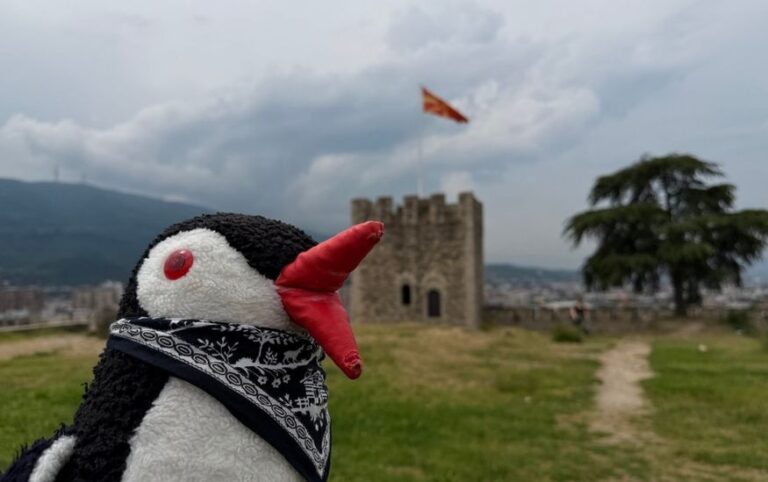
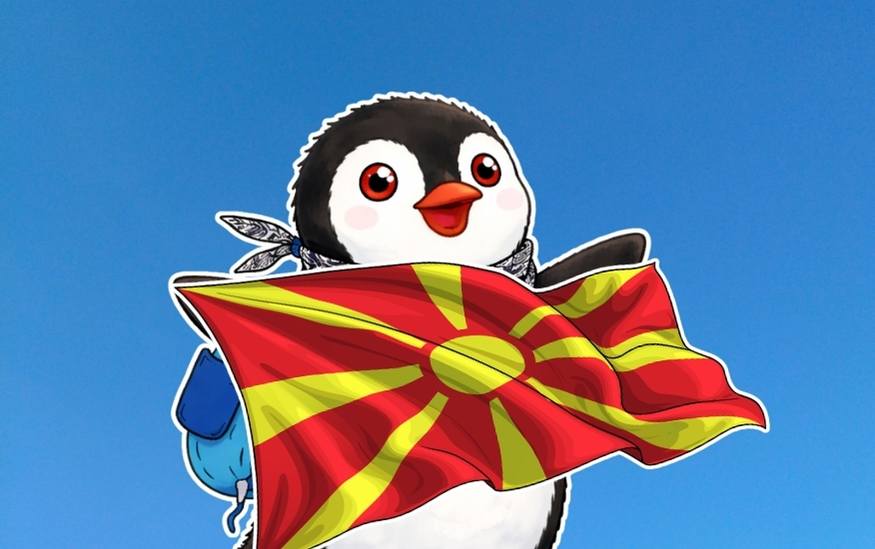
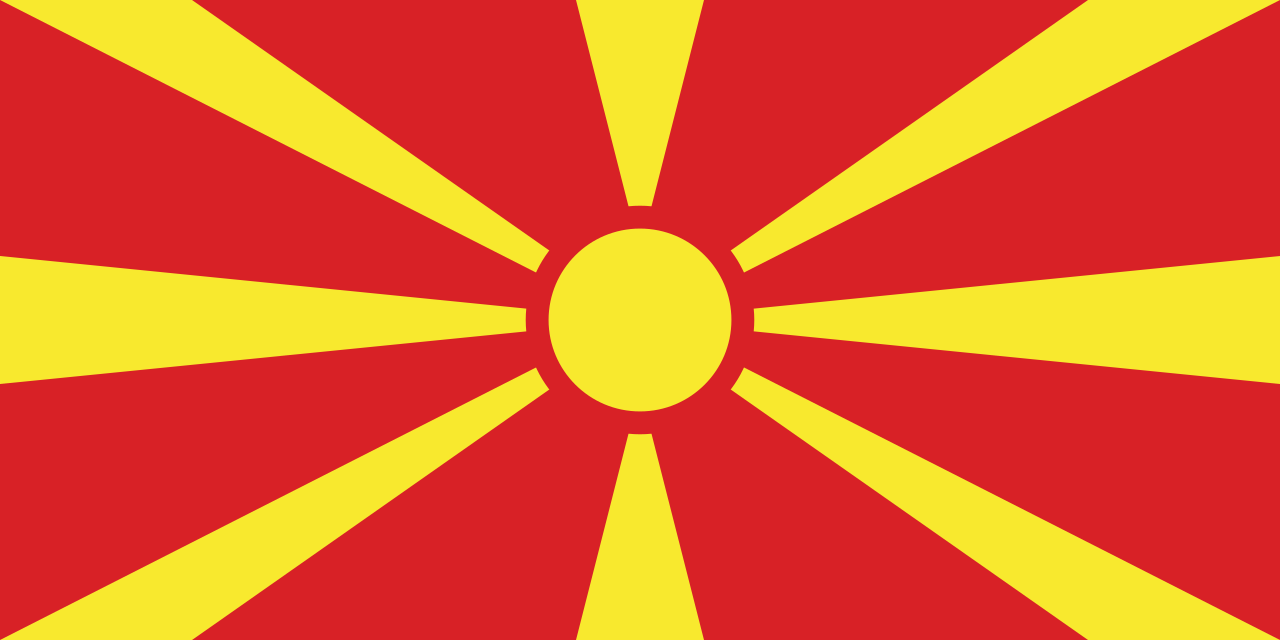
- Flag of North Macedonia: The flag features a red background with a stylized yellow sun and eight broad rays extending to the edges. Known as the “new sun of liberty,” it symbolizes freedom, hope, and the country’s bright future. The design has been the national flag since 1995 and is one of the most recognizable flags in the Balkans.
Why Is It Called North Macedonia
If you’ve ever looked at a map and wondered, “If there’s a North Macedonia, where’s South Macedonia?” you’re definitely not the only one.
The country was simply called Macedonia until 2019. However, its name led to a long-running dispute with neighboring Greece, which also has a large region called Macedonia in the northern part of the country. Greece was concerned that the name “Macedonia” could imply historical or territorial claims to its own region.
After decades of negotiations, the two countries signed the Prespa Agreement in 2018, and in 2019, the country’s official name changed to North Macedonia. The agreement helped improve relations between the two countries and cleared the way for North Macedonia to join NATO and continue its path toward European Union membership.
So, is there a South Macedonia?
Not as an independent country. The term Macedonia refers to a larger historical and geographical region that stretches across several modern-day countries:
- Greek Macedonia makes up the largest part and lies in northern Greece.
- North Macedonia occupies the central part of the historical region.
- Smaller parts of the region also extend into Bulgaria, Albania, Kosovo, and Serbia.
So the “North” in North Macedonia describes where the country sits within the broader historical region of Macedonia, not because there’s a country called South Macedonia. It’s one of those travel facts that confuses almost everyone at first!
A Brief History of North Macedonia
- c. 7000–6000 BC. Some of Europe’s earliest farming communities settled in what is now North Macedonia, leaving behind important Neolithic archaeological sites.
- 4th century BC. The region became part of the ancient Kingdom of Macedonia under Philip II of Macedon and later Alexander the Great, whose empire stretched across much of the known world.
- 168 BC. The Roman conquest of Macedonia brought the region under Roman rule, where it became an important crossroads along the famous Via Egnatia.
- 6th–7th century. Slavic tribes settled in the region, shaping the language, culture, and identity that continue to influence North Macedonia today.
- 9th century. The region became an important center of Slavic literacy and Christianity through the work of Saint Clement of Ohrid and Saint Naum, who helped spread the Glagolitic and Cyrillic traditions.
- 1018. The region came under Byzantine rule after the fall of the First Bulgarian Empire.
- Late 14th century. The Ottoman Empire conquered the region, beginning more than 500 years of Ottoman rule that left a lasting mark on its architecture, cuisine, and culture.
- 1912–1913. During the Balkan Wars, Ottoman rule ended, and the territory became part of the Kingdom of Serbia.
- 1918. Following World War I, the region became part of the Kingdom of Serbs, Croats and Slovenes, later renamed the Kingdom of Yugoslavia.
- 1944. The People’s Republic of Macedonia was established as one of the six republics of socialist Yugoslavia, officially recognizing the Macedonian state and language.
- 1991. North Macedonia peacefully declared independence from Yugoslavia after a national referendum, making it one of the few former Yugoslav republics to gain independence without war.
- 2018–2019. The Prespa Agreement resolved the long-standing naming dispute with Greece. In 2019, the country officially became the Republic of North Macedonia.
- 2020. North Macedonia became the 30th member of the North Atlantic Treaty Organization (NATO), marking an important milestone in its modern history.
- Today. North Macedonia is a peaceful Balkan country known for its rich history, stunning lakes and mountains, welcoming locals, and growing reputation as one of Europe’s most underrated travel destinations.
18 Things to Know Before Visiting North Macedonia
#1: The Birthplace of Mother Teresa. Many people are surprised to learn that Mother Teresa, one of the world’s most well-known humanitarians and Nobel Peace Prize laureates, was born in Skopje in 1910. Although she spent most of her life serving people experiencing poverty in India, her roots trace back to North Macedonia’s capital. Today, you can visit the Mother Teresa Memorial House in Skopje, which celebrates her life, mission, and lasting legacy.
#2: Once Part of the Roman Empire. Long before North Macedonia became the country we know today, it was part of the Roman Empire. Thanks to its strategic location between Europe and Asia, it was an important crossroads for trade and travel. The famous Via Egnatia, one of Rome’s main military and trading roads, passed through the region, connecting the Adriatic Sea with Byzantium (modern-day Istanbul). Even today, you can still explore impressive Roman ruins, including the ancient city of Heraclea Lyncestis near Bitola and the archaeological site of Stobi.
#3: Home to Over 1,000 Churches and Monasteries.Despite its relatively small size, North Macedonia is home to more than 1,000 churches and monasteries. Many date back hundreds of years and are known for their beautiful frescoes, peaceful settings, and rich history. Some of the most famous include the Monastery of Saint Naum on the shores of Lake Ohrid and the Church of Saint John at Kaneo, one of the country’s most photographed landmarks.
#4: Lake Ohrid Is More Than Just a Beautiful Lake. One of North Macedonia’s biggest highlights is Lake Ohrid, one of Europe’s oldest and deepest lakes, estimated at more than 1 million years old. The lake is shared with neighboring Albania and is fed by some of the largest underwater springs in Europe, helping keep its crystal-clear water remarkably clean. Beyond the shoreline, you’ll find charming villages where locals still make homemade wine, cheese, and rakija using traditional recipes passed down through generations, making the entire region just as memorable as the lake itself.
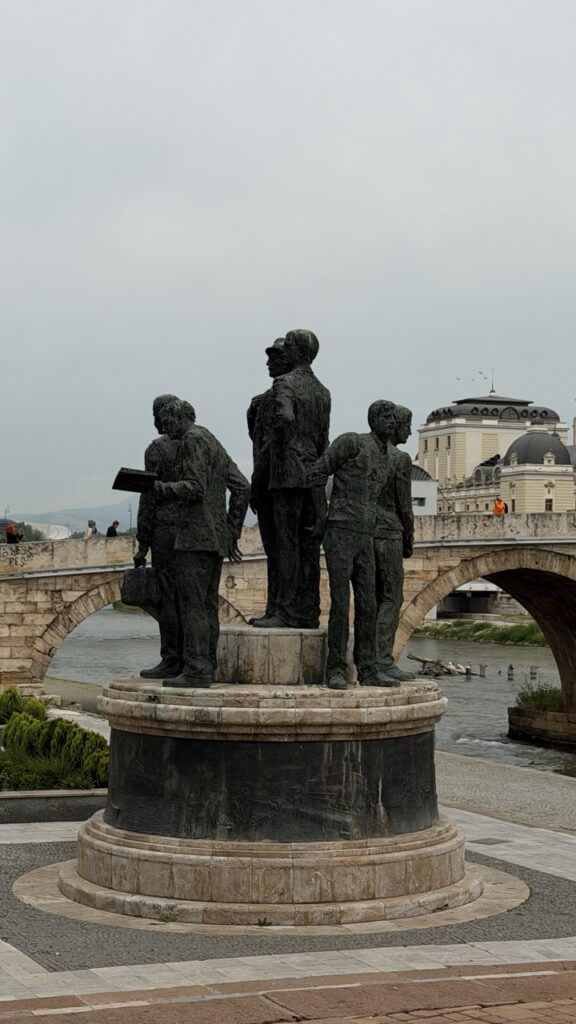
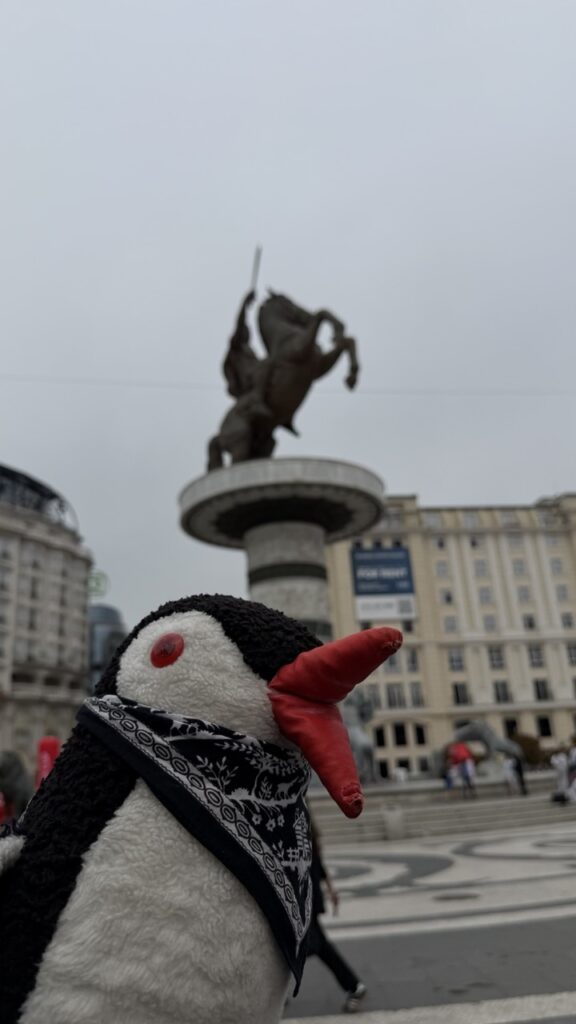
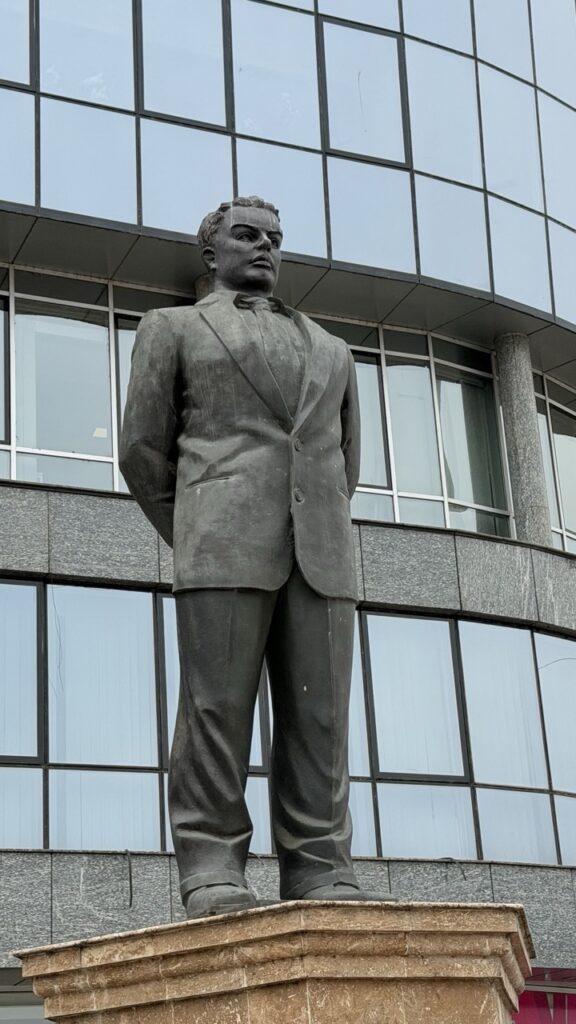
#5: Skopje Is Filled with Hundreds of Statues. If there’s one thing you’ll notice while wandering around Skopje, it’s the sheer number of statues. As part of the Skopje 2014 redevelopment project, hundreds of monuments, fountains, and sculptures were added throughout the city, giving the capital a unique and sometimes surprising appearance. You’ll spot statues around almost every corner, from historical figures and national heroes to impressive equestrian monuments, making Skopje unlike any other capital in the Balkans.
#6: One of the Sunniest Countries in the Balkans. If you love sunny weather, you’re in luck. Some parts of North Macedonia enjoy more than 280 sunny days each year, making it one of the sunniest countries in the Balkans. That means plenty of opportunities to explore its lakes, mountains, historic towns, and outdoor attractions under blue skies, especially from spring through autumn.
#7: Macedonian Uses the Cyrillic Alphabet. One of the first things you’ll notice when arriving in North Macedonia is that Macedonian is written using the Cyrillic alphabet. If you’re used to the Latin alphabet, road signs and menus might look unfamiliar at first. The good news is that many tourist attractions, major roads, and restaurant menus also include English or Latin script, so getting around is usually much easier than it first appears.
#8: The highest peak is Mount Korab. If you enjoy the mountains, North Macedonia won’t disappoint. The country’s highest point is Mount Korab, which rises to 2,764 meters (9,068 feet) on the border with Albania. It’s a popular destination for hikers thanks to its breathtaking views, alpine landscapes, and the sense of achievement that comes with reaching the summit. Around 85% of the country is mountainous.
#9: No Coastline, but Plenty of Stunning Lakes. Although North Macedonia is landlocked and has no coastline, it more than makes up for it with its beautiful lakes and mountains. The country is home to more than 50 lakes and over 30 mountain peaks rising above 2,000 meters, making it a fantastic destination for hiking, swimming, kayaking, and enjoying nature. Whether you prefer relaxing by the water or exploring scenic mountain trails, you’ll find plenty of opportunities to do both.
#10: More Than 500 Years of Ottoman Rule. North Macedonia was part of the Ottoman Empire for more than 500 years, from the late 14th century until the early 20th century. This long period left a lasting mark on the country’s architecture, cuisine, and culture. As you travel around, you’ll come across historic bazaars, stone bridges, mosques, and traditional dishes that reflect this rich Ottoman heritage.
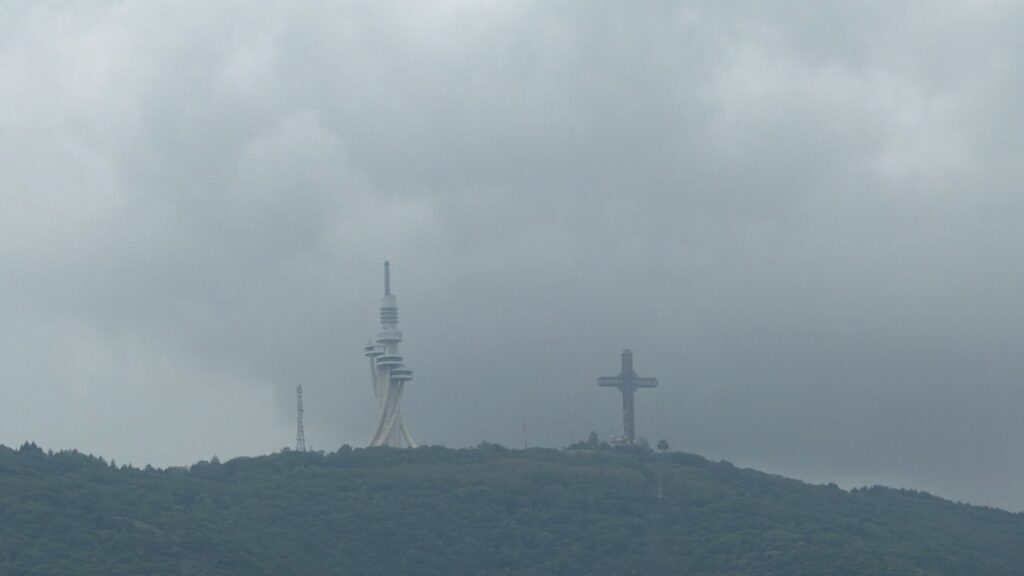
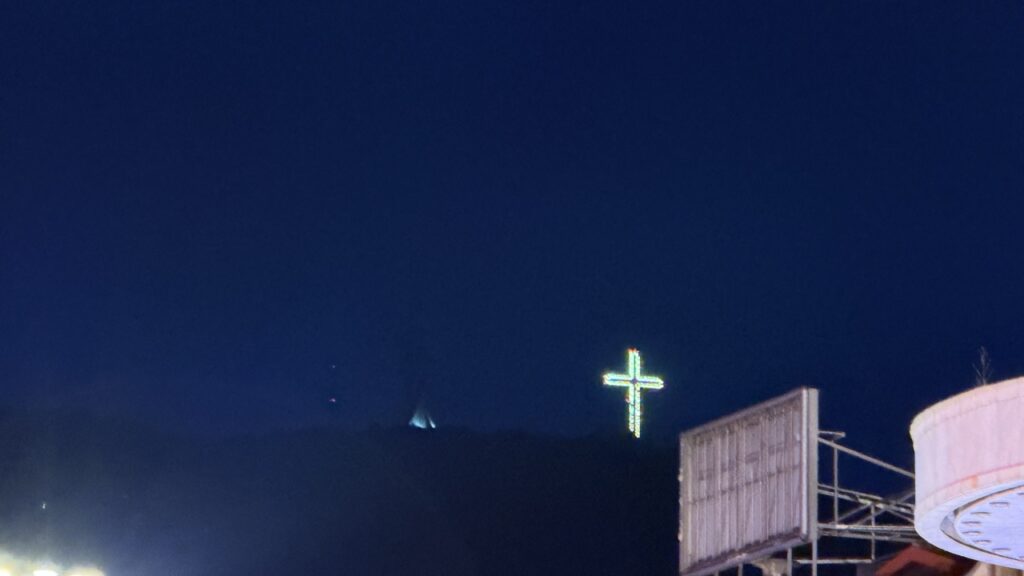
#11: One of the Tallest Crosses in the World. Standing high above Skopje on the slopes of Mount Vodno, the Millennium Cross is one of the tallest crosses in the world, at 66 meters (217 feet). It was built to commemorate 2,000 years of Christianity and has become one of the city’s most recognizable landmarks. You can hike to the top or take the cable car to enjoy panoramic views over Skopje and the surrounding mountains.
#12: You Can Ski and Swim in the Same Country. North Macedonia may be a small country, but it offers plenty of variety. During winter, you can hit the slopes at ski resorts like Mavrovo or Popova Šapka, while in summer, you can cool off with a swim in the crystal-clear waters of Lake Ohrid. Whether you’re chasing snow or sunshine, North Macedonia has something to offer year-round.
#13: Hospitality and Coffee Are Part of Everyday Life. One thing you’ll quickly notice in North Macedonia is how warm and welcoming the locals are. Hospitality is deeply rooted in the culture, and it’s not uncommon to be greeted with genuine kindness wherever you go. Coffee also plays an important role in everyday life. Rather than grabbing it to go, people often spend hours sitting in cafés, catching up with friends and family, and simply enjoying the moment. If there’s one thing you’ll learn here, it’s not to rush your coffee break.
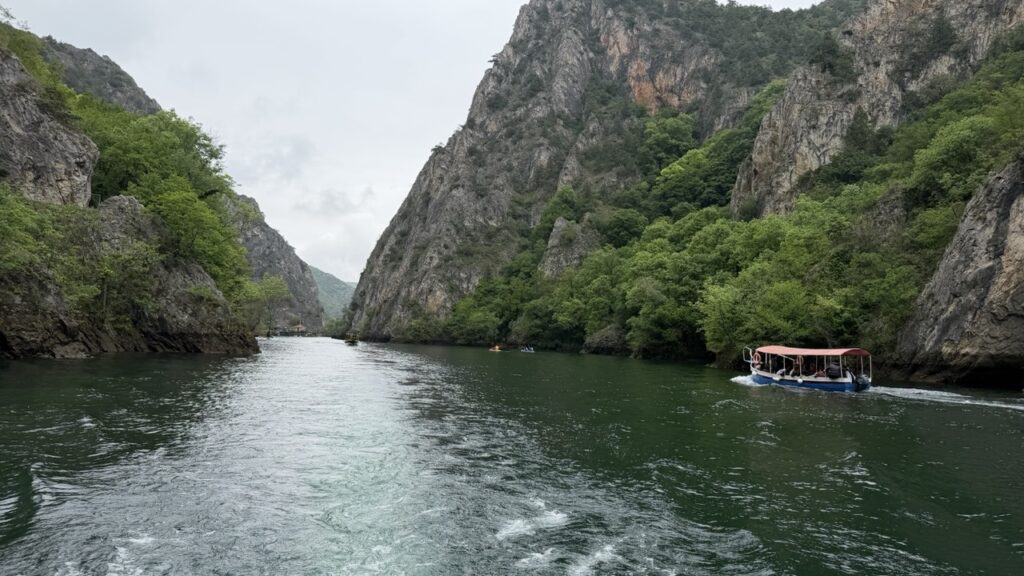
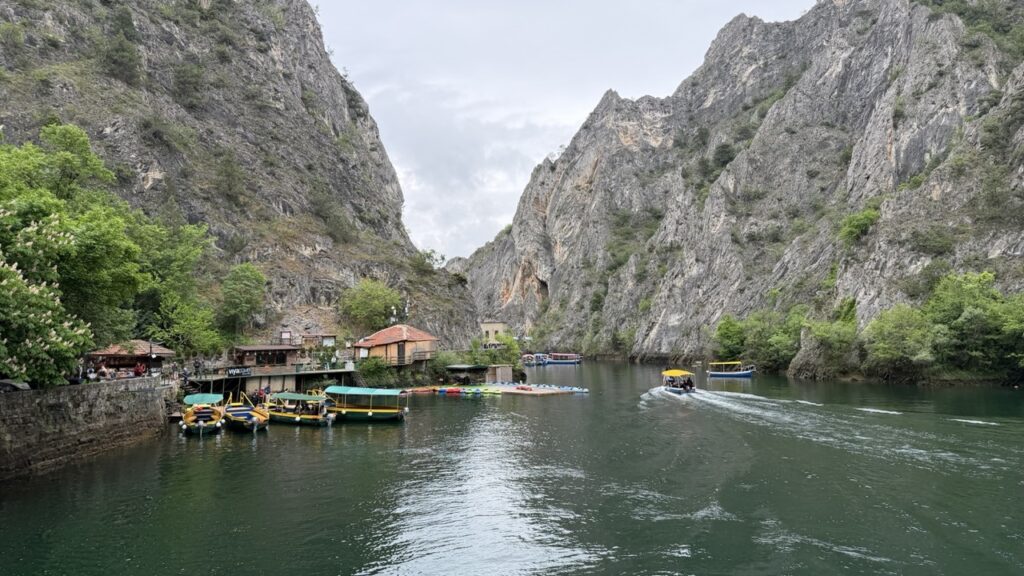
#14: Matka Canyon Is One of North Macedonia’s Natural Gems. Just a short drive from Skopje, Matka Canyon is one of North Macedonia’s most popular natural attractions. Surrounded by steep cliffs and emerald-green water, it’s the perfect place for a day trip. You can take a boat ride to the famous Vrelo Cave, rent a kayak, go hiking, or enjoy the peaceful scenery. If you’re spending a few days in the capital, this is one place you definitely shouldn’t miss.
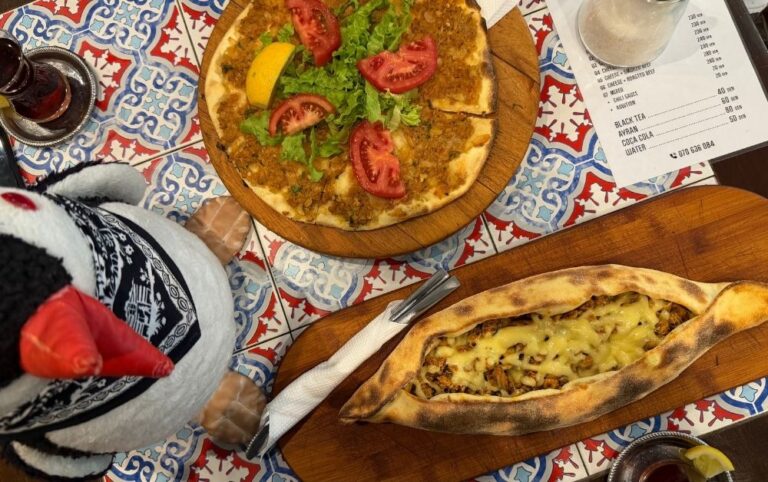
#15: Food Is a Big Part of Macedonian Culture. North Macedonian cuisine is a delicious blend of Balkan, Mediterranean, and Ottoman influences, resulting in hearty meals full of fresh ingredients and bold flavors. You’ll quickly notice that bread is served with almost every meal, while ajvar, a roasted red pepper spread, is a true local favorite you’ll find on many tables. If you’re looking to experience the local culture, don’t leave without trying a glass of rakija, the country’s traditional fruit brandy that’s often offered as a warm welcome or enjoyed with friends and family.
#16: North Macedonia Has Produced Several World-Famous People. Although North Macedonia is a relatively small country, it has produced several remarkable people. The most famous is undoubtedly Mother Teresa, who was born in Skopje before dedicating her life to helping the poor in India and later receiving the Nobel Peace Prize. Music lovers may recognize Toše Proeski, one of the Balkans’ most beloved singers. At the same time, football fans will likely know Goran Pandev, the country’s greatest footballer and former captain of the national team. These figures have helped put North Macedonia on the world map through compassion, music, and sport.
#17: Alexander the Great Has Strong Historical Connections to North Macedonia. One of the most famous historical figures associated with the region is Alexander the Great, one of history’s greatest military leaders. Born in 356 BC, he became king of the ancient Kingdom of Macedonia and built an empire stretching from Greece to Egypt and as far as India before the age of 33. While modern-day North Macedonia is not the same state as Alexander’s ancient kingdom, his legacy remains an important part of the region’s history and identity. You’ll even find a massive equestrian statue inspired by Alexander the Great in Skopje’s main square, making him one of the country’s most recognizable historical figures.
#18: Home to a Self-Proclaimed Micronation. One of North Macedonia’s quirkiest facts is that it’s home to the self-proclaimed Republic of Vevčani. Located in the village of Vevčani, this unofficial micronation declared itself independent in 1991 as a symbolic act of protest. Although any country has never recognized it, the village embraces its unique identity by issuing its own playful passports and currency for visitors. Today, Vevčani is better known for its lively annual carnival and its natural springs than for its unofficial “republic” status.
Hotel search from Trip.comShows Trip.com’s own box, which can set Trip.com cookies.
Useful Travel Facts You Should Know Before Visiting North Macedonia
- Visa. Citizens of the EU, UK, USA, Canada, Australia, and many other countries can enter North Macedonia visa-free for short tourist stays. Always check the latest entry requirements before you travel.
- Currency. The official currency is the Macedonian Denar (MKD). Euros are sometimes accepted in tourist areas, but you’ll usually get a better rate by paying in denars.
- Card or Cash. Credit and debit cards are widely accepted in cities, hotels, and larger restaurants. However, it’s a good idea to carry some cash when visiting smaller towns, markets, or local cafés.
- Language. Macedonian is the official language and uses the Cyrillic alphabet. Albanian is also widely spoken, especially in the western part of the country. English is commonly understood in tourist areas.
- Tap Water. Yes, the tap water is generally safe to drink throughout North Macedonia.
- Tipping. Tipping isn’t mandatory, but it is appreciated. Leaving around 10% in restaurants is considered a nice gesture if you’re happy with the service.
- Power Plugs. North Macedonia uses Type C and Type F plugs with a standard voltage of 230V, the same as most European countries.
- Driving:. Vehicles drive on the right-hand side of the road. Roads between major cities are generally in good condition, although some rural roads can be narrower and less maintained.
- Public Transport. Buses are the main form of public transport between cities and are an affordable way to travel around the country.
- Best Time to Visit. May to June and September to October offer pleasant temperatures and fewer crowds, making them ideal for sightseeing and hiking.
- Safety. North Macedonia is generally considered a safe destination for tourists. As with any trip, keep an eye on your belongings in busy areas.
- Time Zone. North Macedonia follows Central European Time (CET, UTC+1) and Central European Summer Time (CEST, UTC+2) during daylight saving.
- Emergency Number. Dial 112 for emergencies throughout the country.
- Coffee Culture. Don’t expect people to rush. Locals often spend a long time enjoying coffee with friends and family, so embrace the slower pace.
- Smoking. Smoking is prohibited inside most enclosed public places, although outdoor café terraces are often smoker-friendly.
Buy Us a Ko-fi

Where to Stay in North Macedonia
North Macedonia offers a great variety of places to stay, whether you’re looking for vibrant city life, lakeside relaxation, or a peaceful mountain escape.
- Skopje, the capital, is the best base for first-time visitors. You’ll find everything from modern hotels and stylish apartments to boutique stays near the Old Bazaar and the city center, making it easy to explore the city’s history, museums, restaurants, and nightlife.
- For a slower pace, Ohrid is one of the country’s most popular destinations. Its lakeside hotels, charming guesthouses, and boutique accommodations offer easy access to the UNESCO-listed Old Town, beautiful beaches, and the crystal-clear waters of Lake Ohrid.
- If you love nature, consider staying in Mavrovo National Park, where you’ll find cozy mountain lodges, cabins, and hotels perfect for hiking in summer or skiing during winter. Another excellent option is Bitola, known for its elegant architecture, lively café culture, and proximity to the ancient ruins of Heraclea Lyncestis.
Overall, accommodation in North Macedonia is very affordable compared to much of Europe, and family-run guesthouses are a fantastic way to experience the country’s warm hospitality.
Hotel search from Booking.comShows Booking.com’s own box, which can set Booking.com cookies.
North Macedonia may not be the first destination that comes to mind when planning a Balkan adventure, but that’s exactly what makes it so special. We went in without many expectations and left wondering why more people aren’t talking about it. From its rich history and beautiful landscapes to its welcoming locals and delicious food, this small country has a lot to offer. We hope these facts and travel tips help you feel more prepared and maybe even a little more excited for your own trip. Pack your bags, keep an open mind, and get ready to waddle through one of Europe’s most underrated destinations.
Travel Bold. Eat Well. Waddle Wild.

This post contains affiliate links. If you click and buy, I might earn a tiny commission, enough to help a penguin keep up its globe-trotting lifestyle. No extra cost to you, just more fish for me. Thank you for supporting the adventure!