Things to Know Before Visiting Prizren, Kosovo
Whenever we visit a new city, we like to learn a little about it beforehand and then see how much of what we read actually matches the place once we get there. Prizren is especially interesting because so much history is packed into a relatively small city, with different cultures, religions, and periods all leaving their mark. So before you start waddling through its streets, here are some interesting facts and useful tips about Prizren that might help you understand the city a little better.
Basic Facts About Prizren
- Country: Kosovo 🇽🇰
- Region: Prizren District
- Founded: Ancient settlement with roots dating back to Roman times, developing into an important medieval and Ottoman city
- Population: Around 150,000 people in the wider municipality
- Area: Approximately 640 km² for the municipality
- Languages: Albanian and Serbian, with Turkish also officially used in Prizren
- Currency: Euro (€)
- Time Zone: Central European Time (GMT +1) / Central European Summer Time (GMT +2)
- Climate: Continental, with hot summers and cold winters
- Nearest Airport: Pristina International Airport (PRN), around 70 km from Prizren
- River: The Lumbardhi River flows through the historic center
- Mountains: Located at the foot of the Šar Mountains
- Known For: Prizren Fortress, Stone Bridge, Ottoman architecture, mosques, churches, and its multicultural heritage
- Nickname: Often referred to as the Cultural Capital of Kosovo
How to Get to Prizren
Prizren doesn’t have its own airport, but it is well connected to Pristina, Skopje, Tirana, and other cities across the Balkans. Depending on where your trip starts, you can reach the city by bus, rental car, taxi, or private transfer.
- From Pristina. Pristina is the easiest starting point if you are already traveling around Kosovo. Regular buses connect Pristina with Prizren, and the journey usually takes around 1.5–2 hours. Driving offers a bit more flexibility and is also useful if you want to explore beyond Prizren.
- From Skopje. You can also easily visit Prizren from Skopje, which is exactly what we did. We booked a private day trip from Skopje to Prizren, crossed the border in the morning, and returned to Skopje later that day. It worked really well if you only have one free day, and you can read our full Skopje to Prizren day trip guide for the route, border crossing, costs, and our experience.
- From Tirana. Prizren is also relatively easy to reach from Tirana, Albania, with buses connecting the two cities. The journey generally takes around 3 hours, although travel time can vary depending on traffic and the border crossing.
- By Car. Driving is one of the most flexible ways to reach Prizren, particularly if you are doing a wider Kosovo or Balkan road trip. Just remember to check your rental company’s rules for taking the car across international borders, as you may need additional permission or insurance.
Best Time to Visit Prizren
There’s really no bad time to visit Prizren, but the city feels quite different with the seasons. Spring (March–May) brings warmer days, greener mountains, and comfortable temperatures for waddling up to Prizren Fortress. Summer (June–August) is the hottest and busiest period, with long days, busy café terraces, and more visitors around the historic center. Autumn (September–November) is another great choice, especially if you prefer cooler temperatures and fewer crowds. Winter (December–February) gets cold, and snow is possible, particularly in the nearby Šar Mountains, giving you a completely different side of the region.
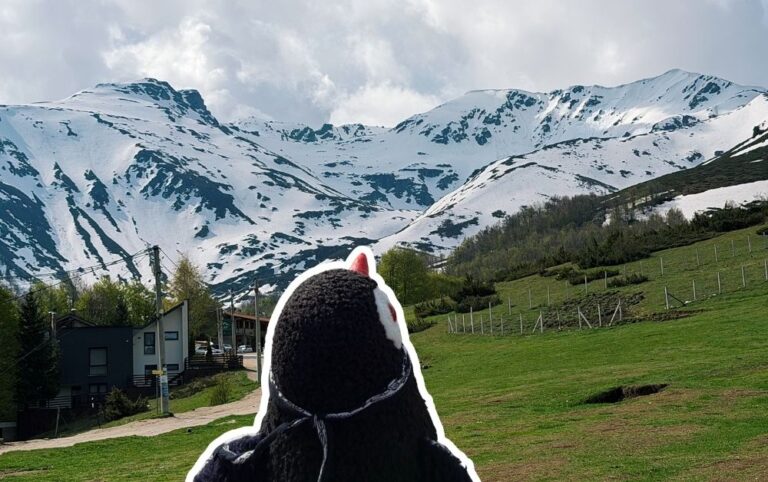
We visited in May, and the timing worked really well for us. It was warm down in Prizren but noticeably colder once we drove higher into the Šar Mountains, so definitely bring an extra layer if your trip includes the mountain roads.
A Short History of Prizren
- Ancient Times. The area around Prizren has been inhabited for thousands of years and was influenced by Illyrian and Roman civilizations.
- 4th–6th Centuries. A fortified settlement developed in the area during Late Antiquity, with the hill where Prizren Fortress stands playing an important defensive role.
- 11th Century. Prizren appears in Byzantine historical records and developed into an important regional settlement.
- 12th–14th Centuries. Prizren became an important medieval Serbian political, religious, and trading center, particularly under the Nemanjić dynasty.
- 1455. Prizren came under Ottoman rule, beginning a period that would last for more than four centuries.
- 16th–19th Centuries. The city grew as an Ottoman trading and cultural center. Many of the mosques, bridges, baths, and traditional buildings associated with Prizren date from this period.
- 1878. The League of Prizren was founded here, becoming an important moment in the development of the Albanian national movement.
- 1912. Ottoman rule ended during the Balkan Wars, and Prizren subsequently became part of the Kingdom of Serbia.
- 1918. Following World War I, Prizren became part of the Kingdom of Serbs, Croats and Slovenes, later renamed Yugoslavia.
- 1945. After World War II, Kosovo became an autonomous region within socialist Yugoslavia, with Prizren remaining an important cultural center.
- 1998–1999. The Kosovo War affected Prizren and the surrounding region, bringing another major turning point in the city’s history.
- 1999. Following the war, Kosovo came under United Nations administration.
- 2008. Kosovo declared independence on 17 February, with Prizren becoming part of the newly declared Republic of Kosovo.
- Today. Prizren is known for its mix of Albanian, Serbian, Ottoman, and other cultural influences, with mosques, churches, traditional streets, and Prizren Fortress reflecting the many periods of its history.
Hotel search from Trip.comShows Trip.com’s own box, which can set Trip.com cookies.
12 Interesting Facts About Prizren
#1: Prizren Was an Important Ottoman Trading Center
Prizren spent more than four centuries under Ottoman rule, during which it developed into an important center for trade, crafts, religion, and culture. That period still shapes the city today, especially around the historic center, where you can spot mosques, stone bridges, old houses, hammams, and narrow streets that reflect Prizren’s Ottoman past.
#2: Prizren Played an Important Role in Albanian History
In 1878, the League of Prizren was founded in the city, bringing together Albanian leaders who sought to protect Albanian-inhabited territories and advocate for greater political and cultural rights within the Ottoman Empire. The movement became an important milestone in the development of Albanian national identity, making Prizren a significant city in Albanian history. Today, you can visit the League of Prizren complex and museum to learn more about this period.
#3: Prizren Fortress Is Older Than the City You See Today
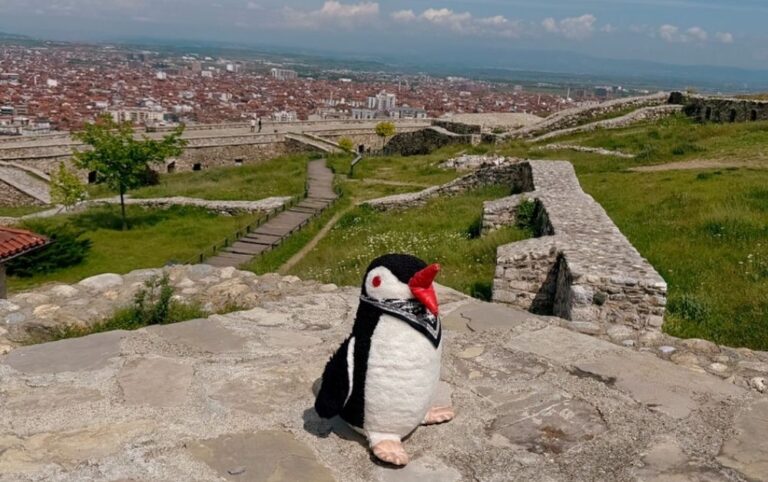
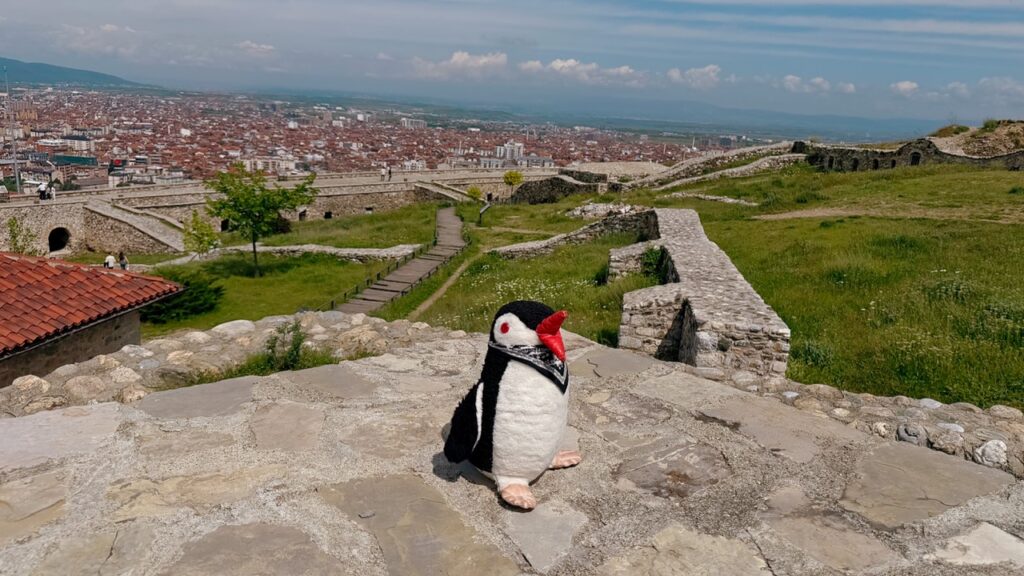
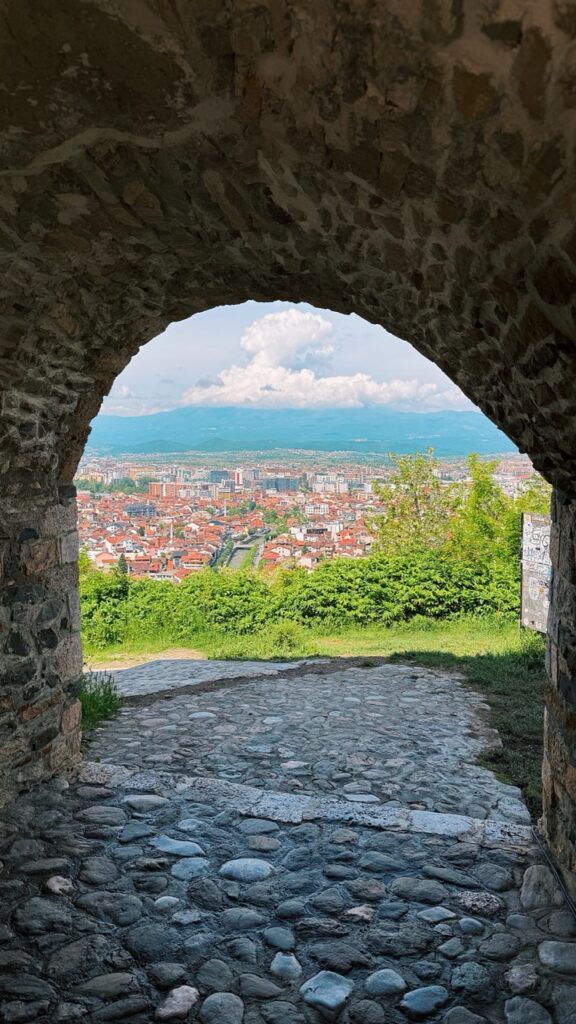
Prizren Fortress has watched over the area for centuries, with archaeological evidence showing the hilltop was fortified as far back as Late Antiquity. Different rulers continued to use and expand the site, leaving Byzantine, medieval, and Ottoman layers behind. This long history helps explain why the fortress feels like much more than a viewpoint over modern Prizren.
#4: Prizren Is Home to a UNESCO World Heritage Site
Right in Prizren, you can find the Church of Our Lady of Ljeviš, a Serbian Orthodox church dating largely to the early 14th century. It is especially known for its medieval frescoes and forms part of UNESCO’s Medieval Monuments in Kosovo World Heritage Site. The property has also been on UNESCO’s List of World Heritage in Danger since 2006, reflecting concerns about its preservation.
#5: A River Runs Through the Heart of Prizren
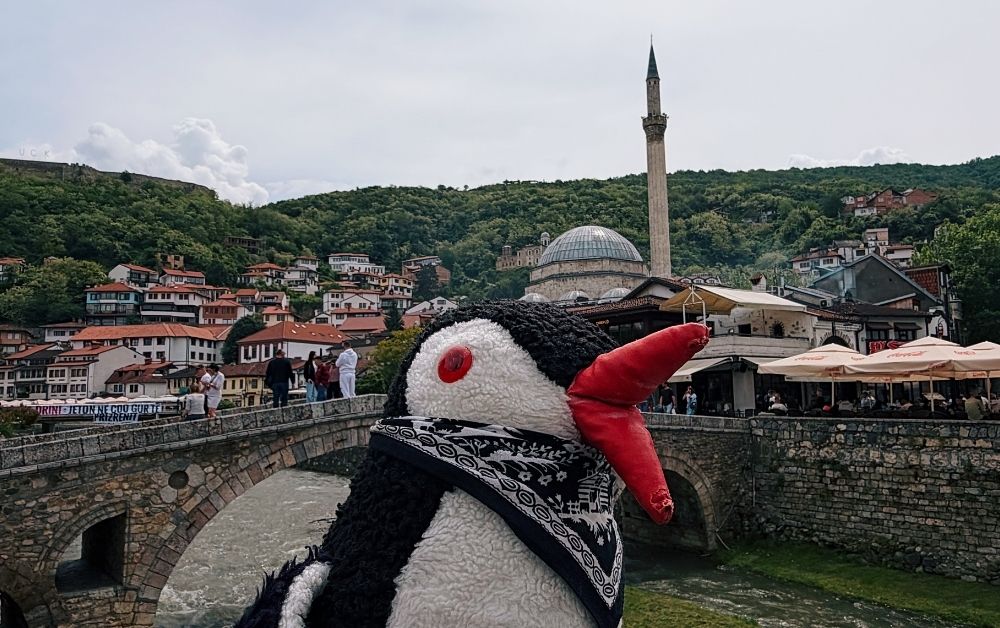
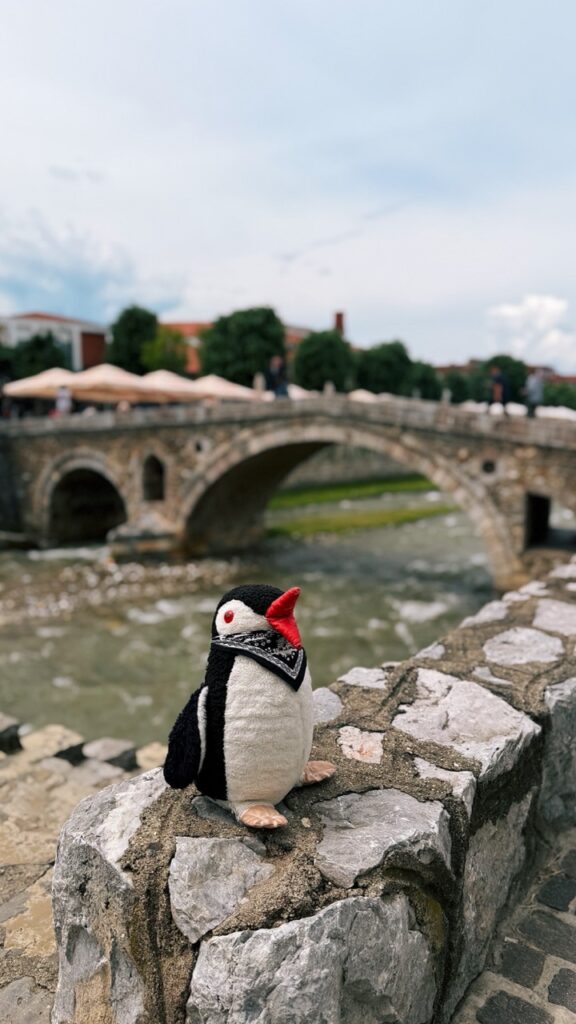
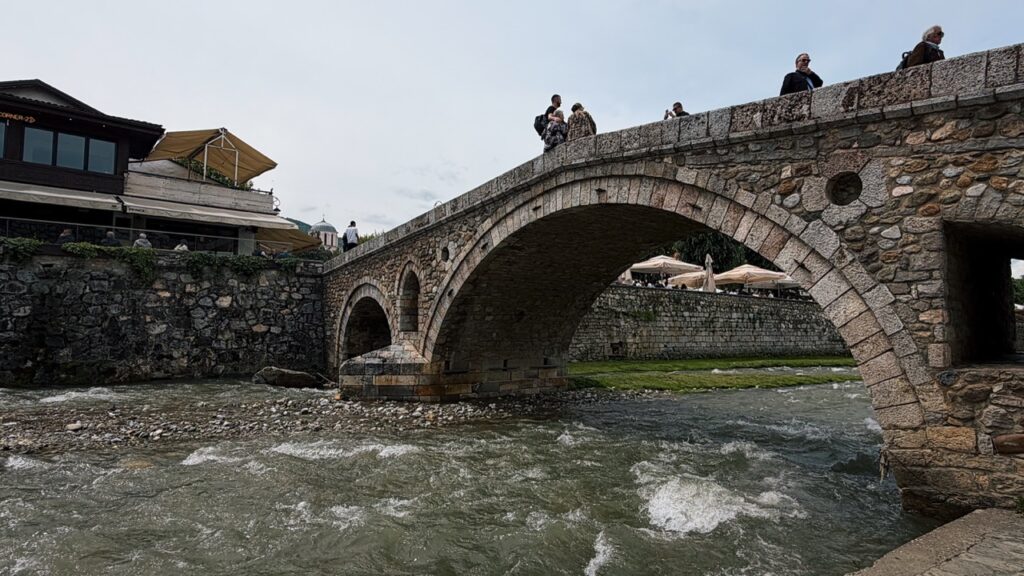
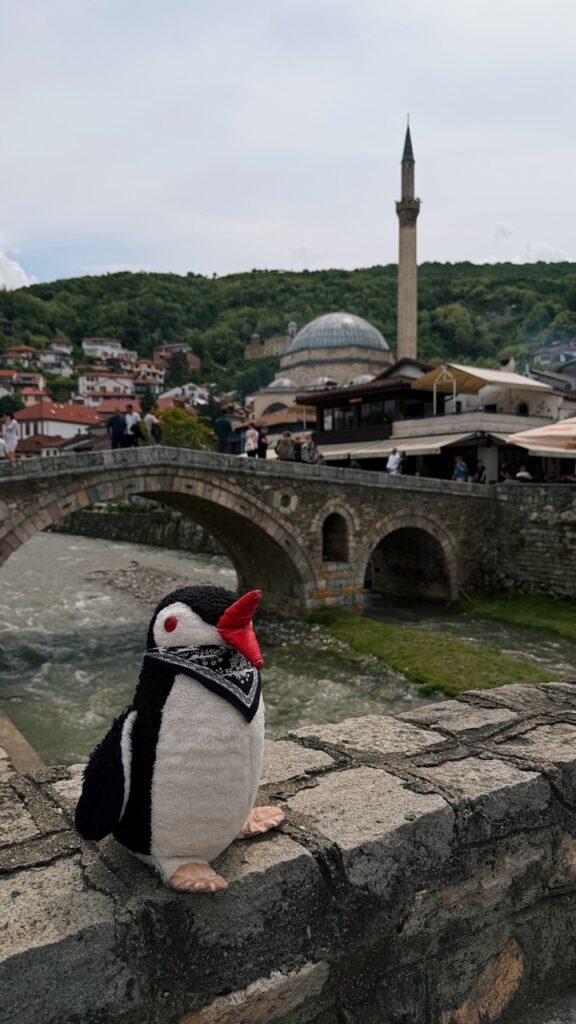
The Lumbardhi River flows straight through Prizren’s historic center, with bridges connecting the streets, cafés, and squares on either side. It gives the center much of its character, especially around the Stone Bridge, where you can waddle along the river with views of the old city and Prizren Fortress rising above.
#6: Prizren’s Most Photographed Bridge Is Actually a Reconstruction
The Stone Bridge is one of the most photographed landmarks in Prizren, but the bridge you waddle across today is not entirely the original. A major flood destroyed the historic Ottoman-era bridge in 1979, and it was carefully reconstructed in the early 1980s. Today, it once again connects both sides of the Lumbardhi River and has become one of the defining views of Prizren’s historic center.
#7: Prizren Is a Multilingual City
Prizren’s multicultural history also shows up in the languages you hear around the city. Albanian and Serbian are official languages in Kosovo, while Turkish also has official status in the municipality of Prizren. With its long-established Turkish-speaking community, Prizren is one of the places in Kosovo where the country’s linguistic diversity is particularly noticeable.
#8: Mosques and Churches Share Prizren’s Skyline
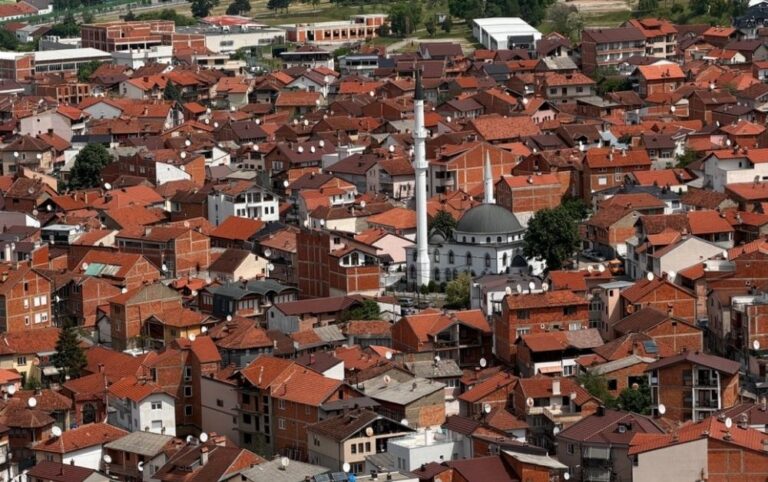
One of the things you quickly notice while exploring Prizren is how mosques and churches appear within the same compact historic center. Muslim, Orthodox Christian, and Catholic communities have shaped the city over the centuries, and their places of worship remain an important part of its architecture and history. From Prizren Fortress, you can see several minarets and church towers rising across the city below. Sinan Pasha Mosque has dominated the skyline for centuries. Completed in the early 17th century, its dome and minaret are among the easiest landmarks to spot from Prizren Fortress.
#9: Prizren Has a 16th-Century Ottoman Hammam
The Gazi Mehmet Pasha Hamam is another reminder of Prizren’s long Ottoman history. Built in the 16th century, this former public bathhouse once played an important role in the city’s everyday social life. Its domed roof makes it easy to recognize, and today it remains one of Prizren’s best-preserved Ottoman-era landmarks.
#10: Prizren Turns Into a Cinema During DokuFest
Every summer, Prizren hosts DokuFest, an international documentary and short-film festival that brings filmmakers, movie lovers, and visitors from around the world to the city. What makes it especially fun is that Prizren itself becomes part of the festival, with screenings and events taking place across different venues, including outdoor cinemas around the historic city. For a few days, films, music, exhibitions, and events take over Prizren, making it a completely different time to experience the city.
#11: Even the Name Prizren Has Centuries of History
The name Prizren is far from modern, with variations of it appearing in medieval Byzantine sources centuries ago. Historical records used different forms of the name as languages and rulers changed across the region. Its exact origin and how it eventually evolved into the modern name Prizren are still debated, adding another small mystery to the city’s long history.
#12: Prizren Is Famous for Its Filigree Craftsmanship
Prizren has a long tradition of filigree, a craft that uses fine strands of silver and other metals to create detailed jewelry and decorative pieces. The skill has been passed down through generations and remains part of the city’s craft culture today. If you want to bring home something more meaningful than the usual tourist souvenir, locally made filigree jewelry can be a lovely reminder of your time in Prizren.
Travel Facts to Know Before Visiting Prizren
- Bring some cash. Cards are increasingly accepted, but cash is still useful for smaller cafés, bakeries, markets, souvenirs, and local businesses.
- The currency is the euro. Kosovo uses the euro (€), despite not being a member of the European Union.
- ATMs are easy to find. You will find several around central Prizren, but check your bank’s withdrawal and foreign ATM fees beforehand.
- Cards are not accepted everywhere. Don’t rely entirely on Apple Pay or your bank card, especially at smaller, family-run places.
- Tipping is appreciated. It is not usually compulsory, but rounding up the bill or leaving around 5–10% for good restaurant service is a nice gesture.
- Prizren is very walkable. Most of the main sights are concentrated around the historic center so that you can explore much of the city on foot.
- Prepare for the fortress climb. The walk to Prizren Fortress is uphill, so comfortable shoes and water are a good idea, particularly in summer.
- Dress respectfully at religious sites. Prizren has mosques, Orthodox churches, and Catholic churches. Covering shoulders and knees is a sensible choice when entering places of worship.
- You may encounter children or street sellers offering small items. A polite but firm “no, thank you” is usually enough if you are not interested. Avoid displaying large amounts of cash when paying on the street.
- Use normal city awareness. Keep your phone, wallet, and bag secure in busy areas, particularly around crowded squares and events.
- English is useful in tourist areas. We found communication relatively easy, although learning a simple Albanian phrase or two is always appreciated.
- Coffee culture is big. Do not be surprised to see busy cafés throughout the day. Sitting down for coffee and taking your time is very much part of the local rhythm.
- Restaurant portions can be generous. We learned this one personally. If you are planning a big lunch, perhaps schedule your waddle up to the fortress afterward, not before.
- Tap water is used locally, but ask if unsure. When traveling, bottled water is an easy option if you have a sensitive stomach.
- Public toilets may require cash. Keeping a few coins with you can come in handy.
- Check your mobile roaming before crossing into Kosovo. Kosovo may not be included in your EU roaming allowance, even if you are arriving from an EU country.
- Bring the correct travel documents. Entry requirements depend on your nationality, so check the latest rules before traveling, particularly if you are crossing from North Macedonia, Albania, Montenegro, or Serbia.
- Be aware of the Serbia–Kosovo border situation when planning a wider Balkan trip. Entering and leaving Kosovo as part of a journey involving Serbia can require more careful route planning, so check current official guidance before your trip.
How Many Days Do You Need in Prizren
For us, one day in Prizren is enough to experience the city without feeling like you have missed its main highlights. The historic center is compact and walkable, so you can waddle up to Prizren Fortress, cross the Stone Bridge, visit a few churches and mosques, stop for coffee, and still have plenty of time for a proper lunch. We spent almost four hours in Prizren on our day trip and felt satisfied with what we saw.
If you are visiting Kosovo for longer, we would probably combine one day in Prizren with one day in Pristina, the capital, before exploring more of the country. Staying overnight in Prizren could still be worth it if you prefer slower travel, want to experience the city in the evening, or plan to explore the nearby Šar Mountains, but for the main sights, we think a full day works perfectly.
Prizren vs Pristina: Which One Should You Visit
Initially, we were actually considering Pristina, mainly because it is the capital and it felt like the obvious choice for our first visit to Kosovo. But on an earlier trip to Dubrovnik, we met a taxi driver originally from Kosovo, and when we told him we wanted to visit someday, he immediately recommended Prizren instead. His reasoning was simple: if we only had one day, Prizren would give us more of the historic side of Kosovo, with its old center, fortress, mosques, churches, Stone Bridge, and Ottoman heritage. And that little conversation actually stuck with us when it came time to plan this trip.
The two cities offer quite different experiences. Pristina is Kosovo’s capital and the center of its government, politics, universities, and modern city life, so it is a better choice if you want to understand contemporary Kosovo. You will find sights such as the NEWBORN Monument and the National Library, along with cafés and a more urban atmosphere. Prizren feels more historic and compact, with many of its main sights within walking distance and the Šar Mountains right behind the city.
If you have time, we would say visit both because they tell two different sides of Kosovo’s story. But if, like us, you have to choose just one for a first day trip and you are more interested in history, old architecture, mountain views, and a city you can easily explore on foot, we would choose Prizren. In the end, we were very happy that a random conversation with a Kosovar taxi driver in Dubrovnik pointed us in that direction.
Buy Us a Ko-fi

Prizren matched our expectations and, in some ways, surprised us. We expected history and a compact old center, but we did not expect to enjoy the combination of the Šar Mountains, fortress views, riverfront streets, different cultures, and very good food quite as much as we did. It was also an easy city to waddle around without constantly checking a map or rushing between sights.
Would we return? Definitely, although next time we would make it part of a longer Kosovo trip. Prizren gave us a great first taste of the country, but it also made us curious about what else is out there. We would love to finally visit Pristina, explore more of the mountains, and see some of the places we could not fit into a single day. For a first introduction to Kosovo, though, we are very happy that we chose Prizren.
Travel Bold. Eat Well. Waddle Wild.

This post contains affiliate links. If you click and buy, I might earn a tiny commission, enough to help a penguin keep up its globe-trotting lifestyle. No extra cost to you, just more fish for me. Thank you for supporting the adventure!