Inside De Hallen Amsterdam: Trams, Culture & Food
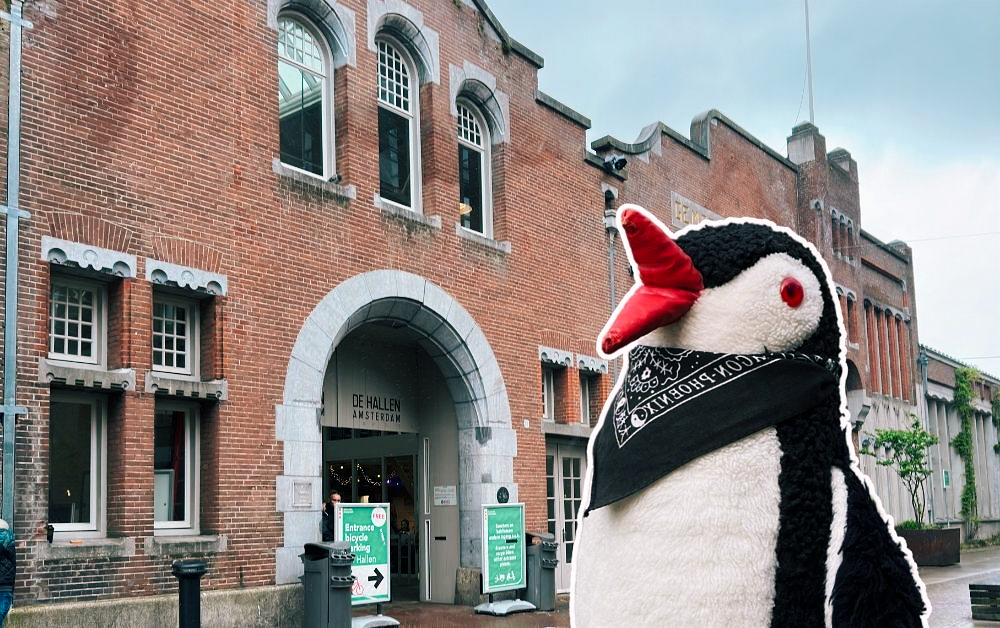
Amsterdam is good at giving old buildings another life, but De Hallen is one of the more interesting examples. Hidden behind Kinkerstraat in Oud-West, the enormous complex once housed and repaired the city’s electric trams. Today, those same industrial halls house food stalls, a cinema, a library, studios, shops, galleries, and creative spaces.
We came to explore, and because we were hungry. And that is probably the best way to approach De Hallen. You don’t necessarily come here for one attraction. You come to wander, look around, and eventually decide what to eat.
De Hallen Amsterdam Quick Facts
📍 Location: Hannie Dankbaarpassage 47, Amsterdam Oud-West
🏭 Originally: Tram depot and workshops
🎭 Today: Cultural, culinary and creative complex
🎬 Inside: FilmHallen, Foodhallen, library, galleries, shops, studios and more
🕐 De Passage: Daily, 07:00–01:00
🍴 Foodhallen: Daily, 12:00–23:00
🎟️ Admission: Free to enter De Hallen
⏱️ Time Needed: Around 1–2 hours if exploring and eating
🚋 Nearest Trams: 7 and 17
🌐 Website: Official De Hallen Amsterdam
From Tram Depot to Cultural Hub
De Hallen’s story begins with Amsterdam’s rapidly expanding tram network. The depot complex was built in stages between 1901 and 1928, providing space to store, maintain, and repair the city’s electric trams. Its long brick halls, steel roof structures, and tracks were designed for work rather than tourists.
For decades, this was part of Amsterdam’s transport machinery. But when the city’s public transport company moved its main workshop to Diemen-Zuid, the depot closed in 1996. The buildings subsequently spent years searching for a purpose, and demolition was even considered. In 2010, activists, artists and young people temporarily occupied the abandoned complex, using it for cultural and community projects while debates over its future continued.
Eventually, architect André van Stigt led a redevelopment that deliberately kept traces of the depot rather than erasing them. De Hallen officially opened in its new form in 2015, and today the complex is a national monument and a major cultural meeting point in Amsterdam-West.

How to Get to De Hallen Amsterdam
De Hallen sits in Oud-West, just behind Kinkerstraat and next to Ten Katemarkt. Trams 7 and 17 stop nearby at Bilderdijkstraat and Ten Katestraat, leaving only a short walk to the complex.
If you are already exploring central Amsterdam, walking here also gives you a reason to move beyond the busiest streets of the historic center and see a different part of the city. Bicycle parking is available around the complex, and drivers can use the municipal underground parking garage beneath De Hallen.
Waddling Through De Hallen
Waddling inside, De Hallen doesn’t immediately feel like a conventional tourist attraction, and that is part of its appeal. The central passage is long, high, and filled with daylight from the glass sections of the old roofs. Look down, and you can still spot tram tracks running through the building; look around, and the industrial bones of the former depot remain visible.
But nothing about the place feels frozen in history. People head to the cinema, meet for lunch, work over coffee, or simply pass through. De Hallen feels less like a museum dedicated to what the building used to be and more like an old piece of Amsterdam that has been put back to work.


What Is Actually Inside De Hallen
Calling De Hallen an attraction doesn’t quite work. It is more like a small neighborhood squeezed inside an old tram depot. You might walk past someone heading to a film, someone opening a laptop in the library, and someone else who, like us, is mostly thinking about what to eat.
FilmHallen, an arthouse cinema, an OBA public library, galleries, studios, small shops, creative businesses, and spaces used for workshops and events. The long central De Passage ties everything together and regularly becomes a setting for markets and exhibitions. Then, of course, there is Foodhallen, which tends to steal plenty of the attention.
The best way to explore it is to waddle through and see where you end up. De Hallen doesn’t need a checklist. Part of its appeal is watching an old piece of Amsterdam function as an everyday part of the city again.
The Architecture Is Part of the Attraction
It would have been easy to renovate De Hallen until very little remained of its tram-depot identity. Thankfully, that didn’t happen.
Original tram rails still cut through the central passage, while old stone number plates remain on the walls. Above you, the long pitched roofs and steel structures preserve the workshops’ industrial scale, with large glass sections bringing daylight into spaces that once existed primarily for storing and repairing trams.
You do not need to be particularly interested in architecture to appreciate it. The contrast between the old industrial shell and everything happening inside it today tells the story better than another information board probably could.

Then We Got Hungry: Inside Foodhallen Amsterdam
Eventually, our wandering led us to the part of De Hallen that attracts plenty of visitors on its own: Foodhallen.
Opened in 2014, Foodhallen transformed part of the former tram depot into a large indoor food hall. Today, 19 food stands cover everything from Indonesian and Vietnamese street food to burgers, pizza, dim sum, sushi, Mediterranean dishes, Mexican food, and French pastries. Three bars handle everything from wine and cocktails to a substantial selection of beer.
The first challenge isn’t finding something you want to eat. It is deciding what you want most.
What We Ate at Foodhallen
With so many counters competing for our attention, choosing lunch took a while, but we eventually stopped at Padrón, a stall focused on what it calls Green Dutch Cuisine. We kept things simple and ordered two loaded sausages with a portion of sweet potato fries to share.
The sausages came tucked into soft bread and loaded with different sauces and toppings. One was finished with a creamy white sauce and spring onion, while the other came with a richer orange sauce and herbs. Both were juicy, generously topped, and satisfying without trying to be overly complicated. The sweet potato fries were the highlight, arriving well browned and crisp rather than soft and limp, which can easily happen with sweet potato.
It was exactly the kind of food that works at Foodhallen: casual, easy to share, and quick enough that you can still be tempted by another stall afterward. And that is probably Foodhallen’s biggest strength. You don’t need everyone at the table to agree on one cuisine. Grab what catches your eye, meet back at the table, and start swapping bites.


What Foodhallen Feels Like
Foodhallen is busy, loud, and very social, with people moving between counters, drinks arriving from the bars, and almost every table occupied. You order directly from the individual food stalls and then find a place at one of the shared tables, which sounds simple until you realize just how popular this place is.
When we visited, finding a seat was the hardest part. We circled the hall for free seats before finally grabbing a spot. With so many food choices, we would still recommend doing a full lap before ordering, but during peak hours, keep one eye on the menus and the other on anyone who looks suspiciously close to leaving their table.
De Hallen or Foodhallen? Know the Difference
The names are easy to mix up, but De Hallen and Foodhallen aren’t the same. De Hallen is the entire former tram-depot complex, home to the cinema, library, shops, cultural spaces, and more. Foodhallen is simply the food hall inside it, although its popularity means it often gets most of the attention.
You could easily come just for lunch, eat and leave, but we wouldn’t. Waddle through De Hallen first, look for the old tram tracks, and take in the building before heading for the food stalls. Knowing what this place used to be makes sitting down for lunch inside it considerably more interesting.


When Is the Best Time to Visit
If you want to explore the architecture and different spaces, come during the day, when natural light fills the central passage, and you can combine your visit with lunch. Later in the day, Foodhallen becomes more of a social destination, especially on weekends.
De Hallen is also another useful option for a rainy Amsterdam day. Much of what you come here for is indoors, and you can easily turn bad weather into a couple of hours of food, film, shopping, and exploring.
Facilities & Amenities
- Toilets: Available within the complex
- Accessibility: Foodhallen is wheelchair accessible
- Bike Parking: Dedicated bicycle parking is available
- Parking: Underground paid car park beneath De Hallen
- Library: OBA branch inside the complex
- Cinema: FilmHallen
- Food: 19 Foodhallen stands
- Drinks: Three bars inside Foodhallen
- Payments: Cash, major cards, and contactless payments accepted at Foodhallen
Is De Hallen Amsterdam Worth Visiting
Yes, particularly if you want to see something beyond Amsterdam’s headline attractions. We wouldn’t necessarily put De Hallen ahead of the Rijksmuseum, Anne Frank House, or the city’s canals for a first visit, but that isn’t really its role.
De Hallen works better as a glimpse of how Amsterdam still uses its historic spaces. The tram depot wasn’t turned into another museum explaining what used to happen here. It was given another job. People still come through its doors every day, only now they watch films, work, shop, meet friends, and decide between ramen and bitterballen instead of repairing trams.
Foodhallen adds another reason to come, particularly if you are already exploring Oud-West. Even if you only have lunch and walk through the old passage, the combination of industrial history and everyday city life makes De Hallen worth the detour.
Buy Us a Ko-fi

We initially came to De Hallen to see what this much-talked-about Amsterdam cultural space was actually like. We left after exploring an old tram depot, wandering between its preserved tracks and, inevitably, eating our way through part of Foodhallen.
And perhaps that is the best thing about De Hallen: it doesn’t ask you to admire an old building from behind a rope. Amsterdam kept the building, kept the tracks, and found new reasons for people to come inside.
Travel Bold. Eat Well. Waddle Wild.

This post contains affiliate links. If you click and buy, I might earn a tiny commission, enough to help a penguin keep up its globe-trotting lifestyle. No extra cost to you, just more fish for me. Thank you for supporting the adventure!