Eating Ethiopian in Amsterdam: Our Lalibela Restaurant Review
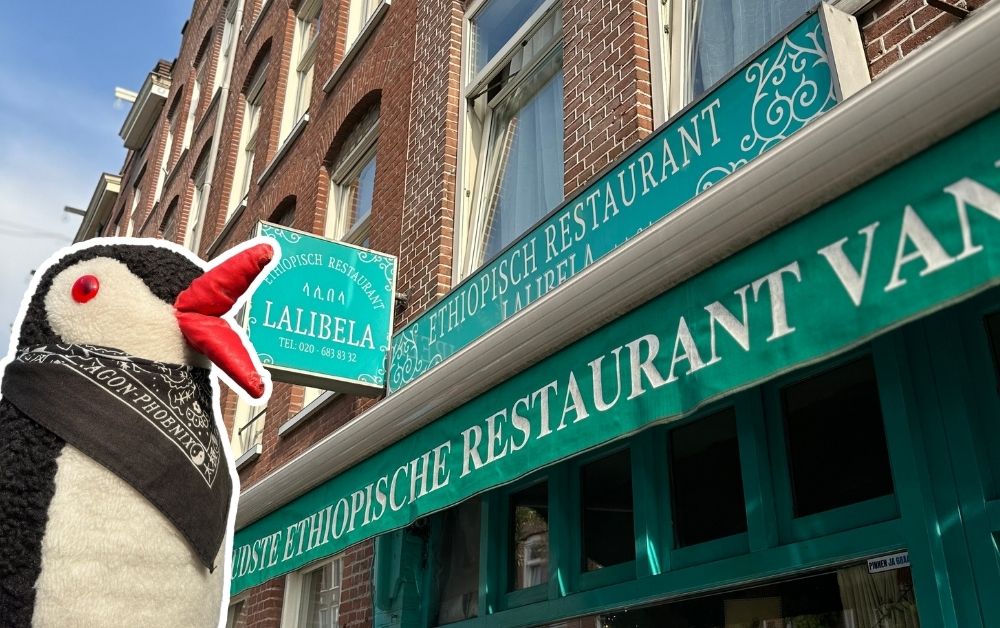
Lalibela wasn’t on our Amsterdam food list. In fact, we probably wouldn’t have discovered it at all if our friend hadn’t recommended it and suggested we go together. Ethiopian food wasn’t something we had specifically planned to try during this trip, but we were happy to hand over the restaurant decision and see where it took us. And we are very glad we did. Sometimes the best meals while traveling are the ones that never made it onto the original itinerary.
First Impressions
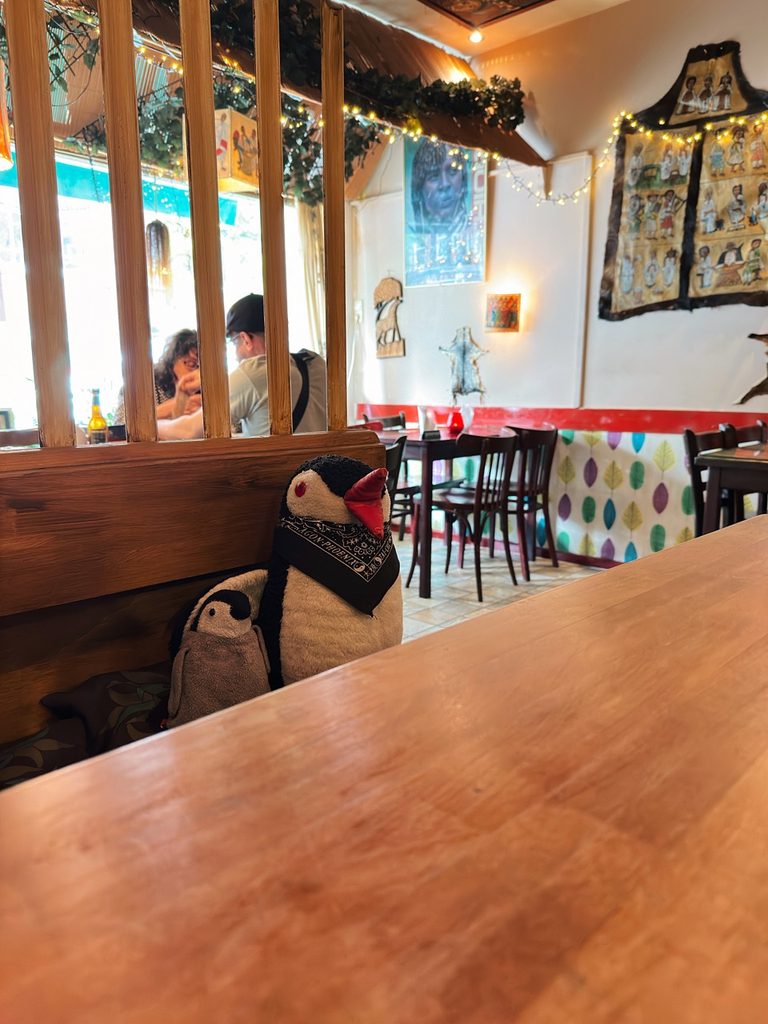
Lalibela sits in a pleasant part of Amsterdam Oud-West, and we were already looking forward to the meal as we approached. This was our first experience with Ethiopian food, so beyond knowing a little about injera and the communal style of eating, we didn’t really know what to expect. That sense of discovery continued when we stepped inside. The restaurant has a warm, characterful interior, with Ethiopian art, objects, textiles, and cultural references woven throughout the décor rather than feeling like an afterthought. It immediately gives Lalibela a strong sense of place and sets the scene for the food to follow.
Quick Facts
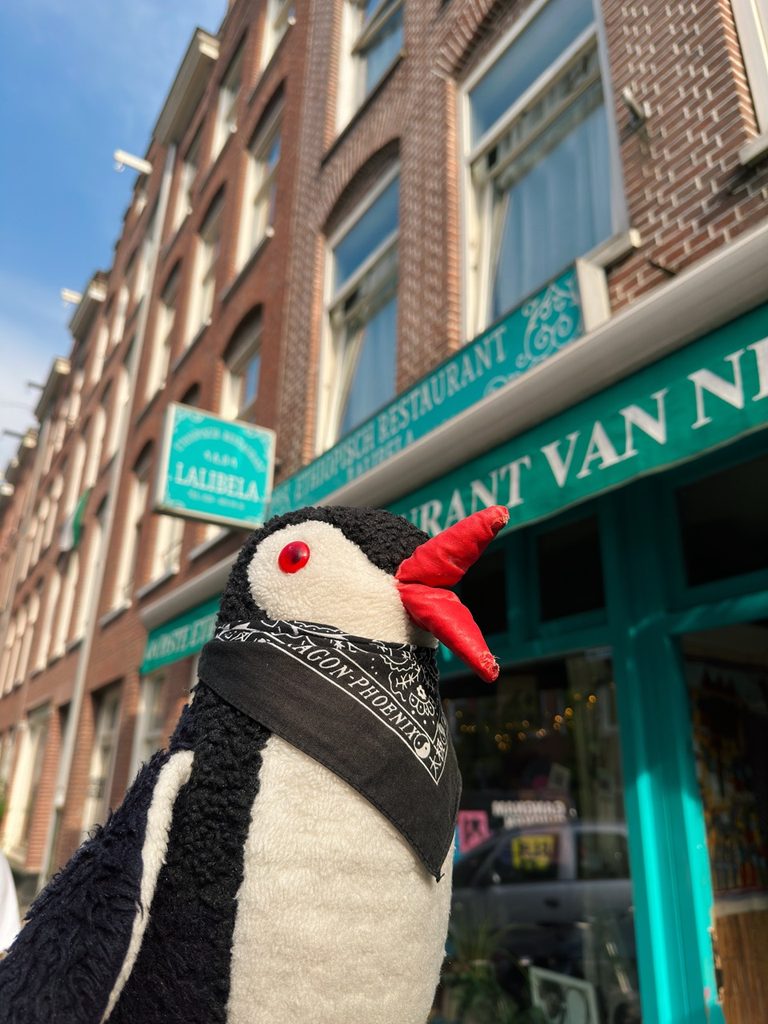
📍 Location: Eerste Helmersstraat 249, 1054 DX Amsterdam, Netherlands
🕒 Opening Hours: Daily 5:00 PM–11:00 PM (double-check before visiting)
🍽️ Cuisine: Ethiopian cuisine, injera, meat, vegetarian & vegan dishes
💰 Price Range: €€
📅 Visited: 2024
📞 Reservations: recommended, especially for dinner and weekends
🌐 Website: Lalibela Restaurant
The Experience
Lalibela doesn’t have the polished, modern look of many newer Amsterdam restaurants, but that is part of its charm. The slightly older interior, Ethiopian decorations, and wooden benches give it a homey, lived-in feel that suited our first experience with Ethiopian food surprisingly well. The noise level was low and comfortable, making it easy for our group to talk without competing with music or neighboring tables. Service was friendly, patient, and helpful, which we particularly appreciated since we were completely new to the cuisine. Overall, it felt less like a trendy Amsterdam dining spot and more like being welcomed somewhere that had been doing its thing for a long time.
What We Ordered
Lalibela’s menu is focused and very traditional, with 24 main dishes divided between 11 meat dishes, 10 vegetarian options and three seafood dishes. Beef and lamb feature heavily on the meat side, alongside chicken and veal, while the vegetarian menu uses ingredients such as lentils, chickpeas, spinach, mushrooms, aubergine and courgette. Most dishes can be ordered mild or spicy, which makes the menu approachable if Ethiopian spices are new to you.
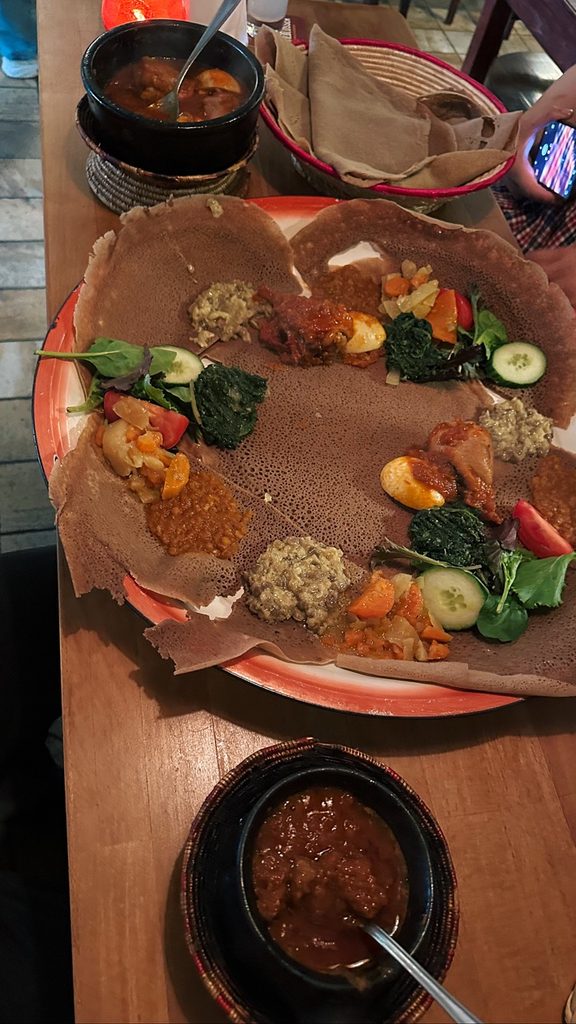
What makes the meal particularly interesting is how it is served. Rather than each main arriving on a separate plate, the dishes and sides are arranged together on injera, the slightly sour, fermented Ethiopian flatbread that becomes both part of the meal and how you eat it. Lalibela serves its mains with azifa lentils, alecha wot, meser wot, sautéed spinach, and salad, so ordering a few dishes to share gives you a surprisingly broad introduction to Ethiopian flavors in a single meal.
Mongozo Mango Beer
€ 6.95
Rating: ⭐⭐⭐⭐☆ (4.5/5)
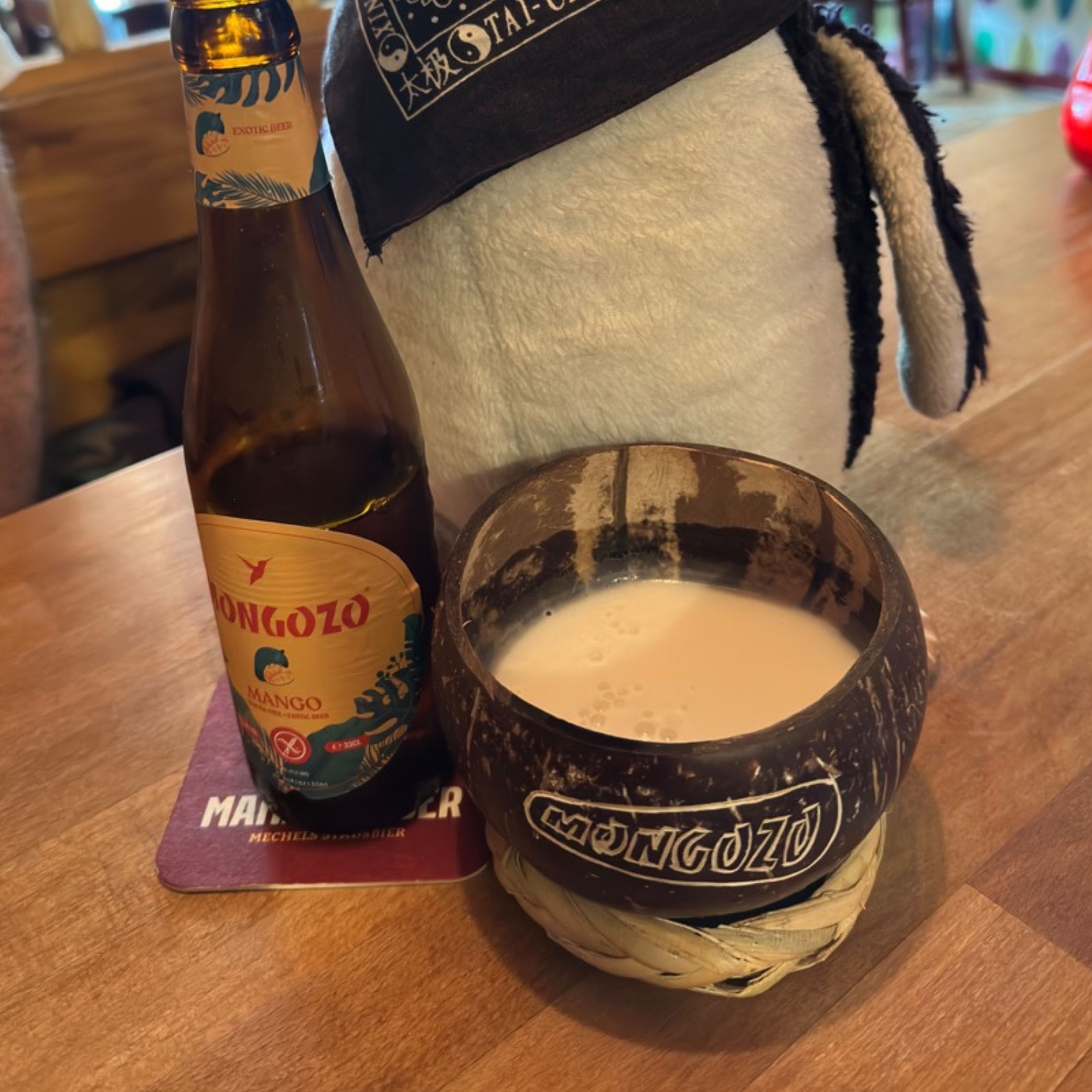
We weren’t entirely sure what we were ordering, but it worked out very well. Mongozo Mango is a light mango fruit beer with 3.6% alcohol, served at Lalibela in a distinctive bowl-shaped cup rather than a conventional beer glass. What surprised us most was its appearance: we expected something closer to a typical golden fruit beer, but ours was remarkably pale and milky-looking, which made that first sip even more intriguing. The beer itself was sweet, smooth, and strongly mango-forward, with very little bitterness, making it exceptionally easy to drink. It was unusual, refreshing, and easily one of the drinks we will remember.
Doro Wot Special
€ 12
Rating: ⭐⭐⭐⭐☆ (4/5)
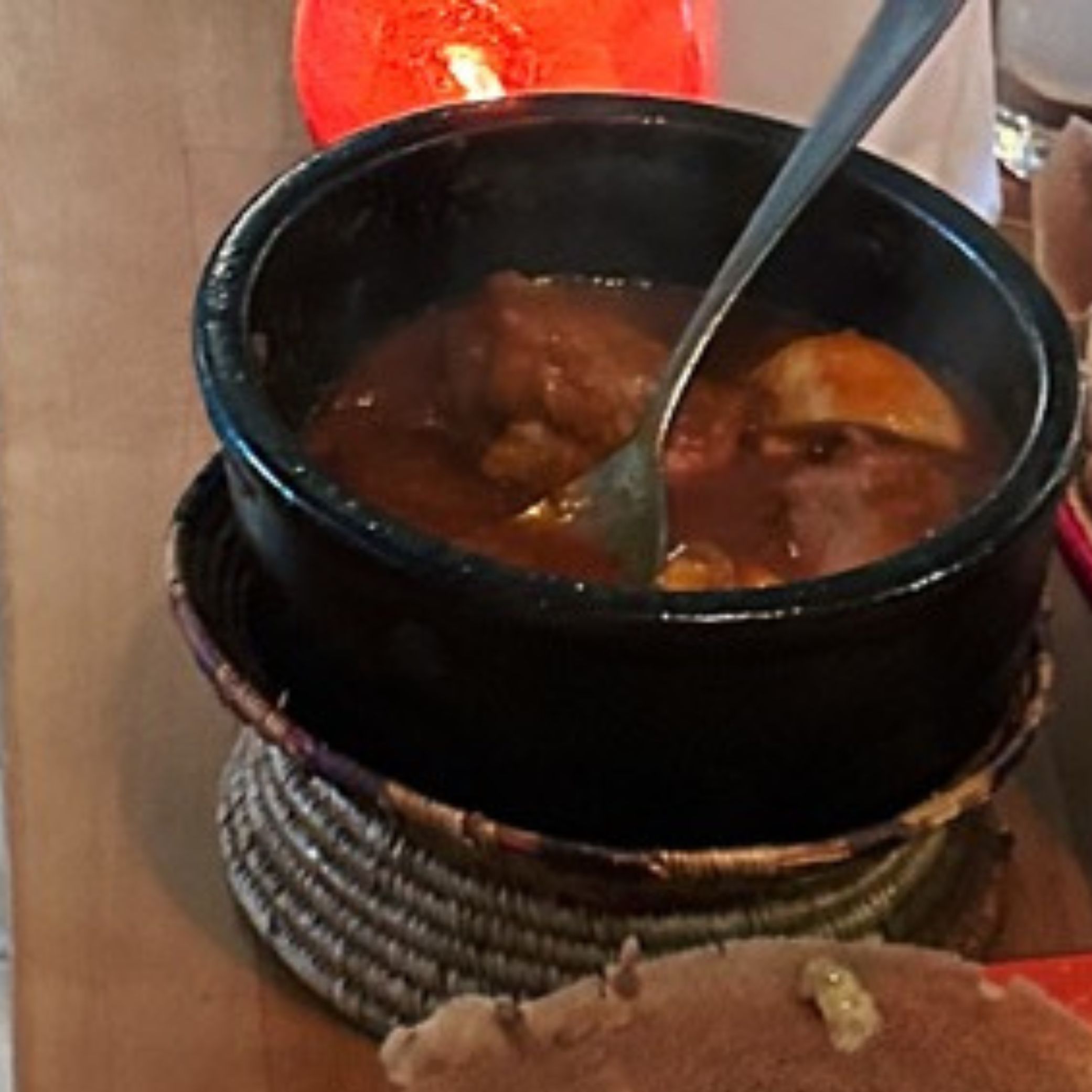
The Doro Wot Special gave the meal one of its most distinctive flavors. Chicken and boiled egg come coated in a deep red, heavily spiced sauce, with the injera underneath gradually absorbing the sauce as you eat. The chicken was tender, while the egg added richness and worked surprisingly well with the intensity of the spices. There was heat, but also plenty of depth, rather than spice for spice’s sake. For our first introduction to Ethiopian cooking, this dish immediately helped us understand why doro wot is considered such a classic.
Injera & Traditional Sides
€ 11
Rating: ⭐⭐⭐⭐☆ (4/5)
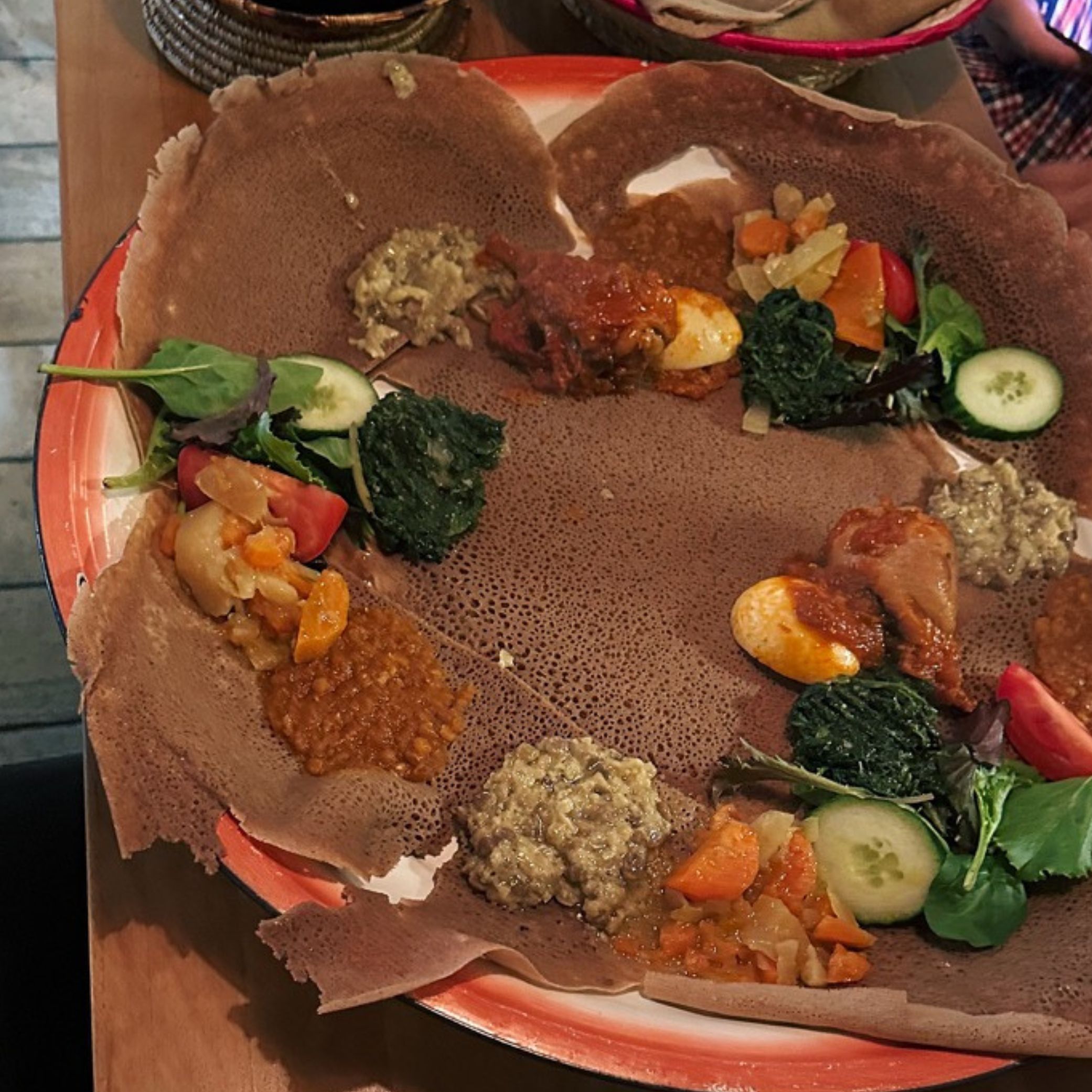
For us, this was the best part of the entire meal. The large injera platter arrived topped with lentils, potatoes, and carrots; sautéed spinach; and fresh salad, creating a mix of earthy, fresh, and gently spiced flavors alongside the richer meat dishes. The real discovery was the injera itself, a fermented flatbread somewhere between bread and a sourdough pancake, with a soft, porous texture that absorbs every sauce around it. Its distinctly sour flavor and almost prickly sensation on the tongue surprised us at first, but quickly became addictive. Torn apart and used to scoop up the different dishes, it brought the entire meal together and became our favorite part of our first Ethiopian food experience.
Although Lalibela isn’t advertised as a dining experience, it became exactly that for us. Ethiopian food was completely new territory, and some flavors were unlike anything we were used to. There were rich and spicy meat dishes, vegetables, and lentils we immediately loved, and then there was the injera, probably the biggest surprise of all. Soft, porous, and slightly sour, almost like a fermented pancake but not quite, it had such a distinctive taste and texture that it completely changed the way the other dishes tasted when eaten together. The traditional sides were our highlight, and sitting around one large platter and trying different combinations as we went made the meal feel as much about discovery as it was about the food.


Another part of that experience was eating everything with our hands. No cutlery was involved: you tear off a piece of injera and use it to pick up the meat, lentils, vegetables, and sauces from the communal platter. It makes the meal slower, more interactive, and much more communal. For our first Ethiopian dinner, it felt like a genuinely different way to experience a cuisine, rather than simply trying a new restaurant.
Our Verdict
★★☆
Lalibela delivers a memorable introduction to Ethiopian food in Amsterdam, combining a homey atmosphere with communal dining and flavors that were completely new to us. Some dishes were rich and spicy, but the traditional sides and injera were the highlight, with that soft, porous, and distinctly sour flatbread bringing everything together. Add the mango beer, friendly service, and the experience of sharing one large platter and eating entirely with your hands, and this became far more than simply another dinner in Amsterdam. We walked in not really knowing what to expect and left very glad our friend had brought us here.
Would We Recommend It? ✅ Yes, especially if you want to try Ethiopian cuisine
Best For: Ethiopian Food • Injera • Sharing • New Food Experiences • Vegetarian Options • Casual Dinners • Groups
Less Suitable For: Fine Dining • Modern Interiors • Familiar European Flavors • Diners Who Prefer Individual Plates • Quick Meals
Value for Money
Things to Know Before You Go
- Best Time to Visit: Lalibela works well for a relaxed dinner, especially if you are trying Ethiopian food for the first time. Give yourself enough time to share the dishes and explore the different flavors rather than treating it as a quick meal.
- Reservations: The restaurant is relatively intimate, so booking ahead is a good idea, particularly for evenings, weekends or larger groups.
- Getting There: Lalibela is located in Amsterdam Oud-West, not far from Vondelpark. You can easily reach it from central Amsterdam by tram, bicycle, or on foot, depending on where you are staying.
- Payment Methods: Card payment is the easiest option in Amsterdam, though having a little cash as backup never hurts.
- Dress Code: Casual. Lalibela has a relaxed, homey atmosphere, so you don’t need to dress up. Come comfortable, especially since this meal is meant for sharing and eating with your hands.

Overall Miškolin Guide Rating
| Category | Score |
|---|---|
| Food | ⭐⭐⭐⭐☆ |
| Service | ⭐⭐⭐☆☆ |
| Atmosphere | ⭐⭐⭐☆☆ |
| Value | ⭐⭐⭐⭐☆ |
| Location | ⭐⭐⭐☆☆ |
| Penguin Pick™ | The whole experience |
| Overall Rating | ⭐⭐⭐☆☆(3.5/5) |
Miškolin Guide Award

The Miškolin Guide is Lifeguin’s food rating system for restaurants, cafés, bakeries, and other food spots. Places can earn 1 to 3 spatulas, with more spatulas indicating a stronger recommendation.
Travel Bold. Eat Well. Waddle Wild.
This post contains affiliate links. If you click and buy, I might earn a tiny commission, enough to help a penguin keep up its globe-trotting lifestyle. No extra cost to you, just more fish for me. Thank you for supporting the adventure!