Things to Do in Sigulda, Latvia: 14 Places You Shouldn’t Miss
We spent a day exploring Sigulda and the surrounding Gauja Valley, moving from medieval castle ruins and historic estates to sandstone caves, forest paths, and riverfront viewpoints. This small corner of Latvia packs a lot, and even after a full day, we left with places still waiting for another visit. If you are planning a trip to Sigulda, these are the sights and experiences worth putting on your itinerary.
Why Visit Sigulda
Sigulda brings together several sides of Latvia in one compact destination. Medieval castle ruins rise above the Gauja Valley, forest paths lead to sandstone caves, and the cable car connects the two sides of the landscape high above the river. Manor houses, viewpoints, legends, and quiet corners are easy to miss if you stick to the main sights. It is close enough to Riga for a day trip, yet once you leave the railway station behind, the city feels far away. Sigulda brings Latvia’s history and landscape together, making it a natural stop for anyone who wants to see more of the country beyond its capital.
How to Get to Sigulda
Getting to Sigulda from Riga is straightforward, with the train being the easiest option for a day trip. Trains leave from Riga Central Station several times a day, and the journey takes roughly an hour to an hour and a half, depending on the service. A standard one-way ticket costs only a few euros, making it an affordable way to reach the town without a car. Once you arrive at Sigulda railway station, you can reach many central sights on foot, while the cable car and local transport can help you cover more ground. For current departure times and fares, check the Vivi Latvia timetable before setting off.
Top 14 Things to See in Sigulda, Latvia
Sigulda packs an impressive amount into a small corner of Latvia. From medieval castles and red-brick towers to sandstone caves, forest trails and sweeping views over the Gauja Valley, these are the top sights and experiences to add to your Sigulda itinerary that we enjoyed.
#1: Laima Clock & the S! Sign
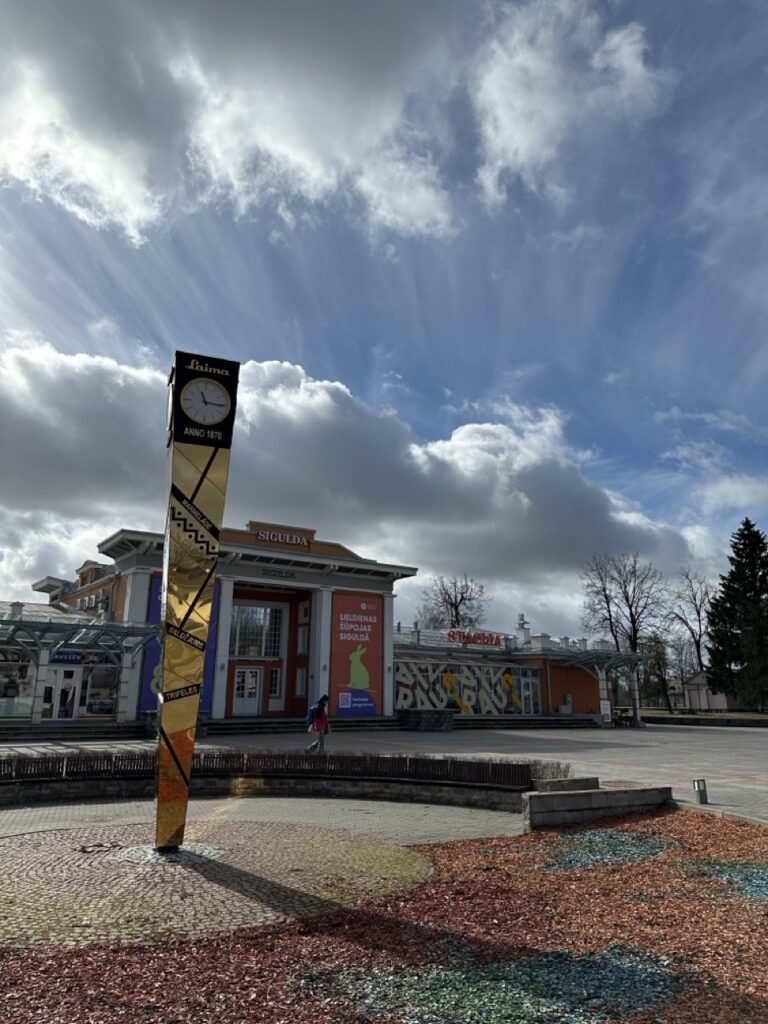
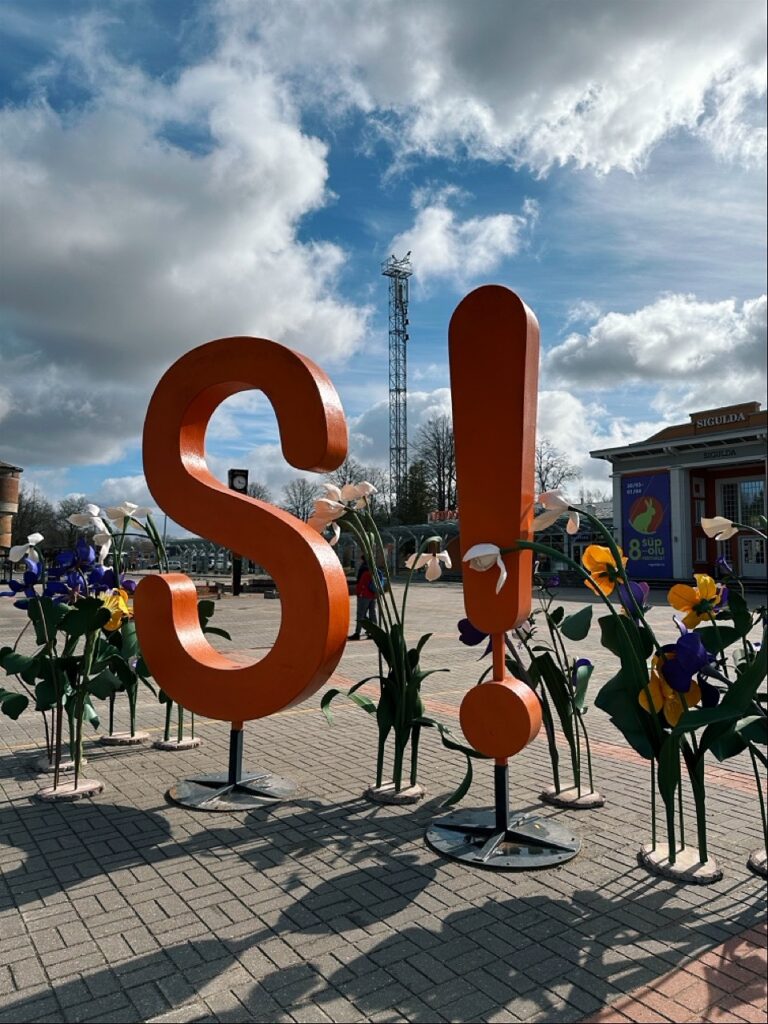
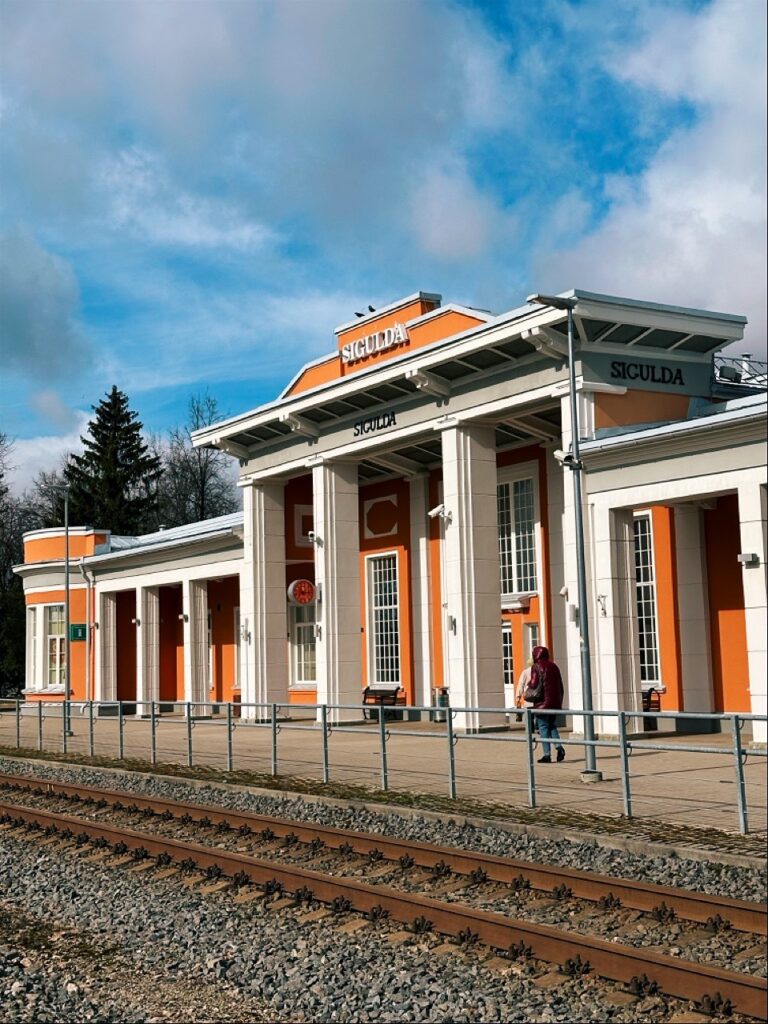
The Laima Clock and the famous S! sign make an easy first stop because they are right in front of the railway station. You barely have time to step off the train before Sigulda starts introducing itself. The Laima Clock is a colorful landmark in the town’s public space, while the oversized S! has become one of Sigulda’s playful visual signatures. Add the surrounding flowers, sculptures, and open space, and it feels less like a railway station forecourt and more like the beginning of a sightseeing route. For us, it was the perfect first glimpse of Sigulda before heading further into town.
#2: Sigulda Evangelical Lutheran Church
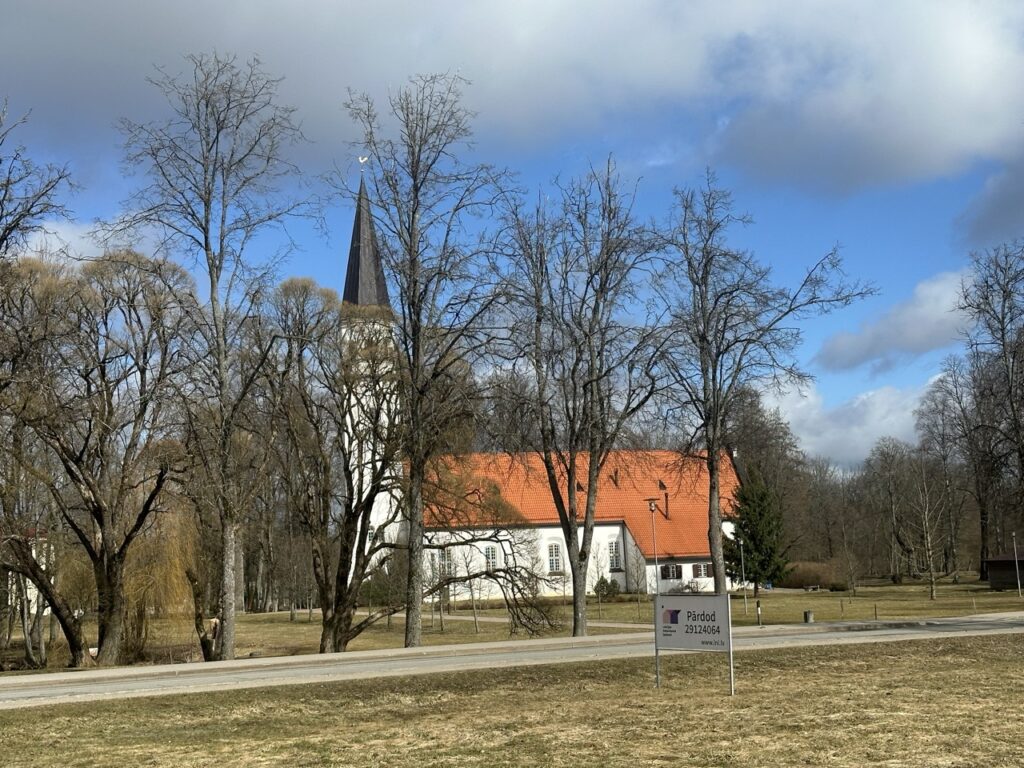
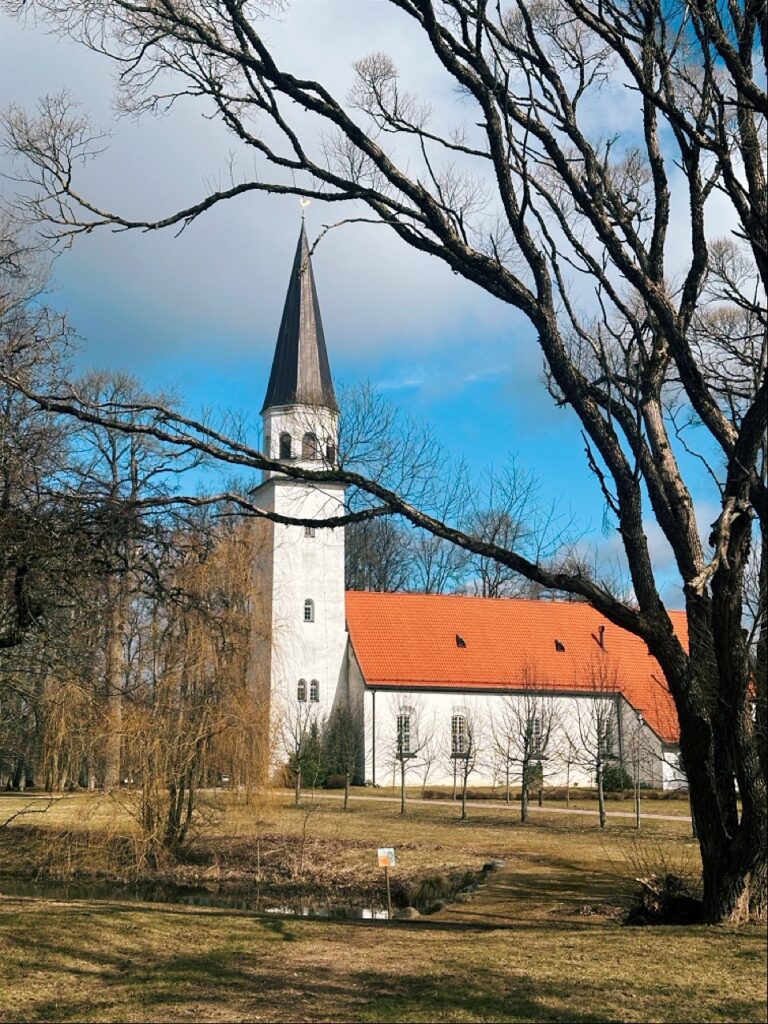
Standing quietly among Sigulda’s greenery, the Sigulda Evangelical Lutheran Church is one of the town’s oldest landmarks. The church dates back to the 15th century, although the building we see today has been altered and rebuilt several times over the centuries. Its simple exterior contrasts with some of Sigulda’s grander attractions, but that is part of its charm. Inside, the atmosphere is peaceful, while around the church you get another glimpse of Sigulda’s long history. It is an easy stop to add while exploring the town, particularly if you are already waddling between the railway station and the main castle area.
#3: Sigulda Cable Car
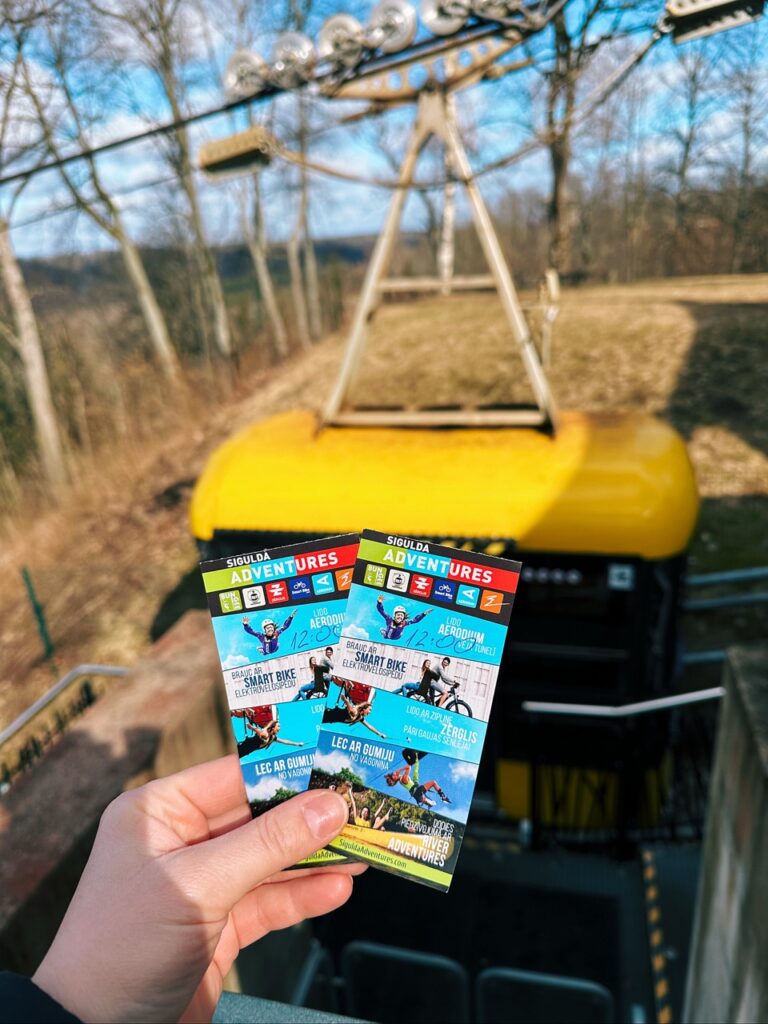
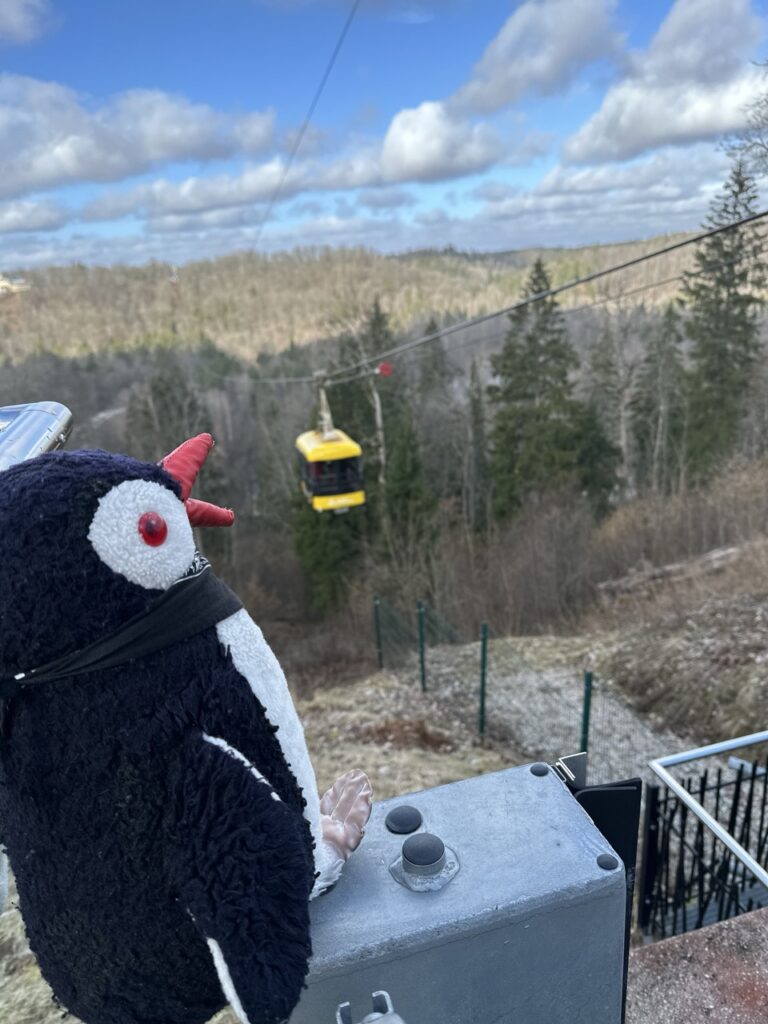
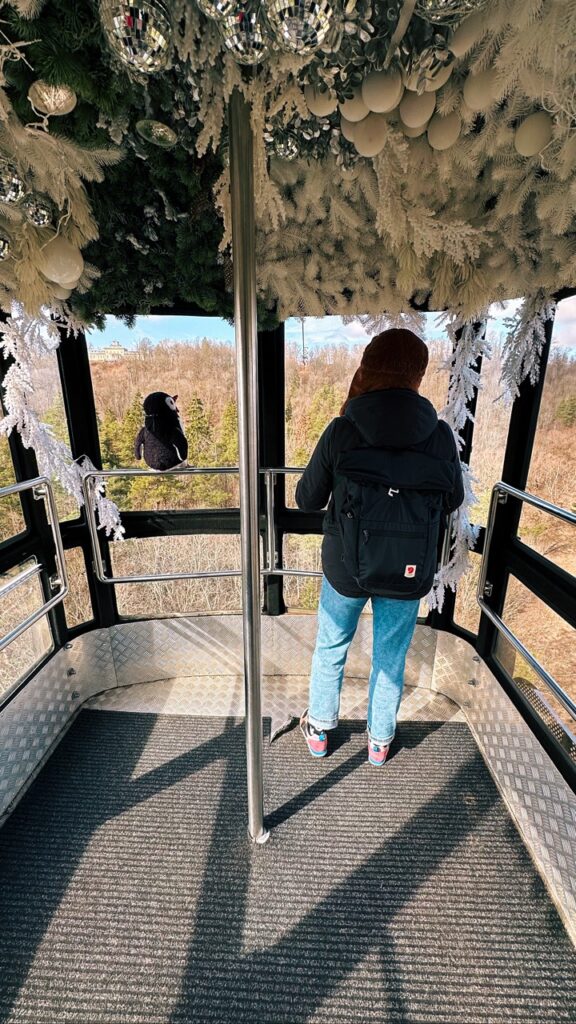
The Sigulda Cable Car is one of the most distinctive ways to experience the Gauja Valley. Suspended high above the landscape, the cable car connects Sigulda with Krimulda, carrying passengers across the valley while opening up views of the river, forests, and surrounding hills. The ride takes only a few minutes, but the changing perspective makes it one of the more memorable ways to see Sigulda. Sigulda Adventures operates the cable car and runs several other activities around the valley.
More Things to Do with Sigulda Adventures
- Bungee jumping from the cable car
- Zipline rides across the Gauja Valley
- Adventure activities and outdoor experiences
- Boat and water activities, depending on the season
- Cable car rides between Sigulda and Krimulda
#4: Krimulda Castle Ruins
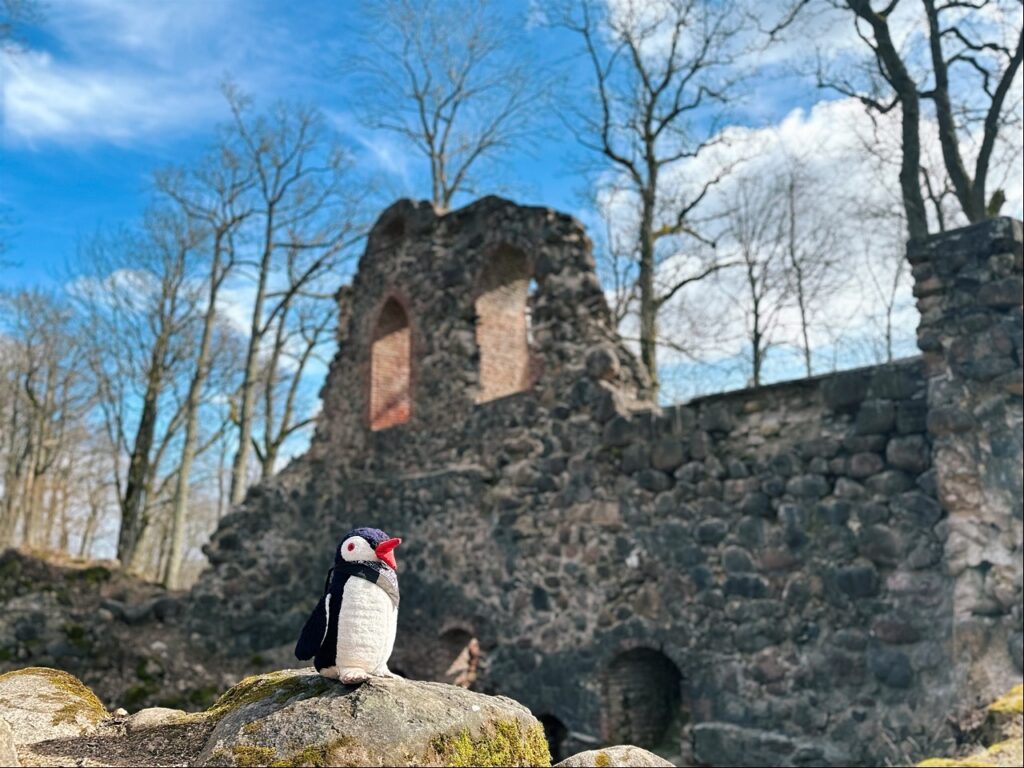
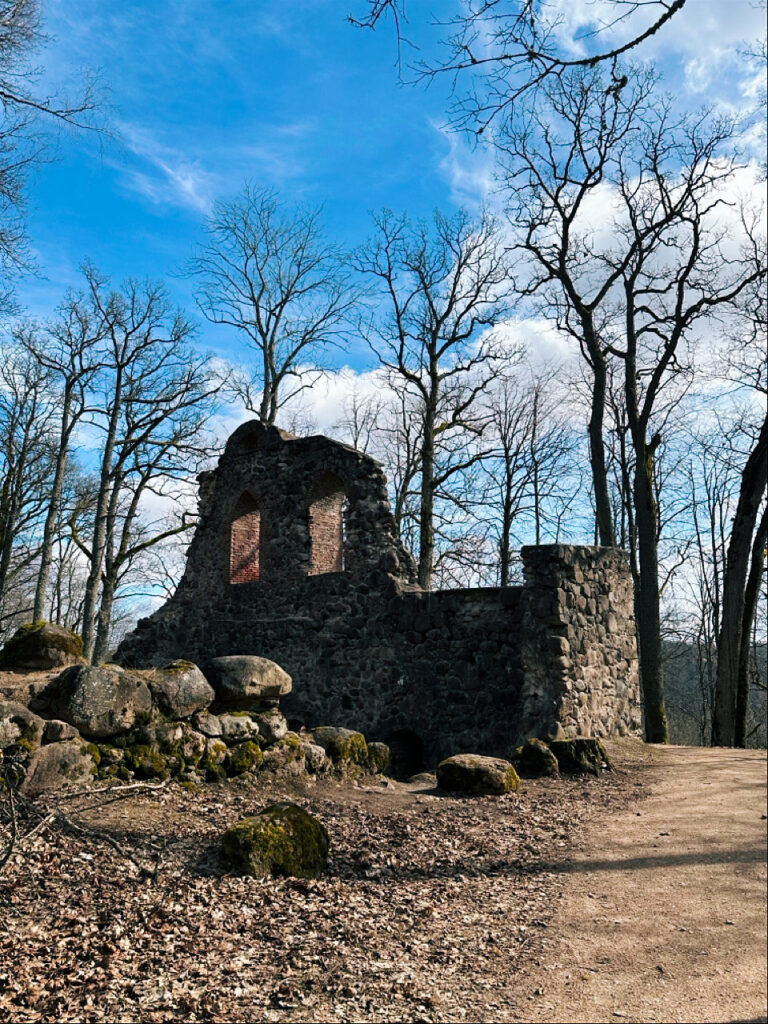
The Krimulda Castle Ruins offer a quieter glimpse into Sigulda’s medieval past. Built in the 13th century, the castle belonged to the Riga Archbishopric and occupied a naturally protected position between the Gauja River and the deep Vikmeste River valley. Its location was strategic and scenic, with the surrounding slopes providing important natural defense. Today, only fragments of the medieval fortress remain, but they are enough to give you a sense of the original complex’s scale. The castle was built from large fieldstones, with parts of its defensive walls reaching around two meters thick at the foundations. It was damaged and eventually burned during the conflicts of the 17th century and was never rebuilt as a functioning fortress.
#5: Gutman’s Cave
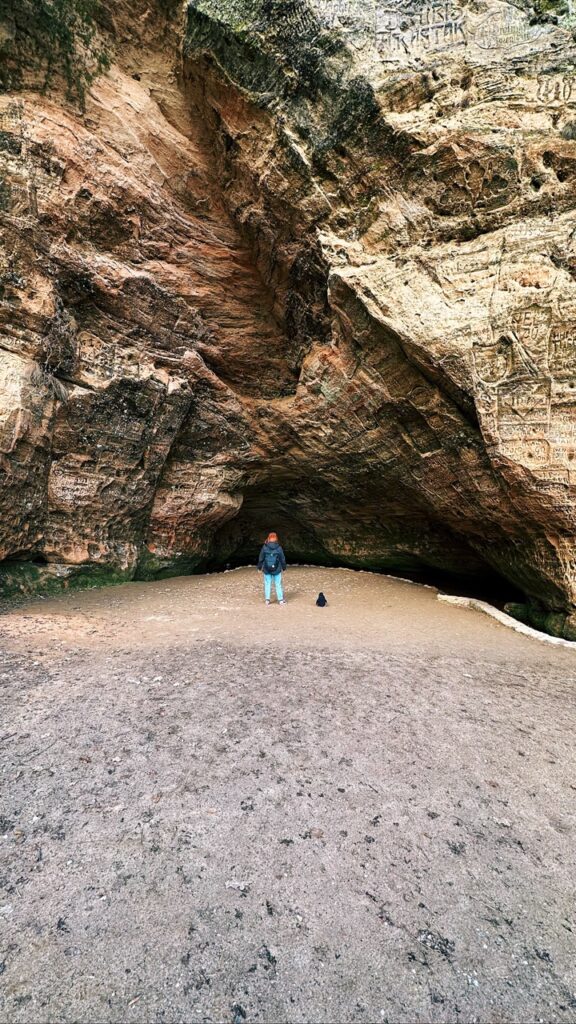
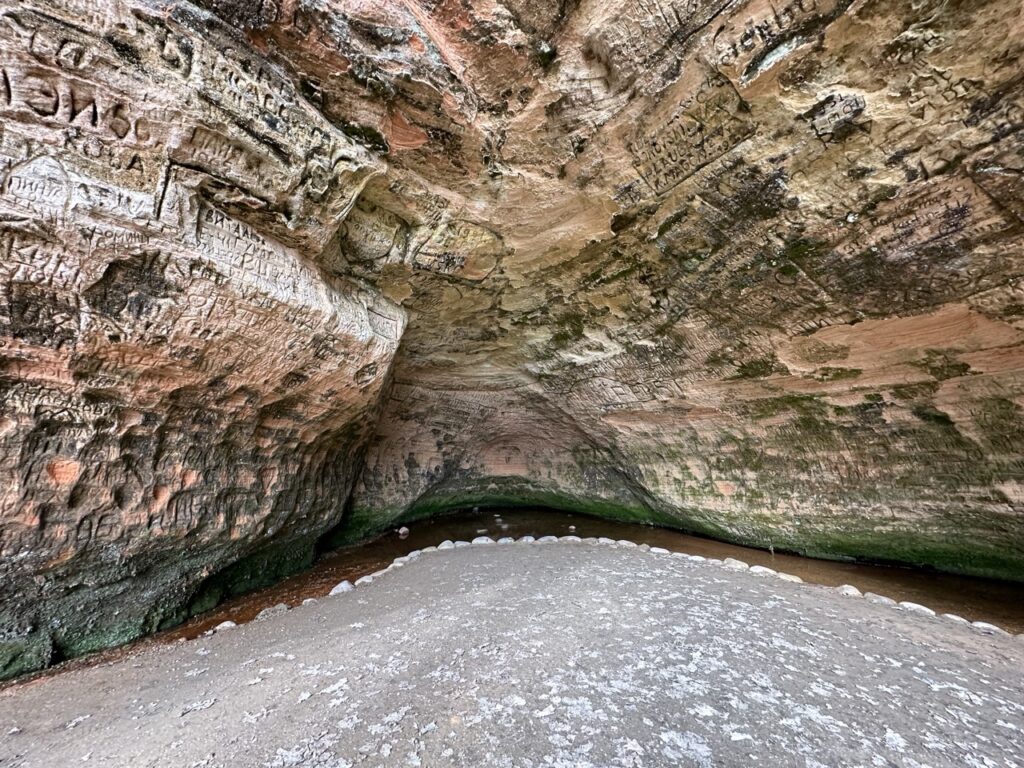
Gutman’s Cave is one of the most famous natural sights in the Gauja Valley, where geology meets folklore. Carved into the sandstone by water over thousands of years, the cave is 18.8 meters deep, 12 meters wide, and up to 10 meters high, making it the largest grotto in the Baltic States. Its walls are covered with historic inscriptions, some dating back to the 17th century, giving the cave the unusual feeling of an old visitors’ book written directly into the rock. Step inside and the scale becomes even more apparent. The broad sandstone chamber is large enough to walk into, while the layers and markings on the walls reveal just how long people have been coming here. Some of the earliest inscriptions were commissioned by wealthy visitors, who had their names and coats of arms carved into the sandstone. Today, the cave is protected, so adding your own mark is strictly off-limits.
#6: Small Cave
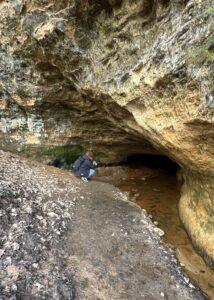
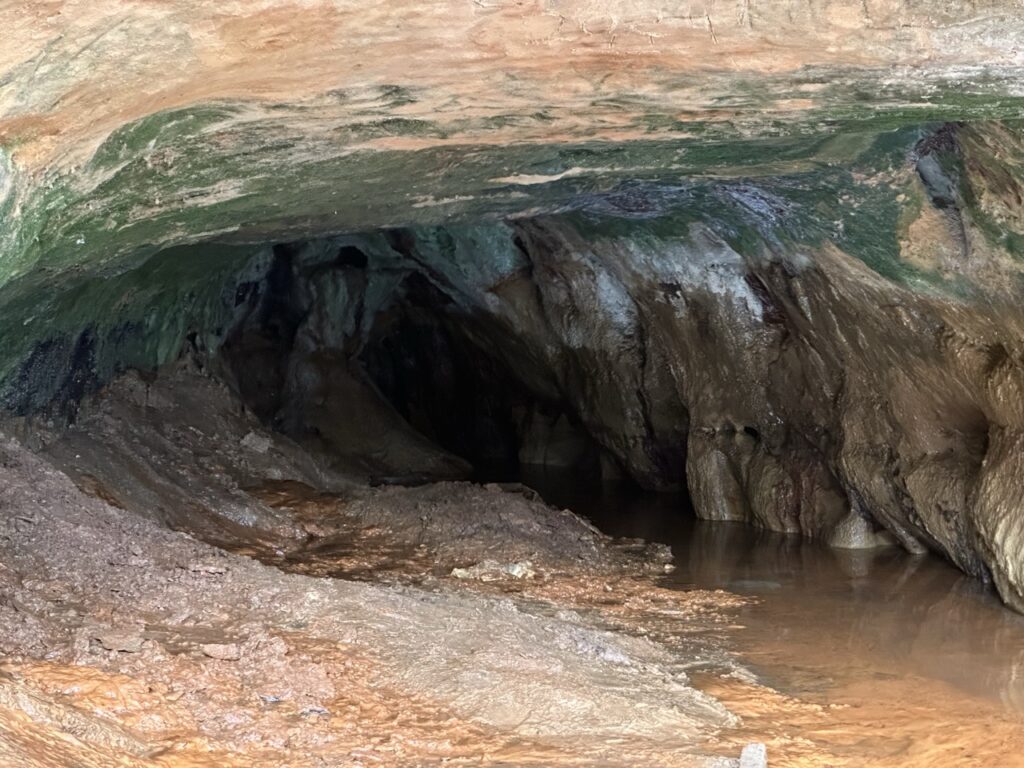
Just a short waddle from Gutman’s Cave, you can find a much smaller sandstone formation that is easy to overlook. Small Cave is, as its name suggests, considerably more modest than its famous neighbor, but it is still worth a quick stop while exploring this part of the Gauja Valley. Tucked into the sandstone landscape, the cave gives you another chance to see the area’s geological character up close.
You don’t need to plan a separate trip to see it. If you are already visiting Gutman’s Cave, continue along the nearby paths and add this smaller cave to your route. It is a quick, low-effort stop that shows how many small sandstone formations are scattered throughout the valley.
#7: Castle of the Livonian Order in Sigulda
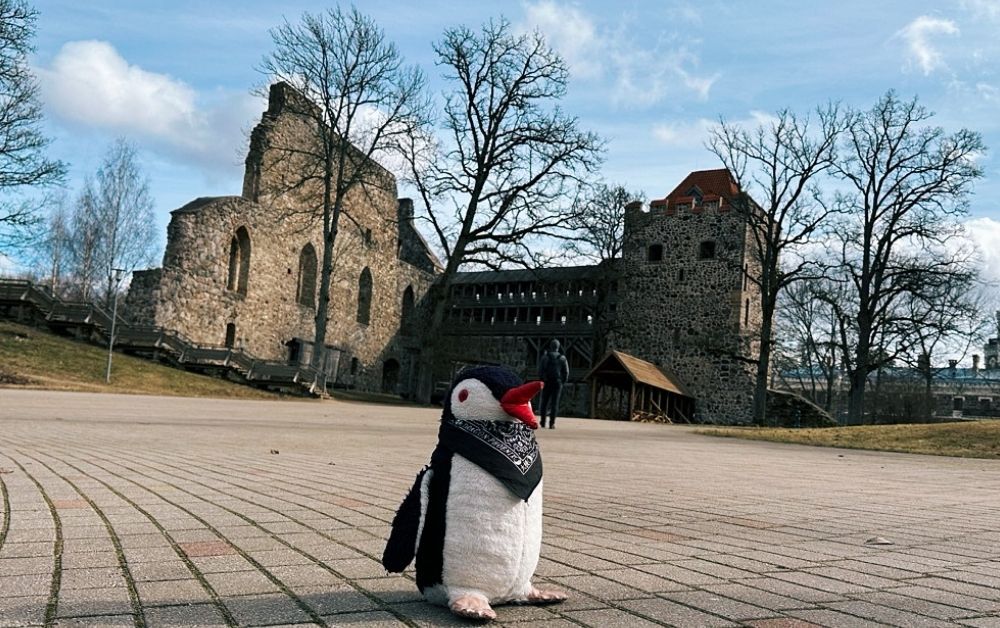
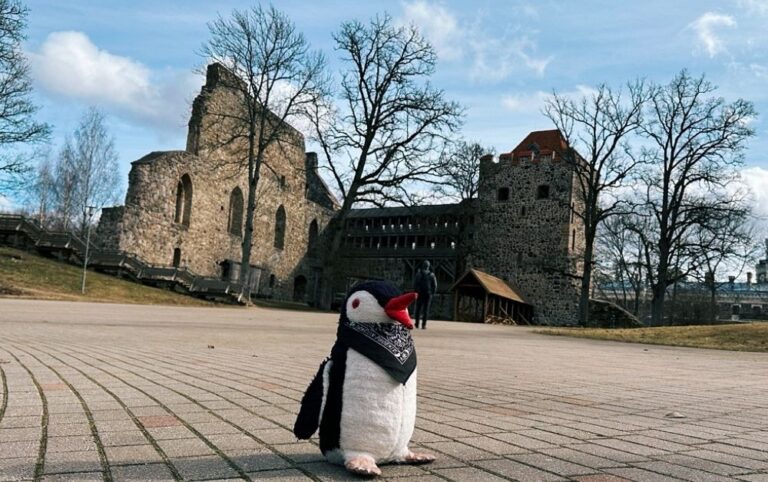
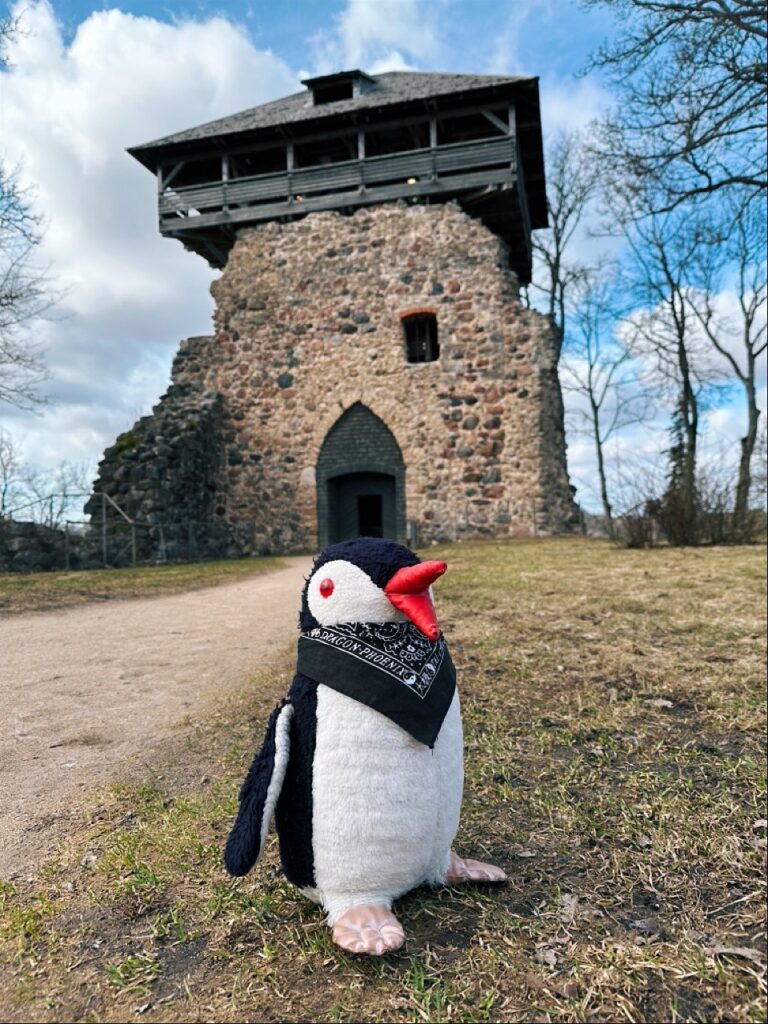
The Castle of the Livonian Order in Sigulda is where the town’s medieval story becomes impossible to miss. Built in 1207, the fortress was originally established by the Livonian Brothers of the Sword before becoming part of the Livonian Order. Its position above the Gauja Valley was carefully chosen, with steep slopes and the surrounding landscape providing a natural defensive advantage.
Today, the castle is a mix of atmospheric ruins and restored sections. You can wander through the former castle grounds, follow the old stone walls, and climb the tower for views across Sigulda and the Gauja Valley. The contrast between the weathered medieval masonry and the green landscape makes it one of the most interesting historical stops in town.
The castle was repeatedly damaged over centuries of conflict and eventually fell into ruin after the Great Northern War. Rather than rebuilding it as a fortress, later generations began to appreciate the ruins as a romantic landmark. Today, the castle complex has a second life as a cultural venue, hosting concerts, festivals and other events.
Penguin Pro Tip: Give yourself time to explore rather than simply photographing the ruins from the entrance. The tower, courtyard and views are all part of the experience.
#8: Sigulda New Castle
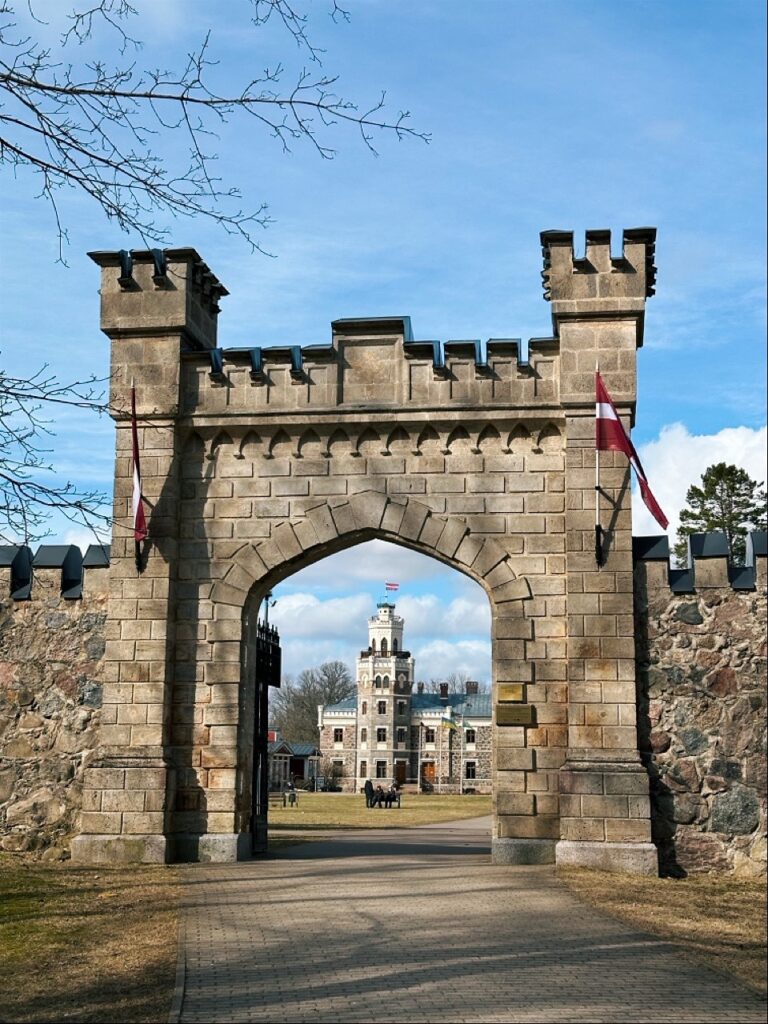
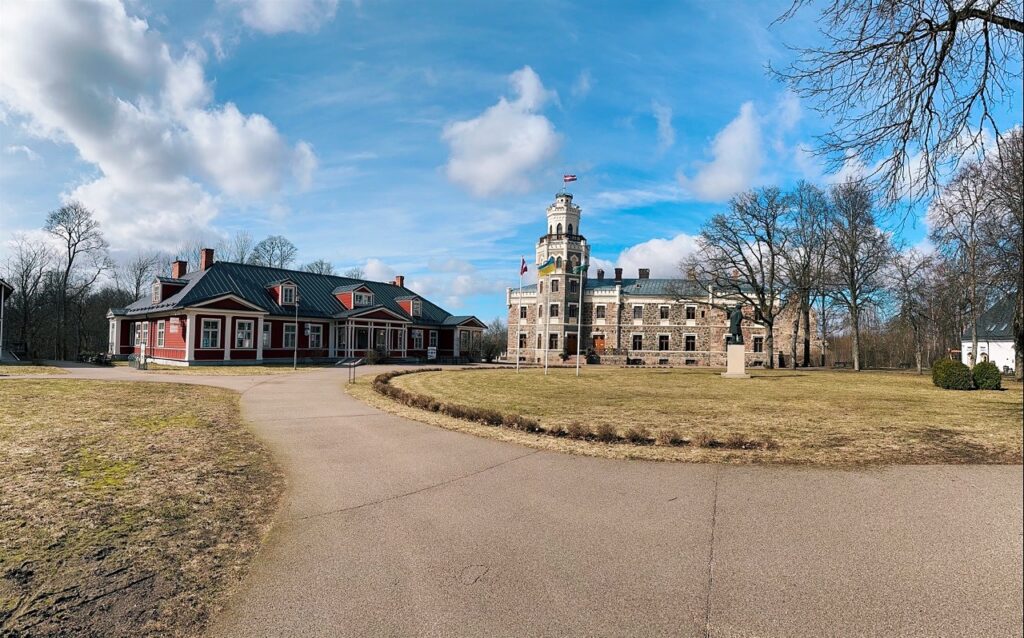
Sigulda New Castle offers a completely different glimpse into the town’s past. Built between 1878 and 1881 for the Kropotkin family, the neo-Gothic castle was designed as a summer residence rather than a defensive fortress. Its elegant façade, pointed details, and landscaped surroundings feel worlds away from the weathered stone walls of the Livonian Order Castle next door.
The building has had several lives since then. It was damaged during the First World War and later became known as the Writers’ Castle, after the Latvian Union of Writers and Journalists took over the property in 1922. The interiors were redesigned in the 1930s in the Latvian National Romantic style, adding another layer to the building’s story.
Today, the castle forms part of the Sigulda Castle Quarter, alongside historic manor buildings, workshops and cultural spaces. Depending on the current opening and restoration schedule, visitors can explore the interiors and exhibitions. Even if you only admire it from outside, the contrast between the New Castle and the medieval ruins next door makes this an easy stop to include when exploring Sigulda.
#9: Gauja Valley
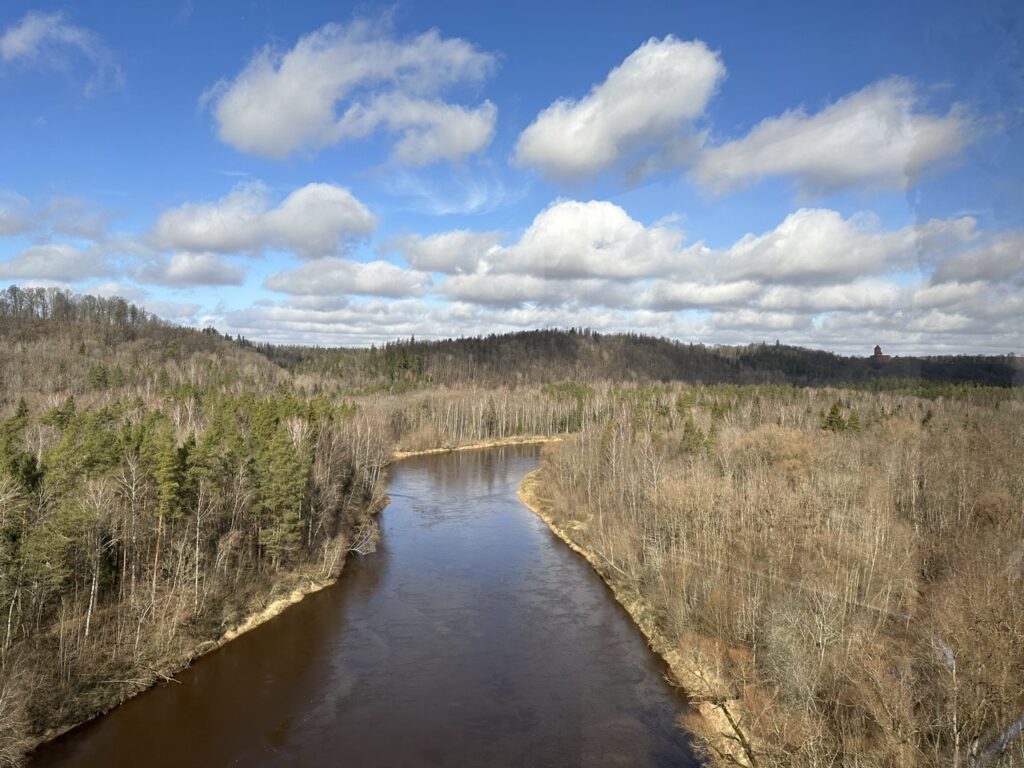
The Gauja Valley is the landscape that ties Sigulda’s castles, caves, and waddling trails together. Carved by the Gauja River, the valley stretches through Gauja National Park, Latvia’s largest and oldest national park, creating a dramatic mix of forests, sandstone cliffs, winding paths, and river views. Around Sigulda, the valley becomes particularly scenic, with steep slopes rising above the river and historic sites scattered through the landscape.
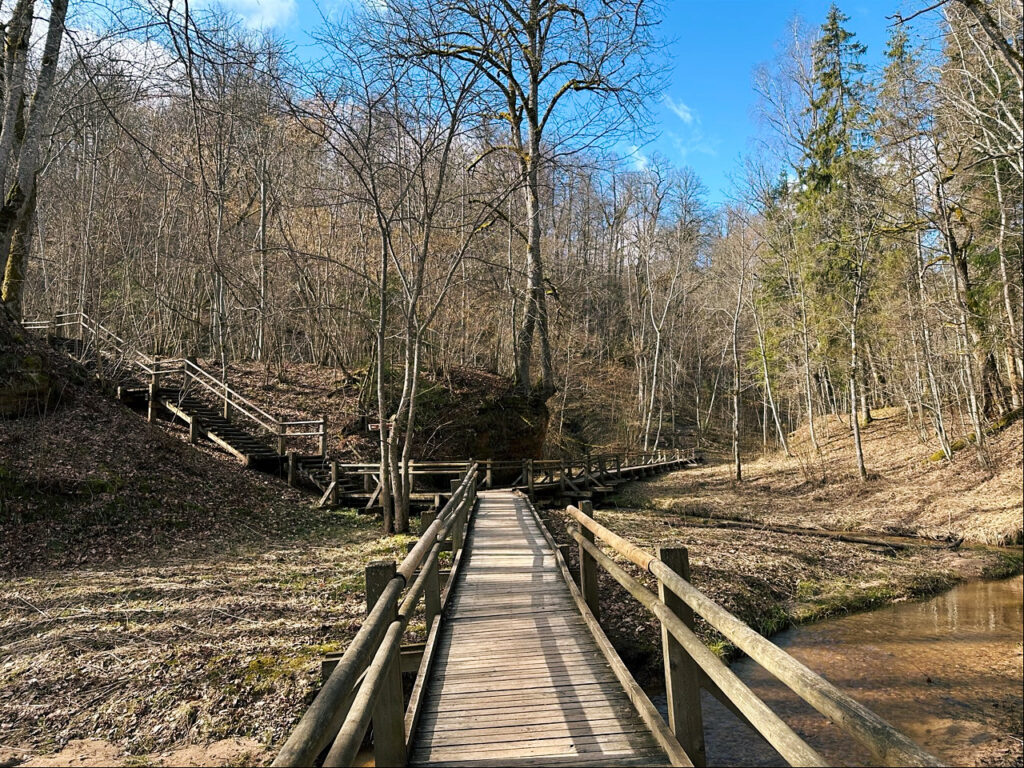
The best way to experience it isn’t from a single viewpoint, but by getting out and walking. Wooden pathways lead through the forest, the cable car gives you a bird’s-eye view, and routes around Gutman’s Cave and the castle ruins let you see the sandstone landscape up close. Even when you are heading from one attraction to another, the valley itself becomes part of the experience.
For us, this was one of the most enjoyable parts of Sigulda. We visited in late March, when the forest was still mostly bare, but the valley’s scale was impressive even then. We could only imagine how different it must look in summer, when everything turns green, or in autumn, when the forests fill with color.
#10: Waddle the Nature Trails Around Sigulda
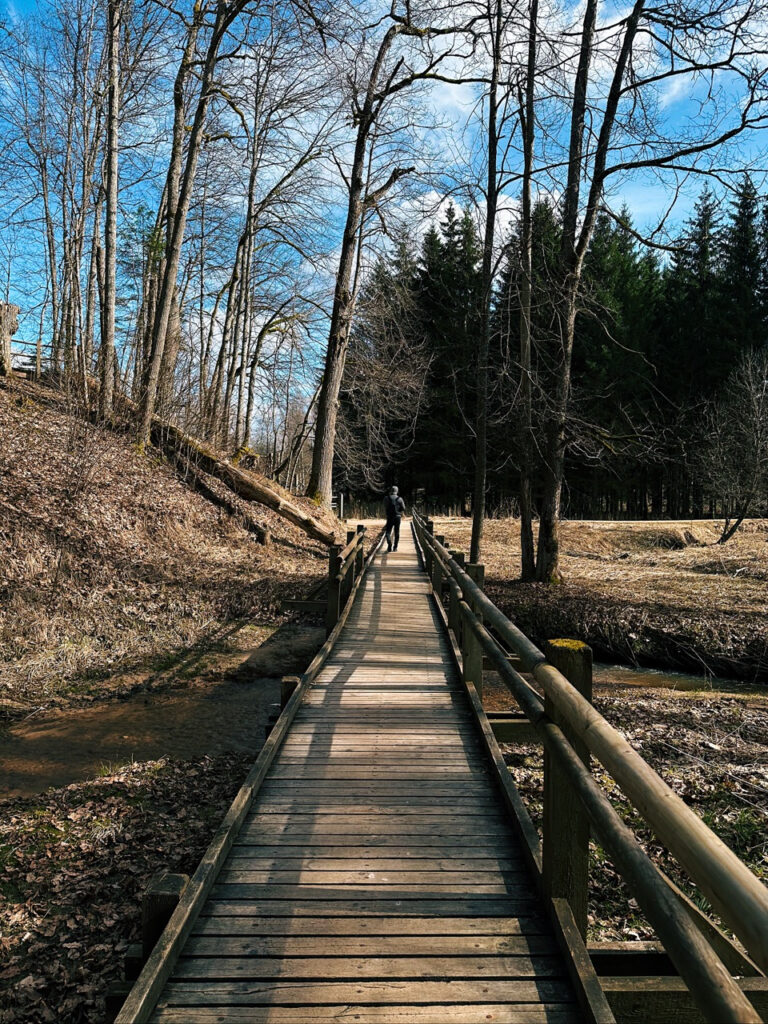
Sigulda is best explored on foot, with wooden pathways and forest trails connecting many of the area’s main attractions. You can find short, easy walks as well as longer hiking routes through the Gauja Valley, with plenty of opportunities to stop at viewpoints, caves, and historic sites along the way.
Expect forest paths, wooden steps, uneven terrain, and some hills, especially around the valley. Comfortable shoes are a good idea. We visited in late March, when the trees were still mostly bare, but the quiet forest and open views gave us a good sense of the landscape. In summer and autumn, the same trails offer a completely different experience.
For us, walking was one of the best ways to see Sigulda beyond its main attractions. Instead of simply moving from one sight to the next, the trails make the landscape part of the experience.
#11: Sigulda Bobsleigh and Luge Track
Sigulda is also home to one of Latvia’s best-known winter sports venues, the Sigulda Bobsleigh and Luge Track. Built during the Soviet era, the track is still used for international competitions and training, while visitors can experience the course themselves through various adrenaline-filled activities.
Even if you are not ready to climb into a bobsleigh, it is worth adding the track to your itinerary if you enjoy unusual attractions. The complex sits on the edge of the town, surrounded by the forests of the Gauja Valley, and offers a completely different side of Sigulda from its castles and caves.
#12: Turaida Castle
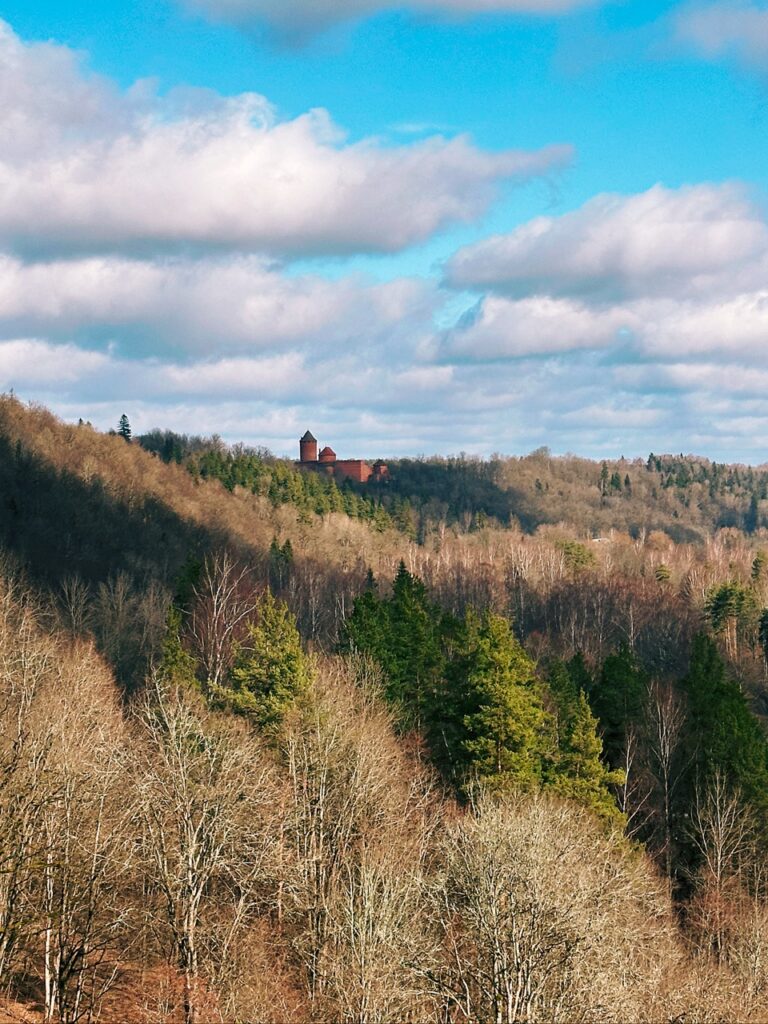
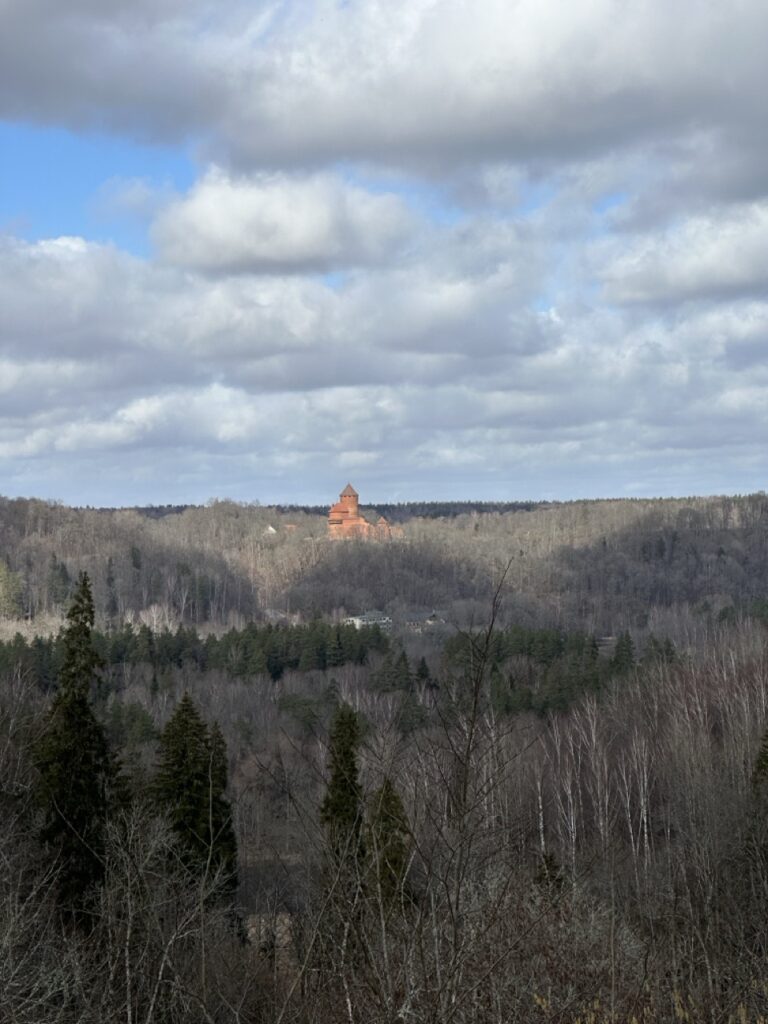
Turaida Castle is one of Sigulda’s most recognizable sights, with its red-brick walls and tall tower rising above the Gauja Valley. The medieval castle dates back to the early 13th century and was built for the Archbishop of Riga. Today, you can explore the restored buildings, climb the main tower, and learn more about the castle’s history and the surrounding region.
Turaida is a little farther from central Sigulda than the other sights on this list, so it takes some extra planning to include it. We didn’t manage to visit during our day in Sigulda, but it was the main place we wished we’d had more time for. If you are planning your own itinerary, allow enough time to explore the castle grounds rather than simply stopping for a photo.
#13: Krimulda Manor
Krimulda Manor sits on the opposite side of the Gauja Valley and makes a natural addition to a visit to Krimulda Castle and the cable car. The manor complex dates back to the 19th century and includes the manor house, historic buildings, and landscaped grounds overlooking the valley.
The setting is one of the main reasons to come here. Surrounded by forest and hills, Krimulda feels quieter than central Sigulda, and the grounds pair well with a walk through the Gauja Valley. If you are already taking the cable car from Sigulda to Krimulda, it is worth adding the manor to your route rather than heading straight back.
#14: Paradise Hill
Paradise Hill, also known as Paradīzes kalns, is one of Sigulda’s classic viewpoints. Located above the Gauja Valley, it offers wide views across the forested landscape and is especially appealing in autumn, when the trees change color. It is a good stop for anyone who wants to see Sigulda from above and take a break from the more historic attractions.
Take Your Time to Explore Sigulda
What we enjoyed most about Sigulda was not ticking the biggest attractions off our list, but simply walking and waddling around and seeing what we found along the way. Small details, quiet corners, little viewpoints, and unexpected spots are easy to miss if you focus only on the main sights. So leave room in your itinerary, put on comfortable shoes, and let yourself wander. In Sigulda, some of the nicest discoveries are the ones you are not actually looking for.
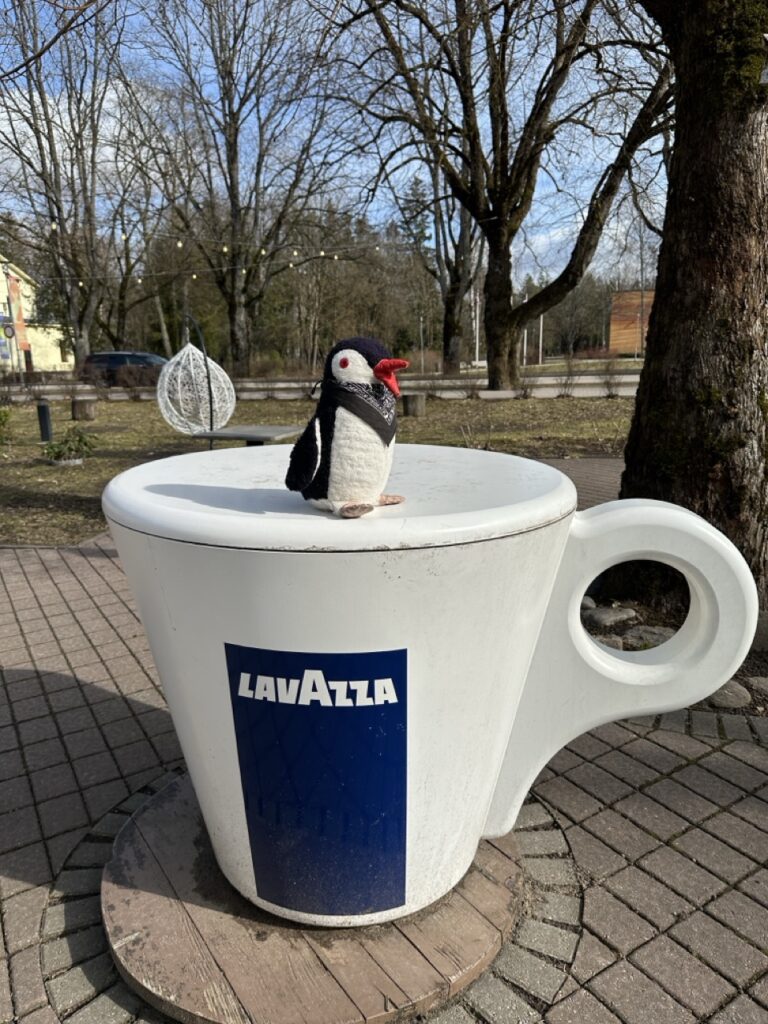

Sigulda Castle Quarter
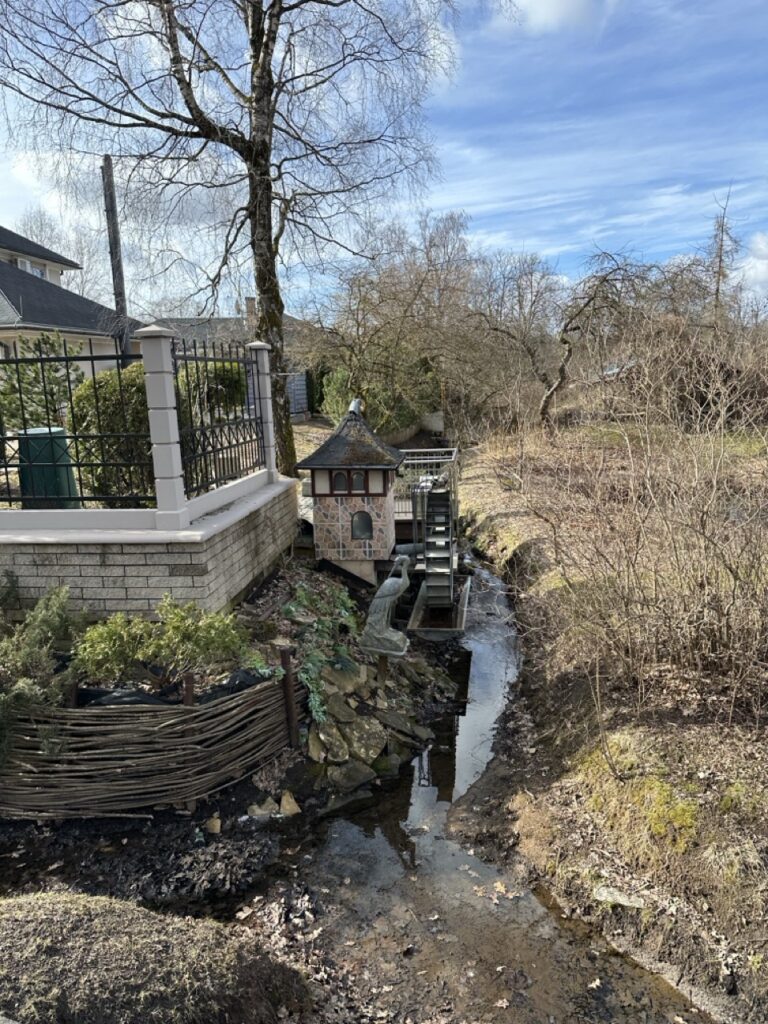
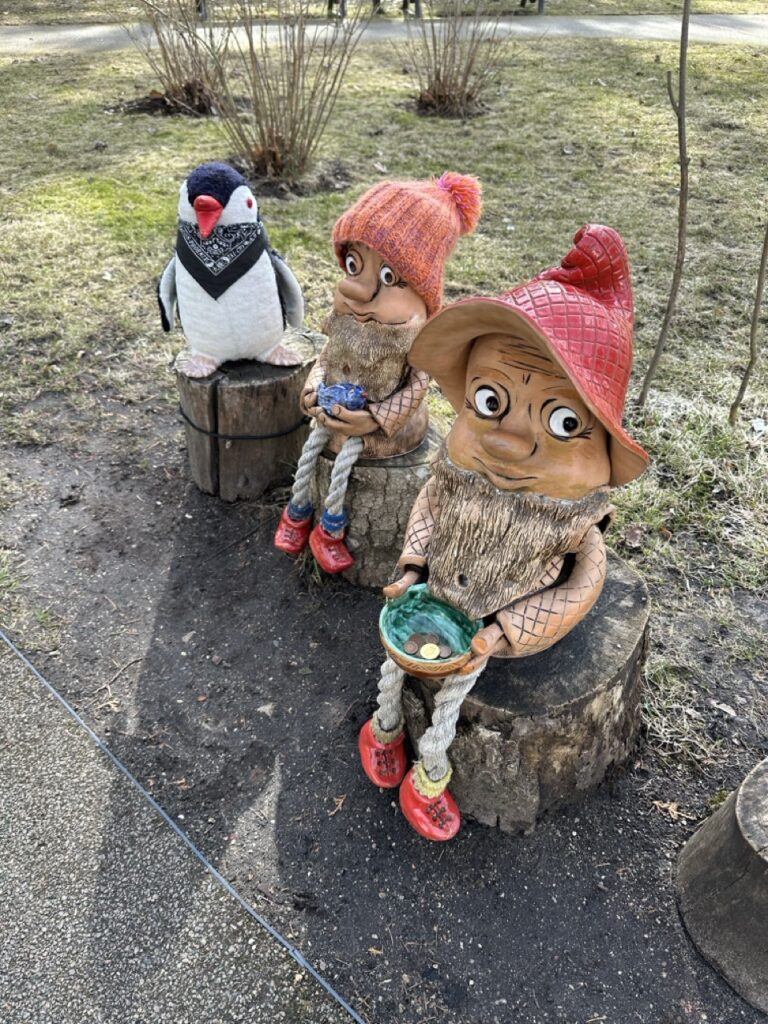
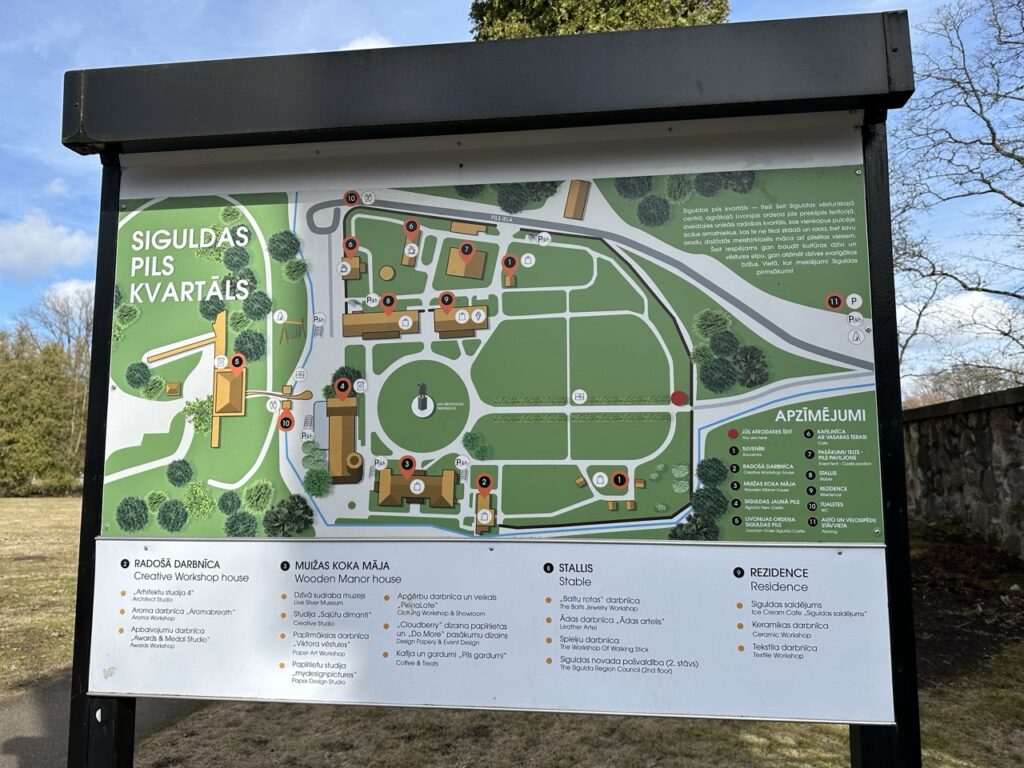
Between Sigulda’s Old Castle and New Castle, the Castle Quarter brings together several historic buildings, workshops, and small craft businesses. It is more than just a space between two attractions. The area shows how Sigulda has reused its historic setting while giving it a more modern, creative purpose.
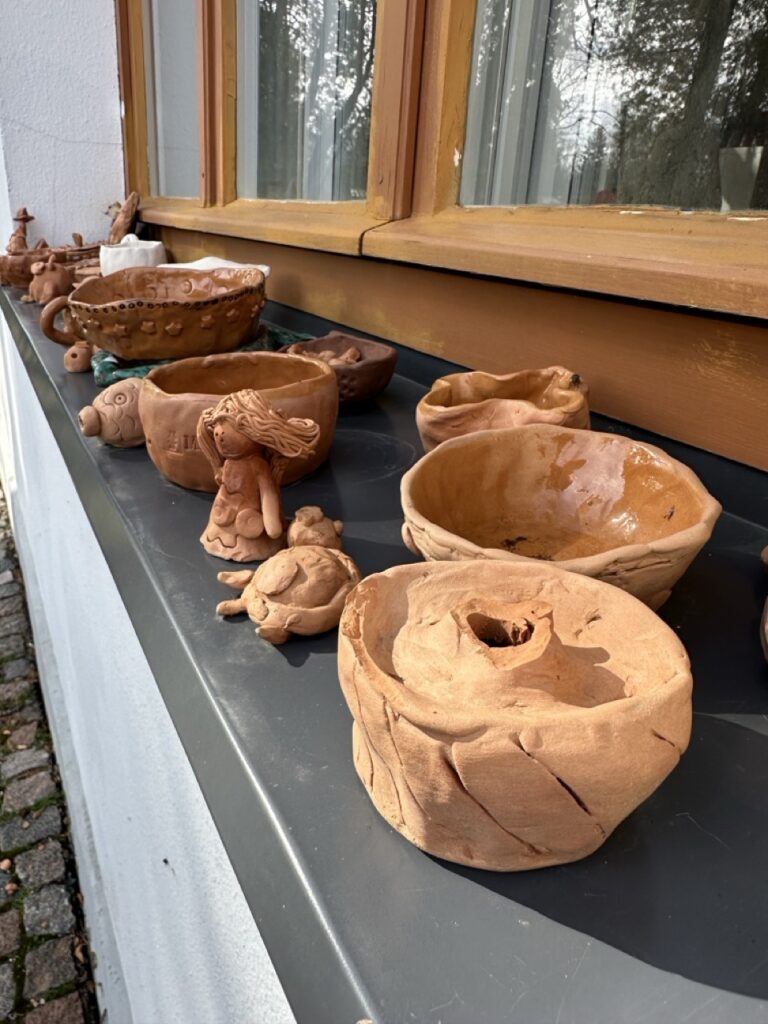
You can find local artisans and workshops here, along with spaces used for cultural events, exhibitions, and seasonal activities. The historic manor buildings give the area plenty of character, while the working studios and events keep it from feeling like a preserved museum complex. It is a nice place to slow down after exploring the castles and see a different side of Sigulda, where its history and present-day creative life meet.
How Long Do You Need in Sigulda
How much time you need in Sigulda depends on how much of the surrounding Gauja Valley you want to explore. We spent one full day in Sigulda, which was enough to see several main sights, including the castles, Gutman’s Cave, the cable car, and parts of the valley. We walked a lot and never felt that we had to rush from one place to another, but we did have to leave a few things for another visit.
- One day: Focus on the main castles, Gutman’s Cave, cable car, Gauja Valley, and selected viewpoints.
- Two days: Add Turaida Castle, Krimulda Manor, and more time on the nature trails.
- Three days or more: Use Sigulda as a base to explore deeper into Gauja National Park, with longer hikes and trips to surrounding towns and attractions.
For a first visit, one day works well for the highlights, but having two days would give you more breathing room and let you explore beyond the main sights.

Best Time to Visit Sigulda
Sigulda is a year-round destination, but each season gives the landscape a very different character. Spring brings quieter trails, fresh greenery, and milder temperatures, although early spring can still feel cold. Summer is the easiest time for hiking, with long days and lush forests, while winter turns Sigulda into a destination for snow, winter sports, and a completely different view of the Gauja Valley.
Autumn is particularly spectacular. The forests around Sigulda turn shades of yellow, orange and red, making the Gauja Valley one of the most scenic places to experience Latvia’s autumn colors. The viewpoints and walking trails are especially rewarding at this time of year.
We visited in late March, when the trees were still mostly bare, and the weather was chilly. Sigulda wasn’t at its most colorful, but the quieter trails and lack of summer crowds had their own appeal. If we were planning another visit specifically for the scenery, we would be very tempted to come in autumn and see the valley covered in color.
Hotel search from Trip.comShows Trip.com’s own box, which can set Trip.com cookies.
Practical Information
Entrance Fees
Sigulda is relatively easy to explore without spending much on entrance fees. Several outdoor sights, including the Sigulda Castle ruins, Krimulda Castle ruins and many of the nature trails, can be visited for free. Other attractions, such as the Sigulda Cable Car, Turaida Castle, and some activities at the bobsleigh and luge track, require tickets.
If you are visiting on a budget, you can still see plenty without paying for every attraction. We spent most of the day walking between sights, enjoying the valley, and stopping at places that didn’t require an entrance ticket.
Opening Hours
Opening hours vary between attractions and can change depending on the season. Museums, castles, and visitor attractions generally have more limited hours outside the main tourist season, while outdoor sights and hiking trails can be explored more freely.
If you are visiting in spring or autumn, check the opening hours of the specific attractions you want to enter before setting off. This is particularly important if you are planning your day around the cable car, Turaida Castle, or another ticketed attraction.
Our Sigulda Map
Sigulda brings together medieval history, nature, and the dramatic landscape of the Gauja Valley in one compact destination. You can spend the morning exploring castle ruins and caves, cross the valley by cable car, walk through the forest, and still have time to stop at a viewpoint or wander around town.
We came to Sigulda as a day trip from Riga and found that there was much more to see than we expected. One day is enough to experience the highlights, but the combination of castles, trails, caves, and valley views makes Sigulda worth slowing down for. It is easy to visit for a day, but there is enough here to make you want to come back and explore further.
Travel Bold. Eat Well. Waddle Wild.

This post contains affiliate links. If you click and buy, I might earn a tiny commission, enough to help a penguin keep up its globe-trotting lifestyle. No extra cost to you, just more fish for me. Thank you for supporting the adventure!
Buy Us a Ko-fi