
Oslo Travel Guide: Everything You Need to Know Before You Go
A trip to Oslo is about more than knowing where to go. The little practical details can make a big difference once you arrive, from paying for things and using public transport to dealing with the weather and understanding everyday Norwegian habits. After our time in Oslo, we put together the practical tips and useful facts we picked up along the way, so you can arrive better prepared and spend more time enjoying the city.
- Basic Facts About Oslo
- Why Visit Oslo
- Oslo Feels Surprisingly Quiet
- When Is the Best Time to Visit Oslo
- How Many Days Do You Need in Oslo
- Oslo Airport to City Center
- How to Get Around Oslo
- Consider the Oslo Pass
- Oslo Travel Apps You Should Download
- Practical Things to Know Before Visiting Oslo
- Alcohol: A Few Things to Know
- Restaurants & Eating Out in Oslo
- What to Pack for Oslo
- Book Your Sauna in Advance
- Everyday Norwegian Things That Might Surprise You
- A Few Useful Norwegian Words
- Where to Stay in Oslo
Basic Facts About Oslo
- Population: 729,437
- Area: 454 km²
- Nickname: The Tiger City
- Location: Oslofjord, southeastern Norway
- Known for: Fjord, forests, skiing, museums, and design
- Founded: Around 1050
- Time Zone: CET / CEST
- Best time to visit: May to October, with long summer days and colorful autumn in September and October.
- Time needed: 2–3 days is enough to see the main sights and get a feel for Oslo.
Why Visit Oslo
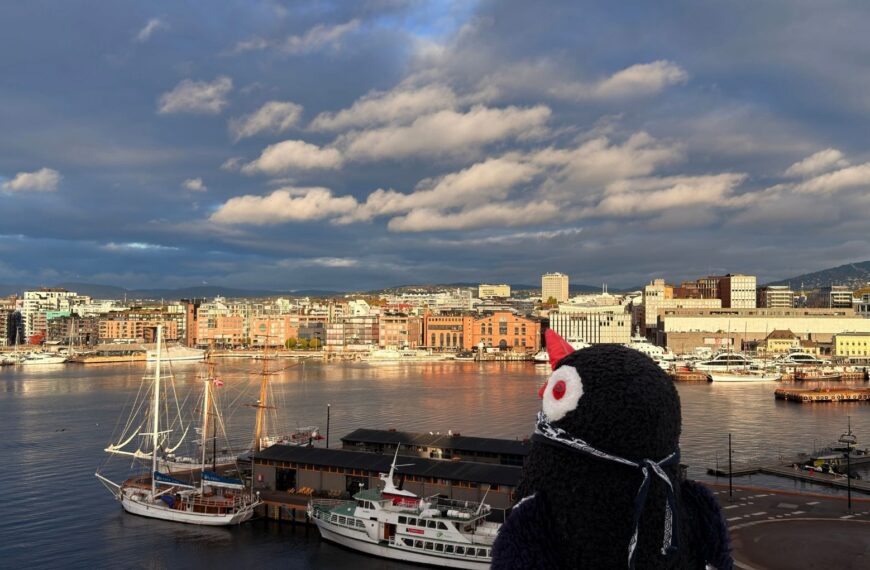
Oslo has an unusual way of putting everything within reach. One minute you’re standing among historic buildings and centuries-old stories, and the next you’re by the Oslofjord, watching ferries glide past the waterfront. Turn in another direction and the city gives way to forests, lakes and trails, while modern architecture keeps popping up around you.
What we enjoyed most was that Oslo never felt like just one thing. There’s the history of Akershus Fortress and the old city, the world of Munch and Norwegian explorers, bold modern architecture like the Opera House, and then all that water and forest surrounding it. You can spend the morning in a museum, wander along the fjord in the afternoon, and finish the day surrounded by trees. That mix of history, culture, modern city life, and nature makes Oslo an interesting city to explore.

Something about Oslo stays with you after you leave. You might not remember the city by how many sights you managed to tick off, but by the overall feeling of being there. Oslo feels calm and unhurried. There is little honking, people do not seem to be rushing everywhere, and even the city center has a cozy, relaxed atmosphere. With the fjord on one side and forests all around, it can feel almost like a little slice of the “Switzerland of the North.” For us, that sense of calm and authenticity was one of the things we enjoyed most about Oslo.
Oslo Feels Surprisingly Quiet
One of the things we remember most about Oslo is how calm it feels. The city has deliberately moved much of the traffic away from the center, directing through-traffic to ring roads and tunnels, while prioritizing walking, cycling, and public transportation in the city center. In 2024, 32% of daily trips by Oslo residents were made on foot, 32% by public transport, and 7% by bike, meaning more than two-thirds were made without a car. Oslo also has one of the world’s highest concentrations of electric cars per capita, so even when cars are around, many are electric. For us, all of this made the city noticeably quieter. There was less honking, less rushing, and less of that constant traffic noise you get in many capitals. You can actually hear the city around you, and that calm became one of the things we remembered most about Oslo.
When Is the Best Time to Visit Oslo
Oslo changes a lot with the seasons, so the best time to visit depends on the experience you want. Summer brings long days and more time outdoors, while winter gives you snow and a very different side of the city.
- Spring (March–May): Longer days, fresh greenery, and the city waking up after winter.
- Summer (June–August): Warmest weather, very long daylight, and plenty of time for outdoor activities.
- Autumn (September–November): Crisp air, colorful forests, and a quieter atmosphere.
- Winter (December–February): Snow, skiing, Christmas atmosphere, and short daylight hours.
We visited in early October, and it felt like the perfect sweet spot. It wasn’t warm enough to make us sweat, but it also wasn’t cold enough to require heavy layers. We could spend hours waddling around comfortably while the first autumn colors started to appear everywhere. Oslo looked beautiful, and for us, early October was a pretty perfect time to experience the city.


How Many Days Do You Need in Oslo
How long you need in Oslo really depends on how you like to travel. You can see the highlights in a couple of days, but giving yourself more time means you can slow down, visit more museums, and enjoy the city without rushing from one place to the next.
- 1 day: Enough for a quick introduction, with the Opera House, waterfront, Karl Johans gate, Royal Palace, and a few central sights.
- 2 days: A good option for the main highlights, with time for a few museums, neighborhoods, and some time by the fjord.
- 3 days: Our recommendation. Three days gives you time for the major sights, museums, public transport adventures, the waterfront, and a little more room to wander.
- 4+ days: Best if you want to slow down, explore more museums, spend time in nature, or take a day trip outside Oslo.
We arrived on Friday and left on Monday evening, so we had three full days in Oslo. It gave us a really good feel for the city, and we managed to see a lot, but honestly, it still wasn’t quite enough. There were a few more places we wanted to visit and things we didn’t have time for. For us, three days is a great starting point, but four days would have given us a little more breathing room.
Oslo Airport to City Center
Getting from Oslo Airport to the city center is straightforward, with several train and bus options available. We recommend taking the train, especially if you have an Oslo Pass, as the local Vy train is included. For options, prices, travel times, and our recommendation, see our separate guide: Oslo Airport to City Center: How to Get There.
How to Get Around Oslo
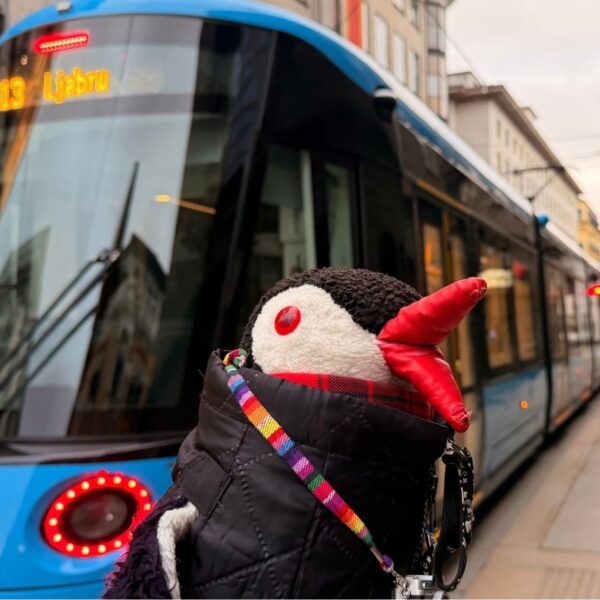
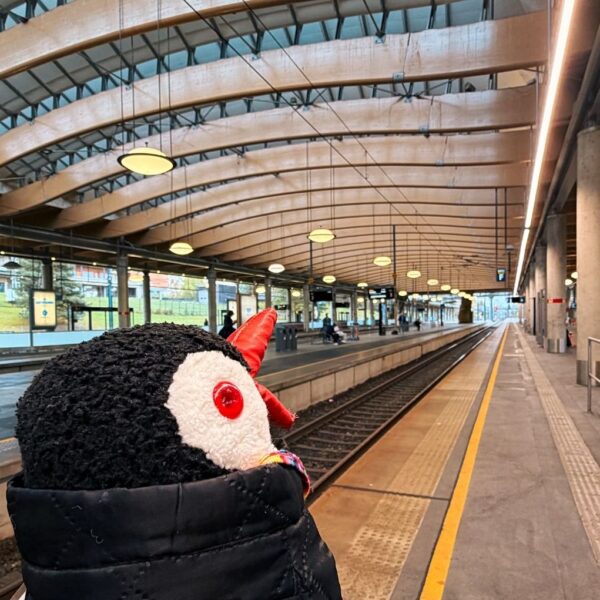
Getting around Oslo is easy, especially if you combine walking with public transportation. The city is compact, but for longer distances, you can use the metro, trams, buses, and ferries, all connected through the Ruter system. Taxis are also available when you want a door-to-door option.
- Metro: Best for longer distances and reaching areas outside the center.
- Trams: Great for getting around central Oslo and nearby neighborhoods.
- Buses: Useful for areas not covered by the metro or tram.
- Ferries: A practical way to reach the islands and a fun way to see Oslo from the water.
- Waddling: Many of the main sights are close enough to reach on foot.
- Taxi: Useful for luggage, groups, or when you want a direct journey.
- Oslo Pass: Includes public transportation within the covered zones.
For a detailed breakdown of tickets, zones, routes, prices, and our experience using each type of transport, read our full guide: How to Get Around Oslo: Public Transportation Guide.
Consider the Oslo Pass
The Oslo Pass combines free entry to many museums and attractions with public transportation, so it can be a good option when you plan to see several paid sights. We used the 72-hour pass during our trip and found that it paid for itself, but the value really depends on what you plan to visit and how much you use public transport.
For our full cost breakdown, what we visited, and our verdict, read our dedicated guide: Oslo Pass: Is It Worth It?
Oslo Travel Apps You Should Download
A few apps made our time in Oslo much easier, especially when we were moving around the city and checking the weather. These are the ones we actually found useful:
- Ruter: Our go-to app for public transportation. We used it to check routes, see when buses, trams, and metro trains were coming, and find out where they were going. You can also buy tickets directly in the app, although we didn’t use this feature because we had the Oslo Pass.
- Oslo Pass: If you are getting the Oslo Pass, definitely download the app. We used it for our pass, museum admissions, public transport, and to browse the map and see attractions nearby.
- Yr: Our favorite for checking the weather. It was especially useful when planning days outside the city or deciding what to wear before heading out.
- Vy: Useful for checking Norwegian train journeys and departures. We didn’t need it during our trip because our Oslo Pass covered the Vy train we used from the airport, and we could also check departures through Ruter or Google.
Our Experience With Oslo Apps
Our top three apps were Ruter, Oslo Pass, and Yr, and we used them pretty much every day. Ruter was our transportation companion, Oslo Pass kept all our admissions and the pass itself in one place, and Yr helped us figure out whether we were about to head out into sunshine or rain. These three were more than enough for most of our time in Oslo.
Practical Things to Know Before Visiting Oslo
- Tap water. Safe to drink and really tasty. You can refill your bottle straight from the tap. You really don’t need to buy it when the tap water is this good.
- Currency. Norway uses the Norwegian krone (NOK), not the euro.
- Cards. Card and contactless payments are widely accepted, and you can usually pay by phone too.
- Cash. You will rarely need it in Oslo, but having a small amount can still be useful.
- Tipping. Tipping is not mandatory. In restaurants and bars, you can leave a little extra if you are happy with the service.
- Visa. Norway is part of the Schengen Area. Visa requirements depend on your nationality, so check the official UDI website before traveling. EU/EEA citizens do not need a visa for a visit, while visa-exempt travelers can generally stay for up to 90 days.
- ETIAS. The new European travel authorization for visa-exempt travelers is scheduled to start in the last quarter of 2026, so check the latest requirements before your trip.
- Language. Norwegian is the main language, but most people speak English very well.
- Electricity. Norway uses 230V and European two-pin plugs, Type C and F.
- Emergency numbers. Call 110 for fire, 112 for police and 113 for an ambulance.
- Internet. Wi-Fi is widely available in hotels, cafés and public places, and mobile coverage is generally good in Oslo.
- Opening hours. Shops, museums and restaurants can have different opening hours, especially on Sundays and public holidays, so check before you go.
Hotel search from Trip.comShows Trip.com’s own box, which can set Trip.com cookies.
- Weather. Oslo weather can change quickly, so layers and a waterproof jacket are a good idea.
- Time zone. Oslo uses Central European Time (CET) in winter and Central European Summer Time (CEST) in summer.
- Safety. Oslo is generally easy to explore, but use the same basic precautions you would in any European capital, especially around busy transport hubs.
- Driving. Traffic drives on the right-hand side of the road. For most visitors staying in central Oslo, a car isn’t necessary.
- Public transport. Download the Ruter app before you arrive. It makes checking routes, departures, and tickets much easier.
- Bottled water. You really don’t need to buy it when the tap water is this good.
Alcohol: A Few Things to Know
Norway has stricter alcohol sales rules than you might be used to. Beer, cider, and other drinks up to 4.7% ABV can be sold in regular grocery stores, but only during specific hours. In Oslo, supermarkets can sell them from 8:00 AM to 8:00 PM on weekdays and until 6:00 PM on Saturdays. Grocery stores do not sell alcohol on Sundays or public holidays.
For wine, spirits, and other alcohol over 4.7% ABV, you need to go to Vinmonopolet, the state-run alcohol shop. These are dedicated stores, not something you will find in a normal supermarket, and they are also closed on Sundays and public holidays.
So, if you are planning to pick up a bottle for your evening, don’t leave it until Sunday. Also keep an eye on the time, because alcohol sales stop earlier than the shop itself may close.


Restaurants & Eating Out in Oslo
Eating out in Oslo can cost more than you expect, especially once you add drinks to the bill. As a rough guide, a meal at a budget restaurant is around NOK 190–350, while a main course at a mid-range restaurant starts at around NOK 250. A cappuccino usually costs around NOK 35–65, and a beer in a bar is around NOK 100–140. So even a simple lunch, coffee, and beer can add up quite quickly.
Oslo Food Halls
Oslo has plenty of food halls and markets, and they are a good option when you want more choice without committing to a traditional restaurant. You can find everything from Norwegian dishes to international street food, with places such as Vippa and Oslo Street Food bringing different cuisines together under one roof.
One thing we found interesting was how ordering works in some of these food halls. At one of the places we visited, you could order directly at the counter, but the more popular option was to sit down, scan the QR code at the table, place your order on your phone, and then receive a message when it was ready. You went to pick it up. It was a small thing, but it was new for us and made the whole food-hall experience feel very easy.


Tipping in Oslo
Tipping isn’t required in Oslo, but we see it as a nice way to say thank you when we are genuinely happy with the service. We usually leave a tip when we have had a good experience, rather than because it is expected. Around 5–15% is reasonable, and you can add it when paying by card.
Restaurant Recommendations in Oslo
We also tried several food halls around Oslo, which are a great option when you want something casual with plenty of choice.
- Den Glade Gris: A relaxed spot for traditional Norwegian dishes, especially pork.
- Lofoten Fiskerestaurant: A good pick for Norwegian seafood right by Aker Brygge.
- Vaaghals: Modern Norwegian cooking with seasonal local ingredients.
- Helt Vilt: A good place to try Norwegian game such as reindeer, moose, and deer.
- Vippa: A waterfront food hall with international food stalls and a relaxed atmosphere.
Street Food in Oslo
Don’t expect to find much traditional street food from small street stalls in Oslo. Street food is more commonly found inside food halls and indoor markets, where you can choose from different international cuisines and casual dishes. So if you are looking for that classic street-food experience, head to places like Vippa, Mathallen, or Oslo Street Food rather than expecting food trucks and stalls on every corner.
Oslo Runs on Coffee
Coffee is a big part of everyday life in Norway, and Norwegians have a word for almost every coffee moment. Morgenkaffe is your morning coffee, kaffepause is the coffee break, and kaffekos is enjoying coffee and something sweet while taking your time. Then there is turkaffe, the coffee you bring with you when heading outdoors for a hike, walk, or trip into nature. We quickly realized that coffee in Norway is less about grabbing one on the go and more about making time for the moment, which fits Oslo’s relaxed pace perfectly.
What to Pack for Oslo
What you pack for Oslo depends on the season, but the weather can change quickly, so flexible layers are always a good idea.
- Waterproof jacket: Useful year-round, especially on rainy, windy days by the fjord.
- Layers: Easier to adjust when temperatures change during the day.
- Comfortable shoes: You’ll likely do plenty of waddling, especially around the city center.
- Small backpack: Handy for carrying your water bottle, extra layer, and daily essentials.
- Umbrella: Useful depending on the forecast and season.
- Portable charger: Helpful when you’re using maps, transport, and travel apps all day.
- Swimsuit: Pack one if you want to try one of Oslo’s floating saunas.
Book Your Sauna in Advance
A sauna is one of those Oslo experiences worth planning for. Several floating and waterfront sauna options are around the Opera House and Oslofjord, and they are popular, especially during busy periods. We recommend booking your sauna session in advance rather than hoping to find a spot on the day. Pack your swimsuit, bring a towel, and get ready to alternate between a hot sauna and a jump into the fjord.
Everyday Norwegian Things That Might Surprise You
- Friluftsliv. Spending time outdoors is part of everyday Norwegian life, whether that means hiking, skiing, walking, or simply enjoying nature.
- Pant. Recycling bottles and cans is built into everyday life. You pay a small deposit and get it back when you return the container.
- Coffee culture. Coffee is not just a drink but a daily ritual, with everything from morgenkaffe to kaffepause and kaffekos.
- Sauna culture. Floating saunas are a popular part of Oslo life, often followed by a very cold dip in the fjord.
- Queuing. People generally respect queues and personal space, especially in shops and on public transportation.
- Personal space. Norwegians tend to give each other plenty of room, and crowded, noisy interactions are not really the norm.
- Quiet public transport. Public transportation can feel remarkably calm, with little talking and almost no unnecessary noise.
- Digital payments. Cards and mobile payments are used everywhere, and you can get by in Oslo without carrying much cash.
A Few Useful Norwegian Words
Hei: Hello / Hi
Takk: Thank you
Vennligst: Please
Unnskyld: Excuse me / Sorry
Ja: Yes
Nei: No
Where to Stay in Oslo
Oslo is compact, so you don’t need to stay directly in the center to have a convenient base. Different neighborhoods have different personalities, from the busy city center to the waterfront, residential Frogner, and the more relaxed Grünerløkka. For a short city break, we would choose your area based on how you want to spend your time.
Oslo City Center (Sentrum)
Best for: First-time visitors, short stays and being close to the main sights and transport. This is the easiest choice if you want to be within walking distance of places such as Karl Johans gate, the Opera House, Oslo Central Station, and the waterfront. It also gives you the most convenient public transportation connections.
Hotels to consider: Citybox Oslo (where we stayed) or Comfort Hotel Xpress Central Station.
Bjørvika & Oslobukta
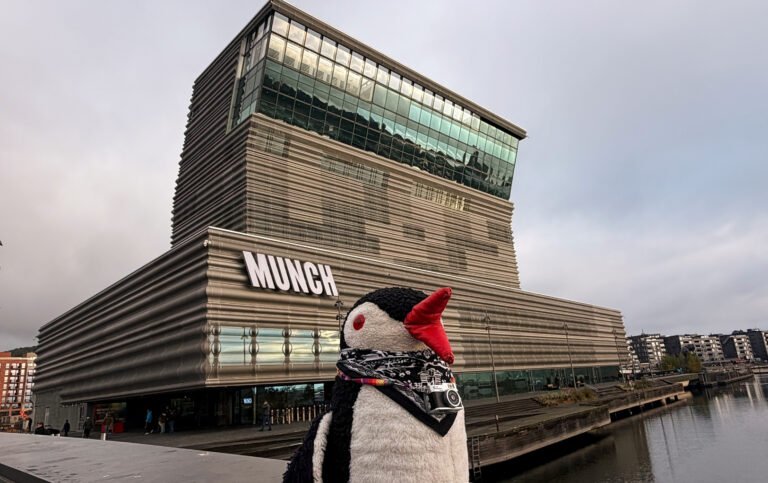
Best for: Modern Oslo, waterfront views, architecture, and easy access to the Opera House and MUNCH. Bjørvika is the newer, more modern side of Oslo, with the Barcode buildings, waterfront promenades, restaurants and cultural attractions. It is especially convenient if you are interested in Oslo’s contemporary architecture and want to stay close to the Opera House and MUNCH.
Hotels to consider: Clarion Hotel Oslo or Thon Hotel Opera.
Aker Brygge & Tjuvholmen
Best for: Waterfront atmosphere, restaurants, evening walks, and a more polished stay. This is one of the nicest areas for being by the water. You are close to the harbor, restaurants, galleries, and ferries, while the center is still within walking distance. It is a good choice for couples or travelers who want the Oslofjord right outside their hotel.
Hotels to consider: Home Hotel Gabelshus.
Grünerløkka
Best for: Cafés, food, nightlife, independent shops and a more local atmosphere. Grünerløkka feels very different from the traditional city center, with cafés, restaurants, parks, bars, and the Akerselva river running through the area. Itis especially good for travelers who want to stay somewhere with a stronger neighborhood feel.
Hotels to consider: Frogner House – Grünerløkka or Scandic Vulkan.
Frogner
Best for: Couples, families, parks, museums, and a quieter neighborhood feel. Frogner is a more residential part of Oslo, with elegant streets, cafés, and easy access to Frognerparken and the Vigeland sculptures. It is a good option when you want to stay somewhere calmer while still being close enough to reach the center easily.
Hotels to consider: Frogner House Apartments or Thon Hotel Slottsparken.
Majorstuen
Best for: Shopping, cafés, residential Oslo and good public transport connections. Majorstuen feels more like a neighborhood where people actually live than a traditional tourist district. It is close to Frogner, has lots of shops and cafés, and is well connected by metro and tram.
Hotel to consider: Thon Hotel Gyldenløve
Hotel search from Booking.comShows Booking.com’s own box, which can set Booking.com cookies.
We stayed at Citybox Oslo, and the location worked perfectly for us. It was close to almost everything we wanted to explore, so we could easily walk to many places and take public transportation when we needed it. For our few days in Oslo, having such a central base made getting around the city really easy.
Buy Us a Ko-fi

Oslo left us with more than a list of places we visited. What we remember most is the city’s feel: calm, surrounded by water and forests, easy to explore, and full of little details that made us stop and look twice. Hopefully, this guide helps you prepare for your own trip and gives you a better idea of what to expect before you start waddling around Oslo.
Travel Bold. Eat Well. Waddle Wild.
Save This Pin for Later!
This post contains affiliate links. If you click and buy, I might earn a tiny commission, enough to help a penguin keep up its globe-trotting lifestyle. No extra cost to you, just more fish for me. Thank you for supporting the adventure!