Our Trip to Oslo, Norway: Itinerary, Budget and Travel Tips
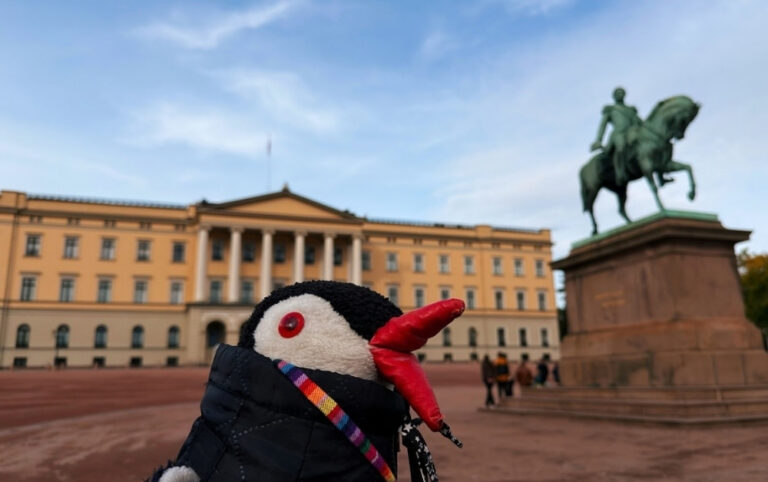
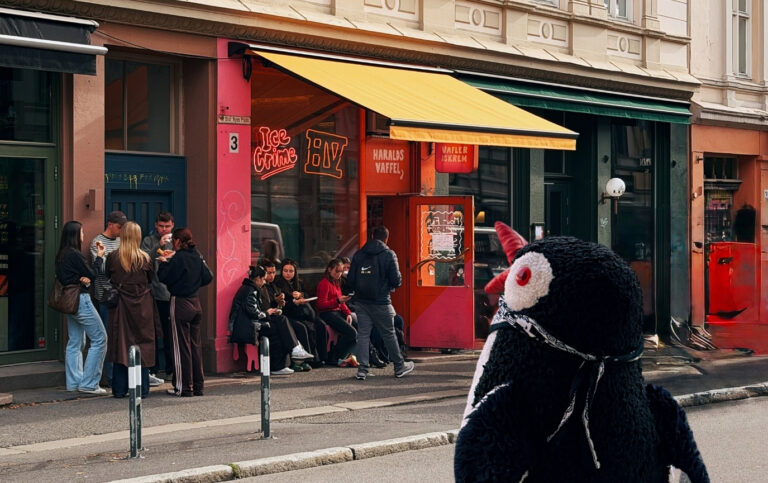
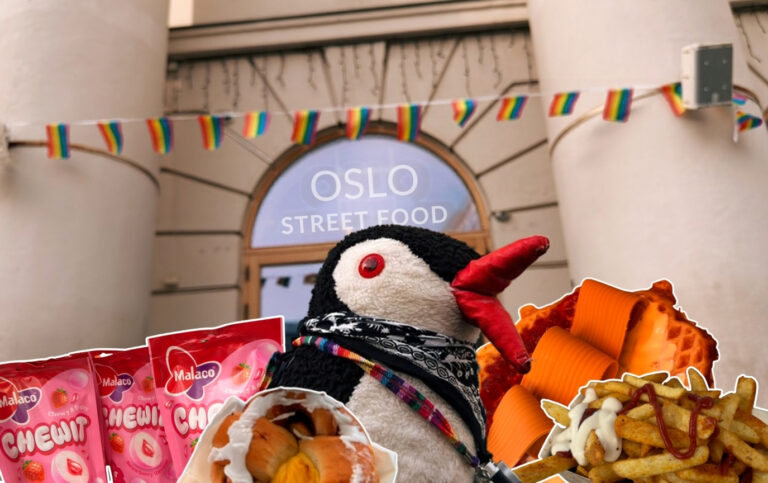
Three days in Oslo might not sound like enough time to get under the skin of Norway’s capital, and honestly, it wasn’t. We focused our trip on Oslo and its mix of modern architecture, fascinating museums, historic landmarks, and waterfront views, squeezing in as much as we could as we wandered the city streets, explored Norwegian culture, chased viewpoints, sampled local food, and discovered what makes Oslo so distinctive.
In this guide, we share our Oslo itinerary, what we actually spent, how we got around, where we ate, what surprised us, and what we would do differently next time. We’re also answering the questions you have sent us on Instagram, so you can use our experience to plan your own Oslo adventure, whether you have two days or considerably longer.
- Do I Need a Visa to Visit Norway
- Is Norway Safe to Visit
- Is Norway Expensive to Visit
- How Much Money Do You Need Per Day in Norway
- How Many Days Do You Need in Norway
- What Is the Best Time to Visit Oslo, Norway
- How Do You Get Around Oslo
- Can You Drink Tap Water in Norway
- Is English Spoken in Norway
- Where Did We Stay in Oslo
- How Much Did Our Trip to Oslo, Norway Cost
- Is Norway Worth Visiting
Oslo, Norway Travel FAQs
Do I Need a Visa to Visit Norway
Norway is part of the Schengen Area and the European Economic Area (EEA), so visa requirements depend on your nationality. EU/EEA citizens do not need a visa to visit Norway and can enter with a valid passport or national identity card. For travelers from outside the EU/EEA, Norway follows the common Schengen visa rules. Nationals of countries that require a Schengen visa generally need one for short stays of up to 90 days in any 180 days, while citizens of visa-exempt countries can generally visit for up to 90 days without a visa. For the most accurate requirements, check the rules for your specific nationality before traveling, as passport validity and other entry conditions may also apply.
Is Norway Safe to Visit
Norway is considered a safe destination for travelers. As in most European cities, the main things to watch for are petty crime, particularly pickpocketing in busy tourist areas and on public transport. Weather conditions can also change quickly, so it is worth checking the forecast and dressing appropriately, especially if you plan to explore outdoor attractions or viewpoints.
During our time in Oslo, we felt comfortable waddling around and exploring the city, from its waterfront and historic landmarks to its museums and lively streets. For a short city break, you generally only need normal precautions: keep an eye on your belongings, stay aware of your surroundings, and take extra care after dark, especially in unfamiliar areas.

Is Norway Expensive to Visit
Yes, Norway is expensive to visit. There is no other way to say it! From accommodation and restaurant meals to drinks and attractions, prices can add up quickly, especially in Oslo. Even a simple meal or a coffee can cost more than you might expect, depending on where you are traveling from.
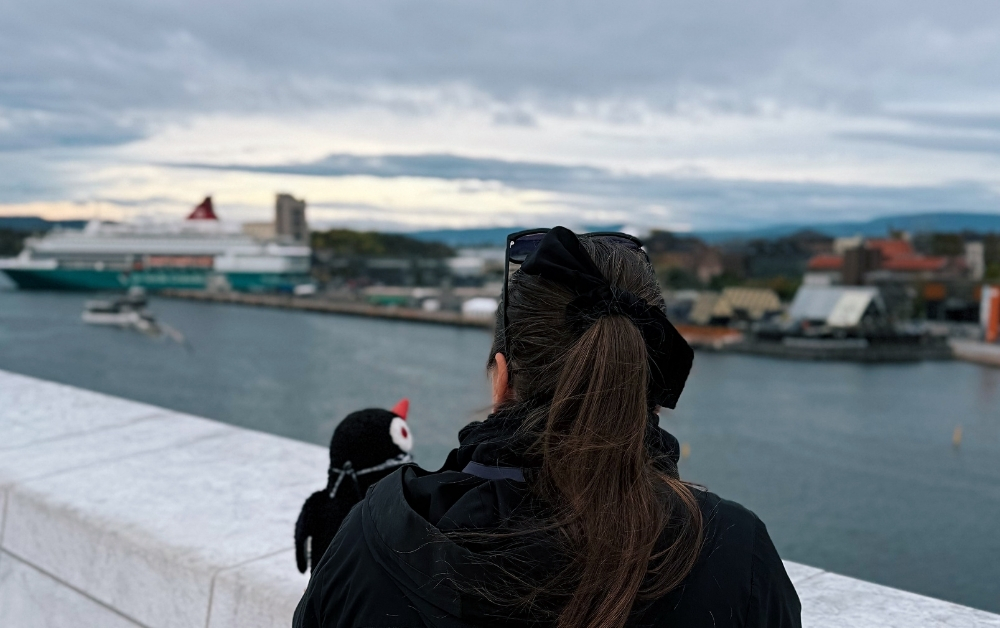
During our time in Oslo, we definitely noticed the high prices, and food took up a significant part of our travel budget. However, you can keep costs under control. You can save money by using public transport, choosing more affordable places to eat, booking accommodation in advance, and enjoying some of Oslo’s free attractions, including its waterfront, parks, and the iconic Opera House rooftop.
Our advice? Set a realistic budget before your trip and expect to spend more than you would in many other European capitals. Norway is absolutely worth visiting, but your wallet should be prepared for the adventure, too!
How Much Money Do You Need Per Day in Norway
How much you need per day in Norway depends on your travel style, but we would budget around €150 to €250 per person per day for a city break in Oslo, excluding flights. This should cover accommodation, food, public transport, and a few paid attractions, assuming you share a hotel room with someone else.
If you are traveling on a budget, staying in a hostel, cooking some meals, and focusing on free attractions, you can spend less. On the other hand, a comfortable hotel, restaurant meals, and several museum visits can quickly raise your daily expenses.
For a rough estimate, here is what you can expect to spend per person per day:
- Budget traveller: €70–€120
- Mid-range traveller: €150–€250
- Comfortable stay: €250–€400+
These are approximate planning estimates, not fixed prices, and accommodation, season, and exchange rates can make a significant difference. In Oslo, we recommend planning your budget and leaving some room for unexpected expenses. Norway is beautiful, but as we mentioned, it certainly isn’t cheap!
How Many Days Do You Need in Norway
How many days you need in Norway depends on what you want to experience. If you’re planning a weekend city break, two to three days in Oslo is a good starting point. However, if you’re dreaming of dramatic fjords, colorful coastal villages and spectacular mountain scenery, you’ll want to set aside considerably more time.
Here is how we’d plan your trip depending on your interests:
- 2–3 days in Oslo: Perfect for a weekend getaway, with time to explore the city’s main attractions, visit museums, admire the waterfront and enjoy Norwegian food.
- 4–5 days in Bergen: Ideal for exploring Bergen’s colorful Bryggen waterfront, riding the Fløibanen funicular, enjoying panoramic views and taking a day trip into the surrounding fjords.
- 5–7 days in the Norwegian fjords: Allow time for scenic drives, mountain viewpoints, waterfalls, and fjord cruises, with destinations such as Flåm, Geirangerfjord, and the Nærøyfjord.
- 5–7 days in the Lofoten Islands: Great for discovering picturesque fishing villages, dramatic peaks, white-sand beaches and scenic hiking trails. A rental car can make exploring much easier.
- 10–14 days in Norway: A better timeframe if you want to combine several regions, such as Oslo, Bergen and the fjords, or venture further north to the Lofoten Islands.
Our advice? If you’re visiting Norway for the first time and only have a weekend, focus on Oslo rather than trying to see too much. We spent our time exploring the capital, but we’d love to return to discover Bergen, the fjords and the Lofoten Islands.
Norway is a destination where distances, mountain roads, and ferry connections can make traveling between regions time-consuming. Give yourself enough time to enjoy each place instead of spending most of your holiday getting from one destination to another.
What Is the Best Time to Visit Oslo, Norway
The best time to visit Oslo depends on what you want from your trip. Late spring and summer, from May to September, are ideal for exploring the city on foot, enjoying the waterfront and spending time outdoors. However, Oslo has a different charm in every season, from colorful autumn streets to cozy winter days.
Here is what you can expect throughout the year:
- Spring (March–May): The city gradually wakes up after winter, parks begin to bloom, and daylight hours increase. May is particularly lovely for sightseeing, although temperatures can still be chilly.
- Summer (June–August): The warmest time of year, with long daylight hours and plenty of opportunities to explore Oslo’s parks, islands, outdoor cafés, and waterfront. It is also a popular time for visitors, so accommodation can be more expensive.
- Autumn (September–November): A lovely season for colorful foliage, atmospheric city walks and museum visits. September can still be pleasant, while October and November bring cooler temperatures, rain, and shorter days.
- Winter (December–February): Expect cold weather, possible snow, and limited daylight. However, winter is a great time to experience Oslo’s festive atmosphere, visit museums, and enjoy nearby winter activities.
When did we visit? We explored Oslo during a weekend trip in autumn. The season gave the city a different atmosphere, and we enjoyed combining outdoor sightseeing with museums and architectural landmarks.
Our recommendation: If you want pleasant weather, long days, and the freedom to explore Oslo outdoors, choose June to August. If you prefer autumn colors and don’t mind cooler temperatures, September and October can also be a wonderful time for a city break. Just remember to pack layers and a waterproof jacket, as Norwegian weather can be unpredictable!
How Do You Get Around Oslo
Getting around Oslo is relatively easy thanks to its well-connected public transport network, including the metro (T-Bane), trams, buses, and ferries. We explored much of the city on foot, too, as many of the main attractions are within walking distance of one another. For longer journeys, public transport is a convenient way to save time and energy. For everything you need to know about tickets, prices, zones, and connections, check out our separate guide: How to Get Around Oslo: Public Transportation Guide.

Can You Drink Tap Water in Norway
Yes, tap water in Norway is safe to drink, including in Oslo. The country has excellent drinking water quality, so you can confidently refill your reusable water bottle at your hotel or from a tap. You don’t need to buy bottled water for everyday drinking, which is good news for both your travel budget and the environment.
Penguin Pro Tip: Bring a reusable water bottle when exploring Oslo. You’ll save money, reduce plastic waste, and stay hydrated while waddling around the city!
Is English Spoken in Norway
Yes, English is widely spoken in Norway, especially in Oslo and other popular tourist destinations. Most Norwegians speak English well, so you shouldn’t have trouble communicating in hotels, restaurants, museums, and shops. We had no difficulties getting around Oslo or asking for information in English, which made exploring the city straightforward.
However, learning a few Norwegian words is always a nice way to connect with the locals. You don’t need to become fluent before your trip, but a simple greeting or thank-you can go a long way!
Here are a few useful Norwegian words and phrases to learn before your visit:
| Norwegian | English |
| Hei! | Hello! |
| Ha det! | Goodbye! |
| Takk! | Thank you! |
| Tusen takk! | Thank you very much! |
| Vær så snill | Please |
| Unnskyld | Excuse me / Sorry |
| Ja / Nei | Yes / No |
| God morgen | Good morning |
| God kveld | Good evening |
| Snakker du engelsk? | Do you speak English? |
| Hva koster det? | How much does it cost? |
| Ha en fin dag! | Have a nice day! |
Penguin Pro Tip: Start with hei and takk. They are easy to remember and useful almost everywhere, from ordering a coffee to buying a ticket for Oslo’s public transport. And don’t worry about getting everything perfect. A little effort is always appreciated!
Where Did We Stay in Oslo
During our weekend trip to Oslo, we stayed at Citybox Oslo, a budget-friendly hotel in a convenient central location. It was a practical base for exploring Norway’s capital, with attractions, restaurants, and public transport connections within easy reach. Citybox follows a self-service concept and doesn’t offer breakfast on-site, but guests can enjoy discounts at selected partner cafés.
We’ll share more about our experience, the room, the location, and whether it was worth the price in our separate review: Citybox Oslo in Oslo, Norway.

How Much Did Our Trip to Oslo, Norway Cost
Norway is expensive, and our long weekend in Oslo was no exception. We spent four days and three nights in Oslo, from 2 to 5 October 2026, and our total trip cost came to €1,145.42 for two people, or €572.71 per person.
One important expense was the two Oslo Passes, which cost us approximately €91 in total. The passes gave us access to participating attractions and museums, plus public transport, so they’re worth considering if you plan to visit several sights during your stay.
Here is a breakdown of our expenses:
| What | Cost |
| Flight tickets | €363.96 |
| Accommodation | €229.00 |
| Restaurants | €107.84 |
| Groceries & snacks | €102.13 |
| Drinks | €42.99 |
| Souvenirs | €43.69 |
| Others | €255.81 |
| TOTAL COST | €1,145.42 |
| PER PERSON | €572.71 |
Our biggest expenses were flights and accommodation, followed by the miscellaneous category. We also spent a fair amount on groceries and snacks, which helped balance out the cost of eating in one of Europe’s more expensive capitals.
We spent approximately €573 per person for four days in Oslo, including flights, accommodation, food, drinks, souvenirs, and Oslo Passes. While this isn’t a particularly cheap city break, planning and making use of included attractions and public transport helped us manage the budget.
Is Norway Worth Visiting
Norway is worth visiting, even if you only have a weekend to explore Oslo. With its striking architecture, fascinating museums, beautiful waterfront, and easy access to nature, the capital offers a wonderful introduction to what the country has to offer.
During our long weekend in Oslo, we enjoyed discovering the city’s landmarks, exploring its museums, admiring its modern architecture and waddling along the waterfront. We loved how easy it was to combine cultural experiences with outdoor sightseeing, and even though we saw a lot in just a few days, we still left wishing we had more time.
Of course, Norway isn’t a cheap destination, so it’s worth planning your budget before you go. However, there are plenty of ways to enjoy Oslo without spending a fortune, from exploring its parks and waterfront to visiting the iconic Opera House rooftop.
For us, Oslo was a great starting point for discovering Norway, but it certainly won’t be our last visit. We’re already looking forward to returning to explore more of Oslo, discover Bergen and its surrounding fjords, and finally make our way to the breathtaking Lofoten Islands. From dramatic mountain landscapes to picturesque fishing villages, there is still so much of Norway we’d love to experience.
If you’re considering a trip to Norway, we’d say go for it. If you have just a few days, start in Oslo, and let it inspire you to return for a longer adventure!

We hope this guide helps you plan your own trip to Oslo, answers your questions, and inspires you to discover Norway for yourself. If you have any questions or tips to share, let us know in the comments. Happy travels, and we hope you enjoy waddling around Oslo as much as we did!
Travel Bold. Eat Well. Waddle Wild.
Save This Pin for Later!
This post contains affiliate links. If you click and buy, I might earn a tiny commission, enough to help a penguin keep up its globe-trotting lifestyle. No extra cost to you, just more fish for me. Thank you for supporting the adventure!