Heineken Experience Amsterdam: What It’s Really Like to Visit
Amsterdam had given us rain, and plenty of it. With another wet day ahead, we started looking for something to do indoors, and the Heineken Experience was an easy choice. Housed in Heineken’s former brewery, it promised more than a place to escape the weather: brewing history, the story of how a Dutch beer became a global brand, interactive exhibits, and, naturally, a few glasses along the way. We went in curious about how much of the experience would be history and how much would be clever marketing. In this guide, we’ll take you through what actually happens inside, how long you need, what your ticket includes, and what we thought of the experience.
- Heineken Experience Amsterdam Quick Facts
- How to Get to the Heineken Experience
- Before You Visit: Tickets, Prices & Opening Hours
- Before the Experience: How Heineken Became an Amsterdam Icon
- Waddling Inside the Old Heineken Brewery
- How Long Do You Need at the Heineken Experience
- When Is the Best Time to Visit
- Is the Heineken Experience Worth Visiting
Heineken Experience Amsterdam Quick Facts
📍 Location: Stadhouderskade 78, De Pijp, Amsterdam
🍺 Type: Interactive brewery and brand experience inside Heineken’s former brewery
🎟️ Standard Ticket: ~ €24.95
⏱️ Time Needed: Around 1.5–2 hours for the standard experience
🍻 Includes: Brewing history, interactive exhibits, tasting, and beer
🏭 Historic Setting: Heineken brewed here from 1867 until 1988
🎫 Booking: Advance booking is recommended, particularly on weekends and during peak season
🚋 Getting There: Tram 24 stops at Marie Heinekenplein; metro line 52 is also nearby
🌐 Website: Heineken Experience
How to Get to the Heineken Experience
The Heineken Experience sits south of Amsterdam’s canal belt, so getting there is straightforward even if you are staying around the historic center. From Amsterdam Centraal, tram 24 takes you toward De Pijp, with Marie Heinekenplein just a short waddle from the entrance. Metro line 52 is another convenient option, with Vijzelgracht station around a 10-minute walk away. If the weather cooperates, we’d walk: it takes roughly 25–30 minutes from Dam Square, and the route gives you another excuse to explore the canals along the way. Cycling is naturally an option too, but if this is your first time navigating Amsterdam by bike, this probably isn’t the attraction to start experimenting with, especially when a few beers are part of the plan.

Before You Visit: Tickets, Prices & Opening Hours
Opening Hours
The Heineken Experience is open every day of the year, but hours vary slightly by day. From Monday to Thursday and on Sunday, it is open from 10:30 to 19:30, with the last entry at 17:15. On Friday and Saturday, it stays open until 21:00, with the last entry at 18:45. Opening hours can change on public holidays, so it is worth checking the official website before your visit. If you have some flexibility, weekday mornings are a good bet: Heineken itself recommends visiting before 13:00 for a less busy experience, while Saturday tends to be the busiest day.
Heineken Experience Tickets
The standard Heineken Tour costs €24.95 per person and includes the self-guided experience and one beer, while the Tour + Rooftop costs €29.95 and includes two drinks. There is also a €65 VIP Tour, which includes a guide, five premium beers, and Dutch bites, as well as several combination tickets with other Amsterdam attractions. Prices can change, so check the official Heineken Experience website for the latest rates.
Tickets are sold for a specific date and entry time, so this isn’t an attraction where we would rely on simply turning up whenever it starts raining. A limited number of walk-up tickets may be available, but popular slots can sell out, particularly on weekends and during Amsterdam’s April-to-October peak season. Booking online in advance secures your preferred entry time, but once inside, the standard Tour is self-guided so that you can move through it at your own pace. Allow roughly 1.5 to 2 hours for the experience.
Facilities & Amenities
- Toilets: Available inside the Heineken Experience.
- Cloakroom: Free cloakroom for coats and small bags.
- Luggage: Large suitcases are not suitable, so leave them at your hotel or a luggage-storage facility.
- Accessibility: Much of the experience is wheelchair accessible, although the historic building creates some limitations.
- Bar: The experience finishes with a bar area where you can use the drink tokens included with your ticket.
- Heineken Shop: Merchandise, clothing, glasses, and Heineken souvenirs are available at the end.
- Photos: Photography is allowed, and there are several interactive photo and video opportunities along the route.
- Wi-Fi: Free Wi-Fi is available.
- Payments: The Heineken Experience is cashless, so bring a debit or credit card.
- Weather: Almost the entire experience takes place indoors, making it a particularly useful option for a rainy Amsterdam day. You will only need to think about the weather if you book the rooftop experience.
Before the Experience: How Heineken Became an Amsterdam Icon
Long before Heineken became a green bottle recognized worldwide, it was an Amsterdam family business with an ambitious young man at its center. In 1864, 22-year-old Gerard Adriaan Heineken bought De Hooiberg (The Haystack), an established brewery in Amsterdam’s heart. He had little brewing experience, but he saw an opportunity: beer production in the Netherlands was changing, and Gerard wanted to make a more consistent, higher-quality product.
Business grew quickly. In 1867, Heineken opened a new brewery on Stadhouderskade, then still on the outskirts of Amsterdam. This building is at the heart of today’s Heineken Experience. The company moved away from traditional Dutch top-fermented beer and embraced Bavarian-style bottom fermentation. This method required colder temperatures but produced the clearer lager increasingly popular across Europe.


Science soon became part of the Heineken story. In the 1880s, Gerard established a laboratory and brought in Dr. Hartog Elion, a student of Louis Pasteur, to develop a yeast specifically for the brewery. In 1886, Heineken isolated A-yeast, which helped give the beer its consistent character. The strain remains part of Heineken’s closely guarded brewing process today.
Gerard died in 1893, but Heineken remained very much a family story. His son, Henry Pierre Heineken, later took control of the company, followed by his grandson, Alfred “Freddy” Heineken, perhaps the family member most responsible for turning Heineken into the global brand we recognize today. Freddy understood that selling beer was only half the job; people also needed to recognize it. Under his influence, the green bottle, red star, and distinctive Heineken lettering became central to a carefully constructed international identity.


The Amsterdam brewery itself eventually became a victim of that success. Production had outgrown the old Stadhouderskade site, and brewing here ended in 1988, with production shifting to larger facilities. Instead of disappearing, however, the former brewery found a second life. It opened to visitors in 1991 as the Heineken Treat and Information Center, then was transformed and relaunched as the Heineken Experience in 2001.
When you waddle through the doors today, you are entering a building where Heineken was actually brewed for more than a century. The shiny interactive screens, sponsorships, and carefully designed photo opportunities came much later. Underneath all of that modern branding is the story of an Amsterdam brewery, several generations of one family, and a local beer that somehow ended up almost everywhere.
Waddling Inside the Old Heineken Brewery
By the time we reached the Heineken Experience, Amsterdam had settled into one of those properly rainy days, so spending the next couple of hours inside a brewery sounded increasingly like a good decision. Once through the doors, however, the first surprise was how little the entrance felt like stepping into a 19th-century brewery. Despite the building’s history, everything immediately feels modern, polished, and built to handle a lot of visitors.
The space is also much bigger than it looks from the street. The entrance process is organized, with staff directing you and signs guiding you to the start of the experience. You quickly get the sense that this is no small brewery museum but a major Amsterdam attraction designed to move large numbers of people through without feeling completely chaotic. Walk-in tickets may be available, but they depend on capacity. With timed entry slots, we would buy tickets online beforehand rather than arrive and hope for the best, particularly on a rainy day when everyone else seems to have the same idea about heading indoors.
From those first few minutes, the contrast is already clear: the building may be historic, but the Heineken Experience is thoroughly modern.


Once the experience starts, a Heineken guide introduces himself, gives a short welcome, and explains how the visit works. The instructions are clear and refreshingly brief: where the route will take you, what to expect along the way, and how the tasting and drinks work. From there, you are largely free to move through the experience at your own pace, following a route that gradually takes you from Heineken’s history into the actual business of making beer.
From Barley to Beer: Learning How Heineken Is Made
The first part feels closest to what you might expect from a traditional brewery visit. You are introduced to the four ingredients behind Heineken: water, barley, hops, and the company’s A-yeast, before moving deeper into the old production spaces.
The brewing process is explained step by step and in simple terms, so you don’t need to know anything about beer before arriving. You learn what happens to the barley, why hops matter, how fermentation works, and why Heineken places so much importance on its A-yeast. There is enough information to understand how a handful of ingredients eventually becomes the beer in your glass without turning the visit into a brewing lecture.
What we liked here was that this section still feels genuinely informative rather than purely promotional. There is, of course, plenty of Heineken branding around you, but standing beside equipment once used in the brewery gives the story some substance. It is also one of the quieter parts of the experience in terms of entertainment. Enjoy it while it lasts, because further along the route, the Heineken Experience shifts noticeably from brewery history to a full-scale brand experience.


Waddling Through Heineken’s Brewing Past
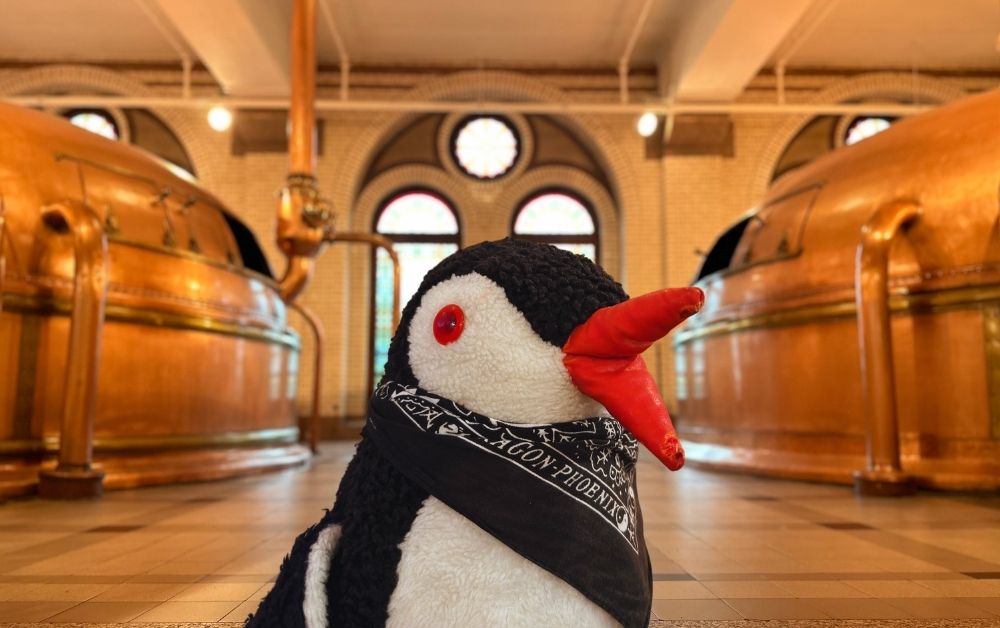
This was the part of the Heineken Experience where the building’s past felt most present. As we moved through the former brewery, modern displays gave way to historic rooms, old photographs, brewing equipment, and pieces of Heineken memorabilia. Our favorite part was the huge copper brewing tanks. Polished but still unmistakably industrial, they dominate the old brewing hall and give you a much better sense of the scale on which beer was once produced here. You can waddle right among them, look inside and get surprisingly close to the equipment. For us, these tanks were more memorable than many of the digital displays later in the tour. It is also one of the moments when it is easiest to forget that you are inside a major tourist attraction temporarily. Behind all the green branding and interactive technology, this was once a working brewery, and the copper tanks are perhaps the best reminder.


When the Museum Turns Into an Experience
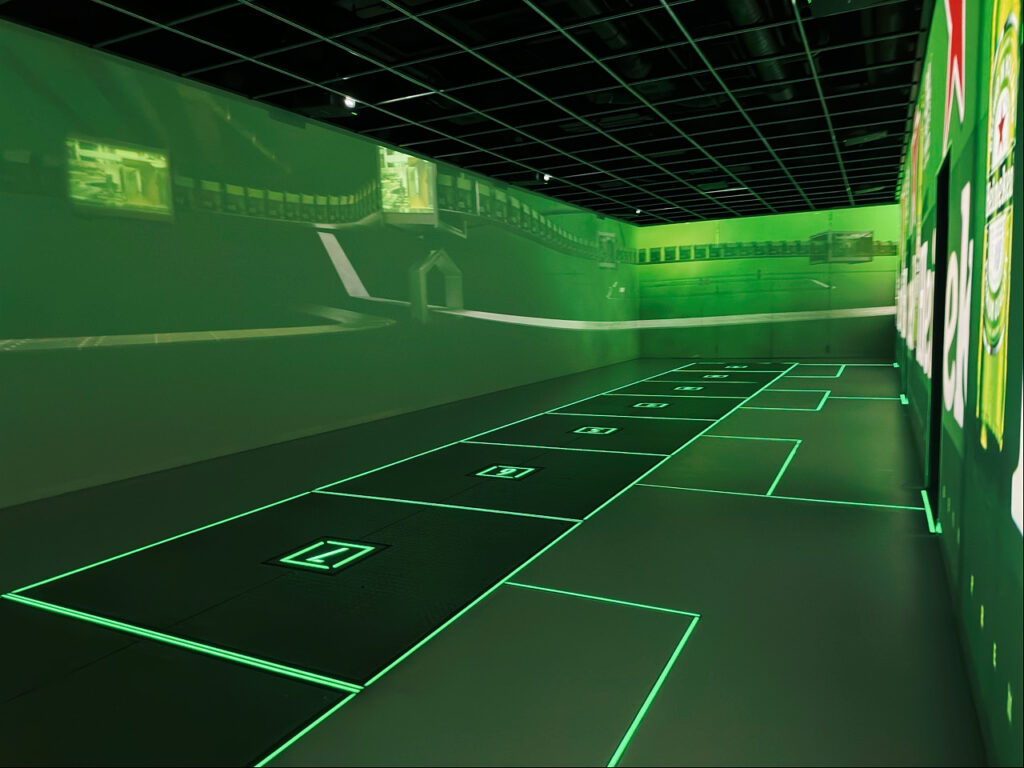
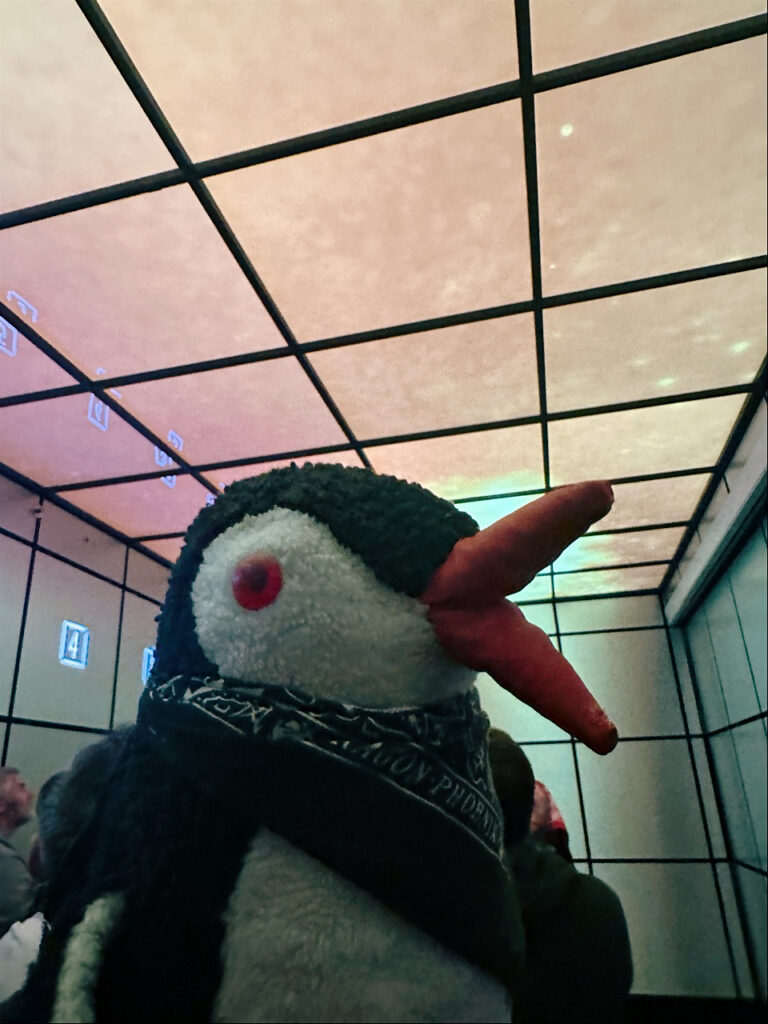
The transition from brewery museum to Heineken Experience happens rather suddenly. One moment, you are standing among historic copper brewing tanks; the next, you are ushered into a space that feels a little like stepping inside a truck or industrial container. The doors close behind you, and presentations begin across the walls around you. After the warmth and history of the copper brewing room, the contrast could hardly be bigger. Everything here feels modern, digital, and carefully choreographed.
We will not spoil exactly what happens inside, because part of the fun is not knowing what is coming. The presentation lasts only a few minutes, but it marks a clear turning point in the visit. From here, Heineken becomes less interested in showing you old brewing equipment and much more interested in making you part of the experience.
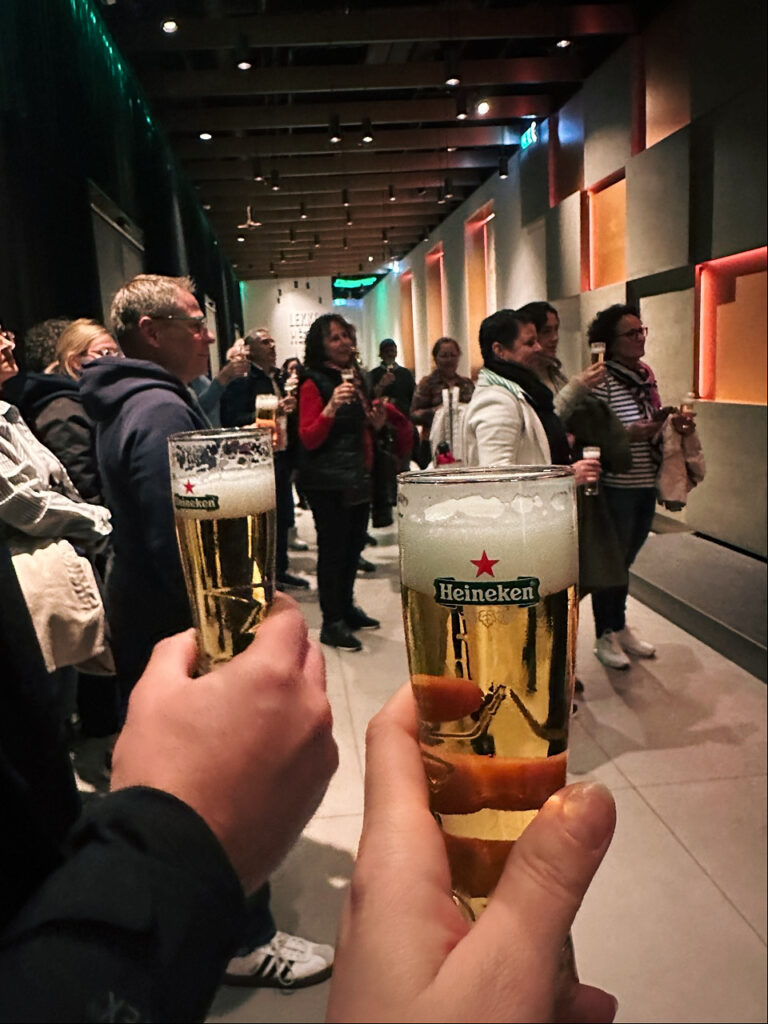
Once the presentation ends, the doors open and you are ushered into the next area, where your first reward is waiting: a small Heineken tasting. It is only a little beer rather than a full glass, but it comes at exactly the right point in the tour. By now, you have learned where Heineken came from and how it is brewed. Finally, you get to taste it.
From Beer Lesson to Full-On Playtime
After that first beer tasting, the educational part is pretty much over. You have learned the history, seen how Heineken is made, and waddled through the old brewery. Now it is time to play. The rest of the route gets much more interactive, with chances to personalize your own Heineken bottle with your name, pose in front of photo walls, and create photos and videos in different themed setups.
Interactive screens, tunnels, and plenty of spaces invite you to stop and do something rather than look at another exhibit. It feels more like a Heineken-themed playground than a brewery museum at this point, and while you probably won’t learn much more about beer, it keeps the experience moving and gives you plenty to do before reaching the final bar.


Finishing Where You Would Expect: At the Bar
After all the screens, photo stops, and interactive play, the route eventually delivers you to the most predictable ending possible: a Heineken pub. Here, you can exchange the token included with your ticket for a freshly poured beer, find a spot to sit or stand, and enjoy it rather than moving on to another exhibit. If one beer isn’t enough, you can also buy additional drinks at the bar. It is a lively finish to the experience and, after spending the previous couple of hours learning about, looking at, and playing with everything Heineken, finally sitting down with a cold glass feels like the right way to end it.


Is It All Just Clever Heineken Marketing
There is an interesting contradiction at the heart of the Heineken Experience: you buy a ticket to spend a couple of hours being surrounded by advertising for a product you can already buy almost anywhere in the world. The green bottles, red stars, logos, branded photo opportunities and merchandise are impossible to miss. By the second half of the visit, Heineken is no longer simply explaining how it makes beer. It is showing you how successfully it has built a brand.
And perhaps that is one of the most interesting things about the experience. Advertising, packaging, sports sponsorships, and carefully controlled visual identity all play a role, and the Amsterdam attraction is effectively another extension of that strategy. The Experience itself is marketing, just marketing you can waddle through, photograph, and eventually drink.
That could easily make the whole thing feel like an expensive commercial, and occasionally it does. But dismissing it as nothing more than advertising would also be unfair. You are standing inside the former Heineken brewery, walking among original brewing spaces and copper tanks, learning about the Heineken family and seeing how production developed. Real history lies beneath the polished presentation.
How Long Do You Need at the Heineken Experience
We set aside about 1.5 to 2 hours for the Heineken Experience, though how long you stay depends largely on you. The route is mostly self-guided, so you can move quickly through the history and brewing sections or spend considerably longer playing with the interactive installations, taking photos, and having a beer at the final bar.
For us, around two hours felt about right. It gave us enough time to read the displays, stop at the copper tanks, try the interactive sections, and finish with a beer without watching the clock. If you are building the Experience into a packed Amsterdam itinerary, we wouldn’t give it much less than 90 minutes. And if you plan to linger over a few extra beers at the end, leave yourself some additional time.
When Is the Best Time to Visit
For fewer crowds, visit on a weekday morning. Afternoons and weekends, especially Saturdays, tend to be busier. The Heineken Experience is also a great rainy-day activity, which is exactly why we chose it. Just remember that when Amsterdam gets wet, plenty of other travelers have the same idea, so booking your time slot in advance is smart.
Hotel search from Trip.comShows Trip.com’s own box, which can set Trip.com cookies.
Is the Heineken Experience Worth Visiting
We enjoyed the Heineken Experience, but looking back, it feels like one big, polished commercial. The historic brewery, copper tanks, and brewing story are genuinely interesting. Still, a large part of the visit is ultimately designed to immerse you in the Heineken brand rather than teach you about beer.
Would we recommend it? Yes, but not as an Amsterdam must-see. If you love Heineken, beer, branding, or interactive attractions, you will probably get much more out of it. It is also a solid choice for a rainy afternoon. But if we had limited time in Amsterdam and had to choose between the Heineken Experience and some of the city’s major museums, we would visit other museums first. We had fun; we are glad we experienced it once, but it wouldn’t be at the top of our list for a return visit.
What We Liked Most And What We Would Change
We liked the historic brewery, copper tanks, and smooth organization most, while the interactive sections made the visit fun rather than just another museum waddle. The beer tastings were a nice addition too. What we liked less was how heavily the second half leans into branding and commercialization. For the ticket price, we would have preferred a little more brewing history and a little less Heineken marketing.
Buy Us a Ko-fi

We waddled into the Heineken Experience partly because Amsterdam had decided to give us rain, and a few hours inside a brewery sounded better than another soaked waddle through the city. We came out knowing considerably more about the family, the brewery, and the story behind that famous green bottle, with a couple of cold Heinekens along the way. Was it our favorite Amsterdam attraction? No. But travel isn’t always about ticking off the absolute best sights. Sometimes a rainy afternoon, an old brewery, and a beer at the end are enough to make for a good Amsterdam memory.
Travel Bold. Eat Well. Waddle Wild.
Save This Pin for Later!
This post contains affiliate links. If you click and buy, I might earn a tiny commission, enough to help a penguin keep up its globe-trotting lifestyle. No extra cost to you, just more fish for me. Thank you for supporting the adventure!