What to Eat in North Macedonia: Traditional Macedonian Food Guide
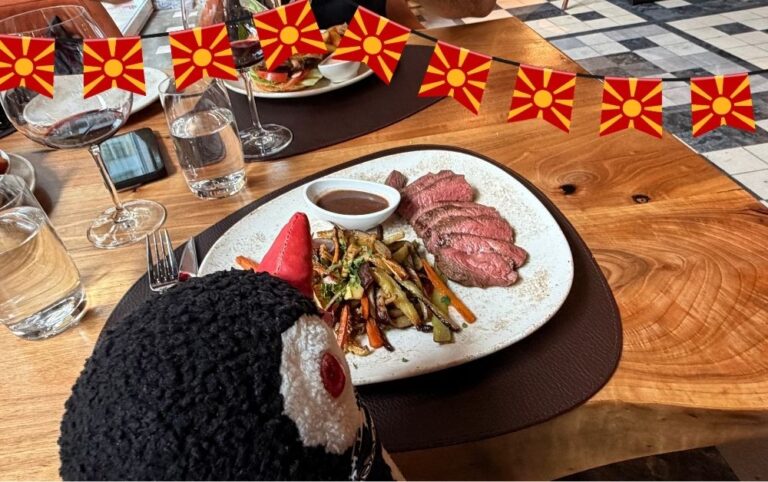
Food is always a big part of our travels, and North Macedonia was no exception. We arrived ready to explore Skopje, but very quickly realized there was just as much to discover on the plate. From flaky burek and grilled meat to huge salads, creamy dips and plenty of sweets, we tried as much as we could during our trip. Some dishes were familiar, others completely new, and a few quickly became favorites. So, here is what to eat in North Macedonia and what we would happily order again.
What to Expect From North Macedonian Food
North Macedonian food is a real mix of cultures, which makes sense given where the country sits. You will notice strong Ottoman and Balkan influences, alongside Mediterranean and neighboring Greek, Serbian and Bulgarian flavors. That means some dishes might look familiar if you have traveled around the Balkans before, with foods like burek, kebapi, sarma and baklava appearing across the region in different forms.
When it comes to taste, expect food that is hearty, simple and full of flavor rather than overly complicated. Grilled meats are everywhere, but vegetables also play a huge role, especially peppers, tomatoes, beans, cabbage, onions and eggplant. You will come across plenty of cheese, yogurt, fresh bread and spreads such as ajvar, while paprika, garlic and herbs bring everything together. Traditional Macedonian food is also very seasonal, and many dishes are comforting, home-style food that arrives at the table in generous portions and is meant to be shared.
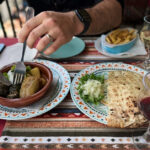
You will also notice that eating in North Macedonia is very much a social experience. Meals are rarely about just one dish, with salads, spreads, bread, grilled food and small plates often filling the table at the same time. It is the kind of food that encourages you to slow down, share a little bit of everything and stay at the table longer.
Must-Try Traditional Dishes in North Macedonia
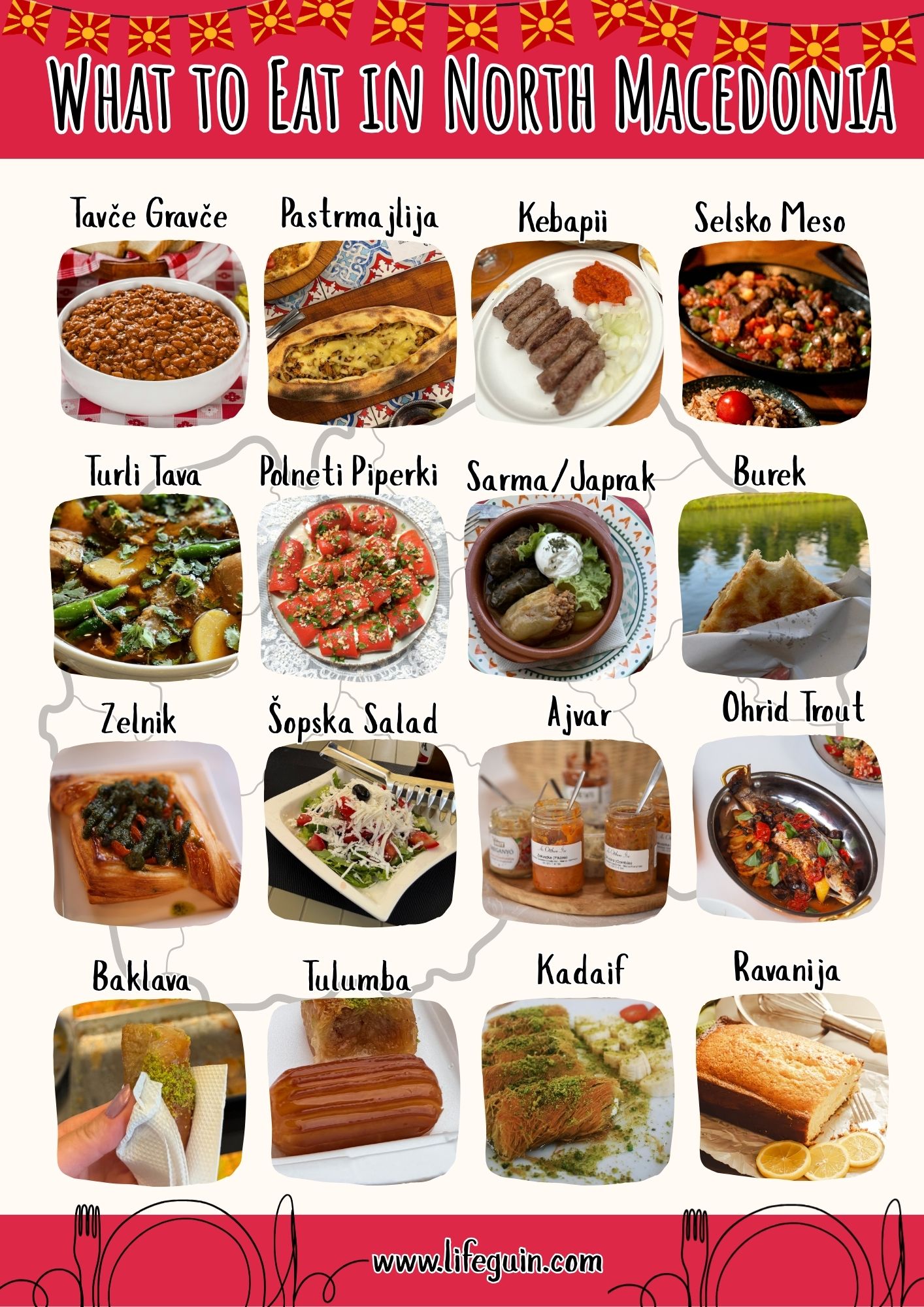
Now for the most important part: what should you actually eat in North Macedonia? There are plenty of traditional dishes to work your way through, from hearty bean dishes and grilled meats to pastries, spreads and fresh salads. Some are perfect for a quick snack, while others deserve a long lunch with a table full of side dishes.
- Tavče Gravče. The most important dish to try and widely considered North Macedonia’s national dish. White beans are seasoned with onions, peppers, and paprika, then baked in a traditional clay dish called a tava.
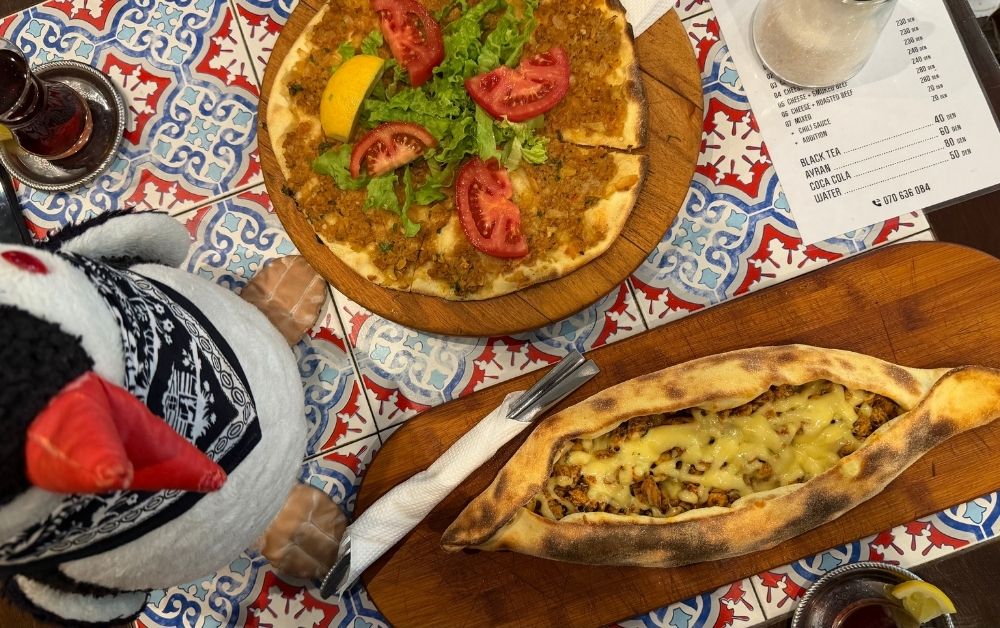
- Pastrmajlija. One of the more distinctly Macedonian choices on this list. This oval, boat-shaped flatbread traditionally comes topped with seasoned meat, most commonly pork today. It is especially associated with Štip, Veles and central/eastern North Macedonia.
- Kebapi. Small skinless rolls of seasoned minced meat cooked on the grill. They are North Macedonia’s version of the ćevapi found elsewhere in the Balkans and are particularly good served with bread, raw onion and tavče gravče.
- Selsko Meso. Literally meaning “village meat,” this is proper comfort food. Meat is slowly cooked with mushrooms and other ingredients, traditionally in a clay pot, creating a rich and filling dish perfect for a long lunch.
- Turli Tava. A traditional baked dish combining different vegetables and meat in a large clay tava. Recipes vary, but that is part of the point: turli refers to the mixture of different ingredients cooked together.
- Polneti Piperki. Stuffed peppers are another home-style Macedonian classic. Peppers are typically filled with minced meat, rice, onion, and seasonings before being slowly cooked until soft.
- Sarma / Japrak. Small parcels made with cabbage or vine leaves wrapped around a filling usually containing rice and minced meat. Vine-leaf versions are also known as japrak and are often served with thick yogurt.
- Burek. You will find burek across the Balkans, but it is also a big part of everyday food culture in North Macedonia. The flaky pastry comes with fillings such as cheese, meat or spinach and makes an easy breakfast or quick snack.
- Zelnik. A traditional savory pastry made from thin layers of dough with fillings that can include cheese, leeks, spinach or other greens. A good option if you want to go beyond the much better-known burek.
- Šopska Salad. Simple but something you will see everywhere: chopped tomatoes, cucumber, peppers and onion topped generously with grated white brined cheese. It works particularly well alongside the heavier grilled and baked dishes.
- Ajvar. More of an accompaniment than a full dish, but far too important to leave off a North Macedonian food list. This rich roasted red pepper spread is eaten with bread, cheese and grilled meats, and homemade versions are especially popular.
- Ohrid Trout. If your trip takes you to Lake Ohrid, fish deserves a place on your list. Ohrid trout is one of the region’s best-known specialties and offers something completely different from the beans, pastries and grilled meats found elsewhere on this list.
Hotel search from Trip.comShows Trip.com’s own box, which can set Trip.com cookies.Search hotels on Trip.comTrip.com’s box can’t load on this device (an ad blocker often stops it). This opens Trip.com’s own hotel search.Open Trip.com
Desserts to Try in North Macedonia
North Macedonia definitely knows how to do very sweet desserts, with Ottoman influence particularly noticeable here. Syrup-soaked pastries, nuts and filo dough appear again and again, and these are four worth saving room for.
- Baklava. Layers of thin filo pastry filled with nuts and soaked in sweet syrup. You will find it throughout North Macedonia, especially in traditional sweet shops and the Old Bazaar in Skopje.
- Tulumba (Tulumbi). Small pieces of rigid fried dough soaked generously in sugar syrup. They are crispy on the outside, soft and syrupy inside, and one of the sweets you will commonly spot in Macedonian pastry shops.
- Kadaif. Another Ottoman-influenced favorite, made with very fine, thread-like pastry, usually combined with nuts and finished with plenty of syrup. If you like baklava, this is an easy next choice.
- Ravanija. A soft semolina-based cake soaked in sweet sherbet syrup, often made with walnuts. It is an old-fashioned Macedonian favorite with strong links to home cooking and family traditions.
Drinks to Try in North Macedonia
Food is only half the experience. North Macedonia has a strong wine, rakija, and coffee culture, so there are a few local drinks worth trying alongside all that food.
- Rakija. The classic Balkan fruit brandy and a big part of Macedonian hospitality. In North Macedonia, grape rakija, known as lozova, is particularly common and is traditionally enjoyed slowly alongside salad or meze.
- Mastika. One of the most distinctive drinks to try in North Macedonia. This strong aromatic spirit is especially associated with Strumica and has an anise-like character. It is commonly served chilled as an aperitif.
- Macedonian Wine. Definitely don’t skip the wine. The Tikveš region is the heart of North Macedonia’s wine production, and two grapes worth remembering are the red Vranec and white Smederevka.
- Turkish Coffee. A reminder of the country’s Ottoman influence and still an important part of everyday coffee culture. It is strong, unfiltered, served in a small cup and meant to be enjoyed slowly rather than knocked back like an espresso.
- Boza. For something non-alcoholic and a little different, try boza. This traditional fermented grain drink is thick, slightly sweet and tangy, and very different from the soft drinks you might normally order.
- Mountain Tea. Known as planinski čaj, this herbal tea is particularly worth trying if you head into North Macedonia’s mountain areas. It is commonly served hot, sometimes with honey.
Where to Eat Traditional Macedonian Food in Skopje
If you are spending a few days in Skopje, definitely leave some time to explore the food scene. You will find everything from old-school kafanas and simple kebapi restaurants to more polished places serving traditional dishes with Macedonian wine. Debar Maalo and the Old Bazaar are good areas to start.
- Restaurant Skopski Merak. One of the best-known choices for a proper Macedonian meal in Skopje. Expect a lively traditional atmosphere, regional dishes, plenty of grilled meat, Macedonian wine and live music in the evening.
- Destan. A Skopje institution in the Old Bazaar and the place to go specifically for kebapi. Keep it simple: order a portion of freshly grilled kebapi with onion, bread and ajvar.
- Restaurant „Old House“. A great option if you want traditional Macedonian food with a little more atmosphere. The restaurant is set inside a historic house and focuses on classic local cooking.
- National Restaurant Makedonska Kukja. Another good choice for exploring traditional Macedonian cuisine, especially if you want to sit down for a longer meal and try several local dishes together.
- Pelister. Right in central Skopje, making it an easy option while sightseeing. Expect Macedonian and Balkan dishes, grilled meats, and a more polished restaurant setting.
- Soul Kitchen. Macedonian Wine & Cuisine. A convenient choice along the Vardar if you want to combine Macedonian food with local wine, with a slightly more modern feel than a traditional kafana.
- Dropstop Gastrobar. Go here when you want something more contemporary. It isn’t a traditional kafana, but uses Macedonian ingredients, local wines and Balkan influences in a more modern Mediterranean style.
Macedonian Hospitality & What to Expect When Eating Out
One thing you quickly notice in North Macedonia is that meals are rarely rushed. Hospitality is a big part of the food culture, and sitting down for lunch or dinner is often as much about talking, sharing, and spending time together as it is about eating. Traditional kafanas especially have a relaxed atmosphere where you can settle in for the evening rather than eat and leave.
Expect the table to fill up gradually. A typical meal might start with meze, bread, cheese, ajvar, grilled peppers or a Šopska salad, perhaps alongside rakija, before the heavier dishes arrive. Sharing food is completely normal, so ordering several things for the table is a great way to experience more of the cuisine. And don’t be surprised if you hear a cheerful “Nazdravje!”, meaning “cheers” or literally “to your health.”
Most importantly, give yourself time. For a proper sit-down lunch or dinner, allow around two hours; a traditional meal with drinks, several dishes, or live music can easily turn into a whole evening. Service can consequently feel more relaxed than you might be used to, so don’t plan a kafana dinner when you have somewhere you need to be 45 minutes later.
A few practical tips help too. Lunch tends to be later, while dinner can start around 7 or 8 pm and continue well into the evening. Carry some Macedonian denars because smaller restaurants, grills, and bazaar spots may prefer cash, even though cards are common at many city restaurants. Tipping isn’t completely standardized, but rounding up or leaving roughly 10% for good service is a common modern practice. And if you want a popular kafana in Skopje on a Friday or Saturday evening, especially one with live music, book ahead.
Buy Us a Ko-fi

We came to North Macedonia excited to explore the country, but the food quickly became a highlight of the trip. From flaky burek in the morning and huge Šopska salads to grilled meats, tavče gravče and one too many pieces of baklava, eating here is part of the experience rather than just something you squeeze between sightseeing stops.
What we loved most was how relaxed it all felt. You sit down, order a few things for the table, add something else later, have a glass of local wine or rakija, and suddenly lunch has lasted two hours. That slower, social style of eating is a genuine part of North Macedonia’s food culture.
So, if you are wondering what to eat in North Macedonia, our advice is simple: arrive hungry and try more than just the dishes you already recognize. Order something you cannot pronounce, share a few plates, and leave plenty of room for dessert. For us, discovering North Macedonia one plate at a time was definitely part of the adventure.
Travel Bold. Eat Well. Waddle Wild.

This post contains affiliate links. If you click and buy, I might earn a tiny commission, enough to help a penguin keep up its globe-trotting lifestyle. No extra cost to you, just more fish for me. Thank you for supporting the adventure!