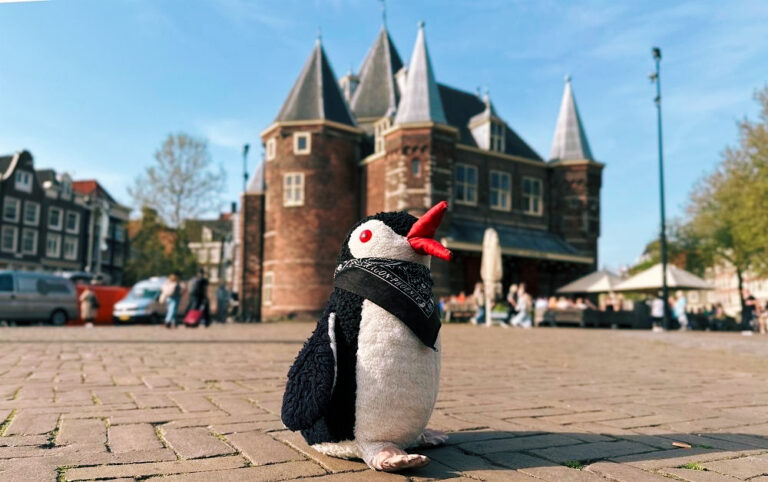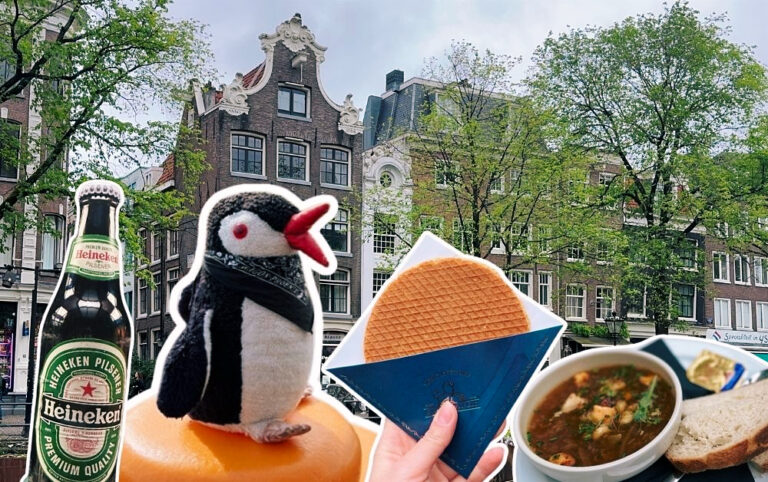
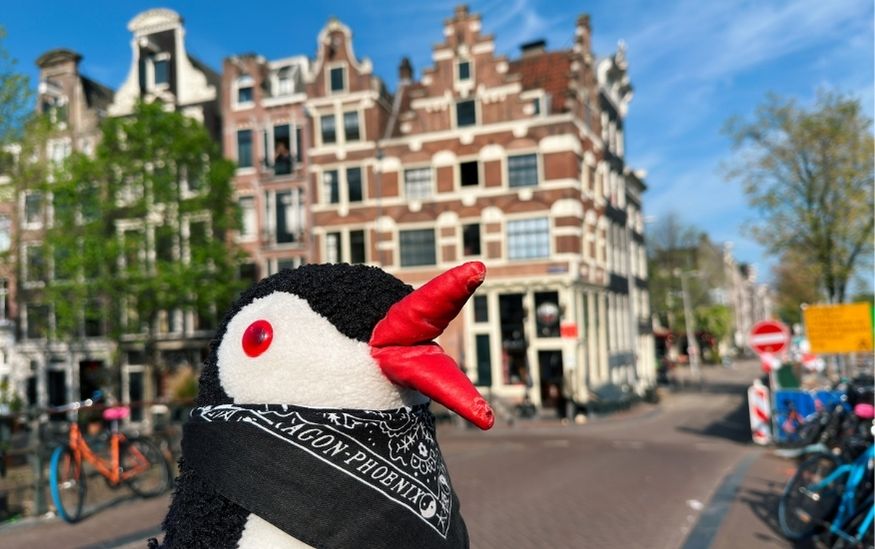
What Is Amsterdam Famous For: Things to Know
You hear a lot about Amsterdam before you ever arrive. The canals, bikes, coffee shops, Red Light District, museums, and crowds tend to dominate the conversation, and it is easy to build an idea of the city before you have even booked the trip. We certainly had one.
Then we arrived, and Amsterdam felt different from what we had read and heard. Some of the stereotypes are there, of course, but they are only one part of the city. We found ourselves noticing the canal houses, how people move around by bike, the food, the history behind the streets, and all the small details that rarely make the headlines. So, this is our take on Amsterdam. We look at what the city is famous for, but also its history, interesting facts, practical tips we learned, and a few things we think are worth knowing before you visit.
Quick Facts About Amsterdam
- Location: Western Netherlands, in the province of North Holland, around 25 km from the North Sea
- Population: Around 940,000 residents within the municipality
- Historic Center: Built around a network of canals, with the 17th-century Canal Ring forming part of a UNESCO World Heritage Site
- Year Established: Amsterdam was first mentioned in written records in 1275
- Elevation: Much of Amsterdam sits only a few meters above or even below sea level
- Language: Dutch, with English widely spoken
- Nearest Airport: Amsterdam Airport Schiphol, around 15 km southwest of the city center
- Number of Canals: More than 160 canals, stretching for over 100 km through the city
- Number of Bridges: More than 1,500 bridges cross Amsterdam’s canals and waterways
- Known For: Canals, canal houses, bicycles, museums, Anne Frank, art, coffee shops, the Red Light District, and its 17th-century trading history
- Nickname: Often called the “Venice of the North” because of its canal network
Brief History of Amsterdam
Amsterdam began as a small settlement beside the Amstel River and grew into a center of trade, art, and finance. Its canals, narrow houses, museums, and port still tell parts of that story today. Here are some of the moments that shaped the city:
- Around 1200. A Settlement Forms Along the Amstel. Fishing communities began settling along the river, where water shaped both the city’s name and its development.
- 1275. Amsterdam Appears in Written Records. Count Floris V granted residents of “Amstelredamme” a toll privilege. This 1275 document is often treated as Amsterdam’s first official written mention.
- 1300–1306. Amsterdam Receives City Rights. Amsterdam gained city rights around the beginning of the 14th century, helping it develop as a trading town.
- 1602. The Dutch East India Company Is Founded. The VOC was established with Amsterdam as one of its main chambers. Shares in the company traded in Amsterdam, helping the city become a center of finance.
- 1600s. Amsterdam Enters Its Golden Age. Trade brought money and people into the city. Amsterdam expanded, its population grew, and much of the canal network we recognize today began taking shape.
- 1613. Construction of the Canal Ring Begins. Amsterdam began expanding its canal system, including the Herengracht, Keizersgracht, and Prinsengracht, as the growing city needed more space for homes, businesses, and transport.
- 1632. Rembrandt Moves to Amsterdam. The painter settled in the city and spent much of his career there, producing works that would later become closely connected with Dutch art history.
- 1806. Amsterdam Becomes the Capital of the Kingdom of Holland. Napoleon’s brother, Louis Bonaparte, became king and established Amsterdam as the capital. It remained the Dutch capital after the modern Kingdom of the Netherlands was formed.
- 1876. The North Sea Canal Opens. The new canal gave Amsterdam a more direct connection to the North Sea and strengthened its role as a port.
- 1940. Nazi Germany Occupies Amsterdam. German forces occupied the Netherlands during World War II. Amsterdam’s Jewish community faced persecution, deportation, and murder during the Holocaust.
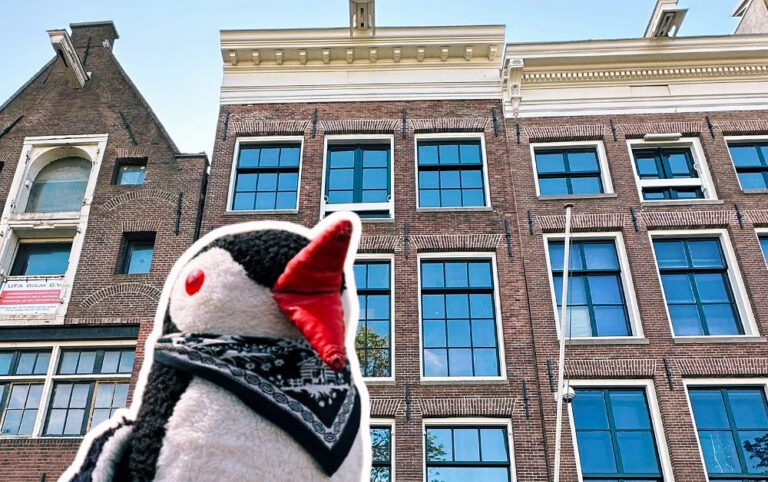
- 1942. Anne Frank Goes Into Hiding. Anne Frank and her family hid in rooms behind her father’s business on Prinsengracht. Her diary later became one of the world’s best-known accounts of life during the Holocaust.
- 1945. Amsterdam Is Liberated. The German occupation ended in May 1945, beginning a period of recovery and rebuilding.
- 2010. The Canal Ring Becomes a UNESCO World Heritage Site. Amsterdam’s 17th-century canal district was added to the UNESCO World Heritage List, recognizing the role the city’s urban planning played in its development.
- Amsterdam Continues to Change. The city remains the capital of the Netherlands and a center for culture, business, tourism, and cycling. In contrast, much of its history remains visible in the canals and streets you explore today.

17 Interesting Facts About Amsterdam
Amsterdam is one of those cities where the more you learn, the more there seems to be to know. Behind the canals, bikes, and rows of narrow houses are stories about trade, engineering, art, food, and even a connection to New York. We had too many facts to include, so we narrowed the list to the Amsterdam facts we found most interesting and think are worth knowing before you visit.
#1: Amsterdam Is Built on Millions of Wooden Piles
Amsterdam is built on soft soil made largely of peat and clay, which isn’t strong enough to support heavy buildings on its own. For centuries, builders solved the problem by driving long wooden piles deep into the ground until they reached a firmer sand layer. Many of Amsterdam’s canal houses stand on these foundations, while larger structures require thousands of piles. Amsterdam Centraal, for example, was built on around 9,000 wooden piles. Modern construction now uses materials such as concrete and steel, but beneath much of the Amsterdam you walk through today is still a hidden forest of wooden supports.
#2: Amsterdam Has More Than 100 Kilometers of Canals
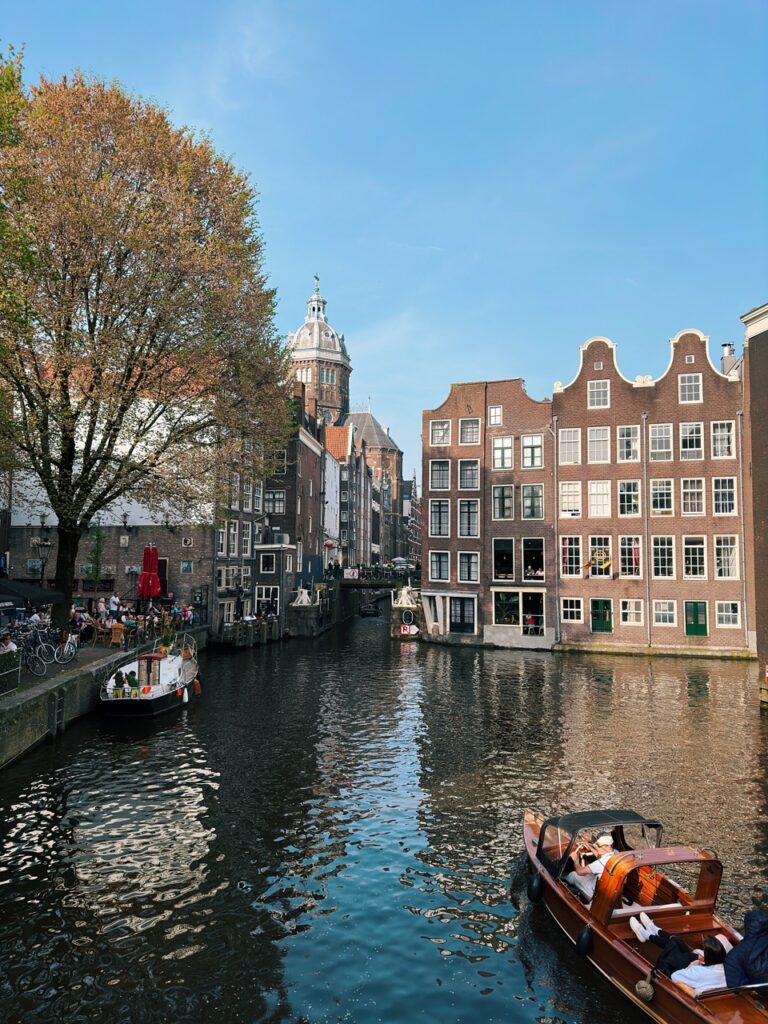
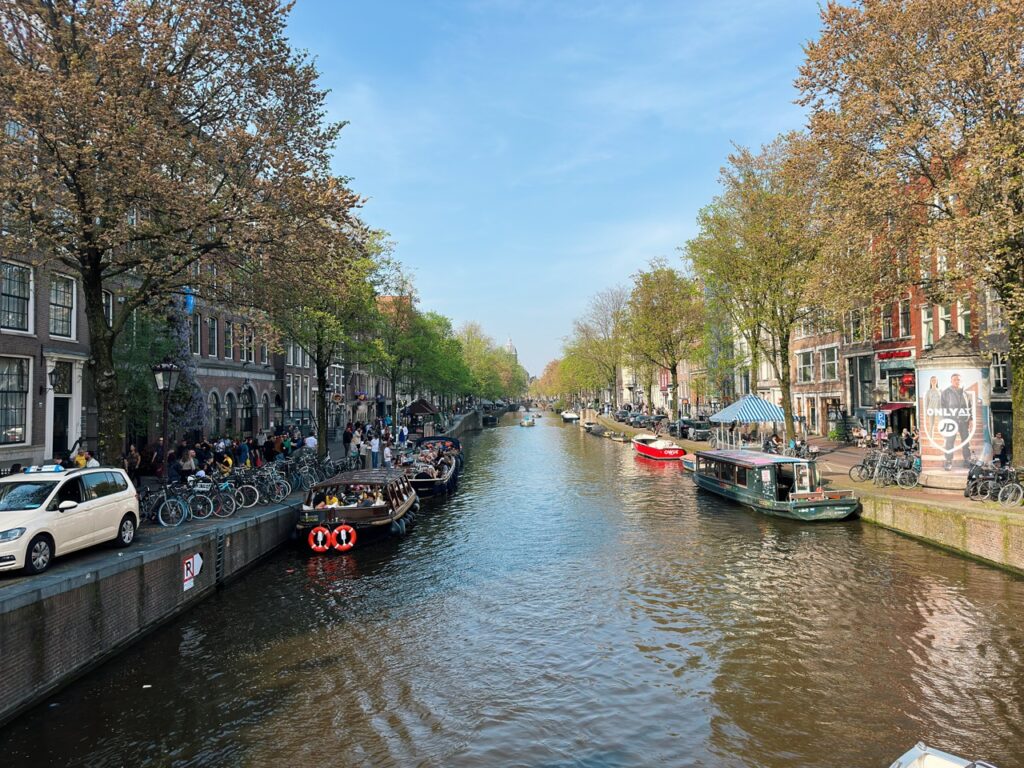
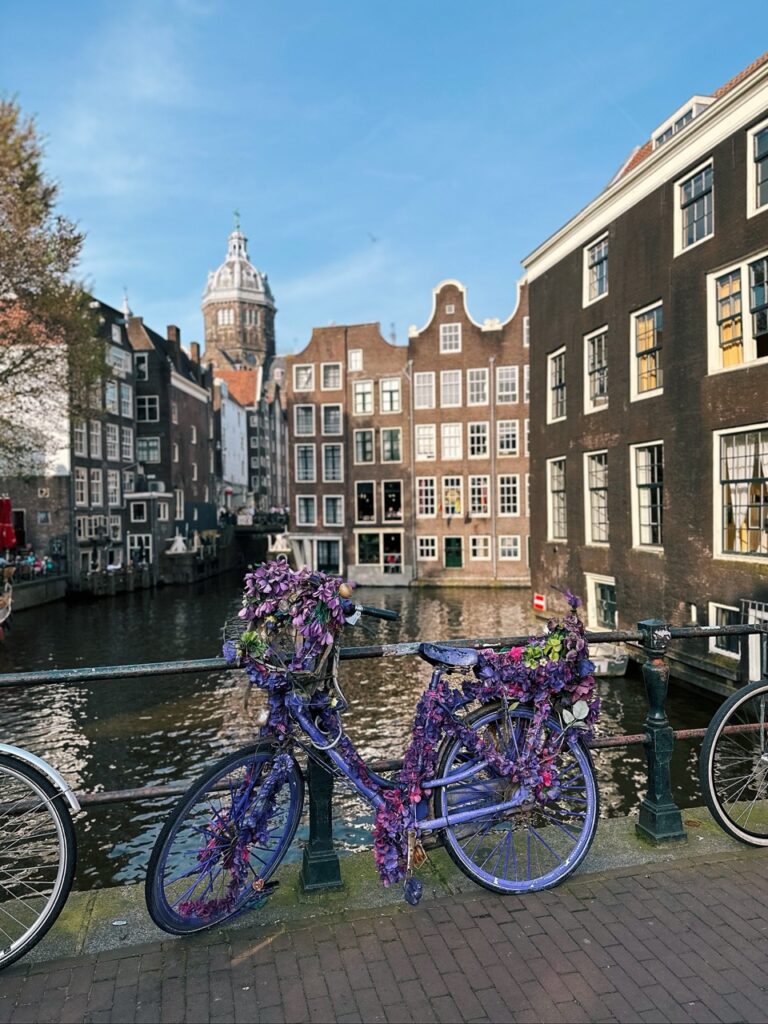
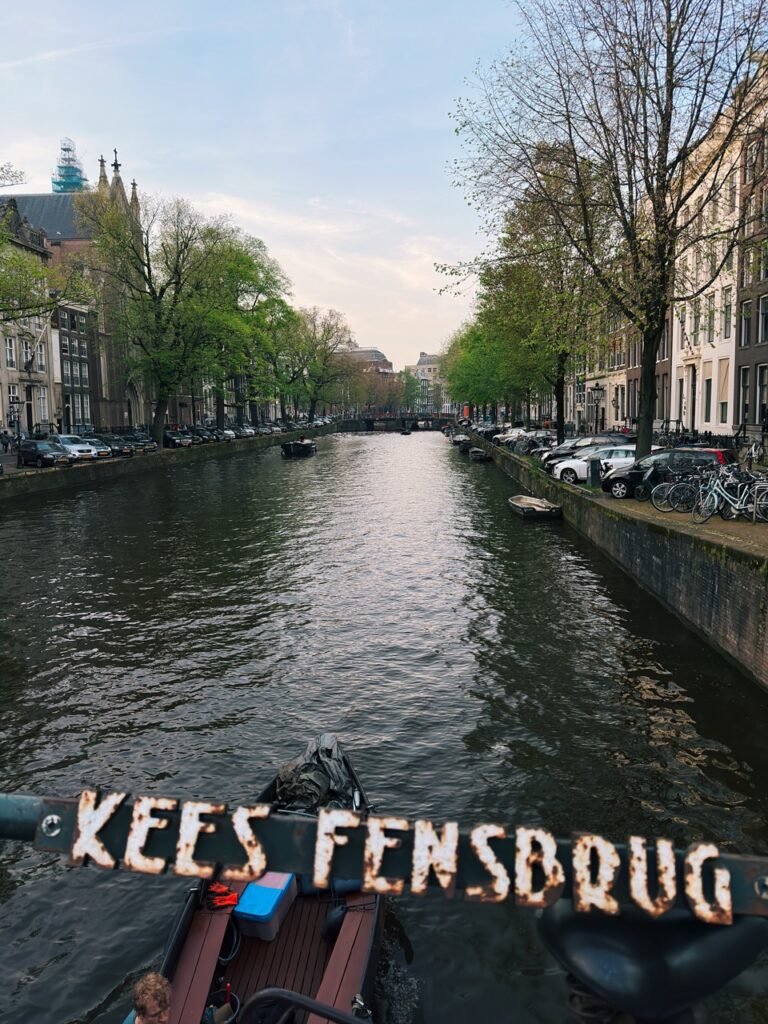
Water is everywhere in Amsterdam. The city has more than 100 kilometers of canals and over 160 individual canals, many of which were created as Amsterdam expanded during the 17th century. The best-known are Herengracht, Keizersgracht, and Prinsengracht, which form part of the canal ring around the historic center. The canals were built to manage water, support transport, and create space for the growing city, not to make Amsterdam look good. Today, the 17th-century Canal Ring is a UNESCO World Heritage Site, and exploring it from both the streets and the water is one of the best ways to understand how Amsterdam developed.
#3: Many Amsterdam Houses Lean Forward on Purpose
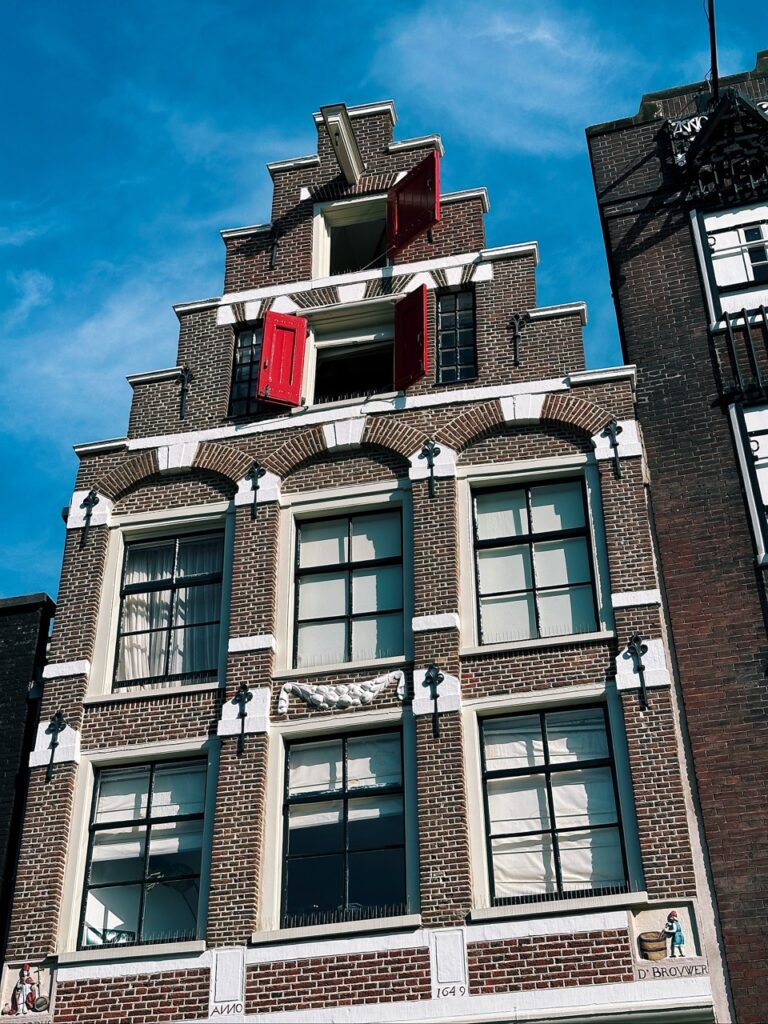
If you look closely at Amsterdam’s canal houses, you may notice that some appear to lean forward toward the street. In many cases, this was intentional. Canal houses were built tall and narrow, with steep staircases that made moving furniture and goods between floors difficult. Builders added hoisting beams with hooks near the roof, allowing items to be lifted through the windows instead. The forward tilt helped keep hoisted items from hitting the front of the building. You can still spot these hooks above many canal houses today, so remember to look up while wandering through Amsterdam.
#4: Amsterdam Has Thousands of Houseboats
Amsterdam’s canals are not just for sightseeing boats. They also house thousands of houseboats, and living on the water has been part of the city for generations. Houseboats became particularly common after World War II, when Amsterdam faced a housing shortage and old cargo vessels offered workers and families another place to live. What began as a practical, relatively affordable solution has changed considerably. Space on Amsterdam’s canals is limited, permits are restricted, and houseboats in sought-after locations can now be very expensive, sometimes costing as much as apartments on land. Today, they are part of Amsterdam’s housing story as much as its canal scenery.
#5: Amsterdam Has More Bicycles Than Residents
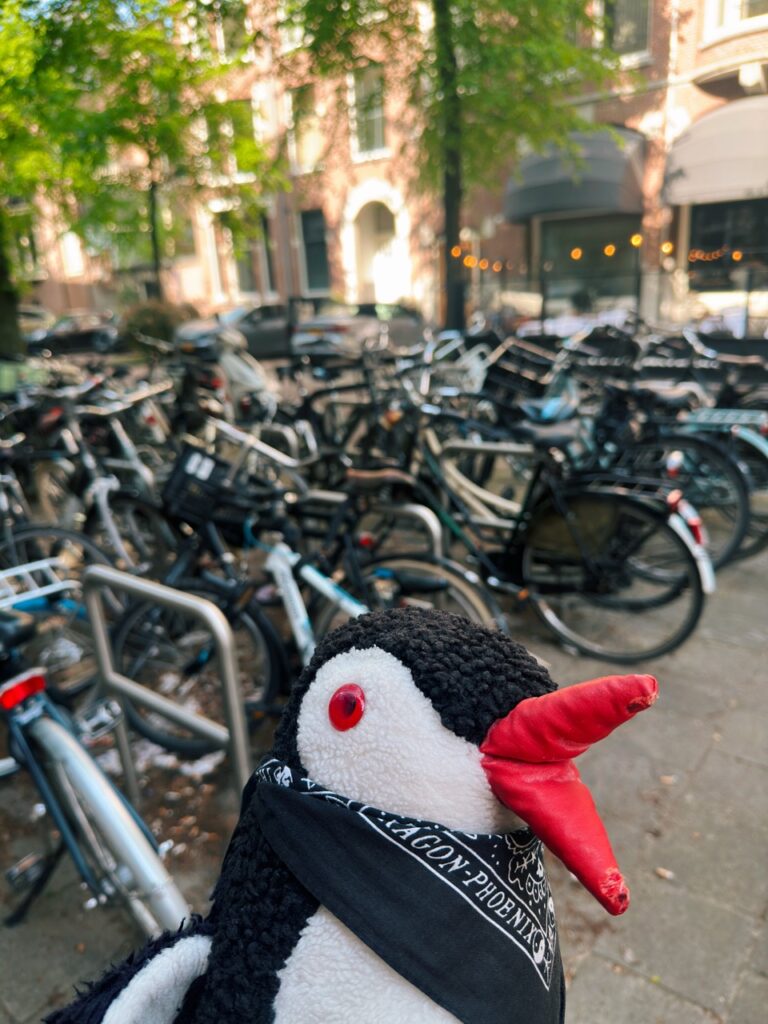
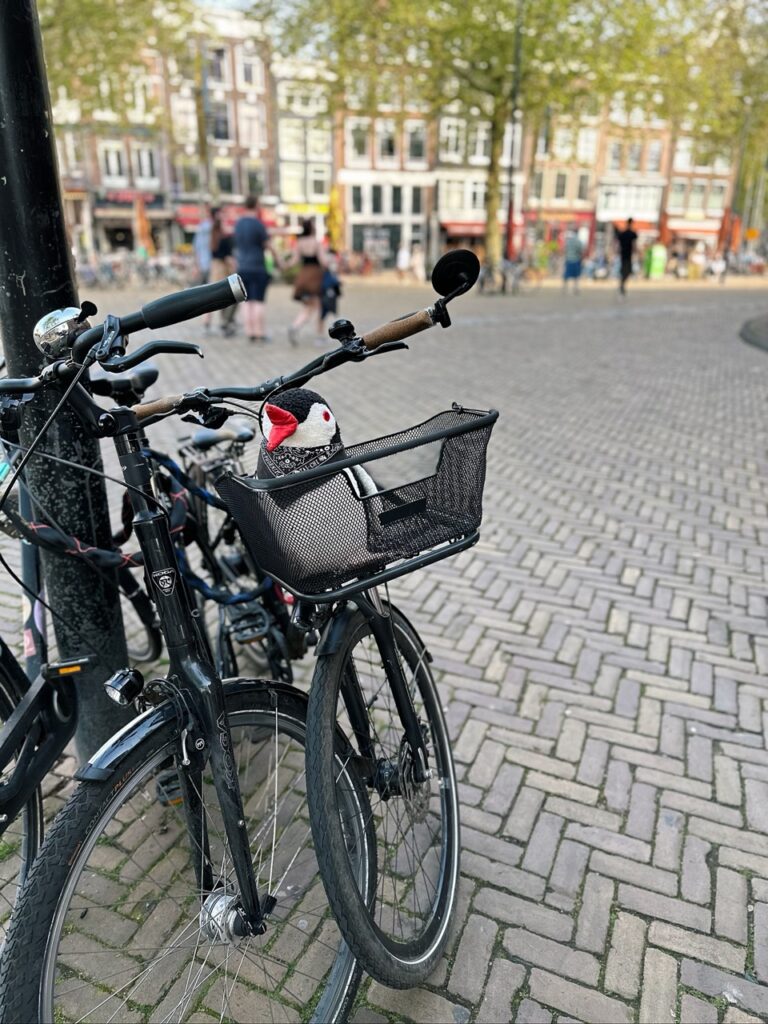
Bicycles are not just part of Amsterdam’s image. They are part of how the city functions every day. Amsterdam has more bicycles than residents, and people use them to commute, shop, run school runs, meet friends, and get from one side of the city to another. The infrastructure reflects this, with cycle lanes, bike traffic lights, bridges, and large parking facilities built specifically for bicycles. Around Amsterdam Centraal, you can see just how seriously the city takes bike parking, with space for thousands of bikes. As a visitor, there is also one rule worth learning quickly: never mistake a bike lane for a pavement.
#6: Around 12,000 Bicycles Are Pulled From Amsterdam’s Canals Every Year
With bikes and canals everywhere, perhaps it is inevitable that the two occasionally meet. Waternet says around 12,000 bicycles are removed from Amsterdam’s canals each year, while other Waternet figures put the number at roughly 12,000 to 15,000. Workers use boats fitted with large mechanical grabs to pull them from the water, a process sometimes called “bike fishing.” Theft and vandalism are thought to account for many of the bikes that end up there. And bicycles are not the only things Waternet finds: its crews also remove shopping carts, tires, plastic, and other objects from beneath the water.
#7: Amsterdam’s Houses Are Narrow for a Reason
Those narrow canal houses are not just an architectural choice. During Amsterdam’s growth in the 17th century, space along the canals was limited and valuable, and taxes were historically connected in part to the width of a property’s frontage. Building upward rather than outward allowed owners to make better use of their plots while keeping the street-facing side narrow. The result is the rows of tall, slim houses that now define much of central Amsterdam. Some became remarkably narrow, although they often extend much farther back than you might expect from looking at them from the street.
#8: Amsterdam’s XXX Symbol Has Nothing to Do With the Red Light District
You will see three white Xs on a black stripe all over Amsterdam, from flags and buildings to bollards and souvenirs. Given the city’s reputation, it is easy to assume the XXX symbol is connected to the Red Light District. Still, it actually represents three St Andrew’s crosses and has appeared on Amsterdam’s coat of arms for centuries. Their exact original meaning is uncertain. A popular story says they represent fire, floods, and plague, three threats Amsterdam faced throughout its history, but there is no firm historical evidence confirming this explanation. Today, the three crosses are simply one of the city’s most recognizable symbols.
#9: Amsterdam Has Around 75 Museums
Amsterdam packs many museums into a relatively small city. Around 75 museums cover everything from Dutch art and wartime history to photography, science, canals, houseboats, and even cats. The Rijksmuseum, Van Gogh Museum, and Anne Frank House may get most of the attention, but smaller museums can be just as interesting, especially if you have already visited the main ones. You could easily spend several days in Amsterdam visiting museums alone, so it is worth choosing a few that match your interests rather than trying to see them all.
#10: Amsterdam Has More Than 1,500 Bridges
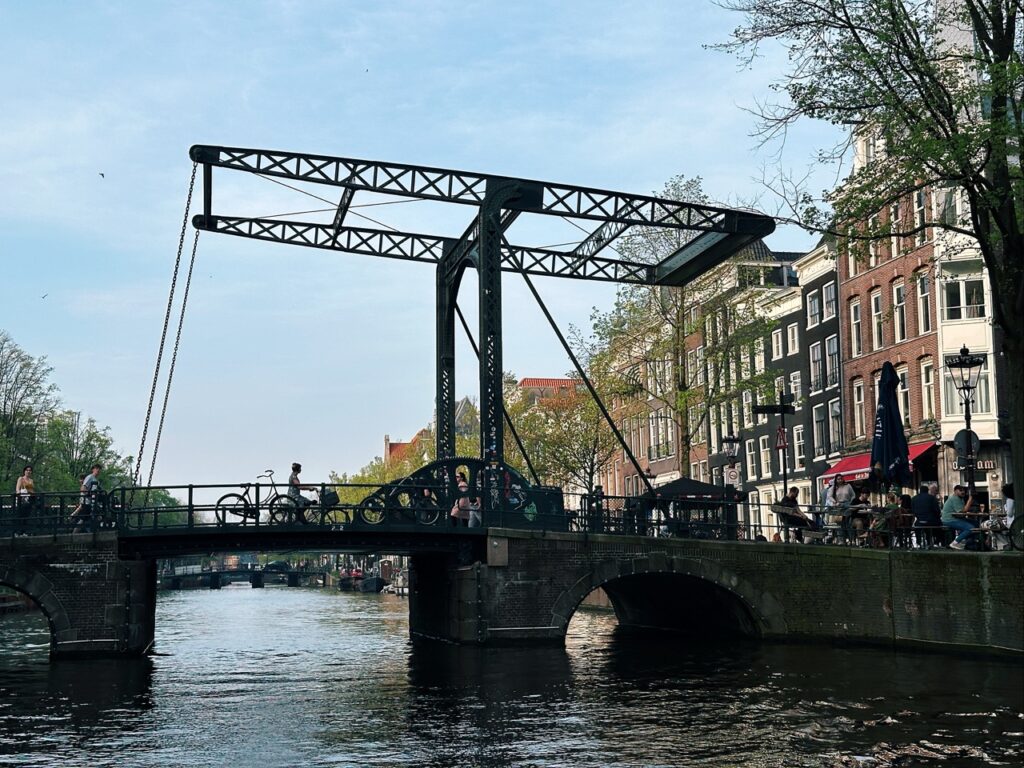
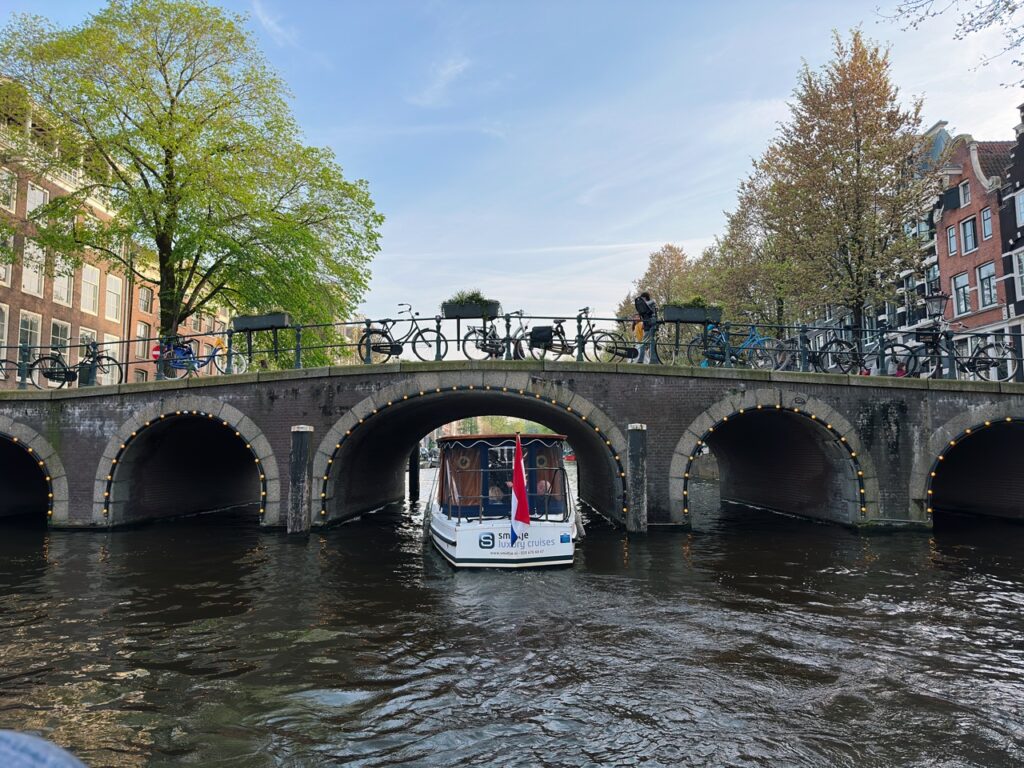
With canals cutting through much of Amsterdam, bridges are part of everyday life in the city, and there are more than 1,500 of them. Some have also become landmarks in their own right. Magere Brug (Skinny Bridge) crosses the Amstel River and is perhaps the best known, while Blauwbrug (Blue Bridge) takes its name from an earlier blue wooden bridge that once stood there. There is also Pythonbrug (Python Bridge), known for its winding shape, and Torensluis, one of the city’s oldest and widest bridges. As you walk around Amsterdam, you cross so many bridges that it is easy to stop noticing them, but some are worth a closer look.
#11: Amsterdam Helped Give Birth to the Modern Stock Market
Amsterdam played an important role in developing the modern stock market. When the Dutch East India Company, or VOC, was founded in 1602, investors could buy shares and trade them with other investors in Amsterdam. This created a market where shares could regularly change hands, helping shape how stock exchanges work today. The Amsterdam Stock Exchange is therefore often described as the world’s oldest modern securities exchange, adding finance to the long list of things shaped by the city’s trading history.
#12: Amsterdam Has One of the World’s Oldest Botanical Gardens
Hortus Botanicus Amsterdam was founded in 1638, making it one of the world’s oldest botanical gardens. It was created as a garden where doctors and pharmacists could study medicinal plants, but its collection expanded as plants arrived in Amsterdam through international trade. Today, the garden contains thousands of plant species from around the world, providing a small green escape from the canals and streets of central Amsterdam.
#13: Amsterdam Has a Long History of Diamond Cutting
Amsterdam became a center for diamond cutting and trading from the 16th century onward, with Jewish craftspeople playing an important role in developing the industry. The trade expanded further during the following centuries, and Amsterdam eventually became known as the “City of Diamonds.” You can still see this part of the city’s history today through diamond houses and workshops, although the industry is much smaller than it once was.
#14: Amsterdam Hides Courtyards Behind Its Busy Streets
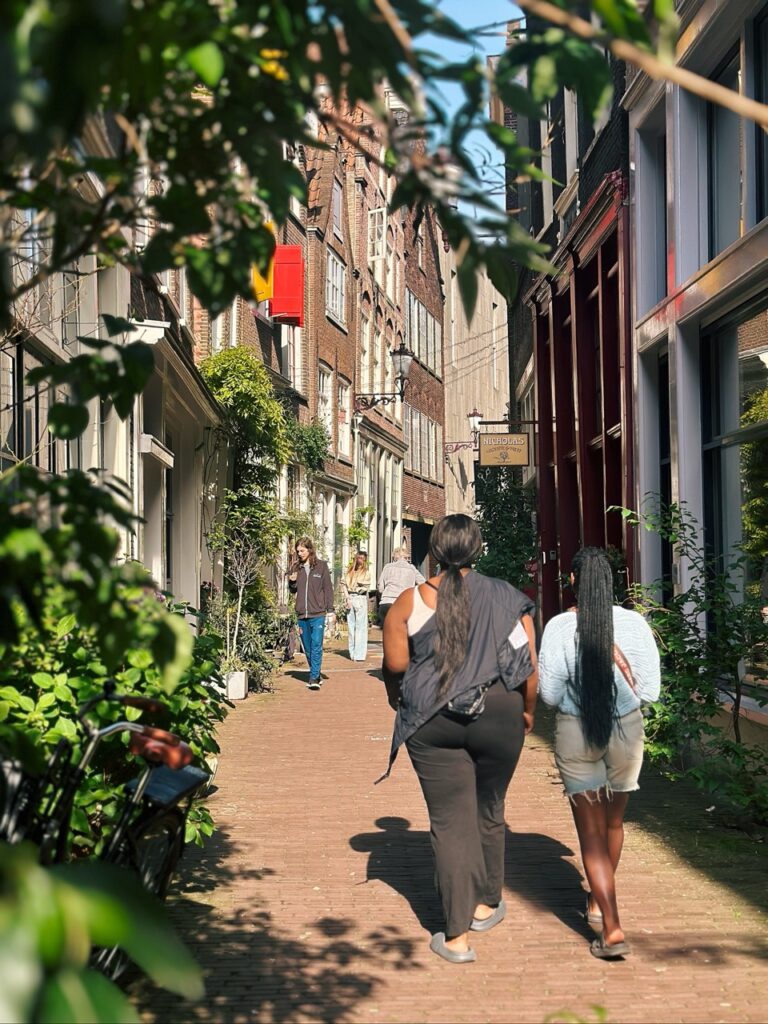
Not everything interesting in Amsterdam is immediately visible from the street. Behind some doors and narrow entrances, you will find courtyards surrounded by historic houses. The best-known example is Begijnhof, which dates back to the Middle Ages and was once home to a community of religious women known as Beguines. It also contains Houten Huys, one of Amsterdam’s oldest surviving wooden houses. Step through the entrance from the city center, and the change from the surrounding streets is almost immediate.
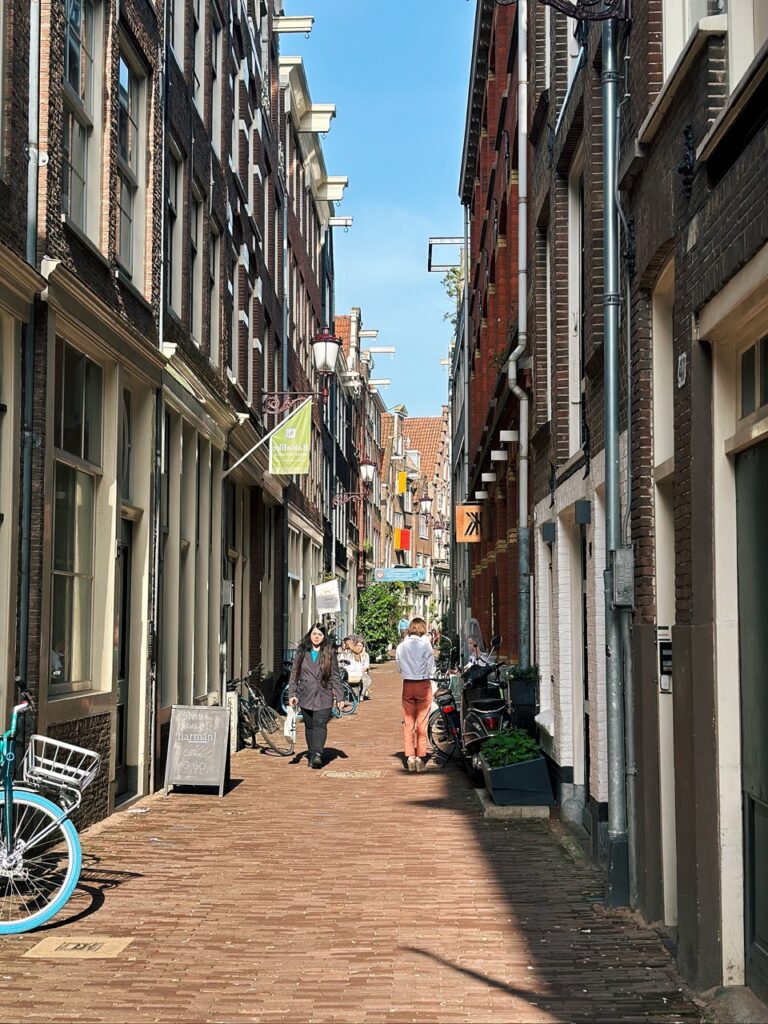
#15: New York Was Once New Amsterdam
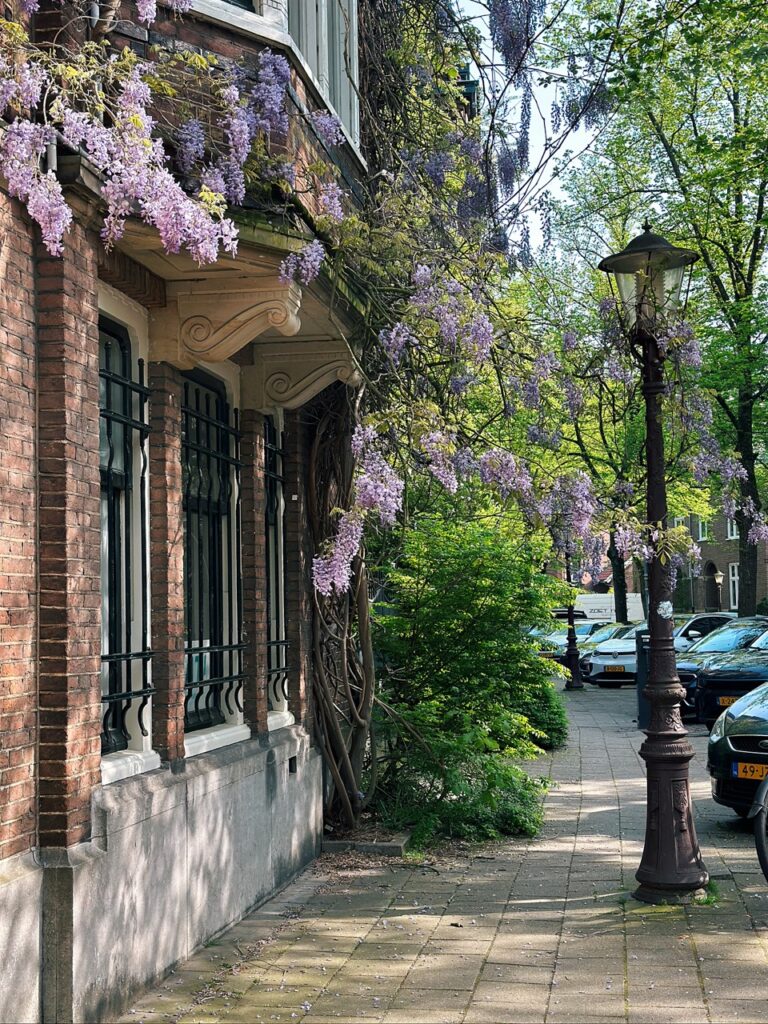
Before it became New York, part of present-day Manhattan was known as New Amsterdam, a Dutch settlement established in the 17th century as part of the colony of New Netherland. The English took control in 1664 and renamed the settlement New York, but traces of its Dutch past remain. Brooklyn comes from the Dutch town Breukelen, Harlem from Haarlem, and Staten Island from Staten Eylandt. You may also notice a visual connection in some of New York’s older townhouses, with raised entrances and lower or basement levels. Similar arrangements appear in Amsterdam, where canal houses often have raised main floors and lower levels. The resemblance is interesting, although New York’s brownstone design developed later and should not be treated as a direct copy of Amsterdam’s houses.
#16: Amsterdam’s Red Light District Is One of the Oldest Parts of the City
Amsterdam’s Red Light District, known as De Wallen, sits within one of the oldest parts of the city. Its location near the former harbor helped shape the area, as sailors arriving in Amsterdam created demand for taverns, lodging, entertainment, and sex work. Today, the red-lit windows may receive most of the attention, but De Wallen is also a neighborhood of canals, homes, restaurants, bars, and historic buildings. At its center stands the Oude Kerk, Amsterdam’s oldest surviving building, which contrasts sharply with the streets surrounding it. Sex work is legal and regulated, and there is an important rule for visitors: do not photograph or film sex workers in the windows.
#17: Amsterdam’s Gable Stones: Addresses Before House Numbers
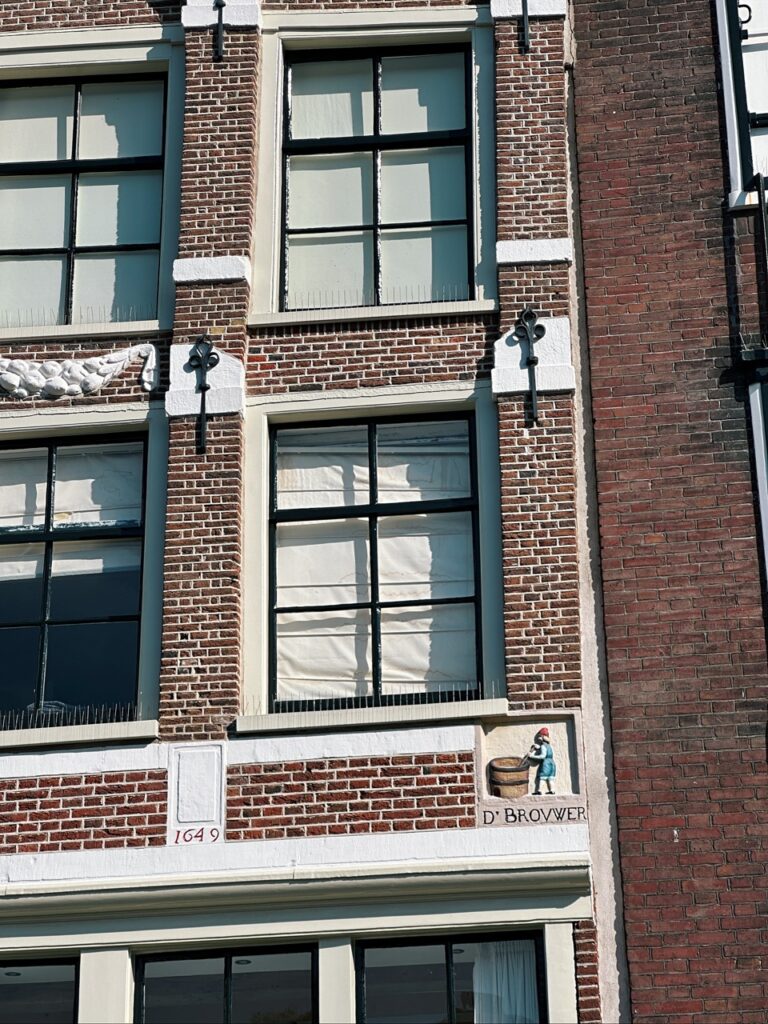
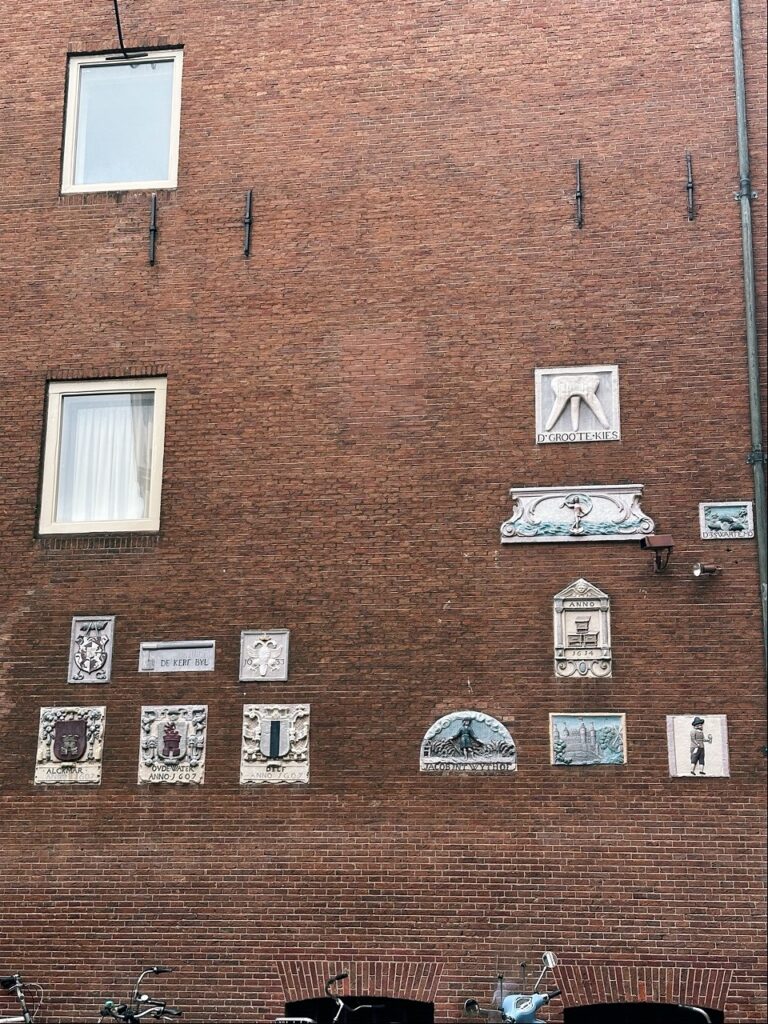
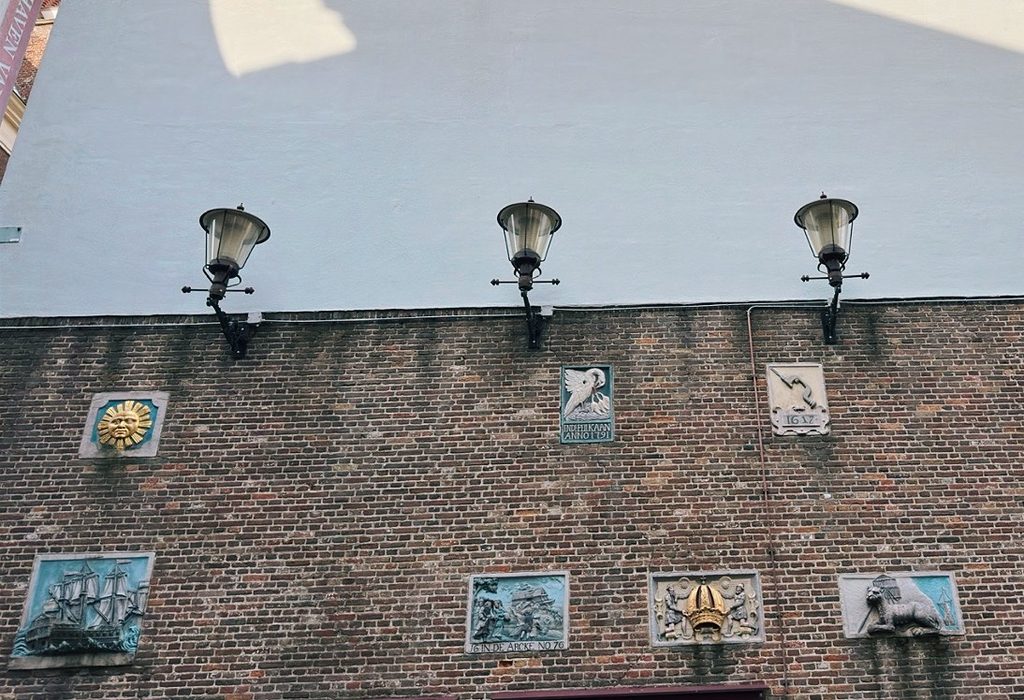
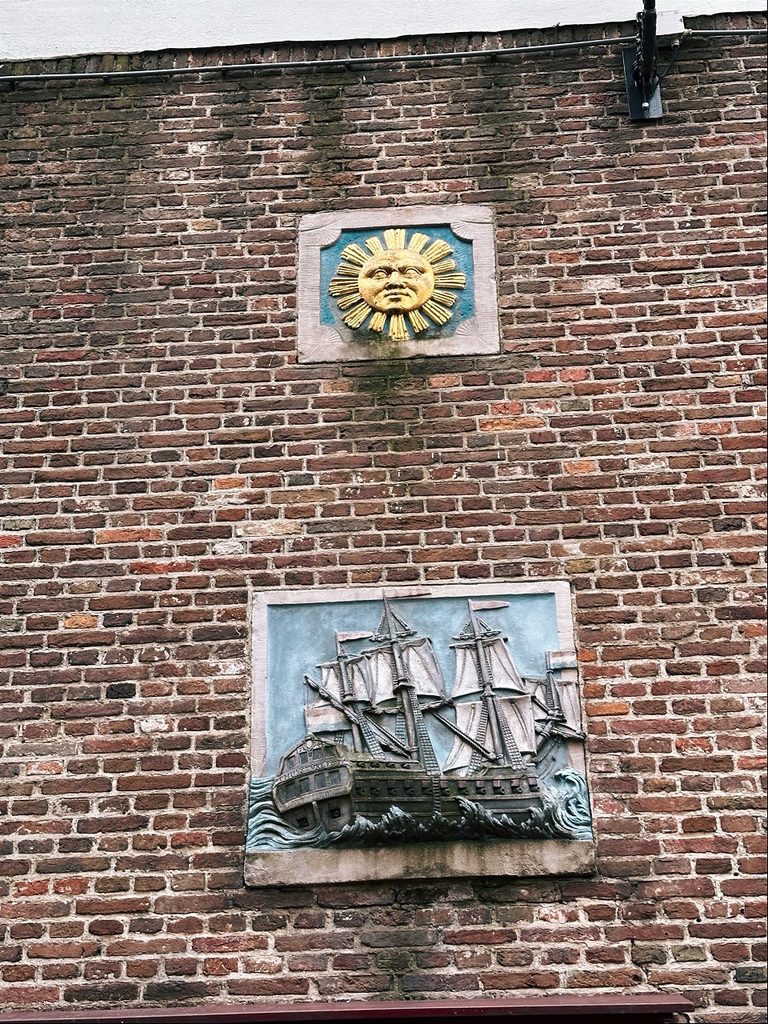
Before Amsterdam introduced house numbers, people needed another way to identify buildings. That’s where gable stones came in. These carved and painted stones were placed on house façades and often showed an animal, profession, family name, object, or religious symbol connected to the owner or building. Gable stones became particularly common during the 17th century, when Amsterdam was growing rapidly. Instead of telling someone to look for a particular number, you could direct them to a house identified by the image on its stone. Even people who couldn’t read could recognize the symbols. House numbering gradually made them unnecessary, but many survived. You can still spot hundreds of historic gable stones around Amsterdam today, turning a simple waddle through the old streets into a little treasure hunt.
Lesser-Known Facts About Amsterdam You Might Not Know
- Amsterdam has a city flag that locals actually use. The red, black, and white flag with three St Andrew’s crosses appears everywhere, from buildings to clothing and boats.
- Some canal houses have mirrors attached outside the windows. Traditionally, these let residents see who was at the front door or what was happening on the street without leaving the room.
- Amsterdam has urinals that rise out of the ground. Some public urinals, known as UriLifts, disappear underground during the day and rise at night when they are needed.
- The city once had canals where streets are today. Several Amsterdam canals were filled in as the city changed and traffic increased. Streets such as Nieuwezijds Voorburgwal were once waterways.
- Amsterdam Centraal was built on three artificial islands. The station opened in 1889 and rests on thousands of piles driven into Amsterdam’s soft ground.
- A hidden Catholic church sits inside a canal house. Museum Ons’ Lieve Heer op Solder, or Our Lord in the Attic, contains a 17th-century Catholic church hidden across the upper floors of several houses.
- Amsterdam once had more than 20 windmills. Most disappeared as the city expanded, but several windmills still survive within Amsterdam today.
- The smallest house fronts in Amsterdam are barely wider than a doorway. Some buildings have extremely narrow street-facing façades but extend much farther toward the back.
- An entire archive lies beneath Amsterdam. Archaeologists regularly uncover objects from old canals, construction sites, and riverbeds that reveal how Amsterdam residents lived centuries ago.
- The Amstel River gave Amsterdam its name. The name developed from Amstelredamme, referring to the dam built on the Amstel River.
- Parts of Amsterdam’s metro run beneath the water. The North–South Line passes underneath the historic center and the IJ, a major engineering project in a city built on soft ground.

Useful Travel Tips For Amsterdam
Amsterdam is easy to explore once you understand how the city works, but a few things are worth knowing before you arrive. From public transport and bikes to payments and museum tickets, these tips can save you time and a few surprises.
- Book popular museums in advance. Tickets for places such as the Anne Frank House and Van Gogh Museum can sell out, so do not leave these until you arrive.
- You do not need a car. Amsterdam is easy to explore on foot, by bike, tram, metro, and bus. A car can actually become more of a problem once you factor in traffic and parking.
- Use contactless payment for public transport. Amsterdam uses the OVpay system, which lets you check in and out with a contactless debit or credit card or compatible phone.
- Always remember to check out. Whether you use a bank card or transport card, you generally need to tap when entering and leaving public transport.
- Watch the bike lanes. They are part of the road system, not extra pavement. Look both ways before crossing, and avoid stopping in them to check your phone or map.
- Waddling works well. Much of central Amsterdam is compact, and walking lets you notice canal houses, courtyards, bridges, and streets you might otherwise pass straight through.
- Take at least one canal cruise. Yes, it is touristy, but Amsterdam looks different from the water, and it helps you understand how the canals connect the city.
- Carry something for the rain. Amsterdam weather can change during the day, so a small umbrella or waterproof layer is useful even on a clear morning.
- Cards are widely used. Contactless payments are common, and many businesses prefer cards. Keeping a little cash is still useful, but you will rarely need large amounts.
- Public toilets may cost money. Paid toilets are common at stations and other public places, so do not be surprised if you need to pay to use one.
- Do not photograph sex workers. Photographing or filming workers in the windows of the Red Light District is not acceptable. Respect that you are visiting a working neighborhood.
- Stay aware of pickpockets. As in other cities with many visitors, watch your belongings around stations, public transport, busy streets, and major attractions.
- Do not spend your entire trip around Dam Square. Amsterdam becomes much more interesting once you start walking away from the busiest streets. Neighborhoods such as Jordaan and De Pijp are worth the time.
- Amsterdam makes a good base for day trips. Trains make it easy to reach places such as Haarlem, Utrecht, Leiden, Delft, or even Rotterdam if you have extra time.
Buy Us a Ko-fi

Scams And Tourist Traps To Be Aware Of In Amsterdam
Amsterdam is easy to explore, but like most cities that receive many visitors, there are a few things worth watching for. Pickpocketing is probably the biggest risk, especially around Amsterdam Centraal, Dam Square, busy trams, and crowded tourist streets. Keep phones and wallets secure, and watch for distractions when someone approaches.
Be careful with unofficial taxis, especially around the airport and major transport hubs. Use taxis from official ranks or book through a recognized service, and check the expected fare before setting off. The train between Schiphol and Amsterdam Centraal is often the simpler option if you are staying near the center.
Some souvenir and food shops in the busiest parts of central Amsterdam charge much more than you will find a few streets away. This is particularly noticeable around Damrak and the Red Light District. Check menus and prices before ordering, rather than assuming a quick snack will also be cheap.
You will also see plenty of shops selling “Amsterdam” cookies, brownies, sweets, and other cannabis-themed products. Do not assume these contain cannabis simply because there is a cannabis leaf on the packaging. If cannabis is something you intend to encounter during your visit, understand the difference between a licensed coffeeshop and a souvenir or snack shop using cannabis imagery for marketing.
Another tourist trap to watch for is poor-value canal cruises and attraction packages. A canal cruise can absolutely be worth doing, but compare the route, duration, boat size, and what is included before booking. The cheapest option is not necessarily the one that gives you the experience you pictured.
Finally, be cautious when buying tulip bulbs, particularly if you plan to take them home. Some countries restrict importing plants and bulbs, and not every colorful package sold in central Amsterdam will be suitable for international travel. Check the rules for your destination and look for properly packaged and certified products rather than buying solely because the display looks very Dutch.
Best Time To Visit Amsterdam
Amsterdam changes with each season, so the best time to visit depends on whether you want flowers, long days, fewer crowds, or a winter city break.
- Spring. March to May brings longer days and tulip season. April can be busy, especially around Easter and King’s Day, while May offers a good balance of weather and crowds.
- Summer. June to August brings the longest days and warmer temperatures. It works well for canal cruises, parks, and sitting outside, but it is also one of the busiest times to visit.
- Autumn. September to November brings cooler temperatures and changing leaves along the canals. September can still feel mild, while October and November bring more rain and shorter days.
- Winter. December to February is colder and darker, but fewer visitors come outside the holiday period. Museums, cafés, and winter lights make it a good season if you do not mind the weather.
We visited Amsterdam at the beginning of May, and we would happily choose the same time again. It wasn’t too hot or too cold; we could spend most of the day walking, and the weather worked well for exploring the city. For us, May is an easy recommendation.
Hotel search from Booking.comShows Booking.com’s own box, which can set Booking.com cookies.
How Long Do You Need in Amsterdam
For a first visit to Amsterdam, we would recommend 3 to 4 days. That gives you enough time to explore the canals, visit a few museums, wander through different neighborhoods, take a canal cruise, and still leave some room for simply walking around without filling every hour.
We spent four full days in Amsterdam, and the timing worked really well. We never felt like we had to rush, and we even managed to fit in a day trip outside Amsterdam. If you only want to see the main sights, two days can work, but for us, four days felt just right.
Where to Stay in Amsterdam
Where you stay in Amsterdam can change the feel of your trip. The center is convenient for a first visit, but staying a little farther out can mean quieter evenings, more local restaurants, and often better value.
- Centrum. Best if you want to stay close to the main sights, canals, Amsterdam Centraal, Dam Square, and the Red Light District. It is convenient for a first visit, but expect more visitors and higher hotel prices. Hotel recommendations: Hotel Estheréa or INK Hotel Amsterdam.
- Jordaan. A good choice if you want to stay near the center without being right in the middle of Dam Square. You will have canals, cafés, restaurants, and the Anne Frank House within walking distance. Hotel recommendations: Linden Hotel or Mr. Jordaan.
- De Pijp. Best for food, cafés, and a more residential base. The Albert Cuyp Market is here, and the center is still easy to reach by tram or metro. Hotel recommendations: Sir Albert Hotel or Hotel Okura Amsterdam.
- Museum Quarter. A practical choice if the Rijksmuseum, Van Gogh Museum, and Museumplein are high on your list. It is also close to Vondelpark and generally feels calmer than the historic center. Hotel recommendations: Jan Luyken Amsterdam.
- Oud-West. A good middle ground between central Amsterdam and a more residential neighborhood. You can walk or cycle into the center while still having places like Vondelpark and Foodhallen nearby. Hotel recommendations: Hotel De Hallen or Conscious Hotel The Tire Station.
- Amsterdam Noord. Consider Noord if you want something outside the historic center, with quick access via the free ferries behind Amsterdam Centraal. Hotel recommendations: Sir Adam Hotel or BUNK Hotel Amsterdam.
- Eastern Docklands. This area works well if you prefer staying outside the busiest tourist streets while keeping good public transport connections to the center. Hotel recommendations: Hotel Jakarta Amsterdam or Inntel Hotels Amsterdam Landmark.

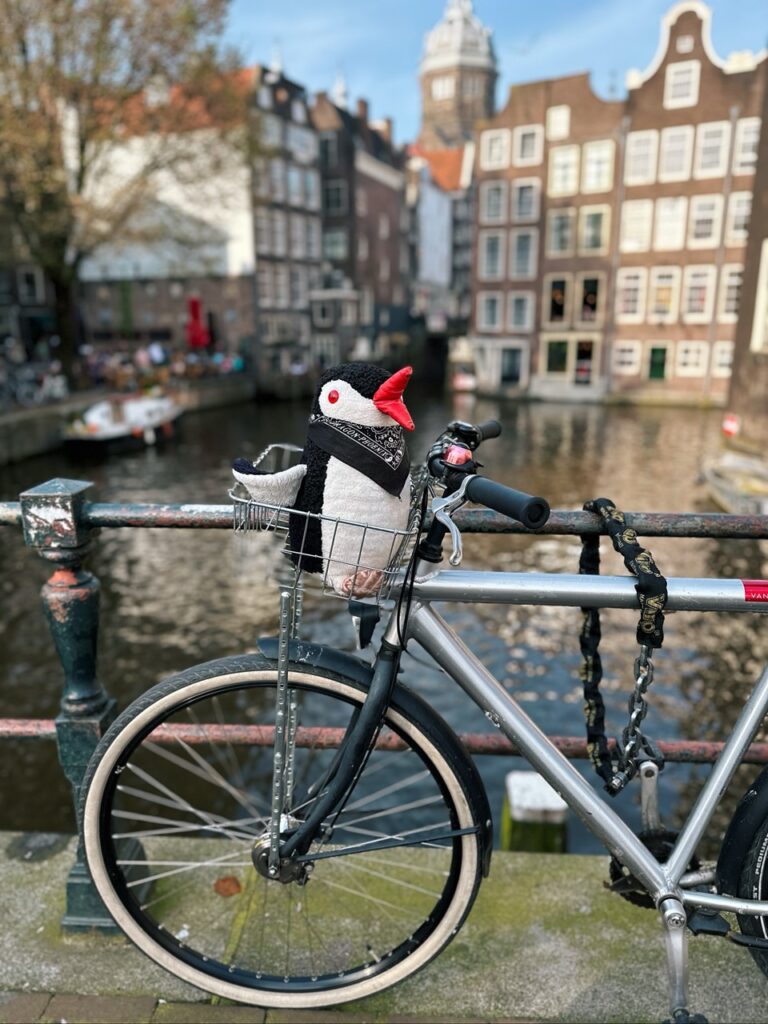
Amsterdam is a city we had heard so much about before visiting that we thought we already knew what to expect. But once we arrived, we found there was much more to it than the usual canals, bikes, coffee shops, and Red Light District references.
We spent four full days in Amsterdam, including a day trip, and it felt like the right amount of time for our first visit. Visiting in early May worked especially well for us, and we would happily choose the same time again. Amsterdam is easy to explore, packed with history, and full of small details you start noticing once you slow down and look beyond the main sights. So plan the museums, learn the bike-lane rules, leave some time for wandering, and, as always, pack your bag, explore, and waddle more.
Travel Bold. Eat Well. Waddle Wild.

This post contains affiliate links. If you click and buy, I might earn a tiny commission, enough to help a penguin keep up its globe-trotting lifestyle. No extra cost to you, just more fish for me. Thank you for supporting the adventure!