
What to Know Before Visiting the Netherlands: A First-Timer’s Guide
We were excited about our trip to the Netherlands, especially because it was a chance to see just how different the country feels once you venture beyond the Amsterdam postcards. We had tulips, windmills, canals, and far too many things involving cheese on our mental checklist, but we were just as curious about everyday Dutch life and all those little details you only really notice once you arrive.
And there were plenty of them. From bicycles that seem to have absolute authority on the streets to a transport system that makes moving between cities surprisingly easy, the Netherlands quickly showed us there is much more to understand than what you see in the guidebooks.
So, rather than giving you another list of places to visit, this guide focuses on what you need to know before visiting the Netherlands. These are the practical tips, cultural quirks, and small lessons we picked up along the way, plus a few things we genuinely wish we had known before our own trip.
- Basic Facts About the Netherlands
- Why Visit the Netherlands
- A Brief Overview of the Netherlands ‘ Rich History
- 17 Interesting Facts About The Netherlands Before Your Visit
- Practical Facts for Travelers Coming to the Netherlands
- Best Time to Visit the Netherlands
- How Much Time Do You Need in the Netherlands
- Things We Wish We Knew Before Visiting the Netherlands
Basic Facts About the Netherlands
- Name: Kingdom of the Netherlands (Koninkrijk der Nederlanden); the European country is officially the Netherlands (Nederland)
- Capital: Amsterdam (the government and parliament are based in The Hague)
- Land area: approximately 33,500 km²
- Population: approximately 18 million
- Official language: Dutch (Frisian is also an official language in the province of Friesland, and English is widely spoken)
- Official currency: Euro (€)
- Religion: The Netherlands has no state religion. Christianity has played a major role in its history, but today a large part of the population identifies as non-religious.
- Administrative divisions: The Netherlands is divided into 12 provinces: Drenthe, Flevoland, Friesland, Gelderland, Groningen, Limburg, North Brabant, North Holland, Overijssel, South Holland, Utrecht, and Zeeland.
- Flag of the Netherlands: The national flag has three horizontal bands of red, white, and blue. It developed from the orange, white, and blue Prince’s Flag used during the Dutch Revolt, with red eventually replacing orange.
Why Visit the Netherlands
For us, the Netherlands had been on the travel list for a while. Of course, we wanted to see the canals, windmills, tulips, bicycles, and all those scenes that tend to define the country in travel guides. But we were also particularly excited for another reason: cheese.
We love trying food when we travel, and Dutch cheese gave us plenty to look forward to. Gouda, Edam, cheese markets, cheese shops, and, naturally, bringing some home all made the list. Beyond that, we wanted to experience the country outside Amsterdam, travel between its cities, see how much the landscape changes, and learn more about the Netherlands along the way. And that is probably the best reason to visit. Come for the things you already associate with the Netherlands, but leave room for the things you didn’t expect to care about so much. For us, there was a very good chance that it would involve cheese.
A Brief Overview of the Netherlands ‘ Rich History
Trade, battles for independence, overseas expansion, and a constant relationship with water have shaped the Netherlands’ history. Here are some of the key moments that helped shape the country we know today:
- 57 BC. Roman Rule Begins. Roman forces reached the region during Julius Caesar’s campaigns, bringing parts of what is now the Netherlands under Roman influence.
- 843. The Frankish Empire Is Divided. Following the Treaty of Verdun, the area that would become the Netherlands was divided among territories that later developed into separate counties and duchies.
- 1568. The Dutch Revolt Begins. The northern provinces rebelled against Spanish rule, starting a conflict that lasted about 80 years.
- 1581. The Dutch Republic Takes Shape. Several northern provinces formally rejected the rule of King Philip II of Spain through the Act of Abjuration.
- 1602. The Dutch East India Company Is Founded. The VOC became a major force in global trade and helped turn the Dutch Republic into a center of commerce and maritime power.
- 1600s. The Dutch Golden Age. Trade, science, art, and shipping expanded during this period. Rembrandt and Vermeer worked during this century, while Amsterdam became an important trading center.
- 1648. Dutch Independence Is Recognized. The Peace of Münster formally recognized the Dutch Republic as independent from Spain.
- 1815. The Kingdom of the Netherlands Is Established. Following the defeat of Napoleon, the Kingdom of the Netherlands was created under King William I.
- 1830. Belgium Breaks Away. Belgium declared independence from the Netherlands, with its independence formally recognized in 1839.
- 1940. Nazi Germany Invades. Germany occupied the Netherlands during World War II. The occupation lasted until 1945 and had a major impact on the country and its Jewish population.
- 1949. Indonesia Gains Independence. The Netherlands formally recognized Indonesian sovereignty, marking a major stage in the decline of the Dutch colonial empire.
- 1957. The Netherlands Helps Found the European Economic Community. The country was one of six founding members of the organization that eventually developed into today’s European Union.
- Today. The Netherlands Looks Beyond Its Borders. The country remains closely connected to international trade and European institutions, and its history still shows in its cities, canals, ports, museums, and architecture.
17 Interesting Facts About The Netherlands Before Your Visit
The Netherlands is one of those countries with so many interesting facts that narrowing them down was harder than expected. From living below sea level and reclaiming land from the water to bicycles, cheese, tulips, and a few things that caught us by surprise, there is a lot to unpack. So, instead of overwhelming you with everything at once, we’ve picked 20 of our favorite facts about the Netherlands to keep things digestible and give you a better feel for the country before your visit.
#1: Around a Quarter of the Netherlands Lies Below Sea Level
About 26% of the Netherlands lies below sea level, and roughly half the country sits less than one meter above sea level. Living with water has therefore shaped the Netherlands for centuries. The Dutch built dikes, dunes, canals, pumping stations, and flood barriers to protect towns and farmland, while also reclaiming land from lakes and the sea. It is something worth remembering as you travel around the country because much of the landscape you see exists thanks to generations of water management.
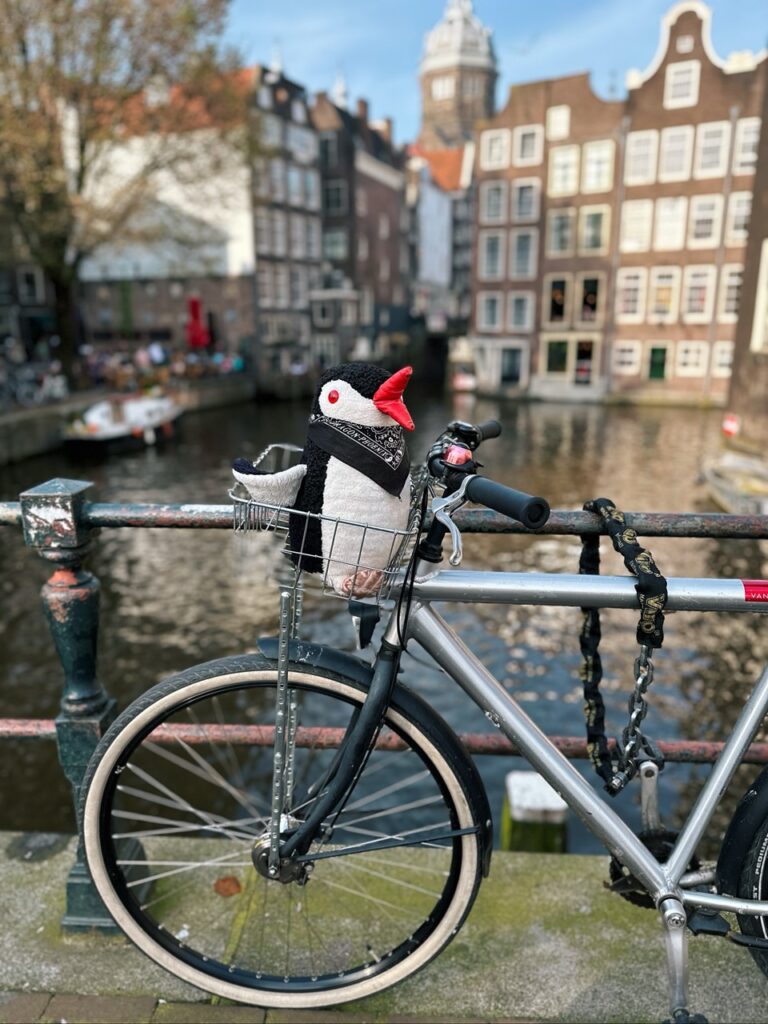
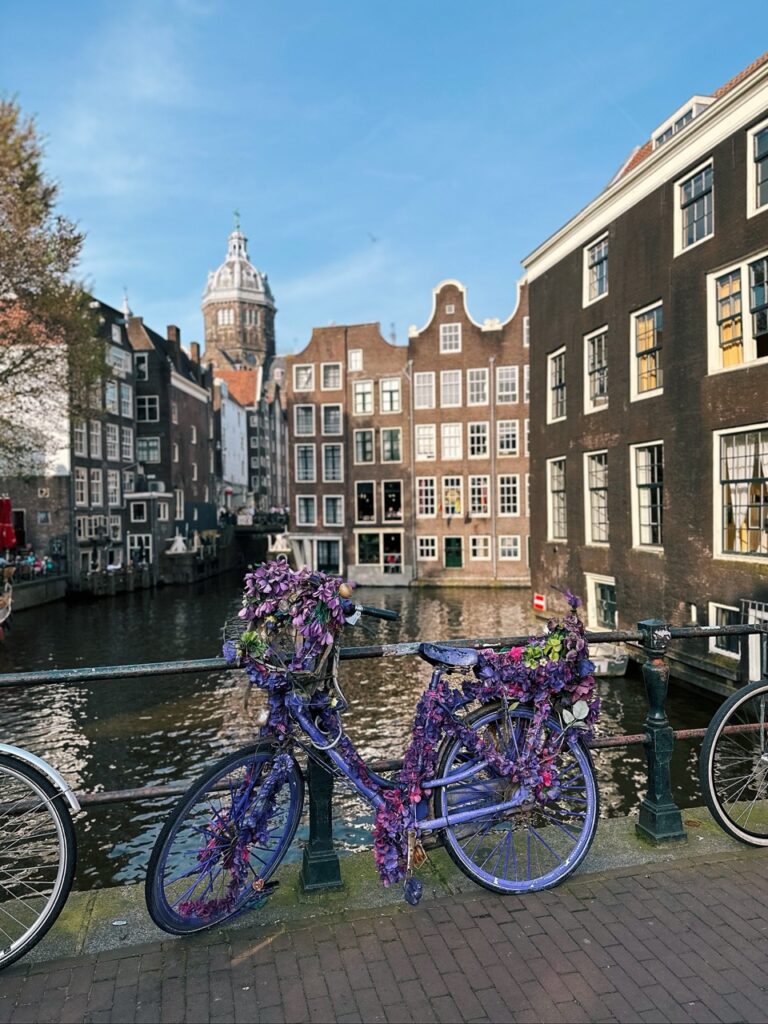
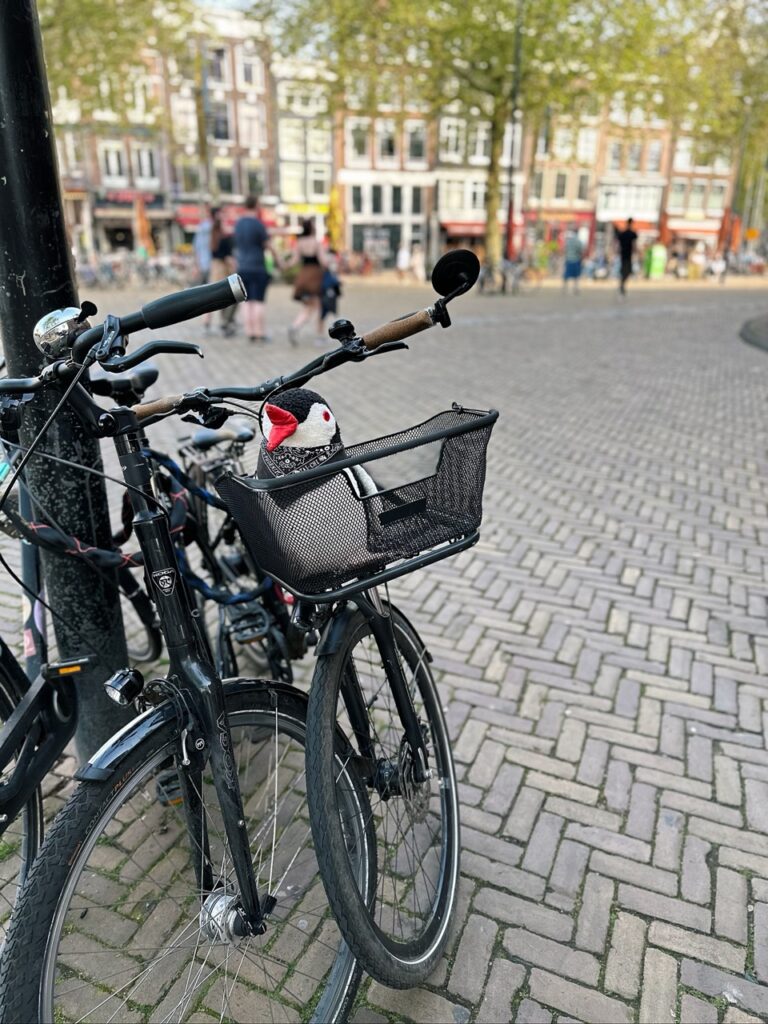
#2: The Netherlands Has More Bicycles Than People
Cycling is part of everyday life in the Netherlands, and there are more bicycles than residents. People use bikes for commuting, school runs, shopping, and getting around cities, not just for exercise. You will see dedicated cycle lanes, bike traffic lights, parking garages filled with thousands of bicycles, and cyclists pretty much everywhere. As a visitor, this also means one important thing: pay attention before stepping into a bike lane.
#3: The Netherlands and Holland Are Not the Same Thing
You will often hear Holland and the Netherlands used interchangeably, but they don’t mean the same thing. The Netherlands is the country, while Holland refers to just two of its 12 provinces: North Holland and South Holland. Amsterdam is in North Holland, while Rotterdam and The Hague are in South Holland, which helps explain why the name became so widely associated with the country. So, if you are visiting places such as Utrecht, Maastricht, or Groningen, you are in the Netherlands, but you are not in Holland.
#4: The Dutch Are Among the Tallest People in the World
The Dutch regularly rank among the tallest populations in the world, particularly Dutch men. Average heights are around 183 cm for men and 170 cm for women, though numbers vary by source and age group. Researchers have linked this to a combination of genetics, nutrition, healthcare, and living conditions. You might not think much about height before your trip, but once you start people-watching in the Netherlands, you may suddenly notice it.
#5: Orange Is the Color of the Dutch Royal Family
Orange may not appear on the Dutch flag, but it is closely connected to the Netherlands because of the royal House of Orange-Nassau. The connection dates back to William of Orange, who played a major role in the Dutch struggle for independence. You will see this connection everywhere during King’s Day on 27 April, when people dress in orange, streets fill with celebrations, and parts of the country seem to change color for the day.
#6: Tulips Are Not Originally Dutch
Tulips may be one of the first things people associate with the Netherlands, but they did not originate there. They reached Western Europe from the Ottoman Empire in the 16th century and soon became popular in the Dutch Republic. That popularity peaked during Tulip Mania in the 1630s, when prices for some bulbs rose sharply before the market collapsed. Today, tulips remain closely tied to the Netherlands, but their story began much farther east.
#7: The Netherlands Extends All the Way to the Caribbean
The Netherlands extends beyond Europe. Bonaire, Sint Eustatius, and Saba are three Caribbean islands that are special municipalities of the Netherlands, officially known as the Caribbean Netherlands. They became part of the Netherlands following the dissolution of the Netherlands Antilles in 2010. So technically, you can travel thousands of kilometers from Amsterdam, end up on a Caribbean island, and still be in the Netherlands.
#8: Amsterdam Is the Capital, but the Government Is in The Hague
Amsterdam is the official capital of the Netherlands, but you will not find the Dutch government there. The Hague is home to the parliament, government ministries, Supreme Court, and the monarch’s working palace. It has served as the country’s political center for centuries, making the Netherlands one of the few countries where the official capital and seat of government are in different cities.
#9: The Netherlands Has Given the World Some Famous Names
The Netherlands has produced people whose work became known far beyond the country. In art, that includes Rembrandt van Rijn, Johannes Vermeer, Vincent van Gogh, and Piet Mondrian. Dutch names also appear across science and history, including Antonie van Leeuwenhoek, known for his work with microscopes, and Christiaan Huygens, who contributed to astronomy and physics. More recent names include footballer Johan Cruyff, DJ Tiësto, and Formula One driver Max Verstappen. And, of course, Anne Frank is closely connected with Amsterdam, although she was born in Germany.
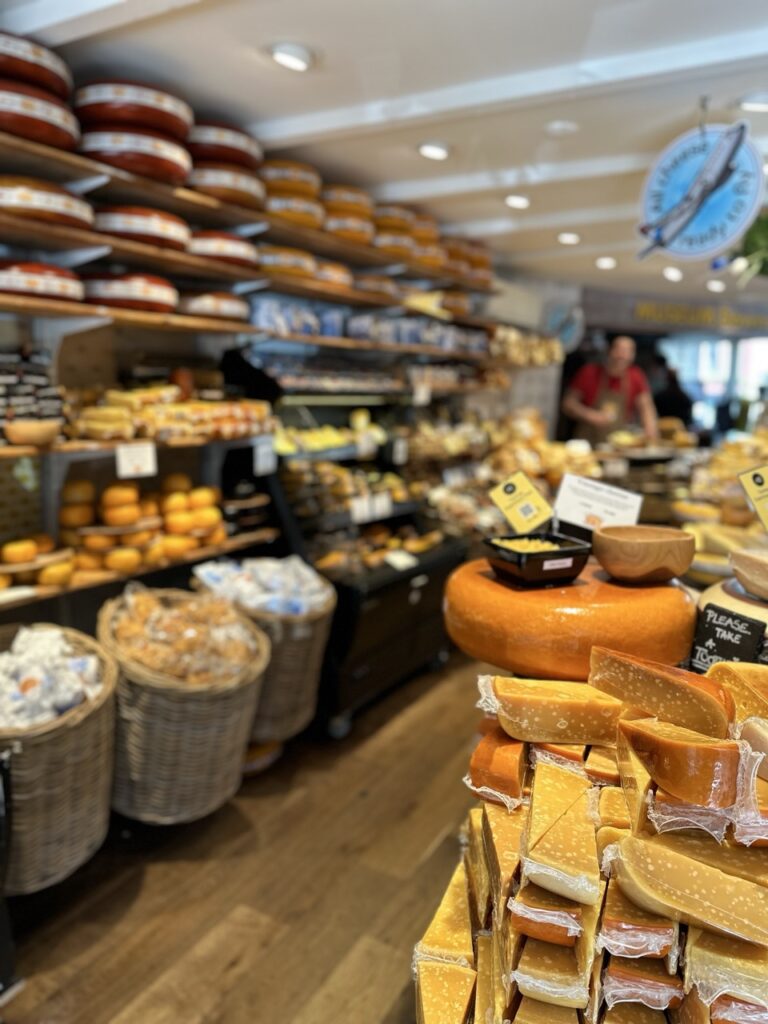
#10: Gouda and Edam Cheese Are Named After Dutch Towns
Two of the Netherlands’ best-known cheeses, Gouda and Edam, take their names from Dutch towns. Gouda cheese was traditionally traded in the city of Gouda, though it wasn’t necessarily produced there, while Edam became known through the cheese trade in the town of Edam. Both names eventually traveled far beyond the Netherlands, and today you will find versions of these cheeses around the world. For us, this was also one of the facts we were particularly interested in because, well, cheese was high on our Netherlands agenda.

#11: The Netherlands Is an Agricultural Powerhouse
Despite its size, the Netherlands is one of the world’s largest exporters of agricultural products, with exports ranging from flowers and vegetables to dairy, meat, and eggs. Agriculture is only part of the picture. The Netherlands has an economy with a GDP of more than €1 trillion, supported by trade, logistics, technology, finance, and manufacturing. Its location, ports, and transport links have also made the country a major gateway for goods moving through Europe.
#12: The Dutch Flag Helped Inspire Other National Flags
The red, white, and blue flag of the Netherlands has a history that reaches beyond the country itself. An earlier version, known as the Prince’s Flag, used orange, white, and blue during the Dutch Revolt before orange was gradually replaced by red. The Dutch tricolor later influenced other flags, most notably Russia’s. According to a common historical account, Tsar Peter the Great encountered Dutch maritime traditions while learning about shipbuilding in the Netherlands, and the Russian white, blue, and red tricolor developed during this period.
#13: Windmills Are Part of the Dutch Landscape and History
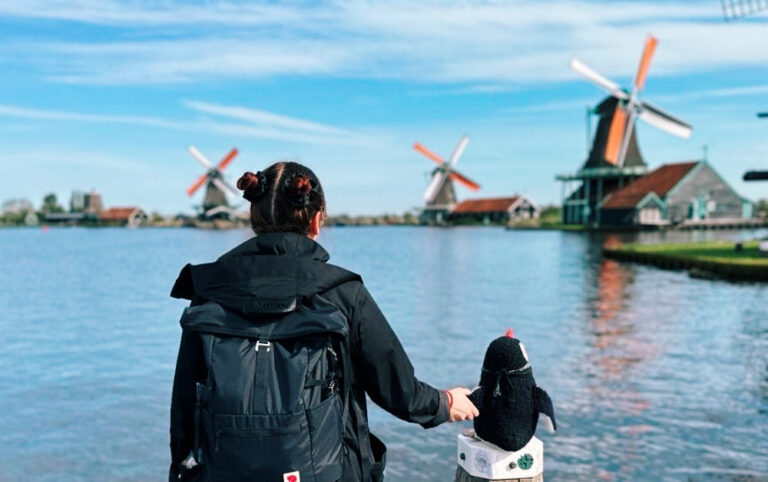
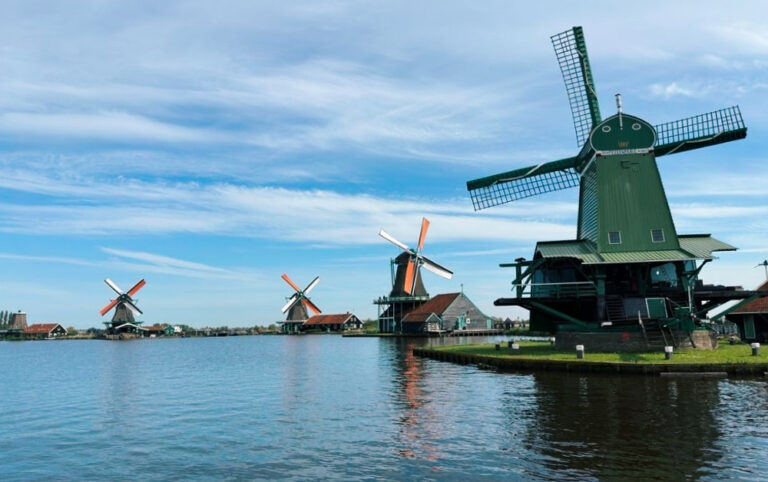
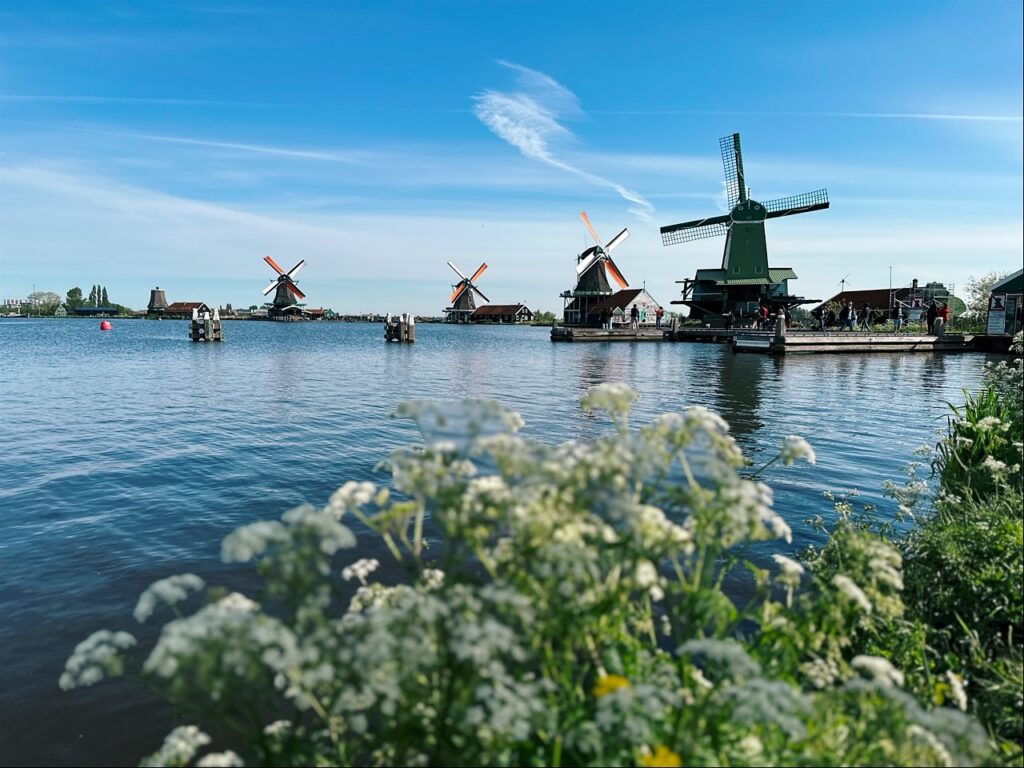
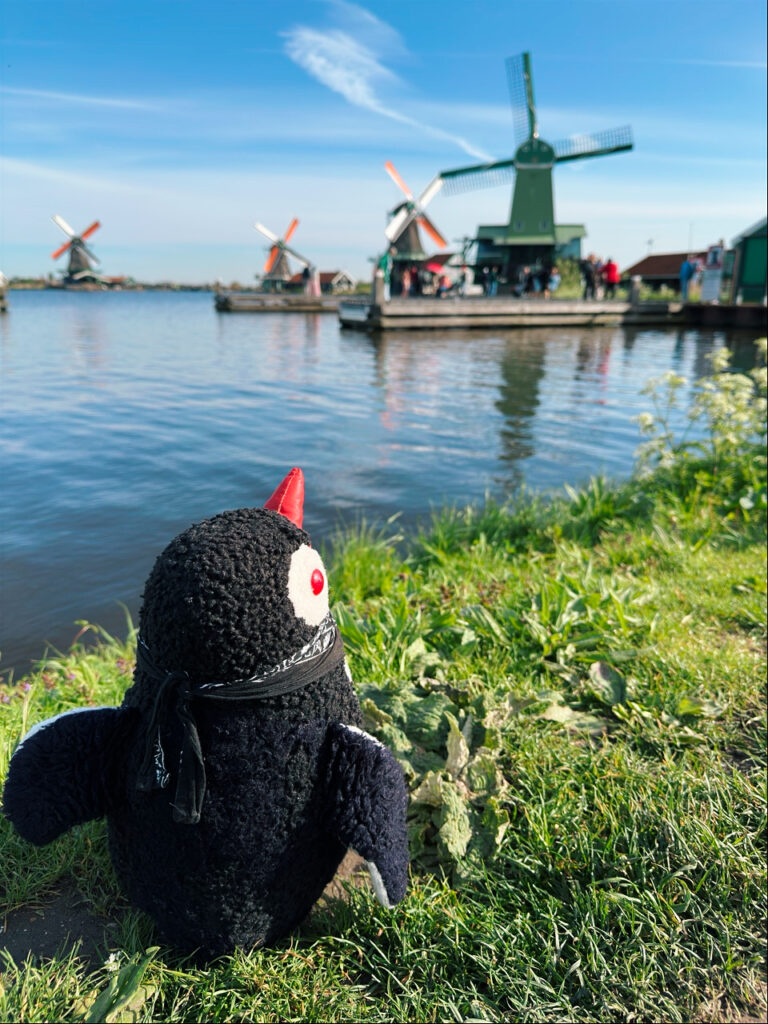
Windmills have become a symbol of the Netherlands, but they were built for work rather than decoration. For centuries, Dutch windmills drained water from low-lying land, ground grain, sawn wood, and produced oil. Thousands once operated across the country, and while their number has fallen, more than 1,000 historic windmills remain. Some are still operational today, including those at places such as Kinderdijk and Zaanse Schans, giving you a chance to see how wind power helped shape the Netherlands.
#14: The Dutch Have Been Creating Land From Water for Centuries
The Netherlands’ relationship with water goes beyond flood protection. For centuries, the Dutch have also been creating new land by draining lakes, marshes, and parts of the sea. These reclaimed areas are known as polders and are surrounded by systems of dikes and water controls. Perhaps the best example is Flevoland, the country’s newest province, which consists largely of land reclaimed from the former Zuiderzee during the 20th century. Even Amsterdam Airport Schiphol sits on reclaimed land, around four meters below sea level. In fact, its name is linked to the former Haarlemmermeer lake that once covered the area. It is a good reminder that when you travel through parts of the Netherlands, you may actually be standing somewhere that was once underwater.
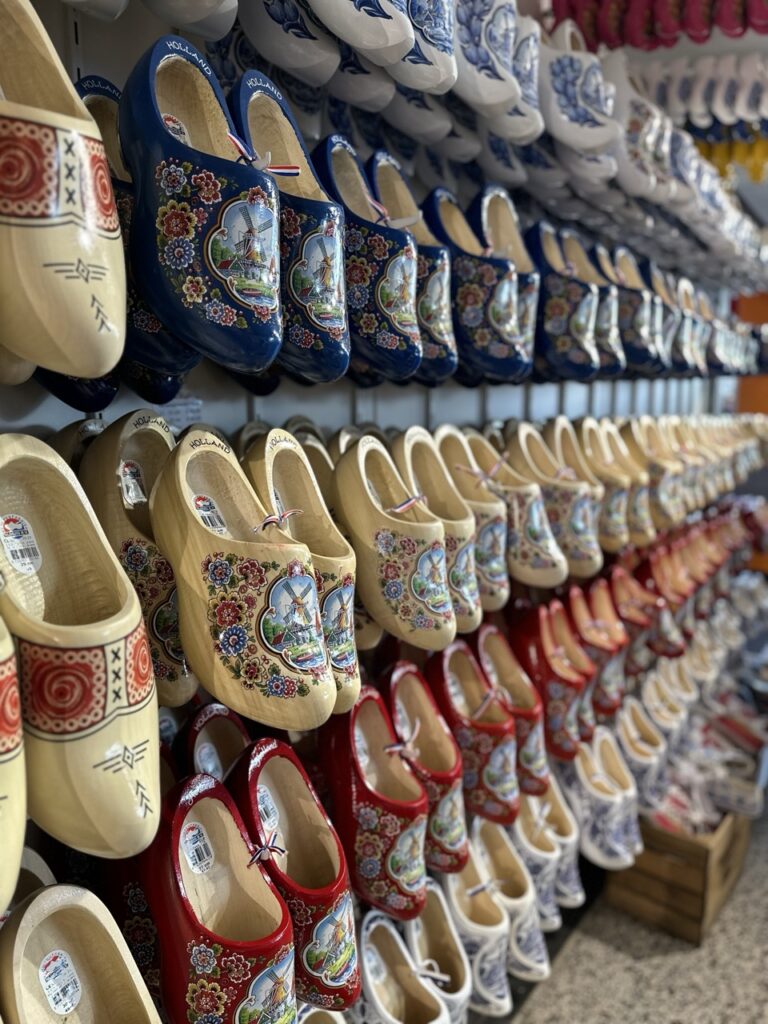
#15: Wooden Shoes Were Made for Work, Not Just for Souvenirs
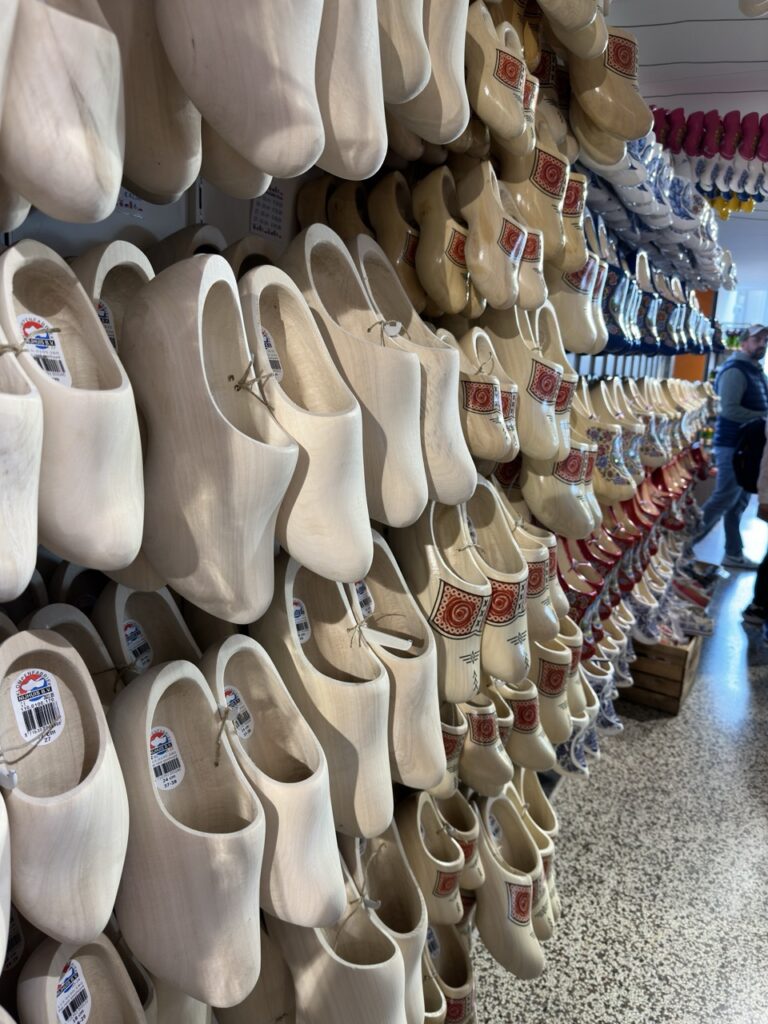
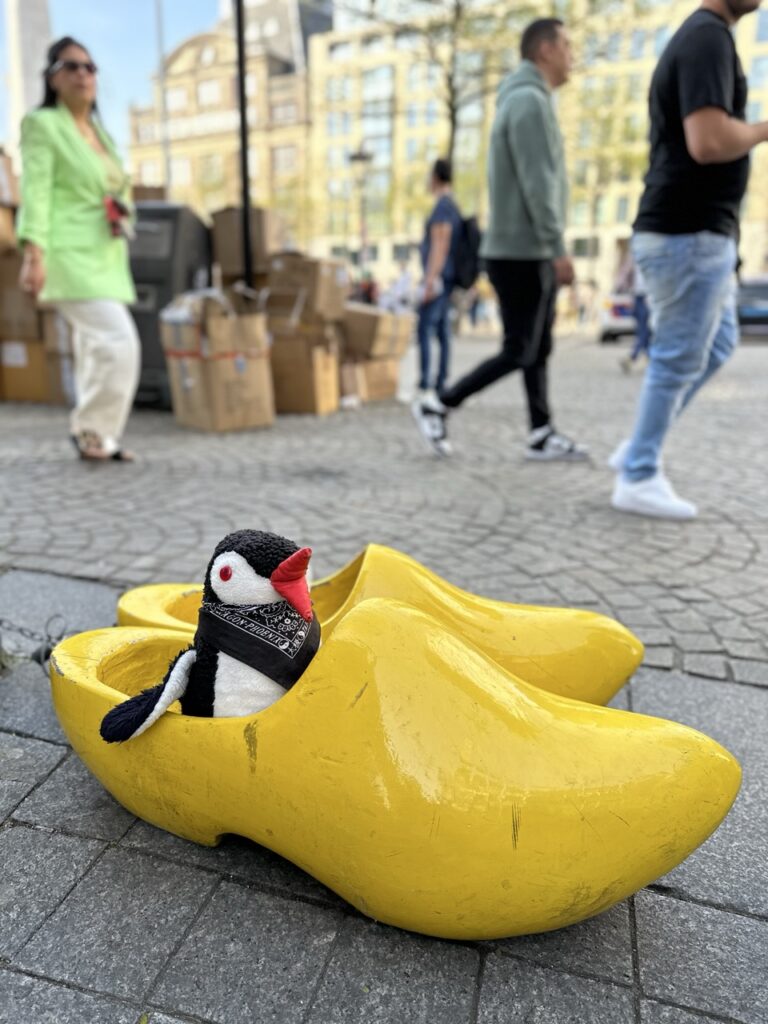
Wooden shoes, known as klompen, are another symbol closely tied to the Netherlands. For centuries, farmers, fishermen, and other workers wore them because wood helped protect their feet from water, mud, cold, and workplace injuries. They were often made from poplar or willow and shaped to fit the wearer. You are unlikely to see many Dutch people walking around in klompen today, but they are still produced, worn by some farmers and gardeners, and sold across the country. They may look like a tourist souvenir now, but they started as practical footwear.
#16: Amsterdam Has More Than 100 Kilometers of Canals
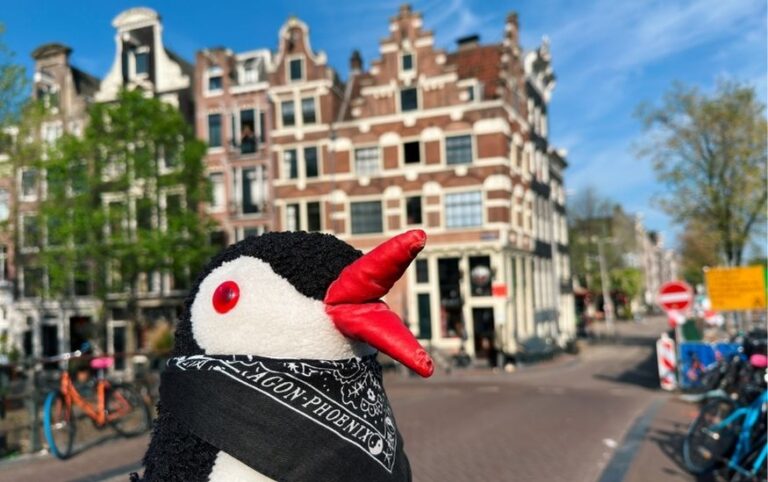
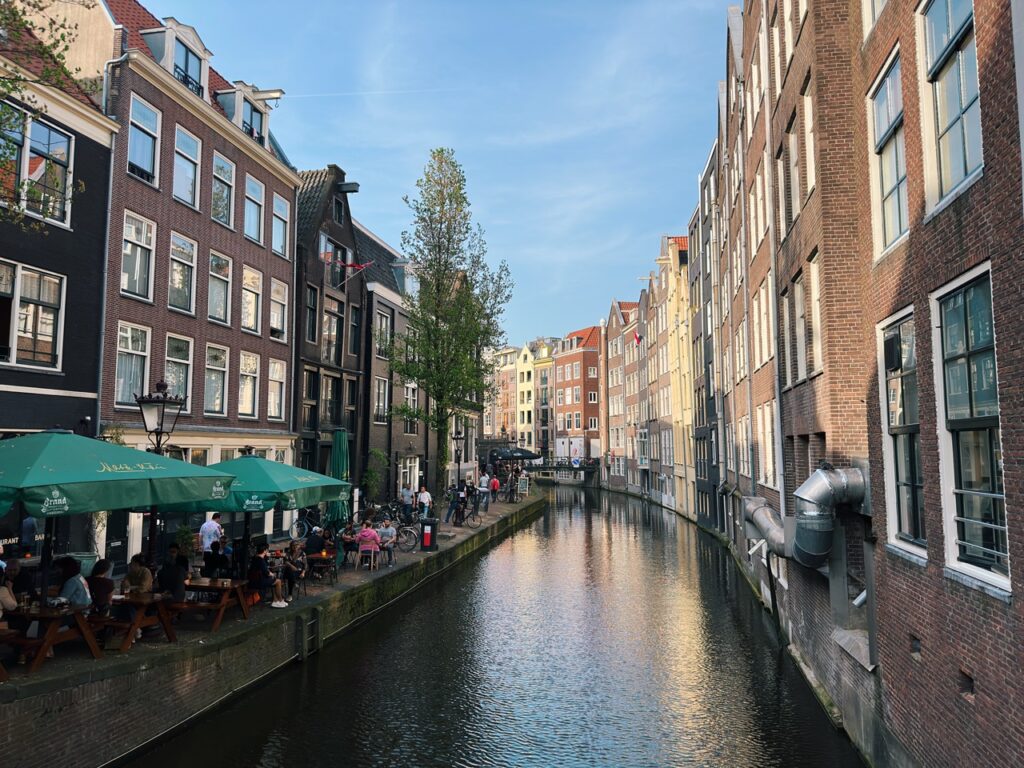
Canals shape Amsterdam’s look, but they were built for more than views. The city has more than 100 kilometers of canals, around 90 islands, and roughly 1,500 bridges. Much of the canal network was developed during the 17th century, when Amsterdam was expanding as a center of trade. The main canal ring, including Herengracht, Keizersgracht, and Prinsengracht, is now a UNESCO World Heritage Site. Walking beside them or seeing the city from the water also gives you a sense of how Amsterdam grew around its canals rather than simply adding them later.
#17: The Netherlands Has Helped Shape Some Inventions We Still Use Today
The Netherlands helped develop several inventions and technologies that changed everyday life. The telescope has Dutch origins, with Hans Lippershey filing a patent application for the device in 1608, and Dutch lens makers also contributed to the early development of the compound microscope. Centuries later, Dutch company Philips introduced the Compact Cassette in 1963 and later worked with Sony to develop the compact disc (CD). Dutch engineers also contributed to technologies we use today, including Bluetooth and early Wi-Fi systems. It is quite a range, from looking at distant planets to connecting your headphones without a cable.
Practical Facts for Travelers Coming to the Netherlands
Before traveling to the Netherlands, it helps to know a few basics that can make planning and getting around easier. From entry requirements and money to sockets and drinking water, here are the practical facts worth knowing before you go.
- Visa Requirements. The Netherlands is part of the Schengen Area. EU, EEA, and Swiss citizens can enter without a visa, while travelers from many other countries can visit visa-free for up to 90 days in any 180 days. Requirements depend on your nationality, so check the current rules before traveling.
- Passport and ID. EU citizens can generally travel to the Netherlands with a valid passport or national identity card. Travelers from outside the EU should check passport validity requirements before departure.
- Currency. The official currency is the euro (€). Cards and contactless payments are common, although keeping a small amount of cash can still be useful.
- Card Payments. The Netherlands is very card-friendly, but some places may not accept all types of international credit cards. Visa and Mastercard debit cards are now widely accepted, and contactless payments are common.
- Time Zone. The Netherlands uses Central European Time (CET, UTC+1) and switches to Central European Summer Time (CEST, UTC+2) during daylight saving time.
- Socket Plugs. The Netherlands uses Type C and Type F plugs, with a standard voltage of 230 V and 50 Hz. Travelers from countries using different plugs will need an adapter.
Hotel search from Booking.comShows Booking.com’s own box, which can set Booking.com cookies.
- Driving Side. Cars drive on the right-hand side of the road, and the steering wheel is on the left.
- Public Transport. Trains, trams, buses, and metros make it easy to travel without a car. You can use the OVpay system to check in and out with a contactless debit or credit card on much of the country’s public transport.
- Cyclists Have Their Own Space. Bike lanes are part of the transport network, not extensions of the pavement. Look both ways before crossing them and avoid walking or standing in a cycle lane.
- Tap Water. Tap water is safe to drink throughout the Netherlands, so bringing a reusable bottle is an easy way to avoid buying bottled water.
- Emergency Number. Call 112 for police, ambulance, or fire services in an emergency. It is the same emergency number used across the European Union.
- Language. Dutch is the main language, but English is widely spoken, particularly in cities and places frequently visited by travelers.
- Mobile Roaming. Travelers with an EU SIM card can generally use their domestic mobile allowance in the Netherlands under EU roaming rules, subject to their provider’s fair-use conditions.
- Tipping. Tipping is not compulsory. Service is included in the price, although rounding up the bill or leaving a small tip for good service is common.
- Drinking Age. You must be 18 or older to buy alcohol in the Netherlands.

- Weather. Rain can happen year-round, and conditions can change during the day. A light waterproof layer is worth keeping in your bag even when the forecast looks fine.
- Drinking Water and Toilets. Public toilets are not always free, and you may need to pay a small fee at train stations, shopping centers, and other public places.
- Sunday Opening Hours. Shops generally open on Sundays in larger cities, but opening hours vary by municipality and can be shorter outside tourist areas.
- European Union and Schengen. The Netherlands is a member of both the European Union and the Schengen Area, making onward travel to neighboring Belgium and Germany straightforward for travelers who meet Schengen entry requirements.
Best Time to Visit the Netherlands
There is no single bad time to visit the Netherlands, but the experience changes quite a bit with the seasons. Spring brings tulips, summer brings longer days, autumn changes the parks and canals, and winter brings fewer visitors. The best time really depends on what you want to see and how you like to travel.
- Spring. From March to May, temperatures rise and days get longer. This is also tulip season, with April usually being the main month for flower fields and gardens such as Keukenhof. May brings warmer days while still avoiding the main summer crowds.
- Summer. From June to August, expect the warmest weather and long daylight hours. It is a good time for cycling, canal trips, terraces, and exploring the coast, but it is also the main travel season so that popular places can be busier and accommodation prices higher.
- Autumn. From September to November, temperatures gradually drop, and trees change color around parks, canals, and the countryside. September can still bring warm days, while October and November tend to become wetter and cooler. Visitor numbers also start to fall after summer.
- Winter. From December to February, days are shorter, and temperatures are lower, with rain, wind, frost, and occasional snow possible. Christmas markets and lights give the cities a different feel, and there are generally fewer visitors than in spring and summer.
We visited the Netherlands at the beginning of May, and the timing worked very well for us. It wasn’t too hot or too cold, which made spending full days outside and walking around much easier. We had good weather during our trip and would definitely choose May again, especially if you want to explore without dealing with summer heat.
Buy Us a Ko-fi

How Much Time Do You Need in the Netherlands
How long you need in the Netherlands depends on how much of the country you want to see. If Amsterdam is your main focus, 2 to 3 days give you enough time to explore the canals, museums, neighborhoods, and food scene without rushing. If you want to use Amsterdam as a base and add a few day trips, plan around 4 to 5 days. But if you want to experience the Netherlands beyond its capital, we would recommend 7 to 10 days. The country isn’t particularly large, and trains make it easy to get between places like Rotterdam, The Hague, Utrecht, Delft, Gouda, and smaller towns. A week gives you enough time to see how different the Netherlands feels once you leave Amsterdam, while 10 days lets you slow down and include more of the countryside and coast.
Things We Wish We Knew Before Visiting the Netherlands
There are always a few things you only understand once you actually arrive. The Netherlands was easy to travel around, but we still picked up a few lessons along the way that would have been useful to know before our trip.
- Bike lanes are serious business. We knew cycling was popular, but we didn’t fully appreciate how much bicycles are part of everyday traffic. Always check before crossing a bike lane, and definitely do not stand in one while figuring out where you are going.
- You really do not need a car for most trips. Trains connect cities across the country, while trams, metros, and buses handle local journeys. We found getting around without a car straightforward.
- The Netherlands is much more than Amsterdam. Amsterdam gets most of the attention, but it is worth leaving the capital. With relatively short travel times between cities, adding another destination does not require much extra planning.
- Contactless payment makes transport easier. You can use a contactless bank card or compatible device to check in and out on much of the public transport network. Just remember to check out as well as check in.
- The weather can change quickly. Even when the day starts well, rain or wind can appear later. Layers and something waterproof are worth having, rather than relying completely on the morning forecast.
- Restaurants can be more expensive than you expect. Eating out adds up, particularly in Amsterdam and other places popular with visitors. Checking menus before sitting down helped us decide where we actually wanted to spend our food budget.
- Public toilets are often paid. Keep a card or a little change handy because toilets at stations and other public places may charge a fee.
- English will get you surprisingly far. We had no trouble communicating in English during our trip, although learning a couple of Dutch words is still worth doing.
- Cheese deserves space in your itinerary. We went into the trip already excited about Dutch cheese, and we were right.
- Do not try to squeeze everything into Amsterdam. The Netherlands is small enough that exploring beyond the capital is relatively easy. If you have a few extra days, use them. Amsterdam may be the starting point, but it does not have to be the whole trip.
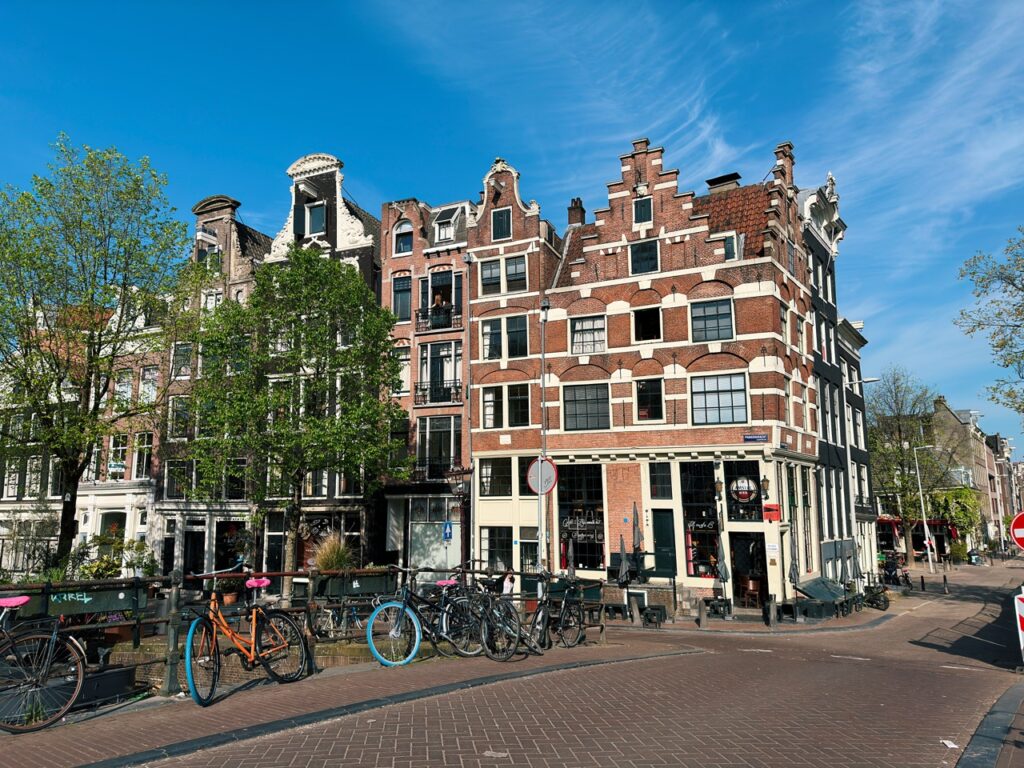
The Netherlands may be easy to travel around, but there is much more to it than canals, tulips, and a weekend in Amsterdam. Give yourself time to visit another city, figure out the bike lanes, try the food, learn a little about the country’s relationship with water, and, if you are anything like us, eat far more cheese than originally planned. We came home understanding the Netherlands a little better than when we arrived, which is exactly what we want from a trip. Hopefully, these tips help you arrive a little more prepared and leave plenty of room for your own discoveries along the way.
Travel Bold. Eat Well. Waddle Wild.

This post contains affiliate links. If you click and buy, I might earn a tiny commission, enough to help a penguin keep up its globe-trotting lifestyle. No extra cost to you, just more fish for me. Thank you for supporting the adventure!