St. Wolfgang, Austria: The Ultimate Travel Guide (What to See, Eat & Do)
When planning our trip around the Salzkammergut region, St. Wolfgang wasn’t the place we were most excited about. We knew it was famous for the Schafberg Railway and that it attracted plenty of visitors, but we assumed it would simply be another pretty lakeside village. Since you can stay in several towns around Lake Wolfgang, ending up in St. Wolfgang almost happened by chance, and it turned out to be one of the best decisions of our trip. From its charming streets and lake views to great restaurants and relaxing atmosphere, this village completely won us over. Keep reading to find out what to expect, the best things to see and do, and why we think St. Wolfgang deserves a spot on your Austria itinerary.
- Quick Facts About St. Wolfgang
- Why Visit St. Wolfgang
- The Legend Behind St. Wolfgang
- Our Walk Through St. Wolfgang
- Best Things to See in St. Wolfgang
- Where to Eat in St. Wolfgang
- How Long Do You Need in St. Wolfgang
- Where to Stay in St. Wolfgang
- Best Time to Visit St. Wolfgang
- Practical Tips Before You Visit St. Wolfgang
- Other Things to Do Near St. Wolfgang
- Is St. Wolfgang Worth Visiting


Quick Facts About St. Wolfgang
- Population: Approximately 2,800 residents.
- Region: Located in the Salzkammergut region of Upper Austria.
- Location: on the shores of Lake Wolfgang (Wolfgangsee)
- Famous For: The historic Schafberg Railway, the Pilgrimage Church of St. Wolfgang
- Currency: Euro (€).
- Language: German, although English is widely spoken
- Pronunciation: St. Wolfgang (Saint VOLF-gang)
- Closest Airport: Salzburg Airport (about a 50-minute drive).
Why Visit St. Wolfgang
With so many beautiful villages around Lake Wolfgang, you might wonder what makes St. Wolfgang stand out. After visiting several places in the Salzkammergut region, we found that St. Wolfgang offers the perfect balance. It has the postcard-worthy charm of Hallstatt, but without feeling quite as crowded, and it’s livelier than St. Gilgen, with more restaurants, cafés, and things to do. Add in the stunning lake views, colorful streets, the historic Schafberg Railway, and a relaxed atmosphere that invites you to slow down, and it’s easy to see why St. Wolfgang became one of our favorite places in Austria.
The Legend Behind St. Wolfgang
Like many old Austrian villages, St. Wolfgang comes with its own fascinating legend. According to tradition, Saint Wolfgang, a 10th-century bishop, wanted to build a church but wasn’t sure where it should stand. So he threw his axe into the air and vowed to build the church wherever it landed. The spot where the axe fell became the site of today’s Pilgrimage Church of St. Wolfgang.
The legend doesn’t end there. It is said that the devil agreed to help build the church in exchange for the first soul to enter it. However, Saint Wolfgang outsmarted him by sending a wolf through the church doors first, rather than a person. Furious but defeated, the devil had no choice but to accept the wolf, and the church remained a place of worship rather than a place of darkness. Whether you believe the story or not, it adds a little extra magic to one of Austria’s most beautiful lakeside villages.
Our Walk Through St. Wolfgang
Since we had booked our accommodation in St. Wolfgang for two nights (we stayed at Hotel Försterhof), we wanted to make the most of our time and also explore what the village had to offer. While there are plenty of amazing places to visit around Lake Wolfgang, we couldn’t resist slowing down and simply waddling through St. Wolfgang itself. And we’re so glad we did. Its colorful streets, flower-filled balconies, lakeside promenade, and relaxed atmosphere completely won us over. If you’re wondering how to spend a day here, follow along as we take you through our favorite spots and show you exactly how we explored this charming Austrian village.
Leaving our hotel, we headed straight towards the heart of St. Wolfgang, following the quiet streets into the village center. Since it was a Sunday, most of the small boutiques and souvenir shops were closed, but instead of feeling empty, the whole village felt peaceful. Without the usual hustle and bustle, we could really take in the atmosphere.
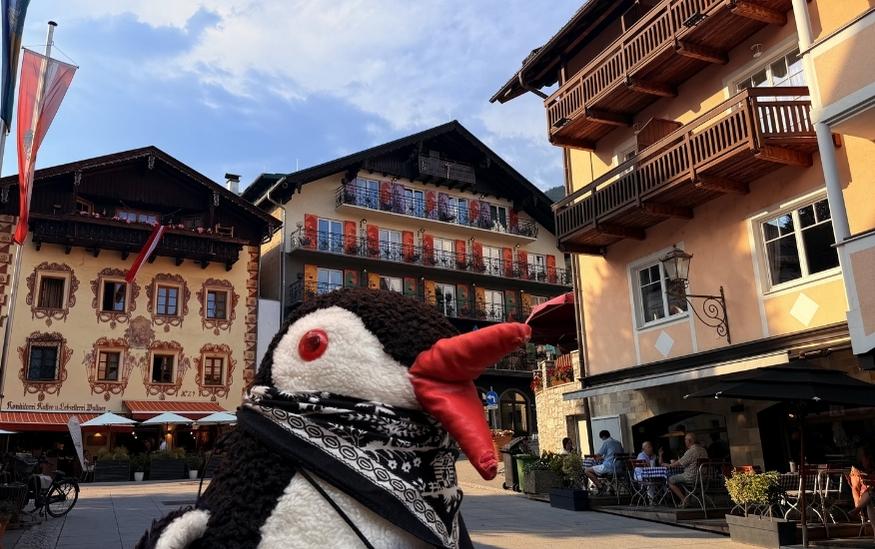
As we wandered through the narrow cobbled streets, we found ourselves constantly looking up. The traditional Austrian houses are absolutely beautiful, with colorful facades, wooden balconies overflowing with flowers, painted shutters, and charming little details that make every corner feel like a postcard. St. Wolfgang has been welcoming pilgrims and travelers for centuries, and its historic center has preserved much of its original character. It’s the kind of place where you don’t need a plan and wander, take your time, and enjoy every little street you come across.


One thing that caught our attention was the beautiful houses throughout St. Wolfgang. Many of them are decorated with colorful frescoes, painted ornaments, and traditional details that make the entire village feel like an open-air museum. This style, known as Lüftlmalerei, is typical of parts of Austria and southern Germany. The paintings often depict religious scenes, local history, or floral patterns and were originally used to showcase a family’s faith, profession, or prosperity.


Surrounded by the colorful houses, we slowly made our way towards the Pilgrimage Church of St. Wolfgang, which surprised us in the best possible way. Dating back to the 14th century, the church is one of Austria’s most important pilgrimage sites. It is best known for its magnificent Gothic winged altar, created by the renowned artist Michael Pacher in the 15th century.
By the time we arrived, it was already after 5 p.m., and the warm golden-hour light gave the whole square a magical atmosphere. The sun reflected off the pastel-colored buildings, the church tower glowed against the blue sky, and the square felt calm and almost timeless.


What we loved, though, was the narrow alleyway that winds its way around the church. We stumbled upon it, and it became one of our favorite little corners of St. Wolfgang. Bathed in the warm evening sun, the passage felt incredibly peaceful. Now and then, the open arches and windows revealed beautiful glimpses of Lake Wolfgang and the surrounding mountains, almost like perfectly framed postcards. It was quiet, charming, and had that magical feeling you only get when you discover a place you weren’t expecting.


As we continued our waddle, we drifted closer to the lake. That’s when we started noticing all these little hidden corners tucked along the shoreline. Some had small benches, others were just a few steps leading down to the water, but each one felt like a tiny secret spot. If you happen to bring a towel, you can even take a refreshing dip in the crystal-clear lake. These aren’t official beaches, but rather quiet little places that seem to be loved by the locals.
If you’re looking for a proper place to swim, St. Wolfgang also has several public bathing areas around the lake. Some are free to access, while others are part of lakeside lidos with facilities such as changing rooms, sunbathing lawns, and cafés. During the warmer months, the crystal-clear water of Lake Wolfgang is perfect for a refreshing swim, making it easy to combine sightseeing with a relaxing afternoon by the lake.


As we continued our waddle, we reached the waterfront pier, one of the best places to take in the views over Lake Wolfgang. Stretching out into the lake, the pier offers beautiful panoramas of the surrounding mountains and the colorful waterfront of St. Wolfgang. It’s also the main departure point for the Wolfgangsee ferries, which connect St. Wolfgang with nearby villages such as St. Gilgen and Strobl. Even if you’re not planning to take a boat, it’s well worth waddling to the end of the pier. Watching the ferries arrive and depart while enjoying the peaceful lake scenery is all part of the St. Wolfgang experience.
Quick Facts About Lake Wolfgang (Wolfgangsee)
- Type: A glacial lake formed during the last Ice Age.
- Size: Approximately 13 km² (5 sq mi).
- Length: Around 11.5 km (7.1 miles).
- Maximum Depth: 114 meters (374 feet).
- Elevation: 538 meters (1,765 feet) above sea level.
- Shared By: The lakeside villages of St. Wolfgang, St. Gilgen, and Strobl.
- Best Known For: Its crystal-clear water, mountain scenery, historic paddle steamers, swimming, boating, and the famous Schafberg Railway overlooking the lake.


After our stroll along the waterfront, we settled into one of the local restaurants for dinner before heading back to our hotel. It was the perfect way to end the day, taking in the last views of the lake as the sun slowly disappeared behind the mountains.
One thing we both kept talking about was how people-friendly St. Wolfgang feels. Everything seems thoughtfully designed, from the well-maintained walking paths and inviting benches to the little places where you can sit, relax, and simply enjoy the scenery. The village is spotless, easy to explore on foot, and encourages you to slow down rather than rush from one attraction to the next. It’s one of those small towns where spending an afternoon doing nothing in particular somehow becomes the highlight of your day, and that’s exactly why we loved it so much.
Best Things to See in St. Wolfgang
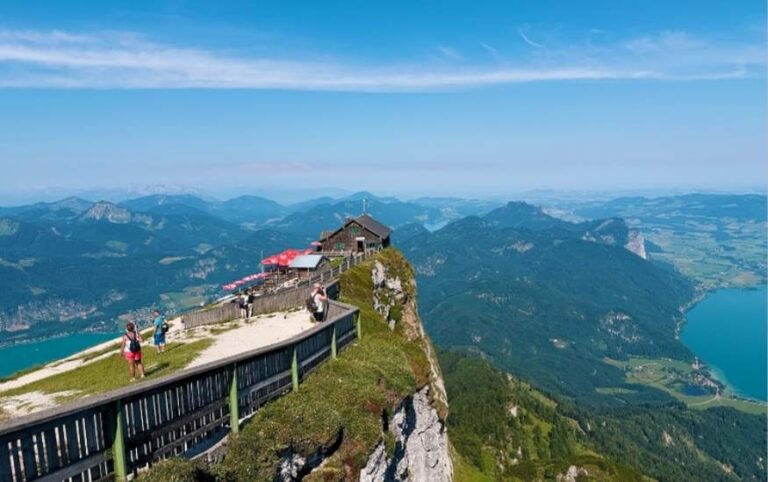
- Schafberg Railway. The village’s most famous attraction. This historic steam cogwheel railway has been climbing to the summit of Schafberg since 1893.
- Pilgrimage Church of St. Wolfgang. A beautiful Gothic church dating back to the 14th century, famous for its magnificent winged altar created by the renowned artist Michael Pacher.
- Marktplatz (Market Square). The charming heart of the village, surrounded by colorful historic houses, cafés, and traditional Austrian architecture.
- White Horse Inn (Hotel Im Weissen Rössl). One of Austria’s most famous historic hotels, welcoming guests for centuries, and made internationally famous through the operetta The White Horse Inn.
- Wolfgangsee Promenade. A lovely lakeside walkway perfect for an evening stroll, offering beautiful mountain views, flower displays, and peaceful places to sit by the water.
- Wolfgangsee Boat Cruises. Hop aboard one of the historic lake ferries and explore the neighboring villages of St. Gilgen and Strobl from the water.
- Puppenmuseum (Doll Museum). Home to hundreds of dolls and teddy bears from different eras. It’s a fun stop for families or anyone interested in unique collections.
- Lakeside Bathing Areas. During the summer months, several public swimming areas around the village offer easy access to the crystal-clear waters of Lake Wolfgang.
- Photography Spots. Some of our favorite viewpoints include the main pier, the small alleyway behind the Pilgrimage Church, the waterfront promenade, and the view across the lake towards Schafberg, especially during golden hour.
- Historic Painted Houses. Don’t forget to look up as you wander through the Old Town. Many buildings feature beautiful Lüftlmalerei (traditional painted façades), adding even more charm to the already picturesque streets.
Where to Eat in St. Wolfgang
Although St. Wolfgang is a relatively small village, we were surprised by the number of great places to eat. Throughout our stay, we tried a few different spots, and each offered something a little different.
One of our favorites was Dorf-Alm zu St. Wolfgang, where we enjoyed a delicious Austrian dinner in a warm, cozy atmosphere. It was the perfect place to end a day of exploring, and we’d happily return on our next visit.
For a more traditional experience, we also stopped at Jausenstation Aschinger. Surrounded by beautiful scenery, it’s a fantastic place to enjoy authentic Austrian dishes and take a break from sightseeing.
If you’re looking for a coffee or a light bite with a view, SEEplatzl is an excellent choice. This cozy lakeside café and restaurant sits right by Lake Wolfgang, making it a lovely spot to relax and soak up the scenery.
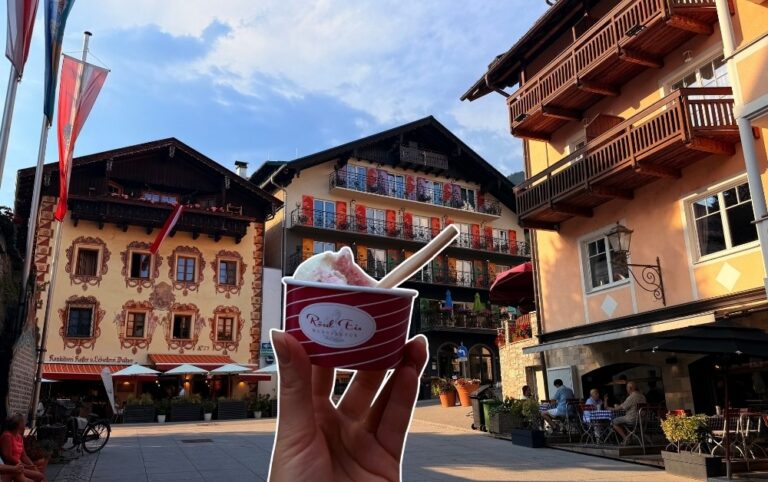
We couldn’t resist stopping by Rössl’s Ice Cream Shop, where we treated ourselves to ice cream while wandering through the village. On a warm summer day, it was exactly what we needed.
Overall, we found the food scene in St. Wolfgang to be excellent. Despite its size, the village offers plenty of quality restaurants and cafés, many with beautiful views that make the dining experience even more memorable.


How Long Do You Need in St. Wolfgang
You can see the highlights of St. Wolfgang in just half a day, but we’d recommend spending at least one full day here to enjoy the village without rushing. That gives you enough time to wander through the charming streets, visit the Pilgrimage Church, stroll along the waterfront, enjoy a leisurely meal, and perhaps take a boat cruise or ride the Schafberg Railway. If you’re planning to hike, swim in Lake Wolfgang, or use St. Wolfgang as a base to explore the surrounding Salzkammergut region, consider staying for one or two nights. That’s exactly what we did, and it gave us the chance to experience the village at a much slower and more enjoyable pace.
Where to Stay in St. Wolfgang
- Old Town. Best for first-time visitors who want to stay close to the lake, restaurants, shops, the church, and the main village atmosphere. A great choice is Hotel Peter.
- Lakeside hotels. Best for families, couples, and anyone who wants lake views, swimming access, and a more relaxed holiday feeling. We recommend Hotel Seevilla Wolfgangsee.
- Luxury stays. Best if you want spa facilities, beautiful lake views, wellness areas, and a more romantic escape. Romantik Hotel Im Weissen Rössl is one of the village’s most iconic luxury hotels.
- Traditional guesthouses. Best for a cozy Austrian atmosphere, warm hospitality, and a more local experience. For cozy rooms and warm local hospitality, consider Pension Wolfgangsee.
- Apartments. Best for longer stays, families, or travelers who prefer having their own kitchen and more space. SEE & THE City Apartments is an excellent option.
- Budget-Friendly. If you’re traveling on a tighter budget, Hotel Schwarzes Rössl offers a more affordable stay while still being close to the village center.
Where we stayed: Hotel Försterhof. This falls into the comfortable modern hotel category. It is not directly in the Old Town, but it is within walking distance, which worked really well for us. We liked that it felt peaceful and practical, yet close enough to waddle into the village center whenever we wanted.
Hotel search from Booking.comShows Booking.com’s own box, which can set Booking.com cookies.
Best Time to Visit St. Wolfgang
- Spring (April–May). One of the best times to visit if you prefer fewer crowds and mild temperatures. The surrounding mountains begin turning green, flowers bloom throughout the village, and it’s perfect for sightseeing and lakeside walks.
- Summer (June–August). The most popular season, with warm weather ideal for swimming in Lake Wolfgang, boat cruises, hiking, and riding the Schafberg Railway. Expect the busiest atmosphere, especially during weekends and school holidays.
- Autumn (September–October). Our favorite time to visit. The summer crowds begin to disappear, temperatures remain pleasant, and the surrounding forests turn beautiful shades of yellow, orange, and red. It’s an excellent season for hiking and photography.
- Winter (Late November–December). St. Wolfgang transforms into a magical Christmas destination. It’s famous Wolfgangsee Advent Christmas Market fills the village with festive lights, traditional stalls, mulled wine, and seasonal treats, making it one of the most charming Christmas markets in Austria.
Practical Tips Before You Visit St. Wolfgang
- Parking. Several paid parking lots are available around the village. If you’re staying overnight, check whether your accommodation offers free parking. We found this much more convenient.
- Public toilets. Public toilets are available near the village center and around the waterfront, making them easy to find while sightseeing.
- Boat tickets. If you’re planning to visit St. Gilgen or Strobl, consider taking a Wolfgangsee ferry. During the summer season, it’s worth checking the timetable in advance.
- Card or cash. Most hotels, restaurants, and shops accept credit and debit cards, but it’s still a good idea to carry a small amount of cash for smaller cafés, kiosks, or local markets.
- Dogs. St. Wolfgang is a dog-friendly destination. Many outdoor cafés welcome dogs, and there are plenty of scenic walking paths around the lake.
- Swimming. Lake Wolfgang is known for its crystal-clear water and is perfect for swimming during the warmer months. You’ll find both official bathing areas and quieter lakeside spots to enjoy.
- Tourist crowds. Summer is the busiest season, particularly between 10 a.m. and 4 p.m. For a more peaceful experience, explore the village early in the morning or later in the evening.
- Schafberg Railway. If you plan to ride the Schafberg Railway, book your tickets in advance during weekends and the summer months, as departures often sell out.
- Opening hours. Most restaurants and attractions are open daily during the main tourist season. However, many smaller shops close earlier in the evening, and some remain closed on Sundays.
Other Things to Do Near St. Wolfgang
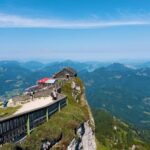
- Ride the Schafberg Railway to the summit of Schafberg.
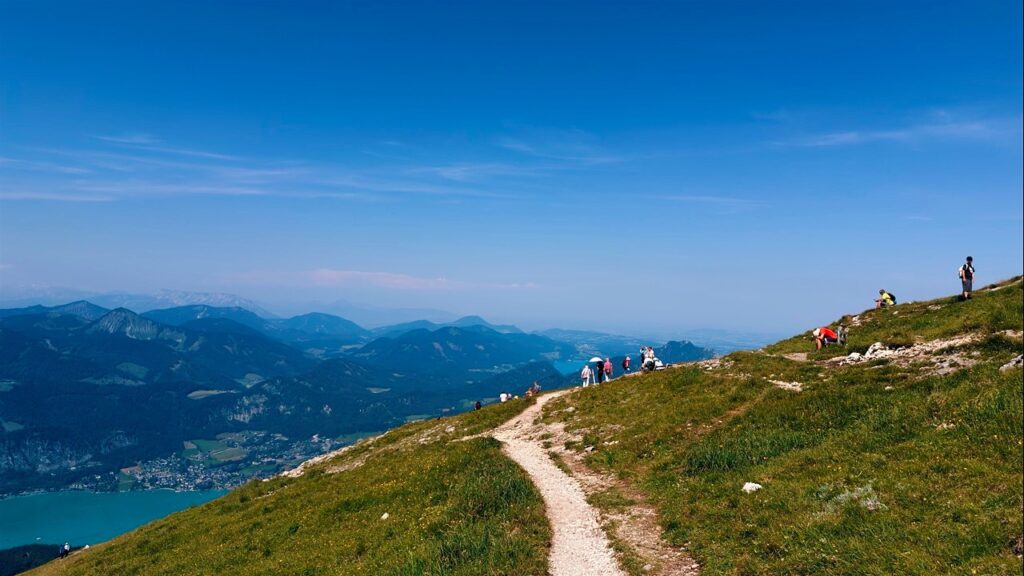
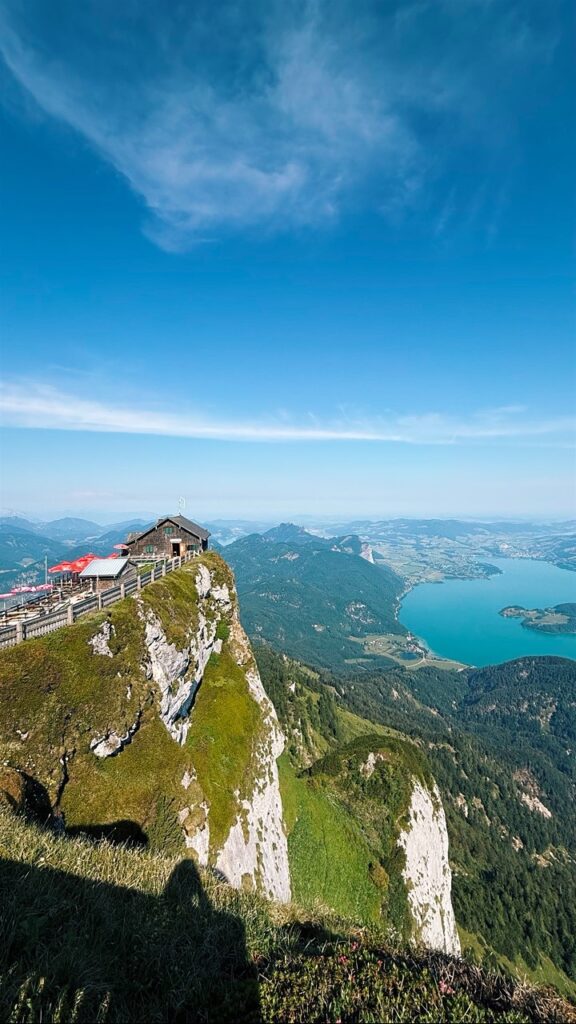
- Enjoy the panoramic views from the Schafberg Summit.
- Take a Wolfgangsee boat cruise to St. Gilgen and Strobl.
- Rent a kayak, paddleboard, or electric boat on Lake Wolfgang.
- Hike the scenic trails around Mount Schafberg.
- Walk the historic Falkenstein Pilgrimage Trail.
- Cycle around parts of Lake Wolfgang.
- Visit St. Gilgen, one of the prettiest villages on the lake.
- Explore Strobl for a quieter lakeside experience.
- Take a day trip to Bad Ischl, the former imperial spa town.
- Visit the famous village of Hallstatt, less than an hour’s drive away.
- Explore the Postalm, Austria’s largest alpine plateau, perfect for hiking and scenic drives.
- Drive the Postalm Scenic Road for breathtaking mountain views.
- Visit the Zwölferhorn near St. Gilgen and take the cable car to the summit.
- Discover the Nixenfall Waterfall near Strobl.
- Go mountain biking through the Salzkammergut countryside.
- Visit local farms and mountain huts to sample traditional Austrian food.
Is St. Wolfgang Worth Visiting
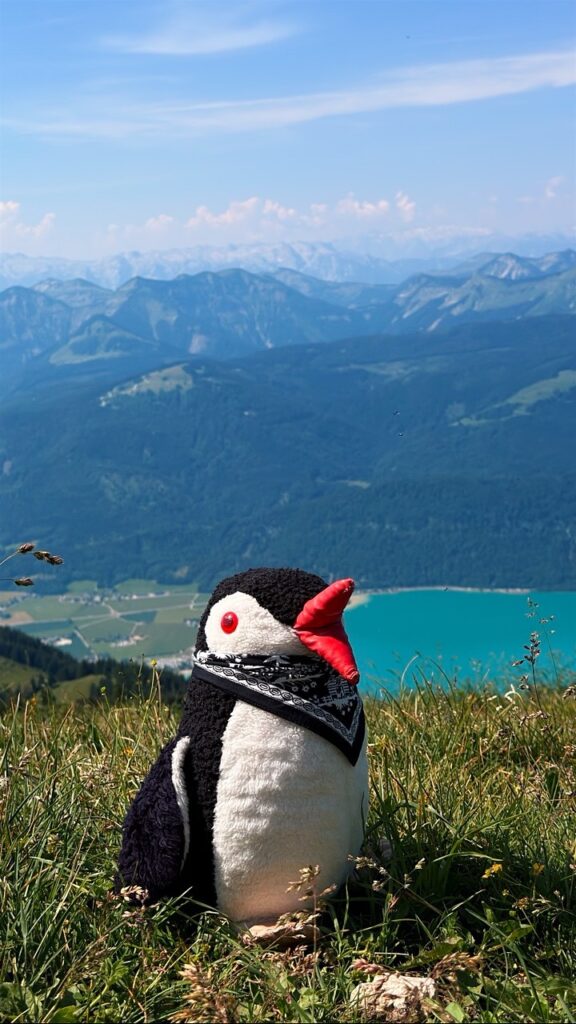
Oh, 100% yes, and with a happy waddle! After exploring several towns in the Salzkammergut region, St. Wolfgang ended up being our favorite. It has everything we were looking for: a beautiful lakeside setting, charming streets, excellent restaurants, plenty of things to do, and an atmosphere that made us want to slow down and stay a little longer.
Compared to Hallstatt, we actually enjoyed St. Wolfgang more. While Hallstatt is beautiful, we found it much busier and, in many ways, centered around a single main street. St. Wolfgang felt larger and more relaxed, with much more to explore. We never felt rushed or overwhelmed by crowds, and there were countless little corners where we could sit by the lake and enjoy the scenery.
For us, it offered the best balance of natural beauty, atmosphere, great food, and activities. It was one of those places that exceeded our expectations, and we’d happily return.
Things We Loved About St. Wolfgang
These aren’t the big attractions you’ll find on every list. They’re the little things that made St. Wolfgang so memorable for us.
- The perfect size. St. Wolfgang is compact enough to explore entirely on foot, yet large enough that you can easily spend a full day wandering without getting bored.
- The charming alleyways. Some of our favorite moments came from turning into narrow little streets with colorful houses, flower-filled balconies, and beautifully painted façades. Every corner felt like another postcard.
- The waterfront. We loved that the lake is never far away. Whether you’re strolling along the promenade, sitting on a bench, or discovering a quiet spot by the water, Lake Wolfgang is always part of the experience.
- The mountain and lake views. It’s hard to beat the combination of crystal-clear water with dramatic mountain peaks in the background. Every direction seemed to offer another beautiful view.
- The peaceful atmosphere. Even though St. Wolfgang is a popular destination, it never felt overwhelming. Visiting later in the day and in the evening made the village feel especially calm and relaxing.
Buy Us a Ko-fi

St. Wolfgang was a surprise of our Austrian road trip. Its colorful streets, beautiful lakeside setting, and relaxed atmosphere completely won us over, and we can easily see ourselves coming back one day. If you’re exploring the Salzkammergut region, don’t just stop for a quick photo; spend a day or even a night here. We hope this guide helps you plan your visit and inspires you to discover one of Austria’s most charming villages. Happy waddling!
Travel Bold. Eat Well. Waddle Wild.

This post contains affiliate links. If you click and buy, I might earn a tiny commission, enough to help a penguin keep up its globe-trotting lifestyle. No extra cost to you, just more fish for me. Thank you for supporting the adventure!