The Wild Island Survival Experience We Cannot Stop Thinking About
We first heard about Desert Island Survival while listening to a podcast interview. The whole idea sounded different from the usual travel experiences you normally hear about. Instead of beach resorts, infinity pools, and organized tours, people voluntarily head to remote islands to learn how to survive with very little comfort. Somehow, the more they explained it, the more interesting it became. This is not sponsored at all, by the way. We just genuinely found the concept fascinating and cannot stop thinking about what it would actually feel like to spend days stranded on a remote island trying to figure everything out yourself.
So, in this blog post, we decided to dig a little deeper into how the whole experience actually works, what you can expect, and some useful things to know in case this ends up on your future adventure list, too.
Hotel search from Trip.comShows Trip.com’s own box, which can set Trip.com cookies.Search hotels on Trip.comTrip.com’s box can’t load on this device (an ad blocker often stops it). This opens Trip.com’s own hotel search.Open Trip.com
What Is Desert Island Survival
Desert Island Survival is basically a real-life castaway adventure where people get taken to remote, uninhabited islands and learn how to survive with very limited supplies. Instead of checking into a hotel, you spend days learning actual survival skills with experienced instructors and then put those skills to the test out in nature.
The whole concept sounds like something straight out of a survival TV show. You learn things like how to build shelters from natural materials, start fires, collect drinking water, fish for food, and cook outdoors with almost nothing around you except the island itself. Some of the experiences even include being “cast away” for several days with only basic tools and your group.
What makes it even more interesting is that it is not just physical. A huge part of the experience seems to be mental, too. You are disconnected from normal life, away from phones and everyday routines, and simple tasks like finding dry wood or making a fire become the most important tasks of the day. There are also teamwork challenges because everyone has to work together to build shelters, find food, and keep things running.
The more we read about it, the more it sounds less like a vacation and more like one of those adventures you would probably talk about for years afterward. Exhausting? Probably. Uncomfortable? Definitely at times. But also the kind of experience that seems impossible to forget.
Where Does It Take Place
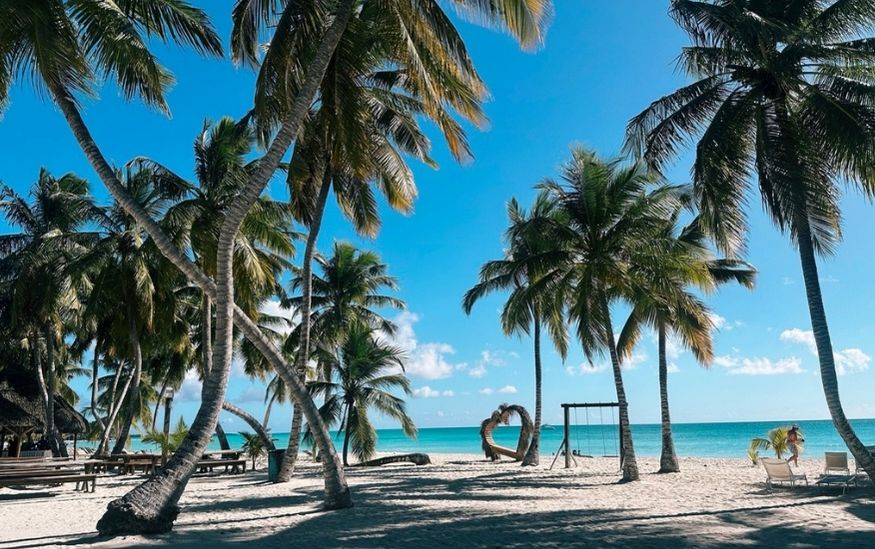
Desert Island Survival actually runs adventures in several different tropical locations around the world. Some of their expeditions take place on remote islands in Panama’s Pearl Islands, while others include destinations like the Philippines, Tonga, and even Maldives-style atolls.
The Panama adventure especially caught our attention because participants are taken by speedboat to a private, uninhabited island surrounded by jungle, white-sand beaches, and an untouched coastline. According to the company, some of these islands have no roads, no electricity, no signal, and no infrastructure at all. And that is probably what makes the experience feel so intense. These places look like paradise in photos, but at the same time, you suddenly realize there is nowhere to hide from the heat, bugs, rain, exhaustion, or whatever nature decides to throw at you that day. You are sleeping outdoors, building shelters, finding food, and trying to adapt to an environment that doesn’t really care whether you are comfortable.
Where Does It Take Place
- Building Shelter. Participants learn how to build simple shelters using natural materials from the island to protect themselves from sun, rain, wind, and insects.
- Finding Food and Water. A huge part of the experience is learning how to collect drinking water, fish, and find food sources in a remote island environment.
- Fire Making. People are taught different ways to start and maintain fire, which quickly becomes one of the most important parts of daily survival.
- Teamwork and Survival Challenges. Many tasks are done together as a group, which means communication and teamwork become just as important as the survival skills themselves.
- Sleeping Outdoors. Instead of hotel rooms or tents with full comfort, participants sleep outside surrounded by nature, weather, sounds, heat, and probably a lot more bugs than most people are used to.

Who Is This Adventure Actually For
- Adventure Travelers. If normal sightseeing trips no longer feel exciting enough, this kind of experience probably feels like stepping into a real-life survival documentary.
- People Tired of Normal Vacations. Instead of pool chairs, buffets, and packed tourist spots, this is more about disconnecting from everyday life and doing something completely different.
- Survival Show Fans. Anyone who grew up watching survival shows like The Island with Bear Grylls or survival YouTube videos would probably find this incredibly tempting.
- Couples Wanting Something Different. Surprisingly, the company mentions that some people even book these adventures as honeymoons or couple experiences, which honestly sounds both romantic and slightly terrifying.
- People Wanting to Challenge Themselves. A huge part of the experience seems to be mental, not just physical, and many participants describe it as a reset from modern life and technology.
- People Wanting a Digital Detox. No constant notifications, no scrolling, no normal routines, and in many locations, not even a proper phone signal, which honestly sounds both peaceful and stressful at the same time.
- People Curious About Their Limits. The website repeatedly emphasizes stepping outside your comfort zone, building resilience, and learning how you react when life suddenly becomes very simple again.
Why We Find This So Fascinating
Modern travel today is usually built around comfort, convenience, schedules, and knowing exactly what comes next. Here, it feels like the complete opposite. Weather changes your plans. Nature decides how your day goes. Even simple things like making fire or staying dry suddenly become important again.
It also feels like modern life rarely pushes most people outside their comfort zones anymore. Most of us spend our days surrounded by phones, electricity, supermarkets, warm showers, GPS, and instant solutions for basically everything. Then suddenly you imagine being on a remote island trying to build a shelter before sunset or figuring out how to collect drinking water, and it almost feels unreal that experiences like this even exist.
And honestly, the stories people probably leave with must be incredible. Not the usual “we visited this place and ate here” kind of stories, but actual memories about exhaustion, teamwork, survival fails, overcoming fears, storms, fire making, fishing, or just trying to sleep while hearing every strange jungle sound around you.

How Long Are the Adventures and How Much Do They Cost
These are not just quick weekend activities. Most main island expeditions last 10 to 12 days, which makes sense because it probably takes a few days to fully adjust to island life and learn the basics of survival. Their signature experiences usually include about 5 days of training, followed by several days in which participants are more independently “cast away” with minimal tools and supplies.
As for the prices, yes, this is definitely not a cheap budget trip. Most tropical island adventures currently sit between £2,650 and £4,350, depending on the destination, with places like Panama, the Maldives, Tonga, and the Philippines priced a little differently.
Considering what the experience includes, the prices also do not feel as completely outrageous as we first expected. You are not just paying for accommodation in a tropical location. You are paying for instructors, transport to remote islands, survival training, equipment, logistics, safety teams, and a very niche experience that most people probably only do once in their lives.

Buy Me a Ko-fi
After spending way too much time reading about Desert Island Survival, we can say this is a travel adventure concept that caught our attention. It feels uncomfortable, unpredictable, challenging, exciting, and completely different from the kind of trips most people normally book.
We definitely recommend checking out their social media as well, especially Instagram, because seeing the actual islands, shelters, survival challenges, and day-to-day experience makes the whole thing feel even more unreal. They also have tons of information on their website: Desert Island Survival
We hope this blog post helped you learn a little more about how Desert Island Survival works and maybe even inspired you to think about your own future adventure a bit differently. Whether we would survive the full experience without completely struggling is another question 😄, but it is definitely on our bucket list now. When we do end up stranded on one of those islands ourselves, there will absolutely be a full review coming afterward.
Pack your bags and waddle more!

This post contains affiliate links. If you click and buy, I might earn a tiny commission, enough to help a penguin keep up its globe-trotting lifestyle. No extra cost to you, just more fish for me. Thank you for supporting the adventure!