Our First Trip to Belgium: Brussels Itinerary, Costs, and Honest Tips
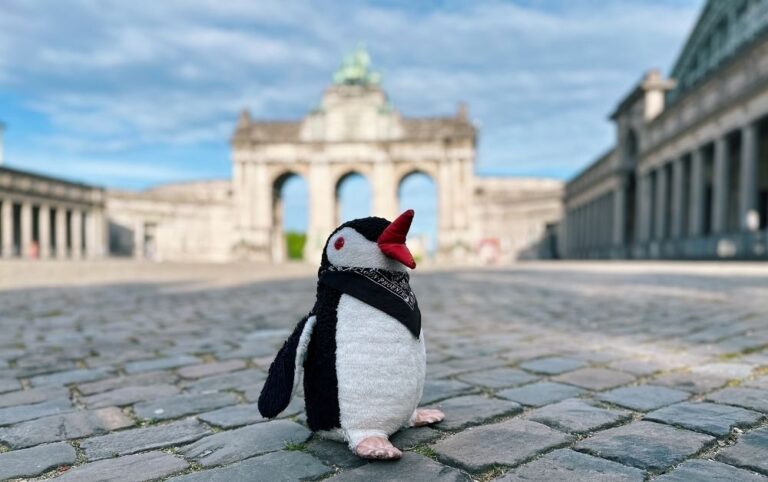
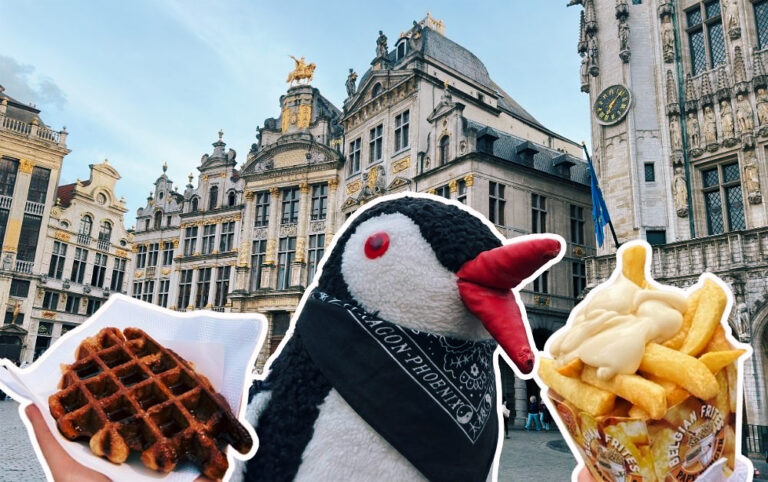
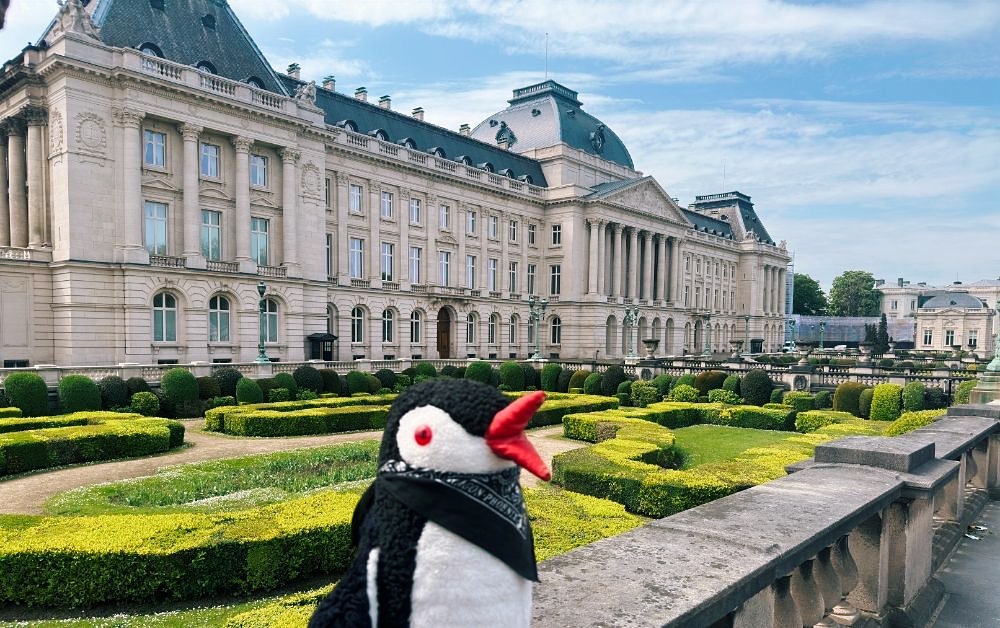
The Belgium travel guide you’ve been waiting for is finally here. We break down how much our trip to Brussels really cost, what to see, where to eat and drink, and how to plan your own Brussels itinerary. During our trip, we spent two full days and one extra half day waddling between some of the city’s best-known sights, including the Atomium, Grand Place, European Quarter and several museums, while making plenty of time for Belgian beer, chocolate, fries and waffles along the way. Whether you are planning a weekend in Brussels, wondering if the Brussels Card is worth it, or simply trying to work out how much to budget, this guide has you covered. Keep reading for our Brussels itinerary, travel costs, practical tips, things to do, places to eat, and our personal experience of visiting Belgium for the first time. We’re also answering some of the questions you asked us on Instagram, so you’ll know what to expect before your own Belgian adventure begins.
- Do I need a visa to visit Belgium?
- Is Belgium safe for tourists?
- Do people speak English in Brussels?
- What is the best time of year to visit Brussels?
- How did we travel to Belgium?
- How many days do you need in Brussels?
- Is the Brussels Card worth it?
- Is Brussels walkable?
- Is Brussels a good destination for a weekend trip?
- What did our two days in Brussels look like?
- Where did we stay in Brussels?
- Breakdown of How Much Our Trip to Belgium Cost
- Is Belgium expensive?
Belgium is a small country in Western Europe, bordered by France, Germany, Luxembourg and the Netherlands, with a short coastline along the North Sea. Despite its size, it packs in three official languages, distinct regions, historic cities and plenty of food traditions. Its capital, Brussels, is also home to many of the European Union’s main institutions, making Belgium feel like a small country with a surprisingly big role in Europe.
Planning a Trip to Belgium: Your Questions Answered
Do I need a visa to visit Belgium?
Belgium is part of the European Union and the Schengen Area. If you are an EU citizen, you do not need a visa to visit Belgium. For travelers from outside the EU, whether you need a visa depends on your nationality and length of stay. Short tourist visits fall under Schengen rules, which generally allow eligible travelers to stay up to 90 days in any 180-day period. Because entry requirements can change and vary by nationality, we recommend checking official Belgian Foreign Affairs information before traveling.
Is Belgium safe for tourists?
Belgium is straightforward to visit as a tourist, but use the same precautions you would in other major European cities. In Brussels, keep an eye on your phone, wallet, and bag in busy tourist areas, stations, and on public transport. It is also worth checking current local advice before your trip, particularly if demonstrations or major events are taking place.
Do people speak English in Brussels?
Brussels officially uses French and Dutch, but it is a very international city. Visit Brussels notes that more than 100 languages are spoken in the capital, and as visitors we found it easy to get around using English. At hotels, museums, attractions, restaurants and other tourist-focused places, English is commonly understood.
What is the best time of year to visit Brussels?
There is no single perfect month for Brussels. Spring and early autumn are good choices if you want comfortable sightseeing weather without planning your trip around the busiest summer period. Summer brings longer days, terraces, and plenty of events, while winter suits Christmas markets, museums, beer bars, and indoor attractions. We visited at the end of April, and the weather changed quite a bit, so packing layers and something waterproof is a good idea.
How did we travel to Belgium?
We flew into Brussels South Charleroi Airport and continued on to Brussels. Brussels is also particularly easy to combine with a wider European trip because of its train connections. Paris, Amsterdam, Cologne and London are all connected with Brussels by international rail services, making the city an easy stop on a multi-country itinerary.
How many days do you need in Brussels?
For a short city break, we would prioritize staying centrally rather than choosing a hotel simply because it is cheaper. Being within walking distance of Grand Place and the historic center makes sightseeing much easier, while staying near a metro station gives you quick access to places farther out, including the Atomium and European Quarter. We stayed at Atlas Hotel Brussels, which worked well as a base for our itinerary.
Some of the best areas to consider are:
- Grand Place & Historic Center: Best for first-time visitors and short stays. You will be right in the middle of the main sights, restaurants, chocolate shops and historic streets, although accommodation can be more expensive and the area busier.
- Sainte-Catherine & Dansaert: Best for food, bars and a lively atmosphere while still being close to the historic center. This is also the part of Brussels where we stayed, and we liked being able to walk into the center while having plenty around us.
- Sablon: Best if you want somewhere central but a little more polished and quieter than the streets immediately around Grand Place. The area is known for chocolate shops, antiques, galleries and easy access to the Royal Quarter.
- Marolles: Best for a more local side of central Brussels. It is known for its flea market, independent shops and less tourist-focused atmosphere, while still being within walking distance or a short public transport ride of the main sights.
- European Quarter: Best for the European Parliament, EU institutions and Parc du Cinquantenaire. It is well connected by public transport and can work particularly well if those sights are high on your itinerary. However, it lacks the same historic atmosphere as central Brussels.
- Ixelles & Louise: Best for a more residential stay, shopping, restaurants and cafés. You will be farther from Grand Place, so we would probably choose this area for a longer Brussels trip rather than a very short first visit.
For our first trip to Brussels, we would still choose the central area again. If you only have two or three days, being able to leave your hotel and start sightseeing right away makes a big difference.
Is the Brussels Card worth it?
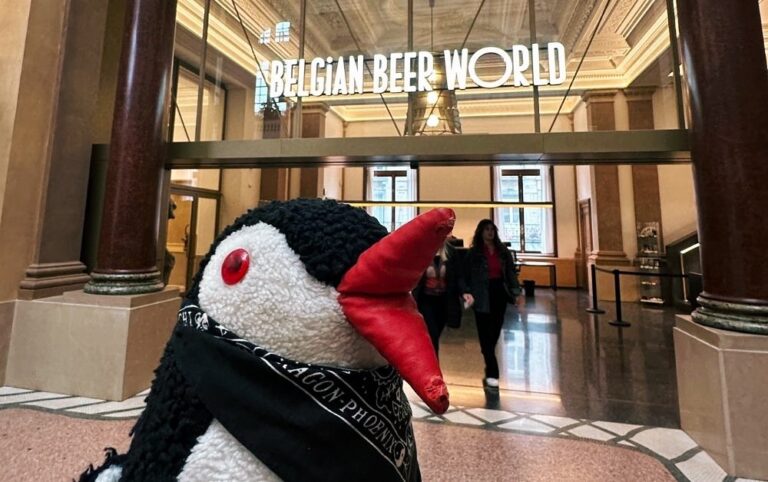
This depends heavily on your itinerary. We bought a 72-hour Brussels Card and used it for several attractions, including the Royal Military Museum, Autoworld, the Atomium, Belgian Chocolate Village and Belgian Beer World. The easiest way to decide is to list the attractions you genuinely want to visit, add up their individual admission prices and compare that total with the card option that matches your plans.
Is Brussels walkable?
Yes, but bring comfortable shoes. Many central sights are close together, so walking is often faster and more enjoyable than constantly switching between buses and metro lines. Some attractions, particularly the Atomium, sit farther from the historic center and make much more sense to reach by public transport.
Is Brussels a good destination for a weekend trip?
We think Brussels works particularly well as a two- or three-day city break. You can see the main landmarks, visit a few museums, try Belgian food and beer and still have time to simply walk around the centre. Its international rail connections also make it easy to combine Brussels with another European city, which is exactly how we approached our trip.
What did our two days in Brussels look like?
We had approximately two days to explore Brussels, so we packed quite a lot into our time in the city. We mixed the main sights with museums, food stops, Belgian beer, and plenty of walking, using public transport for places farther from the center. If you want to follow our route, we created a separate post, 2 Days in Brussels: The Perfect Itinerary for First-Time Visitors, where we break down exactly what we did, how we organized each day, and what we recommend for a first visit.

Where did we stay in Brussels?
We stayed at Atlas Hotel Brussels during our short Brussels getaway. Our stay ran from 29 April to 1 May 2024, and the total came to €341.48 for two nights. The hotel worked well as our base, especially because of its central location. We could walk to many of the places on our itinerary and use public transport whenever we wanted to head farther out, which made it easy to fit a lot into our limited time in Brussels.
Accommodation Details
- Name: Atlas Hotel Brussels
- Type: Hotel
- Date: 29 April–1 May 2024
- Total Price: €341.48
- Per Night: €170.74
- Per Person (2 travelers): €170.74
- Per Person, Per Night: €85.37
Breakdown of How Much Our Trip to Belgium Cost
One question we always find useful when planning a city break is: “How much does a trip actually cost?” Since we love tracking our travel budgets, we kept notes of everything we spent during our Brussels getaway, from flights and accommodation to transportation, restaurants, snacks, drinks and souvenirs. In this section, we share the complete breakdown of our trip to Brussels from 29 April to 1 May 2024, so you can get a better idea of how much a short trip to Belgium might cost and plan your budget accordingly.
| What | Cost |
| Flight Ticket | €91.98 |
| Accommodation | €341.48 |
| Transportation | €252.90 |
| Saved | €0.00 |
| Attraction | €0.00 |
| Restaurant | €84.60 |
| Grocery & Snacks | €55.20 |
| Drinks | €40.80 |
| Souvenir | €45.94 |
| Others | €4.00 |
| TOTAL COST | €916.90 |
| PER PERSON | €458.45 |
We spent €91.98 on flights, which came to €45.99 per Person. Our accommodation at Atlas Hotel Brussels cost €341.48 for two nights, or €170.74 per Person, making the hotel one of the biggest parts of our Brussels budget. Transportation was our largest expense at €252.90 in total, covering transport costs for this part of our trip as well as getting around.
For food and drinks, we spent €84.60 in restaurants, €55.20 on groceries and snacks, and €40.80 on drinks. That brought our total food and drink spending to €180.60, or €90.30 per Person. We also spent €45.94 on souvenirs and another €4.00 on miscellaneous expenses. Our attraction category came to €0.00 in this budget breakdown.
In total, our short Belgium getaway cost €916.90 for two people, or €458.45 per Person. Accommodation and transportation made up most of the budget, while our flights were surprisingly cheap. Brussels wasn’t the cheapest city break we have taken, but tracking the individual categories shows where the money actually went and gives you a much more realistic starting point for planning your own Brussels travel budget.
Is Belgium expensive?
Belgium is relatively expensive, especially if you are visiting Brussels for a short city break. Accommodation can quickly take up a large part of your budget, and eating out, drinks, attraction tickets, and those very tempting Belgian chocolate, waffle, and fries stops all add up. That said, Brussels is very walkable, so you can save on local transport by exploring much of the center on foot. Our flights were also very cheap at just €91.98 for two people, which helped balance out some of the higher costs once we arrived. Altogether, we spent €916.90 for two people, or €458.45 per Person, on our short trip to Belgium, including flights, accommodation, transportation, food, drinks, souvenirs, and other expenses. So no, we would not call Brussels a cheap destination. However, for a couple of days it is still possible to keep the overall cost reasonable, especially if you book flights and accommodation early and choose carefully where you spend your money.
Buy Us a Ko-fi

Our first trip to Belgium gave us a little bit of everything: famous landmarks, museums, plenty of Belgian beer, chocolate, fries and waffles, and a lot of walking around Brussels. Brussels itself didn’t completely win us over, and it is not a city we immediately felt the need to return to, but that doesn’t mean we didn’t enjoy the trip. We loved some of the experiences, especially visiting the Atomium, exploring the museums, and working our way through the Belgian food and beer scene. With roughly two days in the city, we also felt like we managed to see a lot without needing a much longer stay.
Would we come back to Belgium? Definitely, there is much more to the country than Brussels, and places like Bruges, Ghent and Antwerp are still waiting for us. As for Brussels, we would happily waddle back one day, but probably as part of a bigger Belgium trip rather than for another dedicated city break. If you are visiting for the first time, give Brussels a couple of days, come hungry, pack comfortable shoes and make up your own mind about this slightly complicated European capital.
Travel Bold. Eat Well. Waddle Wild.

This post contains affiliate links. If you click and buy, I might earn a tiny commission, enough to help a penguin keep up its globe-trotting lifestyle. No extra cost to you, just more fish for me. Thank you for supporting the adventure!