Belgium Travel Essentials You Must Know
Belgium was a spontaneous trip for us, but it turned out to be full of surprises. We discovered some interesting things even before arriving, and once we were there, we learned even more fascinating facts about the country. In this blog post, we’re sharing some of the most interesting facts and useful tips we think are worth knowing before visiting Belgium.


Basic Facts About Belgium
- Name: The Kingdom of Belgium (Koninkrijk België / Royaume de Belgique / Königreich Belgien)
- Capital: Brussels
- Land area: 30,689 km²
- Population: 11.65 million (2023)
- Official languages: Dutch, French, German
- Official currency: Euro (€)
- Regions of Belgium: Belgium is divided into three regions: Flanders, Wallonia, and the Brussels-Capital Region, each with distinct languages and cultures.
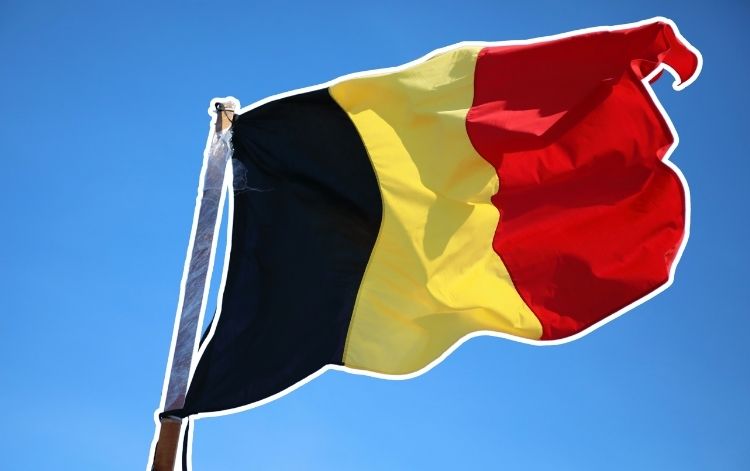
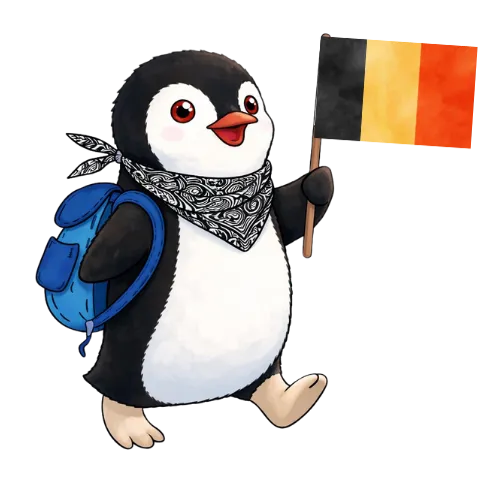
- Flag of Belgium: The Belgian flag features three vertical stripes of black, yellow, and red. Adopted in 1831, the colors were inspired by the coat of arms of the Duchy of Brabant.
A Brief Overview of Belgium’s Rich History
- 1830 – Belgian Revolution. Belgium gained independence from the Netherlands and became a constitutional monarchy.
- 1831 – Leopold I Becomes King. The first King of Belgium established stability in the newly formed nation.
- Late 19th Century – Industrial Growth. Belgium became one of the first industrialized countries in Europe, especially in coal and steel production.
- 1885–1908 – Congo Free State. King Leopold II ruled the Congo as his personal colony, a period marked by exploitation and international controversy.
- 1914–1918 – World War I. Belgium was invaded by Germany; battles like Ypres became symbols of wartime devastation.
- 1940–1945 – World War II. Belgium was occupied by Nazi Germany before being liberated by Allied forces.
- 1958 – European Integration. Brussels emerged as a key center for European cooperation, hosting major institutions.
- 1960 – Congo Independence. Belgium granted independence to the Congo, ending its colonial rule.
- 1993 – Federal State Formation. Belgium officially became a federal state, giving more power to regions and communities.
- Present Day – European Hub. Belgium remains a central player in European politics, with Brussels often considered the capital of the European Union.
11 Interesting Facts Belgium
Belgium is full of surprises, from quirky cultural traditions to world-famous inventions. Here are some of the most fascinating facts we discovered about Belgium that we think every traveler should know before visiting.
#1: The True Origin of French Fries
We’re starting with this fact because, honestly, French fries are our favorite food, so discovering their true origin felt like the perfect introduction to Belgium. Despite the name, French fries are believed to have originated in Belgium, not France. This beloved dish dates back to the late 1600s, when villagers in the Meuse Valley would fry small fish as a staple food. During harsh winters, when rivers froze, and fish became scarce, they began cutting potatoes into thin strips and frying them, creating what we now know as fries. Over time, this simple substitute became a national favorite and a symbol of Belgian cuisine. And of course, in true Belgian style, they are traditionally served with mayonnaise rather than ketchup, something you’ll quickly notice (and maybe even fall in love with) when visiting the country.


#2: The Beer Capital of the World
Apart from French Fries, Belgium is famous for its incredible beer culture, producing over 1,600 distinct types of beer. Brewing here isn’t just about the drink; it’s a deeply rooted tradition that dates back centuries. Some of the most unique and respected beers are still brewed by Trappist monks inside monasteries, following strict methods that have been passed down through generations. These beers are known for their rich flavors, complexity, and authenticity.
Whether you prefer light and refreshing ales or strong, dark brews, Belgium offers something for every taste. Visiting the country means stepping into a world where beer is not just a beverage, but a true part of the culture and history.
#3: A Nation of Chocolate Lovers
Belgium is one of the world’s top chocolate consumers, and its reputation is built on both quality and tradition. The country has a long history of chocolate-making, dating back to the 19th century, when it became known for refining techniques and creating pralines, which were first invented in Brussels. Famous brands like Godiva and Neuhaus helped put Belgian chocolate on the global map, but you’ll also find countless small artisan chocolatiers producing handmade treats using high-quality cocoa. Chocolate is woven into daily life in Belgium, from beautifully packaged gifts to quick, sweet stops during a city stroll. Whether you’re exploring local shops or visiting historic chocolateries, it quickly becomes clear why Belgium is considered one of the world’s chocolate capitals.
#4: Belgian Waffles Are a National Icon
Belgian waffles are one of the country’s most famous treats, known for their light texture and deep pockets that hold a wide range of delicious toppings. They date back to the Middle Ages, but became internationally popular after being introduced at the 1964 New York World’s Fair, where they were marketed as “Belgian waffles.”
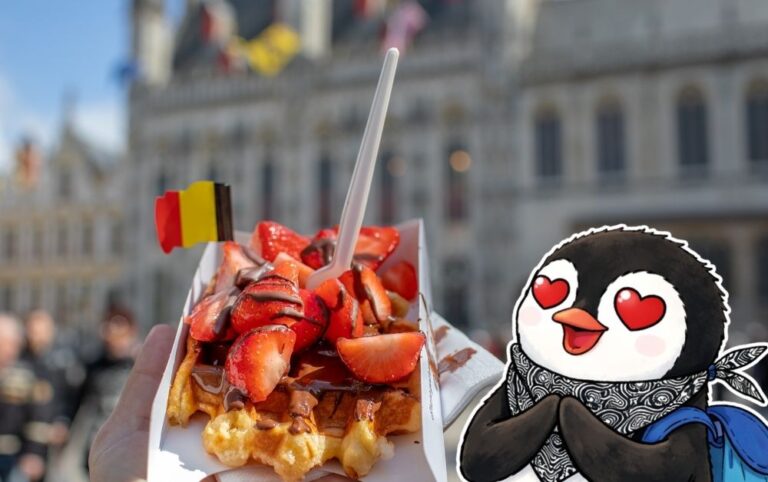
There are actually two main types you’ll find in Belgium. Brussels waffles are light, crispy, and usually served with powdered sugar, fruit, or whipped cream, while Liège waffles are denser, sweeter, and caramelized thanks to pearl sugar baked into the dough. Whether enjoyed plain from a street stall or topped with chocolate and strawberries, trying a waffle in Belgium is an absolute must.
#5: Belgium Gave the World The Smurfs
Belgium is the birthplace of the beloved blue characters, The Smurfs, created by Peyo. First appearing in comic form in 1958, these small, cheerful characters quickly became a global phenomenon, starring in cartoons, movies, and merchandise.
But the Smurfs are just the beginning. Belgium has a rich comic culture and is also home to famous creations like The Adventures of Tintin by Hergé and Lucky Luke by Morris. This strong tradition of comics and animation has earned Belgium a reputation as one of the comic capitals of the world, something you’ll especially notice when exploring cities like Brussels, where comic murals are part of the streetscape.
#6: Antwerp: The World’s Diamond Hub
Antwerp is known as the world’s leading diamond district, with around 84% of the world’s rough diamonds passing through the city. This reputation dates back centuries, when Antwerp became a global center for diamond cutting, trading, and craftsmanship. The city’s Diamond Quarter remains one of the most important places in the global diamond industry, filled with traders, workshops, and exchanges. Even if you’re not shopping for diamonds, it’s fascinating to know that such a huge part of the world’s sparkle passes through this one Belgian city.
#7: Belgian Men Are Among the Tallest in the World
Belgium is known for its tall population, with Belgian men ranking among the tallest globally. The average height reflects a combination of genetics, nutrition, and lifestyle. While walking through Belgian cities, it’s easy to notice just how tall locals tend to be.
#8: Belgium’s Royal Family: A Symbol Since 1831
Belgium has been a constitutional monarchy since its independence in 1830, with the royal family established in 1831. King Leopold I. became the first monarch, and today the throne is held by King Philippe. The royal family’s role is largely ceremonial, focusing on national unity, diplomacy, and cultural representation. Belgium’s monarchy is known for its continuity and public engagement. The royal palaces in Brussels and Laeken are open for tours during certain times of the year, and members of the family often participate in national celebrations, charity events, and international visits. While they do not govern politically, the royal family remains an important symbol of Belgian history and identity.
#9: Belgium Gave the World the Saxophone
The saxophone, one of the most iconic musical instruments, was invented by Belgian musician and instrument maker Adolphe Sax in the 1840s. Sax developed the instrument in Dinant, his birthplace, aiming to create a versatile instrument that bridged the tonal qualities of brass and woodwinds. Today, the saxophone is celebrated worldwide in jazz, classical, and contemporary music, but its roots are proudly Belgian. Dinant honors Sax’s legacy with a museum, a statue by the river, and an annual saxophone festival, making it a must-visit for music enthusiasts.
#10: A Nation That Lives to Cycle
Cycling isn’t just a hobby in Belgium, it’s a way of life. With flat landscapes in Flanders, rolling hills in Wallonia, and dedicated bike lanes in almost every city, Belgians of all ages take to two wheels daily. From commuting to work and school to leisurely weekend rides, bicycles are everywhere. Belgium is also famous for its love of racing, hosting world-renowned events like the Tour of Flanders and producing legendary cyclists such as Eddy Merckx. Cities like Ghent and Bruges have extensive networks of bike paths, bike rental stations, and even cycling cafes. The country has embraced both traditional bikes and modern e-bikes, making it accessible for all.
#11: New York Was Founded by a Belgian
Few people realize that Belgium played a role in the founding of one of the world’s most famous cities. In 1626, Peter Minuit, a Walloon from what is now Belgium, purchased the island of Manhattan from the local Lenape people. Acting on behalf of the Dutch West India Company, Minuit famously traded goods worth 60 guilders—often said to be the equivalent of about $1,000 today—for the land that would become New York City.
Minuit’s influence didn’t stop there; he later became director of the colony of New Sweden (in present-day Delaware and Pennsylvania), helping shape early European settlement in North America. This Belgian connection is a fascinating historical footnote that shows how the small European country had an outsized impact on global history. For travelers, it’s a fun reminder that Belgium’s influence extends far beyond its borders.
Other Facts Worth Knowing:
- Smallest City. Belgium is home to Durbuy, often cited as the “smallest city in the world”.
- “Battlefield of Europe”. Due to its strategic location, it was the site of many historic conflicts, including the Battle of Waterloo.
- Highest Point. The highest point, Signal de Botrange, is only 694 meters, lower than some skyscrapers.
- Bordering Countries. Belgium shares borders with France, Germany, Luxembourg, and the Netherlands.
- Languages. The country has three official languages: Dutch (Flemish), French, and German.
- Longest Tram Line. The Belgian Coast Tram runs for 68 km, making it the longest in the world.
- Beer Pipeline. Bruges has a world-first beer pipeline that transports beer from a brewery to a bottling plant.
- Political Deadlock. Belgium once went 541 days without a formal government, a world record.
- Comics as National Culture: Belgium treats comic art as a serious cultural export, and Brussels even features city-wide comic murals for walking tours.
- Brussels is a global hub for European institutions and international diplomacy.
- Services Sector. The largest part of the economy, especially finance, insurance, and business services, is centered in Brussels.
- Industry and Manufacturing. Key industries include chemicals, machinery, automotive parts, steel, and food processing. Belgium produces high-quality goods for export.
- Trade and Logistics. Thanks to its central location in Europe and its ports, such as the Port of Antwerp, Belgium is a hub for shipping, distribution, and international trade.
- Pharmaceuticals and Biotechnology. Home to major companies, contributing significantly to exports and innovation.
Practical Travel Things to Know About Belgium
- The Currency Is the Euro. Belgium uses the euro (€). Credit and debit cards are widely accepted, but having a few euros in cash is handy for small purchases, street markets, or local cafés.
- Languages Vary by Region. Dutch dominates in Flanders, French in Wallonia, and German in a small eastern region. English is understood in tourist areas, but learning simple greetings like “Bonjour,” “Goedemorgen,” or “Danke” is appreciated.
- Tipping Is Appreciated, Not Mandatory. Service is usually included in bills, but rounding up or leaving 5–10% in restaurants is common. Taxi drivers also appreciate small tips.
- Public Transport Is Efficient. Trains, trams, buses, and metro systems are reliable. Cities like Brussels, Antwerp, and Ghent are easy to navigate using apps like SNCB/NMBS or Google Maps.
- Belgian Food Is a Delight. From waffles and chocolates to moules-frites (mussels with fries) and hearty stews, Belgian cuisine is flavorful and diverse. Don’t miss Belgian beer; the country boasts hundreds of varieties, each with unique flavors.
- Sunday Shopping Is Limited. Most stores close or have restricted hours on Sundays, though tourist areas, restaurants, and cafes usually remain open.
- Belgians Are Polite and Helpful. Belgians can seem reserved at first, but they are friendly and helpful once approached. Hospitality is genuine, especially in small towns.
- Tap Water Is Safe. Belgian tap water is clean and safe to drink across the country.
Flight search from Kiwi.comShows Kiwi.com’s own box, which can set Kiwi.com cookies.
Best Time to Visit Belgium
Belgium can be visited year-round, but the experience changes with each season. Knowing what to expect can help you plan your trip perfectly.
- Spring (March to May). Spring is a delightful time to visit, with mild temperatures and blooming flowers in parks and gardens. Cities like Brussels and Ghent come alive with outdoor cafés and festivals, making it ideal for sightseeing and strolling through historic streets.
- Summer (June to August). Summer brings warm weather and lively events. This is peak tourist season, perfect for exploring Belgium’s coast, enjoying street festivals, and taking part in outdoor activities. Be prepared for crowds in popular spots like Bruges and Brussels.
- Autumn (September to November). Autumn offers cooler weather, fewer tourists, and stunning fall foliage, especially in the Ardennes. It’s a great time for hiking, cycling, and enjoying seasonal Belgian cuisine, like hearty stews and fresh beer releases.
- Winter (December to February). Winter is cozy and festive, especially around Christmas markets in Brussels, Antwerp, and Bruges. While temperatures can be chilly, the holiday lights, waffles, and hot chocolate make Belgium magical during this season.
We visited Belgium in April, and it was the perfect time for us. The weather was pleasantly mild, not too hot and not too cold, making it ideal for walking around cities and exploring historic streets. April also meant fewer tourists compared to the peak summer months, so popular spots like Brussels, Bruges, and Ghent felt relaxed and easy to enjoy. Based on our experience, we’d highly recommend April as a great time to visit Belgium for a comfortable, crowd-free trip.

Belgium may be small, but it’s packed with culture, history, and delicious treats at every corner. From indulging in waffles and chocolate to exploring historic cities, cycling through charming streets, and discovering fascinating facts like the origin of the saxophone or the Smurfs, there’s something for every traveler here. Knowing a few key tips and interesting insights beforehand makes your visit smoother and more enjoyable. Pack your bags, keep an open mind, and get ready to experience Belgium’s unique charm; it’s a destination that leaves lasting memories and surprises at every turn.
Pack your bag and waddle around Belgium!

This post contains affiliate links. If you click and buy, I might earn a tiny commission, enough to help a penguin keep up its globe-trotting lifestyle. No extra cost to you, just more fish for me. Thank you for supporting the adventure!