Forget the Magnets: Why Collecting Stamps Is One of the Best Free Souvenirs in Japan
Somewhere between catching a train, visiting a centuries-old shrine, and wandering through a local museum, you’ll start noticing them: little stamp stations tucked into corners, waiting for someone to leave their mark. Collecting stamps in Japan is one of those small travel rituals that quickly becomes part of the journey. Many are completely free, featuring everything from famous landmarks to local mascots, while others, particularly those found at temples and shrines, follow a centuries-old tradition and require a dedicated notebook. Whether you’re filling the pages of your travel journal or collecting something a little more meaningful, here’s how to get started and where to find Japan’s most interesting stamps.
- A Different Kind of Japanese Souvenir
- Quick Facts
- How Stamp Collecting Became a Japanese Travel Tradition
- Understanding Japanese Stamps: Not All Stamps Are the Same
- Eki Stamps: Collecting Memories at Japanese Railway Stations
- Tourist Attraction Stamps: Free Souvenirs Beyond the Train Station
- Goshuin: The Traditional Japanese Temple and Shrine Seals
- Stamp Rallies: Turn Your Japan Trip into a Treasure Hunt
- Seasonal and Limited-Edition Stamps: The Ones Worth Looking Out For
- What Notebook Should You Bring to Japan
- Practical Tips for Collecting Stamps in Japan
- Japan Stamp Hunting Map: Places to Find Your Next Stamp.
- One More Interesting Discovery: 66 Digital Stamp Locations
A Different Kind of Japanese Souvenir
Forget fridge magnets and keychains if you are in Japan (although they are still cute). One of the little pleasures of traveling around Japan is stumbling upon a stamp station when you least expect it. You’ll find them in railway stations, museums, castles, and even small tourist information centers, each offering a tiny illustration of the place you’re visiting. Collecting these stamps is a lovely way to document a journey, turning an ordinary notebook into a personal record of the places you’ve explored. And the best part? Many of them are completely free. Japan also has a more traditional side to its stamp culture, with beautifully calligraphed seals known as goshuin, collected at Buddhist temples and Shinto shrines using a dedicated notebook. The two are quite different, and knowing what to look for makes the experience all the more rewarding.
Quick Facts
- What: Collectible stamps featuring Japanese landmarks, local attractions, railway stations, and traditional temple seals.
- Where: Train stations, museums, castles, tourist information centers, temples and shrines.
- Types of stamps: Eki stamps (railway stations), tourist and commemorative stamps, stamp rally stamps, seasonal stamps, and traditional goshuin (temple and shrine seals).
- Types: Free commemorative stamps, railway eki stamps, stamp rallies and traditional goshuin.
- Cost: Many travel stamps are completely free, while goshuin usually require a small fee.
- What you need: An ordinary notebook for free travel stamps or a dedicated goshuincho for temple and shrine seals.
- Why collect them: A fun, inexpensive way to document your travels and bring home something more personal than a typical souvenir.
How Stamp Collecting Became a Japanese Travel Tradition
The story of collecting stamps in Japan is almost as interesting as the stamps themselves. What began as a religious tradition and a railway novelty has gradually become one of the country’s most charming travel rituals.
The older of the two traditions is goshuin, the beautiful red seals accompanied by handwritten calligraphy that you’ll find at Buddhist temples and Shinto shrines. Their origins date back to medieval Japan, when Buddhist pilgrims received stamped acknowledgments after presenting hand-copied sutras to temples. By the Edo period (1603–1868), pilgrimage had become increasingly popular, with travelers carrying special books to collect these records as they visited sacred sites. Over time, the practice evolved, and the seals became the goshuin we recognize today.
The railway tradition is considerably younger. Japan’s first railway station stamp, known as an eki stamp, appeared at Fukui Station in 1931. The idea was simple: give passengers a small memento of the places they passed through. The concept really took off in the 1970s, when Japan National Railways launched its Discover Japan campaign, encouraging people to explore the country by train and collect stamps along the way. Suddenly, a train journey became an opportunity to build a little collection of regional memories.

Understanding Japanese Stamps: Not All Stamps Are the Same
Before you start collecting, it’s worth knowing that Japan has several different types of stamps, and they don’t all follow the same rules. Some are free little souvenirs you’ll find at railway stations and tourist attractions, while others are part of organized stamp-collecting campaigns. Then there’s goshuin, the traditional temple and shrine seals, which have a much deeper cultural and religious significance.
Here’s how to tell them apart:
| Stamp type | What it represents | Cost | Notebook needed |
|---|---|---|---|
| Eki stamps | Railway stations and local landmarks | Free | Any notebook |
| Tourist attraction stamps | Museums, castles and popular sights | Usually free | Any notebook |
| Stamp rallies | Themed collecting campaigns | Usually free, sometimes paid | Campaign booklet |
| Goshuin | Religious visits to temples and shrines | Usually paid | Dedicated goshuincho |
| Seasonal and special stamps | Limited-edition and commemorative designs | Varies | Depends on type |
Good to know: Stamp availability, prices, and collection rules vary by location. While most free travel stamps can go straight into your ordinary notebook, goshuin should be collected in a dedicated goshuincho.
Eki Stamps: Collecting Memories at Japanese Railway Stations
If there’s one stamp you’ll quickly get used to while traveling around Japan, it’s the eki stamp. The Japanese word eki (駅) means station, and these little commemorative stamps are found at railway stations across the country. Each one has its own design, usually inspired by the station’s surroundings, giving you a small illustrated reminder of the places you’ve passed through.
The tradition dates back to 1931, when Fukui Station introduced what is recognized as Japan’s first railway station stamp. The idea caught on, and railway companies gradually introduced their own designs. The popularity of collecting them grew considerably during the 1970s, particularly with Japanese National Railways’ Discover Japan campaign, which encouraged people to explore the country by train and collect station stamps along the way.
Designs often feature famous local landmarks, historic buildings, regional specialties, popular characters, or even the trains themselves. Some are beautifully detailed, while others have a more playful illustration style. What’s particularly lovely is that they give each station its own identity, even if you’re only stopping there for a few minutes.
Hotel search from Trip.comShows Trip.com’s own box, which can set Trip.com cookies.Search hotels on Trip.comTrip.com’s box can’t load on this device (an ad blocker often stops it). This opens Trip.com’s own hotel search.Open Trip.com
Where to Find Eki Stamps
Finding them is part of the fun, although they aren’t always immediately visible. Most are placed inside the station, often near the ticket gates, the station office, the tourist information counter, or a designated stamp corner. Look out for a small stand with a stamp, an ink pad, and sometimes a sign reading 駅スタンプ (eki stamp).
Not every railway station has one, and some smaller stations may not offer stamps at all. Larger stations, particularly those serving popular tourist destinations, are often a good place to start. Some railway companies also maintain dedicated stamp locations or publish information about their collections.
A little tip: if you can’t spot one, ask station staff whether they have an eki stamp. Showing them the Japanese characters 駅スタンプ can help.
How to Collect Eki Stamps
The best part? They’re generally free, and you don’t need a special notebook. Bring your own travel journal, a blank notebook or a dedicated stamp book. Most stations provide the stamp and ink pad, so you position your page, press firmly, and lift the stamp straight up to avoid smudging.
If you’re changing trains, allow yourself a few extra minutes to look around. Some stamps are located outside the ticket gates, meaning you may need to leave the paid area to find them. Others are available only during station office opening hours.
Eki Stamps: Quick Facts
- Japanese name: 駅スタンプ (Eki stamp)
- Cost: Free
- Where: Railway stations
- Notebook: Any notebook or stamp book
- Ink: Usually provided
- Availability: Varies by station
- Best for: Railway enthusiasts and travelers
Practical Tips for Collecting Eki Stamps
- Know where to look. Check near ticket gates, station offices, ticket counters, and tourist information desks.
- Check opening hours. Some stamps are accessible only during specific station office hours.
- Bring your own notebook. Choose one with thick, uncoated paper to prevent ink from bleeding through.
- Carry spare paper. A few loose sheets are handy if you don’t want to stamp directly into your travel journal.
- Allow extra time. Some stamp stations are outside the ticket gates, so you may need to leave the paid area to reach them.
Tourist Attraction Stamps: Free Souvenirs Beyond the Train Station
Beyond railway stations, Japan has another surprise for stamp collectors: commemorative stamps at tourist attractions. You’ll find them at castles, museums, observation decks, historical landmarks, and tourist information centers. Much like eki stamps, these are usually free, but instead of celebrating a railway station, they capture the character of a particular attraction or destination.
The designs often feature the building itself, famous local landmarks, historical figures, regional symbols or seasonal illustrations. Visit Himeji Castle, for example, and you might come across a stamp featuring its iconic white architecture. In museums, the designs can reflect a particular exhibition or the history of the collection.
Unlike eki stamps, which are associated with railway stations, tourist attraction stamps are tied to the places you’re actually visiting. Some are available just inside the entrance or near the exit, while others are tucked away in gift shops, visitor centers, or information desks.
One thing worth remembering is that free stamps don’t necessarily mean free entry. If a stamp is located inside a museum or a paid attraction, you’ll generally need an admission ticket to reach it. However, some venues place their stamp stations in publicly accessible areas, allowing you to collect one without entering the attraction itself.

Where to Find Tourist Attraction Stamps
Keep an eye out for stamp stations at:
- Castles and historical sites: Often featuring the castle, its architecture, or an important historical figure.
- Museums and galleries: Designs may reflect permanent collections, exhibitions, or the museum’s identity.
- Observation decks: Stamps featuring city skylines and famous landmarks.
- Tourist information centers: Often showcase local attractions, neighborhoods, or regional mascots.
- Parks and gardens: Designs inspired by seasonal flowers, landscapes, and local wildlife.
How to Collect Tourist Attraction Stamps
Collecting these stamps is easy. Look for a small stamping station near the entrance, exit, or visitor information desk. Most provide an ink pad and a stamp that you can use directly in your own notebook.
A few attractions may have several stamps scattered around the venue, so take a moment to look around rather than collecting the first one you see. Some locations also introduce special designs for temporary exhibitions, festivals, or anniversaries.
Tourist Attraction Stamps: Quick Facts
- Japanese name: 記念スタンプ (Kinen stamp)
- Cost: Usually free
- Where: Museums, castles, observation decks, historical sites, and tourist information centers
- Notebook: Any notebook or stamp book
- Ink: Usually provided
- Availability: Varies by attraction
- Best for: Travelers interested in local landmarks, history, and culture
Practical Tips for Collecting Tourist Attraction Stamps
- Check near entrances and exits: These are common locations for stamp stations.
- Visit the information desk: If you can’t find a stamp, ask the staff.
- Check admission requirements: Some stamps are inside paid attractions, while others are accessible without a ticket.
- Look for multiple designs: Larger attractions sometimes have several stamps.
- Bring your own notebook: Thick, uncoated paper works best and helps prevent ink from bleeding through.
Goshuin: The Traditional Japanese Temple and Shrine Seals
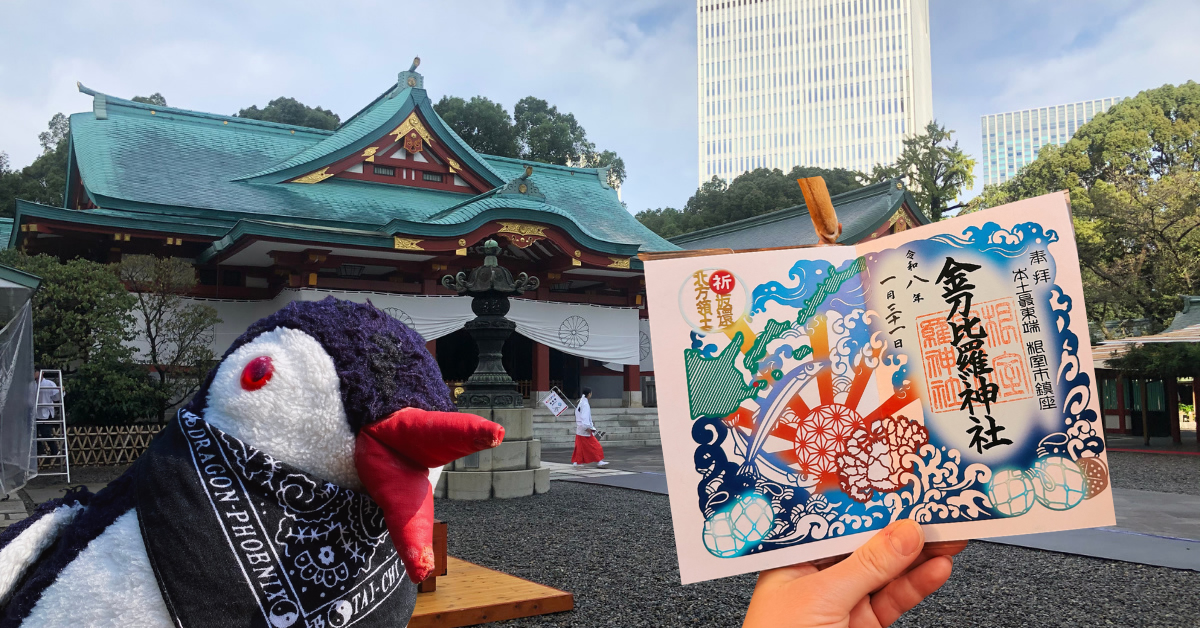
Among all the stamps you can collect in Japan, goshuin are perhaps the most beautiful, but also require a little more understanding. Unlike the free commemorative stamps at railway stations and tourist attractions, goshuin are traditional records of a visit to a Buddhist temple or Shinto shrine. They combine vivid red seals with elegant Japanese calligraphy, usually written by hand, creating a unique keepsake of the place you’ve visited.
The tradition has religious roots. Historically, goshuin were given to Buddhist pilgrims as proof that they had copied and offered sutras at a temple. Today, they are offered to visitors who come to pray and pay their respects. Although collecting them has become popular with travelers, they are not intended to be treated as ordinary souvenirs or simply decorative stamps. Each one represents a visit to a sacred place and carries its own meaning.


What’s the Difference Between Shrine and Temple Goshuin
Although they may look similar at first glance, goshuin from Shinto shrines and Buddhist temples often have different characteristics.
- Shinto shrines (Jinja): Their goshuin commonly feature the shrine’s name, a red seal, and the date of your visit. Some include the name of the enshrined deity.
- Buddhist temples (Otera): These often feature the temple’s name, Buddhist symbols, the name of a Buddhist deity, and traditional calligraphy.
The red seals identify the religious institution or deity, while the handwritten characters provide details about the place and sometimes the Buddhist figure or deity being honored. Designs and writing styles vary considerably, which is part of what makes collecting them so interesting.
What Is a Goshuincho
You can’t simply take your ordinary travel journal to collect goshuin. These traditional seals are recorded in a special notebook called a goshuincho (御朱印帳), designed specifically for this purpose.
Unlike a regular notebook, a goshuincho typically uses thick, folded pages that open out to reveal two sides of paper. The paper is designed to absorb traditional ink without bleeding through. They come in all sorts of designs, from simple traditional patterns to beautifully illustrated covers featuring cherry blossoms, temples and Japanese motifs.
You can buy your first goshuincho at many shrines and temples, usually at the same counter where goshuin are issued. Some specialist stationery and souvenir shops also sell them. Prices vary by design and size, but expect to pay about ¥1,000–¥2,500 for a basic book.
How to Collect Your First Goshuin
Collecting your first goshuin is easy, but it involves a little more etiquette than ordinary travel stamps. Here’s how the process usually works:

Some places have separate counters for prayers and goshuin, so don’t assume they are the same place.
Goshuin: Quick Facts
- Japanese name: 御朱印 (Goshuin)
- Cost: Usually around ¥300–¥1,000
- Where: Shinto shrines and Buddhist temples
- Notebook: Dedicated goshuincho
- Format: Handwritten or pre-prepared
- Availability: Varies by shrine and temple
- Best for: Visitors interested in Japanese culture, religious traditions, and pilgrimage sites
Important Etiquette When Collecting Goshuin
Goshuin are religious records rather than ordinary tourist stamps, so a little respect goes a long way.
- Use a dedicated notebook. Don’t present an ordinary travel journal or loose piece of paper.
- Pay your respects first. Visit the shrine or temple before heading to the goshuin counter.
- Be respectful. Avoid interrupting prayers, ceremonies, or staff while they are working.
- Keep your goshuincho clean. Treat it as a meaningful record of your visits.
- Bring cash. Many counters accept cash only, so keep some smaller notes and coins handy.
- Respect photography rules. Some places don’t allow photographs of the counter, staff, or the goshuin being written.
- Check availability. Not every shrine or temple offers goshuin, and some only provide pre-written versions.
Pro Penguin Tip: If you’re planning to visit several temples and shrines, consider buying your goshuincho early in your trip. It makes a lovely travel keepsake, and watching the pages gradually fill with different calligraphy and red seals becomes part of the experience.
Stamp Rallies: Turn Your Japan Trip into a Treasure Hunt
If collecting individual stamps is fun, stamp rallies take things a step further. Imagine turning your sightseeing into a little treasure hunt, traveling between railway stations, shopping centers and attractions to collect a series of specially designed stamps. Known in Japan as stamp rallies (スタンプラリー), these organized collecting campaigns invite you to visit several designated locations and complete a themed collection.
You’ll find all sorts of themes, from railway and regional campaigns to popular anime characters, Pokémon, and seasonal celebrations. Railway companies organize some, while shopping centers, tourist attractions, or local destinations run others. The designs are often exclusive to the campaign, making them particularly appealing to collectors.
How Do Stamp Rallies Work
The concept is simple: pick up a campaign booklet, visit the participating locations, and collect the corresponding stamps. Each location has its own design, and your goal is to fill all the designated spaces.
Some campaigns involve collecting stamps at several railway stations along a particular route, while others encourage you to explore different neighborhoods or attractions. You might even come across a Pokémon-themed rally where each station features a different character.
Many campaigns are free to join, although some require a special ticket, an admission fee or a purchase to participate. Once you’ve collected all the required stamps, you may be eligible for a small prize, exclusive merchandise or entry into a prize draw. Not every campaign offers a reward, though, so check the conditions before setting off.

What Kind of Stamp Rallies Can You Find
- Railway stamp rallies. Organized by railway companies, these encourage passengers to visit several stations along a particular route.
- Anime and character stamp rallies. Featuring popular Japanese characters and franchises, including Pokémon and other well-known anime series.
- Seasonal stamp rallies. Celebrating cherry blossom season, autumn foliage, summer festivals, and other seasonal events.
- Regional stamp rallies. Encouraging visitors to explore different towns, neighborhoods, and tourist attractions.
- Shopping center stamp rallies. Found in shopping malls and department stores, often featuring themed characters or special events.
Stamp Rallies: Quick Facts
- Japanese name: スタンプラリー (Stamp rally)
- Cost: Often free, although some campaigns require a fee or ticket
- Where: Railway stations, shopping centers, tourist attractions and public spaces
- Notebook: Campaign booklet or dedicated collection sheet often recommended
- Availability: Seasonal, limited-time or ongoing campaigns
- Rewards: Sometimes exclusive merchandise, small gifts or prize draws
- Best for: Families, collectors, anime fans and travelers who enjoy exploring
Seasonal and Limited-Edition Stamps: The Ones Worth Looking Out For
For collectors, some of the most exciting finds in Japan are stamps that aren’t available year-round. Throughout the seasons, railway stations, tourist attractions, museums and religious sites introduce special designs to celebrate everything from cherry blossom season and autumn foliage to New Year celebrations and local festivals. These limited-edition stamps often feature seasonal illustrations, traditional Japanese motifs or landmarks dressed for the occasion, making them particularly lovely additions to your collection.
Railway enthusiasts should also look out for special commemorative releases marking important anniversaries, new train routes or milestones in Japan’s railway history. Some campaigns even introduce exclusive designs at selected stations, encouraging collectors to travel around and find them all. At temples and shrines, you may also come across seasonal goshuin, featuring cherry blossoms, autumn leaves or special artwork prepared for particular festivals and occasions. Unlike ordinary goshuin, these designs may only be available for a limited period.
The trick is knowing where to look. Keep an eye on railway company websites, station announcement boards, tourist information centers, and the official social media accounts of attractions and shrines. Seasonal designs can be available for just a few weeks, while anniversary and festival editions may disappear once the event ends. If you come across one during your travels, it’s worth collecting it there and then rather than assuming you’ll find it on your next visit.
What Notebook Should You Bring to Japan
Before heading out stamp hunting, it’s worth choosing the right notebook. For ordinary eki stamps and tourist attraction stamps, any notebook will do. However, if you’re planning to collect lots of them, a dedicated stamp book is a convenient option. Just remember that traditional goshuin require their own special notebook, called a goshuincho, which you should keep separate from your ordinary travel collection.
What to look for in a notebook:
- Thick, uncoated paper: Helps prevent ink from bleeding through.
- Good-sized pages: Leaves enough room for larger stamps.
- Compact design: Easy to carry in your day bag.
- Sturdy cover: Protects your collection throughout your travels.
Tours and tickets from KlookShows Klook’s own box, which can set Klook cookies.Tours and tickets on KlookKlook’s box can’t load on this device (an ad blocker often stops it). This opens Klook’s own page.Open Klook
Practical Tips for Collecting Stamps in Japan
A little preparation goes a long way when collecting stamps in Japan. Keep these tips in mind to make the most of your collection:
- Bring your own notebook. Don’t rely on finding paper at every stamp station. Carry a dedicated notebook for your free travel stamps.
- Pack spare paper. Useful for testing a stamp or collecting one without marking your journal.
- Check the cost. Most railway and tourist attraction stamps are free, but special collections and goshuin may require payment.
- Know where to look. Check railway station entrances, ticket gates, tourist information centers, museum entrances, and attraction exits.
- Allow time for the ink to dry. Give each stamp a moment before closing your notebook to avoid smudges.
- Leave some space. Avoid stamping over existing designs and leave enough room for larger illustrations.
- Respect the equipment. Never remove or relocate stamp stations, and always follow posted instructions.
- Check opening hours. Some stamps are only accessible during specific hours.
- Keep goshuin separate. Use a dedicated goshuincho for traditional shrine and temple seals.
- Don’t expect stamps everywhere. Not every railway station, museum, or attraction has a stamp, so treat each discovery as a little bonus.
Japan Stamp Hunting Map: Places to Find Your Next Stamp.
One More Interesting Discovery: 66 Digital Stamp Locations
Another stamp-collecting adventure is worth knowing about. JR Central’s 2026 Golden Route Digital Stamp Rally features 66 locations spread across nine Japanese prefectures: Tokyo, Shizuoka, Nagano, Gifu, Aichi, Mie, Kyoto, Osaka, and Nara.
Unlike traditional eki stamps, these are collected digitally using your smartphone’s GPS. Visit the participating locations and collect stamps through your phone. There are also rewards for reaching milestones of 5, 10, and 20 collected stamps.
You can find all the participating locations, details, and instructions on the official Golden Route Digital Stamp Rally website.
I have kept these digital locations separate from the physical railway stamp locations on our map, as they offer a different kind of collecting experience.

Japan’s stamp-collecting culture is one of those little travel discoveries that make exploring the country even more rewarding. From traditional eki stamps hidden inside railway stations to colorful commemorative designs and digital stamp rallies, there is always another stamp waiting to be found. So, next time you’re traveling around Japan, leave a little space in your itinerary for stamp hunting. You never know what you might discover along the way.
Travel Bold. Eat Well. Waddle Wild.

This post contains affiliate links. If you click and buy, I might earn a tiny commission, enough to help a penguin keep up its globe-trotting lifestyle. No extra cost to you, just more fish for me. Thank you for supporting the adventure!