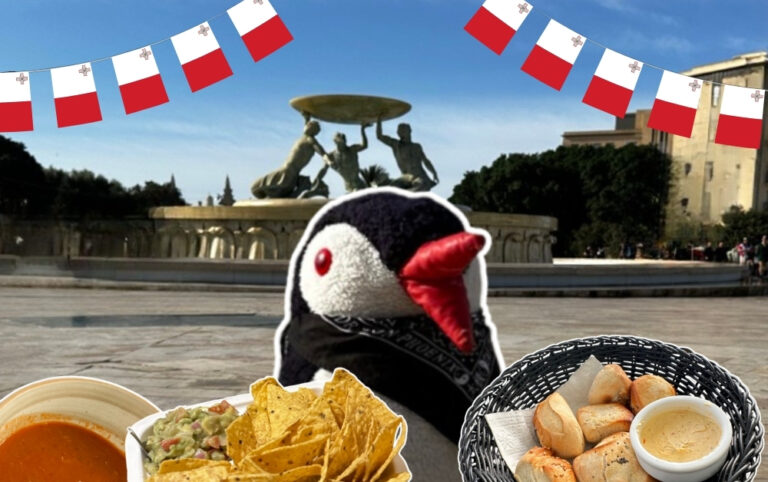
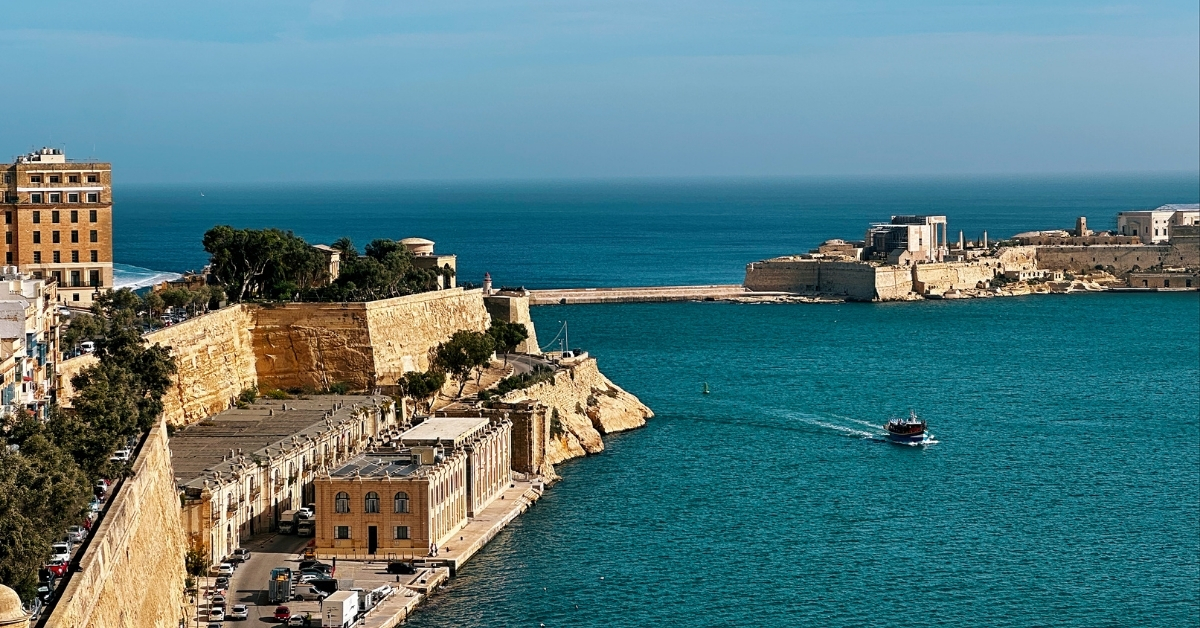
Valletta, Malta: A First-Timer’s Guide to the Golden Capital
We came to Valletta for a quick weekend getaway, expecting golden streets, Mediterranean sunshine, and a few souvenirs to take home. But we left with so much more. From wandering through honey-coloured alleyways to admiring harbor views and discovering Malta’s rich history, this little capital gave us plenty of reasons to wish we had stayed longer. So, if you’re planning your first visit to Valletta, here’s everything you need to know before you go.
Basic Facts About Valletta
- Founded: 1566 by the Knights of St. John.
- Population: Around 6,000 residents.
- Population: Approximately 5,000–6,000
- Area: Approximately 0.8 km².
- Time Zone: CET (UTC+1) / CEST (UTC+2).
- Climate: Mediterranean, with hot summers and mild winters.
- Nearest Airport: Malta International Airport (MLA), about 8 km away.
- Named After: Grand Master Jean Parisot de Valette
Best Time to Visit Valletta
Valletta wears each season differently. The best time to visit depends on whether you prefer long, sunny days by the harbor or leisurely wanders through historic streets without the summer heat.
- Spring (March to May). Spring is a wonderful time to explore Valletta on foot. Temperatures are generally pleasant, flowers brighten the surrounding landscape, and the days grow longer. It’s an ideal season to discover historic landmarks, enjoy outdoor cafés, and admire views across the Grand Harbor.
- Summer (June to August). Summer brings sunshine, long days, and a lively Mediterranean atmosphere. The streets fill with visitors, outdoor dining becomes part of the experience, and the surrounding coastline beckons. However, temperatures can climb considerably, so plan your sightseeing for the morning or late afternoon and save the hottest hours for a leisurely lunch.
- Autumn (September to November). Autumn offers a lovely balance of warm weather and a more relaxed pace, particularly as the peak summer season fades. The sea often stays warm enough for swimming in early autumn, while Valletta’s historic streets invite longer explorations. It’s also a great time to discover Maltese cuisine and enjoy views of the city’s harbor.
- Winter (December to February). Winter brings cooler temperatures, occasional rain, and a quieter atmosphere. Although the weather can be unpredictable, Malta’s relatively mild winters still allow sightseeing throughout the season. Festive decorations, seasonal celebrations, and cozy restaurants offer another perspective on the capital, though it’s worth packing a light jacket and an umbrella.
We visited Valletta in early December for a quick weekend getaway, expecting a little Mediterranean sunshine and a change of scenery. Instead, we found golden limestone streets, colorful balconies, and harbor views that made us wish we had booked a longer stay. The festive season was beginning to bring a special atmosphere to the capital, while the cooler weather made wandering its historic streets all the more enjoyable.

How Many Days Do You Need in Valletta
We recommend spending at least 2 full days in Valletta to explore the city without rushing. One day is enough to see the main highlights, including St John’s Co-Cathedral, Upper Barrakka Gardens, and the charming historic streets. With two days, you’ll have more time to visit museums, enjoy traditional Maltese food, and take in views across the Grand Harbor.
We spent a weekend in Valletta in early December, which gave us enough time to discover some highlights and wander its beautiful streets. However, we quickly realized that a weekend wasn’t quite enough. We still had museums to visit, corners to explore, and experiences we wished we’d had more time for. If you also want to explore the surrounding Three Cities or use Valletta as a base for Malta, we recommend staying 3–4 days or longer.
Where to Stay in Valletta
For a short city break, we recommend staying within Valletta’s historic walls, where boutique hotels occupy restored townhouses and historic palazzos, and most attractions are just a short waddle away.
- Valletta City Center: Ideal for first-time visitors, close to major attractions, restaurants, and historic streets. Hotels: The Saint John, Casa Ellul.
- Floriana: A quieter area just outside Valletta’s city gates, ideal for a more relaxed stay. Hotel: The Phoenicia Malta.
- Sliema: Great for seafront accommodation, shopping, restaurants and ferry connections to Valletta. Hotels: AX The Victoria Hotel.
We stayed at HPM Pjazza Merkanti, right in the heart of Valletta. Its central location made it a convenient base for exploring the capital on foot, with historic streets, restaurants, and major attractions nearby. For a short weekend getaway like ours, staying in the city center meant we spent less time getting around and more time discovering what Valletta had to offer.

A Brief History of Valletta
- 1565: The Knights of St John defend Malta during the Great Siege against the Ottoman Empire.
- 1566: Construction of Valletta begins under Grand Master Jean Parisot de Valette.
- 1571: Valletta becomes the capital of Malta, replacing Mdina.
- 1798: The French, led by Napoleon, take control of Malta.
- 1800: British forces take control of Malta after a blockade.
- 1964: Malta gains independence from British rule.
- 1974: Malta becomes a republic.
- 1980: Valletta is designated a UNESCO World Heritage Site.
- 2018: Valletta becomes the European Capital of Culture.
- World War II (1940–1942): Valletta suffers heavy bombing during the Siege of Malta, damaging many historic buildings.
13 Interesting Facts to Know About Valletta
#1: One of Europe’s Smallest Capitals. Valletta covers less than 1 km², making it easy to explore on foot.
#2: Built by Knights. The Knights of St John founded the city in 1566 after the Great Siege of Malta.
#3: Named After a Grand Master. Valletta is named after Jean Parisot de Valette, who led the Knights during the 1565 siege.
#4: A UNESCO World Heritage Site. UNESCO recognized the entire historic city in 1980.
#5: Over 300 Monuments. More than 300 historic monuments are packed into this tiny capital.
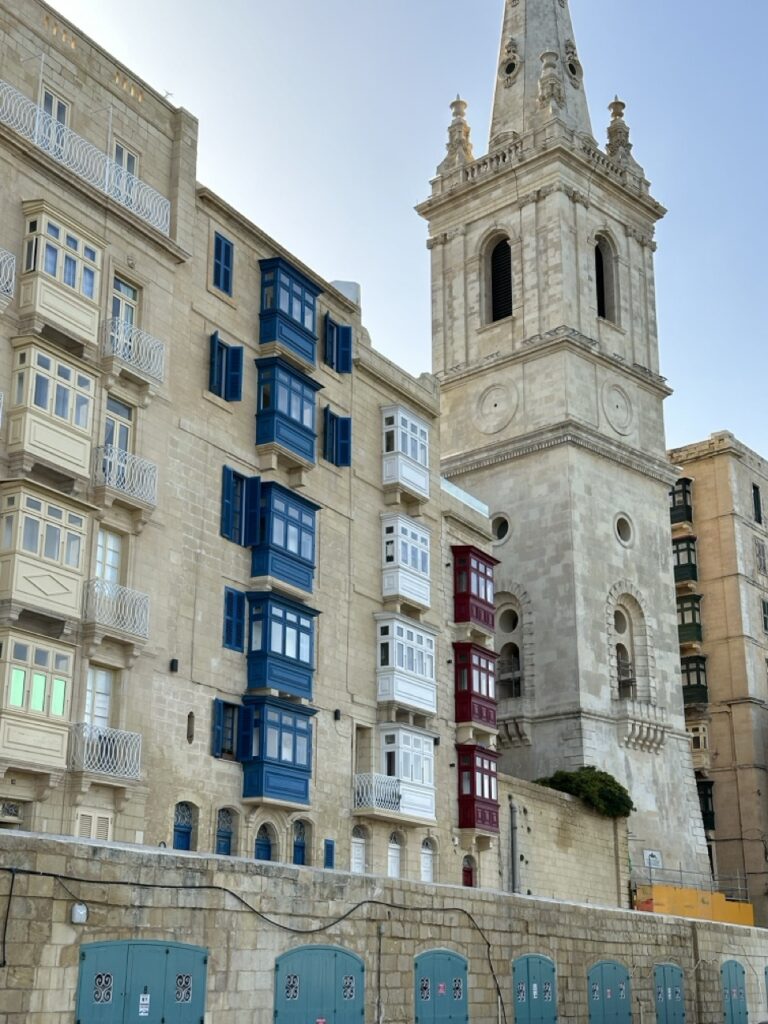
#6: A City of Golden Stone. Many buildings are built from Maltese limestone, giving Valletta its distinctive honey-colored appearance.


#7: Designed in a Grid. Its straight streets were planned during the Renaissance, making the city unusually organized for its time.
#8: A Capital Since 1571. Valletta replaced Mdina as Malta’s capital when the Knights moved their headquarters there.
#9: Home to Caravaggio’s Masterpiece. St John’s Co-Cathedral houses The Beheading of Saint John the Baptist, one of the artist’s most famous paintings.
#10: A City of Colorful Balconies. Traditional enclosed wooden balconies, known as gallarija, add splashes of color to the limestone streets.


#11: A Harbor Between Two Shores. Valletta sits on a peninsula between Marsamxett Harbor and the Grand Harbor.
#12: Damaged During World War II. Heavy bombing damaged parts of the city, including the Royal Opera House, whose ruins remain near the entrance to Valletta.
#13: European Capital of Culture. Valletta held this title in 2018, celebrating its history, art and cultural life.
Practical Tips for Visiting Valletta
- Wear comfortable shoes. Valletta’s steep streets, steps, and uneven paving can make a day of sightseeing surprisingly tiring.
- Bring a UK-style plug adapter. Malta uses British Type G sockets with three rectangular pins. We were surprised by this, so bring an adapter if you’re traveling from continental Europe.
- Know the tap water situation. Tap water in Malta is safe to drink, but it can taste strongly mineral because of how it’s produced and treated. Many locals prefer filtered or bottled water, and restaurants commonly serve bottled water rather than tap water.
- Tipping isn’t compulsory. In restaurants, a 5–10% tip for good service is appreciated, though some bills already include a service charge. Rounding up small bills is also perfectly fine.
- Expect English to be widely spoken. Maltese and English are both official languages, so communicating with locals is generally easy. You’ll notice other reminders of Malta’s British past, including the power sockets and left-side driving.
- Expect a relaxed Mediterranean atmosphere. Malta is used to international visitors, and English-speaking travelers generally find daily interactions easy to navigate. As anywhere, friendliness and service styles vary from person to person.
- Plan your major attractions. Check admission prices, opening hours, and booking requirements before you go, especially for popular museums and historic sites.
- Use ferries. Connections to Sliema and the Three Cities offer scenic alternatives to driving. Check current schedules and fares before setting off.
- Leave time for food. Try Maltese specialties such as pastizzi, ftira, and traditional rabbit stew instead of filling every hour with sightseeing.
- Prepare for the weather. Bring water, sunscreen, and a hat in warmer months. In winter, pack a light waterproof jacket because rain and wind can make harbor-side exploring less pleasant.

- Don’t plan St John’s Co-Cathedral for a Sunday. It’s closed to visitors on Sundays and public holidays, so plan your visit around its opening days.
- Restaurants may close between lunch and dinner. Some traditional restaurants take an afternoon break, so don’t assume you can sit down for a full meal at any time. Check opening hours in advance.
- The streets can be slippery after rain. Valletta’s polished limestone paving and steps can become slippery when wet, so pack shoes with good grip.
- Carry a little cash. Cards are widely accepted, but some small stalls, kiosks and traditional boat services may prefer cash.
- The best views often involve a climb. Valletta sits on a peninsula, with steep streets leading down to the harbors. The Barrakka Lift can help with the climb between the waterfront and Upper Barrakka Gardens.
- Don’t expect sandy beaches in the city center. Valletta is better suited to history, architecture, and harbor views. Swimming spots exist along the rocky coastline, but for sandy beaches you’ll need to venture further around Malta.
- Check public holidays before your trip. Malta has a busy calendar of religious feasts and national holidays, which can affect museum opening hours and transport schedules.
Is Valletta easy to explore on foot
Yes, but prepare for hills, stairs and uneven paving. The central streets are compact, but routes down to the waterfront can be steep. Comfortable shoes are better than anything designed purely for holiday photos. For harbor-side journeys, ferries and the Barrakka Lift can cut down on some of the uphill walking.
Buy Us a Ko-fi

Is Valletta worth adding to your Malta itinerary?
Valletta deserves more than a quick stop between the airport and the beach. Its compact streets make sightseeing manageable, while its history, architecture, and harbor setting give it a character distinct from Malta’s resort towns. One day can introduce you to the highlights, but two days let you slow down, explore beyond the main streets, and enjoy the city without treating every stop as another item to tick off.
For a first visit to Malta, Valletta is an excellent place to begin.
Travel Bold. Eat Well. Waddle Wild.

This post contains affiliate links. If you click and buy, I might earn a tiny commission, enough to help a penguin keep up its globe-trotting lifestyle. No extra cost to you, just more fish for me. Thank you for supporting the adventure!