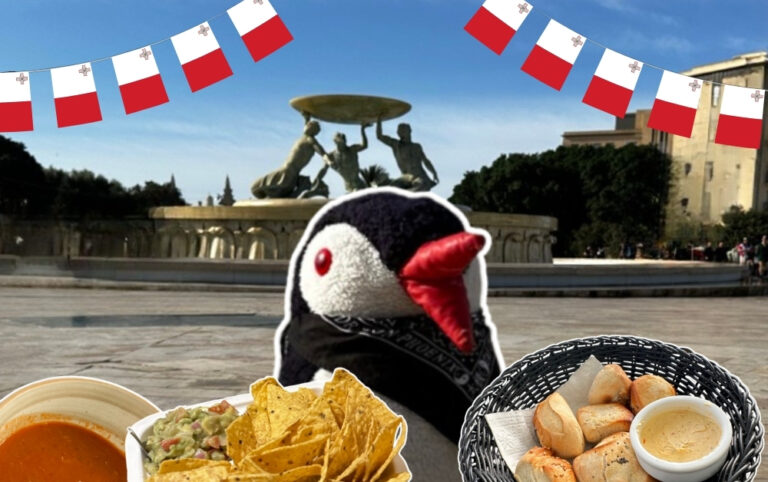

Malta Travel Tips: What to Know Before Visiting Malta
Malta may be small, but this Mediterranean island country offers so much. Think honey-colored limestone buildings, prehistoric temples, winding streets, hidden swimming spots, and some of Europe’s bluest water. With a fascinating mix of Mediterranean and British influences, you get a destination that feels familiar in some ways and completely different in others. Before you pack your bags, keep a few things in mind. Malta has its own language, drives on the left, uses British-style electrical sockets, and offers much more than beach holidays. Its history stretches back thousands of years, and each neighboring island has its own character.
Here’s what you need to know before visiting Malta, from practical travel tips to interesting facts that will help you understand the islands a little better.
Basic Facts About Malta
- Official name: Republic of Malta (Repubblika ta’ Malta)
- Capital: Valletta
- Population: Approximately 542,000, based on 2022 census figures
- Area: Approximately 316 km²
- Official languages: Maltese and English
- Currency: Euro (€)
- Government: Parliamentary republic
- Religion: Roman Catholicism has a significant historical and cultural influence.
- Time zone: Central European Time (CET)
- Driving side: Left
- Electrical sockets: Type G, the three-pin British-style plug
- Voltage: 230 V, 50 Hz
- EU member: Yes
- Schengen Area: Yes
- Main islands: Malta, Gozo, and Comino
- Districts: Malta is divided into 6 districts and 68 local councils
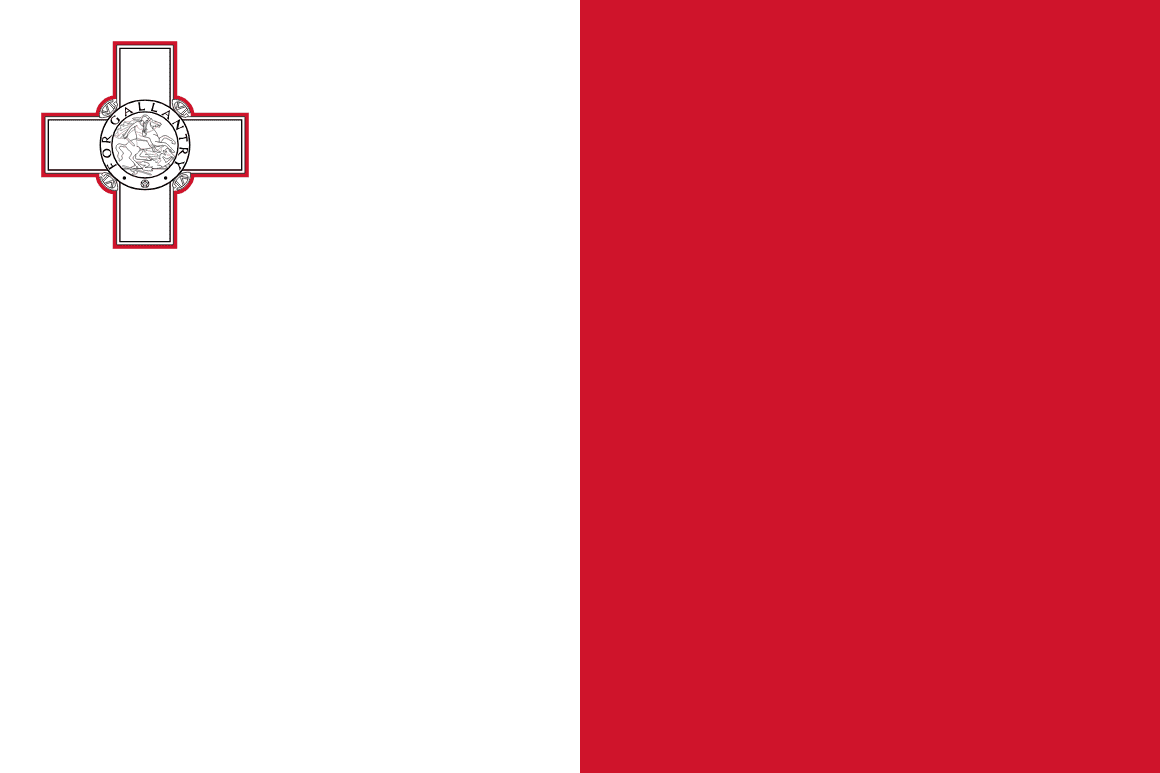
- Flag: The Maltese flag consists of two vertical halves, white on the left and red on the right, with the George Cross in the upper-left corner.
Malta is one of Europe’s smallest countries, but don’t let its size fool you. Its compact landscape contains historic fortified cities, prehistoric archaeological sites, dramatic cliffs, fishing villages, and countless places to swim.
The country consists of three main inhabited islands and several smaller islands and islets. Malta is the largest and busiest, Gozo offers a quieter pace of life, and tiny Comino is famous for its Blue Lagoon.
You can visit several major attractions in a single day, but travel times can be longer than they appear on a map. Traffic, winding roads, and bus connections all play a part. Leave room in your itinerary for unexpected discoveries. Sometimes the best part of a Maltese adventure is the little street or swimming spot you hadn’t planned to find.
Malta’s History in a Nutshell
- c. 5900 BC. The first known farming communities arrive in Malta.
- c. 3600–2500 BC. Prehistoric communities build megalithic temples, some of the world’s oldest free-standing stone structures.
- c. 800 BC. Phoenicians establish settlements and trading links across the Mediterranean.
- 218 BC. Malta becomes part of the Roman Republic during the Second Punic War.
- 60 AD. According to the Bible, the Apostle Paul is shipwrecked on Malta while traveling to Rome.
- 870 AD. Arab forces capture Malta, bringing significant linguistic, agricultural, and cultural influences.
- 1091. Norman forces arrive in Malta, beginning a gradual shift towards Christian European rule.
- 1530. Emperor Charles V grants Malta to the Knights of St John.
- 1565. The Knights and Maltese defenders withstand the Ottoman Empire’s Great Siege of Malta.
- 1566. The Knights establish Valletta, named after Grand Master Jean Parisot de Valette.
- 1798. Napoleon’s French forces occupy Malta, ending the Knights’ rule.
- 1800. British forces take control of Malta following a Maltese uprising against French rule.
- 1814. The Treaty of Paris formally recognizes Malta as a British colony.
- 1942. King George VI awards the George Cross to the entire island of Malta for the population’s bravery during World War II.
- 1964. Malta gains independence from the United Kingdom on 21 September.
- 1974. Malta becomes a republic on 13 December.
- 1979. British military forces leave Malta, ending the country’s status as a British military base.
- 2004. Malta joins the European Union on 1 May.
- 2008. Malta adopts the euro as its official currency on 1 January.
24 Interesting Facts About Malta
#1: Malta Is More Than One Island
When people talk about visiting Malta, they often mean the whole country, not just the main island. Malta is the largest island and home to the capital, Valletta, as well as historic Mdina, the Three Cities, and many of the country’s busiest resort areas. Gozo, the second-largest island, has a more rural character, with traditional villages, countryside, coastal walks, and archaeological sites. Comino is much smaller and is best known for the Blue Lagoon, where clear turquoise water attracts visitors throughout the warmer months.
Penguin Pro Tip: If you have at least five days, consider spending time on Gozo rather than treating Malta as a single-island destination. The landscapes and atmosphere can feel surprisingly different.
#2: Malta Has Thousands of Years of History
Malta’s history stretches far beyond the medieval streets and grand buildings that most visitors recognize. The islands are home to prehistoric megalithic temples built thousands of years ago. Some date to the fourth millennium BC, making them among the world’s earliest surviving free-standing stone buildings. Phoenicians, Romans, Arabs, the Knights of St John, the French, and the British later shaped Malta. Each period left traces in the islands’ architecture, language, traditions, and food. The Knights of St John had a particularly important influence on Valletta, which they founded in the sixteenth century. Its fortified streets and monumental buildings still tell the story of the military and religious order that once ruled the islands.
Penguin Pro Tip: Don’t limit your sightseeing to Valletta. Visit Mdina, explore the Three Cities, or book a tour of one of Malta’s prehistoric temple complexes to understand how much history Malta holds.

#3: Maltese and English Are Both Official Languages
Malta has two official languages: Maltese and English. Maltese is a Semitic language with Arabic roots, written in the Latin alphabet. Over the centuries, it has absorbed influences from Italian, Sicilian, and other languages, reflecting the islands’ position at the crossroads of the Mediterranean. English is widely spoken, which makes Malta particularly convenient for visitors who don’t speak Maltese. You will find English on road signs, menus, public information, and in everyday interactions. Many Maltese people also know Italian, thanks in part to the islands’ proximity to Italy and their shared cultural influences.
A few Maltese words are still worth learning:
- Bonġu: Good morning
- Bongu: A common informal rendering of good morning
- Grazzi: Thank you
- Iva: Yes
- Le: No
- Saħħa: Cheers, or a farewell depending on the context
Even a simple grazzi is a nice way to connect with local culture.
#4: Malta Can Get Very Hot in Summer
Malta enjoys a Mediterranean climate, with hot, dry summers and relatively mild winters. Summer is ideal for swimming, boat trips, and long evenings by the sea. However, strong sunshine, exposed limestone streets, and limited shade can make sightseeing tiring in July and August. Spring and autumn are often more comfortable for exploring historic towns and walking along the coast. Winter can be pleasant for sightseeing, but expect cooler days, wind, and occasional rain. The sea also takes time to warm up and cool down, so air temperature alone doesn’t tell the whole story if swimming is your priority.
Penguin Pro Tip: Plan outdoor sightseeing for the morning or late afternoon during summer. Carry water, wear sunscreen, and take a hat. Your penguin companion would certainly appreciate a little shade.
#5: You Drive on the Left
One of the most important practical things to know before visiting Malta is that traffic drives on the left-hand side of the road. This is a legacy of British rule, and it can take some getting used to if you’re accustomed to driving on the right. Roads in older towns can be narrow, parking can be difficult, and traffic may be heavy around popular destinations. If you decide to rent a car, consider whether you are comfortable driving on the left before booking. A car can help you reach remote beaches, rural areas, and some less accessible attractions. However, you don’t necessarily need one for a city break or a trip focused on the main tourist centers.

#6: Malta Has a Fascinating Mix of Architectural Influences
Waddling through Malta can feel like moving between different periods of history. Valletta is known for its Baroque architecture, monumental churches, fortifications, and traditional balconies. Mdina has narrow streets and a medieval atmosphere, while the Three Cities offer a closer look at historic harbor communities. You will also notice British influences in everyday life, from driving on the left to the familiar red telephone boxes that occasionally appear in public spaces. The islands’ honey-coloured limestone gives many towns a distinctive appearance, especially in the late afternoon when the stone takes on a warm golden glow.
#7: Valletta Is One of Europe’s Smallest Capital Cities
Valletta is Malta’s capital, a compact, fortified city the Knights of St John founded in 1566. Despite its small size, it contains a remarkable concentration of historic buildings, churches, museums, cafés, and viewpoints. St John’s Co-Cathedral, the Upper Barrakka Gardens, and the Grand Harbor are among its best-known attractions. The city is also a UNESCO World Heritage Site. Valletta is ideal for exploring on foot, although its streets can be steep in places. Comfortable shoes are a good idea, especially if you plan to spend several hours wandering.
#8: The Blue Lagoon Is Beautiful, but It Can Get Busy
Comino’s Blue Lagoon is famous for its clear turquoise water and pale seabed. It is one of Malta’s most recognizable swimming destinations and a popular stop on boat trips. The water color is spectacular, especially on sunny days. However, the lagoon can get extremely crowded in summer. For a quieter experience, visit outside peak hours or travel in the shoulder season, weather permitting. Plan your trip and check current access arrangements and visitor requirements before you go. Boat schedules, facilities, and access rules can change. Remember that Comino is a small island with limited infrastructure. Bring drinking water, sun protection, and anything else you need.
#9: Gozo Deserves More Than a Quick Stop
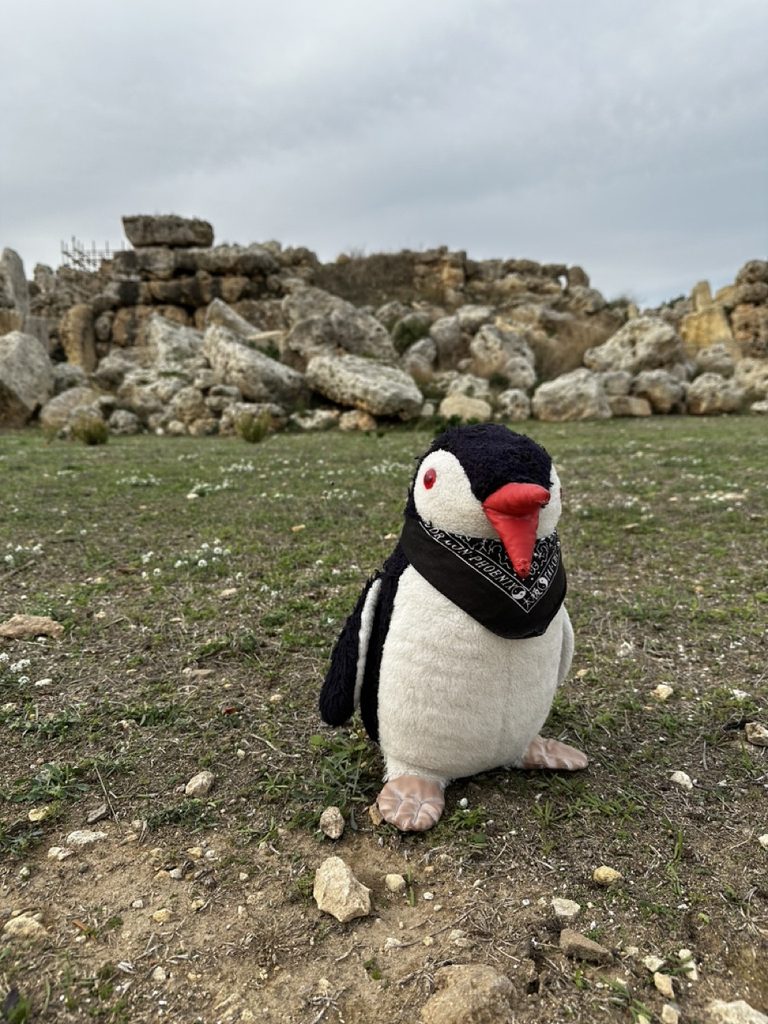
Gozo offers a different pace from Malta’s busier tourist areas. The island is known for its countryside, traditional villages, coastal scenery, swimming spots, and archaeological sites. Victoria, also called Rabat, is its main town and home to the historic Cittadella. You can visit Gozo on a day trip, but staying overnight gives you more time to explore without constantly watching the clock. The island is also home to the Ġgantija temples, one of Malta’s most significant prehistoric attractions.
#10: Malta Has Strong Catholic Traditions
Roman Catholicism has played a major role in Malta’s history and still shapes its cultural calendar. Churches dominate towns and villages, and local religious feasts, known as festas, are key community celebrations. These events can include processions, music, fireworks, decorations, and street festivities. If your visit coincides with a village festa, you may experience a very different side of Malta from the one presented in the usual beach guides. When entering churches, dress respectfully and follow any signs or instructions about photography and access.


#11: The Water Is Surrounded by Beautiful Swimming Spots
Malta offers plenty of swimming spots, from sandy beaches to rocky coves and natural pools. Popular sandy beaches include Golden Bay and Għajn Tuffieħa. Rocky swimming areas and coastal inlets offer another way to experience the islands, particularly if you enjoy snorkeling. Not every swimming spot has lifeguards, changing facilities, or easy access. Some require climbing steps or walking over uneven rocks. Always check the sea conditions and local safety advice before entering the water. Strong winds and rough seas can make exposed coastal areas dangerous. They can make getting in and out of the water much more comfortable.
#12: You Can Explore Malta Without Renting a Car
Although a rental car can be useful, it isn’t essential for every Malta trip. Valletta, Sliema, and other popular areas have transport connections, and ferries can make some harbor journeys especially convenient. Buses connect many attractions across the main island. The right choice depends on your accommodation and itinerary. If you plan to visit remote beaches or explore Gozo extensively, a car may save time. If you are focusing on historic towns and well-connected areas, public transport may be sufficient. Before booking a rental car, compare the cost with public transport, taxis, and occasional guided trips.
#13: Malta’s Famous Golden Stone Comes From Ancient Sea Life
Malta’s honey-coloured buildings owe their appearance to a local limestone called globigerina limestone. This sedimentary rock formed from marine deposits, including the tiny shells of microscopic organisms called foraminifera. Builders have quarried and used it for more than 6,000 years, from prehistoric temples to Valletta’s fortifications. The stone is relatively soft and easy to cut when first quarried, making it suitable for shaping into blocks and decorative features. It remains an important material for restoring Malta’s historic buildings today. Globigerina limestone received recognition as a Global Heritage Stone Resource in 2019.
#14: A Prehistoric Underground Cemetery Was Discovered by Accident
The Ħal Saflieni Hypogeum is an extraordinary underground burial complex carved into solid limestone. It dates back to Malta’s prehistoric period and contains chambers spread across three underground levels, including rooms decorated with red ochre paintings. The complex remained hidden until 1902, when workers discovered it while building new houses. Archaeologists subsequently uncovered human remains, ornaments, pottery, and figurines that offered valuable clues about prehistoric life and burial traditions. One of the most famous objects found there is the small Sleeping Lady figurine, which depicts a reclining human figure. The Hypogeum is so sensitive to environmental changes that visitor access is carefully controlled to help preserve its ancient interior.
#15: A Maltese Thinker Helped Change How the World Approaches Problems
Edward de Bono, born in Malta in 1933, introduced lateral thinking. Rather than relying solely on conventional, step-by-step logic, lateral thinking encourages people to explore alternative perspectives and unexpected solutions. A physician by training, de Bono studied at the University of Malta before continuing his education at Oxford and Cambridge. He became internationally known for his work on creative thinking and developed the popular Six Thinking Hats method, which helps groups examine problems from different perspectives. His ideas influenced education, business, and problem-solving worldwide. The term lateral thinking is now in the Oxford English Dictionary.
#16: Malta’s Traditional Building Material Is Still a Working Industry
Malta’s limestone is more than a pretty feature of its architecture. It is also a natural resource and an established part of the local construction industry. Quarries supply stone for building projects, infrastructure, and historic property restoration. Because the islands have limited natural resources, locally available limestone has played an especially important role in construction for thousands of years. Craftspeople still work with the material to preserve Malta’s architectural heritage. The stone industry also highlights a practical challenge for a small island country: balancing construction needs with limited land, quarrying impacts, and the protection of historic landscapes.
#17: Gozo Is Linked to One of Ancient Greece’s Most Famous Legends
Local tradition links Gozo to Ogygia, the mythical island where the nymph Calypso held Odysseus in Homer’s Odyssey. In the epic, Odysseus stays with Calypso for years before continuing his journey home. Calypso’s Cave, overlooking Ramla Bay, is traditionally connected with the legend. Although historians have not proven that Gozo is Ogygia, the story has become part of the island’s cultural identity. It is a lovely example of how ancient mythology continues to shape the way people imagine a place. The cave and its surrounding landscape have helped Gozo earn a reputation as an island of myths and legends.
#18: Malta’s Prehistoric Builders Worked Without Metal Tools
Some of Malta’s megalithic temples were built thousands of years before metal tools arrived on the islands. Their builders had to quarry, move, shape, and position enormous stone blocks using the materials and techniques available to them. Archaeologists have found evidence of sophisticated construction and carefully designed spaces, although many questions about the builders’ beliefs and exact methods remain unanswered. The temples demonstrate that prehistoric communities could organize complex building projects long before modern machinery, written construction plans, or iron tools existed.
#19: Malta Has an Underground World of Ancient Tombs
Beneath Malta’s streets and fields lies an extensive archaeological landscape of catacombs and rock-cut burial chambers. The St Paul’s Catacombs near Rabat formed part of a large cemetery used during Punic, Roman, and Byzantine times. The underground complexes contain various tombs, corridors, chambers, and spaces associated with burial customs. Some feature distinctive architectural details, including carved symbols and areas used for commemorative meals. These sites show how different communities lived alongside one another and how burial traditions evolved across centuries. The St Paul’s Catacombs cover more than 2,000 square meters in their main complex, making them a remarkable example of Malta’s ancient underground heritage.
#20: Malta’s Fishing Boats Carry a Symbol With Ancient Roots
Traditional Maltese fishing boats, known as luzzu, are famous for their bright colors and distinctive painted eyes. You will often see these boats in fishing harbors such as Marsaxlokk. The eyes are commonly associated with the Eye of Osiris or the Eye of Horus, ancient Egyptian symbols believed to offer protection and good fortune. Their precise historical origins in Maltese boat decoration are uncertain, but the symbolism is now closely associated with the islands’ maritime identity. The colorful boats remain a familiar sight in Malta, connecting modern fishing communities to centuries of Mediterranean seafaring traditions. The painted eyes make the luzzu instantly recognizable and are among the most photographed details of Malta’s traditional fishing culture.
#21: Malta’s National Award Came From a Wartime Story
In 1942, King George VI awarded the George Cross to the people of Malta in recognition of their bravery during the Second World War. Malta occupied a strategically important position in the Mediterranean and endured intense aerial bombardment, shortages, and a prolonged siege during the conflict. The award recognized the courage and resilience the population showed during these difficult years. The George Cross later became part of Malta’s national flag, appearing in the upper-left corner of the white half. The decoration reminds us that the islands’ modern identity was shaped not only by ancient civilizations and the Knights of St John, but also by ordinary people’s wartime experiences. Malta is unusual in that its national flag features the George Cross.
#22: Malta’s Main Island Is Built From Layers of Ancient Seabeds
Malta’s landscape reveals a geological history that began beneath the sea. Much of the island’s bedrock consists of sedimentary limestone formed over millions of years, when the region lay beneath ancient marine waters. Different limestone formations have different properties. Softer globigerina limestone is widely used in buildings, while harder coralline limestone has historically been used in structures that require greater durability. These layers help explain the islands’ cliffs, rocky coastlines, quarries, and the distinctive stone used in traditional architecture. The same geological history that shaped Malta’s dramatic coastline also supplied the material used to build many of its oldest towns and monuments.
#23: Malta’s History Is Written in Its Place Names
Many Maltese place names preserve traces of the islands’ complicated linguistic history. Maltese itself has Semitic roots and has absorbed influences from Italian, Sicilian, and other languages over centuries. Names can reflect geography, religious traditions, historical figures, and older forms of the language. The result is a landscape where unfamiliar spellings often carry stories about the people who lived there and the cultures that influenced them. For visitors, recognizing a few Maltese letters and place names can make exploring the islands even more rewarding. The Maltese alphabet uses the Latin script but includes distinctive letters such as ċ, ġ, ħ, and ż, which give written Maltese its characteristic appearance.
#24: Malta’s Maritime Position Made It a Strategic Prize
Malta’s location between Sicily and North Africa made it valuable to traders, naval powers, and military strategists for centuries. Ships traveling across the central Mediterranean could use its harbors to shelter, resupply, or control key sea routes. This strategic position helps explain why so many different powers sought influence over the islands, from ancient Mediterranean civilizations to the Knights of St John and the British Empire. The same geography that attracted military attention also encouraged trade, migration, and cultural exchange. Malta’s natural harbors remain a defining geographic feature and are central to understanding the history of Valletta and the Three Cities.
Hotel search from Booking.comShows Booking.com’s own box, which can set Booking.com cookies.
Other Interesting Facts About Malta
- Malta Has 359 Churches. The official tourism website lists 359 churches across the islands. You could visit a different one almost every day for a year.
- Malta Has a Famous Caravaggio Masterpiece. St John’s Co-Cathedral in Valletta houses The Beheading of Saint John the Baptist, the only painting Caravaggio signed.
- Malta Is a Semiconductor Exporter. The island hosts a major STMicroelectronics facility. The semiconductor sector generates more than €1.2 billion in exports, according to the Maltese government in 2025.
- Malta Has Its Own Version of Carnival. The annual Maltese Carnival features elaborate floats, colorful costumes, dancing, and satirical performances, particularly in Valletta and Nadur on Gozo.
- Malta Is a Popular Filming Location. Productions including Gladiator, Troy, and Game of Thrones have used Maltese locations as filming sets.
- Malta Produces Its Own Honey. Beekeeping has a long history on the islands. The Maltese word for honey, għasel, is also linked to the name of Malta’s ancient capital, Mdina, historically known as the Città Notabile and associated with honey in popular etymological accounts.
- Malta Has One of Europe’s Smallest Land Areas. Despite covering only around 316 km², the country welcomed more than four million inbound tourists in 2025.
- The Maltese Cross Has Eight Points. The eight-pointed cross associated with the Knights of St John is one of Malta’s most recognizable symbols. Its eight points traditionally represent the knights’ virtues.
- Malta has a Distinctive Traditional Glassmaking Craft. Maltese glassmakers create colorful decorative glassware, often featuring swirling patterns and vibrant colors. You can find locally made pieces in craft shops around the islands.
Practical Facts for Travelers Coming to Malta
Malta is relatively easy to explore, but its small size can be misleading. Traffic, busy summer beaches, ferry connections, and the intense Mediterranean sun all deserve a little planning. Here’s what you need to know before you go.
- Visa: Malta is part of the European Union and the Schengen Area. Check the current entry requirements for your nationality before traveling.
- Currency: Malta uses the euro (€). Cards and contactless payments are widely accepted, but it helps to carry a little cash for small purchases.
- Language: Maltese and English are the official languages. English is widely spoken, making it easy to communicate with locals.
- Time zone: Malta uses Central European Time (CET) in winter and Central European Summer Time (CEST) in summer.
- Electricity: Malta uses Type G plugs and 230 V, the same three-pin plug used in the United Kingdom. Bring an adapter if your devices use European two-pin plugs.
- Tap water: Tap water is generally safe to drink, although its desalinated and groundwater sources can give it a mineral taste. Bring a reusable bottle and buy bottled water if you prefer the taste.
- Public transport: Malta has an extensive bus network connecting Valletta, Sliema, St Julian’s, Mdina, beaches, and other towns. Use the Tallinja app to check routes, timetables, and travel options. Buses can get crowded and delayed during peak hours.
- Bus tickets: You can generally pay for a single bus ticket with cash or a contactless bank card. Multi-day travel passes are available, so compare the options if you plan to use buses frequently. Check current fares before your trip, as seasonal prices and ticket products can change.
- Driving: Malta drives on the left-hand side of the road, a legacy of British rule. Roads in historic towns can be narrow, traffic can be heavy, and parking is often limited.
- Renting a car: A car can help you explore remote beaches and less accessible areas, but it isn’t essential if you are staying in a well-connected tourist area. Check that your accommodation offers parking before booking a rental.
Train and bus tickets from OmioShows Omio’s own box, which can set Omio cookies.
- Ferries: Ferries connect Valletta with Sliema and the Three Cities, while regular ferry services connect Malta with Gozo. High-speed services also operate on selected routes. Check schedules and the last departure before planning your day around a ferry.
- Visiting Gozo: The main ferry service between Malta and Gozo operates between Ċirkewwa and Mġarr. If you are taking a car, check the vehicle ferry arrangements and fares. Foot passengers also have high-speed ferry options on selected routes.
- Comino and the Blue Lagoon: Check the latest visitor access rules and booking requirements before visiting. Access arrangements can change, and summer visits may require planning. Bring water, sun protection, and anything else you need for the day.
- Beaches and swimming: Malta has sandy beaches, rocky swimming spots, and natural pools. Not all have lifeguards or facilities, so check local conditions before swimming. Strong winds and rough seas can make some coastal areas unsafe.
- Weather: Summer can be extremely hot, with strong sunshine and little shade in historic towns. Plan outdoor sightseeing for the morning or late afternoon, carry water, and use sunscreen.
- What to wear: Pack lightweight clothing, comfortable walking shoes, sunglasses, and a hat. Bring water shoes if you plan to swim from rocky beaches. A light jacket is useful for windy evenings and cooler winter days.
- Churches: Malta has a strong Catholic heritage, and many churches are active places of worship. Dress respectfully when visiting religious sites and follow any posted rules about clothing and photography.
- Groceries: Supermarkets are useful for buying breakfast, snacks, and picnic supplies. Prices and opening hours vary, so check nearby shops if you are staying in a smaller village.
- Restaurants: Try local specialties such as pastizzi, ftira, and rabbit stew. In busy tourist areas, reservations can help at popular restaurants, while smaller village establishments may have limited hours.
- Tipping: Tipping is appreciated but not obligatory. A reasonable guideline is 5–10% for good restaurant service if a service charge isn’t already included.
- Mobile data: Malta is an EU member, so travelers with eligible EU mobile plans can generally use roaming under EU rules, subject to their provider’s fair-use policy. Visitors from outside the EU should check roaming charges or consider a local SIM or eSIM.
- Public holidays and festas: Local village feasts can bring fireworks, processions, decorated streets, and temporary road closures. Check local event dates if you want to attend a celebration or avoid traffic disruptions.
- Useful apps and websites: Download the Tallinja app for bus travel, check Visit Malta for official visitor information, and use your preferred navigation app for getting around.
- Don’t underestimate travel times: Malta is small, but traveling between destinations can take longer than expected because of traffic, indirect bus routes, and queues for popular attractions. Group your sightseeing by area instead of crossing the island repeatedly.
- Don’t try to see everything: Allow enough time to enjoy Malta itself, and don’t squeeze Gozo and Comino into an already packed itinerary. If you have a week, consider spending at least one full day exploring Gozo rather than rushing through both islands.
Best Time to Visit Malta
The best time to visit Malta depends on what you want from your trip.
- Spring (April–June). A great time for exploring Valletta, Mdina, prehistoric sites, and the countryside before the hottest summer weather arrives.
- Summer (July–September). Best for swimming, beach days, boat trips, and long evenings outdoors. Expect higher demand and busier attractions.
- Autumn (October–November). Often pleasant for sightseeing, with warm days and the possibility of early-season swimming. Weather becomes less predictable as autumn progresses.
- Winter (December–March).A quieter period for historic towns, museums, local food, and cultural experiences. Expect cooler temperatures, wind, and occasional rain.
For a balance of sightseeing and seaside activities, consider May, June, September, and early October. Conditions vary each year, so check the forecast before traveling.
We visited Malta at the beginning of December, and the weather was still perfect for exploring! We packed mostly lightweight clothing and enjoyed pleasant temperatures without the intense summer heat. It was ideal for wandering through historic towns, discovering charming streets, and exploring the islands at a comfortable pace.
How Much Time Do You Need in Malta
For a first visit, five to seven days is a useful starting point.
- 2–3 days: Focus on Valletta, Mdina, and a few nearby attractions.
- 4–5 days: Add coastal areas, swimming spots, and the Three Cities.
- 6–7 days: Explore Malta at a more relaxed pace and include Gozo or Comino.
- 8–10 days: Enjoy a slower trip with more time for beaches, archaeological sites, boat trips, and exploring the islands beyond the main tourist centers.
You can see some of Malta’s highlights in a long weekend, but a longer stay gives you more flexibility and helps you appreciate the differences between the islands.
Where to Stay in Malta
Where you stay in Malta depends on what you want from your trip. The main island offers historic cities, lively nightlife, and beach resorts, while Gozo suits those who prefer a quieter atmosphere and a slower pace. Here are some of the best areas to consider:
- Valletta: Best for history lovers, architecture, restaurants, and exploring the island by public transport. The capital is compact, full of character, and well connected by buses and ferries.
- Sliema: Ideal for shopping, restaurants, waterfront promenades, and convenient ferry connections to Valletta. A practical base for exploring the island.
- St Julian’s: Best for nightlife, bars, and a lively atmosphere, with plenty of hotels and restaurants.
- Mellieħa: A great choice for beach lovers, with access to sandy beaches such as Għadira Bay and convenient connections towards Gozo and Comino.
- Mdina and Rabat: Perfect for travelers who love historic streets, traditional architecture, and a quieter atmosphere away from the busiest coastal areas.
- Gozo: Best for a more relaxed island escape, with countryside, coastal scenery, traditional villages, and excellent opportunities for walking and swimming.
- Comino: Famous for the Blue Lagoon and its turquoise waters. It is better suited to a day trip than a longer stay, as accommodation and facilities are very limited.
Where we stayed: We chose Valletta, and we think it is a fantastic base for exploring Malta. We loved being surrounded by historic architecture, charming streets, and restaurants, while having convenient connections to other parts of the island. If you want to combine sightseeing with day trips around Malta, Valletta is an excellent place to start.
Buy Us a Ko-fi

Malta may be small, but its history, architecture, food, and coastline offer plenty to explore. Plan your transport carefully, leave time for the neighboring islands, and look beyond the famous swimming spots. These Mediterranean islands offer much more than turquoise water. Now, lace up your walking shoes, pack your sunscreen, and get ready to explore Malta one little waddle at a time.
Travel Bold. Eat Well. Waddle Wild.

This post contains affiliate links. If you click and buy, I might earn a tiny commission, enough to help a penguin keep up its globe-trotting lifestyle. No extra cost to you, just more fish for me. Thank you for supporting the adventure!