Norway Travel Tips: What to Know Before Visiting Norway
Norway is a country of dramatic fjords, colorful cities, Viking history, and some seriously impressive nature. But before you pack your bags, a few things are worth knowing. From surprisingly high prices and regional food traditions to oil wealth, polar nights, quirky Norwegian customs, and the country’s love of the outdoors, these tips will help you understand Norway a little better before you visit.
Norway At a Glance
- Official name: Kingdom of Norway (Kongeriket Norge)
- Capital: Oslo
- Population: approximately 5.64 million
- Area: approximately 385,000 km², including Svalbard and Jan Mayen
- Official language: Norwegian
- Written standards: Bokmål and Nynorsk
- Sámi languages: protected and officially recognized in relevant areas
- Currency: Norwegian krone (NOK)
- Government: Constitutional monarchy with a parliamentary system
- Counties: 15
- Time zone: Central European Time (CET)
- Driving side: Right
- EU member: No
- EEA member: Yes
- Schengen Area: Yes
- Best time to go: May–September for hiking, road trips, and longer days. October–March for northern lights and winter experiences
- Religion: Norway has no official state religion. Christianity, particularly Lutheran Christianity, has historically been the country’s dominant religious tradition.
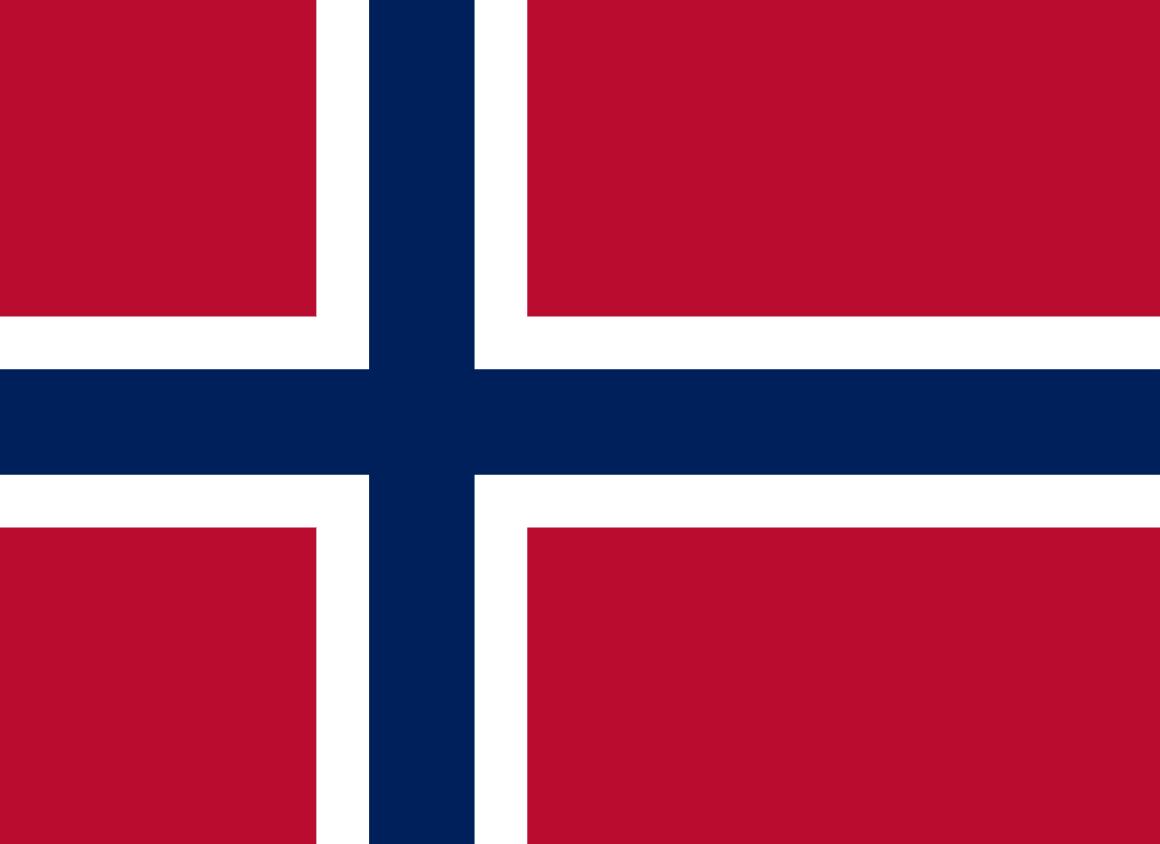
- Flag of Norway: A red flag with a blue Nordic cross outlined in white. The red and blue colors traditionally represent Norway’s historical ties to Denmark and Sweden. At the same time, the Nordic cross reflects Norway’s Scandinavian heritage and its connection to the other Nordic countries.
Norway is considerably larger than its population might suggest. It stretches from the southern coastline into the Arctic, with mountains, islands, forests, glaciers, and more than 1,000 fjords.
That geography is one of the first things you notice when traveling here. Distances that look manageable on a map can take much longer than expected because roads wind around mountains, ferries cross fjords, and the landscape refuses to make anything straightforward. And honestly, that is part of the fun.
Koselig: The Norwegian Art of Feeling Good
One word captures a big part of the Norwegian way of life: koselig. It describes that warm, comfortable feeling of enjoying simple moments, whether it is sitting by a fireplace, sharing food with friends, drinking coffee in a cozy café, or spending a quiet evening at home. For Norwegians, it is less about luxury and more about creating comfort, togetherness, and enjoying the moment. In a country where winter can be long and dark, koselig is almost a lifestyle.
Norway’s History in a Nutshell
Norway’s history stretches from Viking settlements and medieval kingdoms to unions with Denmark and Sweden before becoming the independent country we know today.
- 9th century. Harald Fairhair is traditionally associated with unifying Norway into one kingdom.
- Viking Age. Norwegian seafarers traveled widely across the North Atlantic, reaching Iceland, Greenland and North America.
- 1030. The Battle of Stiklestad became an important event in Norway’s Christianisation.
- Middle Ages. Norway developed into a Christian kingdom with Trondheim becoming an important religious center.
- 1380. Norway entered a union with Denmark.
- 1536. Norway became part of the Danish realm during the Reformation.
- 1814. Norway adopted its Constitution at Eidsvoll.
- 1814–1905. Norway entered a personal union with Sweden.
- 1905. Norway peacefully dissolved its union with Sweden and became an independent kingdom.
- 20th century. Norway developed into a modern parliamentary democracy.
- 1940–1945. Nazi Germany occupied Norway during World War II.
- 1960s. The discovery of North Sea oil transformed Norway’s economy.
- 1969. The Ekofisk oil field was discovered.
- Modern Norway. The country is known for its strong welfare state, maritime industries, energy sector, and extraordinary natural landscapes.
32 Interesting Facts About Norway Before Your Visit
Norway has fjords, Vikings, and the Northern Lights. You probably already knew that. But the country offers much more. Here are 31 facts that might make your Norwegian adventure a little more interesting.
#1: Norway Has More Than 1,000 Fjords
Let’s start with the obvious one. Norway is famous for its fjords, and for good reason. The country has more than 1,000 fjords, carved by glaciers over thousands of years. Some are enormous, some are narrow, dramatic mountains surround some, and others are dotted with tiny villages. The Sognefjord is Norway’s longest and deepest fjord, stretching about 205 kilometers. Then there is Geirangerfjord, Nærøyfjord, Hardangerfjord, Lysefjord, and countless others. And no, photographs really don’t prepare you for the scale.
#2: Norway Is Not in the European Union
This is an easy one to forget. Norway is in Europe, but it is not a member of the European Union. It is, however, part of the European Economic Area and the Schengen Area. For travelers, that means visiting Norway can feel very similar to traveling through many EU countries when it comes to border crossings, but Norway still has its own currency and some different rules.
#3: Norway Is Expensive
Let’s address this early. Norway can be expensive. Accommodation, restaurants, alcohol, activities and transport can quickly add up. A casual meal can cost considerably more than you might expect, while a beer in a bar can be surprisingly expensive. But expensive does not have to mean unaffordable. Supermarkets are your friend. Public transport can save money. Many of Norway’s greatest attractions are completely free because they are outdoors. The mountains don’t charge admission. The fjords don’t have a ticket booth. And that is excellent news.
#4: Norwegians Speak Excellent English
If you are worried about communication, don’t be. Most Norwegians speak English, particularly younger people and those working in tourism. You will still see Norwegian everywhere, of course, and learning a few words is always appreciated. Hei means hello. Takk means thank you. Vær så snill means please. If you manage to pronounce them all correctly, congratulations. You are already doing better than us.
#5: Norway Has Two Written Forms of Norwegian
Norwegian has two official written standards: Bokmål and Nynorsk. You will encounter both depending on where you are in the country. That means you may occasionally see the same thing written slightly differently. Don’t worry. You are not suddenly looking at two completely different languages. Norway’s linguistic landscape is also more diverse than Norwegian alone, with Sámi languages holding official status in relevant areas.
#6: Norway Has 47 National Parks
Norway has 47 national parks that protect some of the country’s most important natural landscapes. They cover mountains, forests, glaciers, wetlands, and Arctic environments. This is where Norway really rewards outdoor travelers. You don’t need to visit every national park. You probably couldn’t. But if hiking and nature are why you’re visiting Norway, you have an almost ridiculous amount of choice.
#7: Norway Has a Right to Roam
One of the most useful concepts to understand before visiting Norway is allemannsretten, often translated as the right to roam. In simple terms, people have a broad right to access nature, including certain areas of private land, as long as they respect the environment, property, and local rules. This is one reason hiking feels so deeply connected to everyday Norwegian life. But the right to roam does not mean “do whatever you want.” You still need to leave no trace, respect wildlife, follow local restrictions, and behave responsibly. Nature is shared. Act accordingly.
#8: Norway Has a King
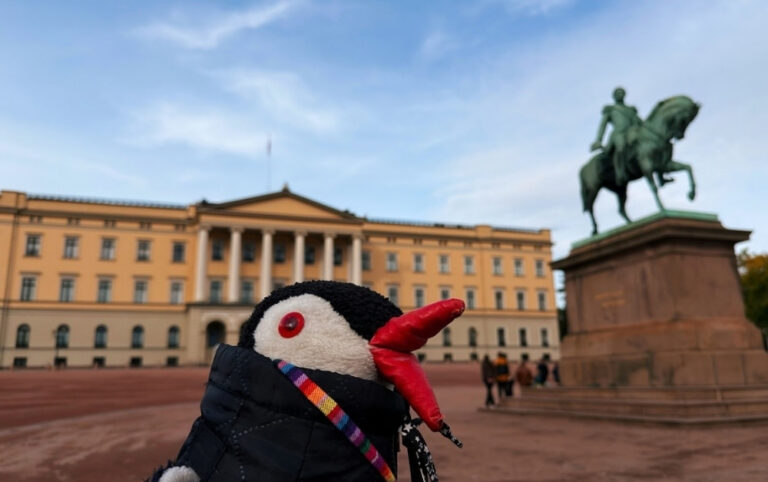
Yes, Norway still has a royal family. Norway is a constitutional monarchy, and the Norwegian monarchy traces its roots to Harald Fairhair, traditionally regarded as the first king to unite much of Norway into one kingdom. The modern Norwegian monarchy began in 1905, when Norway became independent from its union with Sweden and chose Danish Prince Carl as its king. He took the name Haakon VII. Norway’s royal family belongs to the House of Glücksburg, the same royal house connected to several other European monarchies.
#9: Norway Has Produced Some Remarkable People
Norway has produced an impressive list of internationally recognized artists, writers, explorers, musicians, and scientists. Edvard Munch became one of the world’s most famous painters with The Scream, while composer Edvard Grieg brought Norwegian folk influences to classical music. Playwright Henrik Ibsen, whose works include A Doll’s House, Peer Gynt, and Hedda Gabler, became one of the most influential figures in modern theatre. Norway is also famous for its polar explorers, including Roald Amundsen, the first person to reach the South Pole, and Fridtjof Nansen, who crossed Greenland on skis and later received the Nobel Peace Prize for his humanitarian work. And then there is Thor Heyerdahl, who crossed the Pacific on the Kon-Tiki raft in 1947. More recently, Norway has given us musicians such as a-ha, Kygo, Aurora, and Sigrid; chess champion Magnus Carlsen; and other internationally recognized names across art, literature, science, and sport.
#10: Norway Has Two Nobel Connections
Norway has an unusual connection to the Nobel Prizes. The Nobel Peace Prize is awarded in Oslo, while the other Nobel Prizes are awarded in Stockholm. The Norwegian Nobel Committee presents the Peace Prize. The reason dates back to Alfred Nobel’s will. Norway has also produced Nobel laureates, including Fridtjof Nansen and writers such as Bjørnstjerne Bjørnson, Knut Hamsun, and Sigrid Undset.
#11: The Famous Scream Was Painted by a Norwegian
You probably know The Scream. The artist behind it, Edvard Munch, was Norwegian. Munch was born in 1863 and became one of the most influential artists associated with Symbolism and Expressionism. His most famous work, The Scream, has become one of the world’s most recognizable paintings. You can see Munch’s work in Oslo at the MUNCH museum, dedicated to the artist.
#12: Norway Has a Knighted Penguin
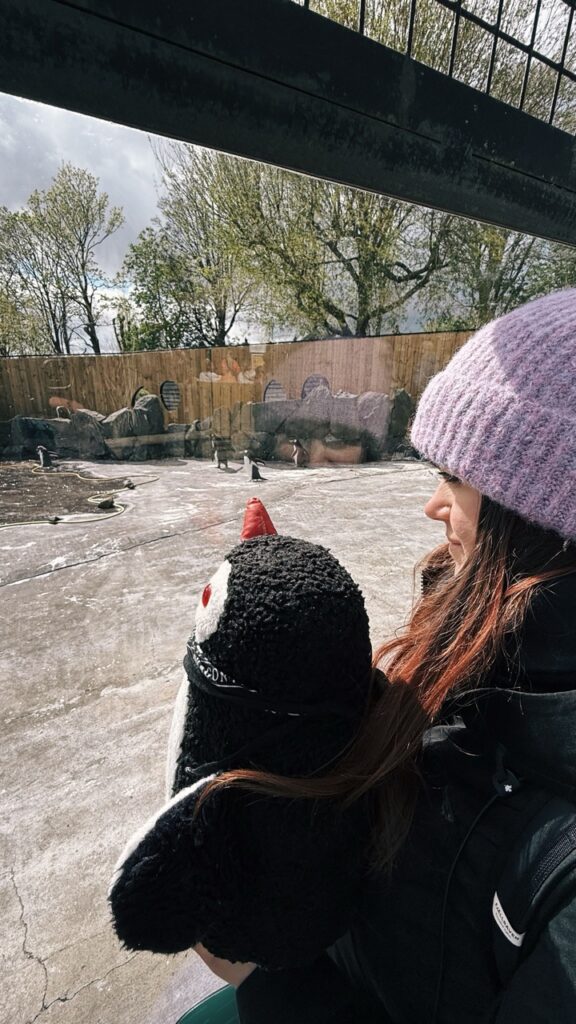
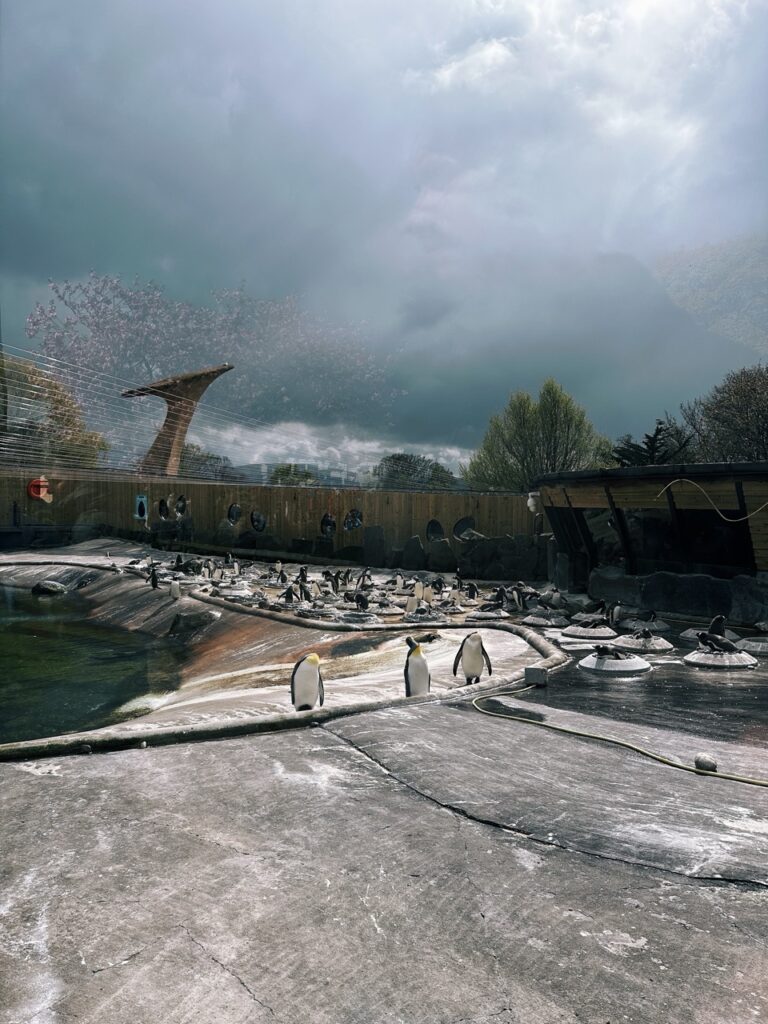
This might be our favorite Norwegian fact. A penguin named Nils Olav became an honorary member of Norway’s King’s Guard after Norwegian officers encountered the penguin at Edinburgh Zoo. The tradition began in 1972, and successive penguins have inherited the name and military title. In 2008, Nils Olav was even knighted. Yes, Norway has a penguin with a military rank. And this isn’t a made-up internet story. The tradition has been documented for decades.
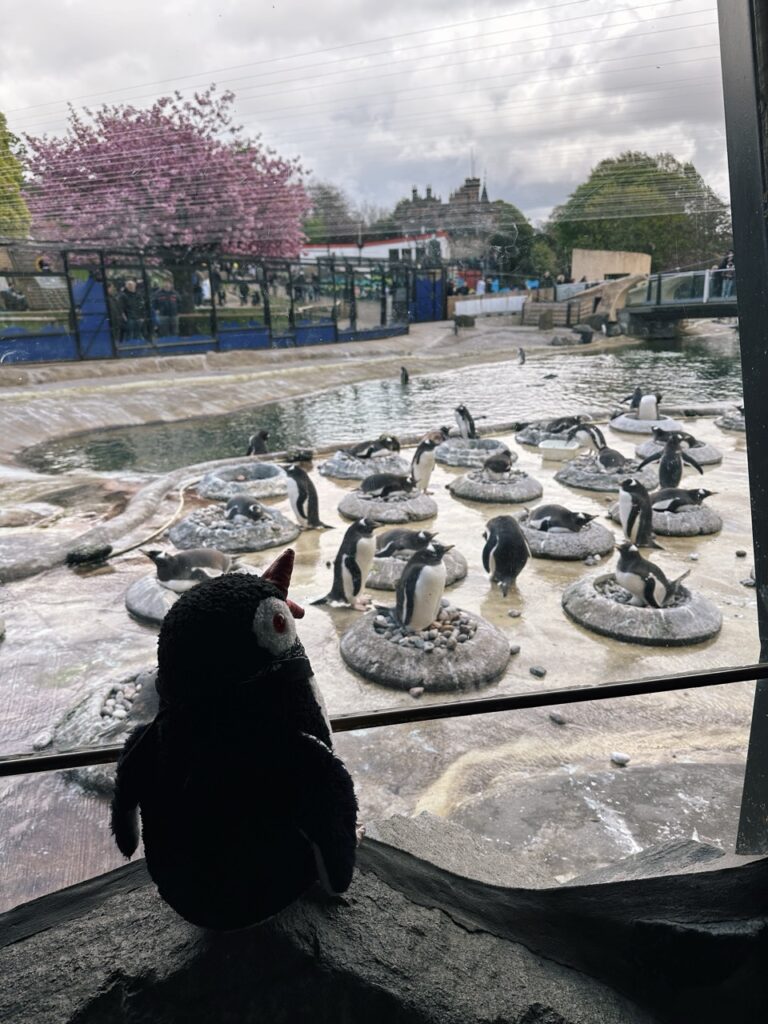
#13: Norway Really Did Try to Introduce Penguins
And still speaking of penguins… This one sounds like something we made up, but Norway did try to establish penguins in the Northern Hemisphere. In the 1930s, people believed animals could be introduced to places where they did not naturally occur. Norway became part of one particularly unusual experiment when nine penguins arrived from Antarctica in 1936 aboard the SS Neptune. Researchers released two pairs on Røst in the Lofoten Islands, while another two pairs and a young penguin were released at Gjesvær in Finnmark. And Norway did not stop. Researchers later released macaroni penguins and African penguins on Røst as well. Researchers deliberately placed the birds on islands with easy access to the sea and few or no natural predators. The experiment was not successful. Penguins were still being reported in northern Norway for several years, but there were no further sightings in Røst or Gjesvær after around 1950. So, yes, Norway really did try to put penguins in the Northern Hemisphere.
#14: Norwegian Weather Can Change Quickly
This is particularly important if you are hiking. A beautiful sunny morning does not guarantee a beautiful sunny afternoon. Norway’s mountains and coastline can create rapidly changing conditions, and temperatures can vary significantly depending on altitude and location. That means the classic advice applies: Check the forecast. Bring layers. Be prepared for rain. And if you are heading into the mountains, take the weather seriously.
#15: Norway Is Much Longer Than It Looks on a Map
Many first-time visitors underestimate this. Norway stretches a very long way from south to north. And the mountains, fjords, winding roads, and ferry crossings make traveling between places considerably slower than the straight-line distance suggests. A route that looks short on Google Maps can turn into a full day of driving. So don’t create a Norway itinerary that has you sleeping in a different city every night. Your map may say you can. Your holiday will disagree.
#16: Norway’s Mountains Hide Caves Full of Legends
Some Norwegian caves are not simply geological curiosities. They are part of folklore. Dollsteinhola, for example, has been linked to legends for centuries, including stories of giants and people supposedly traveling through the cave towards Scotland. The cave has also been found to contain evidence that people lived there at certain points in history. Norway’s caves are therefore a mixture of geology, archaeology and mythology.
#17: Norway Has One of the World’s Longest Road Tunnels
The Lærdal Tunnel stretches about 24.5 kilometers, making it the world’s longest road tunnel. It connects Lærdal and Aurland in western Norway. Because driving through a 24.5-kilometer tunnel could otherwise get monotonous, the tunnel includes specially designed illuminated mountain halls that create the impression of sunrise. Even Norway’s tunnels have scenery.
#18: Ferries Are Part of Everyday Transport
Norway is not simply a country with fjords. The fjords are part of how people actually get around. Ferries and passenger boats connect communities, islands, and coastal destinations, while car ferries let roads continue across stretches of water. Some ferry journeys are so scenic that they feel like sightseeing tours. Others are your way from A to B. Either way, don’t assume a ferry is a tourist attraction. In Norway, it may just be public transport.
#19: Norway Experiences the Midnight Sun
Travel far enough north during summer and something rather strange happens. The sun doesn’t set. Above the Arctic Circle, parts of northern Norway experience the midnight sun, when the sun remains above the horizon for extended periods during summer. The exact period varies depending on how far north you go. In places such as Tromsø, this creates incredibly long summer days. And yes, sleeping can become surprisingly complicated. Blackout curtains suddenly become your best friend.
#20: And Then There Is Polar Night
The opposite happens during winter. In areas north of the Arctic Circle, the sun can remain below the horizon for an extended period. This is known as polar night. But “no sunrise” does not mean complete darkness for 24 hours. There can still be twilight, blue light, and beautiful colors around midday. And then, of course, you may see the Northern Lights.
#21: Norway Has Glaciers
Norway’s landscapes include more than mountains and fjords. The country is also home to numerous glaciers. Jostedalsbreen is the largest glacier on mainland Europe, covering a huge area in western Norway. You can experience several glaciers through guided activities, viewpoints, and hiking routes. But glaciers are not playgrounds. If you want to walk on one, use an experienced guide and follow local safety advice.
#22: Norway Is Home to Sámi Culture
The Sámi are the Indigenous people of northern Norway, Sweden, Finland, and Russia. In Norway, Sámi culture remains an important part of the country’s identity, particularly in the north. You can learn about Sámi traditions, food, handicrafts, music, reindeer herding, and history through museums, cultural centers, and guided experiences. If you visit Sámi communities or take part in cultural experiences, approach them respectfully rather than treating the culture as a theme park attraction.
#23: Norway Has a Town Built Around a Giant Rock
You may know Trolltunga, the famous rock formation hanging dramatically above Lake Ringedalsvatnet. Its name roughly translates to “Troll’s Tongue.” The rock projects horizontally from the mountain and has become one of Norway’s most recognizable hiking destinations. And yes, the photograph looks terrifying. The actual hike is also considerably more demanding than the Instagram post suggests.
#24: Norway Has a World of Trolls and Folklore
Norwegian folklore is filled with trolls, mythical creatures, and stories shaped by the country’s dramatic landscape. Trolls are traditionally described as mysterious creatures living in mountains, forests and caves, often appearing in Norwegian fairy tales as powerful but not particularly clever beings. Some stories say that trolls turn to stone when exposed to sunlight, which may explain why Norway’s mountains are full of rock formations with wonderfully imaginative names. So when you see a giant troll statue beside a Norwegian road, it is not just a random decoration. You are looking at a small piece of Norway’s folklore.
#25: Norway Sent a Christmas Tree to London for Decades
Every year, Norway gives London a Christmas tree for Trafalgar Square. The tradition began in 1947, as a thank-you from Norway to Britain for its support during the Second World War. Norway sends the tree to London, where it is displayed in central London during the Christmas season. It is one of the most visible symbols of the relationship between the two countries.
#26: Norwegians Really Do Love Being Active
One thing you may notice when traveling around Norway is that people seem to be constantly doing something outdoors. Running, cycling, hiking, skiing, swimming, walking the dog, heading into the mountains… it can feel as though everyone owns a pair of hiking boots. And the statistics actually back up that impression. Norway’s 2024 survey found that 87% of people aged 16 and over had exercised during the previous year, while 59% said they exercised several times a week. Almost 75% had gone hiking in the mountains, forests, or countryside; 37.5% had jogged or run; 38% had cycled for exercise; and 55.5% had done strength training. Even more strikingly, 96.5% had participated in some form of outdoor activity. This is closely connected to the Norwegian idea of friluftsliv, or outdoor life. Being active does not necessarily mean going to the gym or training for a race. It can simply mean going for a walk in the forest, skiing across the mountains, picking berries, kayaking, or spending a day outside.
#27: Reindeer Are Part of Norwegian Life and Cuisine
Reindeer have played an important role in Norway for thousands of years and remain closely connected to Sámi culture, particularly in northern Norway. Around 3,000 people are involved in Sámi reindeer husbandry today, and reindeer meat is an established part of Norwegian cuisine. So yes, you can eat reindeer in Norway. It is commonly served in Northern Norway and can be prepared in many ways, from dried or roasted meat to steaks and stews. One traditional Sámi dish to try is bidus, a hearty stew made with slow-cooked reindeer, potatoes, and carrots. You can also find dishes such as reindeer tenderloin and finnbiff, a traditional reindeer stew. If you are traveling through Finnmark or Røros, reindeer is worth looking out for. And if you encounter live reindeer in the wild, remember that they are not there for a photo opportunity. Keep your distance and let them continue on their way.
#28: You Need to Try Brunost
Let’s talk about food. Norway has excellent seafood, but one food you should definitely try is brunost, or Norwegian brown cheese. It is sweet, caramel-like, and unlike most cheeses visitors have encountered before. It is commonly sliced thinly and served on bread or crispbread. And then there is the classic combination: Norwegian waffle + brown cheese. It sounds unusual. It works.
#29: Norwegian Waffles Are Usually Heart-Shaped
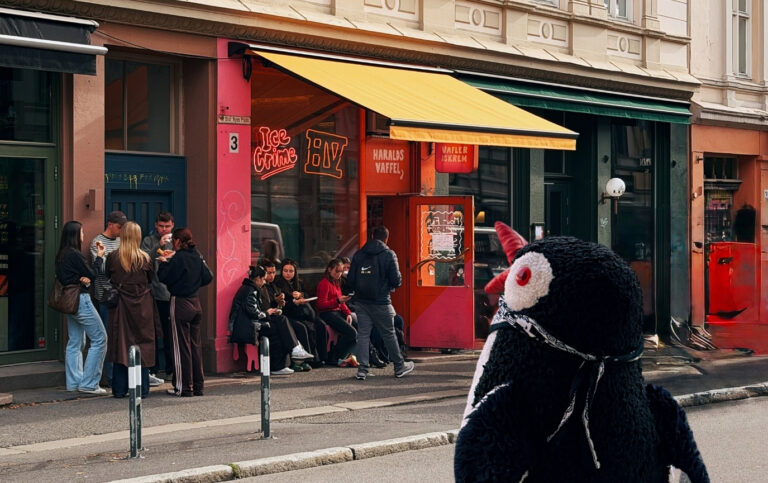
Norwegian waffles aren’t quite the same as the thick Belgian waffles you might expect. They are traditionally thinner and often made in a distinctive heart shape. You’ll find them in cafés, mountain lodges, homes, at sports events, and even on outdoor adventures. Common toppings include sour cream and jam, butter, brown cheese, or other sweet combinations. If you see a waffle stop during a hike, stop. This is not a suggestion. It is important research.
#30: Alcohol Is Expensive and Regulated
Alcohol is considerably more expensive than many visitors are used to. Beer and wine are available in restaurants, bars and shops, but stronger alcoholic drinks are sold through the state-owned Vinmonopolet system. Supermarkets have restrictions on what alcoholic drinks they can sell and when alcohol sales are permitted. So if you are planning to buy wine for your accommodation, don’t leave it until late at night. Norway has rules.


#31: Norway’s Economy Is More Than Oil and Gas
Norway may be famous for its fjords and Vikings, but its modern economy runs on much more than tourism. Oil and natural gas remain its biggest exports, particularly to Europe, but Norway also exports salmon and other seafood, aluminum, metals, machinery, and maritime equipment. Thanks to its mountains, rivers, and abundant rainfall, hydropower supplies most of the country’s electricity, helping support energy-intensive industries such as aluminum production. Norway also has one of the world’s strongest maritime industries, with shipping, offshore technology, and ocean engineering playing a major role. And then there is the famous Norwegian Oil Fund, which invests much of the country’s petroleum wealth around the world rather than spending it all at home. So while Norway sits on a lot of oil, it has also built an economy around the sea, energy, technology, and natural resources.
#32: Norway Has the World’s Second-Longest Coastline
Norway has the world’s second-longest coastline, after Canada, stretching roughly 100,000 kilometers when its islands are included. That is an astonishing number for a country of its size, but Norway’s coastline is anything but straight. Thousands of islands, rocky skerries, and deep fjords constantly bend and stretch the shoreline, creating an incredible coastal landscape that has shaped Norwegian life for centuries.
Practical Facts for Travelers Coming to Norway
Norway is relatively easy to travel around, but its size, mountains, and fjords mean that a little planning goes a long way. Here are the practical things you need to know before you go.
- Visa: Norway is part of the Schengen Area. Check the current entry requirements for your nationality before traveling.
- Currency: Norway uses the Norwegian krone (NOK). Cards and contactless payments are accepted almost everywhere, so you do not need much cash.
- Language: Norwegian is the main language, but English is widely spoken, especially in cities and tourist areas.
- Time zone: Norway uses Central European Time.
- Electricity: Norway uses Type C and F plugs and 230 V.
- Tap water: Tap water is safe to drink. Bring a reusable bottle.
- Public transport: Use Entur, Norway’s national journey planner, to plan trains, buses, ferries, trams and other public transport across the country. It is particularly useful when your journey involves several operators.
- Driving: Norway drives on the right. Roads can be narrow and winding, especially around the fjords, and journeys take longer than they look on a map.
- Road tolls: Norway uses automatic toll stations. Foreign vehicles are registered by their number plate, and you can arrange payment through AutoPASS or Epass24.
- Ferries: Ferries are part of the normal road network in many parts of Norway. If you are doing a fjord road trip, expect to use them rather than seeing them as an optional attraction.
- Renting a car: A car gives you much more freedom outside the major cities, particularly around the fjords. But don’t underestimate driving times.
- Consider a motorhome or caravan: If you are planning a longer fjord road trip, traveling by motorhome or caravan can be a great way to combine transport and accommodation. Norway has more than 1,000 campsites, many in beautiful locations. Just remember that motorhomes and caravans have more restrictions than people on foot when it comes to parking and camping.
Car hire from DiscoverCarsShows DiscoverCars’s own box, which can set DiscoverCars cookies.
- Wild camping: Norway has the famous Allemannsretten, or Right to Roam. You can hike and enjoy most uncultivated land, and you can generally pitch a tent at least 150 meters from an inhabited house or cabin, normally for up to two nights in the same place. Local restrictions can apply.
- Hiking: You don’t need to stick to organized attractions. Norway gives you extraordinary access to nature, but you are responsible for respecting trails, private property, wildlife, and local restrictions.
- Camping: The Right to Roam does not mean you can park a caravan or motorhome wherever you want. Vehicles must follow road and parking rules, and designated campsites are often the easiest option.
- Weather: Check the weather before every outdoor excursion. Conditions can change quickly, particularly in the mountains.
- Road conditions: If you are driving through the mountains, check current road conditions before setting off. Some scenic roads and mountain passes can close seasonally or temporarily.
- Useful apps: We would download Entur for transport, Yr for weather, and Vegvesen Trafikk for road conditions before a road trip.
- Groceries: Supermarkets are usually much cheaper than restaurants, so buying breakfast, snacks, and picnic supplies can make a noticeable difference to your budget.
- Restaurants: Check opening hours before heading somewhere for dinner, particularly in small towns and remote fjord areas. Do not assume there will be somewhere open late.
- Tipping: Tipping is optional. You can leave something extra for good service, but it is not expected in the same way as in the United States.
- Emergency numbers: 110 fire. 112 police. 113 ambulance.
- Wildlife: Keep your distance from reindeer, moose, musk oxen, seabirds and other wildlife. Never feed or approach wild animals. Norway’s freedom to access nature comes with responsibility. Take your rubbish with you, respect local signs and stay on marked trails where appropriate.
- Don’t try to see everything: Norway is huge. Pick a region and give yourself enough time actually to enjoy it. A journey between two places that look close on a map can take several hours because of mountains, ferries, and winding roads.
Our biggest practical tip? If your main goal is to see the fjords and experience Norway’s landscapes, consider renting a car or motorhome and slowing the itinerary down. The best parts of Norway are often not the places you planned to visit, but the waterfall, viewpoint, tiny village, or stretch of road that makes you stop along the way.
Best Time to Visit Norway
The best time to visit Norway really depends on what you want to experience. There is no single perfect season. Summer brings long days and the best conditions for hiking and road trips; winter is the season for the Northern Lights and snowy adventures, while spring brings waterfalls and the return of color. We visited in autumn, when Norway was covered in beautiful shades of yellow, orange, and red, making the landscapes feel completely different from the summer version we had imagined.
- Spring. Spring is when Norway starts waking up after winter. Snow begins melting in the mountains, waterfalls become particularly impressive, and longer days return. It is a beautiful time for exploring the fjords and cities, although conditions can still be quite wintry in the mountains. Late spring is also a good time to enjoy Norway before the busiest summer period.
Best for: waterfalls, fjords, fewer crowds, and seeing nature come back to life. - Summer. Summer is the classic season for exploring Norway. The days are long, temperatures are generally more comfortable, and many mountain hiking trails become accessible. This is the season for hiking, road trips, kayaking, cycling, and exploring the fjords. In northern Norway, you can also experience the midnight sun, when the sun remains above the horizon for weeks or even months depending on how far north you travel. The downside? Summer is also the busiest and often most expensive season.
Best for: hiking, road trips, fjords, outdoor adventures, and the midnight sun. - Autumn. We visited Norway in autumn, and the colors were one of our favorite surprises. The forests and mountains turn shades of yellow, orange, and red, creating a completely different landscape from summer’s green scenery. Temperatures cool, crowds thin, and the country starts transitioning toward winter. Early autumn can still be excellent for hiking, while later in the season conditions become more unpredictable.
Best for: colorful landscapes, hiking, photography, fewer crowds, and a quieter Norway. - Winter. Winter turns Norway into a completely different country. Snow-covered mountains, frozen landscapes, skiing, dog sledding, and Arctic adventures take over, while northern Norway becomes one of the world’s most popular places to search for the Northern Lights. The further north you travel, the shorter the days become, and parts of northern Norway experience polar night.
Best for: Northern Lights, skiing, snow-covered landscapes, dog sledding and Arctic experiences.
Our tip: Don’t choose your travel dates based on a generic “best time to visit Norway.” Decide what you want to see first. For hiking, choose summer. For colorful landscapes, choose autumn. For waterfalls and fewer crowds, consider spring. For the Northern Lights and winter adventures, choose winter.
How Much Time Do You Need in Norway
How much time you need in Norway really depends on how much of the country you want to see. For Oslo alone, a long weekend is enough to experience the main sights. But once you add fjords, Bergen, scenic train journeys, or northern Norway, you will want considerably more time.
- 3–4 days: Perfect for Oslo and a few nearby experiences. You can explore the city’s main sights without rushing.
- 5–7 days: Enough for a city-and-nature combination, such as Oslo and Bergen, or Bergen with a taste of the fjords.
- 7–10 days: A good starting point for a Norway road trip, giving you time to explore fjords, scenic roads and smaller towns without constantly being in the car.
- 10–14 days: Ideal if you want to combine Oslo, Bergen and the fjord region, with enough time for hikes, cruises or scenic train journeys.
- 2–3 weeks: This is where you can start exploring further, perhaps adding Lofoten, Tromsø or other parts of northern Norway to a southern itinerary.
- One month or more: If you really want to experience Norway slowly, you could spend weeks traveling through different regions and still have plenty left for another trip.
Our tip: Don’t try to see all of Norway in one go. The country is much bigger than it looks on a map, and traveling between places takes time. For a first visit, we would aim for at least a week, while two weeks gives you much more freedom to slow down and enjoy the journey.
Buy Us a Ko-fi

Norway is a country that is difficult to sum up in a single trip. It has dramatic fjords, colorful cities, mountain roads, tiny villages, the Northern Lights, fascinating history, and a culture deeply connected to the outdoors. And when you think you have seen the best of it, another viewpoint appears around the next bend. It is not the cheapest destination, and getting around can take longer than you expect, but Norway rewards those who slow down. Don’t try to tick off every attraction. Leave room for the unexpected waterfall, the scenic ferry, the quiet hiking trail, and the little café you discover along the way. Norway is not a country you visit. It is a country you explore, one fjord, mountain, and winding road at a time.
Travel Bold. Eat Well. Waddle Wild.

This post contains affiliate links. If you click and buy, I might earn a tiny commission, enough to help a penguin keep up its globe-trotting lifestyle. No extra cost to you, just more fish for me. Thank you for supporting the adventure!