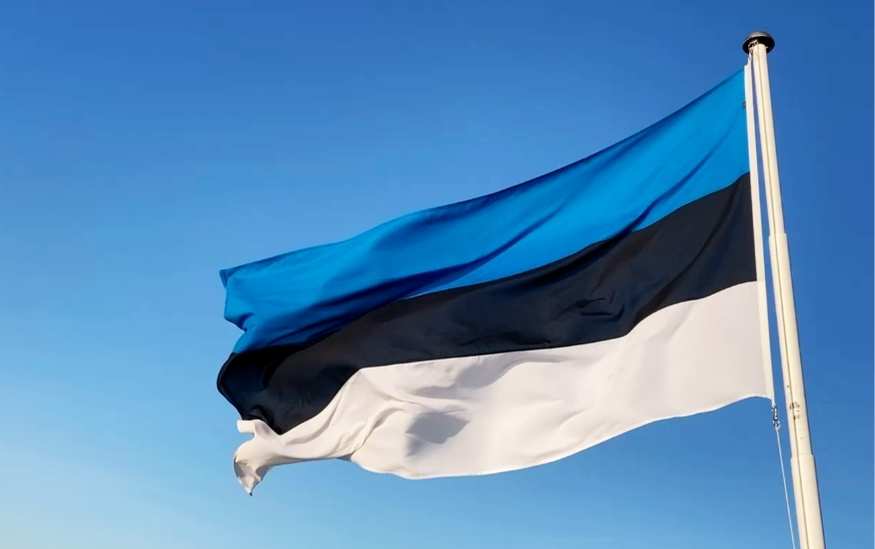
Estonia Facts Every Traveler Should Know
Before every new adventure, we like to learn a little about the country we’re about to visit and then compare what we’ve read with what we actually experience once we’re there. Estonia is one of those countries that many people tend to overlook. Others group it with its Baltic neighbors, Latvia and Lithuania. While they do share some similarities, we quickly discovered that Estonia has its own unique culture, history, and character. Here’s what we learned before and after our trip, and what surprised us most when we arrived.
Basic Facts About Estonia
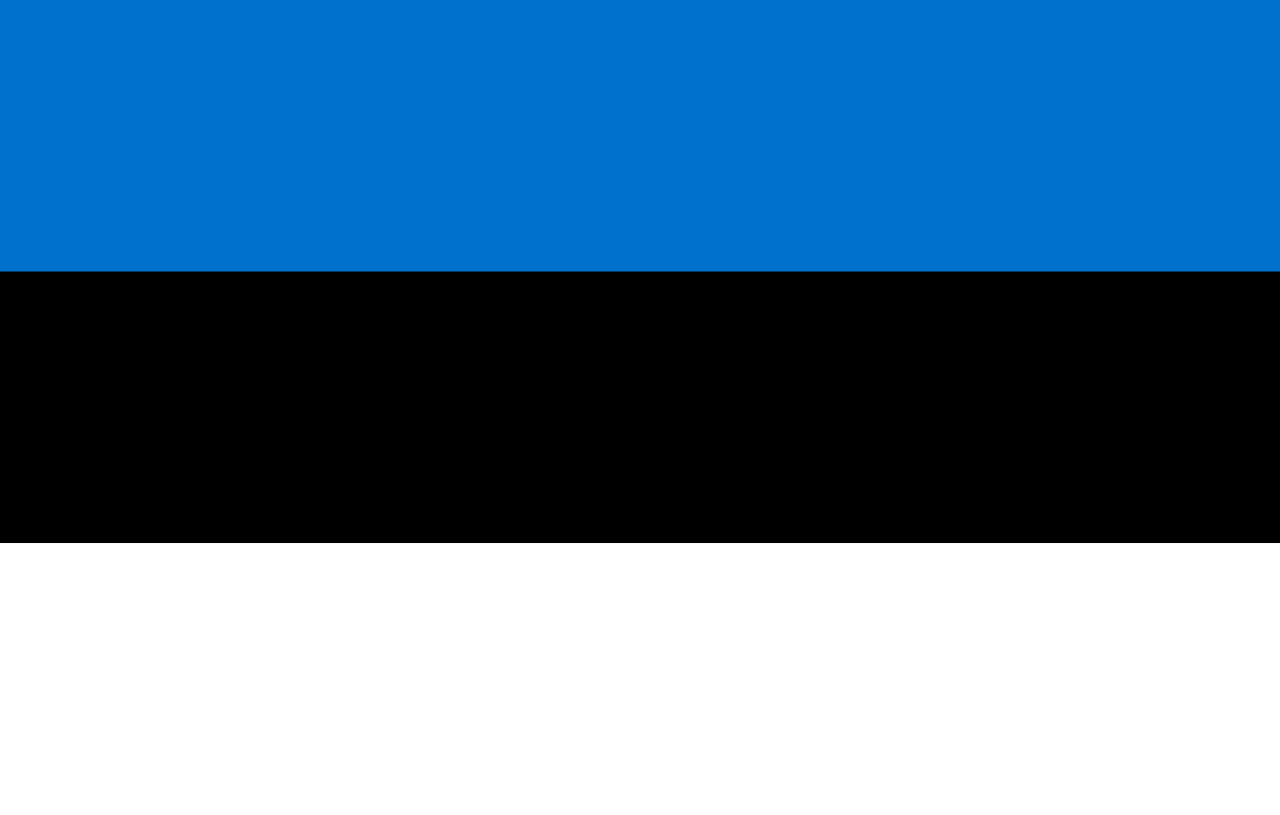
A Brief History of Estonia
- c. 9000 BC. The first people settled in the area after the last Ice Age.
- 13th century. Estonia was conquered during the Northern Crusades and came under Danish and later German rule.
- 1346. Denmark sold northern Estonia to the Teutonic Order, strengthening German influence in the region.
- 1561–1710. Parts of Estonia were ruled by Sweden, a period many Estonians still refer to as the “good old Swedish times” because of educational and legal reforms.
- 1721. Following the Great Northern War, Estonia became part of the Russian Empire.
- 1918. Estonia declared its independence on 24 February 1918, following the collapse of the Russian Empire.
- 1920–1940. The country developed as an independent democratic republic.
- 1940. Estonia was occupied and annexed by the Soviet Union during World War II.
- 1941–1944. The country was occupied by Nazi Germany before being reoccupied by the Soviet Union.
- 1991. Estonia peacefully regained its independence following the collapse of the Soviet Union.
- 2004. Estonia joined both NATO and the European Union, marking a major milestone in its modern history.
- Today. Estonia is one of Europe’s most digitally advanced countries, known for its thriving tech sector, medieval cities, beautiful nature, and innovative digital society.
17 Things to Know Before Visiting Estonia
#1: Islands, Islands, and More Islands. Estonia has a lot of islands! According to the Estonian Tourism Board, there are over 2000 of them in the Baltic Sea. What is interesting is that each island has its unique sights and also culture to share. Saaremaa is the largest island with unique historical, cultural, and natural attractions. It is home to about 30,000 people who speak a distinct dialect that even mainlanders can struggle to understand. And one of the most incredible things you can find in Saaremaa, but also the rest of Estonia, are meteorite craters. Saaremaa has, across the span of 1 square kilometer in the center of the island, nine craters caused by the impact of a meteorite hitting the island.
#2: Skype comes from Estonia. Estonia is famous for inventing Skype, even though Estonians didn’t. That honor belongs to a Swede and a Dane who invested in Estonian technology and went on to create the first video-calling app. If you don’t already know, Skype was the forerunner of FaceTime, Microsoft Teams, and Zoom. In March 2020, 100 million people were using Skype every month. In 2019, it was named the 6th most downloaded app of the decade (2010-2019).
#3: Technology is IN. Estonia is very progressive. First, it is famous for being the first nation to use online voting (also known as “e-voting”). In 2007, Estonians could cast their votes online. It was made possible by Estonia’s forward-thinking digital infrastructure and the use of mandatory ID cards. Since then, the use of digital ID authenticators has grown across the rest of Northern Europe, where most people use ID numbers to log in to banks, make secure transactions, or even sign documents.
#4: Forests Everywhere. Estonia is known for its abundant forests, which cover about 50% of its land area. As a result, Estonia is also famous for having some of the cleanest air in the world. And forests hold a special place in Estonia’s culture. For centuries, Estonians offered gifts to the woods, a practice that continues today. The Estonian pagan religion of Maausk reveres forests as sacred sites. You’ve probably realized by now that Estonia takes its forests very seriously. But they aren’t the only ones! Estonia is famous for having some of the tallest pine trees in the world, with the tallest at 46.6 meters (150ft).
#5: A Funny Law in Estonia. Every country seems to have at least one law that makes you stop and wonder, “Wait… what?” Estonia is no exception. Most of its laws are perfectly sensible; for example, pedestrians and cyclists are legally required to wear reflectors at night to improve visibility and safety. But then there’s one that definitely stands out: it’s reportedly illegal to engage in sexual activity while playing chess. We’ll let you decide why that law ever had to exist… and leave it at that.
#6: Independence Days. Estonia has two independence days. Both are crucial to understanding Estonian history. The first and most celebrated Estonian Independence Day falls on 24 February, which marks the day Estonia declared itself independent. The second is on 20 August, when Soviet control over Estonia fell, and independence was restored.
#7: Tall People Everywhere. Another thing Estonia is famous for is its tall population. Although Estonia has the third-smallest population in Europe, what they lack in numbers it more than makes up for in other areas. Estonians are the 3rd-tallest population on Earth. The average Estonian is 175.13cm (5 feet 8.94 inches) tall.
#8: Most Spas per Capita. While saunas are a huge deal in Estonia, there’s more to the spa culture than smoke and steam. Estonia is famous for having the most spas per capita in the world, which you should take advantage of as a tourist. The island of Saaremaa didn’t gain the nickname “spaaremaa” for nothing. There are over 40 spas on the island, using both ancient and modern methods – think steam rooms, saunas, mud, salt baths, and massage facilities.
#9: When Marzipan Was Considered Medicine. Estonia is famous for its sweet, nutty candy called marzipan. Made from almonds and powdered sugar, marzipan was originally sold in Tallinn as a medicine. The first record of marzipan sold in Tallinn goes back to 1422. These days, doctors won’t tell you to take marzipan. A shame because marzipan is so deliciously sweet that it feels like it should have some healing benefit.
#10: Estonian Language. The closest language to Estonian is Finnish. These languages are known as “Finno-Ugric languages.” Their closest major cousin is Hungarian. Thankfully, a considerable percentage of the population speaks English at a passable Level. For instance, if you’re visiting Tallinn, you’ve got a good chance of getting help in English. Other likely useful languages to know are German and Russian. Some useful phrases include Tere, which is ‘Hello’; Aitäh, which is ‘Thank you’; Palun for ‘Please’; and Ja and Ei for ‘Yes’ and ‘No’.
#11: Free Public Transport for Locals. One of the most interesting facts about Tallinn is that its residents can use the capital city’s public transport network for free. Unfortunately, that privilege does not extend to visitors. Still, the system is easy to use and offers excellent value for money if you’re up to getting around the local way.
#12: Tallinn Has a Thriving Craft Beer Scene. If you enjoy craft beer, Tallinn won’t disappoint. The city has a fantastic selection of local breweries, and even small convenience stores often stock an impressive range of craft beers alongside the well-known national brands. While IPAs and APAs are especially popular, you’ll also find plenty of lighter options, including pale ales, blonde ales, amber ales, and seasonal brews. Whether you’re stopping by a local pub or simply browsing a mini-market, there’s a good chance you’ll discover a new favorite.
#13: Education Is a Top Priority. Education is highly valued in Estonia, and it shows. The country boasts a literacy rate of nearly 100%, with almost everyone able to read and write. Estonia is also internationally recognized for its excellent education system, which consistently ranks among the best in Europe and performs exceptionally well in global assessments.
#14: High Standard of Living. Estonia enjoys one of the highest standards of living in the Baltic region and consistently ranks among the world’s happiest countries. Its strong economy, clean environment, and excellent public services contribute to a high quality of life. The country also offers a well-developed social welfare system and universal healthcare, making it an attractive place to live and visit.
#15: Estonia Has Produced Several World-Famous People. Despite its small population, Estonia has produced several internationally recognized figures. The best known is Arvo Pärt, one of the world’s most performed living classical composers, whose minimalist music has earned global acclaim. Sports fans may recognize Ott Tänak, the 2019 World Rally Champion, while history enthusiasts will know Lennart Meri, Estonia’s first president after the country regained its independence in 1991. Together, these individuals have helped put Estonia on the world map through music, sport, and leadership.
#16: Estonia Offers Two Very Different Natural Phenomena. The time of year you visit Estonia can completely change your experience. In summer, you’ll enjoy the famous White Nights, when the sun barely sets, and the sky stays bright well into the night, giving you extra hours to explore. Visit in winter, and if you’re lucky, you might even catch a glimpse of the Northern Lights dancing across the sky, especially in the country’s northern regions and on clear nights.
#17: A Paradise for Birdwatchers. If you enjoy wildlife, Estonia is a fantastic destination for birdwatching. More than 380 bird species have been recorded across the country, thanks to its diverse landscapes of forests, wetlands, bogs, islands, and coastline. Every spring and autumn, thousands of migratory birds pass through Estonia, making it one of the best birdwatching destinations in Northern Europe.


A Few Estonian Fun Facts
- Estonia celebrates Wife Carrying Championships.
- There are more registered startups per capita than in almost any other European country.
- The country’s emergency services can often be reached digitally.
- Tallinn is one of Europe’s oldest capitals.
- Estonia regained its independence through the peaceful Singing Revolution.
- Estonia has one of the highest rates of unicorn startups per capita in Europe.
- You can walk on frozen sea ice to some islands during particularly cold winters.
- The country’s bogs have floating boardwalks that are popular hiking destinations.
- Estonia has more meteorite craters than almost any other country of similar size, including the famous Kaali Crater on Saaremaa Island.
- There are over 1,500 castles, manor houses, and historic estates scattered across the country.
- Tallinn was one of the first European cities to have a public Christmas tree, dating back to 1441.
- Estonia is one of the least densely populated countries in Europe, giving it a peaceful, uncrowded feel.

Useful Travel Facts You Should Know Before Visiting Estonia
- Visa. Estonia is part of the Schengen Area, so travelers from the EU and many other countries can enter visa-free for short stays. Always check the latest entry requirements before you travel.
- Card or cash. Estonia is one of the most cashless countries in Europe. Credit and debit cards are accepted almost everywhere, even in many market stalls and cafés.
- Tap water. The tap water is safe to drink and of excellent quality throughout the country.
- Tipping. Tipping isn’t expected, but leaving 5–10% for excellent service is always appreciated.
- Power plugs. Estonia uses Type C and Type F plugs with a standard voltage of 230V.
- Driving. Vehicles drive on the right-hand side of the road. Roads are generally in excellent condition.
- Public transport. Estonia has a reliable public transport network, and Tallinn’s buses, trams, and trolleybuses make getting around the city easy.
- Best time to visit. Visit in June to August for long daylight hours and warm weather, or in December if you’d like to experience Tallinn’s magical Christmas Market.
- Safety. Estonia is one of the safest countries in Europe, with low crime rates and a welcoming atmosphere for visitors.
- Time zone. Estonia follows Eastern European Time (EET, UTC+2) and Eastern European Summer Time (EEST, UTC+3) during daylight saving.
- Internet. Free Wi-Fi is widely available in hotels, cafés, restaurants, shopping centers, and many public spaces.
- Nature. If you’re planning to visit national parks or bog trails, pack comfortable walking shoes and insect repellent during the summer months.
- Saunas. Saunas are an important part of Estonian culture, so don’t miss the opportunity to experience one during your visit.
Buy Us a Ko-fi

Estonia may be one of Europe’s smaller countries, but it certainly isn’t short on history, nature, or unique experiences. We hope these facts and travel tips help you feel more prepared for your trip and inspire you to discover everything this beautiful Baltic country has to offer. Happy waddling!
Travel Bold. Eat Well. Waddle Wild.

This post contains affiliate links. If you click and buy, I might earn a tiny commission, enough to help a penguin keep up its globe-trotting lifestyle. No extra cost to you, just more fish for me. Thank you for supporting the adventure!