Things to Know Before Visiting Mostar, Bosnia and Herzegovina
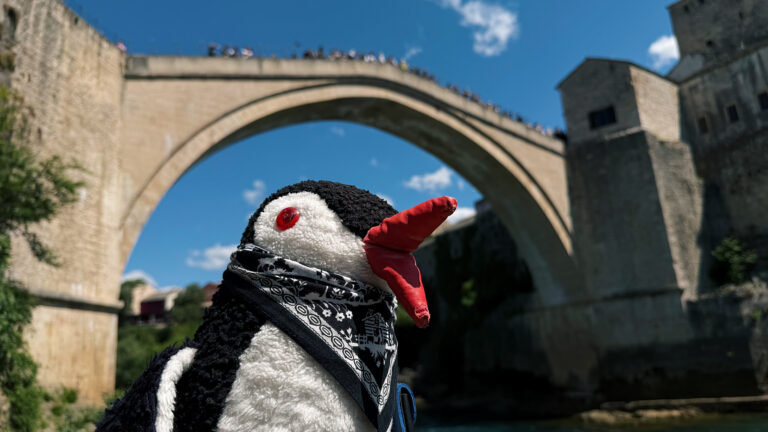
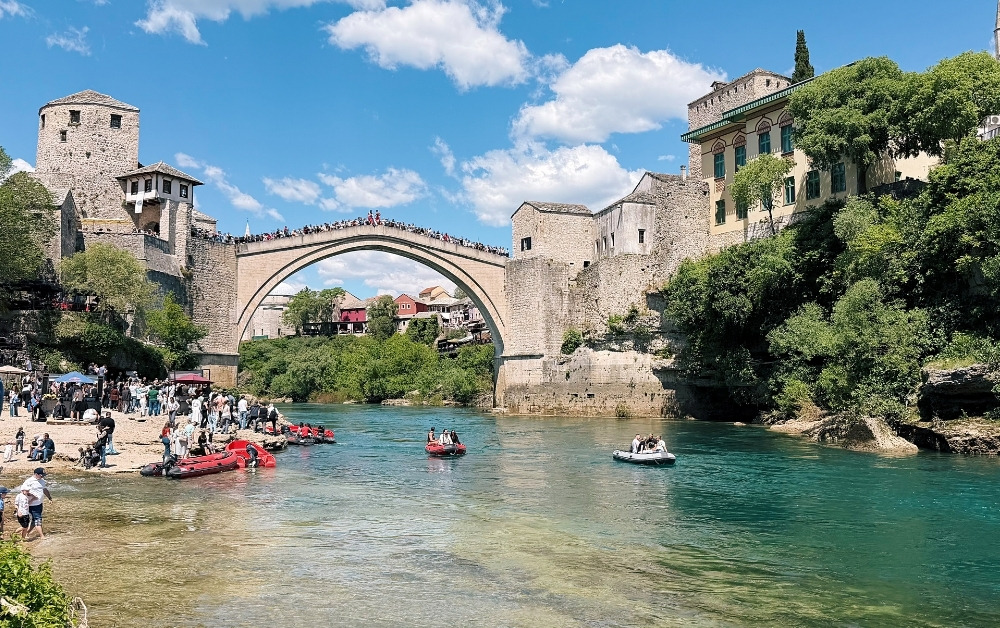
Mostar is probably the city you see the most when searching for Bosnia and Herzegovina online. The famous bridge crossing the Neretva River is usually the first image that comes to mind, and honestly, it was also the reason we first wanted to visit. Before arriving, we spent some time learning more about the city, its history, culture, food, and what to actually expect once there. This guide is based on what we found useful before visiting Mostar ourselves and what we learned while exploring the city.
Tours and tickets from GetYourGuideShows GetYourGuide’s own box, which can set GetYourGuide cookies.
Basic Facts About Mostar
- First Mentioned: First recorded in 1452 during the Ottoman period.
- Population: Around 100,000 people in the wider city area.
- Area: Approximately 1,175 km².
- Time Zone: CET (GMT +1) / CEST (GMT +2) in summer.
- Climate: Hot summers and mild winters. Spring and autumn are usually the best times to visit.
- Nearest Airport: Mostar International Airport (OMO), around 7 km from the center.
- Meaning of the Name: “Mostar” comes from “mostari,” meaning bridge keepers.
Best Time to Visit Mostar
The best time to visit Mostar is usually spring (April to June) and early autumn (September to October). During these months, temperatures are more comfortable for walking around the old town, crossing the bridge, and exploring nearby places without the extreme summer heat.
Summer is the busiest season, and temperatures in Mostar often exceed 35°C, especially in July and August. The city can feel very hot in the middle of the day because there is little shade along the stone streets. Winter is much quieter and cheaper, but some restaurants and tourist spots may have shorter opening hours.
We visited Mostar during the first weekend of May, and the weather felt perfect for exploring the city. The sun was shining, and you could already feel the heat, but it was still comfortable enough to walk around the old town, cross the bridge, and sit by the river without completely melting. After seeing how hot Mostar can get in summer, we were really happy we visited during this time of year.

How Long Do You Need in Mostar to Explore It
You can see the main highlights of Mostar in one full day, especially if your focus is mainly the old town, Stari Most, viewpoints, cafés, and local food. A lot of people actually visit Mostar just as a day trip from Dubrovnik, Split, or Sarajevo. But honestly, if you want to experience the city at a slower pace and explore nearby places like Blagaj, Kravica Waterfalls, or Pocitelj, staying at least 2 nights feels much better.


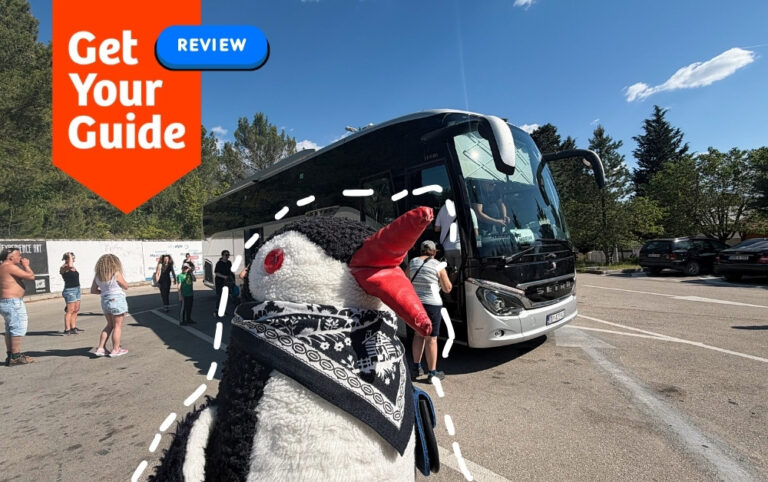
We visited Mostar as part of a one day tour from Dubrovnik, and looking back, the time we had there was definitely not enough. We spent only around two to three hours in the city, which sounds manageable on paper, but once you arrive, you quickly realize there is much more to see beyond just waddling across the bridge and taking a few photos. We barely had enough time to properly explore the old town, sit down for food, and enjoy the atmosphere without constantly watching the clock. If you are booking a tour or transfer to Mostar, we really recommend choosing one that lets you spend the whole day there, or ideally even stay overnight.
Where to Stay in Mostar
If you decide to stay overnight in Mostar, there are quite a few accommodation options, ranging from small guesthouses to boutique hotels close to the old town. Since our visit was only a short stop during a day trip, we did not stay overnight ourselves. However, we still spent quite some time researching hotels for our future return because, Mostar is one of those places we already know we want to revisit properly. These are some of the accommodations that caught our attention while planning a longer stay in the city.
Hotel search from Booking.comShows Booking.com’s own box, which can set Booking.com cookies.
-
- Shangri-La Mansion. It offers unique views from its rooftop terrace.
- Old Town Nest is a small accommodation located close to Mostar’s old town, making it a practical base if you want to stay within walking distance of Stari Most, restaurants, cafés, and the main historic streets, without needing transport around the city.
- Vila Lucac is a family-run accommodation located close to Mostar’s old town and Stari Most, offering a quieter stay while still within walking distance of the main sights, restaurants, and cafés in the historic center.
- Hotel-Restaurant Kriva Ćuprija is located right in Mostar’s old town, near the famous Crooked Bridge, combining traditional Bosnian-style architecture with a restaurant serving local dishes, making it a convenient place to stay if you want to explore the historic center mostly on foot.
- Pansion Villa Nur is a guesthouse located near Mostar’s old town and river area, offering views toward the surrounding historic part of the city while staying within easy walking distance of Stari Most, restaurants, cafés, and the main sightseeing spots.
A Brief History of Mostar
- 1452. Mostar is first mentioned in historical records as a settlement near the Neretva River crossing.
- 1566. The famous Stari Most bridge is completed during the Ottoman Empire under Sultan Suleiman the Magnificent and becomes the symbol of the city.
- 1878–1918. Mostar becomes part of the Austro Hungarian Empire, bringing new architecture, railways, and European influence to the city.
- 1945. After World War II, Mostar became part of socialist Yugoslavia and grew into an industrial and cultural center in Herzegovina.
- 1992–1995. During the Bosnian War, Mostar suffers heavy damage and becomes divided by conflict between different ethnic groups.
- 1993. Stari Most is destroyed during the war, becoming one of the most recognized symbols of the conflict in Bosnia and Herzegovina.
- 2004. The reconstructed Stari Most bridge officially reopens after years of rebuilding using traditional techniques and materials.
- 2005. The Old Town and Stari Most were added to the UNESCO World Heritage List.
The Legend of the Treasure Beneath Mostar
One local legend says that somewhere beneath the old streets of Mostar and around the area below Stari Most, a hidden Ottoman treasure remains buried to this day. According to the story, during times of war and invasion, wealthy merchants and families hid gold, coins, and valuables in secret tunnels and stone chambers near the river to protect them from theft. Some people believed spirits guarded the treasure, while others said strange sounds could sometimes be heard coming from beneath the old town at night. Even today, locals still tell stories about hidden underground passages below Mostar. Whether the treasure was ever real or not, it became part of the city’s lore that still follows the bridge and old town area.
13 Things to Know Before Visiting Mostar
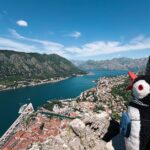
Mostar stays in your head long after you leave. Between the history, food, river views, and old town atmosphere, it quickly became one of our favorite stops in Bosnia and Herzegovina. And before you head on your adventure here are some interesting facts about Mostar.
- #1: Stari Most Was Rebuilt Using Original Techniques. After being destroyed in 1993 during the Bosnian War, the bridge was rebuilt and reopened in 2004, using many original stone-cutting methods and materials from the Ottoman period.
- #2: The Neretva River Is Extremely Cold. Even during summer, the Neretva River remains surprisingly cold because its water comes from nearby mountain sources.
- #3: Mostar Means “Bridge Keepers”. The city gets its name from the people who guarded the original wooden bridge crossing the river before Stari Most was built.
- #4: The Bridge Divers Jump From 24 Meters. Local divers in Mostar jump from Stari Most into the Neretva River, which is around 24 meters below. The tradition goes back hundreds of years.


- #6: Mostar Has One of the Hottest Climates in the Balkans. Summer temperatures regularly go above 35°C, especially in July and August.
- #7: The Old Town Is a UNESCO World Heritage Site. Mostar’s old town and the famous bridge were added to the UNESCO list in 2005.
- #8: The Stone Streets Get Very Slippery. The polished stones around the old town can become slippery, especially near the bridge, so comfortable shoes are honestly a good idea.
- #9: Many Buildings Still Show War Damage. While Mostar has been rebuilt extensively, you can still see bullet holes and damaged buildings in some parts of the city.
- #10: Mostar Is Considered the Capital of Herzegovina. While Bosnia and Herzegovina is one country, it is dividedinto two regions, and Mostar is considered the main cultural and historical center of Herzegovina. Many travelers focus mostly on Sarajevo, but Mostar plays a huge role in the identity of the southern part of the country. Even though Mostar is widely called the capital of Herzegovina, Herzegovina itself does not officially have a capital city.
- #11: Mostar Has Two Universities. The city has both a Croatian speaking and Bosnian speaking university, reflecting the different communities living in the city today.
- #12: The Call to Prayer Echoes Across the City. In many parts of Mostar, you can hear the call to prayer from mosques mixed with church bells, which says a lot about the city’s cultural mix.
- #13: The Old Town Looks Small but Is Easy to Get Lost In. Mostar’s old town is not huge, but the small stone alleys, staircases, and side streets make it surprisingly easy to lose your sense of direction for a while.
Useful Travel Things to Know Before Going to Mostar
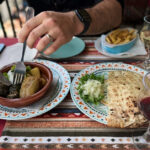
Before visiting Mostar, there are a few practical things to know ahead of time. Nothing too complicated, but some small details can definitely make your trip smoother once you arrive, especially if it is your first time visiting Bosnia and Herzegovina.
- Currency. Bosnia and Herzegovina uses the Convertible Mark (BAM / KM), not the euro. Some places accept euros, but usually with a bad exchange rate.
- Cash Is Still Important. Many restaurants, cafés, and souvenir shops accept cards, but smaller bakeries, market stalls, or local places may still prefer cash.
- Tap Water. Tap water in Mostar is generally safe to drink and locals drink it normally.
- Summer Heat Gets Intense. During summer, temperatures can be very high, especially around the old town, where there is little shade. Carry water with you.
- The Old Bridge Area Gets Slippery. The polished stone streets around Stari Most can get very slippery, especially with sandals or smooth shoes.
- Mostar Is Walkable. The main tourist area is compact and easy to explore on foot without needing public transport.
- Border Crossings Can Take Time. If you are visiting Mostar from Dubrovnik or Croatia as a day trip, border delays can sometimes add extra travel time.
- Smoking Indoors Is Common. Many cafés and restaurants still allow smoking indoors, which can feel surprising if you are not used to it.
Hotel search from Trip.comShows Trip.com’s own box, which can set Trip.com cookies.Search hotels on Trip.comTrip.com’s box can’t load on this device (an ad blocker often stops it). This opens Trip.com’s own hotel search.Open Trip.com
- Public Toilets Are Paid. Many public toilets in Mostar charge a small fee, usually around 1 BAM or sometimes 1 euro, so keeping some coins with you is honestly useful.
- Google Maps Can Be Confusing in the Old Town. Some small streets and staircases around the old town do not always match perfectly on maps, so expect a little wandering around.
- Souvenir Shopping Is a Big Thing in Mostar. The old town is filled with small shops selling copper items, handmade souvenirs, carpets, jewelry, and Bosnia themed gifts.
- Watch for Day Trip Crowds. Around midday, especially in summer, the bridge area can get extremely busy as organized tours arrive from Dubrovnik and Split.
- Cats Are Everywhere. Around the old town and river area, you will constantly spot cats relaxing near cafés, souvenir shops, and stone streets.

Buy Me a Ko-fi
Mostar is a places we are happy we got to see in person. Standing near Stari Most, looking out at the bridge over the river below, is one of those moments that feel familiar from all the photos online, yet different once you are there yourself. At the same time, we have to admit that the crowds during our visit were much larger than we expected. The old town around the bridge became so packed at certain points that we honestly did not even manage to properly explore the other side of the bridge the way we wanted to. That is also why we already know we want to return one day and experience Mostar at a slower pace, ideally with more time and maybe outside the busiest hours. Because underneath the crowds, it still felt like a place with a lot more waiting to be discovered.
Pack your bags and waddle more!

This post contains affiliate links. If you click and buy, I might earn a tiny commission, enough to help a penguin keep up its globe-trotting lifestyle. No extra cost to you, just more fish for me. Thank you for supporting the adventure!