Kotor Fortress in Kotor Old Town: What to Expect From the Famous Citadel Climb in Montenegro
Kotor may look like a small coastal town at first, but once we arrived, we realized there was quite a lot to see and do here, even with the limited time we had. Still, without much hesitation, we already knew what we wanted to do first. We love a good viewpoint, and with the dramatic mountains surrounding the bay, climbing up to the famous Kotor Fortress, also known as the San Giovanni Fortress, felt like an absolute must. So before heading up ourselves, we wanted to know if it was really worth the climb, how much it costs, what the waddle is like, and what to expect once you get there. Here is everything you should know before visiting the Kotor Fortress in Montenegro.

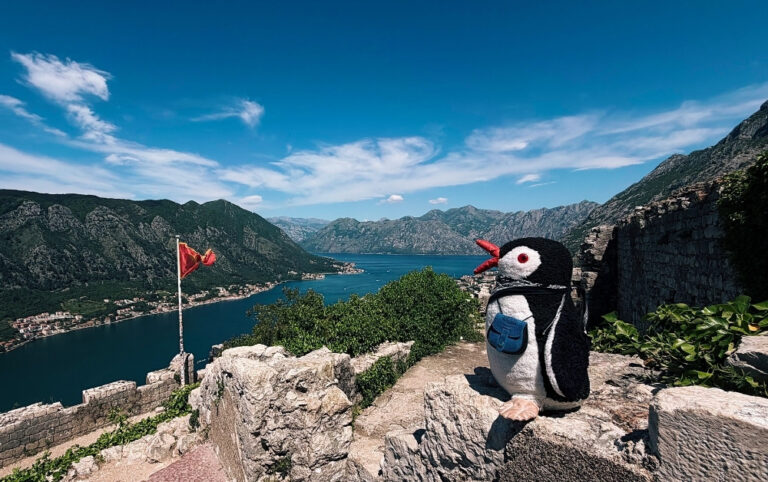
Why Visiting the Kotor Fortress Is Worth It
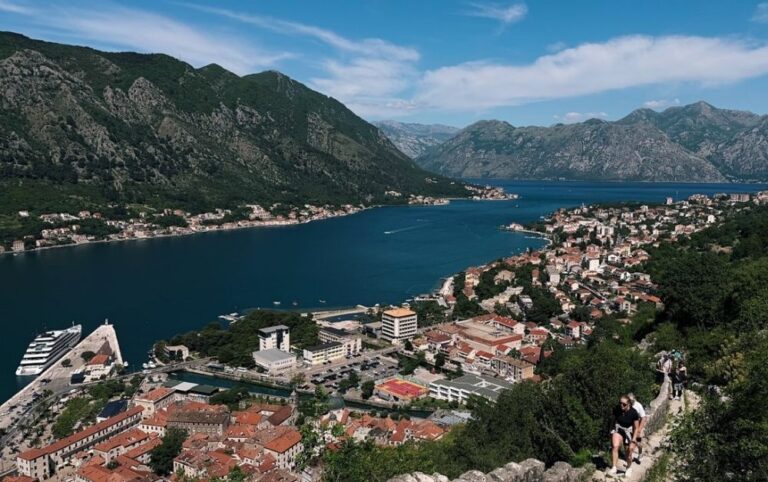
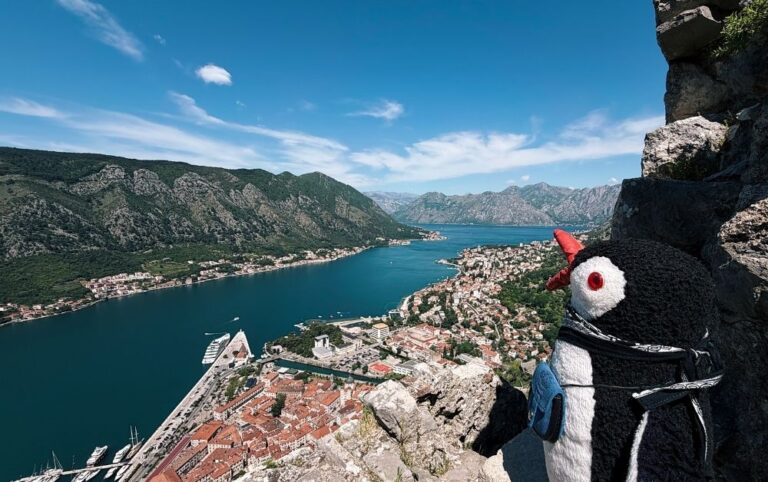
The Kotor Fortress is not just one of the most famous attractions in Montenegro for its views, but also for its history. The fortress forms part of the old defensive system that protected Kotor for centuries, with sections of the walls dating back to medieval and Venetian times. As you slowly climb higher above the Old Town, you pass ancient stone walls, gates, and ruins that make the whole experience feel far more special than just a regular viewpoint hike. But let’s be honest, the real reward waiting at the top is the breathtaking panorama over Kotor Bay. The combination of the dramatic mountains, the red rooftops of the Old Town, and the deep blue water below honestly feels unreal in person. Yes, the climb can feel like a workout, especially on a hot day, but the views make every single step worth it.
A Quick History of the Kotor Fortress
- 6th century. The first fortress structures were built during the Byzantine Empire under Emperor Justinian.
- 9th century. Defensive walls around Kotor continued expanding as the town grew in importance.
- 1420. Kotor came under Venetian rule, leading to major fortress upgrades.
- 15th–18th century. Venetians strengthened the walls to defend against Ottoman attacks.
- 1538. The fortress helped resist Ottoman invasions in the Adriatic region.
- 1657. Another Ottoman attack on Kotor was successfully defended.
- 1918. Kotor became part of the Kingdom of Serbs, Croats, and Slovenes after World War I.
- 1979. Kotor and its fortifications were added to UNESCO’s World Heritage List.
Practical Information About the Kotor Fortress
Opening Hours
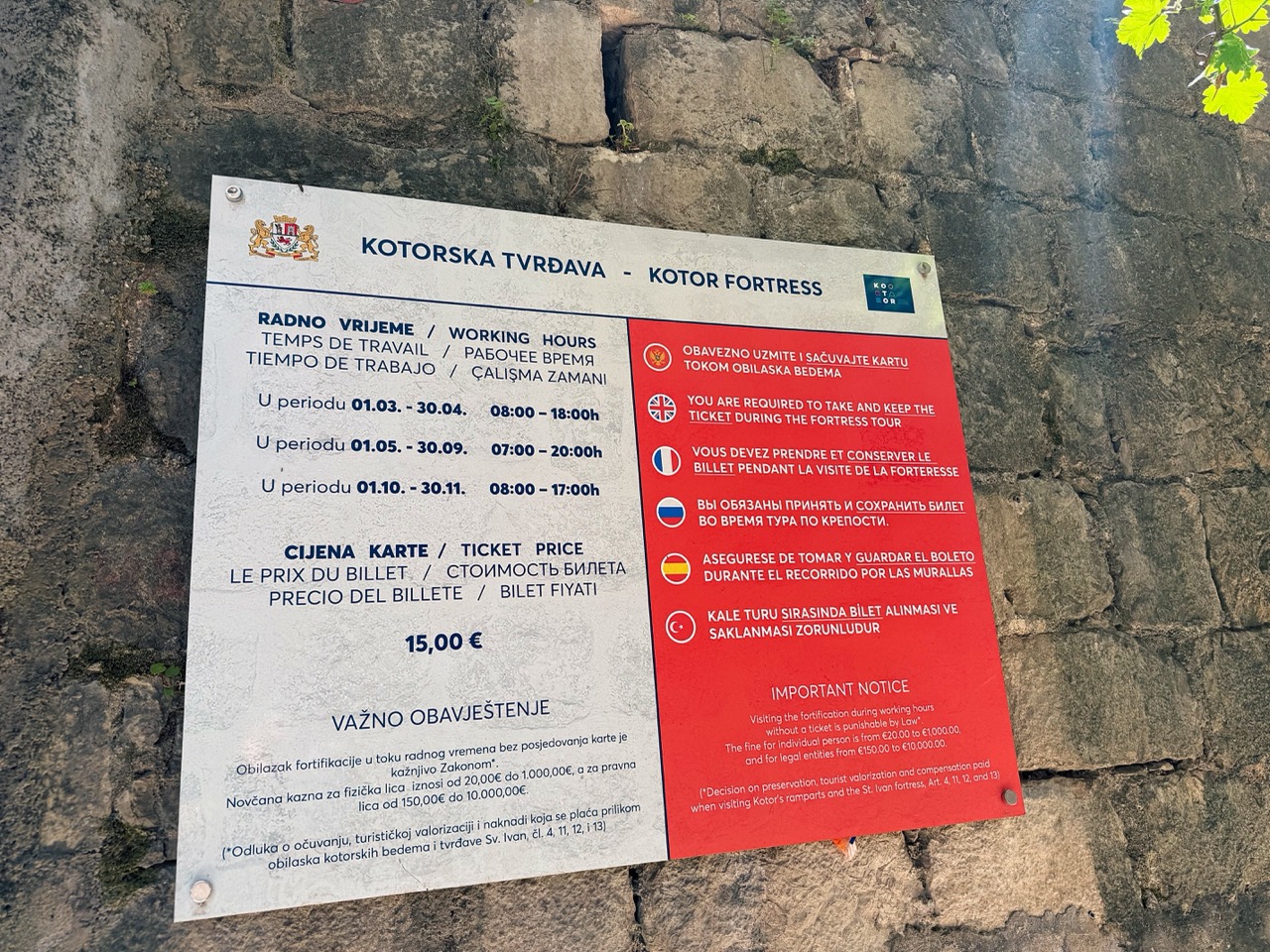
The Kotor Fortress is open daily, but opening hours vary slightly by season. Here are the current official working hours displayed at the entrance:
- 1 March – 30 April: 08:00 – 18:00
- 1 May – 30 September: 07:00 – 20:00
- 1 October – 30 November: 08:00 – 17:00
If you are visiting during the summer, we highly recommend going either early in the morning or later in the afternoon. The climb includes many stone steps with very little shade, and temperatures can get extremely hot in the middle of the day. Early mornings also usually mean fewer people on the trail and softer light over Kotor Bay,which makes the views even better.
Tickets
The current entrance fee for the Kotor Fortress is 15 € per person, according to the official information posted at the entrance during our visit. We did not see any discounted student, child, or senior tickets advertised, so it appeared to be a flat rate for everyone. You are also required to keep your ticket with you during the visit, as there are notices stating that fines apply for entering the fortress area without a valid ticket during opening hours.


There are two main entrances through which you can access the Kotor Fortress complex, and both have small ticket booths directly at the entrance where you can purchase your tickets on the spot. Payment is possible by cash or card,though we paid in cash during our visit. After buying your ticket, you scan it at the entrance gate before starting the climb up toward the fortress and viewpoints above Kotor.
Our Experience and What to Expect Along the Climb
As we really did not have much time in Kotor, we pretty much decided right away that if we wanted to see those iconic views you always see when you Google Kotor, we had to head straight for the fortress complex. Honestly, before arriving, we thought you could maybe waddle a little uphill somewhere around the Old Town and already get the famous panorama for free. But once we got there, we quickly realized that the official entrance to the fortress starts quite low already, meaning if you want those classic viewpoints, you will most likely have to pay the entrance fee. And considering the current condition of some parts of the complex, the price feels a bit high. But at the same time, once you have already paid to enter, you naturally want to make the most out of it and continue all the way up. Technically, you do not have to climb to the very top, but we would definitely recommend it because the higher you go, the more incredible the views over Kotor Bay become.
Once we paid for the ticket and entered the fortress complex, we knew this would definitely not be just a quick little viewpoint walk. To reach the top of the Kotor Fortress, you climb around 1,300 stone steps, and the highest point sits roughly 260 meters above Kotor Old Town, so it is good to come prepared, especially during warmer months. The climb can feel pretty intense at times, with uneven stairs, steep sections, and very little shade along the route. But what surprised us the most was how dramatic some parts of the path actually felt. Certain sections suddenly open up with incredible views over the bay. In contrast, others take you through old stone walls, ruins, and narrow passages that makethe whole experience feel much more adventurous than we originally expected.


The good thing is that almost immediately after entering the fortress complex and scanning your ticket, you already reach the first really beautiful viewpoint over Kotor Bay. So even if you do not plan to climb all the way to the top, you still get rewarded with amazing views pretty quickly. But honestly, once we had already paid for the tickets, we knew we wanted to commit and waddle all the way up fully. And as mentioned, it is quite the waddle, so come prepared for a proper climb. Luckily, there are multiple viewpoints and small stopping spots along the way, which makes it much easier to take breaks, catch your breath, and enjoy the scenery as you slowly climb higher above Kotor.


The Kotor Fortress is also called the San Giovanni Fortress, which translates to Saint John Fortress. The name comes from the hill and fortress area dedicated to Saint John, a name that was adopted during the Venetian period, when Kotor was under Venetian rule for centuries. You will notice both names being used today, sometimes even on maps and signs around Kotor. While there is no major legend directly tied to the name itself, the fortress has always carried a somewhat dramatic, mythical atmosphere because of its position, towering high above the bay, almost as if it grew directly out of the mountains surrounding Kotor.
What surprised us, apart from the incredible views, was how poorly maintained some sections of the fortress complex were. In certain parts, the grass and vegetation were overgrown along the path where people are supposed to walk, making it a bit confusing and awkward to navigate. At moments, it almost looked like you were entering an abandoned area where you should not even be waddling, yet this was still the official route upward. It is good to know beforehand that maintenance in some areas seems very limited.


As you continue climbing higher, more and more of the Bay of Kotor starts opening up behind you, and you really begin to realize how massive the whole fortress system is. The Kotor Fortress is not just a single building at the top, but part of a vast defensive complex of walls, gates, pathways, bastions, and ruins, stretching high above the Old Town and climbing up the mountainside. The fortification system extends for several kilometers and was designed to completely protect Kotor from attacks from both the sea and the land. Along the way, you pass old stone structures, defensive sections built into the cliffs, and remnants of historic military architecture that make the entire climb feel like you are walking through a giant open-air fortress rather than just hiking to a viewpoint.


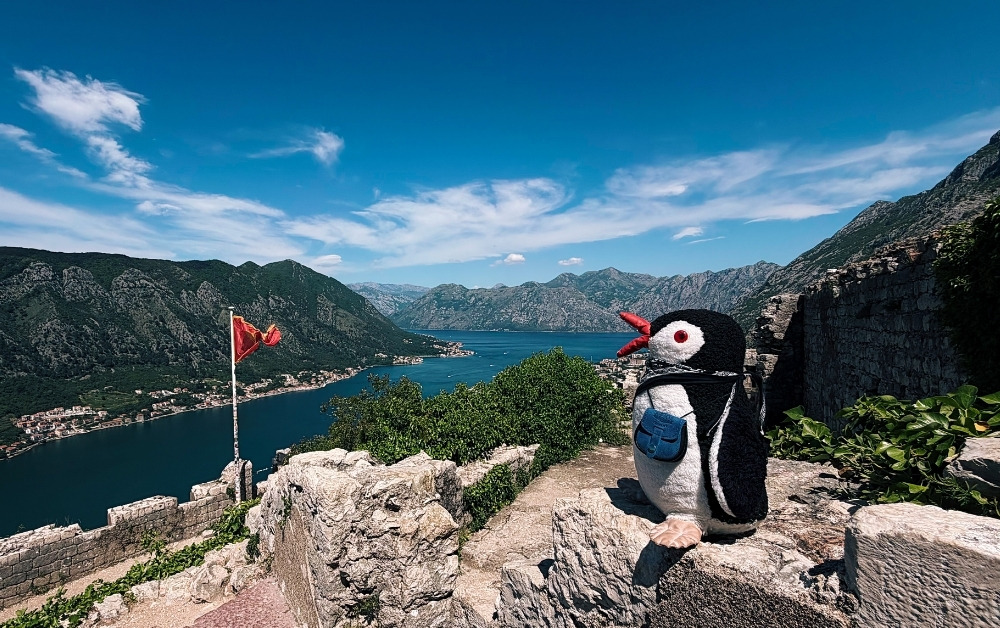
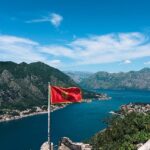
And then you finally reach the top, and this is really where the whole climb pays off. You get the full view over the Bay of Kotor, the Old Town below, the mountains around it, and honestly, this is the moment you realize why so many people do this climb. After all the stairs and sweating on the way up, you just stop there for a minute and take it in.
One thing, though, bring sunscreen and enough water. The sun hits hard on the way up, and there is barely any shade for most of the climb. We visited in May and were already sweating a lot and drinking water constantly, so during the summer, it can get even rougher. Also, do not go there in flip-flops. The path is uneven in many places, with loose stones, worn stairs, and sections where you really need proper shoes to avoid slipping or twisting your ankle.
At the top, you can also find the Montenegro flag, which has become one of the main photo spots up there, especially with the Bay of Kotor behind it. Around the summit area, there are also remains of old stone buildings, fortress walls, lookout points, and defensive sections that once formed part of the entire fortress system protecting Kotor. Some parts are in ruins now, but it still gives you a good idea of how large the complex once was.
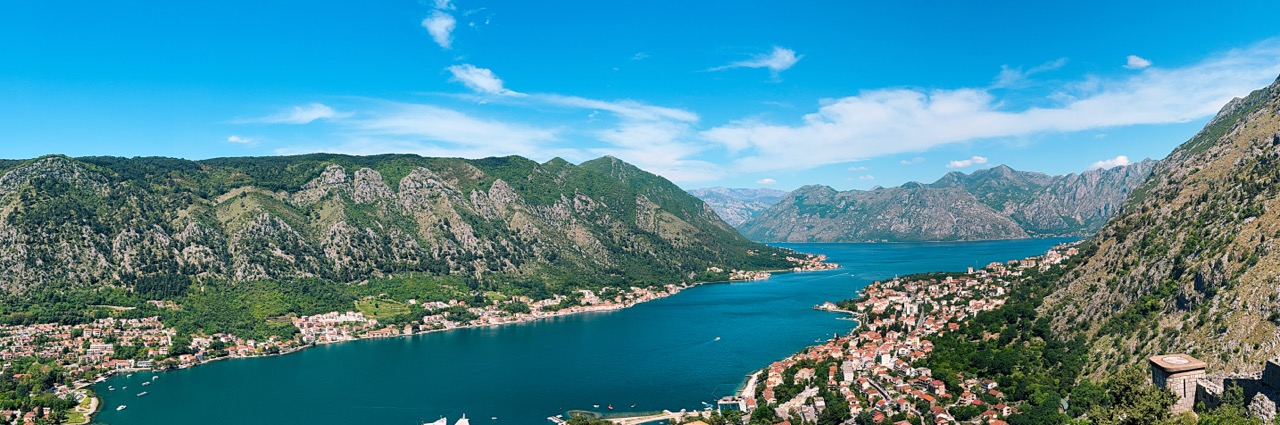
We stayed at the top for a while, enjoyed the views, caught our breath a bit after the climb, and then eventually started waddling back down. On the way back, we actually decided to take a slightly different path at one section rather than following the exact same route back. It gave us a bit of a different perspective on the fortress complex and the bay again. In the end, we left through the second entrance gate, so if you want, you do not necessarily have to return the same way you came up.
Hotel search from Trip.comShows Trip.com’s own box, which can set Trip.com cookies.Search hotels on Trip.comTrip.com’s box can’t load on this device (an ad blocker often stops it). This opens Trip.com’s own hotel search.Open Trip.com
Cats Around the Kotor Fortress
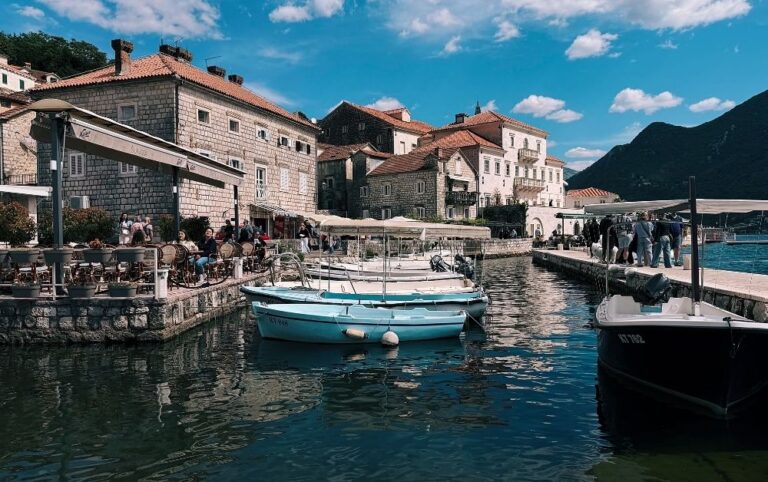
One thing we kept noticing during the climb was, of course, that there were cats everywhere. Kotor is well known for its street cats, and we spotted several of them both around the Old Town and along parts of the fortress trail itself. Some were just relaxing in the shade near the stone walls, while others casually walked past people climbing up the stairs like they owned the whole fortress complex. It became part of the whole Kotor experience because after a while, you almost start expecting to see another cat around every corner.

Buy Me a Ko-fi
How Much Time Do You Need for the Kotor Fortress
If you plan to do the full climb to the top of the Kotor Fortress, spend some time enjoying the views, take pictures, rest a little, and then walk back down, we recommend setting aside 2 to 3 hours in total. Of course, this really depends on your pace, the weather, and how often you stop along the way. The climb itself can take anywhere from around 45 minutes to over an hour, especially if it is hot outside or crowded. We also found ourselves stopping quite often, partly to catch our breath and partly because there are many viewpoints along the route that make you want to pause for a moment. If you only want to reach the first viewpoint near the entrance, you can do so much faster. But if you have already paid for the ticket, we honestly think it makes sense to give yourself enough time to experience the whole fortress properly.


Best Time to Visit the Kotor Fortress
The best time to visit the Kotor Fortress is either early in the morning or later in the afternoon, especially during the warmer months. The climb has very little shade, and once the sun gets high, the stairs and stone paths heat up quickly. We visited in May and were already sweating a lot, so during summer, midday climbs can honestly feel pretty rough.
If you want fewer crowds, mornings are usually better. Kotor is a very popular cruise ship destination, and once large cruise groups arrive in the Old Town, the fortress trail can get much busier. Starting early also gives you softer light over the Bay of Kotor and slightly cooler temperatures for the climb.
Sunset is another really popular time to visit because the light over the bay changes completely, and many people go up specifically for that. Just make sure you still leave yourself enough time to come back down safely before closing hours.
In terms of seasons, spring and early autumn are probably the most comfortable times for the climb. Temperatures are usually more manageable, and the experience feels much nicer overall compared to the peak summer heat.
Overall, we are really glad we decided to climb up to the Kotor Fortress because the views alone made the experience worth it for us. Looking over the Bay of Kotor from above is honestly one of those moments you remember from a trip. At the same time, though, we do think the entrance fee feels a bit high considering the current state of the fortress complex. Some sections are barely maintained, heavily overgrown, and in certain places, the path honestly no longer feels safe. You can clearly see that parts of the fortress are slowly falling apart, so paying 15€ can feel a little frustrating at times.
But somehow, once you finally reach the top and see the views, you forget about the climb, the sweating, and even the ticket price for a while. The whole experience still feels very unique, especially because you are walking through old fortress walls directly above Kotor Bay. If you have the time while visiting Kotor, we would definitely recommend doing it. Just give yourself more time than we did. We were a bit rushed and managed the whole thing pretty quickly, but this is definitely one of those places better enjoyed slowly, with breaks along the way rather than rushing straight to the top.
Pack your bags and waddle more!

This post contains affiliate links. If you click and buy, I might earn a tiny commission, enough to help a penguin keep up its globe-trotting lifestyle. No extra cost to you, just more fish for me. Thank you for supporting the adventure!