
Interesting Facts About Funchal, Madeira You Should Know
You can find Funchal on the southern coast of Madeira. It offers a unique blend of natural beauty, vibrant culture, and unforgettable experiences. We explored Funchal for a couple of days and found it truly enchanting. There is a lot to see, and in this blog post, we’ll explore why Funchal deserves a spot on your travel wishlist and how to make the most of your time here.
Why to Visit Funchal
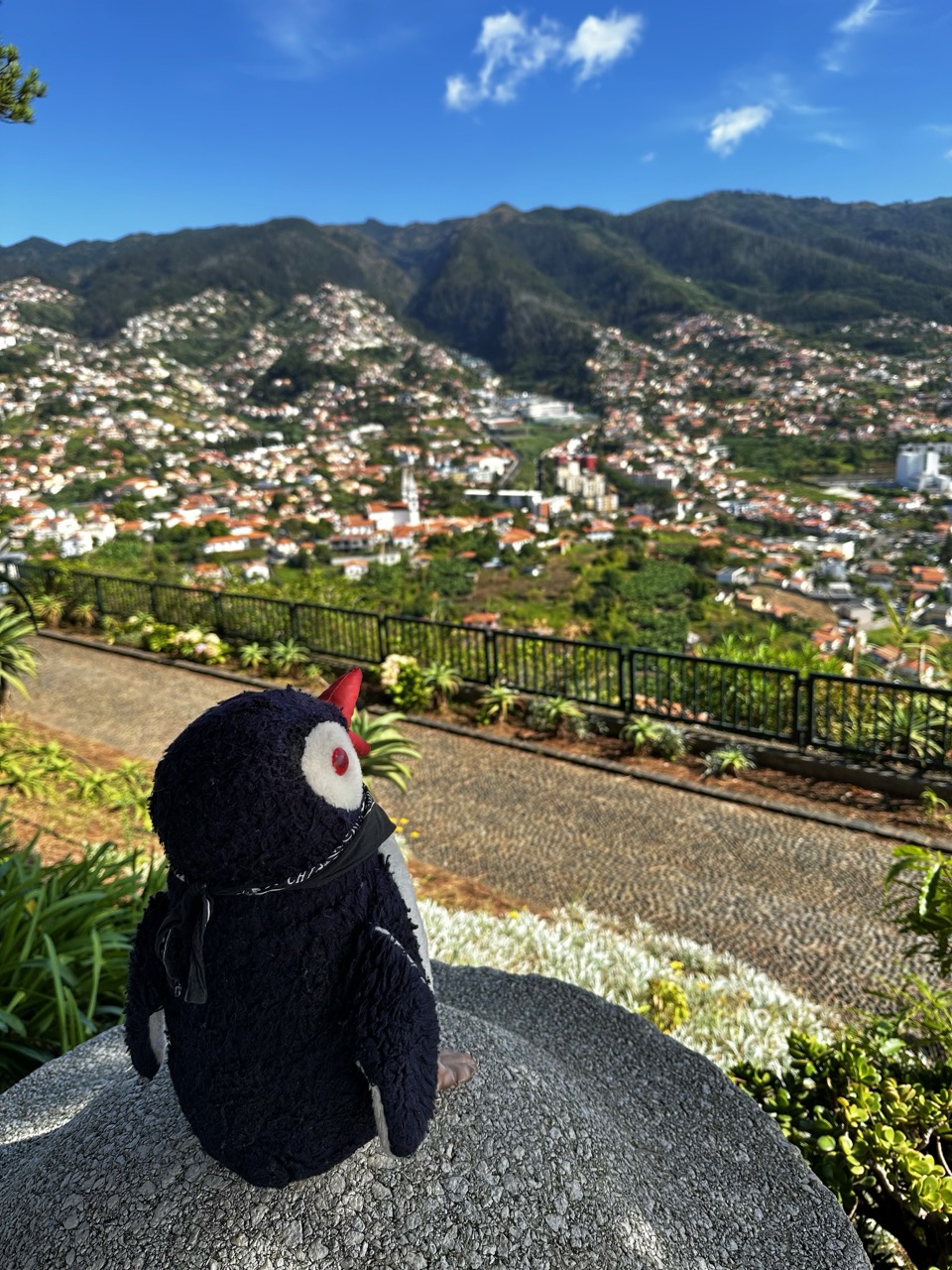
In 1419, Portuguese explorer João Gonçalves Zarco, sponsored by Prince Henry the Navigator, was blown off course while sailing to Africa and discovered Porto Santo, meaning “Holy Port,” which offered shelter during the storm. A year later, he discovered the nearby Madeira Island, named for its dense forests (“Madeira” means wood). Funchal, the capital city of Madeira, is surrounded by lush mountains and the sparkling Atlantic Ocean. With a population of around 111,000, it still retains its small-town charm. We love how it spreads across the lush mountains while you are close to the ocean. It has a mild climate with mild temperatures year-round. It makes it ideal to visit no matter what time of year you choose. Apart from the climate and top location, Funchal has a lot of history to offer as well.
Historical Facts About Funchal
- Funchal was founded in 1424 by João Gonçalves Zarco, Tristão Vaz Teixeira, and Bartolomeu Perestrelo, three Portuguese explorers. They arrived on the island of Madeira during their quest to explore uncharted territories.
- Became an important port for the sugar trade during the 15th and 16th centuries.
- Played a key role in Madeira’s wine trade, especially the famous Madeira wine exported to Europe and the Americas.
- Funchal faced numerous pirate attacks during its early years, prompting the construction of defensive structures such as the São Lourenço Palace to protect the city from maritime threats.
- Funchal evolved into a significant trade and economic hub during the Age of Discoveries, attracting merchants and traders from various parts of the world.
- In the 19th century, Funchal became a popular destination for British visitors seeking a milder climate. The British influence is still evident in some of the architecture and traditions in the city.
- The 1803 earthquake and subsequent flooding caused significant rebuilding in the city, shaping its modern layout.
- Funchal’s botanical gardens and public parks were established in the 19th and early 20th centuries, reflecting its role as a cultural and leisure center.
- The city served as a strategic military location during World War I and World War II due to its Atlantic position.
Why is it called Funchal
The town is named after a fragrant wild herb traditionally known as fennel (Foeniculum vulgare), which was abundant in the area when the settlement was established. Over time, several exceptional regional products, such as sugar and wine, symbolized in the municipal coat of arms became vital to the local economy. This transformation helped turn Funchal into a key trading hub in the center of the Atlantic.
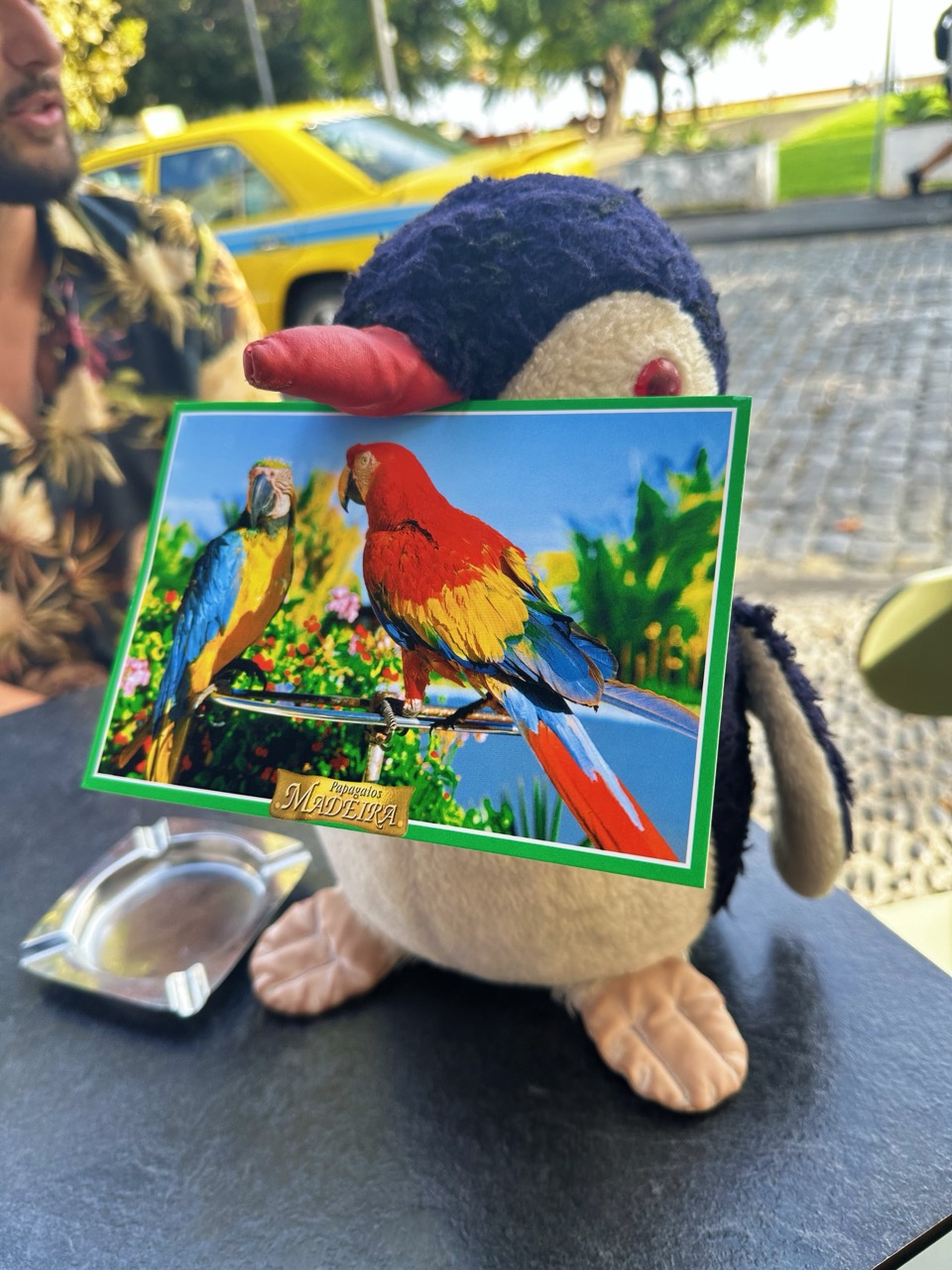
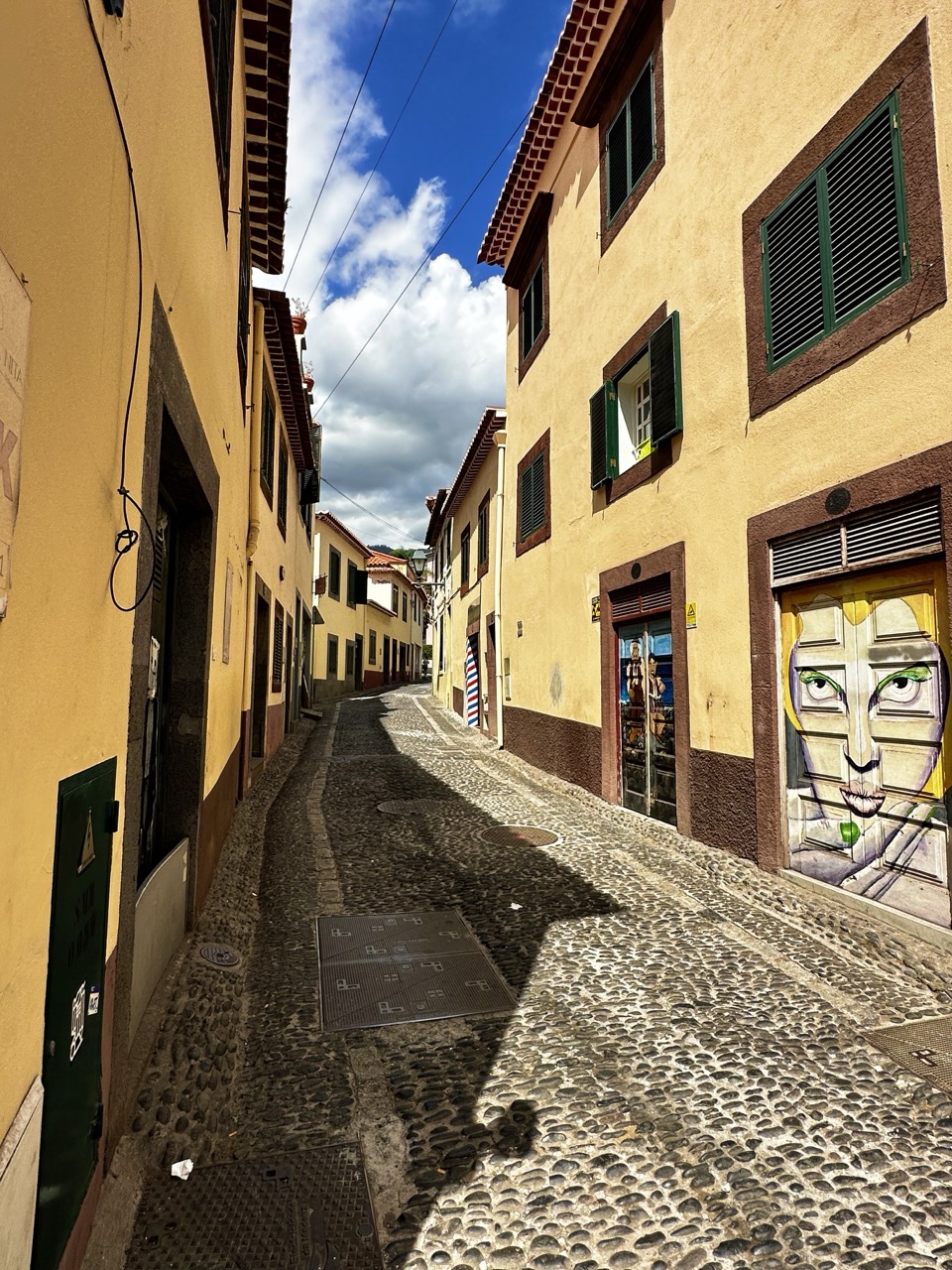
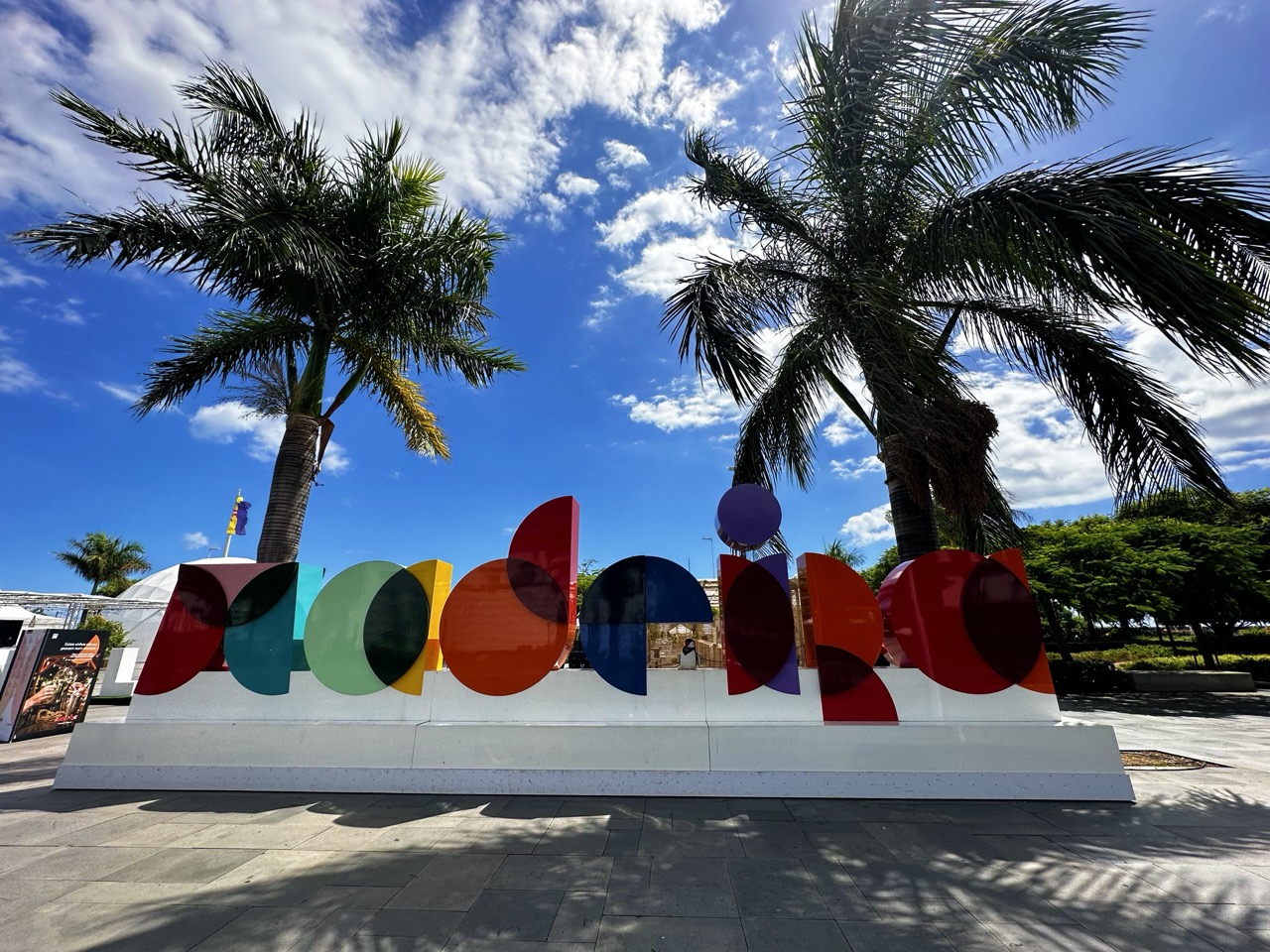
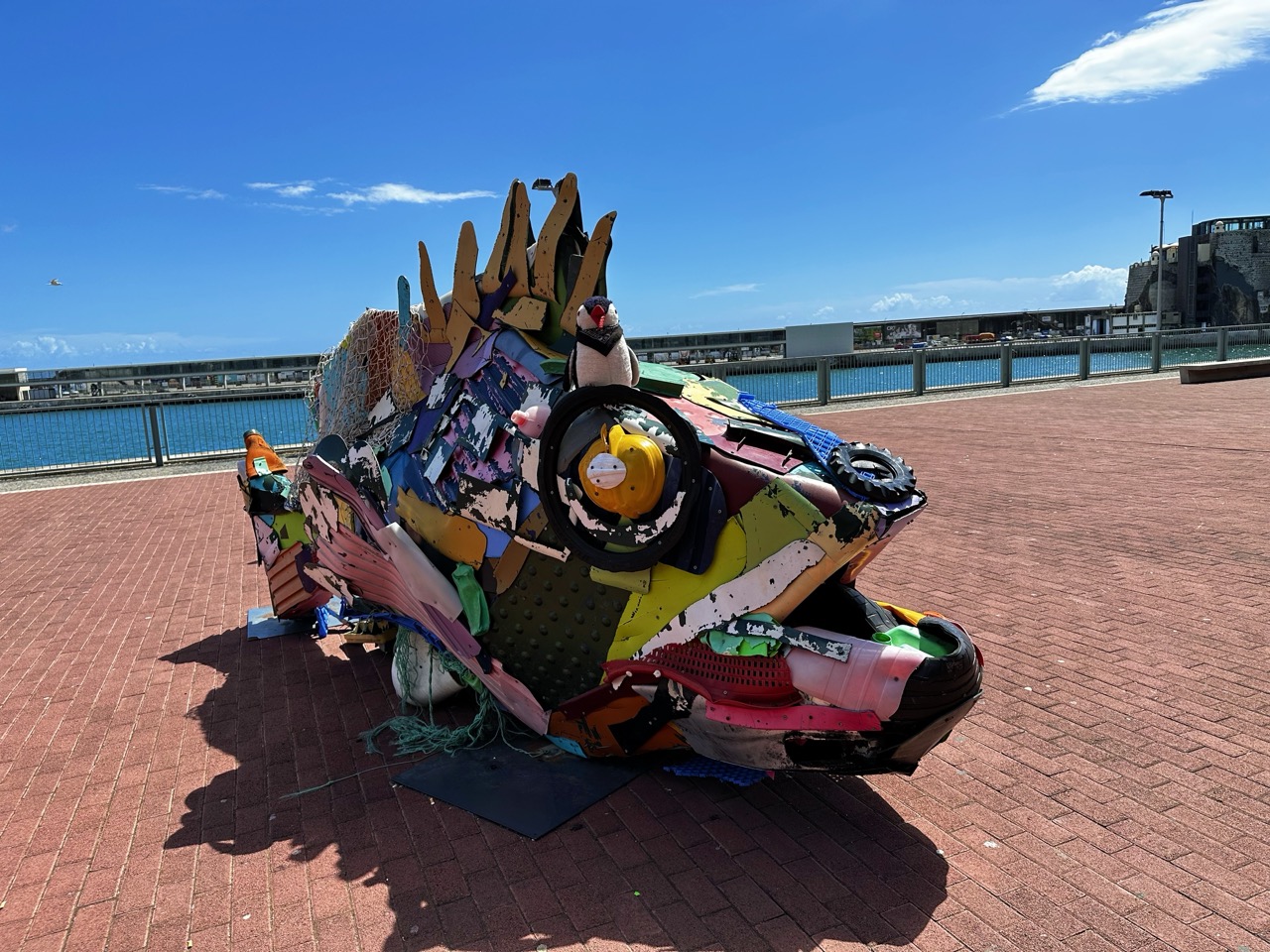
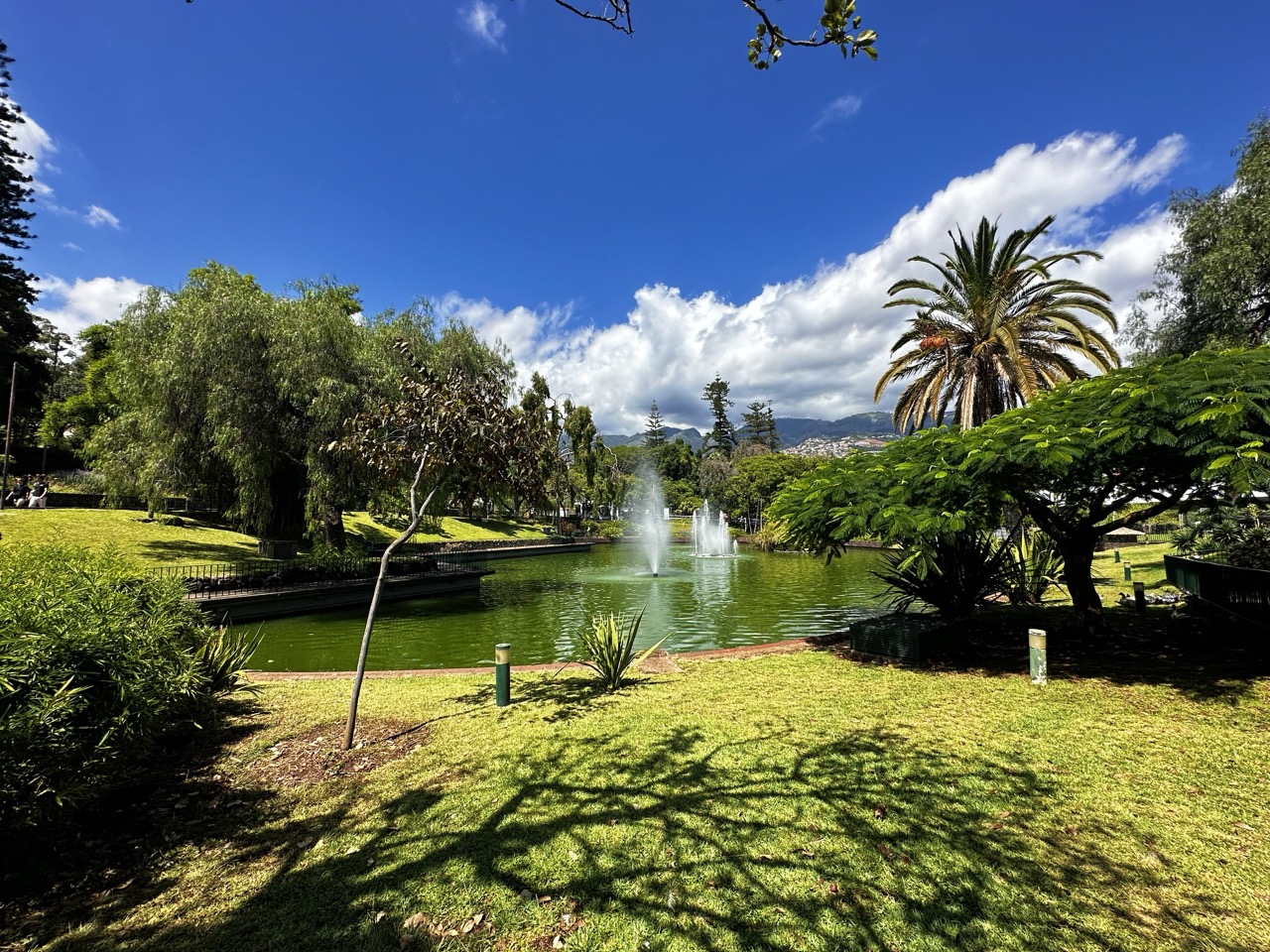
13 Interesting Facts about Funchal
-
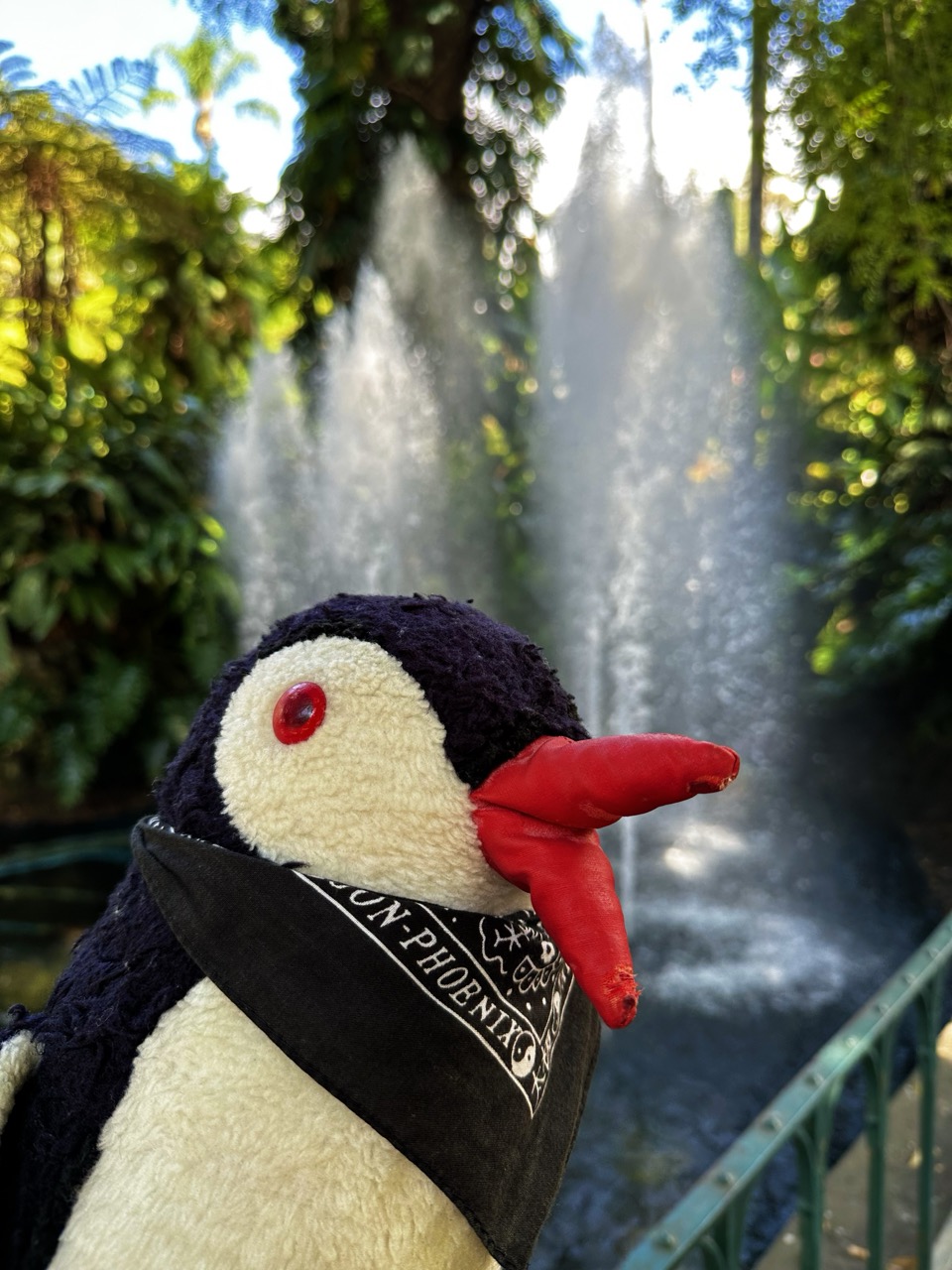
- The city is home to the famous Monte Palace Tropical Garden, showcasing a diverse collection of exotic plants from around the world.
- Sé Catedral de Nossa Senhora da Assunção, commonly known as Funchal Cathedral, is one of the oldest structures in the city, dating back to the 15th century.
- The streets of Funchal are adorned with beautifully painted doors, showcasing the city’s commitment to public art and creativity.
- Funchal hosts one of the largest and most colorful carnivals in Portugal, attracting visitors from all over with its lively parades, music, and vibrant costumes.
- Funchal is said to be the home of the world’s first shopping center, the “Armas Square,” where Christopher Columbus allegedly purchased items for his voyages.
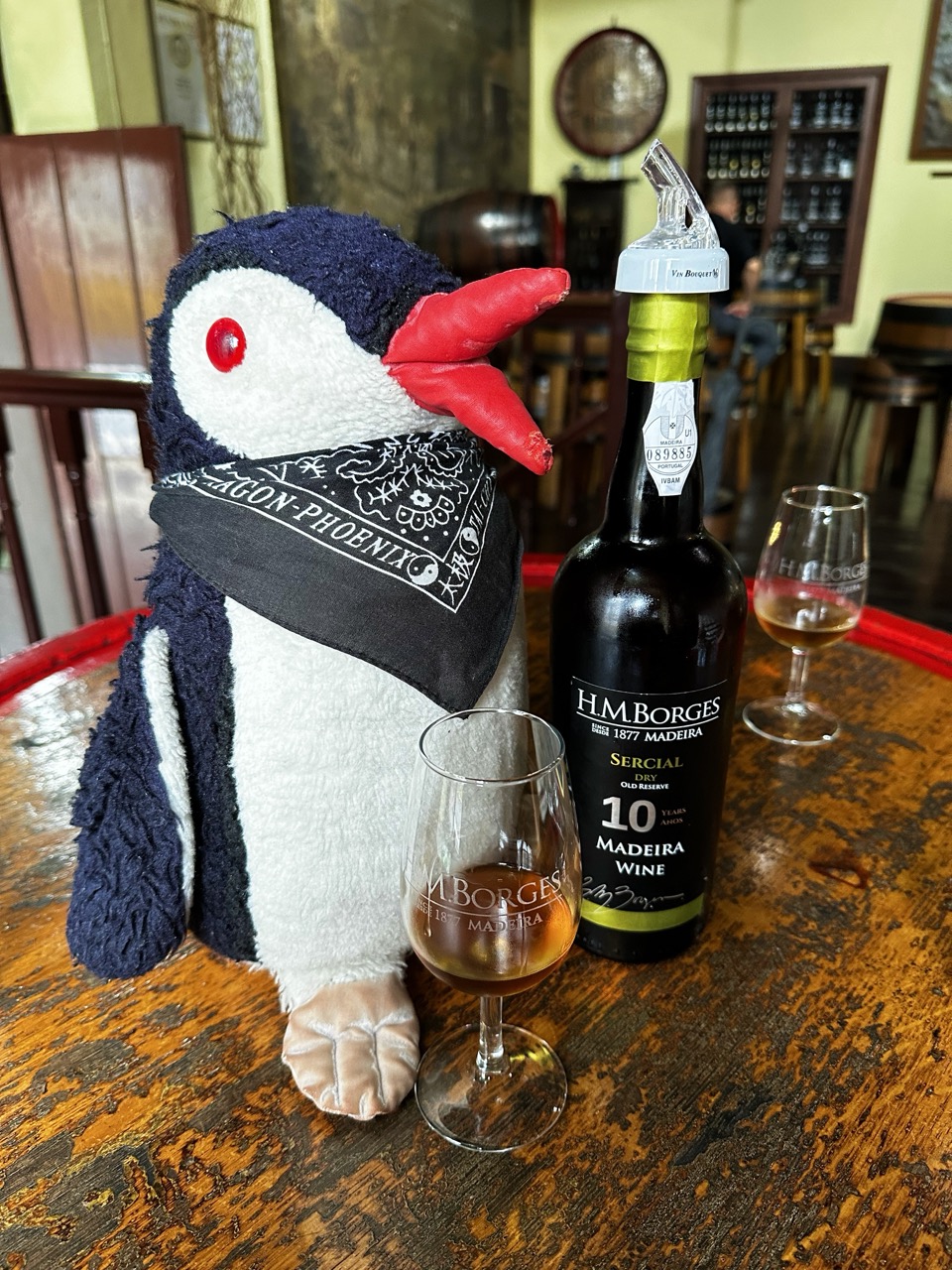
- The city is renowned for its Madeira wine, a fortified wine that gained international acclaim. You can explore local wineries and enjoy tastings of this unique and flavorful beverage.
- Funchal hosts one of the largest New Year’s Eve fireworks displays in the world, attracting thousands of visitors to witness the spectacular show that lights up the sky over the harbor.
- Funchal’s climate allows for the cultivation of a variety of tropical fruits, including bananas, avocados, passion fruit, and guavas. Visitors can savor these fresh delights throughout the city.
- Funchal is known for its traditional wickerwork. Skilled artisans craft intricate baskets and furniture using local materials, and you can find these handmade creations throughout the city.
- Funchal is home to the historic Reid’s Palace Hotel, which has been hosting distinguished guests since 1891. The hotel offers stunning views of the Atlantic Ocean and is known for its luxurious ambiance.
- The Teleférico do Funchal provides breathtaking views of the city and the coastline as it ascends to Monte. It’s a popular attraction offering a unique perspective of Funchal.
- Funchal hosts an annual Flower Festival, where the streets come alive with colorful floral displays, parades, and events. It’s a celebration of the island’s diverse flora and vibrant culture.
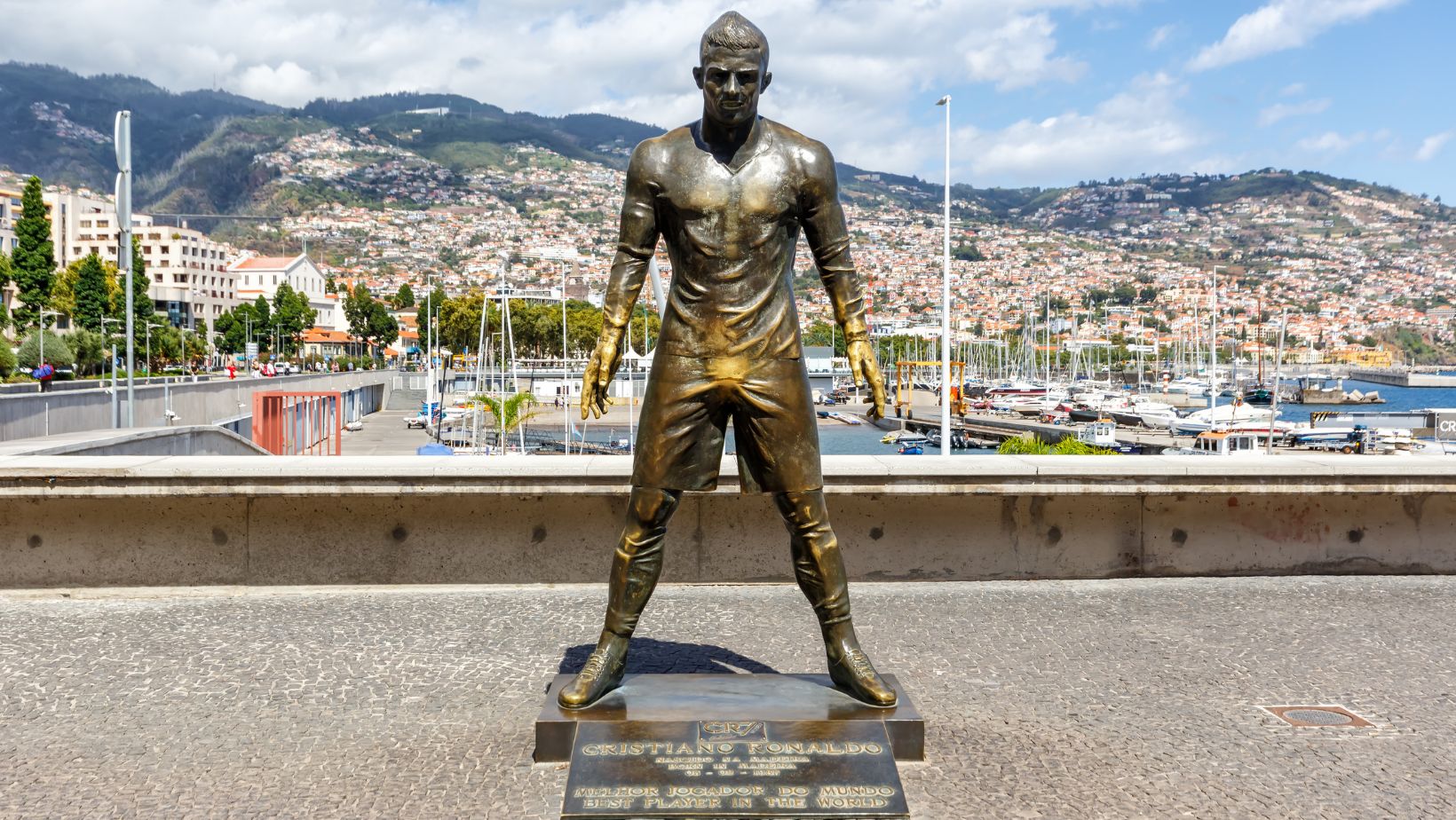
- Birthplace of Cristiano Ronaldo. Funchal is the hometown of football superstar Cristiano Ronaldo, born here in 1985. His legacy is celebrated in the city, including the CR7 Museum and a statue in his honor.
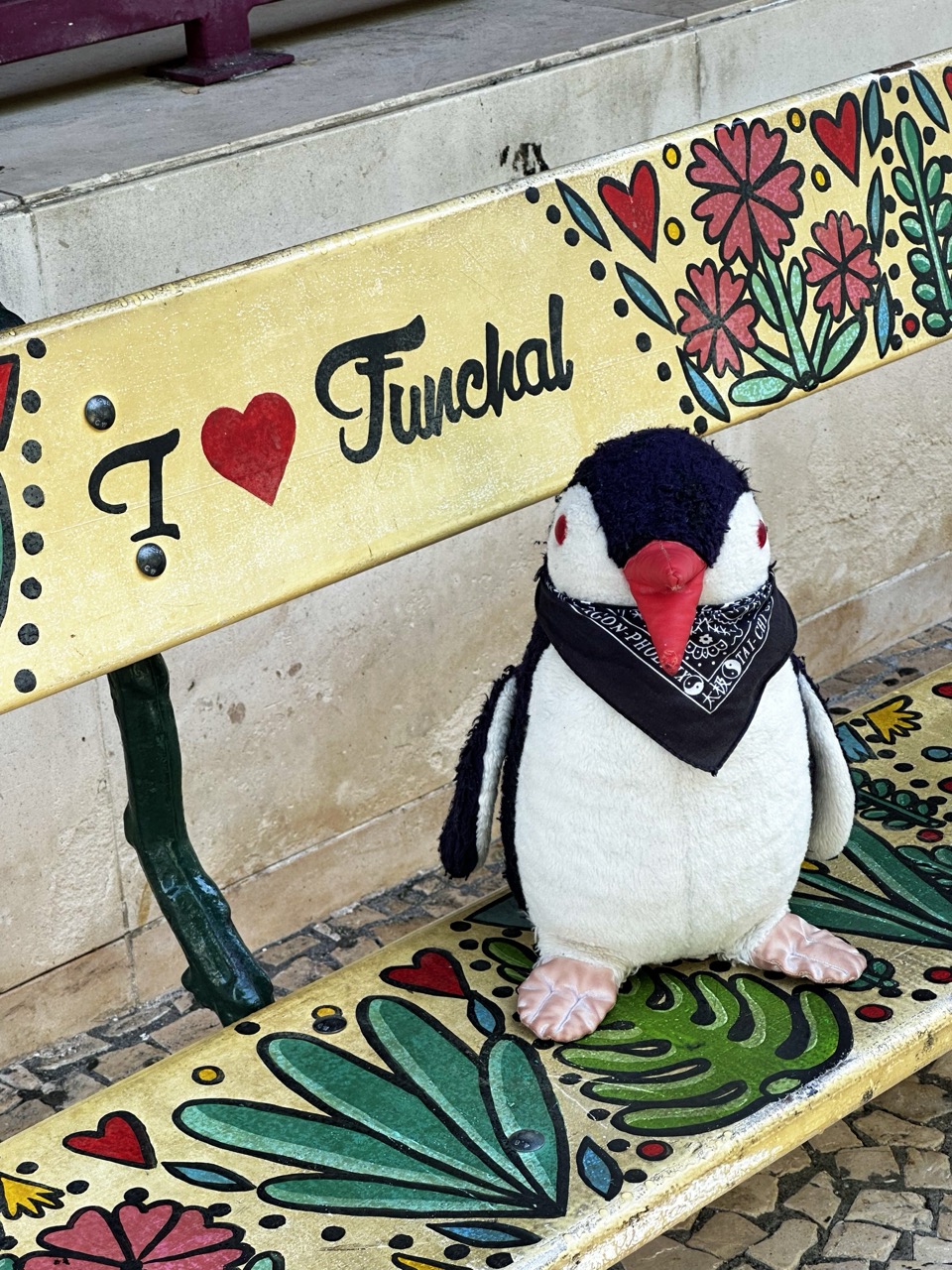
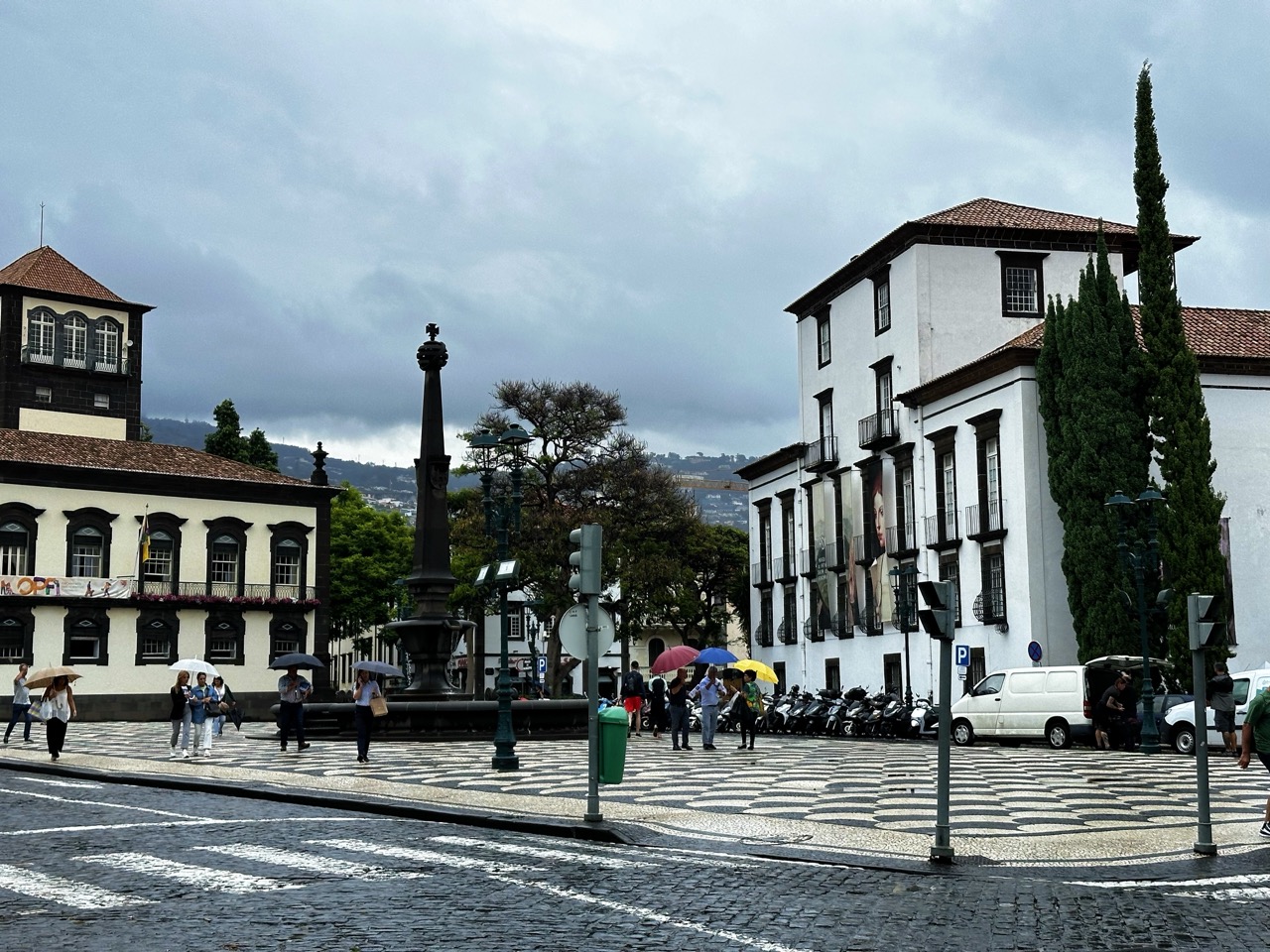
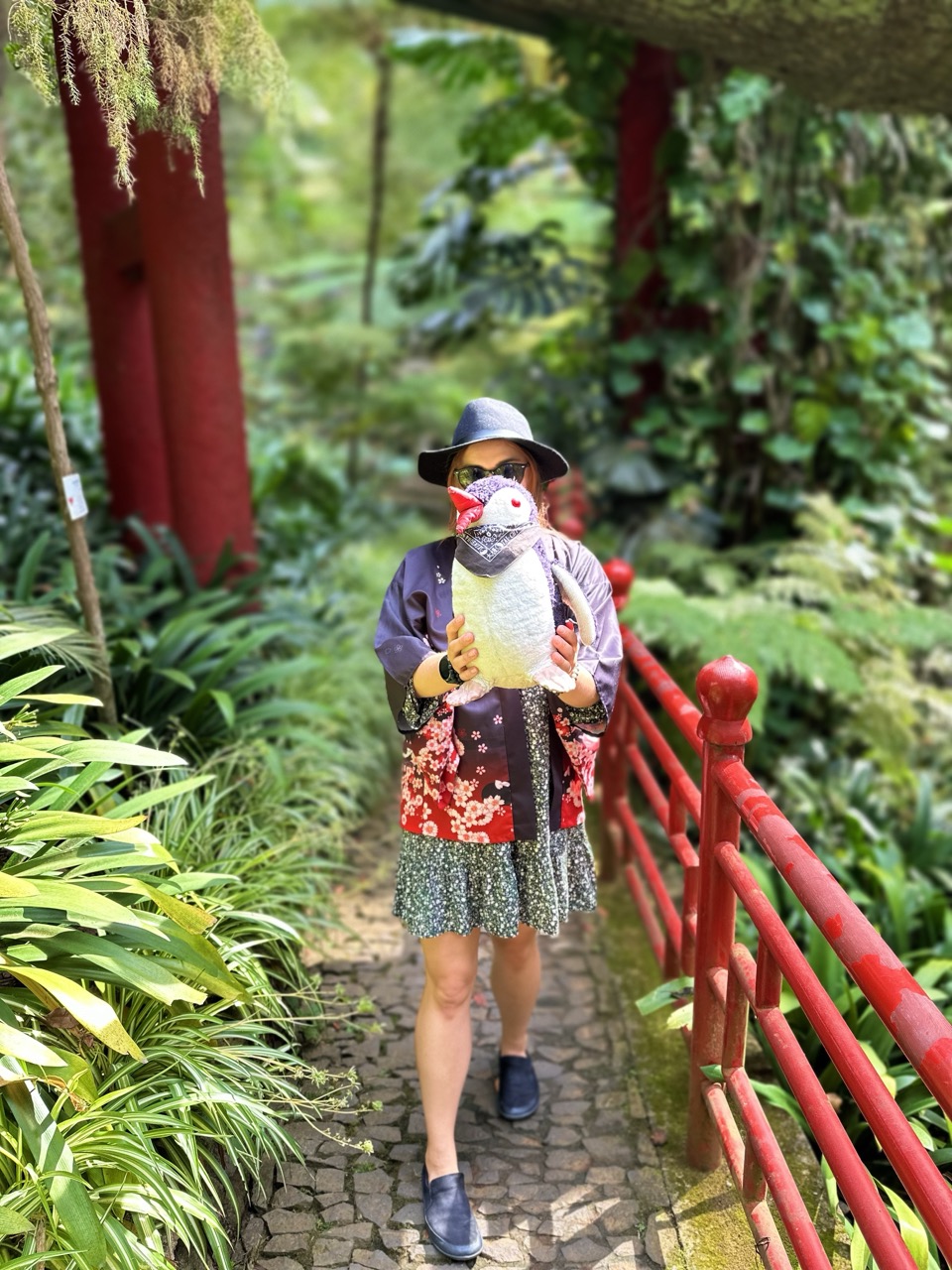
A lesser-known fact about Funchal is that the city was one of the first places in Europe to cultivate sugarcane commercially in the 15th century. Before wine became Madeira’s famous export, sugar played a major role in the island’s economy and attracted merchants from across Europe. The early sugar plantations shaped the city’s growth, trade routes, and even some of its historic architecture.
The Dragon Legend of Funchal
One of the most well-known local legends in Funchal is the story of the “Fortune of the Dragon” (Dragão da Sorte). Long ago, a dragon was said to live near the cliffs around the city, guarding hidden treasures and fertile land. Locals believed that anyone brave and clever enough could earn the dragon’s favor and bring good fortune to themselves or their family. Over time, the legend became part of Funchal’s culture, inspiring festivals, street art, and folklore tours.
How Many Days Do You Need for Funchal
To fully experience the magic of Funchal, we recommend spending at least 3 to 5 days on the island. This will allow you to explore the city leisurely, visit key attractions, and even have some time to relax on the beaches. Funchal has something for everyone. This charming city will steal your heart and leave you with memories to last a lifetime.
Best Time to Visit Funchal
The best time to visit Funchal is during the spring and early summer months (April to June). The weather is pleasant, with mild temperatures and plenty of sunshine, and the city isn’t as crowded as in peak summer. Fall (September to October) is also a good option, offering warm weather and fewer tourists. Winter is mild but can be rainy, while July and August see the highest number of visitors. Visiting outside the busiest months makes it easier to enjoy the streets, markets, and viewpoints without the crowds. So as with other countries it depends on your preference. But we enjoyed our visit early September and can for sure reccomend that month.
Getting Around Funchal
When waddling around Funchal, we didn’t use public transport, but the city offers a convenient and well-organized public transport system.
-
- Buses. Funchal has an extensive bus network operated by the company Horários do Funchal. The buses cover various routes within the city and to suburban areas. They are a cost-effective way to navigate Funchal and reach popular attractions. Look for the bright yellow and green buses that are a common sight on the streets.
- Taxis. Taxis are readily available throughout Funchal, providing a convenient mode of transportation. Taxis are metered, and it’s advisable to ensure the meter is turned on at the beginning of the journey.
- Cable Car. The Teleférico do Funchal is a cable car system that connects the city to Monte, offering breathtaking views of Funchal and the surrounding landscapes. It’s both a transportation method and a popular tourist attraction, providing a unique way to experience the city from above.
- Bicycle Rentals. Funchal promotes eco-friendly transportation, and bicycle rentals are available for those who wish to explore the city on two wheels
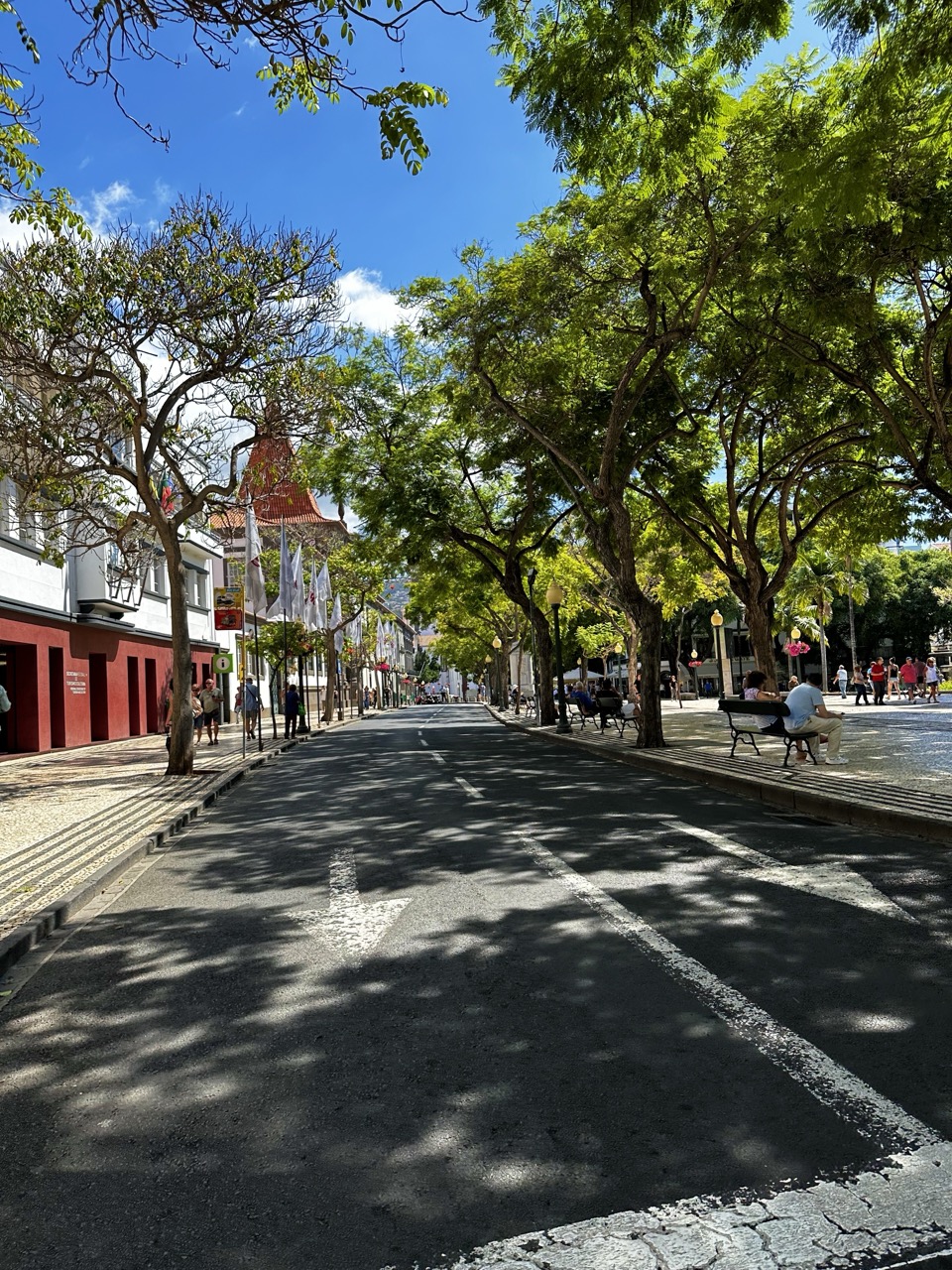
Of course, we highly recommend to waddle around the city to truly explore it. Funchal is a pedestrian-friendly city with well-maintained sidewalks, especially in the central areas. We hope you enjoy your exploration of the city.

Buy Me a Ko-fi
Funchal is full of history, culture, and stories waiting to be discovered. From its founding and role in the wine trade to its historic buildings and lively streets, the city has plenty to offer visitors who want to go beyond the usual tourist spots. Exploring these interesting facts makes wandering through Funchal more engaging, and gave us a deeper sense of Madeira’s past and the life of its people.
Pack your bags, and explore Funchal!
Save This Pin for Later!
This post contains affiliate links. If you click and buy, I might earn a tiny commission, enough to help a penguin keep up its globe-trotting lifestyle. No extra cost to you, just more fish for me. Thank you for supporting the adventure!
Explore More in Madeira
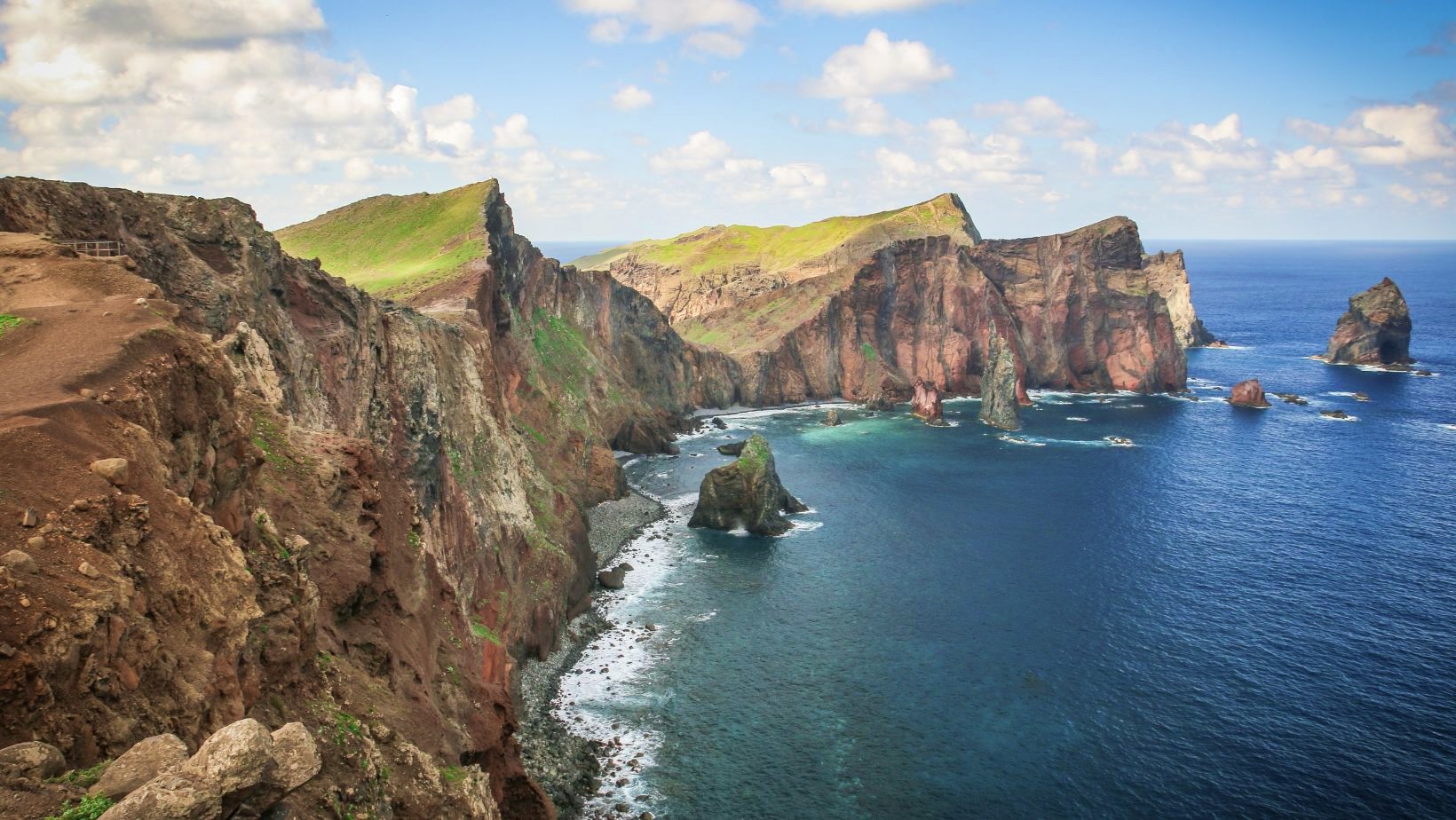
Vereda da Ponta de São Hike in Madeira (PR8)

Top 10 Waterfalls on Madeira Island
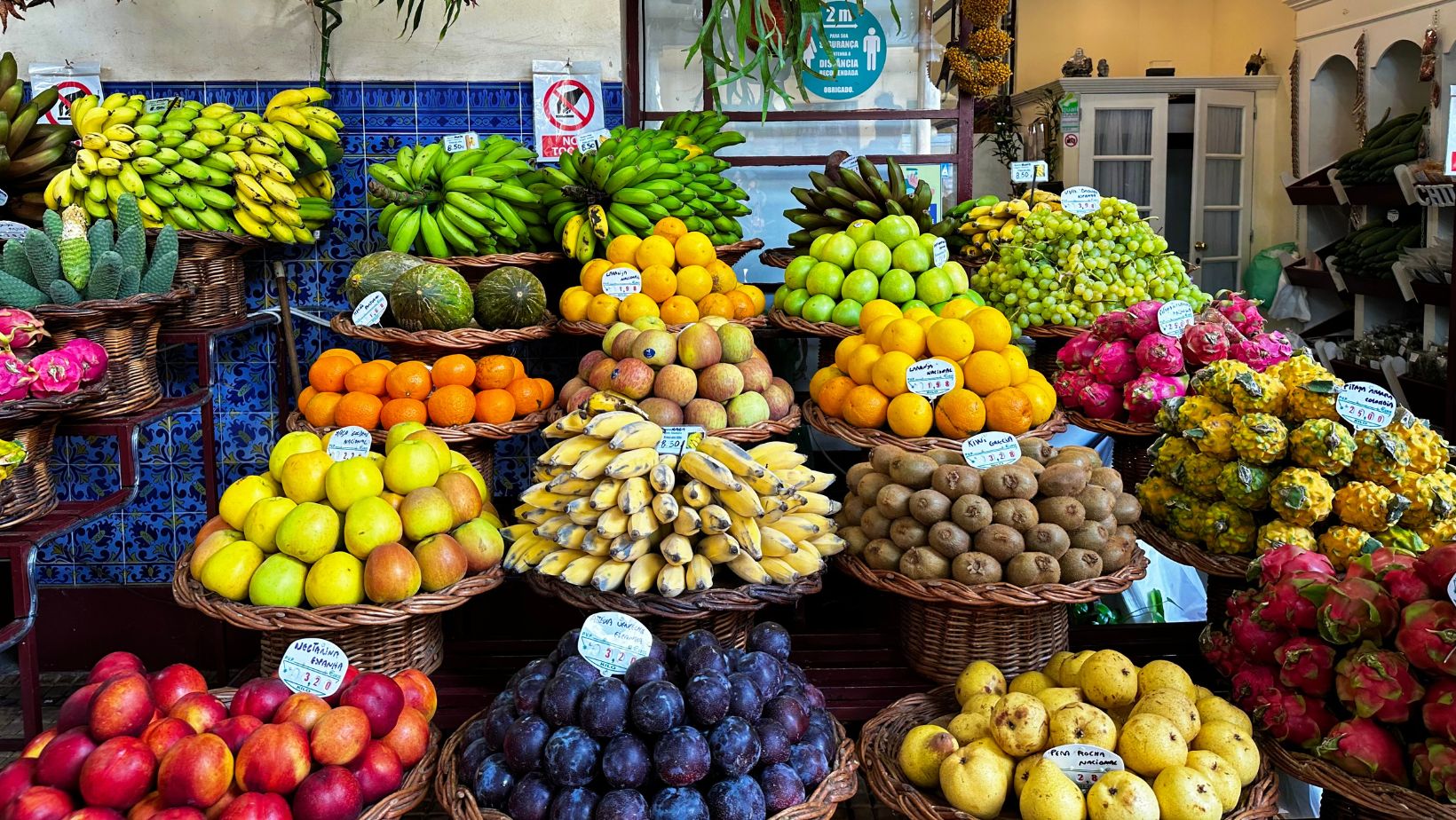
The Rich Flavors at Funchal’s Farmers’ Market

The Magical Realm of Fanal Forest
The Enchanting Doors of Funchal in Madeira