Brussels for First-Timers: What You Need to Know
We spent a couple of days exploring Brussels, and for anyone visiting for the first time, there are a few things you should know. From choosing the right neighborhood to stay in to navigating the city and avoiding potential tourist traps, planning makes all the difference. Beyond the practical tips, Brussels has a unique vibe, cozy cafés, street art tucked around corners, and a mix of modern and historic charm that makes wandering its streets a real pleasure. In this guide, we’ll share our experience and what first-timers shouldn’t miss.
Visiting Brussels for the first time can feel overwhelming with so much history, chocolate, and quirky corners to explore. Whether you’re here for 2 days or a week, this guide will help you plan your trip and discover the best of Belgium’s vibrant capital.
Best Time to Visit Brussels
Choosing the right time to visit Brussels can make a big difference in your experience. The city changes with the seasons, from blooming parks in spring to festive lights in winter, and each period offers something unique. Here’s a breakdown of what to expect throughout the year, along with the main festivals and holidays that make Brussels extra special.
- Spring (March to May). Spring is a lovely time to visit Brussels. The weather is mild, parks and gardens are in bloom, and the city feels fresh and lively. It’s perfect for wandering the streets, enjoying outdoor cafés, and exploring the main squares without the summer crowds.
- Summer (June to August). Summer brings warm weather, long daylight hours, and a bustling atmosphere. Outdoor festivals, music events, and street performances fill the city, making it vibrant and energetic. Keep in mind this is also peak tourist season, so popular attractions can be busy.
- Autumn (September to November). Autumn offers cooler temperatures and beautiful fall colors. The crowds are smaller, making visits to museums, galleries, and iconic landmarks more relaxed. It’s also a great season for walking tours and trying seasonal Belgian dishes.
- Winter (December to February). Winter in Brussels can be chilly and damp, but the city transforms into a festive wonderland. Christmas markets, lights, and cozy cafés create a magical atmosphere. It’s ideal for enjoying hot chocolate and Belgian waffles, as well as for exploring indoor attractions.
We visited Brussels in early May, and it was such a lovely time to be there. The weather was perfect, not too hot, with just enough sunshine to enjoy strolling around without getting tired. The main squares and popular spots were already lively, with tourists and locals out and about, but the crowds were still manageable, making it easy to explore at our own pace. Overall, it was the perfect balance of activity and comfort for a first-time visit.

Festivals and Holidays
Brussels hosts numerous festivals and cultural events throughout the year. Highlights include the Brussels Flower Carpet in August, the Brussels Summer Festival in August, and, as the capital of Europe, the Christmas market in December.
Brussels is also a major hub for international conferences and professional events year-round. Because it’s the capital of the European Union, the city hosts a wide range of gatherings from tech and science to policy and business. For example, FOSDEM, a large open‑source software conference, takes place every year in early February at the Université libre de Bruxelles, drawing developers and enthusiasts from around the world. In May, Brussels often hosts major meetings, such as the CPDP (Computers, Privacy & Data Protection Conference), which brings together experts in digital privacy and regulation, as well as international scientific conferences and industry workshops held at venues like The Egg and Vrije Universiteit Brussels. These events can make certain weeks busier and hotel rooms pricier, but they also add energy to the city and create opportunities to spot networking and cultural side events.
How Many Days Should You Spend in Brussels
For a first-time visit, the ideal number of days in Brussels depends on how much you want to see and do. If you only have 1–2 days, you can comfortably hit the city’s main highlights like Grand Place, Manneken Pis, and a chocolate or waffle stop, while strolling through a few charming streets. With 3–4 days, you can explore museums, the Atomium, the Royal Palace, and even take a short day trip to nearby towns like Ghent or Leuven. For those with 5 days or more, there’s time to dive deeper into the city’s neighborhoods, enjoy local cafés, discover street art, and take multiple day trips while still soaking in Brussels’ unique atmosphere. Planning your days helps balance sightseeing, relaxing moments, and the spontaneous discoveries that make visiting Brussels so enjoyable.
We spent two days in Brussels, and for us, it was just enough to get a real feel for the city and see the major attractions. In that short time, we enjoyed some of the city’s best chocolate and waffles without feeling rushed. Two days also gave us a chance to explore a few neighborhoods, soak in the local café culture, and notice the small details that make Brussels unique. While more time would allow for deeper exploration or day trips, these two days were enough to grasp the overall vibe: lively, welcoming, and full of little surprises that make the city special for first-time visitors.


Best Neighborhoods to Stay in Brussels
It’s really important where you stay in Brussels. The city is made up of varied neighborhoods, each with its own vibe and advantages. Whether you want to be right in the heart of the action, enjoy a local feel, or stay near transport and quieter streets, Brussels has great options for every style of traveler. Here’s a breakdown of the best areas to consider and why they work well for first‑time visitors.
City Centre (Grand Place & Surroundings)
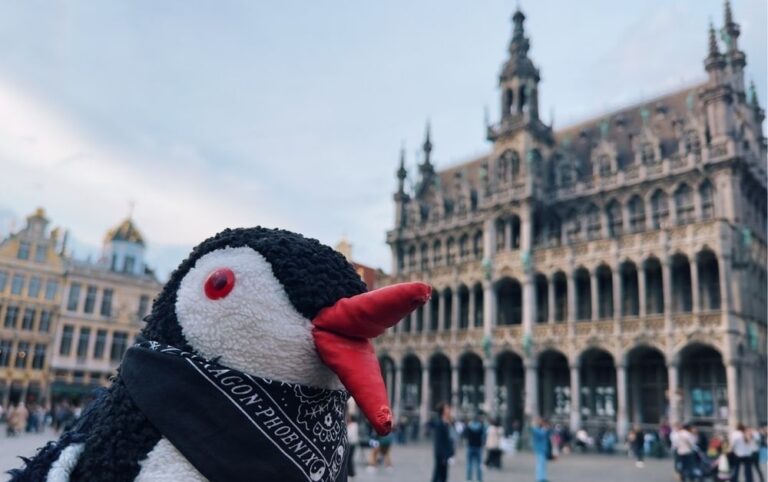
Staying in the City Centre puts you within waddling distance of the city’s most iconic sights. This area is often called the Pentagon and includes the stunning Grand Place, the tiny Manneken Pis, historic arcades, restaurants, and plenty of shops. You can easily wander on foot, soak in the atmosphere, and hop on public transport for longer trips.
Why stay here: Best for first‑timers, ultra‑central, easy access to main attractions.
Recommended hotels:
-
- Luxury: Hilton Brussels Grand Place. Classic, comfortable, central, ideal for a pampered stay.
- Family-Friendly: Radisson Collection Hotel, Grand Place, Brussels. Spacious rooms and a convenient location for families.
- Pet-Friendly: The Hotel Brussels. Welcoming pets with modern facilities.
- Boutique: Hotel des Galeries. Stylish and cozy with historic charm.
- Budget: Pillows City Hotel Brussels Centre. Comfortable, modern, and affordable.
Sablon & Grand Sablon
Sablon is one of Brussels’ most elegant corners, known for chocolate boutiques, antique shops, and charming cobblestone streets. The Place du Grand Sablon and Petit Sablon Garden give this district a refined yet relaxed feel. It’s slightly calmer than the City Centre but still very walkable to attractions, with easy links to nearby artsy neighborhoods.
Why stay here: Great for foodies, chocolate lovers, and a sophisticated stay with historic charm.
Recommended hotels:
- Luxury: Hotel NH Collection Brussels Grand Sablon. Elegant rooms and upscale service.
- Family-Friendly: 9Hotel Sablon. Boutique comfort with spacious family rooms.
- Boutique: 9Hotel Sablon. Stylish, modern, intimate hotel right in the heart of Sablon.
- Budget: Hotel Aris Grand Place. Affordable option within walking distance of attractions.
European Quarter
This area feels more modern and peaceful compared to the historic core. It’s home to European institutions, leafy parks like Parc Léopold, and excellent metro connections. If you enjoy spacious streets, quieter evenings, and proximity to museums and green spaces, this district is a smart choice, especially for business travelers or those who want a more relaxed base.
Why stay here: Quiet, well-connected, ideal for a relaxed stay, and easy metro access.
Recommended hotels:
- Luxury: Sofitel Brussels Europe. Elegant rooms near EU institutions.
- Family-Friendly: Thon Hotel EU. Spacious family rooms and great breakfast.
- Pet-Friendly: Courtyard by Marriott Brussels. Welcoming pets and modern facilities.
- Boutique: The Dominican. Contemporary design with a local feel.
- Budget: Hotel Queen Mary. Affordable option with metro access and clean rooms.
Ixelles & Saint‑Gilles
A bit south of the centre, neighborhoods like Ixelles and Saint‑Gilles feel more lived‑in and local. Here you’ll find multicultural eateries, artsy streets, parks like Étangs d’Ixelles, and bars with a vibrant nightlife. These areas are perfect for travelers who want culture, calm residential streets, and hip cafés.
Why stay here: Trendy, local atmosphere with cafés, bars, and parks without being right at the tourist core.
Recommended hotels:
- Luxury: The Hotel Brussels. Spacious, high-end rooms with city views.
- Family-Friendly: Tangla Hotel Brussels. Pool, family-friendly rooms, and leisure facilities.
- Pet-Friendly: Hygge Hotel. Welcoming pets and stylish interiors.
- Boutique: Suite lumineuse à Saint-Gilles. Small, intimate boutique with a modern touch.
- Budget: Hotel Vintage. Affordable, comfortable, and close to metro lines.
Avenue Louise & Chatelain
This area is ideal if you love boutique shopping, chic cafés, and a more sophisticated urban experience. The long Avenue Louise Boulevard is lined with designer boutiques, while nearby Chatelain Square buzzes with a weekly market and lively restaurants. It’s a bit further from central attractions but well served by public transport.
Why stay here: Upscale shopping and local lifestyle with great dining options (a short metro ride from the centre).
Recommended hotels:
- Luxury: Steigenberger Wiltcher’s. Elegant, classic design with high-end service.
- Pet & Family Friendly: Thon Hotel Bristol Stephanie. Pet-friendly and well-located.
- Boutique: Le Berger Hotel. Cozy, stylish boutique with personal touches.
Hotel search from Booking.comShows Booking.com’s own box, which can set Booking.com cookies.
Must-See Brussels Attractions for First-Timers
- Grand Place. The heart of Brussels and one of Europe’s most beautiful squares, surrounded by ornate guildhalls and historic buildings.
- Manneken Pis. A tiny but iconic statue with a big personality, often dressed in different costumes.
- Atomium. A futuristic structure offering panoramic views and exhibitions inside its spheres.
- Galeries Royales Saint-Hubert. Elegant covered arcades filled with chocolate shops, cafés, and boutiques.
- Royal Palace of Brussels. The official palace of the Belgian king is open to visitors during the summer months.
- Mont des Arts. A scenic spot with gardens, museums, and one of the best views in the city.
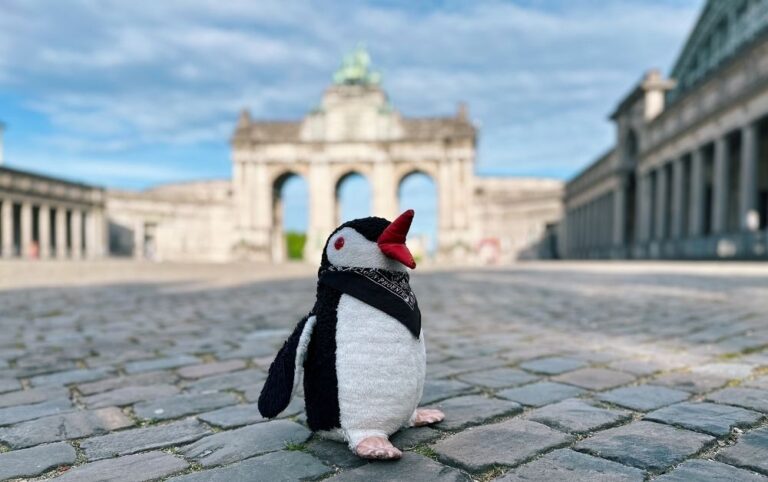
- Parc du Cinquantenaire. A large park with impressive arches and museums, perfect for a relaxing walk.
- Belgian Comic Strip Center. A must for comic lovers, showcasing Belgium’s famous comic culture, including Tintin.
- Saint Michael and Saint Gudula Cathedral. A stunning Gothic cathedral with beautiful stained glass windows.
- Brussels Comic Book Route. A fun way to explore the city through colorful comic murals hidden across different neighborhoods.
Getting Around Brussels: Transport Tips
Getting around Brussels is fairly easy, especially for first-time visitors. The city is well-connected, and many of the main attractions are close to each other, making it very walkable. If you’re staying near the city centre, you can explore places like Grand Place and nearby streets on foot, which is often the best way to soak in the atmosphere and discover hidden corners.
For longer distances, Brussels has an efficient public transport system comprising metro, trams, and buses, all operated by STIB-MIVB. The metro is the fastest way to get across the city, while trams are great for scenic routes through neighborhoods, and buses fill in the gaps.
If you’re arriving by train, major stations like Brussels Central Station are very well located, just a short waddle from the main sights. This also makes it convenient if you’re planning day trips to cities like Ghent or Bruges.
Taxis and ride-hailing apps like Uber are available, but they’re generally more expensive than public transport. That said, they can be useful late at night or if you’re traveling with luggage.
For something a bit more local, you can also rent bikes, though Brussels is not as bike-friendly as some other European cities, and the hills can be a bit of a challenge.
Train and bus tickets from OmioShows Omio’s own box, which can set Omio cookies.
Tips for First-Time Travelers
Visiting Brussels for the first time is exciting, and a few simple tips can make your trip smoother and more enjoyable. The city is easy to explore, but knowing how to make the most of your time, avoid common mistakes, and experience a more local side of Brussels will really elevate your visit. Here are some practical tips to keep in mind:
- Get a Brussels Card. It gives you access to many museums and can include public transport, making it a great value if you plan to sightsee a lot.
- Try chocolate beyond the main tourist streets. While central shops are tempting, smaller local chocolatiers often offer a more authentic (and sometimes better) experience.
- Waddle as much as possible. Many of Brussels’ best spots are close together, and wandering on foot is the best way to discover hidden streets, murals, and cafés.
- Start your days early. Popular places like Grand Place are much quieter in the morning.
- Be prepared for changing weather. Even in warmer months, it can rain unexpectedly, so a light jacket or umbrella is always a good idea.
- Watch out for tourist traps. Restaurants right on the main squares can be overpriced, so it’s worth walking a few streets away for better food and prices.
- Use public transport when needed. The system is reliable and easy to use, especially for reaching destinations like the Atomium.
- Learn a few basic phrases. A simple “Bonjour” or “Merci” goes a long way and is appreciated by locals.

Buy Me a Ko-fi
Scams to Be Aware of in Brussels
Like most major European cities, Brussels is generally safe, but it’s still worth being aware of a few common scams that tend to target tourists. Knowing what to look out for will help you avoid неприятные surprises and enjoy your trip with peace of mind.
- Pickpocketing in busy areas. This is the most common issue, especially in crowded areas like Grand Place, public transport hubs, and train stations. Keep your bag zipped, avoid back pockets, and stay alert in crowds.
- Distraction scams. Someone may ask for directions, signatures, or try to distract you while an accomplice targets your belongings. If something feels off, it’s best to waddle away politely.
- Overpriced tourist restaurants. Restaurants right in the main squares may have inflated prices or unclear menus. Always check prices before ordering, and consider walking a few streets to find a better value.
- Fake petitions or charity collectors. You might be approached to sign a petition or donate to a cause, which isoften used as a distraction or a way to pressure tourists into giving money. It’s okay to say no and move on.
- Taxi overcharging. While taxis are generally safe, some may take longer routes or not use the meter. Using apps like Uber can help avoid this.
- ATM scams. Be cautious when using ATMs, especially in touristy areas. Cover your PIN and avoid machines that look tampered with.
- “Free” gifts or street tricks. Sometimes people offer bracelets, flowers, or small items and then demand payment. It’s best not to accept anything from strangers on the street.

Brussels is full of surprises for first-time visitors, from stunning squares to quirky streets and world-famous chocolates. Plan your days wisely, and you’ll leave with memories (and maybe a few extra kilograms from chocolate) that last a lifetime.
Pack your bags and explore Brussels.

This post contains affiliate links. If you click and buy, I might earn a tiny commission, enough to help a penguin keep up its globe-trotting lifestyle. No extra cost to you, just more fish for me. Thank you for supporting the adventure!