Our Trip to Malta: Itinerary, Budget & Travel Tips
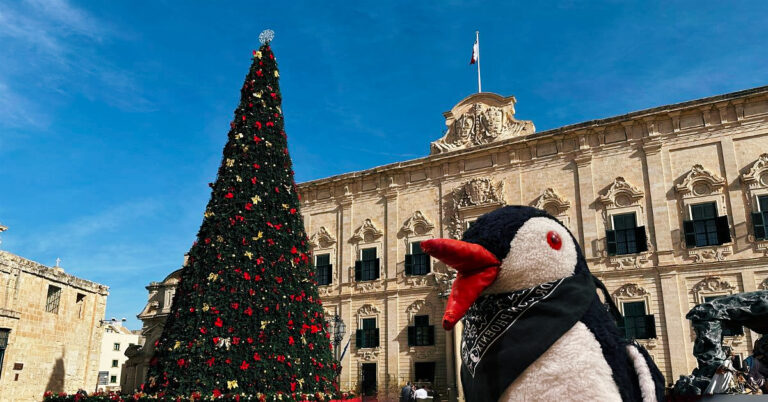
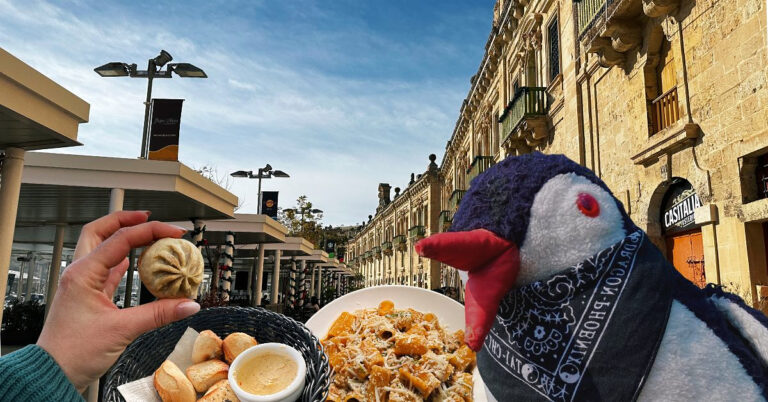
Malta may be a small island nation, but there is plenty to see, do, and experience beyond its size. From waddling through Valletta’s historic streets and discovering the island’s rich heritage to hopping across to Gozo, enjoying the Mediterranean coastline and sampling traditional Maltese food, our trip offered a lovely mix of culture, sightseeing and slower moments by the sea.
In this guide, we’re sharing everything from our Malta itinerary and travel budget to the places we visited, how we got around, where we ate and the little things we learned along the way. We’ll also answer some of the questions you’ve sent us on Instagram, bringing together our experiences and practical tips to help you plan your own Malta adventure, whether you’re visiting for a long weekend or staying a little longer.
- Do I Need a Visa to Visit Malta
- Is Malta Safe to Visit
- How Many Days Do You Need in Malta
- What Is the Best Time to Visit Malta
- Can You Drink Tap Water in Malta
- Is English Spoken in Malta
- What Is a Good 3-Day Malta Itinerary
- What Day Trips Can You Take From Valletta
- Where Did We Stay in Valletta
- Is Malta Expensive to Visit
- How Much Money Do You Need Per Day in Malta
- How Much Did Our Trip to Malta Cost
- Money-Saving Tips for Malta
- Is Malta Worth Visiting
Malta Travel FAQs
Do I Need a Visa to Visit Malta
Malta is part of the EU and the Schengen Area. EU/EEA and Swiss citizens can visit without a visa. Travelers from visa-exempt countries, including the UK, the US, Canada, and Australia, can generally stay up to 90 days within 180 days. Other nationalities may need a Schengen visa before traveling.
Check the official Malta visa information before departure for the latest entry requirements.
Is Malta Safe to Visit
Generally, yes! Malta is considered a safe destination for tourists, and we felt comfortable exploring the islands during most of our trip. However, we did have one moment in Valletta when we wandered into a slightly shadier part of the city and felt less comfortable than usual. Nothing actually happened, but it was enough to make us turn around and head back towards the busier streets. 😁
As in most popular tourist destinations, petty theft and pickpocketing can happen, particularly around busy attractions, markets, and public transport. Keep an eye on your belongings, be aware of your surroundings, and use common sense, especially at night.
Overall, we wouldn’t hesitate to visit Malta again. Just remember that even in a generally safe destination, it’s worth staying aware of your surroundings.
How Many Days Do You Need in Malta
We recommend spending at least 4–5 days in Malta to see the main highlights without rushing. A long weekend is enough to explore Valletta and a couple of nearby attractions. Still, if you want to visit Gozo, discover the island’s beaches and explore some of Malta’s historic towns, a week would be much better.
Here’s a rough guide:
- 2–3 days. A short city break focusing on Valletta, the Three Cities and nearby attractions.
- 4–5 days. Enough time for Valletta, Mdina, the main sights and a day trip to Gozo.
- 7 days. A more relaxed holiday with time for Gozo, beaches, coastal villages and exploring beyond the main tourist areas.
- 10 days or more. Ideal if you want to discover Malta and Gozo at a slower pace, with time for Comino, boat trips and hidden corners of the islands.
If it’s your first visit, we’d aim for 5–7 days. Malta might look small on the map, but there is much more to explore than you might initially expect!

What Is the Best Time to Visit Malta
Malta is a year-round destination, but the best time to visit depends on what you’d like to do. For a good balance of pleasant weather, sightseeing, and fewer crowds, we’d recommend April to June or September to October. July and August are ideal for beach holidays, but temperatures can climb above 30°C, and popular attractions and coastal areas get much busier.
- Spring (March–May): Pleasant temperatures, blooming countryside and great conditions for sightseeing and exploring.
- Summer (June–August): Hot, sunny weather, perfect for swimming, beaches and boat trips, but also the busiest and most expensive period.
- Autumn (September–November): Warm days and a relatively warm sea, with September and October particularly good for combining sightseeing and swimming.
- Winter (December–February): Mild temperatures, fewer tourists and potentially cheaper accommodation, although expect cooler days and occasional rain.
We actually visited Malta during the first weekend of December, and it turned out to be a lovely time to explore the islands. The weather was perfect for sightseeing, with comfortable temperatures and plenty of sunshine, while the main attractions weren’t particularly crowded. We didn’t come for a beach holiday, but to wander through historic streets, visit museums, and enjoy the local atmosphere; December worked surprisingly well.
If we had to choose, we’d opt for May, June, September or even early December, depending on the type of holiday you’re planning.
Can You Drink Tap Water in Malta
Yes, tap water in Malta is safe to drink and meets EU drinking water standards. However, much of it comes from desalinated seawater and can have a noticeable taste due to mineral content and treatment. While perfectly safe, many visitors prefer bottled or filtered water. We’d recommend carrying a reusable water bottle and refilling it with filtered water whenever possible.
Is English Spoken in Malta
English is one of Malta’s two official languages, alongside Maltese, so you’ll have no trouble communicating during your visit. Road signs, menus, public transport information and most tourist attractions are available in English.
Malta is also a popular destination for people wanting to learn English. Every year, international students travel to the islands to attend English language schools, combining language courses with a Mediterranean holiday. Thanks to its British colonial history, English is widely spoken throughout the country, making Malta an easy destination for English-speaking travelers.
Hotel search from Trip.comShows Trip.com’s own box, which can set Trip.com cookies.Search hotels on Trip.comTrip.com’s box can’t load on this device (an ad blocker often stops it). This opens Trip.com’s own hotel search.Open Trip.com
What Is a Good 3-Day Malta Itinerary
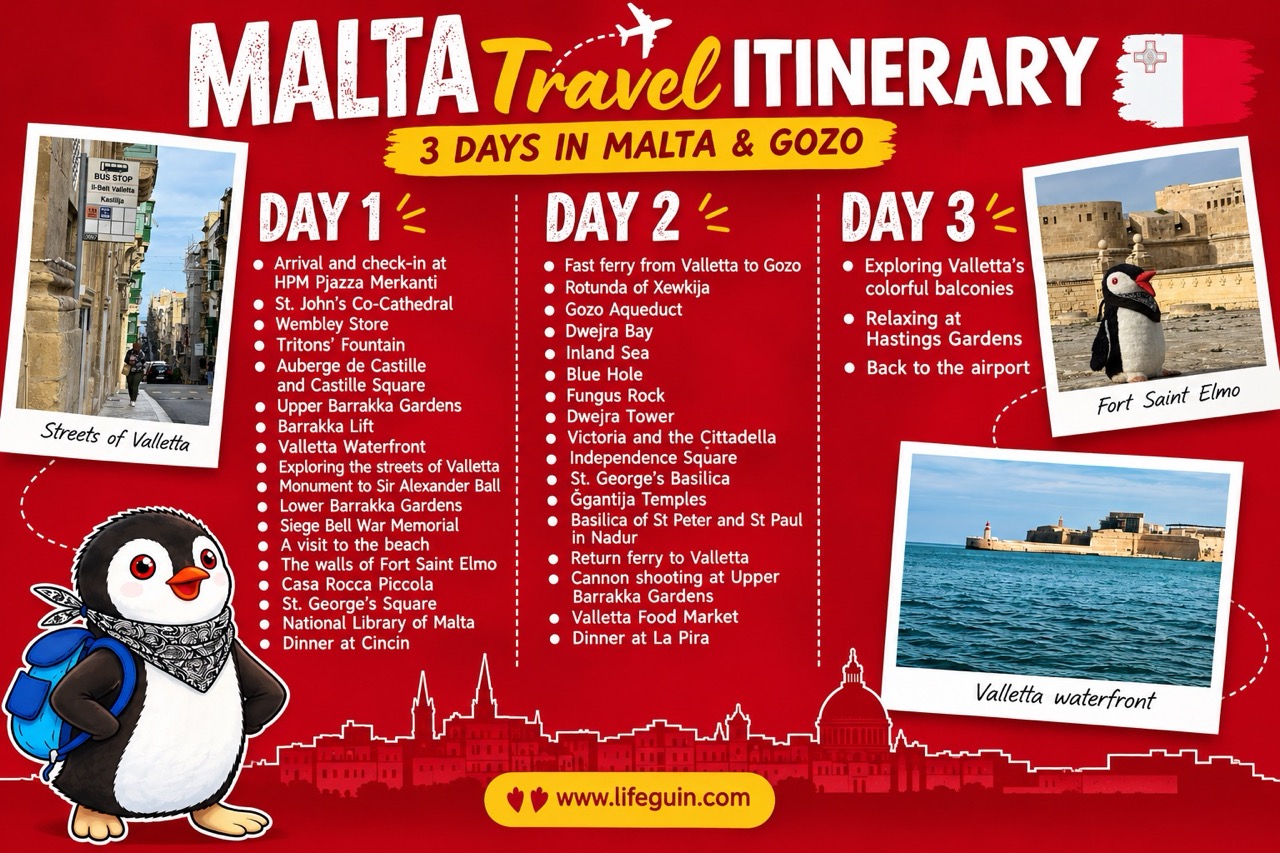
Planning a long weekend in Malta and wondering how much you can fit into three days? We’ve put together a separate travel guide featuring the exact itinerary we followed during our trip. From exploring Valletta’s historic streets and discovering the island’s highlights to taking a trip beyond the capital, our guide breaks down each day with places to visit, things to do, and practical tips.
Head over to our 3-Day Malta Itinerary to follow our route, get inspiration for your own trip, and make the most of a long weekend on this beautiful Mediterranean island!
What Day Trips Can You Take From Valletta
One of the best things about staying in Valletta is how easy it is to explore the rest of Malta. Here are some of the best day trips to consider:
- The Three Cities. Just across the Grand Harbor, Birgu, Senglea and Cospicua are perfect for a half-day trip. Take the traditional harbor ferry, wander through the historic streets, and enjoy beautiful views back towards Valletta.
- Mdina and Rabat. Step back in time in Malta’s famous Silent City. Explore Mdina’s narrow streets and impressive fortifications before heading to neighboring Rabat for its historic sites, catacombs and cafés.
- Marsaxlokk. Visit this colorful traditional fishing village, famous for its brightly painted luzzu boats, waterfront restaurants, and Sunday fish market. You can also combine the visit with nearby St Peter’s Pool.
- Blue Grotto and Ħaġar Qim. Head south to admire Malta’s spectacular sea caves and visit the prehistoric temples of Ħaġar Qim and Mnajdra. Boat trips to the Blue Grotto depend on sea conditions.
- Gozo. Malta’s sister island deserves a full day. Visit Victoria and its impressive Cittadella, explore charming villages and discover a slightly different pace of island life.
- Comino and the Blue Lagoon. Famous for its incredibly turquoise water, Comino is a popular choice for a boat excursion and a day of swimming. During the summer months, expect plenty of visitors, and check current landing requirements before traveling.
- Dingli Cliffs. For dramatic coastal scenery and beautiful views over the Mediterranean, head to Malta’s highest point. It’s particularly lovely around sunset.
Most of these destinations can be reached independently using Malta’s public buses and ferry connections, while organized excursions are another option if you’d prefer someone else to handle the transport.
Where Did We Stay in Valletta
During our trip to Malta, we stayed at HPM Pjazza Merkanti – Boutique Living, a boutique hotel right in the heart of Valletta. Located on Old Theatre Street, it made a convenient base for exploring the capital, with many of the main attractions, restaurants, and historic streets just a short stroll away.
The hotel combines the character of a traditional Maltese building with modern interiors and comfortable accommodation. We chose it for its central location, which made exploring Valletta on foot particularly easy.
We’ve put together a separate review of HPM Pjazza Merkanti, where we share more about our room, breakfast, facilities, and overall experience, including whether we’d recommend it for a stay in Malta.

Is Malta Expensive to Visit
Malta can suit different budgets, depending on when you visit and how you spend your money. Accommodation and waterfront restaurants can be pricey, particularly during summer, but public transport, local eateries, and many sightseeing opportunities are relatively affordable.
We visited during the first weekend of December, outside the peak season, which made it a lovely time to explore. In the next section, we’ll break down our actual travel expenses to give you an idea of how much a trip to Malta costs.
How Much Money Do You Need Per Day in Malta
As a rough guide, budget around €60–€100 per person per day, excluding flights and accommodation. This should cover meals, local transportation, and a few paid attractions, depending on your travel style.
- Budget traveler: €40–€60 per day.
- Mid-range traveler: €60–€100 per day.
- Comfortable traveler: €100–€150+ per day.
These are estimated budgets, not fixed prices. Visiting museums, taking boat trips, or dining at more expensive restaurants will increase your daily spending. In the next section, we’ll share what we actually spent during our trip to Malta.
How Much Did Our Trip to Malta Cost
Malta doesn’t have to be an expensive Mediterranean getaway, and our short December trip was relatively affordable. We spent three days and two nights in Malta, from 1 to 3 December, and our recorded total came to €976.19 for two people, or €488.10 per person.
Our biggest expenses were flights, accommodation, and restaurants. Transportation also accounted for a noticeable part of our budget, while attractions and sightseeing added another €71 to the total. Visiting in December meant we could enjoy Malta outside the main tourist season, which is worth considering if you’re looking to keep accommodation costs down.
Here is a breakdown of our expenses:
| What | Cost |
| Flight tickets | €226.50 |
| Accommodation | €194.38 |
| Transportation | €116.90 |
| Attractions | €71.00 |
| Restaurants | €186.60 |
| Groceries & snacks | €54.90 |
| Drinks | €22.95 |
| Souvenirs | €54.96 |
| Others | €48.00 |
| TOTAL COST | €976.19 |
| PER PERSON | €488.10 |
We spent approximately €488 per person for three days in Malta, including flights, accommodation, food, drinks, transportation, attractions, and souvenirs. Considering everything we saw and experienced, we think it was a reasonable budget for a short Mediterranean getaway.
If you’re planning your own trip, we’d recommend setting aside a little extra for restaurants, boat trips and attractions, as these can quickly add up.
Money-Saving Tips for Malta
Malta can be enjoyed on different budgets, and a few simple choices can help keep your expenses down.
- Use public transport: Buses are an affordable way to explore the islands.
- Travel off-season: Flights and accommodation can be cheaper outside the summer months. We visited in early December and enjoyed plenty of sunshine without the crowds.
- Eat locally: Try small cafés, bakeries and local restaurants rather than tourist hotspots.
- Shop at supermarkets: Pick up snacks, drinks and breakfast essentials to save on meals.
- Compare attraction prices: Check combination tickets and excursion prices before booking.
- Enjoy free sights: Malta has plenty of beautiful historic streets, gardens and coastal viewpoints that cost nothing to visit.
Free Things to Do in Malta
You don’t need to spend much to enjoy Malta. Here are a few places and experiences worth adding to your itinerary:
- Valletta: Wander through the historic streets and admire the architecture.
- Upper Barrakka Gardens: Enjoy beautiful views over the Grand Harbor.
- The Three Cities: Explore Birgu, Senglea and Cospicua on foot.
- Mdina and Rabat: Discover historic streets and charming squares.
- Dingli Cliffs: Take in the dramatic coastal views, especially at sunset.
- Marsaxlokk: Admire the colorful fishing boats in the harbor.
- Gozo’s Victoria: Explore the streets around the Cittadella and enjoy the views.
- The coastline: Enjoy a seaside walk or spend some time at one of Malta’s beaches.
Mix paid attractions with free sightseeing. Some of the best moments in Malta come from simply wandering around and enjoying the scenery.
Is Malta Worth Visiting
Penguin-approved! Malta surprised us with its mix of fascinating history, beautiful architecture, charming coastal towns and Mediterranean atmosphere. It’s a destination with plenty to offer, whether you’re after a short city break or a longer island getaway. We’d happily return to discover more of its hidden corners, and we think it’s well worth adding to your travel list!
Buy Us a Ko-fi

We hope we’ve answered your questions and given you plenty of inspiration to plan your own Malta adventure! From exploring Valletta’s historic streets and discovering Gozo to enjoying the local food and soaking up the Mediterranean atmosphere, Malta has plenty to offer, whether you’re visiting for a long weekend or a little longer.
Every trip brings its own discoveries, and we hope our experiences, practical tips, and budget breakdown help you make the most of yours. If we’ve missed anything or you still have questions, feel free to drop us a DM on Instagram. We’d love to hear about your plans and help if we can!
Until the next adventure, happy waddling!
Travel Bold. Eat Well. Waddle Wild.

This post contains affiliate links. If you click and buy, I might earn a tiny commission, enough to help a penguin keep up its globe-trotting lifestyle. No extra cost to you, just more fish for me. Thank you for supporting the adventure!