What to See and Do in Oslo: Must-See Attractions and Local Tips
Before visiting Oslo, we had a few places on our list, with the iconic Opera House near the top. But once we set foot in Norway’s capital, we quickly realized Oslo had much more to offer than a striking waterfront building. One attraction led to another; our list of things to see and do kept growing, and suddenly we wondered how we would fit it all in.
From world-class museums and fascinating architecture to historic landmarks, panoramic viewpoints, and unexpected little discoveries, Oslo had us waddling from one place to the next. So, if you are planning a trip to Norway’s capital, join us as we share the best things to see and do in Oslo, including the spots we loved and a few you might not want to miss.
- Getting to Know Oslo: What Makes the City Special
- Our Top Things To See And Do at a Glance
- xx Best Things to See and Do in Oslo
- Enjoy the Best Viewpoints in Oslo
- Explore Oslo’s Street Food and Food Halls
- More Things to Discover in Oslo
- Our Map of Things to See and Do in Oslo
- How to Get Around Oslo: Public Transportation Guide
- How Many Days Do You Need in Oslo
Getting to Know Oslo: What Makes the City Special
There is something about Oslo that makes you slow down without even trying. From the moment we started exploring Norway’s capital, we felt a sense of calm that followed us throughout the city. Life felt a little less rushed; the waterfront invited us to linger, and green spaces were never far away. Oslo strikes a lovely balance between city life and nature, with striking modern architecture alongside historic buildings, world-class museums, and peaceful corners that make you want to stop for a moment.
We came expecting to see the famous landmarks, but we appreciated the atmosphere most. Oslo felt relaxed, welcoming, and refreshingly easy to explore. Whether we were admiring the architecture, wandering through the streets, or simply taking in the views, the city gave us plenty of reasons to slow our waddle and enjoy the moment. As we soon discovered, Oslo had far more to offer than we’d imagined.
Our Top Things To See And Do at a Glance
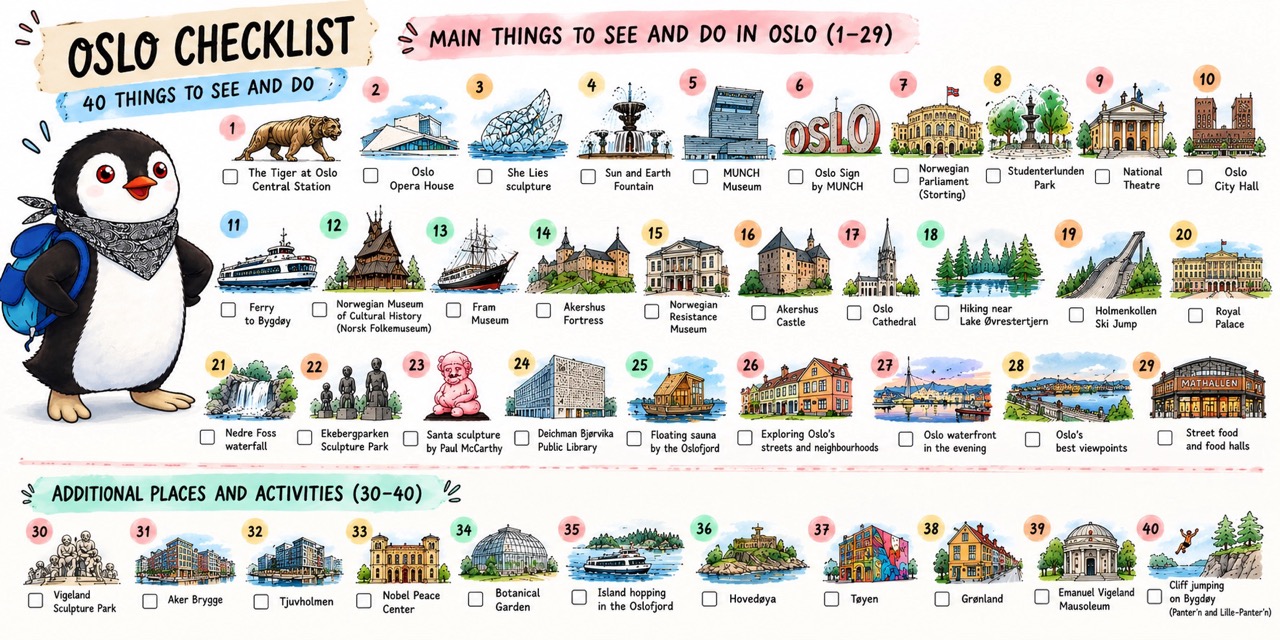
Best Things to See and Do in Oslo
From iconic landmarks and fascinating museums to scenic viewpoints and unexpected discoveries, Oslo has plenty to keep you waddling. We’ve gathered our favorite places from our time in the Norwegian capital, but don’t expect a strict itinerary. There’s no particular order to this list, so feel free to pick the spots that catch your eye and explore Oslo at your own pace!
Say Hi to the Tiger at Oslo Central Station
Location: Jernbanetorget, outside Oslo Central Station
Fee: Free
One of Oslo’s most famous meeting points has a rather unexpected resident: a bronze tiger! Known as The Tiger (Tigeren), this 4.5-meter-long sculpture was created by artist Elena Engelsen and unveiled in 2000 to celebrate Oslo’s 1,000th anniversary. But why a tiger in a city without wild tigers? Oslo is often nicknamed Tigerstaden, meaning “Tiger City”, a name that dates back to a 19th-century poem comparing the city to a dangerous tiger.
Why Add It to Your Itinerary: Stop for a photo with Oslo’s famous tiger before you head out to explore the city. It’s right outside the central station, so it’s easy to spot when you arrive by train or wander through the city center.


Waddle on the Roof of the Oslo Opera House
Location: Kirsten Flagstads plass 1, Bjørvika, Oslo
Fee: Free to access the rooftop. Guided tours inside the Opera House require a paid ticket.
The Norwegian architecture firm Snøhetta designed the Oslo Opera House, inspired by a glacier rising out of the Oslofjord. Its sloping white roof is covered in marble and granite, creating a series of walkable surfaces that stretch from the waterfront to the top. And yes, you can waddle right up! Waddling up the roof is one of the best ways to experience Oslo. The Opera House opened in 2008 and has since become one of Oslo’s most recognizable landmarks.
Why Add It to Your Itinerary: Waddle up for panoramic views of the Oslofjord and Bjørvika’s modern waterfront. It’s a unique way to experience Oslo’s architecture and enjoy the city’s relaxed atmosphere.


See the She Lies Sculpture in Oslo
Location: Oslofjord, beside the Oslo Opera House
Fee: Free to admire from the waterfront.
At first glance, She Lies looks like a giant iceberg floating in the fjord. Created by Italian artist Monica Bonvicini, this permanent public artwork consists of glass and stainless steel and shifts in appearance with the light, weather, and tides. Installed in 2010, the sculpture takes inspiration from Caspar David Friedrich’s painting The Sea of Ice.
Why Add It to Your Itinerary: Take a closer look at this floating, iceberg-like sculpture as you explore the Opera House waterfront. Its appearance changes with the light and water, making it a lovely little discovery on your Oslo waddle.


See the Sun and Earth Fountain
Location: Christian Frederiks Plass
Fee: Free
The Solen og Jorden (Sun and Earth) fountain adds an artistic touch to the square near Oslo’s main public library. With the striking Deichman Bjørvika building in the background, the fountain makes a lovely stop as you explore this modern part of the city. It is a good reminder that Oslo’s public spaces are about more than getting from one attraction to another.
Why Add It to Your Itinerary: Stop by for a quick look at the fountain and admire the contrast between its design and the library’s contemporary architecture. It’s an easy addition to your waddle around Bjørvika, especially if you’re already visiting the Opera House or Deichman Library.


Explore the MUNCH Museum
Location: Edvard Munchs plass 1, Bjørvika, Oslo
Fee: Paid
The MUNCH Museum celebrates the life and work of Norwegian artist Edvard Munch, best known for his iconic painting The Scream. The striking waterfront building opened in 2021 and rises 13 floors above Bjørvika. Inside, you’ll find an extensive collection of Munch’s artworks, including paintings, drawings, and prints. Interesting fact: Munch created several versions of The Scream using different materials and techniques, so the famous image isn’t just one painting!
Why Add It to Your Itinerary: Even if you’re not an art enthusiast, MUNCH is worth a visit for its famous artworks, interactive exhibitions, and impressive views over Oslo from the upper floors. We recommend setting aside around two hours to explore the collection at a relaxed pace.


Take a Photo with the Oslo Sign by MUNCH
Location: Outside the MUNCH Museum, Edvard Munchs plass, Oslo
Fee: Free
Looking for an easy photo stop while exploring Bjørvika? Look for the Oslo sign near the MUNCH Museum, a fun spot to capture a memory of your visit to Norway’s capital. With the museum’s striking modern architecture nearby and the waterfront just a short waddle away, it’s a convenient place to pause for a photo before continuing your sightseeing.
Why Add It to Your Itinerary: Stop for a quick holiday photo with Oslo’s name in the frame. It’s an easy addition when visiting MUNCH, so you won’t need a separate trip to find it.


Admire the Norwegian Parliament Building
Location: Karl Johans gate 22, Oslo
Fee: Free to admire from the outside
The Norwegian Parliament, or Storting, is one of Oslo’s most recognizable historic buildings. Completed in 1866, it features a distinctive yellow-brick façade with a rounded central section and two wings. Swedish architect Emil Victor Langlet designed the building, blending French and Italian architectural influences. Norway’s 169 elected representatives meet in the Storting to debate laws and make decisions that shape the country.
Why Add It to Your Itinerary: Stop by to admire the distinctive architecture and see where Norway makes national decisions. The Parliament sits along Karl Johans gate, making it an easy addition to a waddle through Oslo’s city center.


Take a Break at Studenterlunden Park
Location: Studenterlunden, central Oslo
Fee: Free
Studenterlunden is a leafy park in central Oslo, stretching along Karl Johans gate between the National Theatre and the Royal Palace area. Named for the students who once gathered here, the park offers a welcome patch of green amid the city’s busy streets. With tree-lined paths, flower beds, and benches, it is a pleasant spot to slow down and watch everyday Oslo life unfold. In winter, the park becomes even more inviting with an outdoor ice rink, where you can glide across the ice surrounded by the city’s festive atmosphere.
Why Add It to Your Itinerary: Take a breather between sightseeing stops, enjoy the greenery, and watch the city go by. Its central location makes Studenterlunden an easy stop while exploring Oslo on foot.


Admire the National Theatre from the Outside
Location: Johanne Dybwads plass 1, Oslo
Fee: Free to admire from the outside. Performances require tickets.
The National Theatre (Nationaltheatret) is one of Norway’s most important venues for drama and performing arts. Opened in 1899, this elegant building features a grand neoclassical façade and sits close to Studenterlunden Park and Karl Johans gate. The theatre has premiered works by celebrated Norwegian playwrights, including Henrik Ibsen and Bjørnstjerne Bjørnson, making it an important part of the country’s cultural history.
Why Add It to Your Itinerary: Even if you don’t plan to catch a performance, the theatre is worth admiring from the outside for its impressive architecture and cultural significance. We enjoyed taking in its elegant façade as we explored central Oslo on foot.


Visit Oslo City Hall
Location: Rådhusplassen 1, Oslo
Fee: Free to visit when open to the public. Opening hours may vary.
Oslo City Hall (Oslo rådhus) stands out with its two red-brick towers overlooking the harbor. Completed in 1950, the building houses the city’s administrative offices and council chambers, but its significance goes far beyond politics. Every year on 10 December, it hosts the Nobel Peace Prize ceremony, welcoming laureates and guests from around the world. The building’s exterior might look rather imposing, but there’s plenty to discover once you step inside.
The interiors feature Norwegian art, colorful murals, intricate decorations, and fascinating details that celebrate the country’s history, culture, and everyday life. Don’t miss the beautiful wooden artwork, too. The craftsmanship adds another layer of character to the building and is easy to overlook if you rush through. Take your time to look around; the walls and halls tell stories about Norway you won’t find in a typical government building.
Why Add It to Your Itinerary: Visit for the impressive artwork and architectural details, especially the woodwork inside. It’s a chance to explore a different side of Oslo beyond its museums and waterfront landmarks.


Take a Ferry to Bygdøy
Location: Aker Brygge ferry terminal, Oslo
Fee: Paid. Ferry tickets are required, and fares vary by service and ticket type.
One of the nicest ways to see more of Oslo is to hop on a ferry across the Oslofjord to Bygdøy, a peninsula known for its museums, green spaces, and coastal scenery. The journey itself is part of the experience, offering a different perspective as you leave the busy waterfront behind and glide past the fjord’s islands and shoreline.
Bygdøy is home to several of Oslo’s best-known museums, including the Fram Museum, the Norwegian Maritime Museum, and the Kon-Tiki Museum. It also has walking trails, beaches, and lovely spots to enjoy the outdoors when the weather cooperates. Depending on the season, ferry services and timetables can vary, so check the current schedule before setting off.
Why Add It to Your Itinerary: The ferry ride offers a relaxing break from city sightseeing, while Bygdøy lets you combine museums, coastal views, and nature in one trip. It’s an easy way to experience another side of Oslo.


Travel Back in Time at the Norwegian Museum of Cultural History
Location: Museumsveien 10, Bygdøy, Oslo
Fee: Paid
The Norwegian Museum of Cultural History (Norsk Folkemuseum) is an open-air museum where you can explore how people in Norway lived in the past. Rather than displaying everything in traditional galleries, the museum brings history to life through a collection of historic buildings relocated from across the country. Wander between old farmhouses, traditional interiors, and buildings that reveal how Norwegian life changed over the centuries.
The star of the collection is the beautiful Gol Stave Church, a medieval wooden church dating back to the 12th century. Its intricate carvings and distinctive architecture offer a glimpse into Norway’s medieval past. Depending on when you visit, you may also encounter traditional crafts, demonstrations, and activities that bring old Norwegian customs to life.
Why Add It to Your Itinerary: Waddle through centuries of Norwegian history in one place, from traditional rural homes to the remarkable stave church. It’s a fascinating stop for anyone curious about Norway’s culture, architecture, and everyday life before modern times.


Discover Polar Exploration at the Fram Museum
Location: Bygdøynesveien 39, Bygdøy, Oslo
Fee: Paid
The Fram Museum (Frammuseet) tells the story of Norway’s daring polar expeditions and the explorers who ventured into some of the coldest places on Earth. Its centerpiece is the Fram, the strongest wooden ship ever built at the time of its 1892 launch. Designed to withstand the crushing pressure of polar ice, the ship carried explorers Fridtjof Nansen, Otto Sverdrup, and Roald Amundsen on their remarkable journeys through the Arctic and Antarctic.
What makes this museum especially fascinating is that you can step aboard the original Fram and explore its interior, from the cabins to the working spaces where the crew lived during their expeditions. The exhibitions also explain the challenges these explorers faced, including extreme cold, isolation, and months spent far from home. It offers a glimpse into the determination and ingenuity required to explore the polar regions long before modern equipment made such journeys easier.
Why Add It to Your Itinerary: Step aboard a legendary polar ship and experience a remarkable chapter of Norwegian exploration. Even if you’re not usually drawn to maritime museums, visiting the original Fram makes for a memorable stop on Bygdøy.


Waddle Around Akershus Fortress
Location: Akershus Festning, Oslo
Fee: Free to explore the fortress grounds. Some museums and guided tours require paid tickets.
Built in the late 13th century under King Håkon V, Akershus Fortress has protected Oslo for more than 700 years. Over time, it evolved from a medieval stronghold into a Renaissance castle. Today, its historic stone walls, cobbled paths, and waterfront setting offer a glimpse into Norway’s past.
Why Add It to Your Itinerary: Waddle through centuries of history while enjoying views of the Oslofjord. It’s a lovely spot for a peaceful stroll and a touch of medieval atmosphere in the city center.


Discover Norway’s Wartime History at the Resistance Museum
Location: Bygning 21, Akershus Fortress, Oslo
Fee: Paid
The Norwegian Resistance Museum (Norges Hjemmefrontmuseum) tells the story of Norway under German occupation during World War II, from 1940 to 1945. Through photographs, documents, personal stories, and historical objects, the exhibitions show how Norwegians resisted occupation and fought to regain their freedom.
Why Add It to Your Itinerary: If you’re interested in history, this museum offers a moving insight into Norway’s wartime experiences. Its location inside Akershus Fortress also makes it easy to combine with a waddle around the historic grounds.


Explore Akershus Castle
Location: Akershus Festning, Oslo
Fee: Paid for castle admission. The surrounding fortress grounds are free to explore.
Inside Akershus Fortress stands Akershus Castle, a medieval royal residence dating to the late 13th century. Over the centuries, it was transformed into a Renaissance castle with grand halls, historic rooms, and a chapel where Norwegian royalty lies to rest. Its interiors offer a glimpse into the lives of the kings and queens who once called it home.
Why Add It to Your Itinerary: Step inside to discover the castle’s royal history, historic halls, and atmospheric medieval architecture. It’s a worthwhile stop if you’d like to explore more than just the fortress walls and outdoor grounds.


Oslo Cathedral
Location: Karl Johans gate 11, Oslo
Fee: Free to visit when open
Oslo Cathedral (Oslo domkirke) opened in 1697 and remains an important place of worship in the Norwegian capital. Its brick exterior and relatively understated design hide a beautiful interior featuring painted ceilings, stained-glass windows, and intricate decorations. The cathedral has also hosted royal ceremonies, including Crown Prince Haakon and Crown Princess Mette-Marit’s wedding in 2001.
Why Add It to Your Itinerary: Step inside for a quiet moment and admire the colorful ceiling paintings and stained glass. Its central location makes it an easy stop while exploring Oslo’s main shopping street, Karl Johans gate.


Hike in the Forests Around Oslo
Location: Lake Øvresetertjern, near Holmenkollen, Oslo
Fee: Free
Oslo isn’t just about museums and city landmarks. Much of the city is surrounded by Nordmarka, a vast forested area crisscrossed with hiking trails. We headed into the woods near Lake Øvresetertjern, where peaceful paths, tall trees, and glimpses of the water offered a refreshing change from sightseeing in the city center. It’s a lovely reminder of how easily Oslo’s urban life gives way to nature.
Why Add It to Your Itinerary: Trade busy streets for forest trails and enjoy a quieter side of Oslo. A hike near Lake Øvresetertjern is a great way to slow your waddle, breathe fresh air, and experience Norwegians’ love of the outdoors.


Go up the Holmenkollen Ski Jump
Location: Kongeveien 5, Oslo
Fee: Free to admire from the outside. Entry to the ski museum and observation deck requires a paid ticket.
Rising above Oslo, Holmenkollen Ski Jump is one of Norway’s most famous sporting landmarks. Ski jumping competitions have taken place here since 1892, and the current structure gives the hill its striking, futuristic silhouette. The venue also houses the world’s oldest ski museum, which traces more than 4,000 years of skiing history.
Why Add It to Your Itinerary: Visit for sweeping views over Oslo and the Oslofjord, and get a closer look at a sport deeply rooted in Norwegian culture. For an extra thrill, head to the observation deck for a bird’s-eye view from the top of the jump.


The Royal Palace in Oslo
Location: Slottsplassen 1, Oslo
Fee: Free to admire from the outside. Guided tours of the interior are available for a fee during the summer season
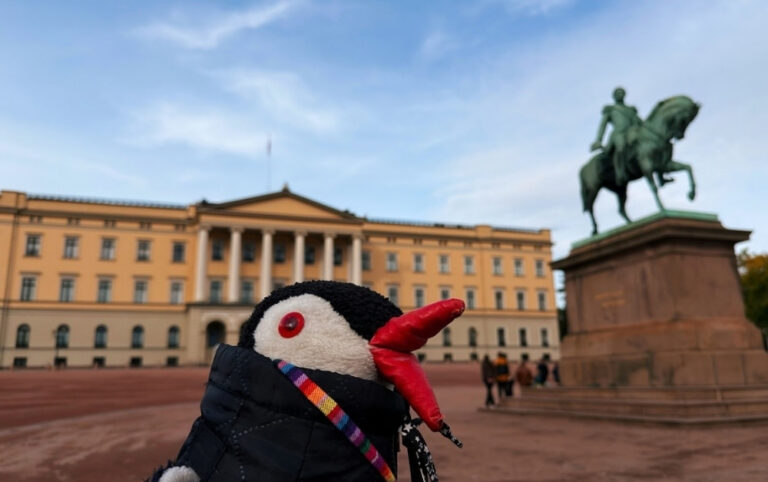
The Royal Palace (Det kongelige slott) stands at the end of Karl Johans gate, surrounded by the peaceful Palace Park. Completed in 1849, it serves as the official residence of the Norwegian monarch. Unlike some royal palaces across Europe, its exterior is relatively understated, reflecting the more modest style often associated with Norway’s monarchy.
The Royal Palace is also a great place to watch the daily changing of the guard. The ceremony is relatively simple most of the year, but in the summer months it becomes more elaborate, with additional ceremonial elements that make it even more interesting to watch. If you’re visiting Oslo in summer, check the schedule and arrive a little early to find a good viewing spot.
Why Add It to Your Itinerary: Waddle up to the palace to admire its architecture, stroll through the surrounding park, and watch the changing of the guard. It’s a lovely stop for a taste of Norwegian royal life right in the heart of Oslo.


Nedre Foss
Location: Nedre Foss, Grünerløkka, Oslo
Fee: Free
Nedre Foss is a small waterfall on the Akerselva River, tucked into the lively Grünerløkka neighborhood. The river has played an important role in Oslo’s industrial history, once powering mills and factories along its banks. Today, the area offers a scenic spot where rushing water meets the city’s creative, urban atmosphere.
Why Add It to Your Itinerary: Take a short break by the river and enjoy a different side of Oslo away from its grand landmarks. Nedre Foss pairs well with a stroll through Grünerløkka’s cafés, shops, and street art.


Stroll Through Ekebergparken Sculpture Park
Location: Kongsveien 23, Oslo
Fee: Free
Ekebergparken combines woodland trails, contemporary art, and some of Oslo’s most beautiful panoramic views. Set on a hillside overlooking the city and the Oslofjord, the sculpture park features works by internationally renowned artists scattered among the trees. Keep an eye out as you explore, as some artworks appear around unexpected corners, turning an ordinary stroll into an outdoor art hunt.
Why Add It to Your Itinerary: Waddle along the forest paths, discover striking sculptures, and stop at the viewpoints for sweeping views over Oslo. It’s a lovely mix of art and nature, especially if you enjoy exploring beyond the city center.


See the Controversial Santa Sculpture
Location: Konows gate roundabout, near Ekebergparken
Fee: Free to see from the street
Forget the jolly Santa Claus you might expect to find at Christmas markets. Santa, a six-meter-tall red bronze sculpture by American artist Paul McCarthy, is a rather unconventional sight in Oslo. Located in a traffic roundabout near Ekebergparken, the artwork has drawn attention and sparked debate for its provocative take on the familiar Christmas character. It’s part of Oslo’s public art scene, where contemporary works often challenge expectations and invite discussion.
Why Add It to Your Itinerary: If you’re exploring Ekebergparken, make a detour to see this unusual sculpture. Whether you find it amusing, puzzling, or controversial, it’s certainly not the Santa you expect to meet on your Oslo waddle!


Deichman Bjørvika, Oslo’s Public Library
Location: Anne-Cath. Vestlys plass 1, Oslo
Fee: Free
Deichman Bjørvika is Oslo’s striking main public library, located near the Opera House and overlooking the waterfront. Opened in 2020, the six-story building combines contemporary architecture with welcoming spaces for reading, learning, and relaxing. Inside, you’ll find books, creative workshops, study areas, and cozy corners, along with impressive open spaces that make the library feel more like a cultural meeting place than a traditional book repository.
Why Add It to Your Itinerary: Step inside to admire the modern design, explore the light-filled interiors, and enjoy a quieter moment away from sightseeing. Even if you don’t plan to borrow a book, the library is worth a stop for its architecture and welcoming atmosphere.


Book a Sauna by the Oslofjor
Location: Oslo waterfront, Bjørvika and Langkaia
Fee: Paid
A visit to Oslo isn’t complete without experiencing one of Norway’s favorite ways to unwind: a sauna. Along the waterfront, floating saunas let you warm up while you look out over the Oslofjord, with the option to take a refreshing dip if you’re feeling brave. It’s a lovely way to experience Oslo’s connection to the sea while slowing down after a day of sightseeing.
Why Add It to Your Itinerary: Book a waterfront sauna session for a relaxing Nordic experience with a view. Book ahead, especially for popular evening slots, and check the sauna’s swimming access and safety guidance before you dip in.


Discover Oslo’s Streets and Neighborhoods
Location: Oslo
Fee: Free
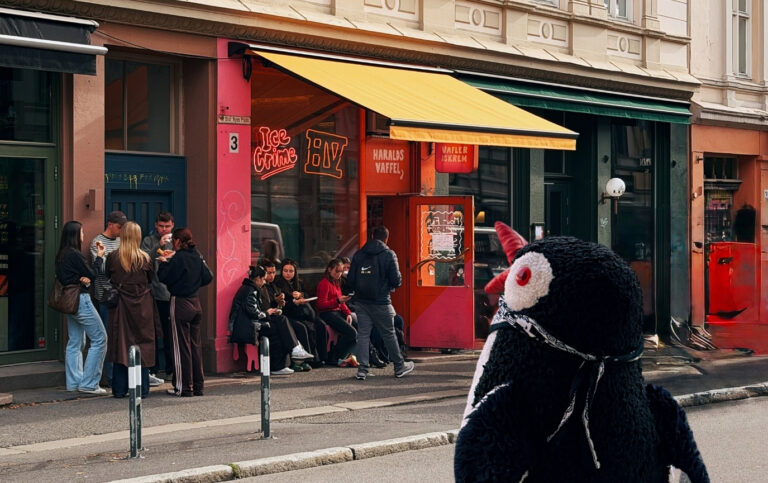
Some of our favorite moments in Oslo happened between the big attractions. As we waddled through the city, we kept stumbling upon cute little corners, charming streets, colorful details, and unexpected views that made us stop to take a closer look. Oslo is a lovely city to explore on foot, so leave room in your plans to wander without a destination. You never know what charming spot you’ll discover around the next corner!
Why Add It to Your Itinerary: Don’t rush from one landmark to another. Give yourself time to wander, explore side streets, and enjoy the little discoveries that make exploring Oslo feel special.


Waddle Along Oslo’s Waterfront in the Evening
Location: Bjørvika waterfront, Oslo
Fee: Free
Oslo’s waterfront takes on a different charm in the evening, when the light softens over the Oslofjord and the city’s modern buildings reflect on the water. The promenade connects some of the capital’s best-known landmarks, including the Opera House and MUNCH Museum, making it a lovely place to explore as the day winds down.
Why Add It to Your Itinerary: Enjoy a relaxed evening waddle by the water, admire the architecture in the changing light, and soak up Oslo’s calm atmosphere without spending a krone.


Enjoy the Best Viewpoints in Oslo
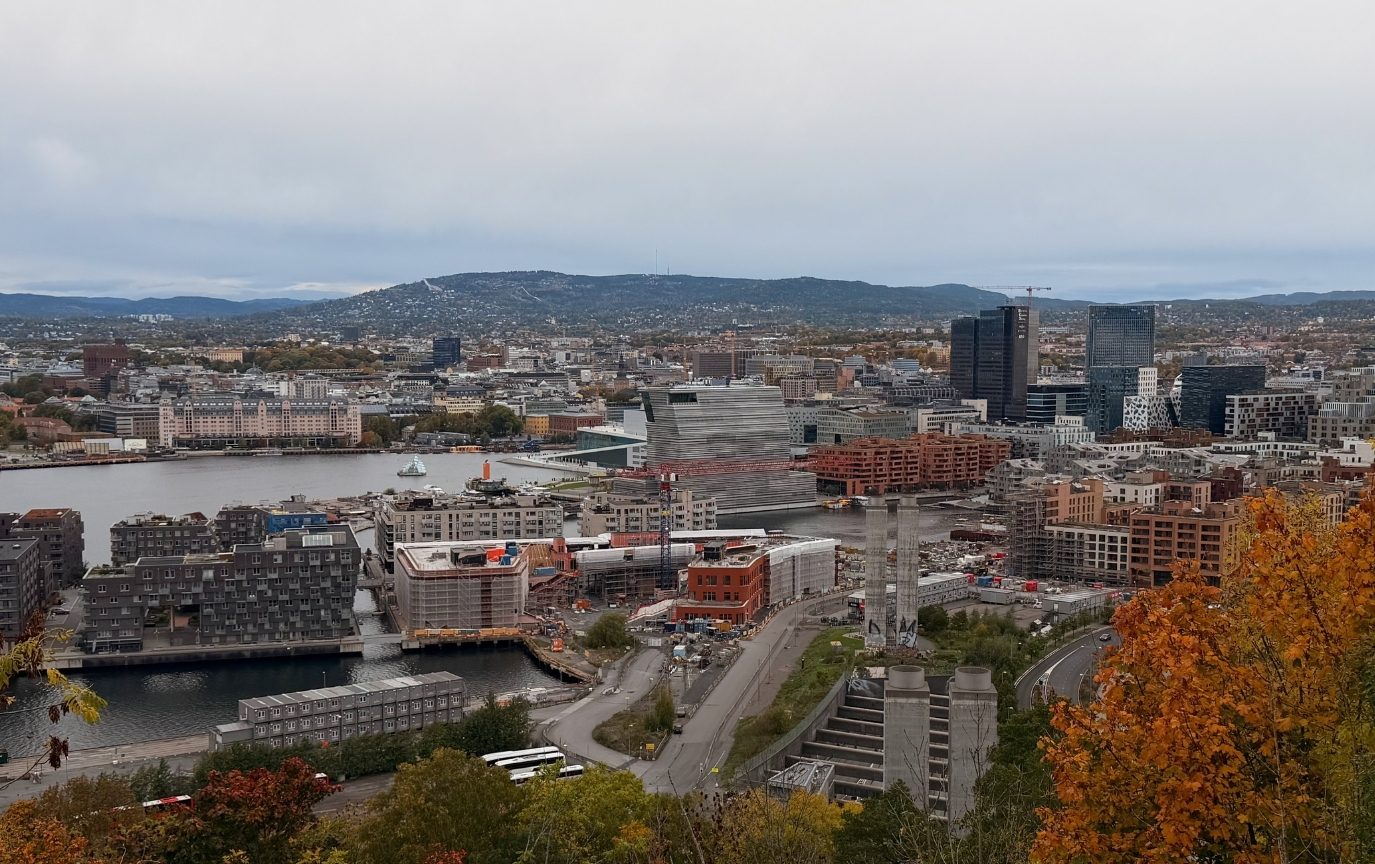
Don’t forget to add a few viewpoints to your Oslo itinerary! We found plenty of spots offering beautiful views over the city, the Oslofjord, and the surrounding hills. Each offers a different perspective on the Norwegian capital, and some are worth the extra waddle. With so many to choose from, we’ve dedicated a separate blog post to the best viewpoints in Oslo to help you find your favorite panorama.

Explore Oslo’s Street Food and Food Halls
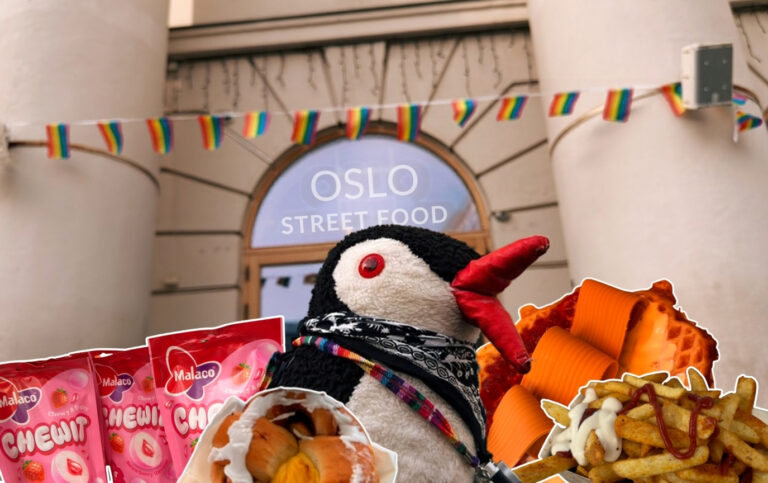
Oslo has plenty to offer when hunger strikes! Head to Street Food Court or Foodhallen to sample different dishes, grab a casual bite, and enjoy a drink in a lively setting. These food halls are great places to try something new, from international street food to local favorites, without committing to a full restaurant meal. Whether you’re after a quick lunch between attractions or a relaxed evening with friends, add a food hall stop to your Oslo itinerary.


More Things to Discover in Oslo
- Vigeland Sculpture Park. Wander among more than 200 sculptures by Gustav Vigeland in one of Oslo’s most famous parks.
- Aker Brygge and Tjuvholmen. Enjoy waterfront promenades, restaurants, modern architecture, and views across the Oslofjord.
- Nobel Peace Center. Learn about the Nobel Peace Prize, its laureates, and their contributions to peace.
- The Botanical Garden. Enjoy peaceful paths, themed gardens, and greenhouses at the University of Oslo’s botanical garden.
- Island hopping in the Oslofjord. Take a local ferry to nearby islands such as Hovedøya for coastal walks, beaches, and historic ruins.
- Tøyen and Grønland. Explore lively neighborhoods with multicultural restaurants, independent shops, and a different side of everyday Oslo.
- Emanuel Vigeland Mausoleum. This unusual, dimly lit mausoleum in Oslo is covered in a vast fresco depicting human life, from birth to death. Created by artist Emanuel Vigeland, the room is famous for its extraordinary acoustics, with sounds lingering for several seconds. It occasionally hosts intimate concerts, making it both an artistic experience and a remarkable musical venue.
- Cliff Jumping on Bygdøy: If you’re looking for an adrenaline rush, Bygdøy has natural cliff-jumping spots along the Oslofjord. However, only a couple of locations are suitable, so go with someone local who knows the area and can advise you on safe conditions.
Our Map of Things to See and Do in Oslo
How to Get Around Oslo: Public Transportation Guide
Getting around Oslo is easier than you might expect, whether you’re hopping on the metro, catching a tram through the city center, or taking a ferry across the Oslofjord. We found that public transportation makes it easy to explore the Norwegian capital and reach attractions beyond the city center without a car. In this guide, we covered the different transport options, tickets, zones, and useful tips to help you waddle around Oslo with confidence. If you’re planning to explore more of Norway, keep an eye out for our separate guide to getting around Norway, too!
Hotel search from Trip.comShows Trip.com’s own box, which can set Trip.com cookies.
How Many Days Do You Need in Oslo
We recommend spending 2 to 3 days in Oslo to explore the main attractions, visit a museum or two, and enjoy the waterfront at a relaxed pace. If you’d like to venture into the surrounding forests, explore more museums, or take a ferry to the nearby islands, consider staying for 4 days.
Buy Us a Ko-fi

Oslo turned out to be a lovely city to explore, with much more to see than we initially expected. We enjoyed discovering its little corners, wandering along the waterfront, and finding interesting places around almost every turn. You don’t need to plan every minute, either. Some of our favorite moments came from simply exploring and seeing where the city took us. If Oslo is on your travel list, we think it’s well worth a visit!
Travel Bold. Eat Well. Waddle Wild.
Save This Pin for Later!
This post contains affiliate links. If you click and buy, I might earn a tiny commission, enough to help a penguin keep up its globe-trotting lifestyle. No extra cost to you, just more fish for me. Thank you for supporting the adventure!