

23 Things to See in Riga, Latvia, From Medieval Streets to Art Nouveau
Riga is the kind of city where you can start with a plan and still end up somewhere completely different. One minute you are walking through the narrow streets of the Old Town; the next, you are staring up at an Art Nouveau building, browsing a market stall, or wondering how you somehow ended up at another church.
We visit Riga in March, so it is cold. Very cold. But that does not stop us from spending our days walking around the city and seeing as much as we can. And there is plenty to see. Riga has a compact center, but it packs in medieval buildings, impressive churches, museums, markets, parks, and some rather unusual places too.
After a few days of exploring, we put together this list of things to see and do in Riga, including the famous sights you will probably have on your list anyway and a few places that might not be quite as obvious.
Why Visit Riga
Riga is easy to explore, with plenty to see in a relatively compact city center, and offers a good mix of history, architecture, food, and everyday city life. The Old Town is the obvious starting point, but much more lies beyond its cobbled streets. You can spend the morning looking at Art Nouveau buildings, stop for lunch at the Central Market, climb a church tower, visit a museum, and still have time to wander through one of the city’s parks.
It is also a city where you do not need a packed itinerary to enjoy yourself. Some of our favorite moments in Riga come simply from walking around, taking in the buildings, and seeing what we find along the way. Add affordable food, plenty of cafés, and a location that makes Riga easy to pair with other Baltic destinations, and you’ll have plenty of reasons to put Latvia’s capital on your travel list.
23 Best Things to Do in Riga for First-Time Visitors
#1: St. James’s Cathedral
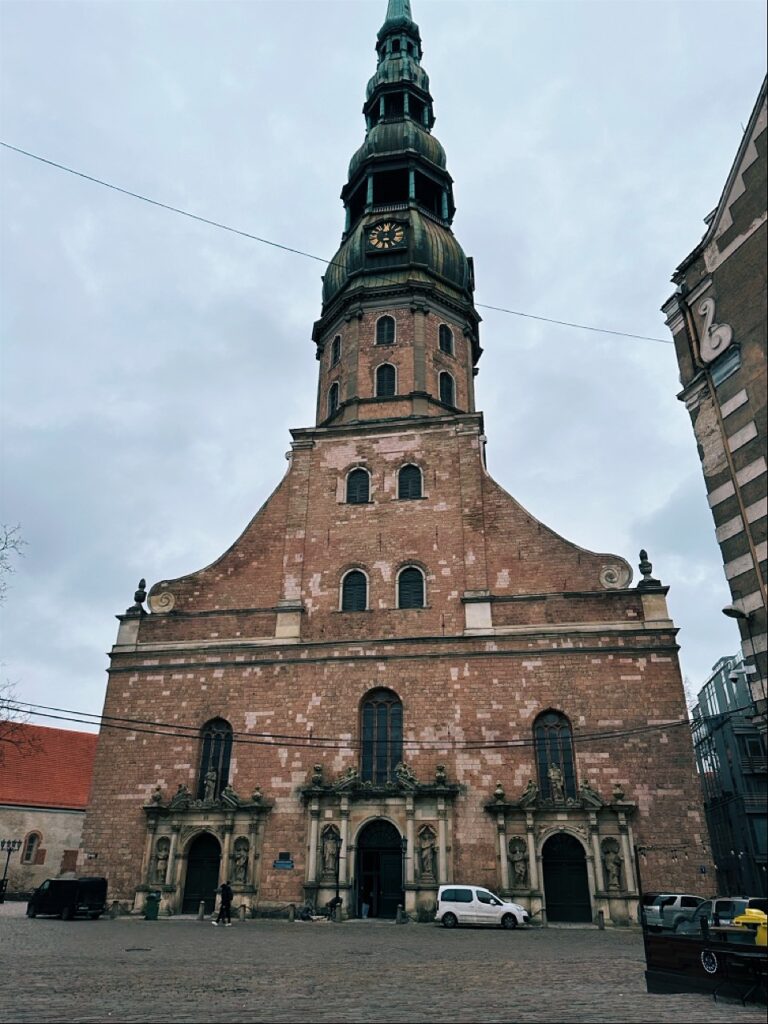
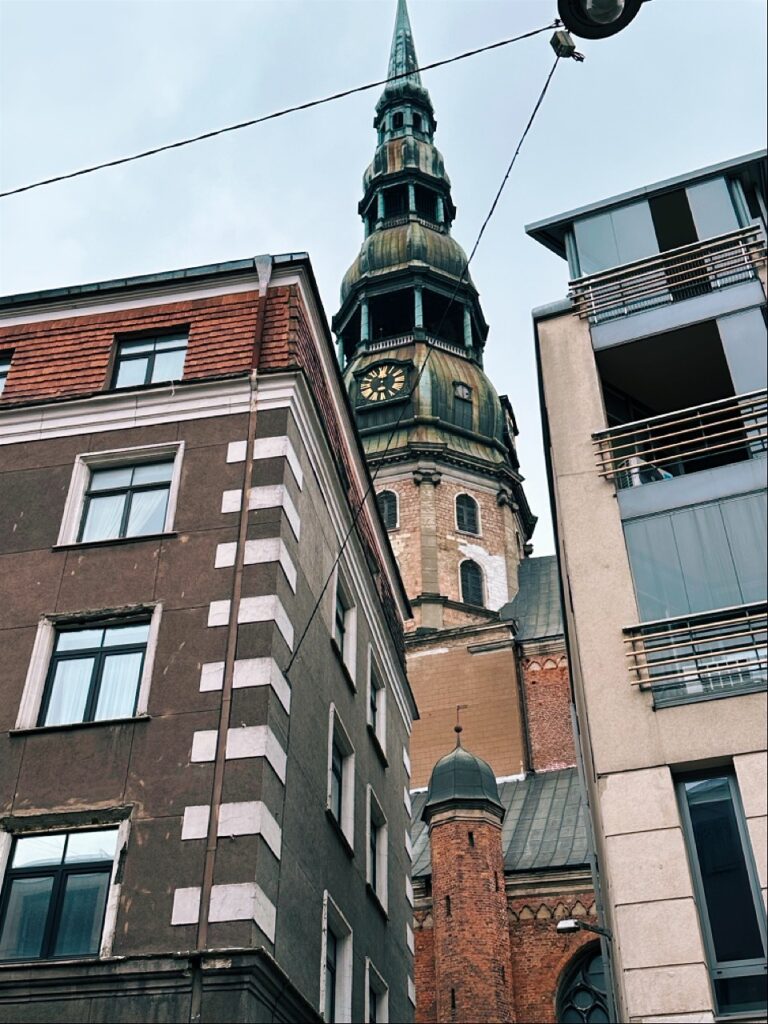
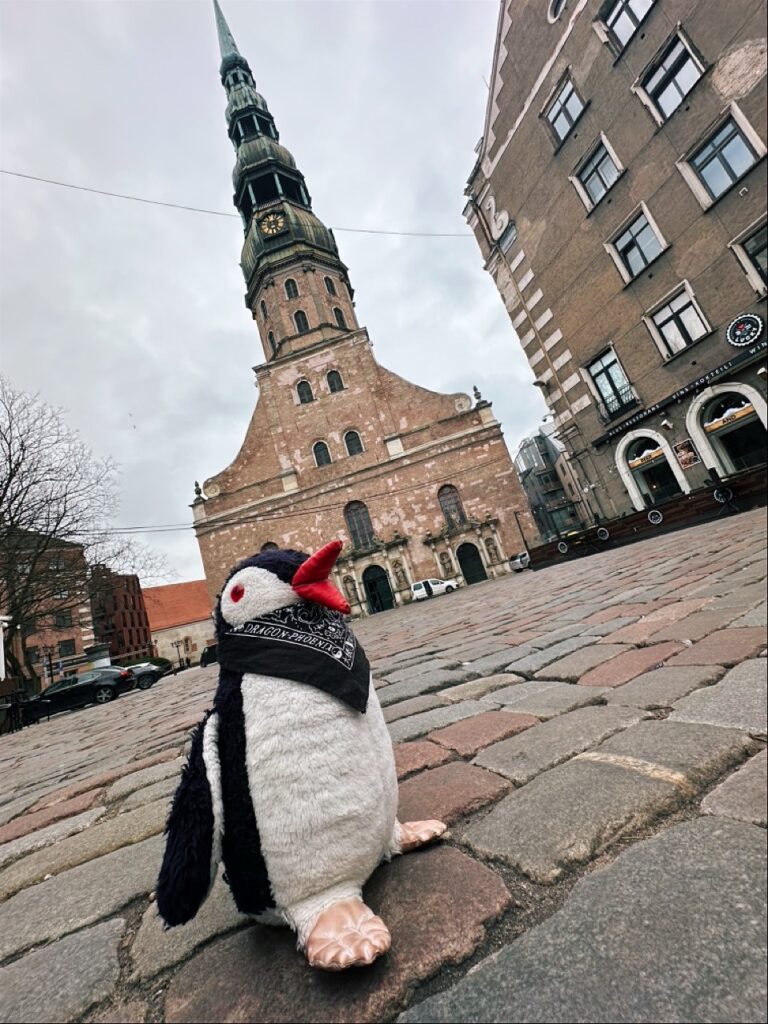
St. James’s Cathedral sits quietly among the medieval streets of Riga’s Old Town, dating back to the early 13th century. Its tall brick tower and green spire make it easy to spot, although the cathedral itself can feel surprisingly understated compared with some of Riga’s grander churches. Over the centuries, it has belonged to different Christian denominations and eventually became the Catholic cathedral it is today.
Look up at the tower, and you will notice the golden rooster on top, but there is another detail with a much stranger story. A bell once hung outside the church, earning the nickname “Bell of the Wretched Sinners.” Local legend claimed that it rang whenever an unfaithful woman walked underneath it. We cannot promise it still works, but it is certainly one of those little Riga stories that makes stopping at St. James’s Cathedral more interesting.
#2: Riga Old Town
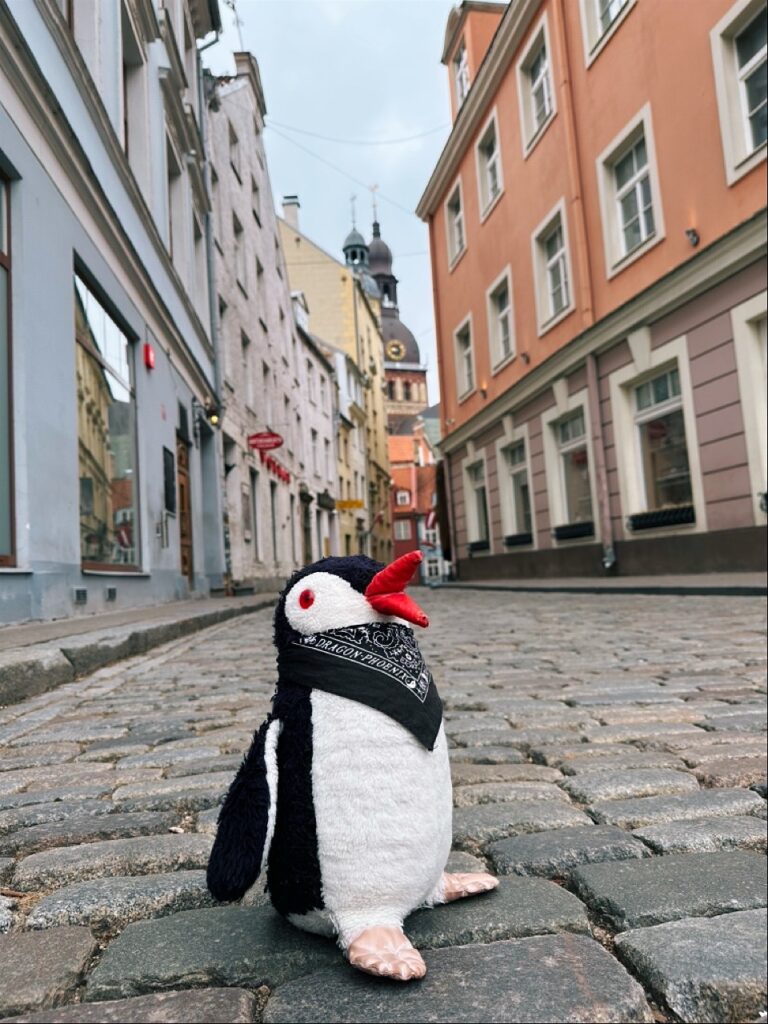
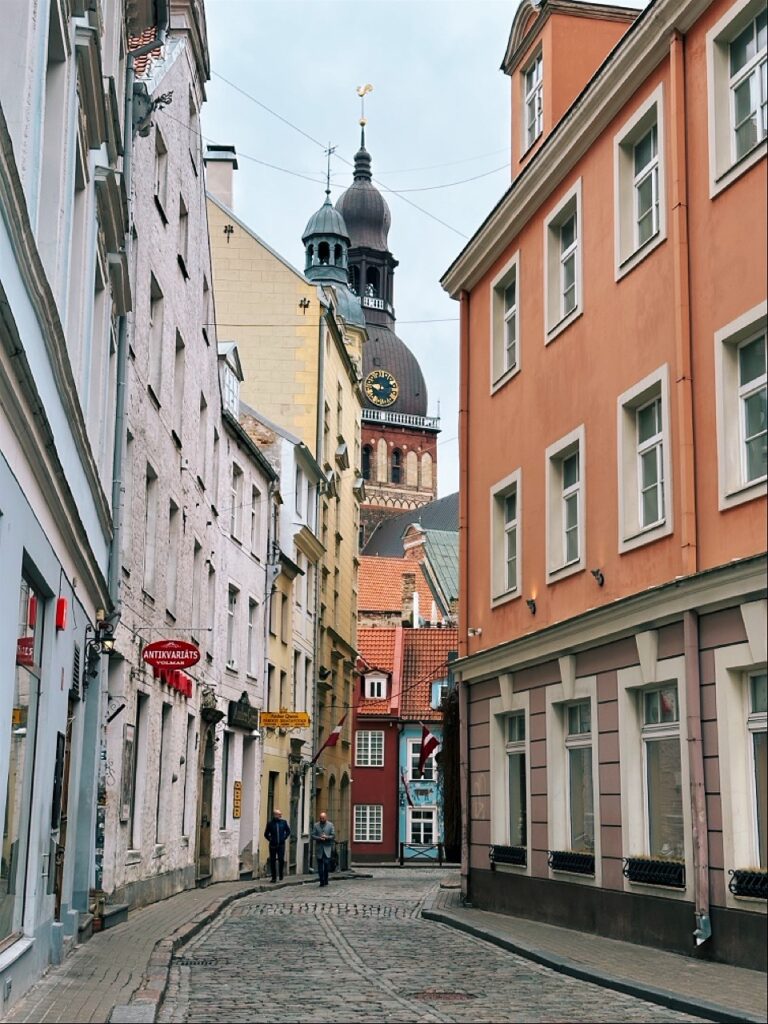
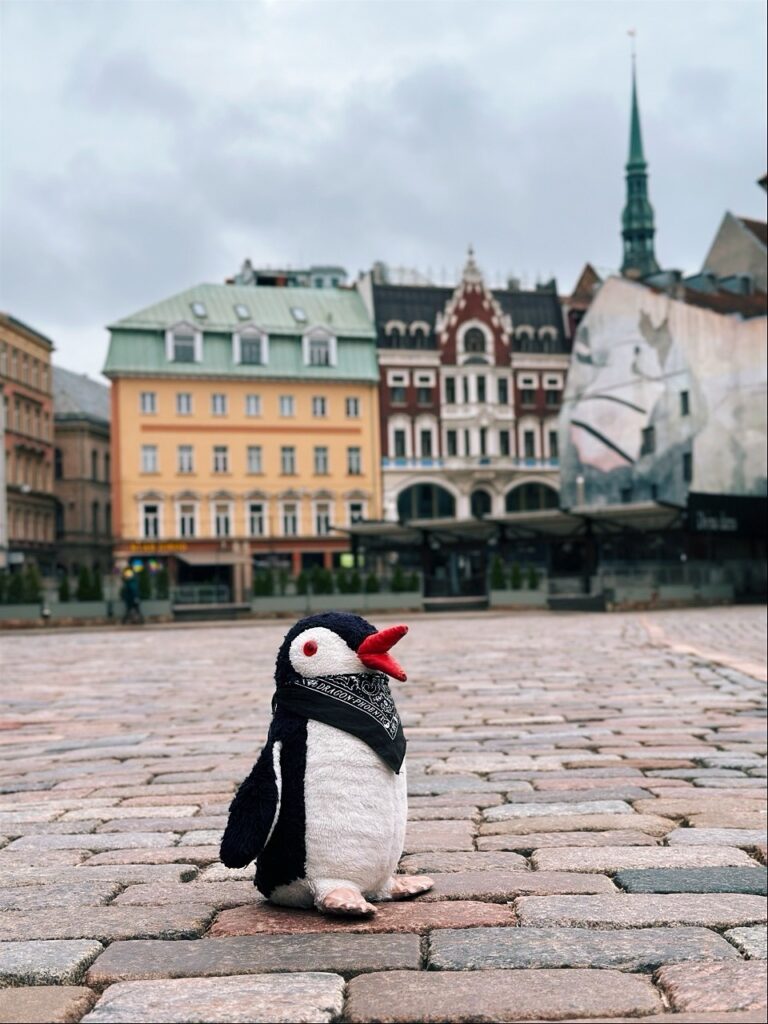
Riga Old Town is where most visitors naturally start exploring the city, and it is easy to see why. The historic center is a maze of cobbled streets, colorful façades, small squares, and medieval buildings, with something interesting seemingly waiting around every corner. It is compact enough to explore on foot, but there is no need to rush. Wander down the quieter side streets, stop for a coffee, and keep looking up because some of the best details are above street level.
The Old Town also has several of Riga’s most recognizable landmarks, including St. Peter’s Church, the House of the Blackheads, Riga Cathedral, and the Three Brothers. What makes the area particularly enjoyable is how easily these famous sights mix with ordinary city life. Tour groups pass through the main streets, while locals head to cafés, restaurants, and shops just a few steps away. We spend hours simply wandering around, and honestly, that is probably the best way to experience this part of Riga.
#3: Riga Cathedral
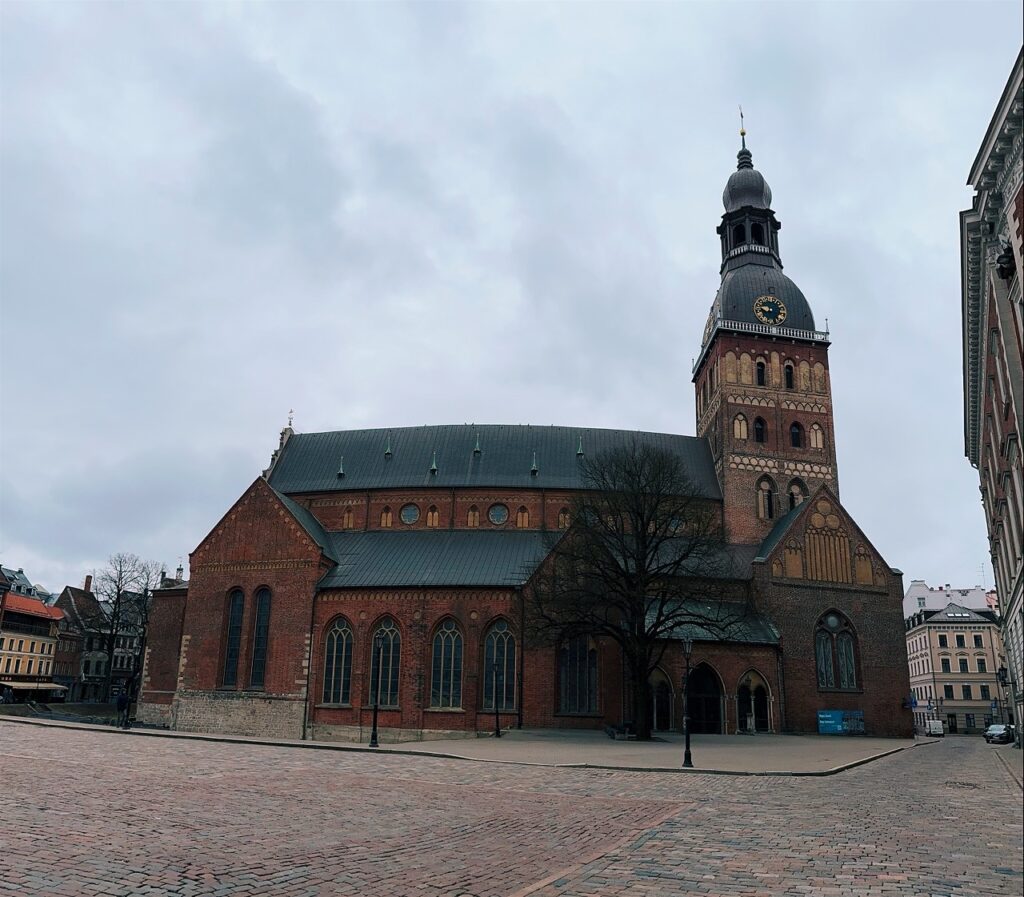
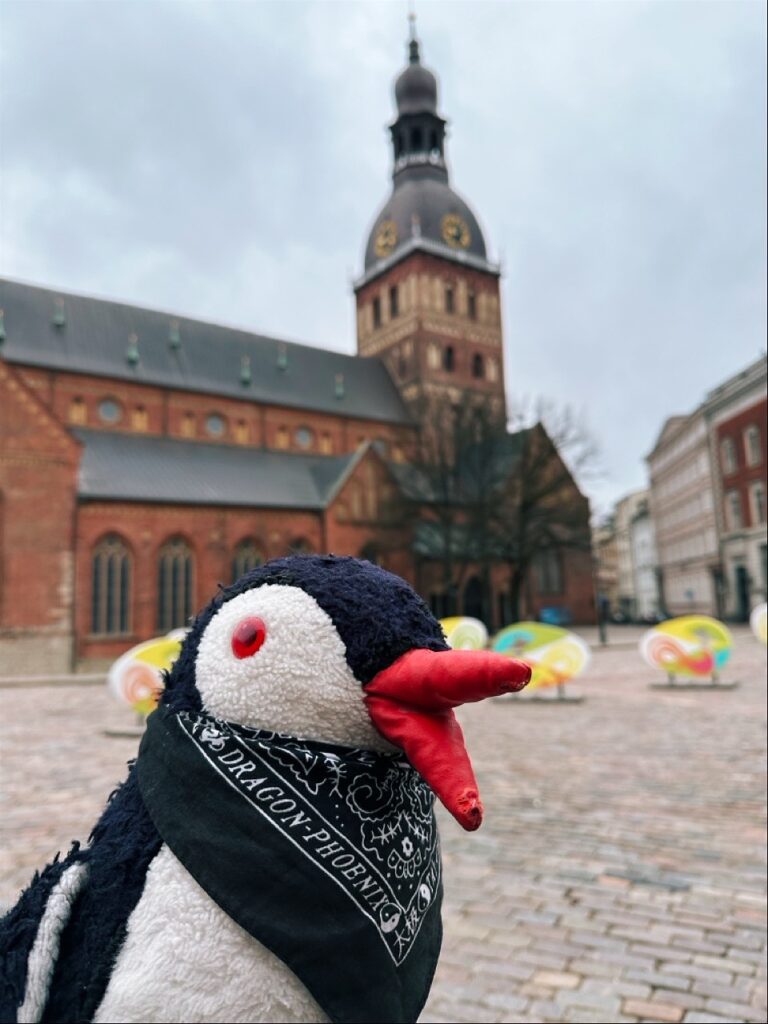
Riga Cathedral is one of the city’s most recognizable landmarks, sitting right in the middle of the Old Town beside Cathedral Square. Construction began in 1211, making it one of the oldest and largest medieval churches in the Baltic states. But do not expect the building to look exactly as it did in the Middle Ages. The cathedral has been rebuilt and altered several times over the centuries, so its architecture today is a fascinating mix of styles.
Inside, the real star is the organ, installed in 1884 and once considered one of the world’s largest and most impressive organs. It has more than 6,700 pipes and remains an important part of Riga’s musical life. Even if you are not particularly interested in church architecture, it is worth stepping inside for a look. The cathedral also reminds you that Riga’s history isn’t confined to its picturesque streets. This one building has witnessed centuries of religious, political, and cultural changes in the city.
#4: St. Savior’s Anglican Church
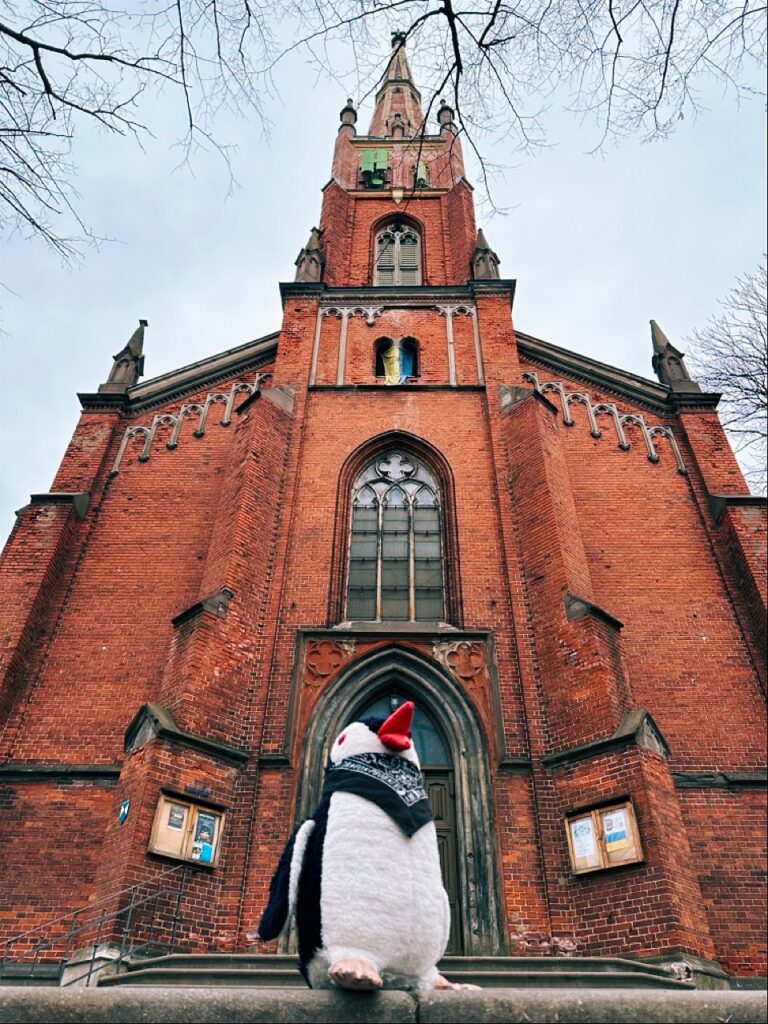
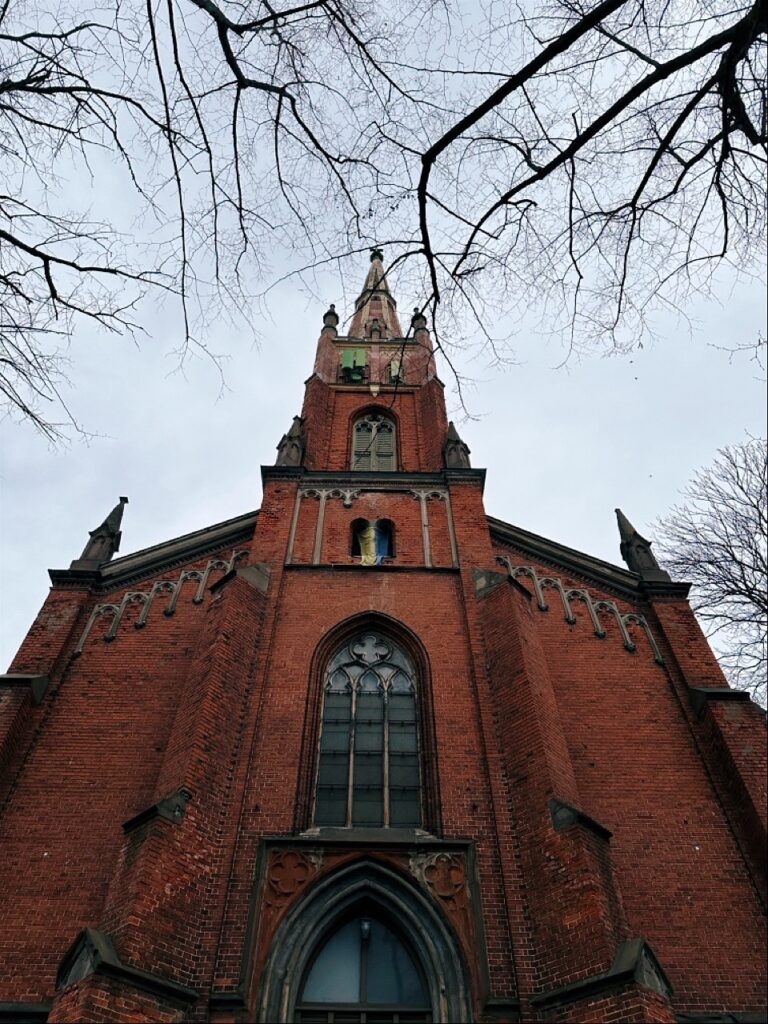
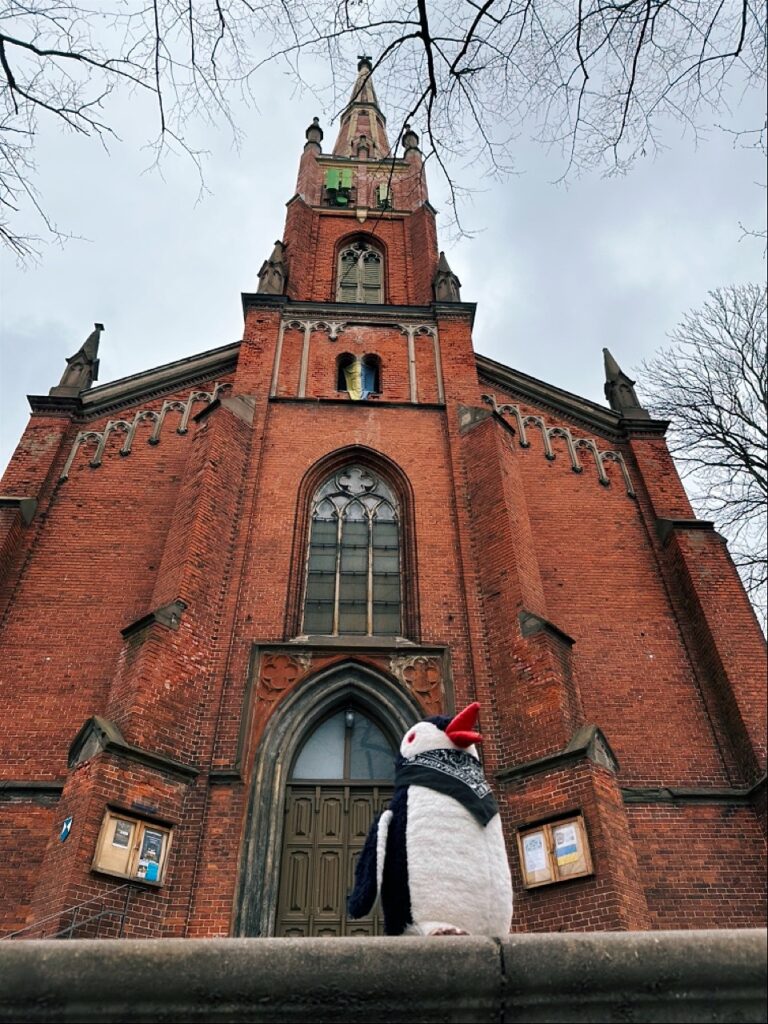
St. Savior’s Anglican Church is one of those Riga sights you can easily walk past without realizing quite how unusual its story is. Sitting near the Daugava River on Anglikāņu Street, the red-brick church was built in the 19th century for Riga’s growing British community, including merchants and sailors who spent time in the city. Its simple Gothic Revival design stands out among the surrounding Old Town buildings.
The church’s connection to Riga’s international past makes it particularly interesting. The city was an important trading center, and the Anglican church reflects how many foreign merchants and communities passed through. Today, it remains an active Anglican church and is a quieter stop compared with Riga’s more famous cathedrals. It is worth adding to your Old Town walk if you enjoy discovering the less obvious pieces of the city’s history.
#5: Our Lady of Sorrows Church
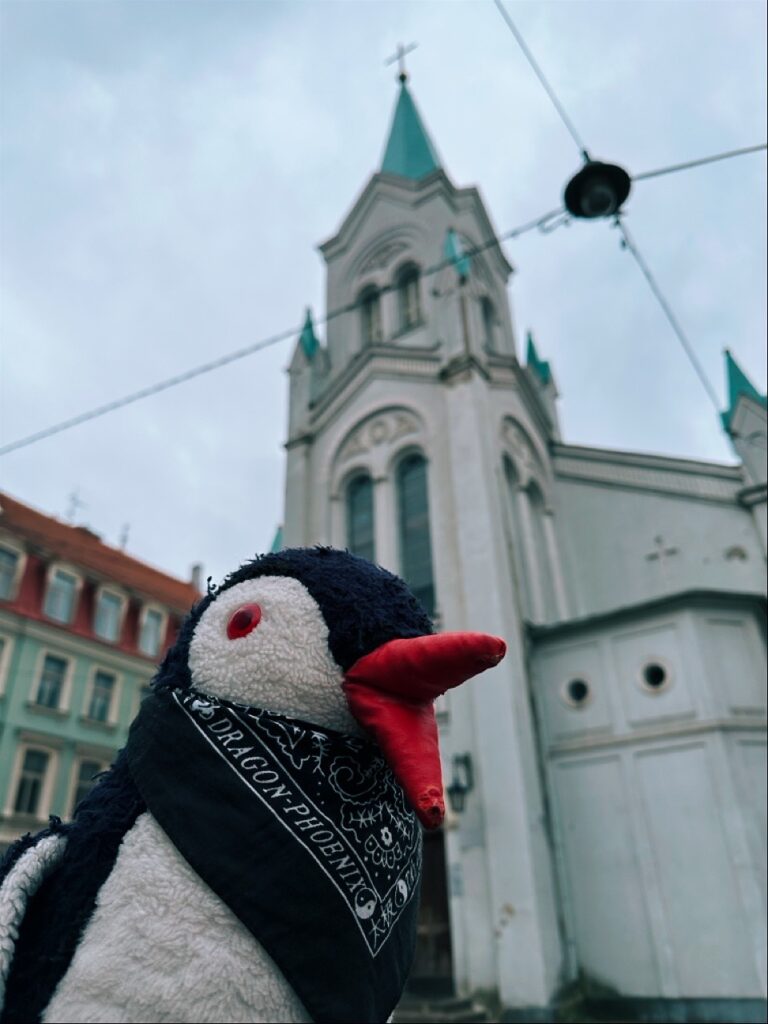
Our Lady of Sorrows Church is another of Riga’s quieter churches, tucked just outside the busiest part of the Old Town. Built in the 18th century, the church looks distinctly different from Riga’s larger medieval churches, with its pale façade and relatively modest scale. Dedicated to Our Lady of Sorrows, it belongs to Riga’s Catholic tradition and adds another layer to the city’s surprisingly diverse religious history.
The church is particularly interesting because of its location and long history. It stands close to Riga Castle and the Daugava River, in an area that has changed considerably over the centuries. Inside, the atmosphere is calm and much less touristy than at Riga Cathedral or St. Peter’s Church. If you are already exploring the Old Town, it is a simple detour and a good example of how many of Riga’s smaller historic churches can easily escape your attention.
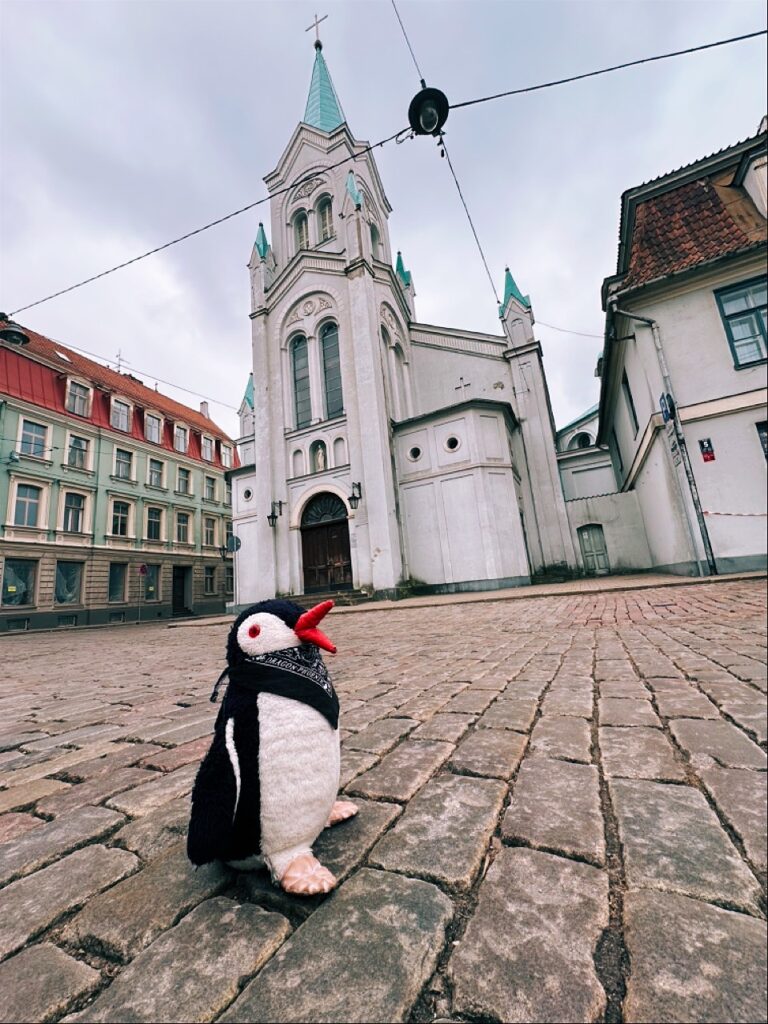
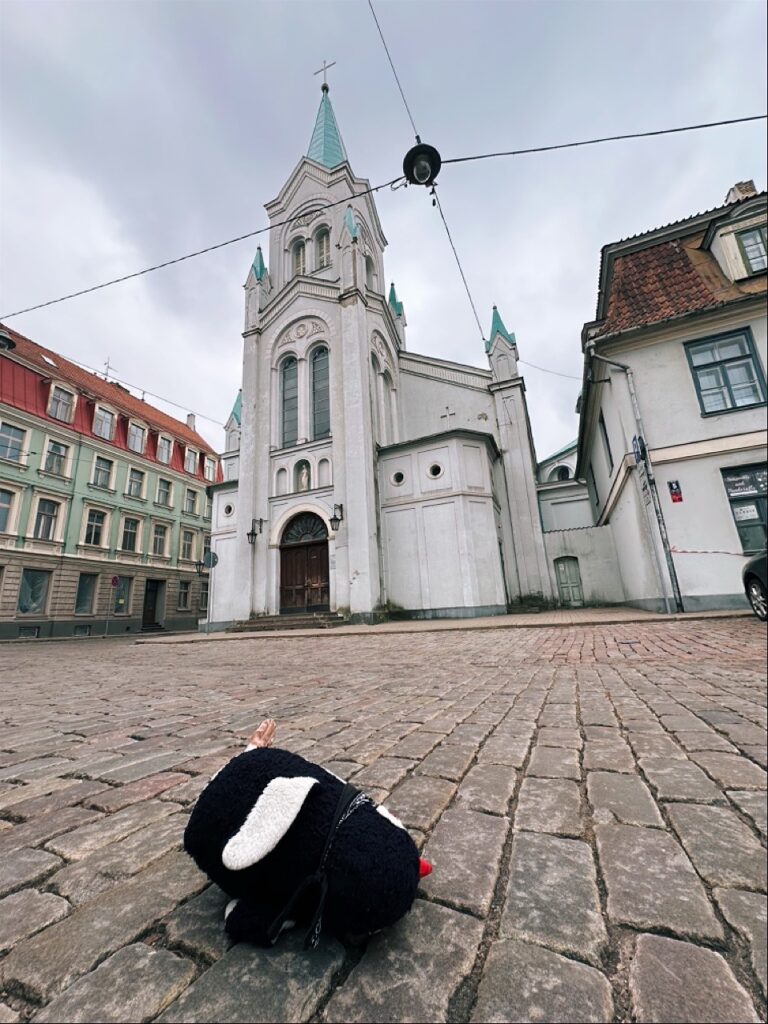
#6: The Three Brothers
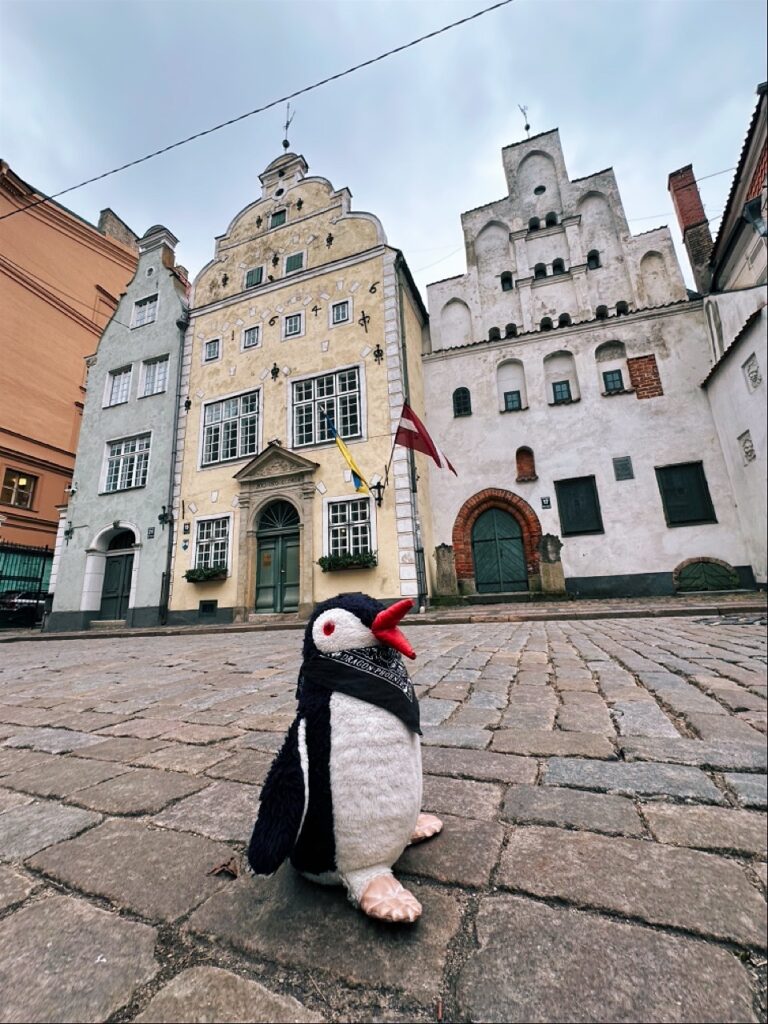
The Three Brothers are among Riga’s most photographed buildings, and once you know where to look, they are hard to miss. Standing side by side on Maza Pils Street, the three houses were built at different times between the 15th and 17th centuries, making them a small architectural timeline of Riga. The oldest, the white building, dates to around 1490 and is one of the city’s oldest surviving stone residential buildings.
Despite the name, the houses were never built as a single family home. Their nickname comes from how they stand together, while their different façades show how Riga’s residential architecture changed over time. Today, the buildings house the Latvian Museum of Architecture, but even if you do not go inside, they are worth seeking out. Tucked away on a narrow street in the Old Town, seeing all three together is one of those quick Riga stops that takes only a few minutes but gives you a glimpse of what the city looked like centuries ago.
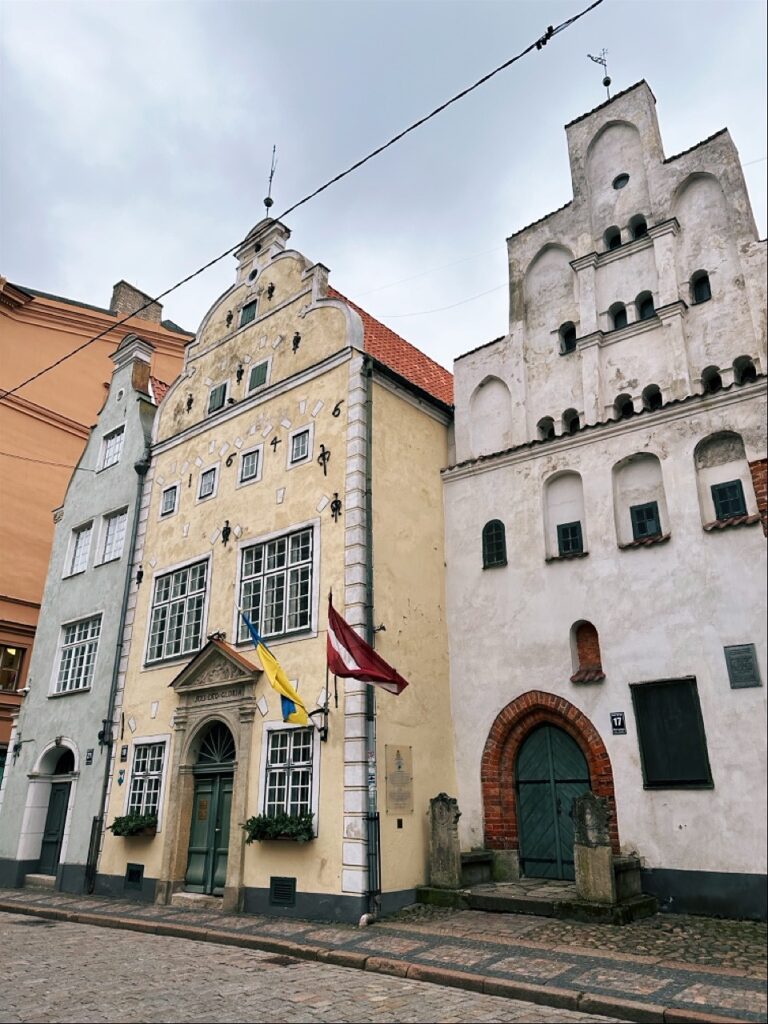
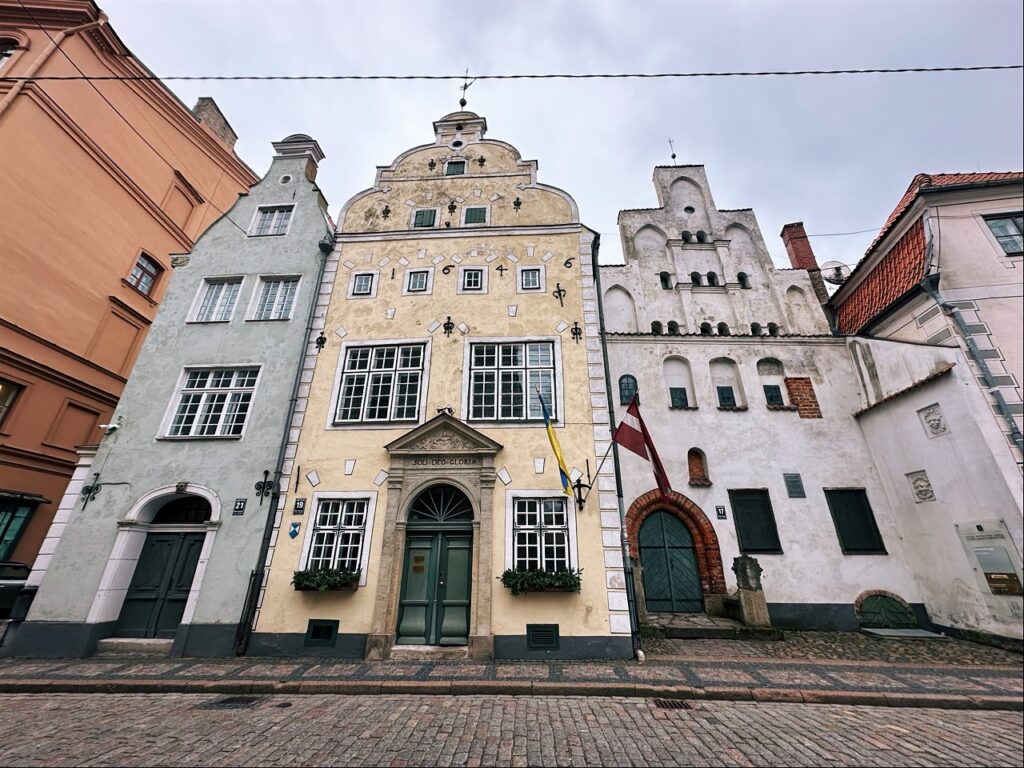
#7: Riga National Theatre
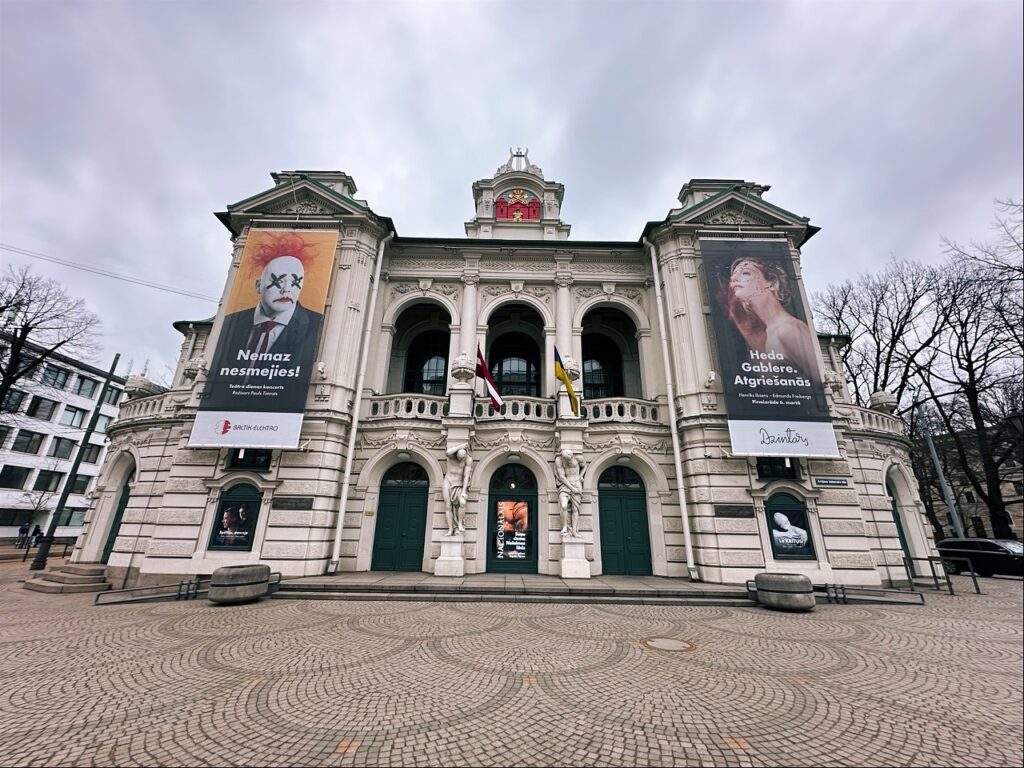
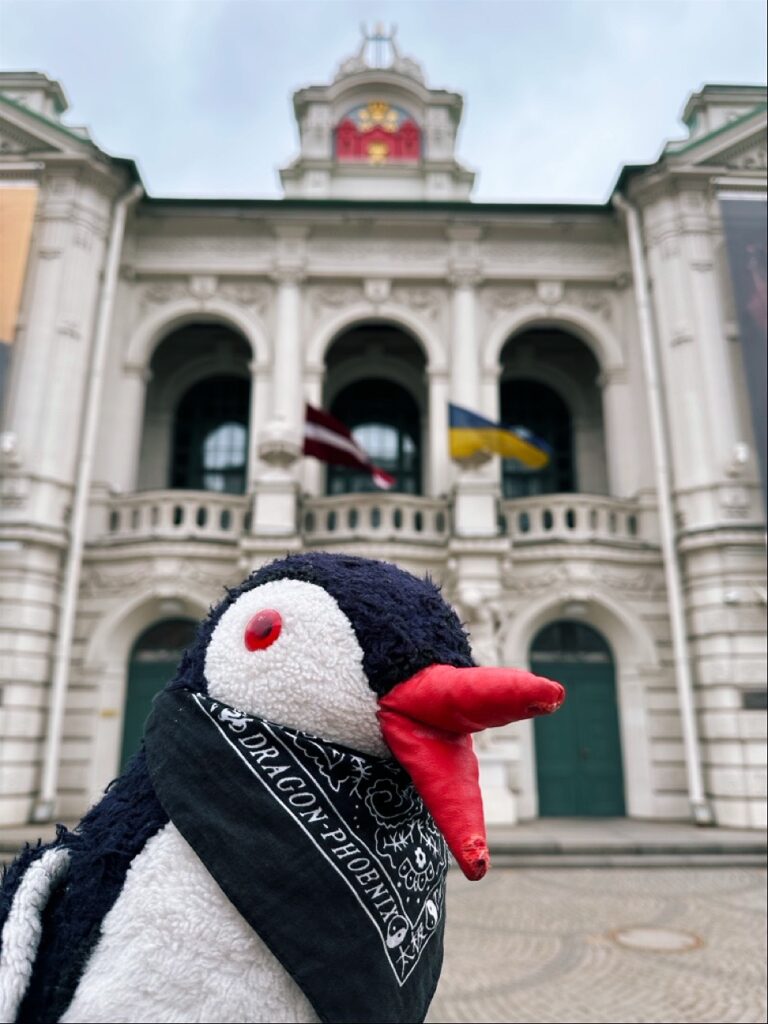
The Riga National Theatre is worth a stop not just for its elegant early 20th-century architecture, but for what happened inside its walls. The theatre opened in 1902, and on 18 November 1918, Latvia proclaimed its independence here. That makes the building an important part of the country’s modern history, rather than simply another pretty façade in central Riga.
Today, it remains one of Latvia’s leading repertory theatres, with a strong focus on Latvian drama. Even if you are not planning to see a performance, it is worth walking past the building and taking a look. For us, knowing that such a major moment in Latvia’s history took place inside makes this an easy sight to add while exploring the city.
#8: Kronvalda Park
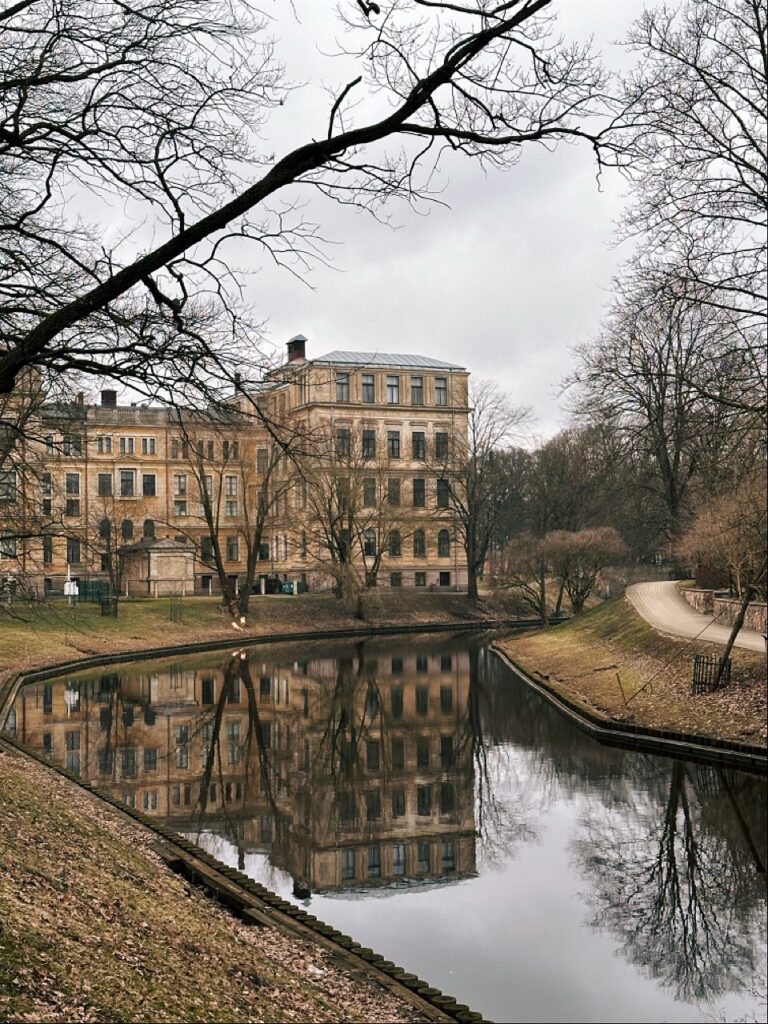
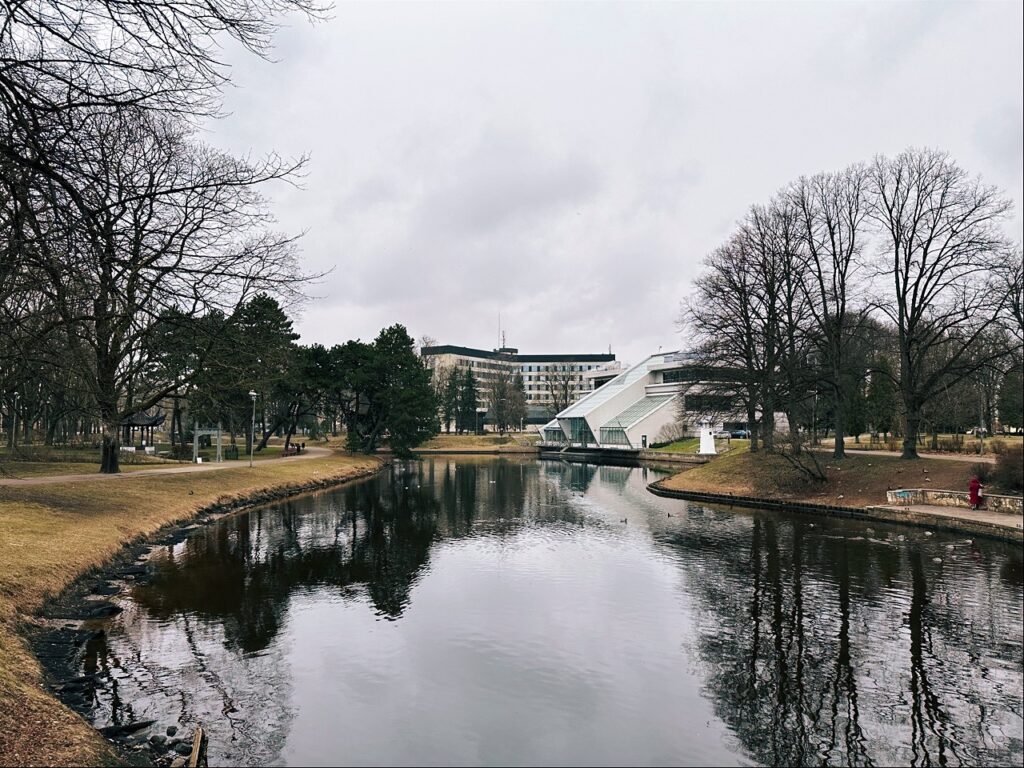
Kronvalda Park is a nice place to slow down after wandering around Riga’s busy streets. The nearly 12-hectare park stretches along the city canal, with tree-lined paths, lawns, and plenty of space to wander without dodging tourist groups. Originally known as Strēlnieku Garden, it was redesigned in the late 19th century with formal flowerbeds and a rose garden with around 2,000 rose bushes.
Today, the park feels much more relaxed than its rather grand history suggests. The canal cuts through the middle, and you can follow it towards the Old Town or continue towards Riga’s Art Nouveau district. If you are visiting in warmer months, you can also see the park from the water on one of Riga’s canal boat trips.
#9: The Chinese Archway
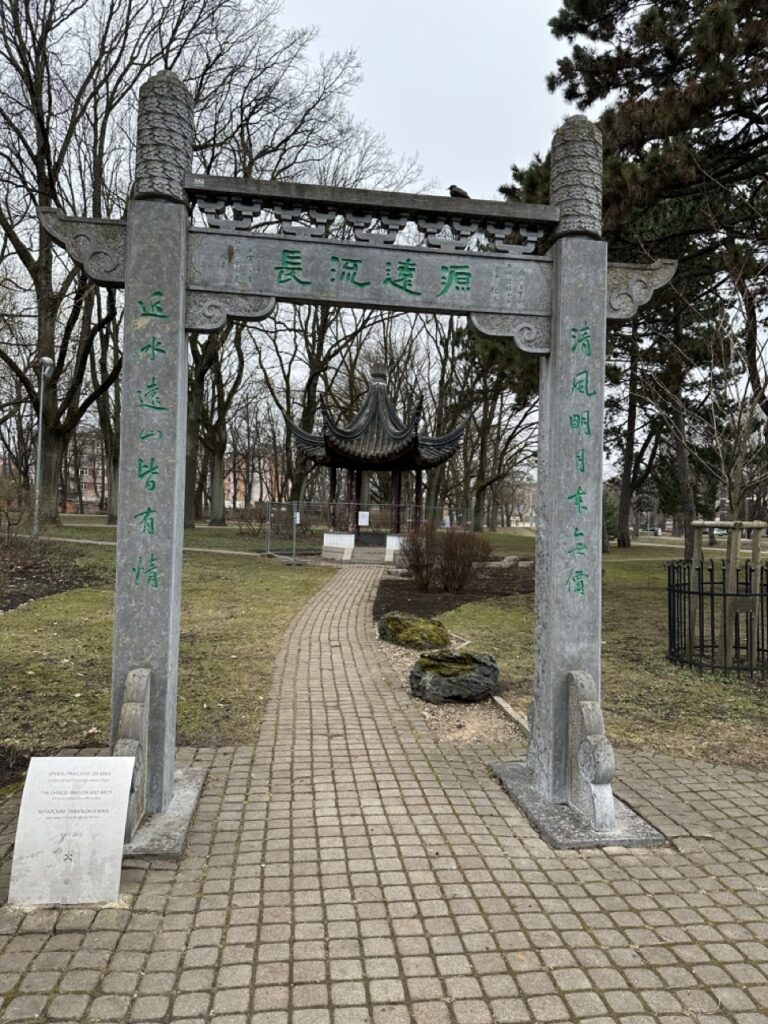
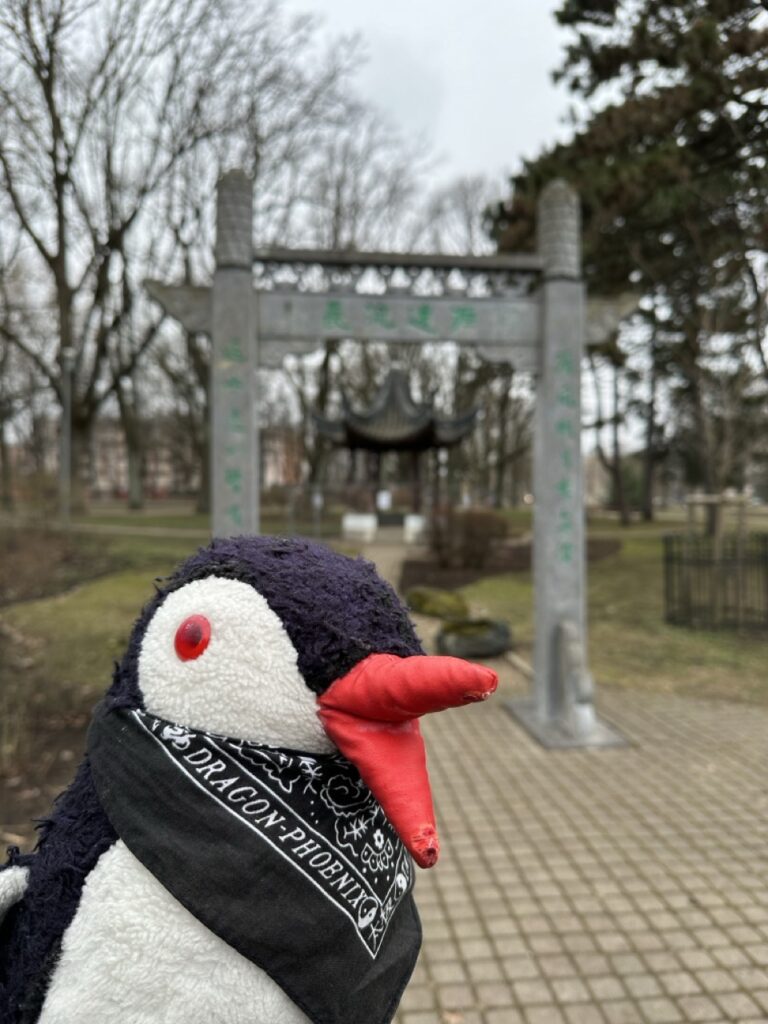
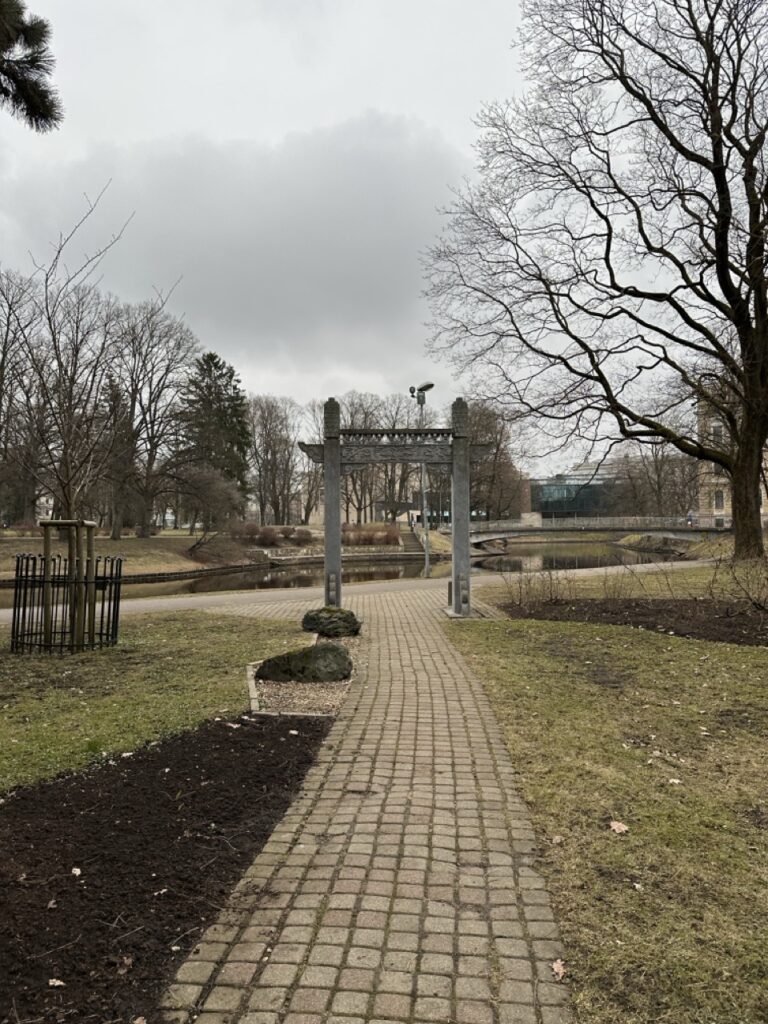
One of the more unexpected sights in Kronvalda Park is the Chinese-style stone archway and pavilion, a small corner of Riga that feels rather different from the rest of the city. Riga’s partner city, Suzhou, China, presented the pavilion in 2001, and the stone archway was added in 2012 to mark the 15th anniversary of the partnership between the two cities.
The contrast is what makes the spot interesting. Traditional Chinese architectural details sit among the trees and paths of a Riga city park, offering a small reminder of international connections that extend far beyond Latvia’s borders. It is not a major sightseeing stop, but if you are already walking through Kronvalda Park, it is an easy detail to spot.
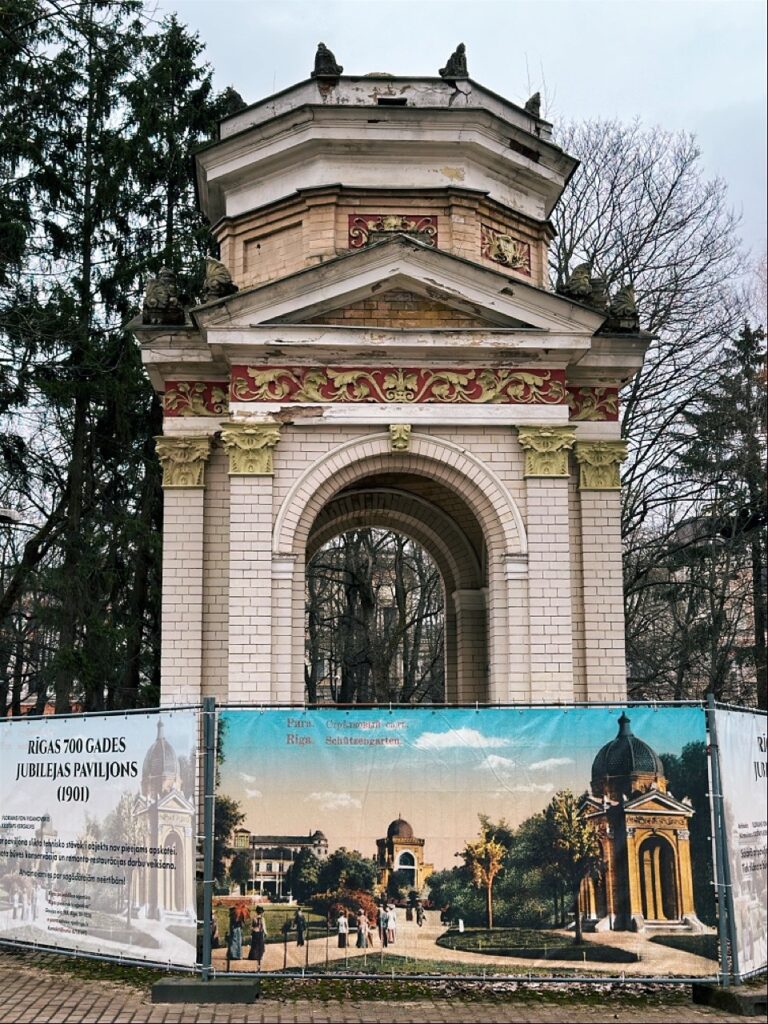
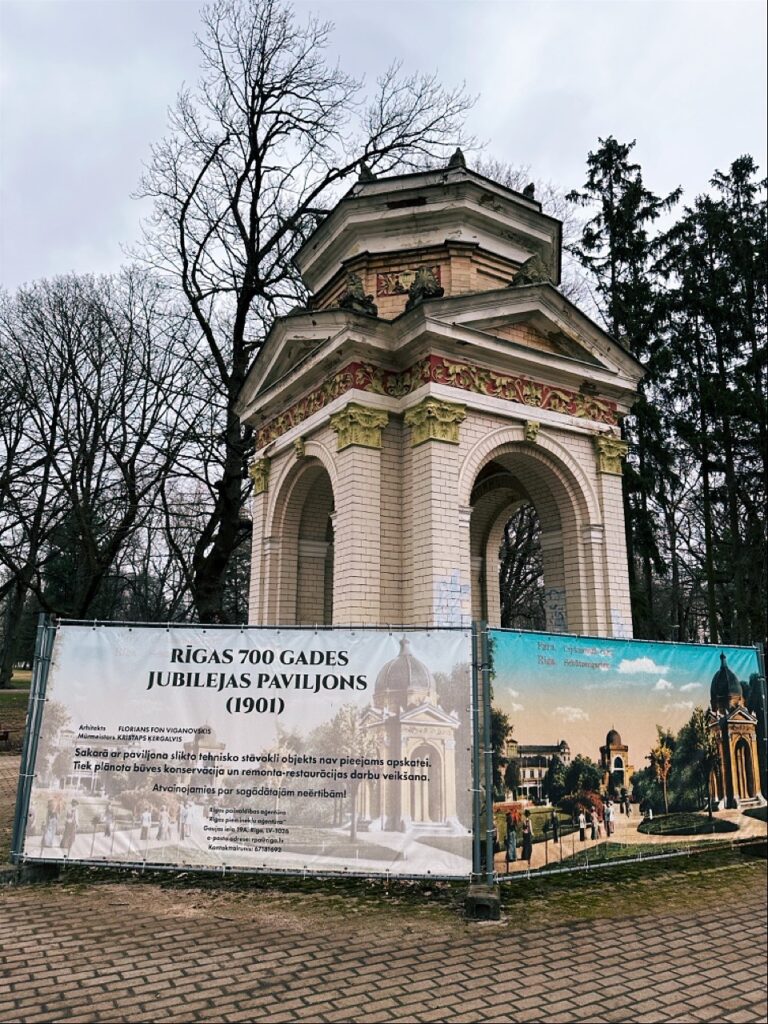
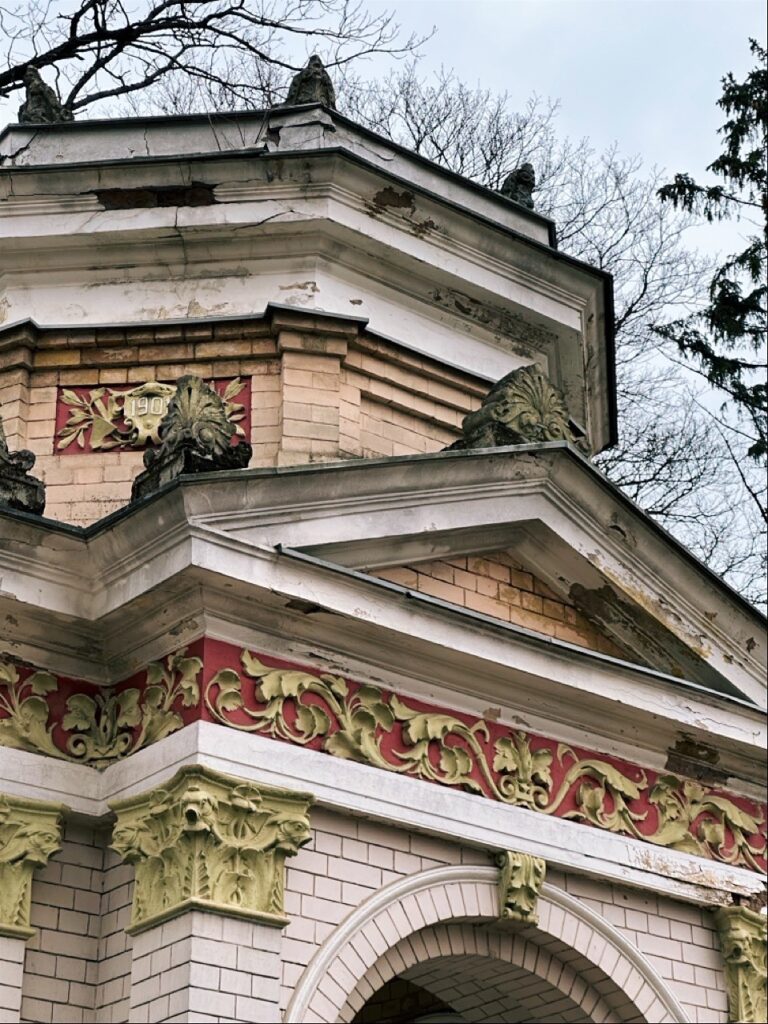
#10: Riga 700th Anniversary Pavilion
The Riga 700th Anniversary Pavilion is another small but interesting detail to look for in Kronvalda Park. It was created as part of the celebrations marking 700 years since Riga’s traditional founding date of 1201, and its design reflects the city’s long history and changing identity. It is easy to walk past without giving it much thought, especially with the park’s trees and larger landmarks competing for attention.
For us, it works best as part of a walk rather than as a destination on its own. Riga has plenty of grand churches and impressive historic buildings, but these smaller reminders of the city’s past help fill in the story between the major sights. If you are exploring Kronvalda Park, keep an eye out for it rather than simply following the main paths.
#11: Riga’s Historic Wooden Buildings
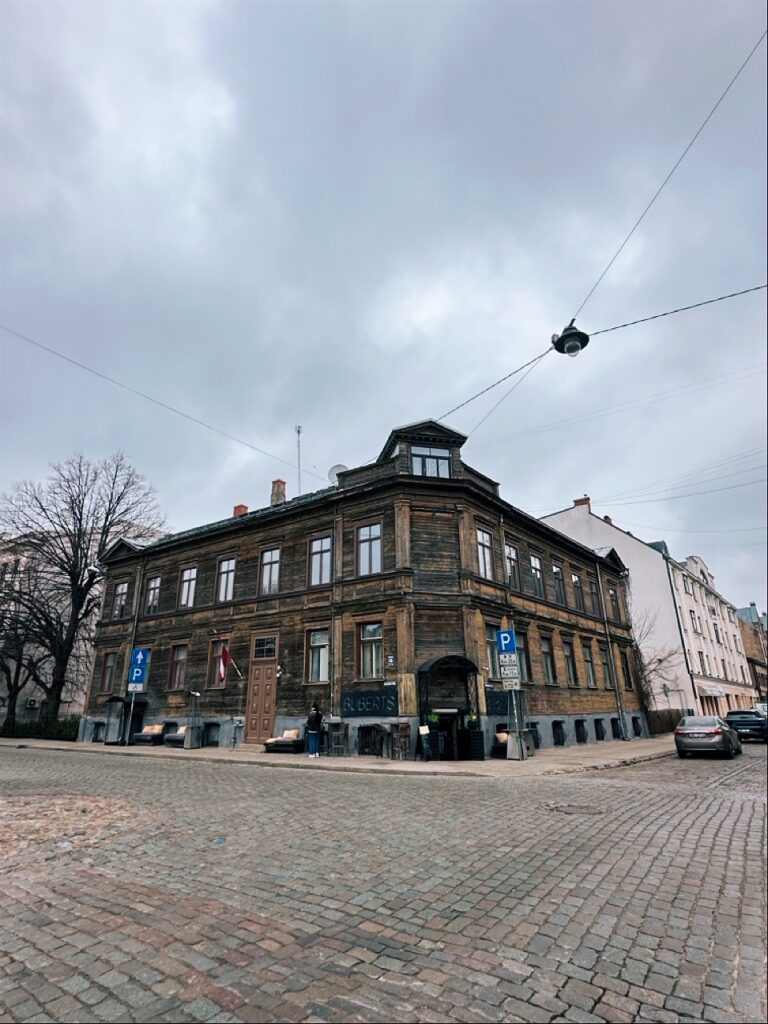
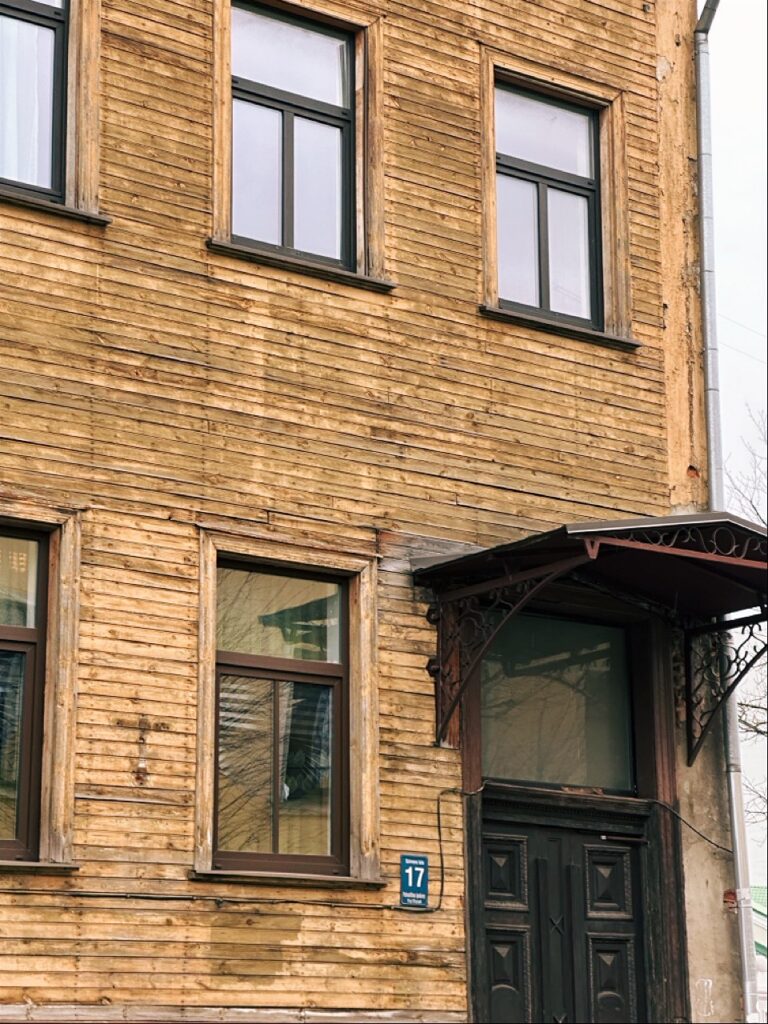
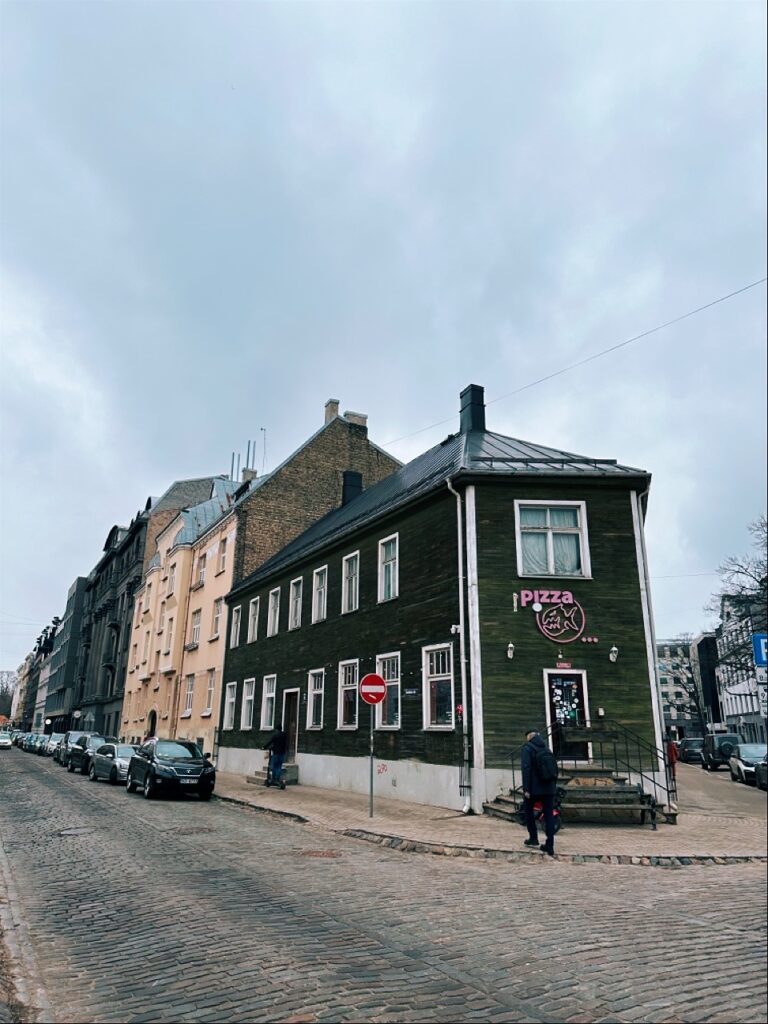
Riga is known for its Art Nouveau façades, but another side of the city’s architecture is just as interesting: its historic wooden buildings. Across neighborhoods such as Āgenskalns, Maskavas Forštate and the central districts, you can find wooden houses dating from the 18th, 19th and early 20th centuries. Some are simple and colorful, while others have ornate details, carved decorations and surprisingly elegant façades.
What makes them worth looking out for is how ordinary they can seem at first. These were homes, workshops and everyday buildings rather than grand monuments, yet many have survived fires, wars and decades of urban change. Riga has one of the largest concentrations of historic wooden architecture in the Baltics, and wandering through the quieter streets gives you a completely different view of the city. They are also a good excuse to step away from the busiest Old Town streets and explore some of Riga’s residential neighborhoods.
#12: Latvian Orthodox Church
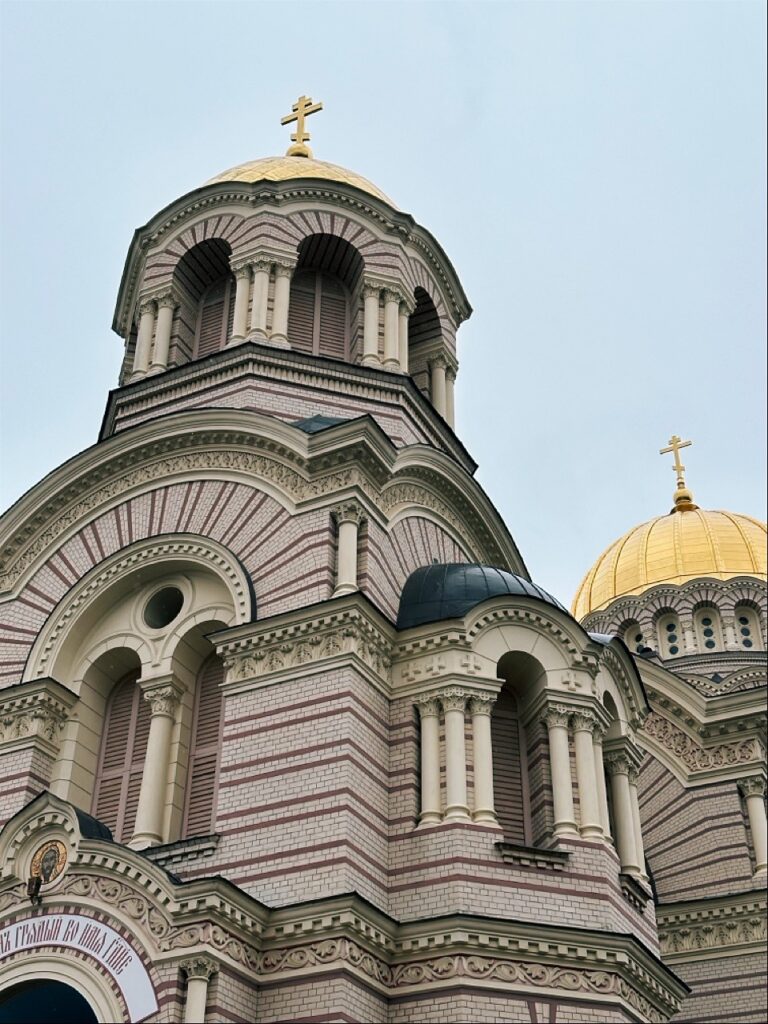
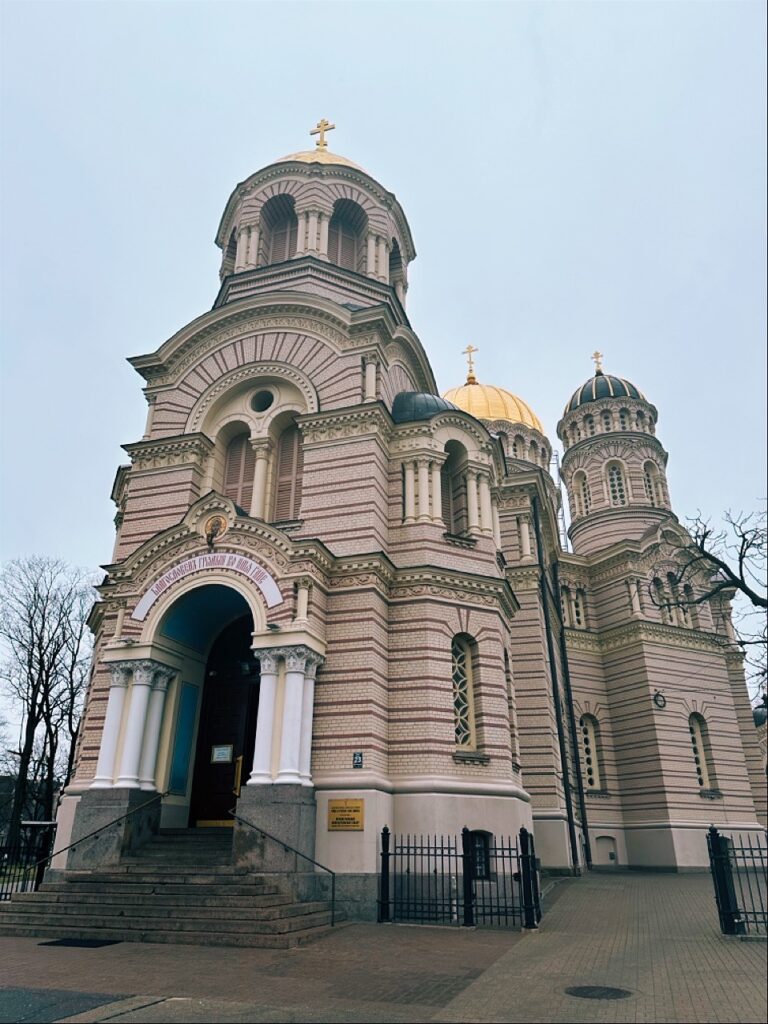
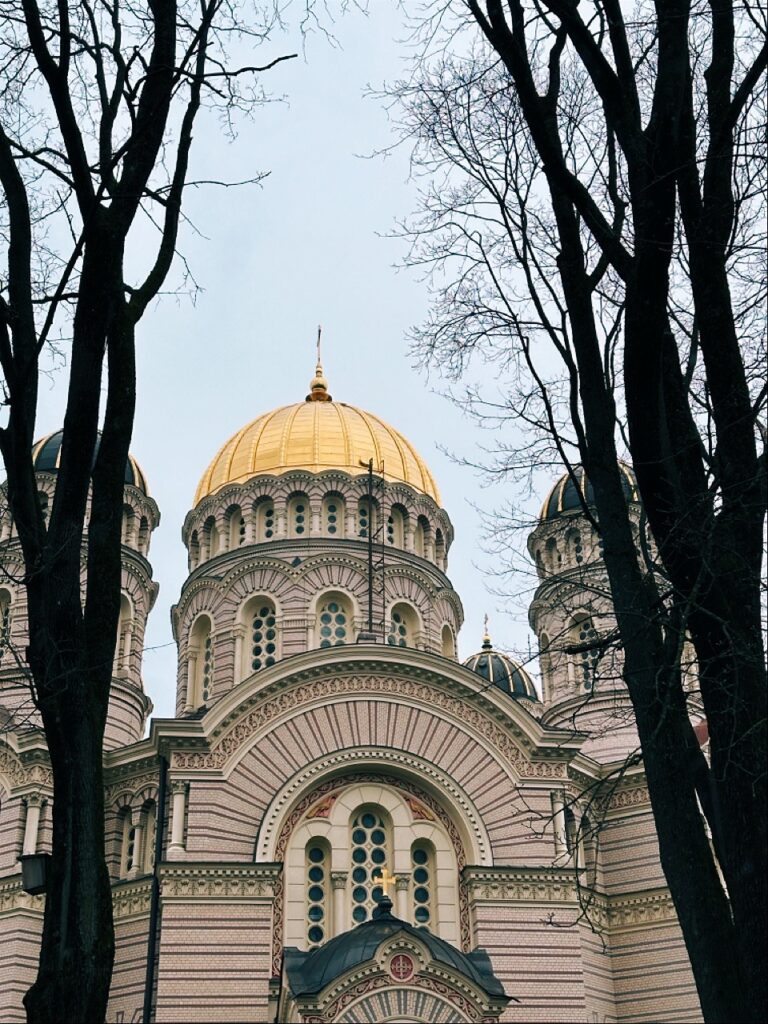
The Latvian Orthodox Church has an important place in Riga’s religious and architectural landscape, particularly through its striking churches and golden domes. Orthodox Christianity has been present in Latvia for centuries, and Riga’s Orthodox buildings reflect the city’s long history of cultural connections with the wider Russian Empire and Eastern Europe.
One of the most recognizable examples is the Nativity of Christ Orthodox Cathedral, with its large golden domes rising above Esplanade Park. Built in the 19th century, it has had a complicated history, including periods when it was used for purposes other than worship during the Soviet era. Today, it is once again an active Orthodox cathedral and one of Riga’s most distinctive landmarks. Even if you are waddling through the center, the domes are difficult to miss.
#13: Riga Central Market
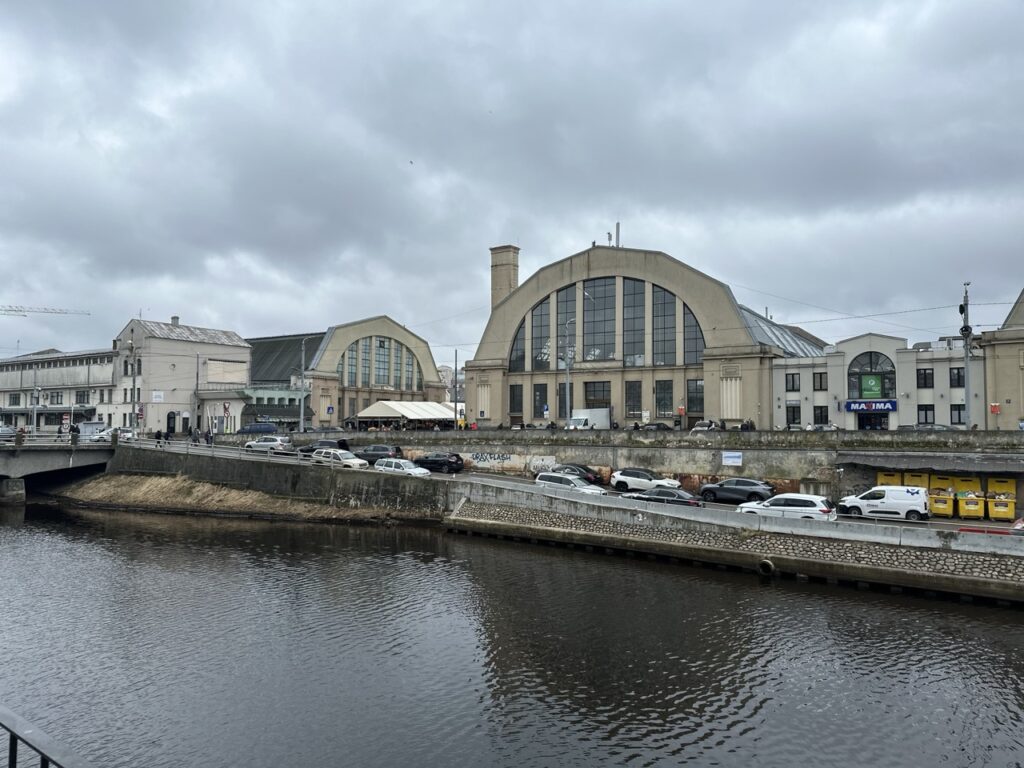
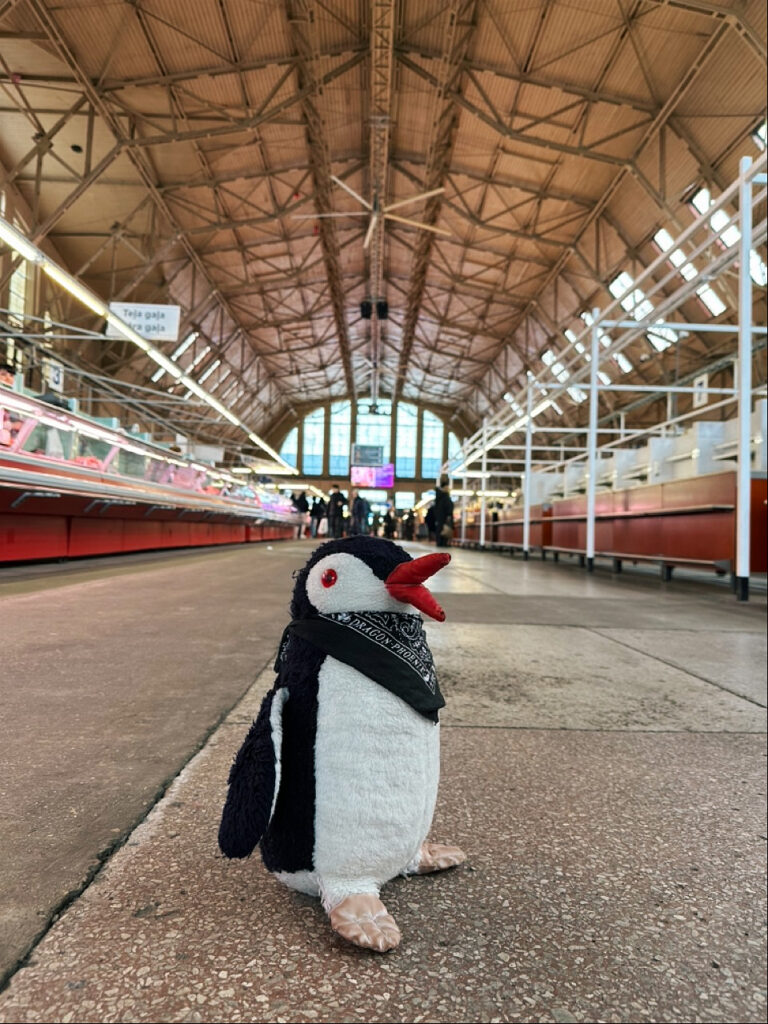
Riga Central Market is one of those places where the building itself is almost as interesting as what’s sold inside. Opened in 1930, the market was built from five enormous pavilions made from former German Zeppelin hangars that were dismantled and transported to Riga. When it opened, it was considered one of Europe’s largest and most modern markets.
Today, the market remains a real part of everyday Riga. Wander between the fish, meat, vegetable, and dairy sections, and you will find everything from smoked fish and rye bread to local produce, pastries, honey, and plenty of things we were tempted to put in our bags. The market is also part of Riga’s UNESCO-listed historic center, but it feels much more like a working market than a monument. If you want to get a taste of what Riga actually eats, this is a pretty good place to start.
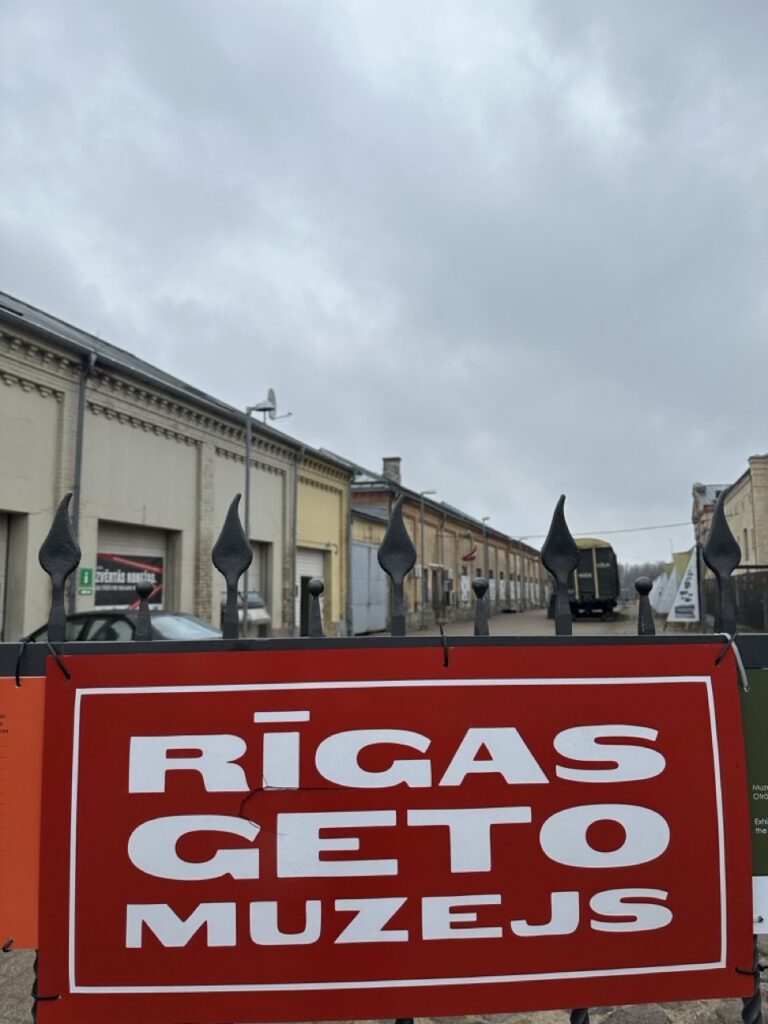
#14: Riga Ghetto and Latvian Holocaust Museum
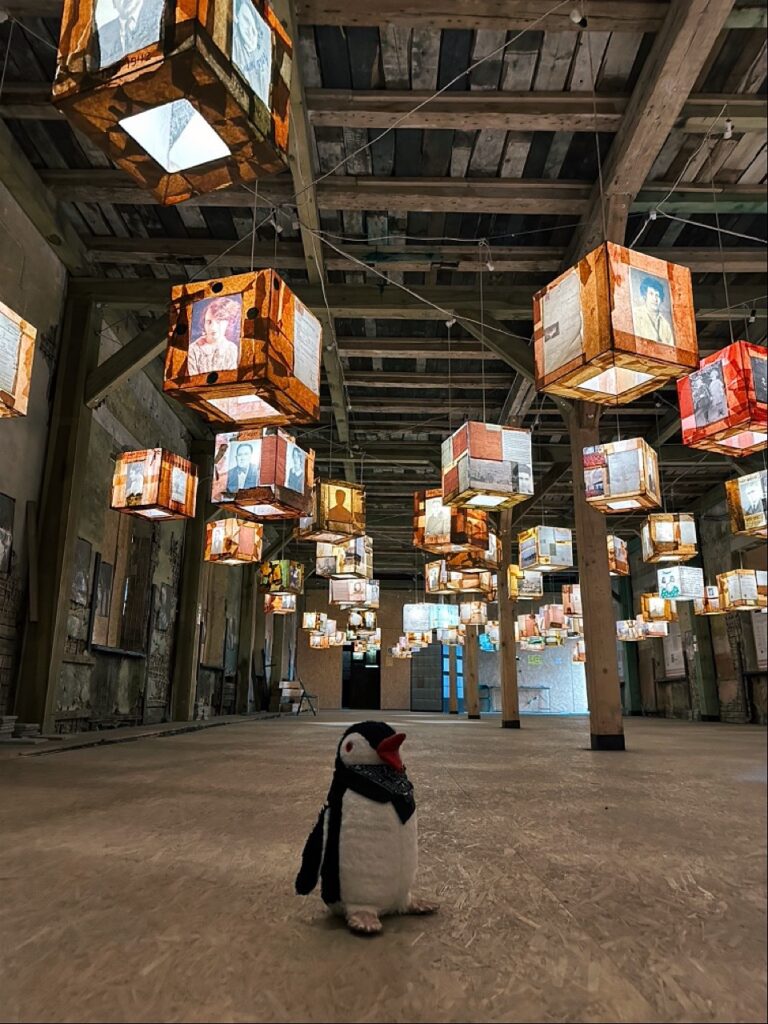
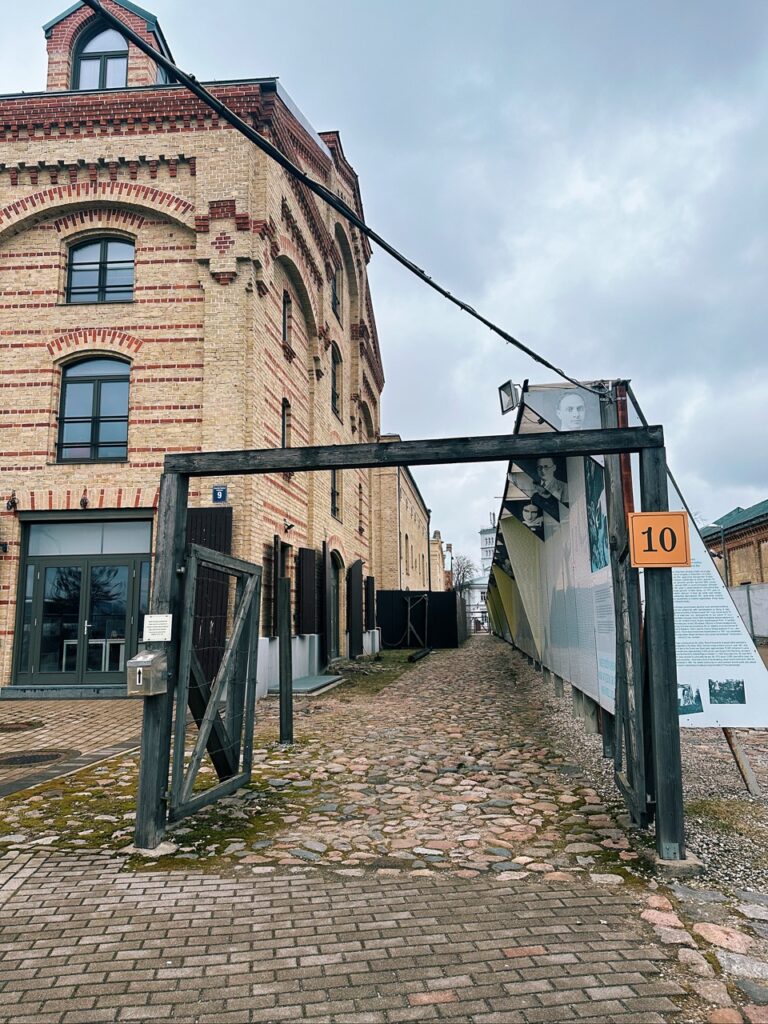
The Riga Ghetto and Latvian Holocaust Museum offers a much darker side of the city’s history. The museum stands in the former Jewish quarter, where thousands of Latvian Jews were forcibly confined during the Nazi occupation of Latvia in 1941. The ghetto was later used as a place of deportation, with Jews from other parts of Europe also brought to Riga. The museum documents this history through photographs, documents, personal stories, and information about the people who lived here.
What makes the visit particularly powerful is its setting. The museum is largely outdoors, surrounded by the old wooden buildings and streets of the former ghetto, rather than being housed in a traditional museum building. Walking through the area makes the history feel much more immediate, while the displays help put individual stories behind the enormous numbers of victims. It is a serious stop, but an important one for understanding Riga and Latvia during the Second World War.
#15: Town Musicians of Bremen
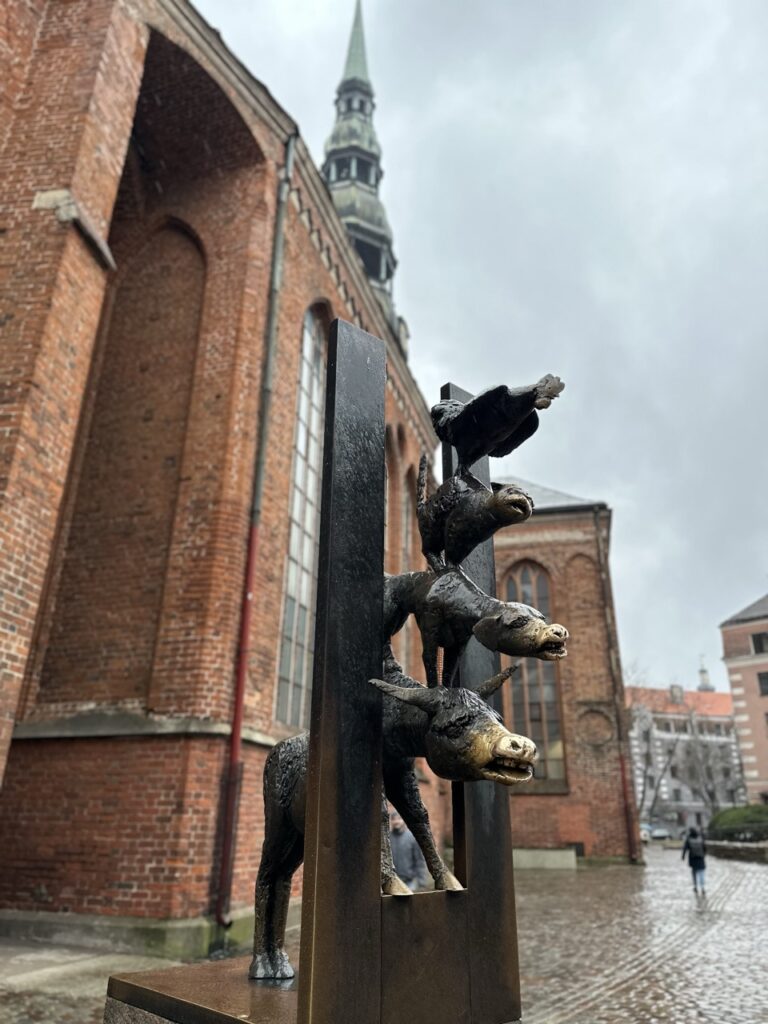
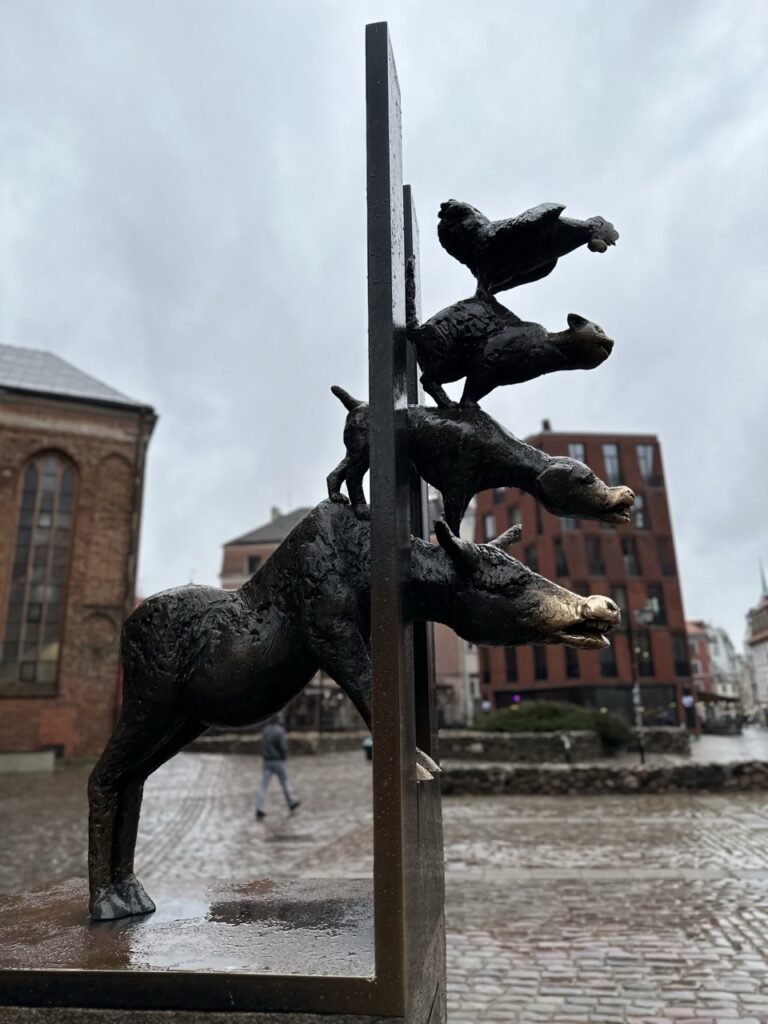
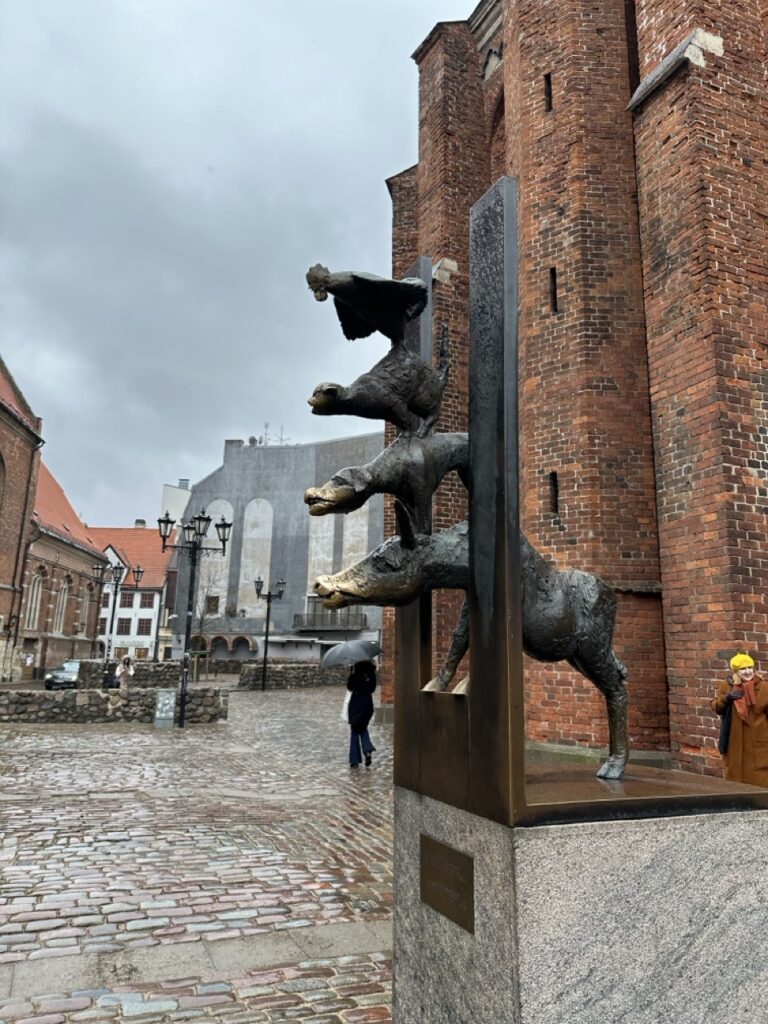
You might not expect to find the Town Musicians of Bremen in Riga, but there they are, squeezed between St. Peter’s Church and the Museum of Decorative Arts and Design on Skārņu Street. The bronze sculpture, featuring the familiar donkey, dog, cat, and rooster from the Brothers Grimm tale, Bremen gave to Riga as a sister-city gift in 1990.
But Riga’s version comes with a twist. Instead of simply copying the famous Bremen statue, artist Christa Baumgärtel placed the four animals behind a gap representing the Iron Curtain. Created as the Cold War neared an end, the sculpture became a subtle symbol of Eastern Europe’s opening and the renewed connection between Riga and the West.
And yes, you will probably see people rubbing the animals’ noses. Locals believe touching them brings good luck, with the highest nose supposedly bringing the most. We obviously had to test the theory.
#16: St. Peter’s Church and Tower
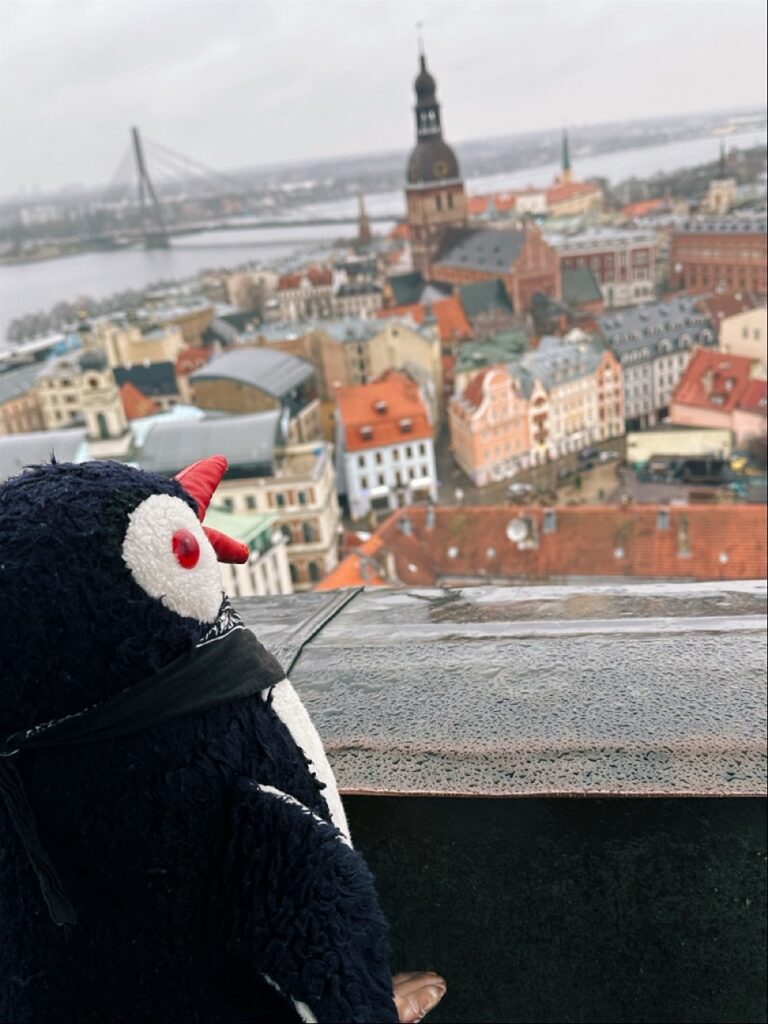
St. Peter’s Church is one of the landmarks you cannot really miss while walking around Riga’s Old Town. Its history stretches back to the 13th century, although the building has been rebuilt and altered several times over the centuries. The impressive tower is the real showstopper, rising high above the Old Town and giving St. Peter’s its unmistakable place in Riga’s skyline.
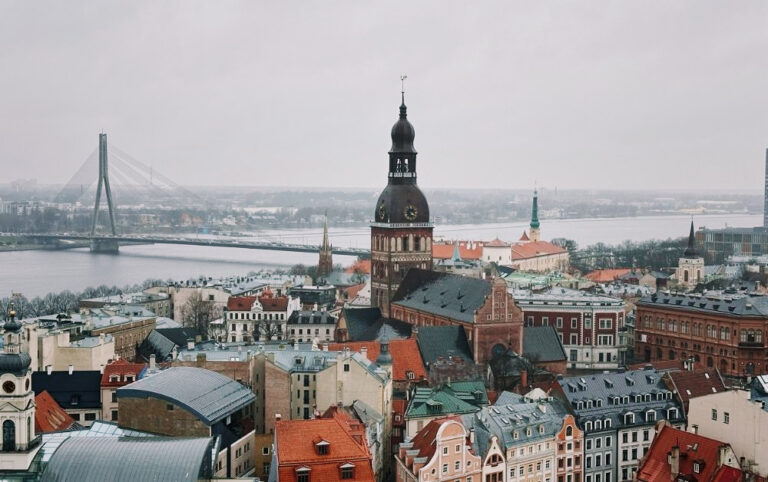
The tower is also why we put this on your Riga list. You can take a lift most of the way up and step onto the viewing platform, where the Old Town rooftops spread out below you, with the Daugava River and newer parts of Riga stretching beyond. It is one of those viewpoints where you suddenly understand how compact the historic center actually is. Look closely at the tower, too: its current form has been rebuilt several times after fire and war, so what you see today reflects centuries of rebuilding rather than a single, perfectly preserved medieval structure.
#17: Riga’s Art Nouveau Buildings
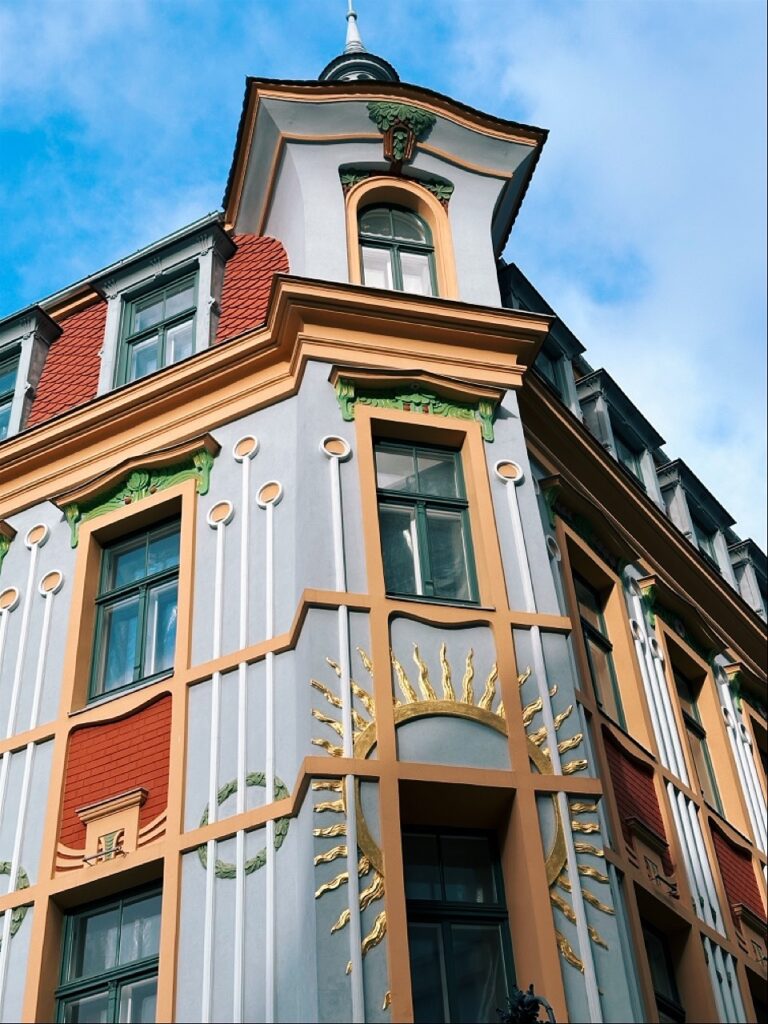
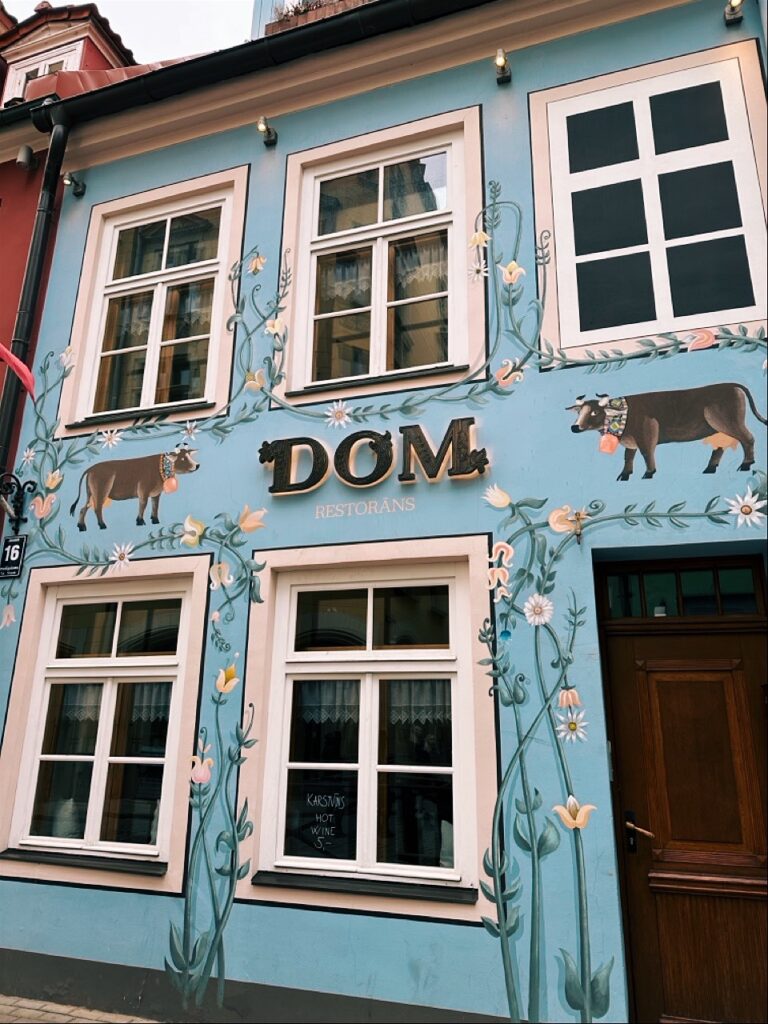
If there is one thing you will notice while walking around Riga, it is the Art Nouveau architecture. Around a third of the buildings in the city center were built or reconstructed in the style during Riga’s rapid growth between the late 19th and early 20th centuries. The result is a city where you can turn a corner and find façades covered in sculpted faces, mythical creatures, floral details, elaborate balconies and all sorts of wonderfully dramatic decorations.
The best place to start is Alberta Street, where an impressive collection of Art Nouveau buildings was constructed between 1901 and 1908. But do not stop there. Elizabetes Street and the surrounding Quiet Center are full of equally interesting examples, including work by architects such as Mikhail Eisenstein, Konstantīns Pēkšēns, and Eižens Laube.
And the best part? You do not need to buy a ticket or join a tour. Just waddle around, look up, and let the buildings do the sightseeing for you.
#18: The First Public Christmas Tree
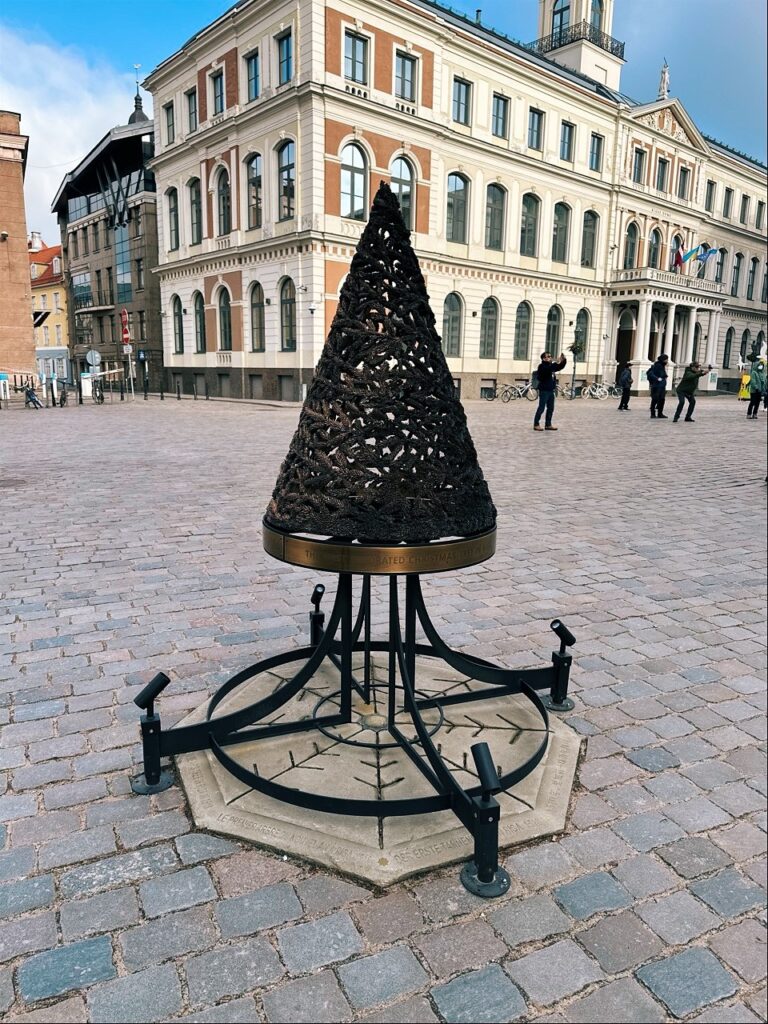
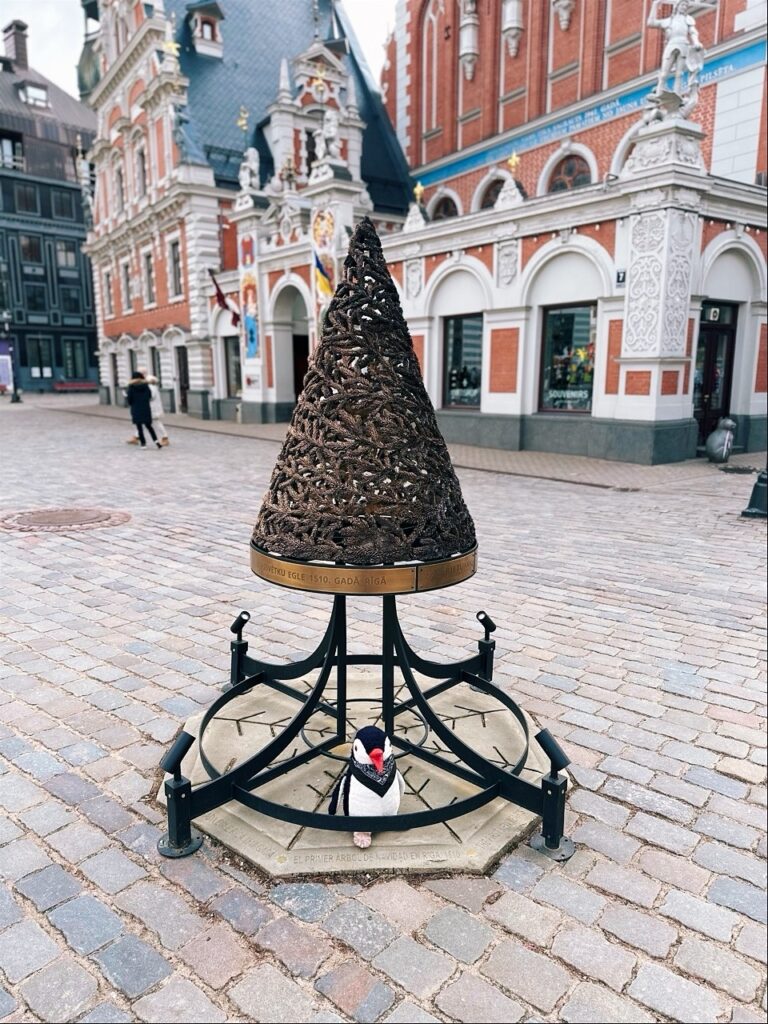
Riga has a rather unusual claim to Christmas fame. According to a 1510 record from the Brotherhood of Blackheads, a decorated tree was placed in the city’s Town Hall Square, making Riga one of the earliest places with a documented public Christmas tree tradition. The tree was decorated with artificial roses, and after the celebrations, people apparently danced around it before it was ceremonially burned.
Today, a small memorial marker in Town Hall Square marks the spot where the tree is believed to have stood, just outside the House of the Blackheads. There is a little catch, though: Tallinn also claims the title, with records suggesting a decorated tree appeared there as early as 1441. Historians have also questioned whether the medieval Riga celebration was actually a Christmas-tree tradition in the modern sense. So rather than declaring Riga the undisputed birthplace of the Christmas tree, we would say it has one of the earliest documented claims.
#19: House of the Blackheads
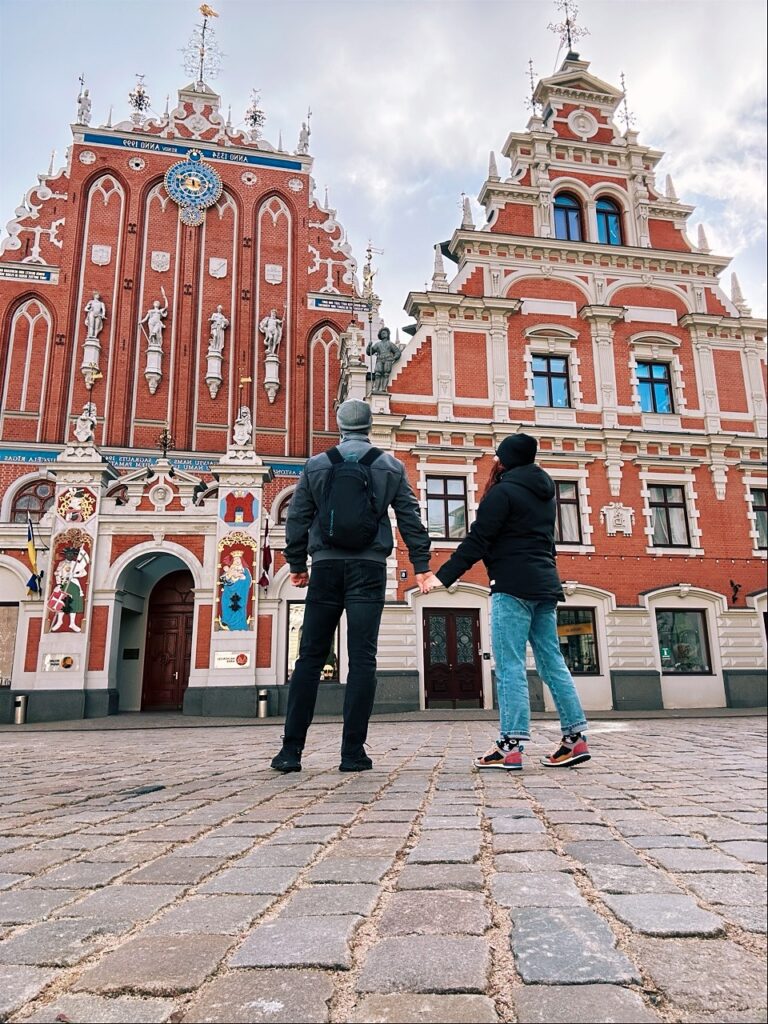
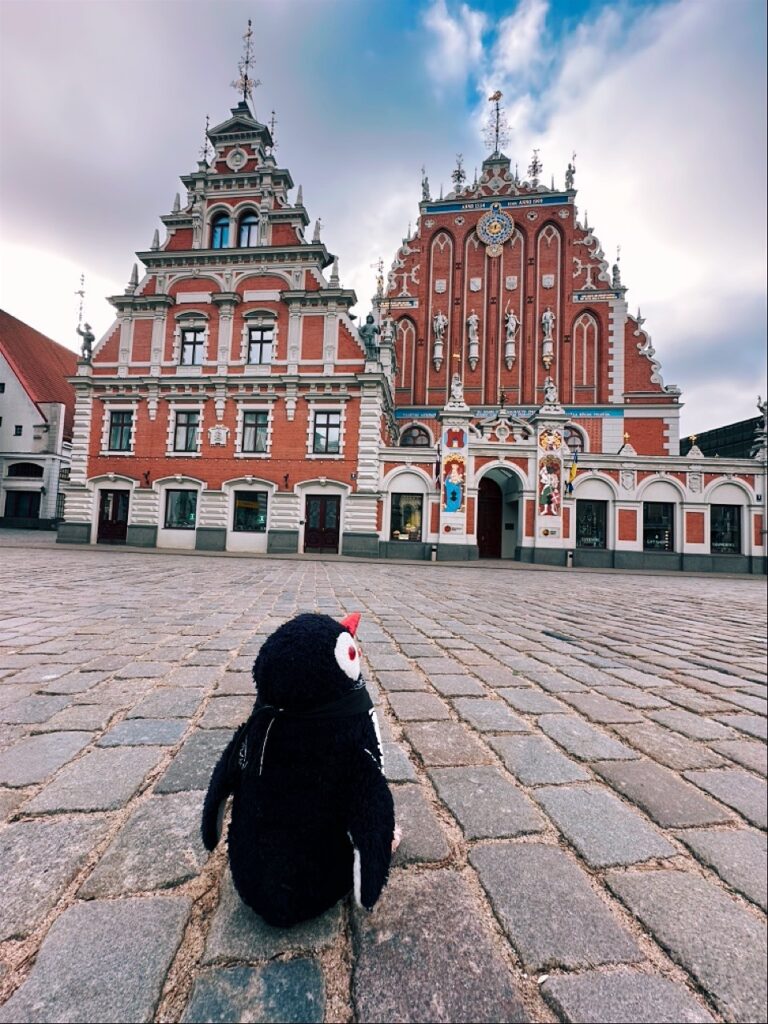
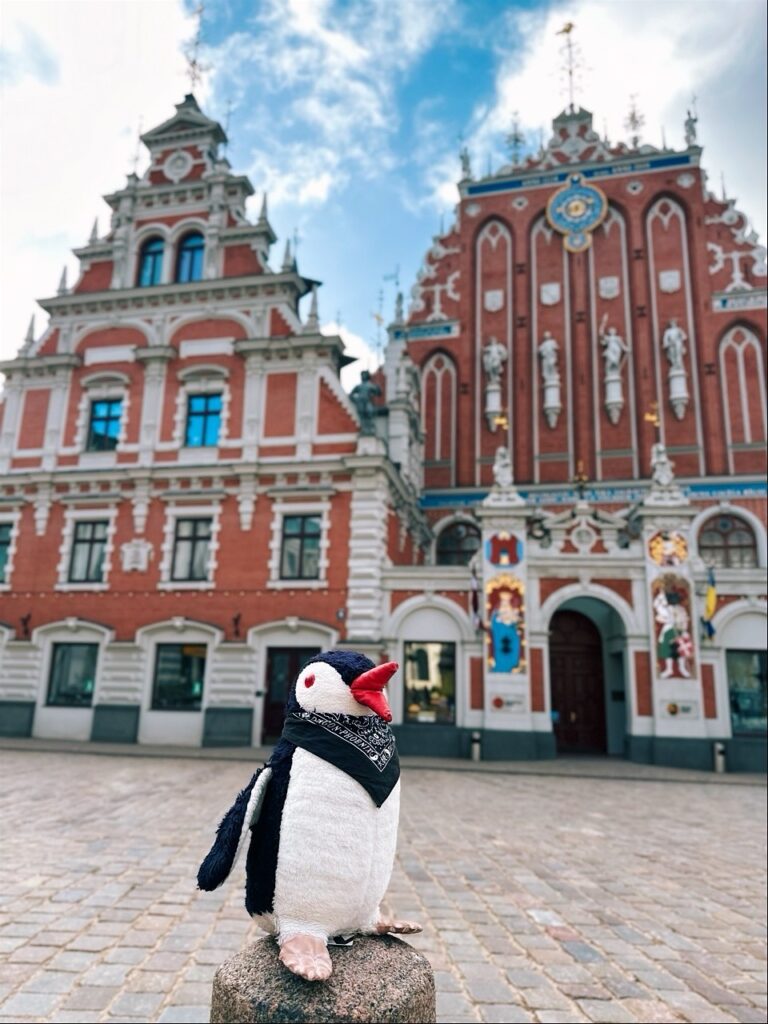
The House of the Blackheads is one of the most recognizable buildings in Riga’s Old Town, standing proudly on Town Hall Square with its richly decorated red-and-white façade. The building dates to the 14th century and was used by the Brotherhood of Blackheads, a guild of unmarried merchants and shipowners active across the Baltic region. The name sounds rather mysterious, but it comes from St. Maurice, the brotherhood’s patron saint, who was traditionally depicted as a Black African.
The building you see today is actually a reconstruction. The original House of the Blackheads was badly damaged during the Second World War, and the Soviets later demolished its ruins. It was rebuilt between 1996 and 1999, using historical plans and photographs as a guide. Look closely at the façade, and you will find plenty of details to keep you occupied, from statues and coats of arms to astronomical symbols and the famous clock. It is one of those Riga landmarks that looks impressive from across the square, but gets even more interesting when you stop and examine the details.
#20: Latvian Riflemen Monument
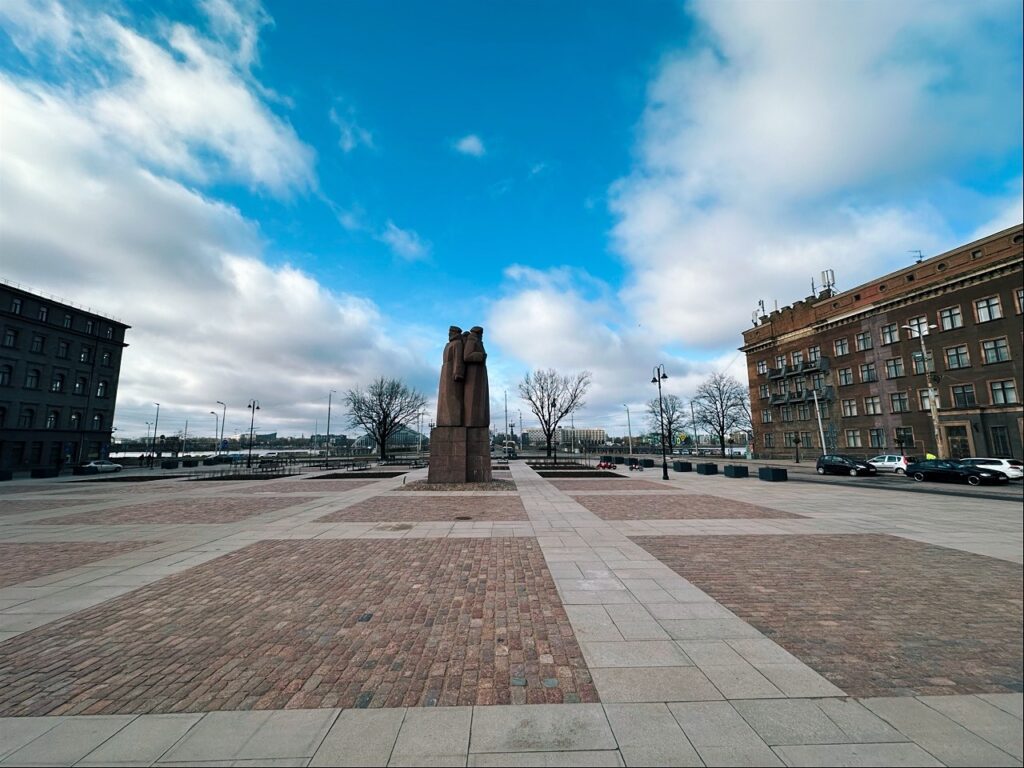
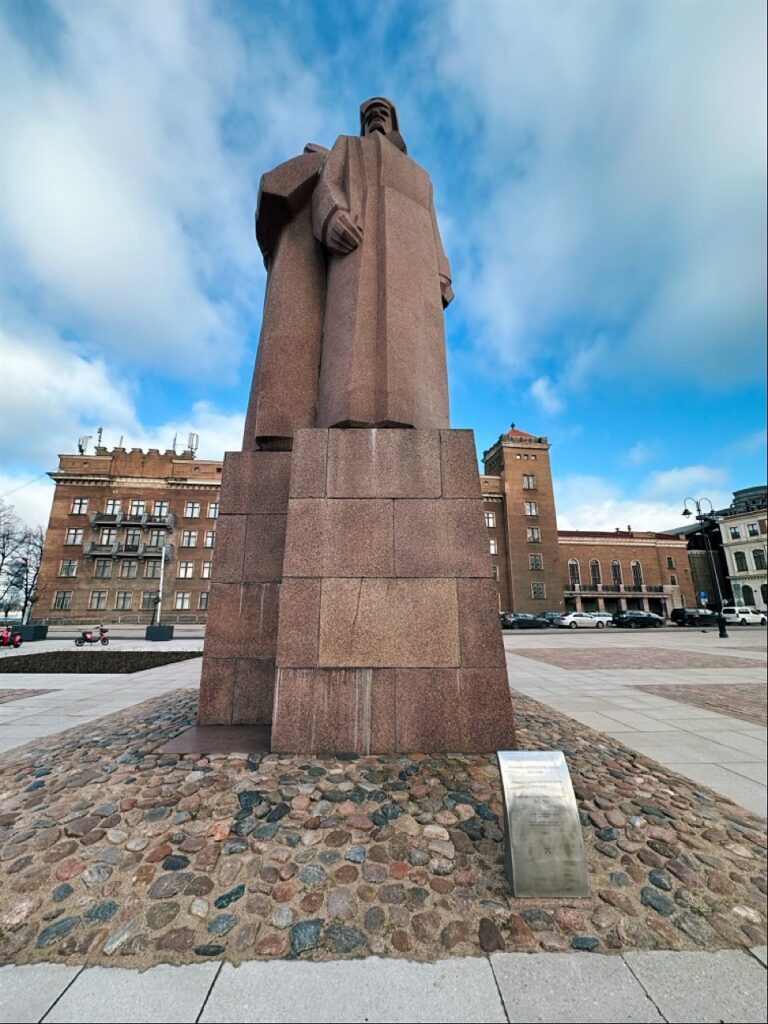
Standing on Riflemen Square beside the Daugava River, the Latvian Riflemen Monument is one of Riga’s more striking Soviet-era sculptures. The three monumental bronze figures represent the Latvian Riflemen, soldiers who originally fought as units of the Russian Imperial Army during the First World War. The monument was unveiled in 1971, when Latvia was part of the Soviet Union, and its imposing scale and severe expressions reflect the monumental style popular then.
The history behind the riflemen is more complicated than the sculpture might suggest at first. Latvian Riflemen units were formed in 1915, and their story continued through the Russian Revolution and the turbulent years that followed. Today, the monument is interesting not only for what it depicts, but also because it reflects the different political narratives attached to Latvian history over the past century. Standing here, with the Old Town just across the square, you get a very different architectural and historical perspective on Riga.
#21: Latvian National Opera and Ballet
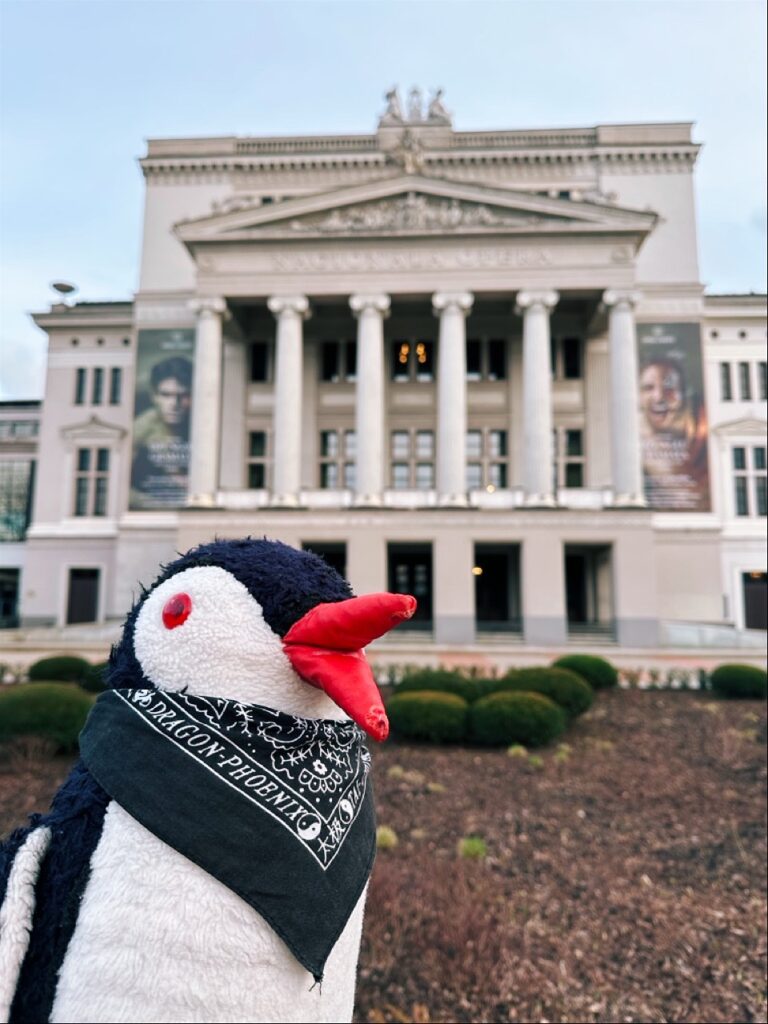
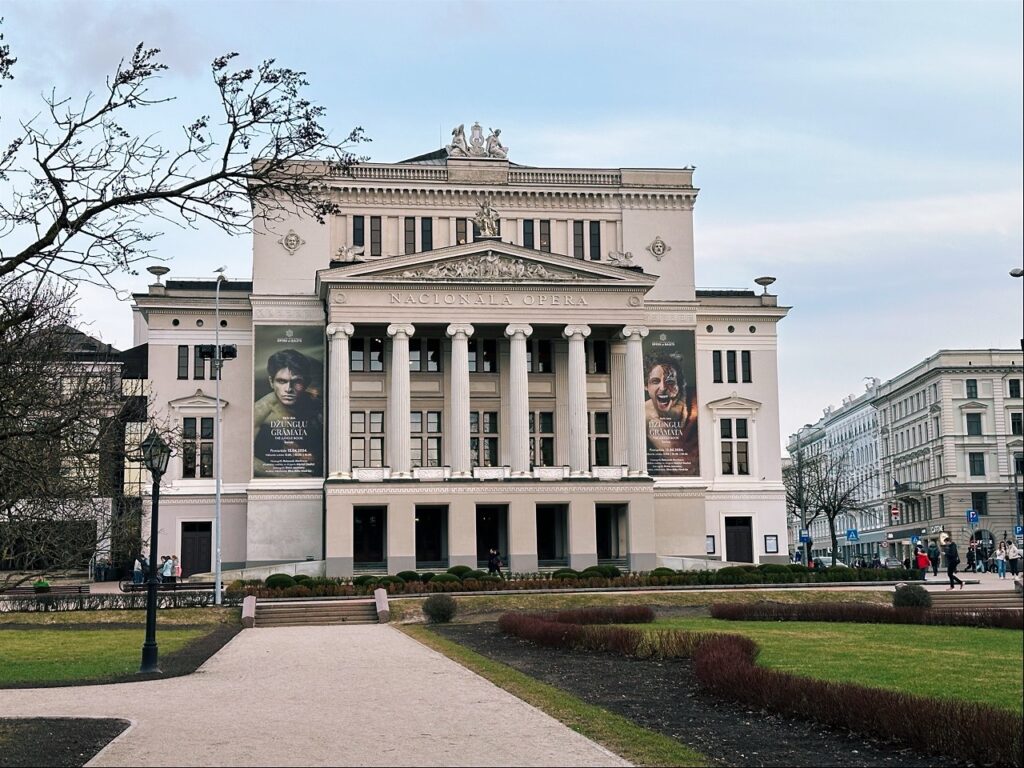
The Latvian National Opera and Ballet sits beside the city canal in one of Riga’s prettiest central locations. The elegant white building dates back to 1863, when it opened as Riga’s German Theatre, and it later became home to Latvia’s national opera and ballet companies. Its neoclassical façade and grand interiors make it one of the city’s most recognizable cultural buildings.
Even if opera and ballet are not really your thing, it is worth walking around the outside. The building sits directly opposite the landscaped Opera Garden, with the canal running alongside it, making this one of the nicer places to pause while exploring central Riga. And if you fancy going inside, performances range from opera and ballet to concerts, so you can experience the building as intended rather than simply admire it from the outside.
#22: The Freedom Monument
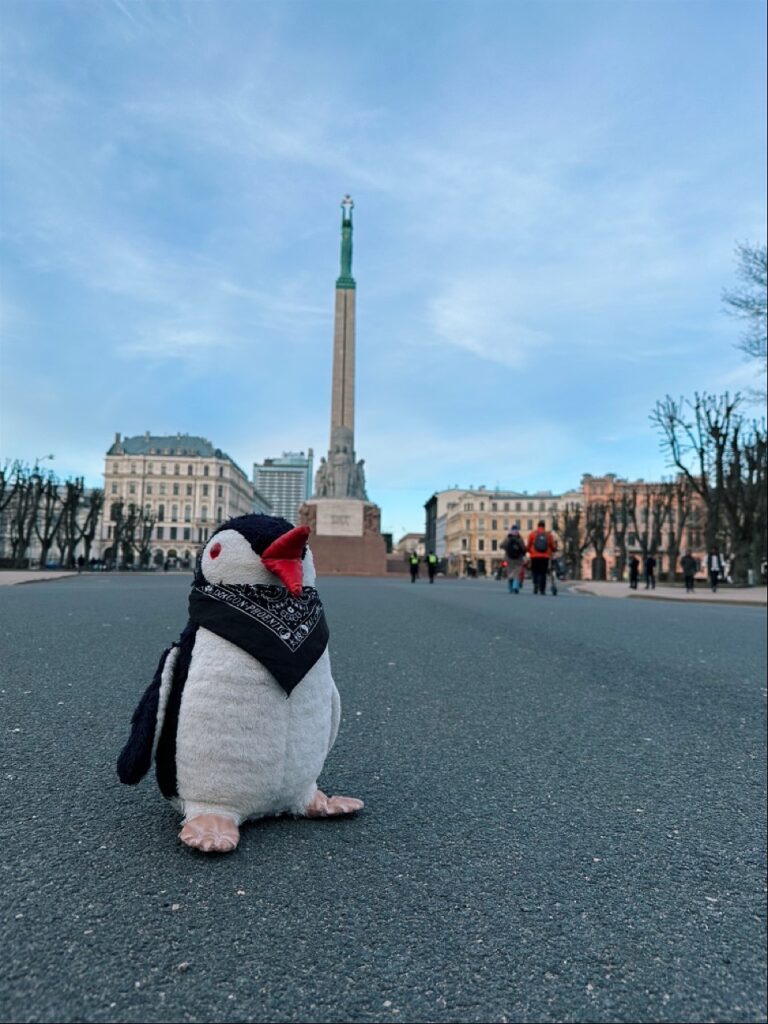
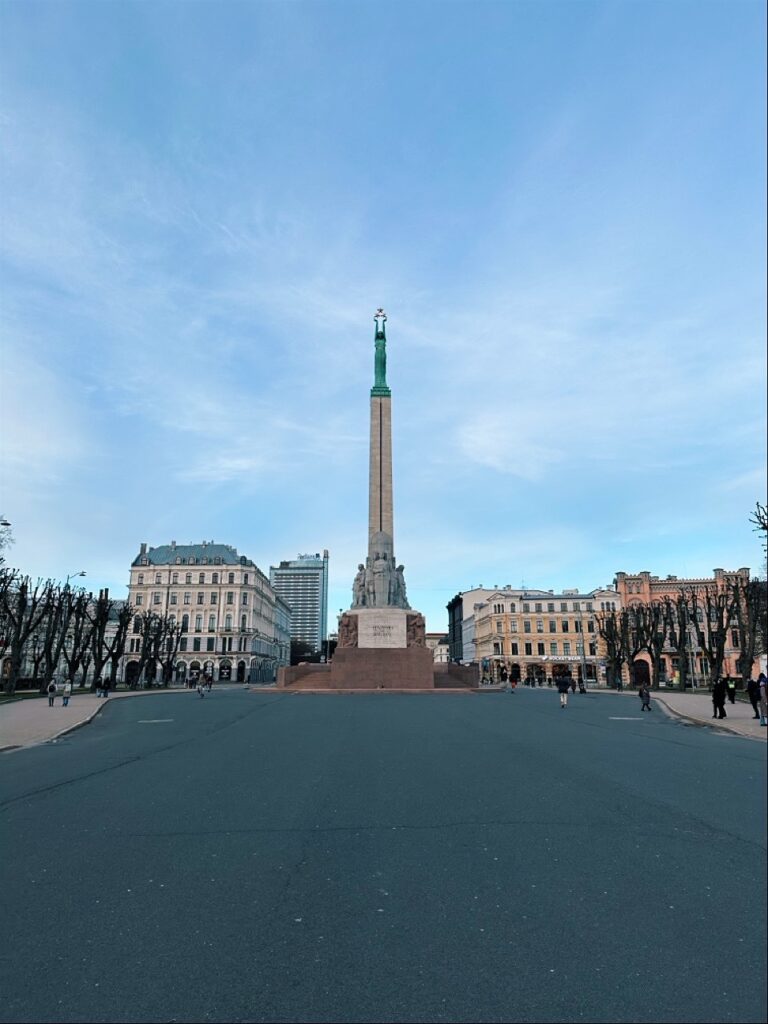
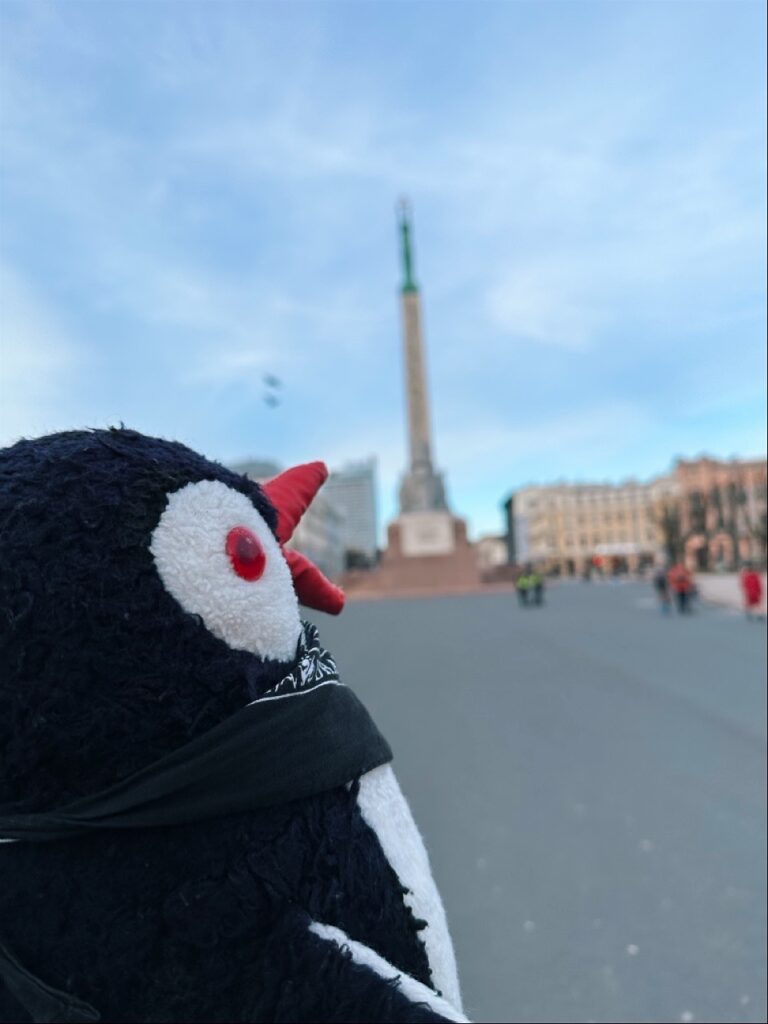
Standing in the middle of Riga, the Freedom Monument is hard to miss. The 42.7-meter granite and copper monument was unveiled in 1935 and was built entirely through public donations as a memorial to those who died fighting for Latvia’s independence. At the top, a nine-meter figure known as Milda holds three golden stars above her head, representing Latvia’s three historic cultural regions.
Look a little closer, and you’ll see much more than the woman and her stars. The monument contains 56 sculptures arranged in 13 groups, depicting different parts of Latvian history and culture. At the base are the words “For Fatherland and Freedom.” The monument has also remained an important gathering place during Latvia’s more recent history, including the independence movement of the late Soviet period. Today, a guard of honor stands here, and it is one of Riga’s sights worth seeing not just for the monument itself, but for what it represents to the country.
#23: Powder Tower
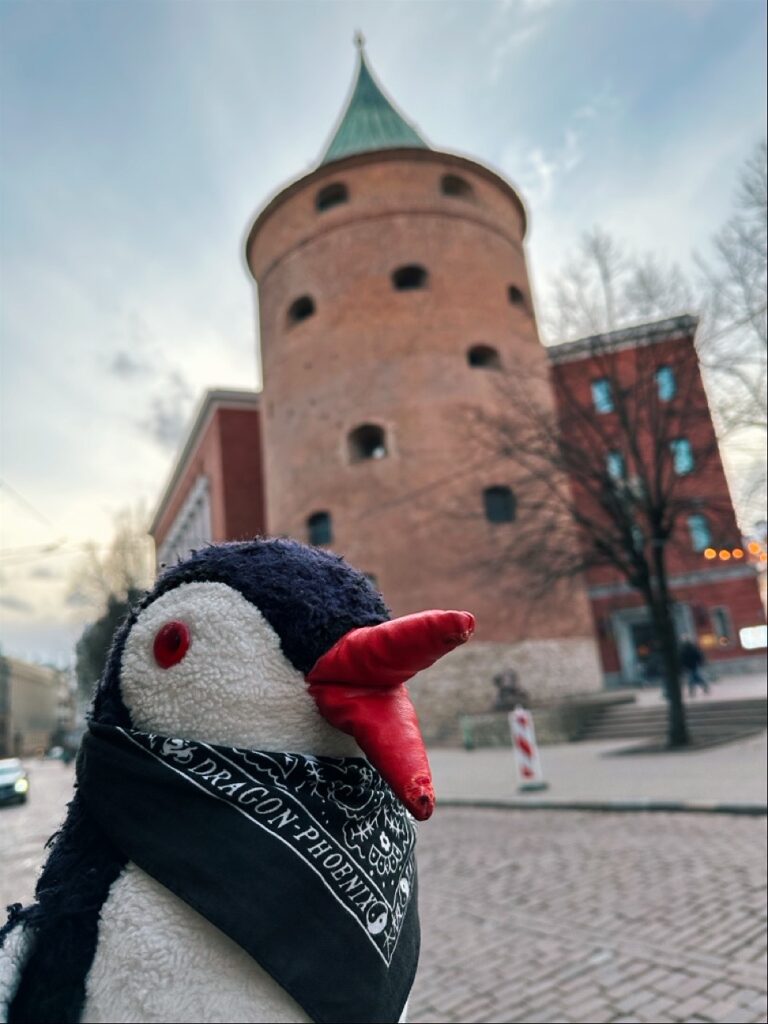
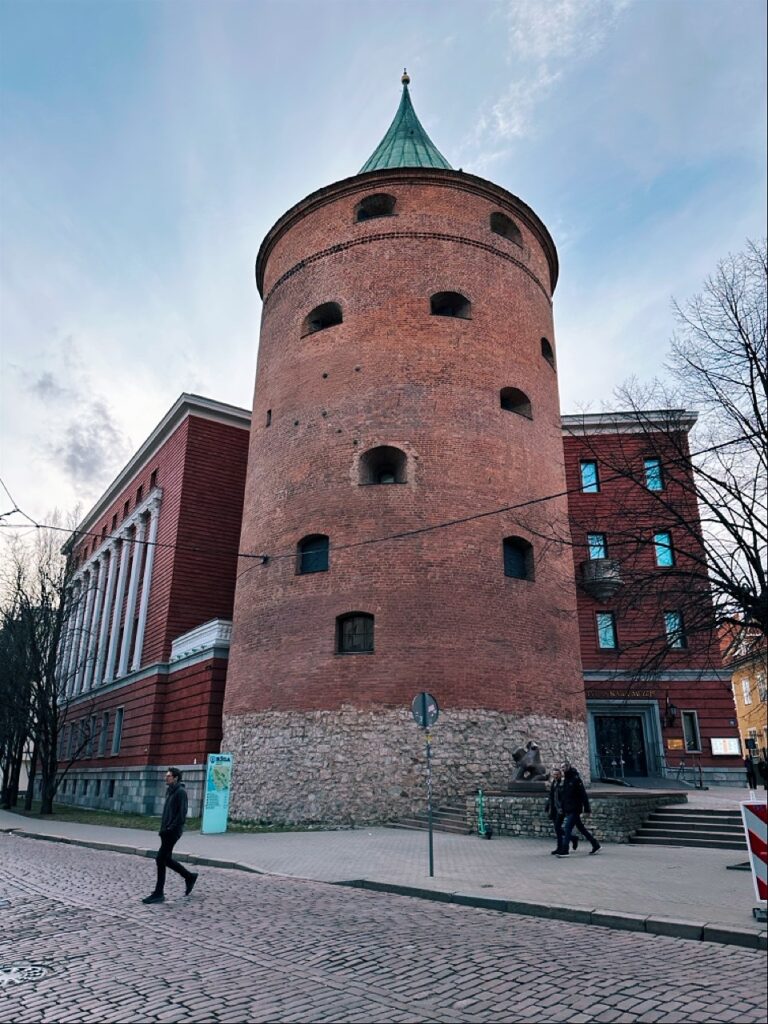
The Powder Tower is one of the last surviving pieces of Riga’s medieval fortifications and a reminder of how different the city once looked. The tower dates back to the 15th century, although the present structure has been rebuilt several times. It originally formed part of Riga’s defensive walls and was later used to store gunpowder, which is where its rather practical name comes from.
The tower has had a surprisingly eventful history. It was once known as the Sand Tower, and it only took its current name after it began storing gunpowder. During the Great Northern War, it was badly damaged and later rebuilt. Today, its chunky brick walls and small openings look almost out of place beside the modern city, but that is exactly what makes it interesting. It also houses part of the Latvian War Museum, making it easy to pair with another Riga sight while exploring the Old Town.
Take Your Time to Explore Riga
Riga is a city you can easily over-plan. Plenty of landmarks are easy to tick off, but some of our favorite moments came when we stopped worrying about the next place on the list and simply wandered. We loved walking through the Old Town, ducking down quieter streets, looking up at the buildings and stopping whenever something caught our attention. The city center is compact enough to cover a lot on foot, but there is no need to rush from one sight to the next.
Give yourself time to explore beyond the obvious attractions, too. Walk along the canal, spend some time in the parks, look for Riga’s Art Nouveau façades and historic wooden buildings, browse the Central Market and stop for coffee when your feet need a break. Some streets are more interesting than others, and not every corner will lead to a major landmark, but that is part of the fun. Riga feels much more enjoyable when you leave a few hours with no plan at all.
We visited in March, when the weather was cold enough to make those café stops particularly welcome, but even then we wanted to keep walking. Riga has a relaxed pace that makes it easy to slow down, and we found ourselves enjoying the city as much between the sights as at them. So while this list gives you plenty of places to add to your itinerary, do not try to squeeze everything into one frantic day. Leave room to wander, get a little lost, and see what you find.
Our Map of Things to See and Do in Riga
Use the map below to see where the main sights are located and get a better sense of how Riga’s attractions are spread across the city. Most of the historic sights are within walking distance of one another, making it easy to explore several in a day while still leaving time to wander.
How Long Do You Need in Riga
Riga works well for a 2–3 day trip, giving you enough time to see the main sights without spending your entire visit rushing from one place to another. You can cover much of the Old Town and central Riga on foot, while still having time for the Central Market, Art Nouveau district, parks, and a few museums.
If you have more time, 3–4 days let you slow things down and explore beyond the main tourist route. We recommend leaving room in your itinerary to wander, stop for coffee, and discover the smaller streets and buildings that don’t necessarily make it onto a sightseeing list. We spent several days exploring Riga and still noticed new details as we walked around.
Buy Us a Ko-fi

Riga surprised us with how much there is to see once you look beyond the obvious landmarks. The Old Town offers medieval streets and historic churches, while the Art Nouveau district reveals a completely different side of the city. Add the Central Market, parks, wooden buildings, museums, and plenty of smaller details along the way, and you quickly realize Riga isn’t a city you need to rush through.
We particularly enjoyed exploring on foot and letting the city unfold as we wandered from one neighborhood to another. Some of the best discoveries weren’t the places we planned to visit, but the buildings, streets, and little corners we came across along the way. So bring comfortable shoes, leave some space in your itinerary, and give yourself time to explore. Riga is a city best enjoyed at a relaxed pace, one street and one discovery at a time.
Travel Bold. Eat Well. Waddle Wild.
Save This Pin for Later!
This post contains affiliate links. If you click and buy, I might earn a tiny commission, enough to help a penguin keep up its globe-trotting lifestyle. No extra cost to you, just more fish for me. Thank you for supporting the adventure!