How to Spend 9 Days in Seoul: A Realistic and Easy-to-Follow Itinerary
We planned our time in Seoul pretty thoroughly before the trip, mapping out each day with a clear idea of what we wanted to see and how we wanted to experience the city. We even looked into travel times between different areas so we wouldn’t underestimate how long it actually takes to move around. Of course, once we got there, reality kicked in. We didn’t manage to tick off absolutely everything from our list, but honestly, that’s what made it feel more real. What we did manage was a really nice mix of older history, some more recent history, and modern city life. So this is our actual nine days in Seoul. A realistic itinerary based on what we truly did, slightly trimmed down from our original over-ambitious plan, but still packed with experiences that felt balanced and doable, and not rushed.
- Overview of Our Seoul 9 Day Itinerary
- Day 1 in Seoul: Arrival and First Impressions
- Day 2 in Seoul: Exploring Insadong, Gangnam and Myeongdong
- Day 3 in Seoul: DMZ Day Trip, Dongdaemun and Evening Shopping
- Day 4 in Seoul: Palaces, Historic Gates and City Walks
- Day 5 in Seoul: Culture, Self-Care, and Sunset at N Seoul Tower
- Day 6 in Seoul: Exploring Traditional Neighborhoods and Local Markets
- Day 7 in Seoul: Sky Views, Cafés and Green Spaces
- Day 8 in Seoul: Palaces, Secret Garden, and Seodaemun Prison History Hall
- Day 9 in Seoul: Souvenirs, Shopping and Saying Goodbye to Seoul
- Seoul Google Map Points
Overview of Our Seoul 9 Day Itinerary

One thing to keep in mind before diving in is how big Seoul really is. On the map, places can look quite close to each other, but in reality, getting from one district to another often takes more time than you’d expect. Whether it’s the metro, buses, or just walking around large neighborhoods, travel time adds up quickly and can shape your entire day. So when planning your itinerary, it’s definitely worth factoring this in and not overloading your schedule. With that in mind, here’s a closer look at how our nine days in Seoul actually played out.
Day 1 in Seoul: Arrival and First Impressions
First things first, we had to arrive in Seoul before we could start exploring it. Our first day ended up being more of a half-day, since we landed at Incheon International Airport and still had to make our way into the city. After the journey from the airport, our priority was simple: get to Seoul, check into our hotel, and settle in a bit before heading out. So instead of packing the day with plans, it was really about arrival, getting our bearings, and easing into the trip with a quick first look around.
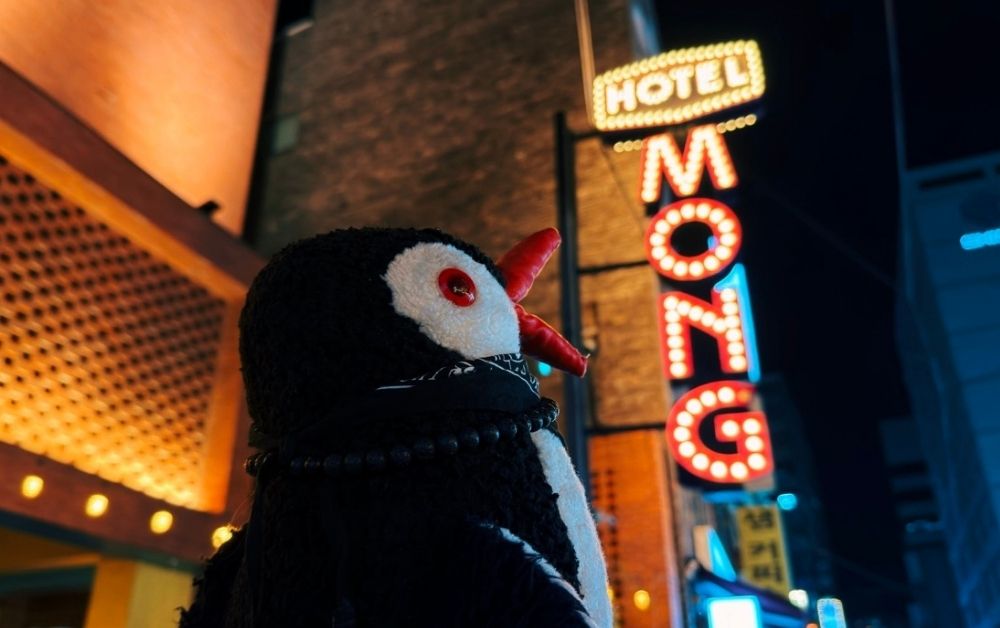
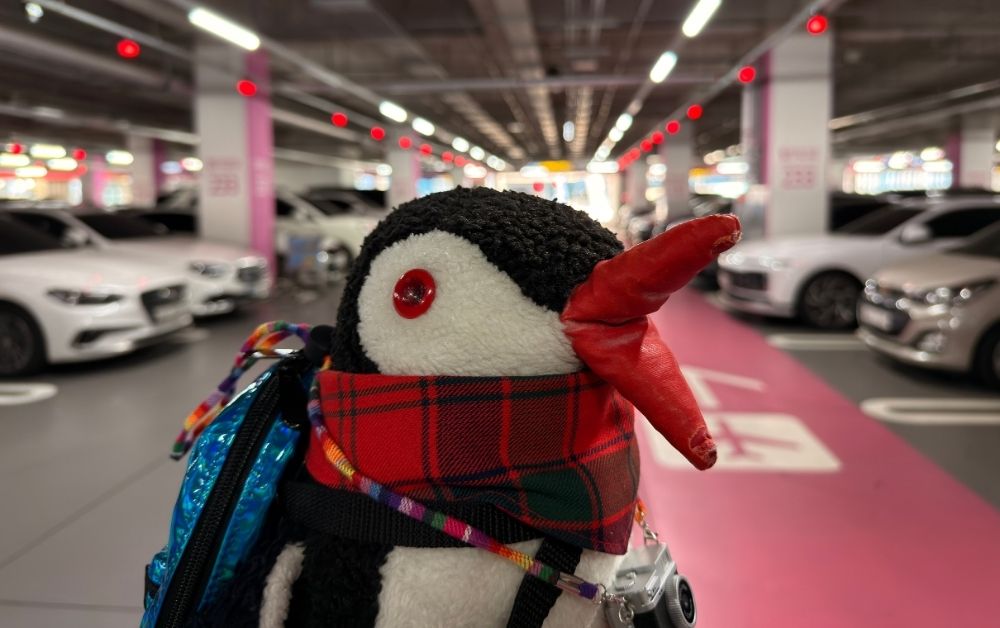
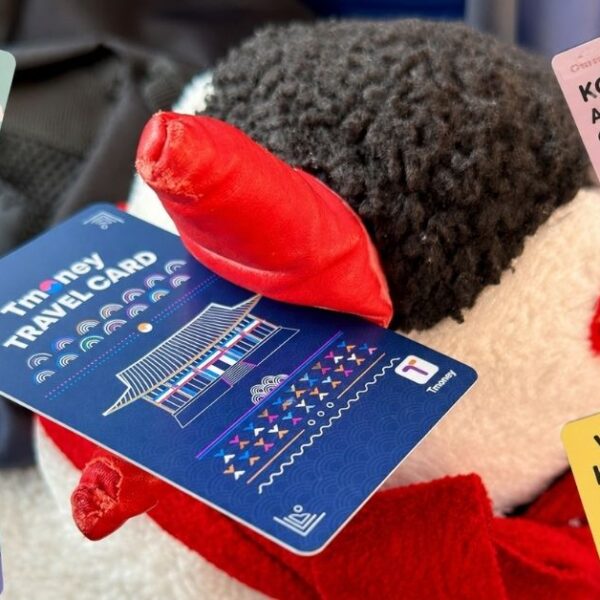
From the hotel, we made a quick stop at the first convenience store we could find to pick up a T-money card, which is essential for getting around Seoul. After that, we headed straight to the metro station to top it up and get everything ready for the day. Once that was sorted, we were finally set to start exploring the city properly and get moving around Seoul without any stress.
#1: Gwangan Market
Our first stop was food-related, and luckily, Gwangjang Market was within waddling distance from our hotel. It turned out to be the perfect first stop. We didn’t overthink it, just wandered from stall to stall and basically ate our way through the market, trying whatever caught our eye. It was busy, a bit chaotic, but exactly the kind of energy we were hoping for on our first day. If you’re curious to explore more, you can check out all our favorite spots in our separate post, Seoul’s Must-Visit Markets.

#2: Cheonggyecheon Stream
After our very full bellies and quite a few snacks at the market, we definitely needed a bit of a walk to recover, so we made our way to Cheonggyecheon Stream. It was the perfect place to slow down and just wander a bit, so we ended up basically waddling along the stream while taking in the atmosphere. There were also some small performances and street shows happening along the way, which made the walk even more enjoyable. It turned into a really nice, relaxed break from all the eating and movement. If you want to read more about it, you can check out our separate blog post, Waddling Along Cheonggyecheon Stream.
Day 2 in Seoul: Exploring Insadong, Gangnam and Myeongdong
Day two in Seoul was definitely a bit more eventful compared to our first day, even though most of our time actually ended up being spent in one main activity. The highlight of the day was our skincare clinic session, which took up a big part of the schedule, but honestly, it was one of the experiences we would highly recommend if you’re visiting. Outside of that, we still managed to fit in a good mix of exploring different parts of the city. So let’s take a closer look at how our second day in Seoul actually unfolded.
#1: Tapgol Park
We started our day again by waddling towards our planned route, and our first stop turned out to be an unintentional but really meaningful one: Tapgol Park. It is a small park, but it holds great historical significance, as it was one of the key sites of the March 1st Movement in 1919, when Korea’s independence declaration was first read aloud. Today, it feels calm and simple, with a few monuments and open spaces that contrast with the busy streets around it. It is one of those places that are easy to waddle past, but definitely worth knowing about because of its role in Korean history.


#2: Insadong District
From the park, we wandered over to Insadong District, which was just a short waddle away and an easy next stop on our route. This area is well known for its traditional and artistic atmosphere, and it was actually the first place where we really started dipping into souvenir shopping. One of the highlights was ordering a traditional Korean stamp, which they were able to carve for us in about 30 minutes while we waited, which was a really unique experience in itself. While we were waiting, we took our time exploring the streets, which are filled with small galleries, craft shops, and a mix of traditional hanok-style buildings alongside more modern and creative spaces. It’s a very artistic district overall, and even the little details along the streets make it interesting to walk through.


#3: Gangnam District
After our brief shopping and exploration in Insadong, we headed to Gangnam District, which took us roughly 40 minutes by public transport. This is where the importance of travel time really came into play again, as moving between districts in Seoul always takes a bit longer than it looks on the map. We spent the rest of our day in Gangnam,exploring some of its most iconic and modern attractions.
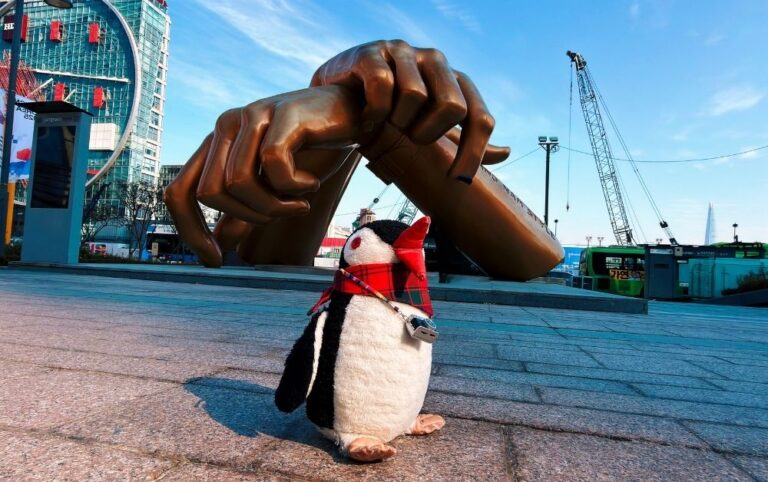
- Gangnam Style Statue. One of the most recognizable photo spots in the district is inspired by the global hit “Gangnam Style.” It’s a quick stop, but definitely one of those fun, iconic moments you don’t want to miss when in the area.
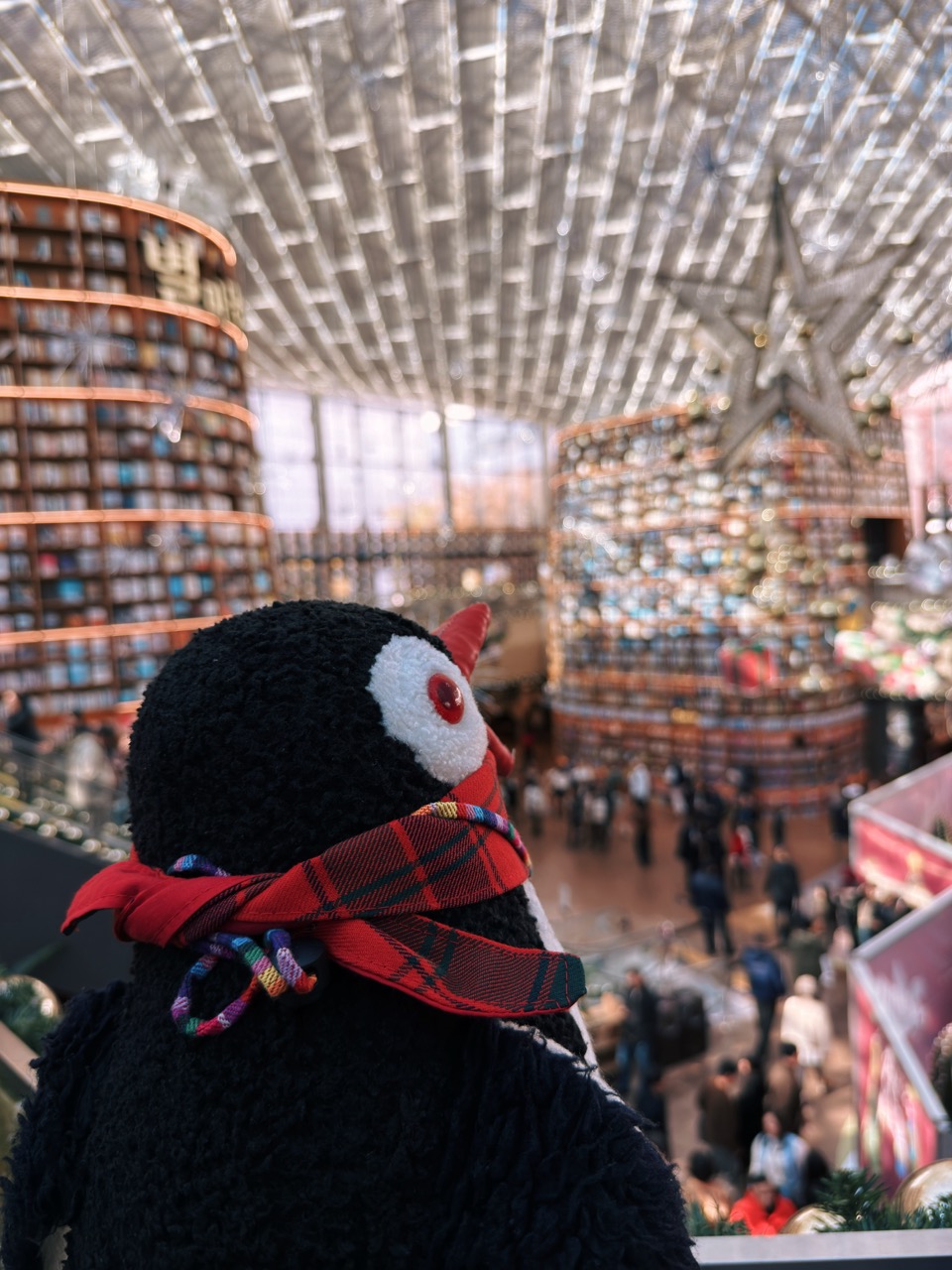
- Starfield Library. Located inside COEX Mall, this massive open library is visually impressive with its towering bookshelves and modern design. It’s not just for reading; it’s also a great place to sit, relax, and take in the atmosphere.
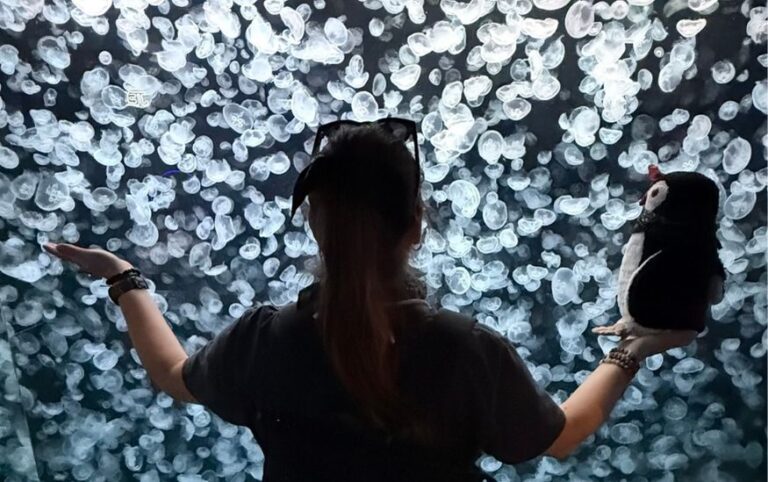
- SEA LIFE COEX Aquarium. A well-designed aquarium located in the same complex, featuring a wide variety of marine life and themed zones. It’s a nice indoor activity, especially if you want a break from walking or the weather outside.
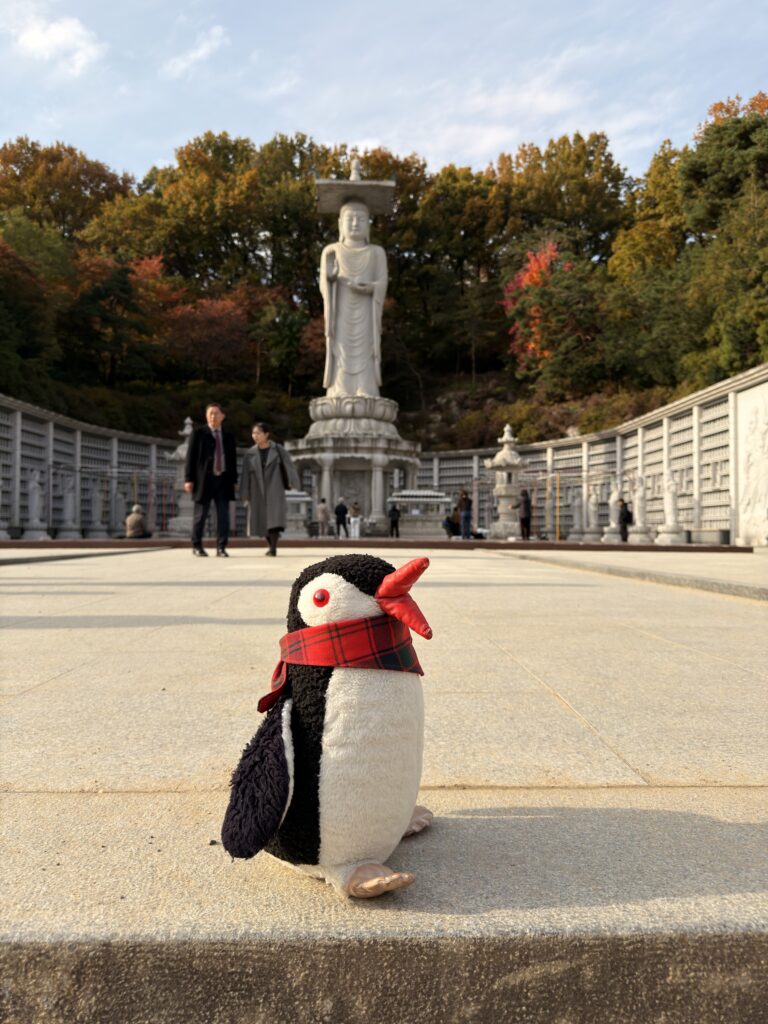
- Bongeunsa Temple. We also visited Bongeunsa Temple, which offered a calm contrast to Gangnam’s modern side. It’s a peaceful Buddhist temple right in the middle of the city, with traditional architecture, quiet courtyards, and a much slower atmosphere compared to the surrounding skyscrapers and shopping areas.
If you want a more detailed breakdown of everything we did in Gangnam, you can check out our separate blog post, Exploring Gangnam in Seoul: Best Things to Do, See, and Eat.
#4: Beauty Treatment at Individuel Genève
The majority of our second day in Seoul was dedicated to a beauty treatment experience at Individuel Genève. We specifically wanted to schedule something like this early in our trip so we could better understand skincare routines and products before diving into shopping at places like Olive Young. It turned out to be a really useful decision, as it helped us figure out what actually works for our skin and what to look out for when buying products. If you want a full breakdown of the experience and whether we think it’s worth booking, you can check out our detailed review: Beauty Treatment in Gangnam: Our Honest Review of Individuel Genève.
Tours and tickets from KlookShows Klook’s own box, which can set Klook cookies.Tours and tickets in Seoul on KlookKlook’s box can’t load on this device (an ad blocker often stops it). This opens Klook’s own page.Open Klook
Right after our amazing beauty treatment, we hopped back on the subway and made our way closer to our hotel, but not without one last stop at Myeongdong Shopping Street. This area is famous for its shopping, but honestly, the street food is just as much of a highlight as the shops themselves. So of course, we couldn’t resist and ended up trying a few snacks along the way, making the most of the lively evening atmosphere. After our fair share of street food, we slowly made our way back to the hotel to wrap up a very full and eventful second day in Seoul.
Day 3 in Seoul: DMZ Day Trip, Dongdaemun and Evening Shopping
Day 3 in Seoul was again less of a full city day, since we decided to take a day trip, which we honestly highly recommend. It meant we spent only part of the day actually in Seoul itself, but it added a completely different perspective to our trip. Getting out of the city for a while gave us a chance to see something more historical and meaningful, before coming back later to continue exploring.
#1: DMZ Day Trip
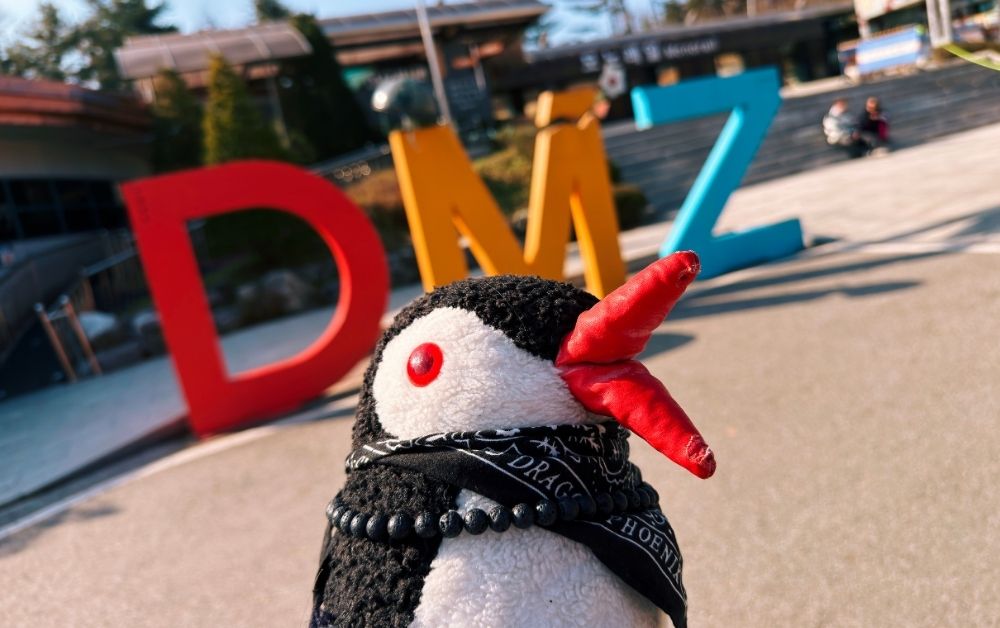
We started our day early with a trip to the Korean Demilitarized Zone, a day trip experience we genuinely can’t recommend enough. While it’s often called just another excursion, it’s one of those places that really adds important context to a visit to Seoul. It goes far beyond the K-pop and modern city image, offering a closer look at the more recent and still ongoing history of the Korean Peninsula. It’s a powerful reminder of the division and the complexity behind it all, and something we think is essential to understand when visiting the country. We’ve also put together a full, separate blog post about the experience, including which tour we chose and what the day looked like in detail: What It’s Like to Visit the Korean DMZ: A Day Trip from Seoul.


Once we returned from the DMZ day trip, we ended up right in front of the famous 12-story Daiso store, since the bus drop-off point was practically at its entrance. Naturally, we decided to check it out and do a bit of shopping out of curiosity. However, to be completely honest, it felt quite overhyped. It’s essentially just a very large version of a regular Daiso, and you can easily find the same items in other, much less busy locations around the city. So while it was interesting to see once, it’s definitely something you can skip without missing out on much.
#2: Dongdaemun Gate
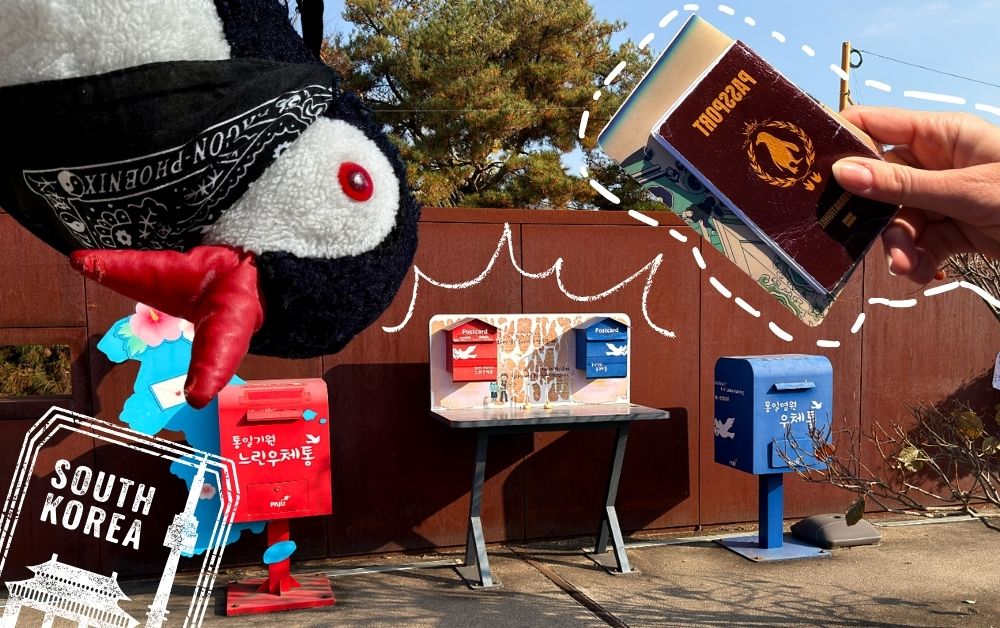
As we still had some time left to explore, we made our way to one of the historic city gates in Seoul, including Dongdaemun Gate. It was a nice, relaxed evening stroll after a full day, and it gave us a small break from the more modern parts of the city. This was also where we got our first traditional stamp, which made the stop feel even more special and memorable. Overall, it was a simple but pleasant way to wind down the day while still taking in a bit of history.
#3: Dongdaemun Design Plaza
Right next to the historic gate, we also explored the Dongdaemun Design Plaza, which is one of the most striking modern landmarks in Seoul. Designed by world-famous architect Zaha Hadid and completed in 2014, it is known for its futuristic, flowing structure that resembles a spaceship or a metallic wave in the middle of the city. The building is a major hub for design, fashion, exhibitions, and cultural events, and it actually sits on the site of former historic military facilities, which adds an even more interesting contrast between old and new. What stood out most to us was how it blends architecture, public space, and art in one place, with open areas often used for installations and night photography. It’s one of those places that really shows how modern and creative Seoul can be while still being connected to its history.
Extra Penguin Tip: If you want to buy some nice, unique souvenirs, definitely visit the shop there. They have great stuff inside.


Day 4 in Seoul: Palaces, Historic Gates and City Walks
Day four in Seoul was more focused on the city’s older history and cultural heritage. This was the day when we really immersed ourselves in palaces and traditional sites, making it one of the most packed but also one of the most visually interesting days of the trip. A big highlight was renting a hanbok, which added an extra layer to the experience as we explored the historic areas in traditional clothing. Even though the schedule was quite full, it felt like a really nice way to step back into Korea’s past and see a completely different side of the city.
#1: Gwanghwamun Square
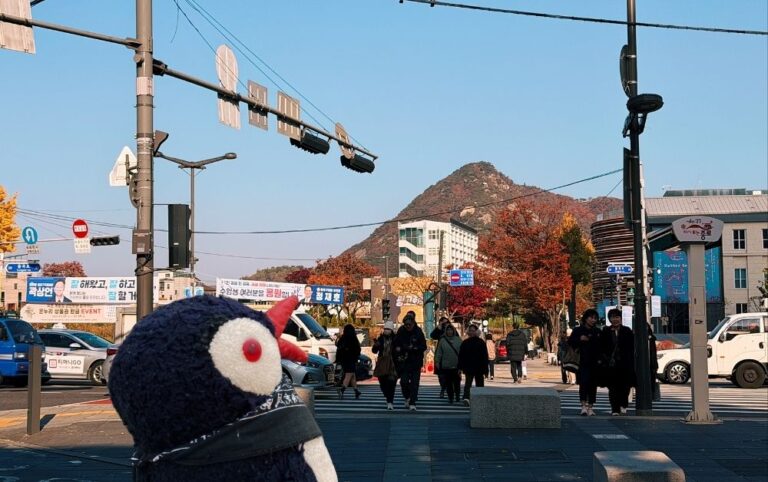
Our first stop on day four was Gwanghwamun Square, which sits right in front of the royal palace and felt like the natural starting point for a day focused on history. The square itself is quite large and open, designed as a grand public space that connects modern city life with Korea’s royal past. It is framed by important landmarks and statues, including King Sejong the Great and Admiral Yi Sun-sin, which immediately give it a strong historical atmosphere before you even step onto the palace grounds. King Sejong the Great was one of the most important rulers in Korean history, best known for creating Hangul. This Korean writing system made literacy accessible to ordinary people and is still used today. Admiral Yi Sun-sin is remembered as a national hero for his brilliant naval leadership during the Imjin War, during which he successfully defended Korea against Japanese invasions, achieving major victories despite being heavily outnumbered.


#2: Gyeongbokgung Palace
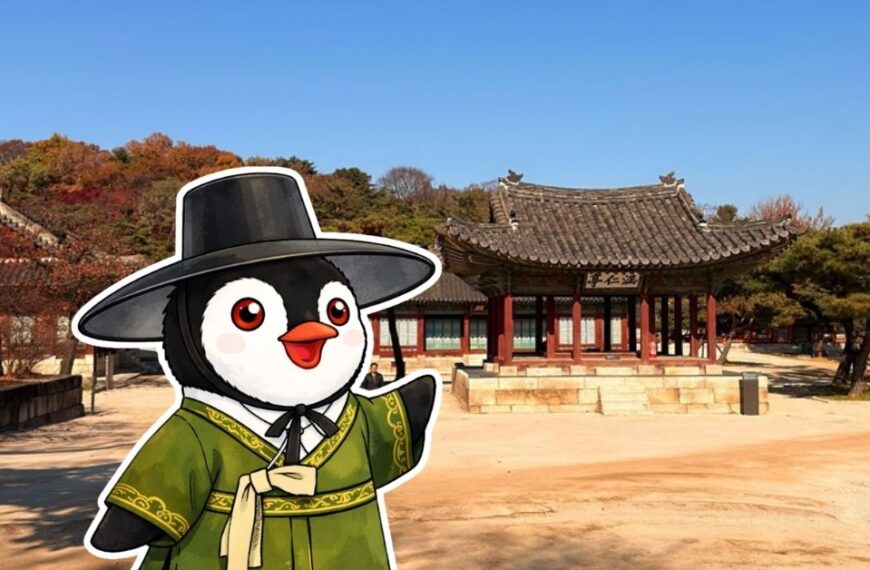
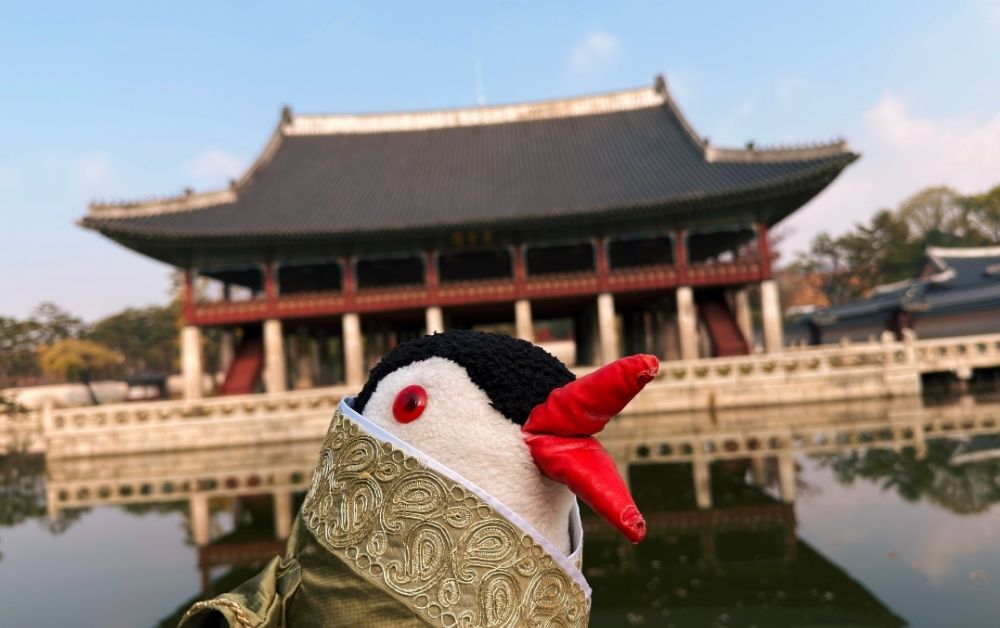
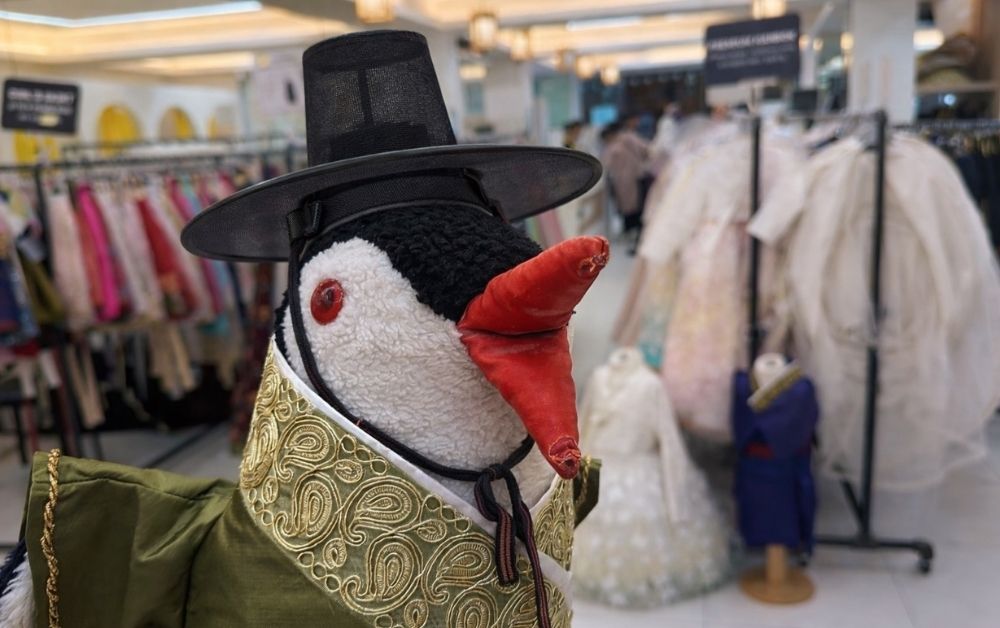
After exploring Gwanghwamun Square, we headed straight to rent a hanbok, which is such a unique experience and one we highly recommend. It really changes the whole feel of the day when you walk around in traditional clothing, especially in Seoul’s historic areas. We’ve also written a separate blog post about the whole hanbok experience, which you can check out for more details: How to Rent a Hanbok in Seoul. After getting dressed, we continued straight into the palace grounds, which honestly felt even more special in hanbok.
- Hanbok Rental. Renting a hanbok was one of the highlights of the day. There are many rental shops nearby, and the process is quite easy. It adds a completely different atmosphere to sightseeing, especially in historical locations, and visits feel much more immersive.
- Gyeongbokgung Palace. This is the main royal palace and one of the city’s most iconic landmarks. Walking through its gates, courtyards, and traditional buildings is a must-do when visiting Seoul. It’s especially memorable in hanbok, as it really fits the historical setting.
- Changing of the Guard Ceremony. While inside the palace, we also caught the traditional guard changing ceremony. It’s a well-organized cultural performance that showcases royal traditions with uniforms, music, and precise movements. It’s definitely worth planning your visit around this event’s timing.
- National Palace Museum of Korea. Located within the palace grounds, the National Palace Museum of Korea offers a deeper look into Korea’s royal history. It displays artifacts, royal items, and exhibitions that help put everything you see in the palace into context.
#3: Seoullo 7017 Walk & Observation Deck
After we had our fair share of waddling around the palace, we returned our hanboks and made our way toward Seoul Station to double-check a few things with our tickets. Right next to it, we discovered Seoullo 7017, which turned out to be a really interesting stop. This elevated walkway was built on a former highway overpass and reopened in 2017, which is where the “7017” name comes from (1970 construction, 2017 transformation). It stretches for about 1 kilometer and has been turned into a pedestrian-friendly space filled with greenery, seating areas, and small viewpoints along the way.


#4: Sungnyemun Gate
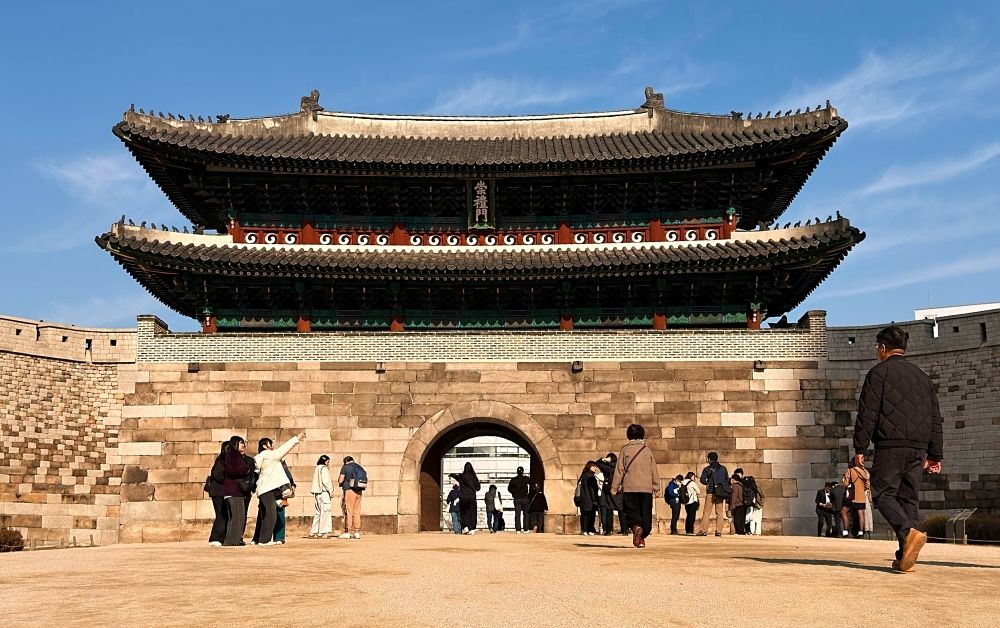
Close to the observation deck, we also stopped at Sungnyemun Gate, another important historic landmark in Seoul. We were really glad to catch it, especially since we also saw another changing of the guard ceremony here, which added a nice traditional touch to the visit. On top of that, we got another stamp here as a small souvenir from the stop, which made it feel even more memorable. What makes Sungnyemun Gate interesting is the contrast between its historic structure and the modern buildings and city life around it. It creates a really unique mix of old and new, and it’s definitely one of those spots we highly recommend stopping at while exploring this part of the city.
Hotel search from Trip.comShows Trip.com’s own box, which can set Trip.com cookies.
#5: Deoksugung Palace
We continued our historical tour of the day with a visit to Deoksugung Palace, another fascinating royal site in Seoul.What made this palace interesting was the way it blends old and new, with traditional Korean palace architecture sitting right alongside Western-style stone buildings, which is quite different from the other palaces in the city.
It was a really nice stop to round off our palace-focused day, and if you want to dive deeper into what to expect and why it’s worth visiting, you can read more in our separate blog post: Everything You Need to Know Before Visiting Deoksugung Palace.
After that, we wrapped up the day with dinner and went for more classic Korean BBQ, which was the perfect way to end such a full day of exploring Seoul. After eating, we made our way back to the hotel and called it a night, tired but really happy with how much we managed to see and experience throughout the day.
Day 5 in Seoul: Culture, Self-Care, and Sunset at N Seoul Tower
The fifth day, if we only count our time in Seoul since we spent two days in Busan in between, was again more of a half day after we returned. Even so, we still managed to fit in quite a bit, mixing a bit of traditional sightseeing with some well-deserved pampering. It ended up being a slower, more relaxed day, but still with a nice balance of experiences before heading into the next part of our trip.

#1: Myeongdong Cathedral
After we returned from Busan, we dropped off our bags at the hotel and headed straight back out. Once again, we found ourselves waddling over to Myeongdong Shopping Street, but this time we made a short stop at Myeongdong Cathedral.It was a really interesting contrast to the rest of the area, with its striking neo-Gothic, European-style architecture standing out among all the modern buildings and busy streets. It almost feels unexpected to see something so classical and calm in the middle of such a lively district, which made it a nice little surprise during our waddle through the area.


#2: Scalp Treatment at EcoJardin MyeongDong
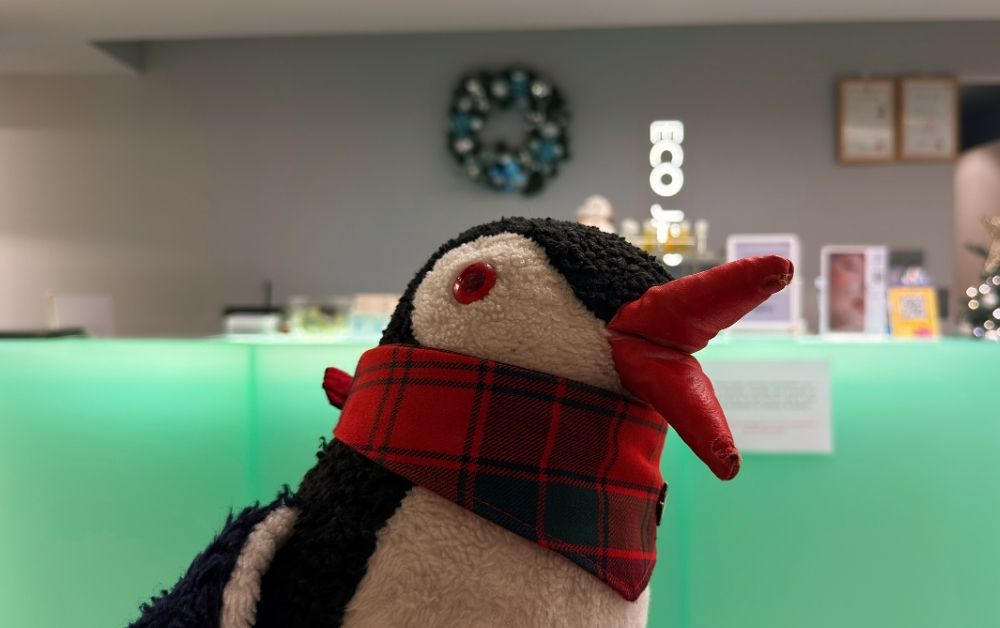
After the cathedral, we grabbed a quick lunch at a random udon shop we found on the way, before heading to our next stop: a bit more pampering with a scalp treatment. This time, we visited EcoJardin, where we booked a relaxing scalp care session to unwind after a lot of travel and walking. It was exactly the kind of slow, restorative break we needed in the middle of a busy trip through Seoul. If you want all the details on how it went and whether we recommend it, you can read our full review: Scalp Treatment Review at EcoJardin Myeongdong.
#3: N-Seoul Tower
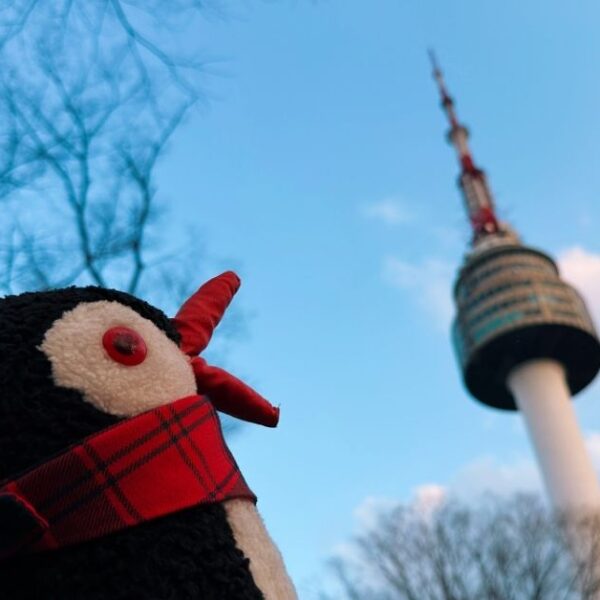
After all the pampering and feeling refreshed, we decided to head up to N Seoul Tower. Our original plan was to take the cable car, but the queue was way too long, so we ended up doing it the classic way and waddling all the way up instead. It was a bit of a climb, but honestly worth it for the experience along the way and the views waiting at the top over Seoul. Once we got there, the panoramic view of the city was absolutely amazing, especially as the lights started to come on. It’s definitely one of those spots we highly recommend, and you can read all about our full uphill adventure in our separate blog post: N Seoul Tower Visit Guide: Waddling to the Top of Seoul.
Day 6 in Seoul: Exploring Traditional Neighborhoods and Local Markets
Day six in Seoul was again a mix of traditional Seoul and local market life. It turned into another quite packed day, during which we managed to see and experience a lot, moving between historic neighborhoods, cultural spots, and busy markets. It was a nice balance of slower wandering through traditional areas and more lively stops, giving us a fuller picture of the city’s everyday rhythm and heritage.
#1: Bukchon Hanok Village
We started the day at the famous Bukchon Hanok Village, one of Seoul’s most well-known traditional neighborhoods. Since we arrived quite early, we had to wait a bit before properly exploring the area, as access and movement in some parts are restricted at certain times due to the residential neighborhood.
Though it didn’t quite live up to the hype for us, while the traditional hanok houses are visually interesting, the overall experience felt quite crowded and a bit overrun with tourists. We personally found that other hanok areas in Seoul feel more authentic and enjoyable, so this one didn’t stand out as much as expected and is probably something you could skip if you’re short on time.


#2: Cheongwadae Sarangchae
From Bukchon Hanok Village, we continued on foot around the royal palace area. We ended up at Cheongwadae Sarangchae, which was not originally on our list at all but turned out to be a nice, unexpected stop. It is a cultural exhibition space located near the former presidential residence, designed to introduce Korean history, culture, and traditions more interactively. Inside, you’ll find displays on Korean heritage, traditional lifestyle, regional culture, and even small exhibitions that explain the country’s modern identity. It was a simple stop, but a surprisingly interesting one while exploring this part of Seoul. You can also buy great souvenirs here.


#3: Tongin Traditional Market
Next up was Tongin Traditional Market, which turned out to be a really fun and interactive stop. It’s a traditional market where you can use old-style coins to buy various kinds of Korean street food from vendors, which makes the whole experience feel a bit more unique than a regular market visit. We liked how it felt more local and less touristy compared to some of the bigger markets in Seoul. It’s a great place to try small portions of different dishes and wander around at your own pace while sampling a bit of everything.
#4: Daeo Bookstore
Another quick and slightly unexpected stop for us was Daeo Bookstore. It’s one of those small, old-fashioned bookstores that feels like it has been frozen in time, tucked away in a quiet corner of Seoul. Inside, it has a very nostalgic atmosphere, with shelves full of books and a cozy, slightly retro vibe that sets it apart from the modern city outside. It wasn’t a planned highlight of the day, but it ended up being a really nice, calm break while walking between more busy spots. It was closed when we came, but we recommend stopping here. Should have double-checked the opening hours 😅.


#5: Pink Penguins
Right after the bookstore, we continued our walk and made our way to the Pink Penguins installation at the Han River. This was something we had actually planned to see, and we were really excited to finally come across it, especially since we had already seen the yellow penguins in Prague before, so it felt like a fun continuation of that experience.
It ended up being one of the highlights of the day for us, just because it was so unexpected yet so cheerful along the riverside in Seoul. If you want to know more about the installation and why we enjoyed it so much, you can read our separate blog post: We Found a Pink Penguin in Seoul, and You Will Love It.


#6: Namdaemun Market
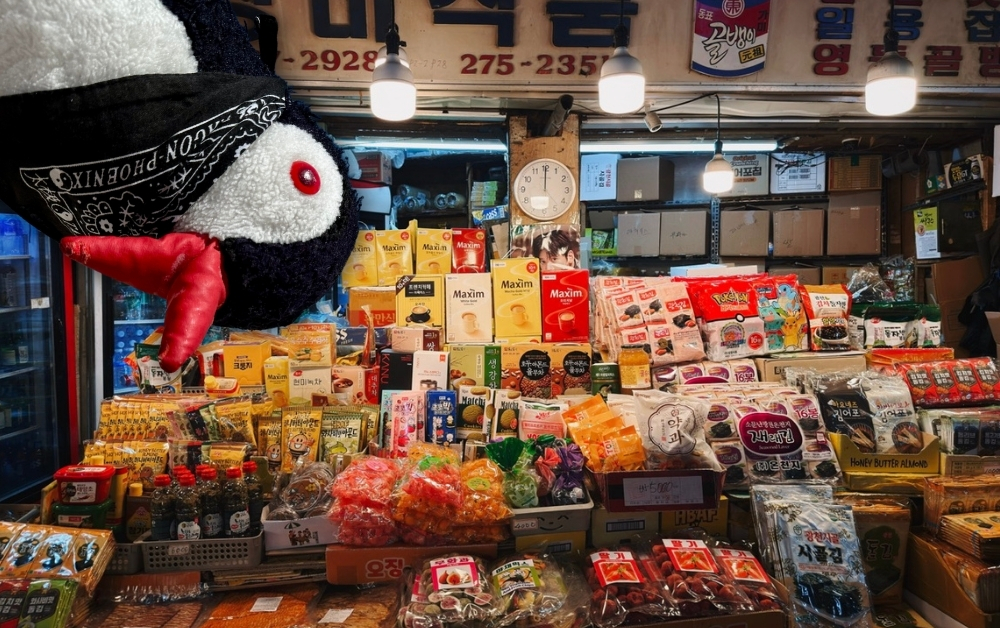
To finish off our day, we also stopped at Namdaemun Market, and to be honest, it felt quite overwhelming. It’s one of the largest traditional markets in Seoul, where you can really find almost anything you can think of, from street food to clothing and everyday goods. We would definitely recommend visiting, but timing really matters. We went while we were already quite hungry, and in that moment, it all felt a bit too intense and chaotic to enjoy fully. So instead of staying long, we just walked through a few sections to get a feel for it, and then headed off to grab dinner before wrapping up the day.
Day 7 in Seoul: Sky Views, Cafés and Green Spaces
It was again an exciting day in Seoul, and we managed to tick off a few things we were really looking forward to. Even though the itinerary wasn’t overly packed with stops, the main thing we noticed again was how much time it takes to move between different areas of the city. Some of the places were quite far apart, so a good part of the day naturally went into traveling from one spot to another, which is something to keep in mind when planning a similar route.
#1: Lotte World Tower
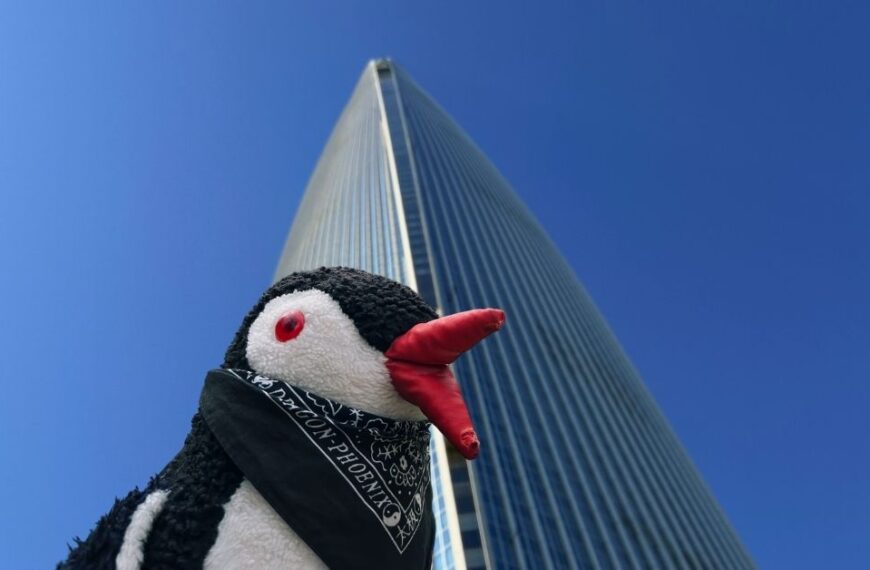
Our first stop of the day was Lotte World Tower, something we had been looking forward to, especially after visiting a similar observation tower in Busan. We were curious to compare the two experiences and see how they differ, both in terms of views and overall atmosphere.
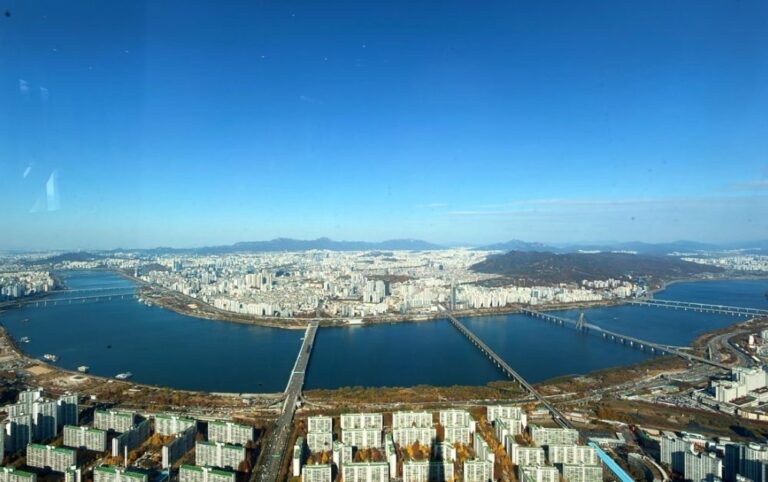
The tower itself is an impressive landmark in Seoul and one of the tallest buildings in the world, offering sweeping views over the entire city and beyond. It’s one of those places where you really get a sense of just how massive Seoul is when you see it from above. If you want a deeper comparison and full breakdown of both tower experiences, you can read our separate blog post: Lotte World Tower Seoul: Visiting Korea’s Tallest Building and What to Expect.

#2: Seoul Forest
From Lotte World Tower, we made a quick coffee stop at Grey Penguin Coffee, which is honestly one of our favorite coffee spots in Seoul, even if we are a bit biased because of the penguin theme. It was a nice little break before continuing with the rest of the day.
After that, we headed over to Seoul Forest, a large green park right in the middle of the city. It felt like a completely different pace compared to the busy streets and tall buildings around us. We slowly wandered around, said hi to the deer in the small-animal area, and enjoyed a more relaxed afternoon surrounded by nature.


#3: Namsangol Hanok Village
We finished the day at Namsangol Hanok Village, which turned out to be a really pleasant surprise and a nice way to wrap up our sightseeing in Seoul. Unlike some of the more crowded traditional areas, this hanok village feels a bit more open and curated, with restored traditional houses and small cultural spaces that make it easy to walk through and take in at a relaxed pace.
One of the most interesting things we discovered here was the Seoul Millennium Time Capsule, which we hadn’t expected at all. It was buried in 1994 to mark the city’s 600th anniversary and is scheduled to be opened in the year 2394, which is such a fascinating idea when you think about it. It really added a unique layer to the visit and made this stop feel more memorable than we initially expected. This turned out to be our last major stop of the day before heading back and winding down.


To finish off the day, we grabbed some dinner at a Korean BBQ place near our hotel in Seoul. It was a simple but perfect way to end a full day of exploring. After that, we headed straight back to the hotel, packed in for the night, and got some rest before the next day of the trip.
Day 8 in Seoul: Palaces, Secret Garden, and Seodaemun Prison History Hall
Day eight in Seoul was our last fully packed day of activities, and it was definitely one of the most intense, with how much we managed to fit in. We moved through a mix of experiences that combined older royal history with more recent, sobering parts of the city’s past, making the day feel quite varied. Even though it was busy and full from start to finish, it gave us a really well-rounded look at different layers of Seoul’s history in just one day.
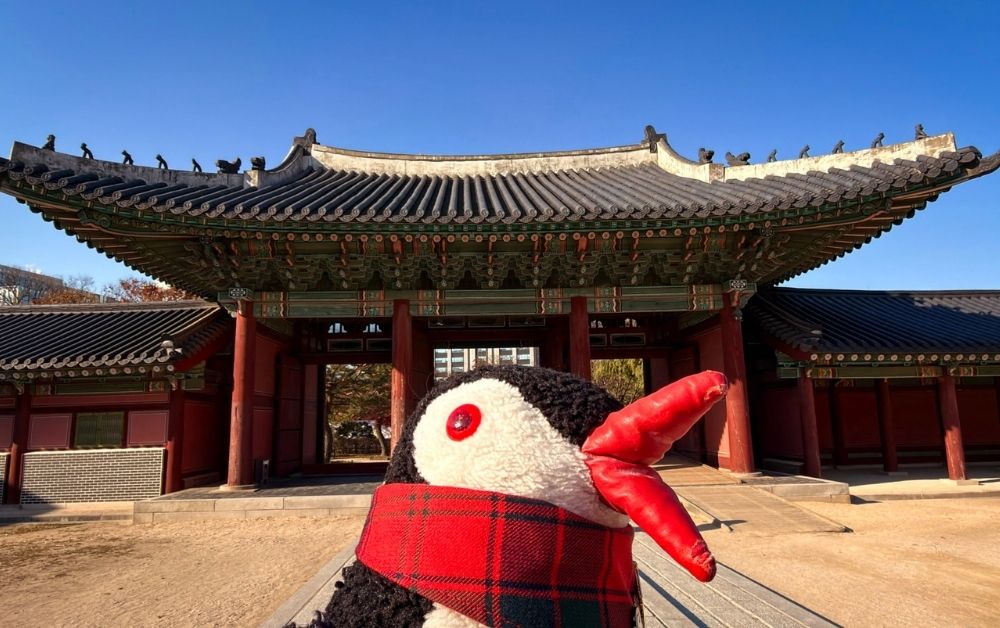
#1: Changdeokgung Palace, The Secret Garden & Changgyeonggung Palace
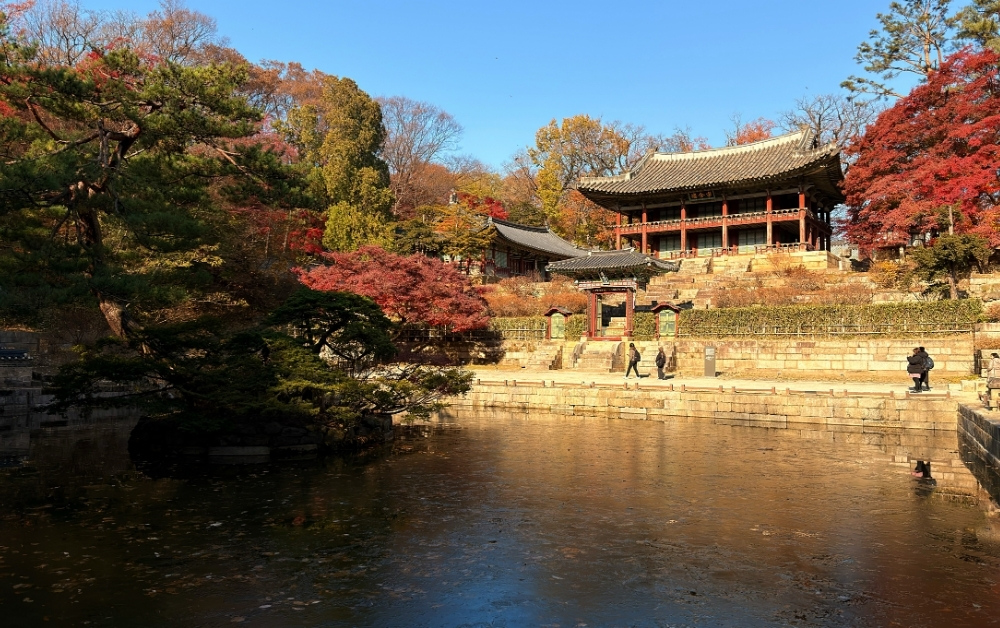
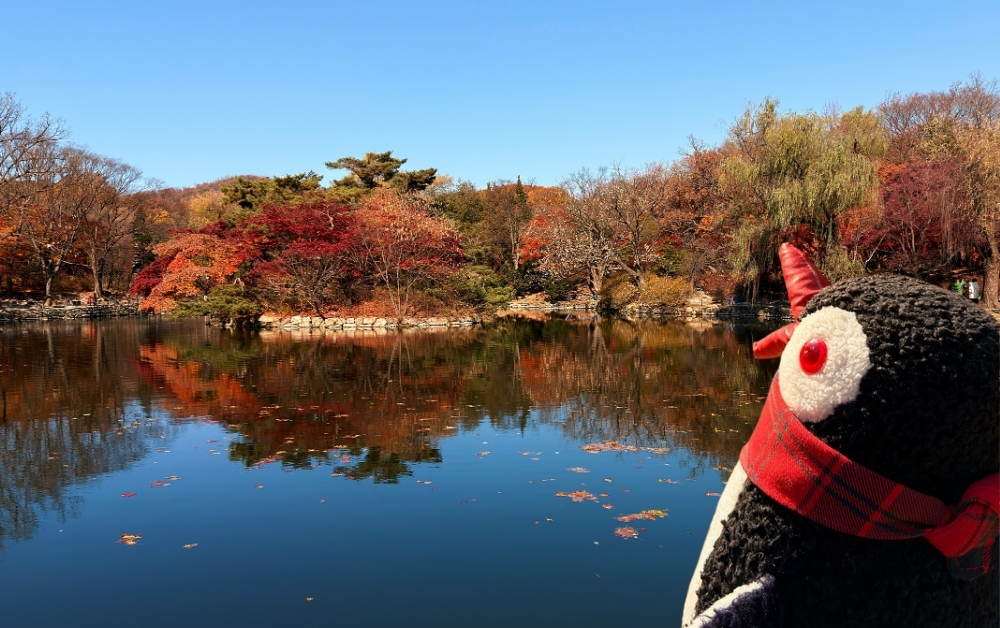
We started the day at Changdeokgung Palace with the intention of visiting it together with the famous Secret Garden.While waddling around the area, we also discovered that Changgyeonggung Palace is right next door, so we ended up exploring both in one go, which made for a really strong start to the day.
Changdeokgung Palace quickly became our favorite palace overall because it’s so enjoyable to waddle through without feeling rushed. The highlight, of course, was the Secret Garden, which adds a completely different layer to the visit with its quieter, more natural atmosphere. Overall, it was a really nice, relaxed way to begin the day while still taking in a lot of history, and we’ve shared a more detailed breakdown of the experience in a separate blog post if you want to read more.
#2: Seodaemun Prison History Hall
After exploring the palaces, we made a quick stop at Dotori Garden for a short break, which we highly recommend, before continuing to Seodaemun Prison History Hall. This part of the day felt like a shift in tone compared to the royal sites earlier, as it focused on much more recent and тяжел history connected to Korea’s independence movement and the Japanese occupation period. Visiting the prison was a much deeper and more emotional experience, as it preserves the actual cells, interrogation rooms, and exhibition spaces that tell the story of political prisoners and resistance fighters. It gave us a much clearer understanding of this chapter in Korean history and added an important layer of context to everything we had seen so far. If you want to learn more about the experience in detail, we’ve also written a separate blog post: Seodaemun Prison History Hall: A Powerful Look Into Korea’s Independence Movement.

#3: Mapo-gu Neighborhood
After visiting Seodaemun Prison History Hall, we made our way over to the Mapo-gu neighborhood, where we spent the rest of the evening exploring a more lively and local side of Seoul. It’s a vibrant district with plenty of shops, restaurants, and everyday city life, so we took some time to wander around and do a bit of casual shopping.
Of course, we also had another Korean BBQ dinner, which has become a bit of a recurring theme on this trip, even though we did eat plenty of other things along the way. After a relaxed evening in Mapo-gu, we made our way back to the hotel and called it a day after one of the more meaningful and full days of the trip.


Day 9 in Seoul: Souvenirs, Shopping and Saying Goodbye to Seoul
Day nine in Seoul was all about squeezing in some final shopping and then heading back to the hotel to try and pack everything we had bought, hoping it would somehow all fit into our luggage. After days of exploring, eating, and collecting souvenirs, the final day turned out to be slow and relaxed. We spent the rest of the time just enjoying our last moments in the city, taking it easy before saying goodbye to Seoul.

Buy Me a Ko-fi
On our last day in Seoul, we returned to Namdaemun Market because we still wanted to do some proper souvenir shopping. It’s honestly a great place if you want to buy things in bulk or pick up gifts, and since we weren’t hungry this time, it was much easier and more relaxed to walk around and browse properly.
From there, we continued to Myeongdong Shopping Street again for one final round of exploring. We picked up a lot of snacks from the street vendors and local stalls, did some last-minute shopping, and just enjoyed the lively atmosphere one last time before heading back to the hotel to finish packing and wrap up our trip.
After we finished packing, we grabbed a simple dinner from a convenience store and did one last round of snack shopping for the journey home. It was a very low-key way to end the trip, but it felt fitting after so many busy days in Seoul.
To finish everything off properly, we went for one last walk along Cheonggyecheon Stream. It was a nice full-circle moment since we had also started our time in Seoul there. The evening walk felt calm and reflective, a quiet contrast to the rest of the trip. The next morning, we were already heading to the airport for an early flight home, so it was a simple but really nice way to say goodbye to the city.
Pro Penguin Tip
In our initial plan, we didn’t actually schedule anything for the last day. We intentionally left it open to see how the overall trip would unfold across the nine days in Seoul and to give ourselves some flexibility depending on what we still wanted to do or revisit.
And honestly, that turned out to be one of the best decisions of the entire itinerary. Even if you don’t plan anything, the day naturally fills up with last-minute shopping, small walks, or places you want to return to. So we would highly recommend leaving at least one full day unplanned when you create your itinerary. It gives you breathing room, and in a city like Seoul, it will almost always be used in a very natural and useful way.
Seoul Google Map Points
If you want to see everything we mentioned and even more laid out clearly, make sure to check out our full Seoul map. We’ve pinned all the places we visited or wanted to visit across Seoul so you can easily visualize the routes, distances, and how each day connects. It’s a really helpful way to plan your own itinerary, adjust it to your pace, and see what makes sense to combine.
We hope this itinerary helps you plan your own trip to Seoul and gives you a realistic idea of how much you can actually see and do in a few days. If you’re planning your visit, we also recommend checking out some of our other blog posts, where we go deeper into practical tips like what you should know before coming to Seoul, which travel cards you need, where to stay, and other useful advice that can make your trip a lot smoother.
Pack your bags and explore Seoul!

This post contains affiliate links. If you click and buy, I might earn a tiny commission, enough to help a penguin keep up its globe-trotting lifestyle. No extra cost to you, just more fish for me. Thank you for supporting the adventure!