Bratislava Travel Guide: Essential Things To Know
Bratislava is one of those cities that often gets overlooked in Europe, but after living here for more than 10 years, we can say it deserves far more attention. Slovakia’s capital may be small compared to cities like Vienna, Prague, or Budapest, yet that is exactly part of its charm. You can walk across most of the historic center in less than an hour. Still, the city is also full of interesting corners, local cafés, viewpoints, castles, communist-era history, riverside walks, and surprisingly good food spots.
Over the years, we have explored Bratislava in every season, from quiet winter mornings in the Old Town to busy summer evenings along the Danube, and we have also seen many first-time visitors make the same mistakes. In this guide, we share the most useful things to know before visiting Bratislava, including local tips, transport advice, prices, scams to avoid, and small details that can make your trip much easier and more enjoyable.


Quick Facts About Bratislava
- Location: Southwestern Slovakia, along the Danube River near the borders of Austria and Hungary
- Region: Bratislava Region
- Population: Around 475,000 residents
- Old Town Location: Located on the eastern bank of the Danube River beneath Bratislava Castle
- Year Established: First written mention dates back to 907 AD
- Elevation: About 514 meters at the highest point at Devínska Kobyla
- Language: Slovak
- Currency: Euro (€)
- Nearest Major Cities: Vienna (about 80 km away) and Budapest (about 200 km away)
- Nearest Airport: M. R. Štefánik Airport
- Number of Bridges Across the Danube: 5 main bridges within the city
- Known For: Medieval Old Town, Bratislava Castle, Danube views, and its location near three countries
- Nickname: Often called the “Beauty on the Danube” or the “Coronation City.”
Brief History Of Bratislava
- Around 5000 BC. The area around the present-day Bratislava was already inhabited during the Neolithic period, making it one of the oldest continuously settled locations in Central Europe.
- 1st–4th Century AD. The Romans built military camps and border defenses near the Danube as part of the northern frontier of the Roman Empire.
- 907 AD. Bratislava was first mentioned in historical records during the Battle of Pressburg, one of the key conflicts involving the early Hungarian state.
- 1291. Bratislava officially received town privileges from King Andrew III, allowing it to grow into an important medieval trading city.
- 1536. After the Ottoman Turks captured much of Hungary, Bratislava became the capital of the Kingdom of Hungary and remained so for nearly 250 years.
- 1563–1830. The city became famous for royal coronations, with 19 Hungarian kings and queens crowned inside St. Martin’s Cathedral.
- 1741. Maria Theresa was crowned Queen of Hungary in Bratislava, marking one of the city’s most important royal moments.
- 1805. The Peace of Pressburg was signed in Bratislava after the Battle of Austerlitz, reshaping parts of Europe during the Napoleonic era.
- 1919. The city officially became part of the newly formed Czechoslovakia and adopted the name Bratislava.
- 1939–1945. During World War II, Bratislava served as the capital of the Slovak State, an ally of Nazi Germany.
- 1948–1989. Bratislava existed under communist rule as part of Czechoslovakia, which heavily influenced the city’s architecture and urban planning.
- 1993. Following the peaceful split of Czechoslovakia, Bratislava became the capital city of independent Slovakia.
- 2004. Slovakia joined both the European Union and NATO, helping Bratislava rapidly modernize and grow internationally.
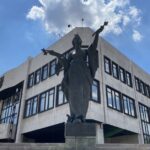
15 Interesting Facts About Bratislava
#1: Bratislava Borders Two Different Countries
One of the coolest things about Bratislava is how incredibly close it is to both Austria and Hungary. In fact, it is the only capital city in the world to border two countries. From the city center, you can reach the Austrian border in about 10 km (6 miles), which usually takes about 15 minutes by car, while the Hungarian border is roughly 20 km (12 miles) away, about a 20-minute drive. Living here makes international borders feel almost meaningless sometimes. It is completely normal for people to drive to Austria for shopping, head to Hungary for a day trip, or even commute across borders for work. You can literally have breakfast in Slovakia, lunch in Austria, and dinner in Hungary all in the same day without rushing. This unique location has also shaped Bratislava over the centuries, which is why the city feels like a mix of Slovak, Austrian, and Hungarian culture, food, and history.
#2: Bratislava Had Different Names Throughout History
One thing that surprises many is that Bratislava was not always called Bratislava. Over the centuries, the city has had several different names depending on who ruled or lived here. Germans called it Pressburg, Hungarians knew it as Pozsony, and older Slovak versions of the name also existed before Bratislava officially became the city’s name in 1919 after the creation of Czechoslovakia. Because Bratislava sat at the crossroads of different empires and cultures for hundreds of years, the city became a mix of Slovak, German, Hungarian, and Jewish influences. Even today, you can still notice traces of this multicultural history in the architecture, food, old street names, and local traditions around the city.
#3: Sometimes Bratislava Smells Like Chocolate
One of the more unexpected things about Bratislava is that parts of the city sometimes smell sweet, almost like chocolate or cookies. That is because a large chocolate and confectionery factory is close to the city center. Depending on the wind and weather, the smell can drift across entire neighborhoods, especially around the western parts of Bratislava. Locals are completely used to it, but visitors often get confused and start wondering where the dessert shop is hiding. It is one of those random little details that somehow make Bratislava feel even more memorable and unique.
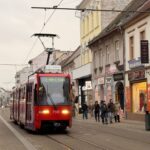
#4: Bratislava Only Became A Capital In 1993
Even though Bratislava feels like a historic European capital today, it became the capital of independent Slovakia only quite recently, in 1993. Before that, Slovakia and the Czech Republic were part of one country called Czechoslovakia. After the peaceful split of the country, often called the “Velvet Divorce,” Bratislava officially became the capital of the newly independent Slovakia.
Because of this, Bratislava still feels like a city that is constantly changing and growing. Older communist era buildings stand next to modern skyscrapers, shopping centers, and new developments, giving the city a mix of old and new that you notice almost everywhere you go.
#5: The Little Carpathians Actually Stretch Into Bratislava
One of the most unique things about Bratislava is that the Little Carpathians do not just sit somewhere outside the city; they actually stretch directly into it. Forests, hills, and hiking trails are literally part of Bratislava itself, especially around areas like Koliba, Železná Studnička, and Kamzík. In some neighborhoods, you can walk from apartment buildings straight into the forest within minutes. Because of this, hiking in Bratislava is easy even without a car. Public buses regularly run to trailheads, and many locals use the forest for walks, cycling, running, or quick escapes into nature after work. It is one of the reasons Bratislava feels very different from many other capital cities, since nature is not separated from the city but blended directly into it.


#6: Kings And Queens Were Crowned In Bratislava
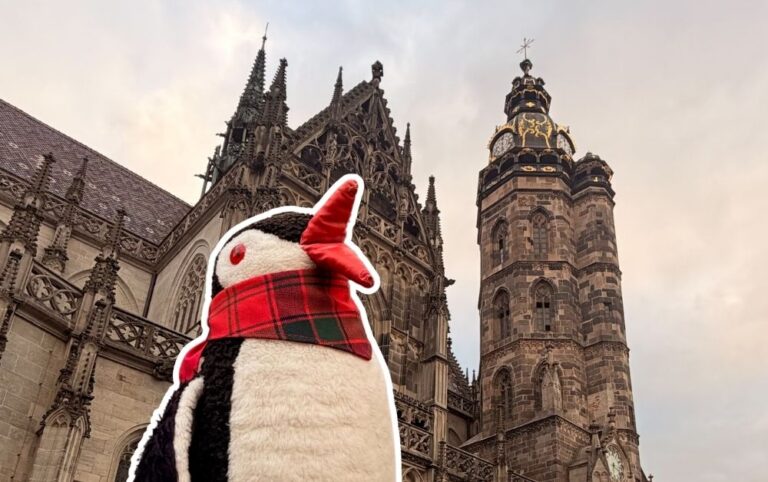
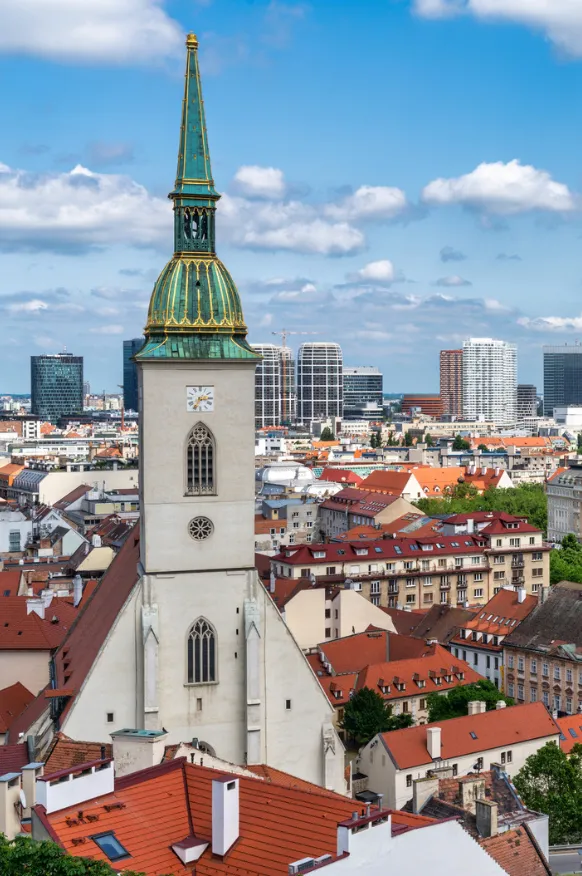
It might be hard to imagine today, but St. Martin’s Cathedral was once one of the most important churches in the entire Kingdom of Hungary. Between 1563 and 1830, 19 kings and queens were crowned here, including Maria Theresa, one of the most famous rulers of the Habsburg monarchy. This happened because, after the Ottoman Turks captured much of Hungary, Bratislava served as the capital of the Kingdom of Hungary for nearly 250 years. The cathedral still reminds visitors of this royal past today. If you look carefully at the top of the church tower, you can even spot a large golden crown placed there to symbolize the coronations that once took place inside.


#7: Bratislava Feels Calmer Than Many European Capitals
One thing many notice is how calm Bratislava feels compared to nearby capitals like Prague, Vienna, or Budapest. Bratislava is much smaller, both in size and population, which gives the city a slower and more relaxed atmosphere. The Old Town is compact, most attractions are within walking distance, and even the city center usually feels less crowded than many other European capitals.
For us, this is one of Bratislava’s biggest advantages. You still get historic streets, castles, cafés, viewpoints, and riverside walks, but without constantly fighting huge crowds of tourists everywhere. It feels more local, more manageable, and much less overwhelming, especially for shorter city trips or first-time visitors to Central Europe.
#8: Bratislava Castle Looks Like an Upside-Down Table
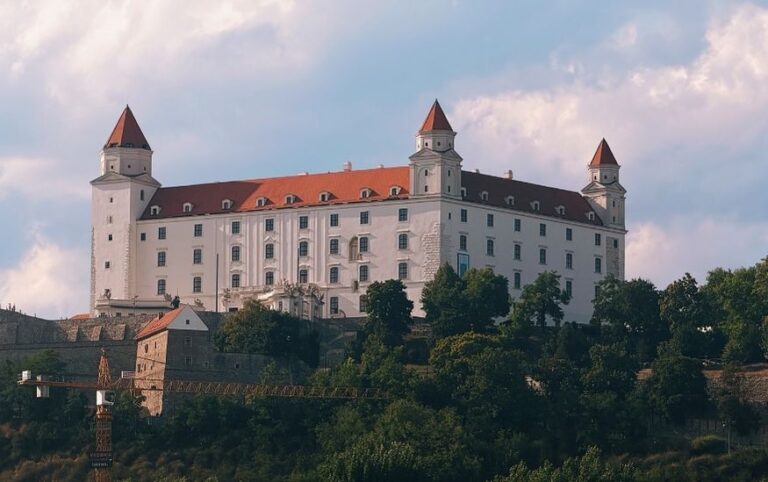
One of the funniest local descriptions of Bratislava Castle is that it looks like an upside-down table. Once you see it, it is honestly hard to unsee. The castle has a very symmetrical rectangular shape, with one tower at each corner, making it resemble a giant table standing above the city. Because the castle sits high on a hill above the Danube, it can be seen from many parts of Bratislava and has become one of the city’s main symbols. The current appearance largely results from extensive renovations over the centuries, especially after the castle was heavily damaged by fire in 1811 and later rebuilt.
#9: Communist Era Architecture Still Shapes Bratislava
A large part of Bratislava’s appearance today was shaped during the communist era between 1948 and 1989. During this time, huge residential districts filled with prefabricated panel apartment blocks were built across the city to house the growing population. Even today, these neighborhoods still dominate several parts of Bratislava, especially areas like Petržalka, which became one of the largest communist housing estates in Central Europe. For many, the contrast feels quite unusual. One moment you are walking through the historic Old Town with medieval buildings and cafés, and a short bus ride later, you are surrounded by endless rows of gray apartment blocks from the communist period. While some people find this architecture harsh or repetitive, it is also a very important part of Bratislava’s history and daily life, and many locals who grew up here feel surprisingly nostalgic about it.
#10: Bratislava Has A UFO Above The Danube
One of the most recognizable landmarks in Bratislava is Most SNP, also known as the UFO Bridge. Stretching across the Danube River, the bridge is famous for its huge, flying-saucer-shaped observation deck, which sits about 95 meters (312 feet) above the water. Honestly, it looks more like something from a sci-fi movie than a typical bridge.
Inside the UFO structure, there is a restaurant and observation deck with panoramic views over Bratislava, the Danube, and even parts of Austria and Hungary on clear days. The views can stretch up to around 50 km (31 miles) in good weather. Even if you do not go up, the bridge itself has become one of the main symbols of the city and is almost impossible to miss when exploring Bratislava.

#11: Bratislava Has A Real Life Blue Church
One of the most unusual and photogenic buildings in Bratislava is the Church of St. Elizabeth, better known simply as the Blue Church. The church honestly looks like something from a fairy tale, with almost the entire building covered in different shades of pastel blue. From the walls and roof tiles to the mosaics and decorative details, nearly everything matches the same dreamy color palette. Built in the Art Nouveau style in the early 1900s, the church stands out completely from the rest of Bratislava’s architecture. It feels soft, playful, and almost unreal compared to the nearby streets and apartment buildings around it. Today, it is one of the most photographed places in the city and a favorite stop for both tourists and locals.
#12: Bratislava Still Hides Old War Bunkers
One thing many do not realize is that Bratislava still hides dozens of old military bunkers and wartime fortifications around the city. Because of its strategic location near the borders of Austria and Hungary, large defensive bunker systems were built here, mainly before World War II, to help protect former Czechoslovakia. Some of these bunkers can still be found close to residential areas, forests, bike paths, and even directly along the Danube River. Around areas like Petržalka, you can stumble across concrete bunkers hidden between trees or fields that many people pass without even noticing. A few have been restored and turned into small museums, while others remain abandoned and overgrown, revealing a surprisingly hidden military history beneath Bratislava’s calm modern atmosphere.
#13: Bratislava has an upside-down pyramid
One of the strangest buildings in Bratislava is the headquarters of Slovak Radio, often called the upside-down pyramid. Instead of narrowing toward the top like a normal pyramid, the building does the opposite, becoming wider as it rises. Because of its unusual shape, it immediately stands out among the surrounding city buildings and has become one of Bratislava’s most recognizable pieces of communist era architecture. The building was completed in the 1980s during the communist period and was designed to house Slovak Radio. Even today, many locals have mixed opinions about it.

#14: Bratislava Has Lakes Right Inside The City
Bratislava has several lakes within the city where locals love to relax in the summer. Places like Kuchajda, Štrkovec, or Zlaté Piesky become popular spots for swimming, sunbathing, running, paddleboarding, or simply hanging out near the water once the weather gets warm.
Many of these lakes were created by past gravel and sand mining, but over time they have transformed into recreational areas surrounded by parks, walking paths, cafés, and sports facilities. During hot summer days, the atmosphere around them feels surprisingly lively and relaxed, almost like a small beach town hidden inside the city.
#15: Bratislava Still Has Vineyards Inside The City
Wine culture in Bratislava goes back hundreds of years, and one of the coolest things is that vineyards can still be found directly within the city limits today. Because Bratislava sits at the foothills of the Little Carpathians, the area has ideal conditions for growing grapes, and winemaking has been part of local life since medieval times.
Even now, you can find vineyards close to normal neighborhoods, around areas like Rača, Vajnory, and Devín. Some local wineries and wine cellars are still family-run, and wine festivals remain a big part of Bratislava’s traditions. It is honestly unique to have a capital city where you can take a short bus ride and suddenly find yourself surrounded by vineyards and small wine houses.
Other Interesting Facts:
- Bratislava has one of the youngest metro-style public transport systems in Europe because the city never actually built a real metro network.
- Devin Castle stands where the Danube and Morava rivers meet, right near the Austrian border.
- During summer, locals love spending evenings along the Danube embankment at bars, cafés, and floating restaurants.
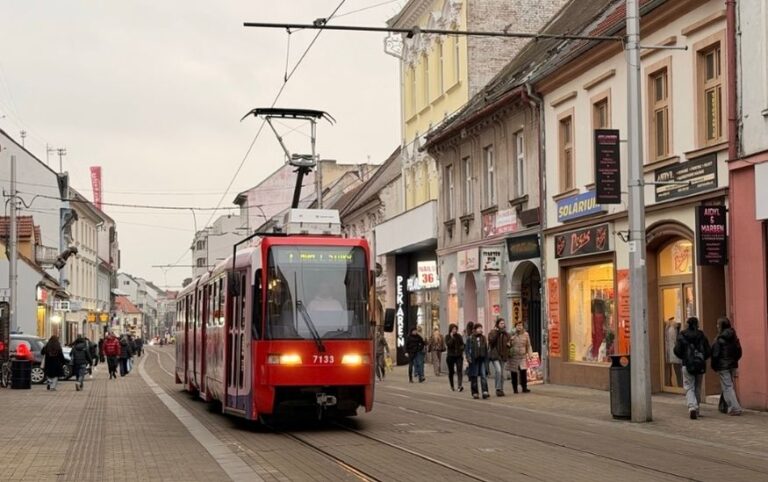
- Bratislava’s tram system is one of the oldest forms of public transport in the city and remains one of the easiest ways to get around.
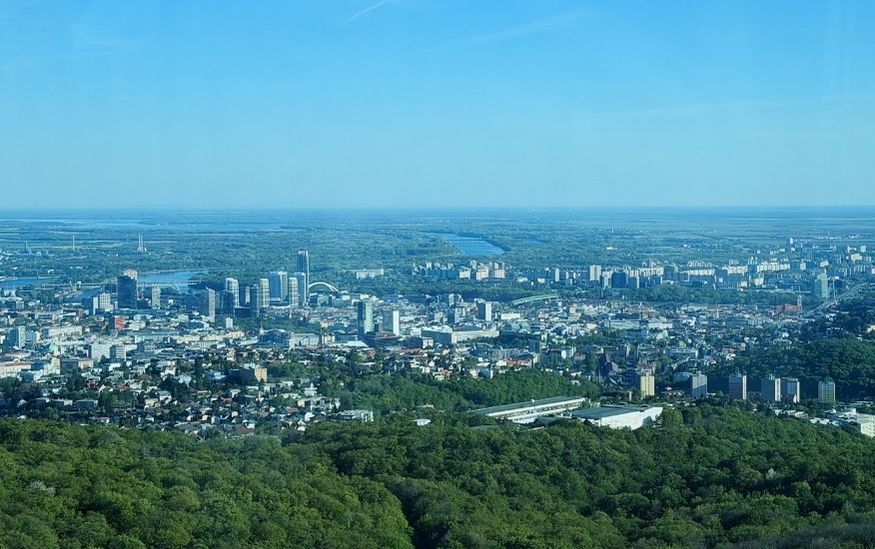
- Several viewpoints around Bratislava offer views into multiple countries at once on clear days.
- Slavin Memorial is one of the largest war memorials in Central Europe and can be seen from many parts of the city.
- Bratislava has large green spaces and forests compared to many other European capitals.
- The city center is small enough that many locals rarely use cars within the central districts.
- Bratislava has a strong café culture, with many hidden courtyards and small local coffee spots around the Old Town.
- The city’s atmosphere changes a lot between seasons, from Christmas markets in winter to lakes, outdoor bars, and river life in summer.


Useful Travel Tips For Bratislava
- Currency: Slovakia uses the Euro (€).
- Card or Cash: Card payments are widely accepted almost everywhere, including cafés, restaurants, supermarkets, and public transport ticket machines, but it is still useful to carry a little cash for small shops, markets, or toilets.
- Tap Water: Tap water in Bratislava is safe and drinkable.
- Tipping: Tipping is not mandatory, but leaving around 10% in restaurants is appreciated if you were happy with the service.
- Language: In Bratislava, most younger people and workers in tourism speak good English, so communicating is usually easy. In smaller villages or more rural parts of Slovakia, English may be less common.
- Public Transport: Bratislava has a reliable public transport system with trams, buses, and trolleybuses. Daily tickets and multi-day tickets are usually the easiest option for visitors.
- Walking Friendly: The city center is compact and very walkable, especially around the Old Town.
- Airport Access: M. R. Štefánik Airport is close to the city, and public buses connect it directly to the center.
- Cross-Border Trips: Because Bratislava sits close to Austria and Hungary, day trips to Vienna or nearby Hungarian towns are very easy.
- Beer and Food Prices: Compared to many Western European capitals, food and drinks in Bratislava can be on the expensive side.
- Safety: Bratislava is considered a safe city for tourists, including for walking around the center at night.
Scams And Tourist Traps To Be Aware Of In Bratislava
Bratislava is generally a very safe city, and compared to many larger European capitals, scams here are much less aggressive. Still, as in most tourist destinations, there are a few things visitors should be aware of, especially around the Old Town, train stations, and busy tourist streets. Most situations are more annoying than dangerous, but knowing about them beforehand can help you avoid awkward or uncomfortable encounters.
- Petition and Signature Scams. One of the most common tourist scams involves people pretending to be deaf or unable to speak, then asking you to sign a petition or donation form. Once you sign, they usually pressure you into giving money. The easiest solution is to ignore them and keep walking.
- People Selling Random Items. Around touristy areas, you may encounter people trying to sell small items like flowers, bracelets, toys, or small souvenirs directly on the street. Sometimes they act very friendly at first, and then suddenly expect payment.
- Begging in Tourist Areas. Bratislava does have some homeless people and beggars, especially around the Old Town, bus station, or train station. It is usually not aggressive, but you may occasionally be approached for money.
- Overpriced Tourist Restaurants. Restaurants directly on the main tourist squares in the city center are often noticeably more expensive than places just a few streets away. Always check menus and prices before sitting down.
- Currency Exchange Offices. While Slovakia uses the Euro (€), avoid unnecessary exchange offices with unclear rates or high commissions, especially near tourist hotspots.
- Taxi Overcharging. If using taxis, it is usually safer to use apps like Bolt or Uber instead of random taxis waiting near stations or tourist areas.
- Pickpocketing. Not extremely common, but like anywhere with tourists, keep an eye on your belongings in crowded areas, public transport, or during festivals and Christmas markets.
Hotel search from Trip.comShows Trip.com’s own box, which can set Trip.com cookies.Search hotels on Trip.comTrip.com’s box can’t load on this device (an ad blocker often stops it). This opens Trip.com’s own hotel search.Open Trip.com
Best Time To Visit Bratislava
We recommend visiting Bratislava during spring or early autumn. The weather is usually very pleasant for walking around the city, sitting outside at cafés, exploring the Old Town, or spending time near the Danube and in the surrounding forests. The city feels especially lively during these seasons without being too hot or too cold.
Winter in Bratislava can get properly cold, sometimes snowy, especially during December and January, while summers can become surprisingly hot. For some reason, during summer, it often feels like there is barely any wind in the city, so the heat can feel much stronger than expected, especially in the Old Town, with all the stone streets and buildings reflecting the sun. If you visit during the summer, definitely bring water and sunscreen, and prepare for quite intense heat in the middle of the day.
How Long Do You Need In Bratislava
Bratislava is not a huge city, which makes it perfect for shorter trips. You can see most of the main attractions, including the Old Town, Bratislava Castle, the Danube riverfront, the Blue Church, and the UFO Bridge, within one full day.
That said, we personally think Bratislava is best enjoyed over a weekend. Two or three days give you enough time to explore the city at a slower pace, enjoy cafés and local food, visit museums or viewpoints, and take trips to nearby places like Devin Castle, the vineyards around the city, or other castles and nature spots. A weekend stay also lets you experience both the daytime atmosphere and the much calmer evenings once the day tourists leave.

Buy Me a Ko-fi
Bratislava may not be the biggest or most famous capital in Europe, but that is part of what makes it so enjoyable. It is easy to explore, less overwhelming than many nearby cities, and full of random little things that make it memorable. After living here for more than 10 years, we still keep finding new places, cafés, viewpoints, and small details we never noticed before. So if you are planning a trip, give Bratislava a proper chance and don’t treat it as just a quick stop between Vienna and Budapest. There is definitely more here than most people expect.
Pack your bags and waddle more!

This post contains affiliate links. If you click and buy, I might earn a tiny commission, enough to help a penguin keep up its globe-trotting lifestyle. No extra cost to you, just more fish for me. Thank you for supporting the adventure!