Waddle and explore Higüey and its rich history
While you are in the Dominican Republic, you might visit Santo Domingo or Punta Cana, and towns like Higüey are not usually on anyone’s bucket list. Well, it was not ours either, but we had an opportunity to stop at it and explore a little. Higüey is a city rich in history and culture, offering a unique blend of traditional charm and modern attractions. As the capital of La Altagracia Province, Higüey boasts a population of approximately 150,000 residents. Its vibrant streets and warm community make it a must-visit destination if you are looking for the authentic side of the Dominican Republic.


Quick Facts About Higüey
- Province: La Altagracia
- Location: Eastern Dominican Republic, inland from Punta Cana
- Population: Approximately 350,000 residents (municipality)
- Founded: 1494
- Famous For: festivals, merengue music, Basilica of Our Lady of Altagracia and religious pilgrimages
- Language: Spanish
- Currency: Dominican Peso (DOP)
- Time Zone: Atlantic Standard Time (AST, UTC -4)
- Elevation: About 87 m (285 ft) above sea level
- Distance from Punta Cana: Approximately 45 km (28 miles); 45 minutes away
- Main Industry: Tourism, agriculture, cattle farming, and services
- Nickname: The Spiritual Capital of the Dominican Republic
- How Long Do You Need: Half a day is enough for most, though a full day allows time to explore the city and surrounding attractions
A Glimpse into Higüey’s History
Higüey is One of the Oldest Cities in the Dominican Republic. It was founded in the early 16th century and was pivotal in the Dominican Republic’s colonial past. The city’s name is derived from the Taíno word “Higuey,” meaning “land where the sun rises,” reflecting its indigenous roots.
When Spanish explorers, led by Juan de Esquivel, arrived in the late 15th century, they quickly realized the strategic importance of Higüey. In 1502, under the orders of Nicolás de Ovando, then governor of the colony, the Spanish launched a brutal military campaign against the Taíno chief, Cotubanamá, who fiercely resisted Spanish rule. After a bloody conflict known as the Higüey Massacre, Cotubanamá was captured and executed in Santo Domingo, marking the end of Taíno resistance in the region.
As Catholicism spread throughout the colony, the town became home to the San Dionisio Church, one of the oldest churches in the Americas, built-in 1512. This church was dedicated to Our Lady of Altagracia, a religious figure believed to be the protector of the Dominican people. The devotion to Our Lady of Altagracia continued to grow, leading to the construction of the Basílica Catedral Nuestra Señora de la Altagracia centuries later.
During the colonial period, Higüey also played a key role in the cattle-ranching industry, contributing to the town’s economic development. Over the centuries, Higüey has evolved, blending its rich heritage with contemporary influences.
Tours and tickets from GetYourGuideShows GetYourGuide’s own box, which can set GetYourGuide cookies.
Top Must-See Attractions in Higüey
Basílica Catedral Nuestra Señora de la Altagracia
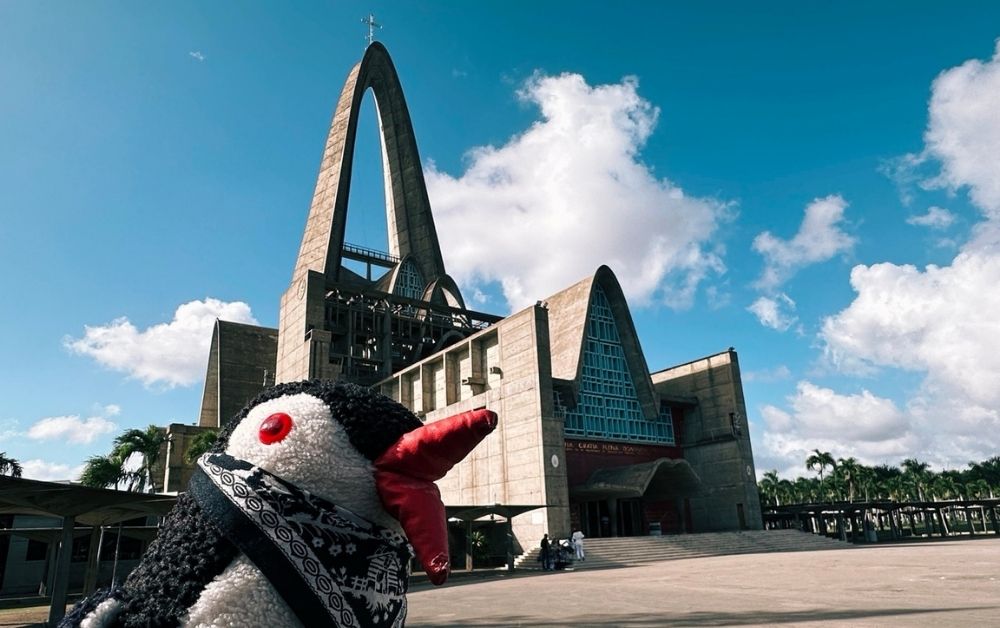
I will start with this iconic basilica dedicated to Our Lady of Altagracia, the patroness of the Dominican Republic. This is also the biggest highlight of the city that people come here to see.
Inaugurated on January 21, 1971, the basilica was built to replace the old sanctuary dating back to 1572. It features a distinctive modern architectural design with a Latin cross structure. The main entrance boasts a bronze door plated with 24-carat gold, and the bell tower houses 45 bronze bells.


One of the most striking features is the massive pointed arch, which rises 80 meters (262 feet) into the sky. The shape of the arch is meant to represent hands in prayer, a tribute to the Virgin Mary.
The structure is made of concrete, giving it a monolithic and imposing presence, while the golden details and intricate stained-glass windows add warmth and contrast to the design.


Interesting Facts About the Basilica
- Pope John Paul II visited the Basilica in 1992, elevating its status as one of Latin America’s most important Marian shrines.
- Every January 21st, thousands of pilgrims from across the Dominican Republic and beyond travel to the Basilica to honor Our Lady of Altagracia.
- In 1973, the Dominican government designated the Basilica as a national treasure.
- The church can hold over 3,000 worshippers at a time, making it one of the largest religious structures in the Caribbean.
- The Basilica features stunning stained-glass windows depicting biblical stories and reflecting beautiful colors inside the church, especially at sunrise and sunset.
- Many Dominicans travel barefoot or on their knees to the Basilica as a sign of devotion and gratitude for answered prayers.
- Below the Basilica is a small chapel where private prayers and more minor services are held.
As stunning as the building is and the significance, it was a shame that looking around was a lot of trash.
San Dionisio Church
Dating back to the 16th century, San Dionisio Church is one of the oldest religious buildings in the Dominican Republic and an important landmark in Higüey’s history. Built during the Spanish colonial period, the church features simple yet beautiful colonial architecture, with thick stone walls, arched entrances, and a peaceful atmosphere that contrasts with the bustling streets outside. For centuries, it has served as a place of worship for locals and pilgrims alike, playing a significant role in the city’s religious heritage. Many visitors stop here not only to admire the historic architecture but also to gain a deeper understanding of Higüey’s long-standing connection to faith and spirituality. The church remains an active place of worship and a reminder of the city’s colonial past.
Higüey Local Market
The best way to know the culture of a city is to visit a local market. We immersed ourselves in the local culture by visiting the bustling market, where vendors offer fresh produce, traditional crafts, and authentic Dominican cuisine. Although the veggies looked fresh, there was a certain stench in the air, and we also found its source. It was a fresh fish stand, though, on a hot day, but I’m not sure about the freshness. Nevertheless, it was interesting to see the market and vendors.


La Altagracia Museum
Located next to the Basilica of Our Lady of Altagracia, the La Altagracia Museum offers a deeper look into the religious and cultural history of Higüey and the Dominican Republic. The museum houses a fascinating collection of religious artifacts, sacred objects, paintings, sculptures, and historical documents connected to the country’s patron saint, Our Lady of Altagracia. Many of the exhibits date back centuries and help tell the story of the devotion and pilgrimages that have shaped the region’s identity. A visit here provides valuable context before or after exploring the basilica, allowing visitors to better understand the importance of faith in local culture and the role Higüey plays as one of the Dominican Republic’s most significant spiritual destinations.
Parque Central
Parque Central is the heart of everyday life in Higüey and one of the best places to experience the city beyond its famous religious landmarks. Surrounded by local shops, cafés, and historic buildings, the park serves as a popular gathering spot where residents meet with friends, families spend time together, and visitors can soak up the local atmosphere. Throughout the day, you’ll find people chatting on benches, children playing, and vendors selling snacks and refreshments. It is also a great place to sample local street food, watch daily life unfold, and take a break from sightseeing. If you want a glimpse of authentic Higüey away from the tourist crowds, Parque Central is well worth a visit.
Best Time to Visit Higüey
- Winter (December to February). Winter is one of the most pleasant times to visit Higüey. Temperatures are warm without being excessively hot, humidity is lower, and rainfall is relatively limited. This season is ideal for sightseeing, exploring the basilica, and wandering around the city.
- Spring (March to May). Spring brings warmer temperatures and plenty of sunshine. Visitor numbers remain high, especially around Easter, when many pilgrims travel to Higüey. It is a great time for exploring both the city and nearby attractions.
- Summer (June to August). Summer is hot, humid, and one of the wetter times of the year. Afternoon showers are common but often short-lived. Despite the heat, the city remains lively, and nearby beach destinations attract large numbers of visitors.
- Autumn (September to November). Autumn is the rainiest season and falls within the Atlantic hurricane season. While major storms are not guaranteed, visitors should expect higher humidity and a greater chance of rainfall. The upside is fewer tourists and lower accommodation prices compared to the peak winter months.
For the best combination of comfortable weather and sightseeing conditions, winter and spring are the ideal seasons to visit Higüey. We came in late January, and the weather was great. The best time to visit is during the dry season (December to April) when the weather is warm and pleasant. If you visit in January, you can experience the vibrant celebrations for Our Lady of Altagracia.
Travel Tips for Visiting Higüey
- Safety. Higüey is generally safe for visitors, but keep an eye on your belongings in busy areas and avoid displaying valuables. Like any busy city, watch out for pickpockets in crowded areas.
- Drinking Water. Do not drink tap water. Stick to bottled or filtered water, which is widely available throughout the city.
- Currency. The local currency is the Dominican Peso (DOP), though some tourist-oriented businesses may also accept US dollars.
- Card Payments. Credit and debit cards are accepted in larger restaurants, hotels, and stores, but carry some cash for small shops, markets, and street vendors.
- Language. Spanish is the official language. Basic English is spoken in some tourist areas, but learning a few Spanish phrases can be helpful.
- SIM Cards & Internet. Mobile data is affordable and widely available. Most hotels, restaurants, and cafés offer Wi-Fi.
- Electricity & Plugs. The Dominican Republic uses Type A and B plugs (same as the USA) with 110V electricity. Bring an adapter if needed.


- Getting Around. Most use taxis, rideshare services, or organized tours. Walking is possible in the city center, but distances can be longer than they appear.
- Mosquitoes. Bring insect repellent, especially if visiting during the wetter months.
- Tipping. A service charge is often included in restaurant bills, but rounding up or leaving a small additional tip for good service is appreciated.
- Day Trip from Punta Cana. Higüey is only about 45 minutes from Punta Cana, making it an easy half-day or full-day excursion.
- Religious Sites. Dress respectfully when visiting churches and the basilica, as these remain active places of worship.
Hotel search from Booking.comShows Booking.com’s own box, which can set Booking.com cookies.
High electrical fencing and metal bars
We also observed many houses with high fences, electrical fencing, and metal bars on windows as a means of security and protection. While the country is generally safe, petty crime, burglaries, and break-ins can be concerns, particularly in urban areas.
Additionally, metal bars on windows are a traditional architectural feature in many Latin American countries, providing ventilation and natural light while maintaining security. Over time, having bars on windows and high fences has become the social norm. Families install these security features in areas with low crime rates simply because “everyone else has them.”
In some wealthier neighborhoods, electrical fencing and surveillance cameras add an extra layer of protection.
This display of security can sometimes serve as a deterrent to crime. Still, it also reinforces social divisions, as wealthier households take extra precautions compared to lower-income areas where such security features may be less common. The Dominican Republic has notable economic disparities, with significant differences between the wealthy and the lower-income population.
Another key social factor is the lack of trust in law enforcement and the justice system. Many Dominicans feel that police response times are slow and that the legal system is inefficient in handling property crimes. As a result, homeowners take personal responsibility for their security, reinforcing the widespread use of private security measures.


Where to Eat in Higüey
While Higüey is best known for its religious landmarks, the city also offers plenty of dining options, from traditional Dominican cuisine to modern rooftop restaurants. Whether you are looking for a quick local lunch or a more upscale dinner, you will find plenty of choices throughout the city.
- D’ Yira Restaurant. One of the city’s best-known restaurants, serving traditional Caribbean and Dominican dishes in a casual setting. It is a popular choice among both locals and visitors. Find them on Instagram @dyirarestaurant1 or Facebook D’ Yira Restaurant RD.
- L’Monani Restaurant. A well-reviewed restaurant offering a mix of local and international flavors. It is often recommended to visitors seeking a more refined dining experience. Check out their Instagram @lmonanirestaurant or Facebook L’Monani Restaurant.
- Kaelus Rooftop. A stylish rooftop venue where you can enjoy a meal with city views. It is a great option for dinner or evening drinks after sightseeing.
- Donde Mi Mamá Restaurante. A great place to try authentic Dominican home-style cooking and experience local flavors away from the tourist crowds.
- El Patio de Minerva Herrera. Known for its welcoming atmosphere and traditional Dominican dishes, making it a solid choice for lunch or dinner.
- Lorenz’s Food RD. Popular among visitors looking for a more modern dining experience with a varied menu and generous portions.
Our Tip: If you only have a few hours in Higüey, visit the basilica in the morning and then stop at one of the local Dominican restaurants for lunch before returning to Punta Cana. This gives you a chance to experience both the city’s culture and its food scene in a single day.

Buy Me a Ko-fi
Higüey is more than just a stop on the way to Punta Cana—it’s a city rich in history, culture, and spirituality. From its deep colonial roots and Taíno heritage to its bustling local markets and stunning Basílica Catedral Nuestra Señora de la Altagracia, it offers visitors a chance to experience the authentic heart of the Dominican Republic. Higüey became a truly memorable experience for us, and we believe it will be the same for you.
Travel Bold. Eat Well. Waddle Wild.

This post contains affiliate links. If you click and buy, I might earn a tiny commission, enough to help a penguin keep up its globe-trotting lifestyle. No extra cost to you, just more fish for me. Thank you for supporting the adventure!