From the Airport to the Old Town: How to Get Around Valletta
When we arrive in a new country, one of the first things we figure out is how to get around. How do we get from the airport to the city center? Is public transport reliable? Do we need to rent a car, or can we get around on foot? Malta was no different. Before we started exploring Valletta and the rest of the island, we wanted to understand how the transport system worked. In this guide, we’ll cover everything from getting from Malta International Airport to Valletta to using buses, ferries, and taxis, so you can plan your journeys before you arrive.
Valletta’s Public Transport Network
Malta’s public transport network is built around buses, with Valletta serving as one of the main hubs. From the bus terminus just outside City Gate, you can catch routes to towns and villages across the island, including Sliema, Mdina, Rabat and the Three Cities. The network also connects Valletta to Malta International Airport, making buses a practical option as soon as you arrive.
The system follows a hub-and-spoke layout. Many one- and two-digit routes serve Valletta, while several three-digit routes connect other parts of Malta without passing through the capital. Express services, marked with an X, serve selected destinations and airport connections. Buses generally operate daily from around 5:30 AM to 11:00 PM, though individual routes have their own timetables, and night services cover selected destinations. Before you set off, check the official Malta Public Transport website for routes, journey times, and service updates.
Getting Around Valletta in a Nutshell
🚍 Transport: Buses and ferries. No metro or tram.
🎟️ Tickets: Single bus ticket €2 in winter. 7-day adult pass €25.
💳 Paying: Cash, contactless card, or mobile payment on buses.
📱 Apps: Tallinja for bus routes and live arrivals. Google Maps for journey planning.
✈️ From the airport: TD4 bus to Valletta, €3. A taxi takes around 15–25 minutes.
Arriving in Valletta
Getting from Malta Airport to Valletta
Malta International Airport is located in Luqa, around 8 km from Valletta. Depending on your budget, arrival time, and luggage, you can choose a bus, taxi, or pre-booked private transfer. We took a taxi from the airport and paid €13, which made the journey to the city center easy after our flight.
By Bus
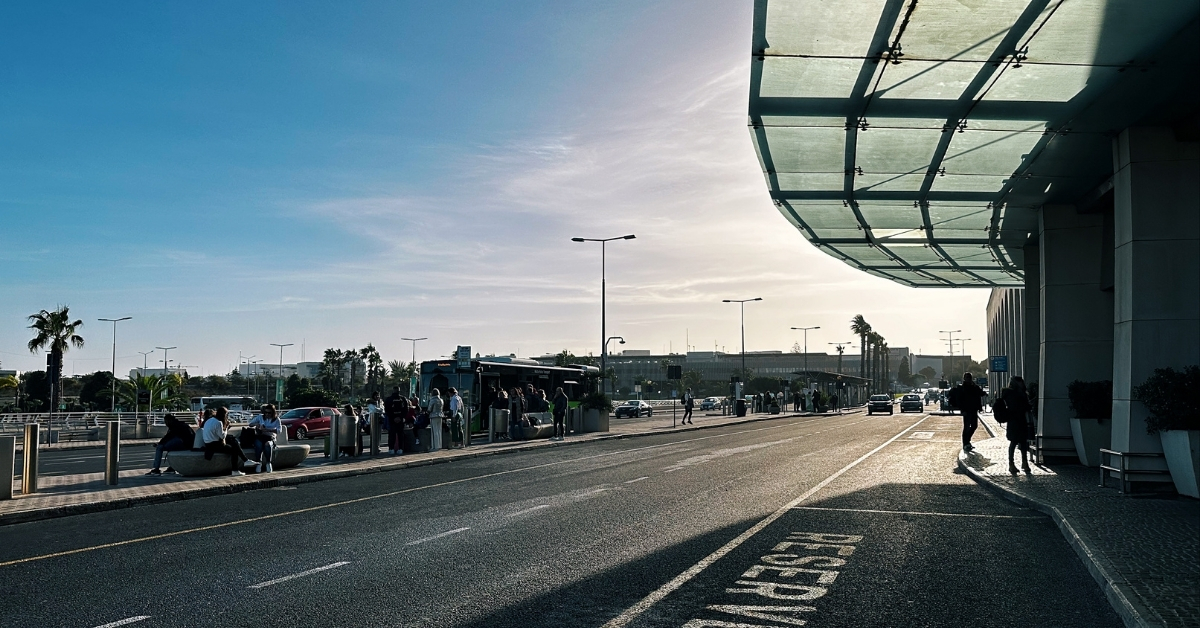
The Airport Direct TD4 connects Malta International Airport with Valletta and runs approximately every 30 minutes. The journey takes around 20–35 minutes, depending on traffic. A single ticket costs €3 per person, and you can pay onboard with cash or a contactless card. Follow the signs from arrivals to the airport bus terminal. No booking is required.
By Taxi
We chose a taxi and paid €13 for our journey to Valletta. The drive takes about 15–25 minutes in normal traffic and covers about 8 km. Official airport taxis use fixed fares, so check the current price at the prepaid taxi booth in the arrivals hall before setting off. You can also compare prices through ride-hailing apps such as Bolt or Uber.
By Private Transfer
A pre-booked private transfer can help if you arrive late, travel with children, or have several suitcases. Your driver can meet you at arrivals, and you can arrange the vehicle and price in advance. This option may cost more than the bus, so compare quotes before booking.
By Rental Car
If you’re staying in Valletta, we don’t recommend renting a car just to get to your accommodation. The city is compact, many streets are pedestrianized or restrict vehicle access, and parking can be difficult. Buses, ferries and walking are enough for most visits to the capital. Consider renting a car later if you plan to explore more remote parts of Malta.
Which Option Should You Choose
For the lowest cost, take the TD4 bus. If you want to reach your accommodation without carrying luggage on public transport, a taxi is a convenient alternative. We paid €13 for our taxi ride, so it worked well for us. If you prefer having a driver waiting when you land, compare private transfer prices before your trip.


Public Transport in Malta
Malta Public Transport operates Malta’s public bus network, connecting Valletta with towns, villages, beaches, and attractions across the island. Valletta is a major transport hub, with the bus terminus just outside City Gate in Floriana. From here, you can catch buses to Sliema, Mdina, Rabat, and northern Malta.
The network follows a hub-and-spoke system. One- and two-digit routes generally connect other localities with Valletta, while three-digit routes link towns without necessarily passing through the capital. Express routes marked with an X serve selected destinations, including airport connections. Most services run daily from around 5:30 AM to 11 PM, though individual routes have different schedules, and selected night services run later.
To plan your journeys, use the official Malta Public Transport website to check routes, timetables, and service updates. The Tallinja app is also useful for planning journeys, tracking buses live, and getting notifications about delays or route changes. You can even scan the QR code at a bus stop to check arrival information.
Keep in mind that buses share the road with other traffic. During rush hour and the summer tourist season, congestion can cause delays, and busy buses may have limited space for additional passengers. We recommend allowing extra time for journeys and checking live arrivals before leaving your accommodation.
Bus Tickets and Travel Cards
Malta offers several ways to pay for public transport, from buying a single ticket when you board to purchasing a travel card for a longer stay. The best option depends on how often you plan to use the bus and whether you intend to explore beyond Valletta.
Single-Trip Tickets
A single ticket for daytime bus services costs €2 in winter and €2.50 in summer. It is valid for two hours, allowing you to change buses within that period without buying another ticket. Night routes and some special or express services have different fares.
You can buy your ticket directly from the driver when boarding. Keep it with you throughout the journey in case of an inspection.
How to Pay
You can pay for a bus ticket using:
- Cash: Pay the driver when boarding. Exact change is recommended.
- Contactless bank card: Tap your debit or credit card when paying.
- Smartphone: Use a supported contactless payment method.
If you use a travel card, remember to tap it on the reader every time you board.
Travel Cards and Multi-Day Options
If you plan to use buses regularly, a travel card may work out cheaper than buying individual tickets.
- Explore Adult card: Offers unlimited travel on eligible bus services for seven consecutive days. It excludes Airport Direct and other specified services.
- 12 Single Day Journeys card: Includes 12 journeys on regular daytime routes. You can share it between travelers, making it worth considering for a small group.
- Explore Flex card: Offers different travel bundles, with options depending on the services you want to use.
Check which routes and services each card covers before purchasing, as not every ticket or travel card is valid on every bus.
Where to Buy Tickets and Travel Cards
You can buy single tickets on the bus. You can buy travel cards through official Malta Public Transport sales offices, ticket machines, and selected options in the Tallinja app. Sales offices include the Valletta Bus Terminal and Malta International Airport.
Is a Travel Card Worth It for a Short Stay?
If you’ll spend most of your time exploring Valletta on foot, you may not need a travel card. The capital is compact, and you may only need a bus for a few trips. However, if you plan to visit places such as Mdina, Sliema or beaches around the island, compare the cost of individual tickets with the available multi-day options. A seven-day card may be useful if you expect to travel by bus several times a day.
Getting Around Valletta on Foot
Valletta is compact, and walking is one of the easiest ways to explore its historic center. Many of the main attractions are close together, so you can visit churches, gardens, museums, and viewpoints without relying on public transport for every trip.
How Long Does It Take to Walk Between the Main Attractions?
Here are approximate walking times to help you plan your day:
- City Gate to St. John’s Co-Cathedral: 5–7 minutes.
- St. John’s Co-Cathedral to Upper Barrakka Gardens: 7–10 minutes.
- City Gate to Upper Barrakka Gardens: 10–15 minutes.
- City Gate to Valletta Waterfront: Around 15–20 minutes, depending on your route.
These estimates are for walking without long stops. Allow extra time to explore the streets, take photos, and enjoy the views along the way.
Slopes, Stairs and Uneven Streets
Although Valletta is small, it is not completely flat. The city sits on a peninsula, with slopes leading to the waterfront, and some streets have steep inclines, steps, and uneven paving. You may find yourself climbing one street only to descend another a few minutes later.
If you plan to visit the waterfront, remember that the route back into the city can involve a steep climb. Check your route in advance if stairs or steep slopes are a concern.
Wear Comfortable Shoes and Prepare for the Heat
Comfortable shoes with a good grip will make exploring Valletta much easier. We recommend avoiding shoes that are difficult to walk in, especially if you plan to spend several hours sightseeing.
During summer, the streets can feel hot, and shade is limited in some areas. Carry water, wear sunscreen, and plan breaks in cafés or shaded spots. Start sightseeing early in the morning or later in the afternoon to make exploring more comfortable.


Our Experience Exploring Valletta on Foot
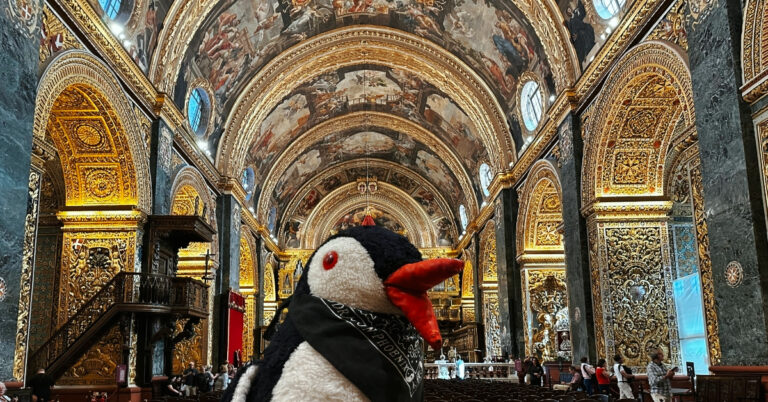
We found waddling to be a practical way to explore Valletta because many of the places we wanted to see were close together. We could move between attractions at our own pace, pause when a street caught our attention, and enjoy the views without worrying about bus schedules.
The main thing to remember is that short distances do not always mean effortless journeys. The slopes and stairs can make some routes more demanding than they look on a map. Give yourself time, wear comfortable shoes, and leave room in your itinerary for a few unplanned stops.
Valletta Ferries
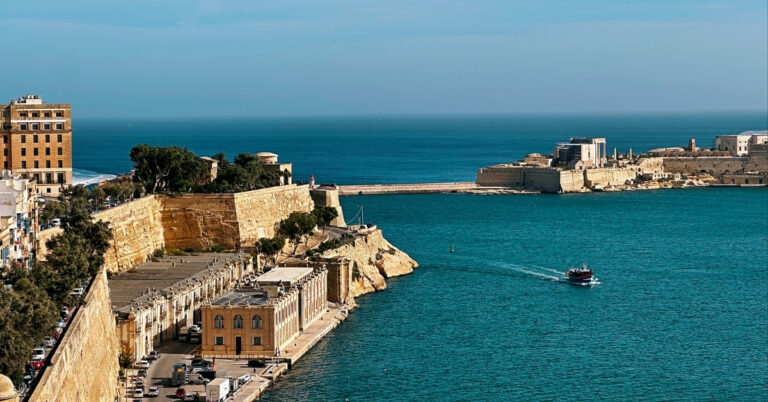
Ferries are a useful alternative to buses when traveling between Valletta, Sliema, and the Three Cities. They cross the harbors rather than following the roads around them, making them a practical option when traffic is heavy. The journey also gives you a different view of Valletta from the water.
Ferry Routes and Terminals
Two main ferry routes connect Valletta with nearby destinations:
- Valletta–Sliema: The ferry connects Valletta with The Strand in Sliema. In Valletta, the terminal is on the Marsamxett Harbor side of the city.
- Valletta–Three Cities: This route connects Valletta with Cospicua (also known as Bormla). The Valletta terminal is at Lascaris Wharf, below Upper Barrakka Gardens.
The routes use separate terminals, so check which harbor you need before setting off. From the Three Cities ferry terminal, passengers can also use the Upper Barrakka Lift to reach the city center.


Journey Times
Ferry crossings are relatively short, although the exact time depends on the route and service.
- Valletta to Sliema: Around 10 minutes.
- Valletta to Cospicua: Around 5–10 minutes.
Allow extra time to reach the terminal, buy a ticket if needed, and wait for departure.
Ticket Prices
The operator’s published fare schedule lists the following standard prices:
Tickets
- Single, daytime: €3.00
- Return, daytime: €5.00
- Single, night service: €3.50
- Return, night service: €5.20
Children’s tickets are also available at reduced prices. A valid personalized tallinja card may provide free travel on eligible ferry services, subject to the applicable terms.
Check the official ferry schedule and fares before your journey, as prices and conditions may change.
Operating Hours and Seasonal Timetables
Ferries generally depart every 30 minutes, but timetables vary by season.
On Sundays and public holidays, services start later and finish earlier in winter. The summer timetable runs from 1 June to 31 October, while the winter timetable runs from 1 November to 31 May.
Strong winds or rough seas can also disrupt ferry services. Check the operator’s website for service announcements before heading to the terminal, especially if you are traveling in bad weather.
Ferries vs Buses: Which Should You Choose?
Ferries are often the more convenient option for crossing the harbor between Valletta and Sliema or Cospicua. The crossing takes only a few minutes, and you avoid road traffic. Buses, however, serve a wider network of towns, villages, and attractions across Malta, so they are more useful for destinations not close to the harbor.
We also took the ferry to Gozo, and it was an easy way to continue our journey around Malta. Getting on board was straightforward, and we enjoyed the crossing as much as the transport itself. There is something special about watching the Maltese coastline from the water, feeling the breeze and seeing the islands from a different perspective. For us, the ferry was more than a way to get from A to B. It became part of the experience, giving our trip to Gozo a memorable start.
When Renting a Car Makes Sense
A rental car can be useful if you plan to explore beyond the main towns, visit less accessible beaches or travel at your own pace. It also gives you more flexibility when public transport connections are limited or when you want to reach several places in a single day. If your itinerary includes Gozo, a car may also be useful for exploring the island. You can take a vehicle on the Gozo Channel ferry, but compare the cost and convenience with buses or hiring a car locally.
Valletta is compact, and many of its main attractions are within walking distance. Buses connect the capital with destinations across Malta, while ferries provide convenient crossings to places such as Sliema and the Three Cities. If you plan to spend most of your trip in Valletta and take a few day trips, renting a car may add unnecessary expense and the hassle of finding somewhere to park. We recommend focusing on public transport first and renting only if your itinerary calls for it.
Driving on the Left
In Malta, vehicles drive on the left-hand side of the road, as in the United Kingdom. If you’re used to driving on the right, allow time to adjust, especially at roundabouts, junctions and when turning onto unfamiliar roads.
Be particularly attentive when leaving car parks or joining traffic, as it can take a little while to get used to looking in the opposite direction.
Parking, Traffic and Narrow Roads
Driving in Malta can be challenging in busy areas. Valletta restricts vehicle access in parts of the city, and parking can be limited, especially during busy periods. Some streets across Malta are narrow, and traffic congestion can make short journeys take longer than expected.
Before booking a car, check whether your accommodation offers parking and whether your planned destinations have convenient places to leave the vehicle. If you’re staying in Valletta’s historic center, a car may create more problems than it solves.
Alternatives to Renting a Car
You can explore much of Malta without driving. Public buses connect Valletta with towns, beaches, and major attractions, while ferries are useful for crossing the harbors. Taxis and ride-hailing services can fill the gaps when public transport takes too long or doesn’t suit your schedule. For farther destinations, consider an organized day trip or a combination of buses and taxis.
Practical Tips for Using Transport in Malta
- Check schedules before setting off. Use live bus arrivals and ferry timetables to plan your journey.
- Allow extra time for traffic. Buses can run late during rush hour and busy summer periods.
- Carry an accepted payment method. Check whether your chosen service accepts cash, contactless cards or travel cards.
- Check seasonal timetables. Ferry operating hours and some bus services change between summer and winter.
- Download transport apps. Use the Tallinja app for bus routes, live arrivals and service updates, and Google Maps to compare journeys.
- Verify fares and schedules. Check official websites before traveling, as prices, routes, and ticket conditions can change.
- Plan your return journey. Check the last bus or ferry departure before heading out, especially when visiting other towns or islands.
- Prepare for the weather. Strong winds and rough seas can disrupt ferry services, so check for updates before traveling.
What We Recommend
We took a taxi from the airport to Valletta, and it was surprisingly affordable and quick. Once we arrived, we explored the capital on foot, as we recommend. We didn’t need public transport at all while wandering around Valletta. The only other transport we tried was the ferry to Gozo, which made the journey part of the experience. If you’re staying longer and want to explore more of Malta beyond the main towns, renting a car for a day or two might be worth considering.
Buy Us a Ko-fi

Getting around Malta is easier than you might expect. With Valletta explored on foot, ferries for scenic crossings, and buses or a rental car for longer trips, you can choose the transport that best fits your adventure.
Travel Bold. Eat Well. Waddle Wild.

This post contains affiliate links. If you click and buy, I might earn a tiny commission, enough to help a penguin keep up its globe-trotting lifestyle. No extra cost to you, just more fish for me. Thank you for supporting the adventure!