10 Things We Wish We Knew Before Our First Trip to Japan
Japan had been on our travel list for years. When we finally started planning the trip, we quickly realized something: Japan can feel overwhelming before you even arrive. Unfamiliar customs to learn, a completely different writing system, an enormous transport network, thousands of places to visit, and an almost endless list of things you suddenly want to eat. But that is also what makes Japan so exciting.
Our first trip taught us you don’t need to understand everything before you arrive. A little preparation helps enormously, but an open mind matters as much. We researched some things beforehand, while others only made sense once we were there. From figuring out trains and knowing when to take your shoes off to understanding the quieter rhythm of everyday life, these are the things we wish every first-time visitor knew.
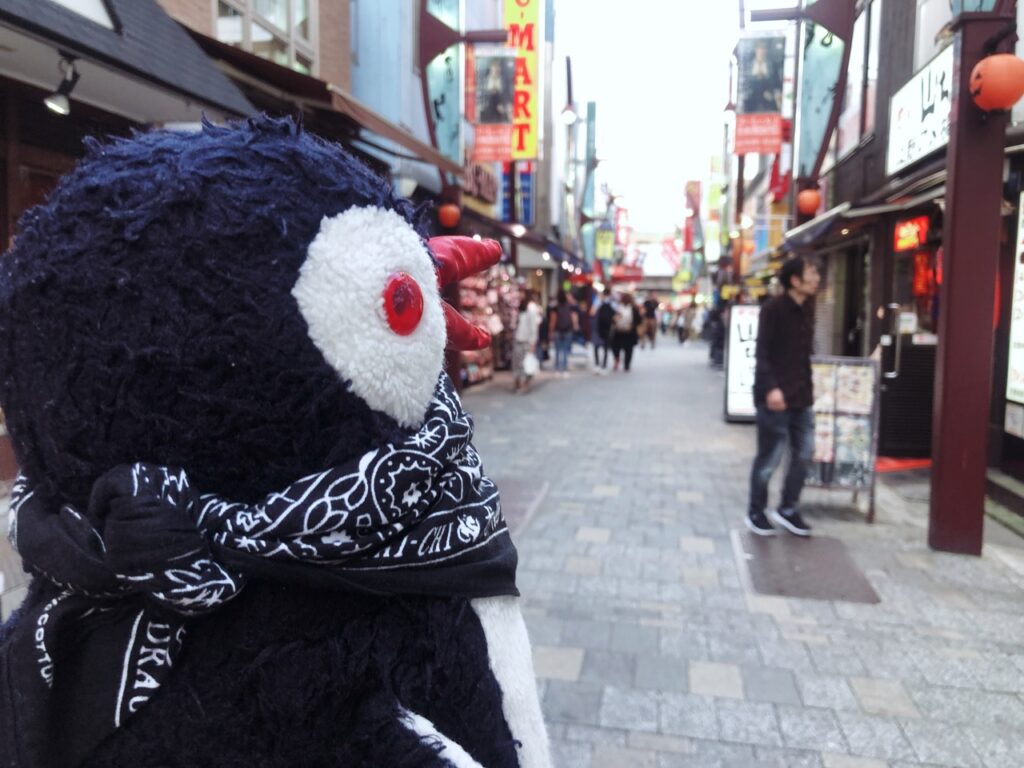
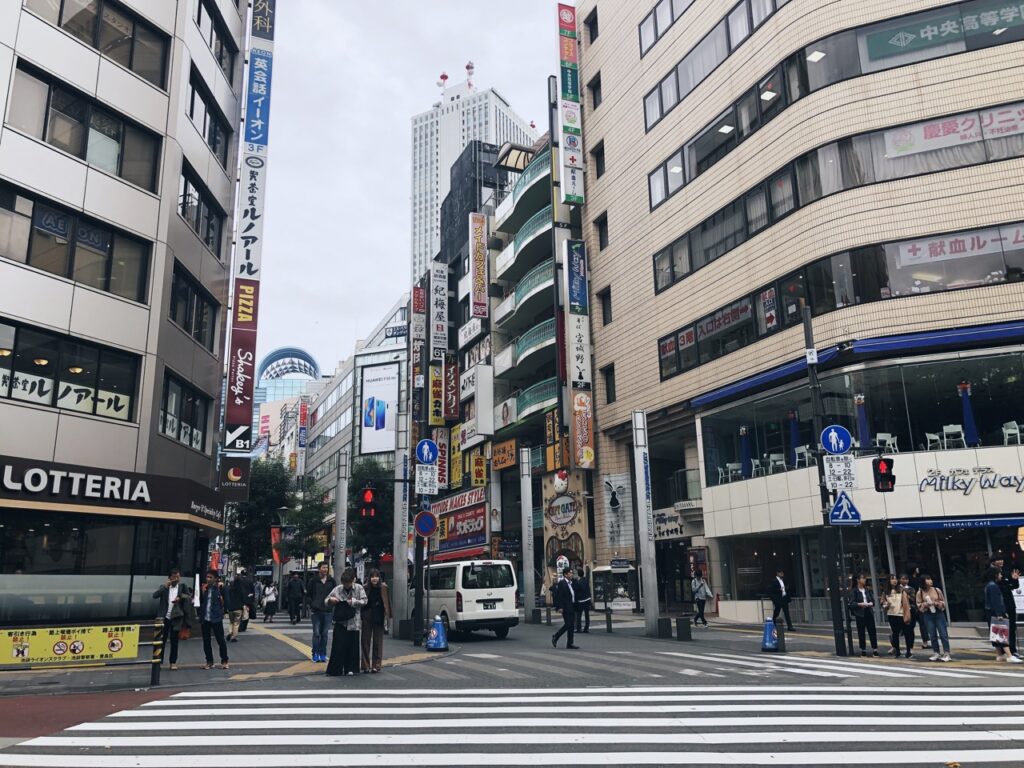
10 Things We Wish We Knew Before Our First Trip to Japan
There is a lot to learn before your first trip to Japan, but you do not need to become an expert before you board the plane. A little preparation can make the difference between feeling completely overwhelmed and settling into the country’s rhythm much faster. These are the 10 things we found most useful, from understanding Japanese etiquette and navigating the trains to knowing what to expect at an onsen and why leaving some space in your itinerary can be the best decision you make.
#1: Go to Japan With an Open Mind
Japan differs from Europe and many other Western destinations in ways you notice almost immediately. The etiquette, food, transport, language, and everyday routines may all feel unfamiliar at first. That is part of the adventure. Read about Japanese customs before you go, but do not worry about memorizing every rule. Observe, follow the people around you, and be respectful. You will quickly start to understand the country’s rhythm.
#2: Learn a Few Words of Japanese
You do not need to learn Japanese before traveling to Japan, but knowing a handful of words makes the experience more enjoyable. Start with simple expressions such as konnichiwa (hello), arigatou gozaimasu (thank you), and sumimasen (excuse me). You will also find translation apps incredibly useful, particularly when deciphering menus, signs, or instructions. Outside major tourist areas, English can be limited, so it’s a good idea to have a translation app ready.
#3: Learn the Basic Etiquette
Japanese culture strongly emphasizes consideration for others. Keep your voice down on trains, queue patiently, avoid littering, and follow instructions at temples, shrines, and other cultural sites. You may need to remove your shoes before entering certain restaurants, homes, temples, or traditional accommodation. Tipping is also not customary in Japan. You do not need to worry about getting every detail perfect. Being observant and respectful will take you far.
#4: Eat Your Way Around Japan
Food is one of the best reasons to travel through Japan. Sushi and ramen may be the dishes that first come to mind. Still, every region has its own specialties, from takoyaki in Osaka to Hida beef in Gifu and countless local dishes you may never have heard of before your trip. Try a small neighborhood restaurant, order something you cannot pronounce, and leave room for the unexpected. And yes, practice using chopsticks before you go. Your first bowl of noodles will thank you.
#5: Experience an Onsen
A visit to an onsen, or Japanese hot spring, is one of those experiences that can make a trip feel distinctly Japanese. You can find hot springs throughout the country, from mountain villages to coastal towns and resort areas. Before entering a communal bath, you wash thoroughly first and enter the water without your clothes. Some onsens restrict tattoos, but policies vary, so check ahead of time.
#6: Understand Japan’s Train System
Japan’s railway network is extraordinary, but you do not need to understand every line before arriving. For a first trip, an IC card such as Suica or PASMO is incredibly useful for local trains, subways, and buses. If you are traveling extensively between cities, compare the cost of individual tickets with the current Japan Rail Pass options before buying one. The JR Pass is no longer automatically the cheapest choice for every itinerary.
#7: Do Not Try to See Everything
This might be the hardest advice to follow. Japan has far too much to see in a single trip. Tokyo alone can keep you busy for days, while Kyoto, Osaka, Hiroshima, the Japanese Alps, Hokkaido and Okinawa could each become their own trip. Build a realistic itinerary and leave some space. A day without a plan can sometimes turn into the best day of the trip.
#8: Stay Somewhere Traditional
If your budget allows, consider staying at a ryokan, a traditional Japanese inn. Sleeping on a futon, stepping into a tatami room, and experiencing a traditional meal can give you a completely different perspective on Japan. You do not need to stay in one for your entire trip. Even one night can be enough to experience something very different from a standard hotel.
#9: Talk to Local People
Some of our favorite travel memories have nothing to do with famous sights. They come from conversations, unexpected recommendations, and small moments with people we met along the way. If someone recommends a restaurant, neighborhood, or local specialty, follow their lead when you can. The best discoveries are not always the ones you find on Google.
#10: Be Prepared for a Quieter Culture
One of the things that surprised us most about Japan was how quiet everyday life can feel. On trains, people generally keep conversations low, and they avoid phone calls. Even Tokyo, despite being one of the world’s largest cities, can feel remarkably calm. Cars rarely honk, public spaces are orderly, and people are generally conscious of the space they share with others.
And Finally, Smile
You will probably get lost. You will almost certainly encounter a train station that makes absolutely no sense at first. You may order something you cannot identify, forget which shoes you are supposed to remove, or stand on the wrong side of an escalator.
And that is perfectly fine.
Japan is a country best experienced with curiosity rather than perfection. Do a little research, learn the basics, respect the culture, and then allow yourself to get a little lost.
After all, you are having an adventure.
Other Useful Tips for Your First Trip to Japan
A few extra details can make traveling around Japan much easier. Most are small things, but knowing them before you arrive can save time, confusion, and the occasional very confused waddle.
- Carry Some Cash. Cards are widely accepted, but cash is still useful, particularly at smaller restaurants, local shops, temples, and some rural destinations.
- Download a Translation App. Google Translate or another translation app can be incredibly useful for menus, signs, instructions, and those moments when nobody speaks English.
- Get an IC Card. Suica, PASMO, and other IC cards make trains, subways, and buses much easier to use. You can also use them for many small purchases.
- Allow Extra Time for Train Stations. Tokyo’s major stations can be enormous. Finding the correct platform or exit can take longer than expected, especially when changing lines.
- Check Your Train Carefully. Japanese trains can have different services on the same route, with some stopping at every station and others skipping several stops.
- Do Not Rely Only on Google Maps for Opening Hours. Museums, attractions, and restaurants can have different opening days and seasonal hours. Check the official website before you go.

- Carry a Small Bag for Rubbish. Japan is famously clean, but public rubbish bins can be surprisingly difficult to find.
- Bring Comfortable Shoes. You may use public transport for much of your trip, but you will still do plenty of walking between stations, attractions, shops and restaurants.
- Stand on the Correct Side of the Escalator. Follow the local flow, but remember the convention can differ by region.
- Let People Off the Train First. Stand to the side of the doors and allow passengers to exit before boarding.
- Carry Your Hotel Address in Japanese. It can be useful when taking a taxi or asking someone for directions.
- Bring a Small Umbrella. Rain can appear unexpectedly, particularly during Japan’s wetter seasons.
- Look Up. Some of Tokyo’s best restaurants, cafés and shops are hidden on upper floors rather than at street level.
- Leave Some Space in Your Itinerary. You will probably discover places you want to explore that were never on your original list.
- Do Not Be Afraid to Get Lost. Some of the most memorable moments can happen when you stop following the itinerary and waddle down a street to see where it leads.
Japan Is Not Just Tokyo and Kyoto
For a first trip, Tokyo and Kyoto are obvious choices, and for good reason. But Japan is enormous, and much more awaits beyond its two most famous cities. Depending on how much time you have, you can waddle through mountain villages, explore ancient castles, relax in a traditional onsen town, discover tropical islands or visit smaller cities with completely different rhythms. Every region has its own food, traditions, landscapes, and character. If you have the time, look beyond the classic Tokyo-Kyoto itinerary. You might discover a part of Japan that makes you want to come back for a second trip.
Things That Surprised Us About Japan
Some things you can read about before visiting Japan, but others only really make sense once you are there. These were some of the little details and everyday moments that surprised us most:
- How quiet the trains are. Even on busy trains, people generally speak quietly and avoid phone calls.
- How clean everything feels. And yet, there can be surprisingly few rubbish bins around the city.
- How enormous the train stations are. A station can feel like a small city of its own, complete with shops, restaurants and endless corridors.
- How small some restaurants can be. A tiny doorway might lead to a restaurant with only a handful of seats and some of the best food you have ever eaten.
- How many vending machines there are. Drinks are everywhere, often with both hot and cold options, and vending machines can sell much more than you might expect.
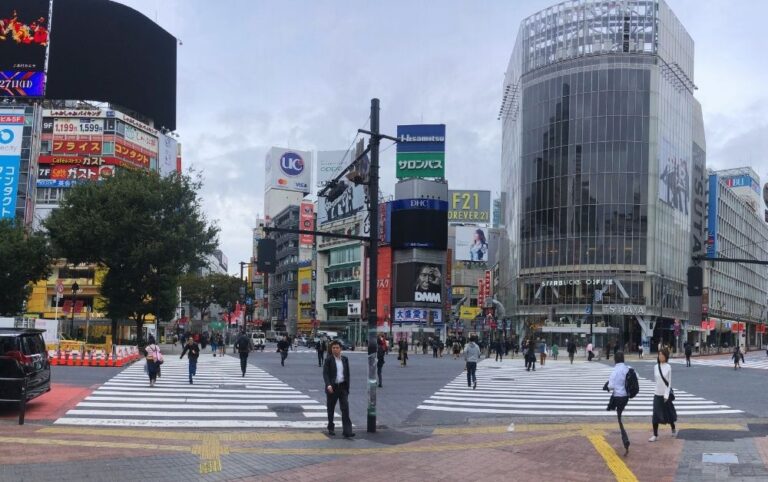
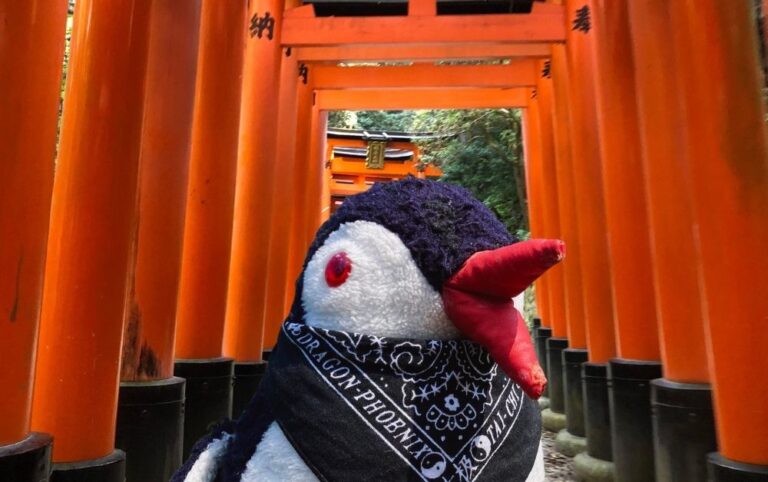
- How quickly Tokyo can change. One moment, skyscrapers, neon, and crowds surround you. A few minutes later, you can find yourself beside a quiet shrine hidden among the trees.
- How seriously people take queues. Whether waiting for a train, a restaurant, or an attraction, there is usually an organized way to do it.
- How much food there is to discover. Sushi and ramen are only the beginning. Every region seems to have its own dishes, ingredients, and specialties.
- How confusing the first few days can feel. Different trains, unfamiliar signs, tiny restaurants and a completely different writing system can be a lot to take in. And then, almost without noticing, you start figuring things out.
- How easy it is to find something unexpected. A tiny shop, a neighborhood shrine, a strange vending machine, or a restaurant hidden upstairs can turn an ordinary waddle into one of your favorite memories.
Buy Us a Ko-fi

We hope this guide has helped you feel a little more prepared for your first trip to Japan. There is a lot to take in, and you probably will not remember every tip before you board the plane. But that is okay. Do a little preparation, stay curious, respect the local culture, and leave plenty of room for adventure.
Most importantly, we hope you have as much fun exploring Japan as we did. Waddle down the unexpected streets, try the unfamiliar food, get a little lost, and enjoy all those little moments that make traveling so special.
Have an amazing adventure in Japan!
Travel Bold. Eat Well. Waddle Wild.

This post contains affiliate links. If you click and buy, I might earn a tiny commission, enough to help a penguin keep up its globe-trotting lifestyle. No extra cost to you, just more fish for me. Thank you for supporting the adventure!