Casa Rocca Piccola, Valletta: Inside Malta’s Historic Palace
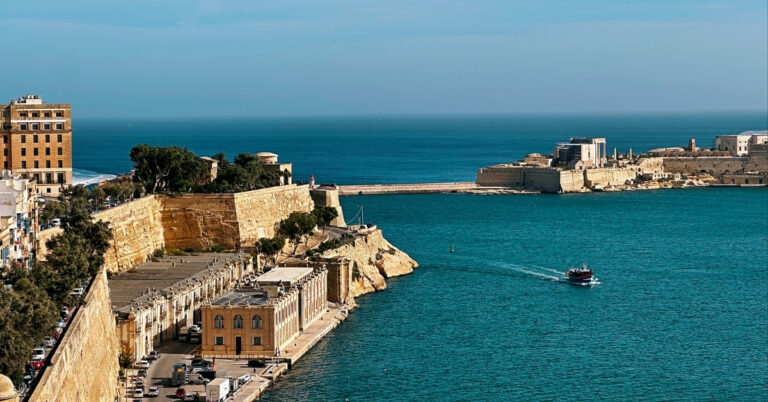
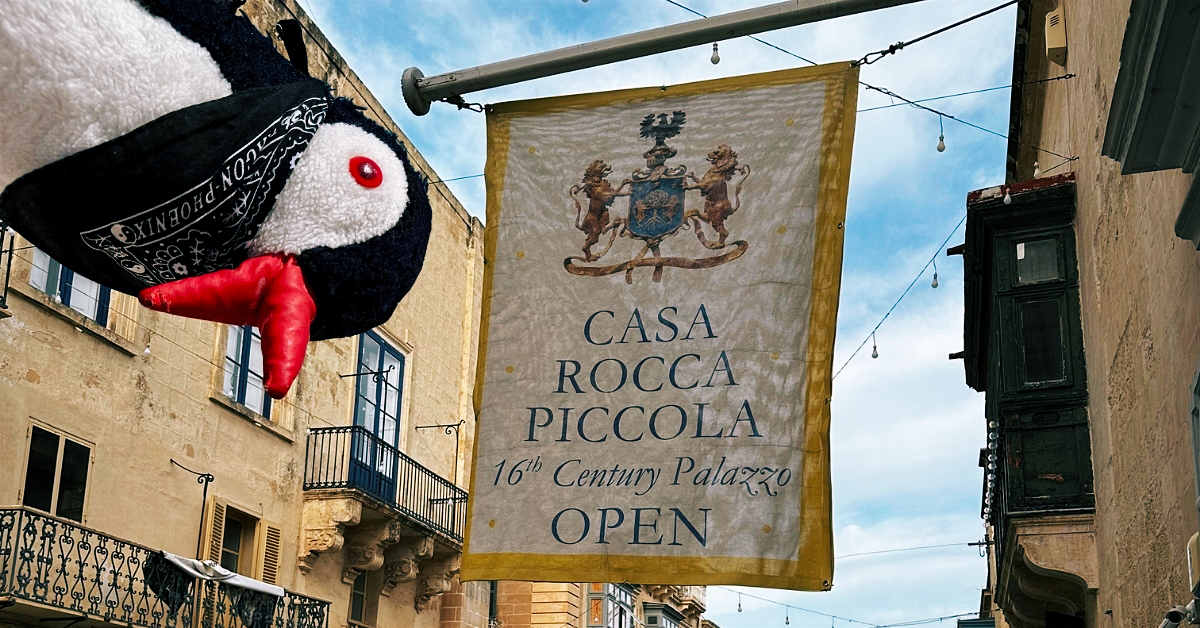
As we waddle through Valletta’s narrow streets, admiring the honey-colored limestone buildings and balconies that give Malta’s capital its distinctive character, we come across Casa Rocca Piccola. Behind its elegant façade lies a historic palace that offers a glimpse into a very different side of the city. And of course, we cannot simply waddle past a place like this without finding out what is hiding behind its doors. Curious to see how Malta’s noble families once lived, we step inside to explore its historic rooms, family treasures, and stories that have survived through the centuries. Little do we know that our visit will take us beneath the palace, too.
- Quick Facts
- How to Get to Casa Rocca Piccola
- Opening Hours and Tickets
- Facilities and Amenities
- The History of Casa Rocca Piccola
- Local Legends and Curious Tales of Casa Rocca Piccola
- Our Waddle Through Casa Rocca Piccola
- How Much Time Do You Need
- Is Casa Rocca Piccola Worth Visiting
- What to See Near Casa Rocca Piccola
Quick Facts
📍 Location: 74 Republic Street, Valletta, Malta
🕒 Opening Hours: Monday to Saturday, 10:00 AM to 5:00 PM. Closed on Sundays
🎟️ Tickets: €12
⏱️ Time Needed: Allow around 1 to 1.5 hours
📅 Visited: Add your month and year of visit
🌐 Website: casaroccapiccola.com
How to Get to Casa Rocca Piccola
Casa Rocca Piccola is located at 74 Republic Street, right in the heart of Valletta, Malta’s capital. If you arrive by public transport, the Valletta Bus Terminus is approximately 600 meters away. From there, follow Republic Street into the historic city center to the palace. The route is a gentle downhill waddle through Valletta’s lively streets, making it easy to combine the visit with other nearby attractions. Taxis can also drop you off directly outside. Of course, we waddled through Valletta and came across this historic palace along the way, so curiosity got the better of us and we decided to explore what was hiding behind its doors.
Opening Hours and Tickets
Opening Hours
Casa Rocca Piccola is open from Monday to Saturday, 10:00 AM to 5:00 PM, with the last admission at 4:00 PM. Explore the palace with an audio tour or join a guided tour, available at scheduled times throughout the day. The museum is closed on Sundays, and opening hours may vary on public holidays, so check the official website before your visit.
Tickets
- Adults: €12
- Students: €8
- Children aged 0–13: Free entry
- Plushies: Free entry
You can buy tickets online through the official website or at the palace. We bought the tickets on the spot and had no issues.


Facilities and Amenities
- Restrooms. On-site toilets are available, including an accessible toilet.
- Guided Tours. Explore the palace with a guided tour or a self-guided audio tour.
- Gift Shop / Bookshop. Browse books and souvenirs related to Malta’s history and heritage.
- Garden. Enjoy a peaceful courtyard garden during your visit.
- Café and Restaurant. Café Effervescence and La Giara restaurant are available on the premises.
- Accessibility. A lift provides access to the main floor via a separate entrance. The underground bomb shelters have many steps and uneven surfaces.
The History of Casa Rocca Piccola
- 16th-century origins. Casa Rocca Piccola was built in the 16th century after the Great Siege of Malta in 1565, when Valletta became a new fortified city.
- A noble family’s home. The palace has been the residence of the de Piro family for generations.
- More than 50 rooms. The palace contains an extensive collection of historic furniture, paintings, silverware, and family heirlooms, offering a glimpse into the lifestyle of Malta’s aristocracy.
- A story beneath the palace. During World War II, underground shelters protected residents from air raids. Visitors can explore these shelters as part of the palace experience.
- A living piece of heritage. Unlike many historic palaces that function solely as museums, Casa Rocca Piccola remains a family home while welcoming visitors interested in Malta’s history and culture.
Local Legends and Curious Tales of Casa Rocca Piccola
Every old palace deserves a few intriguing stories, and Casa Rocca Piccola has one that visitors might not expect. According to a local tale, an ornamental piece on the four-poster bed once belonged to a tradition surrounding the lady of the house, Orsola di Piro Damico, who had nine children. They say she removed the ornament after each birth and put it back when she was ready to expand the family again. Naturally, this gave rise to a playful superstition that any woman who touched the ornament would soon become pregnant. Whether you believe the legend or not, it adds a mischievous twist to the palace’s otherwise grand, aristocratic history.

Our Waddle Through Casa Rocca Piccola
As we step inside Casa Rocca Piccola, we realize that this is more than a collection of beautiful rooms. Each space offers a glimpse into the lives of those who called this palace home, from elegant furniture and family portraits to personal treasures passed down through generations.
As soon as we step into Casa Rocca Piccola, we buy our tickets at the front desk, but even the first room hints at the treasures waiting beyond. The atmosphere feels different from the bustling streets of Valletta, with historic details that immediately catch our eyes. We turn right and waddle up the stairs, and suddenly, it feels as though we have stepped into another world. Elegant interiors, antique furniture, intricate decorations, and centuries of family history surround us. Just moments ago, we were wandering through the busy Maltese capital, and now we find ourselves immersed in a noble family’s private world. We cannot wait to see what the next room holds.


The de Piro Family: Almost 350 Years of Life at Casa Rocca Piccola
Casa Rocca Piccola is more than a beautifully preserved palace. It is the ancestral home of the de Piro family, who have lived in Valletta for almost 350 years. Their story in Malta began even earlier, in 1530, when Cosimo de Piro arrived on the islands with the Knights of St John after leaving Rhodes. Over the generations, the family gained noble titles, served in public life and built a remarkable collection of art, books and family heirlooms. In 1990, the 9th Marquis de Piro, Nicholas, and his wife, Frances, opened their home to the public, becoming the first members of Malta’s aristocracy to do so. We love that visiting Casa Rocca Piccola means stepping into a real family story, where history is not simply displayed behind glass but remains part of everyday life.


The Beautiful Rooms of Casa Rocca Piccola
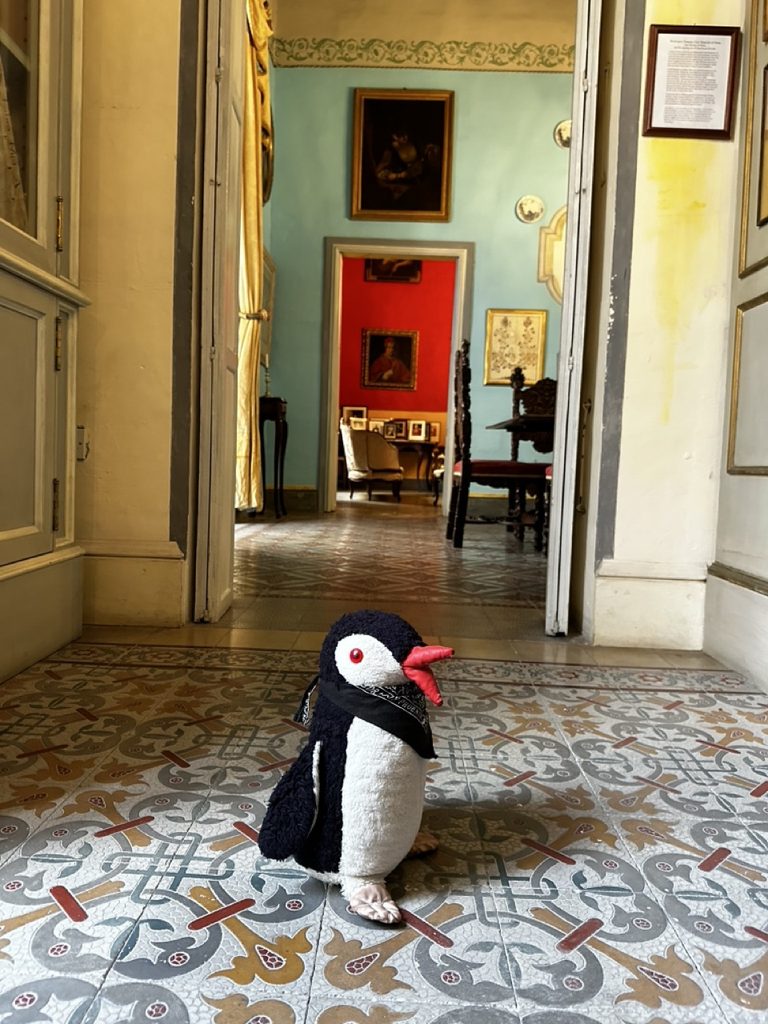
Casa Rocca Piccola certainly has no shortage of beautiful rooms to wander through. Every turn reveals another beautifully decorated space, filled with antique furniture, intricate details, family portraits, and unexpected treasures. When we think we have found our favorite room, the next one catches our attention all over again. We could easily spend hours admiring the craftsmanship and imagining the stories these walls could tell.


The Sala Grande
We waddle into the Sala Grande, one of the palace’s grand reception rooms, and are immediately surrounded by beautiful decorations, historic paintings, and elegant furniture. Portraits of the de Piro ancestors line the walls, giving us a glimpse into the family that has called this palace home for generations. What we love most is how close we can get to the details. Ropes keep us several meters away from the furnishings, so we can appreciate the craftsmanship and intricate decorations up close.
The Chinese Room
Next, we explore the Chinese Room, where European aristocratic interiors meet Asian decorative influences. Beautiful cabinets, paintings, and carefully arranged objects give the room a distinctive character. We love discovering these little details as we waddle around, imagining how objects from different parts of the world found their way into this Maltese family home. With so much to see, it is worth slowing down rather than rushing to the next doorway.
The Porphyry Room
The Porphyry Room is another highlight, named for its wall decoration, which imitates porphyry, a richly colored volcanic stone. Look up, too: this room preserves a particularly special feature, its sixteenth-century beamed ceiling, the only original ceiling of its kind remaining in the house. The decorative walls, historic portraits, and beautiful architectural details make this room feel like a little time capsule.


The Library
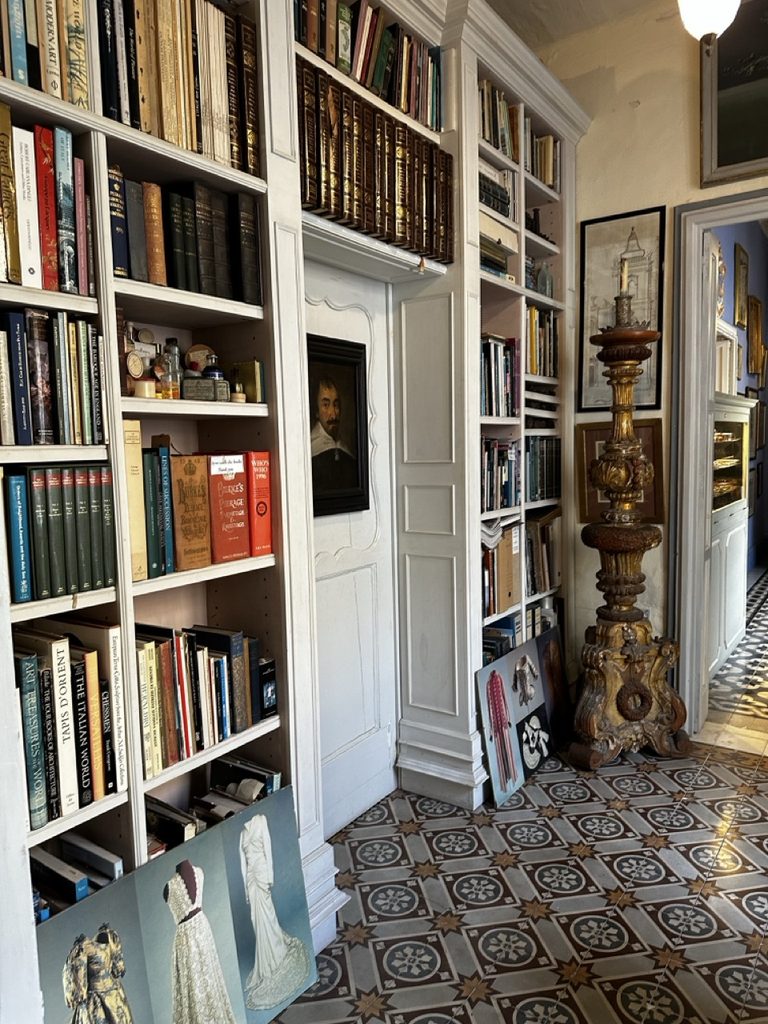
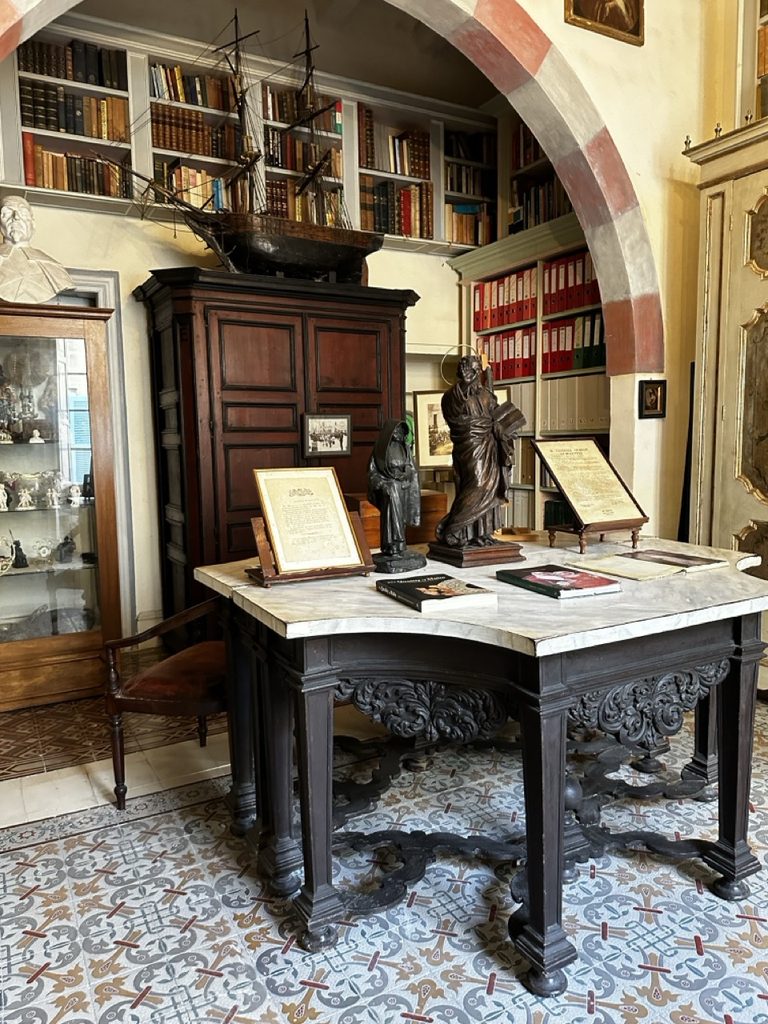
As book lovers, we always appreciate a beautiful library, and this one gives us plenty to admire. Shelves, paintings, and family portraits create an intimate atmosphere that feels more like a private home than a traditional museum. We find ourselves wondering what the family read, which stories were discussed here, and how many generations have spent time in this room. These personal touches make Casa Rocca Piccola so engaging.
The Winter Dining Room
We continue our waddle into the Winter Dining Room, where the richly decorated interior and elegant dining furniture bring historic entertaining to life. The table and chairs are particularly striking, with intricate details that deserve a closer look. We can easily imagine formal family dinners here, with guests gathering around the table as the room glows in soft light. Instead of viewing the furniture from behind barriers, we can appreciate its details up close.
The Summer Dining Room
The Summer Dining Room feels brighter and more open, offering a lovely contrast to the more intimate rooms we have just explored. Its elegant table setting, decorative features, and connection to the garden make it easy to imagine warm Maltese evenings spent entertaining family and friends. The palace has more than 50 rooms in total, though visitors can see only a selection. Hence, each space offers a different glimpse into how this remarkable home has evolved over the centuries.


The Family Chapel
We also discover the palace’s private chapel, a beautiful reminder that faith played an important role in aristocratic family life. Its carefully preserved decorations and religious objects give this small space a special atmosphere. We appreciate how the chapel feels like an authentic part of the home rather than an exhibition created solely for visitors. It is a quiet corner that offers another perspective on the family’s traditions and daily life.
The Four-Poster Bedroom
One of the most intriguing rooms is the bedroom with its impressive four-poster bed. The bed is associated with Orsola Agius Caruana, a family ancestor who reportedly gave birth to nine children there. It is also tied to a playful local superstition about an ornament said to bring pregnancy to women who touch it. Whether we believe the story or not, we love how such legends give the beautifully decorated room its own personality.


An Unexpected Journey Underground: The World War II Bomb Shelters
Just when we think we have seen everything Casa Rocca Piccola has to offer, we discover a rather surprising secret beneath the palace: underground bomb shelters carved into the solid rock. Built in preparation for the air raids of World War II, these shelters became particularly important after Italy declared war on Britain and France on 10 June 1940, with the first bombing raids on Malta following the very next day. They adapted existing underground wells and cut tunnels through the limestone bedrock. During the relentless bombardment of Valletta, the de Piro family and residents sought refuge here, with the largest shelter able to accommodate more than 100 people. Waddling down from the elegant palace rooms into these narrow, rough-hewn passages feels like stepping into an entirely different chapter of history. It is a sobering reminder that behind the beautiful furniture and aristocratic portraits lies a story of fear, resilience, and ordinary people trying to survive one of Malta’s darkest periods.


What makes the visit particularly special for us is the intimacy of the experience. Casa Rocca Piccola doesn’t feel like a palace where everything is behind barriers and kept at a distance. We can admire the furniture, paintings, and decorative details up close, making it easier to appreciate the craftsmanship and imagine the lives once lived here. It feels less like wandering through a conventional museum and more like being welcomed into a home filled with centuries of stories.
How Much Time Do You Need
We recommend setting aside 1 to 1.5 hours to waddle through Casa Rocca Piccola and take in everything this historic palace has to offer. Plenty of beautifully decorated rooms, family treasures to discover, and fascinating stories to uncover, but don’t forget to leave time for the unexpected highlight beneath our feet: the World War II bomb shelters. We found the charm in taking our time, peeking at the little details, and imagining life behind these centuries-old walls. If you are anything like us, you will want to linger a little longer in your favorite rooms before waddling back into Valletta’s lively streets.
Is Casa Rocca Piccola Worth Visiting
Absolutely! We think Casa Rocca Piccola is well worth adding to your Valletta itinerary, especially if you enjoy places that tell a story rather than look beautiful in photographs. We loved wandering through the elegant rooms, admiring the family treasures up close and discovering how the de Piro family lived over the centuries. But the real surprise was finding the World War II bomb shelters hidden beneath the palace, which added a completely different perspective to our visit. What makes this place special is the combination of aristocratic history, personal stories, and unexpected discoveries, all tucked behind an unassuming doorway on one of Valletta’s busy streets. If you have time for just one historic residence during your Malta trip, we would certainly put this one on your itinerary.


What to See Near Casa Rocca Piccola
- St. John’s Co-Cathedral: Admire the spectacular Baroque interior and Caravaggio’s famous paintings.
- Grand Master’s Palace: Explore the historic palace of Malta’s Grand Masters and its impressive Armory.
- St. George’s Square: Take a little break in the heart of Valletta, surrounded by historic architecture.
- National Museum of Archaeology: Discover Malta’s prehistoric past and fascinating archaeological finds.
- MUŻA: Waddle through Malta’s national community art museum inside a historic building.
- Upper Barrakka Gardens: Enjoy panoramic views across the Grand Harbor.
- Lascaris War Rooms: Venture underground into the wartime headquarters used during World War II.
Most of these attractions are a short waddle apart through Valletta’s historic streets, making it easy to combine several in one day.

Casa Rocca Piccola was a lovely surprise on our Valletta waddle. From its beautifully decorated rooms to the unexpected World War II shelters, every corner revealed another story. If you love history, hidden details, and places that feel alive, this palace deserves a spot on your Malta itinerary!
Travel Bold. Eat Well. Waddle Wild.

This post contains affiliate links. If you click and buy, I might earn a tiny commission, enough to help a penguin keep up its globe-trotting lifestyle. No extra cost to you, just more fish for me. Thank you for supporting the adventure!