Bosnia and Herzegovina Food Guide: Traditional Dishes You Need to Try
As you already know, food is always an important part of our travels. Whenever we visit a new country, we love researching the traditional dishes and local specialties better to understand the culture beyond the typical tourist spots. Bosnia and Herzegovina was no different. From grilled meats and flaky pastries to strong coffee and sweet desserts, the country has plenty of traditional dishes worth trying. In this guide, we share some of the most typical foods and drinks you should try while traveling through Bosnia and Herzegovina.
What Is Traditional Bosnian and Herzegovinian Cuisine Like
The cuisine in Bosnia and Herzegovina is hearty, comforting, and very meat-focused, with lots of grilled dishes, slow-cooked meals, pastries, breads, and rich desserts. You will quickly notice strong influences from the Ottoman Empire, which ruled the region for more than 400 years, especially in dishes like ćevapi, burek, dolma, and the famous Bosnian coffee culture. At the same time, you can also feel Balkan, Mediterranean, and Central European influences in the food, depending on the region. Meals are usually simple but very flavorful, often built around grilled meat, onions, fresh bread, cheese, potatoes, and vegetables rather than heavy spices or overly complicated sauces. Bosnian food feels homemade and filling, the kind of cuisine that is meant to bring people together around a table for a long, relaxed meal.

In terms of taste, we would say it is rich, savory, and quite filling food rather than light or delicate. Many dishes can feel a bit oily, especially pastries like burek or grilled meat served with creamy kajmak and soft bread, but that is part of the traditional style. The cuisine is not really spicy, so even if you are not good with heat, you will be fine. Instead of strong spices, Bosnian dishes rely more on slow cooking, grilled flavors, meat juices, onions, paprika, garlic, and fresh ingredients to create their flavor. It is definitely the kind of food that keeps you full for hours after eating.
Best Traditional Food in Bosnia and Herzegovina
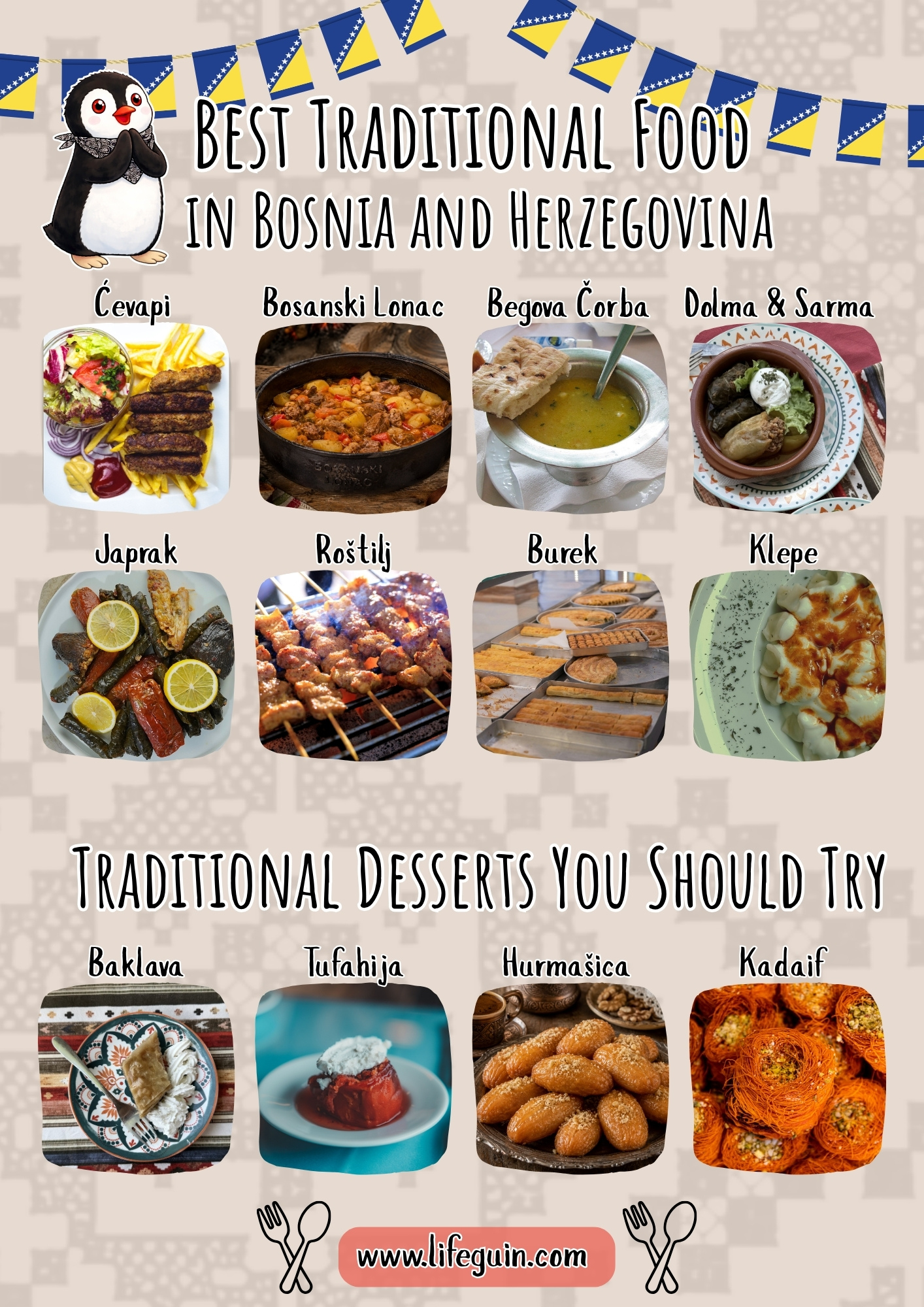
- Ćevapi. Ćevapi is the best-known dish in Bosnia and Herzegovina and is something you will see almost everywhere. It consists of small, grilled, minced-meat sausages, usually made from beef or a mix of meats, served in lepinja bread with chopped onions and, often, kajmak on the side. The meat is hand-shaped and grilled over charcoal, which gives it its flavor. In terms of taste, expect something salty, smoky, and filling rather than spicy. It is simple food, but after one plate, you will understand why it became the national dish.
- Bosanski Lonac. Bosanski Lonac is a traditional Bosnian stew made with layers of meat and vegetables cooked together in one pot. It usually includes beef or lamb together with cabbage, potatoes, carrots, tomatoes, onions, and peppers. The ingredients are layered, covered with water or broth, and left to cook slowly for several hours. In terms of taste, expect something rich, meaty, and full of flavor from the slow cooking rather than from spices. It is the kind of meal people often eat on colder days, and it feels very homemade and filling after a long day.
- Begova Čorba. Begova Čorba is one of the most well-known soups in Bosnia and Herzegovina and is often eaten as a starter before the main meal. It is made with chicken, okra, vegetables, and a thick, slow-cooked broth that binds everything together. Some versions also include carrots, potatoes, or cream. In terms of taste, expect something rich, filling, and more creamy than a regular soup. The okra gives it a different texture that some people love immediately, and others need a few spoonfuls to get used to.
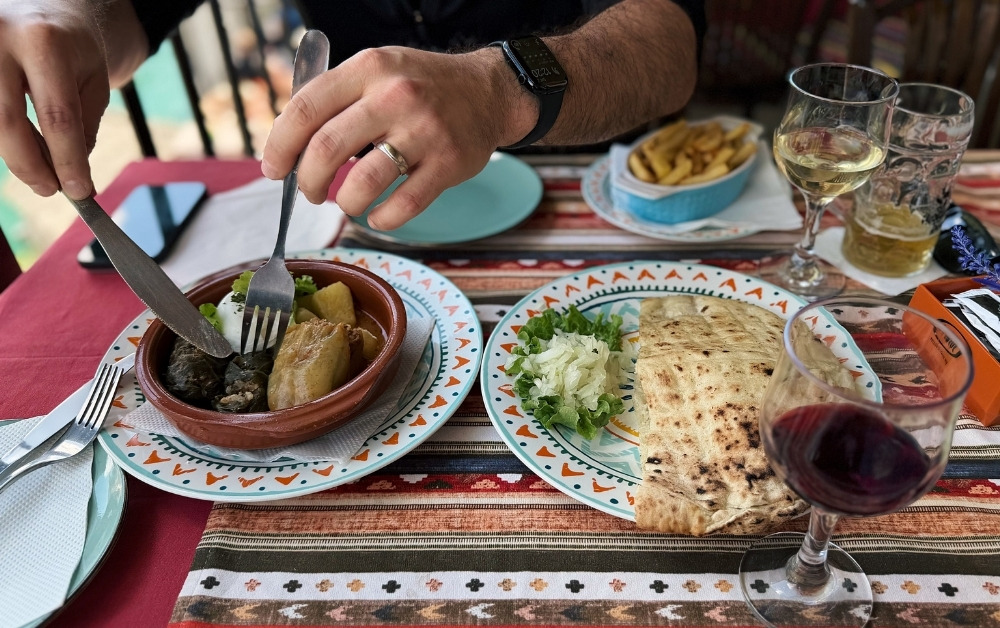
- Dolma & Sarma. Dolma and sarma are dishes made with vegetables or cabbage leaves, stuffed with a mixture of minced meat, rice, onions, and spices. Dolma is usually made with peppers, zucchini, or vine leaves, while sarma uses pickled cabbage leaves rolled around the filling. Everything is cooked slowly in a pot for a long time, so the flavors mix. In terms of taste, expect something rich, salty, and a little sour, especially with sarma because of the fermented cabbage. It is the type of meal you will often find in family restaurants and traditional homes across the country.
Hotel search from Booking.comShows Booking.com’s own box, which can set Booking.com cookies.
- Japrak. Japrak is a dish you will mainly find in Herzegovina, especially around family restaurants and traditional taverns. It is made from raštika leaves, filled with a mixture of minced meat and rice, then rolled and slowly cooked in a pot for a long time. The leaves give the dish a different flavor compared to cabbage rolls, with a slightly earthy taste. The filling itself is savory and soft, and the whole dish feels more homemade than restaurant-style. It is usually served warm and works best as a filling lunch or dinner.
- Roštilj. Roštilj is a mixed grill plate that usually includes different kinds of meat, such as ćevapi, sausages, chicken, pork, or patties, and is served with fries, bread, onions, and sauces. It is a common meal in restaurants across Bosnia and Herzegovina, especially for sharing. The meat is cooked on a grill over charcoal or an open flame, which imparts a smoky flavor. Expect salty, meaty, and filling food with lots of grilled flavor rather than spices. It is the kind of meal you order when you want to try several local meat dishes at once.
- Burek & Other Types of Pita. Burek and other pita pies are some of the most common foods you will find across Bosnia and Herzegovina. The dough is stretched into thin layers, filled, rolled, and baked in large pans. Burek is filled with minced meat, while other versions can contain cheese, potatoes, spinach, or pumpkin. They are usually sold by weight in bakeries and eaten for breakfast, lunch, or as a quick snack. In terms of taste, expect something salty, oily, and filling, with crispy layers on top and softer dough inside.
- Klepe. Klepe are Bosnian dumplings filled with minced meat and served with a garlic sour cream sauce poured over the top. They are often compared to ravioli, but the dough is softer, and the filling is usually simpler. The dumplings are made by filling thin dough with meat, folding them by hand, and then boiling them in water until cooked. The taste is creamier and more comforting than heavy, with the garlic sauce providing most of the flavor. It is the kind of dish that feels homemade and is usually eaten slowly rather than on the go.

Traditional Desserts You Should Try
After a meal in Bosnia and Herzegovina, you will probably feel full, but somehow there is always still space for dessert. Ottoman traditions often influence Bosnian desserts, so expect lots of syrup-soaked cakes, pastries, nuts, and other sweet treats served with coffee. These are some of the desserts you should definitely not miss while traveling around the country.
- Baklava. Baklava is one of the most common desserts in Bosnia and Herzegovina, especially in traditional cafés and bakeries. It is made from layers of thin dough filled with walnuts and covered in sugar syrup with lemon. The pastry is baked first, then soaked in syrup after cooking. In terms of taste, expect something very sweet, nutty, and rich, especially when paired with Bosnian coffee. Baklava arrived in Bosnia during the Ottoman period and became part of the local dessert culture, so today it is considered one of the classic sweets you should try.
- Tufahija. Tufahija is a dessert made with a poached or baked apple, filled with walnuts, and topped with whipped cream. It arrived in Bosnia and Herzegovina during the Ottoman period and remains common in restaurants and traditional cafés today. The apple is cooked until soft, then filled and served cold. In terms of taste, expect something sweet but not too heavy, with flavors of apple, syrup, walnuts, and cream. Compared to some other Bosnian desserts, this one feels a bit lighter, especially after a large meal.
- Hurmašica. Hurmašica is a dessert made from baked dough, shaped into small rolls or oval cookies, which are soaked in sugar syrup after baking. It is usually made with butter, flour, eggs, and sometimes walnuts. In terms of taste, expect something sweet, soft, and syrupy rather than creamy or chocolate-based. It is often served with Bosnian coffee and is common during family gatherings, holidays, and celebrations. The dessert is influenced by Ottoman cuisine, and you will find versions of it across the Balkans, but Bosnia and Herzegovina has its own traditional recipes passed down through families.
- Kadaif. Kadaif is a dessert made from thin strands of dough layered with butter, nuts, and sugar syrup. It is usually baked until the top turns golden, then soaked in syrup. In terms of taste, expect something sweet, nutty, and rich rather than light. It is often served in small portions with Bosnian coffee because it can get very filling very quickly. The dessert comes from Ottoman cuisine, and you will find different versions of it across the Balkans, Turkey, and the Middle East, but in Bosnia and Herzegovina it still feels like part of the local food culture.
Hotel search from Trip.comShows Trip.com’s own box, which can set Trip.com cookies.Search hotels on Trip.comTrip.com’s box can’t load on this device (an ad blocker often stops it). This opens Trip.com’s own hotel search.Open Trip.com
Traditional Drinks in Bosnia and Herzegovina
Food is only one part of the experience in Bosnia and Herzegovina, as drinks also play a big role in local culture. Whether it is sitting down for a long coffee break, trying homemade rakija, or ordering local beer with grilled meat, drinks here are usually connected to spending time together rather than rushing. Coffee culture especially feels like a daily ritual, and you will quickly notice that people in Bosnia and Herzegovina take their time when it comes to eating, drinking, and socializing.
Bosnian Coffee Culture
Coffee culture in Bosnia and Herzegovina is a huge part of daily life and goes far beyond simply drinking coffee. The tradition dates back to the Ottoman period, when coffee culture spread across the Balkans, and it remains deeply connected to socializing and slowing down. Bosnian coffee is often compared to Turkish coffee because both are prepared in a small metal pot called a džezva and served unfiltered in small cups. Still, locals will quickly tell you that Bosnian coffee is not the same. In Bosnia and Herzegovina, coffee is usually served separately from the sugar cube, and the whole process feels more ritualistic. People often sit for long conversations over one small coffee, sometimes for hours. It is less about caffeine and more about taking time to talk, relax, and spend time together.
Rakija
Rakija is the traditional fruit brandy you will find all across Bosnia and Herzegovina, and honestly, it feels almost impossible to avoid it once locals start welcoming you properly. It is usually homemade and made from fruits like plums, grapes, pears, or apricots, depending on the region and family recipe. In terms of taste, expect something very strong that burns a bit on the way down, especially if it comes from someone’s homemade stash. Rakija is often offered before meals, during celebrations, or when guests arrive at someone’s house. One interesting thing is that many families still make their own rakija at home, and people are usually very proud of their recipe and tradition.
Salep Tea
Salep is a warm drink that originated in the Ottoman Empire and is still popular across parts of the Balkans, Turkey, and the Middle East, including Bosnia and Herzegovina. It is traditionally made from powdered orchid tubers mixed with milk, sugar, and cinnamon, giving it a thick texture that falls somewhere between tea and a dessert drink. In Bosnia, you will mostly find it during the colder months, as locals often drink it to warm up on winter evenings. One interesting fact is that traditional salep became much rarer over time because harvesting wild orchids for the powder reduced orchid populations in some regions, especially in Turkey. Today, many places use modern mixes instead. Compared to Turkish salep, Bosnian versions are usually a bit lighter and less thick, but the cozy feeling stays the same.
Bosnian Beer
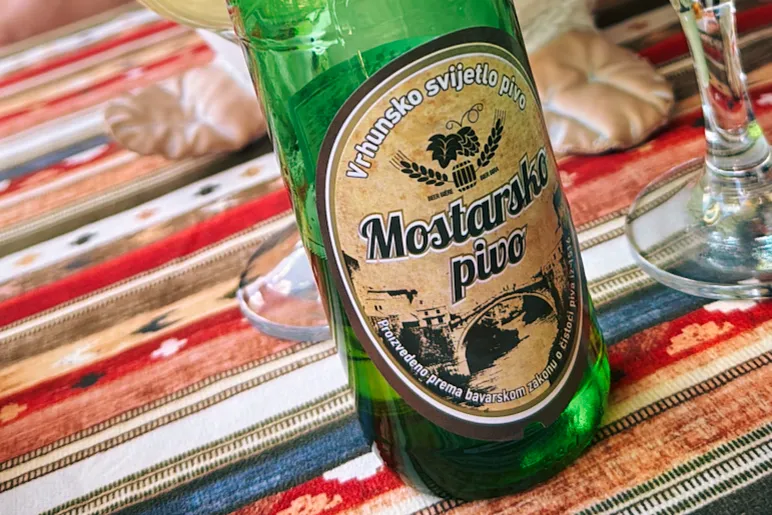
Even though Bosnia and Herzegovina is often connected with Ottoman influences and coffee culture, beer is actually a huge part of local life today. You will find local beers in almost every restaurant, café, and grill place across the country, especially alongside dishes like ćevapi or mixed BBQ. Some of the most well-known Bosnian beer brands include Sarajevsko, Nektar, and Tuzlanski Pilsner, with brewing traditions going back to the late 19th century during the Austro-Hungarian period. This is actually where Bosnia’s beer culture differs from Turkish influence, because while many traditional foods came from the Ottoman era, beer production expanded much more under Central European influence later on. Today, drinking local beer feels like a normal part of everyday life in Bosnia and Herzegovina, especially during social gatherings, football matches, and long outdoor dinners.

Useful Tips and Things to Know Before You Go
During our trip around Bosnia and Herzegovina, especially after talking with locals, we picked up a few useful insights into the food culture and dining etiquette here. Some meals are much heavier than they first look, coffee is more of a social ritual than a quick drink, and portions can get surprisingly large. These are a few small tips and things to know before you sit down to your first proper Bosnian meal.
Some Soups Are Breakfast Food
One thing locals told us that we found really interesting was that certain traditional soups in Bosnia and Herzegovina are eaten for breakfast, not later in the day. The most common are begova čorba and teleća čorba, both thick soups often made with meat and vegetables. A local compared it to Italians drinking cappuccino only before noon, technically you can order it later, but people will definitely notice. The same goes for these soups. You will still find them on menus in some restaurants later in the day, but apparently ordering them for dinner is something locals usually avoid unless you want a few confused looks from the table next to you.
Visiting Bosnia and Herzegovina During Ramadan
Bosnia and Herzegovina has a large Muslim population, so if you visit during Ramadan, usually falling between March and April depending on the year, you will notice some changes in daily life and food culture. Many Bosnians who follow Islam fast from sunrise to sunset for around 30 days, eating only before dawn during sehur and after sunset during iftar. During the day, some restaurants and bakeries may have shorter opening hours, especially in smaller towns, but tourist areas and larger cities remain open.
Evenings during Ramadan become very lively. Right before sunset, cafés, bakeries, and restaurants start filling up as people gather for iftar meals with family and friends. It actually creates a really nice atmosphere around the cities. As a visitor, you are absolutely fine eating or drinking during the day, but it is still respectful to stay a bit mindful in quieter local areas. Also, if you get the chance, trying a traditional iftar dinner is honestly a really interesting cultural experience.
Bread Is Part of Almost Every Meal
One thing you will notice in Bosnia and Herzegovina is how important bread is. Almost every meal comes with some kind of bread, especially lepinja, and locals use it for everything from dipping into sauces and soups to eating together with grilled meat. Even when the meal already feels heavy enough, bread still somehow stays on the table.
Portions Can Get Bigger Than Expected
We quickly learned not to overorder in Bosnia and Herzegovina. Mixed grill plates, burek, soups, and even side dishes can end up much larger than expected. Sharing food is very normal, especially when trying several traditional dishes at once, and honestly, it is usually the better idea.
Bakeries Are a Big Part of Daily Life
Local bakeries are everywhere and people use them constantly throughout the day. Many locals grab burek, sirnica, or other pastries for breakfast, lunch, or a quick snack. Some bakeries even stay open very late, especially in bigger cities, so they become a go to place after evenings out as well.
Expect Lots of Smoking in Cafés
Something worth knowing before visiting is that smoking is still very common in cafés, bars, and some restaurants in Bosnia and Herzegovina. Depending on where you are from, this can feel surprising at first, especially indoors. If you are sensitive to smoke, outdoor seating is usually the safer option when possible.

Buy Me a Ko-fi
Best Restaurants in Bosnia and Herzegovina You Shouldn’t Miss
- Dveri (Sarajevo) is focused on traditional Bosnian and Balkan dishes, served in a more local, home-style atmosphere. You can expect meals like grilled meat, stews, soups, stuffed vegetables, and local desserts together with Bosnian coffee or rakija. It is one of those places where you sit down for a slower meal rather than a quick stop.
- Klopa (Sarajevo) is a more modern restaurant that mixes Bosnian dishes with international cuisine. Alongside local dishes, you will also find burgers, pasta, salads, and vegetarian options, making it popular with both locals and travelers. It is a good place if you want to try Bosnian food but also want a menu with more variety.
- River Restaurant & Luxury Rooms (Mostar) combines local Herzegovinian dishes with a riverside dining experience close to the old town. The menu focuses heavily on grilled meat, fish, local wine, and traditional Balkan-style meals. It is the kind of place where people usually come for a longer dinner while enjoying views over the river and surrounding stone buildings.
- Restaurant Lagero (Mostar), is right by the Neretva River, known for grilled meat, local Balkan dishes, seafood, and big mixed platters meant for sharing. The location itself is part of the experience, since many tables sit close to the water, offering views of the old part of the city. Our personal favorite.
- Buregdžinica Sač (Sarajevo) is when you want to try traditional Bosnian burek the local way. They serve different kinds of pita like meat burek, sirnica with cheese, zeljanica with spinach, and krompiruša with potatoes, usually sold by weight and paired with yogurt. The pastries are baked under a sač, a traditional metal lid used for slow baking, and this is actually where the restaurant gets its name.
- Hajdučke Vrleti (Tomislavgrad) is a traditional restaurant located in the Blidinje Nature Park. The place opened in 1999 and focuses on regional dishes made with seasonal ingredients, so depending on the time of year, you can expect grilled meat, homemade cheeses, soups, potatoes, and local specialties. It feels less like a city restaurant and more like stopping at a mountain lodge where food, nature, and local traditions all come together.
Tours and tickets from GetYourGuideShows GetYourGuide’s own box, which can set GetYourGuide cookies.
No matter where you end up eating in Bosnia and Herzegovina, one thing is almost guaranteed, come hungry. Portions here are usually much bigger than expected, meals are filling, and locals definitely do not believe in leaving the table still hungry. From grilled meat and pastries to soups, desserts, coffee, and rakija, Bosnian cuisine quickly became one of the highlights of our trip. We hope this guide inspired you to explore the local food culture a bit deeper and try some traditional dishes beyond just ćevapi and burek. Honestly, some of our favorite travel memories in Bosnia and Herzegovina happened around the table.
Pack your bags and eat your way through Bosnia and Herzegovina!

This post contains affiliate links. If you click and buy, I might earn a tiny commission, enough to help a penguin keep up its globe-trotting lifestyle. No extra cost to you, just more fish for me. Thank you for supporting the adventure!