Top 3 Must-Visit Markets in Tokyo for Food, Shopping and Local Culture
Tokyo offers an outstanding shopping experience for everyone. Whether you’re looking for huge shopping centers or small shops, you’ll find what you want. In Tokyo, you will find it, and if it’s not in Tokyo, then it probably does not exist. We prefer to explore local markets where you can find good stuff and meet locals.
Tokyo is home to a wide range of local markets, and here are the ones we recommend because we enjoyed them most. Add a few to your bucket list when you visit Tokyo.
How Many Markets Are There in Tokyo
Tokyo takes its markets seriously. The Tokyo Metropolitan Government currently operates 11 central wholesale markets. In comparison, another 23 regional wholesale markets operate across the metropolis, meaning there are at least 34 officially recognized wholesale markets before we even start counting the smaller markets, food halls, and specialist market streets visitors can explore.
And what makes them particularly fascinating is how different they can be. Toyosu Market puts seafood center stage, with its famous tuna auctions and vast wholesale operations. Tsukiji Outer Market turns the former wholesale district into a lively waddle through stalls selling fresh seafood, Japanese knives, kitchenware, snacks and street food. Ota Market is a major hub for fruit, vegetables and flowers, while other markets across Tokyo handle everything from meat to produce and flowers.
Then there are the markets that feel less like working wholesale operations and more like neighborhood adventures. You can browse food stalls, hunt for antiques, pick up kitchenware, or follow the smell of something delicious sizzling nearby. In Tokyo, there is a market for almost every kind of appetite, and half the fun is discovering which one makes you want to stay for one more bite.
Why Visit Tokyo Markets
Tokyo’s markets offer a completely different way to experience the city. Beyond the skyscrapers and famous attractions, they offer a glimpse into everyday Japanese life, food, and traditions. You can watch the energy of a wholesale seafood market, waddle through busy streets filled with street food, browse traditional sweets and souvenirs, or spend an afternoon surrounded by specialist shops selling everything from Japanese knives to beautiful ceramics. Whether you come for the food, the shopping or simply the atmosphere, Tokyo’s markets are worth making time for.


When Is the Best Time to Visit Tokyo Markets
For most food markets, morning is the best time to visit. You will find the freshest selection, more stalls in action and a livelier atmosphere, although the early start can mean a very serious breakfast waddle. Shopping streets can have a different rhythm, with more shops opening later in the morning and the atmosphere becoming busier throughout the day. Opening hours vary considerably from one market to another, and even individual shops can have their own schedules, so always check before you go. If food is your main reason for visiting, we would start early. If you are more interested in shopping and browsing, a later morning or afternoon visit may suit you better.
Our Favorite Markets in Tokyo
With dozens of markets to choose from across Tokyo, deciding where to go can feel almost as difficult as deciding what to eat. From seafood and fresh produce to street food, kitchenware and local treasures, every market has its own personality. But if we had to choose just three to waddle back to, these would be our favorites.
Tsukiji Outer Market
- Location: Tsukiji, Chuo City, Tokyo
- Opening Hours: Most shops are open from around 5:00 AM to early afternoon, but individual businesses have their own hours, and many are closed on Sundays and some Wednesdays.
- Best For: Fresh seafood, Japanese street food, Wagyu, kitchenware and souvenirs
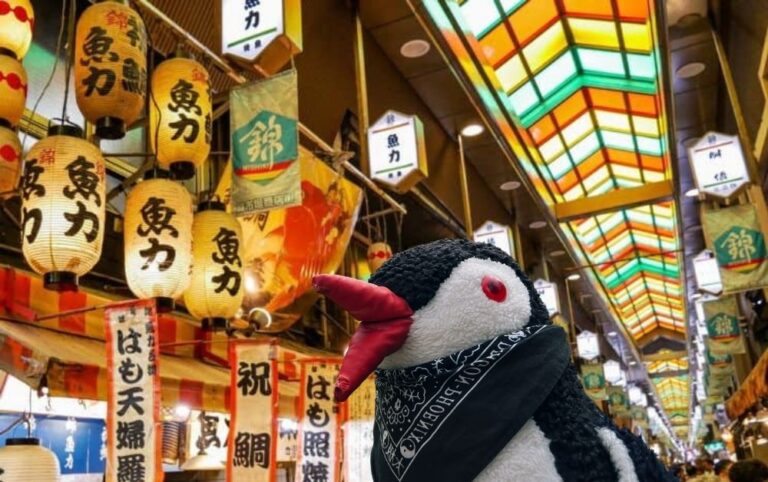
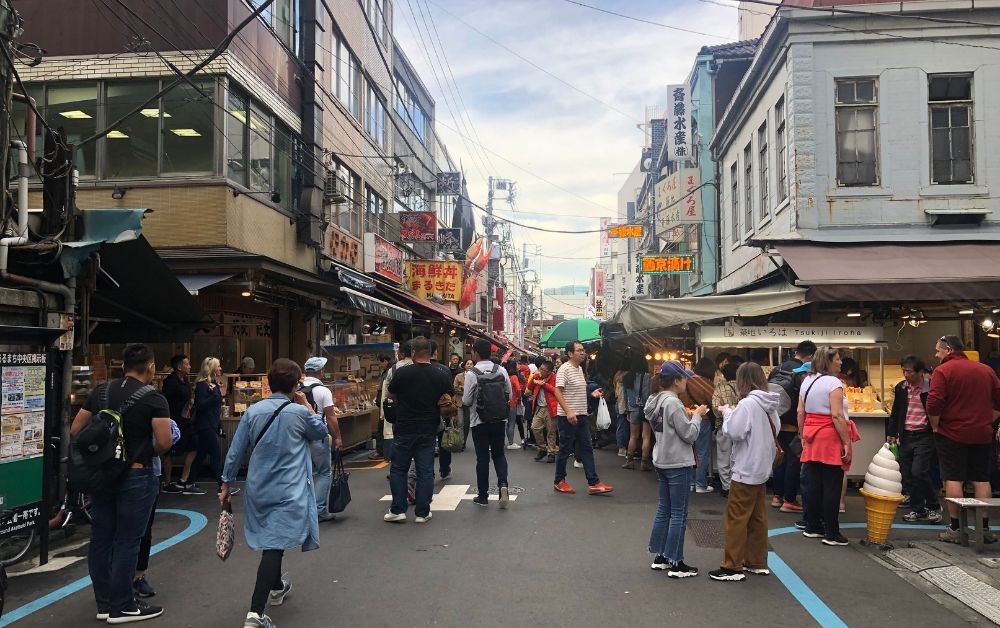
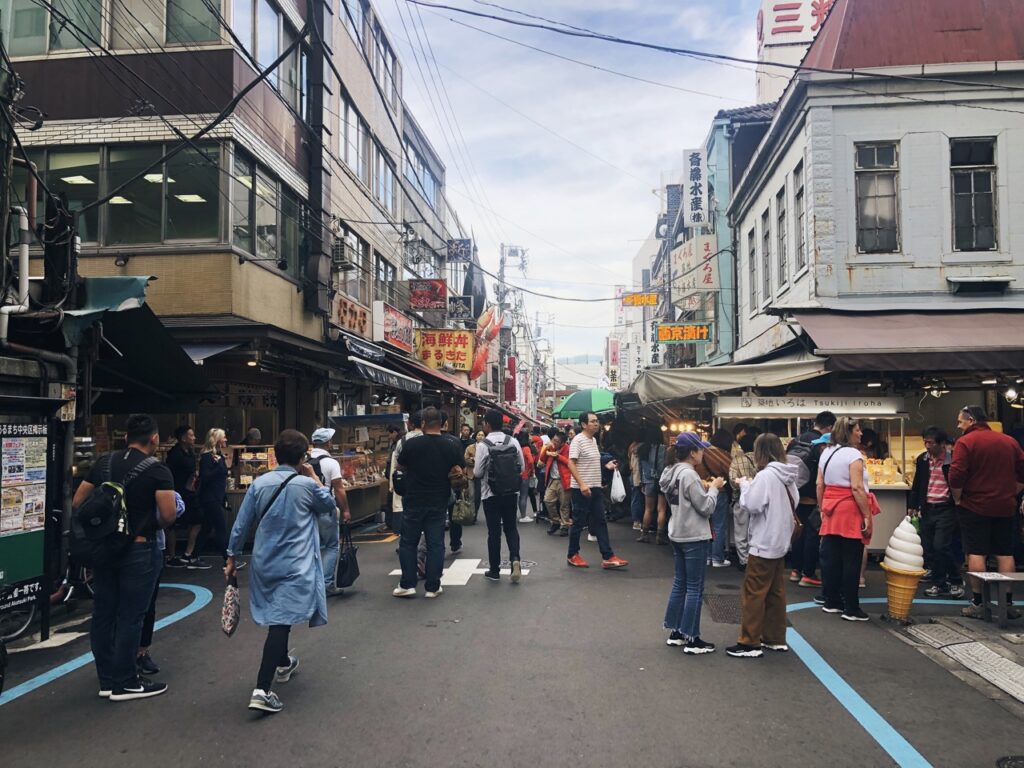
If there is one market in Tokyo we would tell you to visit hungry, it is Tsukiji Outer Market. Once home to Tokyo’s famous wholesale fish market, the inner market moved to Toyosu in 2018, while the outer market remained in Tsukiji and still buzzes with food stalls, shops, and restaurants. Today, more than 400 shops and restaurants fill the area, making it one of Tokyo’s most exciting places to explore Japanese food.


And honestly, we recommend coming here for the food. Fresh seafood is the obvious star, but there is so much more to try. We tucked into the famous Wagyu beef here, and it was every bit as delicious as we had hoped. If you want to experience the market at its freshest and liveliest, come early in the morning when the stalls are already serving up their best bites.
Food is not the only reason to waddle through Tsukiji. The market is also a great place to pick up souvenirs, particularly the kind you can actually use. Japanese knives, chopsticks, bowls, tea accessories, and other kitchenware make much more interesting souvenirs than another fridge magnet. Come hungry, leave with a full belly and perhaps a new kitchen gadget or two.




Ameya Yokocho
- Location: Ueno and Okachimachi, Taito City, Tokyo
- Opening Hours: Most shops and food stalls are open from about 10:00 AM to 8:00 PM, though hours vary by business.
- Best For: Street food, Japanese snacks, shopping, affordable eats and a lively local atmosphere
If Tsukiji is where we go for seafood, Ameya Yokocho is where we go for a little bit of everything. This busy shopping street runs alongside the JR Yamanote Line between Ueno and Okachimachi stations, making it incredibly easy to reach. It is packed with shops, food stalls, restaurants, and tiny stores selling everything from snacks and fresh produce to clothing, cosmetics, and electronics.
There is also a fascinating story behind the name and the market itself. After the Second World War, Ameya Yokocho developed as a black market selling goods, including products imported from the United States. Today, the atmosphere is very different, but that sense of hustle and bustle has remained.


We have wandered through Ameya Yokocho numerous times, partly because it was conveniently close to where we stayed, and we never seemed to run out of things to discover. The area is also a great place to explore different food cultures, with restaurants and stalls serving Indian, Chinese, Thai, and Turkish food alongside Japanese favorites.
We, however, kept coming back to the Japanese food. The takoyaki was our particular favorite. Hot, crispy on the outside, soft in the middle, and absolutely delicious, it makes the perfect snack while exploring the market. If you are looking for somewhere energetic, slightly chaotic, and wonderfully full of life, Ameya Yokocho is definitely worth adding to your Tokyo itinerary.
Nakamise Dori
- Location: Asakusa, Taito City, Tokyo
- Opening Hours: Most shops open around 8:00–9:00 AM, although individual opening and closing times vary.
- Best For: Traditional souvenirs, Japanese sweets, snacks, and the atmosphere of old Tokyo
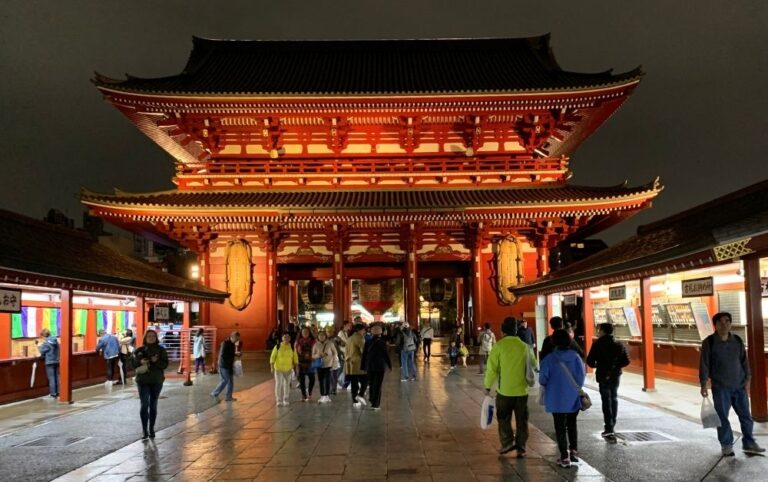
Leading to the famous Senso-ji Temple, Nakamise Dori is one of Tokyo’s most atmospheric shopping streets. It is also one of Japan’s oldest shopping streets, with around 90 shops and stalls lining the route towards the temple. While many visitors understandably hurry towards Senso-ji, we recommend slowing down and taking some time to browse the stalls.
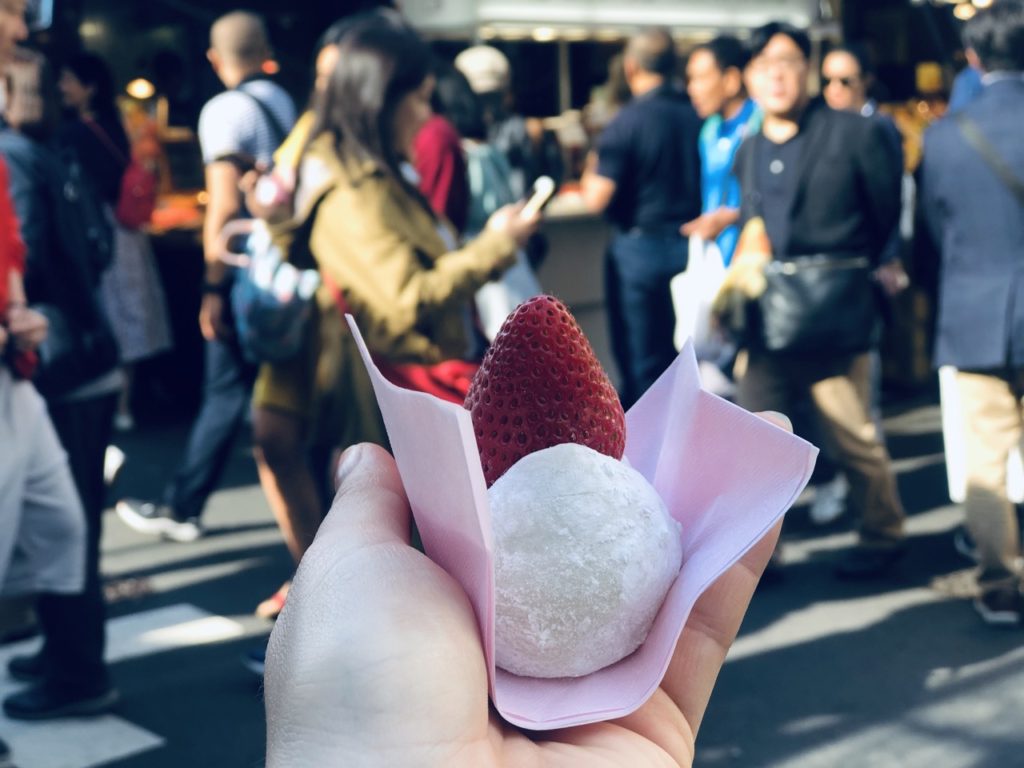
This is a lovely place to look for traditional Japanese souvenirs, from small crafts and fans to decorative items and other gifts that are much more interesting than the usual tourist trinkets. But for us, the food was just as tempting. The street is lined with stalls selling traditional Japanese sweets and snacks, making it very easy to turn a visit to Senso-ji into a little food adventure.


Keep in mind that opening hours can vary by shop, and some businesses have irregular closing days or hours. We would recommend coming earlier in the day, when the street is starting to come alive, then continuing your waddle towards Senso-ji Temple.
Toyosu Market
- Location: Toyosu, Koto City, Tokyo
- Opening Hours: from around 5:00 AM to 5:00 PM.
- Best For: Seafood, tuna auctions, sushi and experiencing Tokyo’s modern wholesale market
If you want to see where Tokyo’s famous seafood trade happens today, Toyosu Market is the place to waddle. Opened in 2018, it took over the wholesale functions of the former Tsukiji inner market and is now one of the world’s largest wholesale markets for fish and seafood. Visitors can observe parts of the market from designated viewing areas, including the famous tuna auction, though the early-morning auction atmosphere is very different from simply arriving for lunch.
And, of course, come hungry. Toyosu is home to restaurants where you can enjoy incredibly fresh seafood, including sushi and sashimi. The market itself is much more modern and organized than Tsukiji, so the two offer quite different experiences. If Tsukiji feels like a lively food adventure, Toyosu offers a closer look at the enormous machinery behind Tokyo’s seafood culture.
Kappabashi Dougu Street
- Location: Taito City, between Asakusa and Ueno
- Opening Hours: Most shops are open roughly 10:00 AM to 5:00 PM
- Best For: Japanese knives, kitchenware, ceramics, cooking tools and unique souvenirs
Calling Kappabashi a market might be slightly generous, but we absolutely think it deserves a place on this list. This 800-meter-long shopping street is lined with more than 170 specialist shops, creating what feels like a giant Japanese kitchenware wonderland. You can find almost anything related to food here, from professional knives and cookware to ceramics, chopsticks, restaurant signs, and even the wonderfully realistic plastic food displays you see outside Japanese restaurants.
This is also one of our favorite places to look for souvenirs that are actually useful. A Japanese knife, beautiful bowl or pair of chopsticks can remind you of your trip every time you cook at home. And you do not need to be a professional chef to shop here. The Kappabashi association confirms that almost all stores welcome individual customers.
Tours and tickets from KlookShows Klook’s own box, which can set Klook cookies.
Yanaka Ginza
- Location: Yanaka, Taito City, Tokyo
- Opening Hours: There are no single opening hours for the whole street, as each shop sets its own schedule. Many shops open from around 10:00 AM.
- Best For: Local food, traditional sweets, small shops and old Tokyo atmosphere
If you want to experience a slower, more nostalgic side of Tokyo, Yanaka Ginza is a lovely place to waddle. This traditional shopping street in the Yanaka neighborhood is filled with small independent shops selling food, sweets, clothing, crafts and everyday goods. It feels a world away from the giant shopping centers and neon streets of central Tokyo.
Take your time here. Pick up a traditional snack, browse the little shops and watch everyday Tokyo unfold around you. Plenty of food stops line the way, from traditional sweets and freshly prepared dishes to small cafés and local specialties. The official Yanaka Ginza directory lists a wonderfully eclectic mix of shops, from handmade sweets and Japanese crafts to fresh meat, fish, vegetables and tea.
Yanaka Ginza is less about ticking off a famous attraction and more about enjoying the atmosphere. It is the kind of place where you can arrive with no particular plan, start waddling down the street and suddenly realize you have spent an hour browsing things you never knew you wanted.
Tips for Visiting Tokyo’s Markets
A little preparation can make your market waddle much easier, especially when you are surrounded by tempting food, tiny shops, and things you suddenly decide you absolutely need.
- Bring Some Cash. Cards are increasingly common, but smaller stalls and independent shops may still prefer cash.
- Go Early. Morning is often the best time for fresh food, fewer crowds, and the liveliest market atmosphere.
- Know What You Are Looking For. Some markets specialize in seafood; others in kitchenware, sweets, produce, or souvenirs. Check what each market is known for before you go.
- Wear Comfortable Shoes. You will probably spend more time waddling around than you expect.
- Bring a Reusable Shopping Bag. It is handy for snacks, souvenirs, and all those things you definitely were not planning to buy.
- Do Not Touch Food Without Permission. At food stalls and shops, wait for the seller to indicate what you can pick up or sample.
- Be Mindful of Crowds. Markets can have narrow lanes, so avoid stopping in the middle of busy walkways while taking photos.
- Check Opening Hours. Individual shops often have their own schedules, and some markets are quieter or partially closed on certain days.
- Come Hungry. Honestly, this might be the most important tip. Tokyo’s markets are made for snacking, and you will want room to try something new.
- Leave Some Space in Your Suitcase. Japanese knives, ceramics, snacks, tea, and other market finds have a suspicious habit of coming home with you.
Buy Us a Ko-fi

Things We Would Definitely Buy at Tokyo Markets
Markets are where we would look for the things that feel uniquely Japanese, rather than something we could easily pick up in a regular shop. We would definitely waddle home with Japanese kitchenware, handmade ceramics, chopsticks, tea, traditional sweets, Japanese knives, and interesting food products. A market is also the perfect place to find small souvenirs that are useful rather than purely decorative. And then, of course, there is all the food. Fresh seafood, street food, local snacks, and seasonal treats are best enjoyed right there, while they are fresh and tempting us from every corner.
Our Tokyo Markets Map
Which Tokyo Market Should You Choose
With so many markets to choose from, it helps to know what each one does best. Rather than ranking them, here is a quick guide to help you pick the market that fits your interests:
| Market | Best For | What to Look For |
| Tsukiji Outer Market | Fresh seafood and food | Seafood, Wagyu, street food, kitchenware |
| Ameya Yokocho | Street food and shopping | Takoyaki, snacks, clothing, electronics and international food |
| Nakamise Dori | Traditional souvenirs | Japanese sweets, crafts, fans and small gifts |
| Toyosu Market | Wholesale seafood experience | Tuna auctions, sushi and fresh seafood |
| Kappabashi Dougu Street | Kitchenware and knives | Japanese knives, ceramics, chopsticks and cooking tools |
| Yanaka Ginza | Old Tokyo atmosphere | Local snacks, traditional sweets, small shops and neighbourhood food |
Pro Penguin Tip: You do not need to visit all six. Choose the markets that match what you want to eat, buy or experience, and leave some time to simply waddle around and see what catches your eye.
You can only squeeze so many markets into one trip, so don’t beat yourself up about missing a few. Pick the ones that sound most interesting to you, leave some room for spontaneous discoveries, and enjoy the experience rather than trying to tick every market off your list. After all, you can always come back for another market waddle.
Travel Bold. Eat Well. Waddle Wild.
Save This Pin for Later!

This post contains affiliate links. If you click and buy, I might earn a tiny commission, enough to help a penguin keep up its globe-trotting lifestyle. No extra cost to you, just more fish for me. Thank you for supporting the adventure!