Denmark’s Largest Plant Collection: A Guide to Copenhagen Botanical Garden
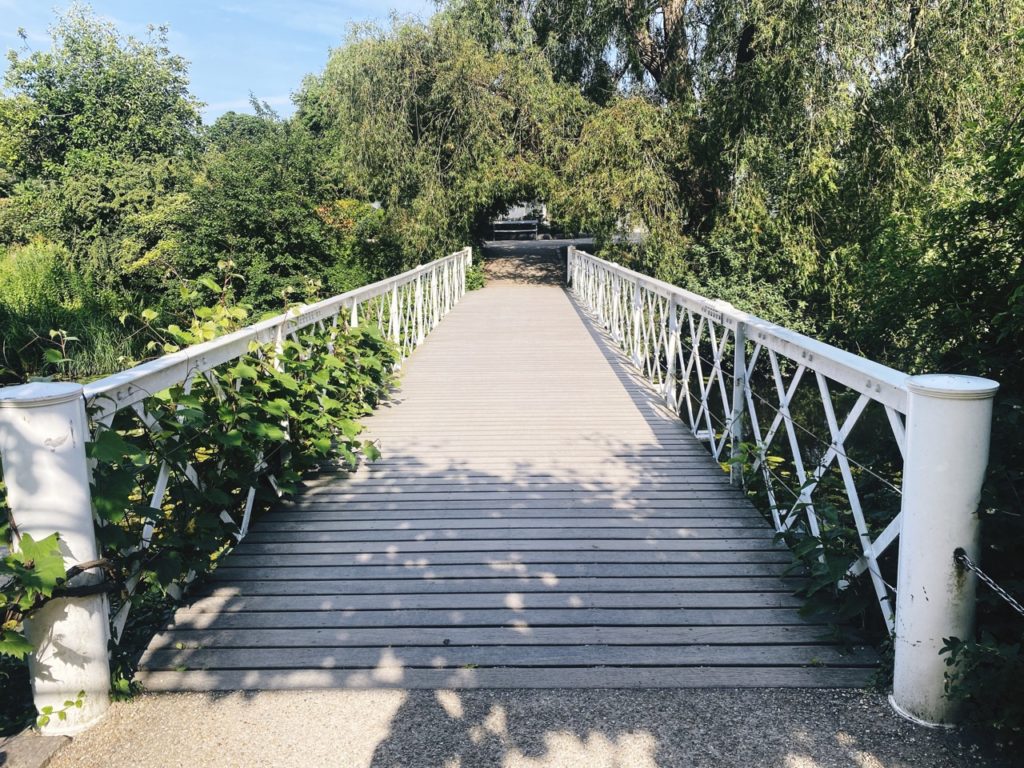
When we visited the Botanical Garden in Copenhagen, we made sure to come early in the morning, and it was the best decision. The moment we stepped inside, the city noise faded away, and it felt like we had escaped Copenhagen entirely. Surrounded by greenery, quiet paths, and fresh air, it was precisely the kind of calm start to the day we were looking for.
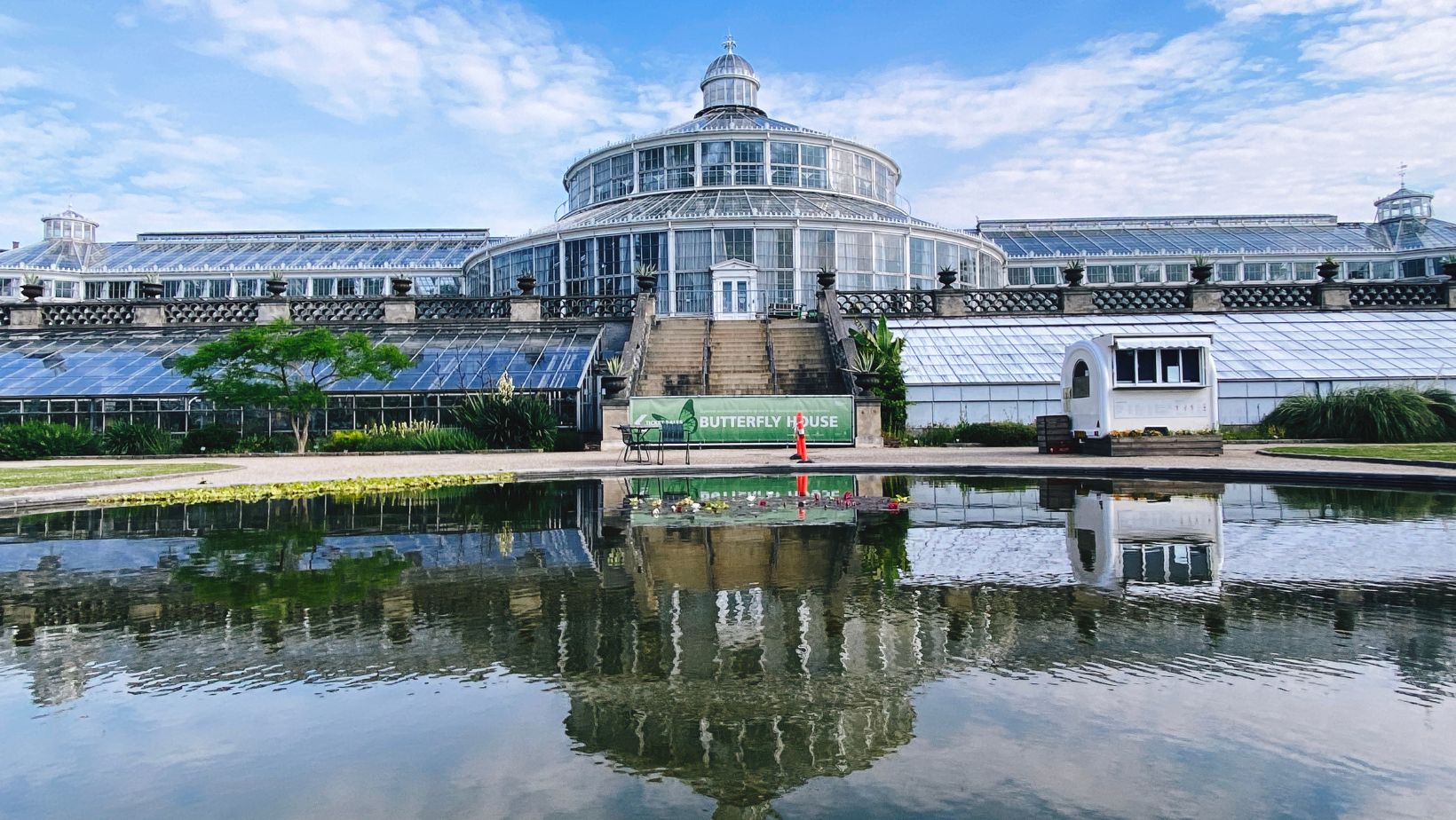
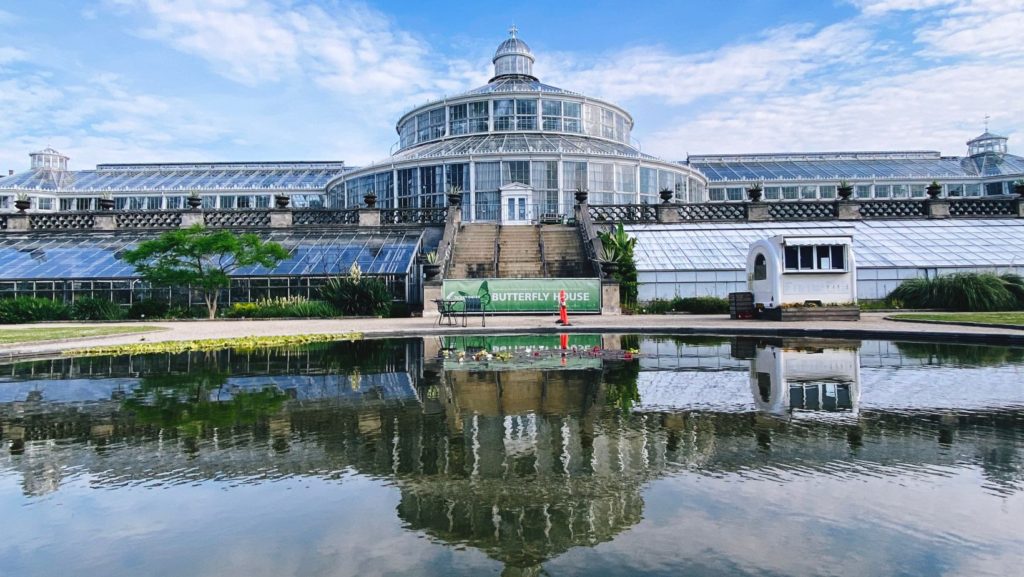
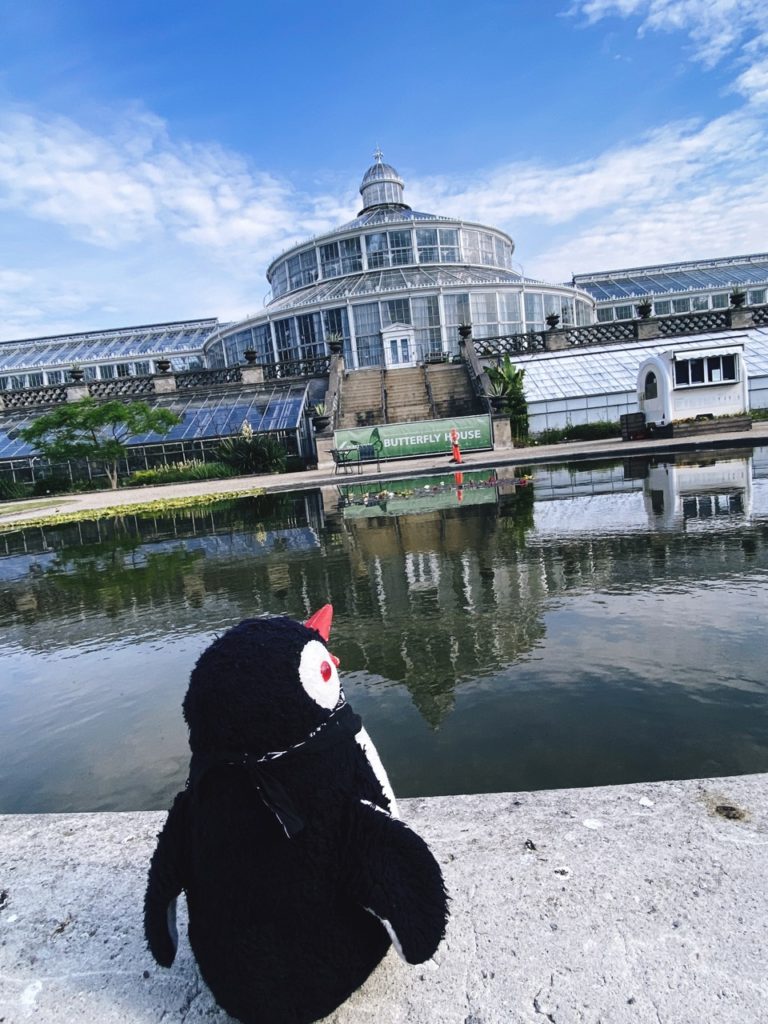
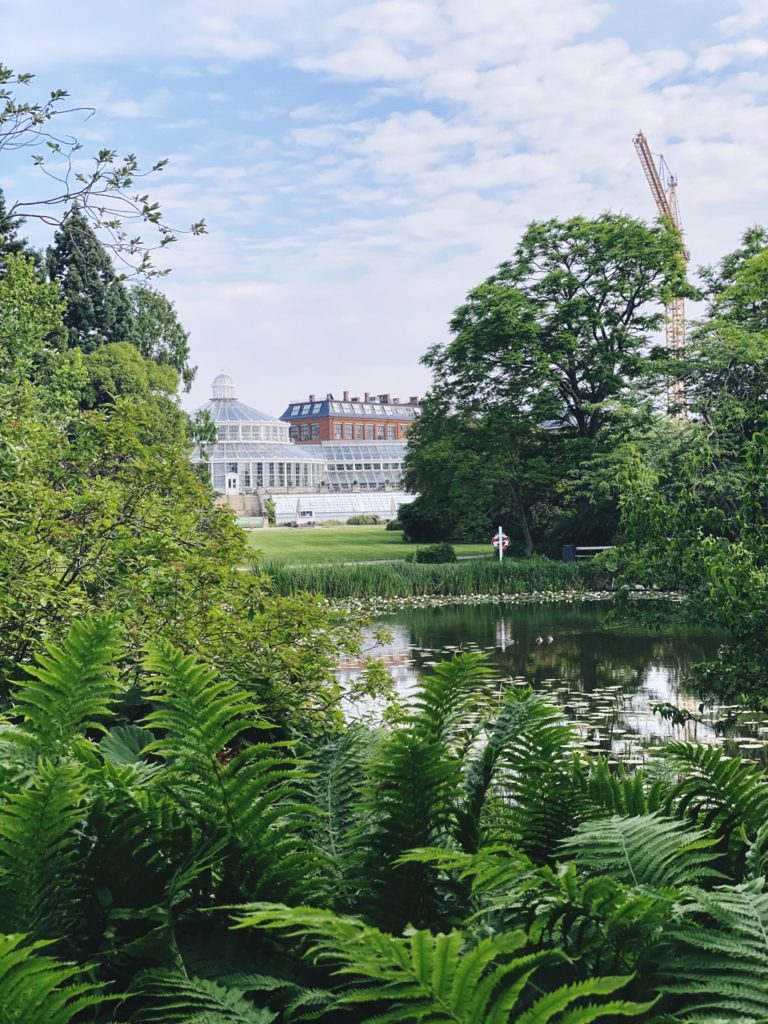
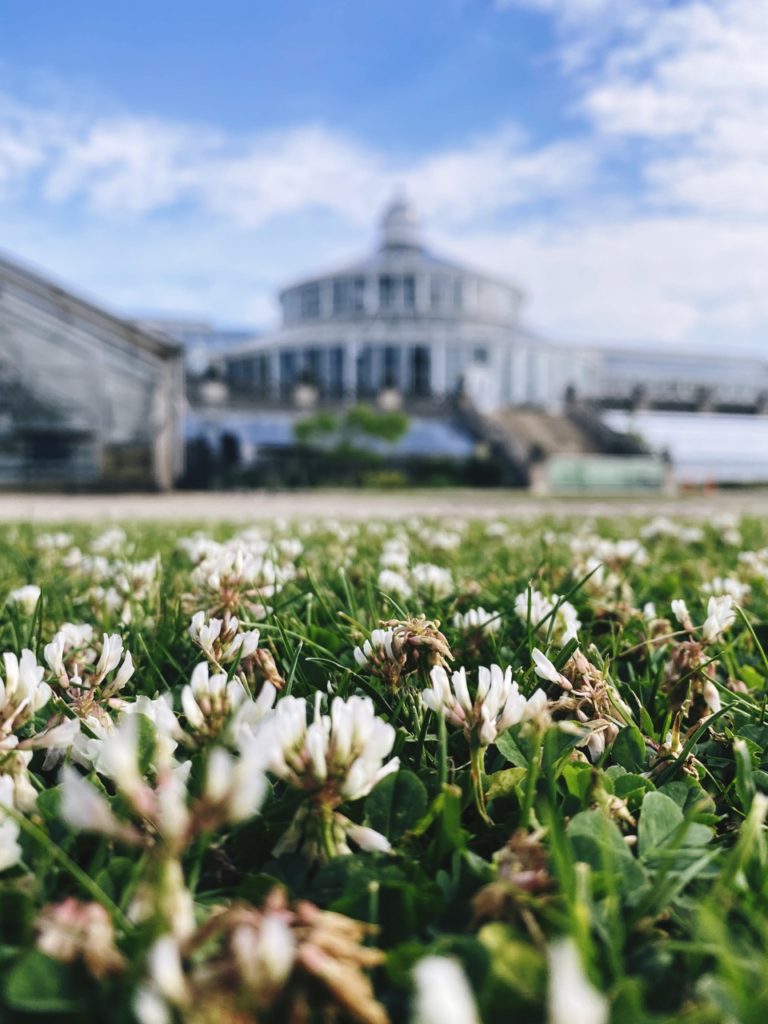
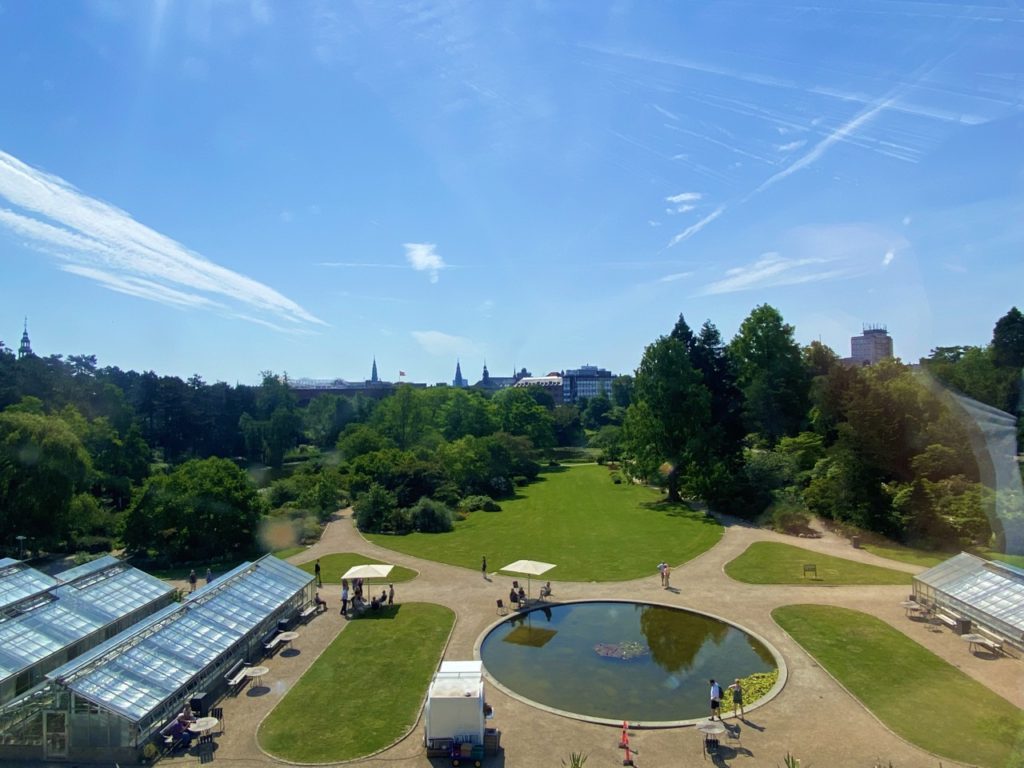
The garden covers approximately 10 hectares, providing us with plenty of space to wander around at our own pace. The first thing that caught our attention was the beautiful Palm House, a glasshouse dating back to 1874 that rises proudly above the gardens. Even if you’re not into plants or gardening, the place feels magical. We especially loved wandering through the Butterfly House, which felt like stepping into a completely different world.
Altogether, the Botanical Garden is home to more than 13,000 plant species, from 600 native Danish plants to exotic perennials, annuals, and rare species from around the globe. For us, it was both relaxing and fascinating, and definitely one of those Copenhagen spots where time slows down in the best way possible. Read on to learn what to expect.
- How to get to Copenhagen’s Botanical Garden
- Opening Hours at the Copenhagen Botanical Garden
- Tickets to the Copenhagen Botanical Garden
- Good to Know Before Visiting the Botanical Garden
- Waddling around the Botanical Garden in Copenhagen
- A Brief History of the Copenhagen Botanical Garden
- Quick Facts About the Copenhagen Botanical Garden
- Is the Copenhagen Botanical Gardens worth it
- Agpalilik: The Giant Meteorite
- Nearby Attractions to the Botanical Garden
How to get to Copenhagen’s Botanical Garden
It’s really easy to reach the Botanical Garden, no matter how you’re traveling. Of course, one of the most popular choices in Copenhagen is always the bike; the city is super bike-friendly, and you’ll find plenty of racks near the entrances.
Public transport is just as simple. Several bus lines stop right by the garden, including the 184, 350S, 5C, and 6A. If you prefer the train, both the A and B lines stop nearby. The closest central hub is Nørreport Station, where you’ll also find the M2 metro line, which is where we got off, and from there it was just a short waddle to the gardens.
Opening Hours at the Copenhagen Botanical Garden
The Botanical Garden is open year-round, with hours that vary according to the season. From October 1 to March 31, the gardens are open daily from 8:30 am to 4:00 pm. During the warmer months, from April 1 to September 30, you can enjoy longer days in the gardens, with opening hours from 8:30 am to 6:00 pm. This makes it easy to plan a quiet morning stroll or a late afternoon waddle surrounded by greenery.
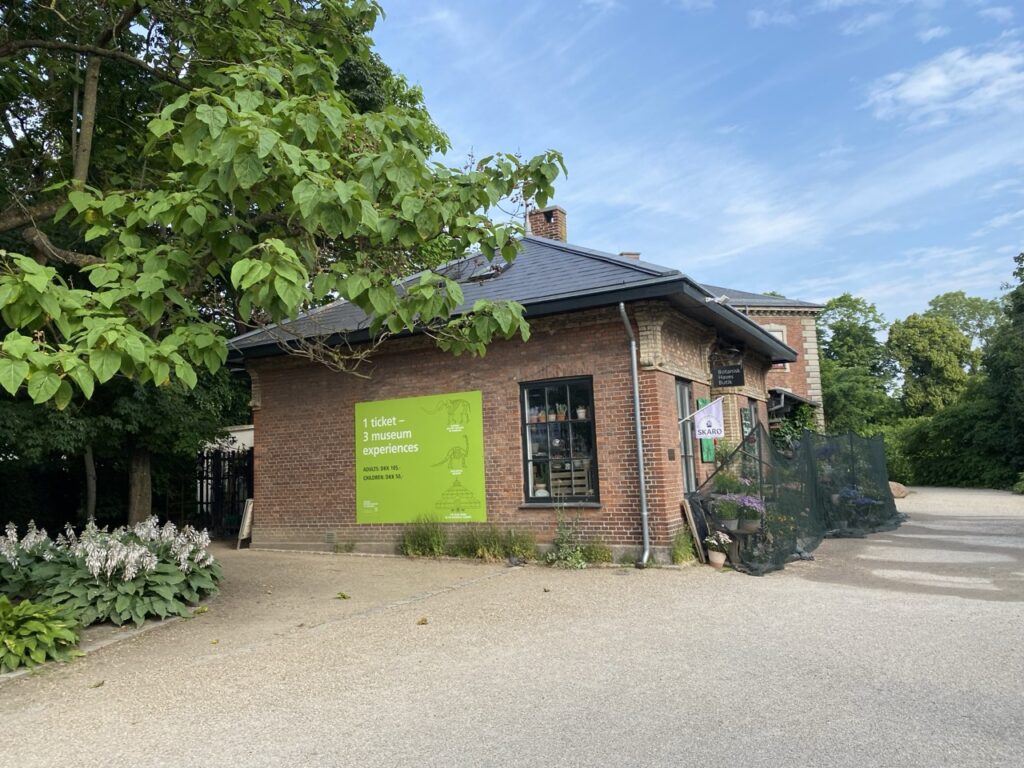
Palm House & Butterfly House Opening Hours
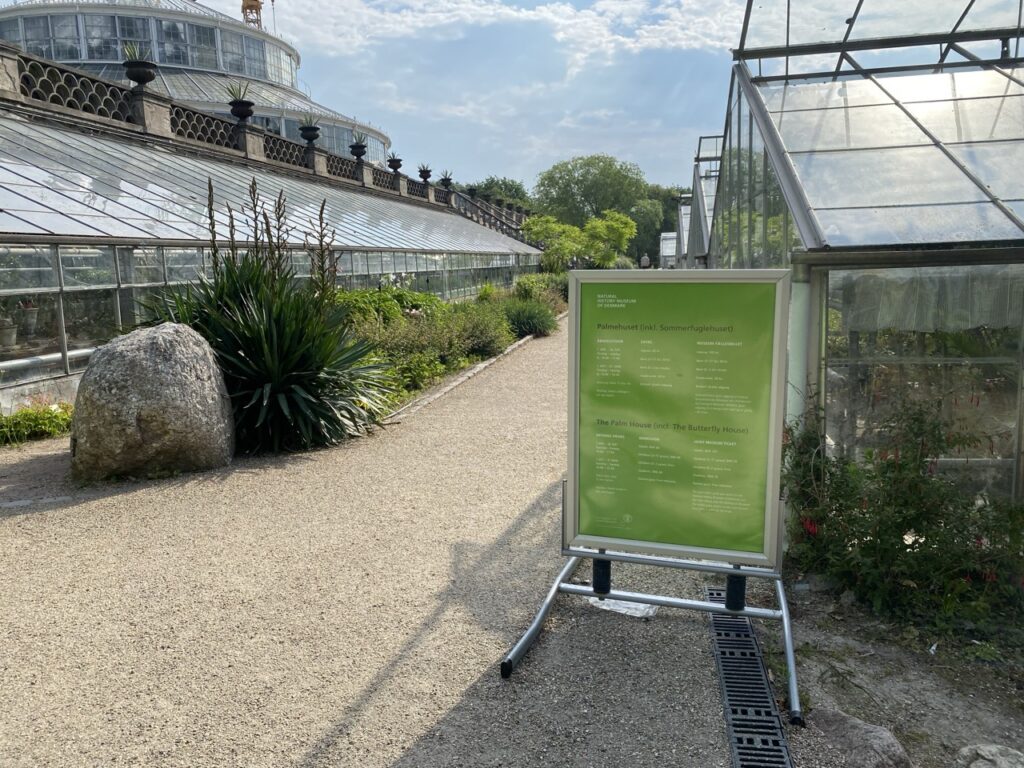
If you’d like to step inside the Palm House or the Butterfly House, note that their hours differ slightly from the outdoor gardens:
- April 1 – September 30: 10:00 am – 5:00 pm (closed on Mondays, except open in July & August)
- October 1 – March 31: 10:00 am – 3:30 pm (closed on Mondays)
Since hours may change due to events or maintenance, always double-check the latest information on the official Botanical Garden website.
Tickets to the Copenhagen Botanical Garden
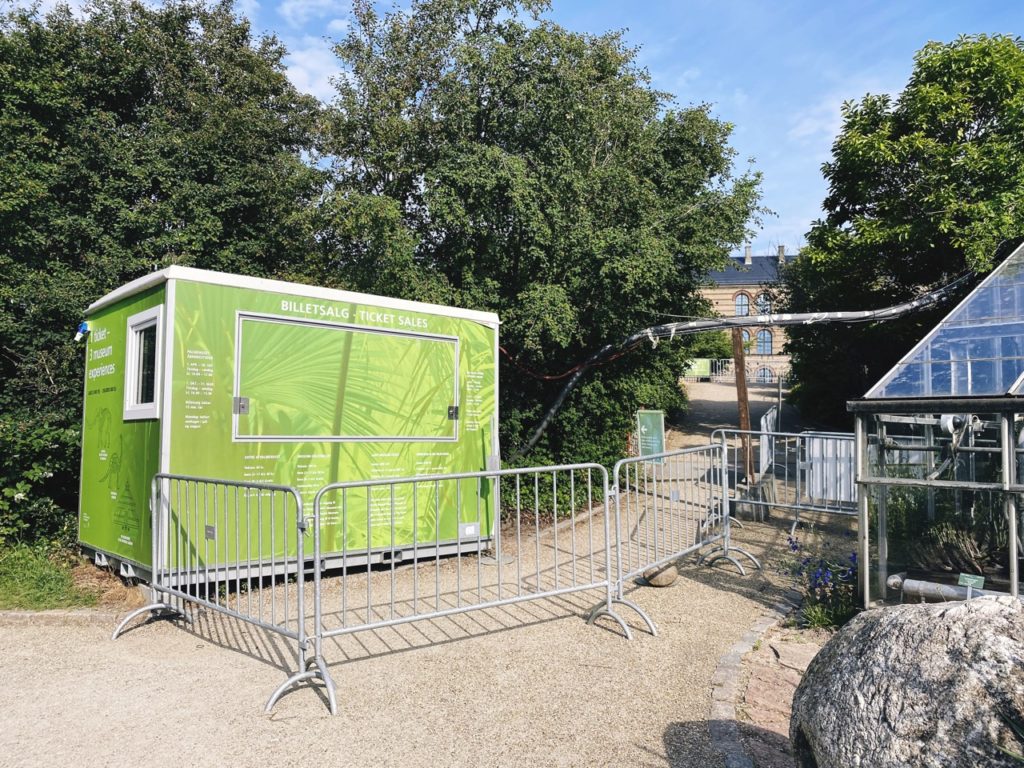
Visiting the Botanical Garden grounds and waddling around the outdoor areas is completely free of charge.However, if you’d like to enter the Palm House (which also includes access to the Butterfly House), you’ll need a ticket. Tickets can be purchased directly at the entrance to the Palm House.
- Adults: 60 DKK
- Children (3–17 years): 40 DKK
- Children (0–2 years): Free entry
- Plushies: Free entry
- Copenhagen Card holders: Admission included
Good to Know Before Visiting the Botanical Garden
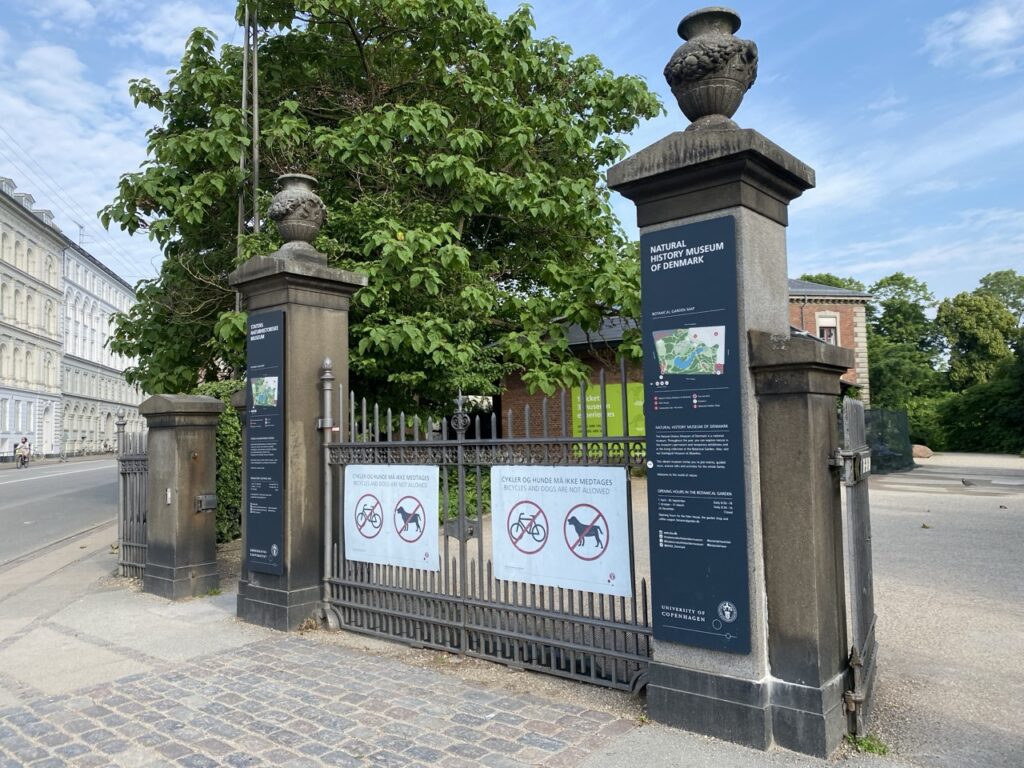
- Guide dogs are welcome, but other pets are not allowed, as the garden is home to many rare and delicate plants.
- As common sense (and penguin sense 🐧) dictates: please don’t step into the flower beds, climb trees, or collect flowers, plants, or seeds.
- Camping, barbecues, and open fires are not permitted anywhere in the gardens.
- Bikes, scooters, and skateboards are not allowed inside the grounds; park them at the entrances.
- You may sit and relax only in designated areas, where benches and open lawns are clearly marked.
- Picnics are welcome, but remember to clean up after yourself and leave no litter behind.
- The paths are wheelchair- and stroller-friendly, though access to some glasshouse areas may be limited due to stairs.
- Toilets are available near the main entrance.
- Entry to the outdoor gardens is free, making it easy to combine your visit with other nearby attractions, such as the Natural History Museum of Denmark.
Tours and tickets from ViatorShows Viator’s own box, which can set Viator cookies.
Waddling around the Botanical Garden in Copenhagen
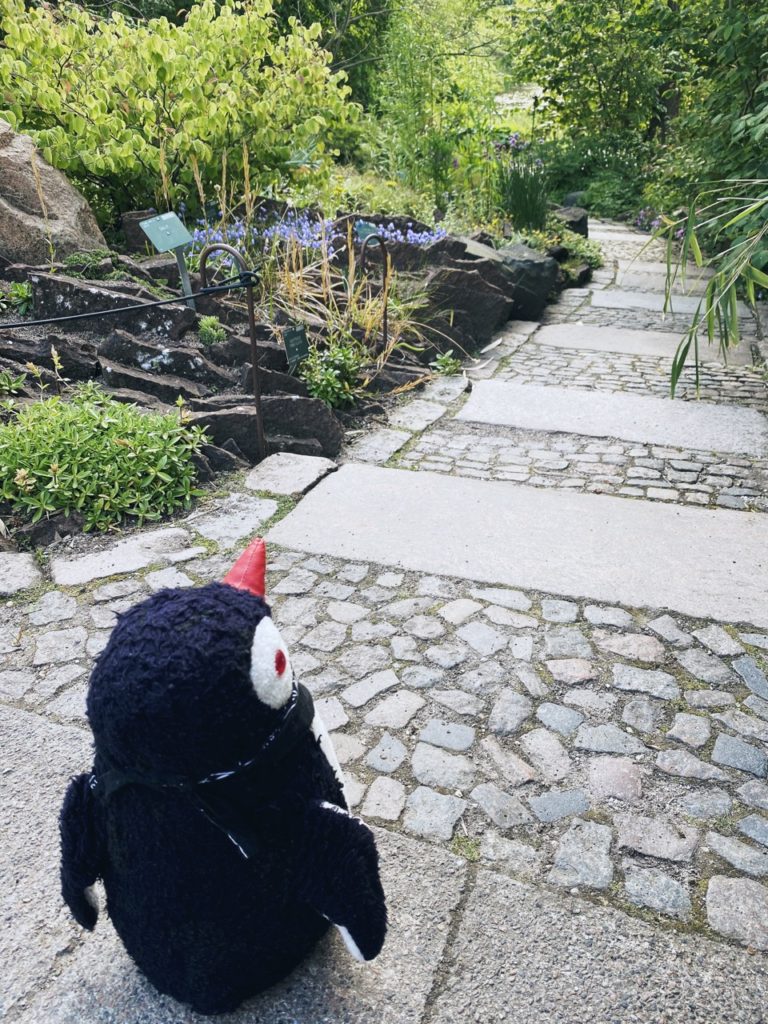
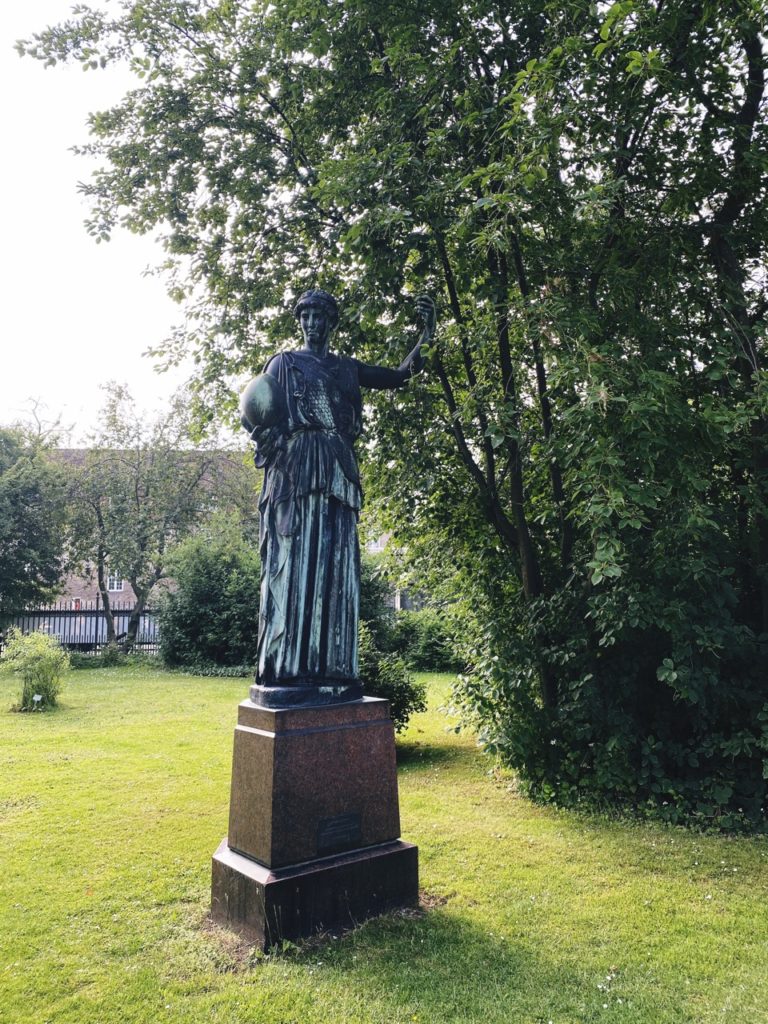
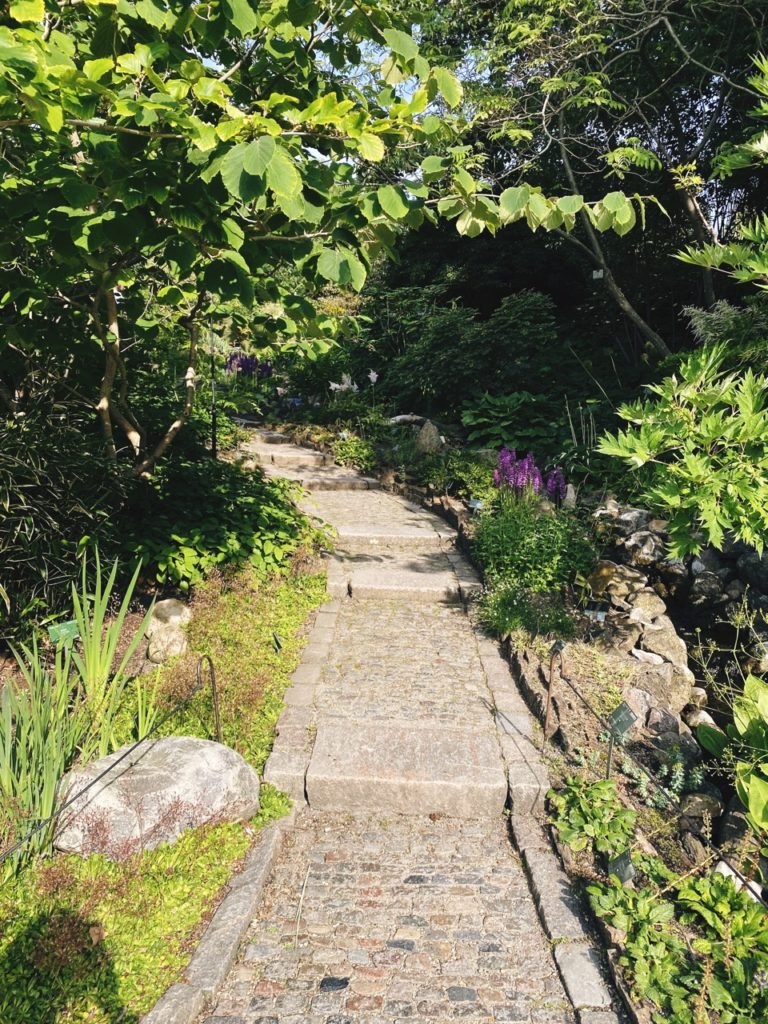
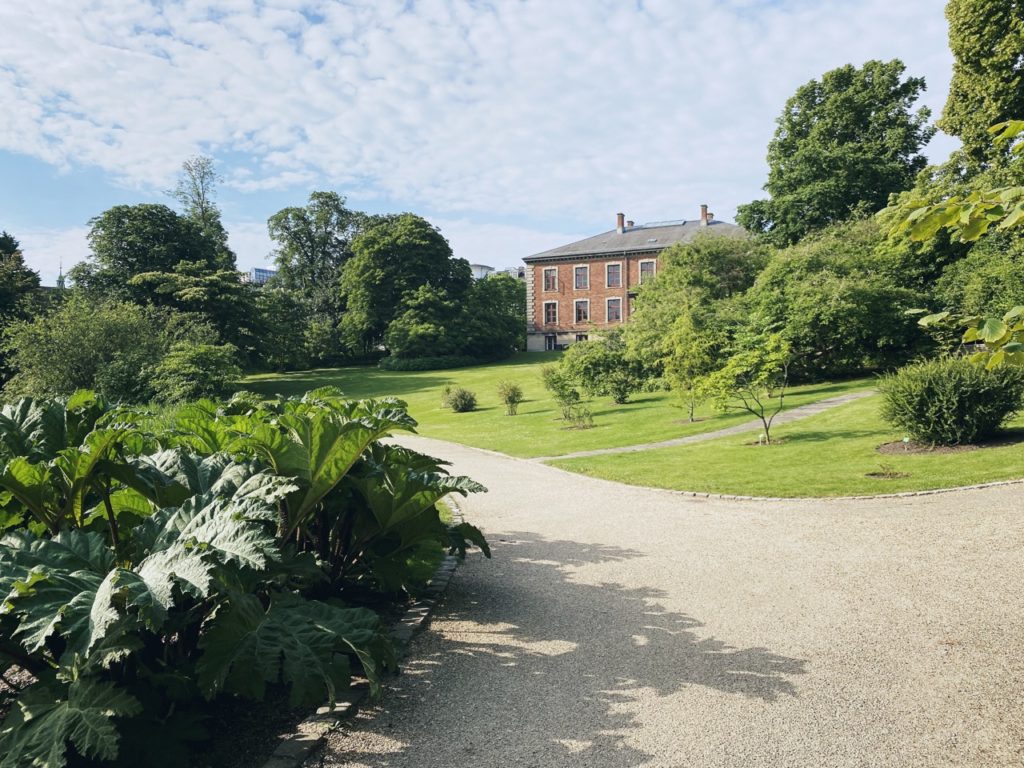
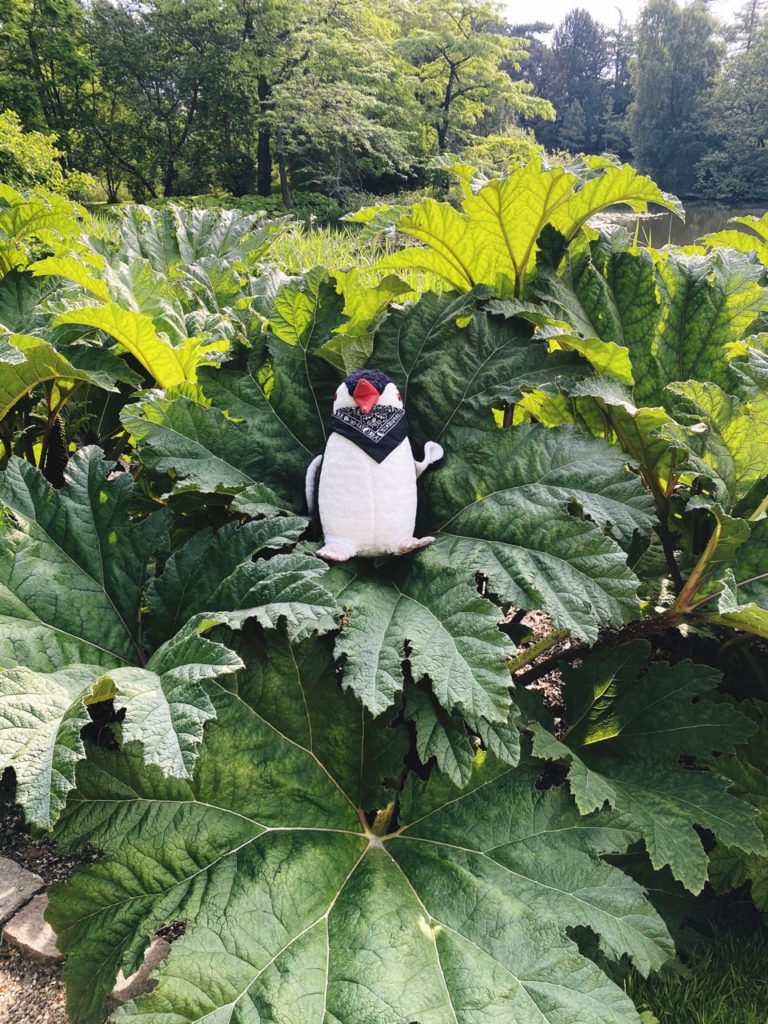
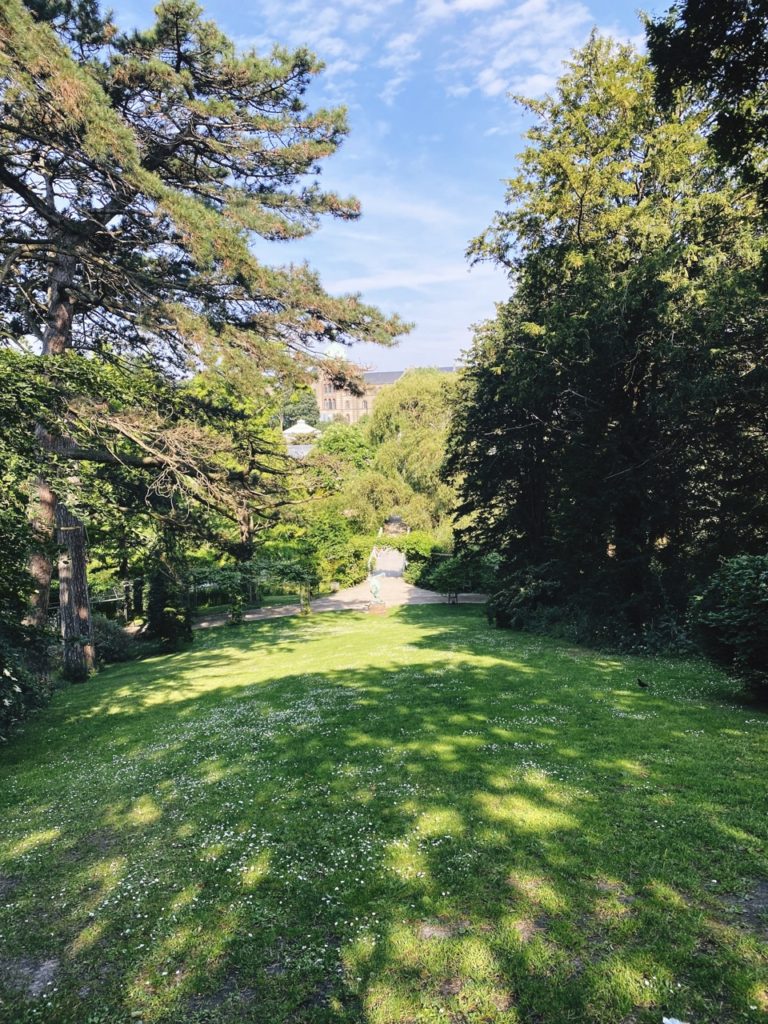
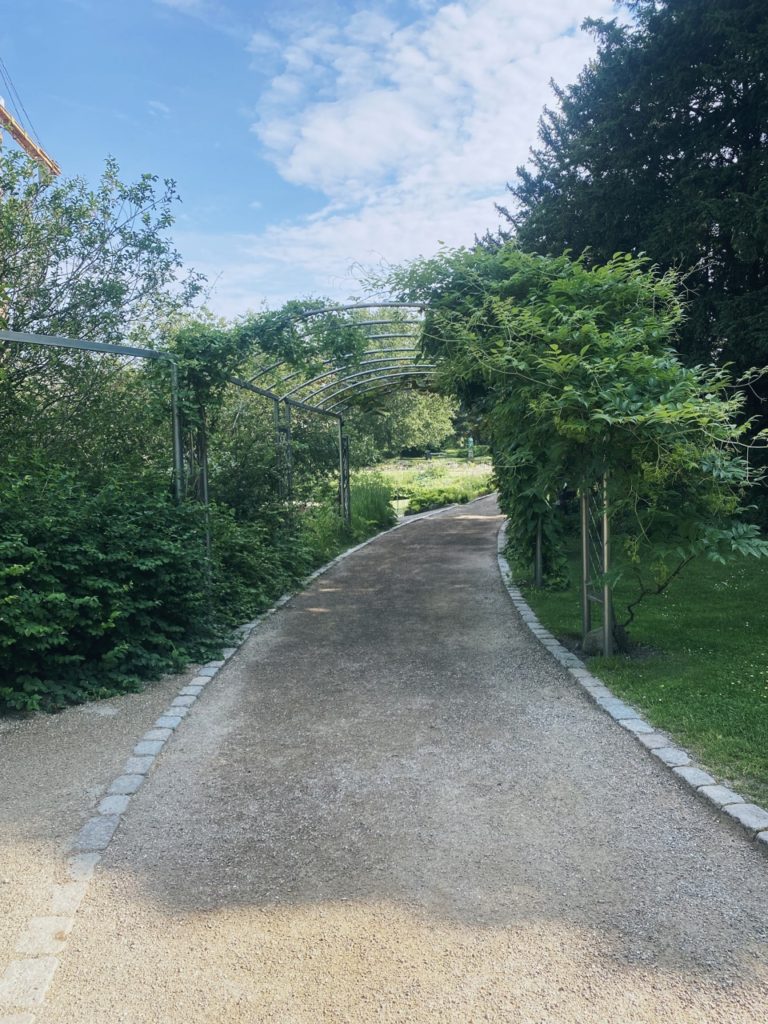
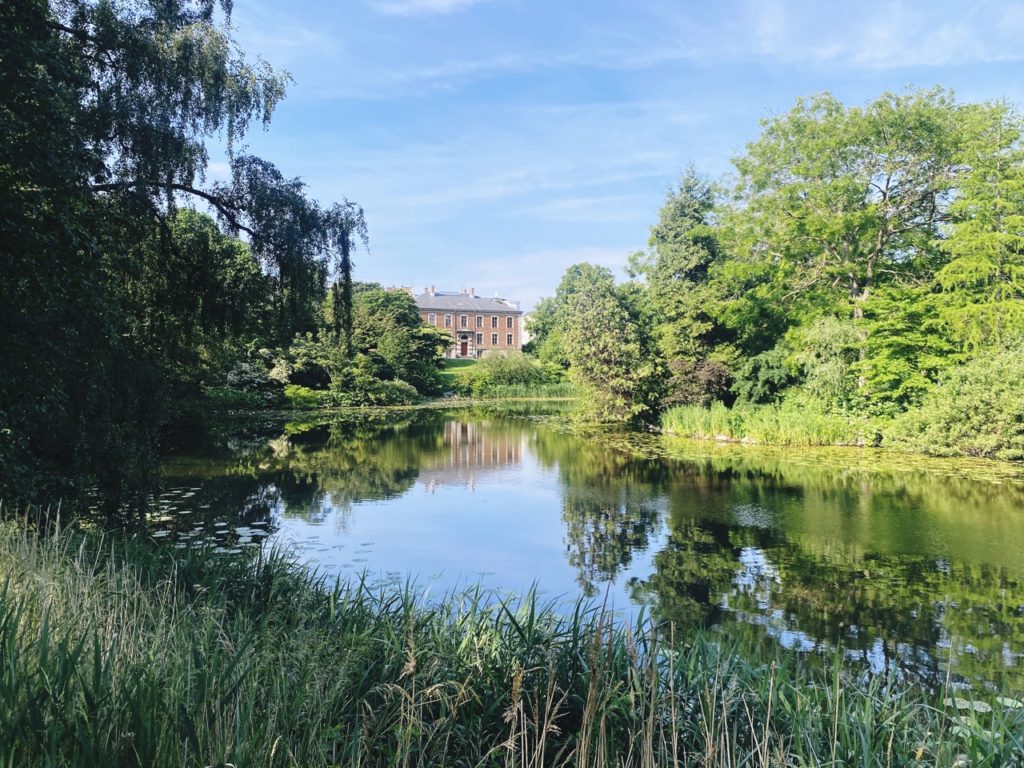
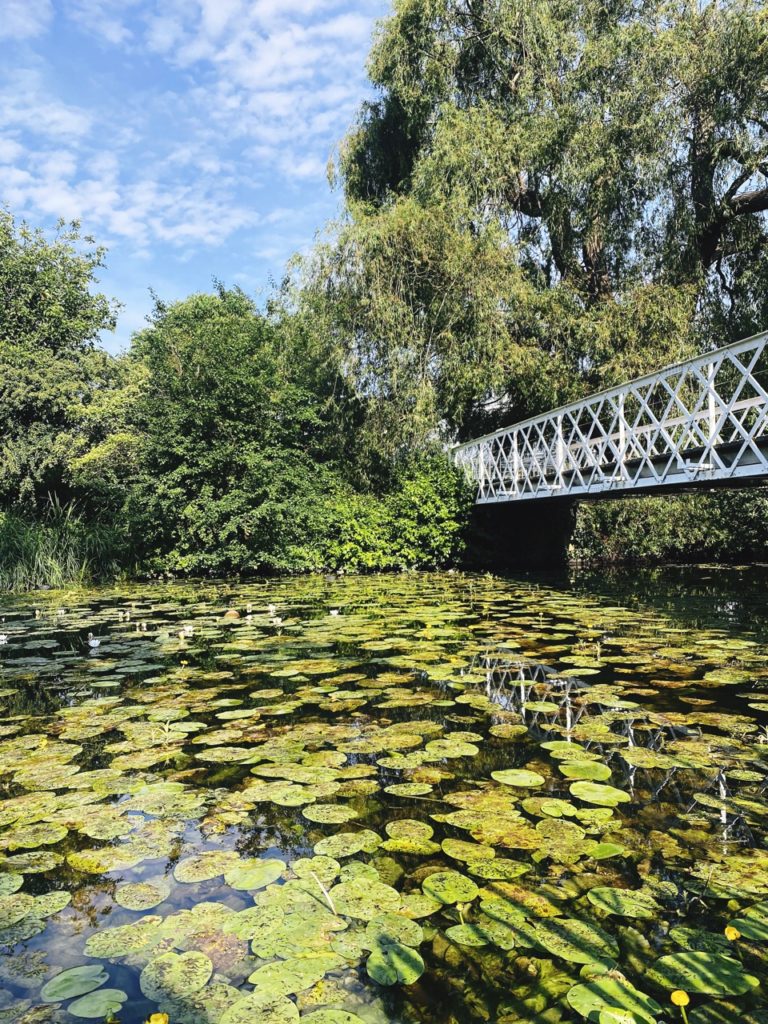
We stepped into the Copenhagen Botanical Garden on a fresh morning, the sky was clear and blue, the air was crisp, and everything felt wonderfully silent. Right away, we felt at ease, as if we had escaped the busy city and entered a little pocket of calm.
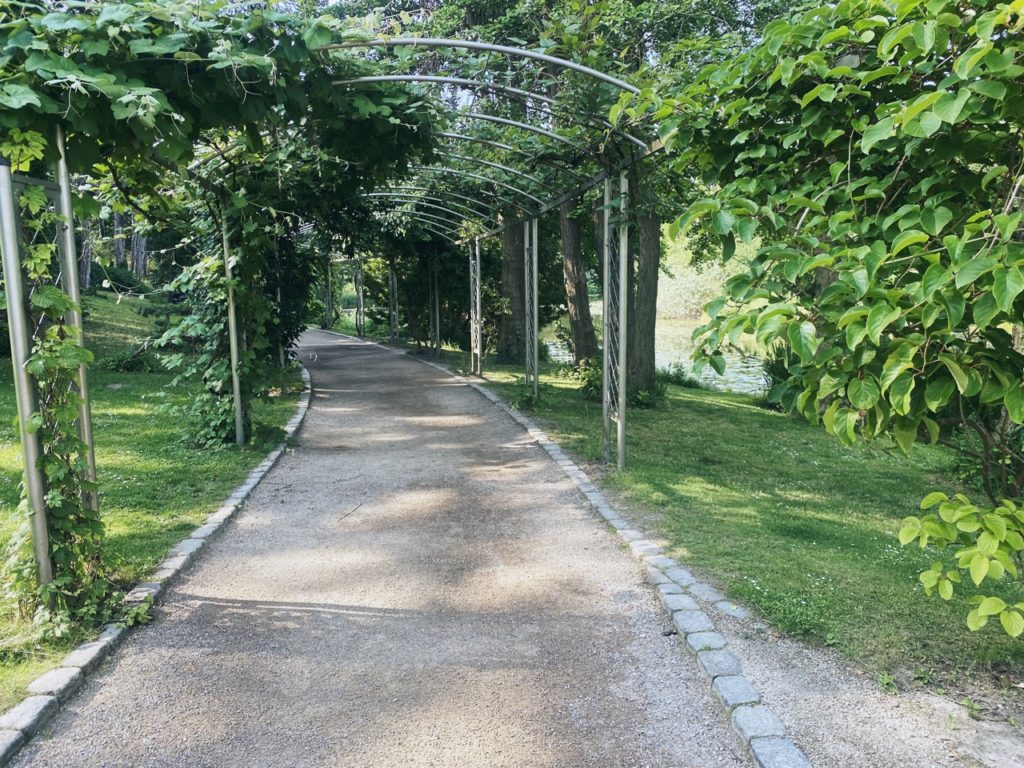
The purpose of the Botanical Garden is not only to provide a peaceful retreat but also to expand knowledge and understanding of the incredible diversity of the plant and fungi kingdoms. It also aims to inspire appreciation for both national and global natural values, which you sense as you waddle deeper into its green paths.
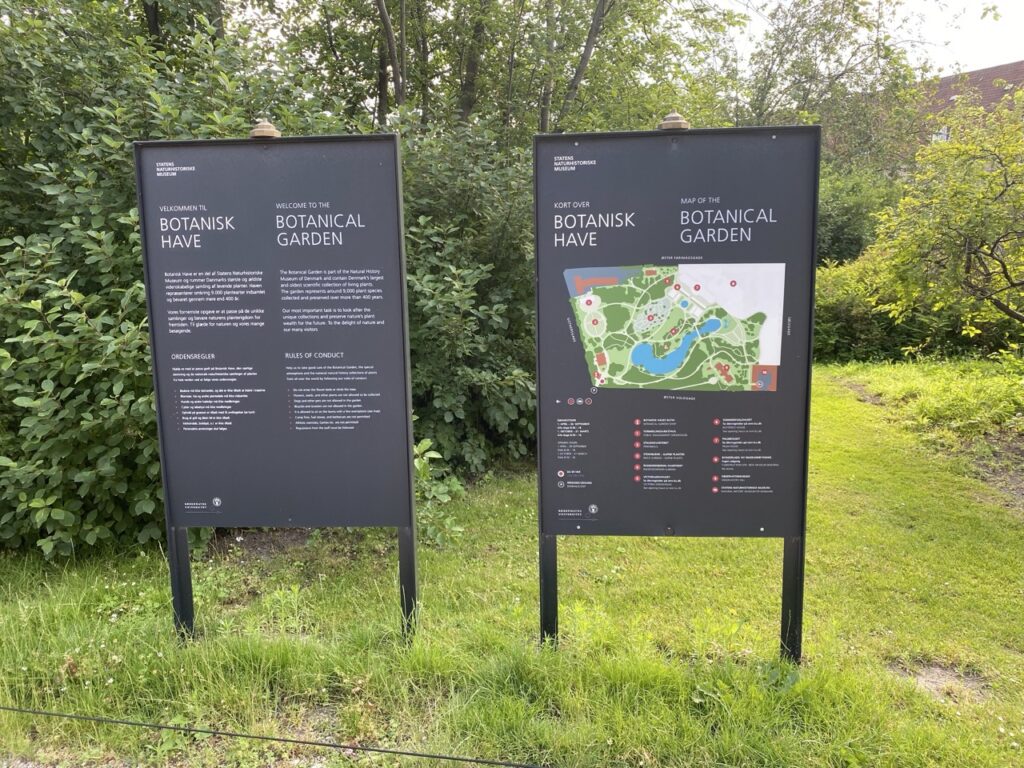
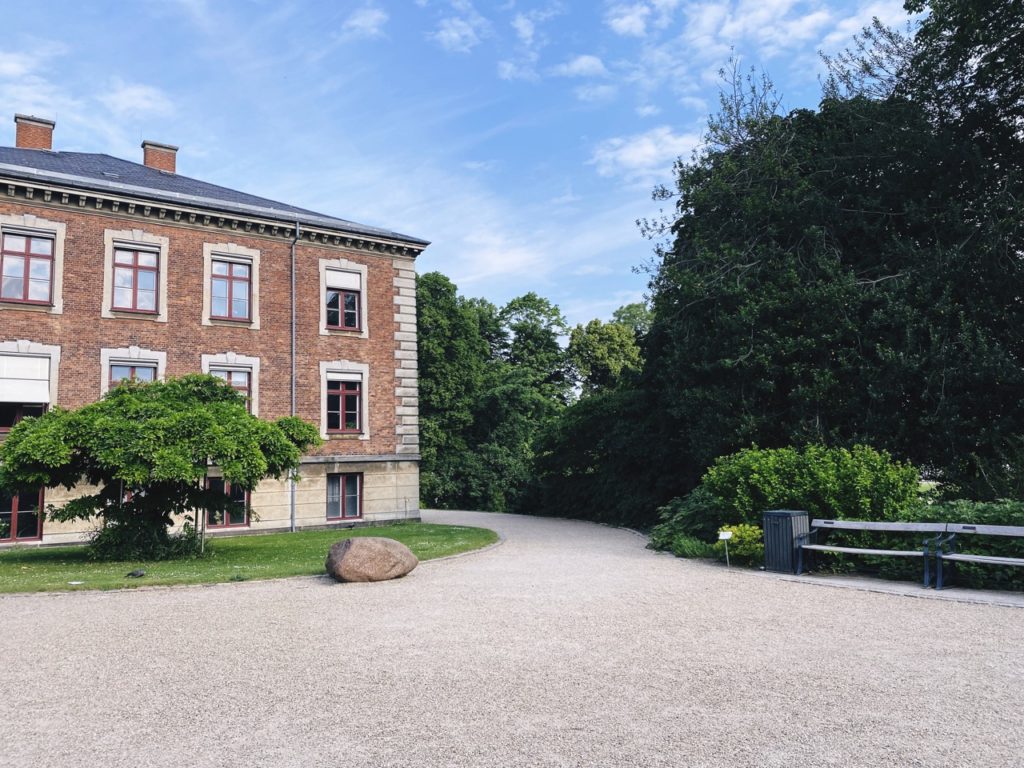
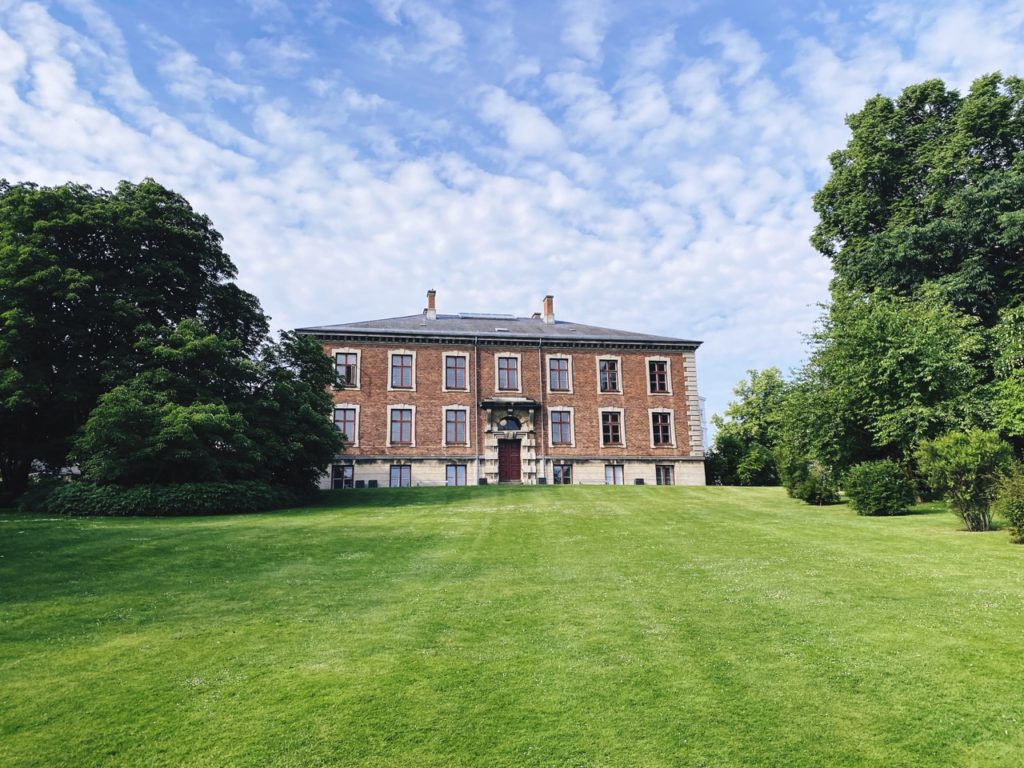
When entering from Øster Voldgade, you’ll find a cozy shop, a small coffee house, and restrooms to start your visit comfortably. As we continued, we waddled past the striking University Botanical Museum, a beautiful red-brick building that perfectly frames the garden’s historic charm.
A Brief History of the Copenhagen Botanical Garden
- 1600s. The first botanical gardens in Copenhagen were established in different locations, mainly for medical and academic purposes.
- 1759. A larger garden was laid out near Charlottenborg Palace.
- 1870s. The garden was moved to its current location next to Øster Voldgade.
- 1874. The iconic Palm House was built, inspired by London’s Crystal Palace, and remains the centerpiece of the garden.
- 20th century. The collection grew steadily, expanding to include thousands of plant species from around the world.
- Today, the garden is part of the Natural History Museum of Denmark at the University of Copenhagen, with more than 13,000 species and a focus on research, education, and conservation.
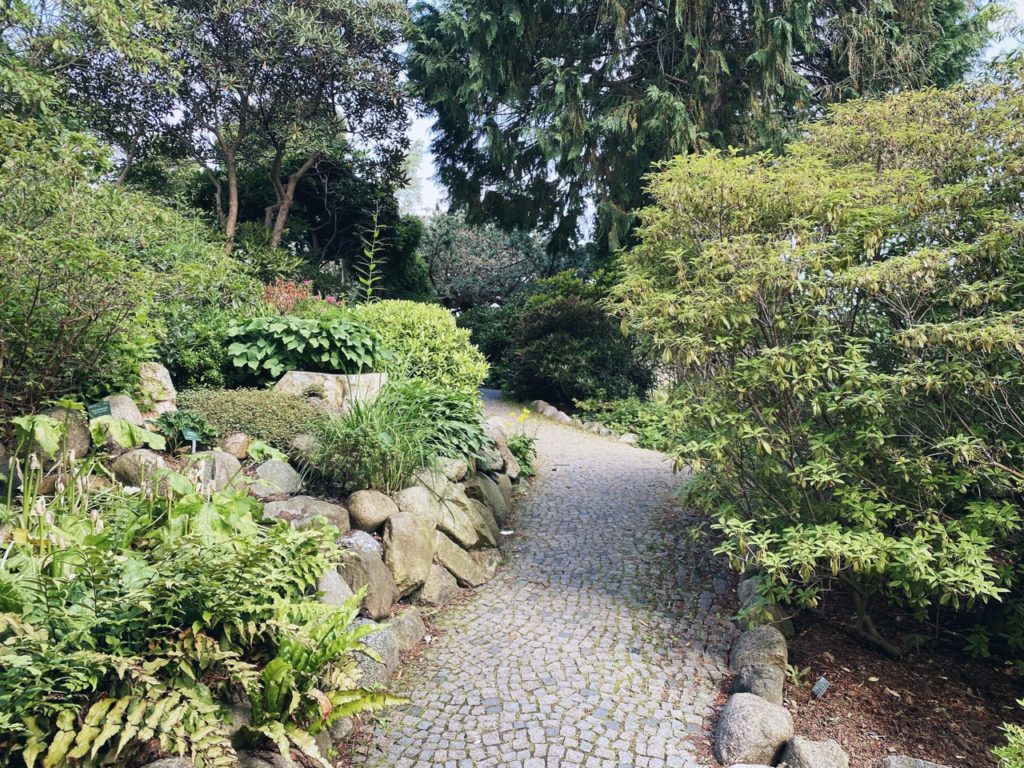
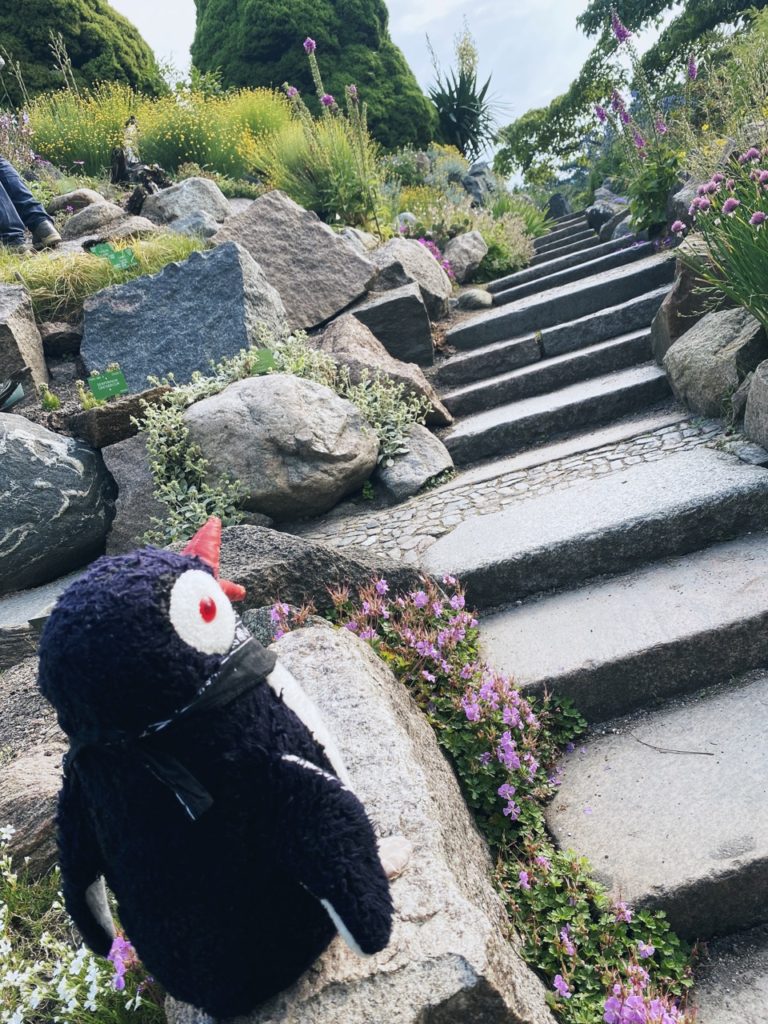
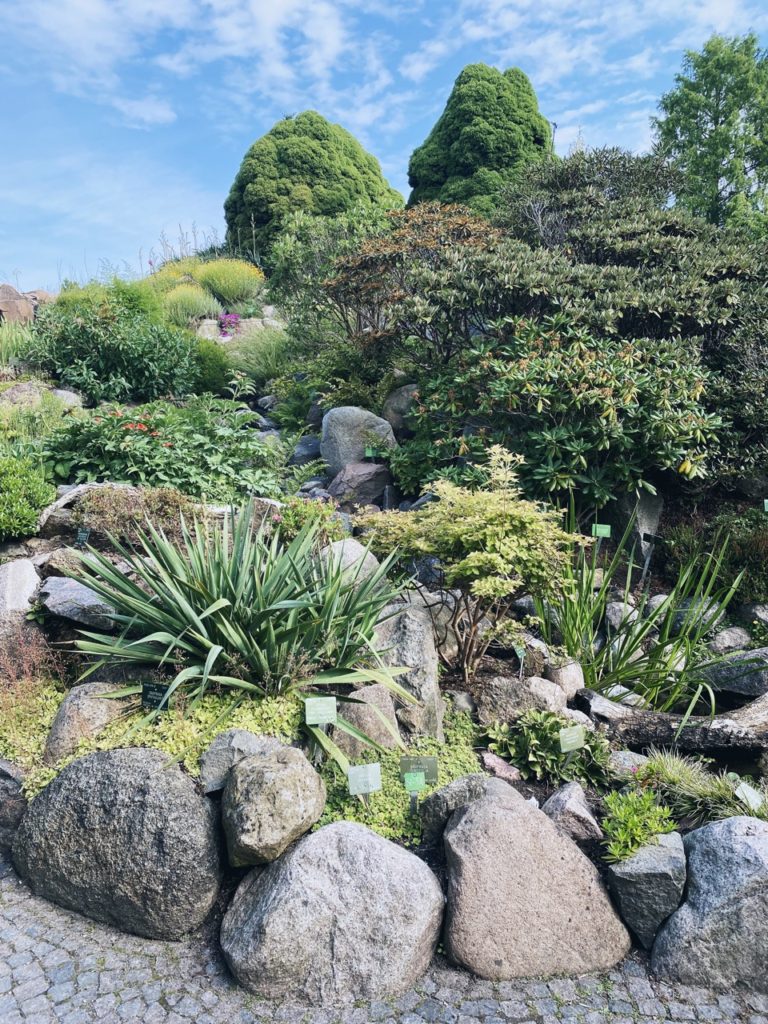
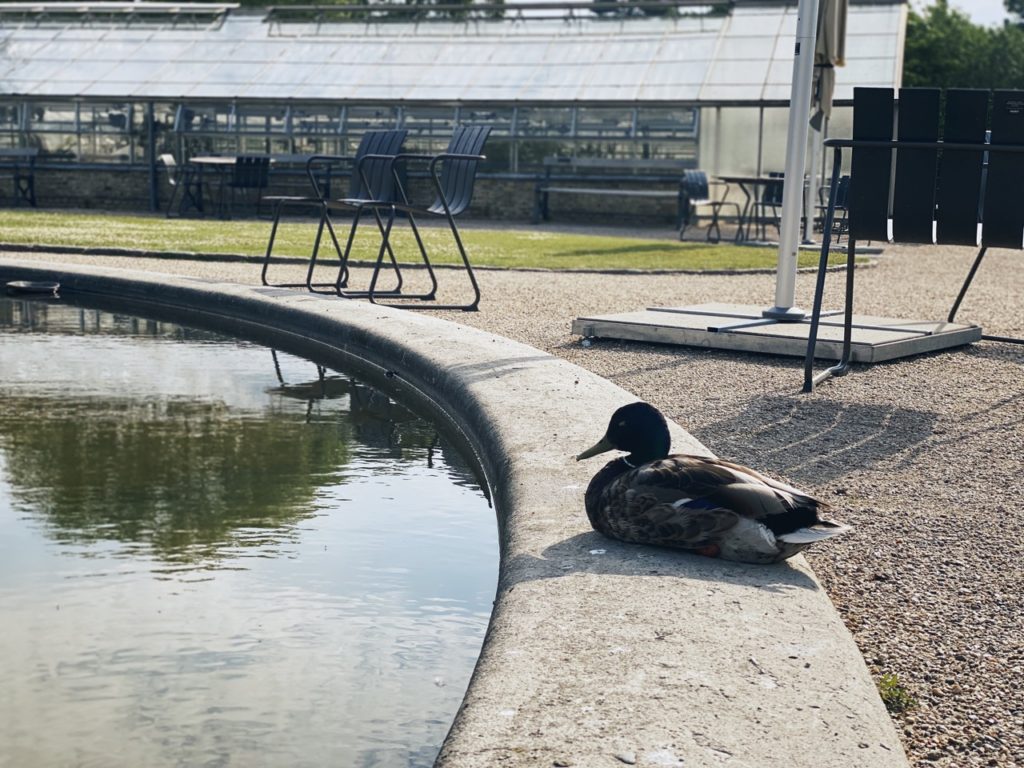
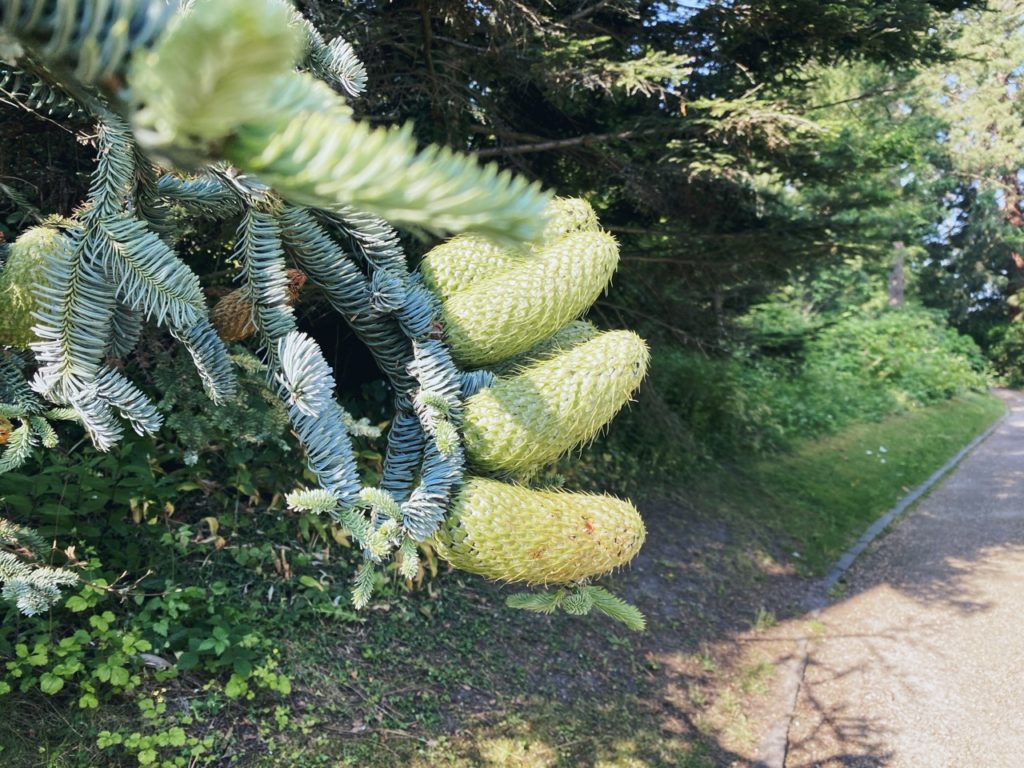
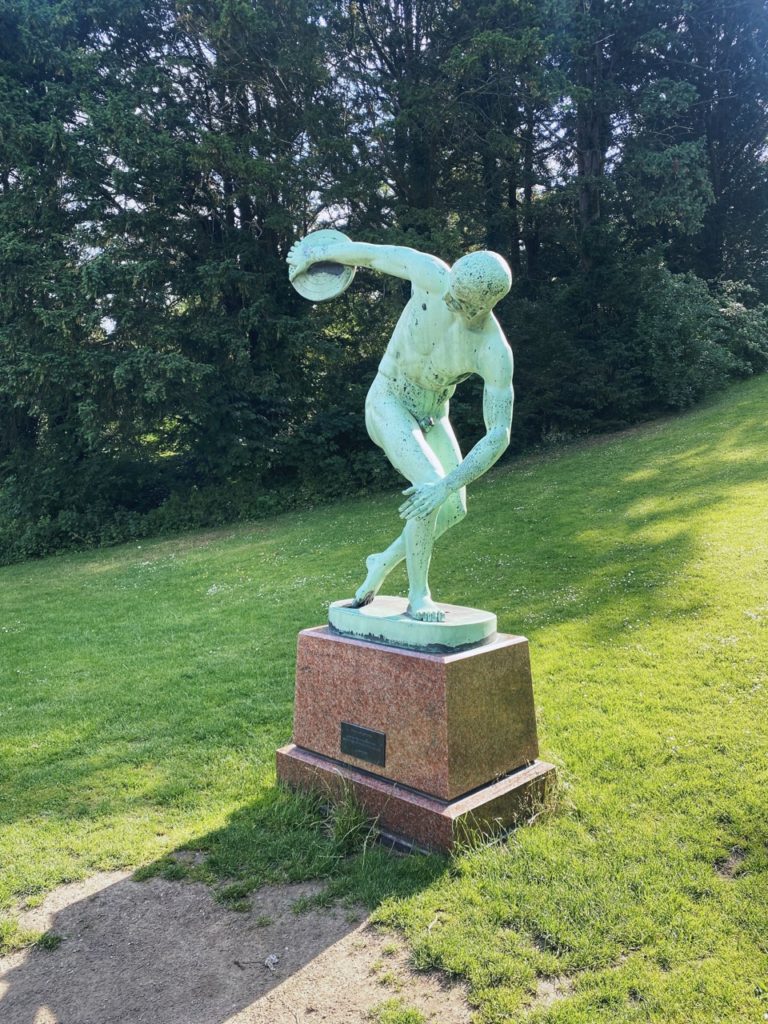
The gardens are beautiful to waddle around, and there’s so much more to see than just the glasshouses. Of course, the impressive structures catch your eye immediately, but as we wandered on, we found ourselves stopping at several plants along the way, reading their little signs and learning something new each time. It made the walk feel both calming and inspiring.
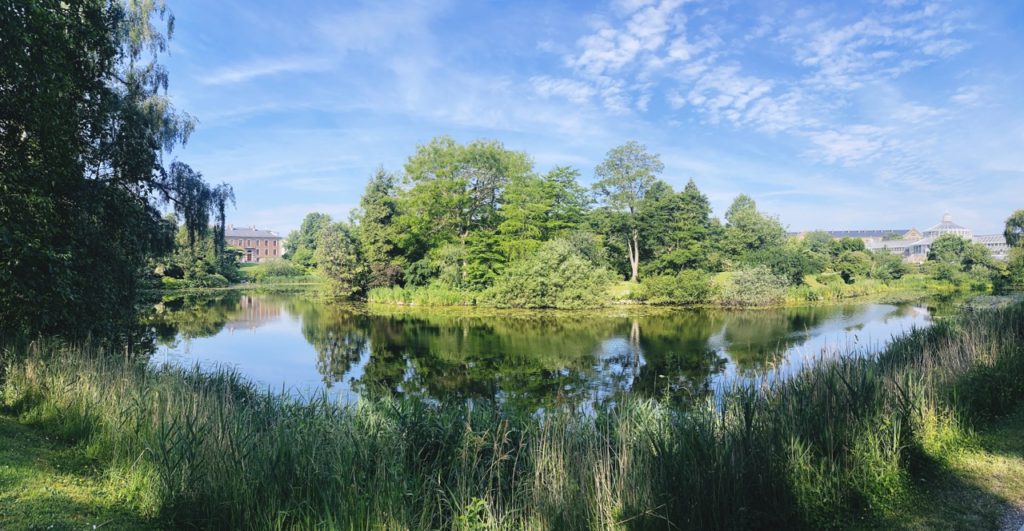
The garden itself has a long history. As mentioned, it was first established back in the 1600s, and it was moved twice before finally finding its home here in 1870. Just a few years later, in 1874, the garden was laid out in the form we see today.
Quick Facts About the Copenhagen Botanical Garden
- Location: Central Copenhagen, part of the Natural History Museum of Denmark
- Area: Covers around 10 hectares (25 acres)
- Number of species: More than 13,000 plant species from Denmark and around the world
- Danish flora: About 600 species of native Danish plants
- Glasshouses: 27 historic greenhouses, including the Palm House (1874) and the Butterfly House
- Rock gardens: Collections of plants from the Arctic, Himalayas, and other mountainous regions
- Purpose: Education, research, conservation, and public enjoyment
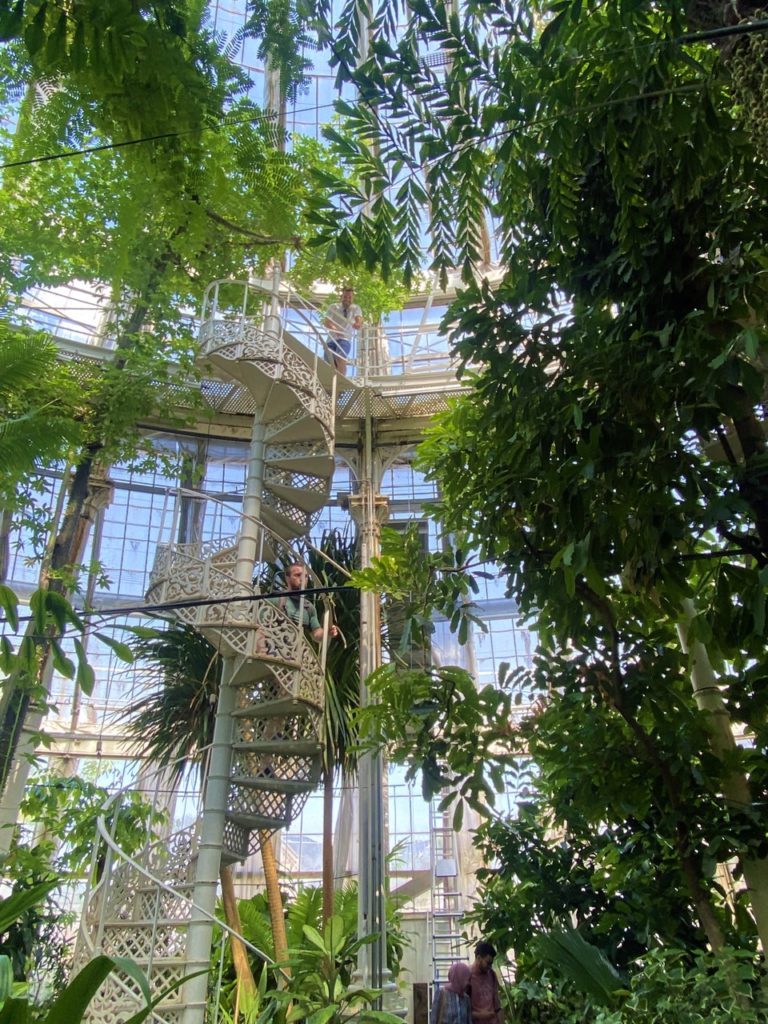
- Highlight feature: The Palm House spiral staircase leading to a canopy walkway above the tropical plants
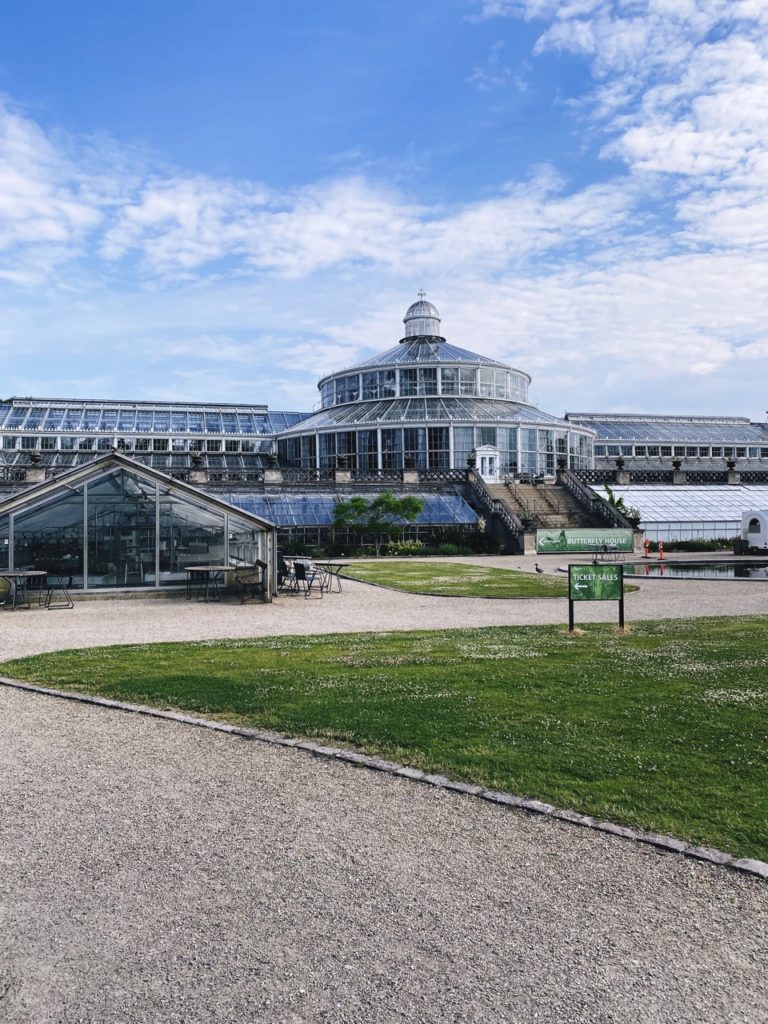
The Palm House
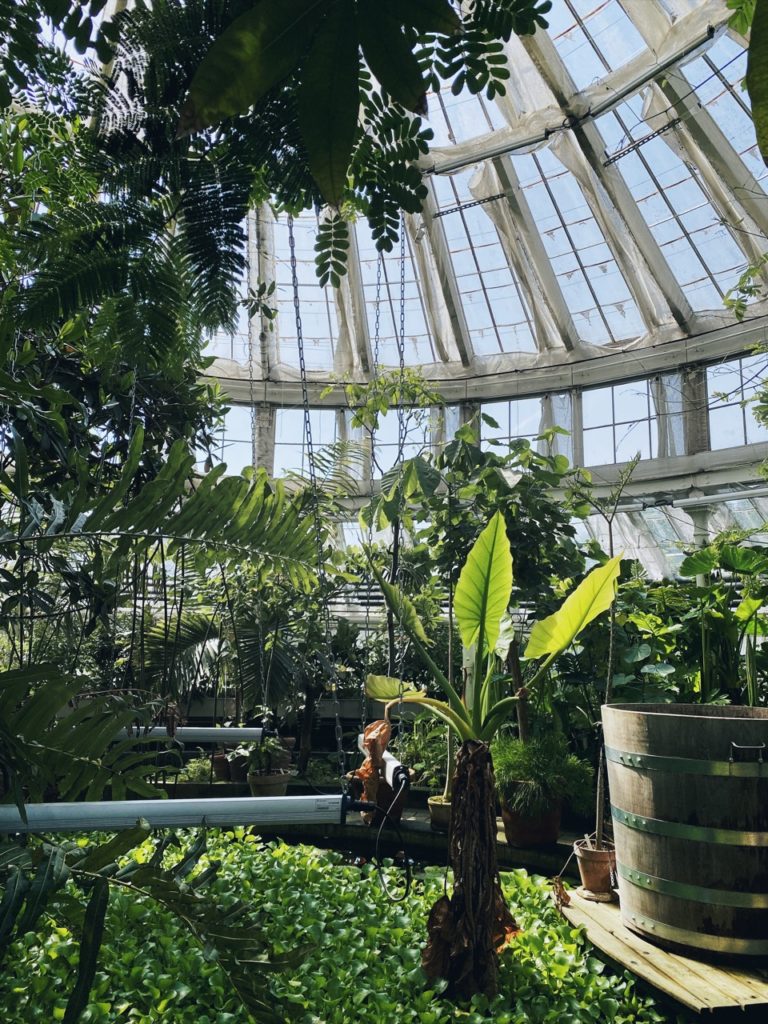
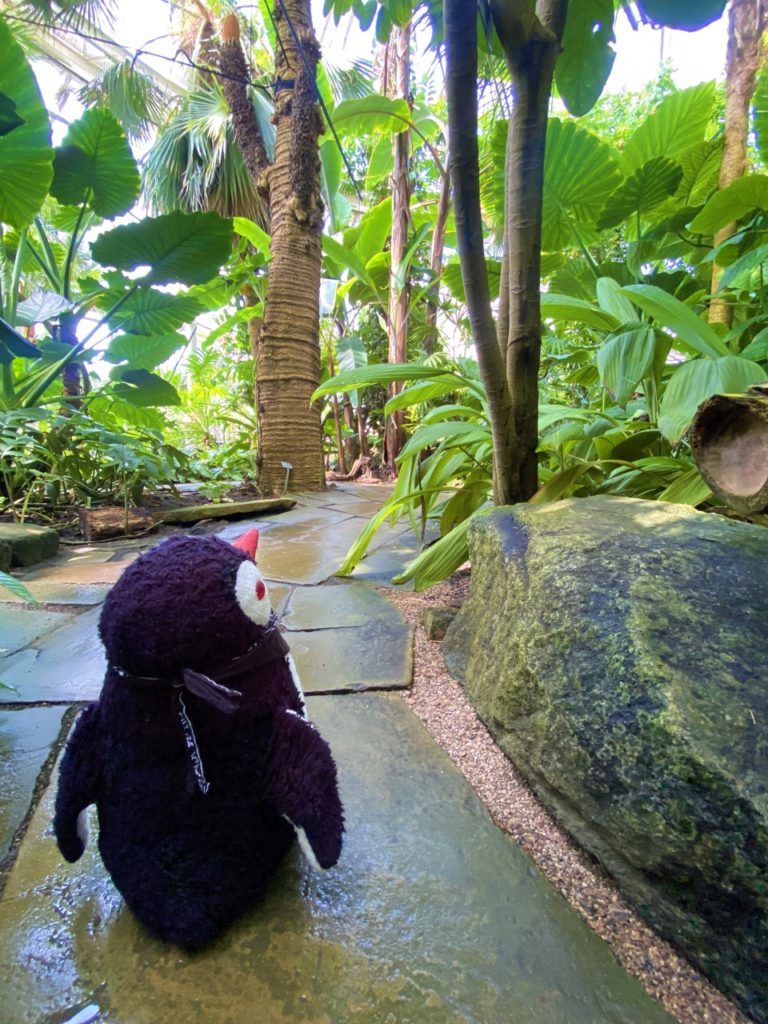
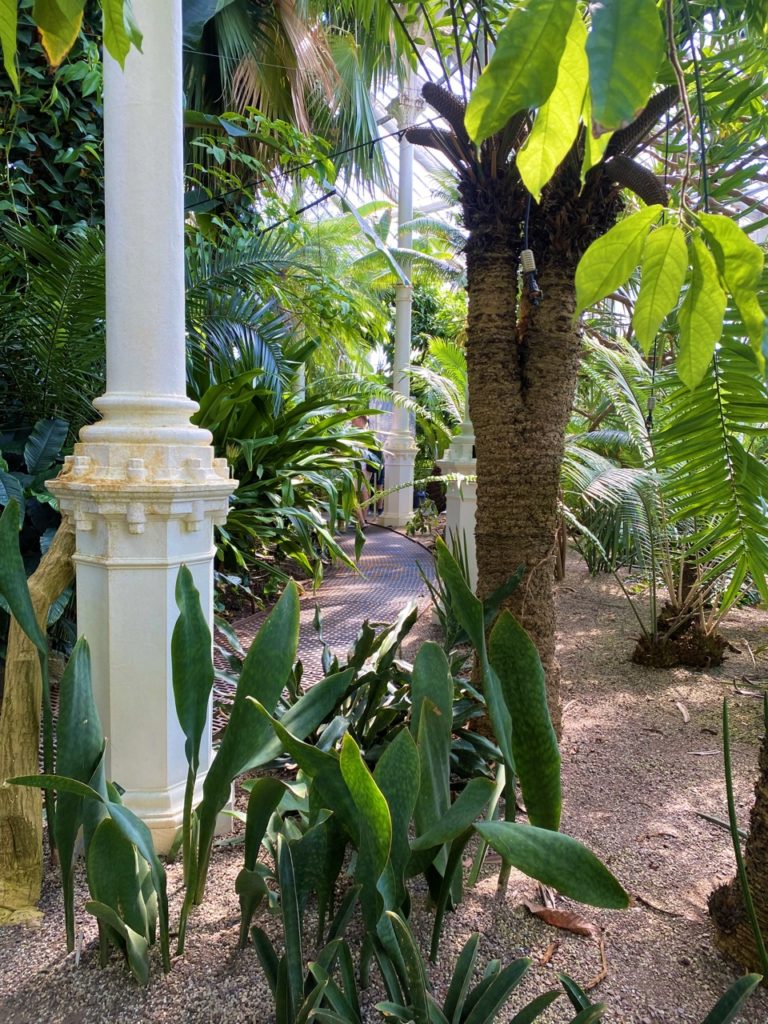
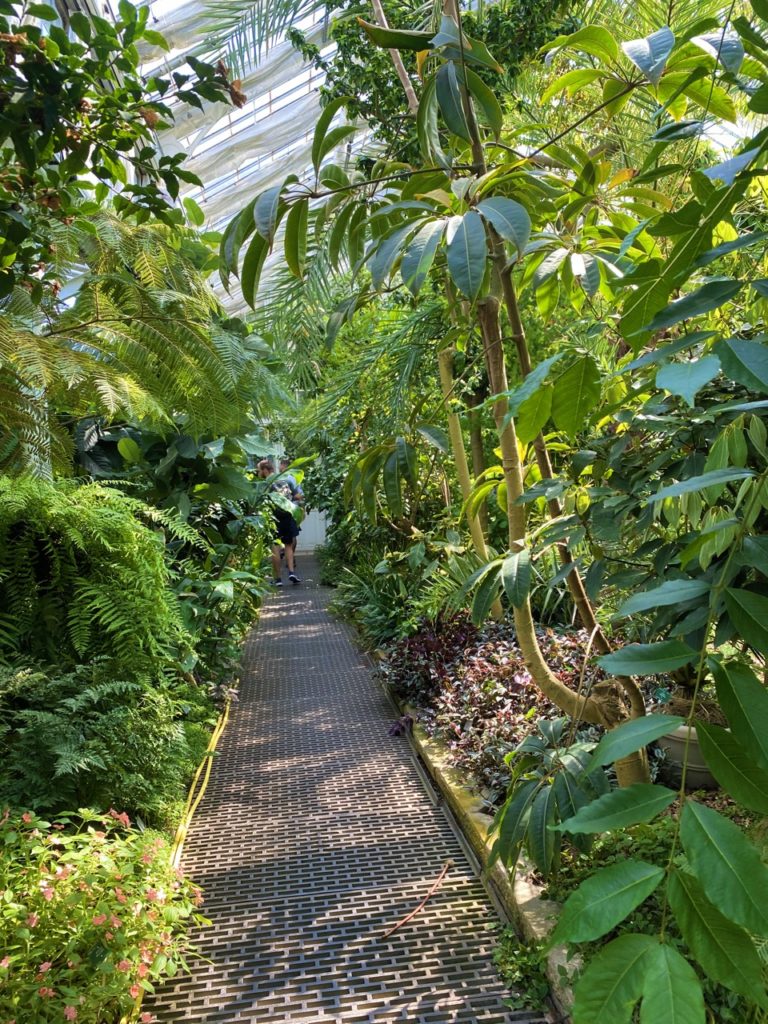
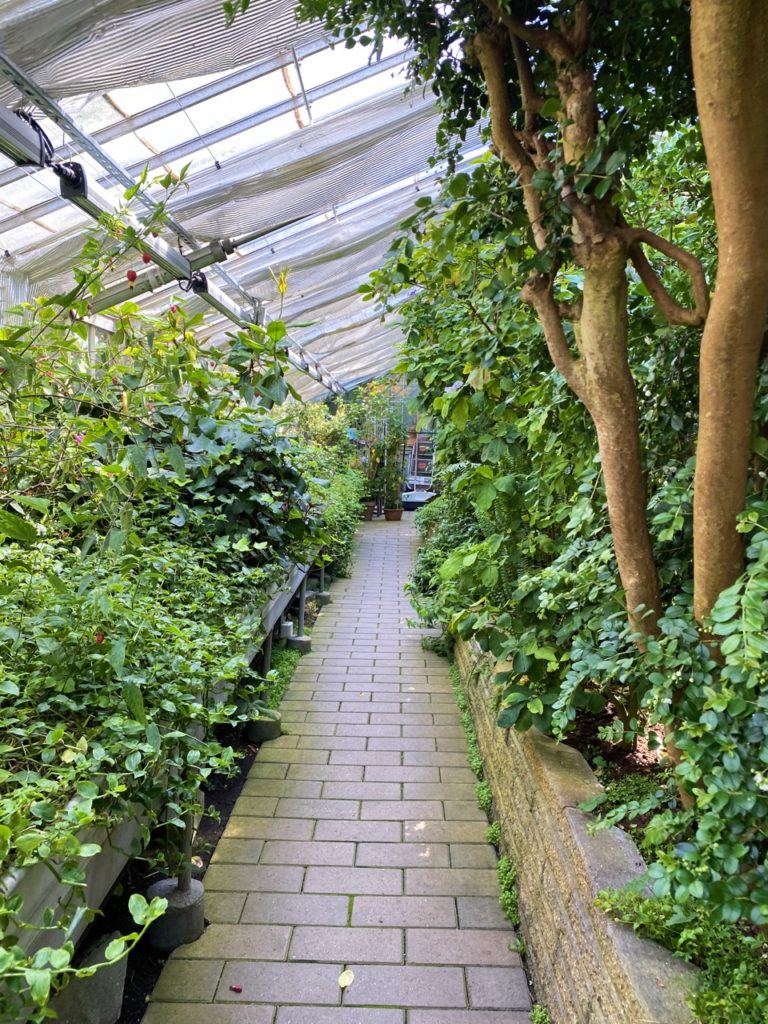
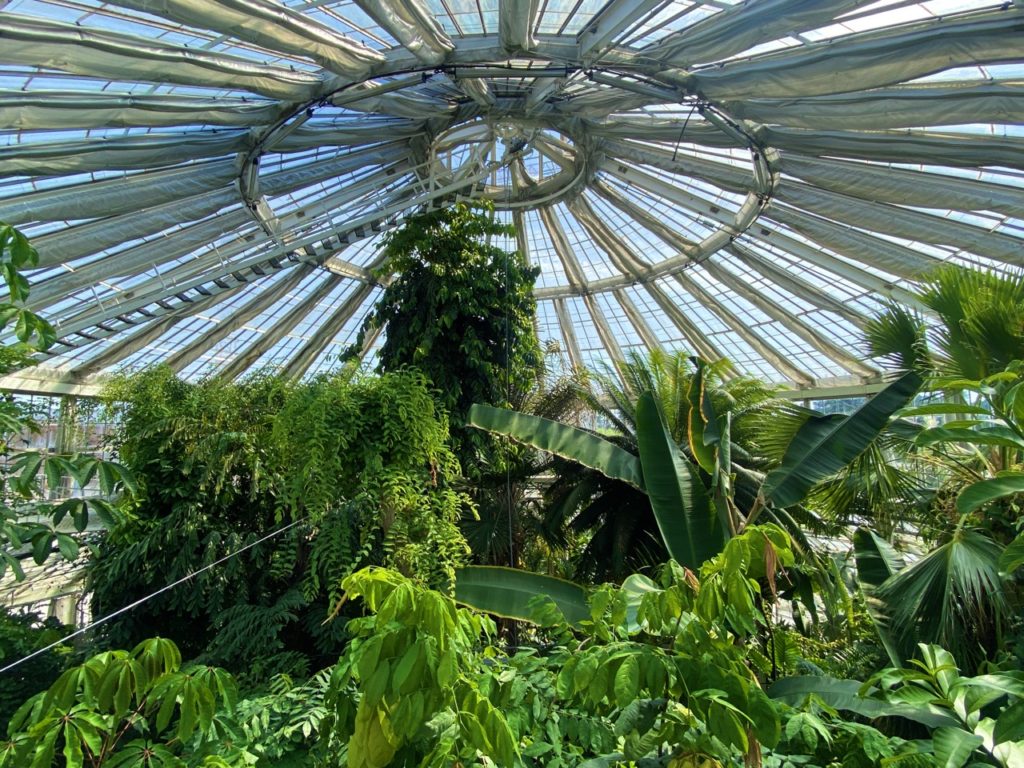
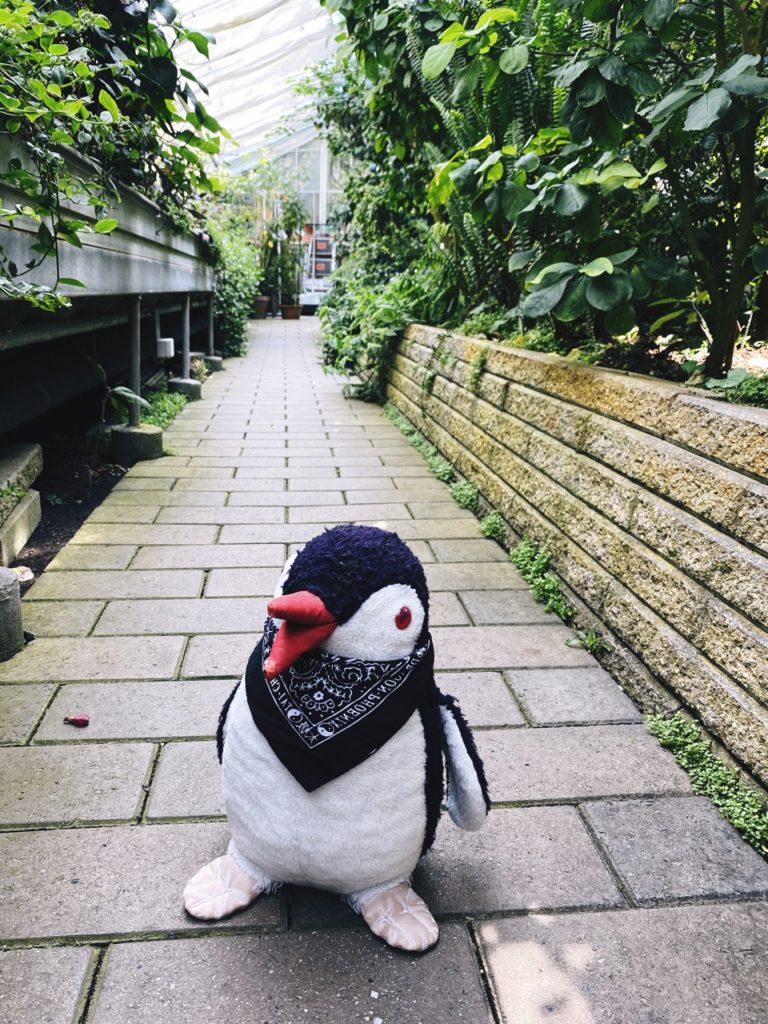
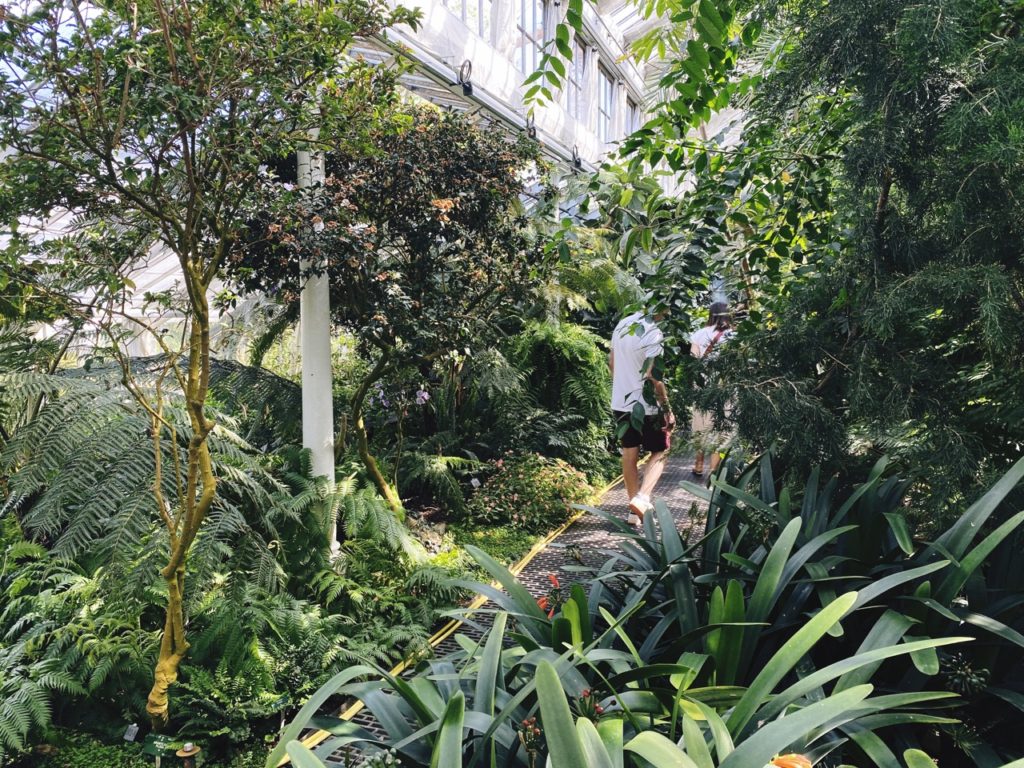
The Palm House sits right in the middle of the Botanical Garden, and because it looks so stunning (and, let’s be honest, you don’t get the chance to see real palms every day), we had the “brilliant” idea to go inside. I say brilliant in quotation marks because, while it truly was beautiful, outside it was already around 30°C, and the moment we stepped into the Palm House, the heat hit us like a wave. Within seconds, we were sweating, and we didn’t stop until we finally waddled back out again 😅. Be prepared to sweat a lot.
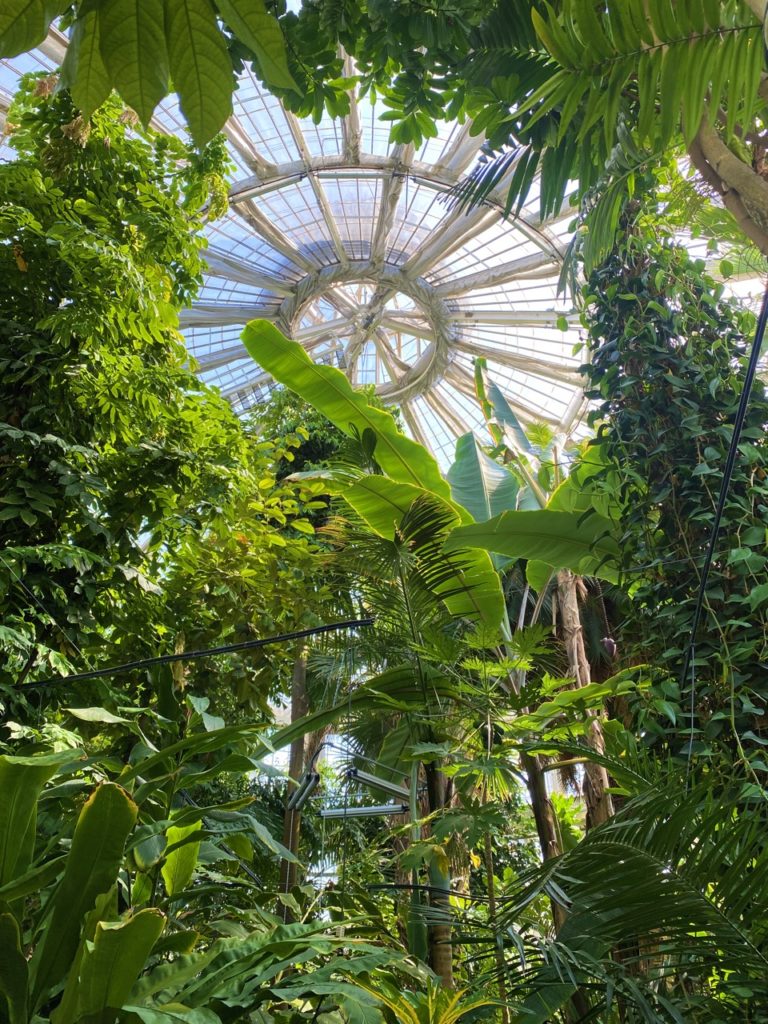
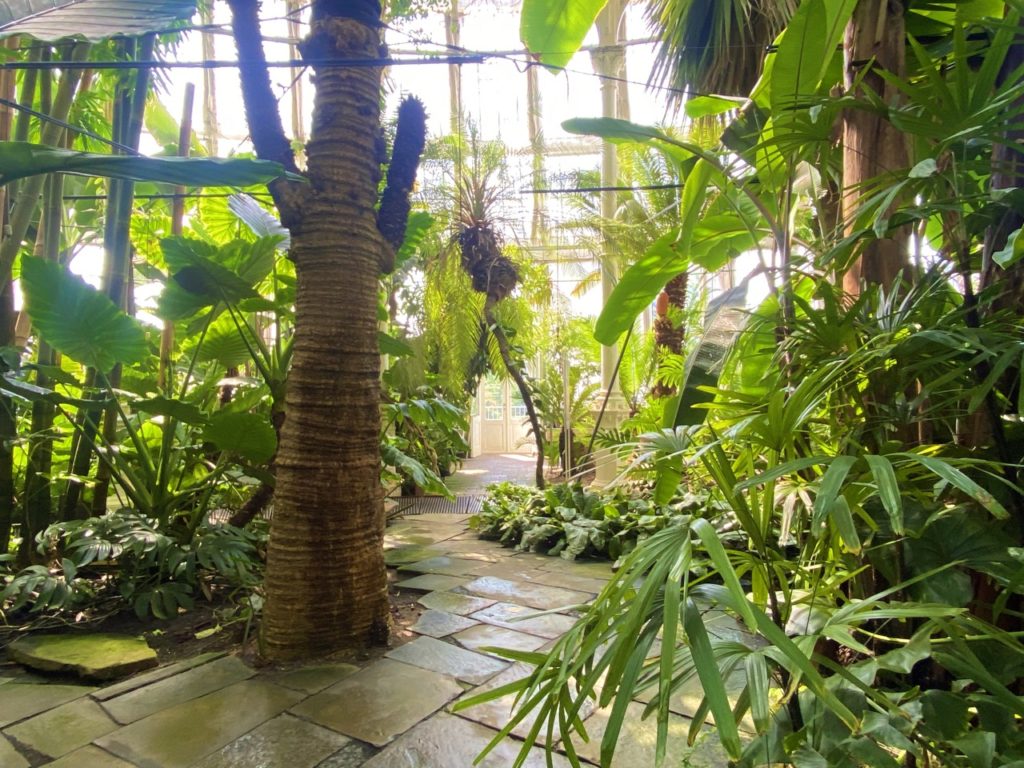
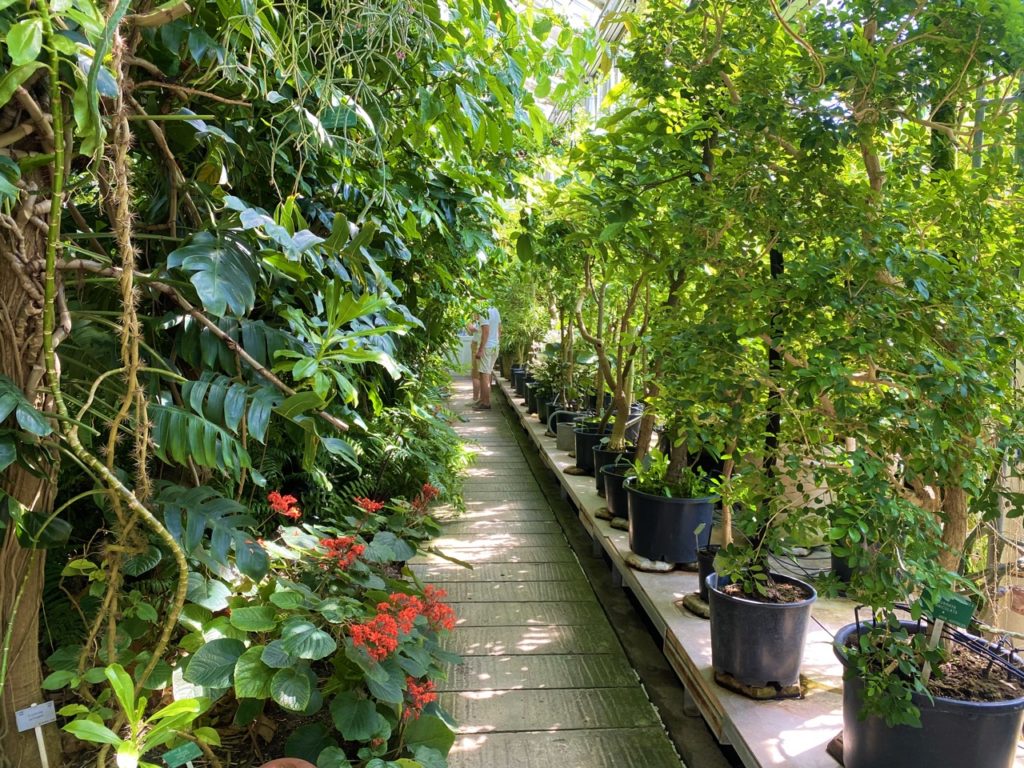
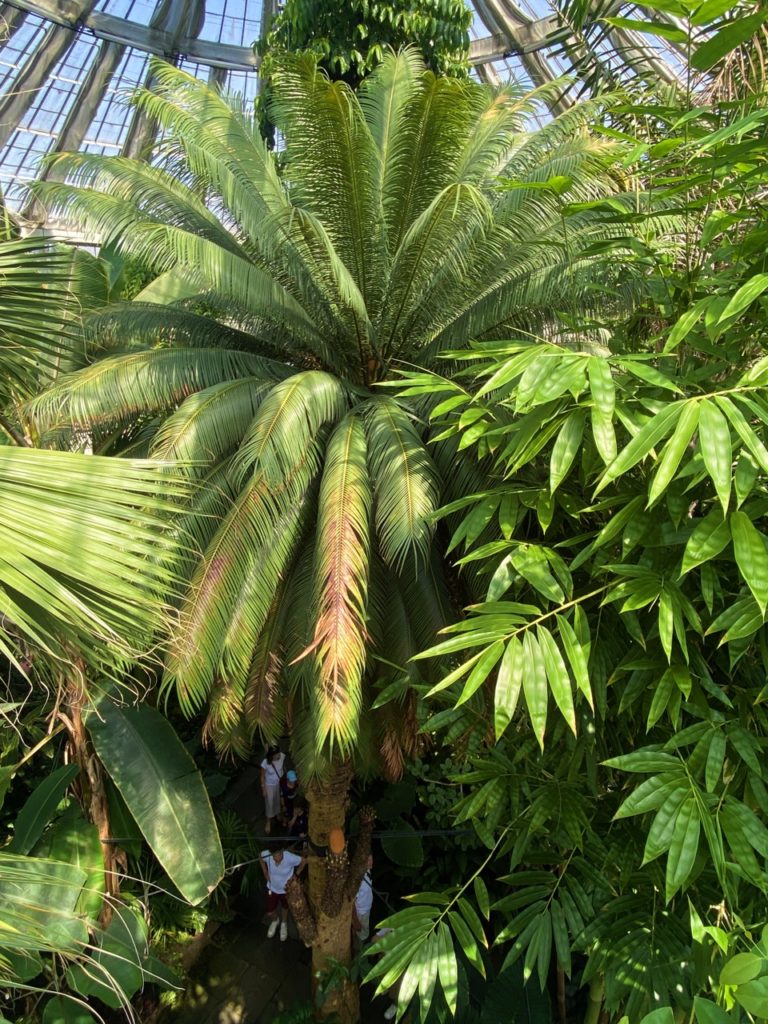
The Palm House is the tallest of the glasshouses, built between 1872 and 1874, and it’s an impressive sight from the outside. Inside, it’s a lush green oasis filled with subtropical and tropical plants. For a penguin like me, the air was a bit much; we honestly thought we might pass out 😅, but it was still worth every step. We spotted giant bamboo, towering palms, exotic flowers, and even carnivorous plants, all thriving in their steamy environment.
By the time we finally waddled back outside, the scorching summer air of Copenhagen suddenly felt cool and refreshing in comparison. That alone tells you just how intense (and unforgettable) the Palm House can be!
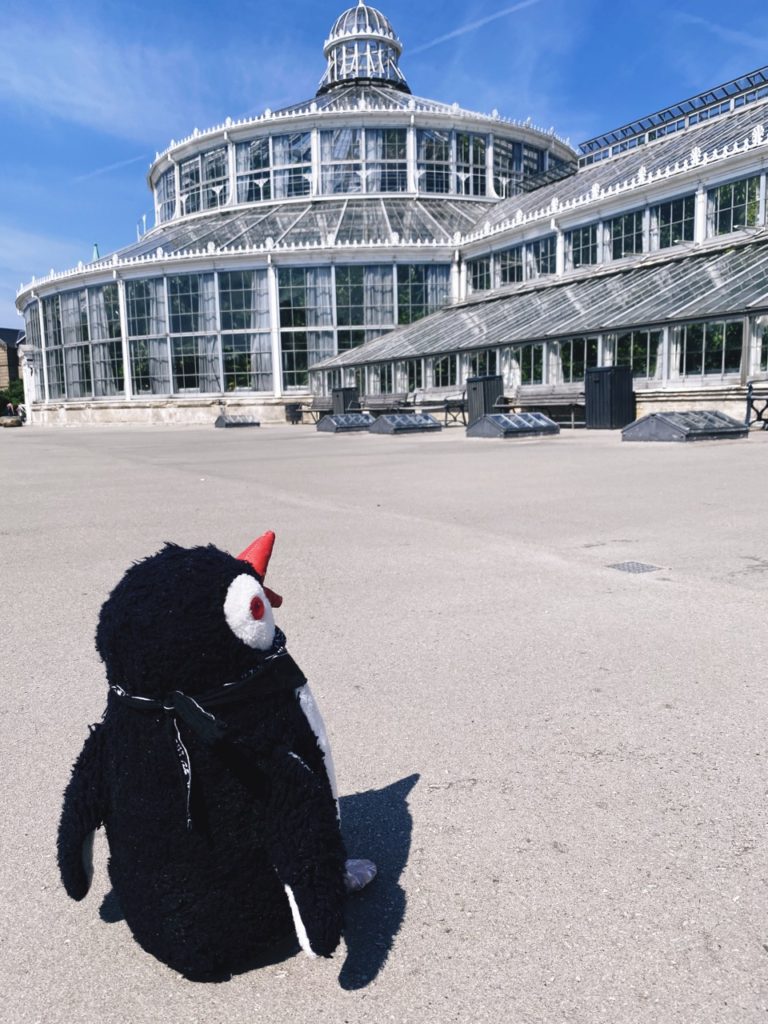
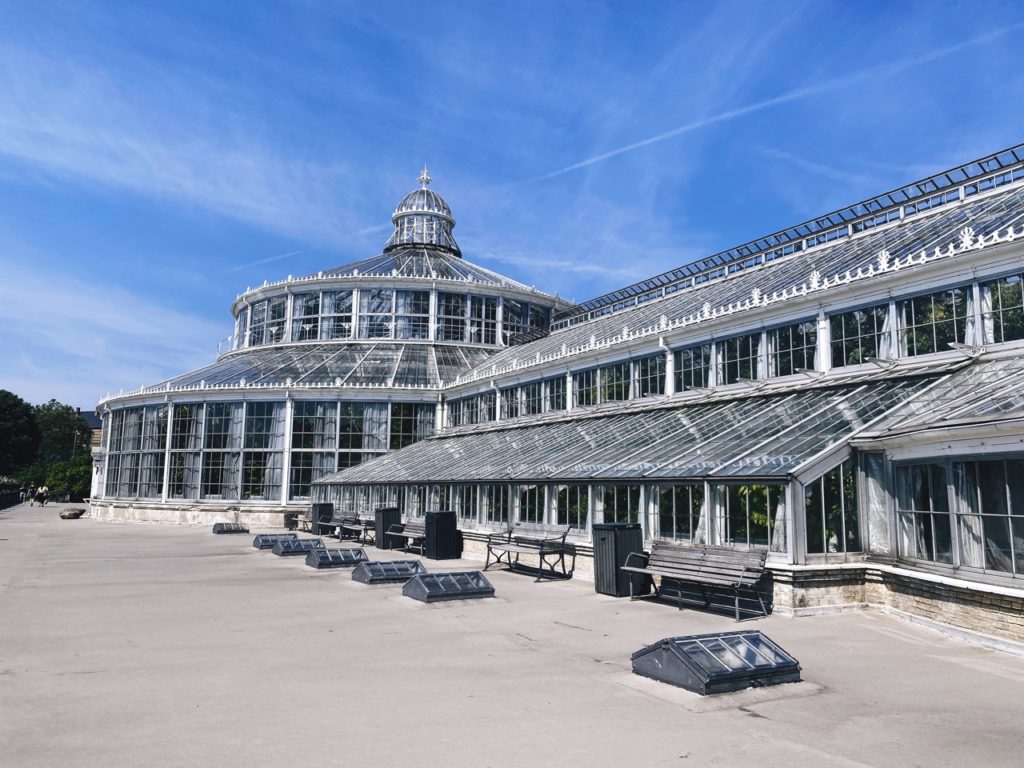
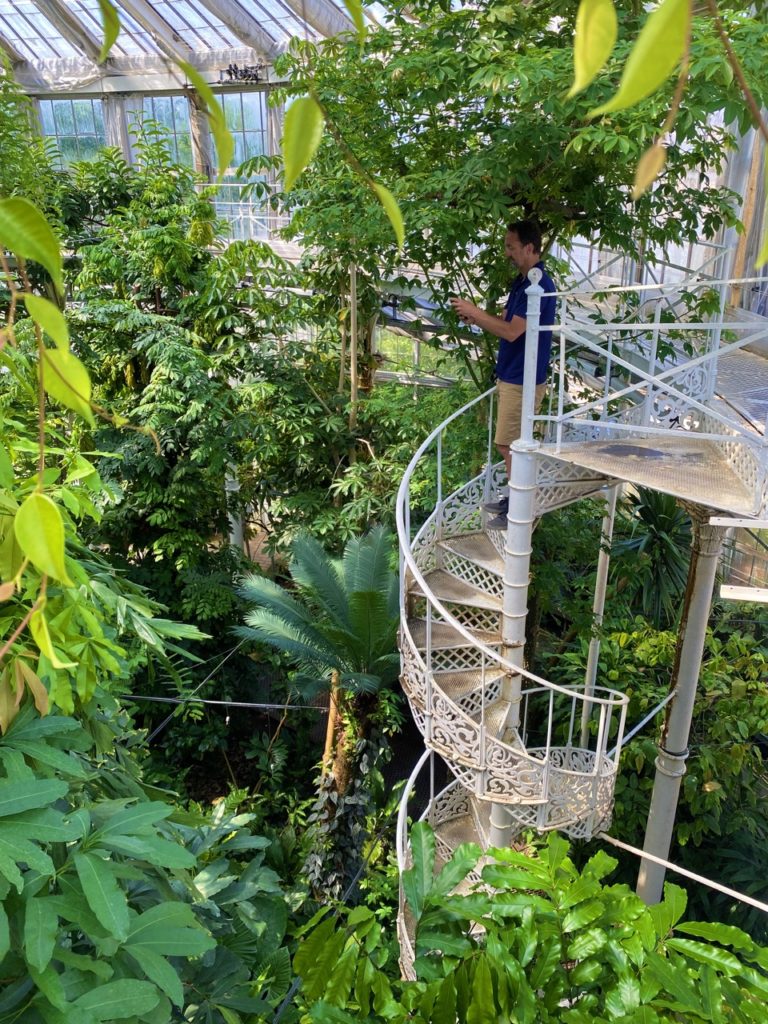
Unknown Fact: Inside the Palm House, there’s a narrow spiral staircase imported from Scotland that takes you up to a cast-iron balcony running along the top of the glasshouse. From there, you get a bird’s-eye view of the tropical plants, which feels almost like waddling through a jungle canopy.
Many don’t realize the staircase is there, but it’s one of the most unique experiences in the garden. And I dare you to take a walk up the 16m (52 ft.) tall narrow, cast-iron spiral staircase inside the Palm House, which dates to 1874. You will get closer to the palms and get a fantastic view from above. But beware, the heat up there is even worse.
The Cactus House
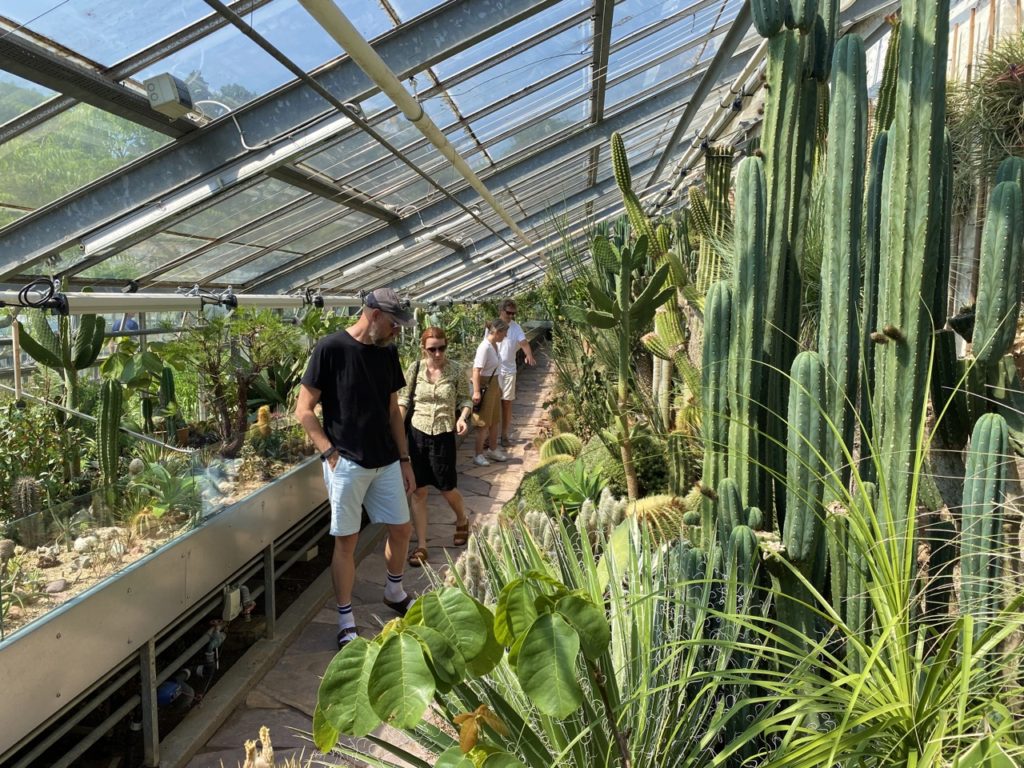
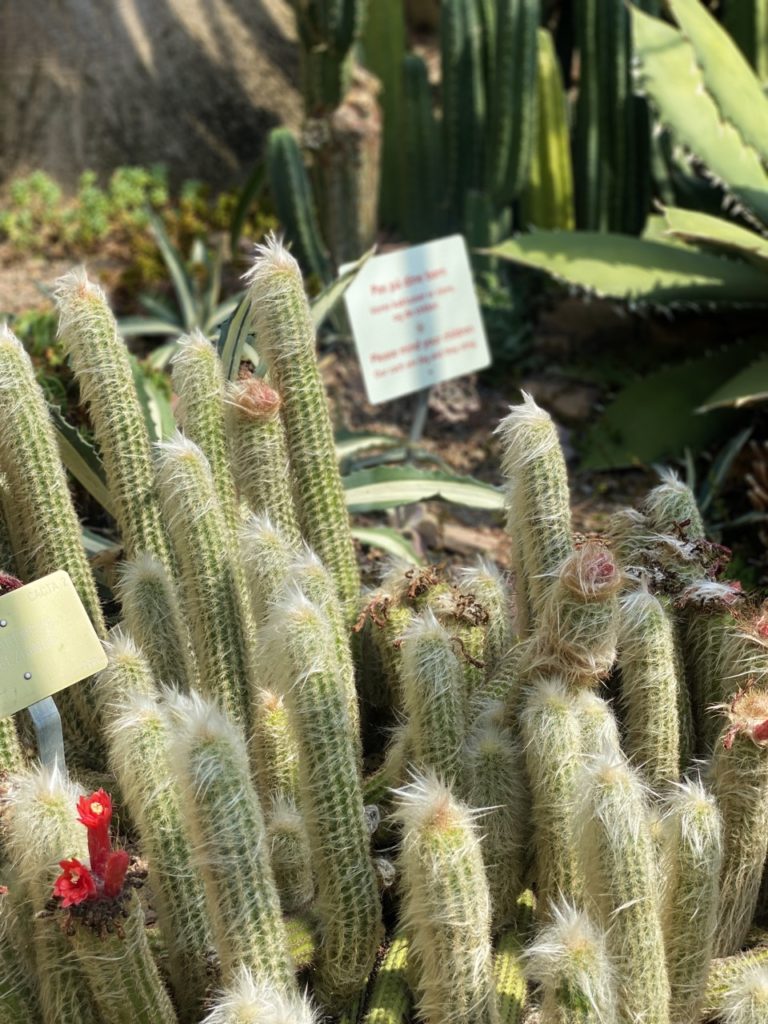
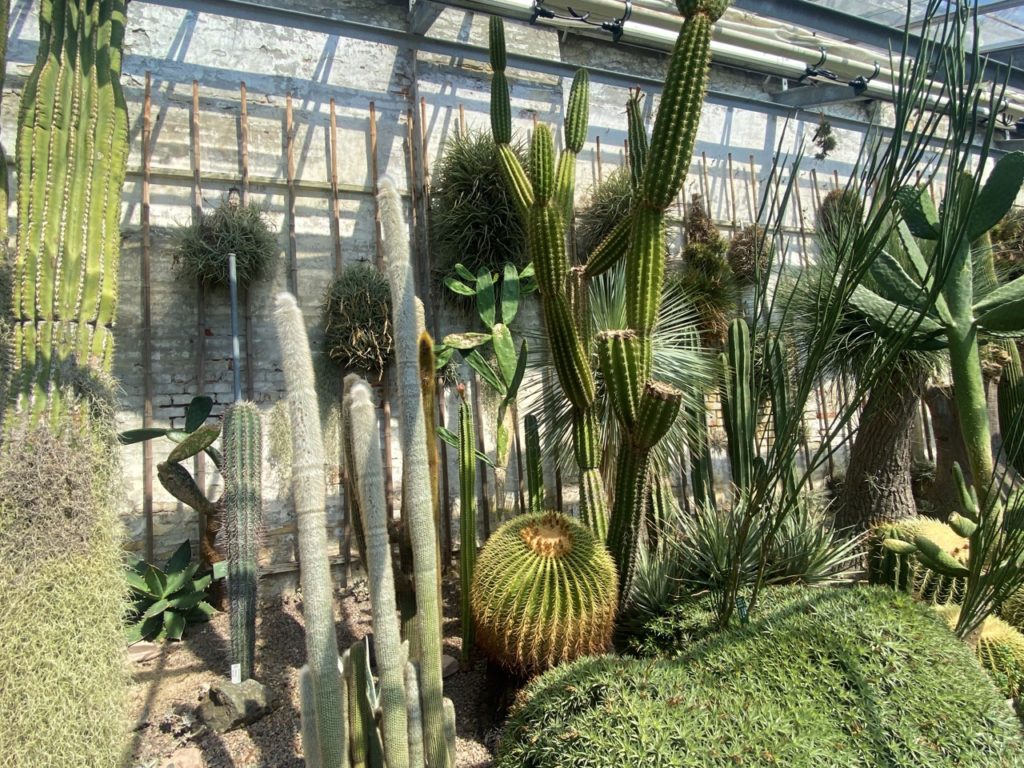
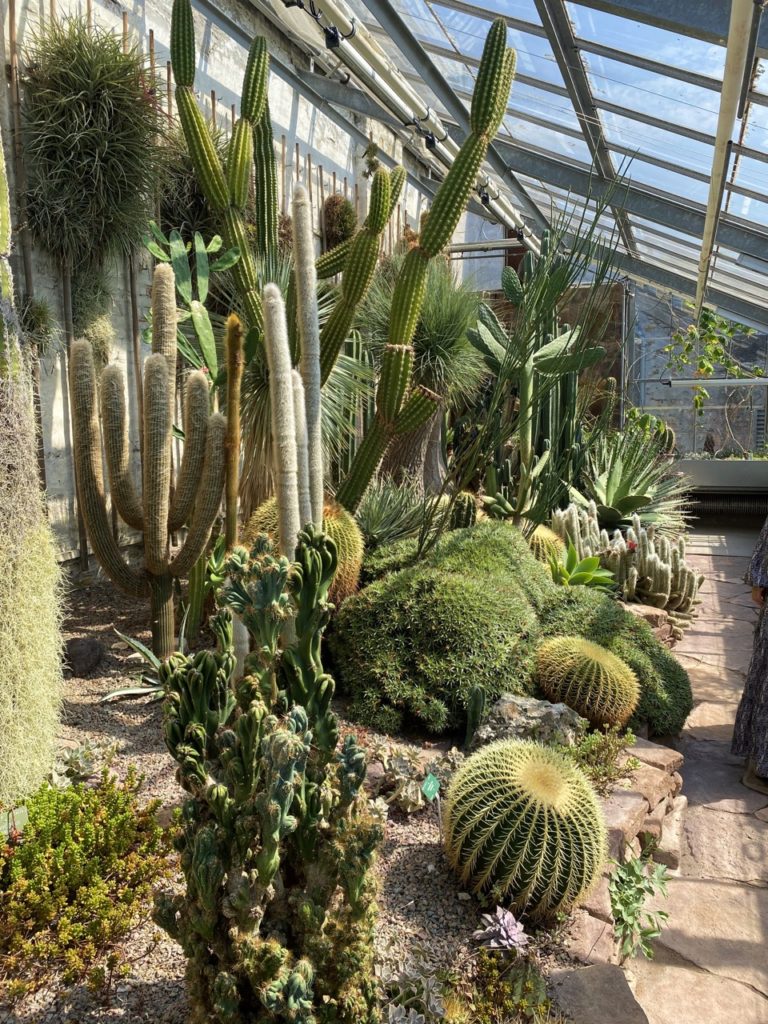
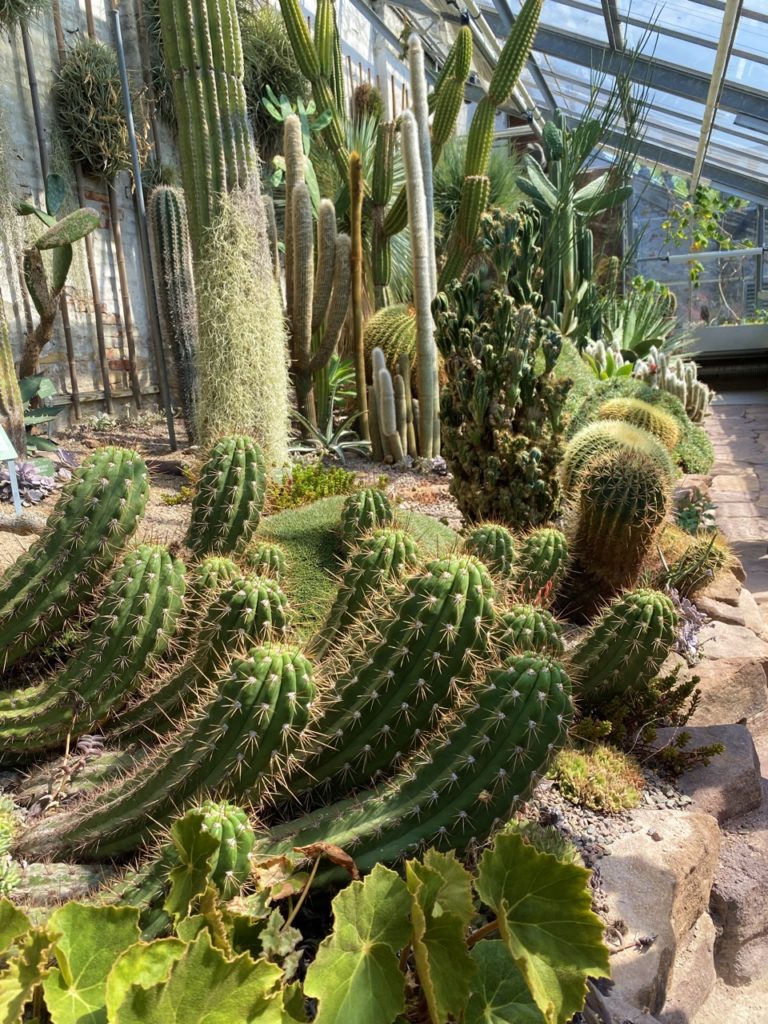
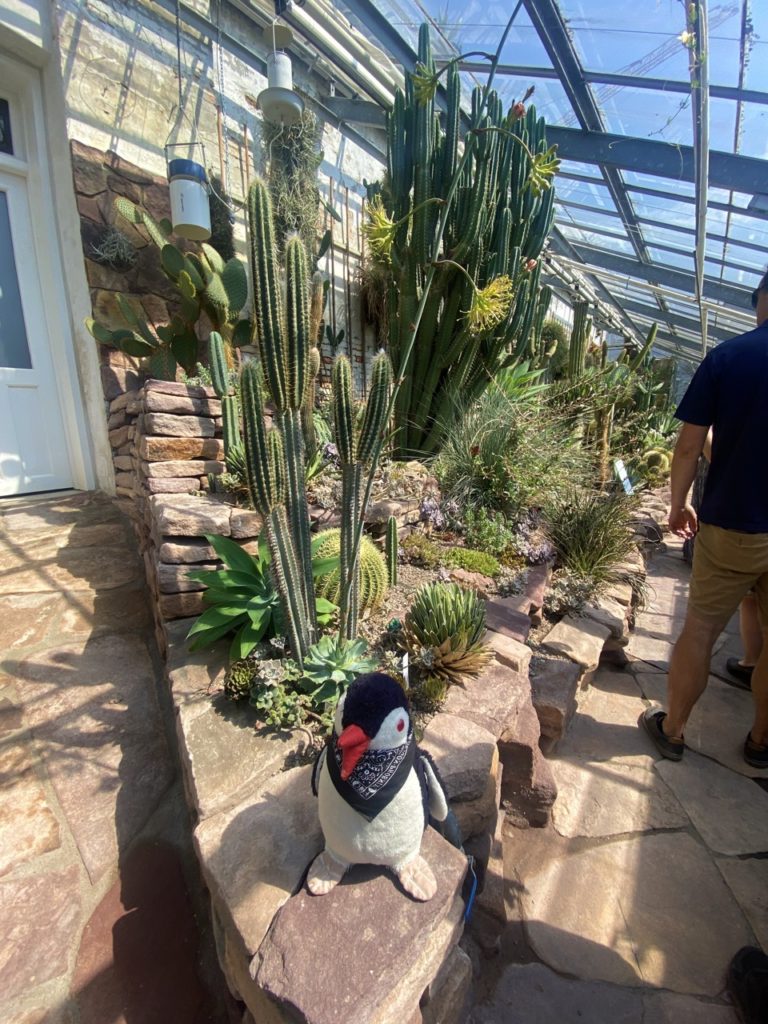
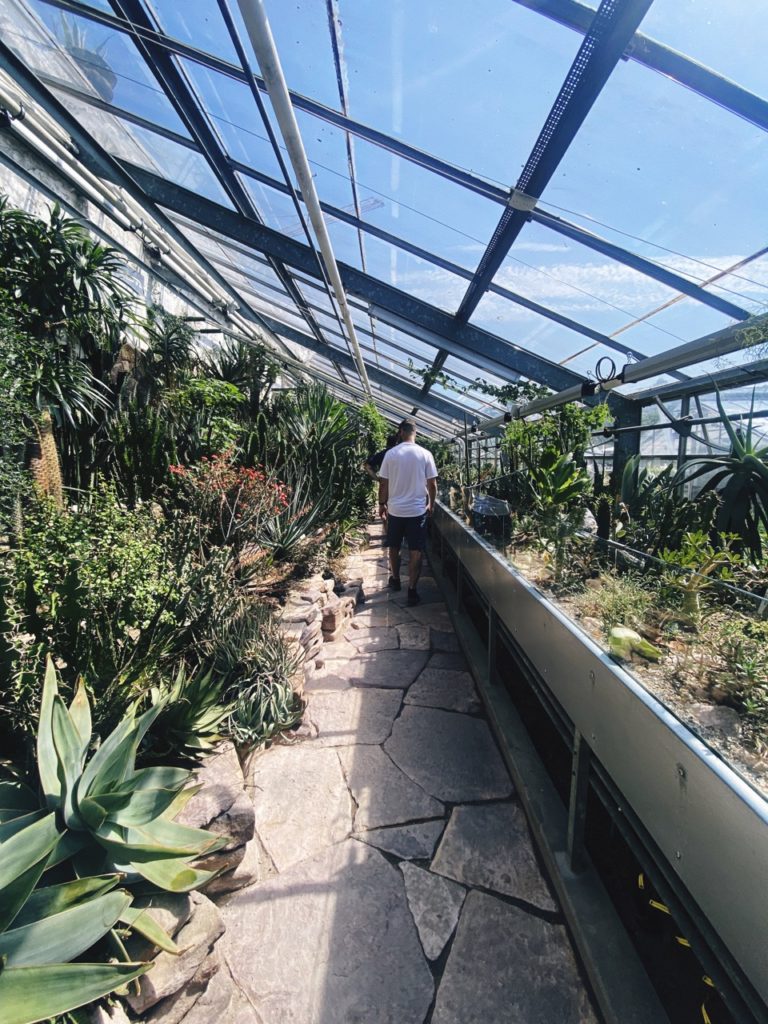
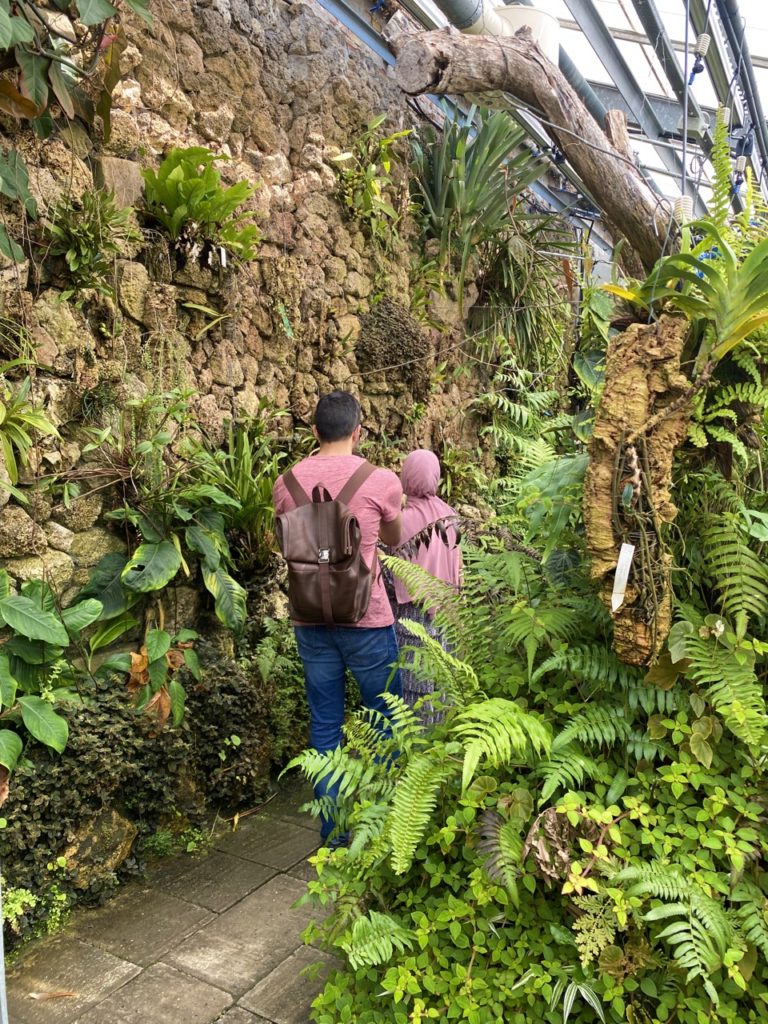
Before reaching the Butterfly House, you’ll waddle through the Cactus House, and it’s definitely worth taking your time here. Inside, you’ll find a surprising variety of cacti and succulents, ranging from tiny spiky clusters to tall, tree-like giants. The collection comprises hundreds of species from deserts and dry regions worldwide, highlighting the remarkable diversity and resilience of these plants.
We were amazed by the shapes and sizes; some looked like classic cartoon cacti, others like twisted sculptures, and a few even had colorful flowers blooming on top. Waddling through, it felt almost like stepping into a desert landscape in the middle of Copenhagen.
It’s a sharp contrast to the steamy Palm House or the colorful Butterfly House, and we loved how the Botanical Garden takes you through such different environments in just a few steps.
The Butterfly House
To reach the Butterfly House, you first exit the Palm House and then re-enter through a different section. On the way, you waddle through the Cactus House, where spiky succulents and desert plants set the stage before you step into a completely different world.
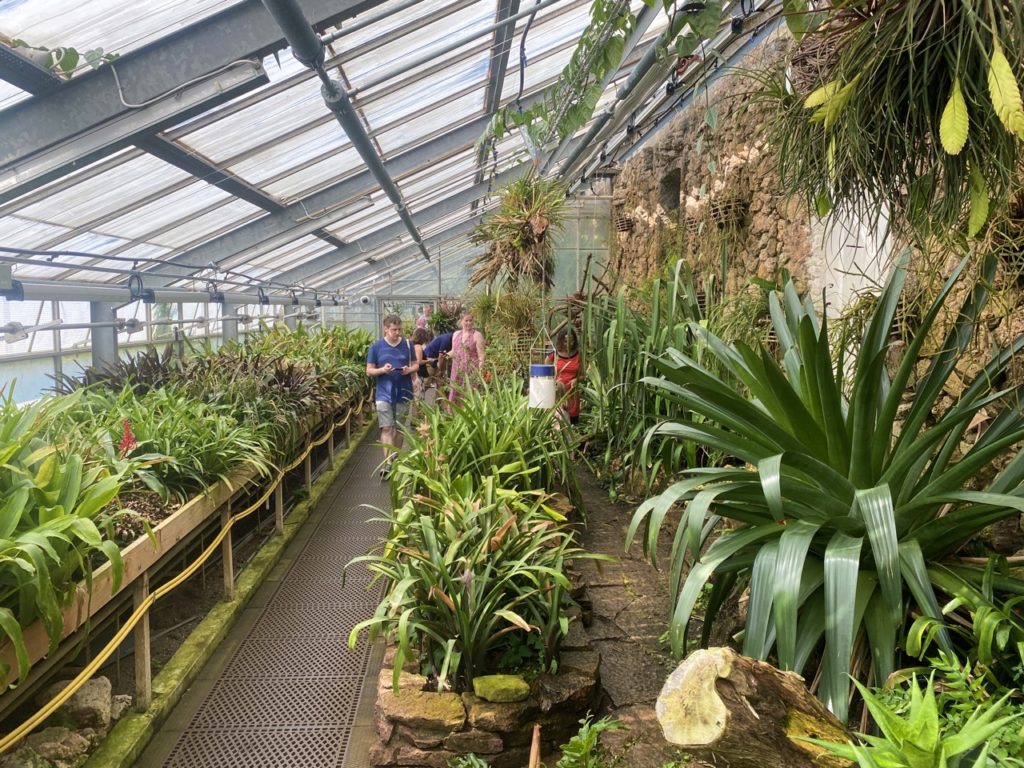
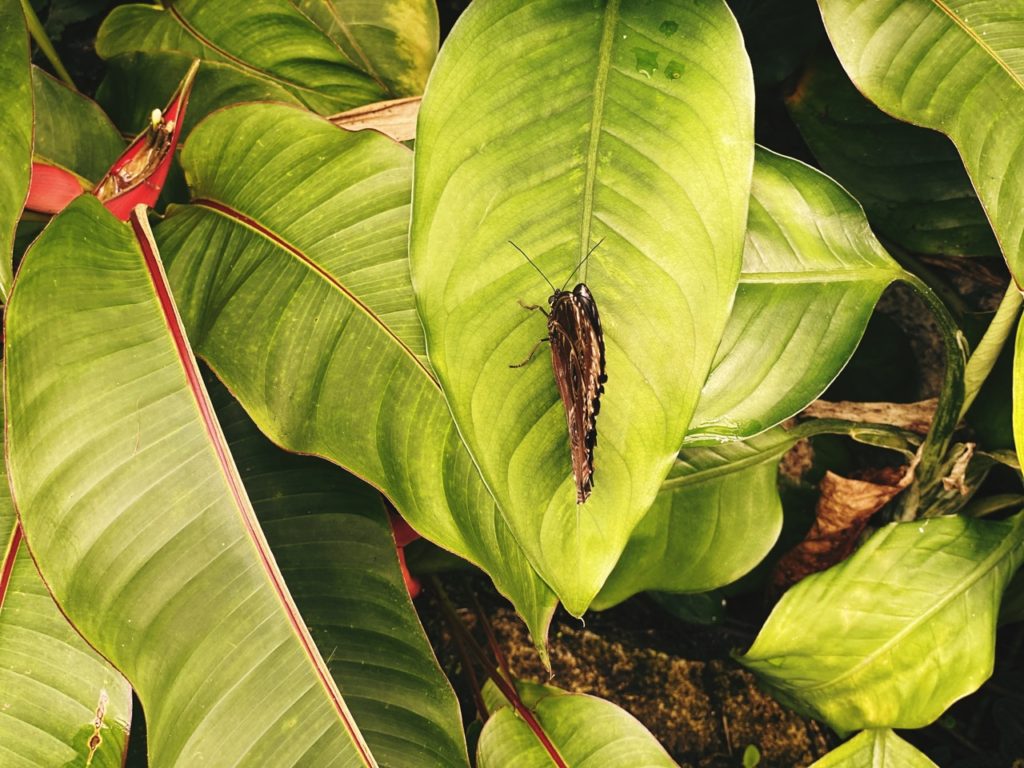
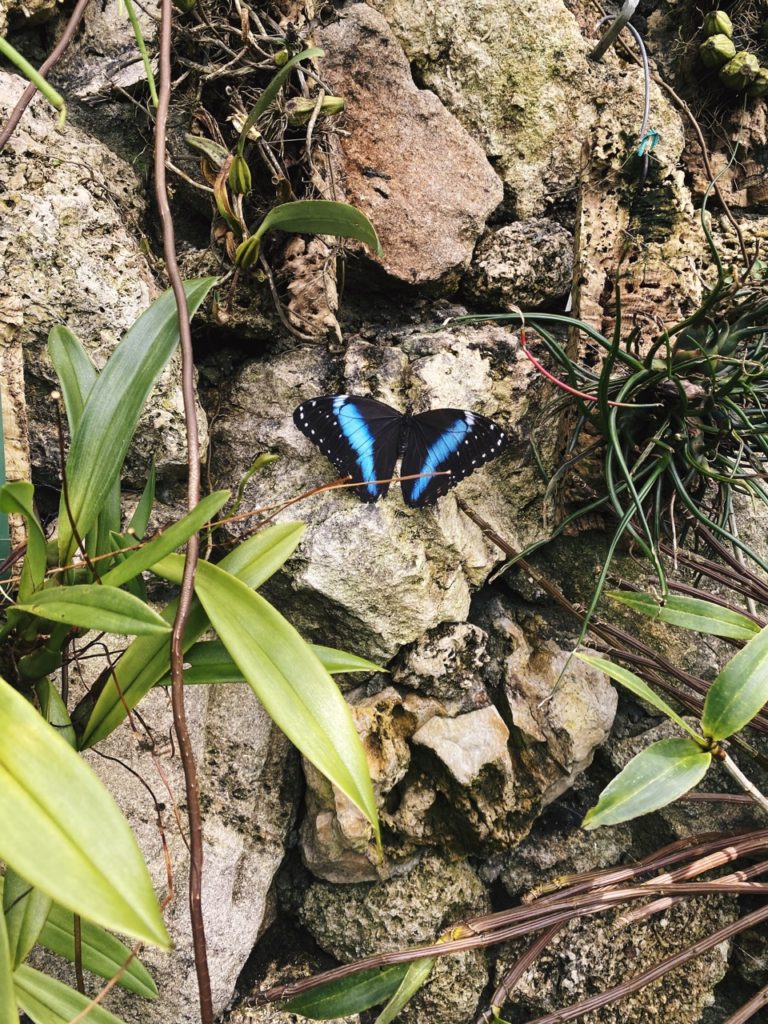
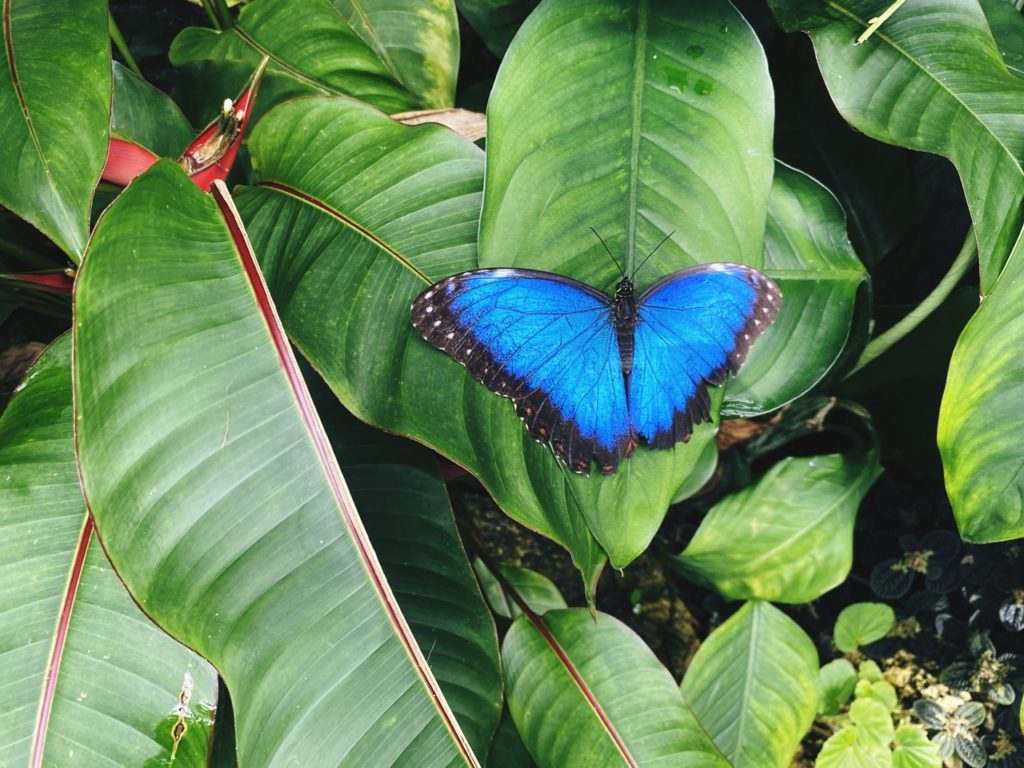
Inside, the air is warm and humid, perfect for the butterflies that flutter freely all around you. The house is home to hundreds of tropical butterflies, with more than 10–15 species on display at any given time. You’ll often see them feeding on fruit, sipping nectar from flowers, or even landing on visitors’ shoulders and heads (which is a pretty magical moment if it happens to you).
We loved how close you can get to these delicate creatures; it feels like waddling through a living rainbow. The experience is both peaceful and fascinating, and it’s especially fun to watch the butterflies emerging from their chrysalises in the pupa display area, where you can witness the transformation up close.
Note that the butterflies land everywhere in the house, so watch your step, so you accidentally do not kill one.
Is the Copenhagen Botanical Gardens worth it
Absolutely! The Copenhagen Botanical Garden is worth a visit.
We went early in the morning, seeking a calm escape, and were instantly charmed. The glasshouses, lush paths, and hidden nooks made it feel like a world apart from the city around us. Whether you’re into botany or want a peaceful place to waddle and relax, it offers something for everyone: exotic plants, butterfly encounters, and quiet beauty. If you have some time in Copenhagen, it should definitely be on your itinerary.

Agpalilik: The Giant Meteorite
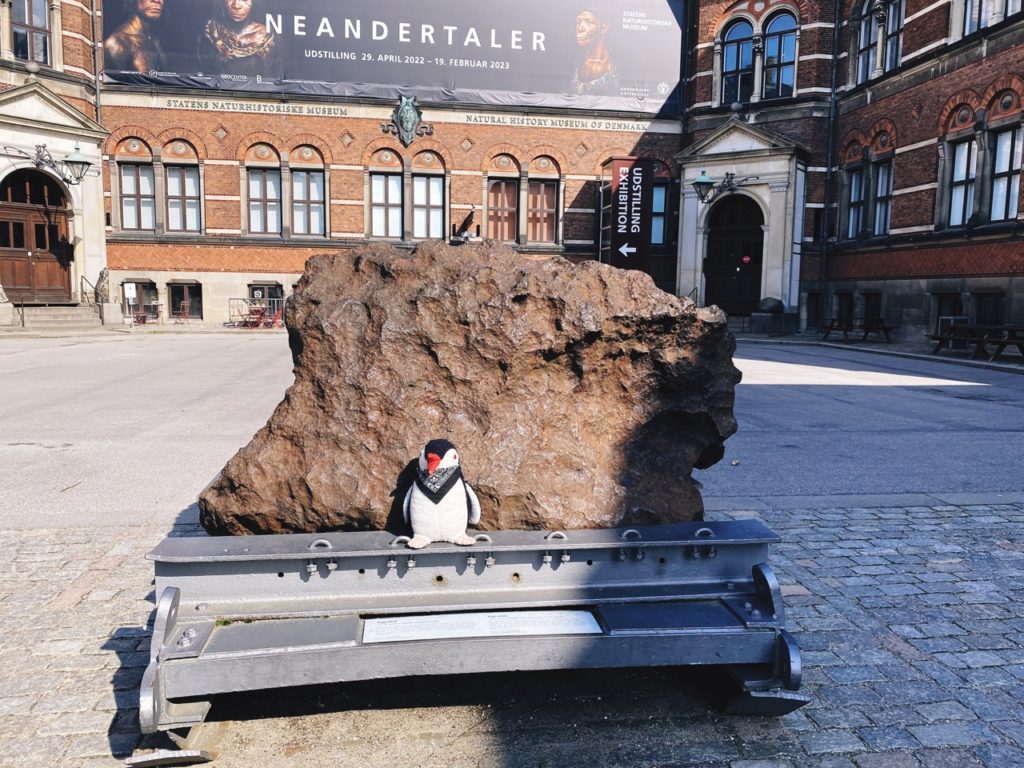
Before heading to Rosenborg Castle, don’t forget to stop by an actual space object. Yes, you heard that right. In front of the Natural History Museum sits Agpalilik, one of the largest iron meteorites in the world.
The meteorite fell in Northwestern Greenland around 12,000 years ago and was discovered in 1963. It took several years to transport the massive 20-tonne block to Denmark, and today it still rests on the very same steel sledge that was used to pull it free from the rocks. Scientists later cut off a piece to study, so it now weighs about 16 tonnes, still more than enough to leave you awestruck. Standing next to it feels surreal, like touching a fragment of outer space that has been here on Earth for millennia.
Nearby Attractions to the Botanical Garden
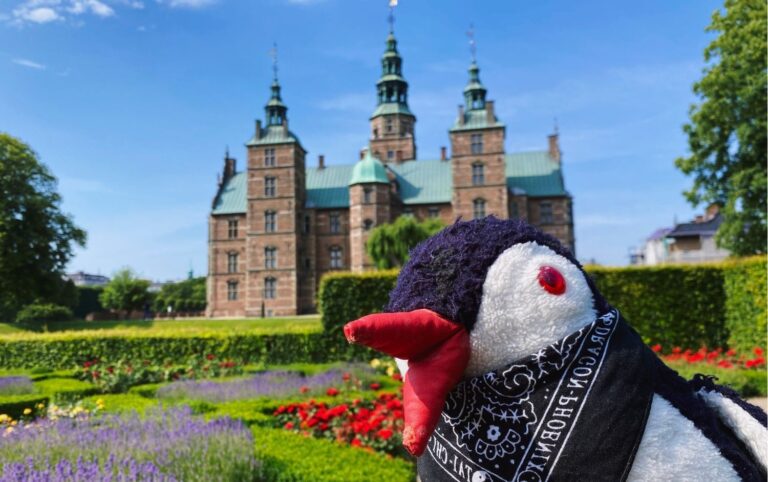
Our visit to the Copenhagen Botanical Garden was perfectly combined with a trip to Rosenborg Castle and the King’s Gardens, both just a short waddle away. It made for a full day of history, greenery, and exploration in the very heart of Copenhagen.
Other nearby attractions worth checking out include:
- The Natural History Museum of Denmark is right by the garden.
- The Geological Museum with fascinating exhibits on rocks, fossils, and minerals.
- Torvehallerne Food Market is a great stop for snacks or lunch, just a few minutes’ walk.
- Nørreport Station area, filled with shops, cafés, and easy connections to the rest of the city.

Our visit to the Copenhagen Botanical Garden turned into so much more than just a waddle among plants. From the steamy Palm House and fluttering butterflies to the spiky cactus collection and peaceful outdoor paths, it felt like exploring little worlds within the city. We combined it with a stop at Rosenborg Castle, the King’s Gardens, and even a quick look at Agpalilik the meteorite, and together, it made for one of the most relaxing and fascinating days of our trip.
If you’re looking for a place to slow down, breathe, and maybe learn a thing or two along the way, the Botanical Garden is a must. We waddled in for some peace and left feeling refreshed, inspired, and a little more connected to nature.
Put on your waddling shoes and explore Copenhagen!

This post contains affiliate links. If you click and buy, I might earn a tiny commission, enough to help a penguin keep up its globe-trotting lifestyle. No extra cost to you, just more fish for me. Thank you for supporting the adventure!