
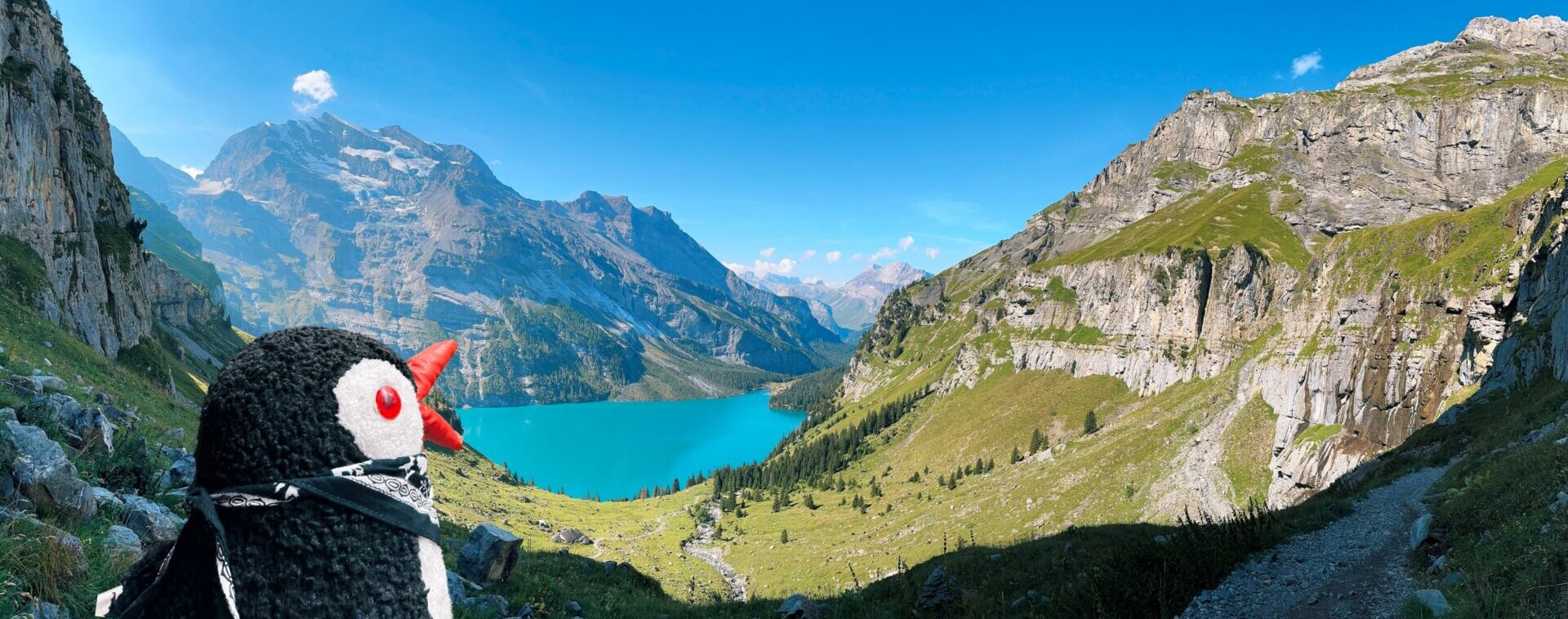
Explore Rovinj, Croatia in a Day: Join Us for a Relaxed City Waddle
We’ve been exploring Istria for about a week, and one city we wanted to visit was Rovinj. It’s one of those places you already see on Google and think, “Wow, the pictures look amazing, this would be a shame to miss.”
When we arrived, the view didn’t disappoint. The water sparkled along the harbor, the colorful buildings climbed up the hill, and the narrow streets invited us to wander without any real plan. If you’re planning a day in Rovinj, here’s what it looks like, what to expect, and why it’s absolutely worth visiting, even if it’s just for a quick day trip or half a day. Join us as we spend one day waddling around Rovinj, exploring the old town, the harbor, and some hidden corners. Get tips, see what’s worth checking out, and enjoy a relaxed day in this charming coastal town.
How to Get to Rovinj
If you’re coming to Rovinj by public transport, there are a few straightforward options. From Pula Airport, you can catch a shuttle or bus service that runs to Pula’s main bus station, and from there take a regional bus to Rovinj (operators like Arriva or Brioni Pula run regular routes between Pula and Rovinj bus stations). The whole trip by bus typically takes 40–60 minutes, depending on connections and traffic. Seasonal direct shuttle buses that meet flights also run from the airport straight to the Rovinj bus station, but schedules can be limited and vary throughout the year, so it’s worth checking timetables before your arrival.
We have been exploring Istria by car, so we also arrived in Rovinj by car, which we recommend if you want to see more of the region. Driving makes it easy to visit other nearby towns and cities along the coast, and the views along the way are lovely.
Where to Park in Rovinj
There are several parking lots in Rovinj. We found a spacious parking area at the harbor, Ul. Braće Brajković 1, 52210, Rovinj, which was very convenient for exploring the old town and also for waddling along the waterfront. At the time, the cost was about 0.50 € per hour, which felt reasonable for the location and ease of access. One thing we missed about the harbor parking is that there’s no shade or trees, so if you leave your car there for a full day, it can get extremely hot inside. Other parking options in Rovinj are covered or shaded, so that’s something to keep in mind.
The parking is really spacious at the harbor, and waddling along the waterfront already gave us some amazing views. And as you waddle toward the city from the parking lot, public bathrooms are available if you need them. There is a small fee to use them, usually around 0.50 € to 1 €.


Follow Us Waddling Around Rovinj in Croatia
After we parked our car, we headed straight toward the old town, and even the waddle there felt nice. Right at the harbor, you get a real sense of why Rovinj is so photogenic. Boats of all sizes bobbed gently on the water, and the colorful buildings of the old town rose behind them. It’s one of the most photographed spots in the city, and we could see why.
We arrived a little later in the day, so the sun was already up and getting hot, warming the stone streets and glinting off the water. You could feel the heat rising off the pavement, but the view made it worth it. The smell of salt from the sea mixed with the faint scent of coffee from nearby cafés, and the gentle sound of waves lapping against the harbor created a really relaxed vibe. Even though we knew the walk up to the old town would get warmer, enjoying the harbor for a bit first made it feel like the perfect start to our day.


As we continued to waddle toward the old town, we stumbled upon a local market set up for the day, and it gave us a sense of the city’s vibe. The smell of freshly baked goods filled the air, and even though we had already eaten, it was hard not to want to try something. We wandered through stalls of local wines and artisanal products, soaking in the colors, the chatter of vendors, and the little details of everyday life. It’s always fun when we come across markets like this. Even if you don’t buy anything, you can really feel the energy of the people and the city, which makes the whole stroll feel more alive.


Then we finally made it into the old town, and right away the streets, the alleys, the hidden corners, all of it just hit us with that “wow” feeling. The cobblestones were polished and shiny, which looked amazing, but they can get really slippery if it rains. Thankfully, we had a perfect, sunny day. The narrow streets twist and turn, lined with little corners that beg to be photographed, and it really feels like you’ve stepped into another time. Instinctively, you slow down and waddle, taking in every detail, every color, and every little piece of life happening around you.


First, we stuck closer to the edges of the city to soak in the views of the sea. It was nice to take our time and enjoy the water glinting in the sunlight before heading deeper into the old town. As we wandered a little further into the streets, we stumbled across a little piece of Rovinj’s history that most visitors might miss: many of the old houses still have carved stone numbers above the doors, some dating back hundreds of years. These numbers weren’t just for addresses; they were a way to mark property ownership and protect against fires. It’s a small detail, but noticing it really made the town feel lived-in and connected to its past.


What we enjoyed the most was wandering through the cobblestone streets. Not the waterfront, not the main squares, but the small twisting alleys where you can really get lost. That’s where you find little local shops and hidden corners that you wouldn’t notice if you just followed the main streets with all the other tourists. We recommend exploring Rovinj like this: get lost, slow down, and let the cobblestones guide you. It’s the best way to really feel the city.
As we waddled deeper and deeper into the town, there was a calm energy here that’s hard to describe. The city is really colorful, and there’s so much happening, yet you can still feel this relaxed rhythm as you waddle. Everywhere you look, the architecture, the narrow alleys, and even the way the buildings hug the sea remind you that Rovinj was part of the Republic of Venice from 1283 to 1797. More than 500 years of Venetian influence can still be seen in the streets and buildings, which have that unmistakable Italianate vibe.


We then took a break at a small local café near the waterfront and used the time to plan a little where to wander next. There are plenty of coffee shops and restaurants to choose from, depending on what you like. We had hoped to check out the main square, but unfortunately, it was under reconstruction.


So instead, we decided to explore the other harbor and enjoy Rovinj from a slightly different angle. The colorful buildings, the boats bobbing in the water, and the little details along the streets made it just as charming. Even though the sun was already high, a nice sea breeze kept things comfortable, making our stroll along the waterfront really pleasant. From this second harbor, you can also catch a boat to the nearby islands of St. Andrija and St. Caterina, which is a perfect addition if you want to extend your day and see a bit more of Istria. It’s an easy way to add a little adventure to an already relaxing wander through Rovinj.


The Church of Saint Euphemia
Being in Rovinj, you can’t miss stopping by the Church of Saint Euphemia, and of course, we made sure to go. The church sits at the highest point of the old town, so even the walk up gives you a sense of the city’s layout and charm. Built in the 18th century on the site of earlier churches, it’s dedicated to Saint Euphemia of Chalcedon, whose relics are kept inside. The bell tower, inspired by Venice’s St. Mark’s Campanile, is one of the most recognizable landmarks in Rovinj and offers stunning views over the waterfront and the Adriatic Sea. Walking around the church, you can still spot ancient inscriptions, old stone steps, and small details that speak to the town’s centuries-old history. It’s a must-see for both the history and the view.


Overall, we spent almost a full day, or at least half a day, in Rovinj’s old town, just wandering the streets, stopping for coffee, and enjoying the views. Of course, there’s so much more to see and do if you have the time, but it’s also the kind of place where you can have a relaxed stop, grab a coffee or a seafood lunch, and then continue your Istria adventures. How long you stay really depends on what you’re looking for, but either way, Rovinj is worth a visit because it’s as beautiful as in the pictures.
Things to See While Waddling Around Rovinj
We spent our day in Rovinj just waddling around without any real plan, taking in the streets, the waterfront, and the little corners that catch your eye. It was all about enjoying the city at our own pace, but if you want a few ideas for things to explore a bit more, here’s a list of spots worth checking out:
- Church of Saint Euphemia. The town’s most iconic landmark, with amazing views over the old town and the Adriatic.
- Rovinj Old Town Streets. Narrow, winding alleys full of charm, local shops, and photogenic spots.
- Rovinj Harbor. Boats, colorful buildings, and that classic Rovinj waterfront vibe.
- Batana Eco-Museum. Learn about the traditional flat-bottomed fishing boats of Rovinj.
- Local Markets. Seasonal markets with fresh produce, baked goods, wines, and local crafts.
- Galleries and Art Shops. Small galleries tucked in the old town showcase local artists.
- Balbi Arch. A historic city gate marking one of the entrances to the old town.
- Other Harbors. Explore different viewpoints, see boats moored, and even catch a boat to nearby islands like St. Andrea or St. Caterina.
These are just a few highlights, but part of the fun in Rovinj is getting lost, slowing down, and discovering your own favorite corners along the way.
How Much Time Do You Need to Explore Rovinj
How long you spend in Rovinj depends on what kind of experience you want. If you’re stopping by, even a couple of hours (2-3 hours) can give you a nice taste of the city. You could stroll through the harbor, enjoy the colorful waterfront, peek into a few small local shops, and maybe grab a coffee or a quick snack. For a short stop, one to two hours is usually enough to get a feel for the town.
If you want to explore a bit more in depth, plan for half a day. That gives you time to wander the cobblestone streets of the old town, visit the Church of Saint Euphemia, check out some local markets, and take in the views from the various harbor points. You can also drop by a museum or gallery if that interests you. Half a day lets you enjoy the city at a relaxed pace without rushing.
For those who want to immerse themselves fully, spending a whole day or even a weekend in Rovinj is ideal. You can explore every alley, enjoy a long lunch at a local restaurant, take a boat to the islands of St. Andrea or St. Caterina, and really soak in the vibe of the town. Staying overnight also gives you the chance to enjoy quieter streets in the early morning or watch the sunset over the harbor without the crowds. Exploring Rovinj typically takes 2 to 3 days to fully enjoy its Old Town, harbor, and beaches, with 4-5 days recommended if using it as a base to explore the surrounding Istria region.
Where to Stay in Rovinj
If you decide to stay overnight in Rovinj, here are a few hotels we considered while planning our trip. Initially, we thought about spending a night, so we did a bit of research to find some good options that are convenient, comfortable, and give you easy access to the old town and harbor.
- Hotel Adriatic. Right in the heart of the old town, with great views of the waterfront.
- Hotel Lone. Modern, stylish, and a short drive from the city center, perfect if you prefer a more contemporary stay.
- Grand Park Hotel Rovinj. A larger option with full amenities, also near the coast.
- Hotel Monte Mulini. Luxury option with spa facilities and stunning sea views.
- Villa Tuttorotto. Cozy boutique-style hotel tucked into the old town streets.
The Best Time to Visit Rovinj
The season you choose really depends on what you want to do. The city has something to offer year-round, so it’s more about your personal preference for weather, crowds, and activities.
- Spring (March to May). Spring is a good time to visit if you want to avoid large crowds. The streets are less busy, and you can comfortably wander the old town and the harbor. The temperatures are mild, and while the water may be too cold for swimming, it’s a nice time for walking and exploring.
- Summer (June to August). Summer is the busiest season in Rovinj. There are more tourists, and the city is lively throughout the day. If you don’t mind crowds, this is the time when boat trips to the islands run most frequently, and restaurants and cafés are fully open. The sea is warm enough for swimming, and it’s easy to combine a city visit with a short beach stop.
- Autumn (September to November). Autumn can be a quieter time to visit. The summer crowds have left, and the city feels more relaxed. The water is still warm enough for swimming in early September, and the evenings are cooler. This is also a good season to explore the streets at your own pace and enjoy the markets and local products.
- Winter (December to February). Winter is the quietest time in Rovinj. Many shops, restaurants, and boat tours may be closed or have limited hours. However, if you are just there to wander the streets, explore the old town, and see the city without crowds, it can be a good time to visit. The weather can be cooler and occasionally rainy, but the city has a different, slower rhythm.
Where to Eat and Drink in Rovinj
Croatian Istria is known for its food, and it would be a shame not to try some while you’re in Rovinj. From fresh seafood to local wines and pastries, there are plenty of options to enjoy while wandering the old town. Below are some restaurants and coffee spots we recommend stopping by.
Restaurants:
- Monte. A restaurant with a Michelin star, tucked in a small courtyard near the Church of Saint Euphemia. It’s known for creative menus highlighting local seafood and ingredients.
- La Puntulina. Located on the rocks by Monte Beach, this spot offers sea views and Mediterranean‑influenced dishes, especially seafood and pasta.
- Kantinon Tavern. A traditional fisherman’s cuisine restaurant on the harbour, with plenty of fresh seafood and shared plates.
- Agli Amici. A special option with fine dining tasting menus and views of the marina and old town.
- Giannino. A local favourite run by a family of fishermen, with fresh daily catches and classic Istrian fish stew on the menu.
Coffee and Wine Stops
- Twin Figs. A brunch and breakfast spot in a cobbled courtyard, good for morning coffee and food in a relaxed setting.
- Vino Vigneto. A wine bar in the old town with curated Croatian and Italian wine flights.
- Augusto Coffee Shop. A popular cafe with 100 % arabica coffee, open through the season (great for espresso or a light bite).

Buy Me a Ko-fi
Combine Rovinj with a Trip to Pula
If you have a half day in Rovinj, it’s easy to combine it with a visit to Pula for the rest of the day. Pula is about 40 minutes away by car, so you can see both cities in one trip without feeling rushed. You could spend the morning wandering Rovinj’s old town and harbor, have lunch there, and then drive to Pula to explore the ancient Roman amphitheater, the old city streets, and the harbor area. This combo works well if you want to get a taste of two different sides of Istria in a single day, with Rovinj showcasing its waterfront and cobblestone streets, and Pula offering history and Roman landmarks.
We really enjoyed our time in Rovinj, and we hope this gives you some ideas of what to see and do when you visit. Even half a day in the city is enough to get a good feel for it, and it’s one of the most photogenic towns in Istria. Wandering the streets, enjoying the harbor, and discovering little corners along the way make it a visit that’s worth the while, no matter how long you can stay.
Pack your bags and waddle through the alleys of Rovinij!
Save This Pin for Later!

This post contains affiliate links. If you click and buy, I might earn a tiny commission, enough to help a penguin keep up its globe-trotting lifestyle. No extra cost to you, just more fish for me. Thank you for supporting the adventure!