
Your Complete Seoul Market Guide
Seoul is a treasure trove of markets. No matter which neighborhood you wander into, chances are you will stumble upon food stalls, local vendors, or entire streets dedicated to shopping. From buzzing night markets packed with street food to traditional markets that have been around for decades, something is happening at every corner. During our time in Seoul, we visited several markets, each with its own personality. Some were all about food, others focused on shopping, and a few felt like a mix of everything. You definitely cannot see them all in one trip, so we are sharing our top picks, what makes each one special, and which markets are actually worth adding to your Seoul itinerary.
- How Many Markets Are There in Seoul
- Quick Comparison of Seoul Markets
- What Is the Most Popular Market in Seoul
- Traditional Markets in Seoul
- Best Street Food Markets in Seoul Market
- Other Markets in Seoul Worth Exploring
- Practical Tips for Visiting Seoul Markets
- Which Seoul Market Should You Visit
- Best Time to Visit Seoul Markets
- FAQ About Seoul Markets
How Many Markets Are There in Seoul
It is hard to put an exact number on how many markets Seoul has because the city feels like one giant marketplace. You turn a corner, and suddenly there is a row of food stalls, a covered traditional market, or a tiny neighborhood street packed with vendors.
To give you a rough idea, there are around 80 to 100 officially registered traditional markets spread across Seoul’s different districts. And that does not even count underground shopping arcades, seasonal night markets, pop-up food festivals, or the smaller local markets you stumble upon while wandering. So realistically, there are well over a hundred places in Seoul that could fall into the “market” category. In other words, you will not run out of markets to explore.
Quick Comparison of Seoul Markets
| Market | Best For | Vibe | Location Area | Typical Hours | Our Take |
|---|---|---|---|---|---|
| Namdaemun Market | Budget shopping, souvenirs | Traditional | Central Seoul | ~9:00 AM–6:00 PM (food later) | Classic first stop |
| Gwangjang Market | Street food | Lively | Jongno | ~9:00 AM–10:00 PM | Food heaven |
| Mangwon Market | Local vibes, snacks | Chill | Hongdae area | ~10:00 AM–9:00 PM | Hidden gem |
| Dongdaemun Market | Fashion, wholesale | Busy | East/Central | Some buildings until 2–3 AM | Night shopping |
| Myeongdong Street Food Alley | Evening snacks | Energetic | Myeongdong | ~4:00 PM–11:00 PM | Easy & tourist-friendly |
| Noryangjin Fish Market | Seafood dining | Authentic | South of Han River | Early morning–evening | Unique food experience |
| Majang Meat Market | Korean BBQ | Local | Seongdong | ~8:00 AM–9:00 PM | For meat lovers |
| Seoul Central Market | Local atmosphere | Quiet | Jung-gu | ~9:00 AM–8:00 PM | Everyday Seoul |
| Seoul Folk Flea Market | Vintage finds | Retro | Jongno | ~10:00 AM–7:00 PM | Treasure hunt |
What Is the Most Popular Market in Seoul
One of the most consistently popular markets in Seoul, especially for first-time visitors and food lovers, is Gwangjang Market. It is one of the oldest and largest traditional markets in the city, home to thousands of stalls selling everything from authentic Korean street food to textiles, souvenirs, and everyday goods. Many describe it as a must-visit for its vibrant atmosphere and incredible variety of eats, such as bindaetteok (mung bean pancakes) and mayak kimbap.
Another contender, often mentioned by locals and visitors alike, is Namdaemun Market, known as Korea’s largest traditional market, with tens of thousands of stalls offering fashion, accessories, household goods, and more.
Traditional Markets in Seoul
Let’s start with the traditional markets, where you see everyday Seoul in action. These are not curated shopping streets or modern malls. They are long-standing markets where locals buy groceries, kitchenware, fabrics, snacks, and more. Waddling through a traditional market feels different from visiting a shopping district. You hear vendors calling out prices, see ingredients you might not recognize, and pass small food stalls run by the same families for years. If you want to understand daily life in Seoul beyond the tourist spots, this is where to begin.
Namdaemun Market
📍Location: 21 Namdaemunsijang 4 gil, Jung-gu, Seoul (near Hoehyeon Station (Line 4))
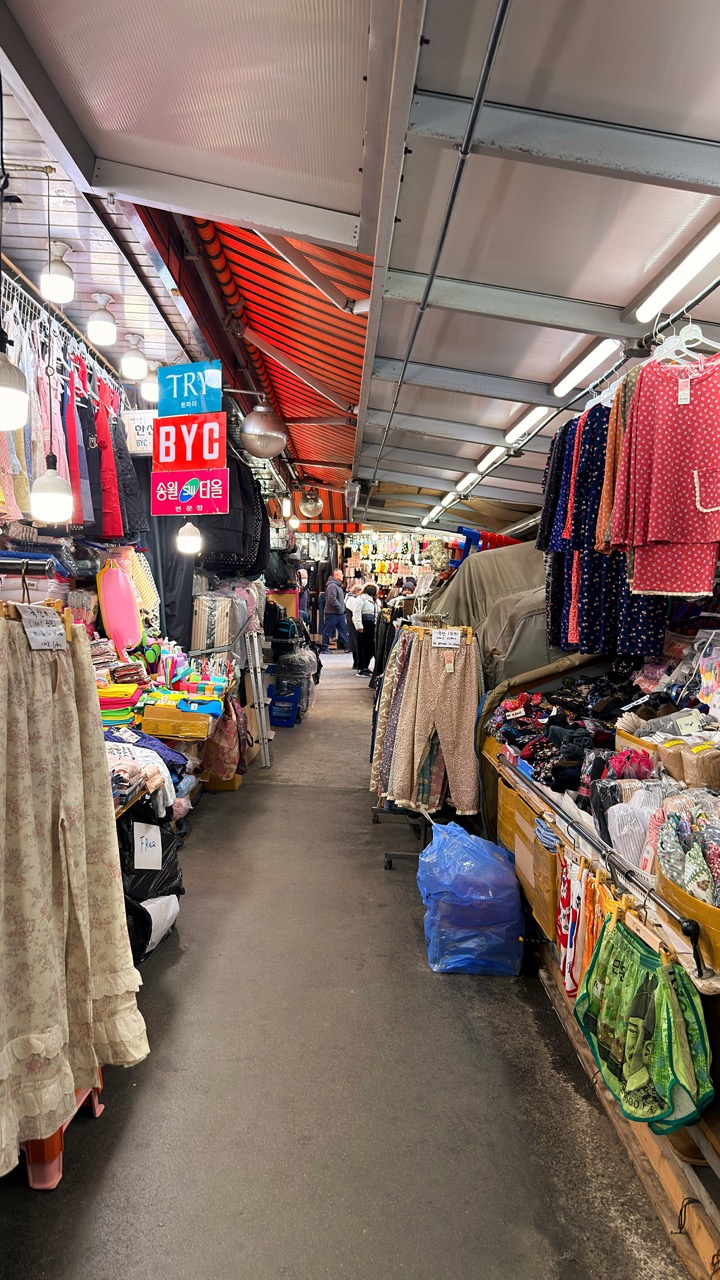
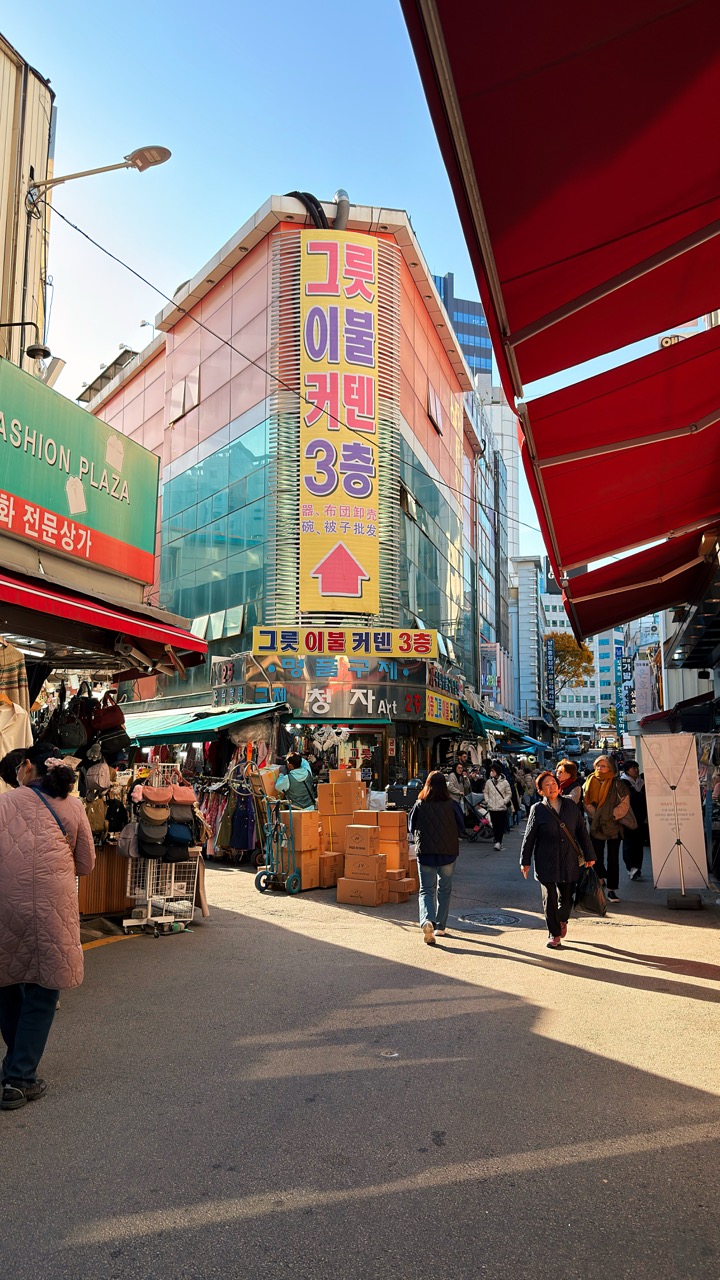
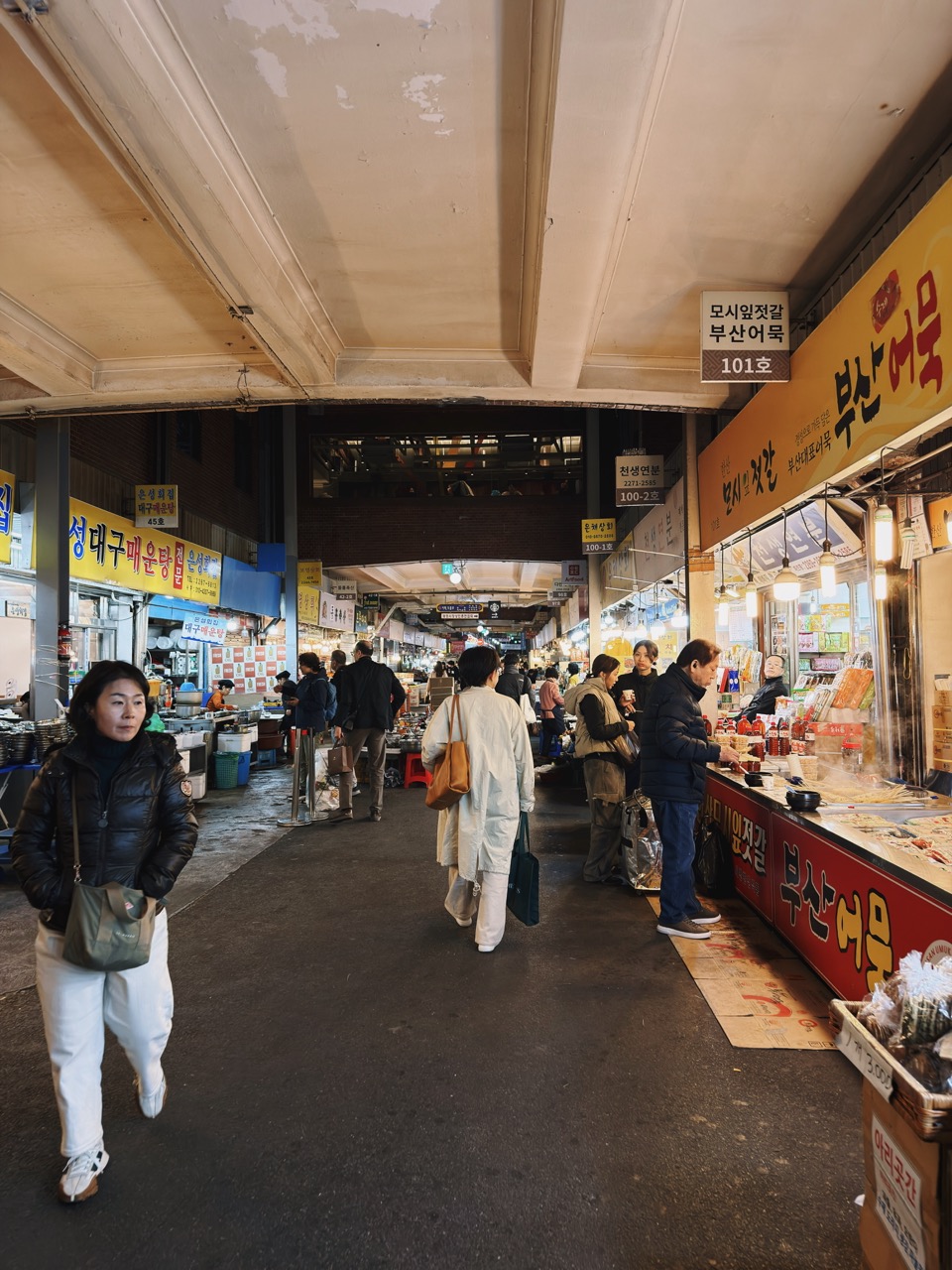
One of Seoul’s most well-known traditional markets, and often the first stop for many visitors. Namdaemun is large, busy, and packed with everything from food stalls to souvenir shops and wholesale goods. It feels like a proper working market rather than a tourist attraction.
- Founded: Early 1400s during the Joseon dynasty.
- Typical Hours: around 9:00 AM to 6:00 PM for most shops
- Interesting Fact. It is the oldest and largest traditional market in Korea, dating back to the early 1400s during the Joseon dynasty.
- Best For. Cheap eats, Korean dumplings, kalguksu alley, souvenirs, budget goods, and first-time visitors.
- Must Try. Handmade dumplings, knife-cut noodles, and hotteok, a sweet pancake.
- Famous For. It’s kalguksu alley, endless souvenir stalls, and is the go-to place for affordable shopping in central Seoul.
- Vibe. Historic, affordable, maze-like alleys with endless side streets to explore.
- Time Needed. Around 1 to 2 hours if you focus on food and a bit of shopping. You can easily spend longer if you enjoy wandering through side alleys and browsing multiple sections.
- Nearby Landmark: Near Namdaemun Gate and Myeongdong.
- Our Take. We visited twice. The first time, it felt overwhelming with the narrow alleys and constant movement, but the second time, we enjoyed it much more once we knew where to focus and what to look for. Best for souvenir shopping.
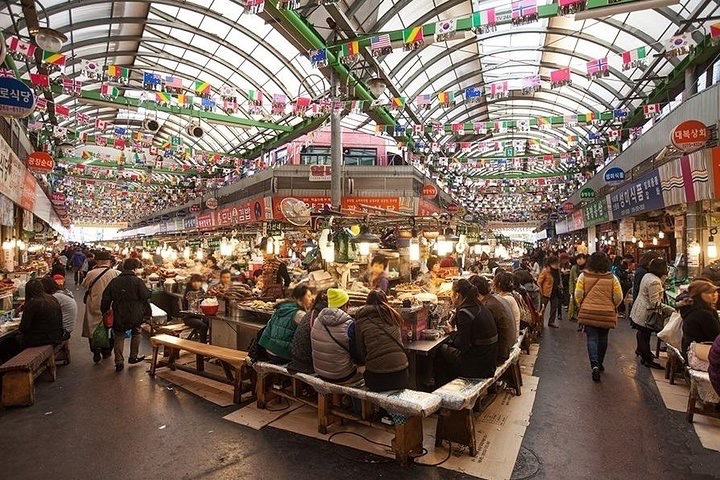
Gwangjang Market
📍Location: 88 Changgyeonggung-ro, Jongno-gu, Seoul (near Jongno 5-ga Station, Line 1)
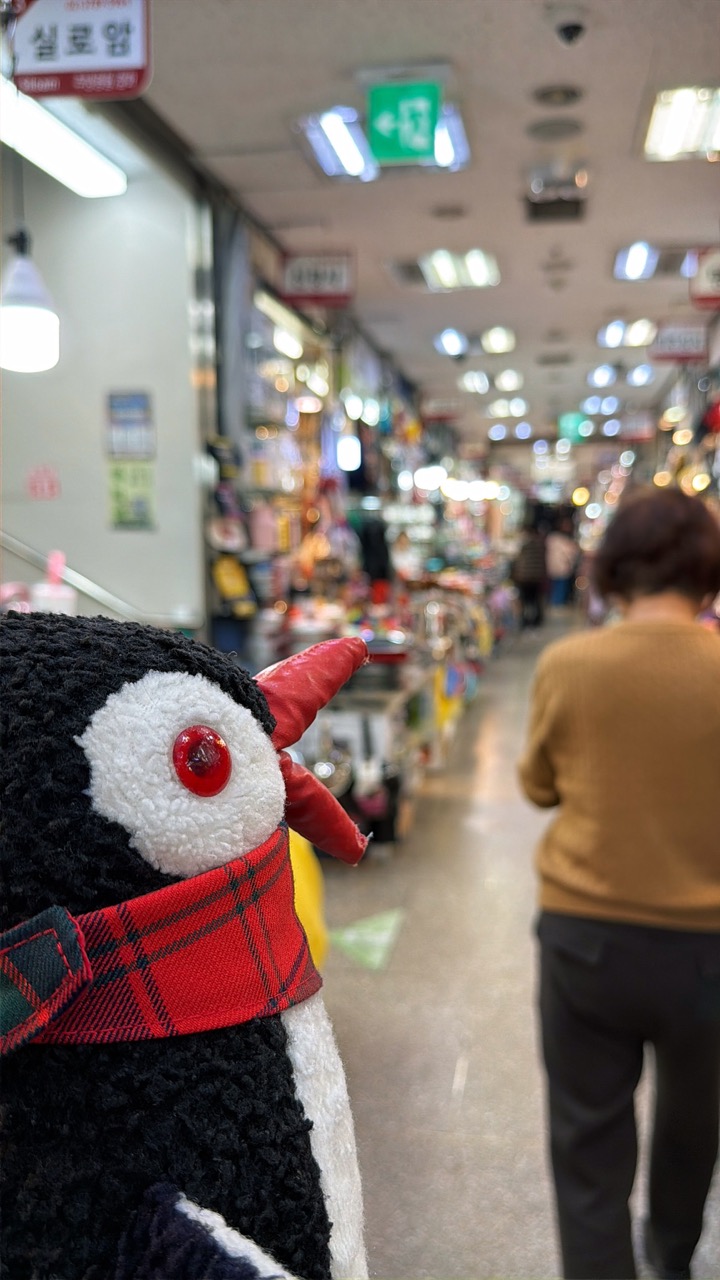
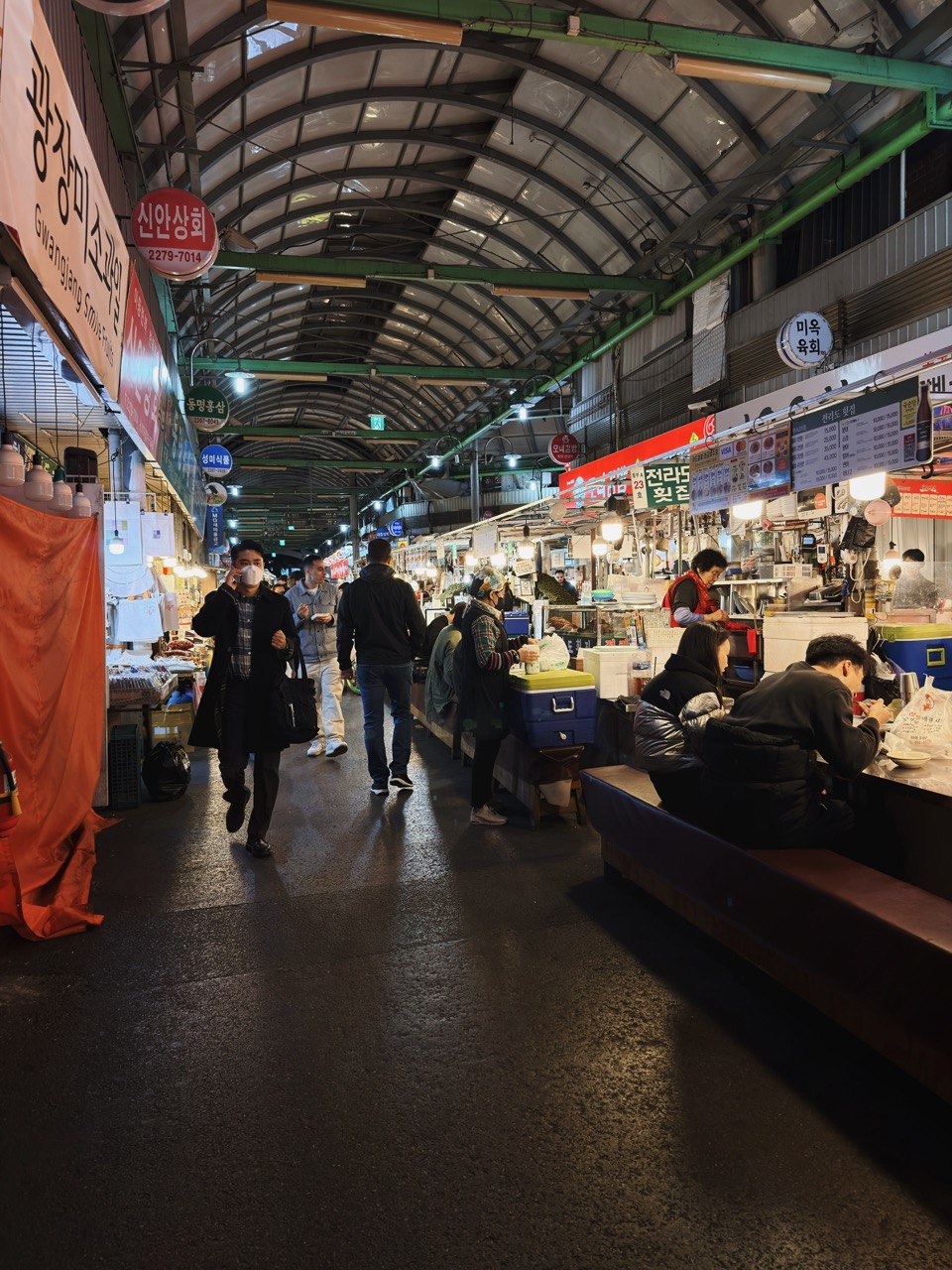
One of Seoul’s most famous traditional markets is known especially for its food. Gwangjang is loud and centered around long rows of food stalls where vendors cook right in front of you. It feels social and energetic, with people sharing tables and trying different dishes.
- Founded: 1905, making it one of the oldest traditional markets in South Korea.
- Typical Hours: from 9:00 AM to 10:00 PM
- Interesting Fact. Established in 1905, it is one of the oldest traditional markets in South Korea and was originally created as a wholesale market.
- Best For. Street food lovers, first-time visitors, quick food stops, and trying multiple Korean dishes in one place.
- Must Try. Bindaetteok (mung bean pancakes), mayak kimbap, handmade noodles, and raw beef for the adventurous.
- Famous For. Its food scene, especially bindaetteok, and its global attention after appearing in Netflix street food features.
- Vibe. Busy, social, food-focused, with long communal tables and constant movement.
- Time Needed. Around 1 to 1.5 hours for a proper food experience. Longer if you try multiple dishes or explore the fabric and vintage sections.
- Nearby Landmark: Close to Cheonggyecheon Stream and within waddling distance of Dongdaemun Design Plaza.
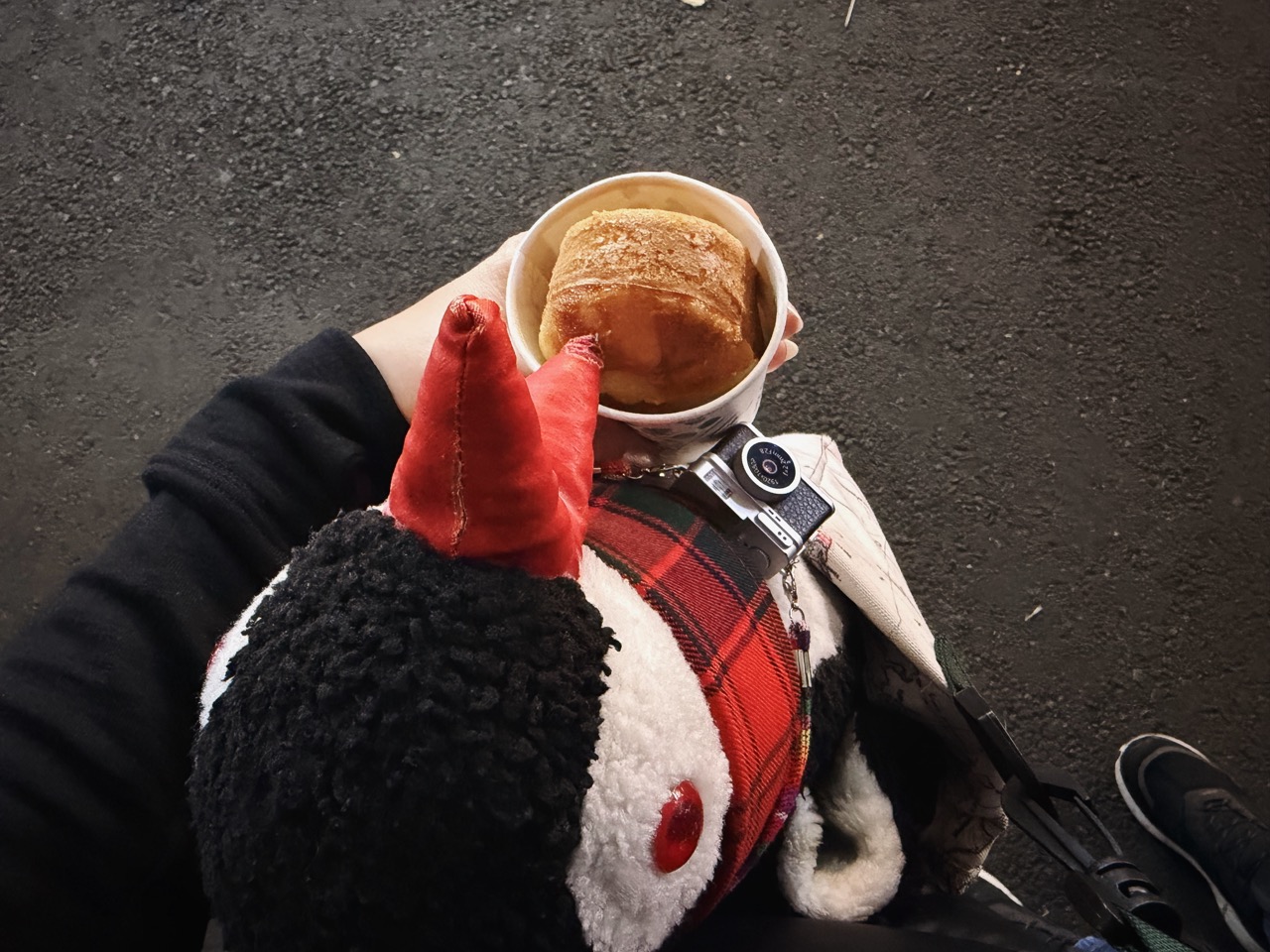
- Our Take. This was actually the first place we visited in Seoul. Straight from the airport, we went directly to Gwangjang Market to try the food. It was a bold start to the trip, but it immediately set the tone. If you want to dive into Seoul through your stomach first, this is the place.
Best Street Food Markets in Seoul Market
If there is one thing Seoul does really well, it is street food. Markets are not just about shopping here. They are places where you grab a quick bite, stand shoulder to shoulder with locals, and try dishes that have been perfected over decades. Some markets focus heavily on food, while others mix shopping with snack stops, but these are the ones where the street food scene really stands out. Arrive hungry! That is one thing we can truly recommend.
For us, the ultimate street food market in Seoul is the one we mentioned already, Gwangjang Market. We loved it from the very first bite. The location is central and easy to reach, the atmosphere feels real and unfiltered, and for a very reasonable price, you can eat until you are full. It is casual, loud, and feels like a proper local food experience rather than something staged for tourists.
That said, Gwangjang is not the only place worth visiting if you are a food lover. Seoul has several other markets where the food scene is just as exciting inits own ways, and depending on where you are staying, one of these might fit your itinerary even better.
Mangwon Market
📍Location: 8 Mangwon-ro 8-gil, Mapo-gu, Seoul (near Mangwon Station, Line 6)
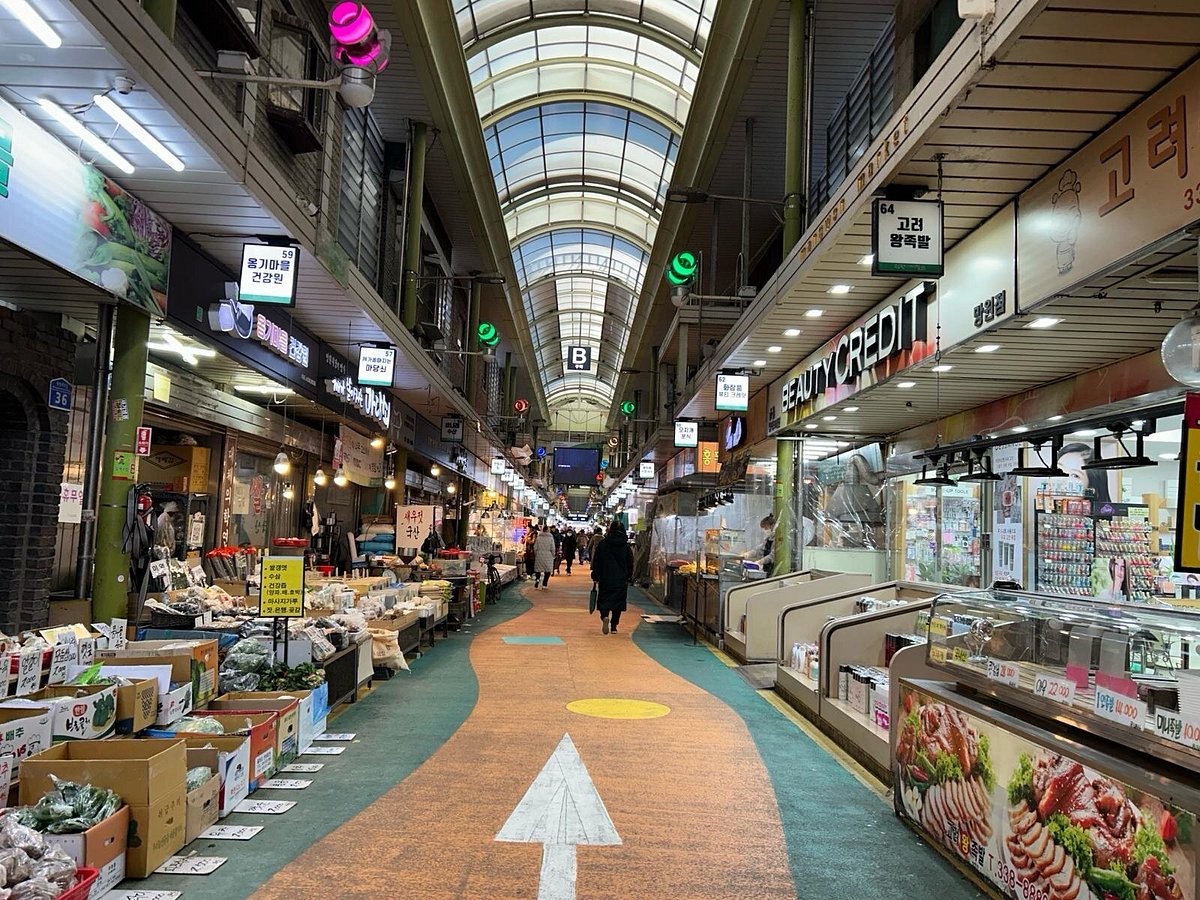
Mangwon Market is a smaller, more local traditional market compared to the big names. It feels neighborhood-based, with fewer tour groups and more residents doing their daily shopping. The food stalls are spread out, and you can snack as you walk rather than sitting in one central hall.
- Founded: in the 1970s
- Typical Hours: Most stalls operate roughly from 10:00 AM to 9:00 PM, though individual vendors may open or close earlier on some days.
- Interesting Fact. Mangwon gained popularity in recent years through Korean food shows and social media, but it still maintains a strong local identity compared to larger, more tourist-heavy markets.
- Best For. Local vibe, casual street-food hopping, affordable snacks, and a combo with a Hongdae visit.
- Must Try. Fried chicken pieces, croquettes, tteokbokki, hotteok, and fresh fruit cups.
- Famous For. Budget-friendly snacks, generous portions, and being a more local alternative to Gwangjang.
- Vibe. Relaxed, neighborhood feel, easy to explore without feeling overwhelmed.
- Time Needed. Around 1 hour for food sampling, longer if you sit down for a proper meal.
- Nearby Landmark: the Hongdae area, not far from Han River Park, making it easy to combine with a riverside waddle.
- Our Take. We liked Mangwon for its approachable feel. It is less intense than Gwangjang and easier to explore at a slower pace. If you want street food without the heavy crowds, this is a great option.
- Nearby Landmark: the Hongdae area, not far from Han River Park, making it easy to combine with a riverside waddle.
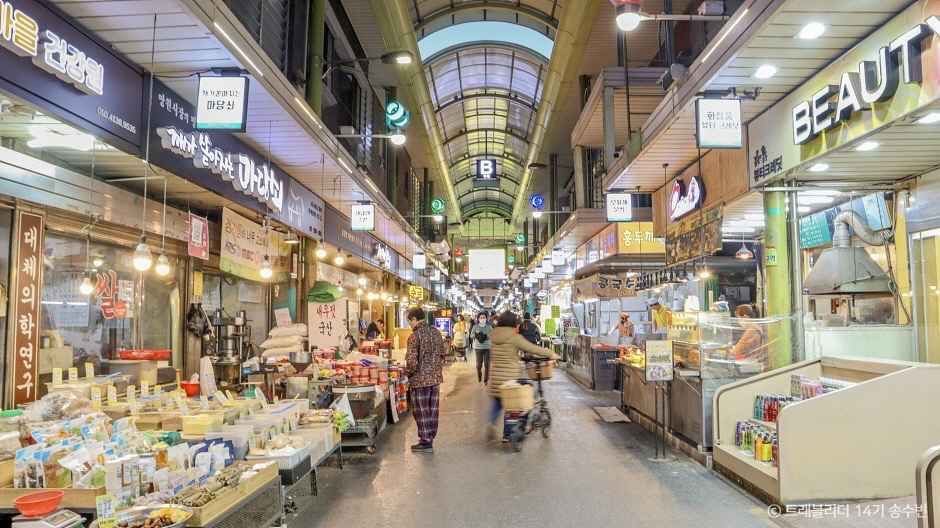
Tongin Market
📍Location: 18 Jahamun-ro 15-gil, Jongno-gu, Seoul (near Gyeongbokgung Station, Line 3).
Tongin Market is a smaller traditional market near Gyeongbokgung Palace and feels very neighborhood-focused. It is not as large as Namdaemun or as food-concentrated as Gwangjang, but it has its own charm and a strong local atmosphere.
- Founded: 1941
- Typical hours: 07:00–21:00; Dosirak Café 11:00–17:00; closed Tuesdays & 3rd Sunday
- Interesting Fact. Tongin is known for its unique coin lunch box system, where you exchange cash for traditional brass coins and use them to buy small portions of food from different stalls to create your own lunch tray.
- Best For. A quieter market experience, trying the coin lunch box concept, and combining with palace sightseeing nearby.
- Must Try. The coin lunch box dishes, tteokbokki, jeon, and small home-style Korean sides.
- Famous For. Its traditional yeopjeon coin system and do-it-yourself lunch experience.
- Vibe. Calm, local, less touristy, and easy to explore without crowds.
- Time Needed. Around 45 minutes to 1 hour, especially if you try the lunch box experience.
- Nearby landmark. Gyeongbokgung Palace (5–10 min walk).
- Our Take. We did not manage to eat here, but we loved the vibe. It felt very local and low key, more like a neighborhood market than a tourist stop. It is the kind of place you wander through slowly rather than rushing from stall to stall.
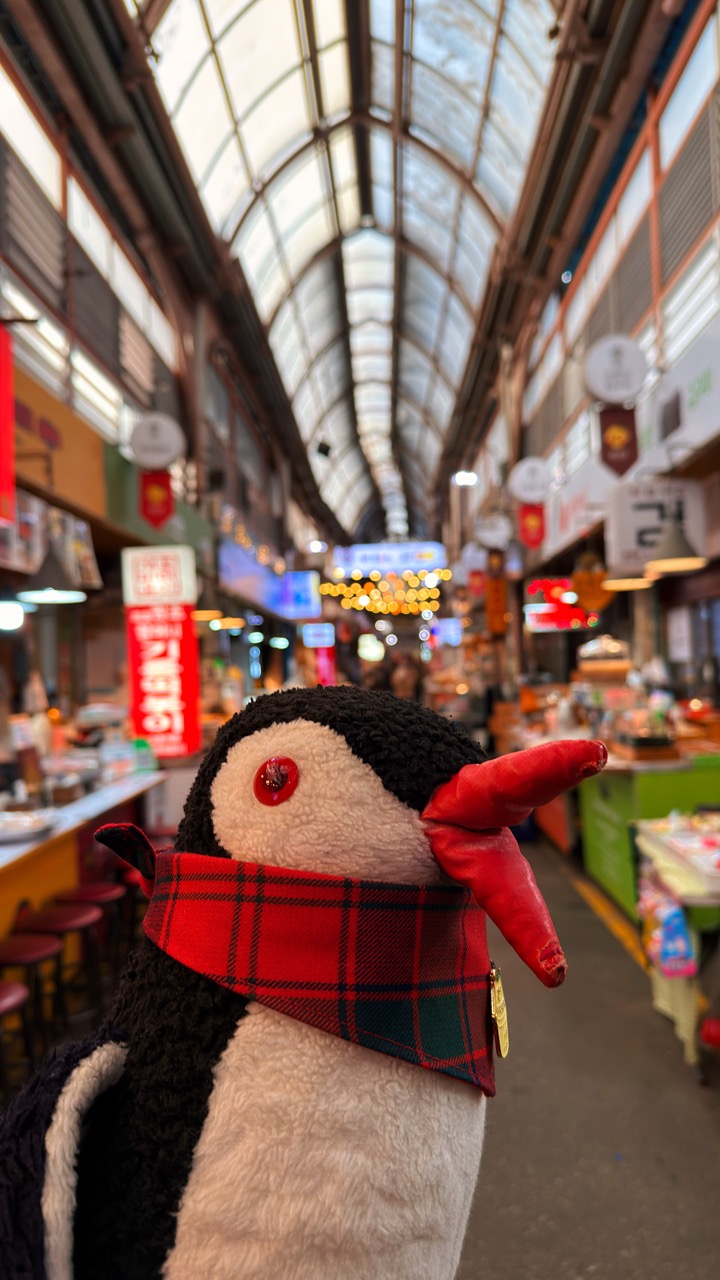
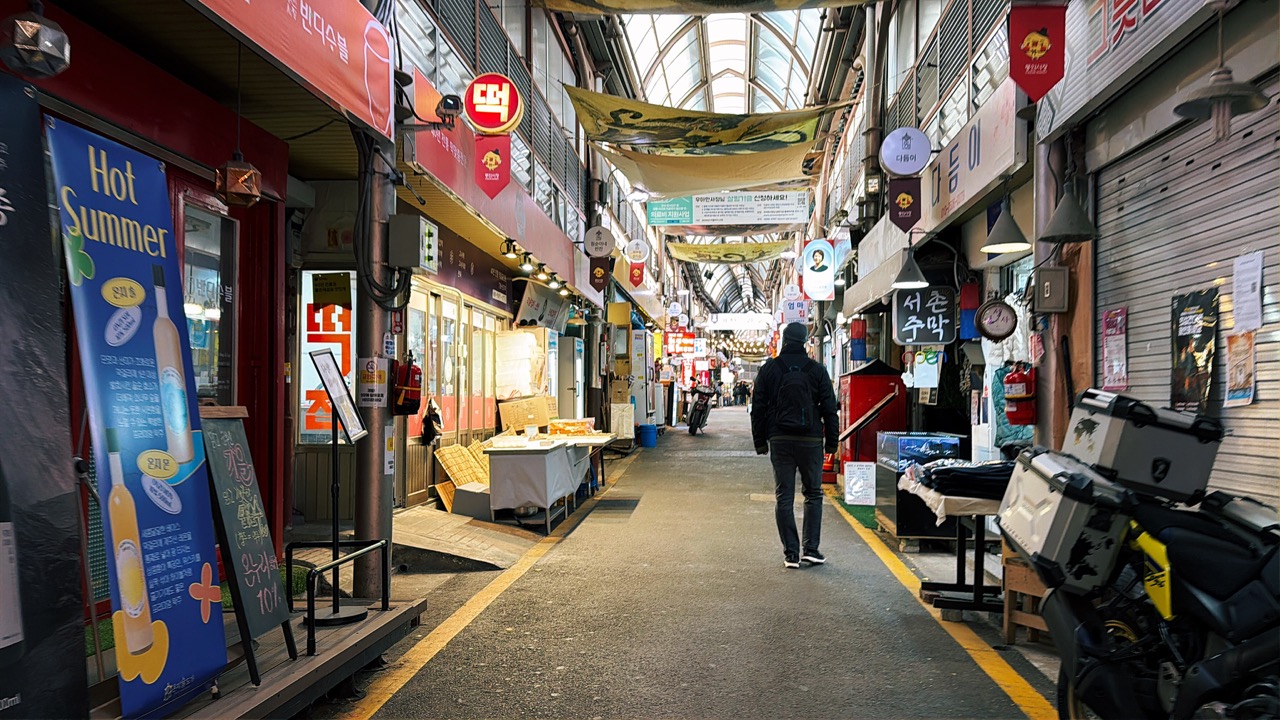
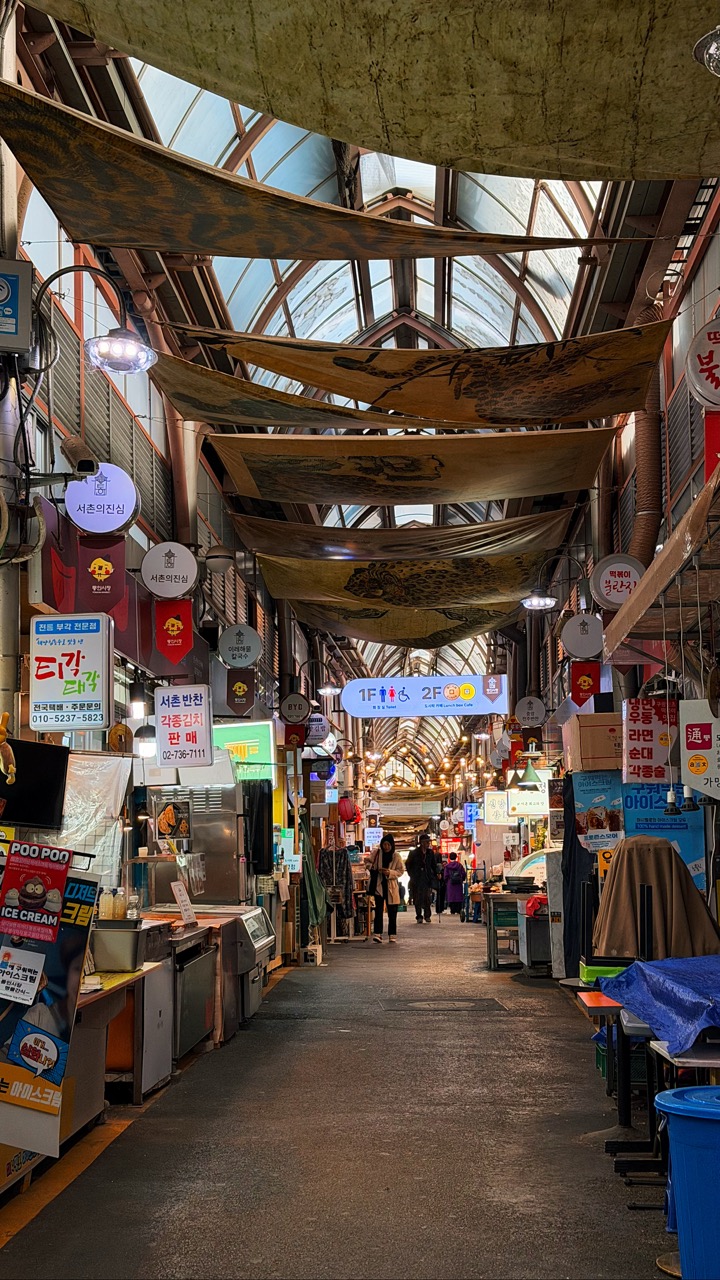
Myeongdong Street Food Alley
📍 Location: Myeongdong 8-gil area, Jung-gu, Seoul (near Myeongdong Station, Line 4)
Myeongdong Food Market is not a traditional covered market but a street food area that comes alive in the late afternoon and evening. Instead of produce and household goods, this place is all about trendy snacks, grilled skewers, and sweet treats lined up along the shopping streets. It feels more modern and tourist-friendly compared to older markets.
- Founded. Street food culture here expanded heavily in the 2000s alongside Myeongdong’s rise as a major shopping district.
- Typical Hours. Most food stalls operate from around 4:00 PM to 11:00 PM, though hours can vary by vendor and season.
- Interesting Fact. Myeongdong became one of Seoul’s most famous shopping areas before evolving into a hotspot for creative street food trends and oversized snack portions.
- Best For. Quick bites while shopping, trendy Korean street snacks, and first-time visitors staying in central Seoul.
- Must Try. Grilled lobster with cheese, tornado potatoes, egg bread, tanghulu candied fruit, and hotteok.
- Famous For. It’s an evening street-food scene with oversized, photogenic snacks, and it is one of the easiest food markets for tourists to access.
- Vibe. Busy, energetic, fast-paced, and very snack-focused.
- Time Needed. Around 45 minutes to 1 hour for food hopping, longer if you combine it with shopping.
- Nearby Landmark. Close to Myeongdong Cathedral and within waddling distance of the Namsan Seoul Tower cable car area.
- Our Take. This is not the place for deep traditional food exploration, but it is fun and easy. If you are already shopping in Myeongdong, grabbing snacks here makes sense. It feels more modern and tourist-heavy, but it is still worth a quick stop.

Other Markets in Seoul Worth Exploring
Not all markets in Seoul are about street food. Some focus on seafood, others on meat, vintage fashion, wholesale shopping, or late-night retail. If you want to see a different side of the city’s market culture, these are worth knowing about.
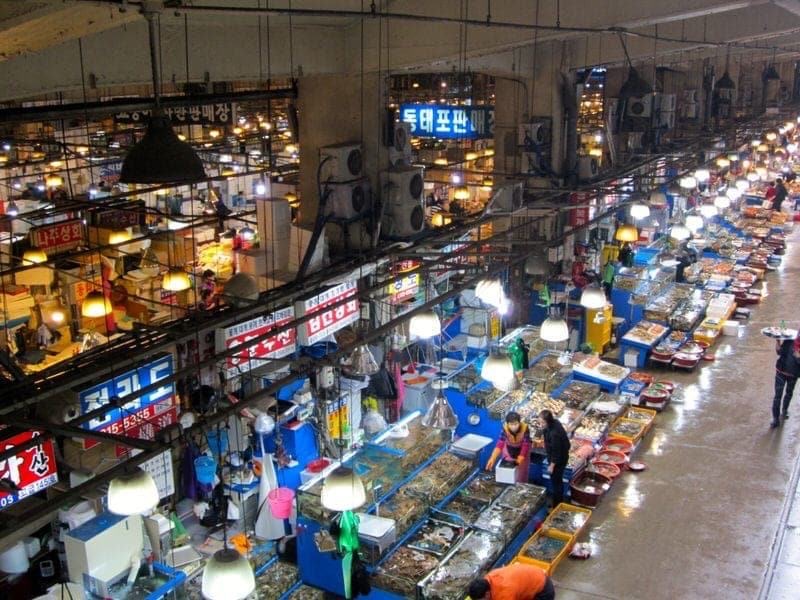
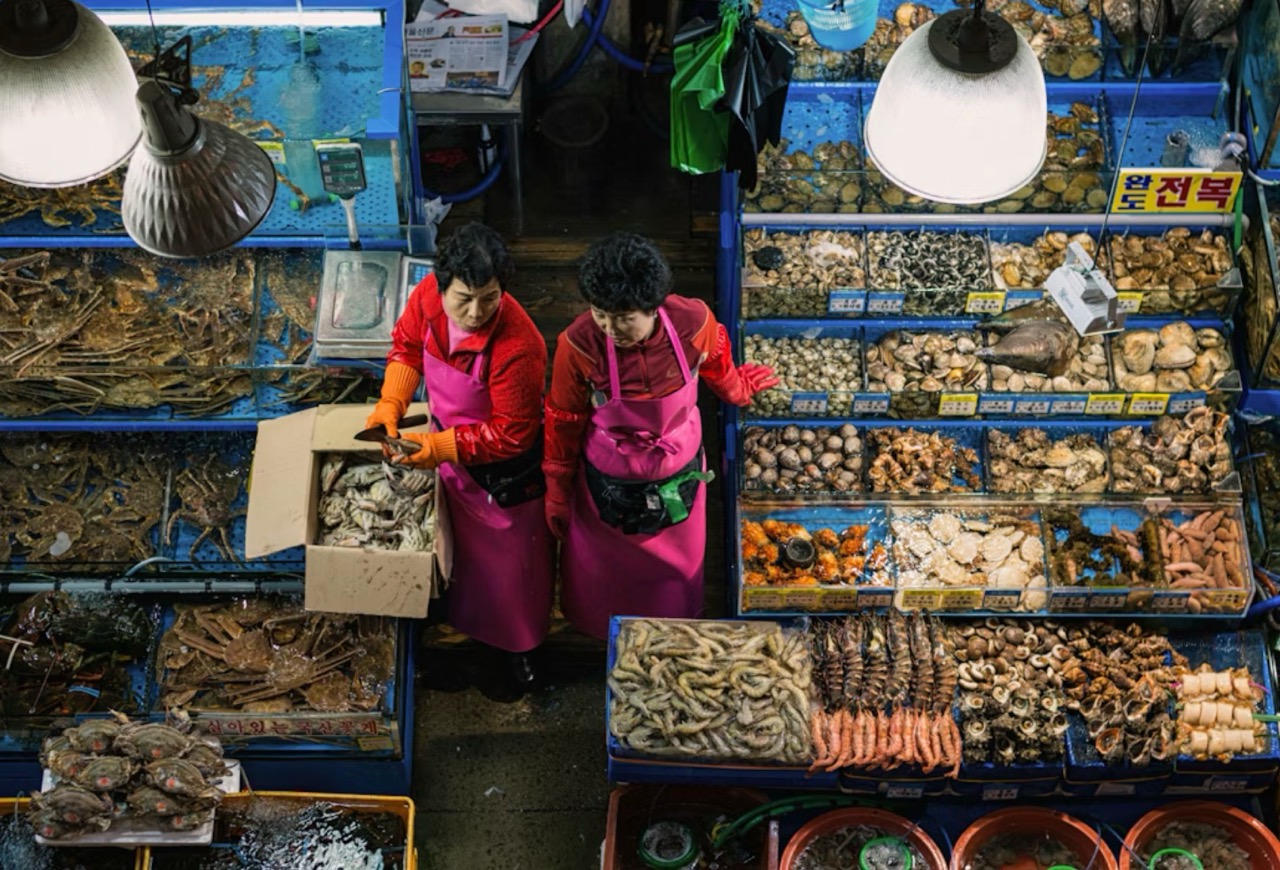
Noryangjin Fish Market
📍 Location: 674 Nodeul-ro, Dongjak-gu, Seoul (near Noryangjin Station, Line 1 & 9)
One of the largest seafood markets in Korea. Vendors sell fresh fish, shellfish, and live seafood. You can buy seafood downstairs and have it prepared at one of the restaurants upstairs.
- Founded. Originally opened in 1927, it was later modernized into the current building.
- Typical Hours. Open daily; many vendors are open from early morning until late evening; some seafood restaurants stay open later.
- Best For. Fresh seafood, sashimi lovers, and a unique dining experience.
- Must Try. King crab, live octopus, assorted sashimi platters.
- Famous For. Buying live seafood downstairs and having it prepared upstairs.
- Vibe. Authentic, loud, busy, working wholesale market atmosphere.
- Time Needed. 1 to 2 hours, including a seafood meal.
Majang Meat Market
📍 Location: 525 Majang-ro, Seongdong-gu, Seoul
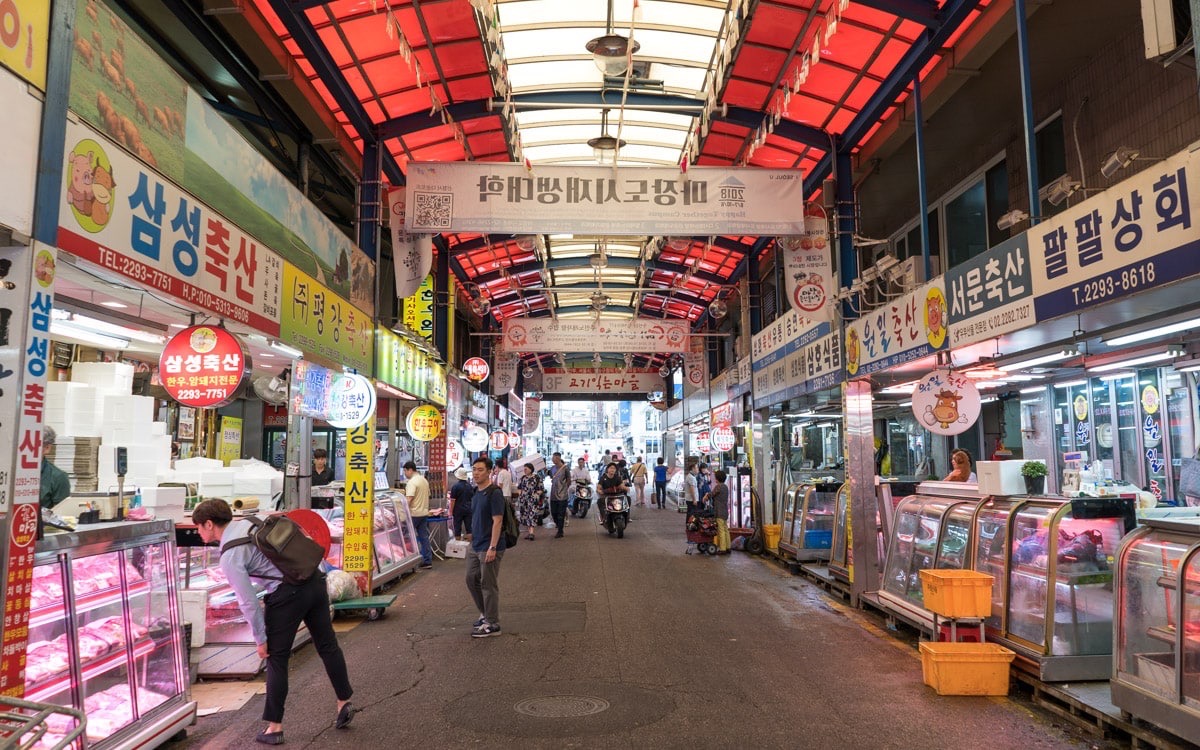
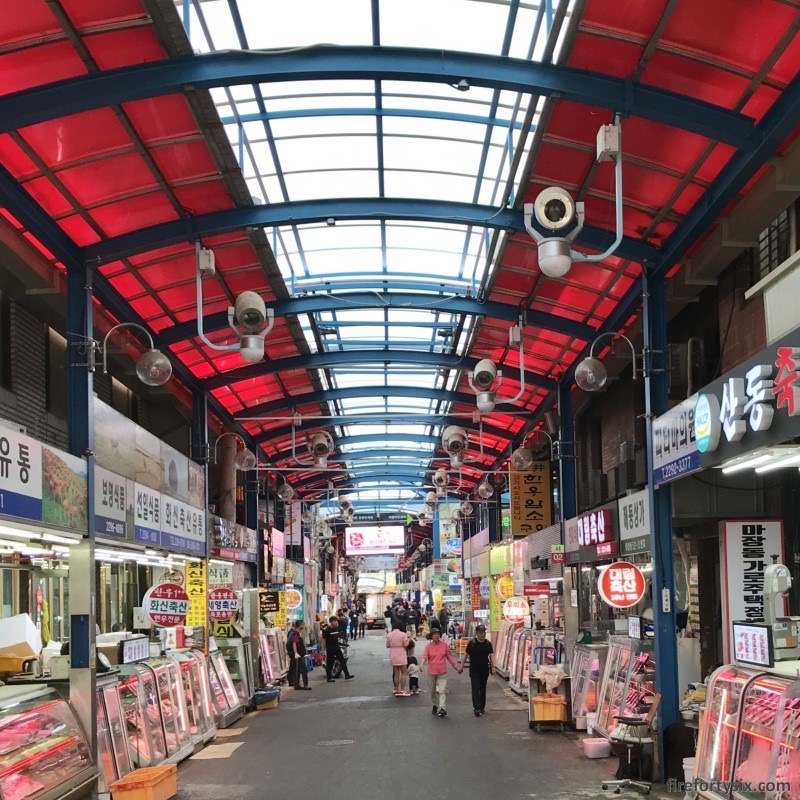
Majang is Seoul’s wholesale meat market and the place locals go for quality Korean beef. It is not polished or curated. It is functional and focused on meat.
- Founded. Developed in the 1960s as a wholesale meat distribution market.
- Typical Hours. Most shops open from around 8:00 AM to 9:00 PM.
- Best For. Korean BBQ fans, premium Hanwoo beef at lower prices.
- Must Try. Hanwoo beef cuts are grilled at nearby restaurants.
- Famous For. Wholesale beef market where locals buy high-quality meat.
- Vibe. Local, straightforward, meat-focused, not tourist-oriented.
- Time Needed. 1 to 1.5 hours including dining.
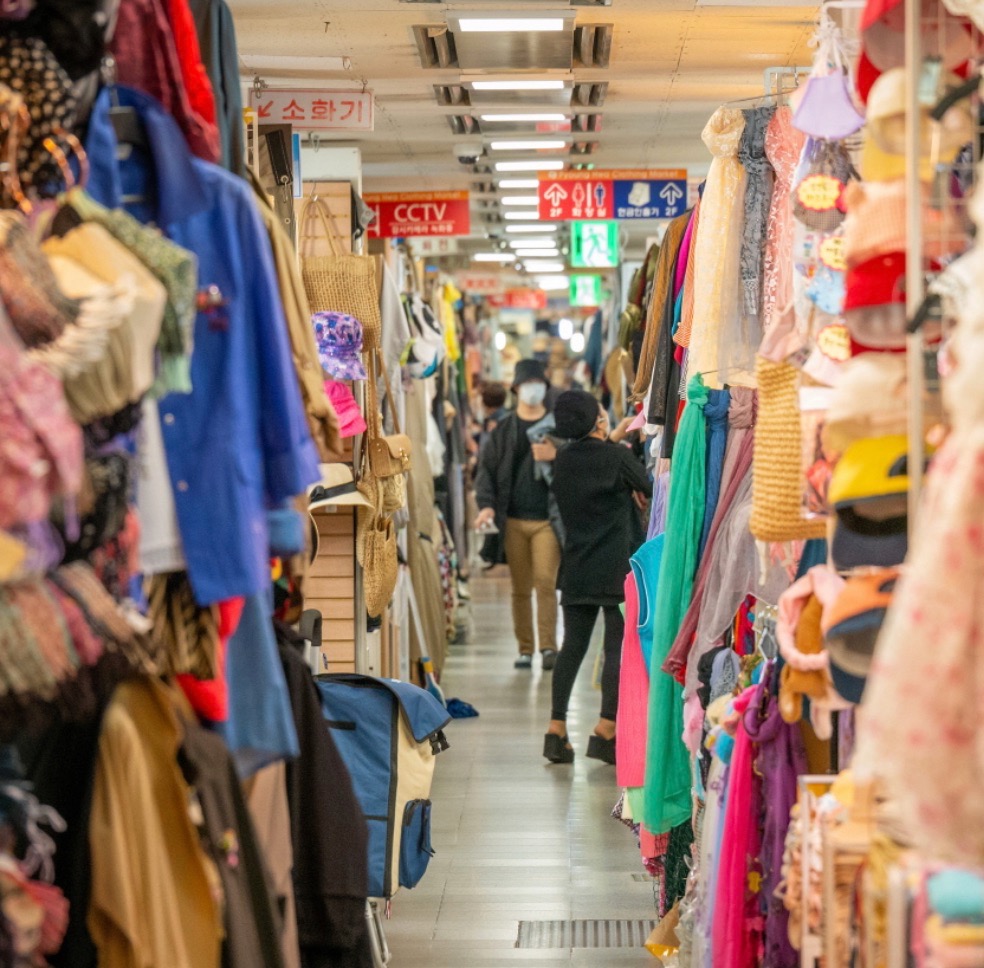
Dongdaemun Market
📍 Location: Around Dongdaemun Design Plaza, Jongno-gu
Dongdaemun is more of a large shopping district made up of multiple markets and fashion buildings. It is known for wholesale clothing and fabrics, as well as late-night retail.
- Founded. Dating back to 1905, expanded over time into a major fashion hub.
- Typical Hours. Many wholesale buildings stay open late, some until 2:00 or 3:00 AM.
- Best For. Fashion shopping, fabrics, bulk clothing purchases.
- Must Try. Street food around the market area while shopping.
- Famous For. Late-night fashion shopping and wholesale garment trade.
- Vibe. Busy, commercial, fast-paced.
- Time Needed. 1 to 3 hours, depending on shopping plans.
Seoul Central Market
📍 Location: 28 Eulji-ro 33-gil, Jung-gu, Seoul (near Euljiro 4-ga Station, Line 2 & 5)
Seoul Central Market is a lesser-known traditional market that feels very local and far from the main tourist routes. It is smaller than Namdaemun or Gwangjang but gives you a glimpse into everyday Seoul life.
- Founded. Established in the mid-20th century as a neighborhood traditional market.
- Typical Hours. Most stalls operate from around 9:00 AM to 8:00 PM.
- Best For. Local atmosphere, casual food stops, and exploring beyond tourist-heavy markets.
- Must Try. Korean side dishes, fresh produce, and simple noodle dishes from small eateries.
- Famous For. Being a true neighborhood market with fewer international visitors.
- Vibe. Quiet, practical, community-focused.
- Time Needed. Around 45 minutes to 1 hour.
- Our Take. This is not a highlight market, but that is exactly why it is interesting. It feels real and unfiltered. If you want to step away from the famous spots and see how locals shop daily, this is a nice stop.
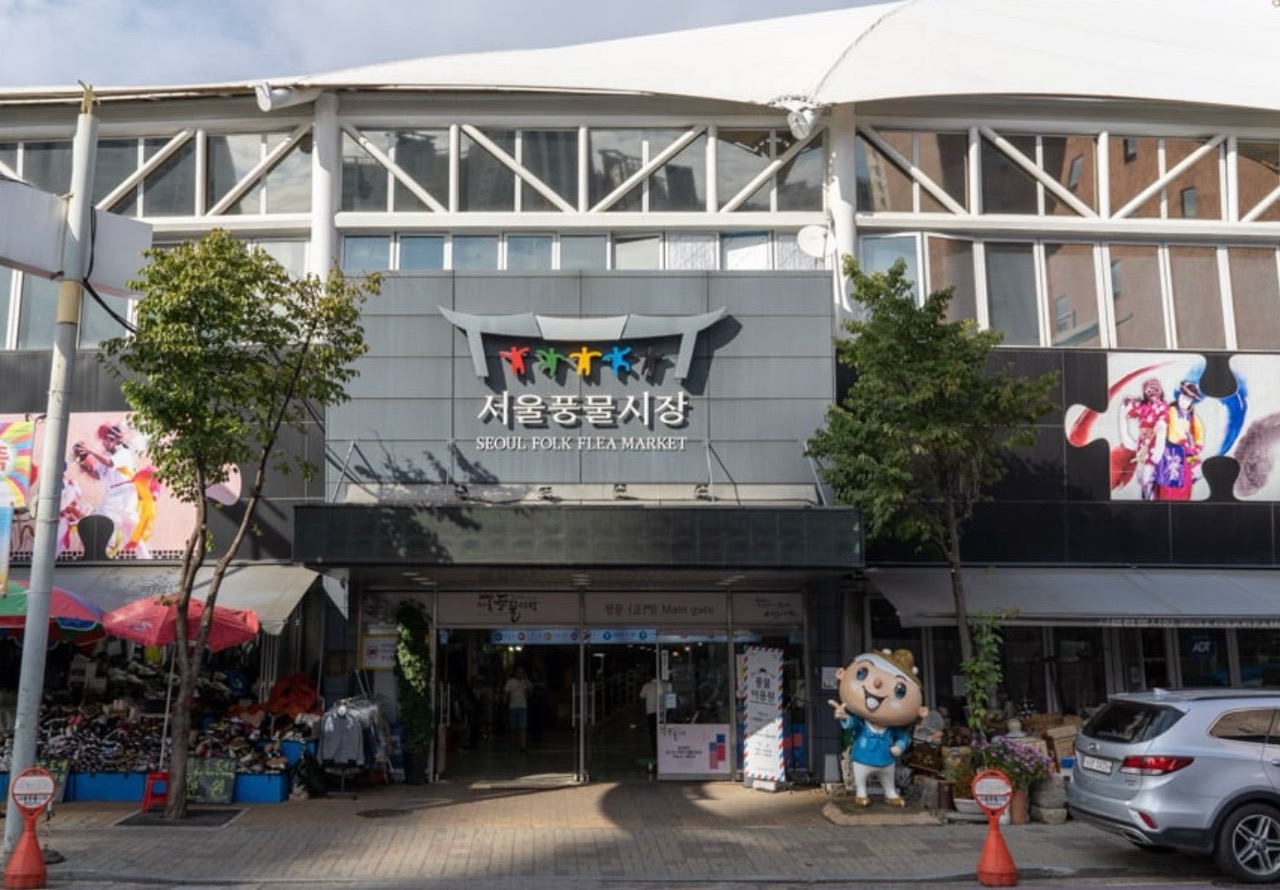
Seoul Folk Flea Market
📍 Location: 102 Sungin-dong, Jongno-gu, Seoul (near Sinseol-dong Station, Line 1 & 2)
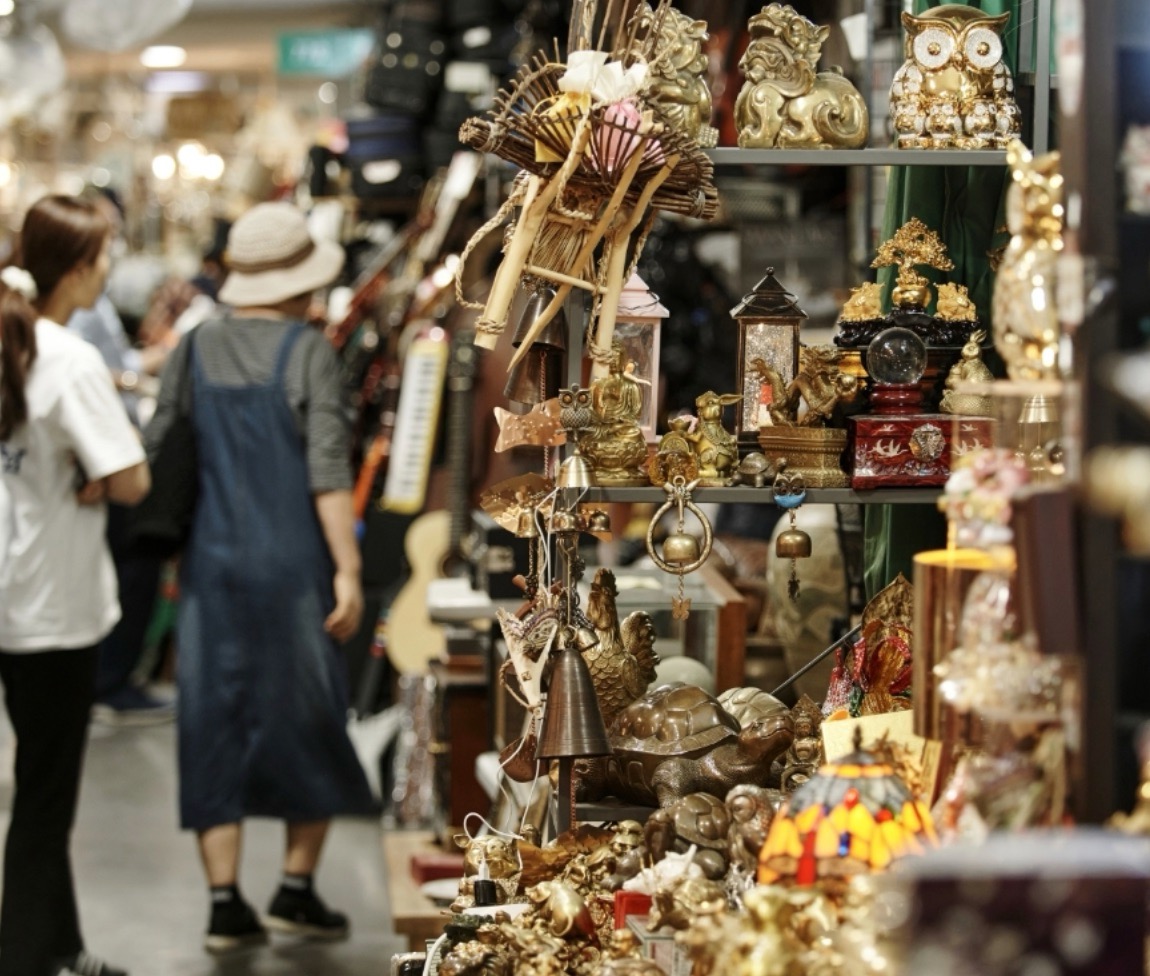
Seoul Folk Flea Market is completely different from the food-heavy traditional markets. This is a large indoor and outdoor flea market focused on antiques, second-hand goods, vintage items, and nostalgic Korean objects from past decades.
- Founded. Opened in 2008 as a relocation and expansion of older flea market vendors from around the city.
- Typical Hours. Around 10:00 AM to 7:00 PM; closed on certain public holidays.
- Best For. Vintage lovers, antique hunting, unusual souvenirs, retro Korean memorabilia.
- Famous For. Old coins, typewriters, vinyl records, military items, and random nostalgic Korean household goods.
- Vibe. Retro, eclectic, treasure-hunt atmosphere.
- Time Needed. 1 to 1.5 hours if browsing properly.
Practical Tips for Visiting Seoul Markets
- Bring Cash. Most vendors accept cards, but smaller stalls and older sellers may prefer cash, especially in traditional markets. It also makes quick snack stops easier.
- Go Earlier in the Day. Morning visits are calmer and less crowded. Food markets also feel fresher before peak lunch and dinner hours.
- Compare Prices. In larger markets like Namdaemun, multiple stalls sell similar products. Walk around first before buying souvenirs or accessories.
- Wear Comfortable Shoes. Markets are bigger than they look. You will be walking through long alleys, uneven pavement, and multiple sections.
- Do Not Be Afraid to Negotiate. In traditional markets, especially for clothing or souvenirs, light bargaining is normal. Keep it friendly and respectful.
- Explore Side Alleys. The main aisles are busy, but some of the best finds and food spots are hidden in smaller lanes.
Buy Me a Ko-fi
Which Seoul Market Should You Visit
If you do not have time to visit them all, here is a simple breakdown based on what you are looking for:
- First Time in Seoul → Namdaemun Market. Classic, central, and packed with variety. A good introduction to traditional market culture.
- Food Lovers → Gwangjang Market. The go-to for iconic street food like bindaetteok and mayak kimbap.
- Local Neighborhood Feel → Mangwon Market. Less tourist-heavy and easy to explore at a relaxed pace.
- Late Night Shopping → Dongdaemun Market. Fashion buildings open late with wholesale clothing and fabrics.
- Seafood Experience → Noryangjin Fish Market. Fresh seafood market where you can buy and eat on site.
- Korean BBQ Fans → Majang Meat Market. The best place to buy quality Hanwoo beef is to grill it nearby.
- Vintage & Retro Finds → Seoul Folk Flea Market. Ideal for antiques, quirky souvenirs, and nostalgic Korean items.
- Central & Easy Street Snacks → Myeongdong Street Food Alley. A convenient evening snack stop if you are already shopping in Myeong-dong.
- Budget Souvenirs → Namdaemun Market. Wide variety and competitive prices in one place.
If we had to simplify it, we would pick one food market, one traditional market, and one specialty market. That way, you get a balanced taste of how Seoulites shop, eat, and live. Our personal picks are Namdaemun and Gwangjang Markets.
Best Time to Visit Seoul Markets
Timing can completely change your experience at Seoul’s markets. The same place can feel calm and local in the morning and packed and energetic in the evening.
Morning vs Evening
Mornings are quieter and easier to navigate, especially in traditional markets like Namdaemun Market. It is easier to browse and take your time. Evenings, especially at food-focused spots like Gwangjang Market or Myeongdong Street Food Alley, feel more lively and social but also more crowded.
Weekday vs Weekend
Weekdays are generally more relaxed and less busy. Weekends bring heavier foot traffic, especially in central markets and shopping districts like Dongdaemun Market. If you prefer a calmer experience, aim for Tuesday to Thursday.
Weather Considerations
Spring and autumn are the most comfortable seasons for market exploring. Summer can be hot and humid, especially in covered markets without strong air circulation. Winter is manageable, but dress warmly, as many market areas are partially open-air.
In short, mornings and weekdays give you space. Evenings and weekends give you energy. Choose based on the kind of atmosphere you enjoy.
FAQ About Seoul Markets
What Is the Biggest Market in Seoul?
The largest traditional market in Seoul is Namdaemun Market. It has thousands of stalls selling everything from clothing and souvenirs to kitchenware and street food. It is also considered the largest traditional market in Korea overall.
What Is the Oldest Market in Seoul?
Namdaemun Market is the oldest, dating back to the early 1400s during the Joseon dynasty. Another historic option is Gwangjang Market, established in 1905.
Are There Night Markets in Seoul?
Seoul does not have one single permanent night market like some other Asian cities, but areas such as Dongdaemun Market stay open late, especially for fashion shopping. Myeongdong Street Food Alley also becomes most active in the evening, with street food stalls operating until late.
Which Seoul Market Is Best for Street Food?
For traditional Korean street food, Gwangjang Market is the top choice. It is famous for bindaetteok, mayak kimbap, and long communal food tables. If you prefer a more local feel with lighter crowds, Mangwon Market is a great alternative.
Are Seoul Markets Open Every Day?
Most traditional markets operate daily, but individual stalls may close one day a week. Some are partially closed on major holidays. Always check the specific market’s schedule if you are planning around a tight itinerary.
Is Namdaemun or Gwangjang Better?
It depends on what you want. Namdaemun Market is better for variety, souvenirs, and overall size. Gwangjang Market is better for a focused street food experience. If possible, visit both for different reasons.
Which Market Is Best for Seafood?
Noryangjin Fish Market is the place for fresh seafood and on-site dining.
Which Market Is Best for Fashion Shopping?
Dongdaemun Market is known for wholesale fashion and late-night shopping.
Markets show a different side of Seoul. Not the polished skyline or the palace courtyards, but everyday life. This is where locals shop, eat, bargain, and meet. If you want to understand the rhythm of the city, markets are one of the best places to start.
Slow down when you visit. Do not rush from stall to stall, ticking things off your list. Try something you have never heard of. Sit at a shared table. Explore a side alley that looks less busy. The best moments often happen when you are not following a strict plan.
If we had to pick one favorite, it would still be Gwangjang Market for street food. It was the first place we visited after landing in Seoul, and it set the tone for the whole trip. Bold, simple, and full of flavor.
Pack your bags, arrive hungry, and leave happy!
Save This Pin for Later!

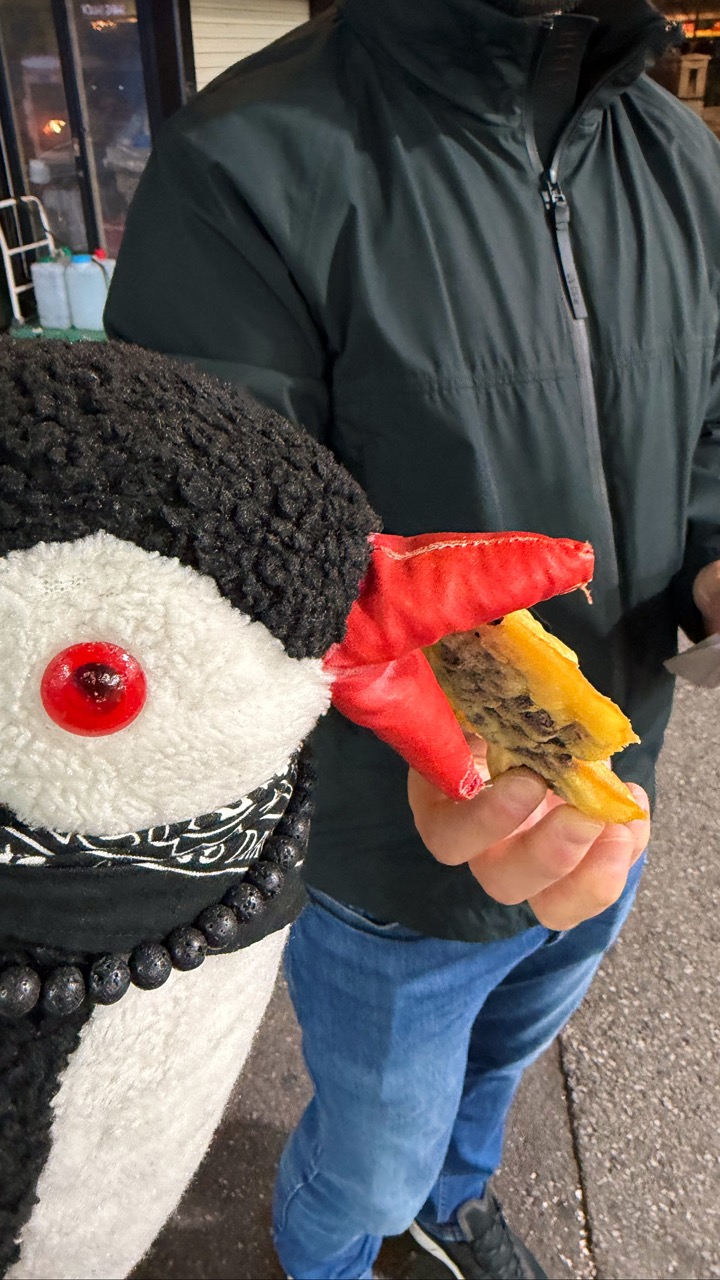
This post contains affiliate links. If you click and buy, I might earn a tiny commission, enough to help a penguin keep up its globe-trotting lifestyle. No extra cost to you, just more fish for me. Thank you for supporting the adventure!