Why Visit the Red Coral Museum in Alghero, Sardinia
Even before coming to Alghero, we had already heard about its famous red gold, the coral that has shaped the city’s history for centuries. That curiosity alone made us want to visit the Red Coral Museum, and it turned out to be absolutely worth it. We learned so much about corals and their importance, including things we genuinely did not know before, which gave us a whole new appreciation for this unique part of Alghero’s heritage. Read on to learn why this museum deserves a spot on your Alghero itinerary.
Alghero is known as the Coral Riviera of the Mediterranean, a place where red coral fishing dates back hundreds of years. The city has long been associated with red coral, locally referred to as red gold, as it brought significant wealth and shaped Alghero’s identity over the centuries. This precious coral belongs to the species Corallium rubrum and has long been regarded as one of the finest in the entire Mediterranean.
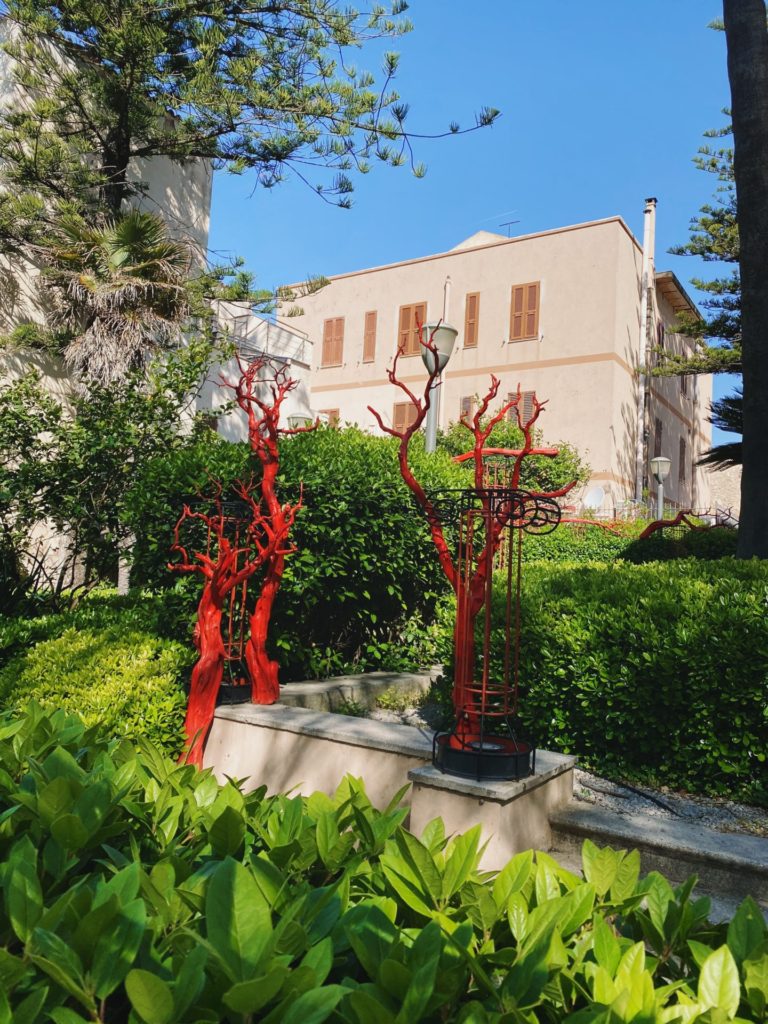
The importance of red coral to Alghero is even reflected in the city’s official coat of arms, granted by King Peter IV in 1355. It features a coral branch emerging from the sea and clinging to a rock, a powerful symbol of the city’s connection to the water and its resources. It is no coincidence that this stretch of coastline is also known as the Coral Coast, with Alghero at its very heart.
As you waddle around Alghero, you will quickly notice shops filled not only with jewellery, but with all kinds of items made from red coral. It is impossible to miss how deeply this material is woven into the city’s identity.
Because of that, a visit to the Red Coral Museum really belongs on your list. We learned so many interesting things about corals and their history, including details we genuinely did not know before, which made the experience even more rewarding.
Interesting Fact
It is important to know that red coral can only be collected by authorised fishermen. Each year, around 25 licences are granted for the fishing season, which runs from May to October, and each fisher is allowed to collect no more than 2.5 kg (5.5 pounds) of coral. Harvesting is strictly regulated and can only be done by immersion, using a small axe, at depths of no less than 50 metres. The use of underwater robots or mechanical tools is completely prohibited to help protect this fragile and valuable resource.
How to Get to the Red Coral Museum
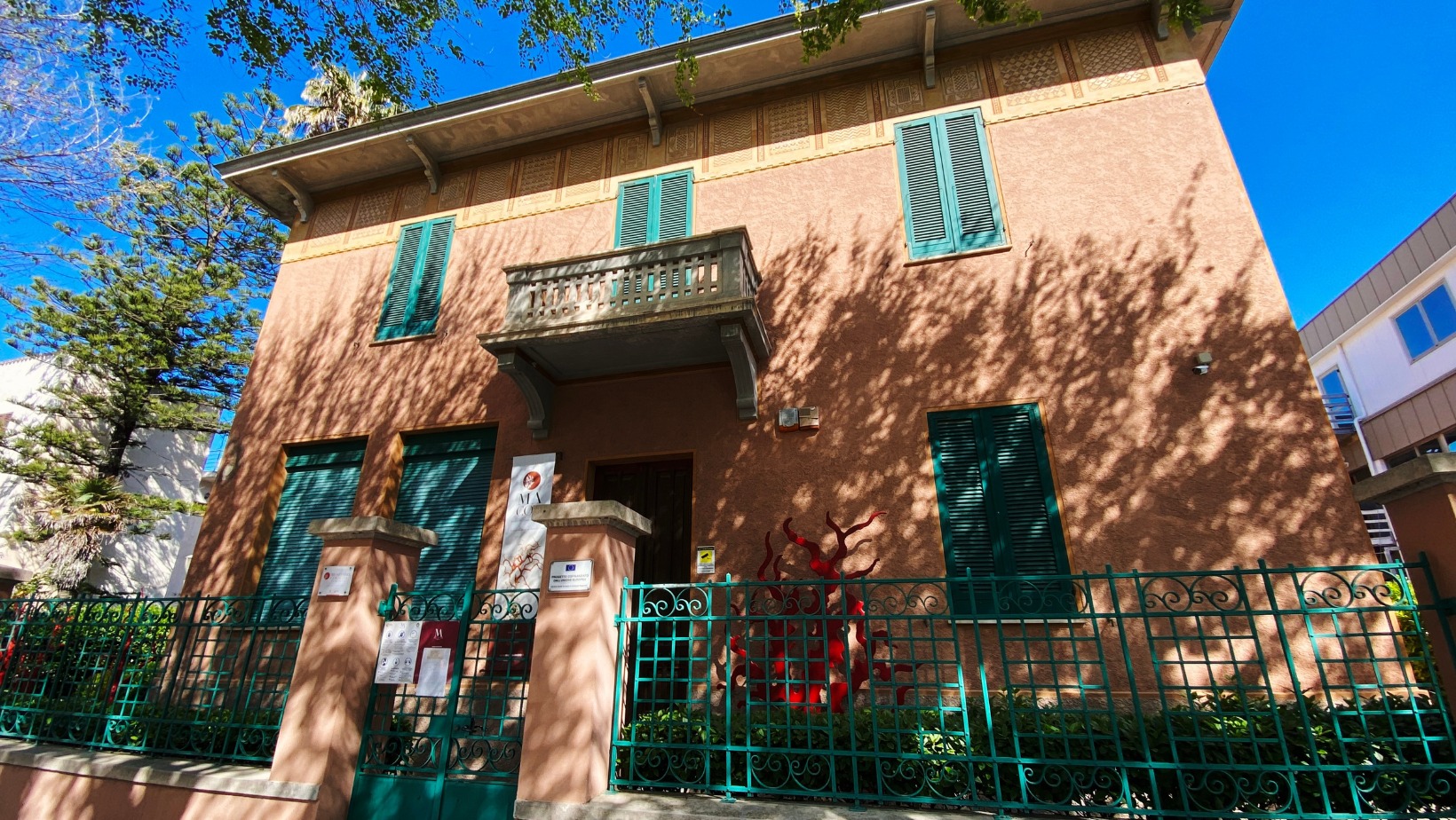
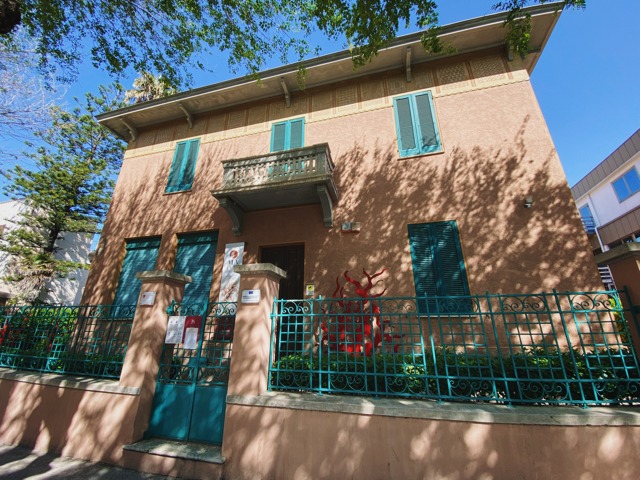
The Red Coral Museum is located at Via XX Settembre 8 and is housed in a beautiful historic villa, with the exhibition thoughtfully spread throughout the entire building. Thanks to its central location, it is easy to reach on foot from anywhere in Alghero’s old town, making it a simple and pleasant stop to add while waddling through the city.
Tickets and Opening Hours of the Red Coral Museum in Alghero
The Red Coral Museum (Coral Museum) is open most days of the week, but hours vary by day and season, so it’s always best to check the official website before you go. Currently, the general opening times are:
- Monday: 4:30 pm – 7:00 pm
- Tuesday & Thursday: 10:30 am – 1:00 pm
- Wednesday: 4:30 pm – 7:00 pm
- Friday, Saturday & Sunday: 10:30 am – 1:00 pm and 4:30 pm – 7:00 pm
For the most up-to-date hours, prices, and special closures, be sure to check the museum’s official website.
The museum follows a siesta-style schedule, with a mid-day closure, so be sure to plan your visit for either the morning or late afternoon opening hours.
Tickets for the Red Coral Museum in Alghero
- Adults (full ticket): €7 (standard admission)
- Reduced ticket: €5 for ages 6–17, Alghero residents, students up to 26 with ID, Sardinia residents in low season, and certain #PLAYALGHERO participants
- Free entry:
- Children under 6
- People with disabilities and their carers
- Teachers with school groups
- Licensed tour guides
- Guided tour (optional): €3 per person (paid separately at the museum)
Facilities and Amenities at the Red Coral Museum
- Ticket office on site
- Card payments accepted
- Guided tours available
- Toilets available
- Informational panels in multiple languages
- Wheelchair accessible areas
- Centrally located, easy to reach on foot from Alghero’s old town
Best Time of Day to Visit the Red Coral Museum
The best time to visit the Red Coral Museum is late morning or later in the afternoon, once it reopens after the midday break. These time slots tend to be quieter and fit well into a day of exploring Alghero’s old town. Visiting outside peak lunch hours also makes it easier to enjoy the exhibition at a relaxed pace without feeling rushed.
Our Visit to the Red Coral Museum in Alghero
The Red Coral Museum had been on our itinerary from the very beginning, so we were genuinely happy when we finally made it inside. After waddling through Alghero and seeing so many shops filled with red coral jewellery and souvenirs, our curiosity only grew. We wanted to understand the story behind it all, not just admire it from a shop window.
As you waddle closer to the museum, you also start to appreciate the setting itself. The museum is housed in a beautiful villa, and approaching it already feels like part of the experience. It is one of those places where the visit begins before you even step inside, setting the tone for what turns out to be a fascinating and informative stop.


Basic Facts & Interesting History
- Located in a historic villa in central Alghero
- Dedicated to Corallium rubrum, the Mediterranean red coral often called Alghero’s red gold
- Red coral fishing in the area dates back hundreds of years and played a major role in the city’s wealth
- Alghero is known as the Coral Riviera of the Mediterranean
- Red coral appears in Alghero’s official coat of arms, granted in 1355, showing a coral branch rising from the sea
- The museum explains traditional coral harvesting methods used before modern regulations
- Only licensed fishermen are allowed to collect red coral today, under strict rules to protect the species
- Exhibits cover coral biology, history, craftsmanship, and cultural importance
- The museum helps raise awareness about coral conservation and sustainable practices
As you enter the museum, the ticket window is right there, making it easy to buy a ticket on-site. Card payments are accepted, and once you are through, you can start wandering through the exhibition at your own pace. The museum is well laid out and full of information, and we quickly realised how much there is to learn about red coral.
One of the most interesting things we discovered is that red coral is not an underwater plant, as many people assume, but a colonial animal species. The living elements of the colony are tiny polyps that live and grow in adjacent niches, slowly forming the coral structure over time. It was not until the mid-18th century that the animal nature of coral was fully recognised, a fact that completely changed how scientists understood this precious material.


Red coral is therefore a colonial living animal, not a plant or a mineral as people once believed. This fact completely blew our minds, as we had always assumed it was a type of underwater plant. One of the biggest contributions to advancing the scientific understanding of red coral was made by the French naturalist Lacaze-Duthiers, whose research helped establish its true animal nature.
It is also interesting to know that when using the term “corals,” we are generally referring to marine organisms belonging to the Anthozoa Class that form typical colonies.
Still, when we use the term “coral” in the singular, we are almost always referring to Mediterranean red coral (Corallium Rubum), and they are not able to form coral reefs.
We also learned that this species reproduces sexually, with breeding typically occurring between July and September, which we found especially interesting. Mediterranean red coral is also a filter feeder, meaning its survival depends on the availability of food in the surrounding water, which varies by location and season.
Pro Penguin Tip
When buying a souvenir, look for shops selling Corallium Rubrum. In the historic center, there are craft shops with a quality seal to ensure they are really made from red coral.
You can expect an easy, relaxed visit that still teaches you a lot along the way. The exhibition is not overwhelming, but packed with interesting facts about red coral, how it grows, how it was harvested, and why it became such a big deal for Alghero. Everything is explained in a clear, approachable way, so even if marine life is not usually your thing, it is still easy to follow. It is the place where you go in curious and come out thinking, wow, we learned something new today.


When you first enter, you will notice that the museum is spread across two floors, both of which are worth taking your time to explore. Waddling up the stairs to the second floor, even more displays and items made from red coral await you, adding another layer to the story.
My favourite part was a short video of about ten minutes that dives into the history of red coral and its importance to Alghero. I am usually not the kind of person who sits down to watch videos in museums, but this one was genuinely engaging and well worth your time. We highly recommend stopping for it before moving on.


Other Museums to Check Out
If you are a museum lover, there is more to see in Alghero.
- MASE: Museum of Antoine de Saint-Exupéry, located in the Torre di Porto Conte, celebrates the life and works of the writer-aviator. On 10th May 1944, Antoine de Saint-Exupéry arrived at the military airport at Fertilia in a B-26 aircraft piloted by Captain Rouzard, and lived in Alghero until July of the same year. In Alghero, he wrote most of his novel “The Wisdom of the Sands” and his last work, “Letter to an American”.
- MÚSA: The Archaeological Museum was founded to preserve historical memory and cultural heritage. It offers a unique and privileged view of locations that can no longer be physically used but are still the subject of academic studies today.
- CASA MANNO Museum was founded to honor Giuseppe Manno. Each room offers ideas for reflection or inspiring images that represent the sights and sounds of a bygone era when the Kingdom of Sardinia played a central role in the Nation-Building process in Italian history.

Buy Me a Ko-fi
Overall, the Red Coral Museum is a small but surprisingly rich stop that adds real context to wandering around Alghero. After seeing red coral everywhere in shop windows, it feels good to finally understand where it comes from and why it matters so much to the city. It is an easy visit, well-paced, and genuinely interesting, the kind of place that leaves you a little wiser and even more appreciative of Alghero’s unique character.
Pack your bag and explore the red gold of Alghero.
Save This Pin for Later!
This post contains affiliate links. If you click and buy, I might earn a tiny commission, enough to help a penguin keep up its globe-trotting lifestyle. No extra cost to you, just more fish for me. Thank you for supporting the adventure!