

Namsangol Hanok Village Visitor Guide: What to See & Tips for Visiting
Visiting Namsangol Hanok Village wasn’t originally high on our list. It was getting late in the day, the temperature was dropping, and we were already a little tired, but we decided to make it our last stop anyway. Looking back, we’re happy we pushed ourselves to go. The village turned out to be beautiful and surprisingly peaceful, and our only regret is that we arrived so late and didn’t have the energy to enjoy everything it has to offer. That said, it gave us enough of a glimpse to know it’s worth visiting, so here’s what you can expect and some practical information to help you plan your visit a bit better than we did.
- What Is Namsangol Hanok Village
- History of Namsangol Hanok Village
- How to Get to Namsangol Hanok Village
- Opening Hours & Admission
- Waddling Through Namsangol Hanok Village: What to See Inside
- How Long to Spend at Namsangol Hanok Village
- Facilities & Amenities at Namsangol Hanok Village
- Cultural Events & Programs at Namsangol Hanok Village
- Is Namsangol Hanok Village worth visiting?
- What to See Nearby (Easy to Combine With Your Visit)
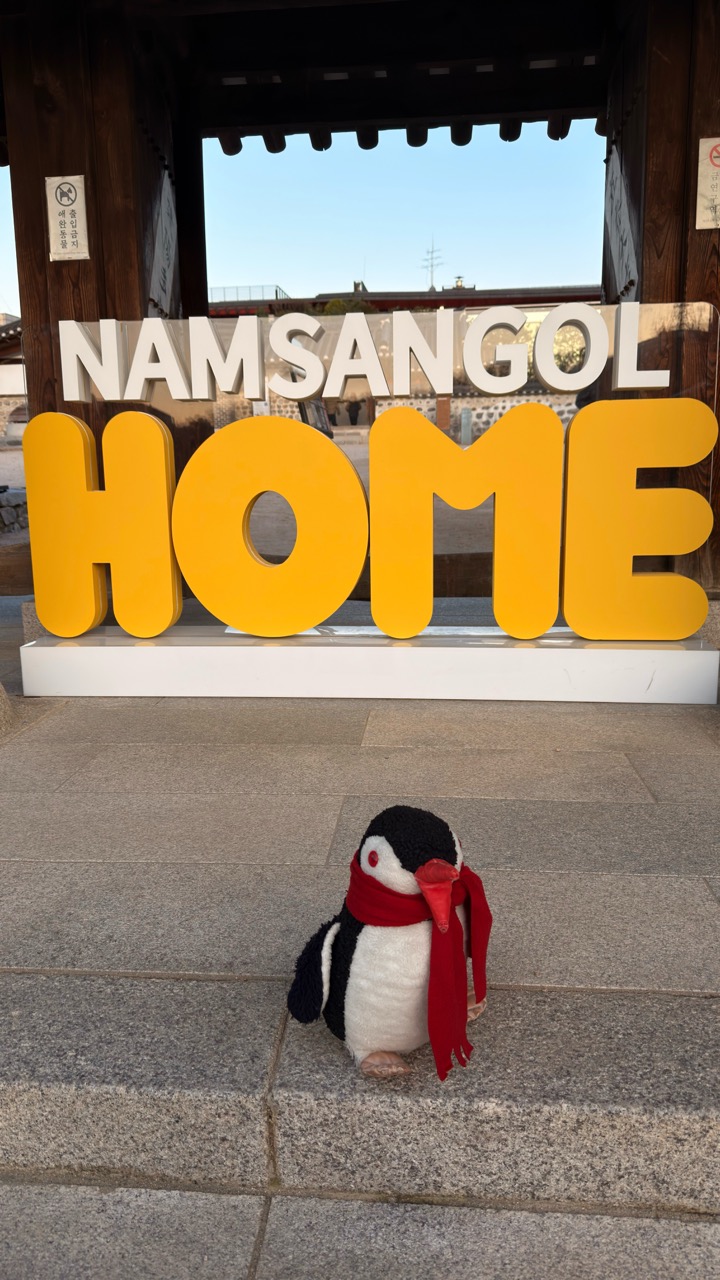
What Is Namsangol Hanok Village
Namsangol Hanok Village is an open-air cultural village in central Seoul that showcases traditional Korean hanok houses from the Joseon Dynasty. The village was created to preserve and present historic architecture that once stood across the city, bringing together several restored hanok homes in one peaceful setting at the foot of Namsan Mountain. Waddling through it felt like stepping back in time, with wooden houses, tiled roofs, quiet courtyards, and traditional gardens offering a calm contrast to the modern city surrounding it. It’s a place where you can get a gentle introduction to Korean history, daily life, and architecture without leaving Seoul.
History of Namsangol Hanok Village
- Joseon Dynasty (1392–1897). The traditional hanok houses in the village date back to the Joseon period, when this area of Seoul was home to aristocrats, scholars, and government officials.
- Early 1900s. As Seoul modernized, many original hanok homes across the city were dismantled, relocated, or lost due to urban development.
- 1998. Namsangol Hanok Village officially opened to the public as a cultural preservation project by the Seoul Metropolitan Government.
- Late 1990s. Five historically significant hanok houses were relocated and carefully restored within the village, each representing different social classes from the Joseon era.
- 2000s–present. The village became a cultural space hosting traditional ceremonies, workshops, and performances, including reenactments of Joseon-era weddings.
Interesting fact: Although the village feels historic, it is actually a reconstructed collection, designed to protect traditional architecture that would otherwise have disappeared from Seoul’s landscape.
The site also includes a traditional pavilion, gardens, and a time capsule plaza, blending history with modern cultural storytelling.
How to Get to Namsangol Hanok Village
📍 Address: 28 Toegye-ro 34-gil, Jung-gu, Seoul, South Korea
Getting here is very easy thanks to its central location in Seoul. The most convenient way is by subway: take Line 3 or Line 4 to Chungmuro Station, then use Exit 4. From there, it’s about a 5–7 minute waddle uphill to the village entrance, clearly signposted along the way. We came by subway as well, and it was easy to find.
You can also reach it by city bus. The Namsan Sunhwan Shuttle Bus 01A or 01B stops in the Chungmuro / Namsangol area, and from the bus stop, it’s again a short waddle to the village entrance. These buses are easy to use with a T-money or Cashbee transport card, and they run frequently throughout the day.
If you’re close by, waddling there on foot is also a great option. The walk from Chungmuro or Myeongdong is short and pleasant, especially if you enjoy slowing down a bit between sightseeing stops. We waddled back to our hotel from the village as well.
Opening Hours & Admission
Namsangol Hanok Village is open most of the day and is free to enter, making it a great budget-friendly stop while exploring Seoul. Admission to the hanok village itself is free, though special cultural programs or experiences (like hanbok rentals or workshops) may have separate fees.
Opening hours:
- April–October: 9:00 AM – 9:00 PM
- November–March: 9:00 AM – 8:00 PM
- Closed on Mondays (if a public holiday falls on a Monday, it will be open and closed the following day).
The traditional garden area is often open 24 hours a day, so you can enjoy peaceful outdoor views even outside the main hours.
Waddling Through Namsangol Hanok Village: What to See Inside
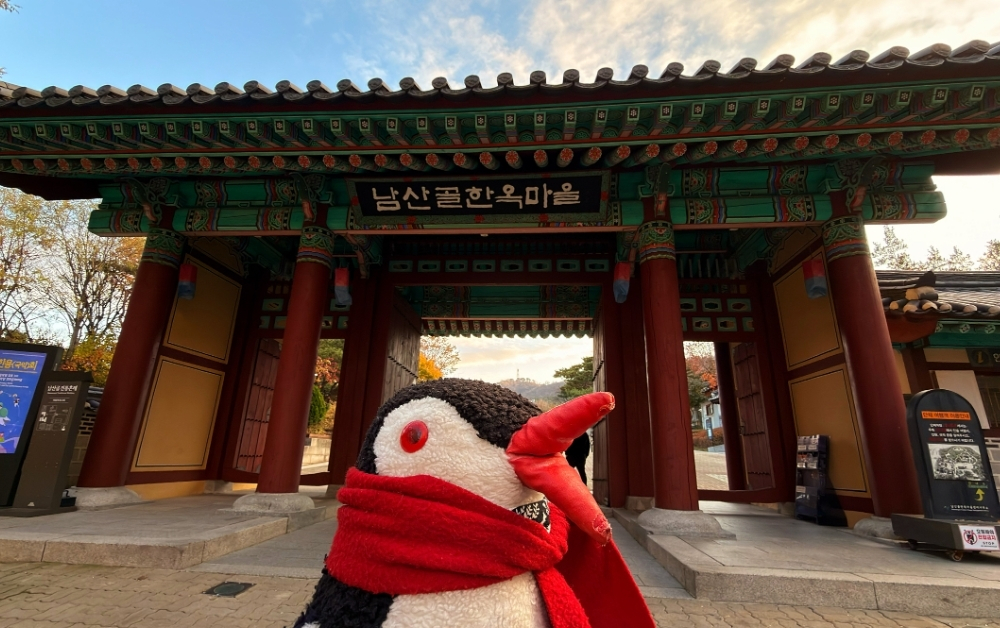
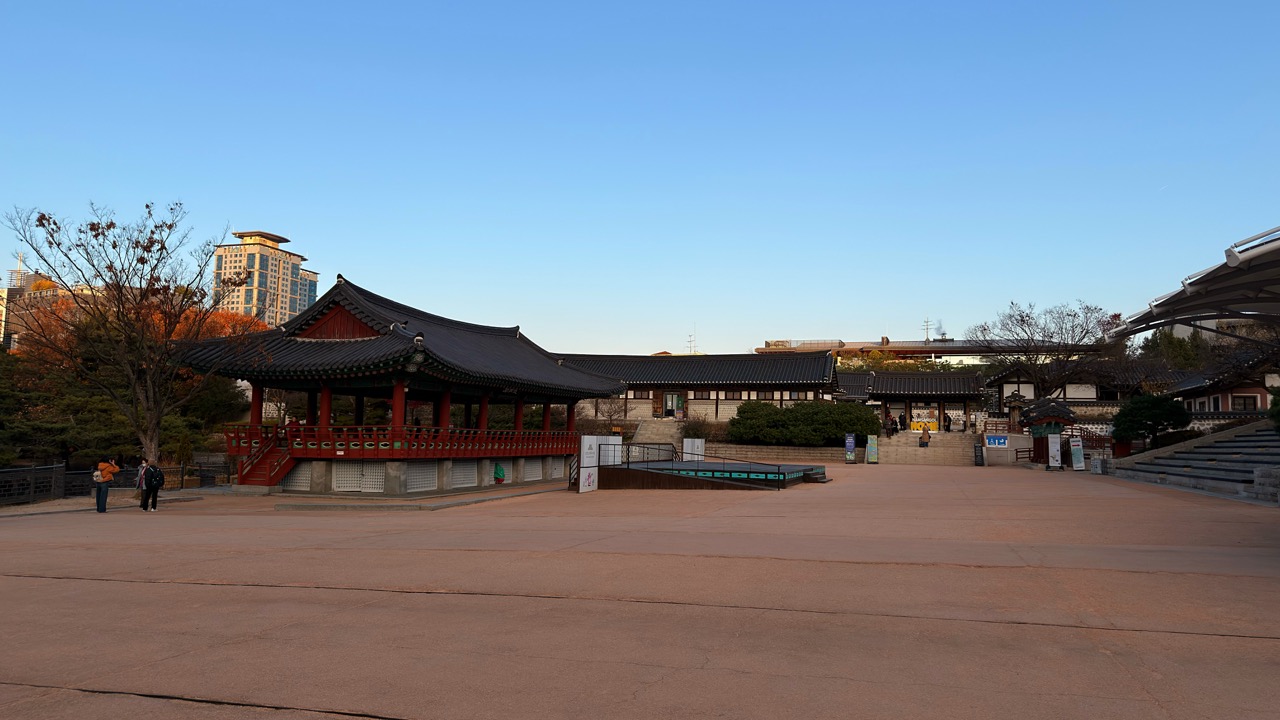
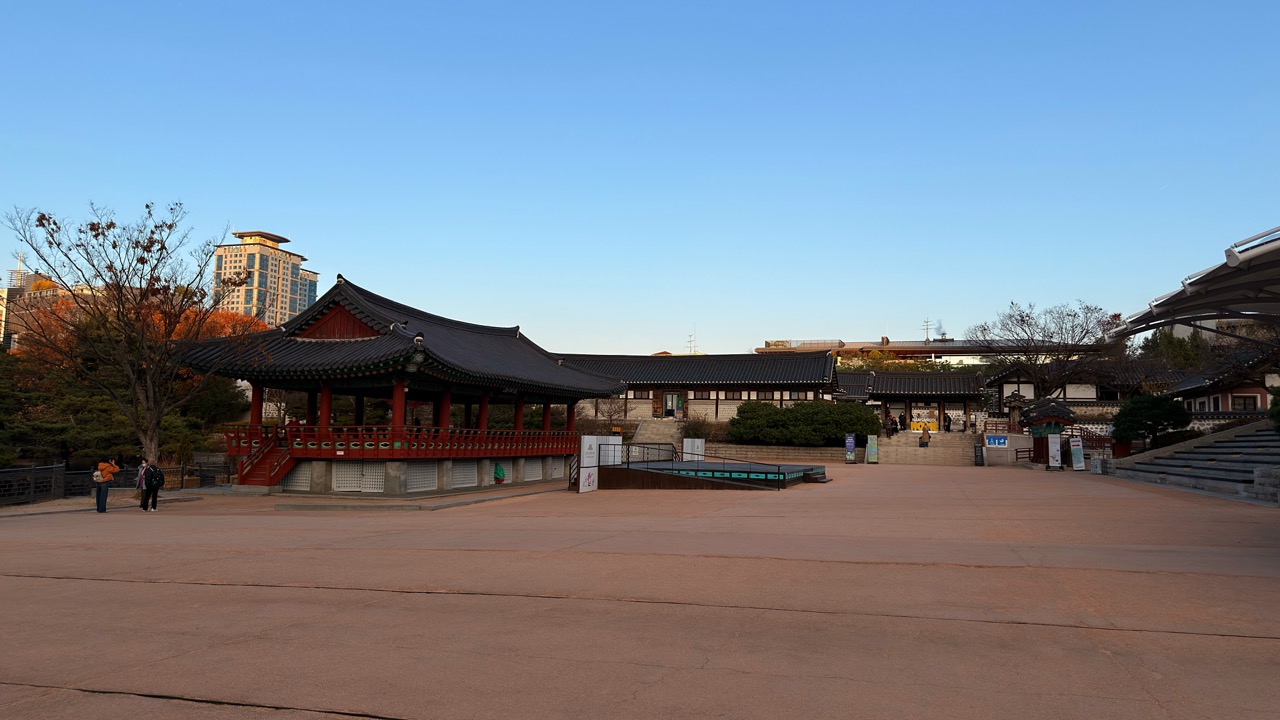
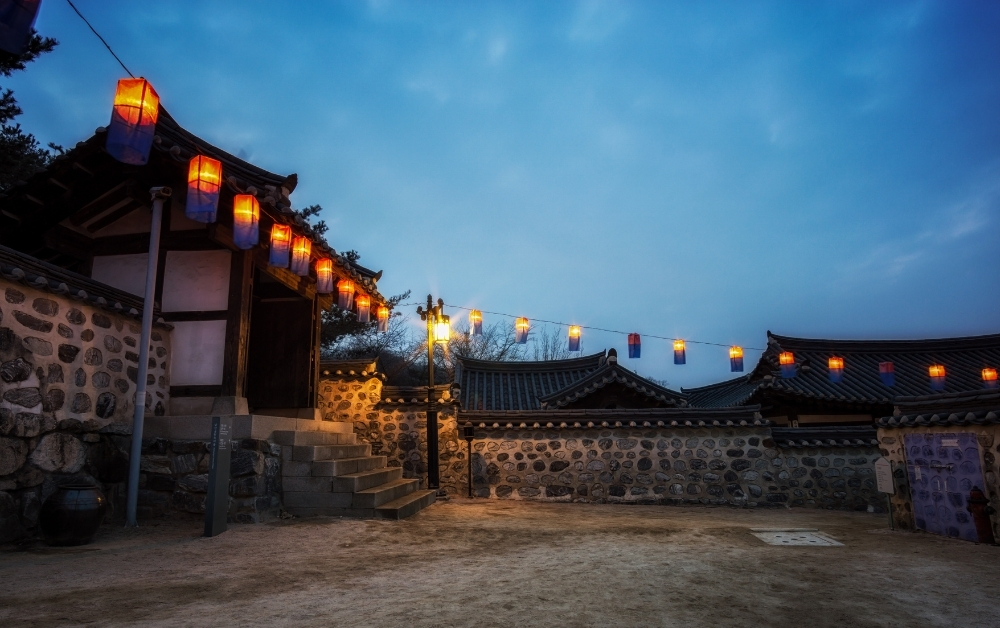
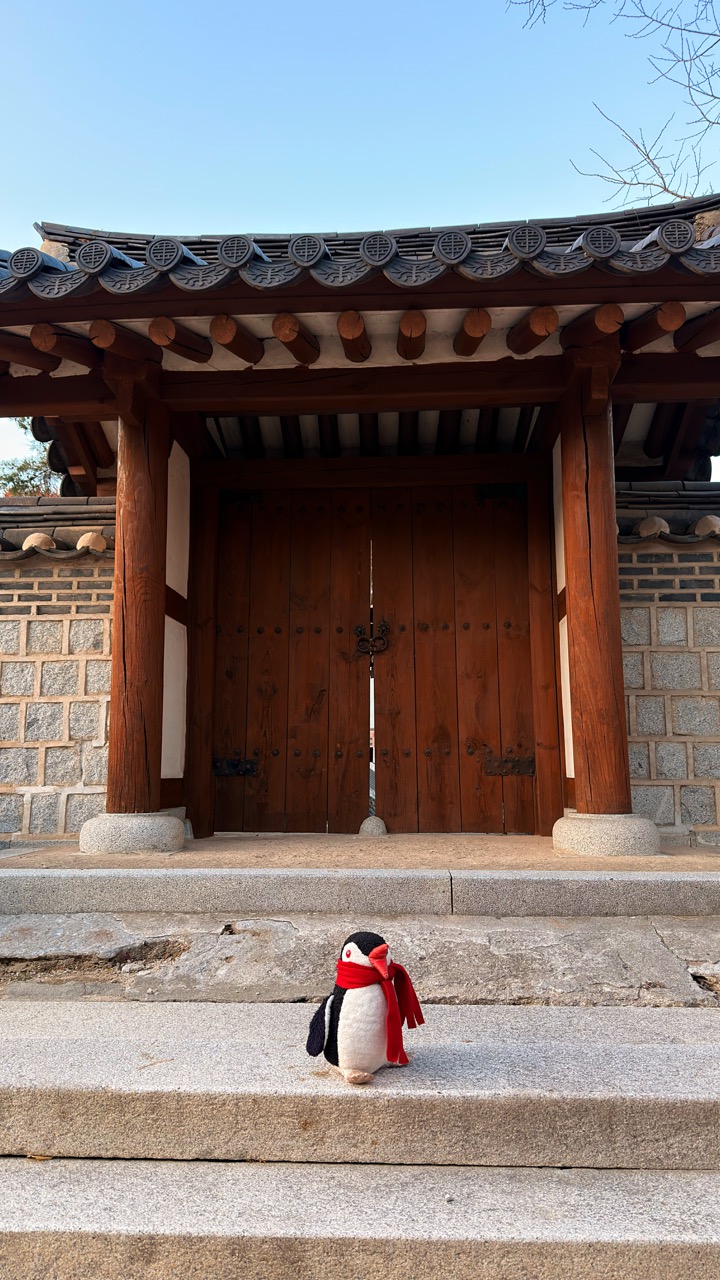
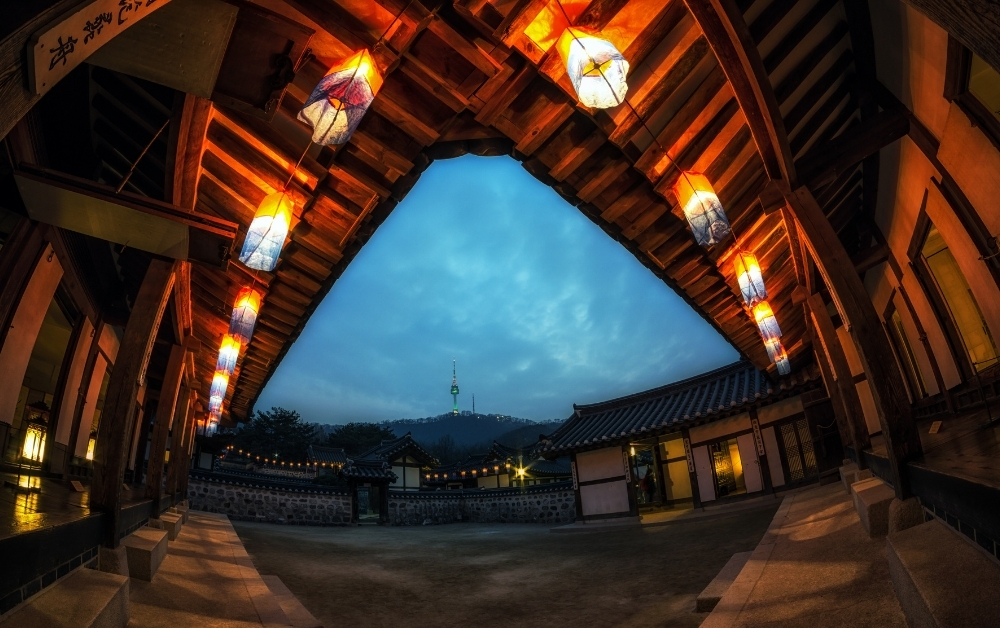
As soon as we approached Namsangol Hanok Village, we were greeted by a beautiful traditional gate that set the tone for what was waiting inside. Stepping through it felt like leaving modern Seoul behind, even if only for a short while. What surprised us was the size of the space opening up in front of us. The plaza is much larger than you might expect, wide and open in that very Seoul-like way, where plazas always seem to stretch further than anticipated.
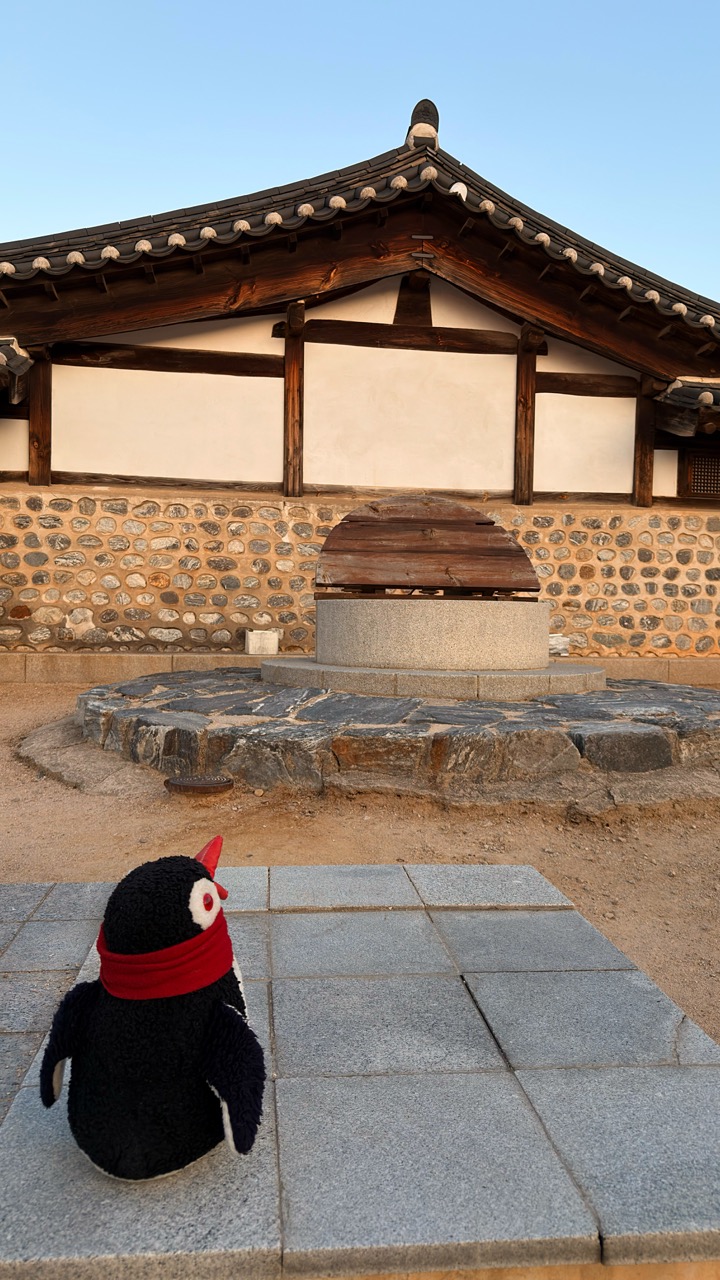
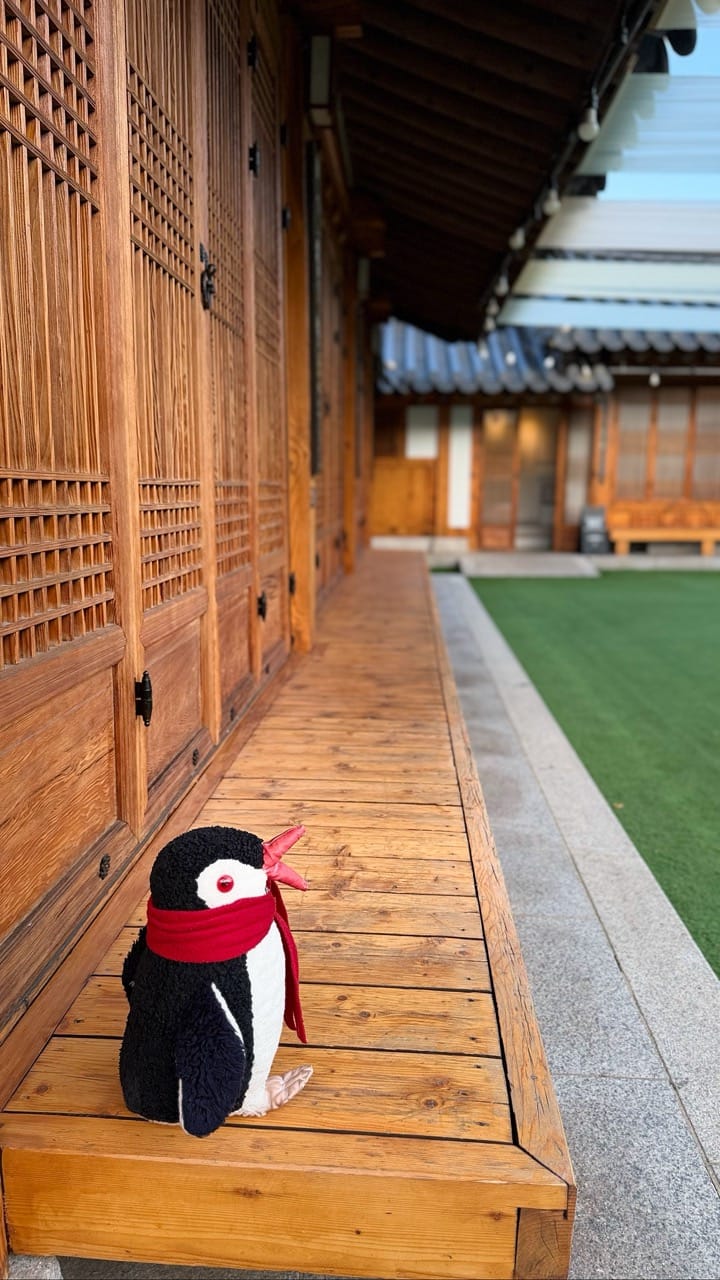
From there, we slowly waddled through the village, passing elegant hanok houses with curved tiled roofs, quiet courtyards, and small gardens that felt calm and timeless.
Inside the village, you’ll find several restored traditional hanok homes, each representing a different social class from the Joseon Dynasty, along with a pavilion, stone pathways, and open spaces where traditional ceremonies are sometimes held. There’s also a peaceful garden area that’s perfect for slowing down, taking photos, or simply sitting for a moment and soaking in the atmosphere.
What to See Inside Namsangol Hanok Village
Traditional Hanok Houses
The village consists of five relocated and restored hanok houses, originally scattered across Seoul and brought here to preserve traditional residential architecture from the late Joseon Dynasty. Inside, you can see traditional room layouts, wooden floors, sliding doors, and everyday objects that give a glimpse into how people once lived.
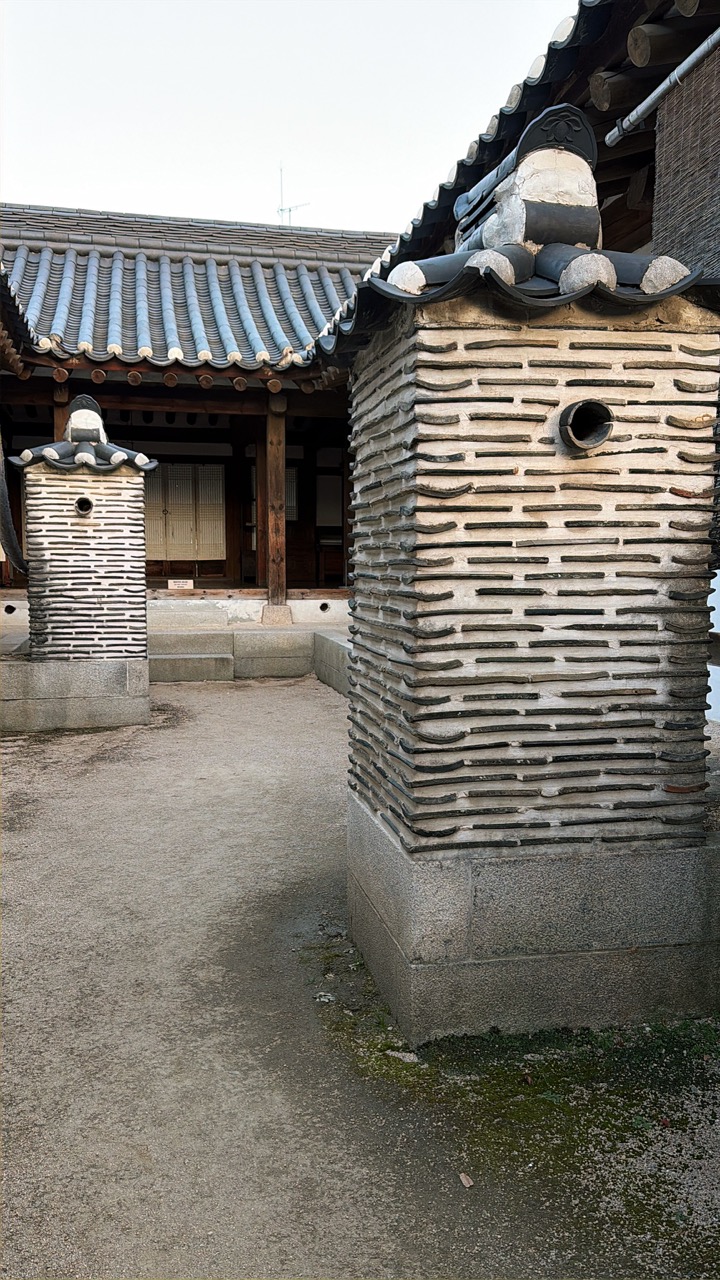
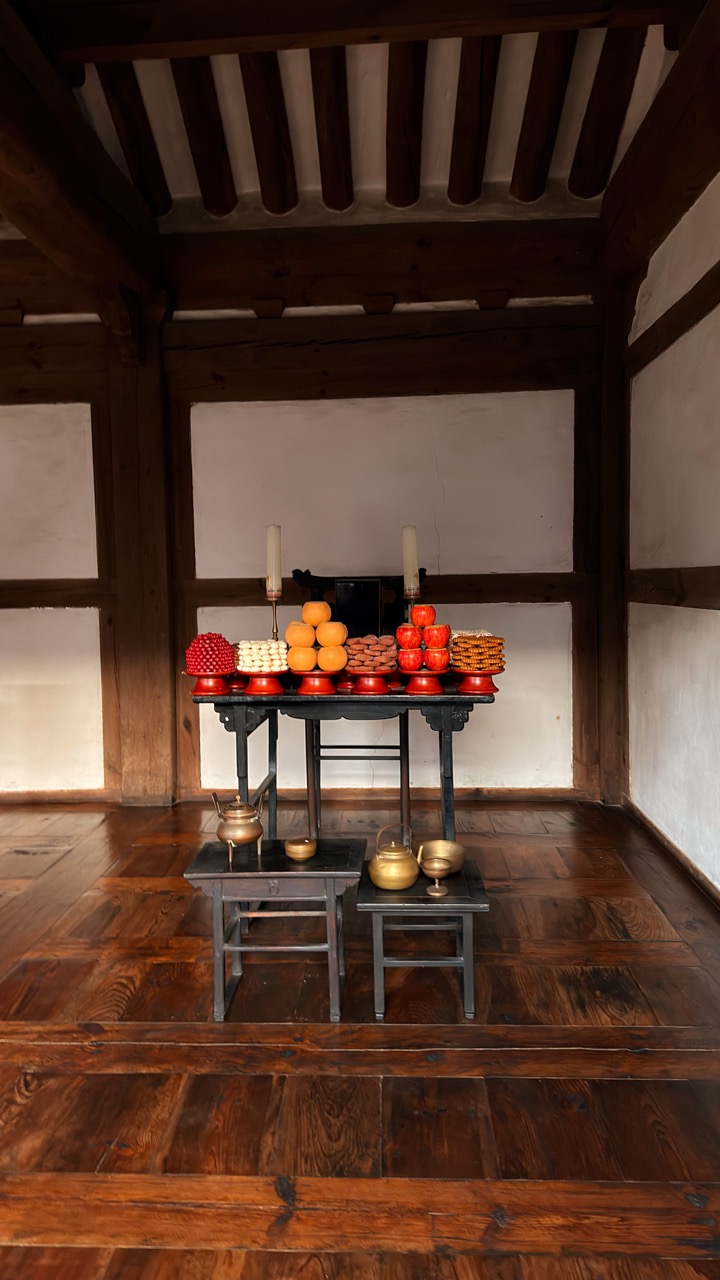
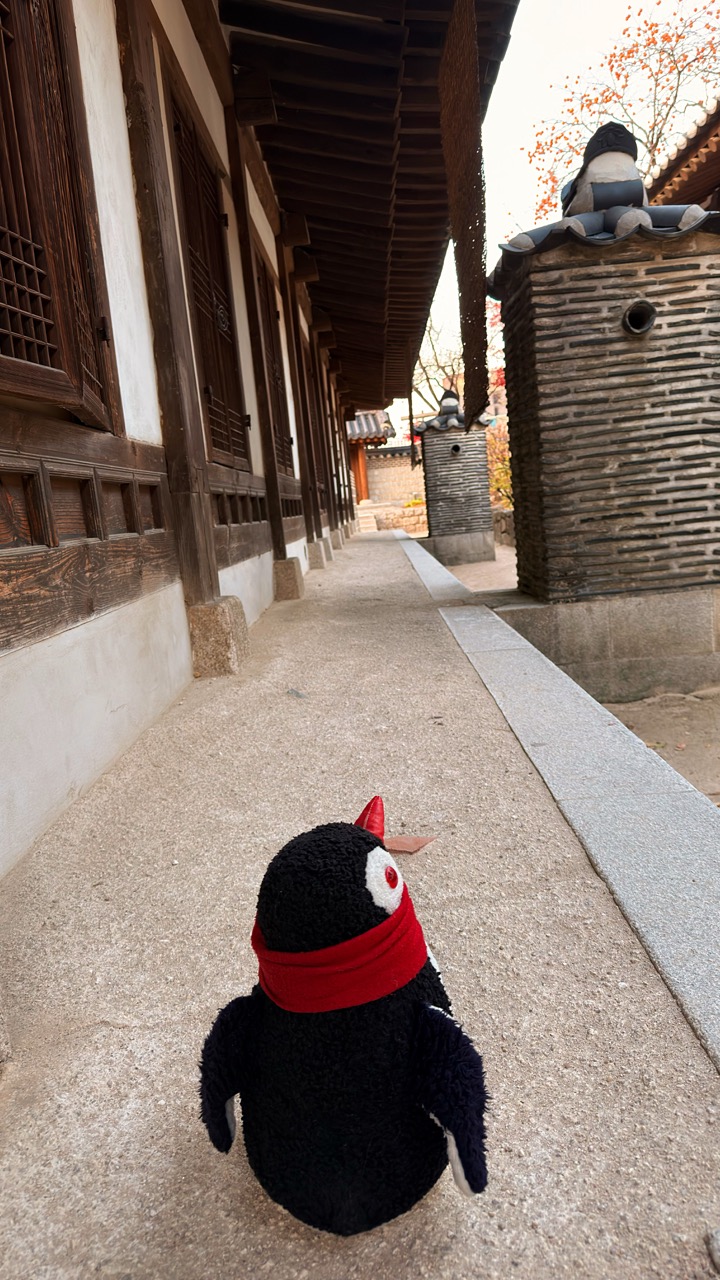
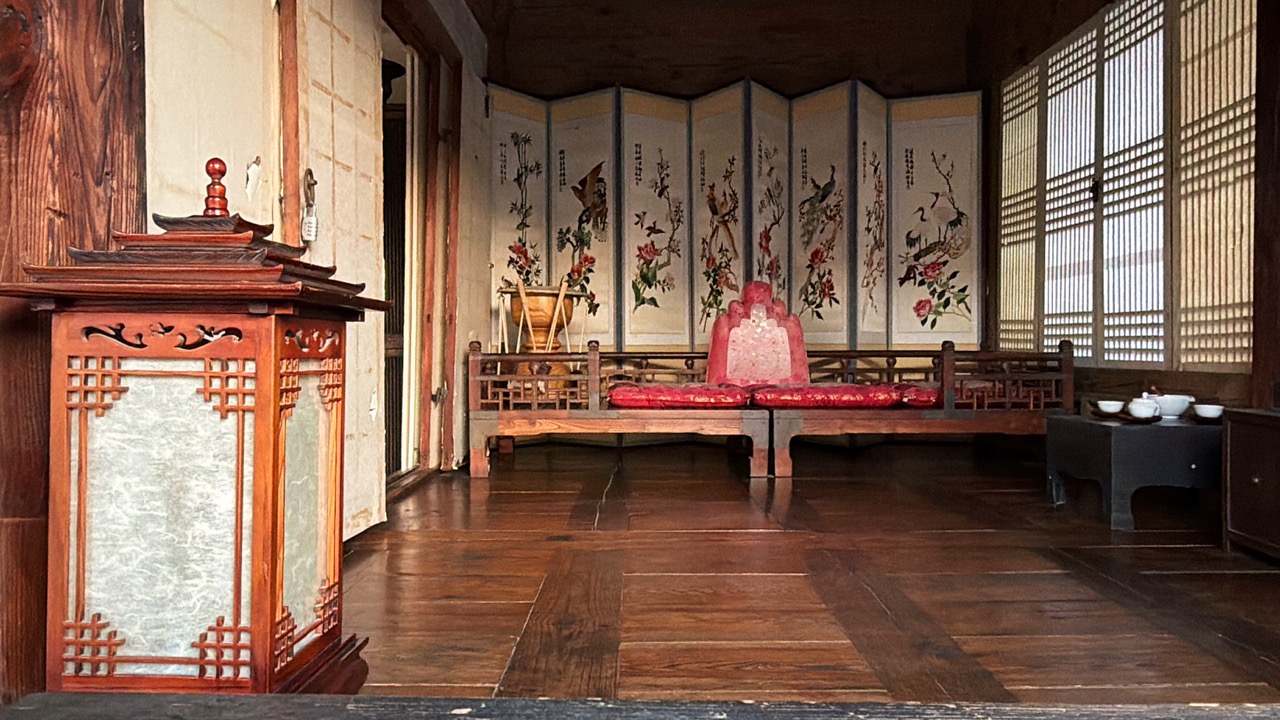
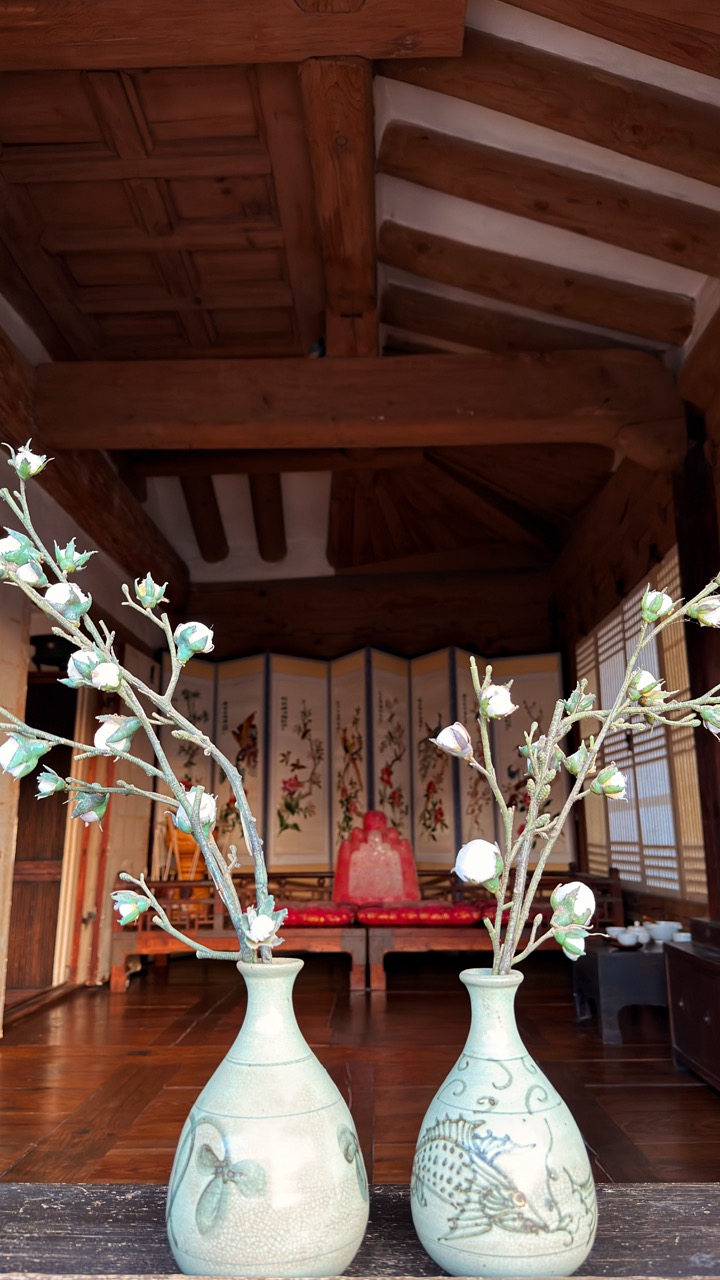
- Carpenter Yi Seung-eop’s House (1860s). Built by master carpenter Yi Seung-eop, who worked on the reconstruction of Gyeongbokgung Palace (1865–1868). The house is known for its unique roofing technique and practical yet elegant design, showcasing late Joseon residential architecture.
- General Kim Choon-yeong’s House (1890s). nce home to a high-ranking military general of the late Joseon period. The curved main gate and urban layout reflect how hanok architecture adapted to dense city environments.
- Min Family’s House (1870s). Part of the mansion of Min Yeong-hui (1852–1935), representing upper-class Joseon society. Features include a rare parallel layout of the kitchen and main room, spacious wooden interiors, and rebuilt guest quarters.
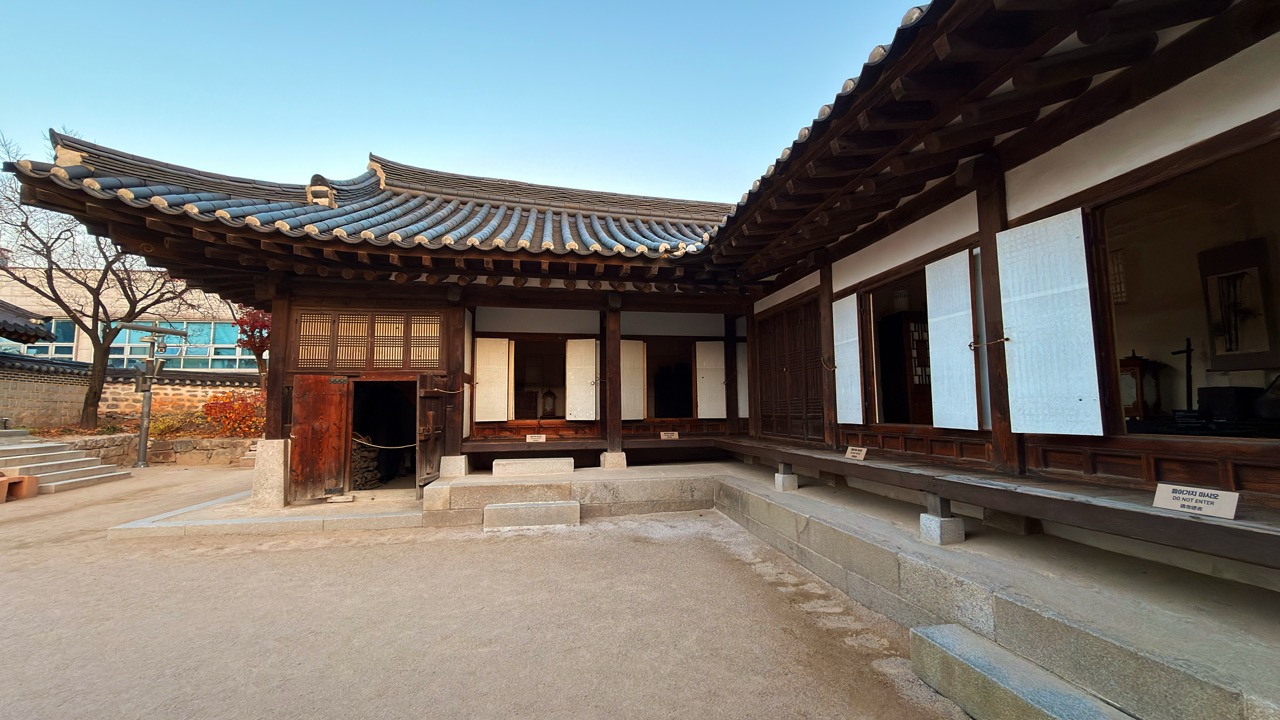
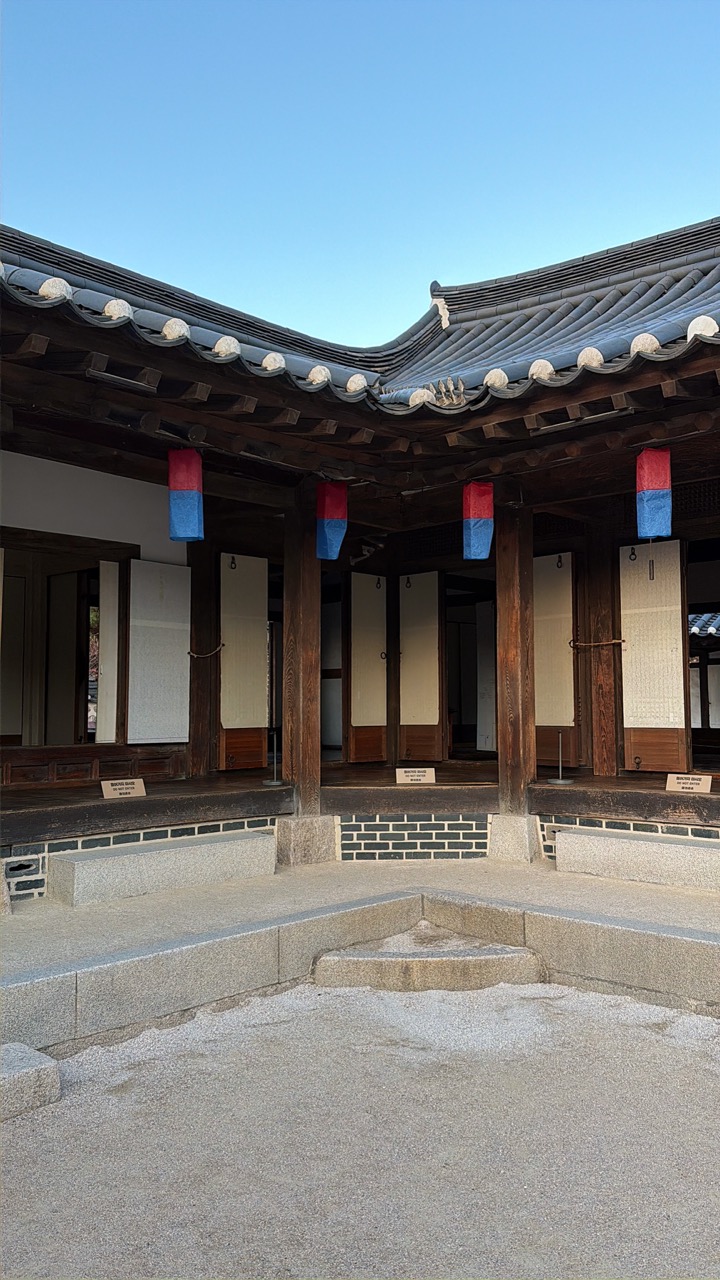
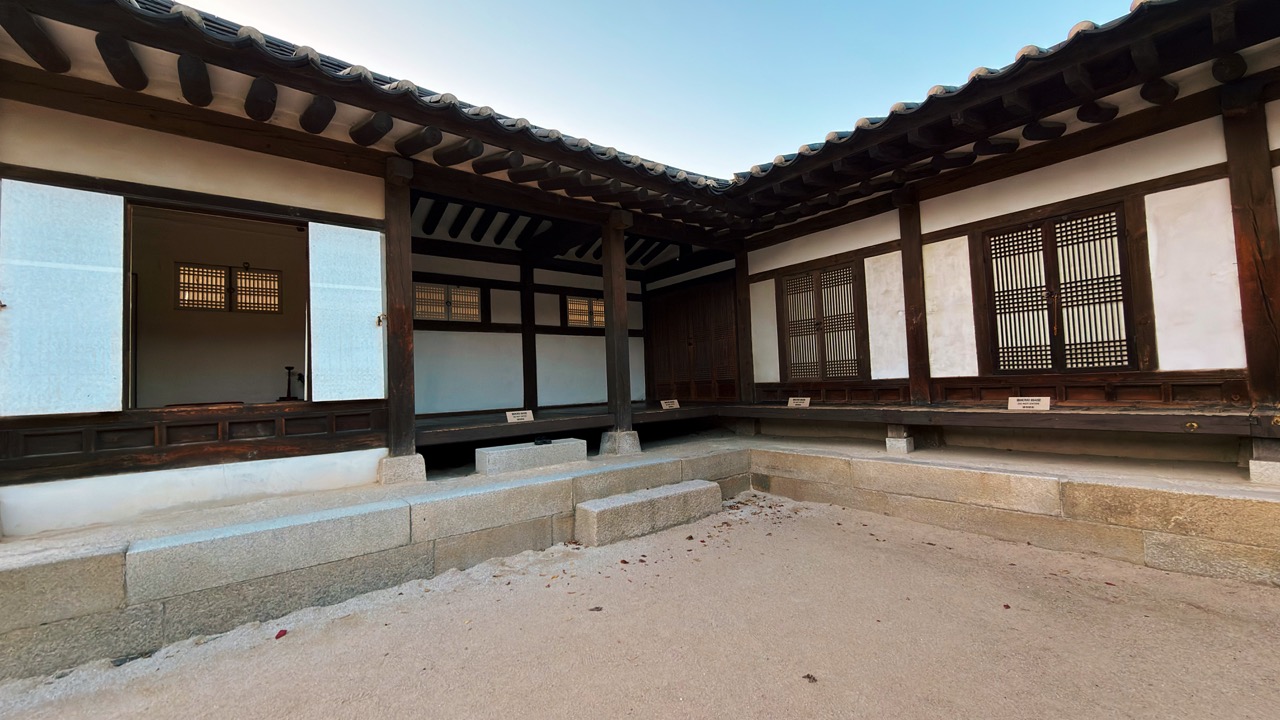
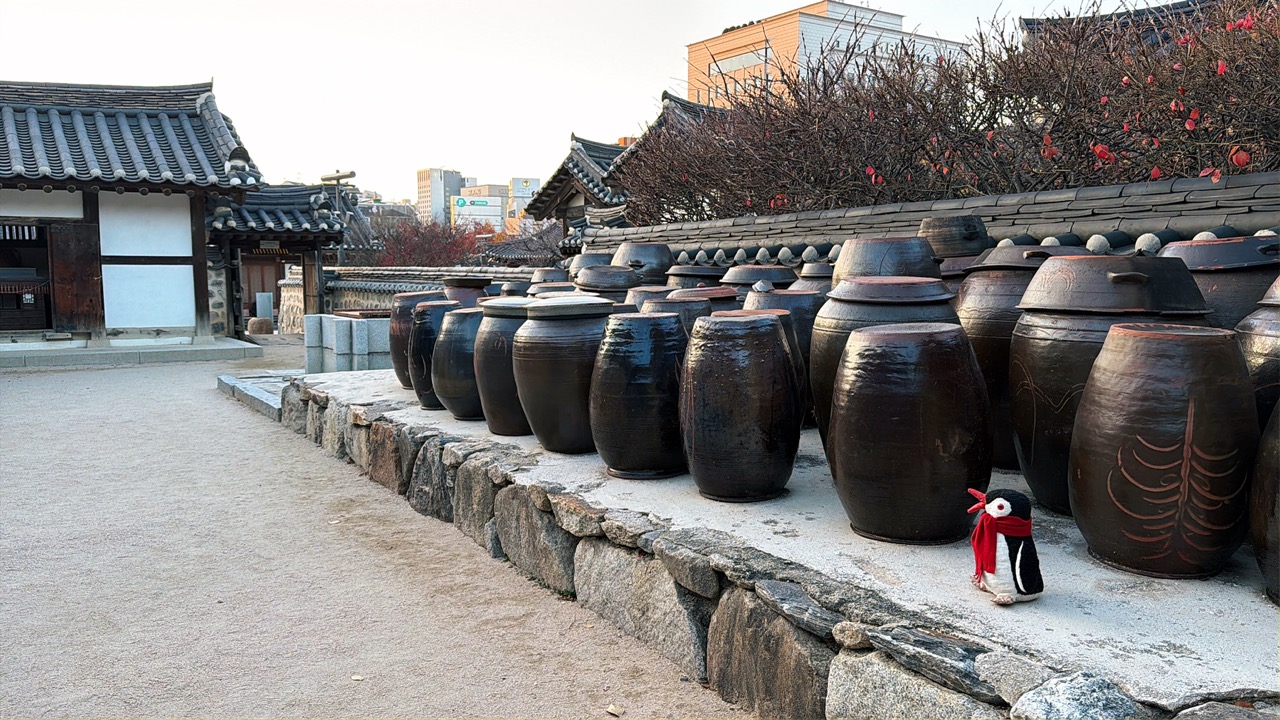
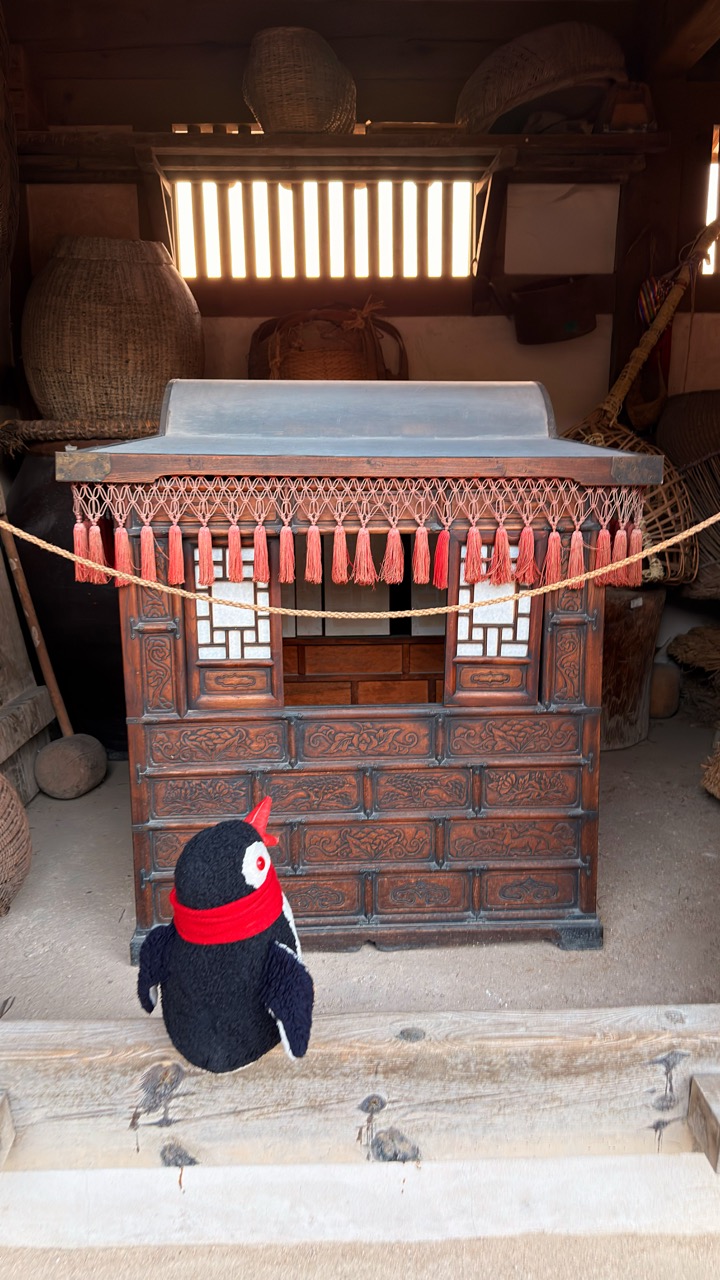
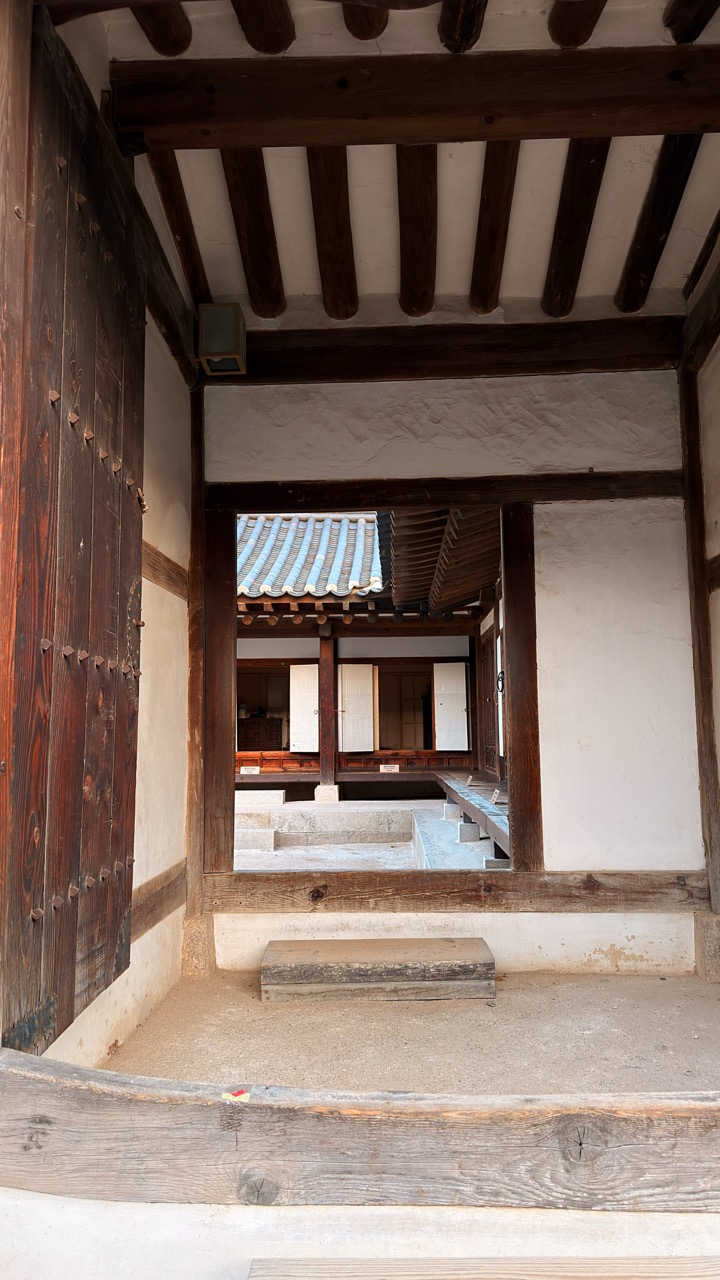
- Yun Taek-yeong’s Jaesil (1907). Built for Emperor Sunjong (1874–1926) during ancestral rites after Yun Taek-yeong’s daughter became Empress Sunjeonghyo. The house has a rare “元”-shaped layout, with a ground-level family shrine and symmetrical design.
- Yun Family’s House (1910s). A reconstructed replica of the original home of Yun Deok-yeong, uncle of Empress Sunjeonghyo. The house reflects early 20th-century hanok style, featuring a spacious square anchae and decorative Ikgong-style columns.
Traditional Garden & Pavilion
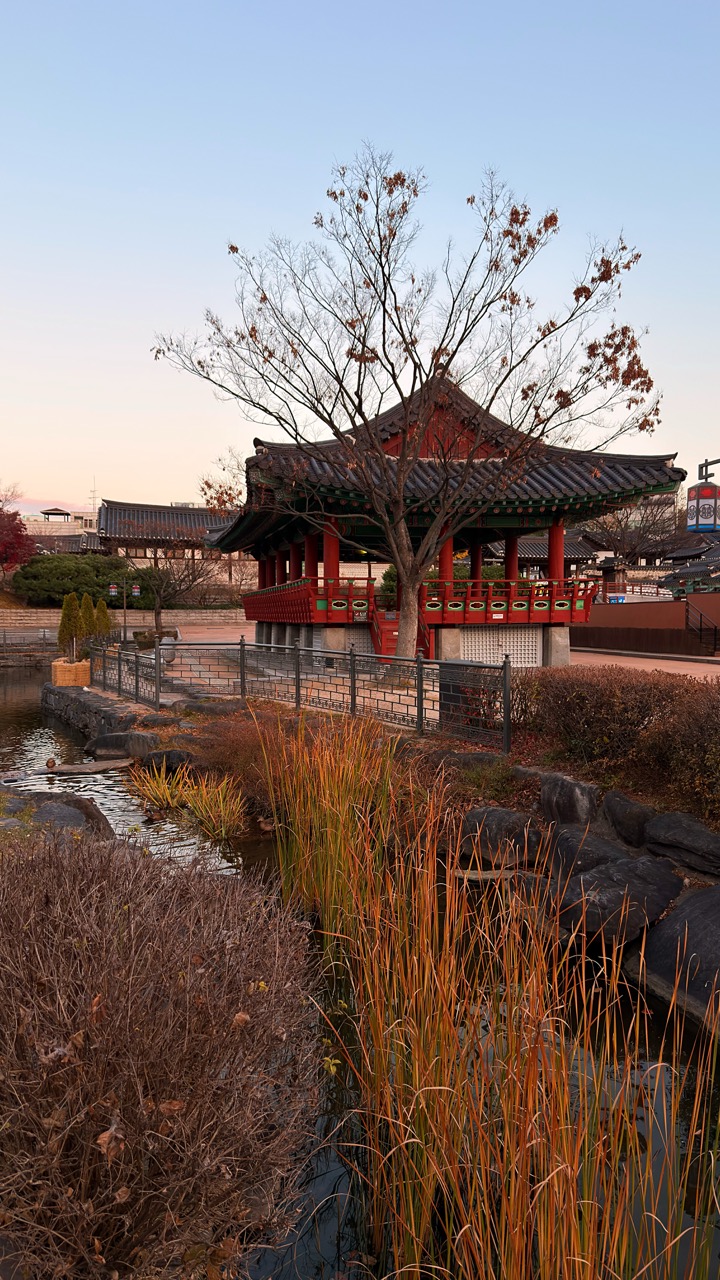
A landscaped garden and pavilion area inspired by historical valley scenery once found here, offering a calm place to walk, rest, and take photos.
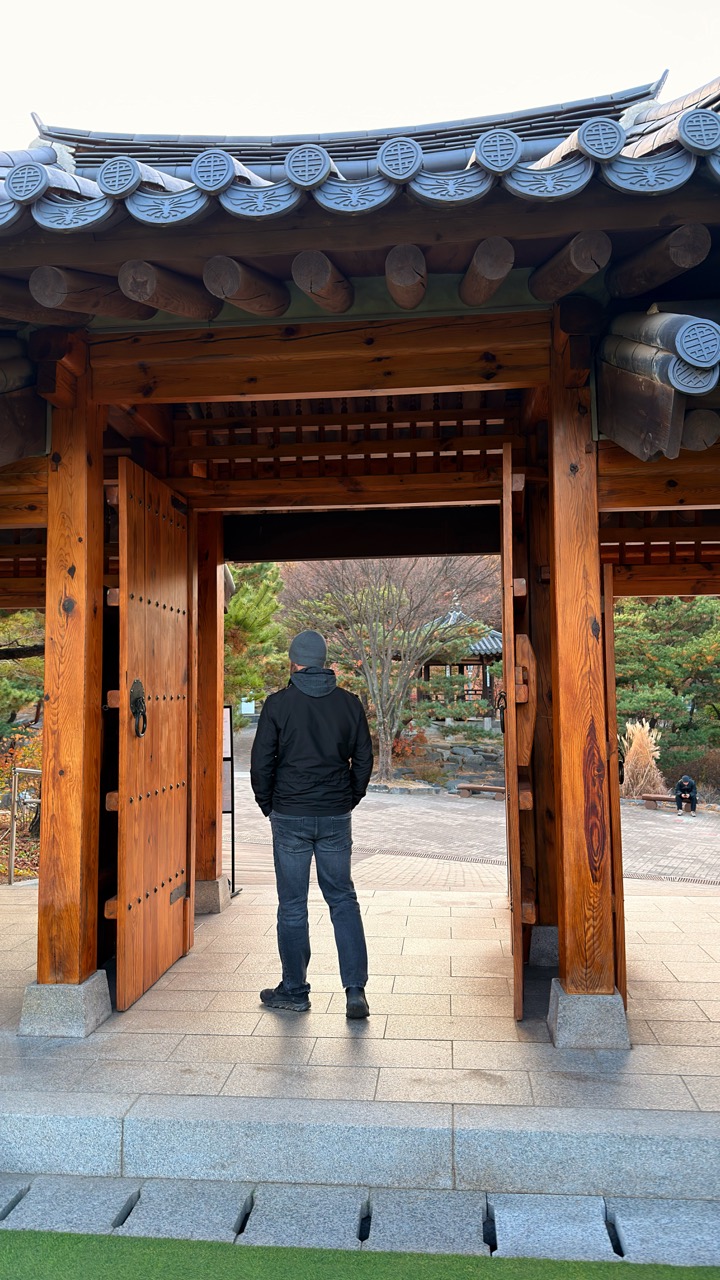
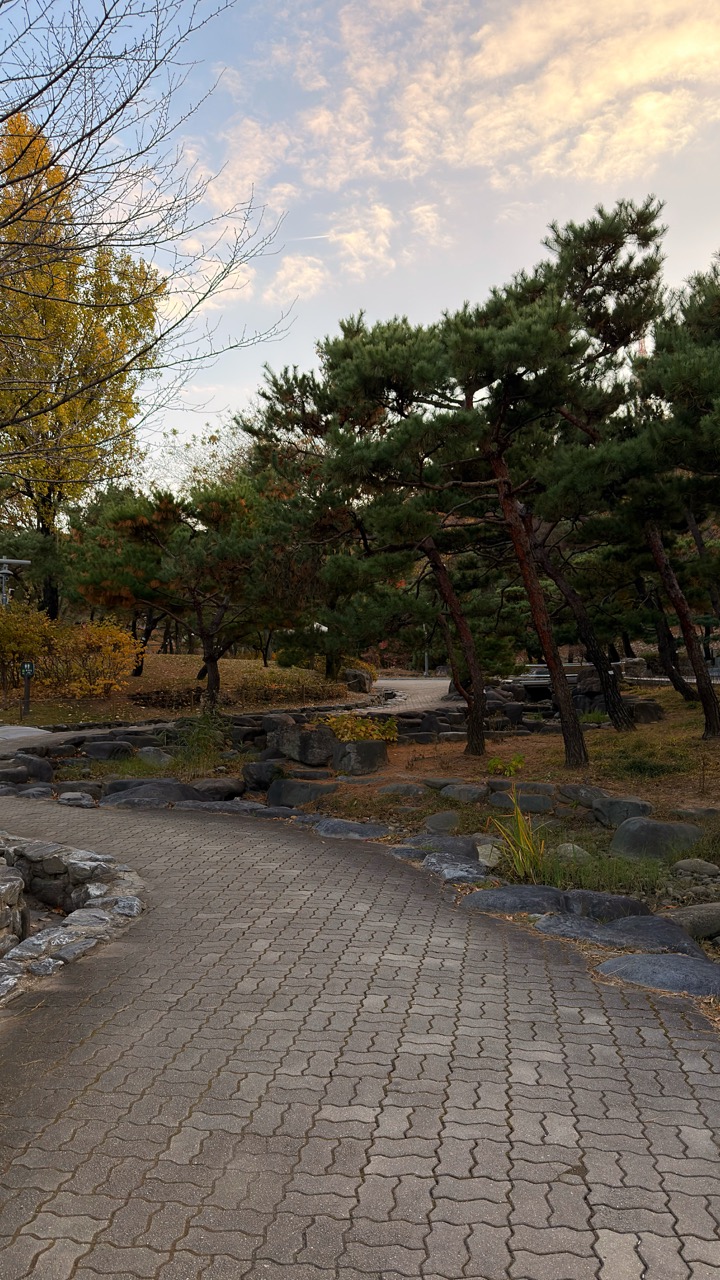
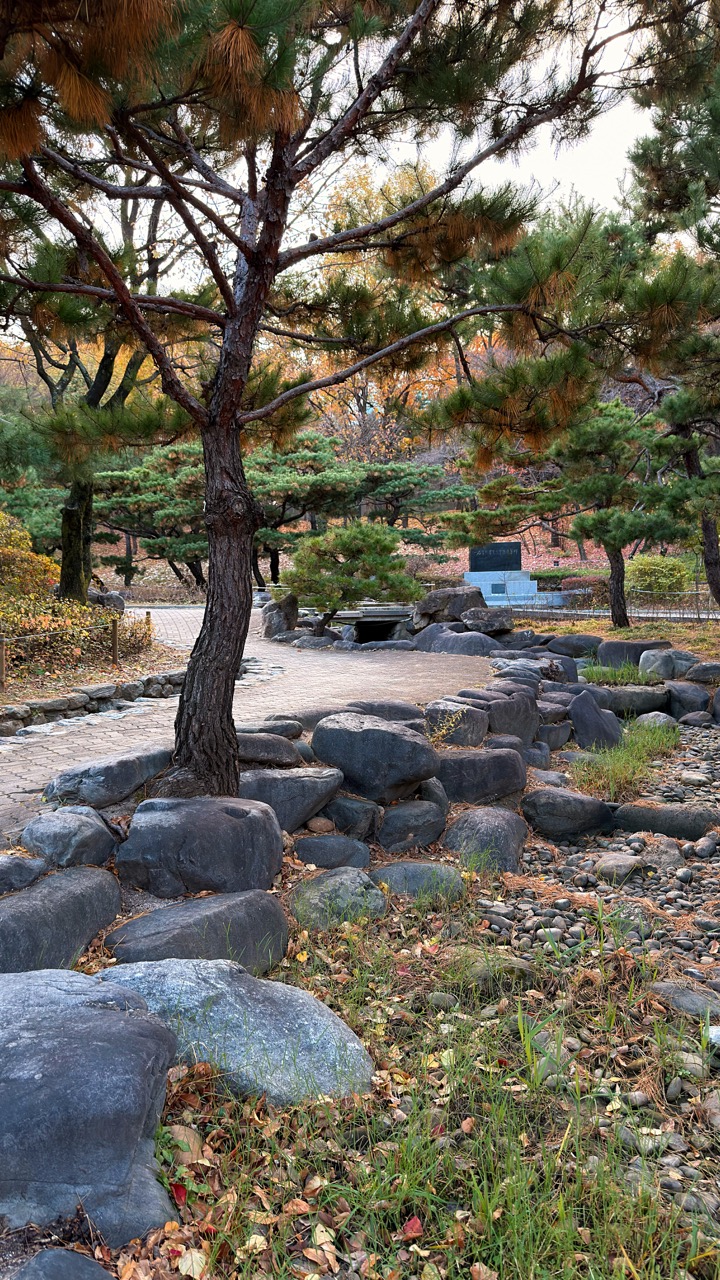
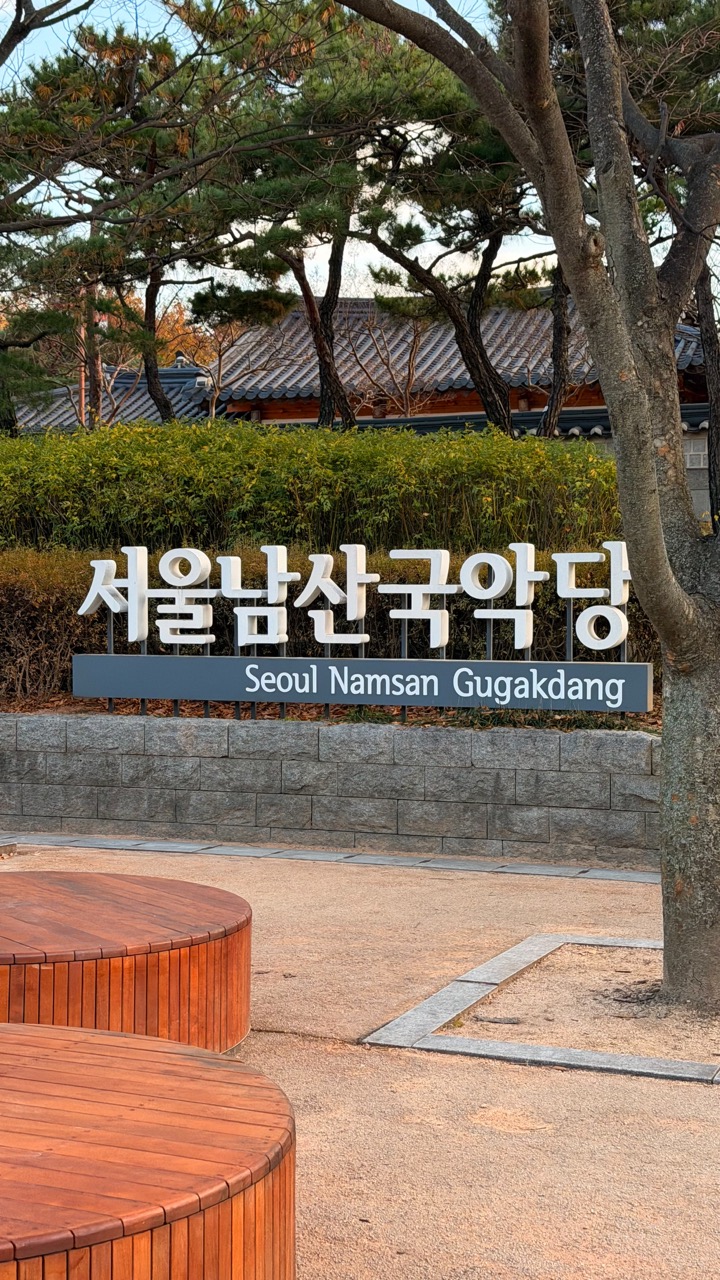
Gugakdang (Traditional Music Theater). The nearby traditional music theater hosts gugak performances and cultural programs, adding a living, contemporary layer to the historical setting.
Traditional Garden & Stone Paths. The village includes a landscaped garden with stone walkways, small bridges, and water features. Walking through this area feels slow and peaceful, offering a nice contrast to the busy streets just outside.
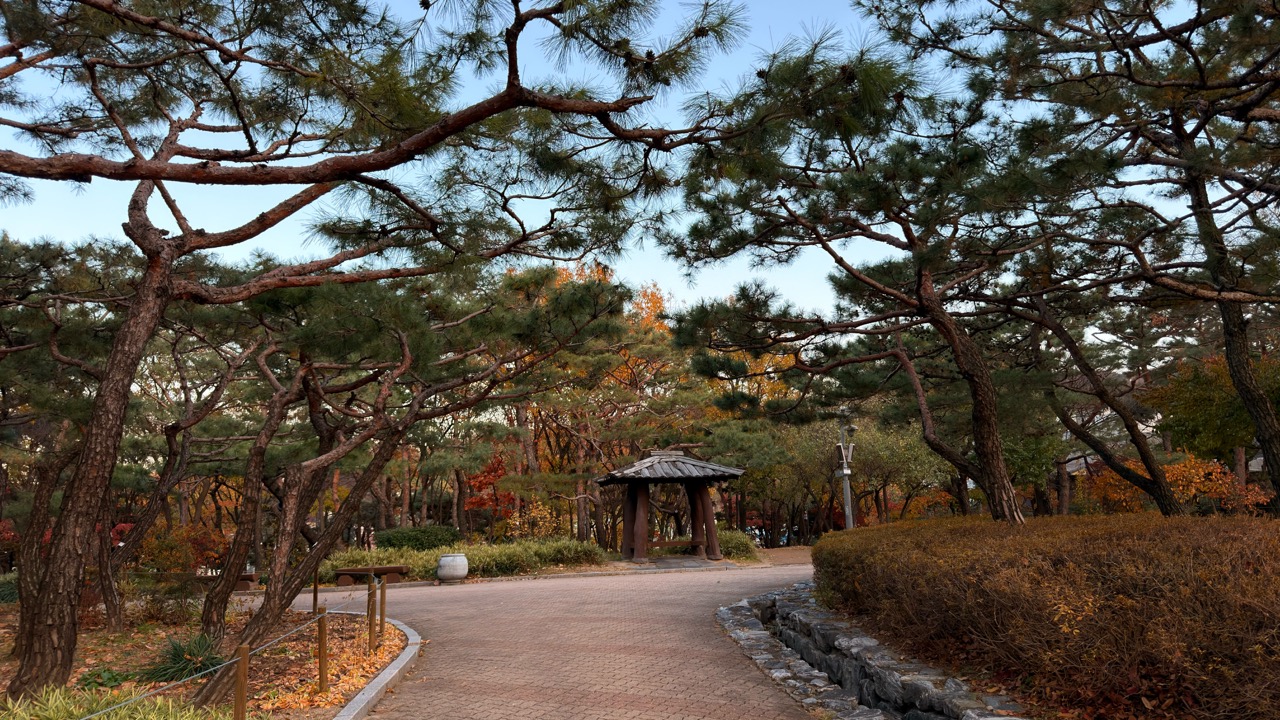
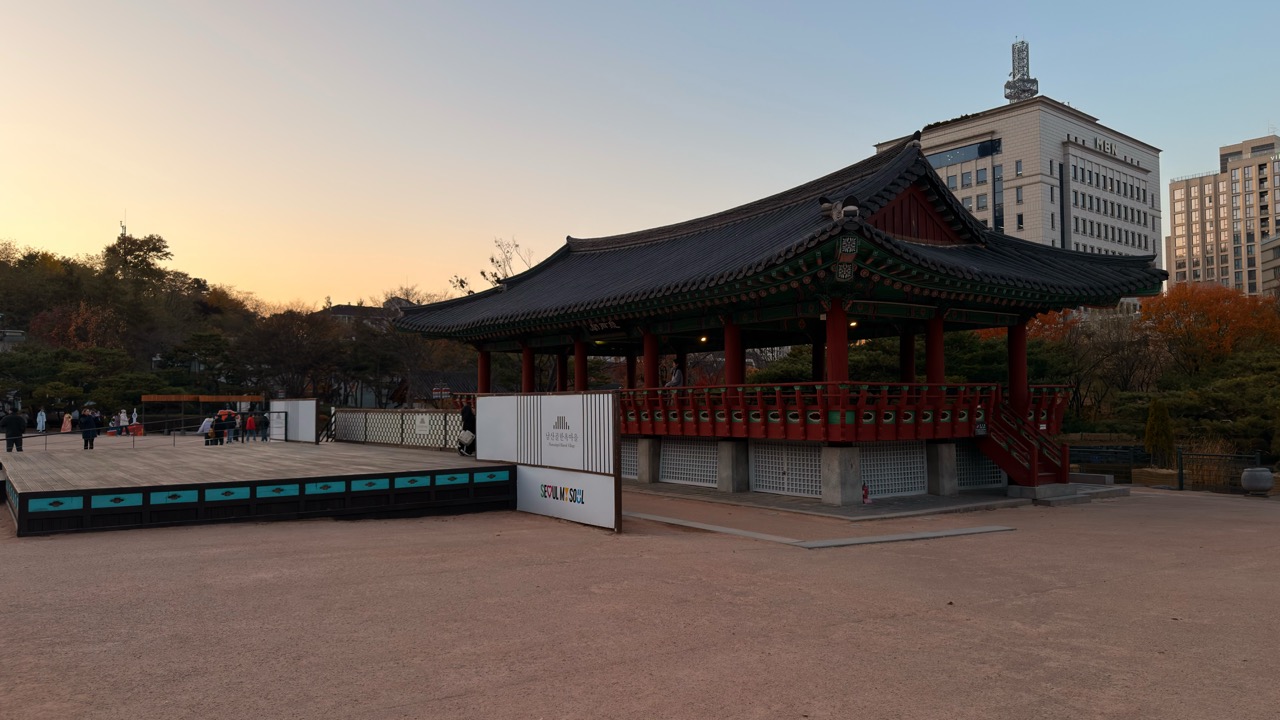
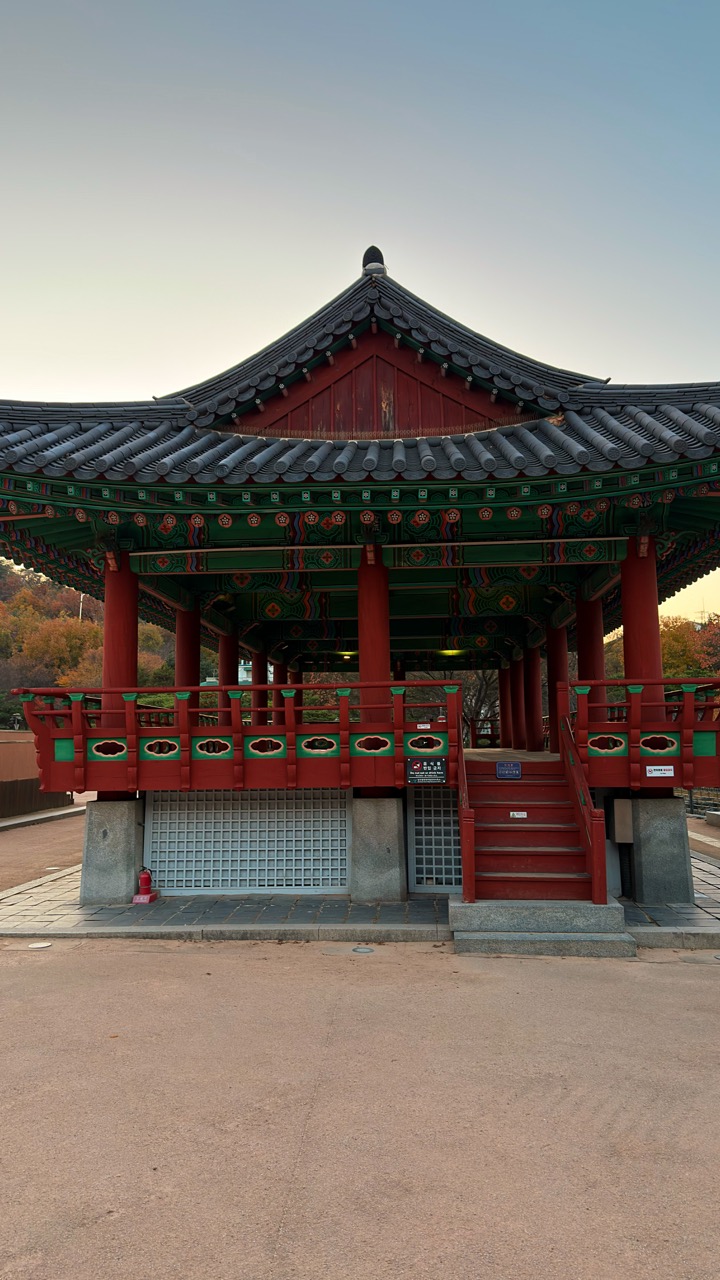
Traditional Pavilion (Palgakjeong Area). A classic Korean pavilion sits within the grounds and is often used for cultural events or ceremonies. It’s a lovely spot to pause, especially for photos, and it adds to the village’s calm, historic atmosphere.
Ceremony & Event Spaces. Open courtyards within the village are used for traditional performances and reenactments, such as Joseon-style wedding ceremonies. Even when nothing is happening, these open spaces help you imagine how communal life once looked.
Time Capsule Plaza
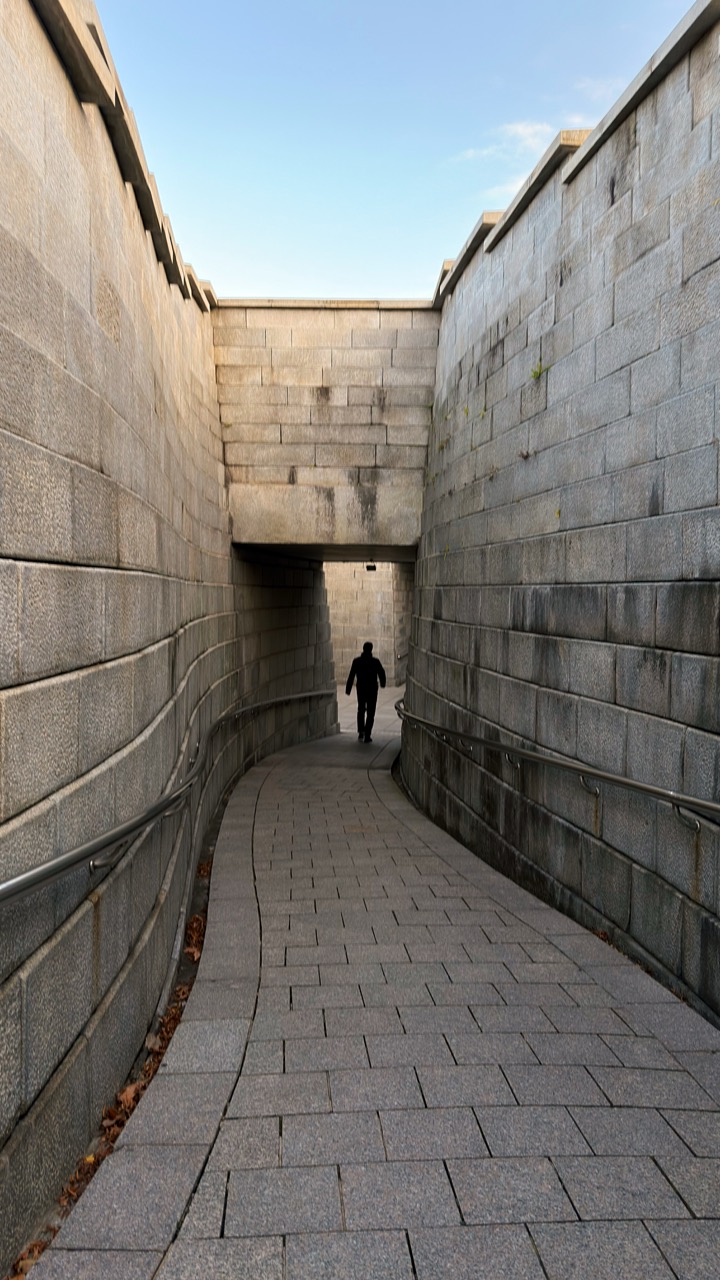
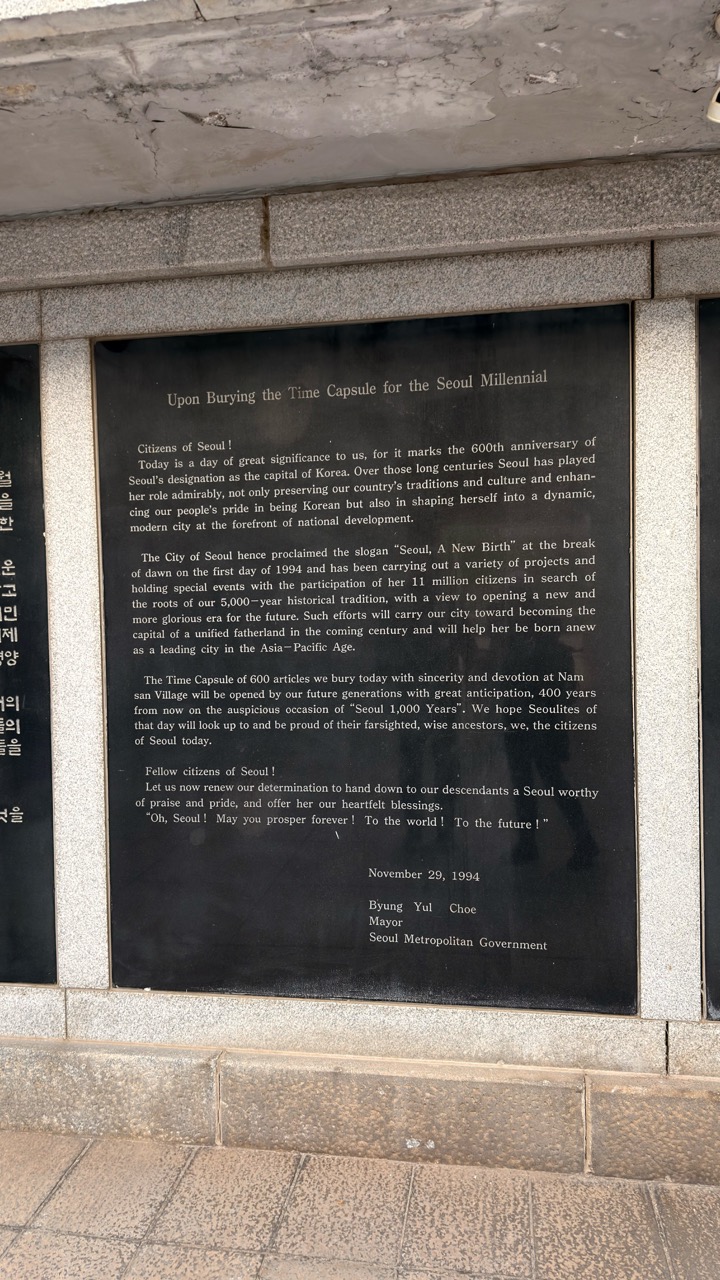
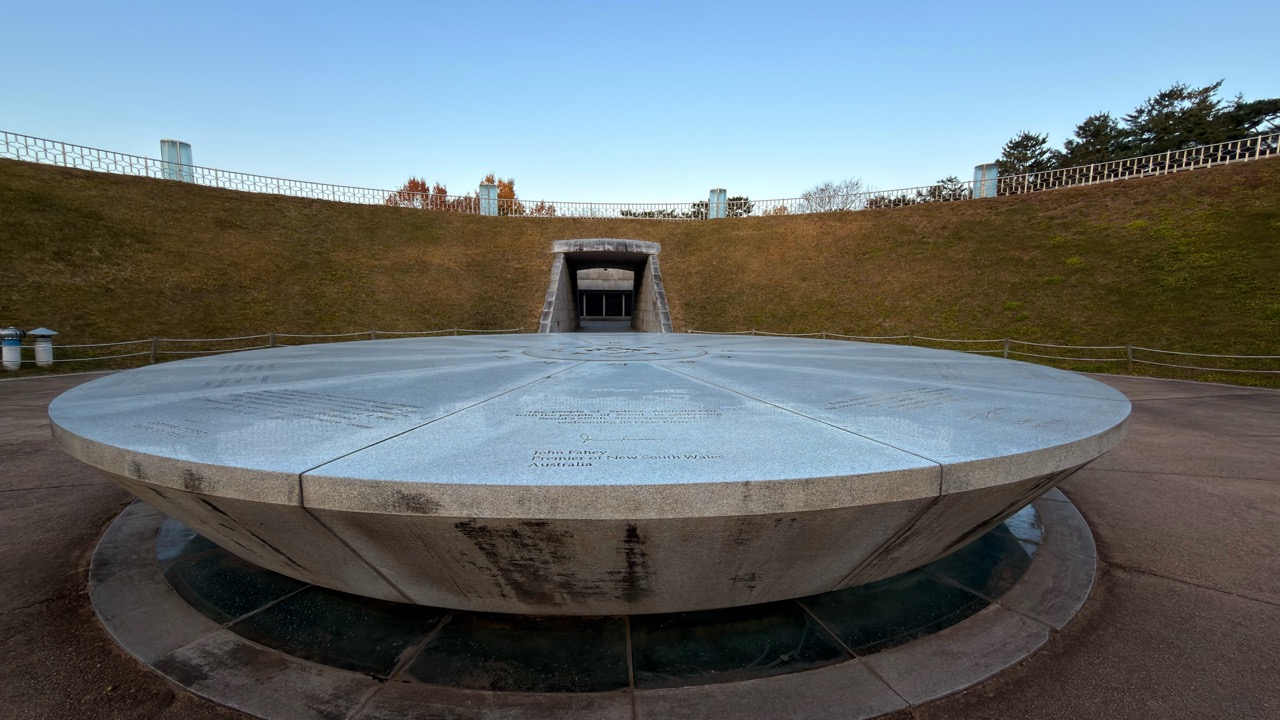
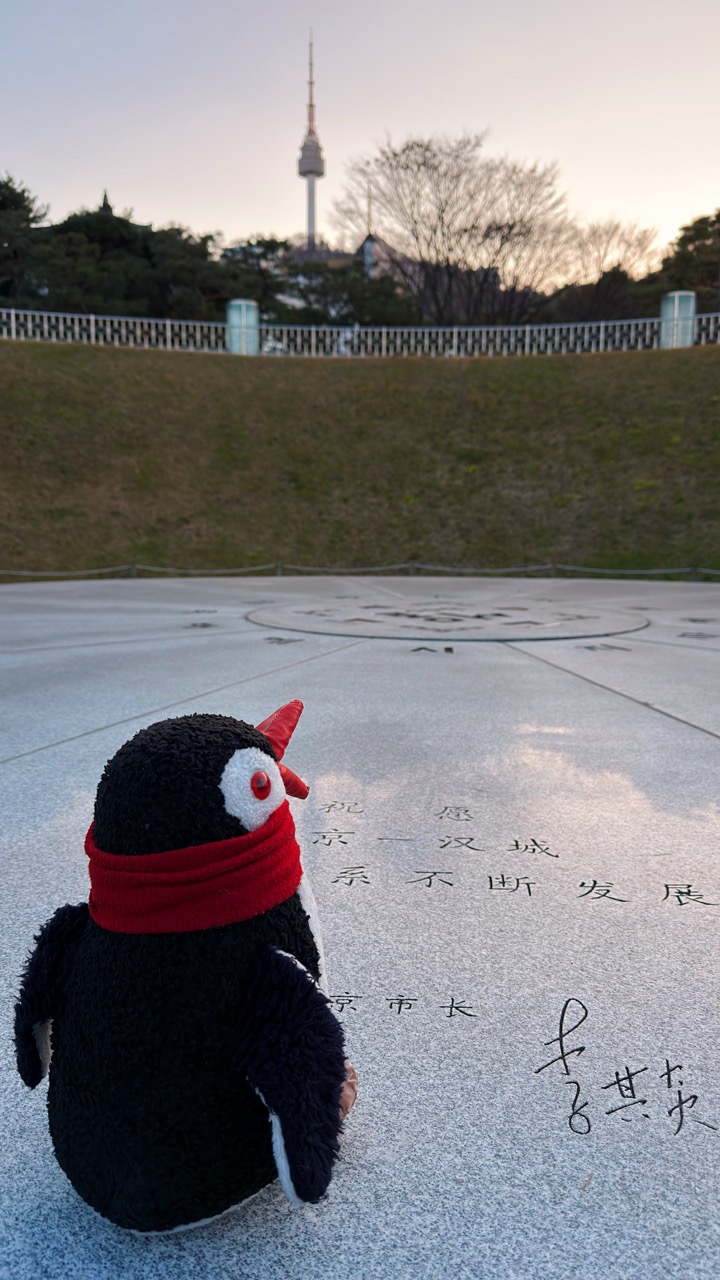
One of the most unexpected and surprising spots inside Namsangol Hanok Village is the Time Capsule Plaza. It was established in 1994 to commemorate Seoul’s 600th anniversary as the capital of Korea. Beneath this quiet plaza lies a sealed time capsule containing everyday objects, records, and cultural items from modern Seoul, carefully chosen to represent life at the end of the 20th century. What makes it especially fascinating is that the capsule is scheduled to be opened in the year 2394, exactly 400 years later. Standing there, surrounded by traditional hanok buildings while thinking about a message sent hundreds of years into the future, was a powerful moment for us and added an unexpected layer of depth to the visit. IT got us thinking about creating our own penguin time capsule.
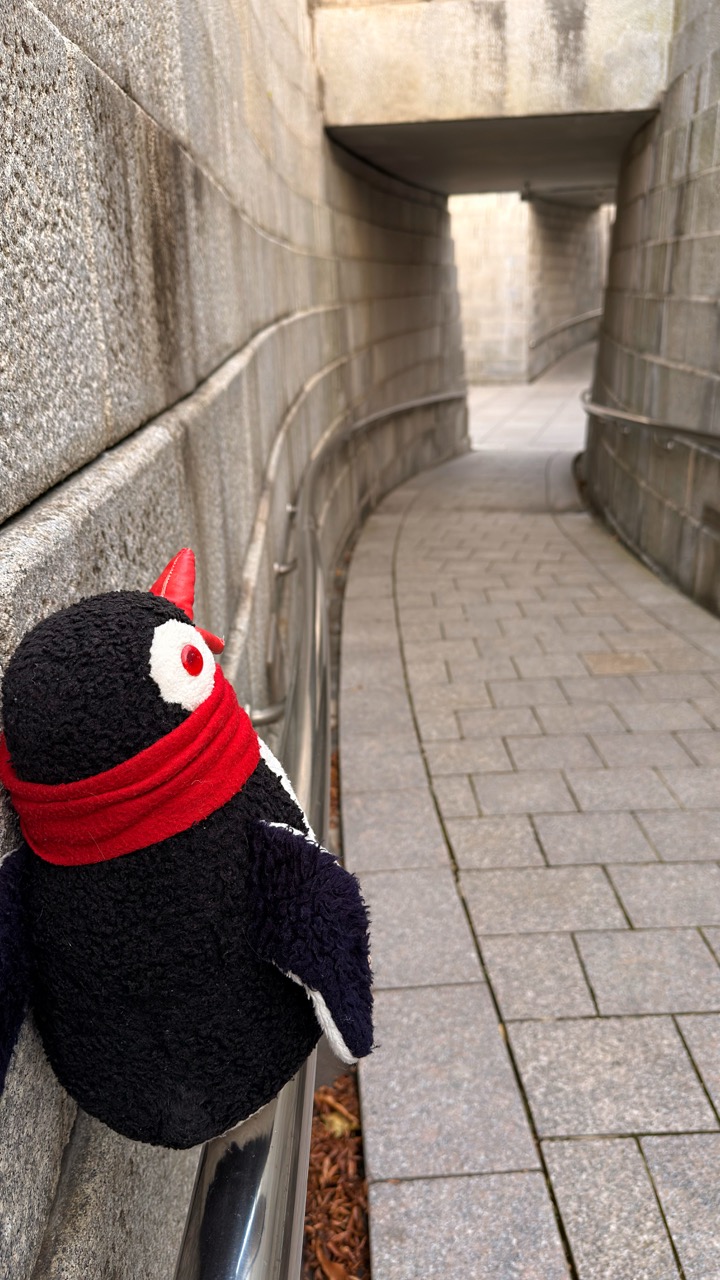
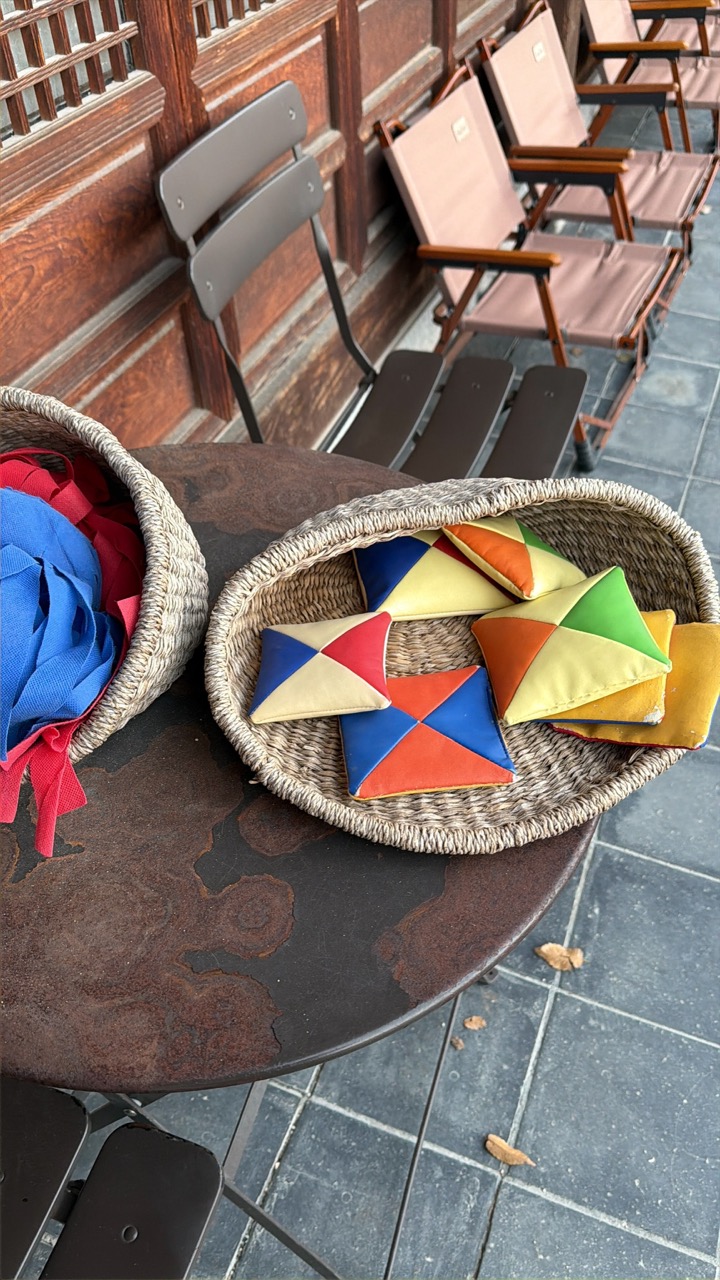
One thing we really loved was how traditional Korean children’s games were set up throughout the area for us to try. Even though it was pretty cold, we couldn’t resist giving a few of them a go. Some were easy enough to figure out, while others left us a bit confused, not quite knowing how they were meant to be played. It honestly made us wish there had been someone around to explain the rules, because it felt like such a fun and interactive way to connect with traditional culture, even if we didn’t fully master all the games.
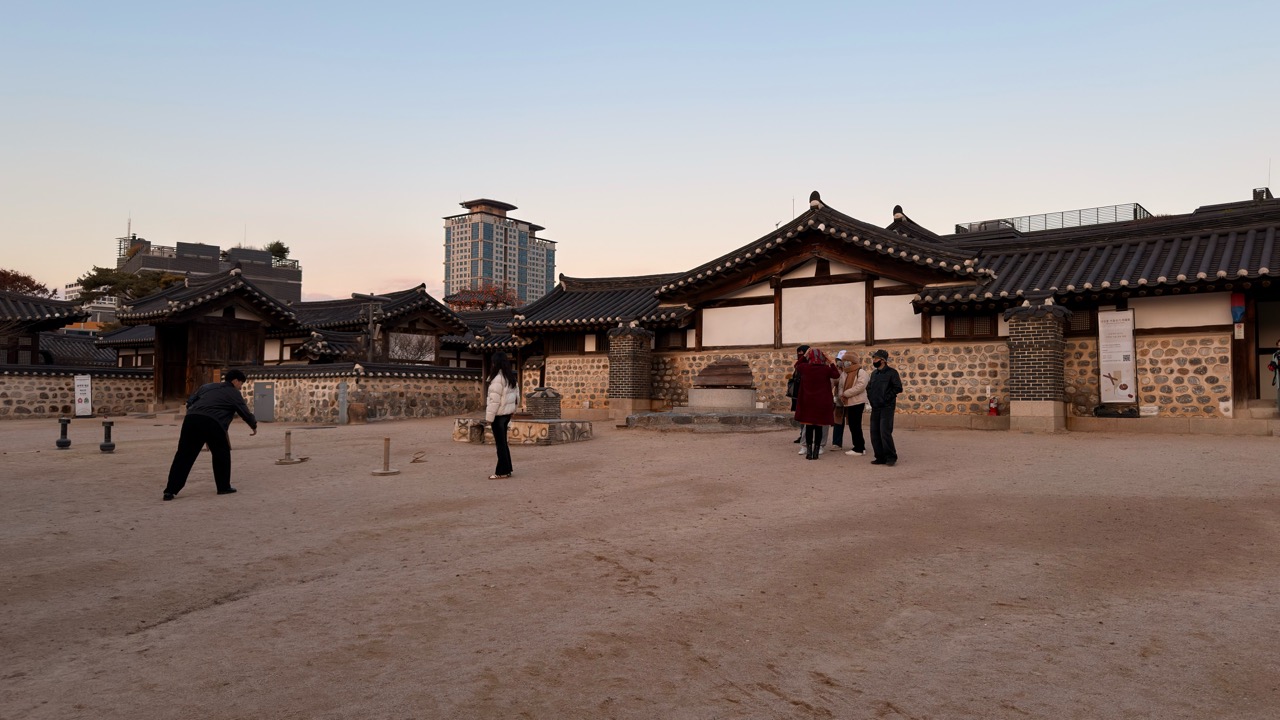
It’s a bit of a shame we arrived when it was already getting colder and dark, after a long day, because this is a place we would have loved to spend much more time in. Namsangol Hanok Village feels spacious, calm, and immersive, and with more daylight and energy, we could easily have wandered around for hours. In fact, we ended up enjoying it much more than the often overhyped Bukchon Hanok Village, which is essentially just one crowded street. Here, the space, layout, and atmosphere made the experience feel more authentic and relaxed, and it quickly became one of those places we wished we had planned more time for.
Pro Penguin Tip
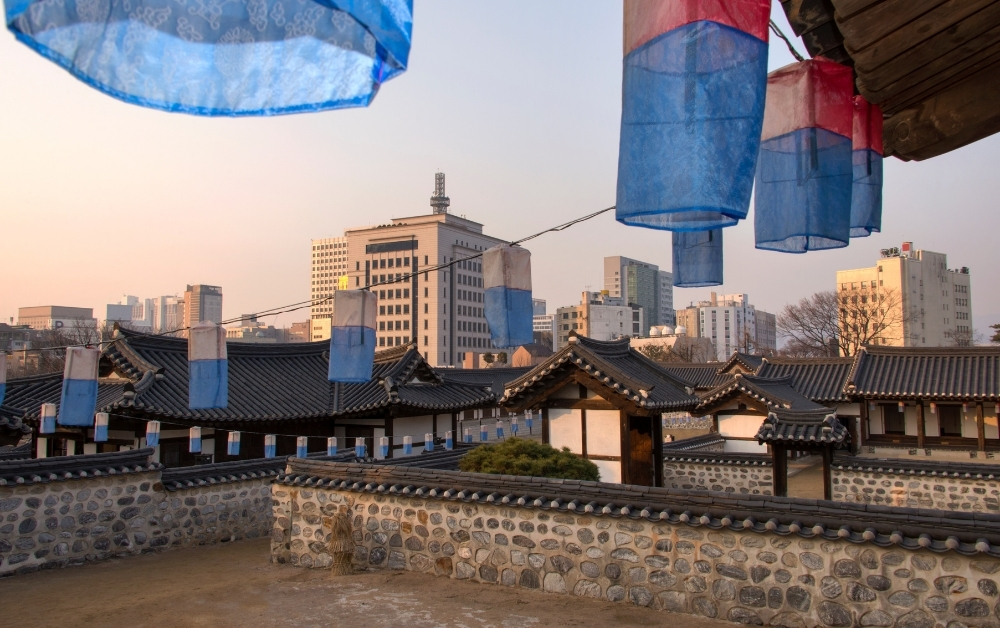
If you’re hoping for beautiful photos with traditional Korean houses and far fewer people, head to Namsangol Hanok Village instead of the much more famous Bukchon Hanok Village. Bukchon is pretty, but it’s often crowded, noisy, and feels more like a busy street than a village. Namsangol, on the other hand, offers wider spaces, open courtyards, and multiple angles where you can take your time composing photos without people constantly walking through your frame. It’s especially great for portraits, detail shots of hanok architecture, and calm, atmospheric images that actually feel timeless.
Overall, we really enjoyed our time here. Even though we arrived tired and a bit cold, the peaceful atmosphere, open spaces, and traditional architecture left a lasting impression. It felt like a calm pause in the middle of the city.
How Long to Spend at Namsangol Hanok Village
To really enjoy Namsangol Hanok Village, give it more time than we did. We recommend setting aside 45 minutes to 1.5 hours, depending on your pace and interest. A quicker visit is enough to waddle through the main paths, see the hanok houses, and get a general feel for the place. Still, if you enjoy photography, reading the information boards, or simply slowing down, it’s easy to stay longer. With more time, you can explore the courtyards, relax in the garden areas, and really appreciate the space without rushing, which is something we wish we had done ourselves. And take even more photos.
Facilities & Amenities at Namsangol Hanok Village
- Restrooms (Toilets). Clean and well-maintained public restrooms are available on-site, making it easy to spend time exploring without worrying about facilities.
- Visitor Information Boards. Informational signs throughout the village explain the history of hanok houses, their architecture, and their cultural background in both Korean and English.
- Shops & Souvenirs. Small souvenir shops near the entrance sell traditional-themed items, postcards, and cultural keepsakes. The selection is modest but well curated.
- Cafés & Drinks Nearby. While there aren’t many cafés directly inside the village, you’ll find coffee shops and convenience stores just outside the entrance around Chungmuro.
- Benches & Rest Areas. Plenty of benches and open spaces are spread across the village, perfect for resting, people-watching, or simply enjoying the calm atmosphere.
- Event & Ceremony Spaces. Designated open areas are used for traditional performances, workshops, and reenactments, especially on weekends or during cultural events.
- Wide Paths & Open Plazas. The village is easy to navigate thanks to wide walkways and large plazas, making it comfortable for slow wandering and photography.
Accessibility: the main paths are relatively flat and accessible, though some areas include uneven ground or steps typical of traditional villages.
Cultural Events & Programs at Namsangol Hanok Village
Throughout the year, Namsangol Hanok Village is a living cultural space with a calendar of traditional events and experiences that bring Korean heritage to life. In recent years, the village has been part of programs aimed at attracting visitors through seasonal festivals and hands-on activities, including celebrations of Korea’s solar terms such as Seollal (Lunar New Year) and Chuseok (Korean Thanksgiving), as well as other traditional observances. These often include folk music and dance, craft workshops, traditional etiquette classes, and special exhibitions that let you dig deeper into Korean culture.
Some events even feature reenactments, performances, and interactive experiences that invite visitors to participate rather than observe.
For the most up-to-date schedule and details on upcoming programs, it’s worth checking the village’s official website or, even better, their Instagram account.

Buy Me a Ko-fi
Is Namsangol Hanok Village worth visiting?
One word: waddleworthy and penguin-approved. Ok, that was more than one word. But yes, it is worth it. It feels calm, spacious, and uncrowded compared to other hanok villages in Seoul. The traditional houses are beautiful, the courtyards give you room to breathe, and you can actually stop and look around without people constantly walking through your photos. If you love relaxed wandering, cultural spots that don’t feel overhyped, and clean, people-free photo opportunities, this place works.
What to See Nearby (Easy to Combine With Your Visit)
- N Seoul Tower. Just uphill from the village, perfect to combine in the same afternoon or evening. Walk up through Namsan or take the bus or cable car for sunset and night views.
- Namsan Park. Ideal for a relaxed stroll before or after the village. Walking paths, viewpoints, and quiet corners make it a great nature break in the city.
- Seoul Namsan Gugakdang. A traditional Korean music and performance venue located nearby. Great if you want to add a cultural experience to your day.
- Chungmuro. Known for local restaurants and a more everyday Seoul vibe. A good spot to grab dinner after sightseeing.
- Myeongdong. Only a short waddle away, perfect if you want to switch from calm culture to shopping, street food, or skincare stores.
- Namsan Cable Car. Convenient if you’re heading up or down Namsan without walking the whole way, especially in the evening.
Namsangol Hanok Village turned out to be one of those places that stay with you. Even with limited time and low energy, it left us wishing we had planned more space for it in our day. So, if you’re looking for a cultural experience in Seoul that feels relaxed, authentic, and uncrowded, this is definitely a place worth waddling to.
Pack your bags and waddle on!
Save This Pin for Later!
This post contains affiliate links. If you click and buy, I might earn a tiny commission, enough to help a penguin keep up its globe-trotting lifestyle. No extra cost to you, just more fish for me. Thank you for supporting the adventure!