
Slovakia Travel Guide: Important Things to Know Before Visiting
Slovakia is one of those European destinations that quietly surprises you. Small in size but rich in character, it offers dramatic mountains, storybook castles, and untouched nature often just minutes apart. What makes Slovakia special is how authentic it feels. You will find local traditions still alive, warm hospitality, and landscapes that change quickly from rolling vineyards to wild alpine peaks.
From hiking in the High Tatras and exploring medieval towns to soaking in thermal spas or wandering through wooden villages, Slovakia delivers variety without the crowds. It is also affordable compared to many Western European countries, making it ideal for slow travel, road trips, and outdoor adventures. Whether you are visiting for the first time or returning to explore deeper, Slovakia rewards curious travelers who enjoy culture, nature, and simple moments that feel genuinely local.
Basic Facts about Slovakia
- Name: Slovakia (Slovenská republika)
- Capital: Bratislava
- Land area: 49,035 km²
- Population: About 5.43 million (2023)
- Official language: Slovak
- Official currency: Euro (€)
- Regions of Slovakia: Slovakia is divided into 8 regions (kraje).
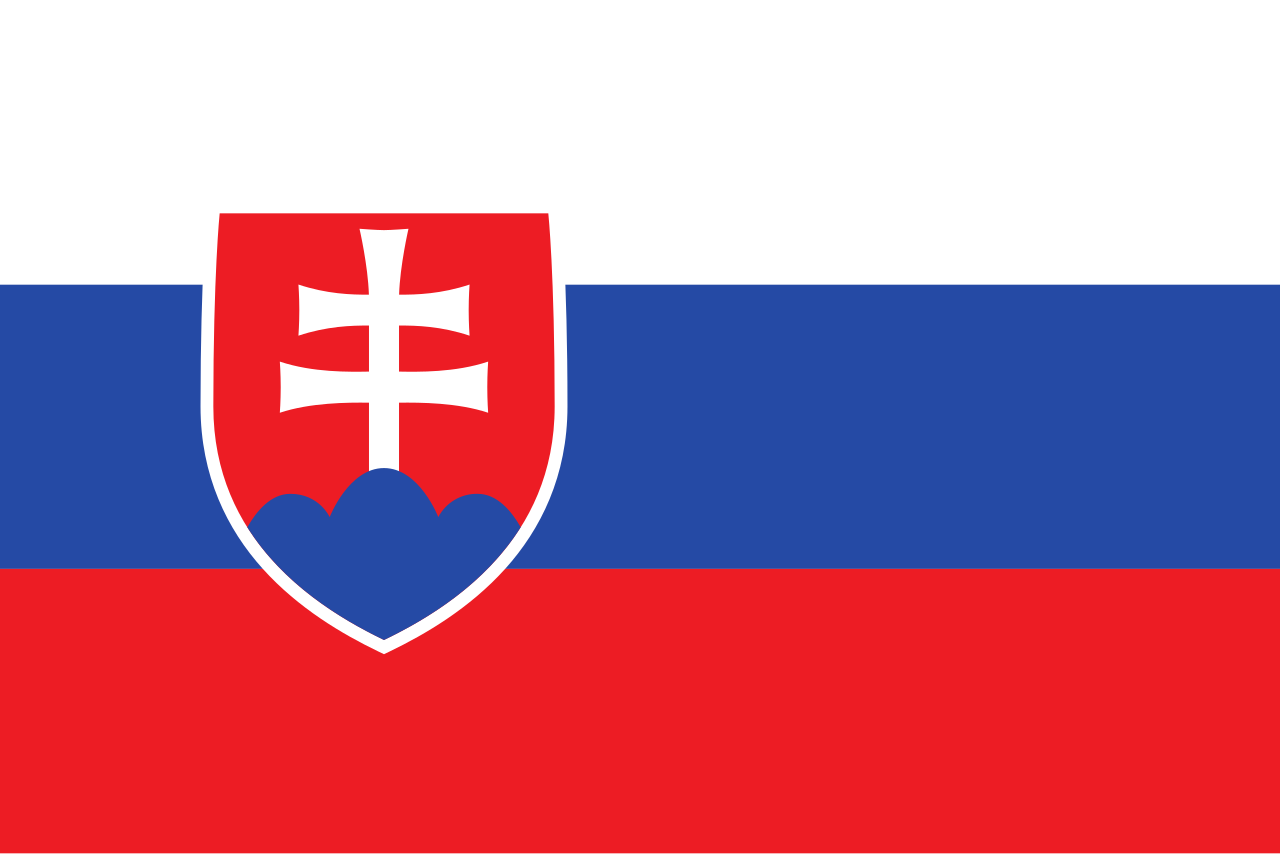
- Flag of Slovakia: The flag consists of three equal horizontal bands of white (top), blue, and red, with the national coat of arms placed toward the hoist side. Pan-Slavic traditions inspire the colors, while the coat of arms features a double cross standing on three blue hills, symbolizing Slovakia’s historical regions and Christian heritage.
A Brief Overview of Slovakia’s Rich History
- Early settlements. The territory of present-day Slovakia has been inhabited since prehistoric times, with Celtic and later Roman influences visible along the Danube.
- Great Moravia. In the 9th century, Slovakia formed the core of Great Moravia, one of the first Slavic states, which played a key role in the spread of Christianity and Slavic literacy.
- Kingdom of Hungary. From the 11th century until 1918, Slovakia was part of the Kingdom of Hungary, leaving behind a dense network of castles, towns, and mining settlements.
- Ottoman threat and the Habsburg era. While much of Hungary was under Ottoman rule, Slovakia became a political and cultural center of the Habsburg Kingdom of Hungary, with Bratislava serving as a coronation city.
- Czechoslovakia. After World War I, Slovakia became part of Czechoslovakia in 1918, beginning a new chapter focused on national identity and modernization.
- World War II and socialism. During World War II, Slovakia existed as a separate state, followed by decades under a socialist regime within Czechoslovakia after 1948.
- Independence. On January 1, 1993, Slovakia peacefully became an independent country following the Velvet Divorce.
- Modern Slovakia. Today, Slovakia is a member of the European Union and NATO, blending deep historical roots with a modern European lifestyle.
Things to Know Before You Go to Slovakia
Slovakia vs Slovenia: Not the Same Country
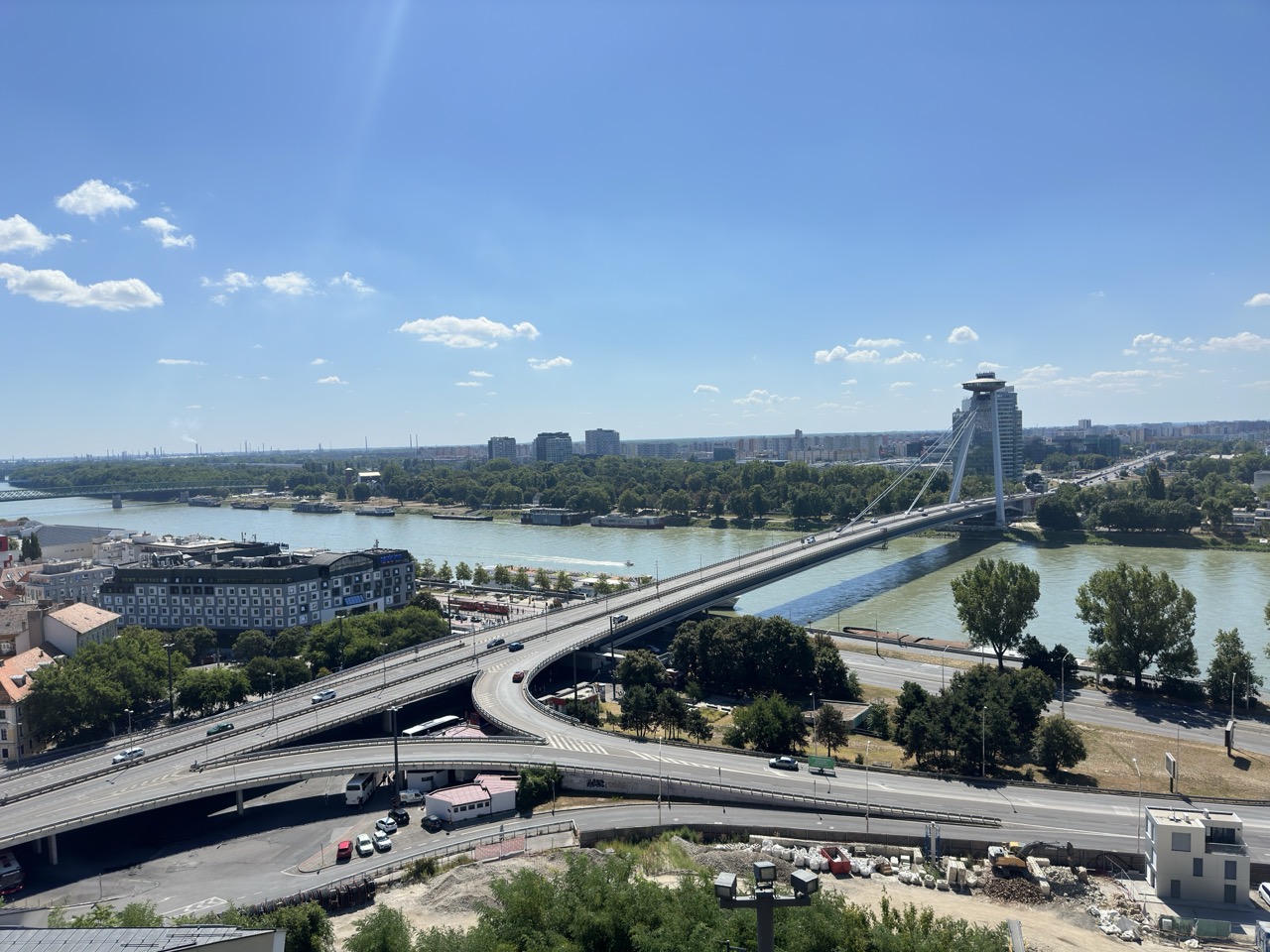
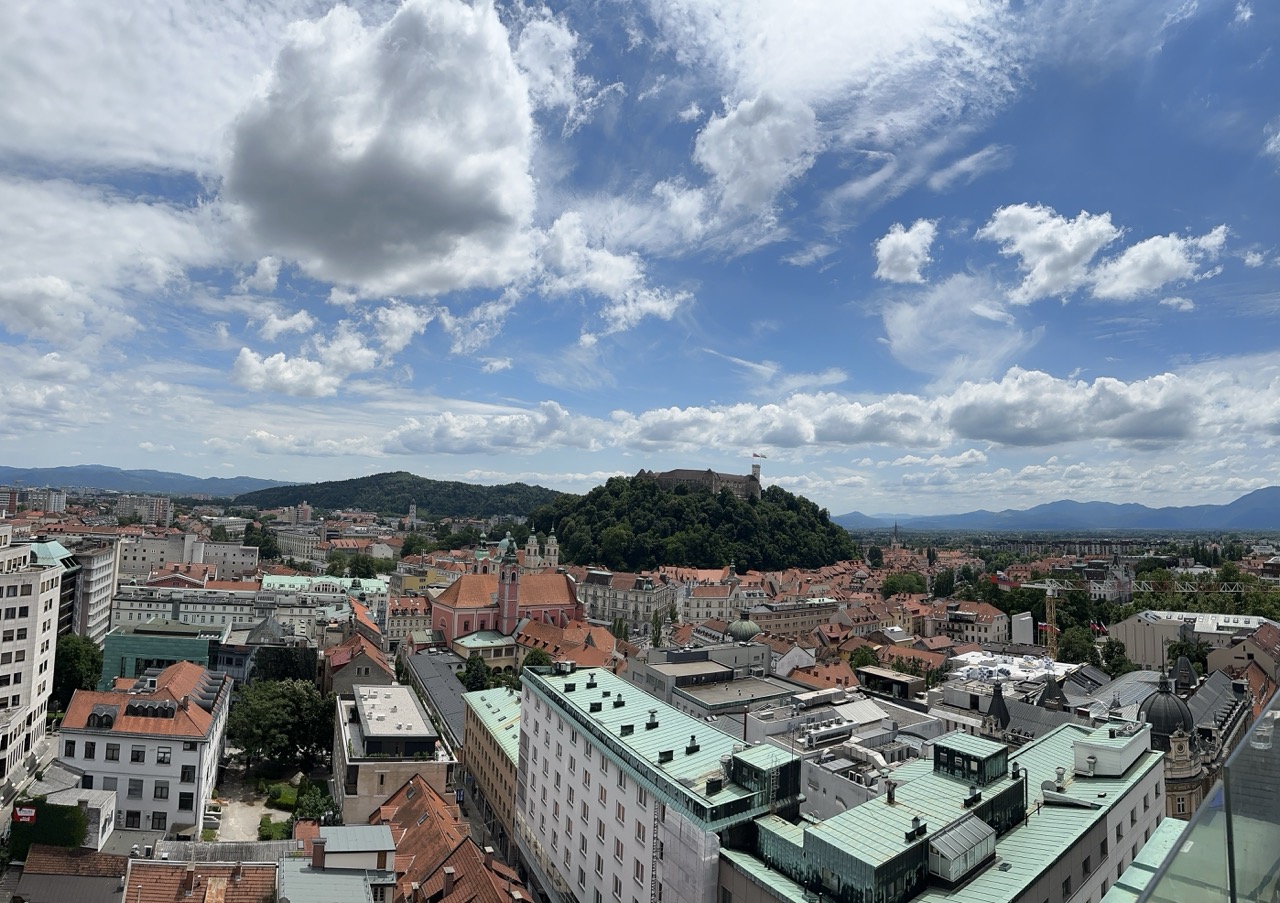
Slovakia and Slovenia are often mixed up because of their similar names, but they are two completely different countries with distinct histories, languages, and cultures. Slovakia is located in Central Europe, bordering countries like Austria, Hungary, and the Czech Republic, and is known for its castles, mountains, and Slavic traditions. Slovenia, on the other hand, lies further south, closer to the Adriatic Sea, with Mediterranean influences, alpine scenery, and a different cultural background shaped by its proximity to Italy and the Balkans. While both countries are beautiful and share Slavic roots, they have separate languages, identities, and travel experiences, making it worth getting to know each one on its own terms.
Slovakia Is Not Czechoslovakia (Anymore)
Slovakia is often still referred to as part of Czechoslovakia, but the two countries peacefully separated in 1993, known as the Velvet Divorce. Since then, Slovakia and the Czech Republic have existed as two independent states, each with its own language, government, and national identity.
That said, the connection between Slovaks and Czechs remains very strong. Many people still refer to each other as brothers and sisters, reflecting shared history, similar languages, and deep cultural ties. Mutual understanding is common, friendships span both countries, and travel between them feels effortless. While Slovakia is its own country today, the bond with the Czech Republic is still felt on a very personal level.
Cave Kingdom of Slovakia
Slovakia is often called a true cave kingdom, with more than 6,000 known caves beneath its mountains and valleys. These underground worlds range from vast limestone chambers to rare ice-filled formations, making the country one of Europe’s most fascinating destinations for cave lovers. The most famous of them is the Dobšinská Ice Cave, a UNESCO World Heritage Site, known for its massive ice formations that remain frozen year-round. Discovered in the 19th century, the cave was once lit by gas lamps and even used for early experiments in ice preservation.
Unique Geyser of Slovakia
Slovakia is home to one of Europe’s rare natural curiosities, the Herľany Geyser. Unlike the hot geysers of Iceland, this remarkable phenomenon erupts with cold mineral water, shooting several meters into the air roughly every 32 to 36 hours. Created by human drilling in the 19th century, the geyser taps into natural underground pressure, producing regular and dramatic eruptions without any mechanical help.
The Unique Travertine Crater of Vyšné Ružbachy
The Vyšné Ružbachy travertine crater is a true geological rarity and the only natural formation of its kind in Slovakia, and one of the very few natural travertine craters in Europe. Shaped over thousands of years by mineral-rich spring water, layers of travertine slowly built up into a distinctive circular, crater-like structure. Unlike typical craters formed by volcanic or meteor activity, this one was created entirely by natural mineral deposition, making it especially unique. Located within the spa park, the crater reflects Slovakia’s deep connection to mineral waters and spa culture, offering a rare chance to see a one-of-a-kind natural phenomenon found nowhere else in the country.
High Tatras
The High Tatras are the smallest high mountain range in the world, yet they pack an impressive punch when it comes to scenery and outdoor adventures. This alpine region is home to Gerlachovský štít, the highest peak in Slovakia at 2,655 meters, towering above glacial lakes, sharp ridges, and deep valleys. The High Tatras are a year-round destination, popular for hiking, mountain huts, and crystal-clear tarns in summer, and skiing, snowshoeing, and winter walks in colder months. Combined with the fact that nearly half of Slovakia is covered in forests, the mountains play a massive role in shaping the country’s wild, green character and strong connection to nature.
Bratislava’s Unique Borders
Bratislava is one of the most uniquely positioned capitals in Europe, as it directly borders Austria and Hungary. In just a short drive or bike ride from the city center, you can cross into another country, making Bratislava a perfect base for multi-country trips. Even more special is the nearby triple-border point, where Slovakia, Austria, and Hungary meet, allowing you to stand in three countries at once, literally.
Tallest Wooden Altar in the World
The Altar of St. James in Levoča is a true masterpiece of Gothic art and craftsmanship. Standing at nearly 19 meters high, it is the tallest Gothic wooden altar in the world. Carved between the late 15th and early 16th centuries by Master Paul of Levoča and his workshop, the altar is inside the St. James Church, a UNESCO-listed site. Made entirely of wood and without nails, its detailed sculptures and towering structure make it one of Slovakia’s most extraordinary cultural treasures and a must-see for history and art lovers.
“Slovak Robin Hood” named Juraj Jánošík
Juraj Jánošík is one of Slovakia’s most legendary historical figures, often compared to Robin Hood. Born in the late 17th century, Jánošík became famous for robbing wealthy nobles and helping the poor, making him a powerful symbol of resistance against oppression. Although his life was short, his story lives on through folklore, songs, statues, and films, especially in northern Slovakia. If you wanna learn more, stop at the village of Terchova.
Andy Warhol’s Slovak Roots
The world-famous pop artist Andy Warhol has a surprising and meaningful connection to Slovakia. His parents emigrated to the United States from Miková, a small village in northeastern Slovakia with a strong Rusyn heritage. Because of this, many Slovak and Rusyn families feel a close cultural connection to Warhol’s story. Today, his legacy is celebrated in eastern Slovakia, most notably at the Andy Warhol Museum of Modern Art, which houses one of the largest Warhol collections in Europe.
The Genes: Slovak Roots Around the World
Slovakia may be a small country, but it has left a surprisingly big mark on the world through the people connected to it. Other than Andy Warhol, many world-famous figures have Slovak parents or grandparents, and their family roots trace back to towns and villages across the country. Angelina Jolie has a grandfather from Košice, while Audrey Hepburn had a grandmother born in Kovarce. Legendary actor Paul Newman had a mother from Ptíčie. Even rock star Jon Bon Jovi and filmmaker Ivan Reitman have Slovak family roots, with Reitman’s parents coming from Komárno. These connections are a proud reminder that Slovakia’s heritage reaches far beyond its borders and continues to shape global culture.
Land of Castles and Manor Houses
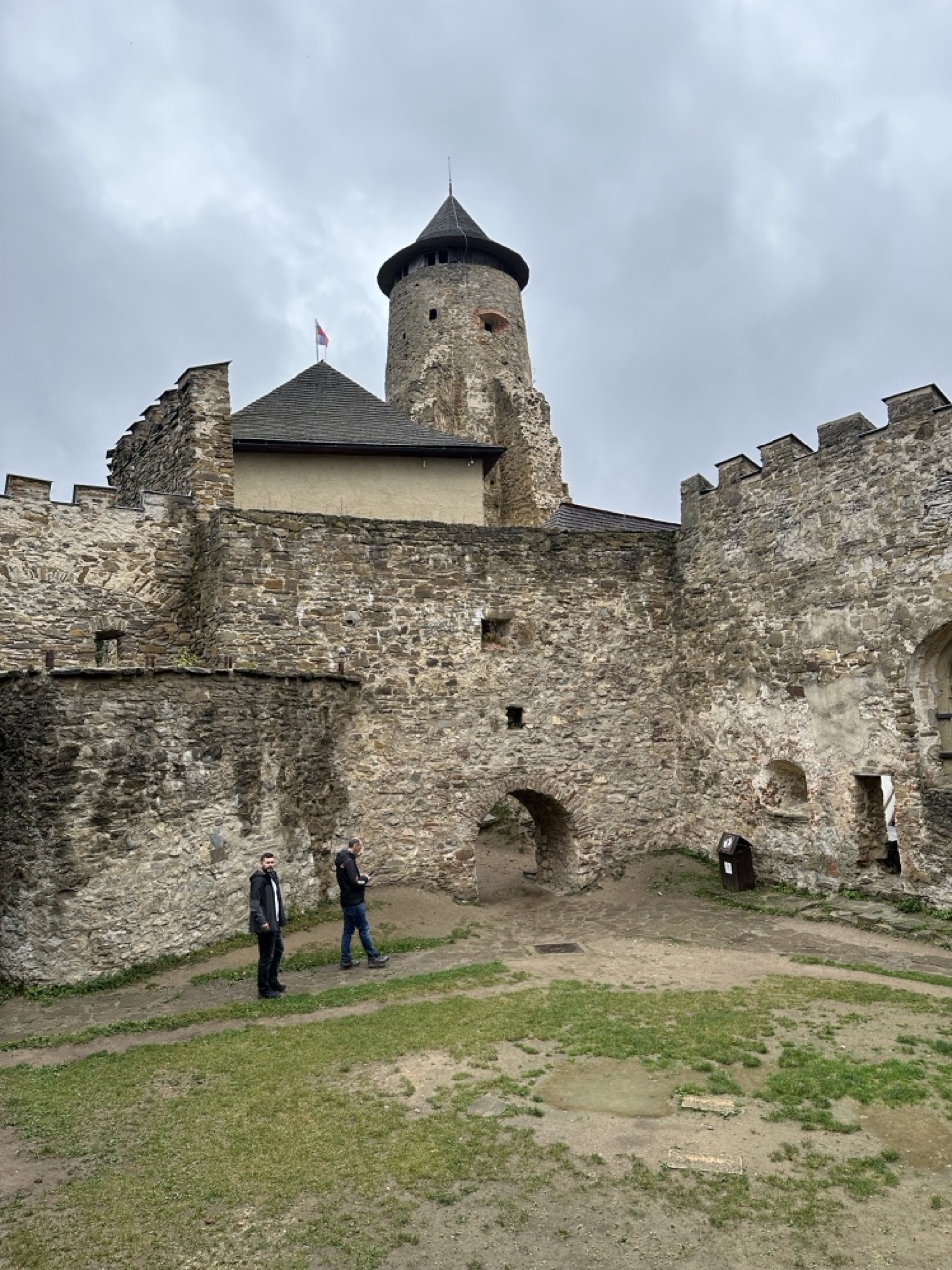
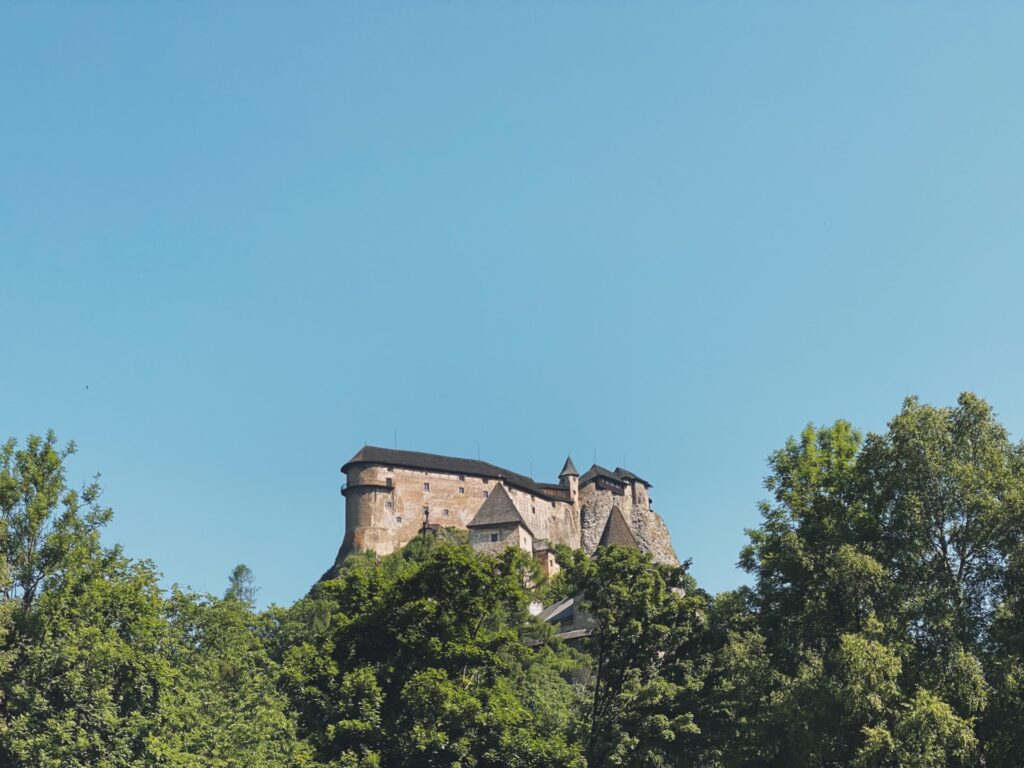
Slovakia is often described as a fairy-tale country, and for good reason. With over 180 castles and castle ruins and hundreds of manor houses (estimated at more than 400), it has one of the highest densities of historic fortresses in Europe. Many of them sit on dramatic hilltops, hidden in forests, or overlooking medieval towns. Among the most beautiful is Bojnice Castle, famous for its storybook towers and romantic silhouette, and Stará Ľubovňa Castle, which once guarded important trade routes near the Polish border.
The Parachute Pioneer Štefan Banič
Štefan Banič was a Slovak inventor who made aviation history by patenting an early army parachute in the United States in 1913. His design was tested publicly when Banič himself jumped from a tall building to prove its safety, a daring act that captured attention at the time. The invention was later offered to the U.S. Army and contributed to the development of modern parachute technology. Although his name is not widely known internationally, Štefan Banič remains an important Slovak figure whose innovation helped save countless lives in aviation and military history.
Mineral Water and Freshwater Wealth
Slovakia is exceptionally rich in freshwater resources and is often ranked second only to Austria in Central Europe for natural freshwater reserves. Thanks to this abundance, tap water in Slovakia is of high quality and safe to drink throughout the country.
What truly sets Slovakia apart, however, is the sheer number of natural mineral water springs, with more than 1,600 identified sources across the country, many of which are freely accessible and marked for public use. From spa towns to mountain valleys, you can often fill your bottle straight from the source, tasting mineral waters with different natural compositions. This natural wealth gave rise to Slovakia’s long spa tradition, with historic spa towns built around healing springs used for drinking cures and treatments.
Devil’s Rock: A Natural Curiosity of Slovakia
Slovakia even has its own Devil’s Rock, a striking natural phenomenon known locally as Čertova skala. This unusual mushroom-shaped rock can be found along a nature trail near the village of Budča, close to Zvolen. The formation consists of a large, rounded boulder balancing on a surprisingly small base at the edge of a high cliff, creating an almost unreal silhouette. Erosion shaped this rock over thousands of years, and today it is one of the most photogenic geological sights in the region.
Car Manufacturing Powerhouse
Slovakia holds a remarkable global record as the country producing the most cars per capita in the world. Despite its small size and a population of around 5.4 million, Slovak factories produce over 1 million cars per year, which translates to roughly 180–200 vehicles per 1,000 inhabitants. The country is a central hub for the automotive industry, with large manufacturing plants operated by global brands such as Volkswagen, Kia, Stellantis, and Jaguar Land Rover. Cars produced in Slovakia are exported worldwide, and the automotive sector accounts for a significant share of the country’s industrial output and exports. This industrial strength often surprises visitors and highlights how Slovakia successfully combines a powerful manufacturing base with rich nature, mountains, and historic towns.
Bryndza Cheese and Slovakia’s National Dish
One of Slovakia’s most iconic foods is bryndzové halušky, a hearty national dish made from potato dumplings topped with sheep cheese and bacon. The key ingredient is Slovak bryndza, which has EU Protected Geographical Indication (PGI) status, meaning only cheese produced in Slovakia following strict traditional methods can carry this name. True Slovak bryndza is made primarily from raw sheep’s milk, traditionally from sheep grazing in Slovak mountain pastures, giving it a strong, tangy flavor and soft, spreadable texture. This protection helps preserve centuries-old cheesemaking traditions and ensures that when you taste bryndzové halušky in Slovakia, you are experiencing an authentic part of the country’s culinary heritage.
Rich Folk Traditions and Living Heritage
Slovakia is rooted in long-standing folk traditions that are still visible and celebrated today. Folk music, dance, and hand-embroidered clothing vary from region to region, each with its own colors, patterns, and rhythms passed down through generations. One of the most striking examples is the village of Čičmany, famous for its distinctive white geometric patterns painted on dark wooden houses, inspired by traditional embroidery motifs. These designs are unique in Europe and reflect symbols of protection, life, and nature. Across the country, folk traditions continue to live on through festivals, weddings, music performances, and everyday customs, offering visitors a rare glimpse into Slovakia’s cultural soul that goes far beyond museums.
Wooden Churches of Slovakia
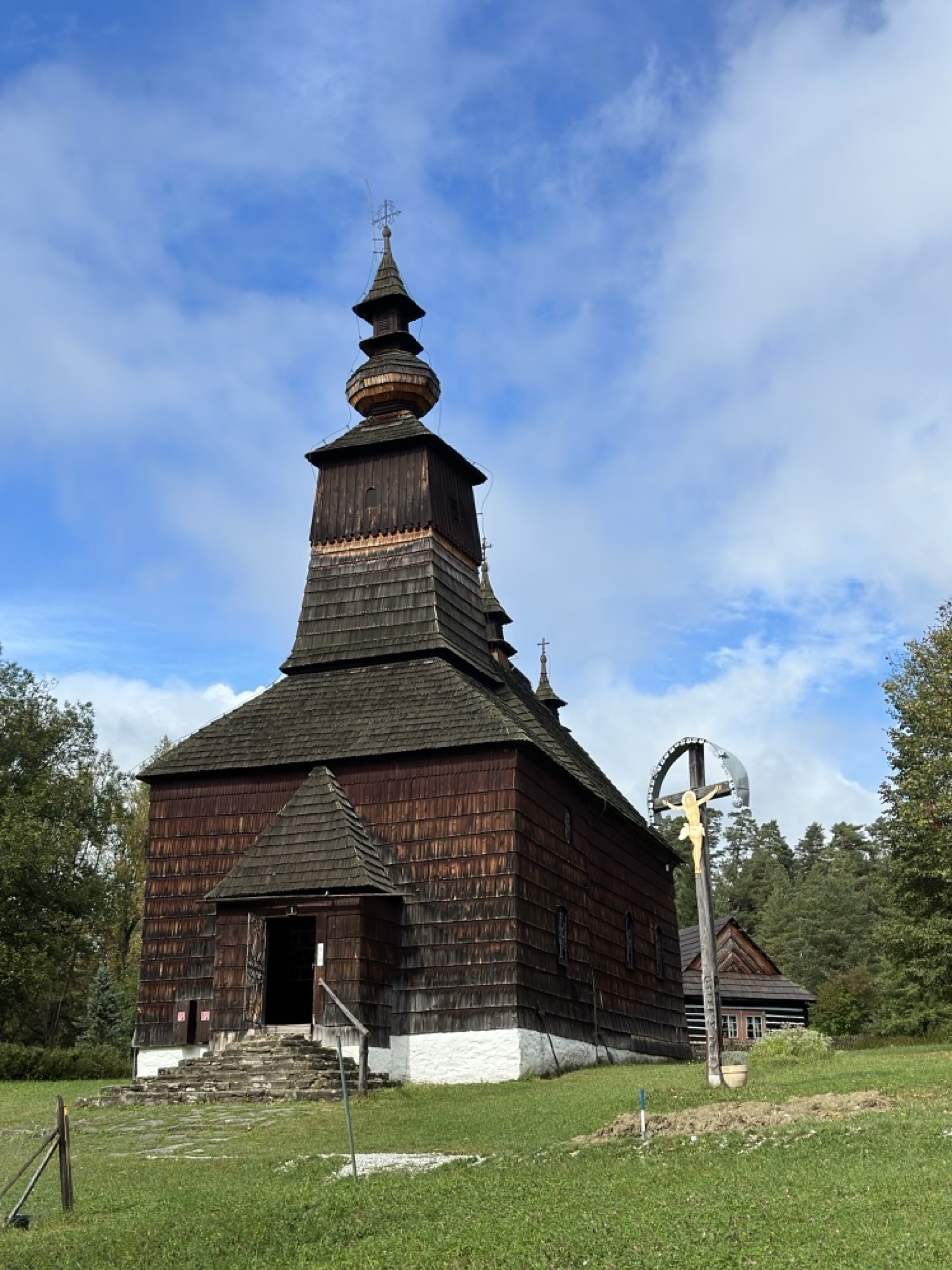
Slovakia is home to nearly 50 beautifully preserved wooden churches, scattered across the country and recognized as part of the UNESCO cultural heritage. Built entirely of wood without using a single nail, these churches are remarkable examples of traditional craftsmanship and deep religious history. The oldest among them is the Church of St. Francis of Assisi in Hervatov, constructed in 1500 and considered one of the best-preserved wooden churches in Europe, with its distinctive architecture, hand-painted interiors, and peaceful rural settings.
Other Interesting Facts About Slovakia
- The 3,000-Year-Old Toy: The oldest archaeological toy discovery in Central Europe was found near Košice. A small four-wheeled pushcart from a child’s grave dates back to around 1600 BC and offers rare insight into prehistoric childhood.
- Heart of Europe: According to some geographical definitions, Slovakia lies close to the geographic center of Europe, a fact proudly highlighted in several Slovak towns.
- Many UNESCO Sites for a Small Country: Slovakia has multiple UNESCO World Heritage Sites, including historic towns, castles, caves, and wooden churches, which are impressive for a country of its size.
- Dense Hiking Trail Network: Slovakia has over 14,000 km of marked hiking trails, one of the densest networks in Europe, clearly color-coded and well-maintained.
- Traditional Mountain Huts: High in the mountains, hikers can stay in historic mountain huts (chaty) that often operate year-round and serve simple, hearty food.
- Rich Wildlife: Brown bears, wolves, lynx, and chamois still live freely in the Slovak mountains, especially in protected national parks.
- Folk Regions with Strong Identity: Slovakia is divided into many traditional regions, each with its own dialects, costumes, music, and customs still practiced today.
- Compact Distances: You can cross Slovakia from west to east in about 5–6 hours by car, making it easy to combine cities, mountains, and countryside in one trip.
- Historic Mining Towns: Many Slovak towns grew rich from gold, silver, and copper mining, leaving behind beautifully preserved medieval centers.
Travel Tips for First-Time Visitors to Slovakia
Currency and Payments in Slovakia
Slovakia uses the euro (€), which makes payments easy for travelers from most of Europe. Cards are widely accepted in cities, supermarkets, hotels, and restaurants. However, cash is still helpful in rural areas, small villages, local markets, and especially in mountain huts, where card terminals are not always available. In recent years, cash has regained importance, partly influenced by local political and public discussions about payment independence and reliability. As a result, carrying some cash is a smart backup, even if you mostly plan to pay by card.
Language in Slovakia
Slovak is the official language of Slovakia. In Bratislava and other major cities, English is widely spoken, and getting by in English is usually not an issue. In tourist areas, hotels, and restaurants, communication in English is generally easy, and German is also understood in some regions, especially those with historical ties or older generations.
However, in rural areas and small villages, especially in eastern Slovakia, English is less commonly spoken. In these areas, knowing a few basic Slovak phrases or using a translation app can be very helpful and is often warmly appreciated by locals.
Safety in Slovakia
Slovakia is considered a very safe destination for visitors, including solo travelers and families. Violent crime rates are low, and walking around cities during the day and evening generally feels comfortable. As in any destination, standard precautions are enough, especially in busy city centers or on public transport, where occasional pickpocketing can occur. Overall, Slovakia offers a relaxed, secure atmosphere, making it easy to explore independently. Eastern Slovakia is widely known for its warm hospitality and genuine kindness, often considered some of the most heartfelt in the country. Visitors are frequently welcomed with a smile, home-cooked food, and a strong sense of community, especially in small towns and villages.
Hotel search from Booking.comShows Booking.com’s own box, which can set Booking.com cookies.
Public Transport and Getting Around Slovakia
Public transport in Slovakia is affordable and widely used, especially trains and buses connecting major cities. However, it is worth knowing that trains are not always reliable and delays are fairly common, particularly on longer routes. While trains work well between big cities, connections between smaller towns can be slower and less frequent.
Road travel can also be challenging. Slovakia still does not have a continuous highway running directly from west to east, which means long-distance car journeys often include slower secondary roads. This can make driving across the country more time-consuming than expected.
For city-to-city travel, trains remain a practical option for destinations such as Bratislava, Žilina, and Košice. In addition, a new domestic flight connection between Bratislava and Košice has been introduced in recent years, offering a faster alternative for crossing the country when available.
Driving in Slovakia
Driving in Slovakia can be convenient, but there are a few things to keep in mind. Road quality varies, with main roads generally acceptable but many secondary roads not as well-maintained, especially outside cities. Slovakia also still lacks a fully completed highway network, so longer drives often include slower stretches and detours.
An electronic motorway vignette is required for using highways and expressways, and it must be purchased in advance or online, as there are no physical stickers. In mountainous areas, roads can be narrow, winding, and weather-dependent, particularly in winter. While driving is a good option for exploring remote regions, it often takes longer than distances on the map might suggest.
Other Practical Tips to Know Before Visiting Slovakia
- Tap water: Tap water is safe to drink throughout Slovakia, including in cities, villages, and mountain regions. Bringing a reusable bottle is a great idea, especially when hiking.
- Tipping etiquette: Tipping is appreciated but not mandatory. In restaurants, it is common to round up the bill or leave around 10 percent if you are happy with the service. Tips are usually given directly to the server, not left on the table.
- Shops and holidays: Shops are generally open on Sundays, especially supermarkets. However, many stores may close on public holidays, particularly outside major cities, so it is good to plan ahead.
- Opening hours: Smaller shops, cafés, and restaurants in villages often close earlier in the evening than in large cities.
- Toilets: Public toilets are usually paid, with a small cash fee required, even in shopping centers or train stations.
- Time zone: Slovakia follows Central European Time (CET) and observes daylight saving time.
- Electricity: Standard European plugs (Type C and F) are used, so no adapter is needed for most European travelers.
Buy Me a Ko-fi
Best Time to Visit Slovakia
The best time to visit Slovakia depends on what you want to experience, as the country offers something different in every season.
- Late spring (May–June): One of the best periods for sightseeing and hiking, with mild temperatures, blooming nature, and fewer crowds.
- Summer (July–August): Ideal for mountain hiking, lakes, and outdoor festivals. It can be warmer in cities, and popular spots may feel busier.
- Early autumn (September–October): Perfect for hiking, photography, and wine regions, with colorful forests and pleasant weather.
- Winter (December–March): Best for skiing, winter hiking, and Christmas markets. Mountain areas offer snow, while cities feel cozy and festive.
Overall, late spring and early autumn are the most balanced times to visit, combining good weather, beautiful landscapes, and a more relaxed travel pace.
Slovakia may be small, but it offers an impressive mix of nature, history, culture, and everyday authenticity that often surprises first-time visitors. From mountains and castles to vibrant cities and quiet villages, it is a country that rewards slow travel and curiosity. Thanks to its proximity to several neighboring countries, Slovakia also makes an excellent base for exploring Central Europe, with Austria, Hungary, and the Czech Republic all just a short drive or train ride away. Whether you are visiting for a few days or using Slovakia as a starting point for a wider journey, it is a destination that fits easily into your travel plans while offering plenty to discover on its own.
Pack your bags and explore Slovakia!

This post contains affiliate links. If you click and buy, I might earn a tiny commission, enough to help a penguin keep up its globe-trotting lifestyle. No extra cost to you, just more fish for me. Thank you for supporting the adventure!