Bongeunsa Temple in Gangnam: A Complete Guide for First-Time Visitors
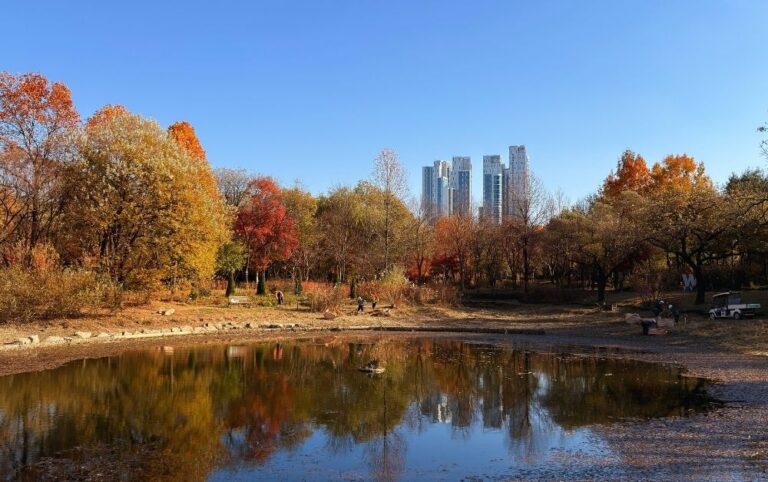
Bongeunsa Temple is the last thing you expect to find in the middle of Gangnam. One moment you are surrounded by glass towers, cafés, and nonstop traffic, and the next you step into a quiet world of lanterns, incense, and calm. It feels like Seoul pressed pause for a moment. This temple is one of the easiest escapes from the city rush, offering a completely different perspective on Gangnam beyond shopping streets and nightlife. Read on to discover what to see, how to visit, and why Bongeunsa deserves a spot on your Seoul itinerary.


How to Get to Bongeunsa Temple and Where It Is Located
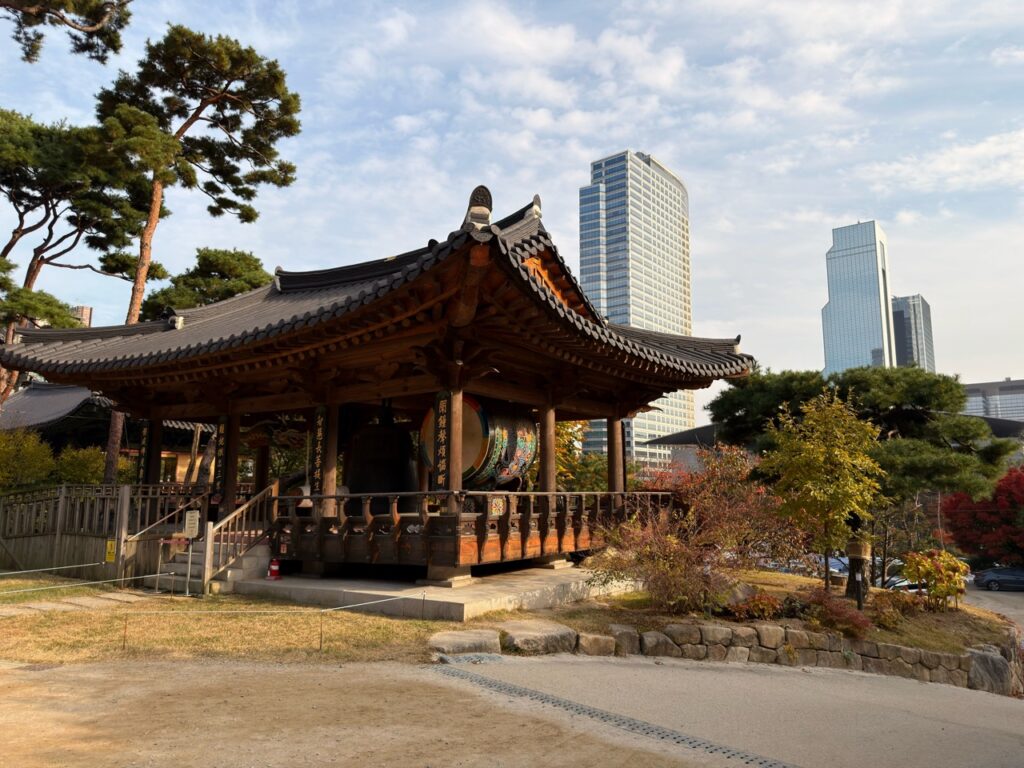
Bongeunsa Temple sits right in the heart of Gangnam, across from the COEX Mall and Starfield Library. It is one of the most accessible temples in Seoul, and you can reach it in just a few minutes from the subway. The easiest way is to take Line 9 to Bongeunsa Station and use Exit 1, which brings you almost to the entrance. You can also come via Samseong Station on Line 2 and waddle through COEX toward the temple. No matter which route you choose, the moment you step inside the grounds, the city noise fades away, and the atmosphere shifts into pure calm.

History of Bongeunsa Temple
- Founded in 794 during the Silla Dynasty and originally named Gyeonseongsa
- Moved to its current location during the Joseon period
- Became a major center for Korean Buddhism when Confucianism dominated the era
- Expanded and restored multiple times after fires and wars
- Home to the revered Seon (Zen) Buddhist tradition
- Known for its giant Maitreya Buddha statue, added in the late twentieth century
- Continues to serve as an active temple with rituals, lantern festivals, and cultural programs
Our Waddle at Bongeunsa Temple
Our waddle at Bongeunsa Temple began right after exploring the Starfield Library and the COEX Aquarium, two places that show the lively side of Gangnam. We already knew we wanted to visit the temple too, because it feels completely out of sight from everything around it. As we waddled closer, the city’s noise softened, and the atmosphere shifted to something much calmer. By the time we stepped through the entrance, it felt like we had crossed into a peaceful pocket of Seoul that exists quietly beside the busy streets.

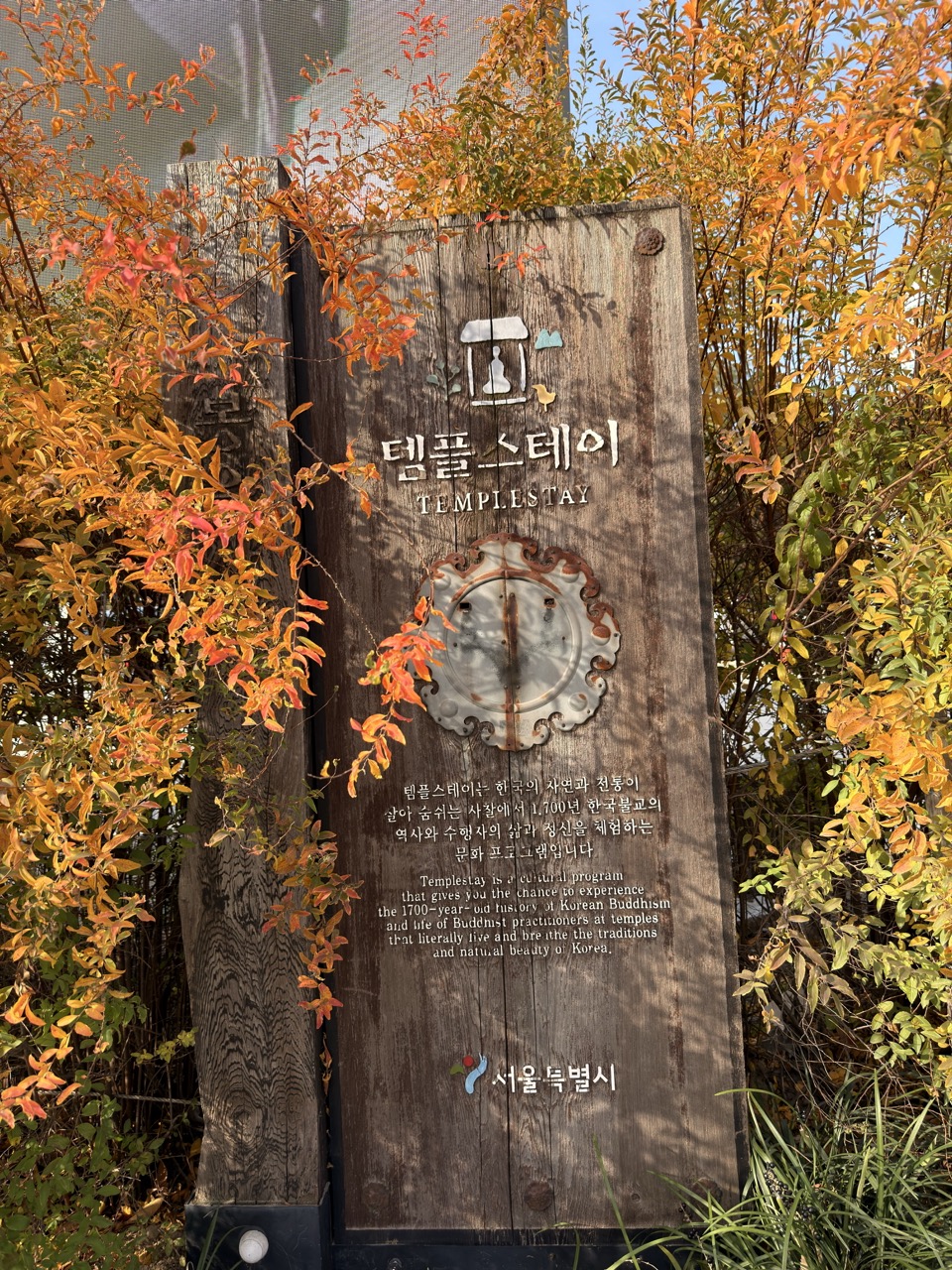
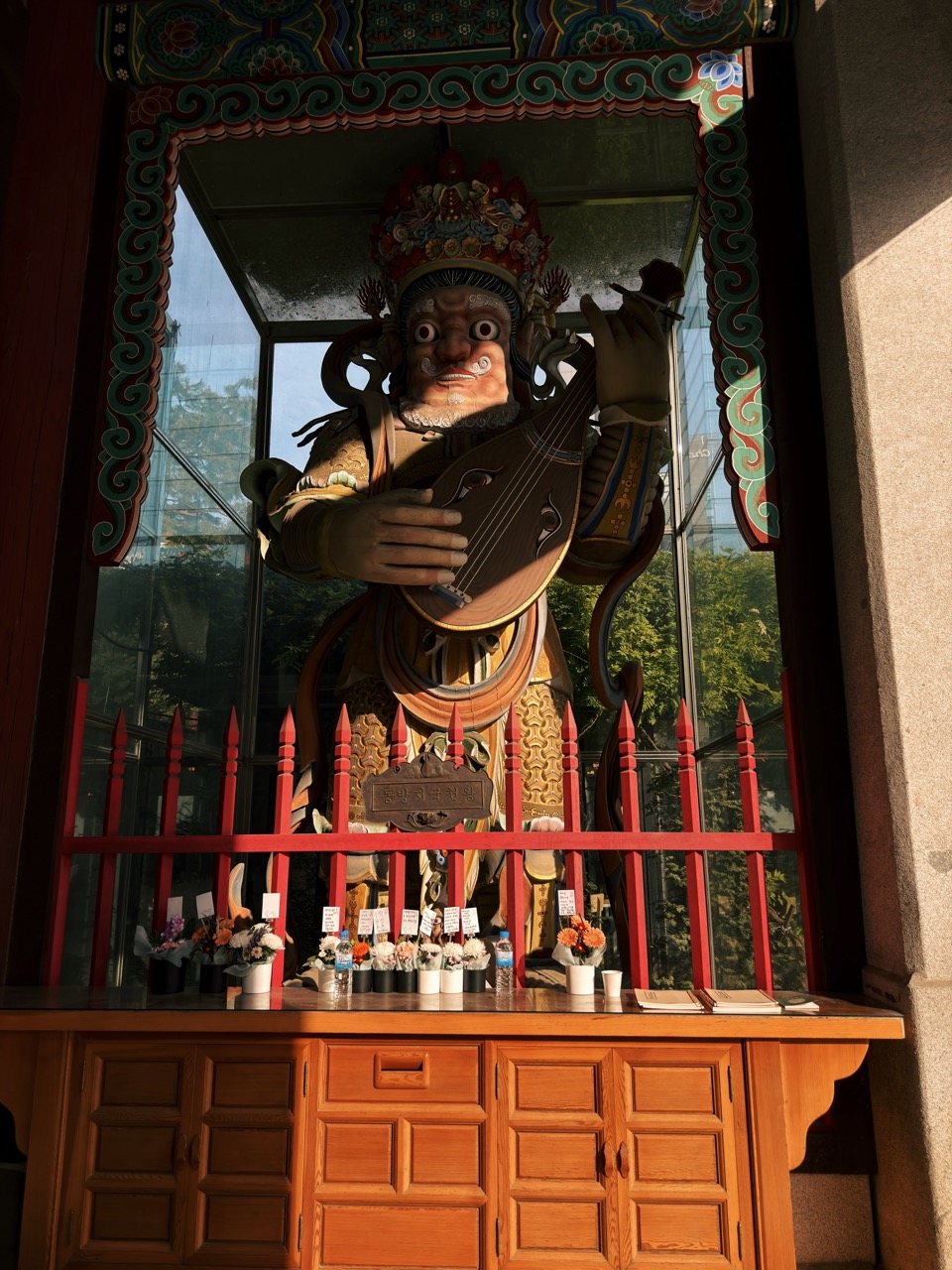
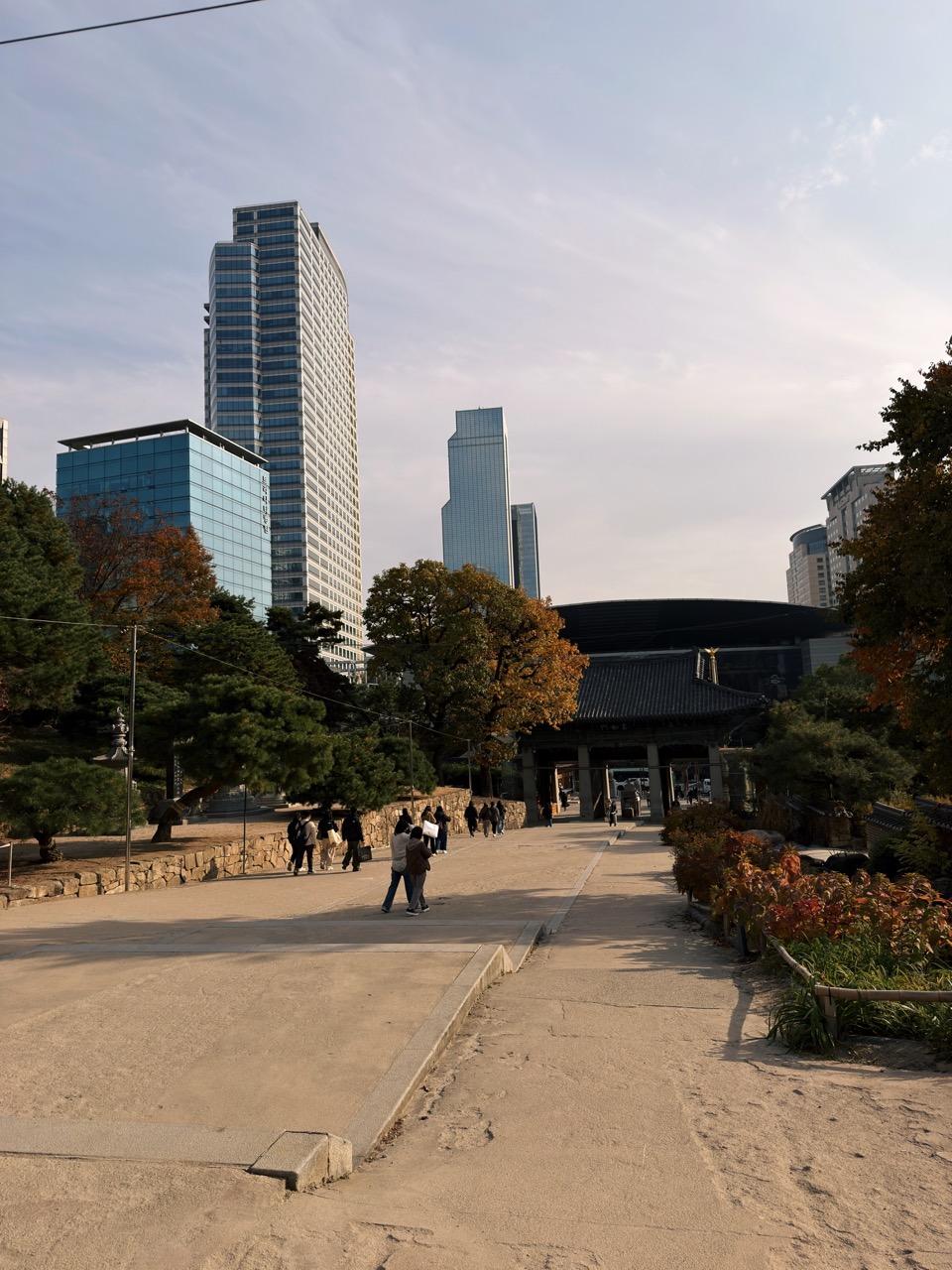
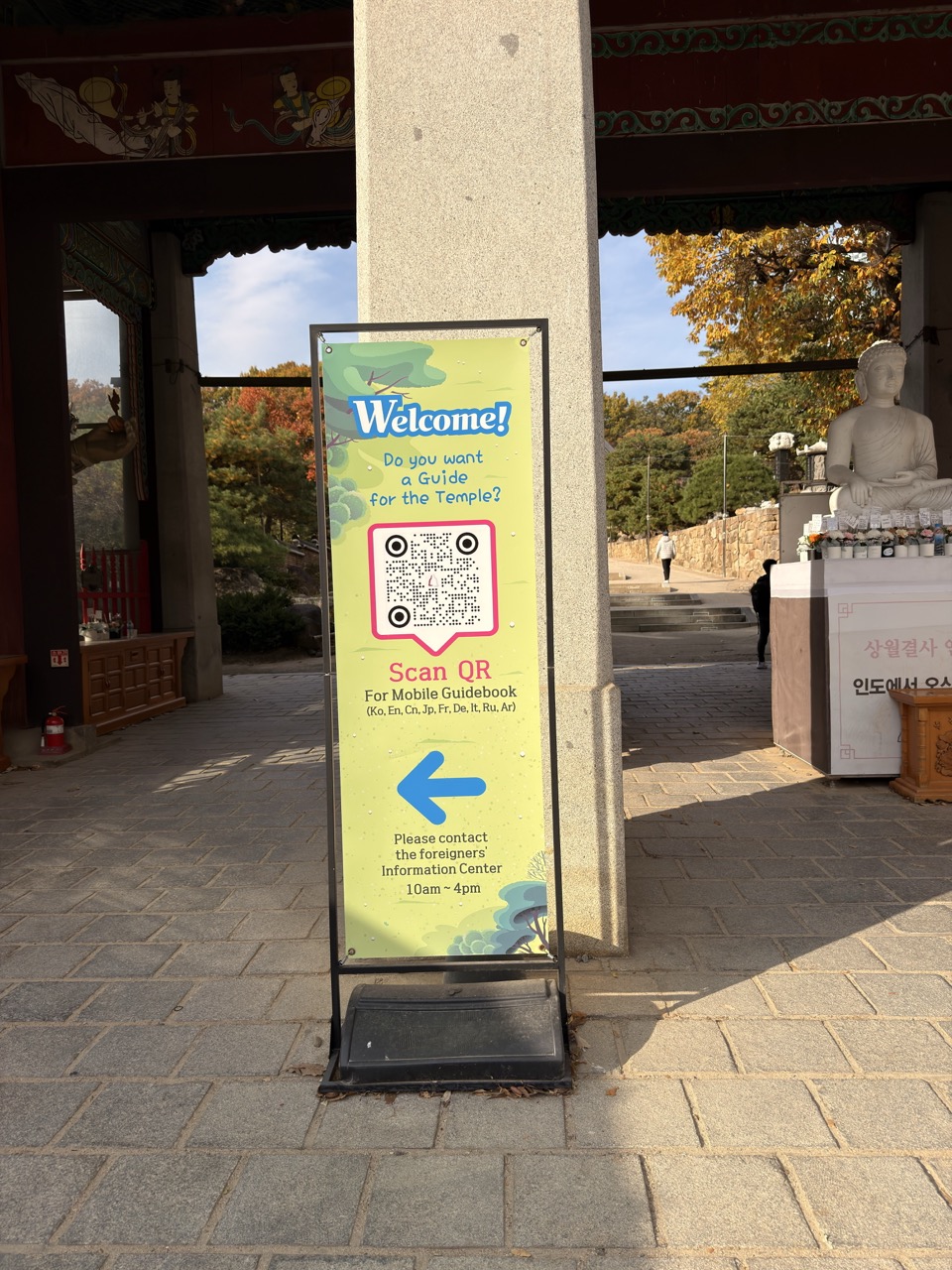
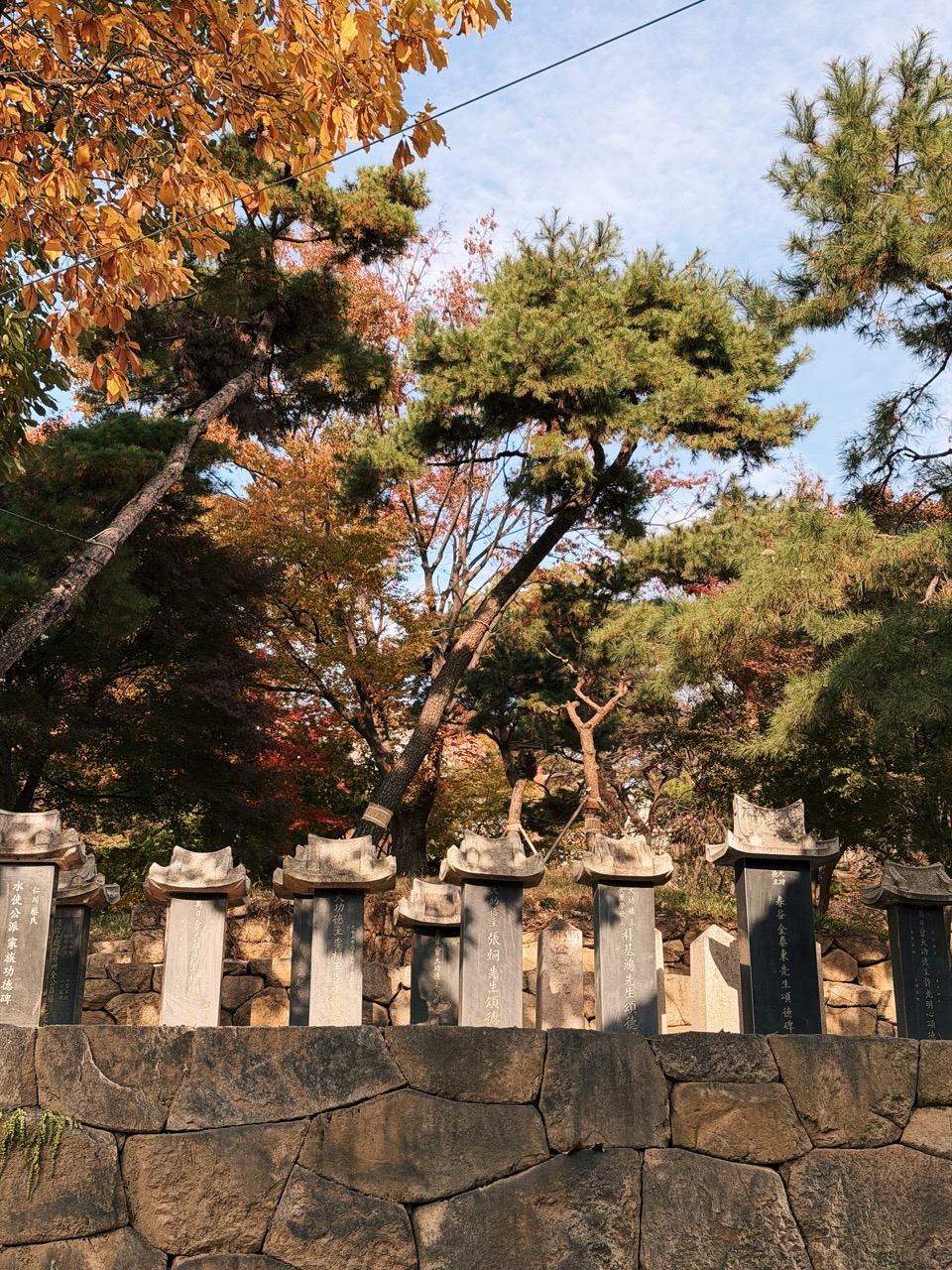
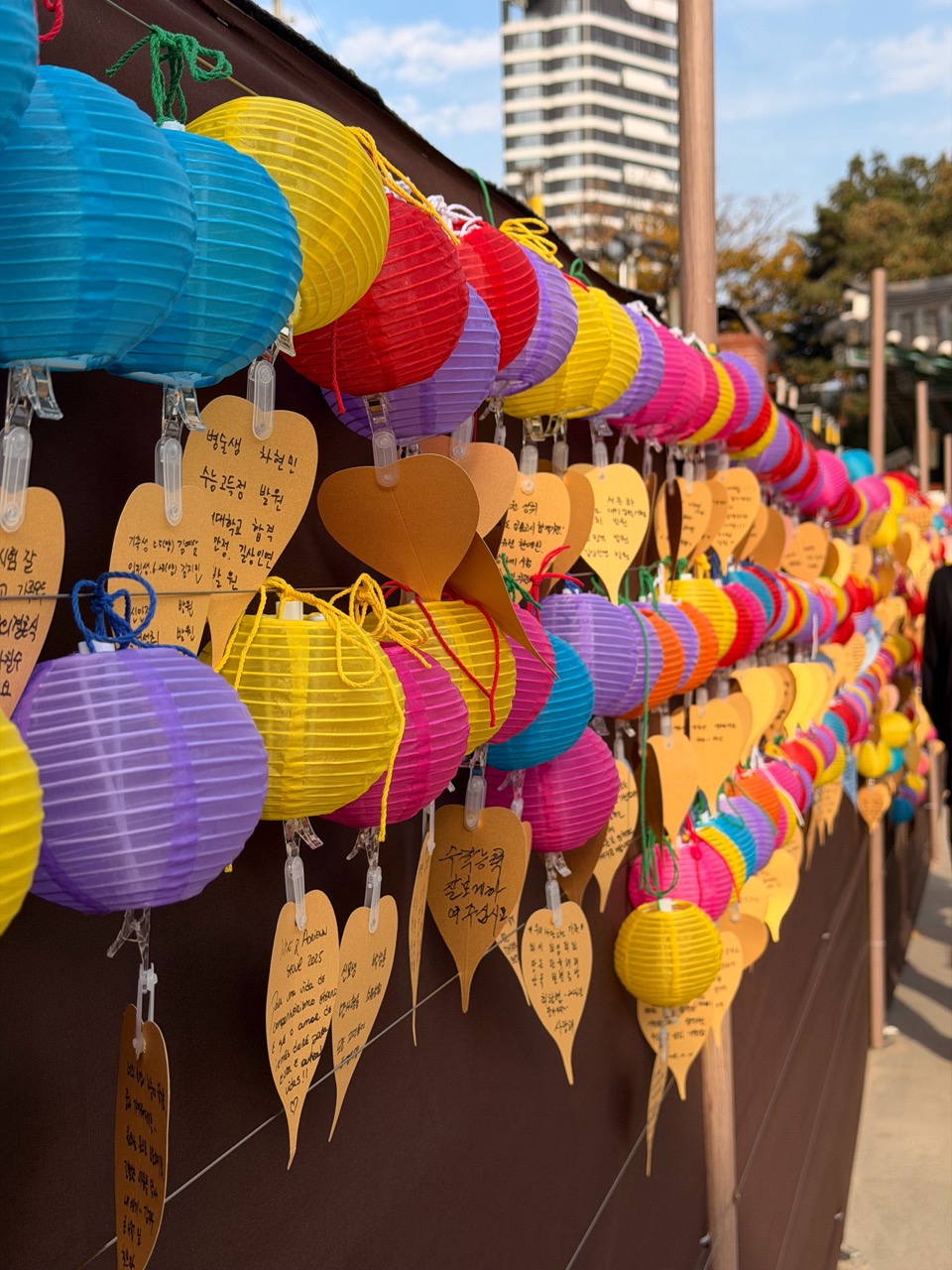
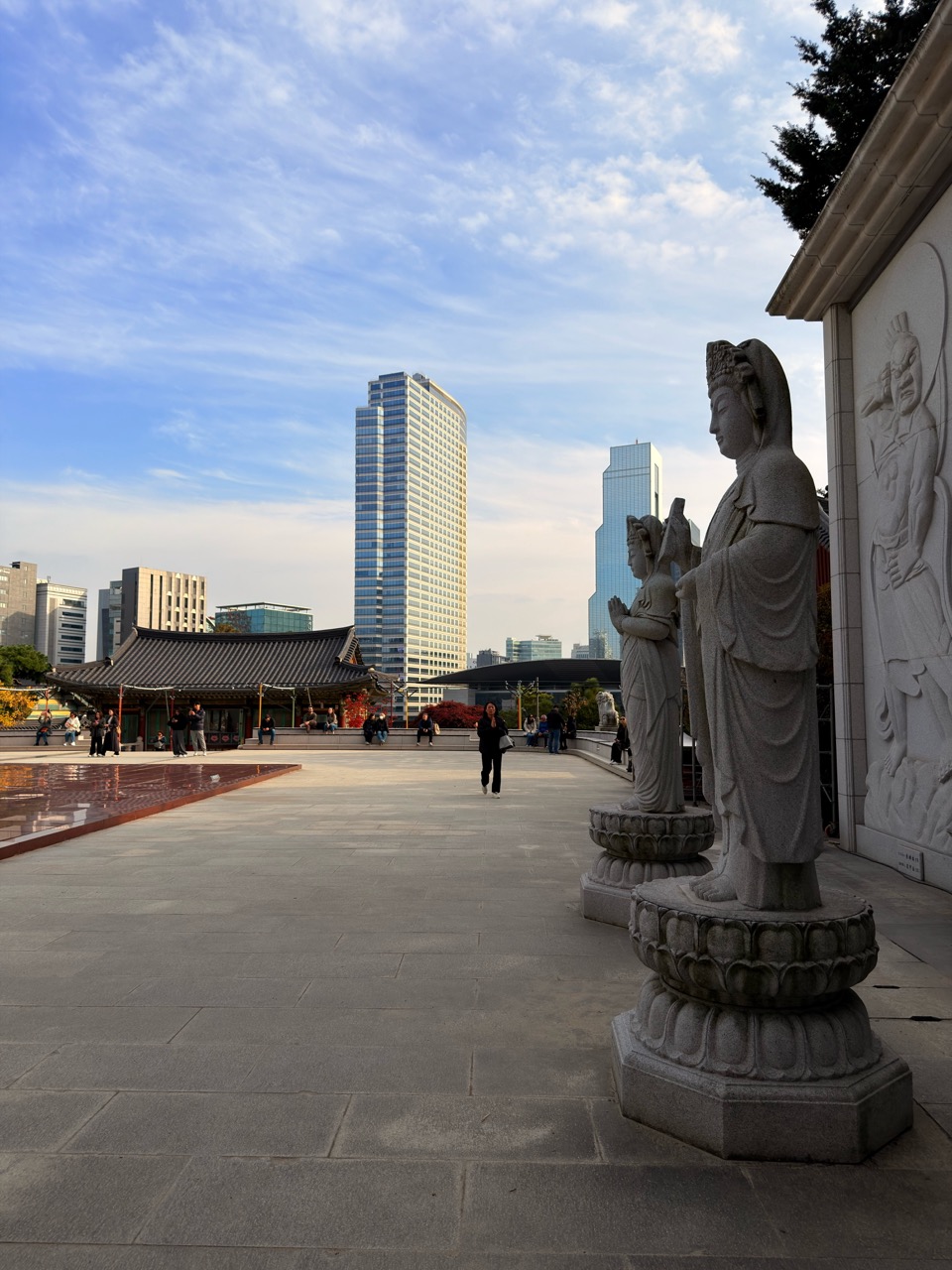
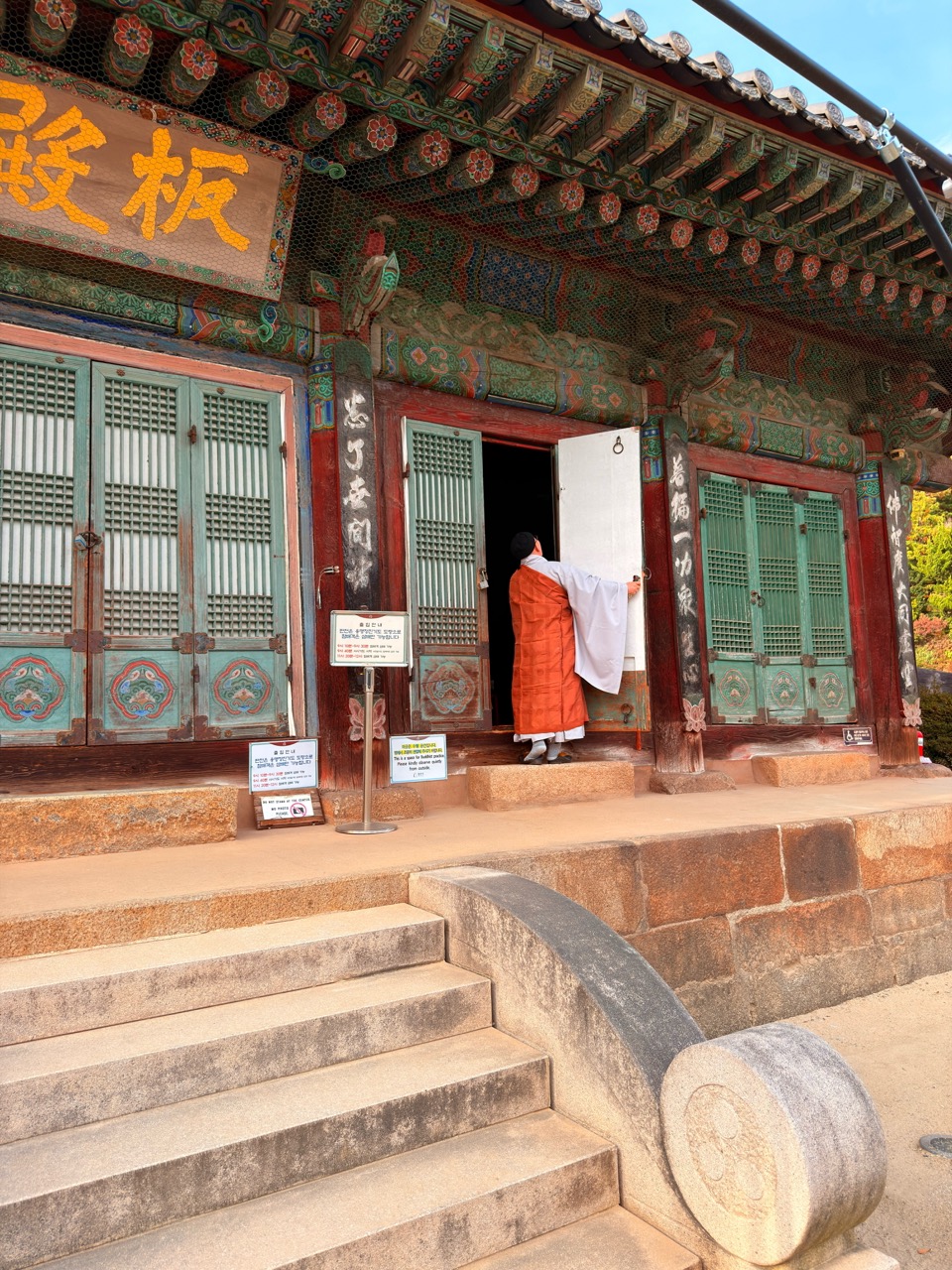
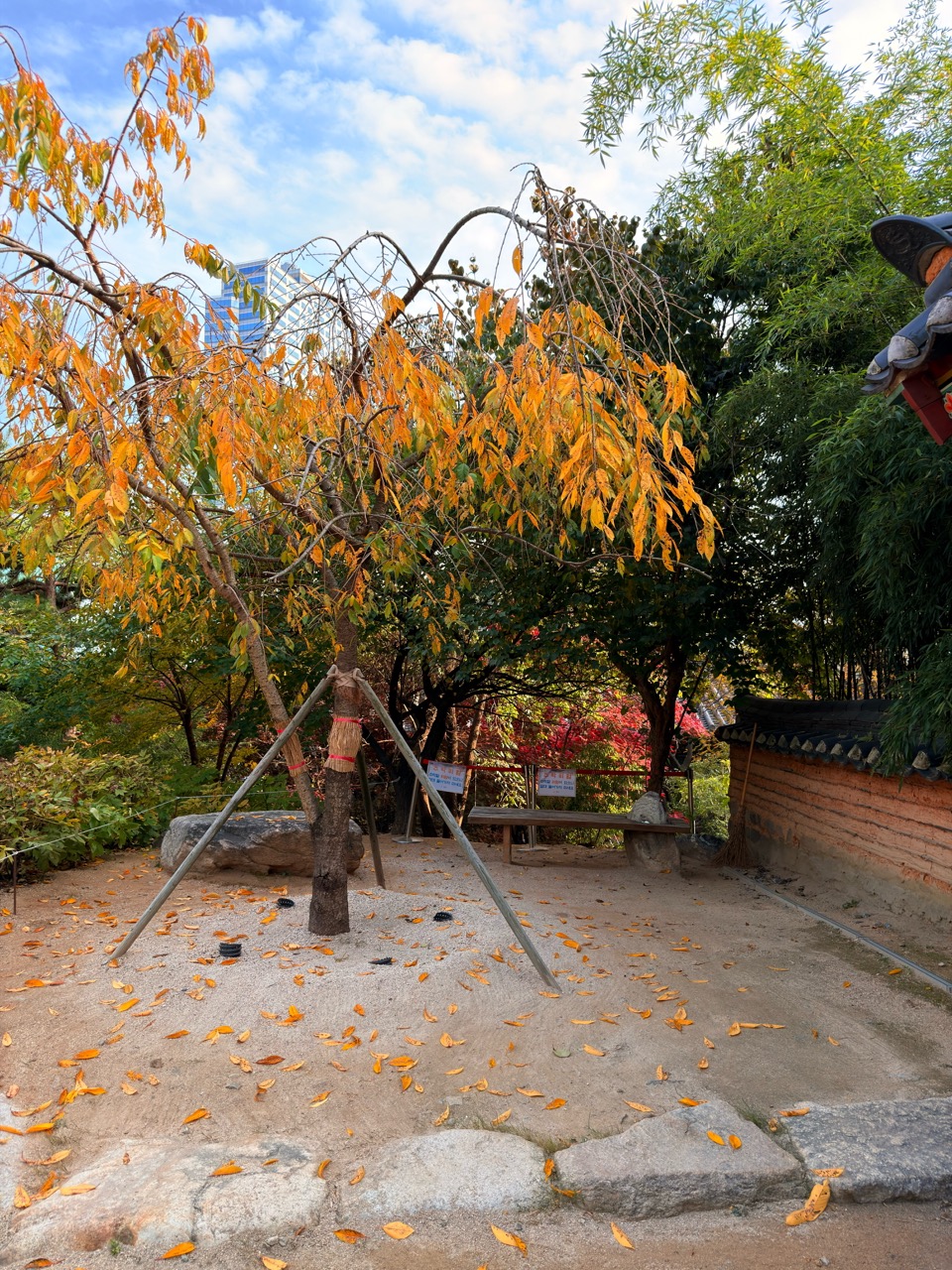
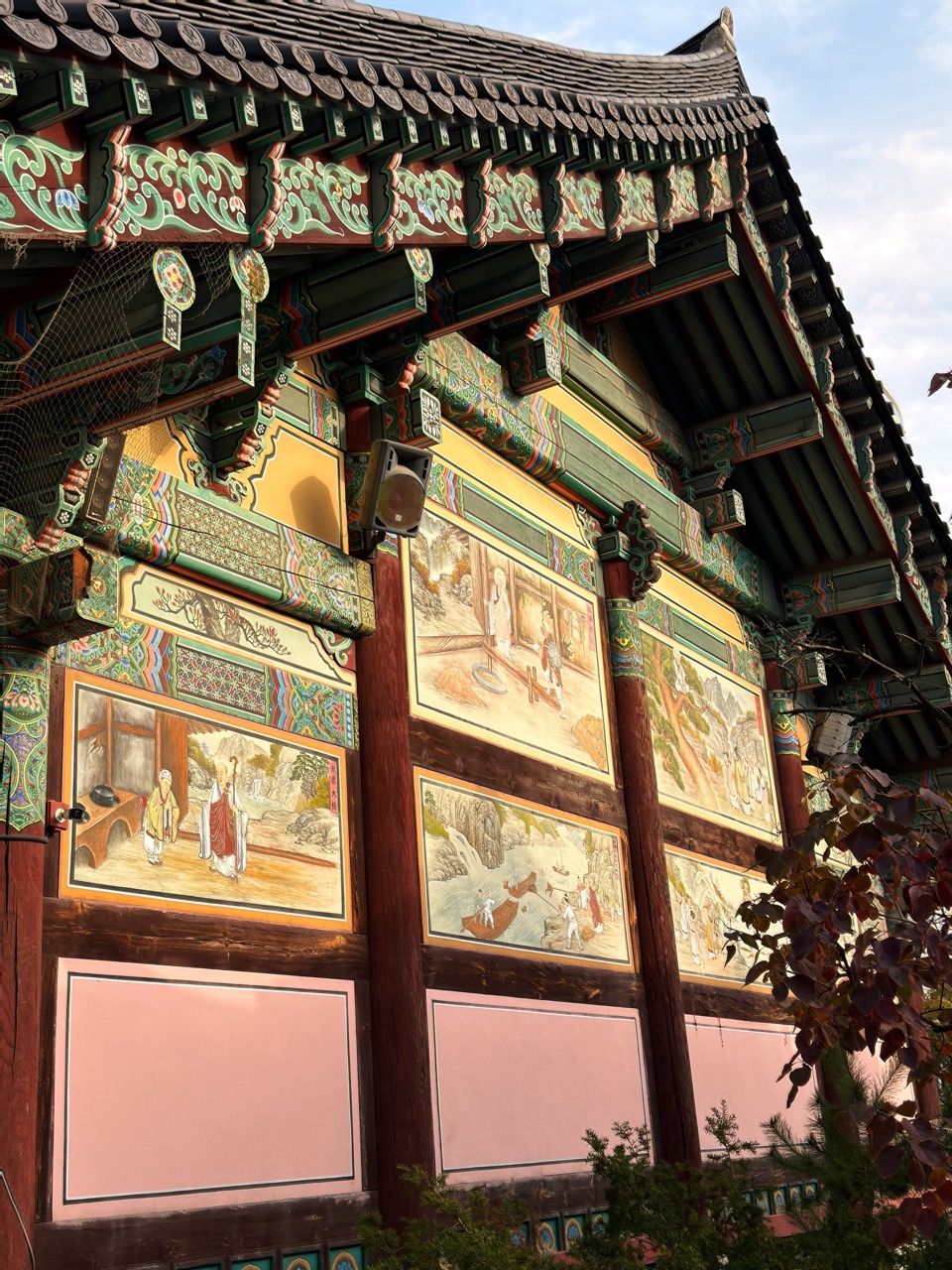
Bongeunsa Temple covers a large area for a place surrounded by Gangnam’s skyline. The grounds are divided into several sections, each with its own atmosphere and purpose. As you waddle through, you pass prayer halls filled with lanterns, quiet courtyards, and wooden buildings that hold centuries of history. You can also waddle along the small paths lined with stone lanterns, watch monks during their daily rituals, and even join a short temple-stay program if you want a deeper experience. It is a place where you can slow down, explore at your own pace, and take in the rare calm in the middle of Seoul.
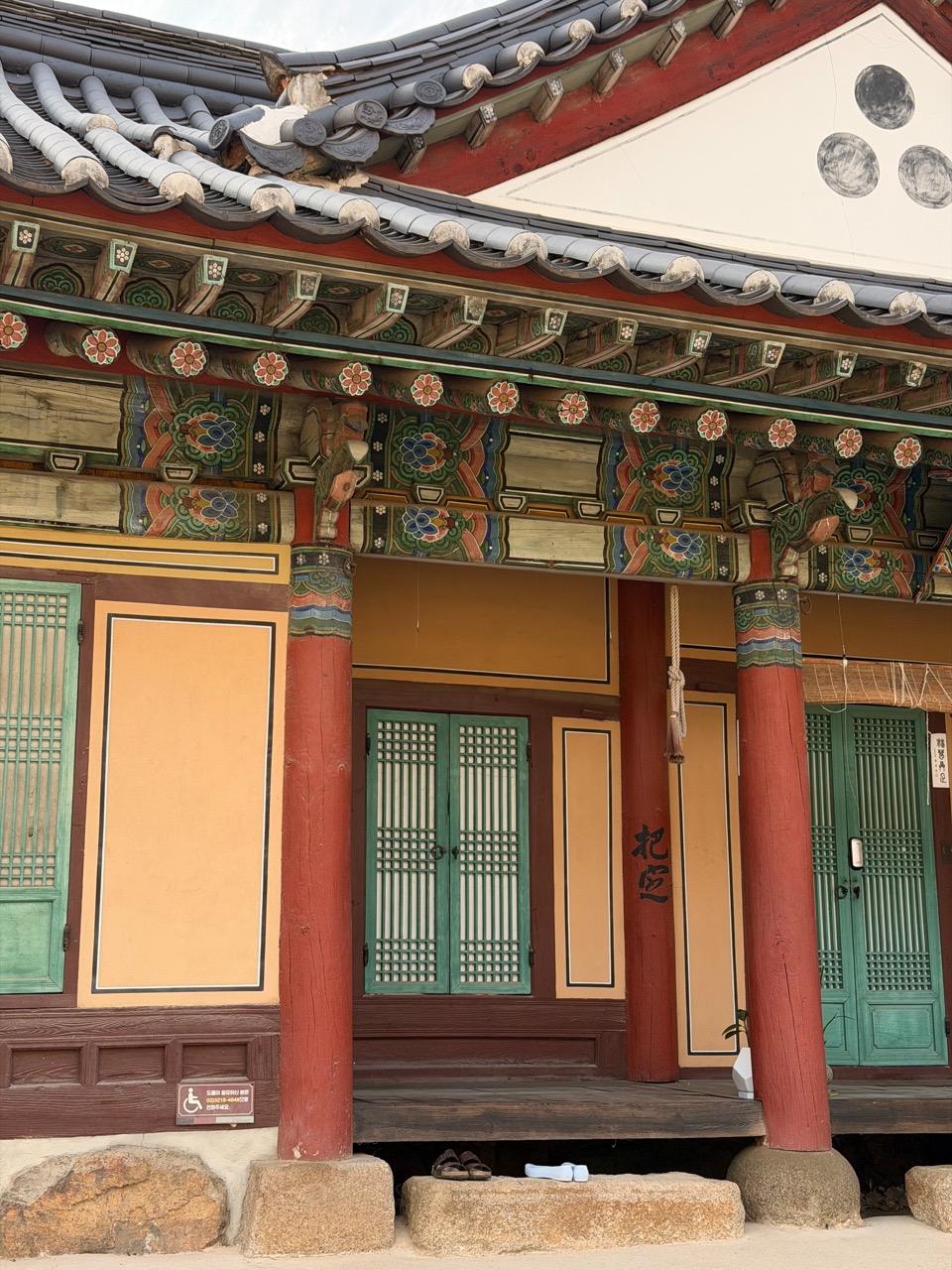
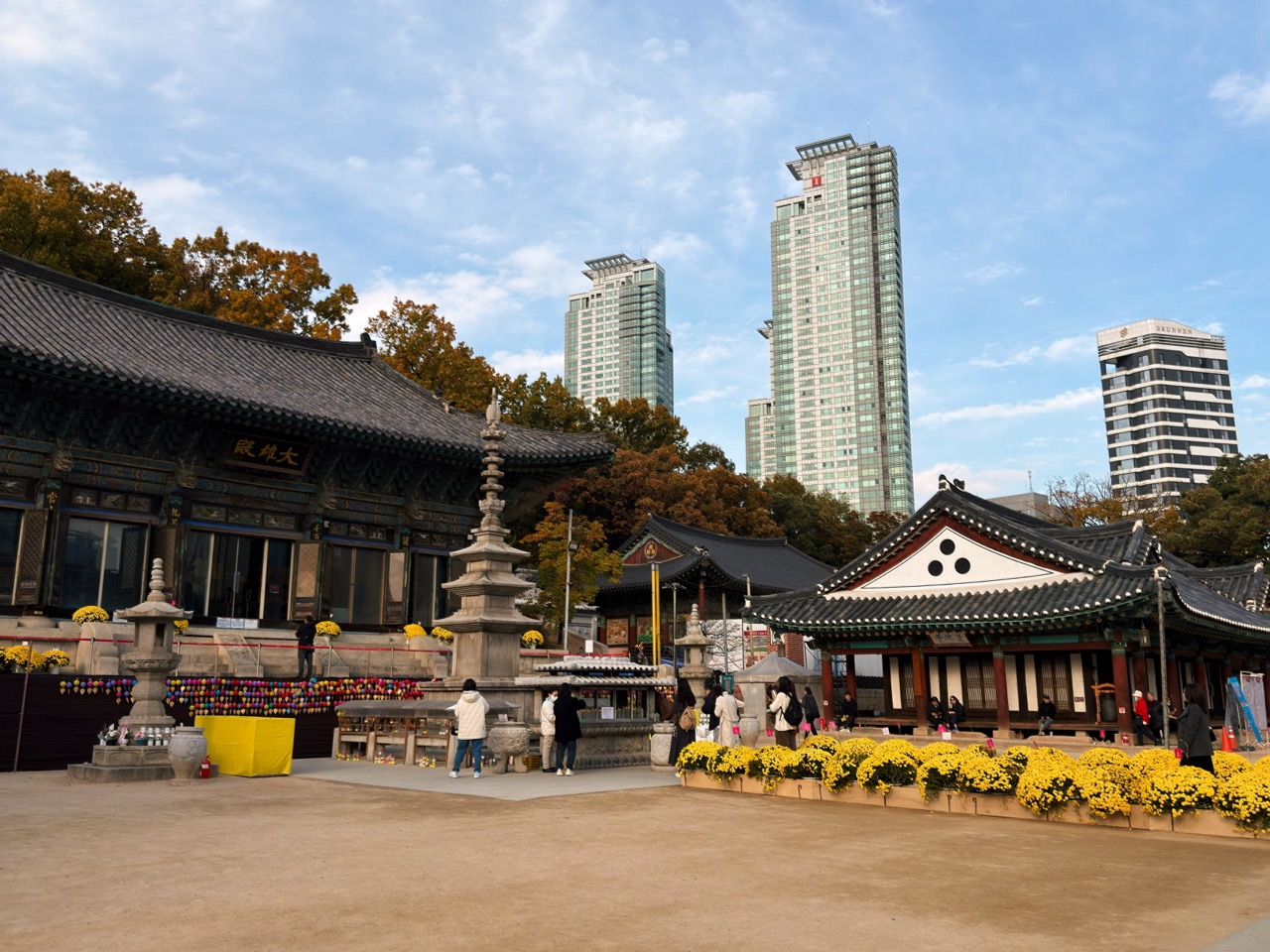
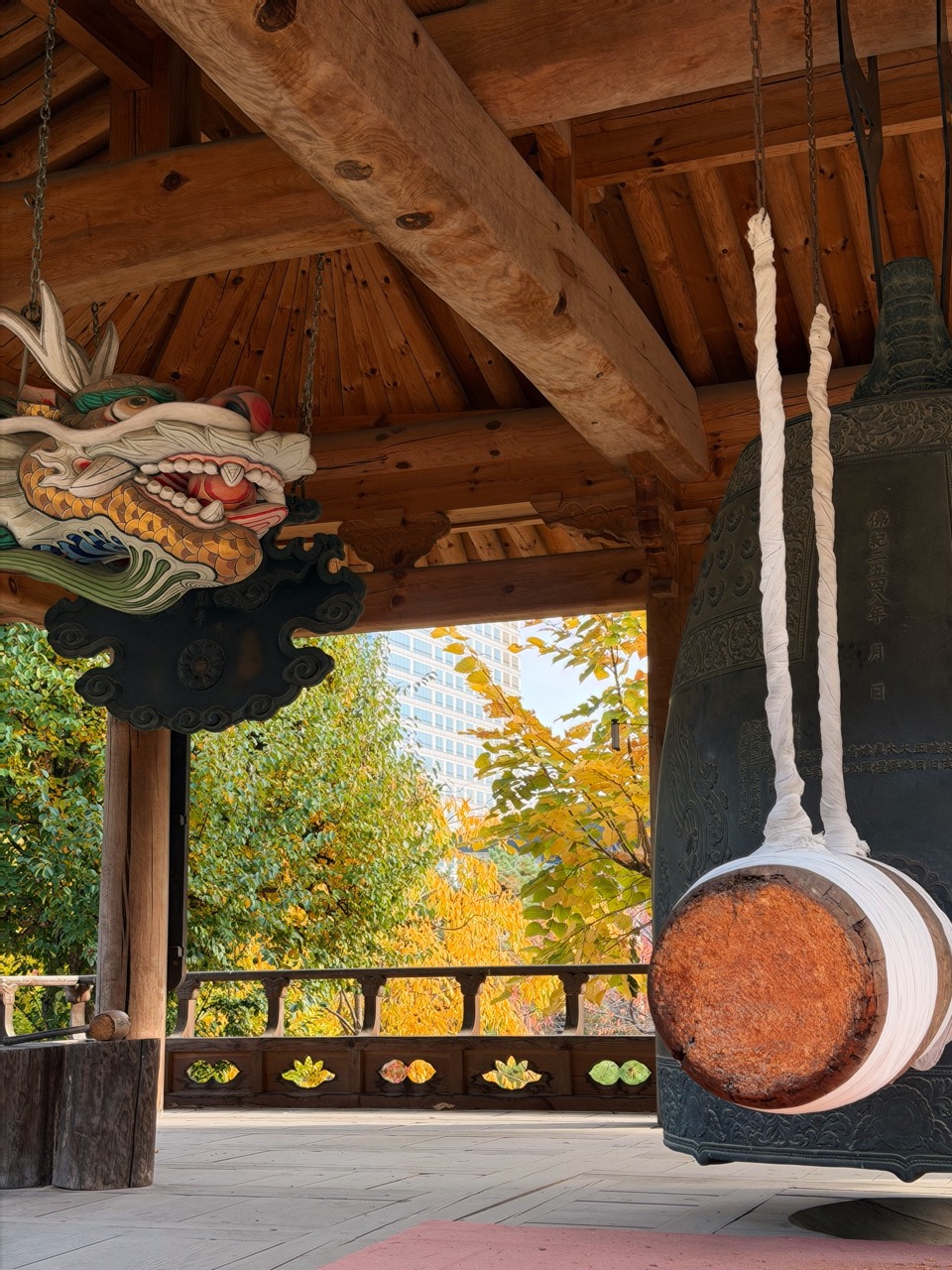
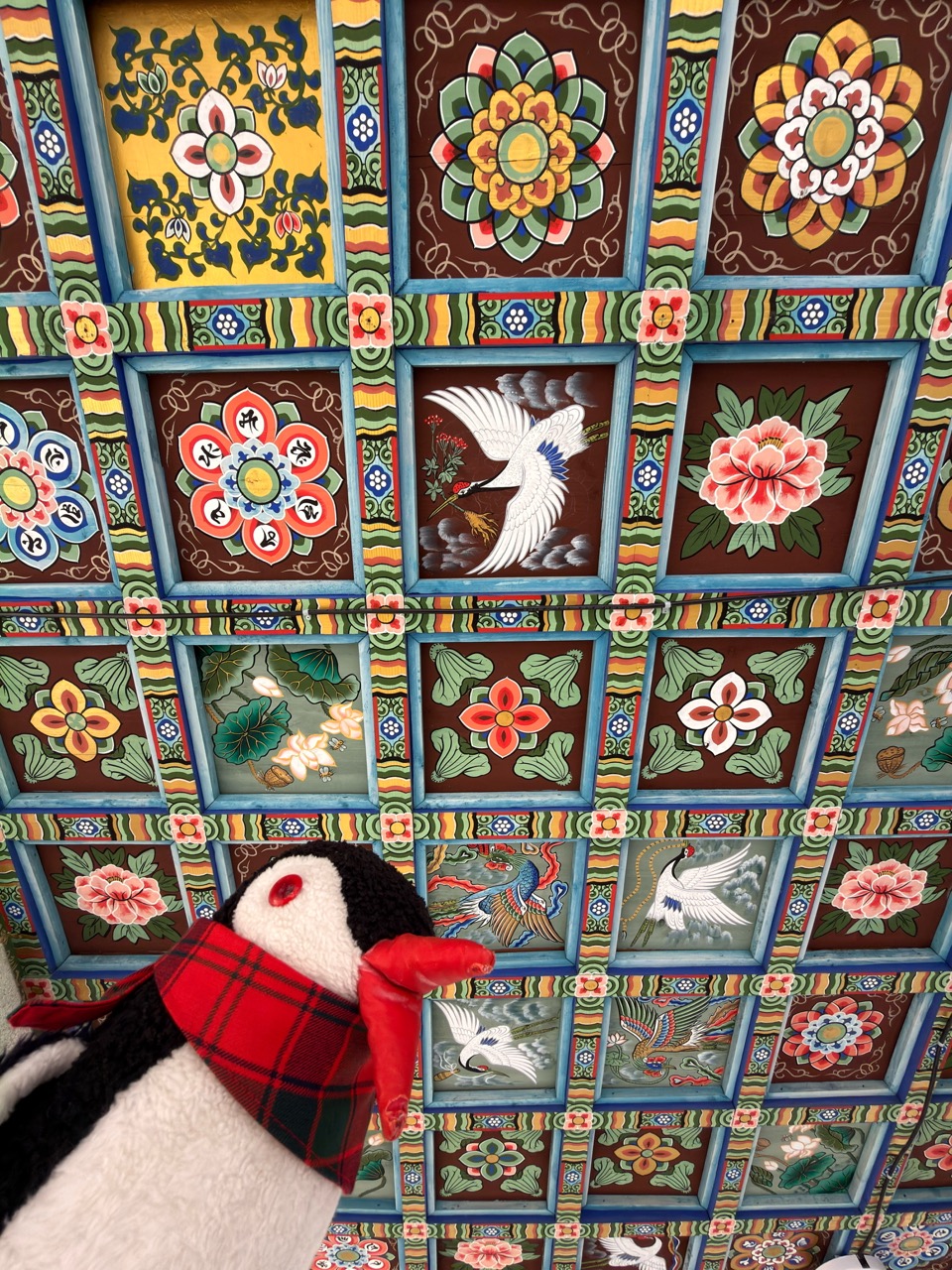
From our point of view, Bongeunsa Temple is definitely worth visiting. If you are already in Gangnam and need a moment to calm down after all the noise, shopping streets, and crowds, this is the place to be. It is quiet, reflective, and peaceful in a way that feels almost unreal for this part of the city. Even if you are not religious, the atmosphere makes it easy to slow your thoughts, breathe, and reset. And if you do want to pray or sit in silence for a moment, there are plenty of quiet corners to do so.

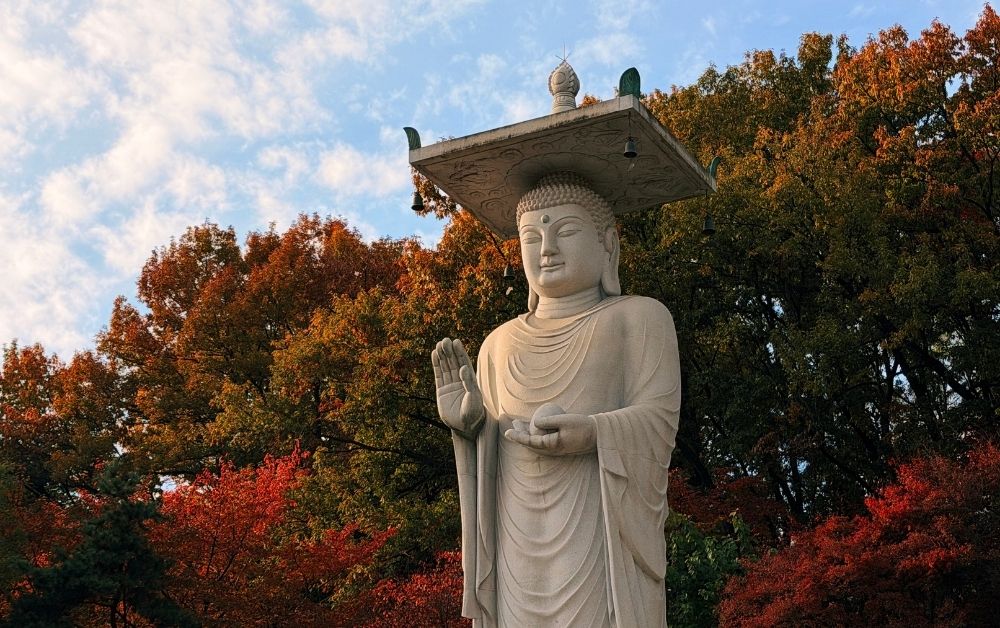
As we waddled on, we reached the center of the temple grounds, where everything is watched over by the giant Maitreya Buddha. This statue stands about 23 meters tall, making it one of the tallest standing Buddha figures in Korea, and you can feel its presence long before you step right up to it. In front of the statue is a wide open prayer area, where we saw many people kneeling, bowing, and praying in quiet rhythm. Mats are available for anyone who wants to join, but keep in mind one important detail. If you step into the praying area, take your shoes off out of respect. The whole space feels incredibly serene, and being so close to the statue adds to that sense of calm.
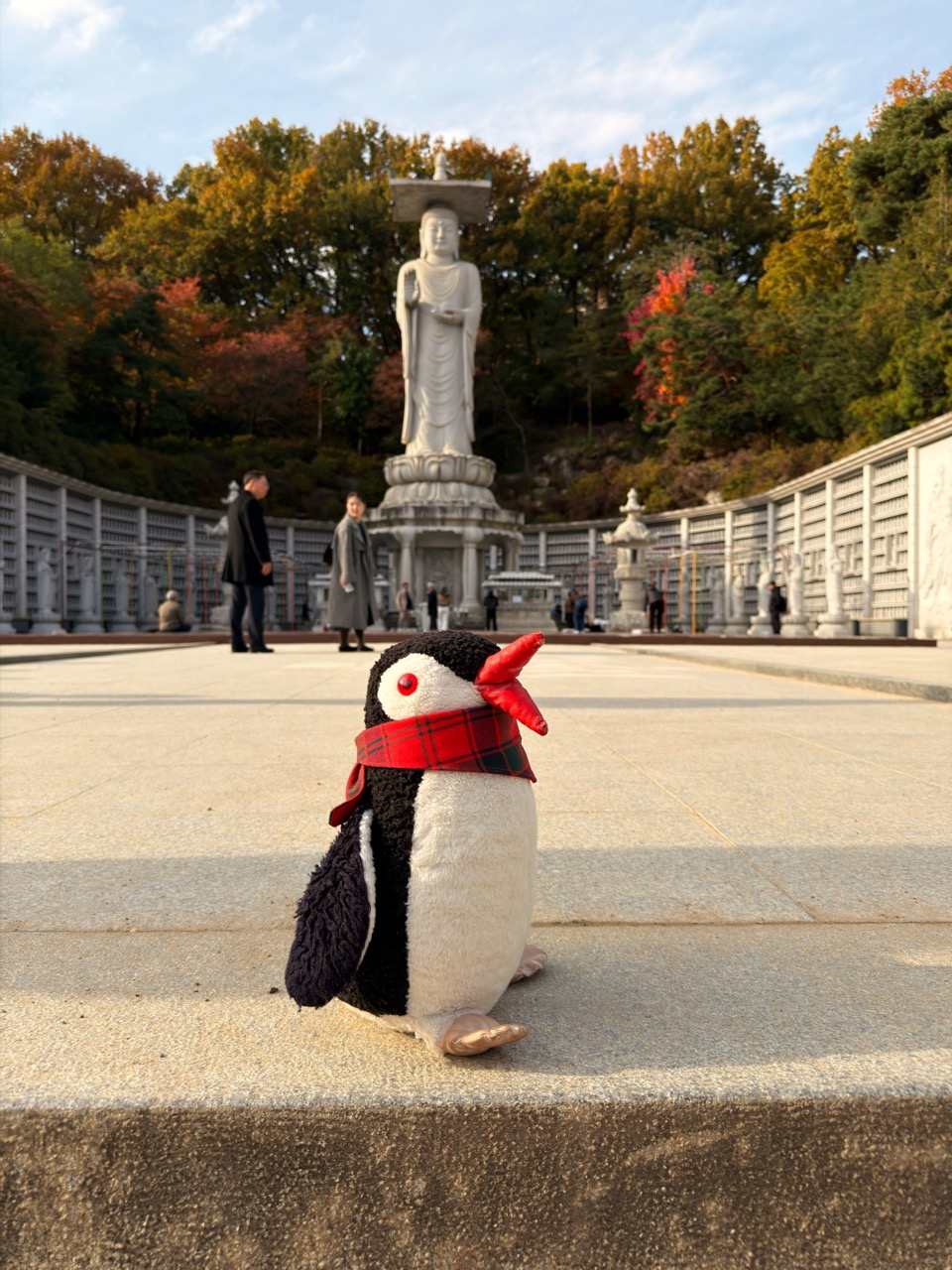
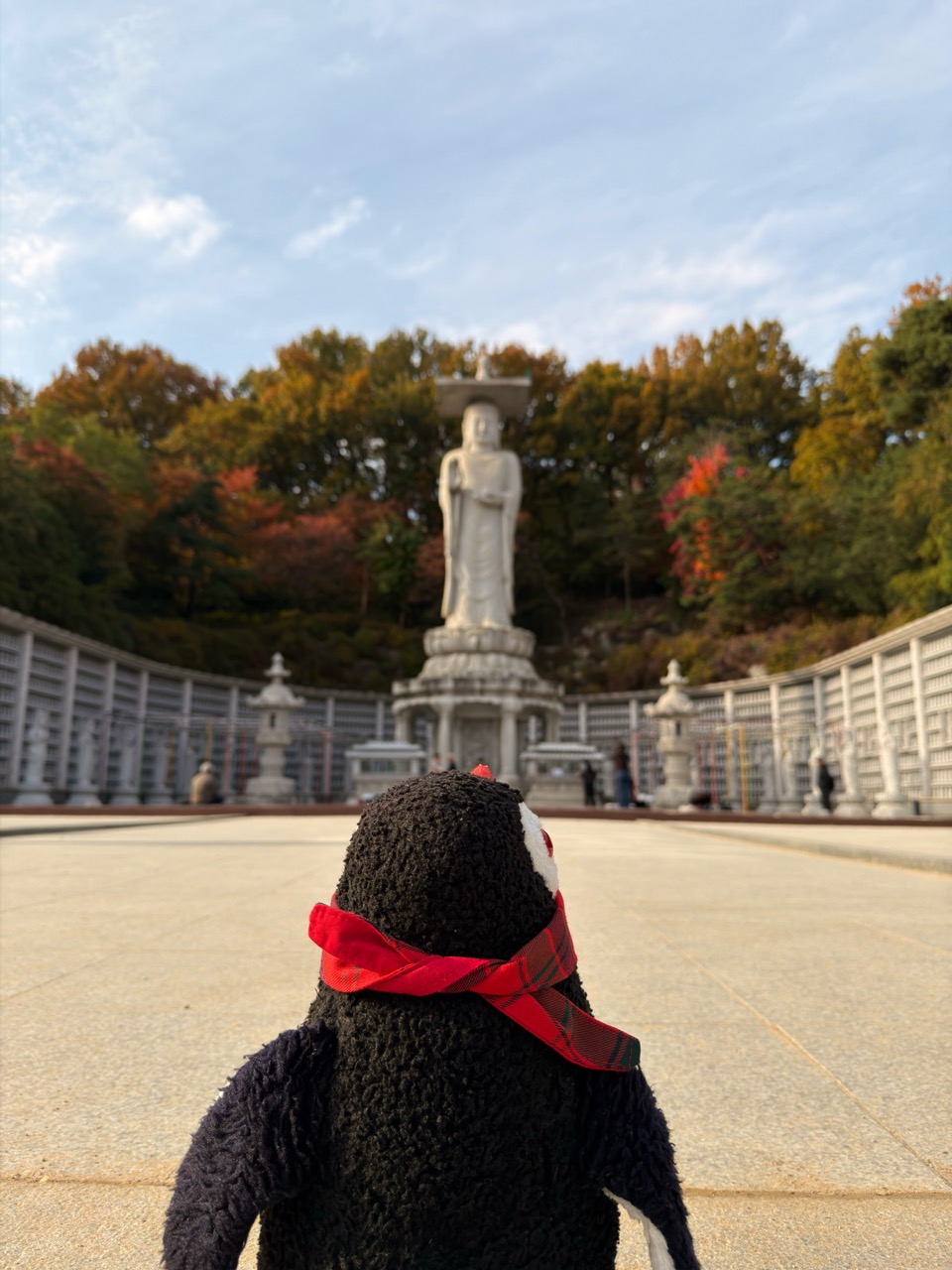
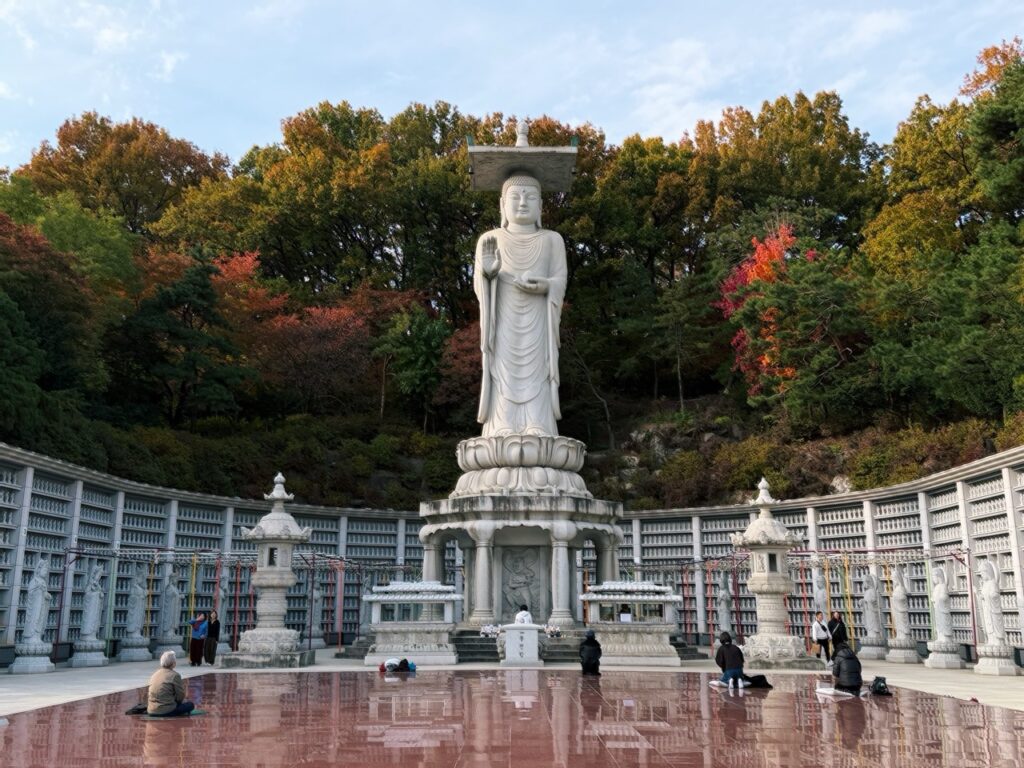
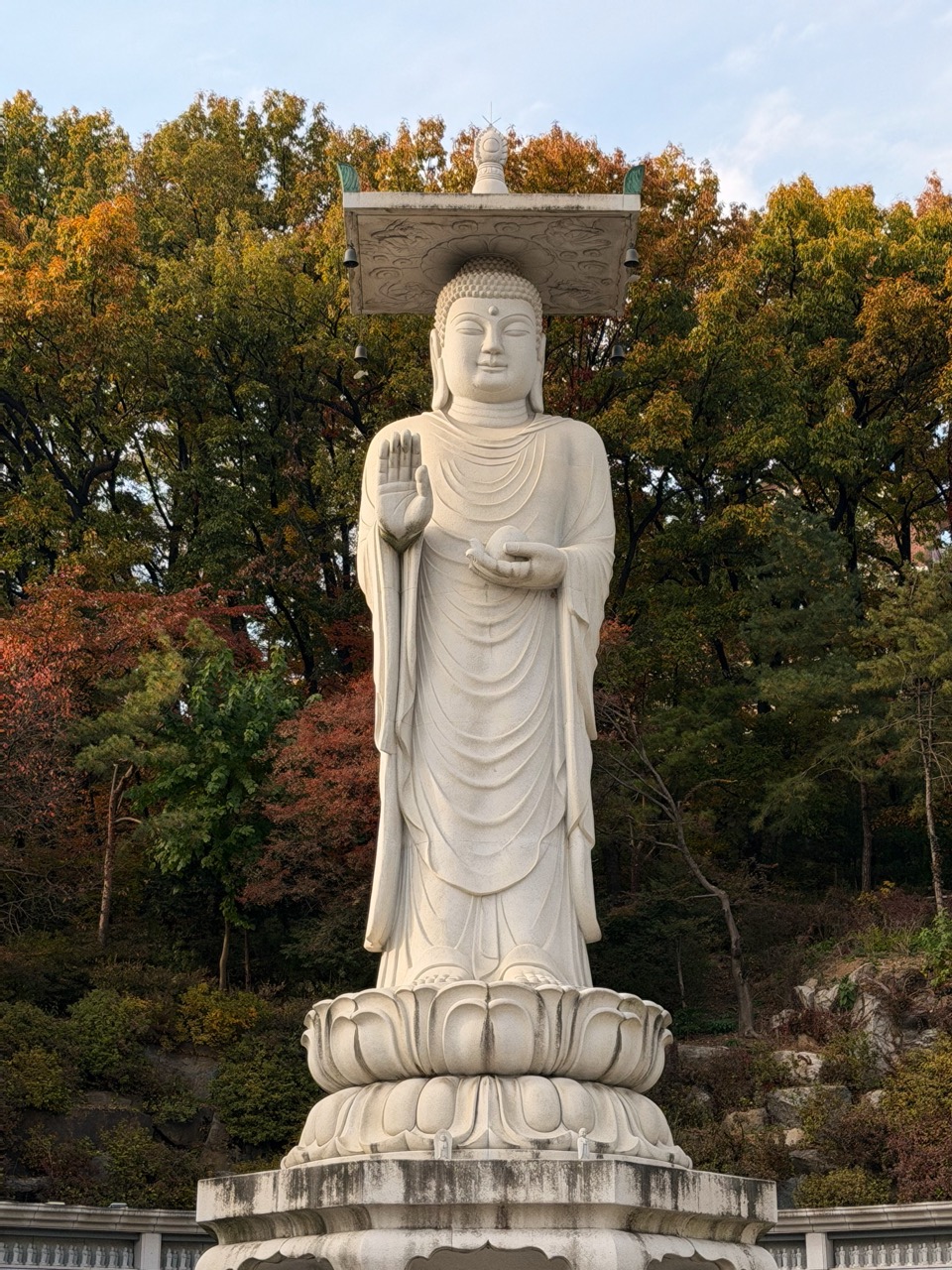
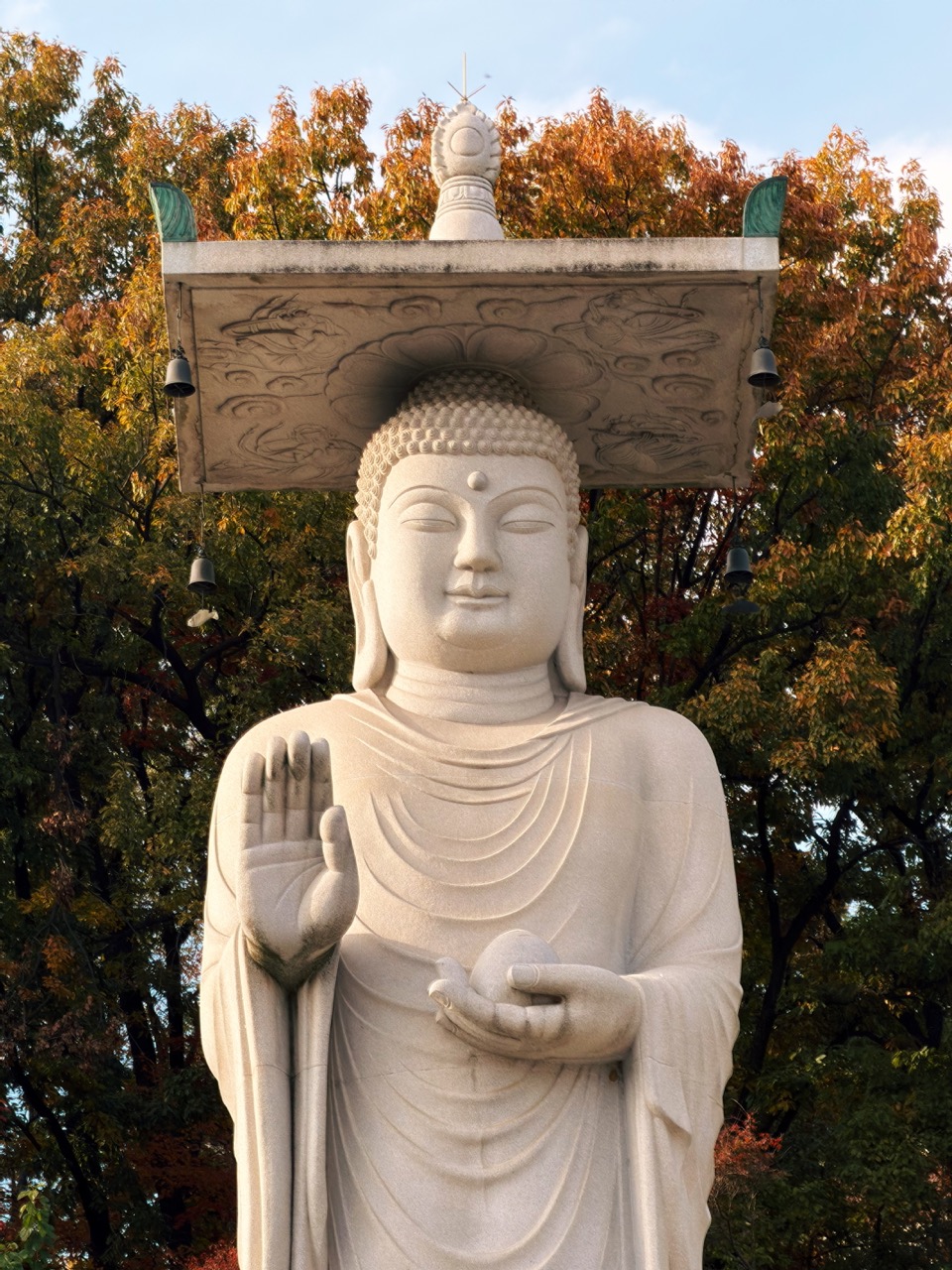
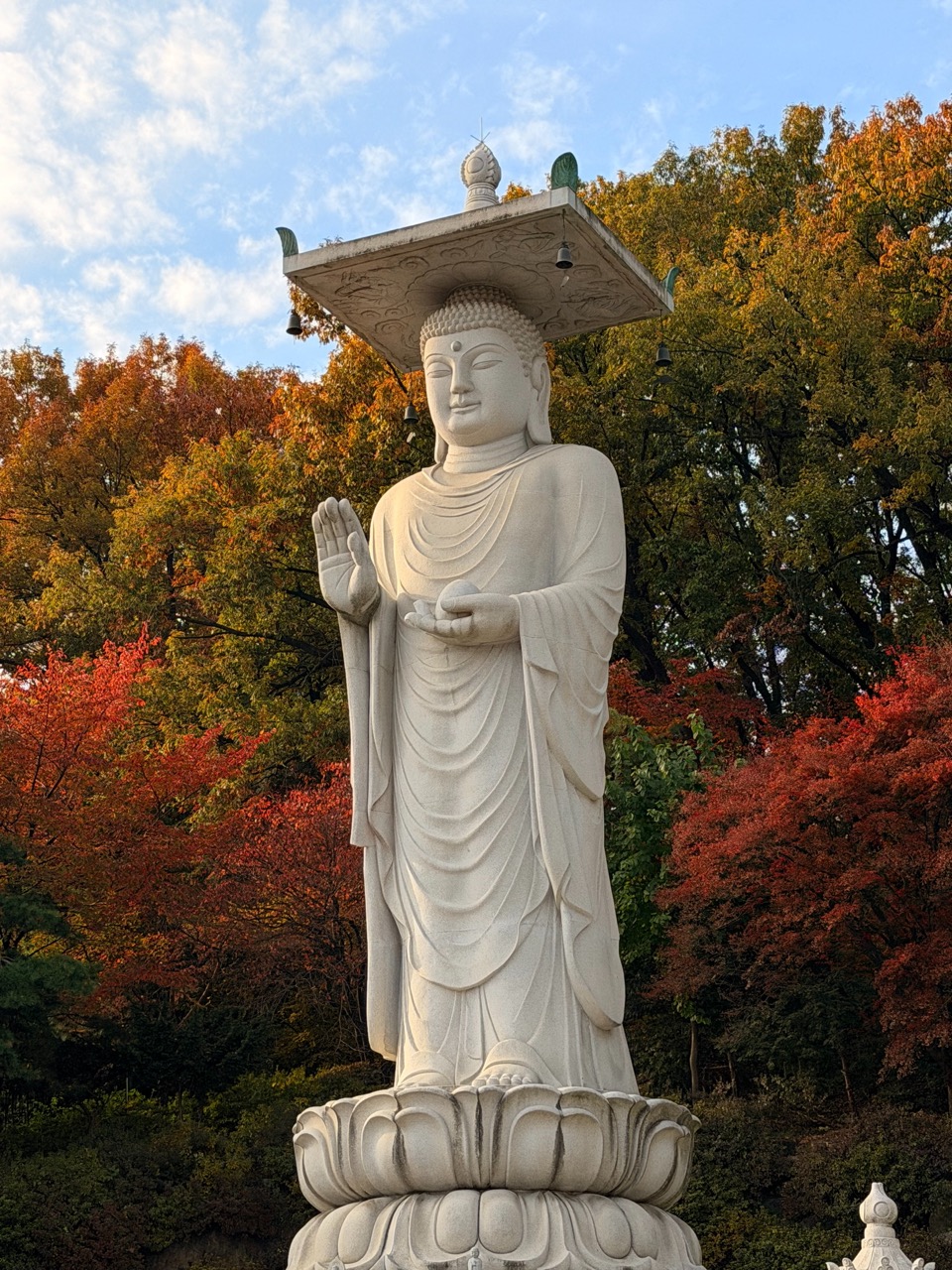
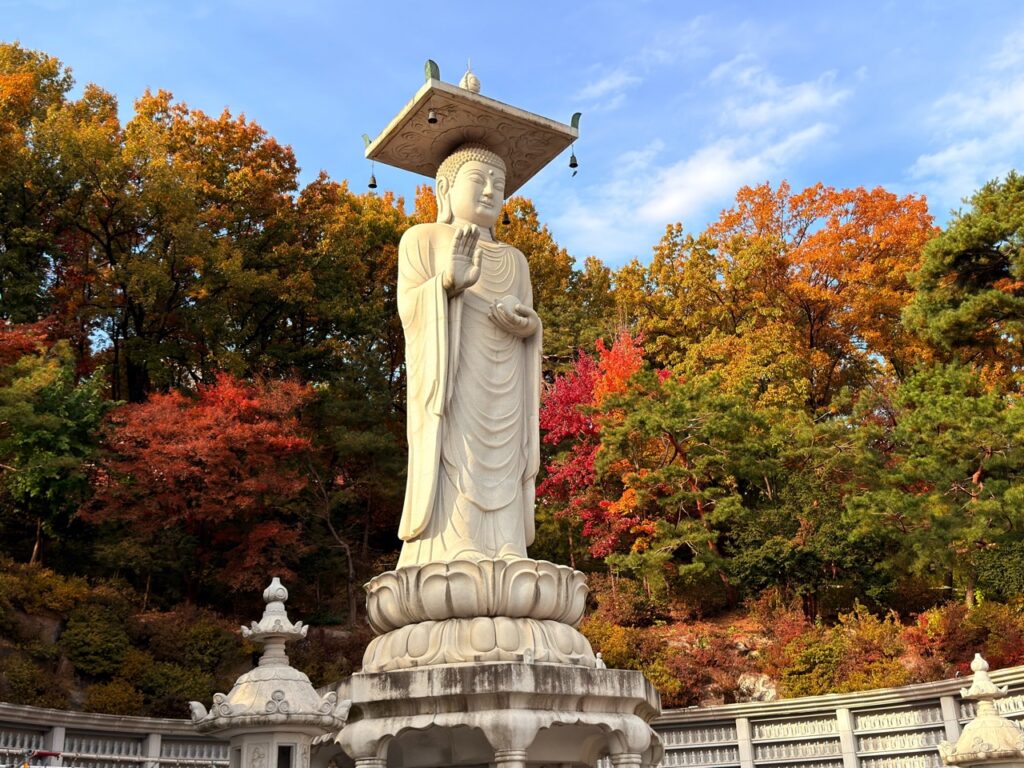
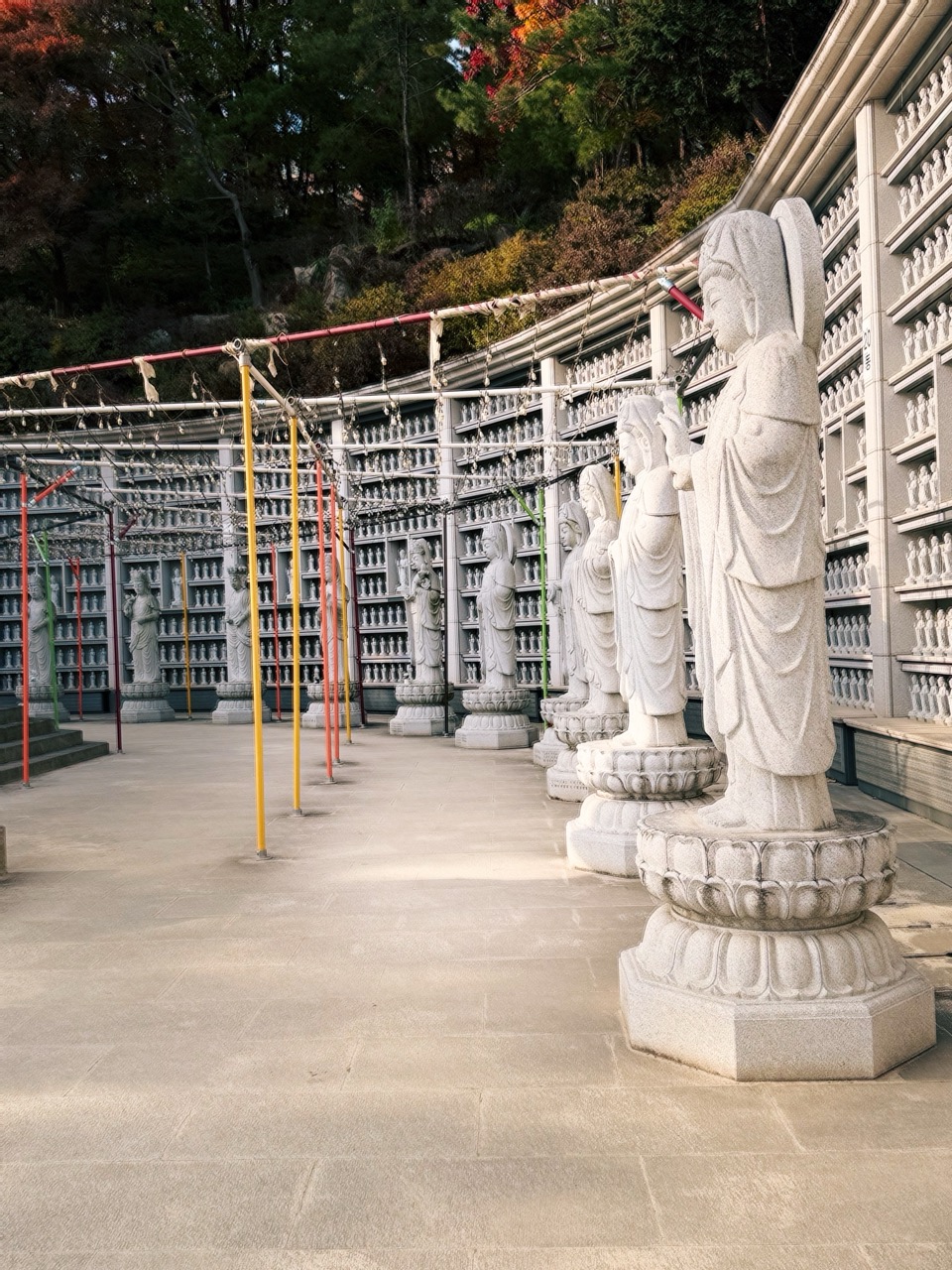
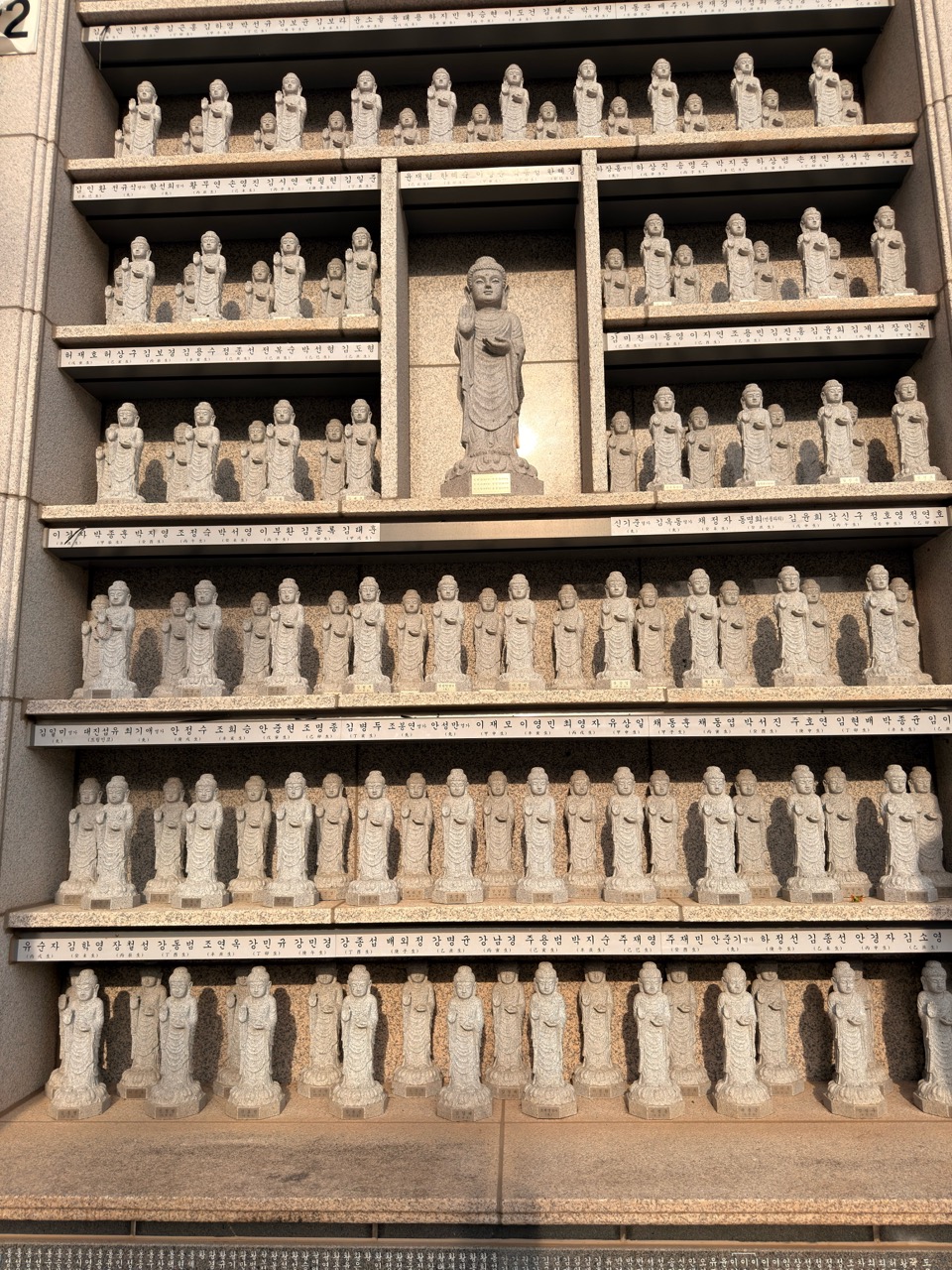
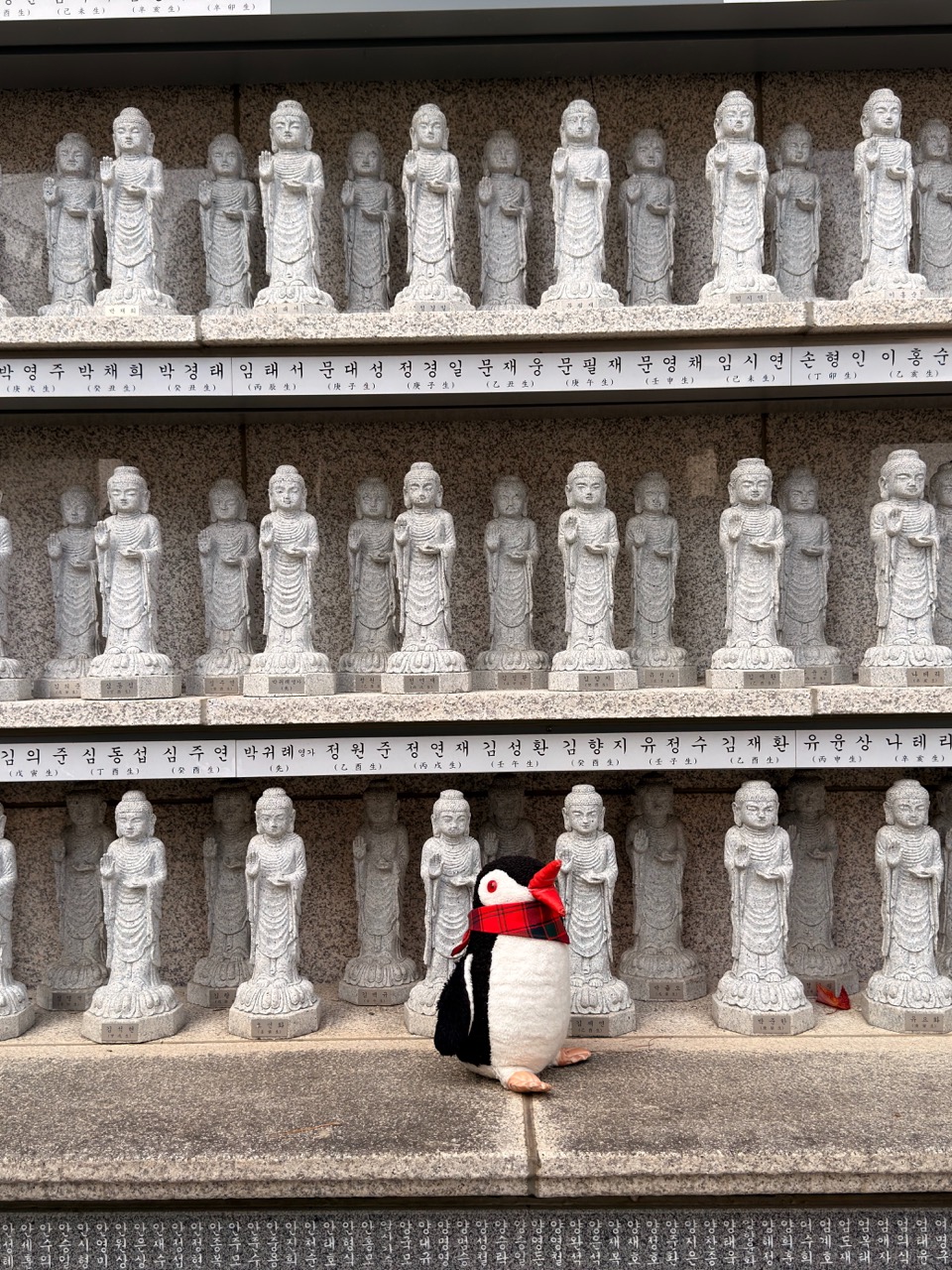
Behind the giant Buddha, you will find hundreds and even thousands of smaller Buddha statues, especially inside and around the Beopwangru Pavilion. These figures are not random decorations but hold deep meaning in Korean Buddhism. Most of them represent Avalokitesvara Bodhisattva (Gwanseum Bosal), the Bodhisattva of endless compassion who hears the cries of all beings in suffering. The sheer number of statues, often estimated at around 3,300, symbolizes the vast and limitless nature of compassion, reflecting the celestial Pure Land of Amitabha Buddha. Some smaller statues also depict the Medicine Buddha (Yaksayeorae-bul), representing healing and protection, or Amitabha Buddha (Amita-bul), symbolizing rebirth and the end of suffering. Together, these statues create a powerful visual message of comfort, hope, and spiritual guidance, making this area one of the most meaningful corners of Bongeunsa Temple.
How long to spend at Bongeunsa Temple
Most travelers spend one to two hours at Bongeunsa Temple, and that is usually the perfect amount of time to explore the main halls, waddle up to the giant Buddha, wander through the smaller statue areas, and enjoy a quiet moment in the courtyards. If you like taking photos or simply want a peaceful break from Gangnam’s fast pace, you can easily stay longer. The temple has a calm atmosphere that naturally slows you down, so it is worth giving yourself enough time to enjoy it without rushing.
Tip on What to Do at Bongeunsa Temple
Bongeunsa offers a lot more than a quick waddle through. Here are the main things you can do during your visit:
-
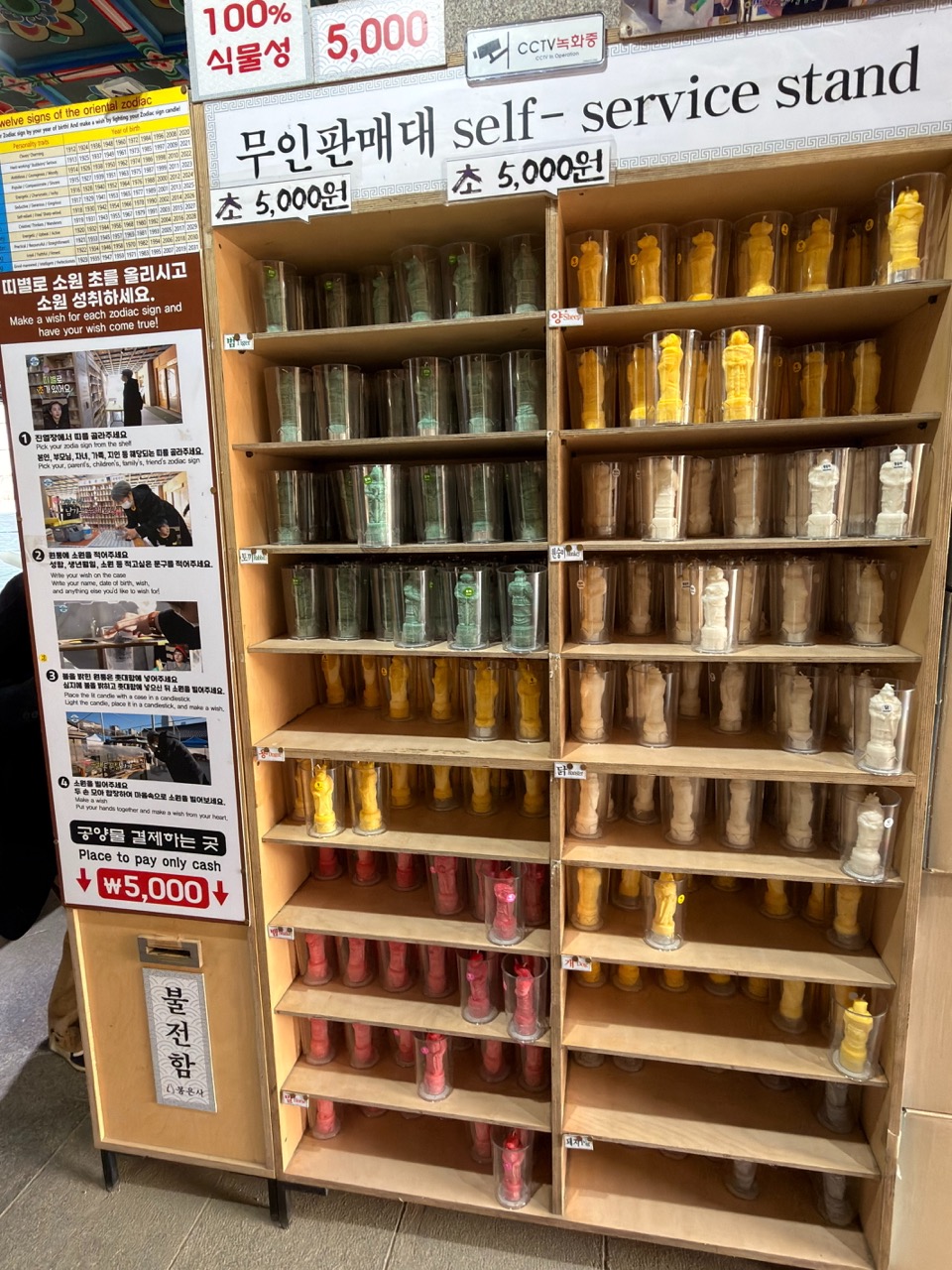
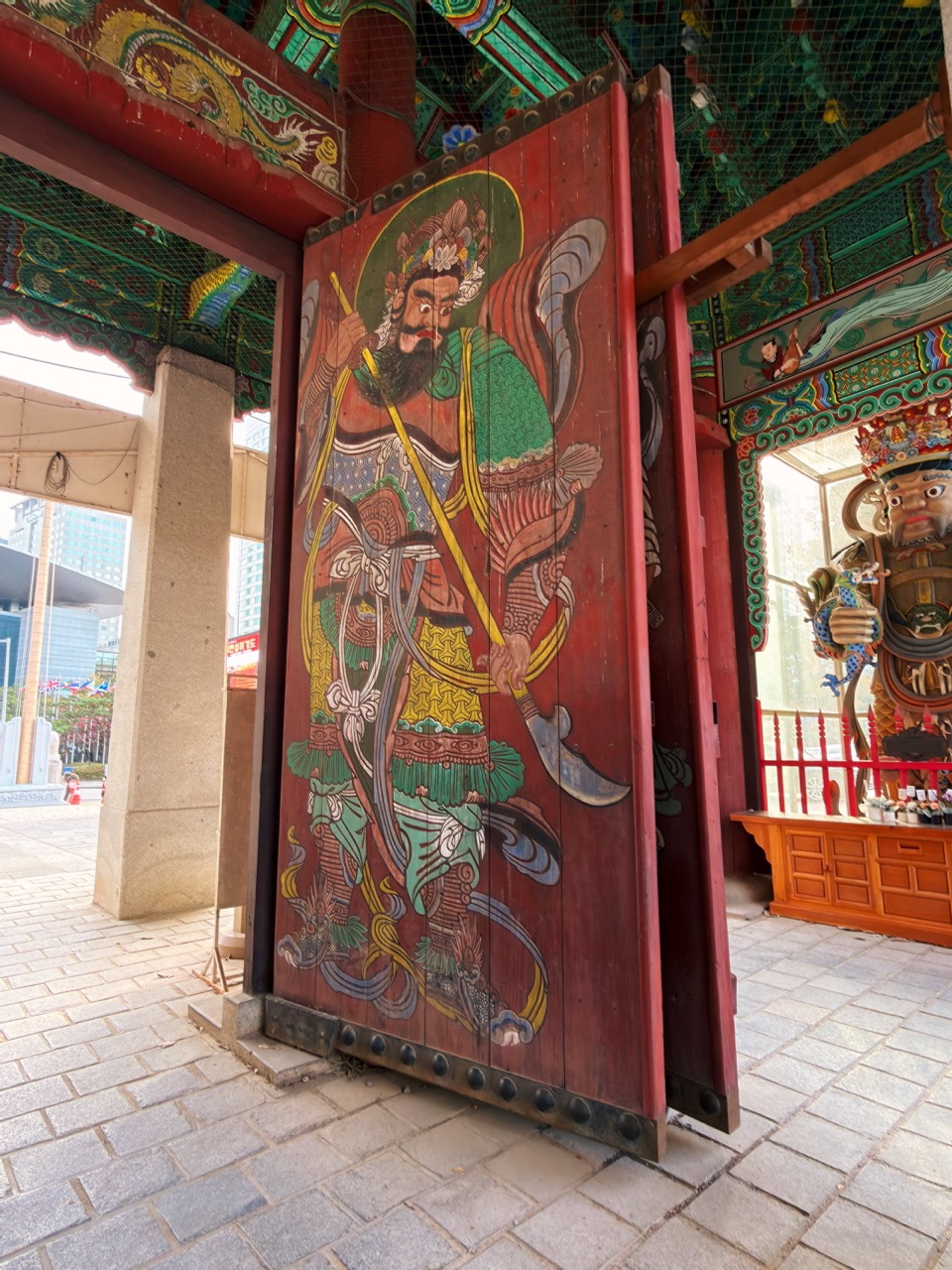
- Visit the main prayer halls. Step inside the quiet wooden halls filled with lanterns, golden Buddhas, and the soft hum of chanting. It is one of the best ways to feel the temple’s atmosphere.
- See the giant Maitreya Buddha. The fifteen-minute waddle up to the statue is worth it. The view of Gangnam’s towers behind the Buddha creates an unforgettable contrast.
- Waddle through the rows of small Buddha statues. Find the hundreds of Avalokitesvara figures behind the main statue area. This is one of the most meaningful and symbolic parts of the temple.
- Join a short meditation or simply sit in silence. You do not need to join a program. There are plenty of benches and corners where you can pause, breathe, and enjoy the calm.
- Explore the courtyards and lantern paths. The colorful lanterns hanging across the temple complex make beautiful photo spots, especially near the prayer halls.
- Learn about Korean Buddhism. Several signs explain the temple’s rituals, symbolism, and history. It is an easy way to understand what you are seeing.
- Try a temple stay program (optional). If you want a deeper experience, Bongeunsa offers temple stay activities like tea ceremonies, meditation, and Buddhist etiquette lessons.

Facilities and Amenities
-
- Restrooms are available near the main entrance and inside the complex
- Visitor information center with maps, guidance, and temple stay details
- Small gift shop selling incense, prayer beads, and Buddhist souvenirs
- Water stations and shaded seating areas around the courtyards
- Mats for prayer are provided near the large Buddha and main halls
- Accessible paths in most areas, though some sections include stairs
- Quiet zones designated for meditation and prayer
- Photo-friendly spaces with clear signs where photography is allowed
- Lantern displays that change during festivals and special events
- Temple stay registration area for visitors joining programs
Even though we did not stay for a full hour, we still took it slow and enjoyed the serene atmosphere that Bongeunsa Temple offers. It is one of those places where you naturally breathe deeper and move a little softer. And as mentioned, if you are already visiting the COEX Starfield Library or the SEA LIFE Aquarium, this is definitely a stop worth adding to your day, maybe even to take a quiet moment for prayer. So pack your bags, put on your waddle shoes, and explore Bongeunsa Temple. It is a peaceful break in the middle of Gangnam and a beautiful reminder that calm can exist right beside the busy city.
Pack your bags, put on your waddle shoes, and explore Bongeunsa Temple.

This post contains affiliate links. If you click and buy, I might earn a tiny commission, enough to help a penguin keep up its globe-trotting lifestyle. No extra cost to you, just more fish for me. Thank you for supporting the adventure!