
What to Know Before Traveling to Seoul: Culture, Etiquette & Local Tips
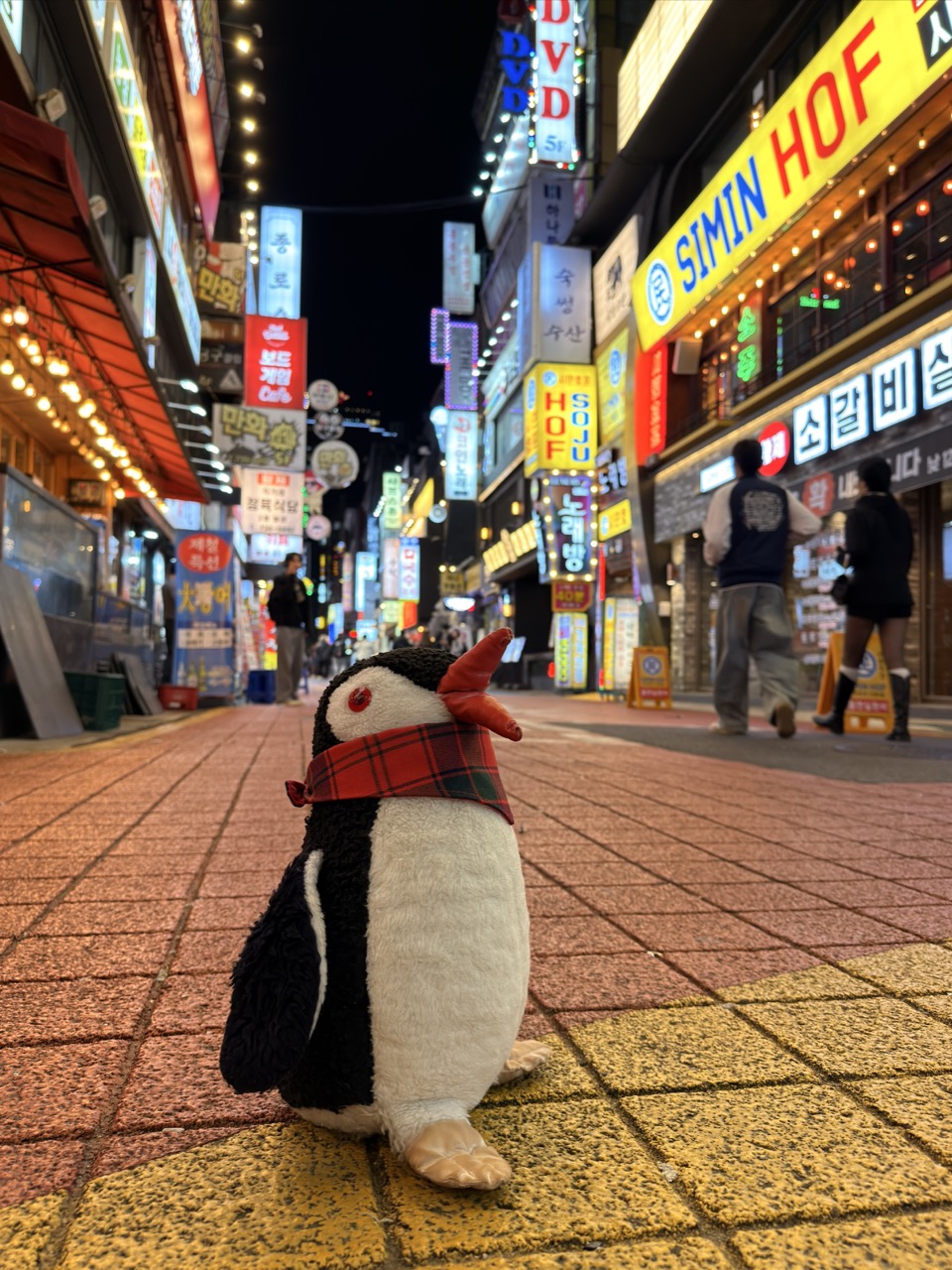
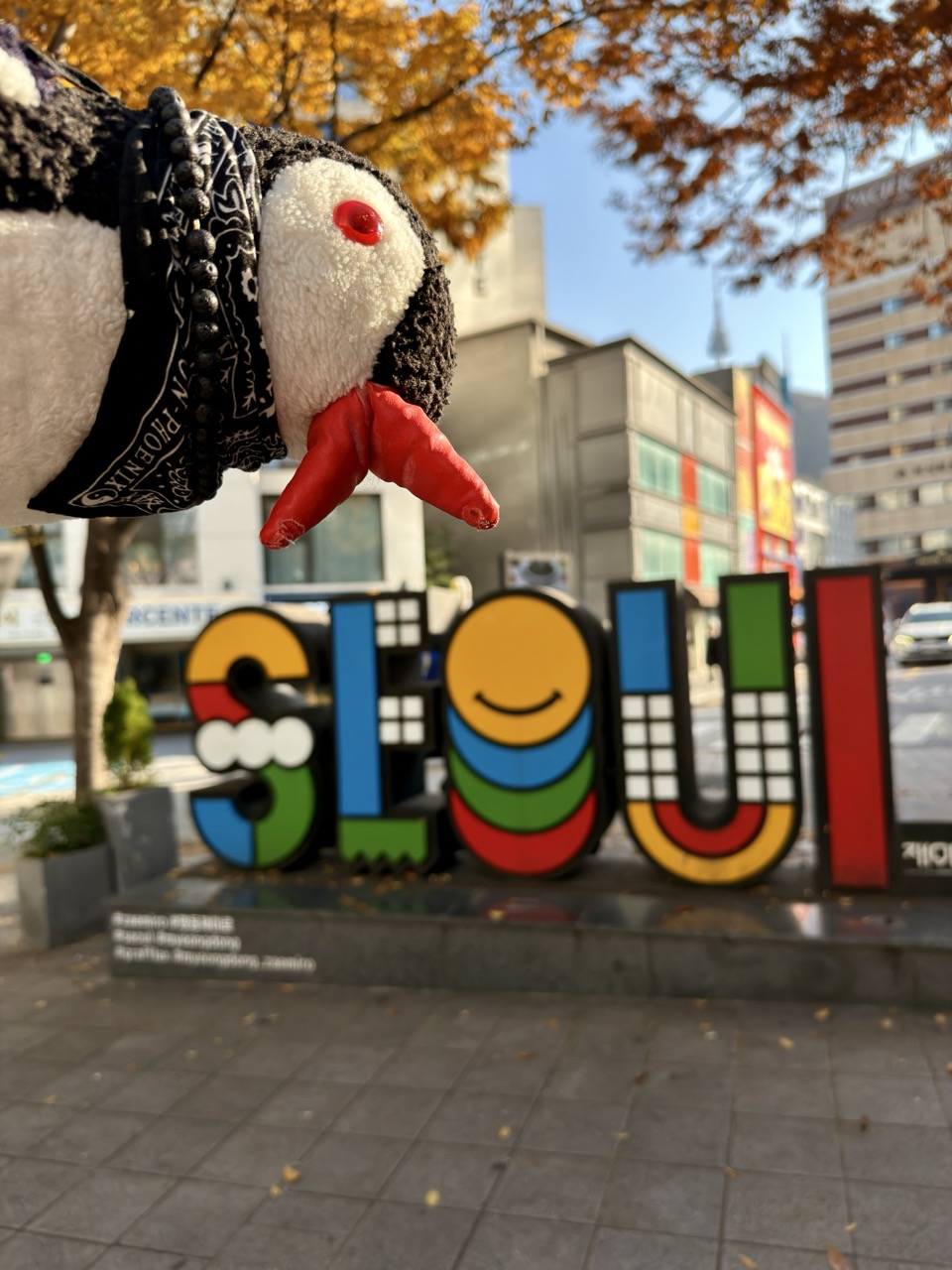
Our first stop in South Korea was Seoul, the heart of it all. From the moment we arrived, the city felt like a mix of ultra-modern energy and deep-rooted tradition, with something surprising waiting around every corner. But as we waddled through markets, palaces, and neon-lit streets, we also picked up a few things that every traveler should know before visiting. Some of them made us laugh, others saved us time (and a few awkward moments), and all of them made our stay in Seoul even more memorable. Here are the things we found most interesting and most useful to know before your own trip to this incredible city.
Tours and tickets from KlookShows Klook’s own box, which can set Klook cookies.Tours and tickets in Seoul on KlookKlook’s box can’t load on this device (an ad blocker often stops it). This opens Klook’s own page.Open Klook
Basic Facts About Seoul
- Founded: Officially established in 1394 as the capital during the Joseon Dynasty, though settlements here date back thousands of years.
- Population: Around 9.5 million in the city and over 25 million in the metropolitan area, one of the largest in the world.
- Area: Approximately 605 km² (234 sq mi)
- Time Zone: Korea Standard Time (GMT +9)
- Climate: Temperate with hot, humid summers and cold, dry winters; best visited in spring (April–May) or autumn (September–October)
- Airport: Incheon International Airport (ICN), about 48 km from central Seoul.
- Nicknames: The Soul of Asia, Miracle on the Han River, and The City That Never Sleeps
- Meaning of the Name: The word “Seoul” (서울) means “capital” in Korean. It comes from an ancient Korean word derived from Seorabeol, the old name for Gyeongju, the capital of the Silla Kingdom.
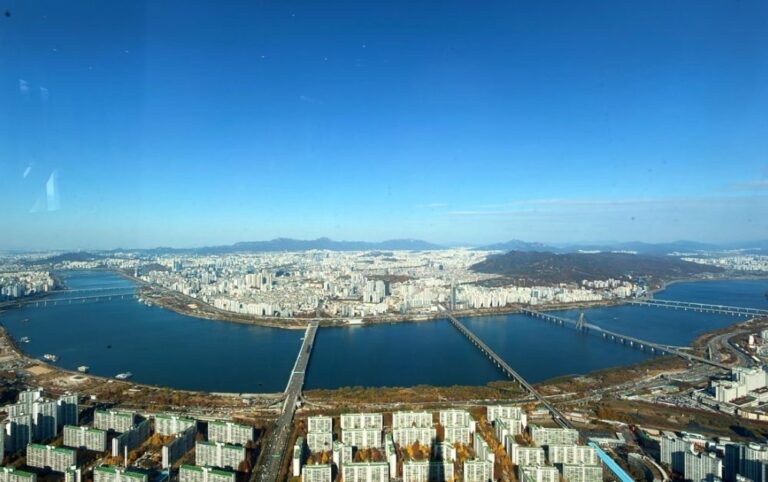
Seoul has been the capital of Korea for over 600 years, and its layout still reflects that long history. The Han River runs right through the middle of the city, dividing it into two distinct areas: Gangbuk and Gangnam. Gangbuk, meaning “north of the river,” is home to the city’s historical heart, including ancient palaces, old city walls, and traditional neighborhoods that date back to the Joseon Dynasty. Gangnam, or “south of the river,” is a relatively recent development, rapidly emerging during South Korea’s post-war economic boom. Today, the two sides of the river perfectly capture Seoul’s unique blend of deep tradition and cutting-edge modern life.
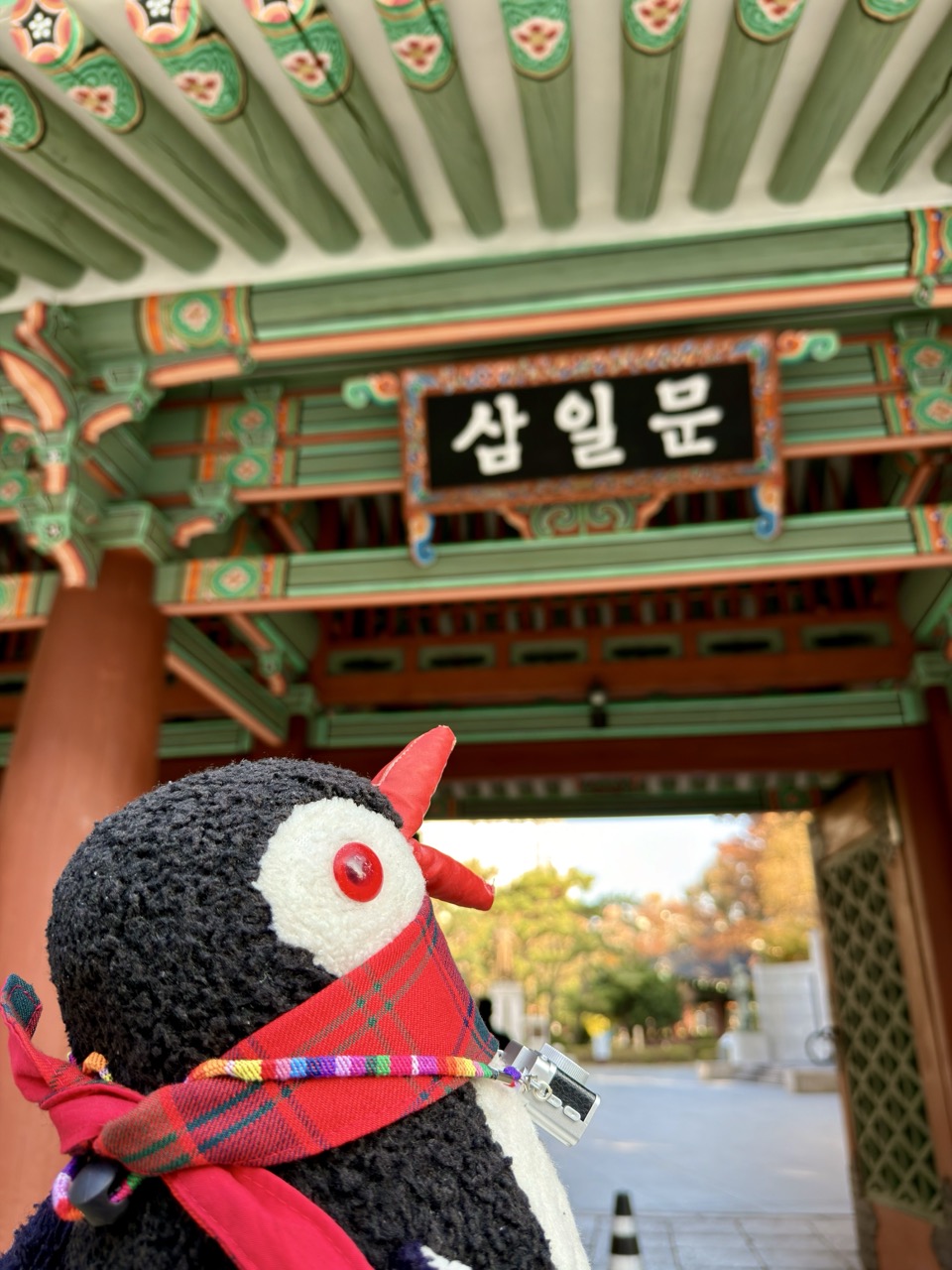
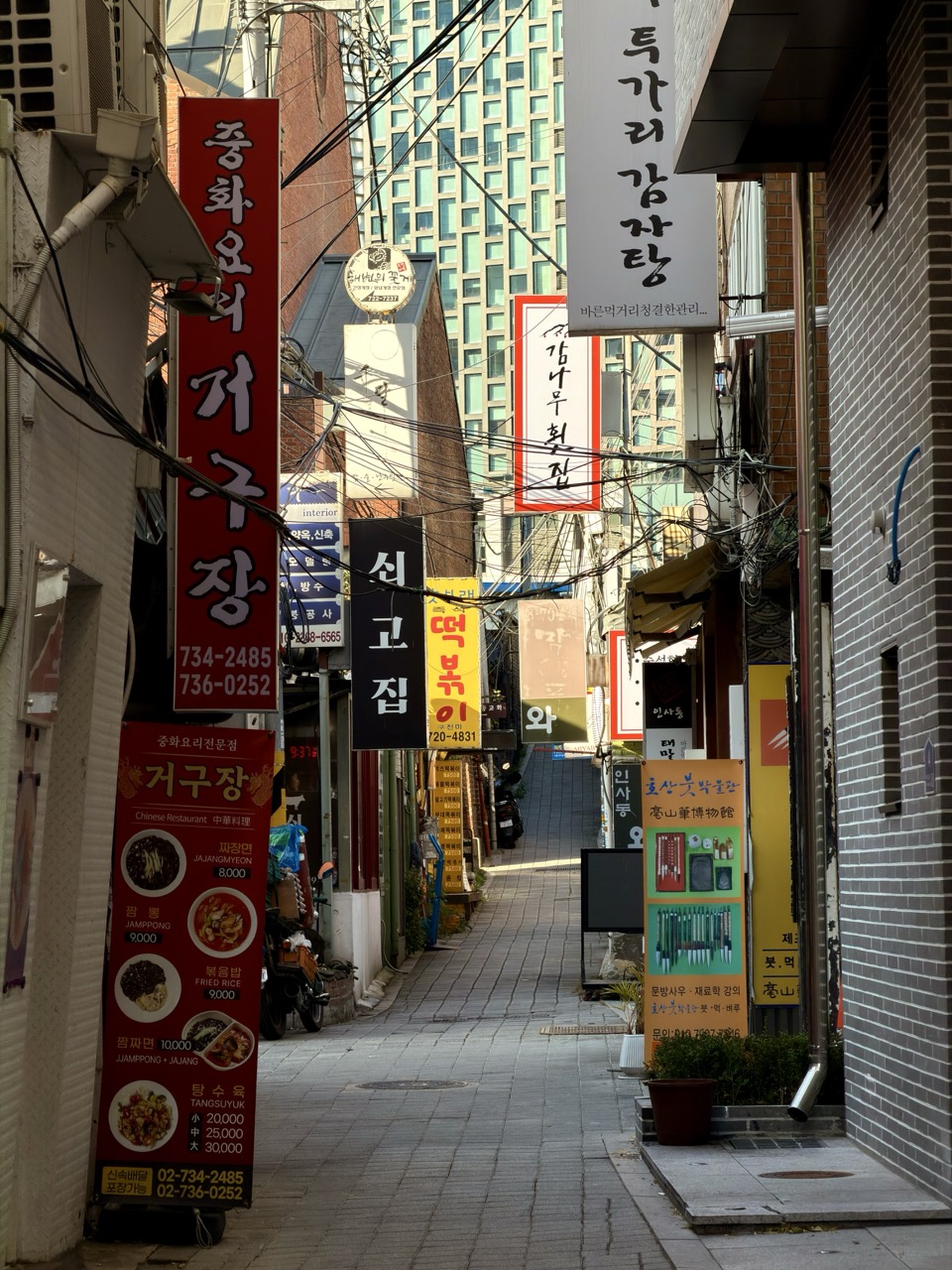
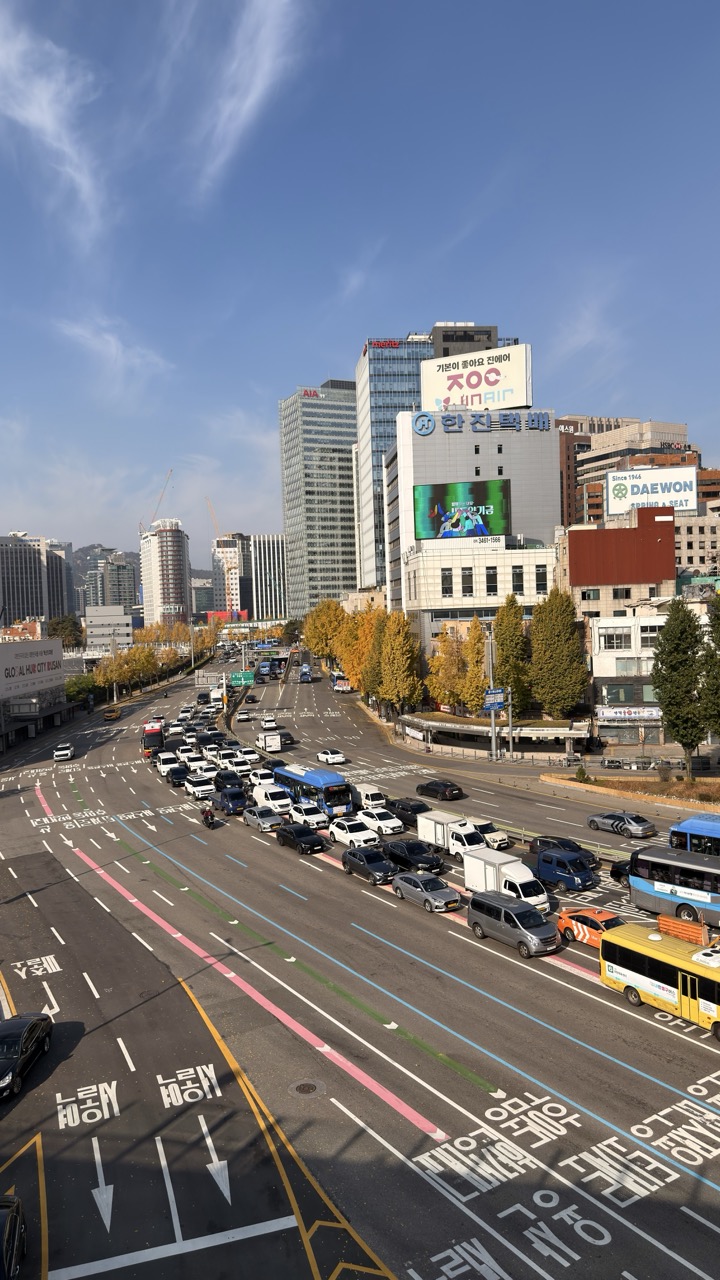
The city has been the heart of Korean history and culture for over six centuries. Chosen as the capital during the Joseon Dynasty in 1394, it became the center of royal life, Confucian scholarship, and political power. Many of the city’s most iconic landmarks, like Gyeongbokgung Palace, Changdeokgung Palace, and the Seoul Fortress Wall, date back to this era and still stand as proud reminders of Korea’s rich heritage. Even after wars and rapid modernization, Seoul has managed to preserve its deep historical roots while evolving into a global metropolis. Walking through the city today feels like traveling between centuries, ancient traditions, and cutting-edge innovation side by side.
11 Things To Know About Preparing You For Seoul
#1: The “Pali-Pali” (Hurry, Hurry) Culture
Life in South Korea moves fast, really fast. The “pali-pali” mindset, meaning “hurry, hurry,” shapes everything from daily routines to public services. You’ll notice it in how quickly food arrives, how efficiently transport runs, and how fast people walk through stations. Efficiency is a source of pride, and it keeps the country running smoothly. For travelers, it’s impressive but can feel overwhelming at first. Just keep up the pace and enjoy how much you can fit into a single day in Korea.

#2: Personal Space in Crowded Places
In South Korea’s busy streets, subways, and markets, personal space takes a back seat. With so many people moving at once, brushing past strangers or standing shoulder-to-shoulder is normal, not rude. Locals simply navigate it with ease and without apology. Once you get used to it, you’ll see it’s part of the city’s energy. Seoul especially feels like it’s always in motion, everyone flowing together toward the next stop.
#3: People Passing Out in Public is A Common Seoul Sight
Seoul’s nightlife runs late, and so do its people. After a night of soju, karaoke, and bar-hopping, it’s not unusual to see someone sleeping on a bench, near a subway station, or even on the sidewalk. While it might seem shocking to visitors, locals view it as part of city life; people rest where they are until morning. It’s rarely dangerous or alarming, just a reflection of Seoul’s lively social scene and long working hours. If you’re out late, don’t be surprised to spot a few dreamers under the neon lights. The city never fully sleeps, but its people sometimes do.
Tours and tickets from KlookShows Klook’s own box, which can set Klook cookies.Tours and tickets in Seoul on KlookKlook’s box can’t load on this device (an ad blocker often stops it). This opens Klook’s own page.Open Klook
#4: How to Say “No” the Korean Way
In Korea, being too direct when refusing something can come across as rude or uncomfortable. Instead of saying a blunt “no,” people often respond with a gentle smile, a pause, or a soft phrase like “maybe later” or “I’ll think about it.” It’s all about maintaining harmony and avoiding embarrassment for either person. So if you’re offered food, a favor, or even a sales pitch you’re not interested in, try a polite, indirect response; it shows respect and keeps the interaction friendly.
#5: Beauty & Skincare Culture
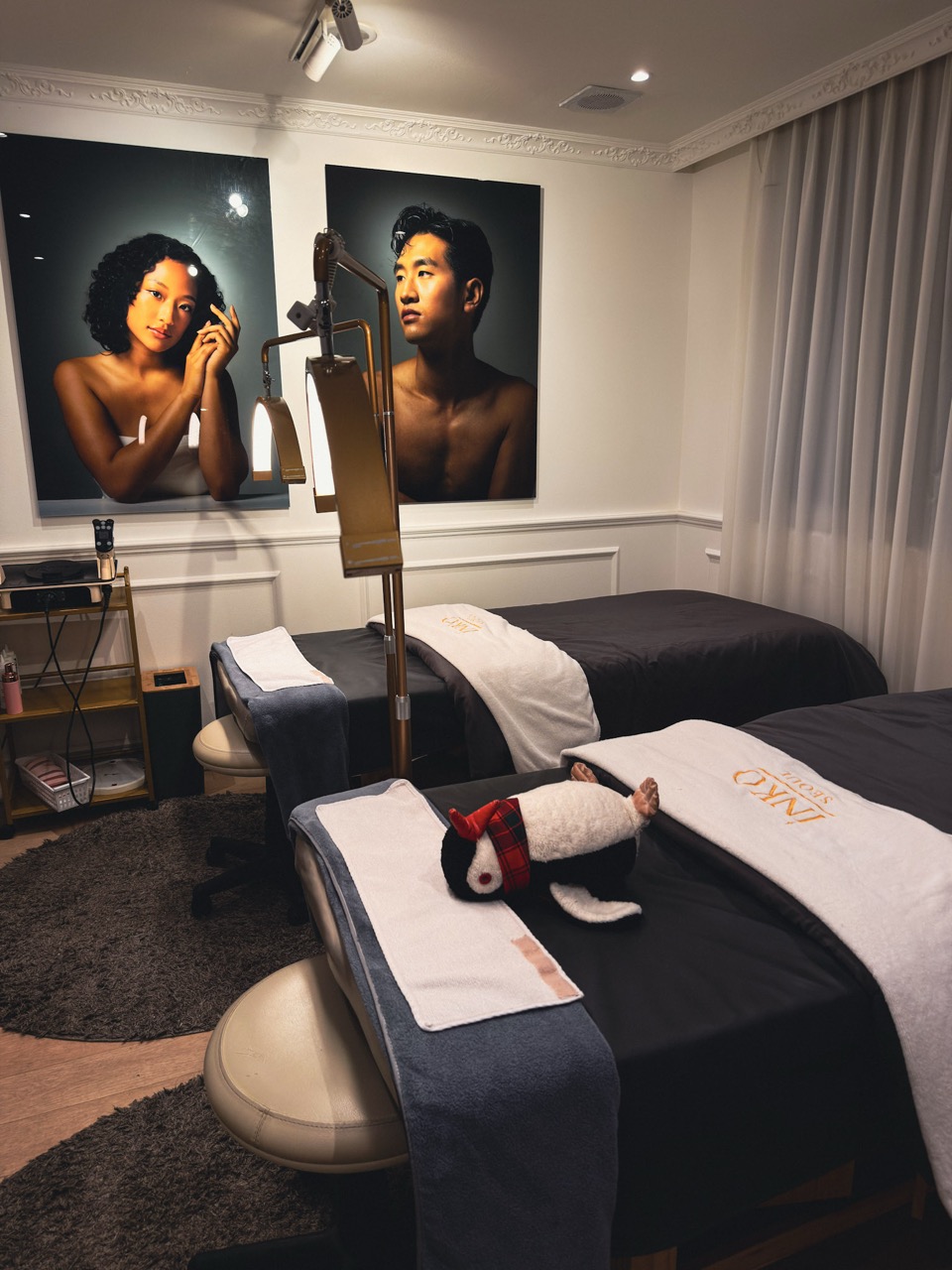
Seoul is a beauty lover’s paradise, where skincare is not just a routine, it’s a lifestyle. The city is filled with cosmetics stores, spas, and dermatology clinics, offering a range of treatments from high-tech facials to traditional herbal remedies. You’ll find brands like Olive Young, Innisfree, and Laneige on nearly every corner, often with testers for you to try before buying. Even department stores have entire floors dedicated to skincare and makeup. Don’t forget, many of these shops are tax-free, so bring your passport to claim a tax refund on beauty purchases before you fly out. It’s the perfect excuse to treat yourself while exploring Seoul’s glowing beauty scene.

#6: Café Culture
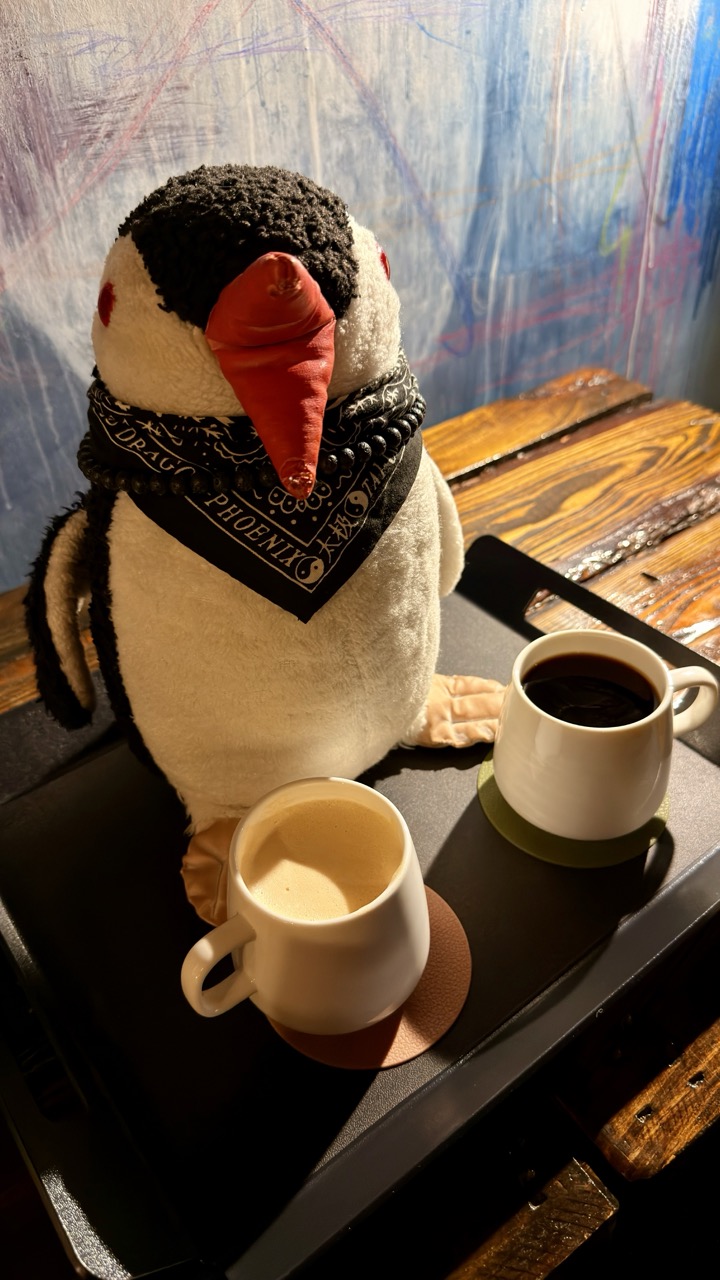
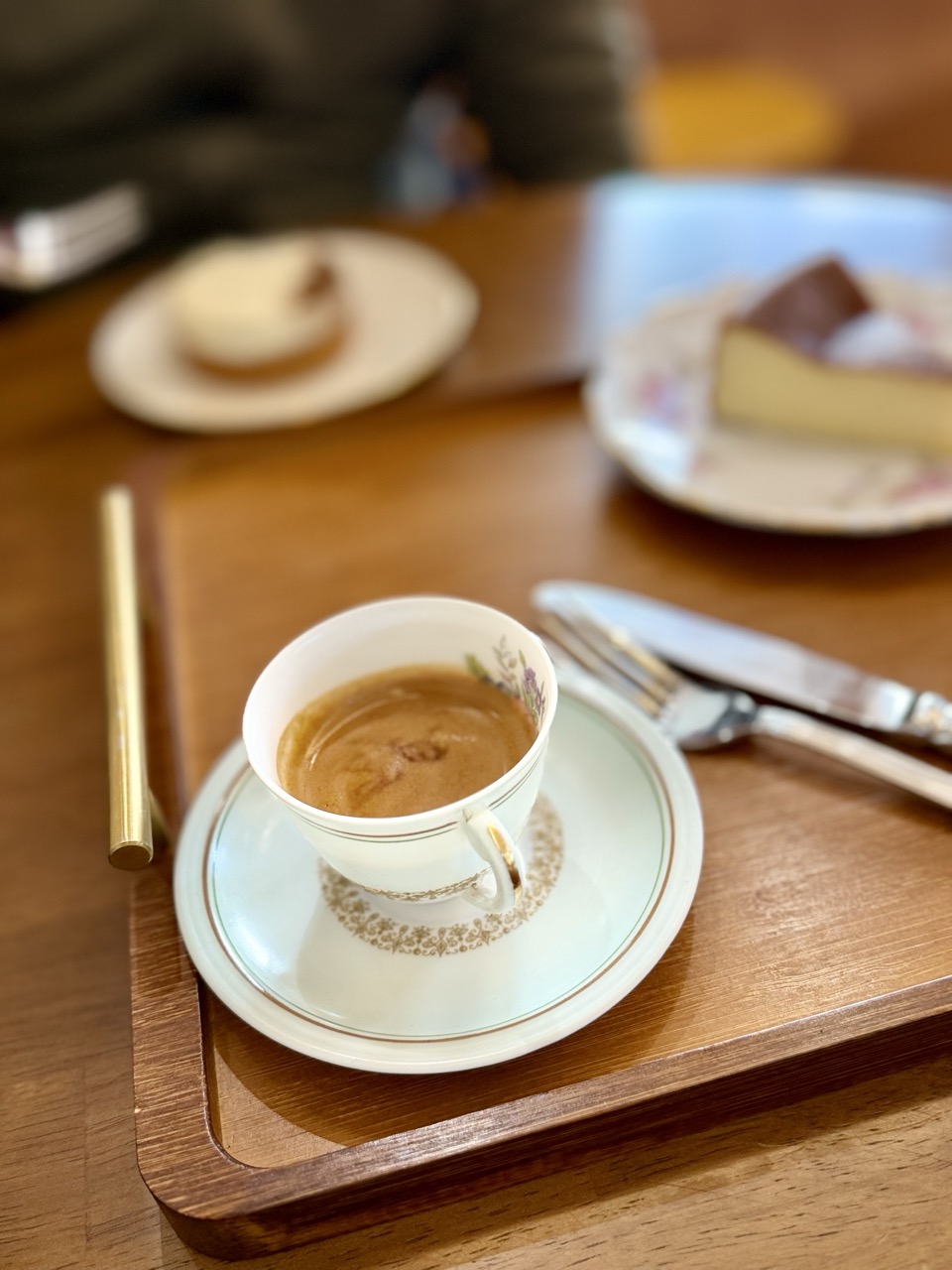
Seoul’s café scene is on another level: creative, cozy, and endlessly photogenic. From pet cafés with cats or corgis to themed spots inspired by K-dramas, art, or travel, there’s always a new one to discover around every corner. Locals love spending hours in cafés, working, chatting, or studying, often with beautifully crafted lattes and desserts that look almost too pretty to eat. Whether you’re chasing the perfect view, Wi-Fi, or simply a quiet break from sightseeing, Seoul’s cafés are as much a part of local life as its temples and street food stalls.

#7: Most Museums in Seoul Are Closed on Mondays
If you’re planning your Seoul itinerary, keep in mind that most museums and cultural sites close on Mondays. It’s a typical rest day across the city, allowing staff to clean, reset, and prepare for the week ahead. This includes major attractions such as the National Museum of Korea, Seoul Museum of Art, and several palace museums. To avoid disappointment, double-check opening hours before visiting and plan your Monday around parks, markets, or café hopping instead. Seoul never truly runs out of things to do.
Tours and tickets from KlookShows Klook’s own box, which can set Klook cookies.Tours and tickets in Seoul on KlookKlook’s box can’t load on this device (an ad blocker often stops it). This opens Klook’s own page.Open Klook
#8: Taxis Are Surprisingly Affordable in Seoul
Getting around Seoul by taxi is easier and cheaper than you might expect. While the subway is great for daily travel, taxis can be a lifesaver when you’re carrying heavy luggage or returning late at night. Short rides across the city usually cost around ₩5,000–₩10,000 (€3.50–€7 / $3.80–$7.50), while a longer 30-minute trip might be ₩20,000 (€14 / $15). Most drivers use meters, and you can pay with cash, a card, or even your T-Money card. For airport trips, consider booking a Kakao T taxi through the app for convenience and transparent pricing; it’s far better than wrestling suitcases through subway stations.
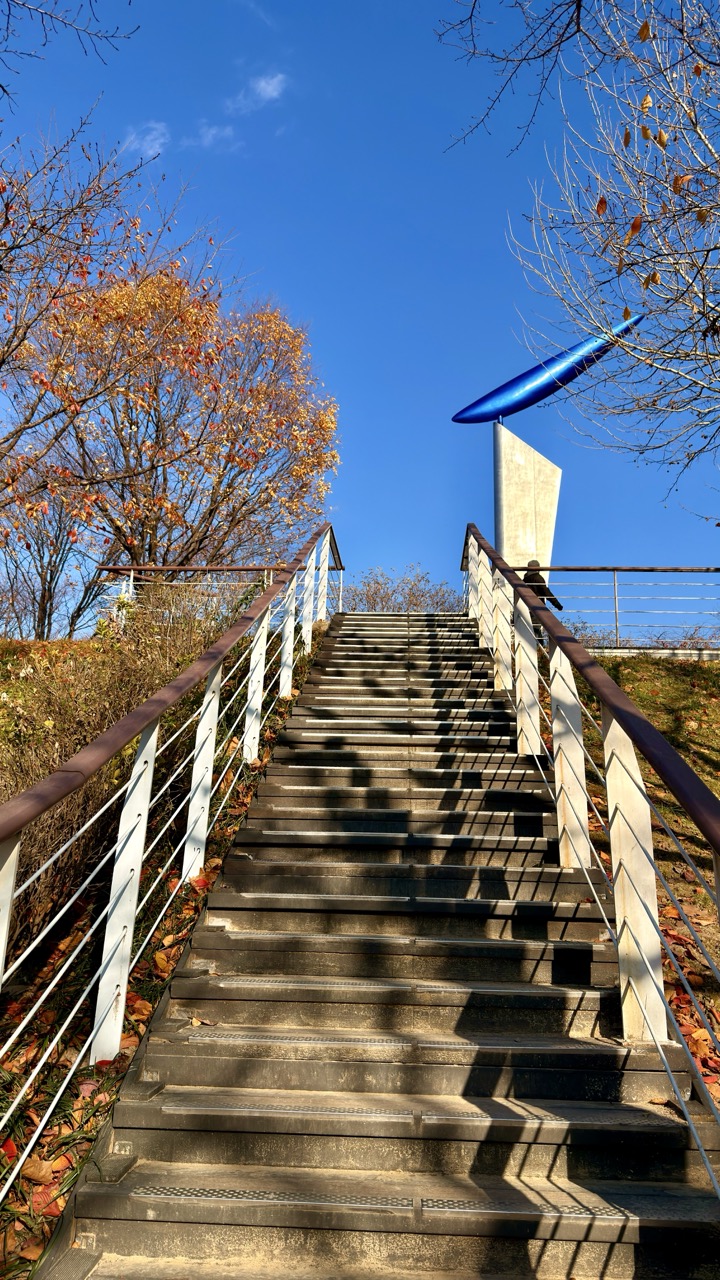
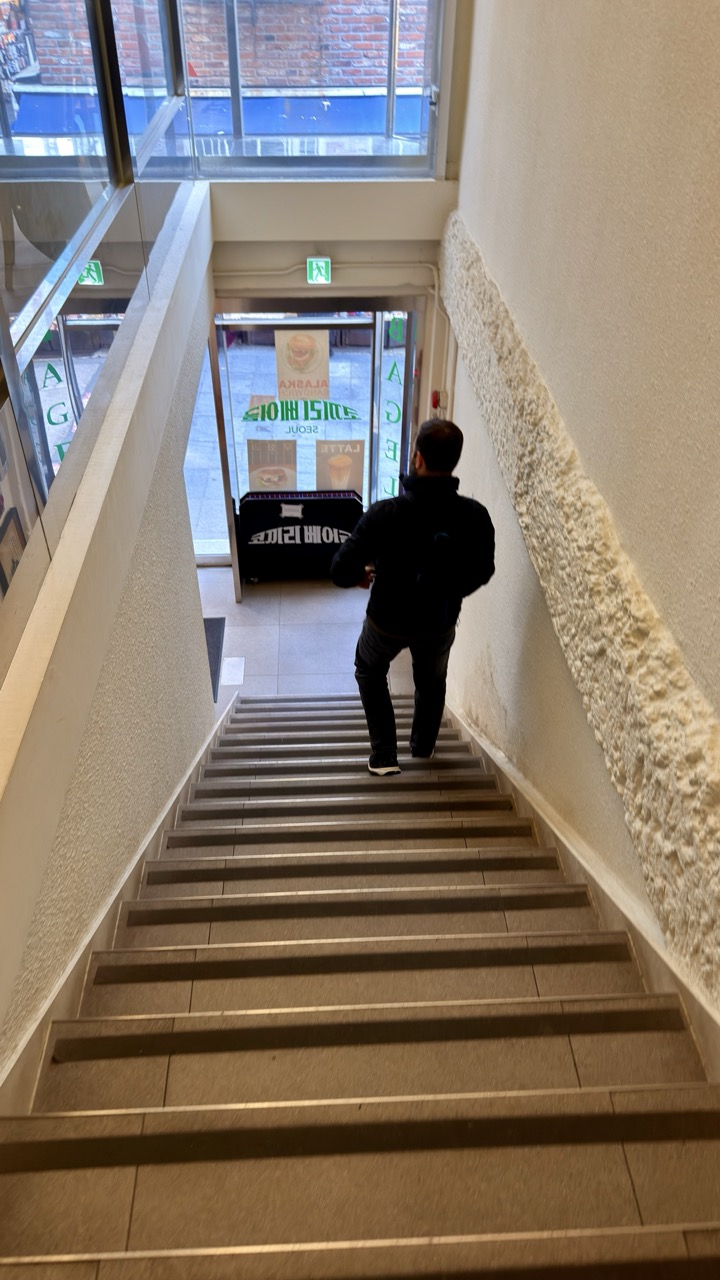
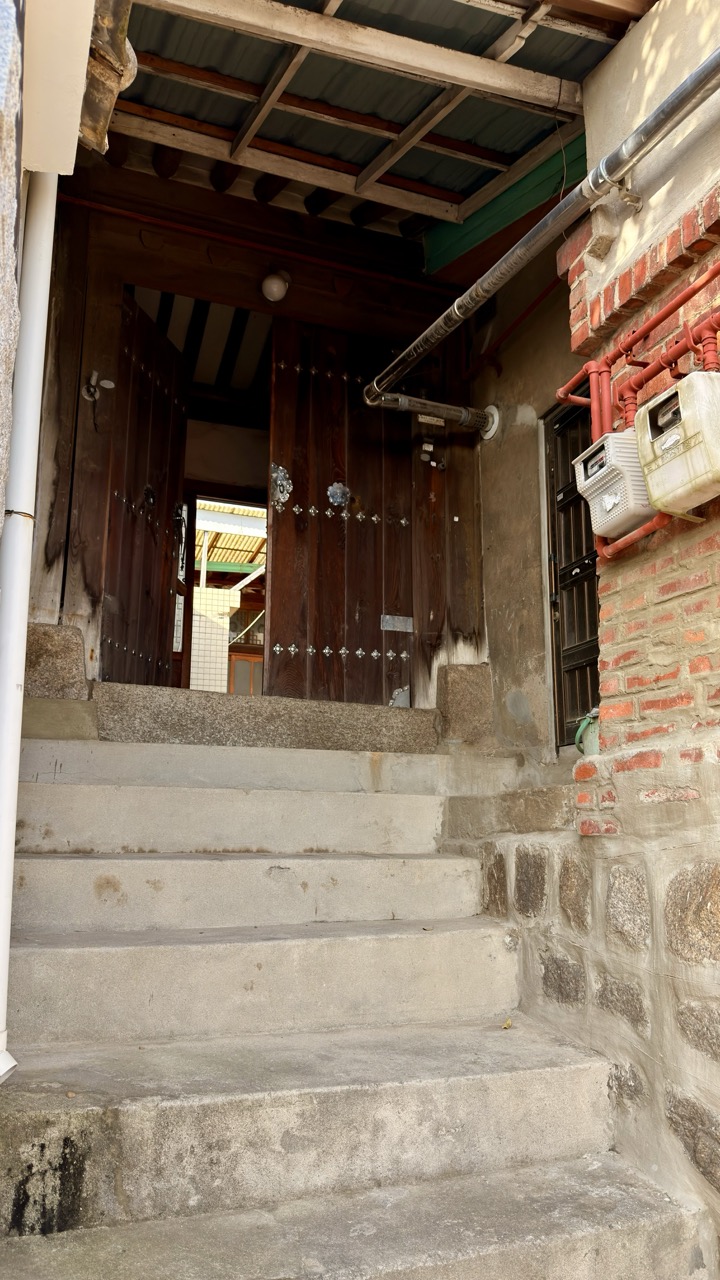
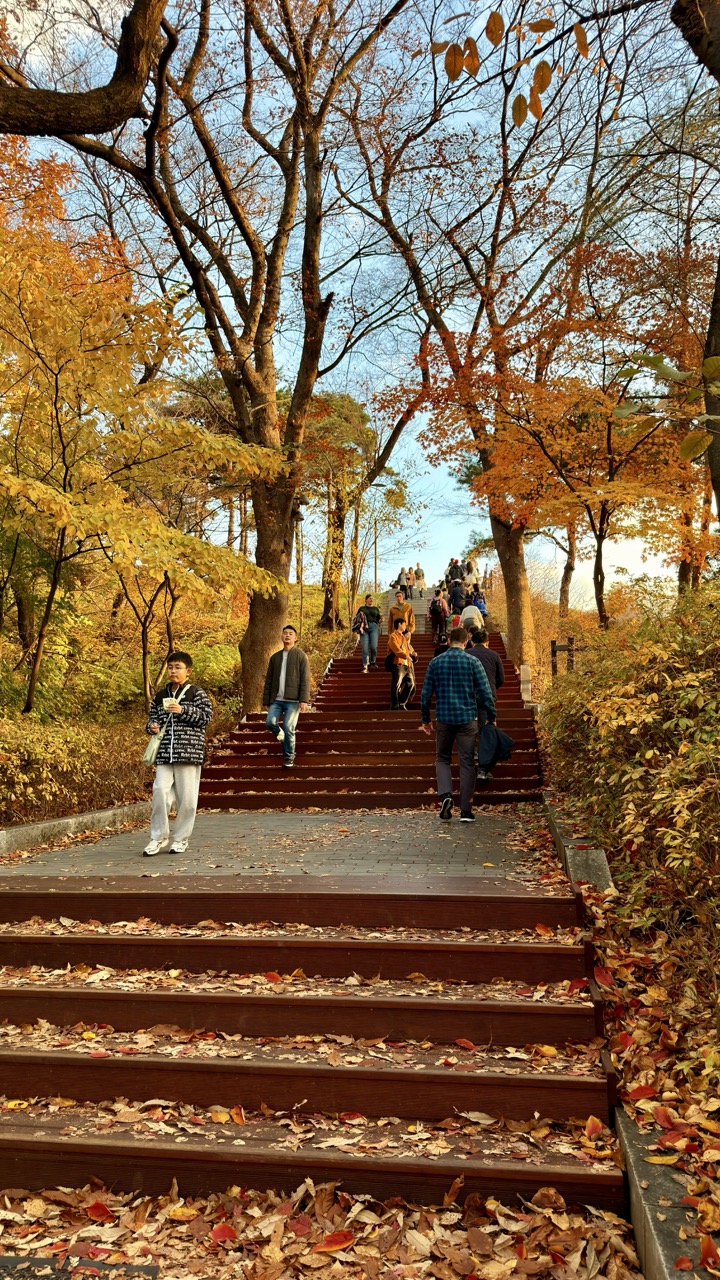
#9: Get Ready to Walk and Climb!
In Seoul, you’ll be walking a lot and not just on flat ground. The city is famously hilly, with countless stairs, slopes, and steep streets, especially around neighborhoods like Ihwa Mural Village, Bukchon Hanok Village, and Namsan. Even subway stations can feel like mini workouts with their long staircases and endless corridors. So, comfortable shoes are a must if you plan to explore properly. Think of it as part of the adventure; every climb usually rewards you with a great view, a cozy café, or a hidden gem waiting at the top.
#10: Public Toilets in Seoul
Public toilets in Seoul are generally clean, safe, and free to use, which is a big plus for travelers. You can easily find them in subway stations, parks, shopping malls, convenience stores, and major attractions. Many larger buildings also have accessible restrooms, though smaller cafés or restaurants may keep theirs for customers only. In most cases, signs are clearly marked in both Korean and English, making them easy to spot even if you don’t speak the language.
If you’re worried about having an “emergency,” here’s a helpful tip: bathrooms on the second floor of commercial buildings are usually unlocked, while those on the first floor tend to be locked. Always carry a bit of toilet paper or tissues with you, as not every restroom provides them. Also, if you have options, choose the subway toilets; they’re often the cleanest and best maintained in the city, even compared to many public building restrooms.
#11: The “Hongdae Guys” of Seoul
If you go out in nightlife districts like Hongdae, Itaewon, or Gangnam, you might run into what locals and expats call the “Hongdae Guys.” These are men, often stylish and confident, who actively approach women, especially foreigners, at bars, clubs, or on the street. While some are just friendly or curious, others are mainly looking for a quick hookup rather than a genuine conversation. The name comes from Hongdae, a university area in Seoul known for its vibrant nightlife and party scene. If you’re out exploring, it’s all part of the city’s social energy, just remember to trust your instincts, set boundaries, and know when a polite “no, thank you” is enough.
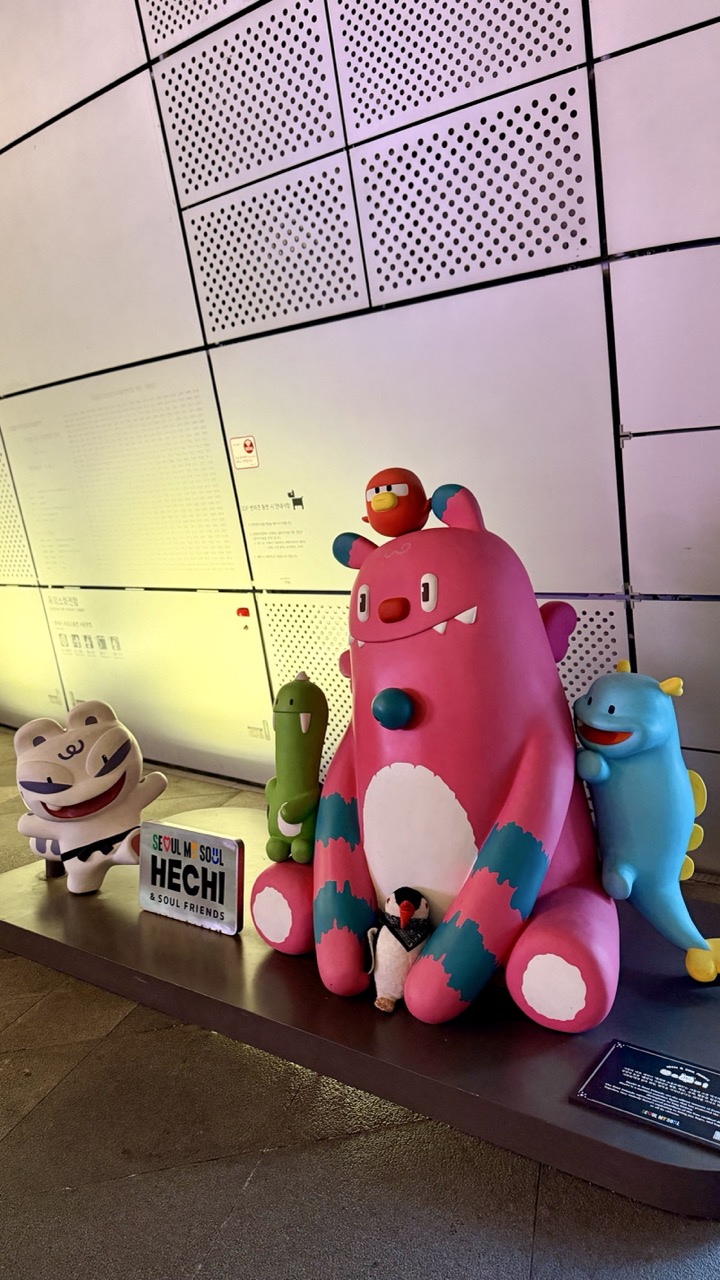
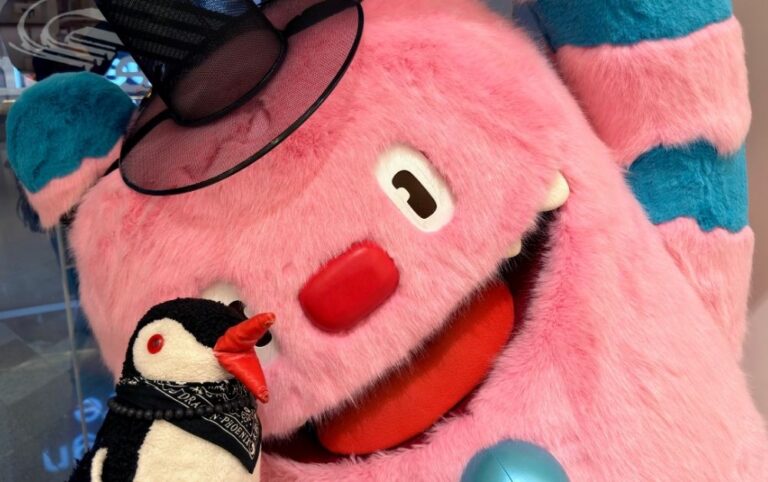
#12: Meet Haechi: Seoul’s Official Mascot
Other Things You’ll Notice Right Away
Seoul is full of surprises, some small, some delicious, and some that make you look twice. Here are a few culture shocks we noticed during our waddle through the city, each one adding its own charm to the Seoul experience:
- No Public Bins. The streets are spotless, but trash cans are rare. Locals carry their rubbish to their home or a café.
- Tax Refunds Not Worth It. The refund is often tiny, and the process is slow. Unless it’s a big purchase, skip it. You often have to spend at least 30,000 won (around €20 / $21) to qualify for a tax refund, and in the end, you might only get about €0.95 ($1) back.
- Drinks on Trains. It’s easy and convenient to grab a drink before your ride; vending machines are everywhere in stations and on platforms. You’ll find everything from iced coffee to green tea, perfect for a quick refresh before hopping on the next train.
- 2,500-Won Stores. Korea’s version of a dollar shop is packed with cute and cheap finds everywhere you go.
- Random Art Everywhere. Sculptures and murals appear all over, transforming city walks into art strolls.
- Affordable Fashion. Trendy clothes are everywhere, from markets to underground shops.
- Fried Chicken Twist. Many places serve it bar-style and not for takeaway, but it’s worth it every time.
Things to Avoid in Seoul
Traveling in Seoul is exciting, but understanding local etiquette helps you enjoy it even more. Here are key things to avoid during your waddle through the city:
- Speaking Loudly in Public. Koreans value quietness, especially on public transport. Keep your voice low to avoid unwanted attention.
- Wearing Shoes Indoors. Always remove shoes before entering homes, hanoks, and some cafés or temples. That’s a general rule for all of South Korea.
- Not Carrying a T-Money Card. Use a T-Money card for subways, buses, and taxis instead of buying single tickets.
- Pointing or Gesturing with One Finger. Use your whole hand or palm instead, as pointing with one finger can seem rude.
- Smoking in Non-Smoking Zones. Only smoke in designated areas to avoid fines.
- Excessive Public Displays of Affection. Hand-holding is fine, but kissing or hugging in public may draw stares, especially from older locals.
- Taking Photos Without Permission. Ask before photographing locals, particularly in markets or near schools.
- Not Carrying Cash. Many small shops and street vendors only accept cash, so keep some won handy.
Pro Penguin Tip
A little cultural awareness goes a long way. Respect the local customs, stay observant, and your time in Seoul will be even more rewarding.
Before You Go
Before you waddle off to explore Seoul, here’s a quick checklist to make your trip smoother and more fun:
- Download essential apps: KakaoT for taxis and Naver Map or KakaoMap for navigation (Google Maps doesn’t always work well).
- Get a T-Money card: it’s your all-in-one pass for subways, buses, and even some taxis.
- Bring tissues and hand sanitizer; not every restroom provides them.
- Wear comfy shoes. Seoul is hilly and full of stairs, so you’ll be walking a lot.
- Carry some cash. Smaller shops and street vendors may not take cards.
- Learn a few Korean phrases, such as a simple “annyeonghaseyo ” (hello) or “gamsahamnida ” (thank you), and they go a long way.
A little prep before your trip makes exploring Seoul smoother, friendlier, and way more enjoyable, penguin-approved!

Buy Me a Ko-fi
Seoul is a city that truly has it all: tradition and technology, temples and trendsetters, street food and skyscrapers. Every day here feels like a blend of contrasts, where you can sip matcha in a centuries-old hanok and then hop on one of the world’s most advanced subway systems minutes later. Whether you’re here for the culture, the food, the skincare, or simply the energy of it all, Seoul will sweep you up in its rhythm.
So pack your bags, charge your camera, and get ready to waddle through one of Asia’s most fascinating capitals. Your adventure in Seoul is just beginning, and trust us, you’ll already be planning your return before you even leave.

This post contains affiliate links. If you click and buy, I might earn a tiny commission, enough to help a penguin keep up its globe-trotting lifestyle. No extra cost to you, just more fish for me. Thank you for supporting the adventure!