A Journey Through Time: Visiting the Paphos Archaeological Park in Cyprus
The Paphos Archaeological Park was the very first thing we explored on our first morning in Paphos. After landing the evening before, we woke up to sunshine, enjoyed a slow breakfast, and then waddled off to uncover the city’s ancient secrets. Visiting this UNESCO World Heritage Site feels like stepping straight into history, from preserved Roman villas to intricate mosaics and centuries-old ruins that whisper stories of gods, heroes, and everyday life in ancient Cyprus. If you’re wondering where to start your Paphos adventure, this park is the perfect place to travel back in time and truly connect with the island’s rich past. Read on to learn all there is before your visit.
- Why Visit the Paphos Archaeological Park
- Three Sites, One Ancient Story: Don’t Mix Them Up!
- How to Get to the Paphos Archaeological Park
- Opening Hours to the Paphos Archaeological Park
- Tickets and Entry to the Paphos Archaeological Park
- How Much Time Do You Need at Paphos Archaeological Park
- Facilities and Amenities at Paphos Archaeological Park
- Historical Facts About Paphos Archaeological Park
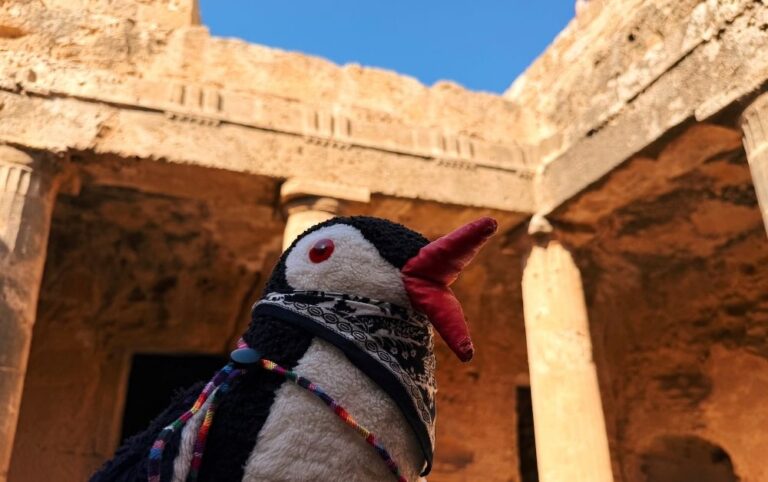
- Our Waddle Through the Paphos Archaeological Park
- Quick Facts About Paphos Archaeological Park
- Is the Paphos Archaeological Park Worth Visiting
Why Visit the Paphos Archaeological Park
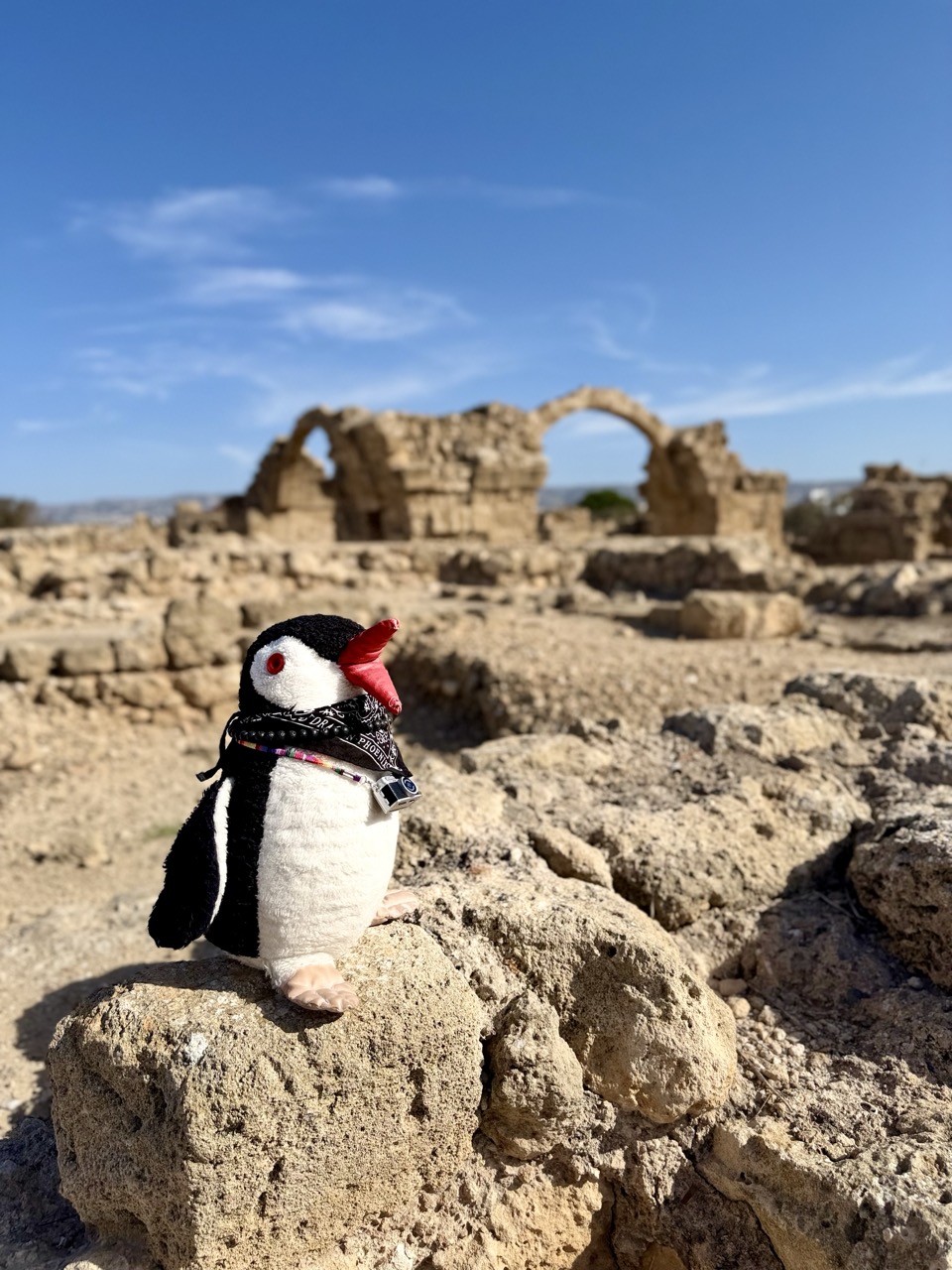
Because where else can you waddle through ancient Roman villas before lunch? The Paphos Archaeological Park is one of those places that makes history feel real, not just something you read about. You’re walking the same paths people did thousands of years ago, surrounded by mosaics so detailed they look freshly made. It’s peaceful, open, and full of little surprises around every corner.
Three Sites, One Ancient Story: Don’t Mix Them Up!
It’s easy to mix them up; we did too at first! But the Paphos Archaeological Park is actually a completely different site from the Tombs of the Kings, even though both are part of the same UNESCO World Heritage area.
In fact, Paphos has three main archaeological sites:
- the Paphos Archaeological Park near the harbor, famous for its Roman villas and mosaics;
- the Tombs of the Kings, located a bit further north along the coast;
- and the Sanctuary of Aphrodite in nearby Kouklia.
Each tells a different chapter of Cyprus’s long history, so if you have time, it’s worth visiting all three to get the full picture of ancient Paphos.

How to Get to the Paphos Archaeological Park
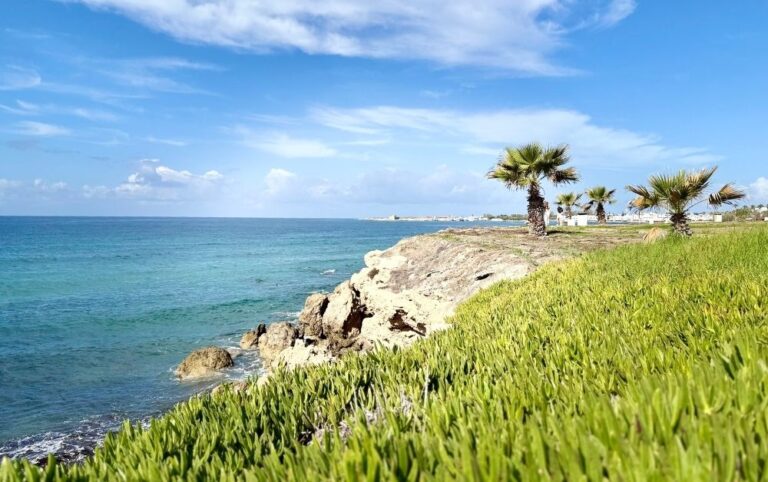
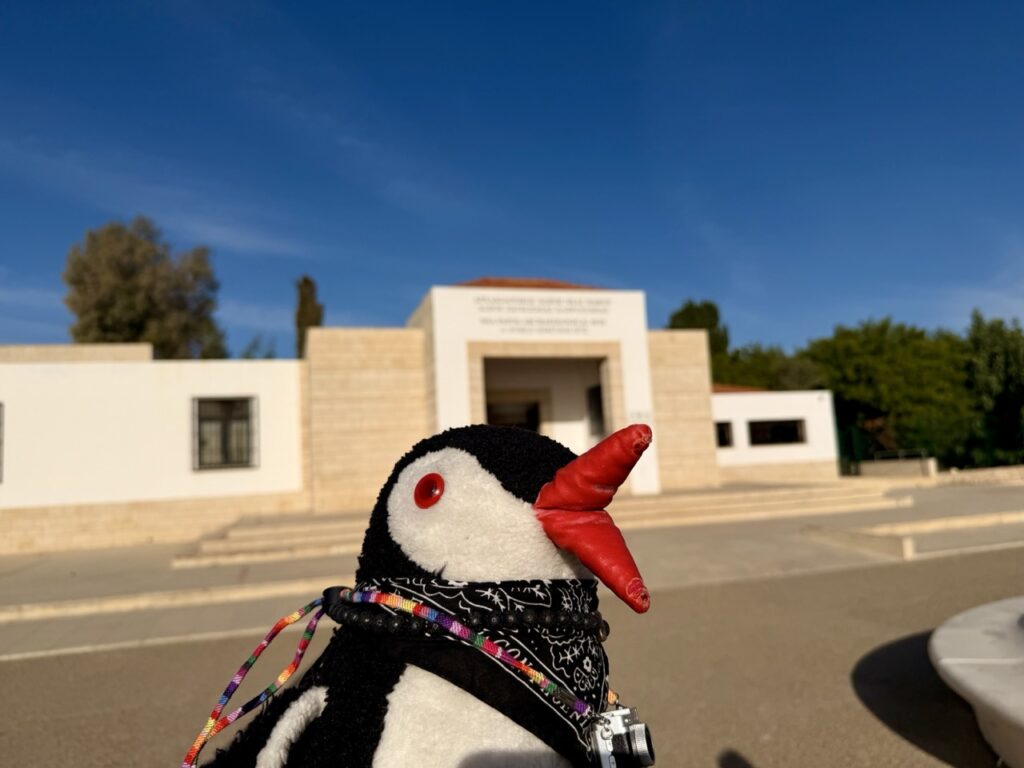
The Archaeological Park is right next to the Paphos Harbor, making it easy to reach on foot if you’re staying nearby. There’s also a large parking area by the entrance, and several local buses stop just outside. From Paphos Airport, it’s about a 25-minute drive or taxi ride. We simply waddled along the waterfront from our hotel, one of the most scenic morning walks to start a day of exploring!
Opening Hours to the Paphos Archaeological Park
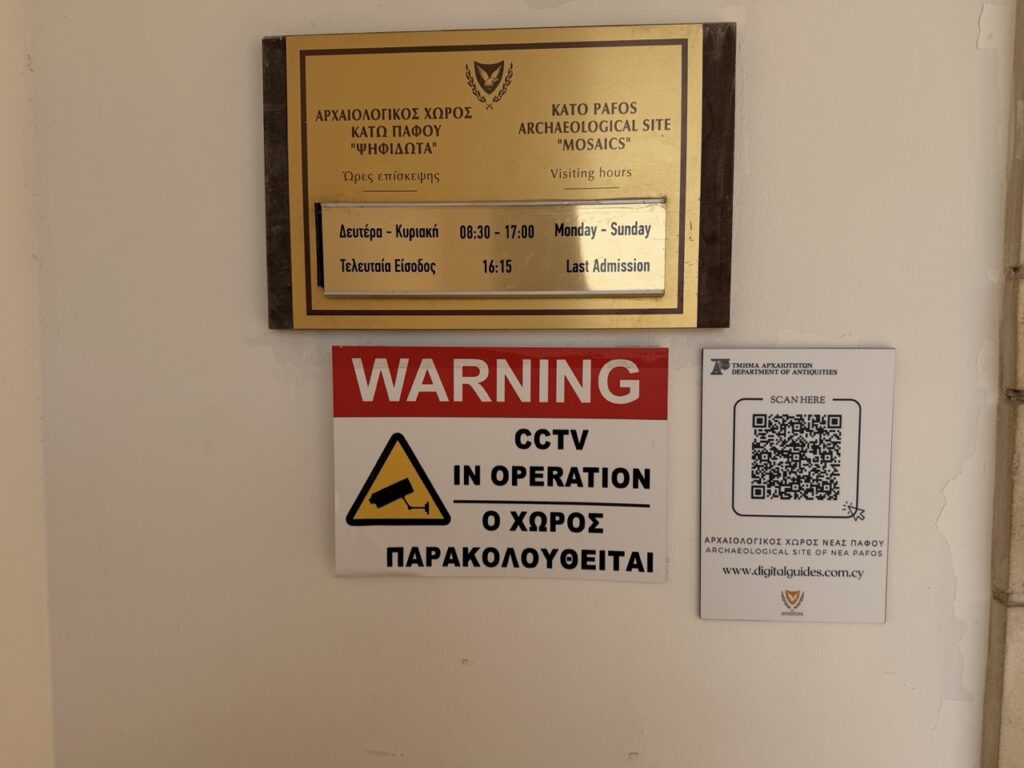
The Paphos Archaeological Park is open daily, so you can plan your visit any day of the week. In winter (16 September – 15 April), it’s open from 8:30 AM to 5:00 PM, while in summer (16 April – 15 September), you can enjoy longer daylight hours from 8:30 AM to 7:30 PM. Early mornings or late afternoons are ideal for exploring comfortably, especially in the hotter months. Opening times can occasionally change due to holidays or maintenance, so it’s always a good idea to double-check the official website before your visit.
We decided to visit early in the morning, right when the park opened, and it turned out to be the best choice. The air was still cool, the light was soft, and we had most of the ruins almost to ourselves. As the morning went on, though, the sun grew stronger, and by late morning it was already blazing. So if you’re planning your visit, definitely go early or save it for the late afternoon when the heat eases and the site feels calm and golden again.

Tickets and Entry to the Paphos Archaeological Park
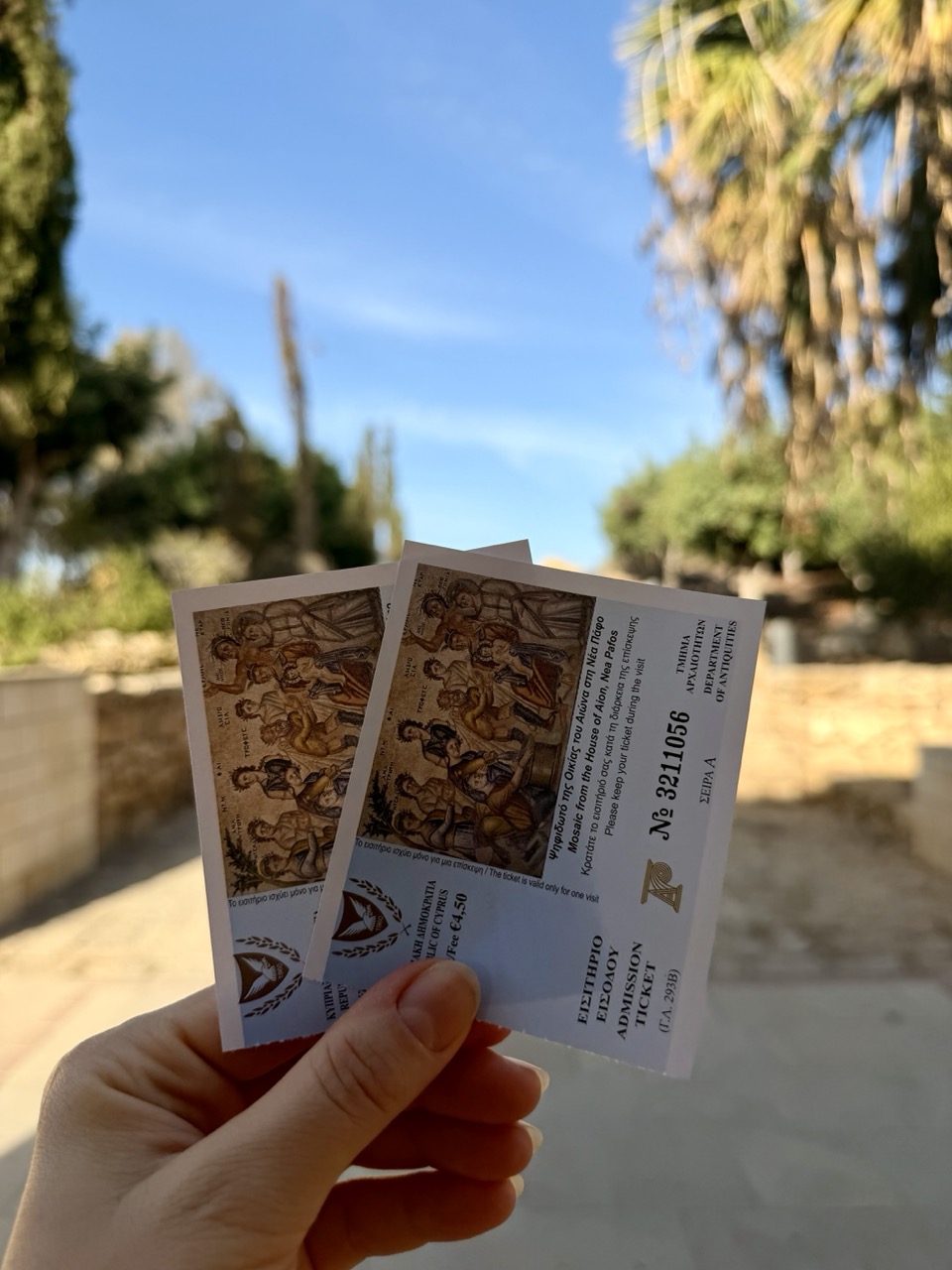
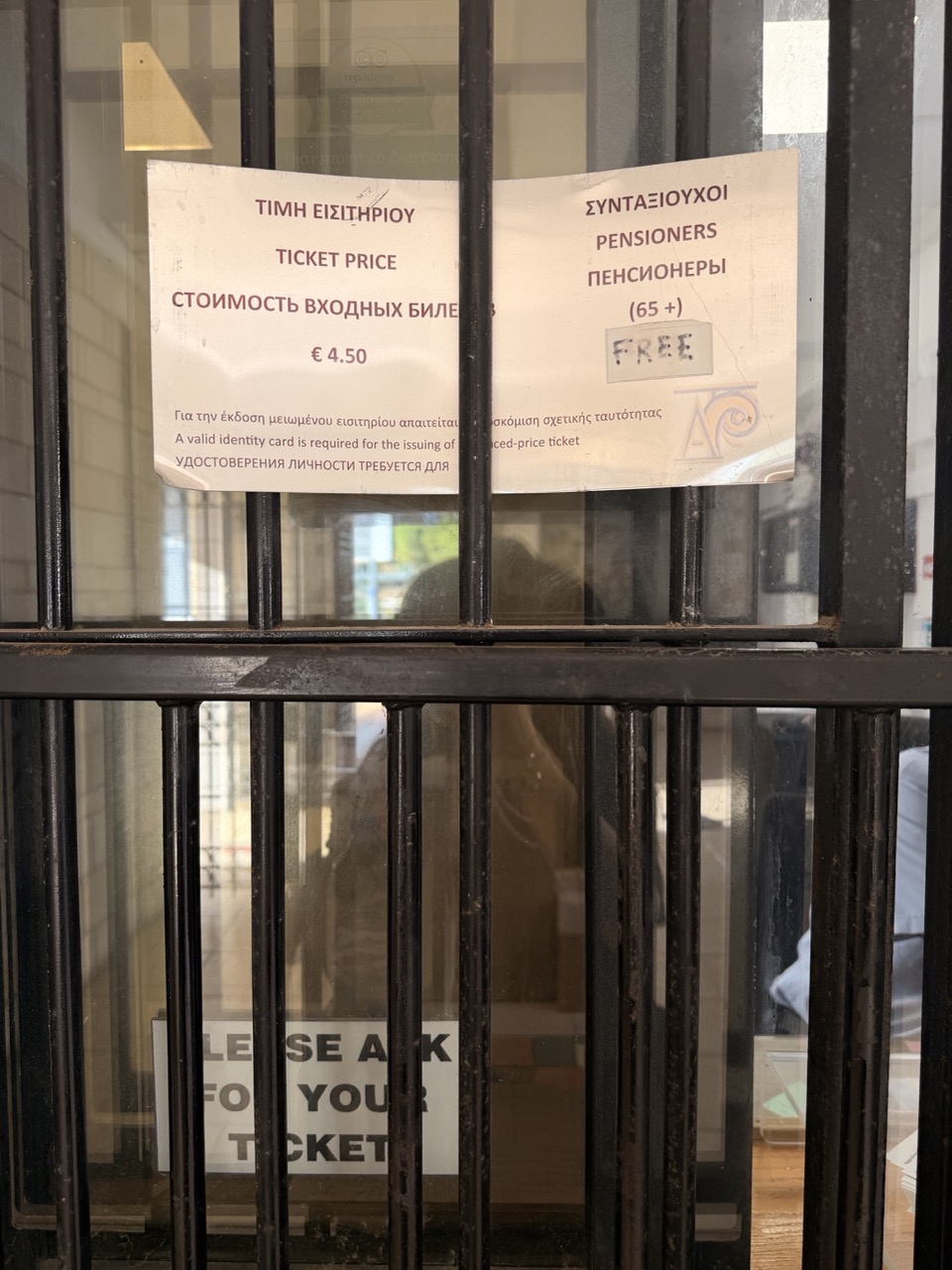
Entry to the Paphos Archaeological Park costs €4.50 per person, which is an excellent deal for exploring such a vast and fascinating UNESCO site. You can buy tickets right at the entrance; both cash and card payments are accepted. The process is quick and simple, and you’ll get a small paper ticket to show at the gate. There’s no need to pre-book, show up during opening hours, and start exploring. If you plan to visit other ancient sites around Paphos, like the Tombs of the Kings or the Sanctuary of Aphrodite, ask about combined tickets or passes. Ticket prices and details can change, so it’s always smart to double-check the official Department of Antiquities website before your visit.
How Much Time Do You Need at Paphos Archaeological Park
Plan to spend around two hours here, enough to see the main sights without rushing. The area is larger than it first looks, with winding paths leading to ancient villas, a theater, and plenty of spots to pause and take in the sea views. If you’re into history or photography, you might find yourself staying longer. It’s one of those places that’s easy to lose track of time in, and totally worth it.
Facilities and Amenities at Paphos Archaeological Park
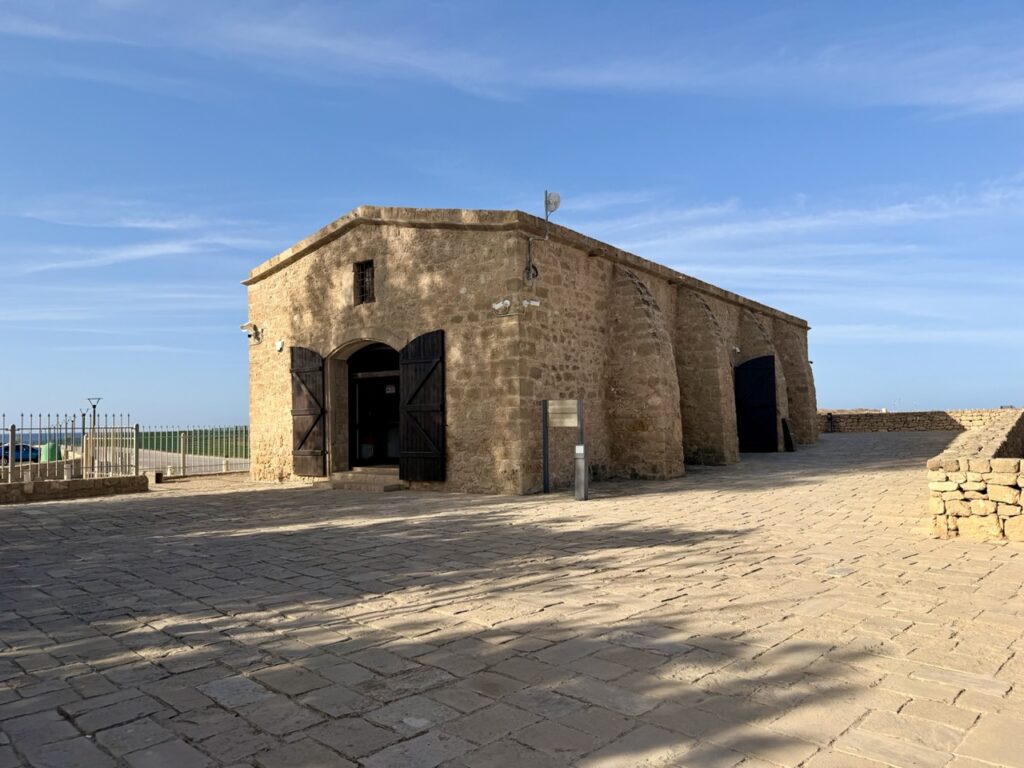
- Visitor Center. A small information area near the entrance with maps and basic details about the site.
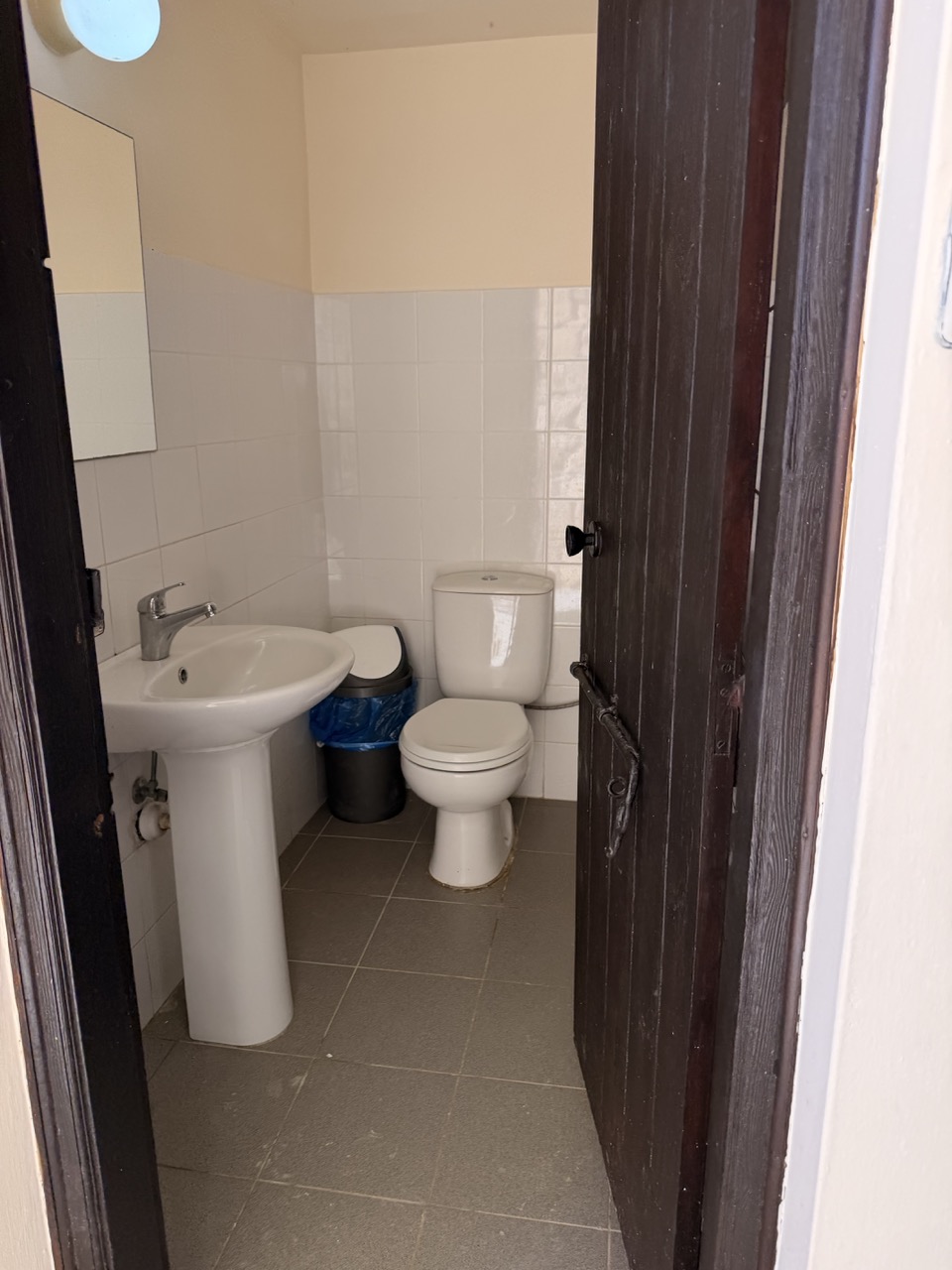
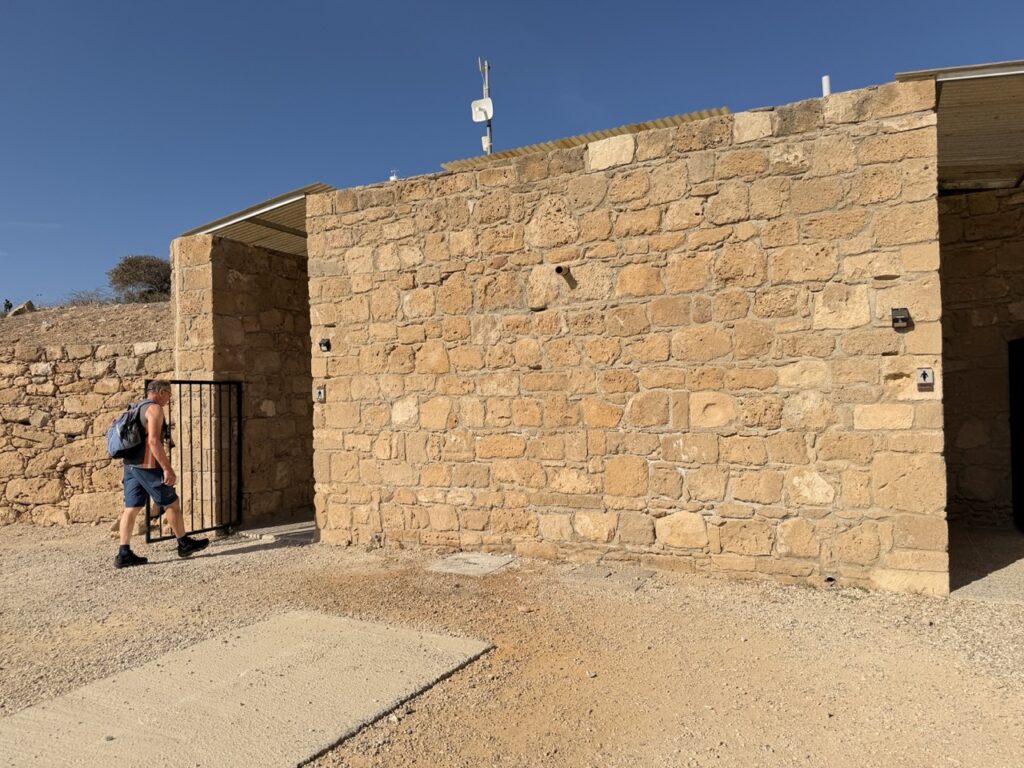
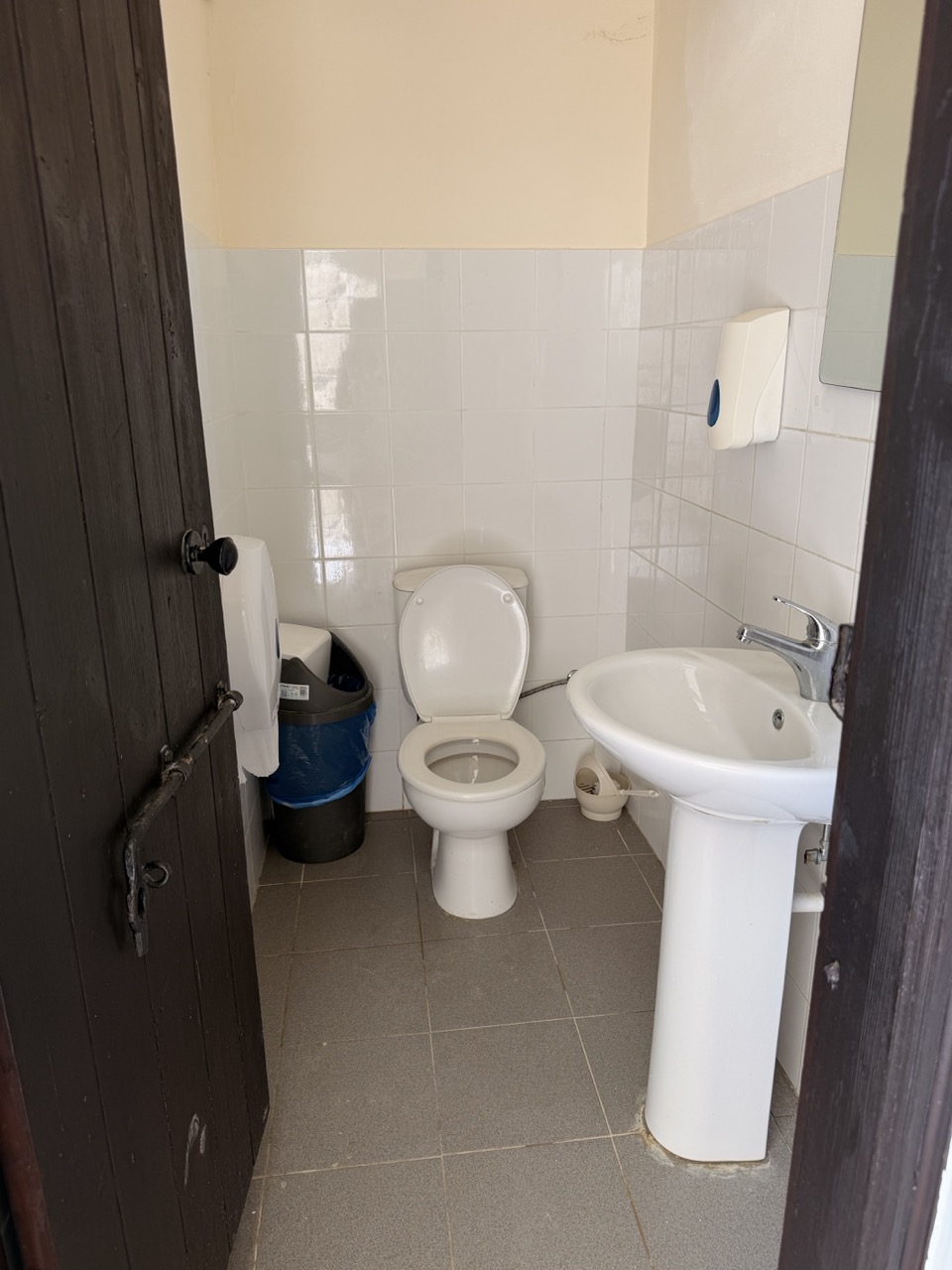
- Restrooms. Available close to the entrance gate.
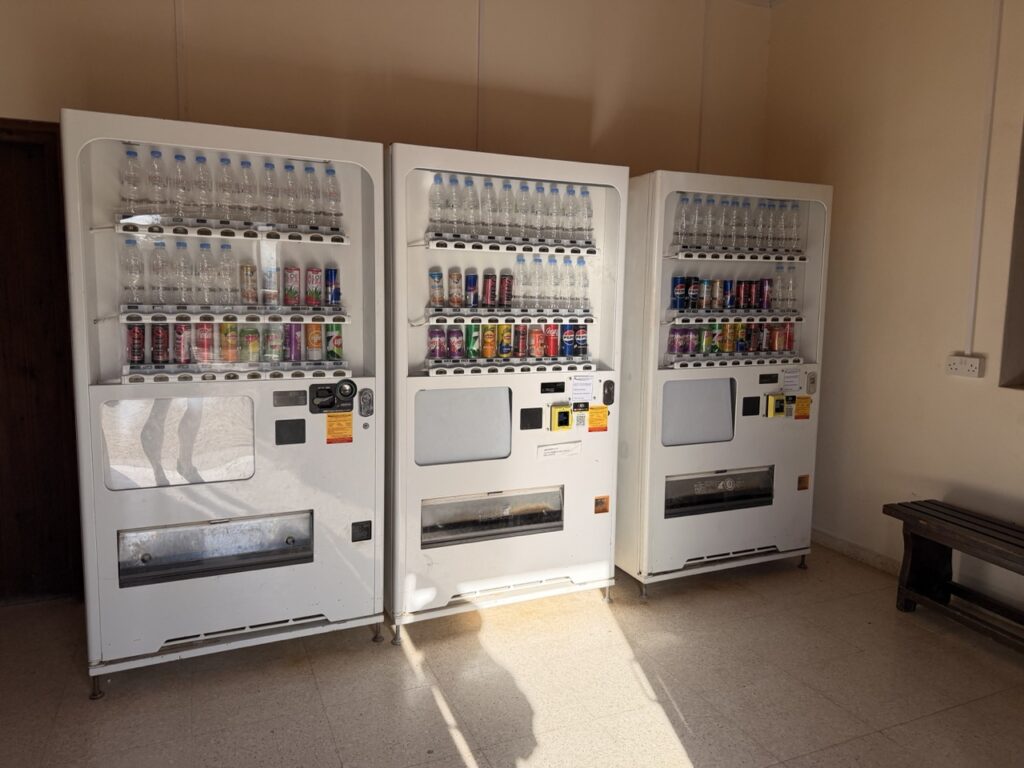
- Water & Snacks. Bring your own — there’s no café or vending machine inside the park.
- Shade. Limited! Most of the site is open, so hats, sunscreen, and water are a must.
- Accessibility. Some paths are uneven or rocky, but certain areas near the entrance are more accessible.
- Photography. Free and encouraged — the mosaics and sea views are stunning.
- Benches & Rest Areas. Scattered throughout, perfect for a short break under the trees.
Historical Facts About Paphos Archaeological Park
- The park sits on the site of ancient Nea Paphos, founded in the 4th century BC.
- It was once the capital of Cyprus during the Hellenistic and Roman periods.
- The Roman Odeon (theater) inside the park is still used for concerts and cultural events today.
- The site is world-famous for its Roman mosaics, especially in the Houses of Dionysos, Theseus, Aion, and Orpheus.
- Many of the ruins were damaged by earthquakes in the 4th century AD, but large sections remain impressively preserved.
- Excavations are still ongoing, with archaeologists continuing to uncover new finds and refine our understanding of ancient Paphos.
- Artifacts from the park are displayed in the Paphos Archaeological Museum, adding even more context to the city’s long history.
Our Waddle Through the Paphos Archaeological Park
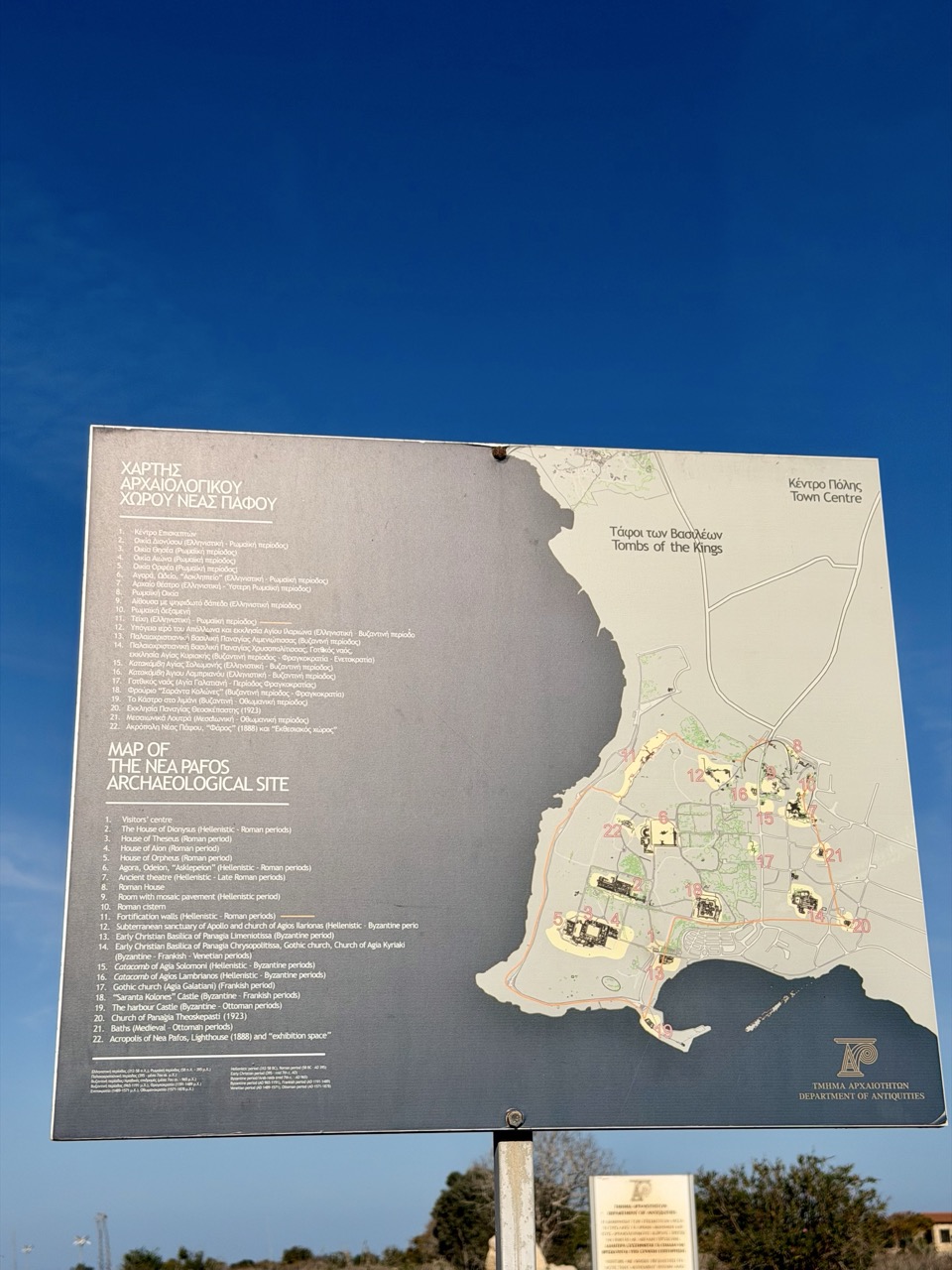
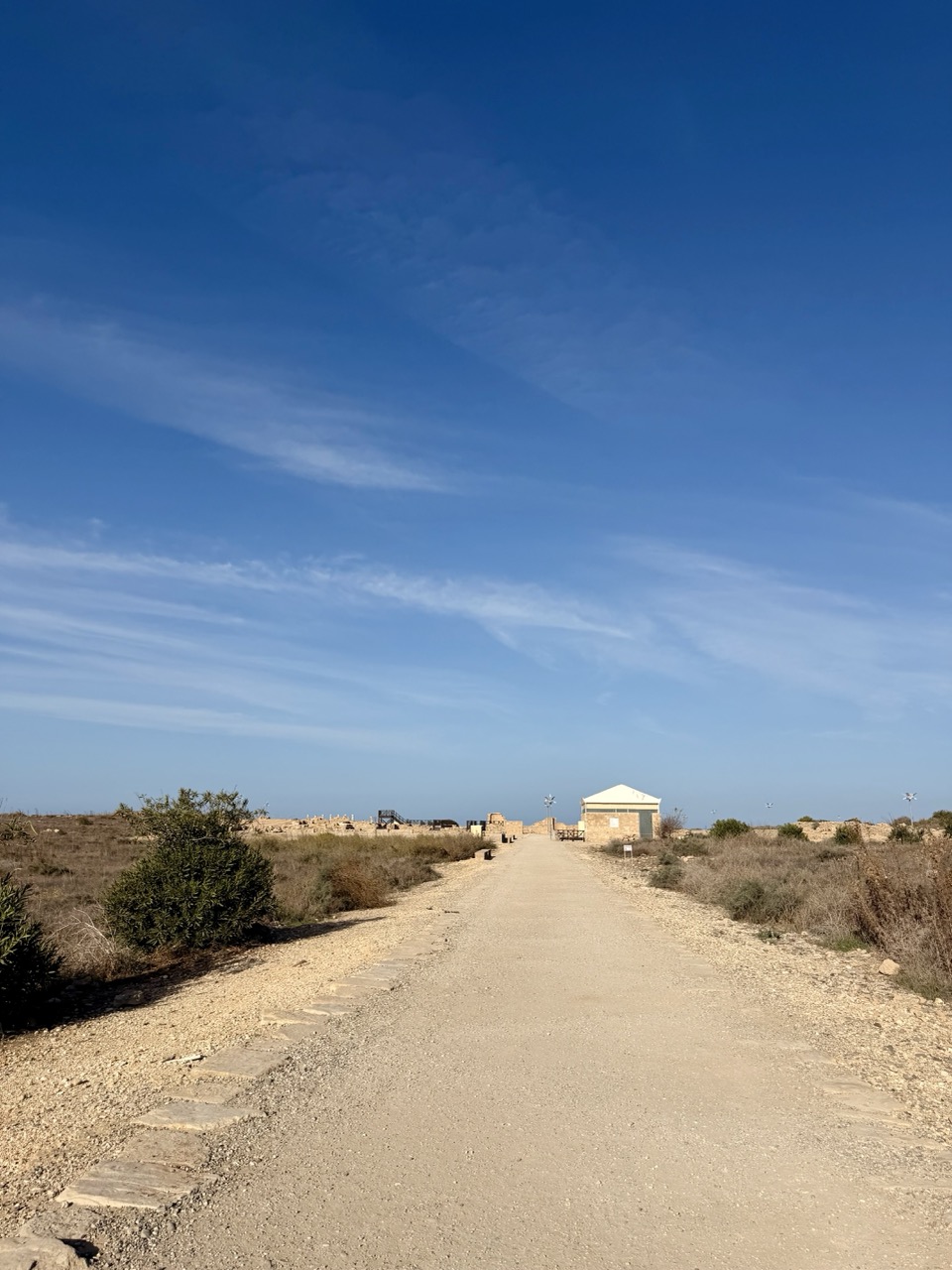
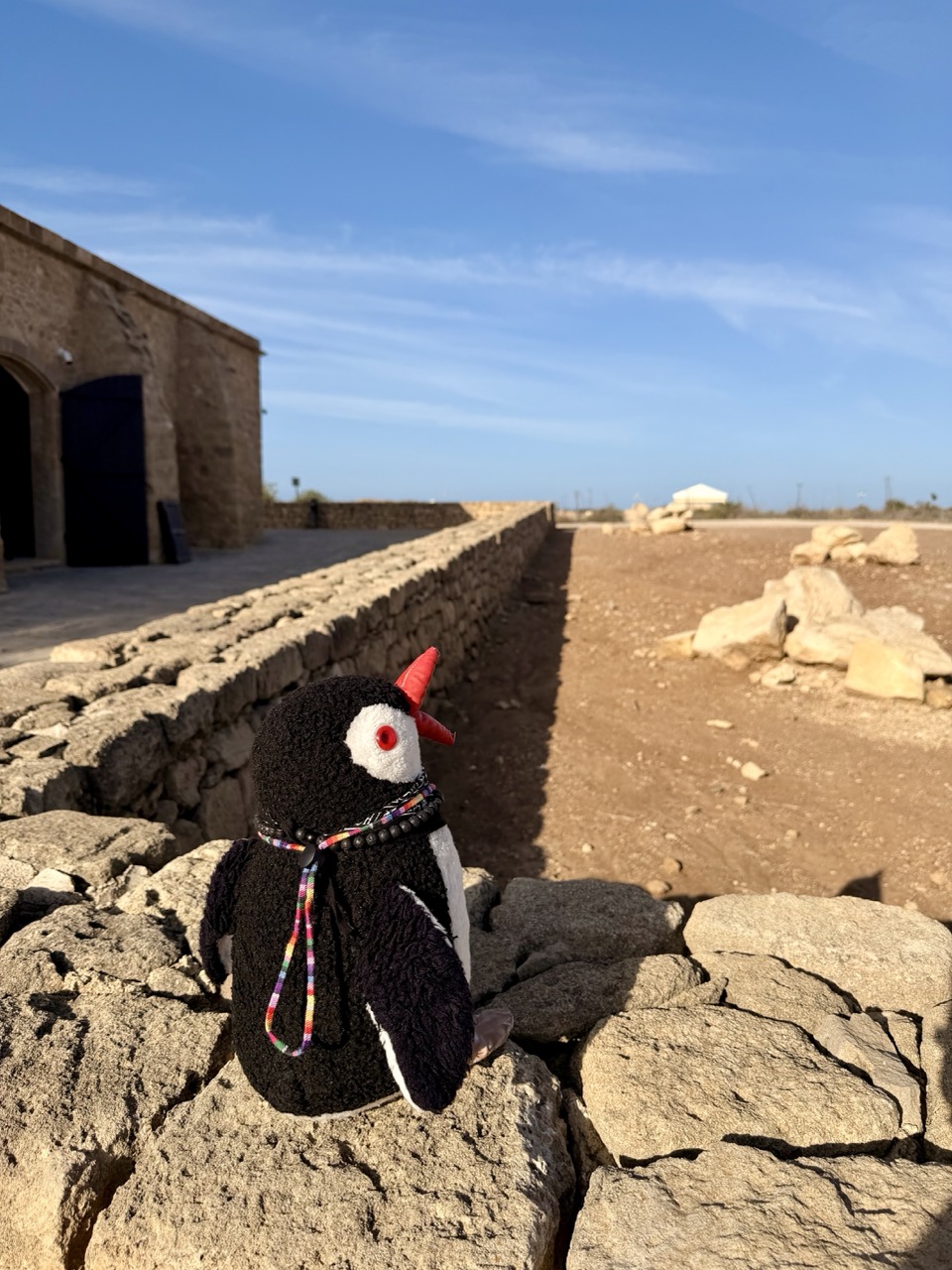
We visited the site right after it opened, waddling from our hotel along the sunny beachfront straight to the Archaeological Park. Tickets cost €4.50, and since we arrived early, we practically had the whole place to ourselves, a perfect way to explore in peace. If you plan to visit, wear comfortable shoes and bring an umbrella or hat, as shade is limited. It’s also worth checking the map at the entrance to see how the site is laid out, so you can plan your walk and make sure you don’t miss any of the highlights.
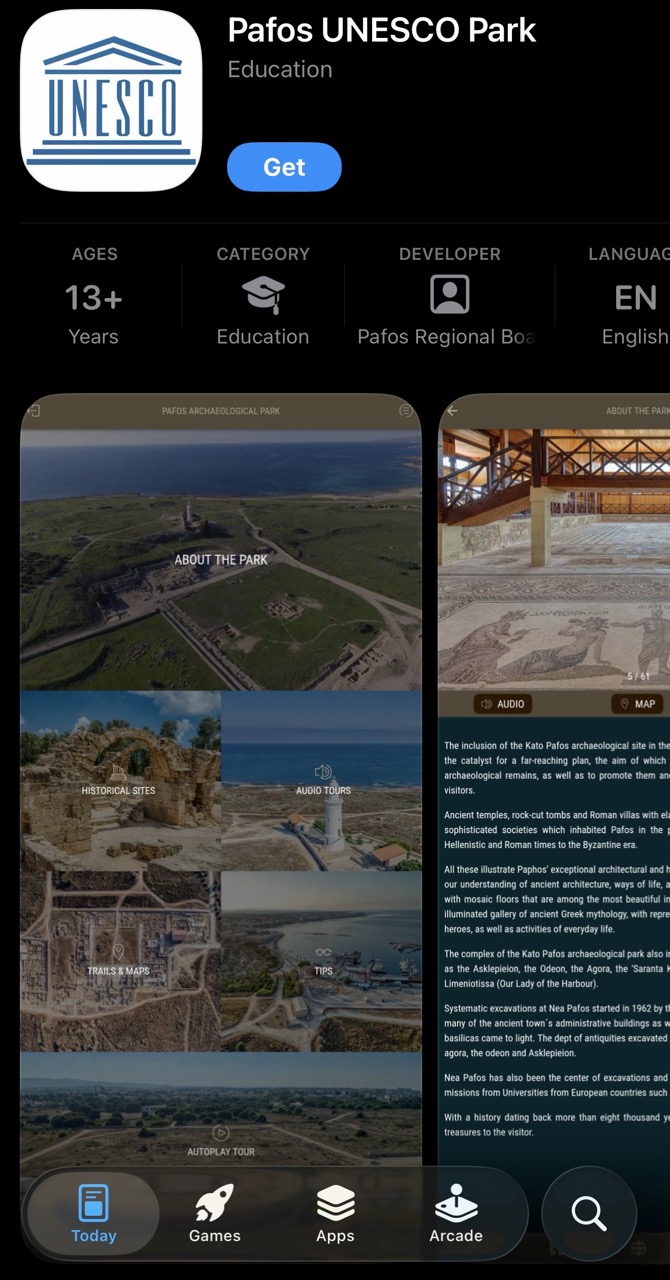
Get the App to Guide Your Waddle
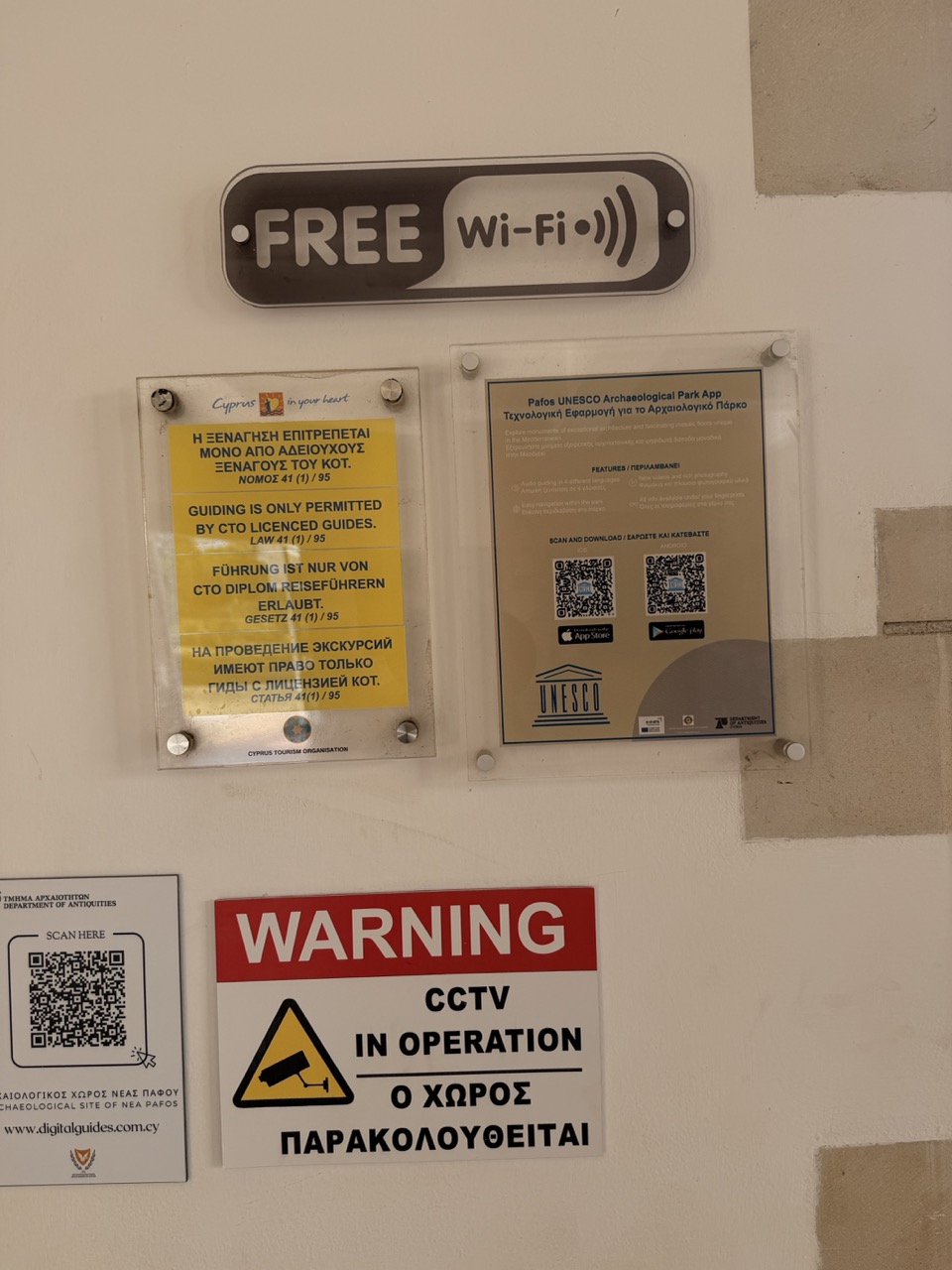
Before you start exploring, it’s worth downloading the official Paphos Archaeological Park app, available for iOS and Android. It’s super helpful for navigating the large site and gives lots of interesting insights about what you’re seeing, from the mosaics to the ruins tucked around the corners. You can download it in advance or simply scan the QR code at the entrance when you arrive. It’s like having your own personal guide in your pocket, making the whole waddle through history even more enjoyable.
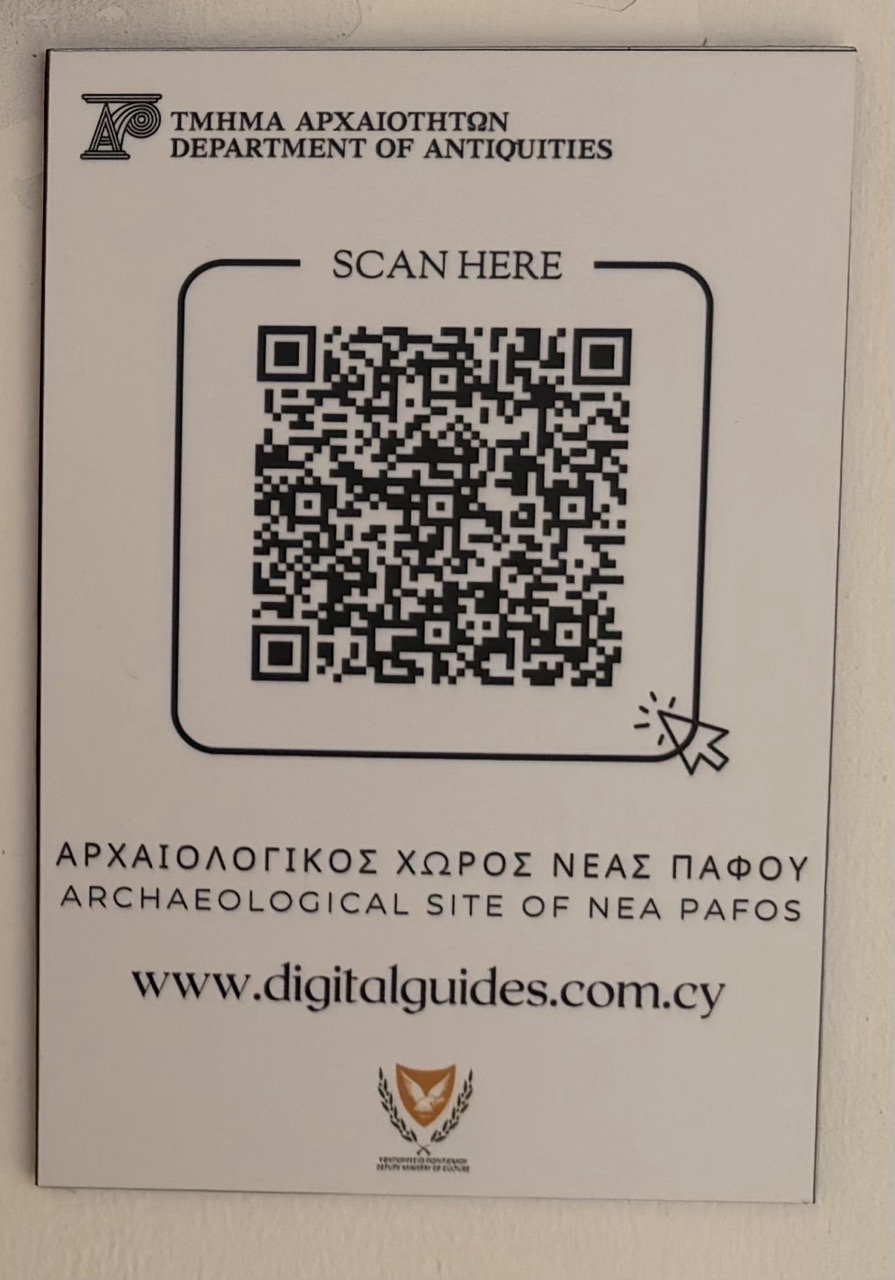
Quick Facts About Paphos Archaeological Park
- Location: Near Paphos Harbor, Cyprus
- UNESCO Status: Part of the Paphos World Heritage Site since 1980
- Area Covered: Around 100 hectares (1 km²)
- Main Roman Houses: 4 major villas: House of Dionysos, House of Theseus, House of Aion, and House of Orpheus
- Mosaics: Over 2,000 square meters of preserved Roman mosaics, among the best in the Mediterranean
- Founded: Originally established as Nea Paphos in the 4th century BC
- Main Eras Represented: Hellenistic, Roman, and Byzantine periods
- Excavations: Ongoing since the 1960s, led primarily by Polish archaeologists
What to Expect to See at Paphos Archaeological Park
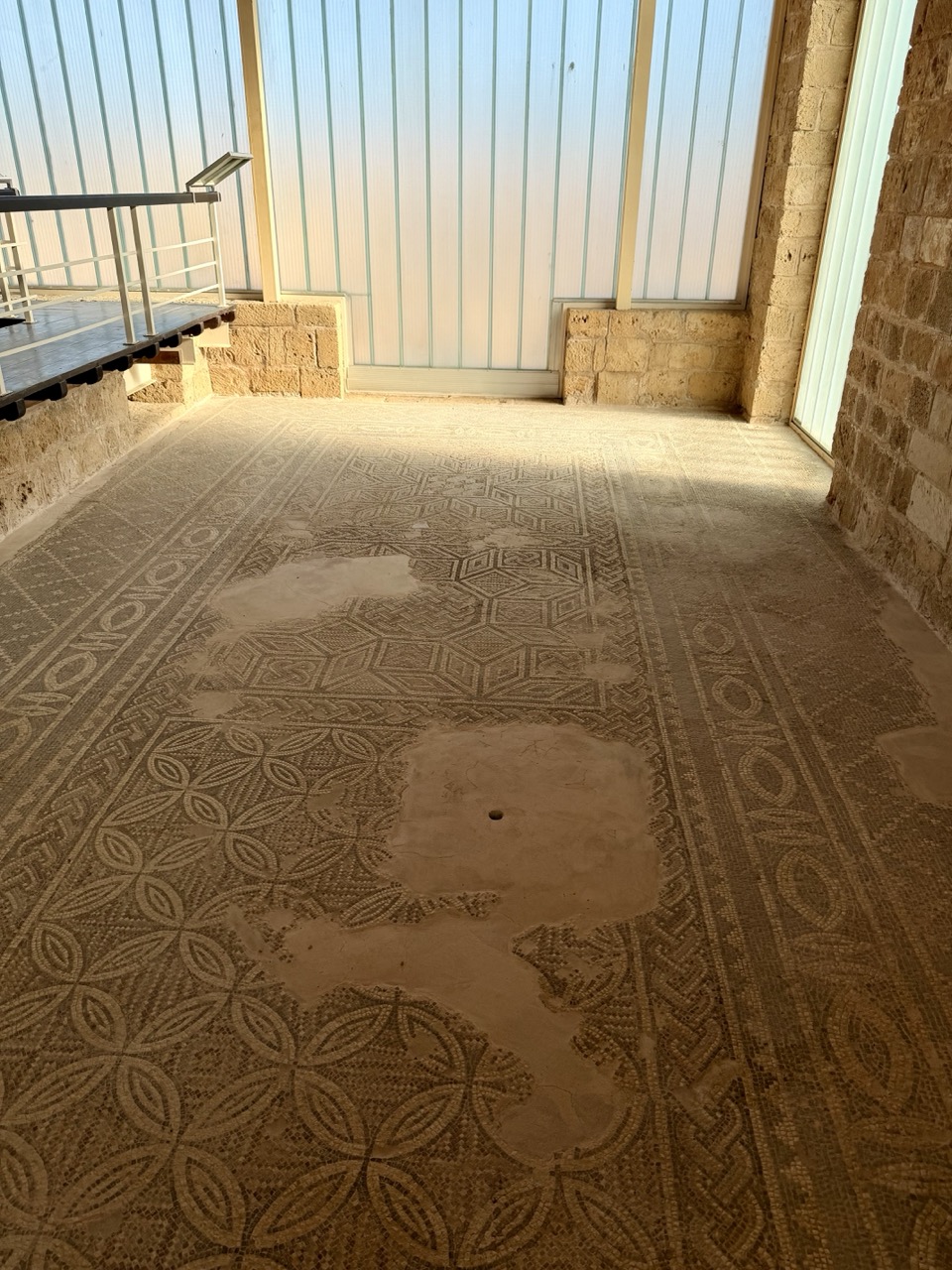
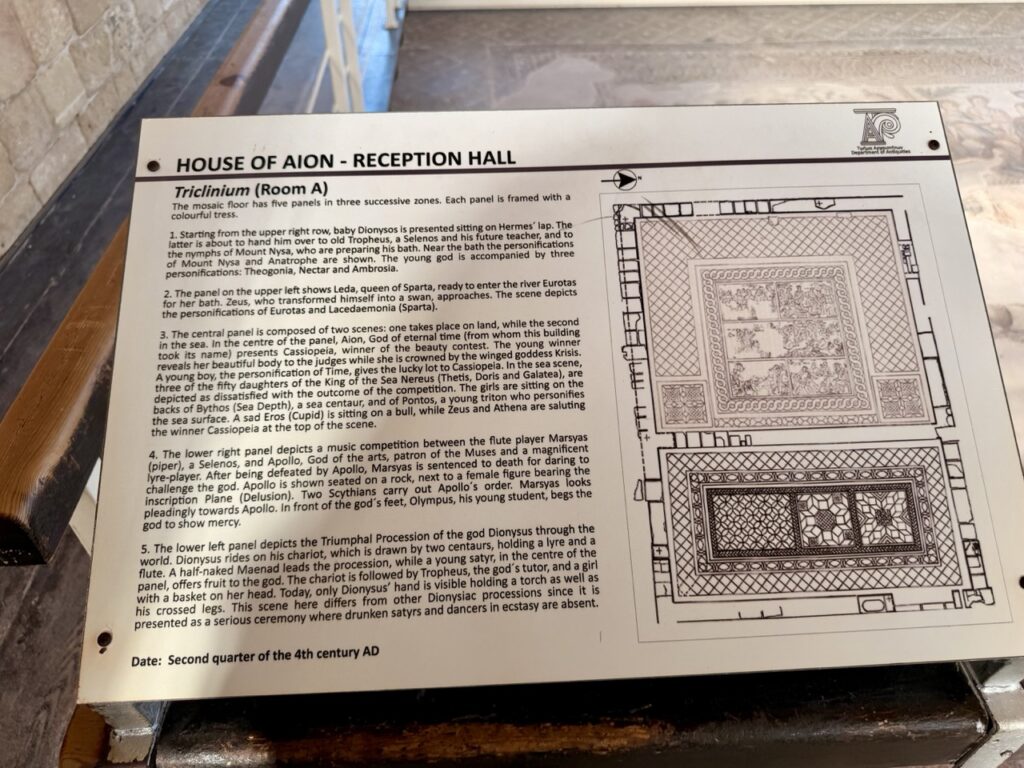
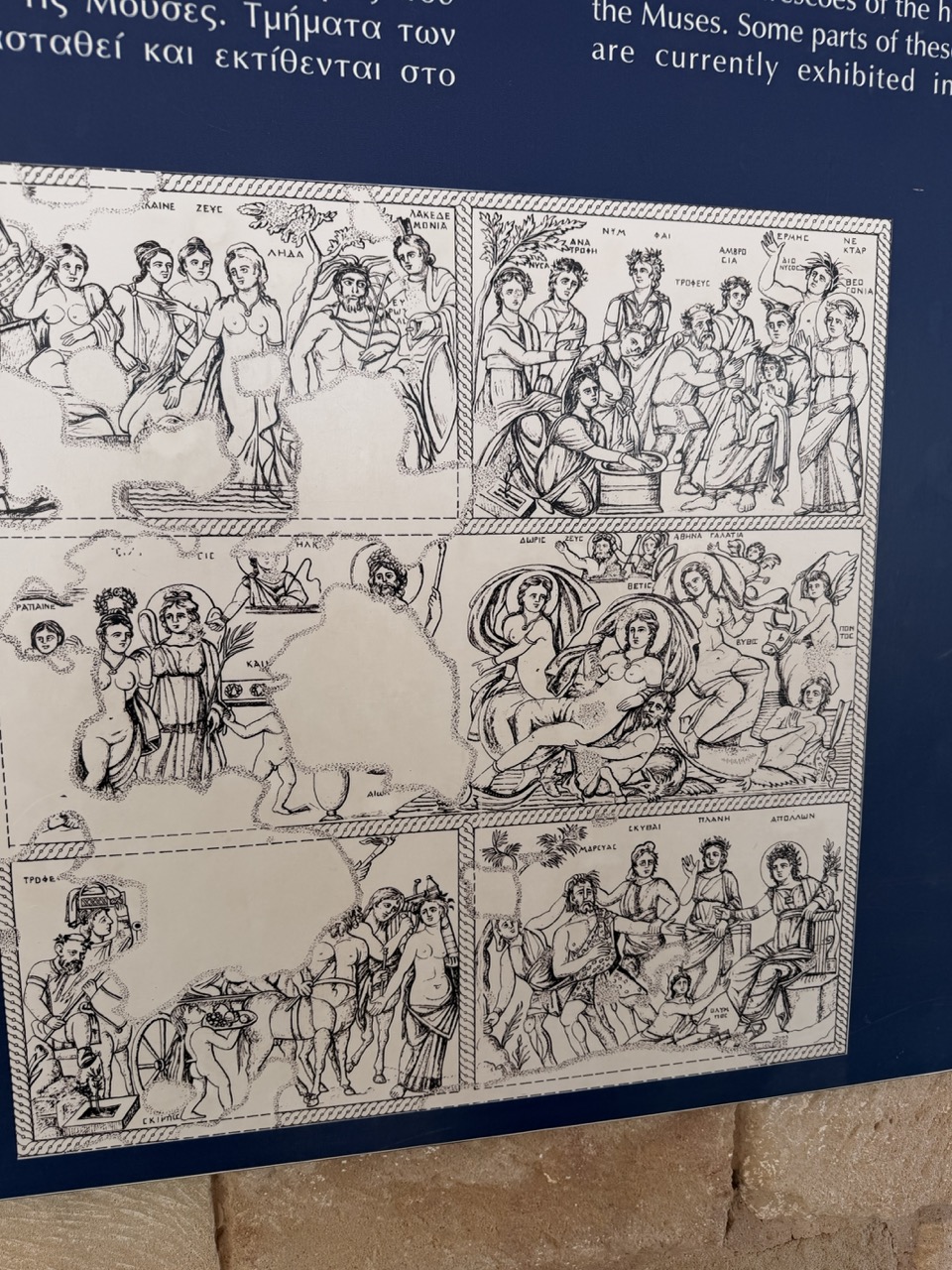
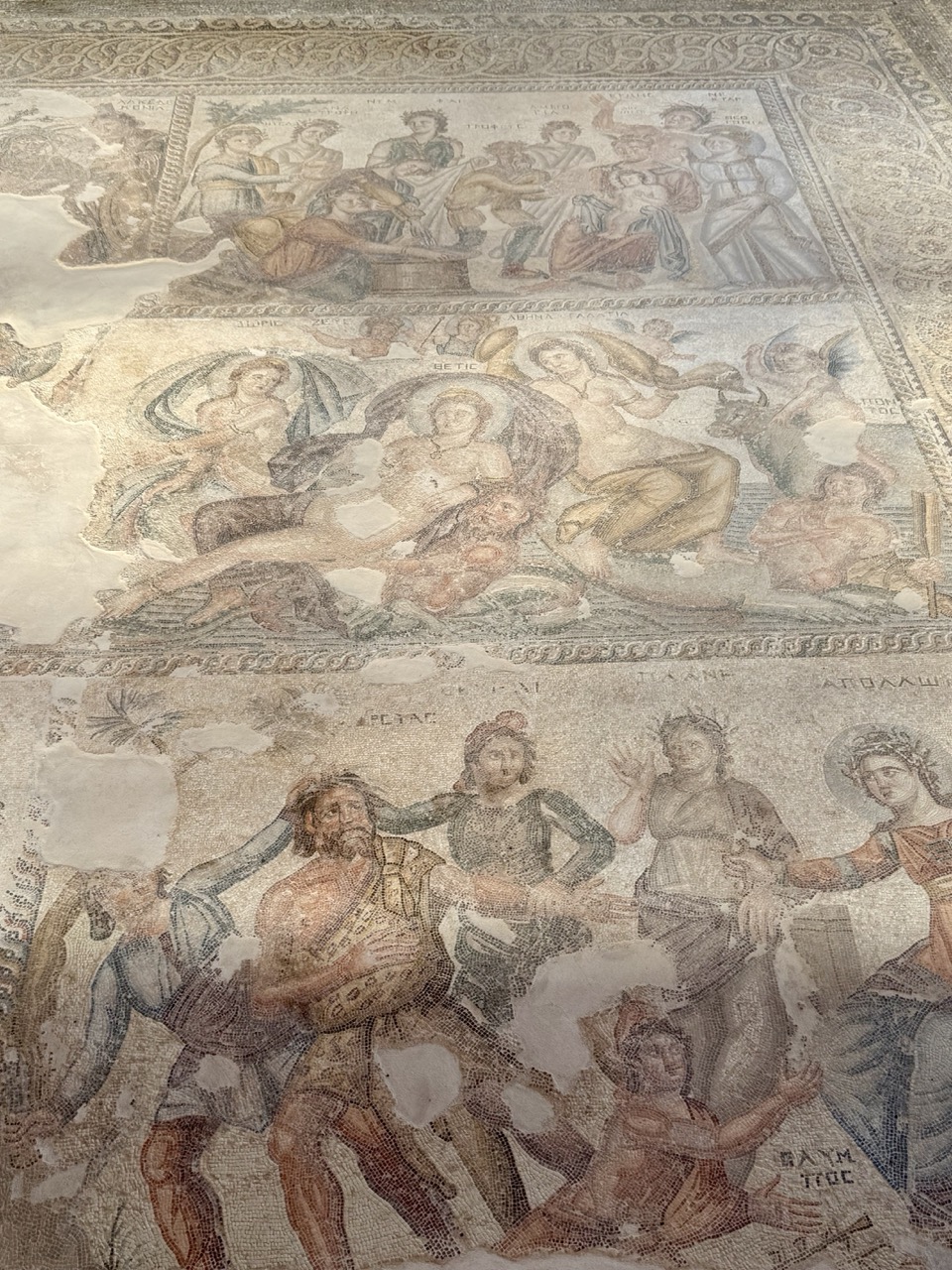
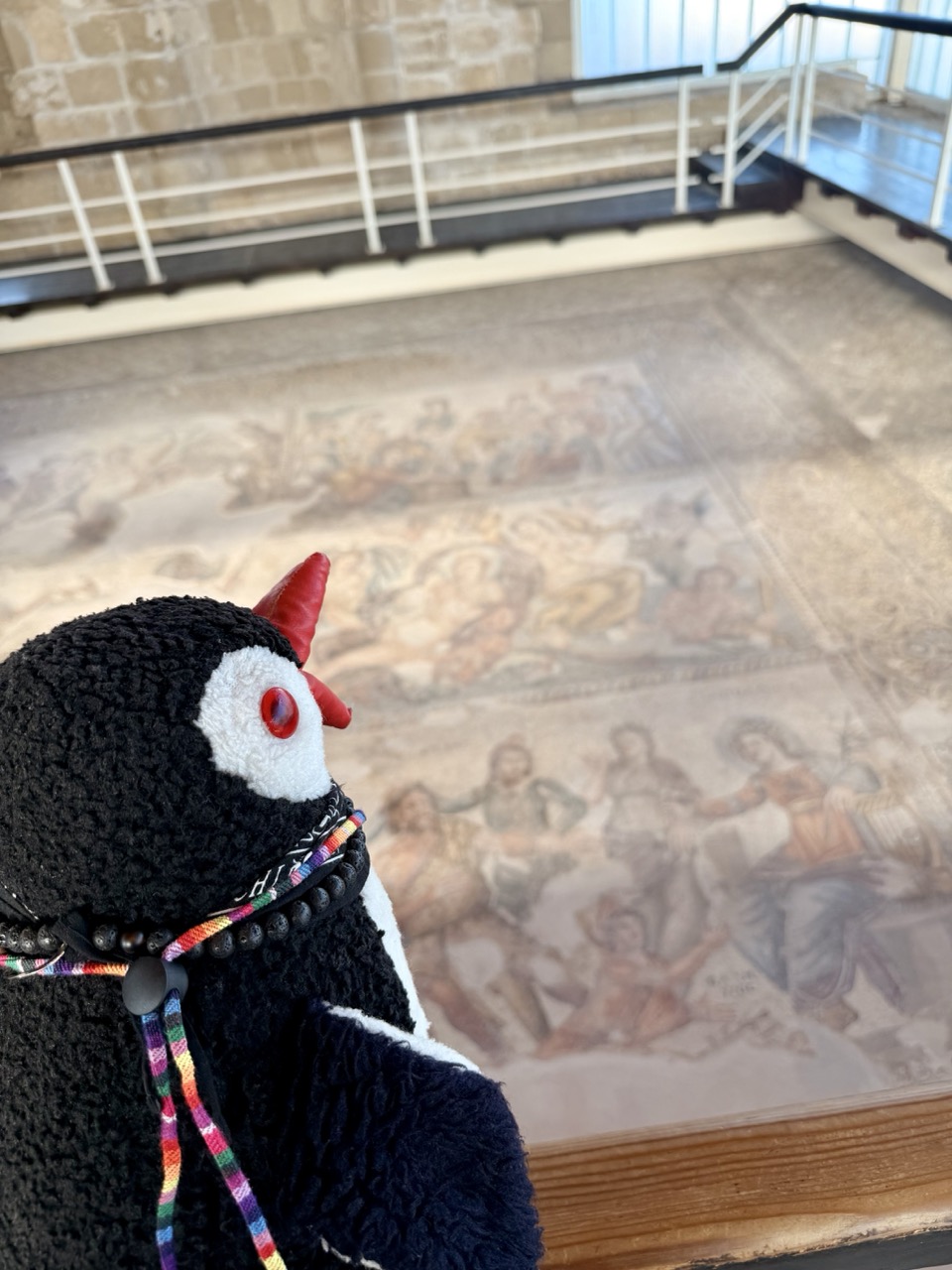
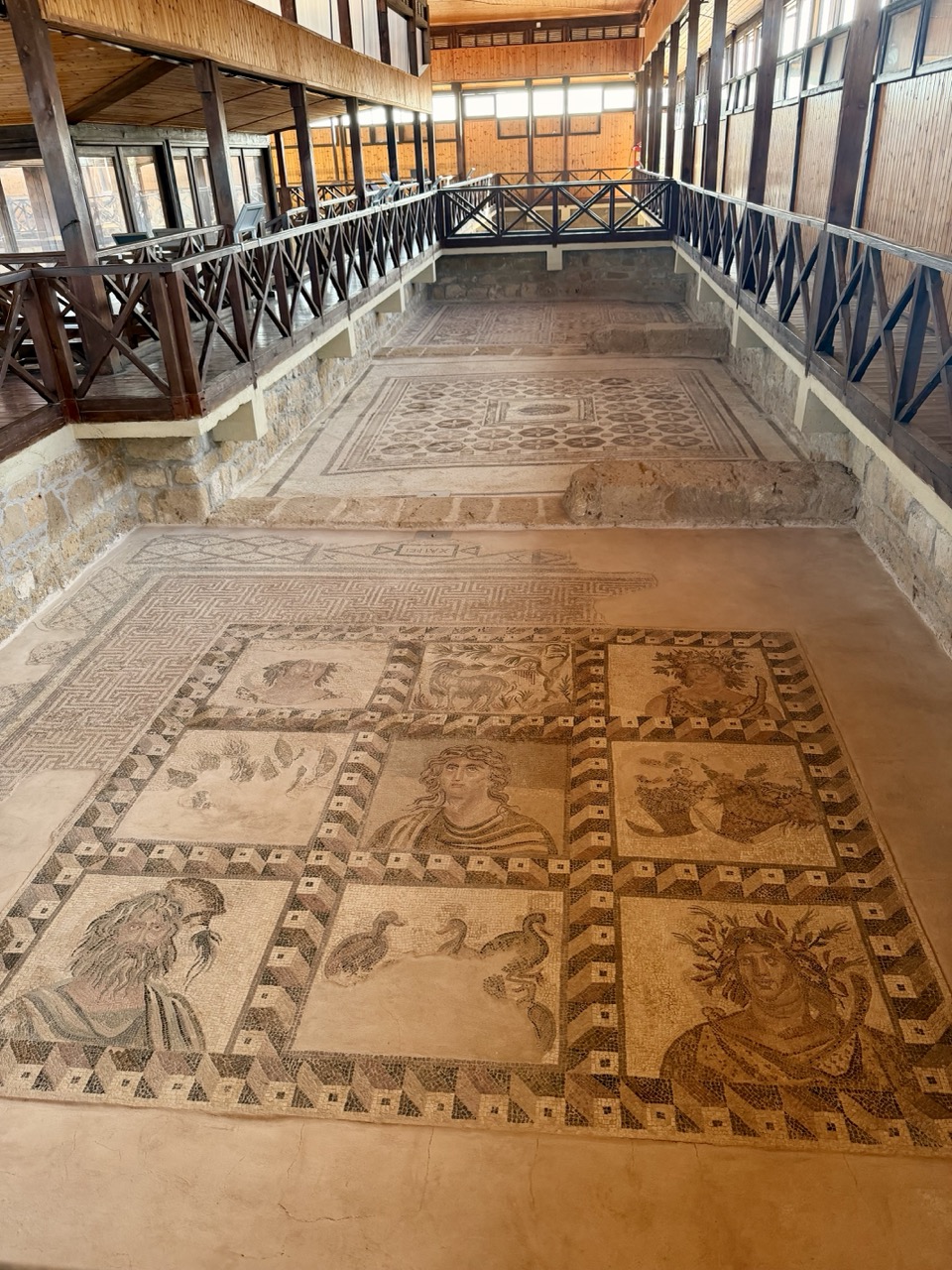
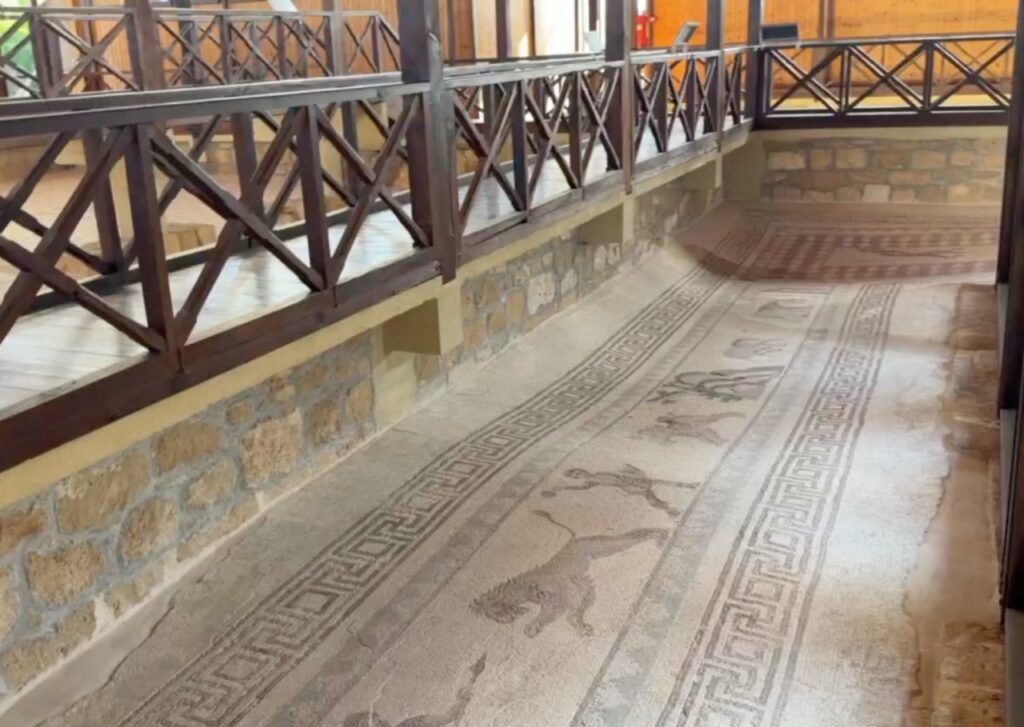
From the entrance, we waddled past the small information center and headed straight toward the House of Aion. This villa is famous for its beautifully preserved mosaics, depicting scenes of gods, heroes, and myths that look surprisingly vibrant for being nearly 2,000 years old. The details are incredible, especially when you realize they were made from tiny stone pieces laid by hand. It’s such a peaceful place to explore at your own pace, with history literally under your feet and the bonus of sea views along the way.
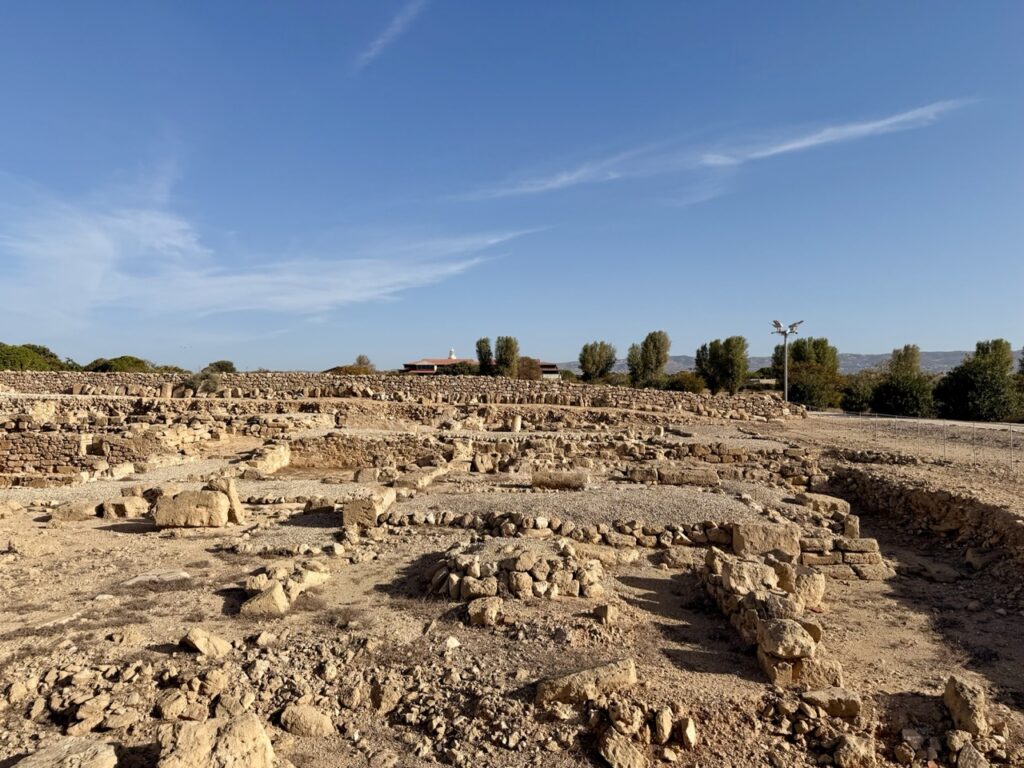
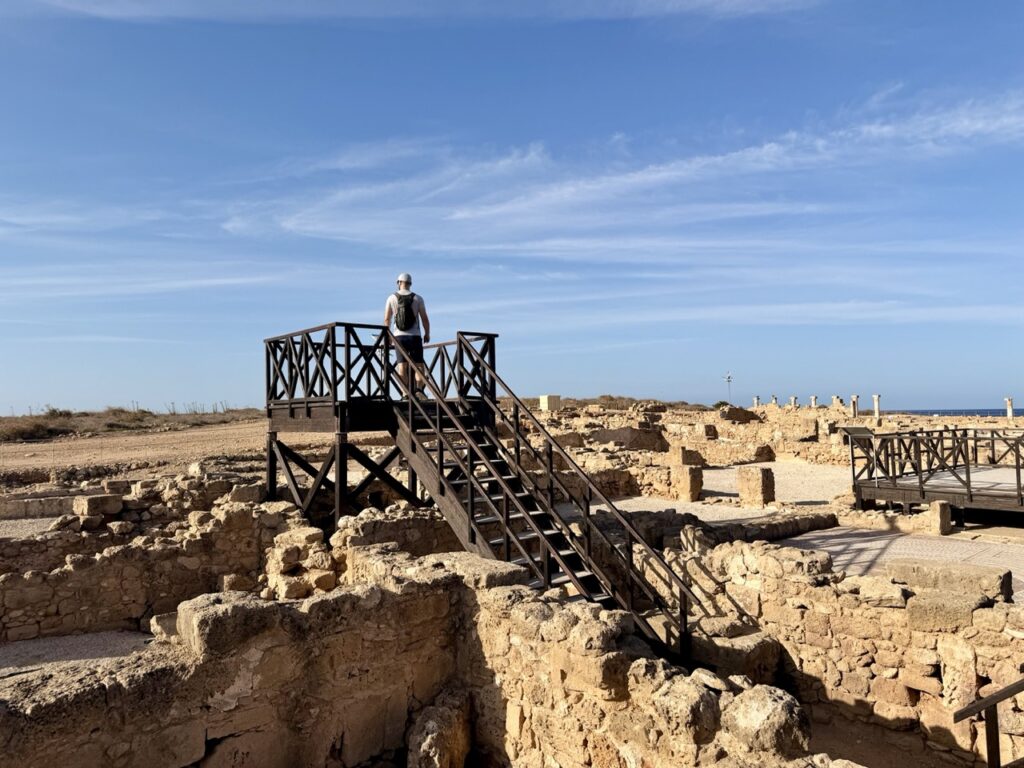
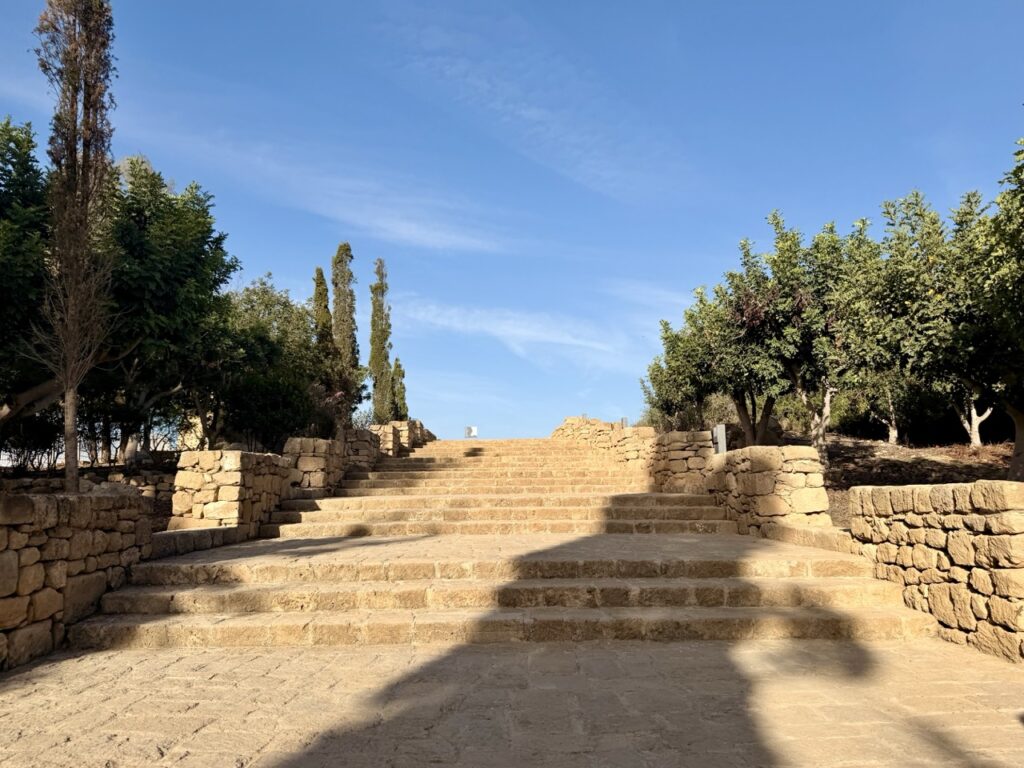
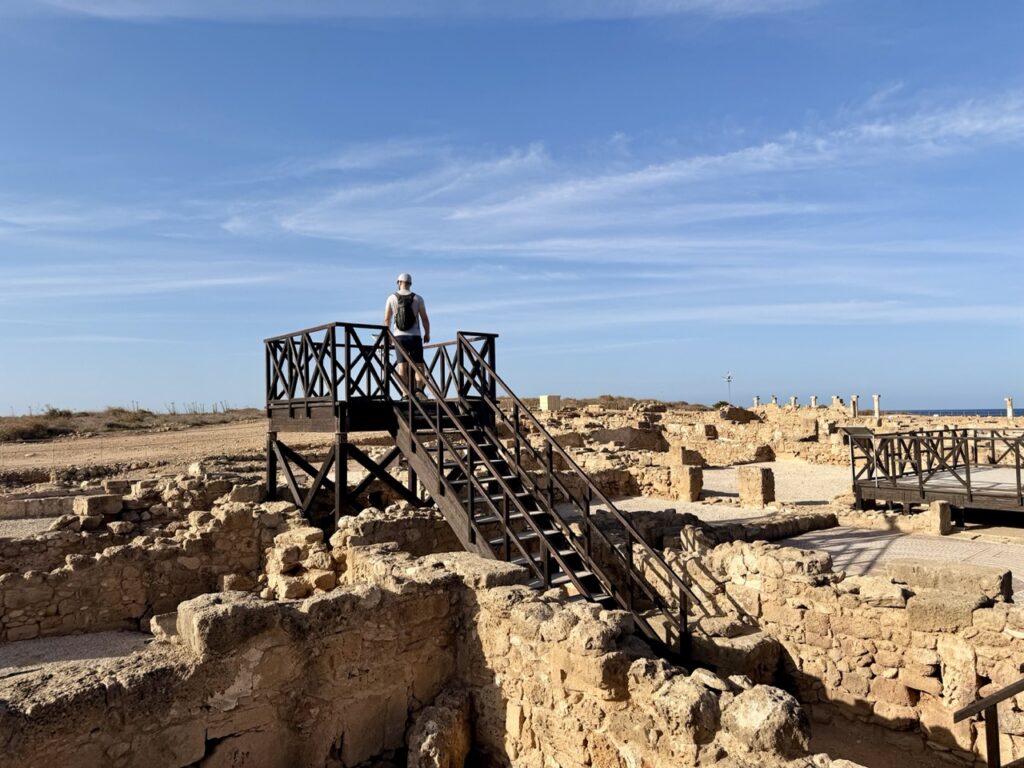
From the House of Aion, we headed toward the House of Theseus, one of the park’s most impressive spots. We loved the elevated area around it; from up there, you get a great view of the entire archaeological site and the nearby sea. The mosaics inside are just as stunning, telling stories of gods and heroes with incredible detail and color.
Interesting fact: The House of Theseus is believed to have been the residence of the Roman governor of Cyprus. It even features a massive central courtyard and over a hundred rooms, showing just how grand life once was here.
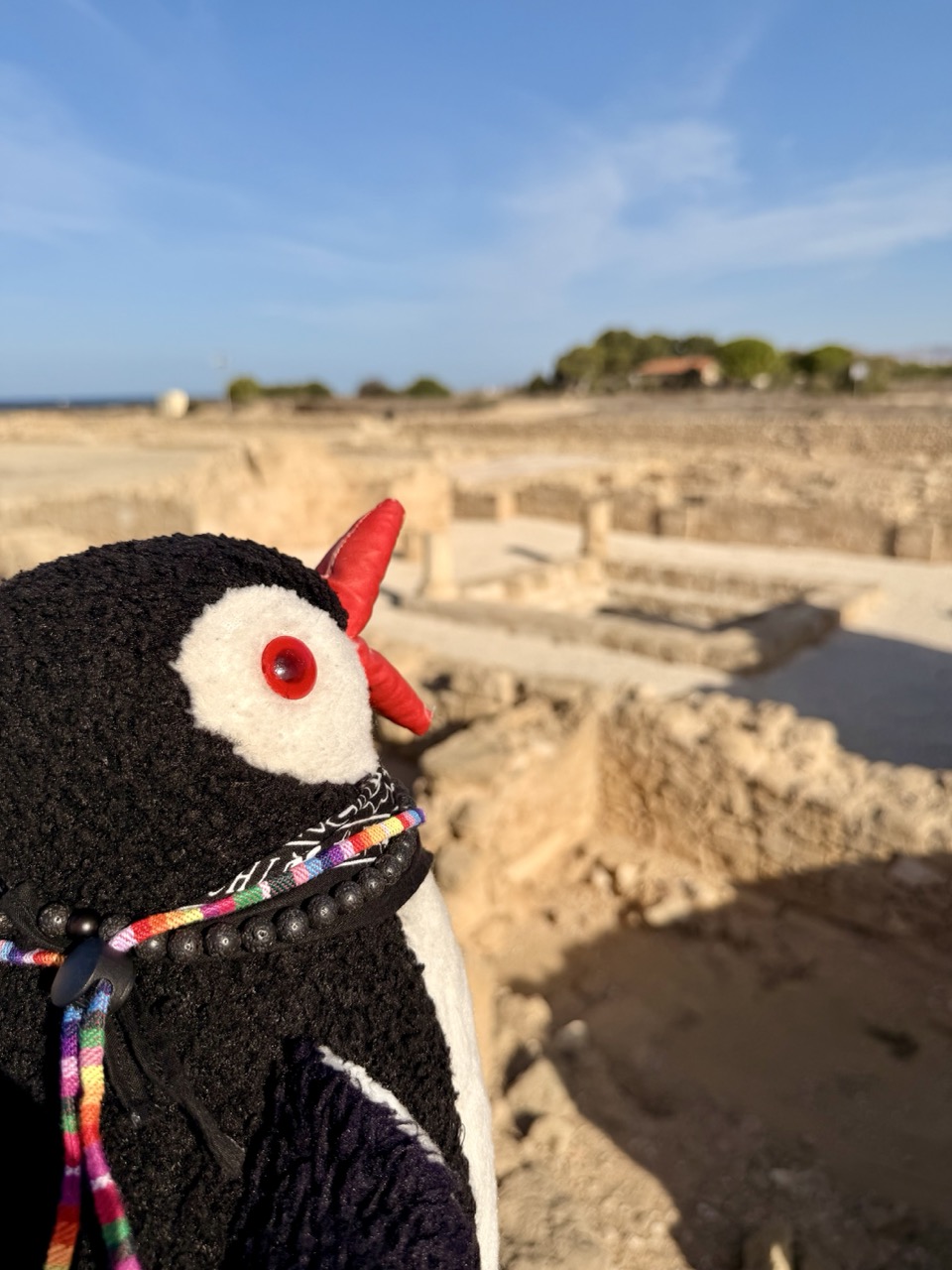
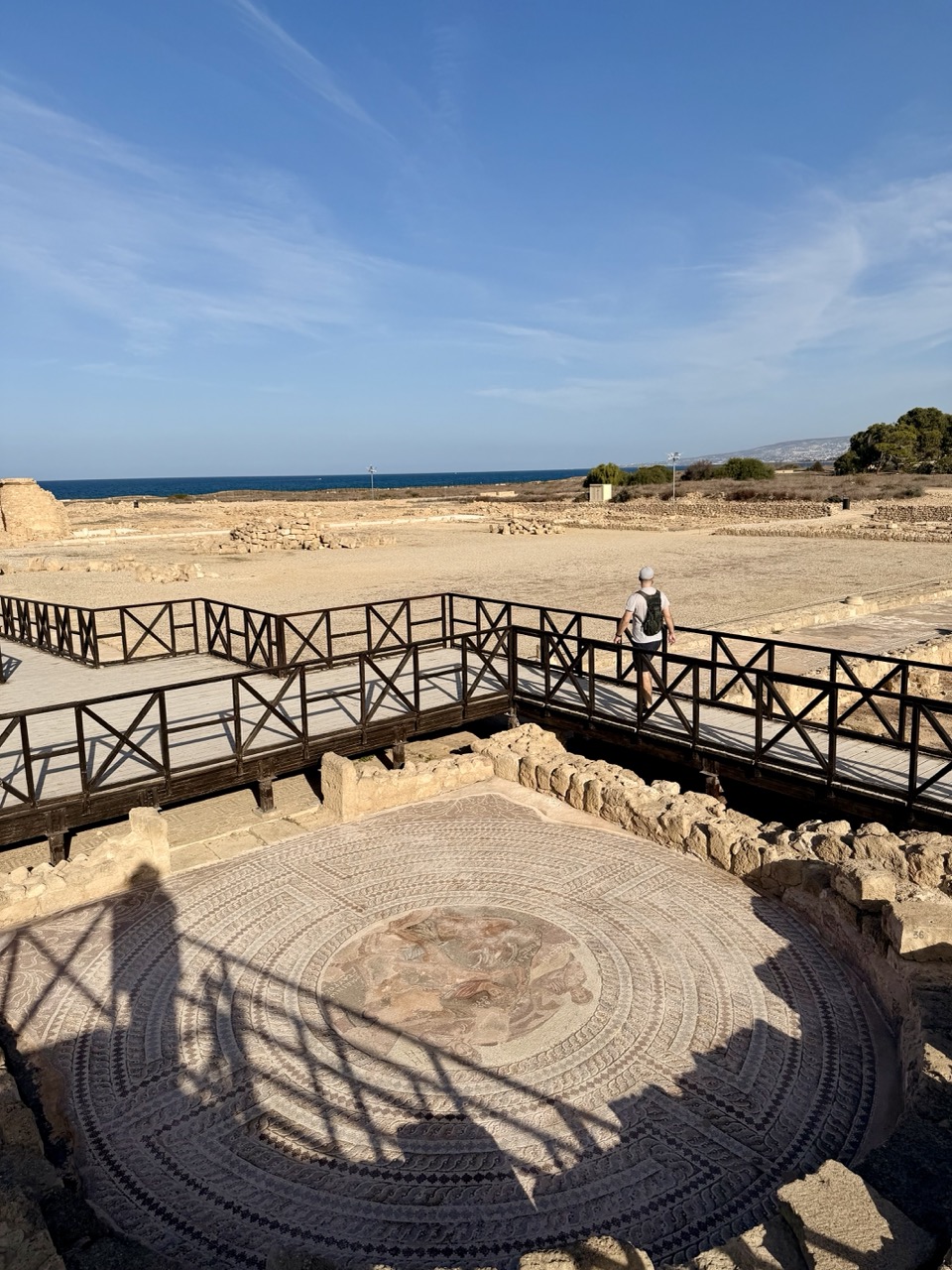
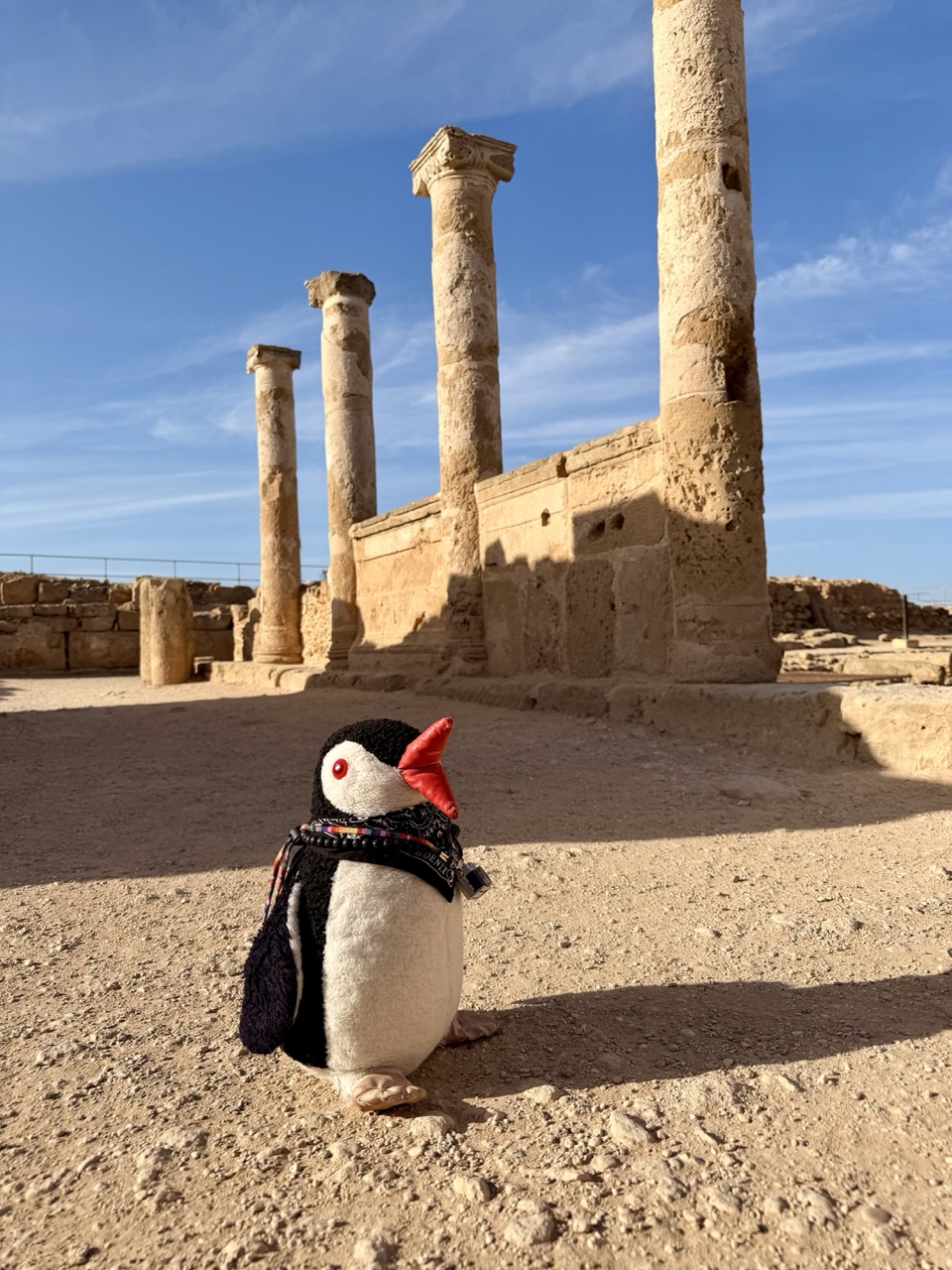
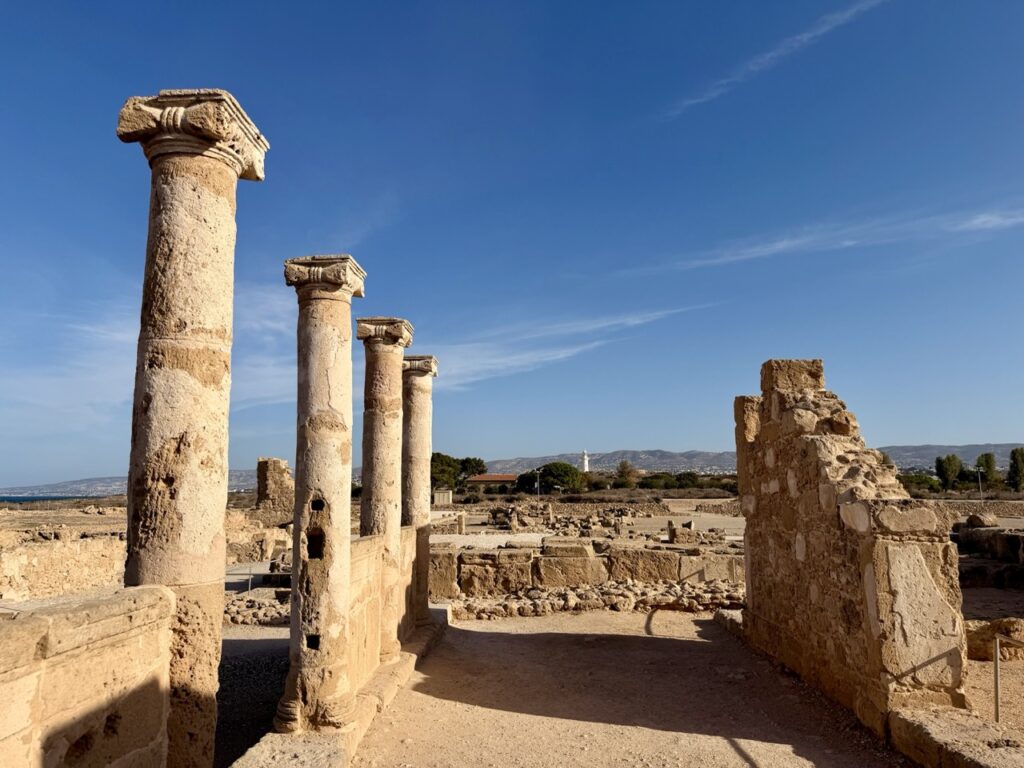
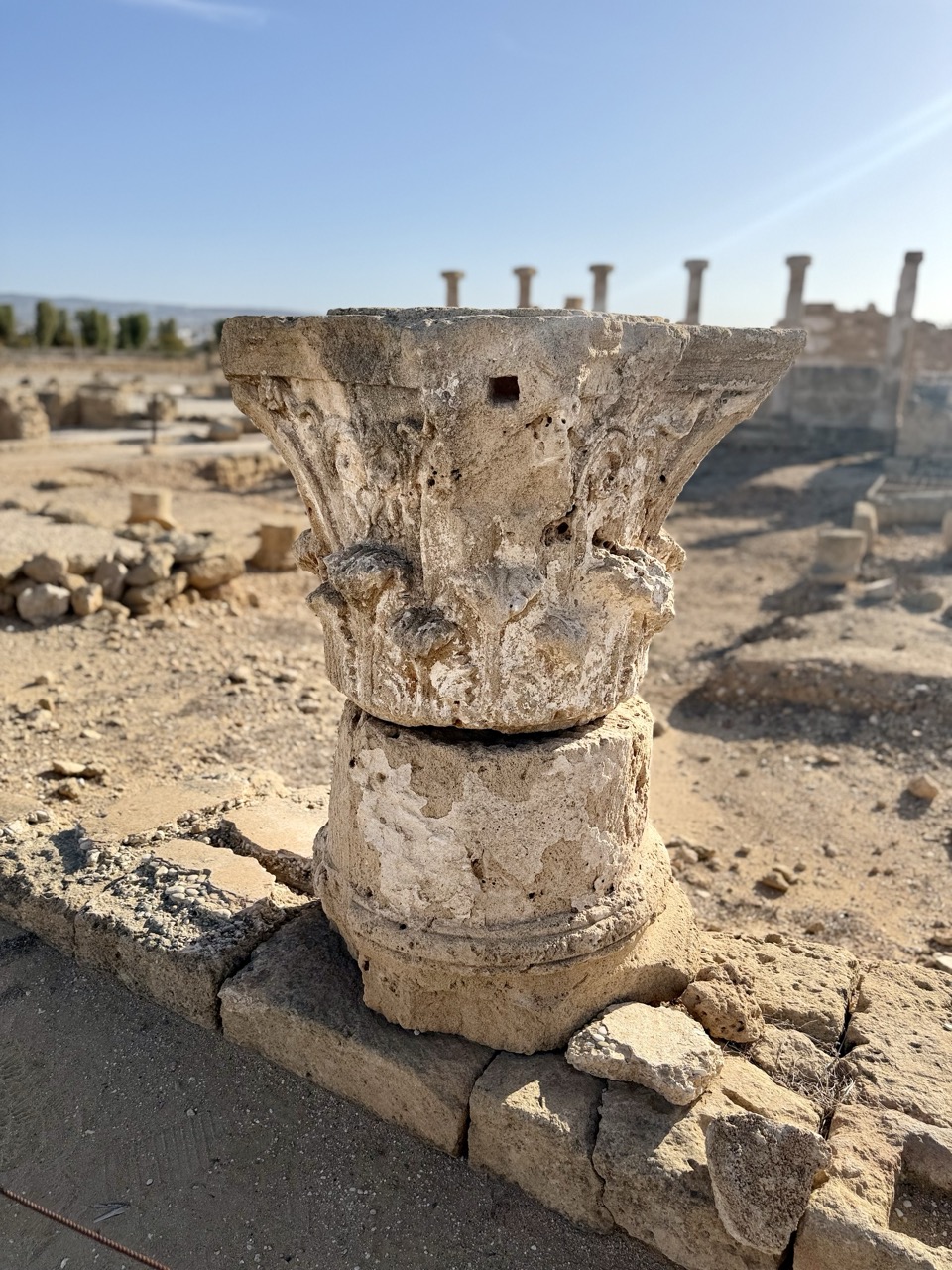
We continued our waddle to the House of Dionysos, where the mosaics are among the finest in the Mediterranean. One of the most fascinating facts is that these mosaics were discovered entirely by accident in the 1960s when a farmer was plowing his field, uncovering one of Cyprus’s greatest archaeological treasures.
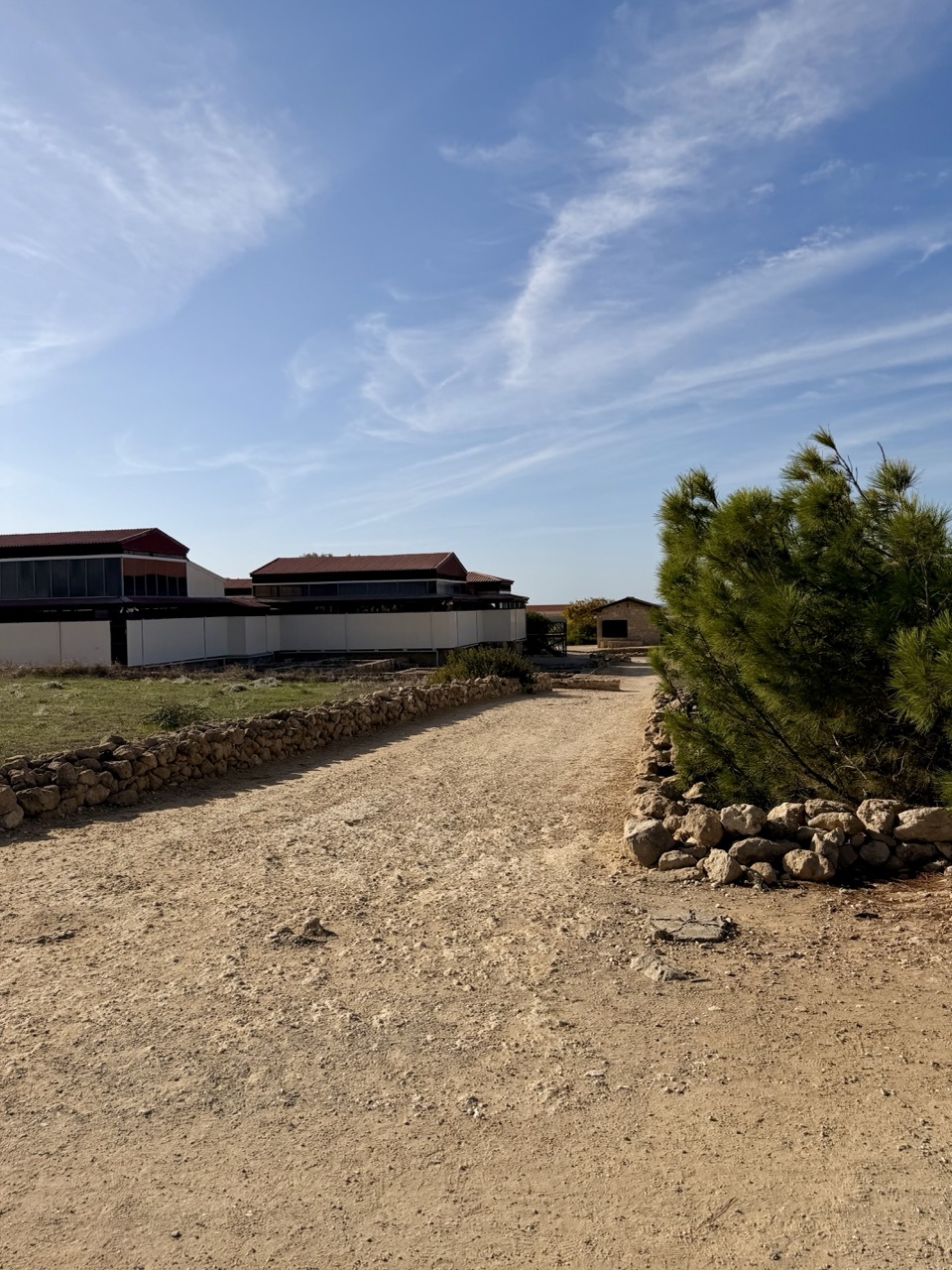
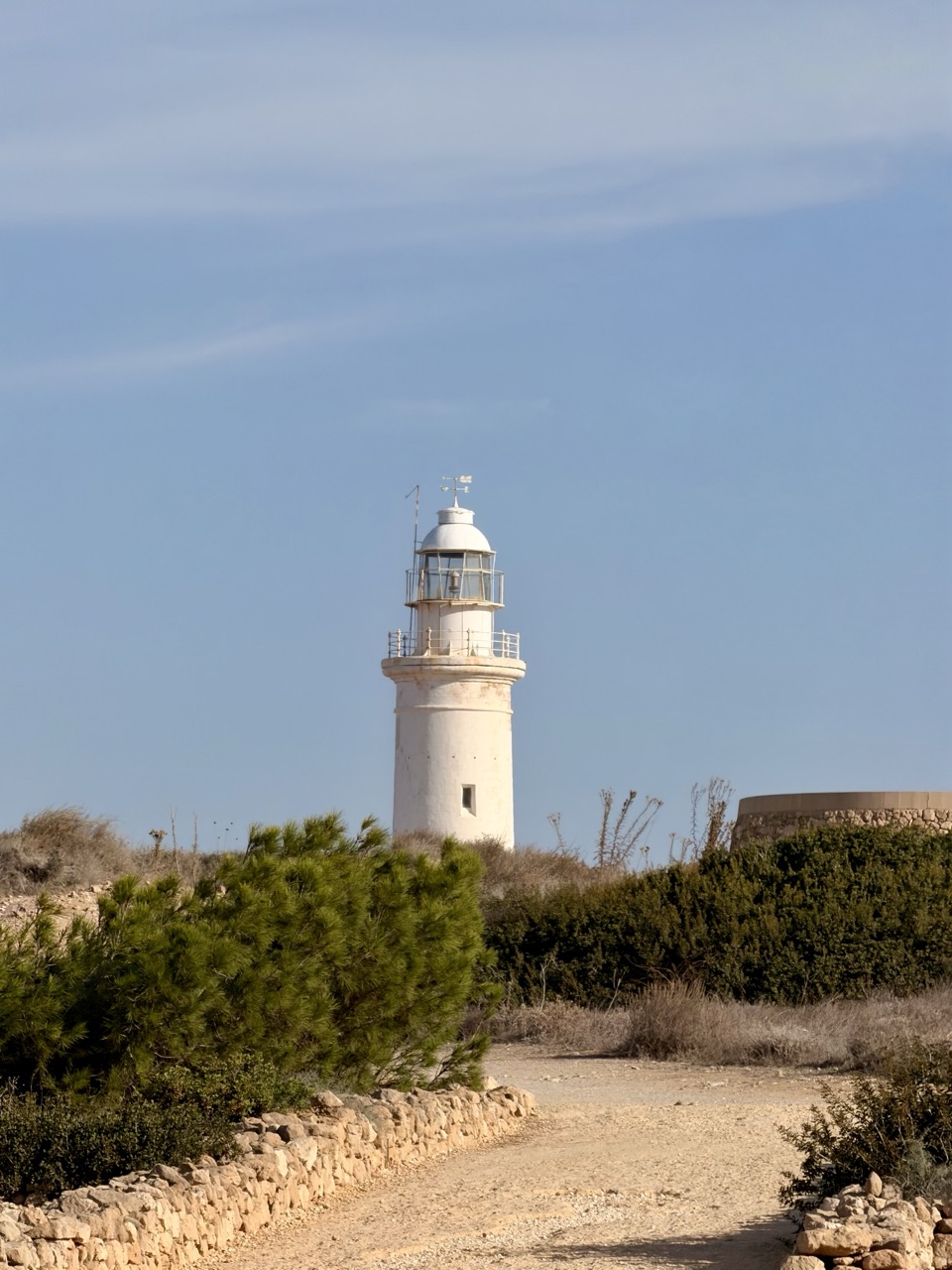
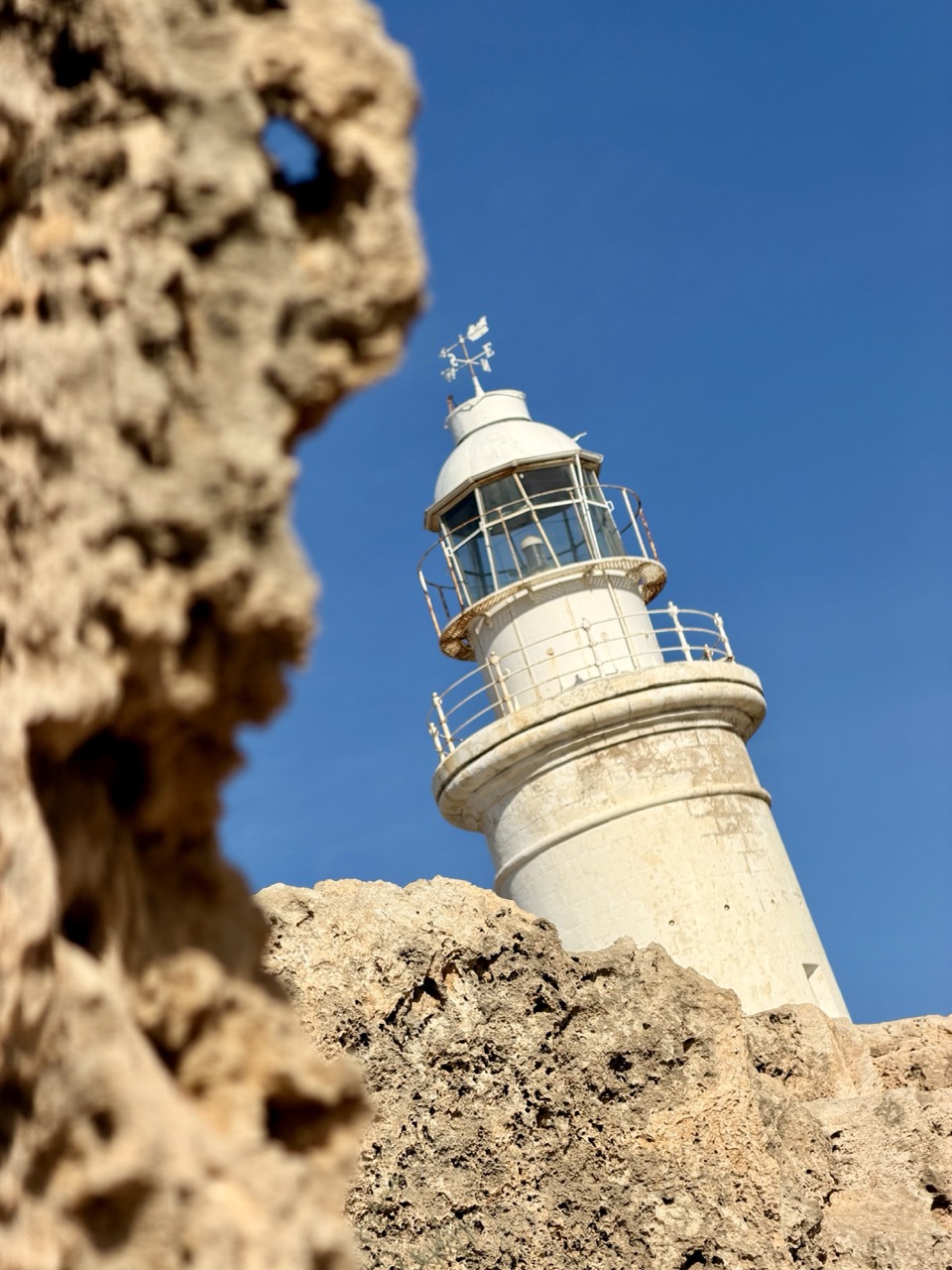
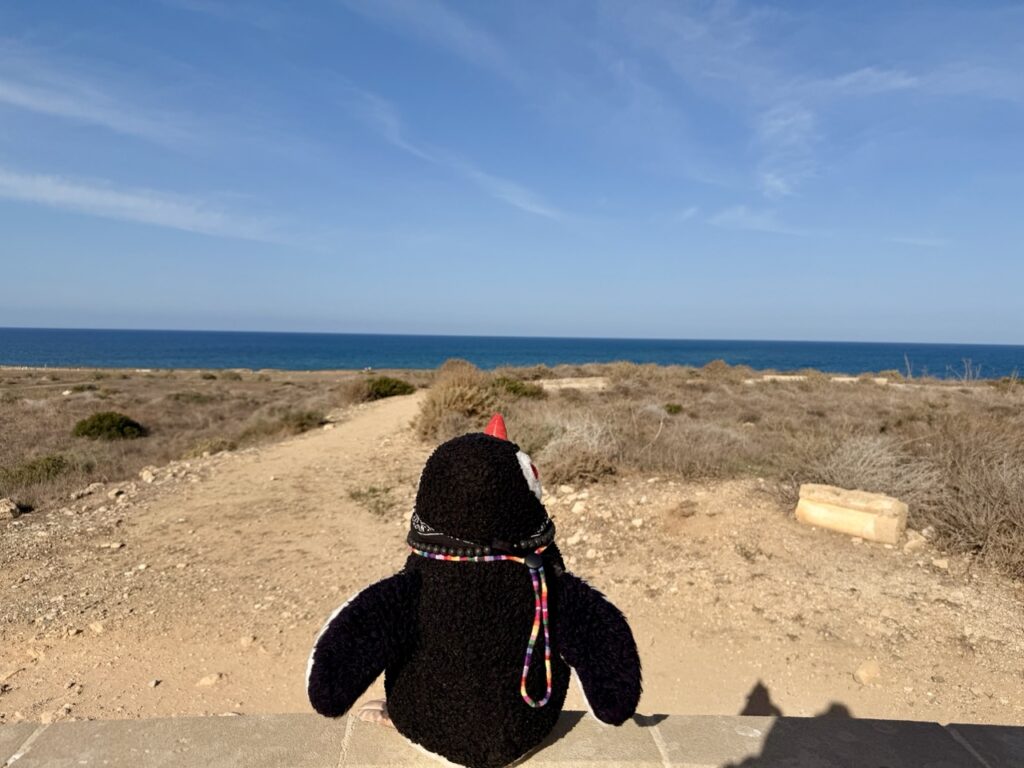
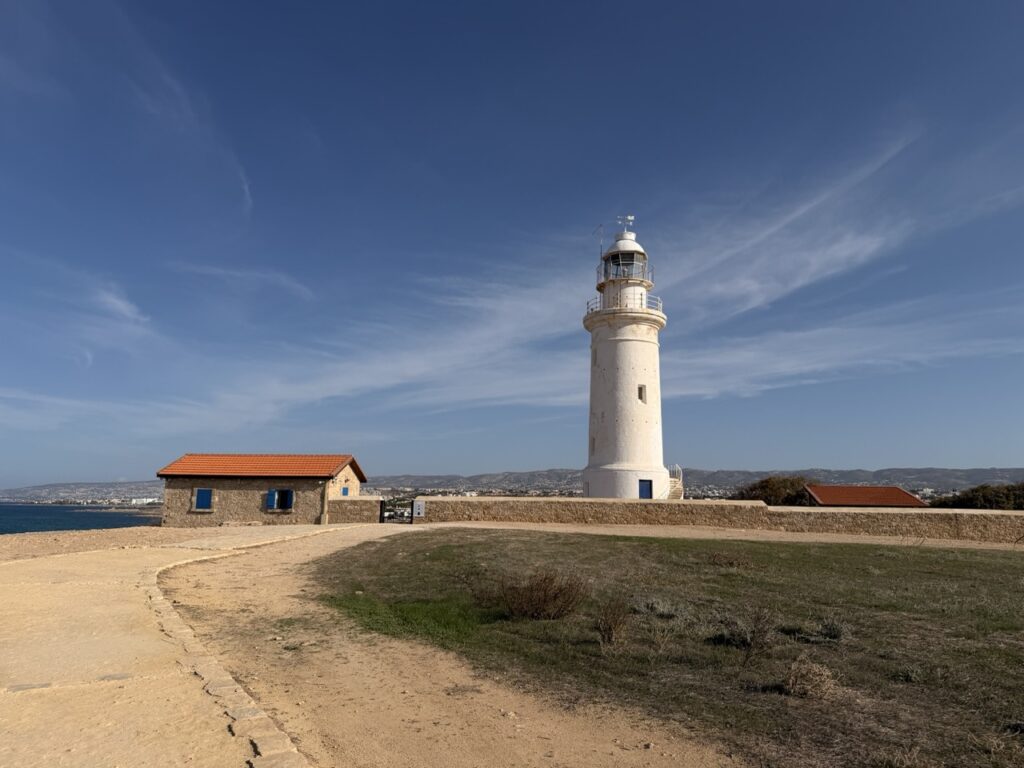
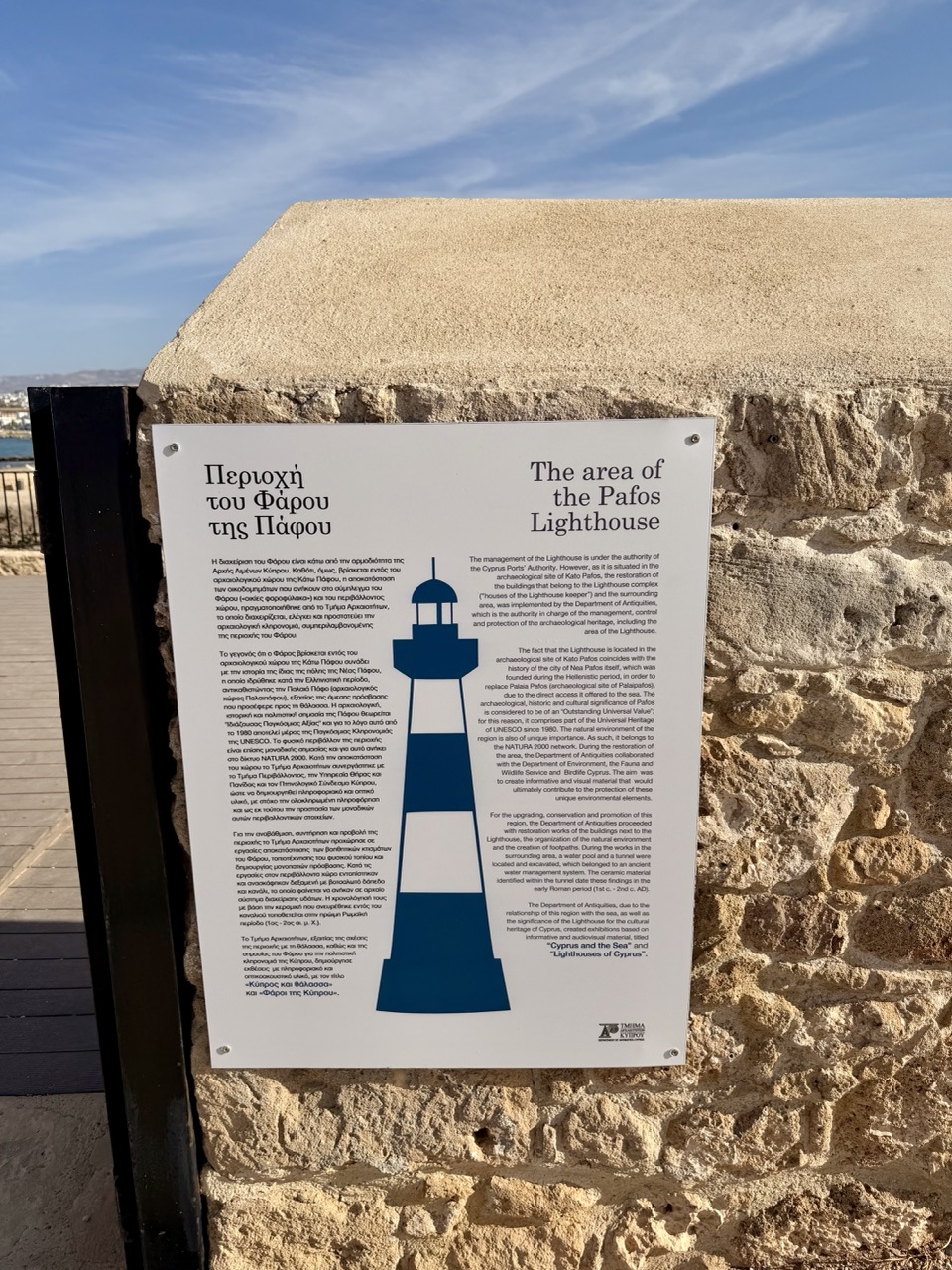
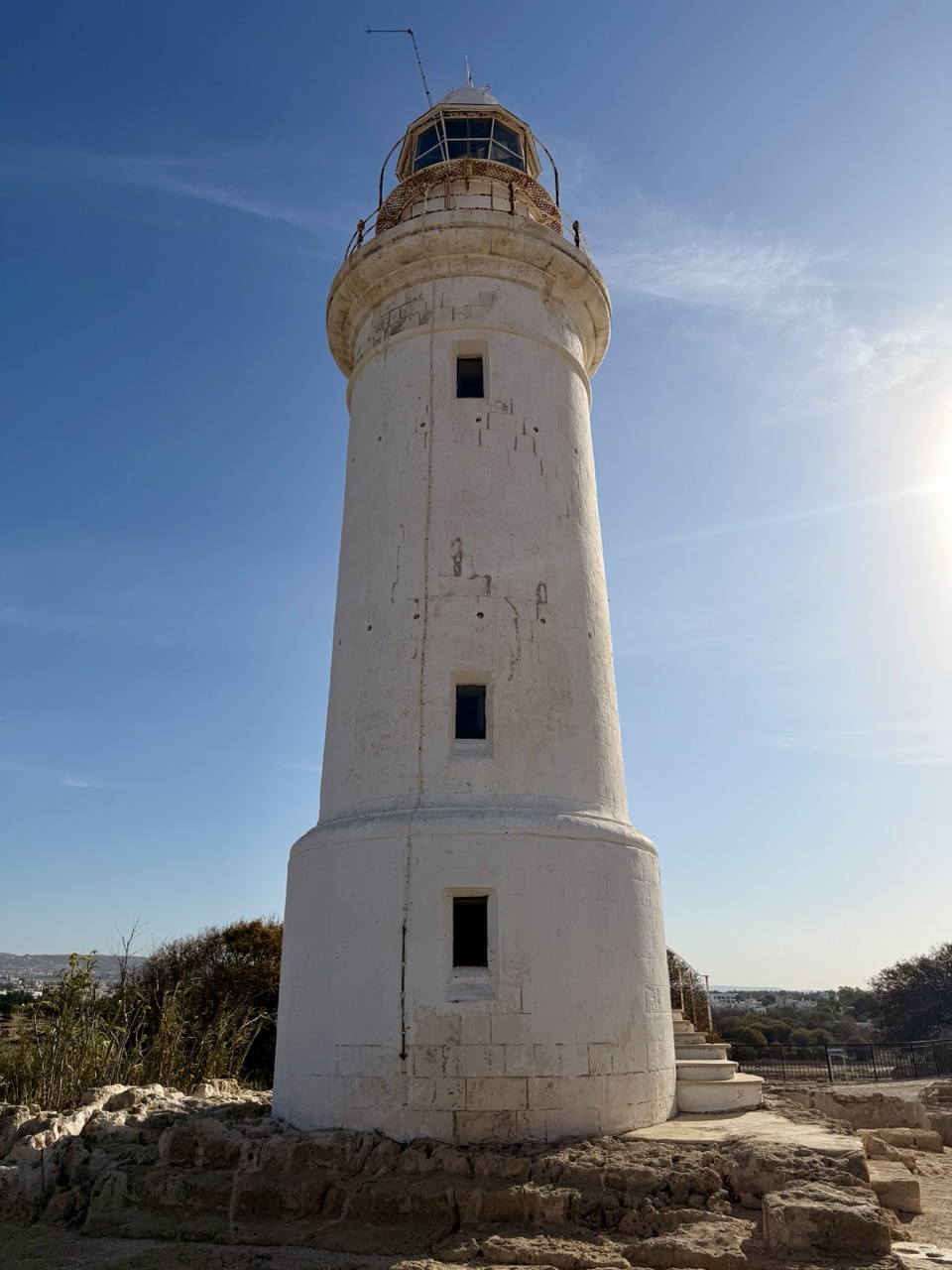
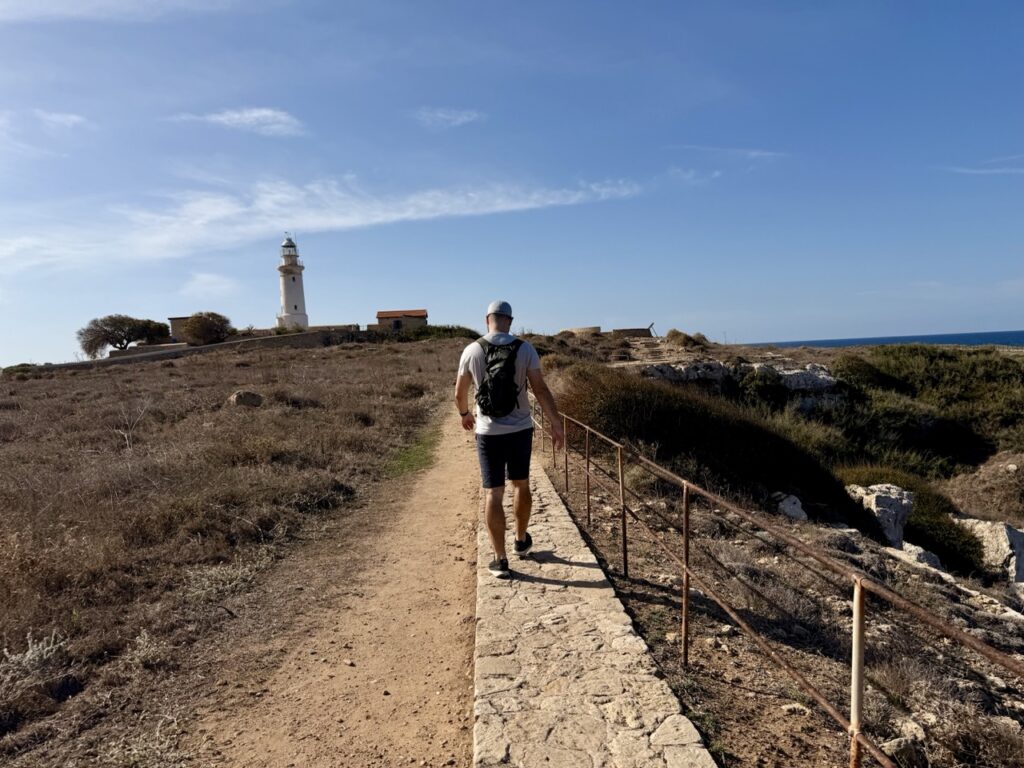
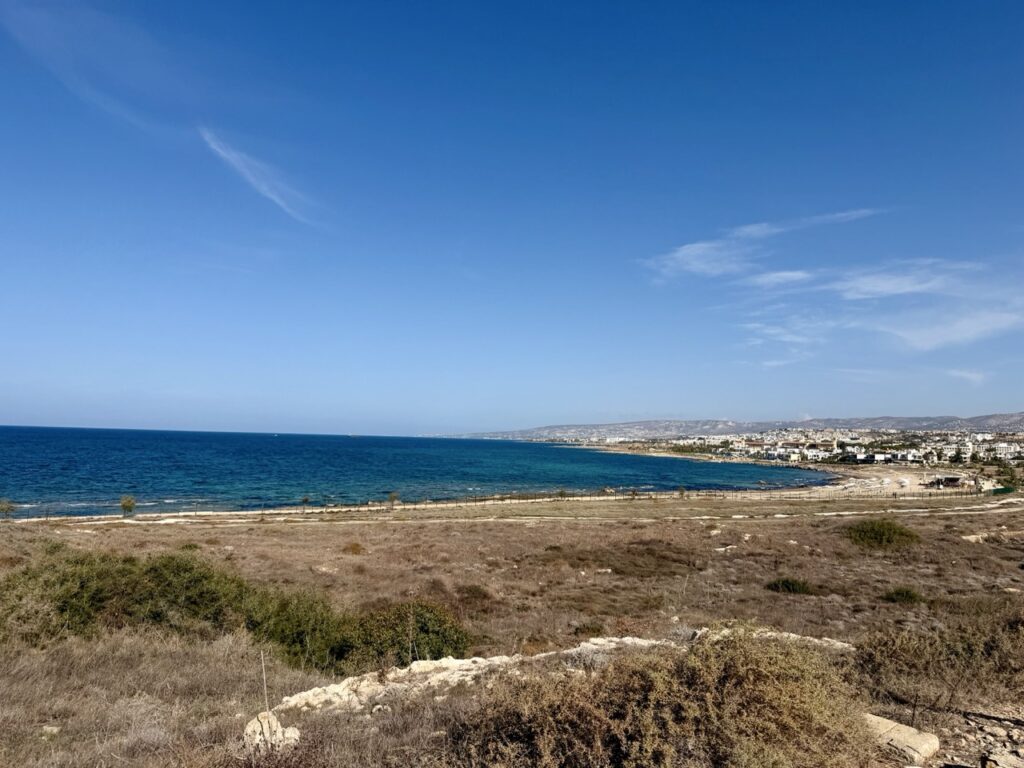
We continued toward the Paphos Lighthouse, standing within the park and overlooking the sea. Built in 1888 during British rule, the lighthouse is about 20 meters tall and served as an essential navigation point for ships traveling between Britain and its colonies. Although it’s no longer in full operation today, it remains a functional landmark maintained for heritage purposes. The view from this area is stunning; you can see the coastline stretching far beyond the harbor, with the ancient ruins below and the Mediterranean sparkling all around. It’s the perfect spot to pause, take a deep breath, and appreciate how history and nature blend so beautifully here.
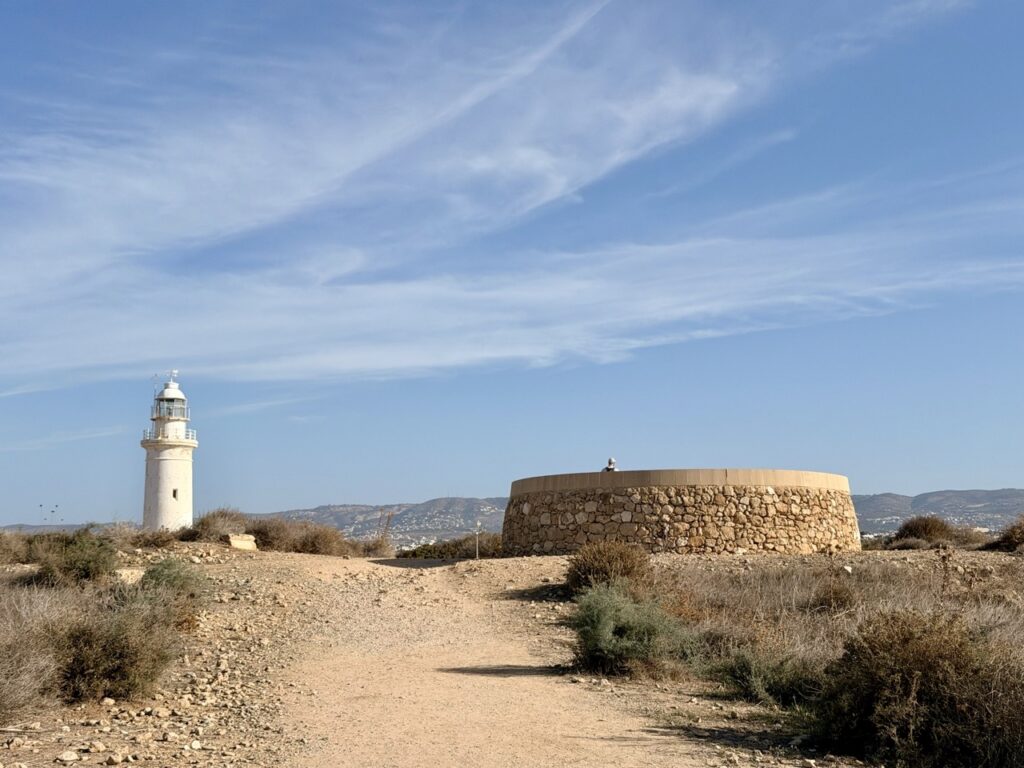
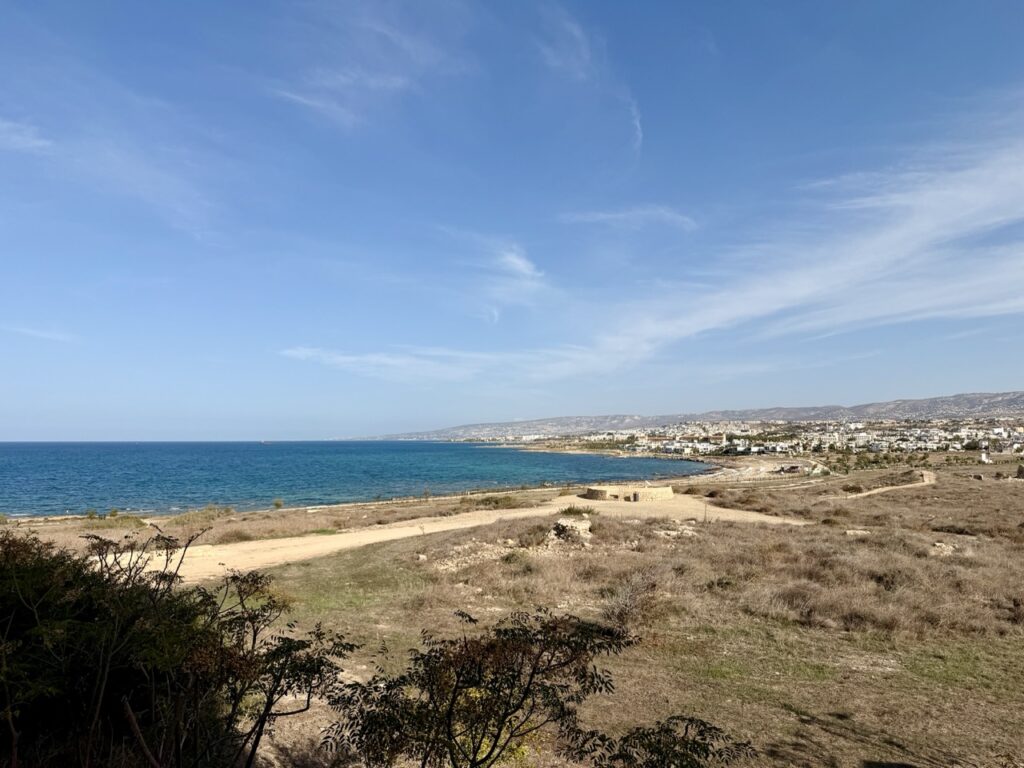
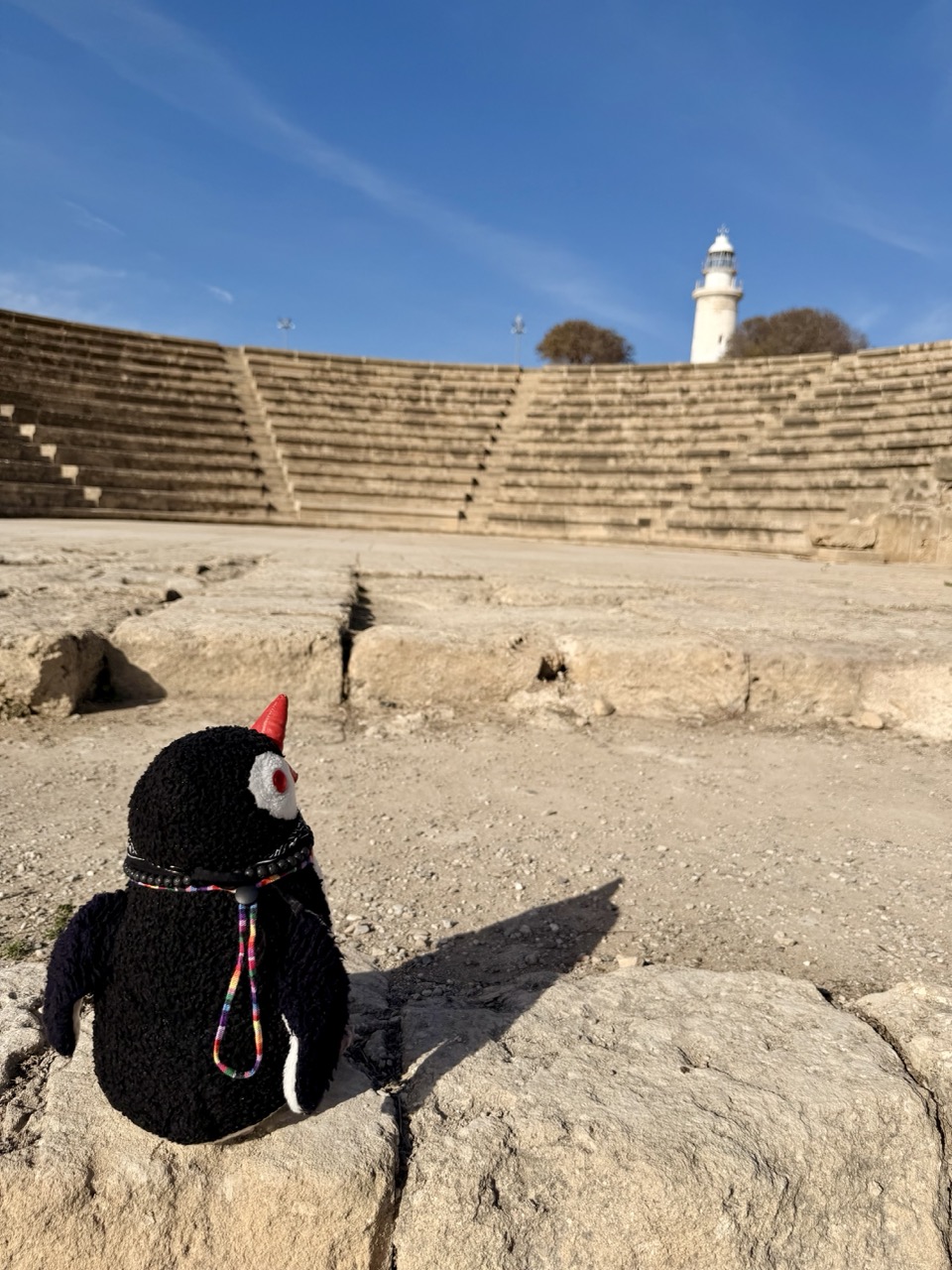
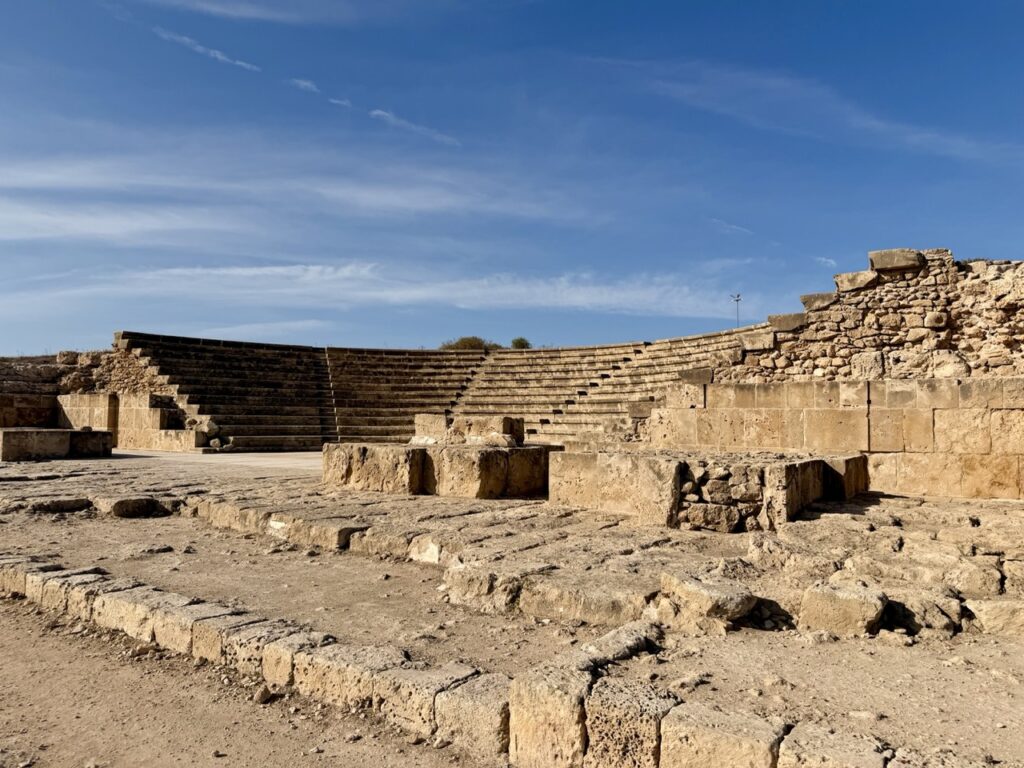
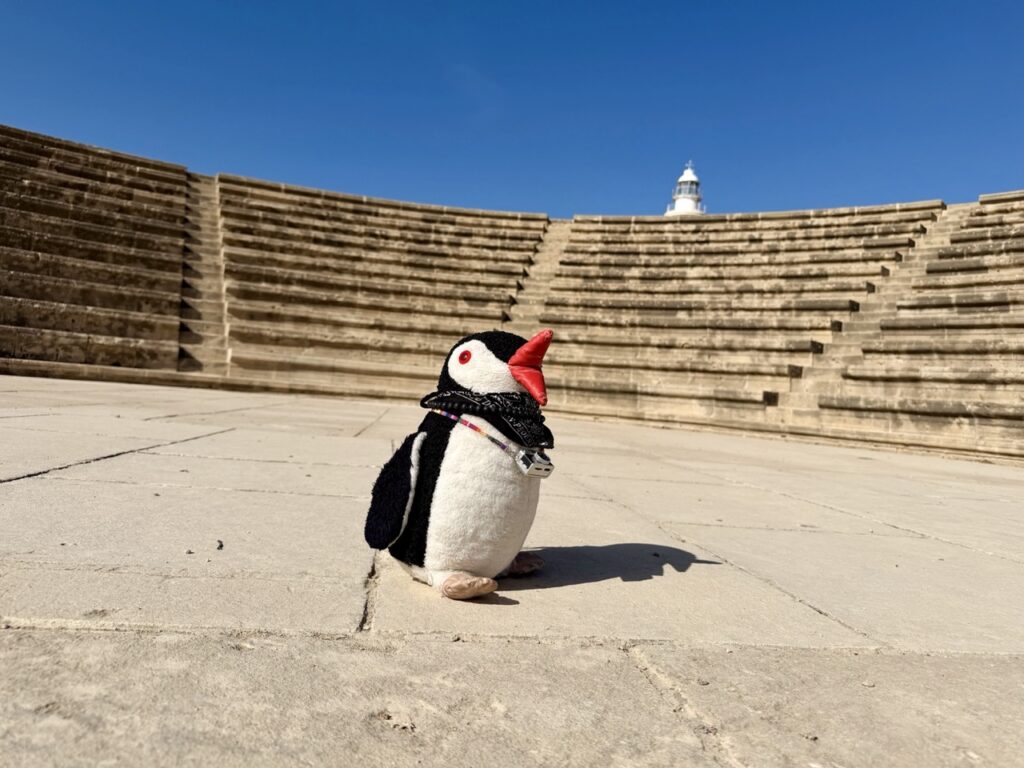
Next, we wandered over to the Odeon, which sits just beside the lighthouse. This small Roman theater, built entirely of limestone blocks, dates back to the 2nd century AD and once hosted musical performances and public gatherings. It’s surprisingly well preserved; you can still imagine the echo of voices and instruments filling the air. An interesting fact is that the Odeon is still used today for summer concerts and cultural events, keeping the ancient tradition of performance alive. Standing there in the quiet morning light, it felt almost magical to picture people gathering here centuries ago, watching the same sea glimmer in the background.
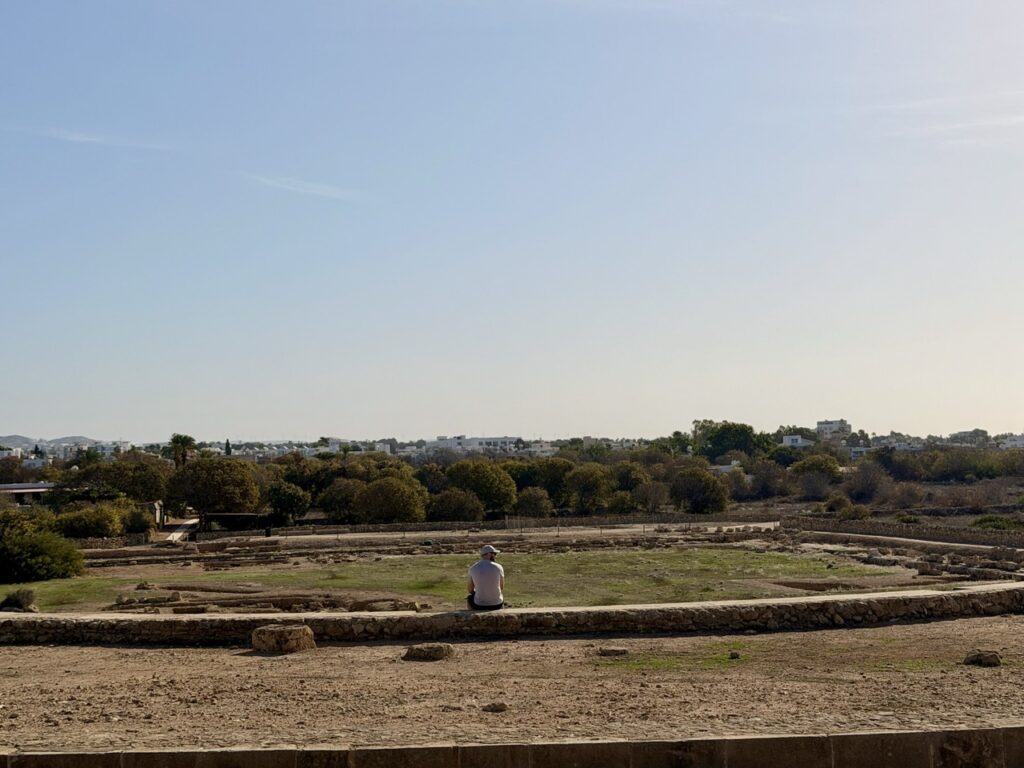
Our next stop was Toumpallos, where we decided to take a well-earned break as the midday sun grew intense. This area offers a bit of shade, which feels like a blessing after walking through the park’s open areas. The structure itself is fascinating; it’s believed to be part of a Byzantine fortress or early Christian basilica, built on top of older Hellenistic remains. Archaeologists think it served as both a place of worship and defense during the early Byzantine period. Standing there among the weathered stones, with a light breeze and a bit of shade, it was easy to imagine how this spot once offered protection and calm to those who lived here centuries ago.
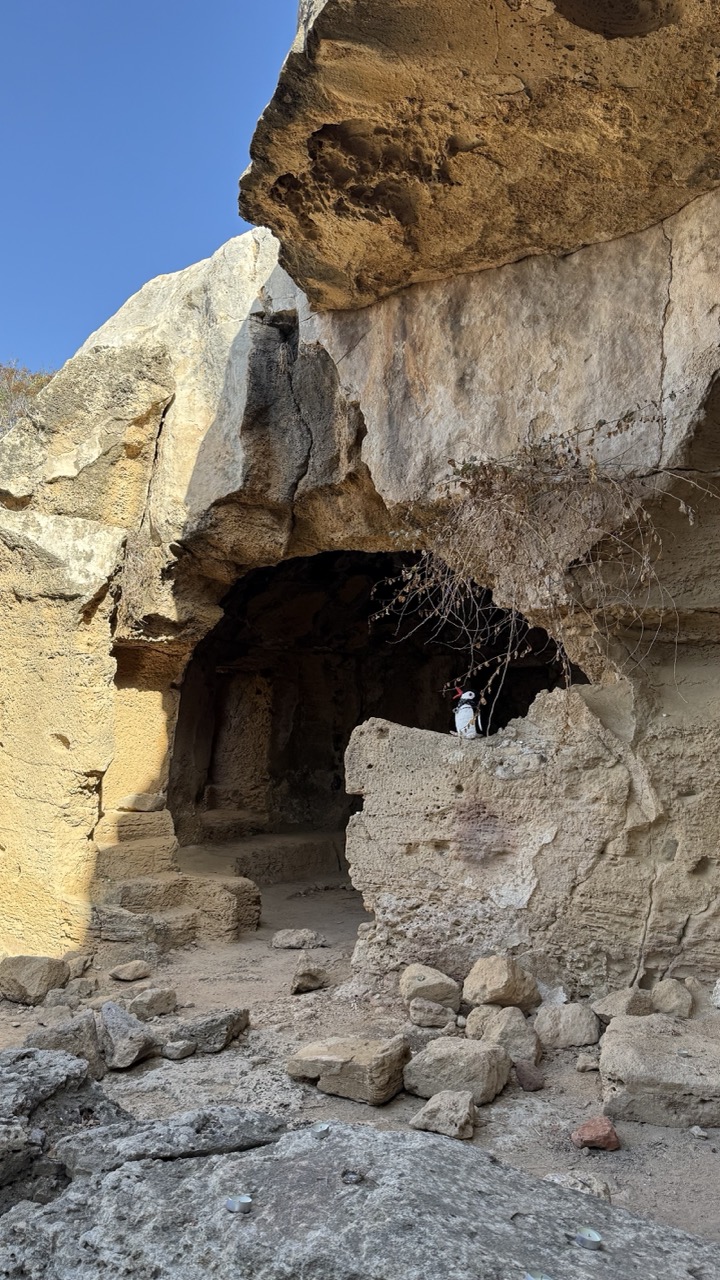
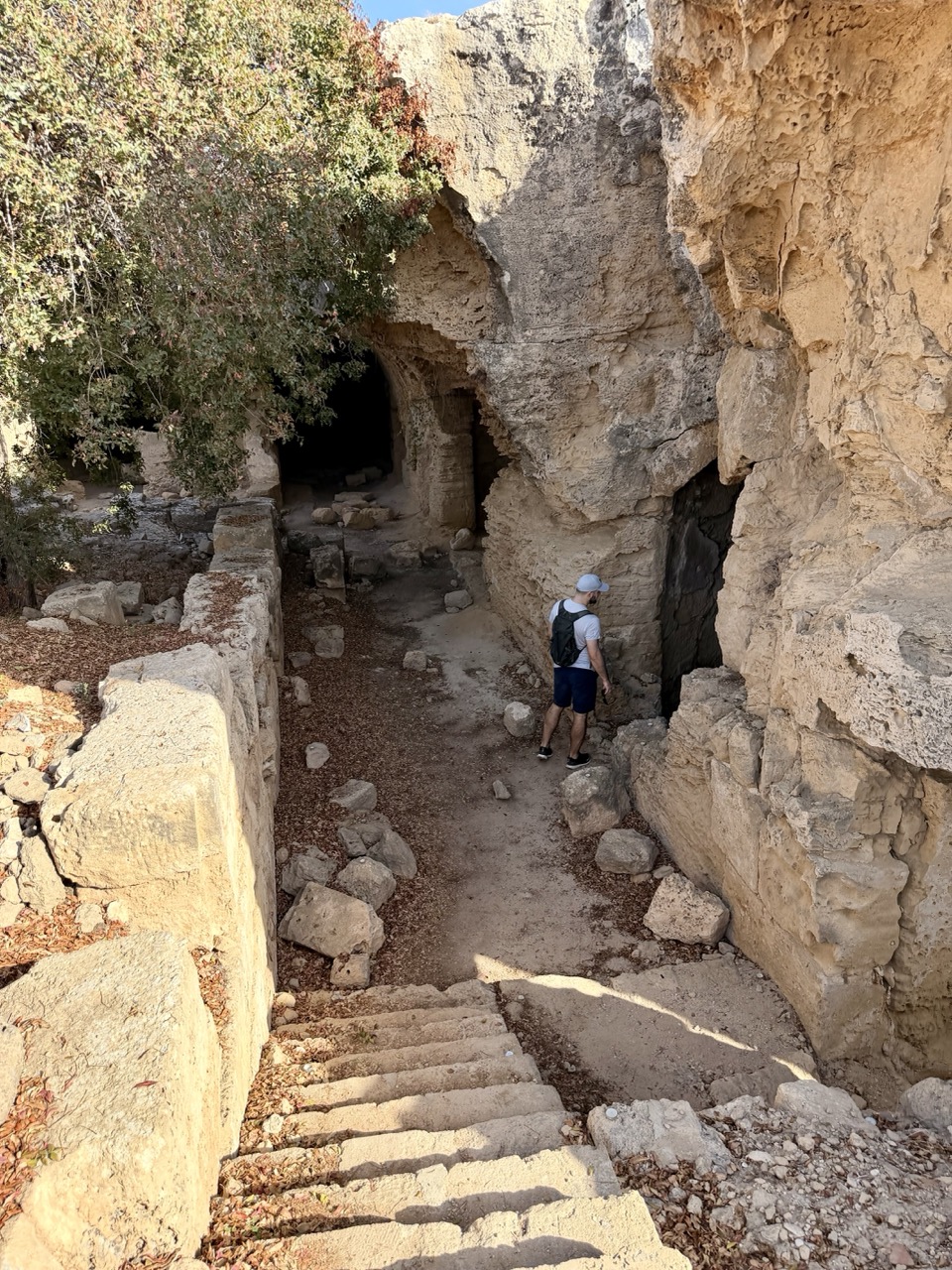
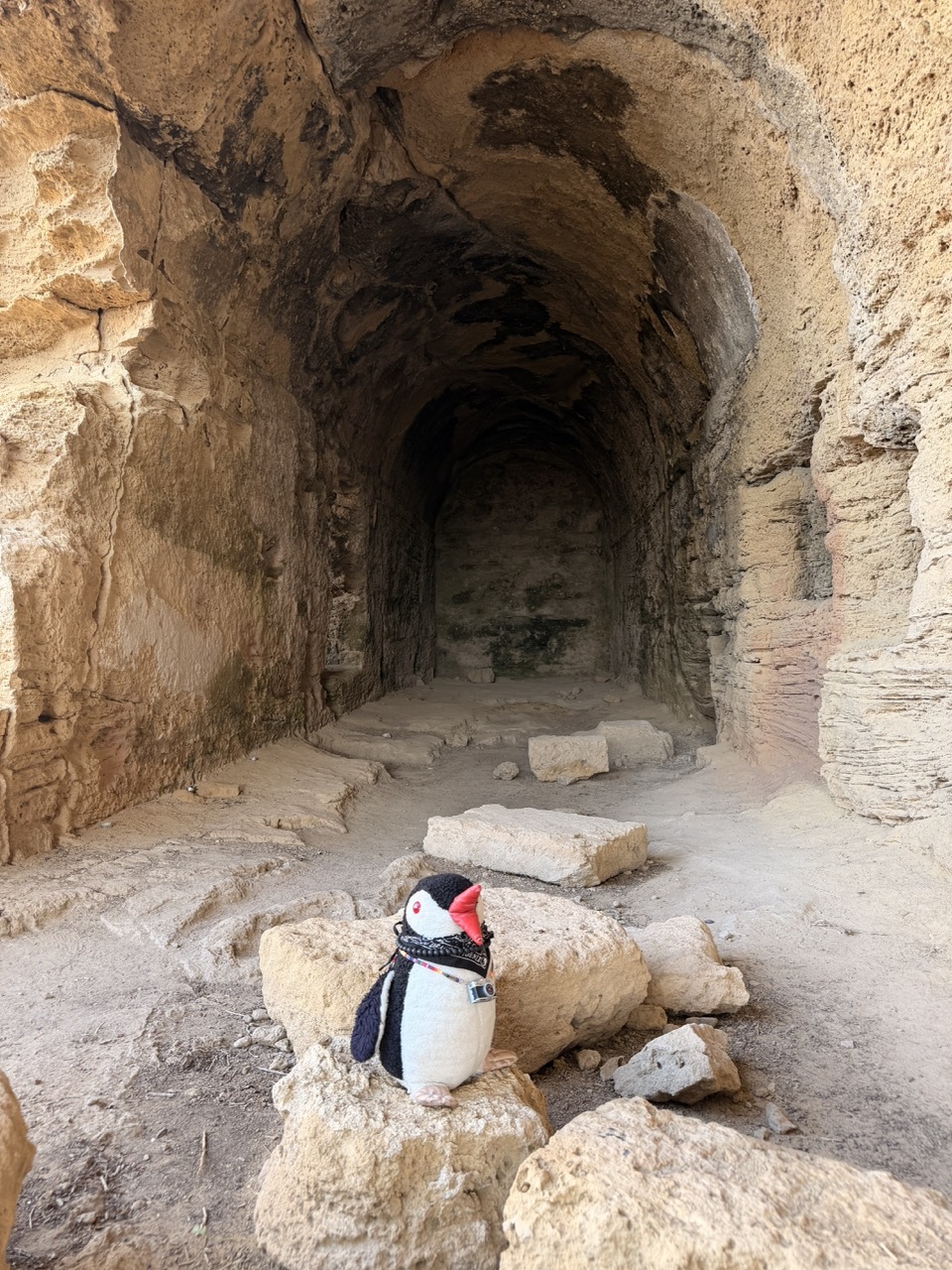
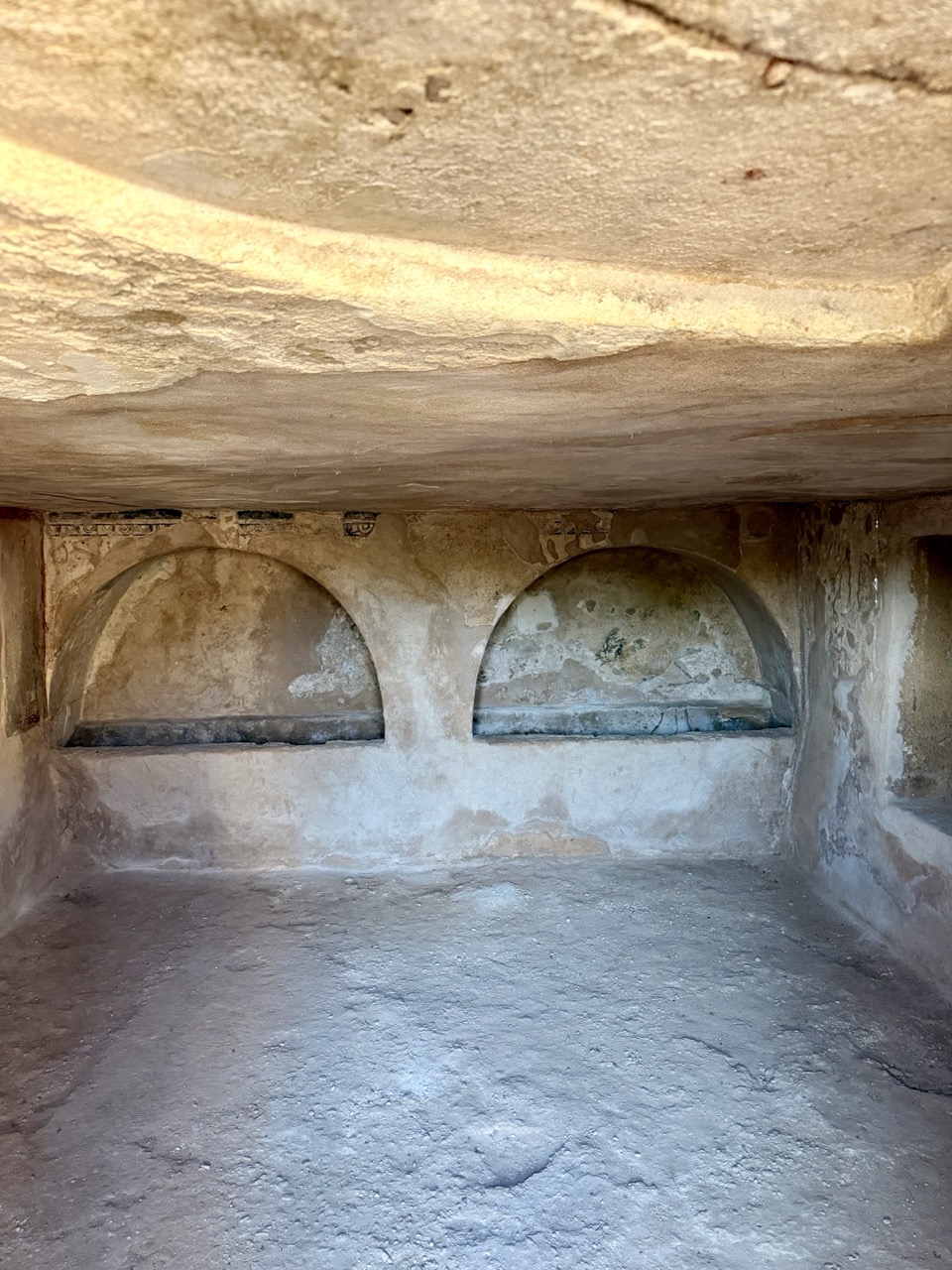
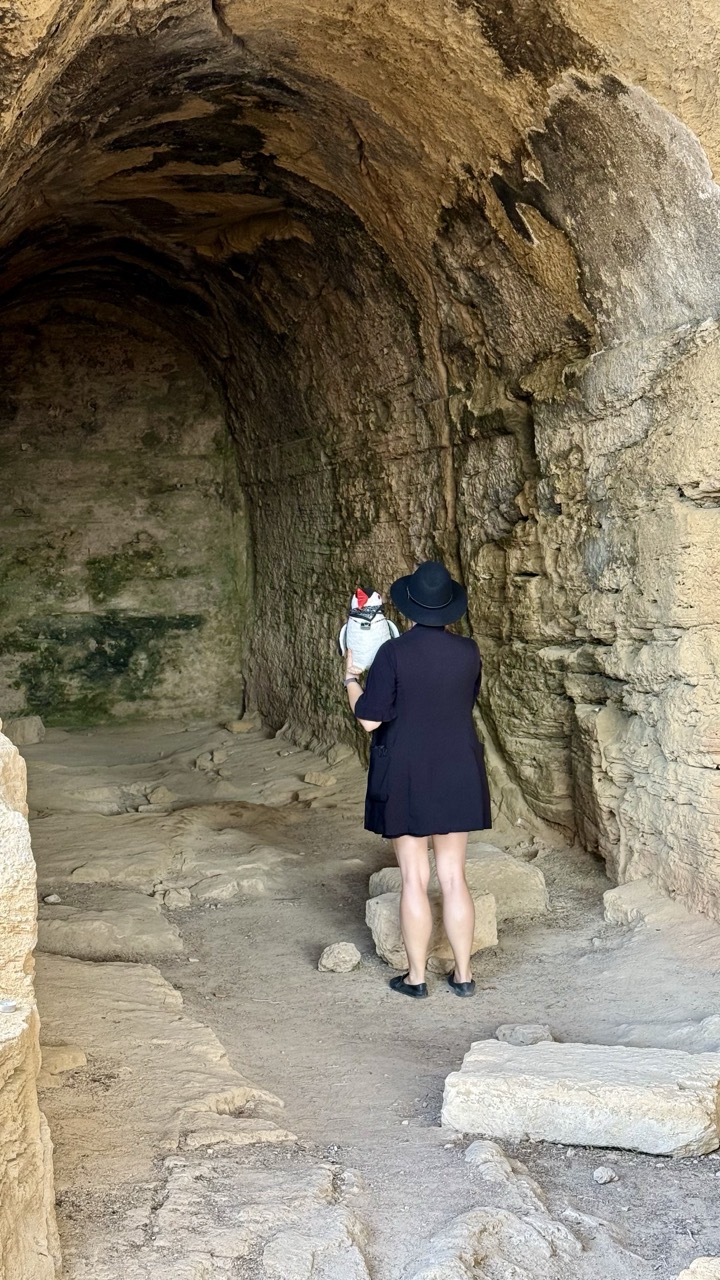
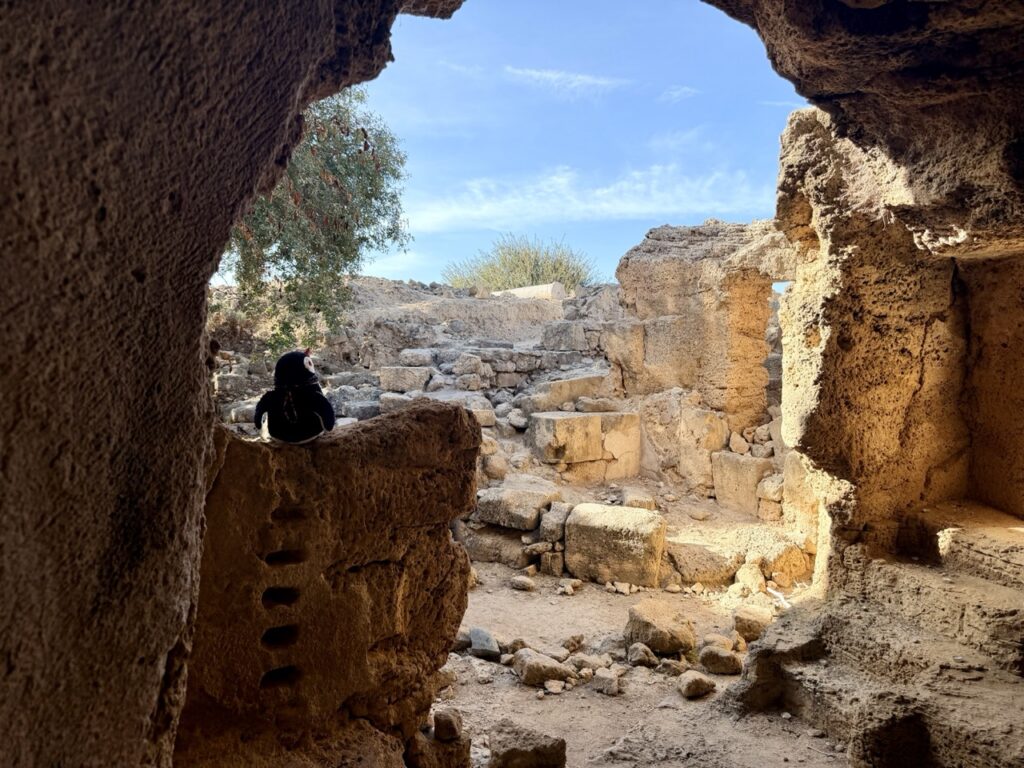
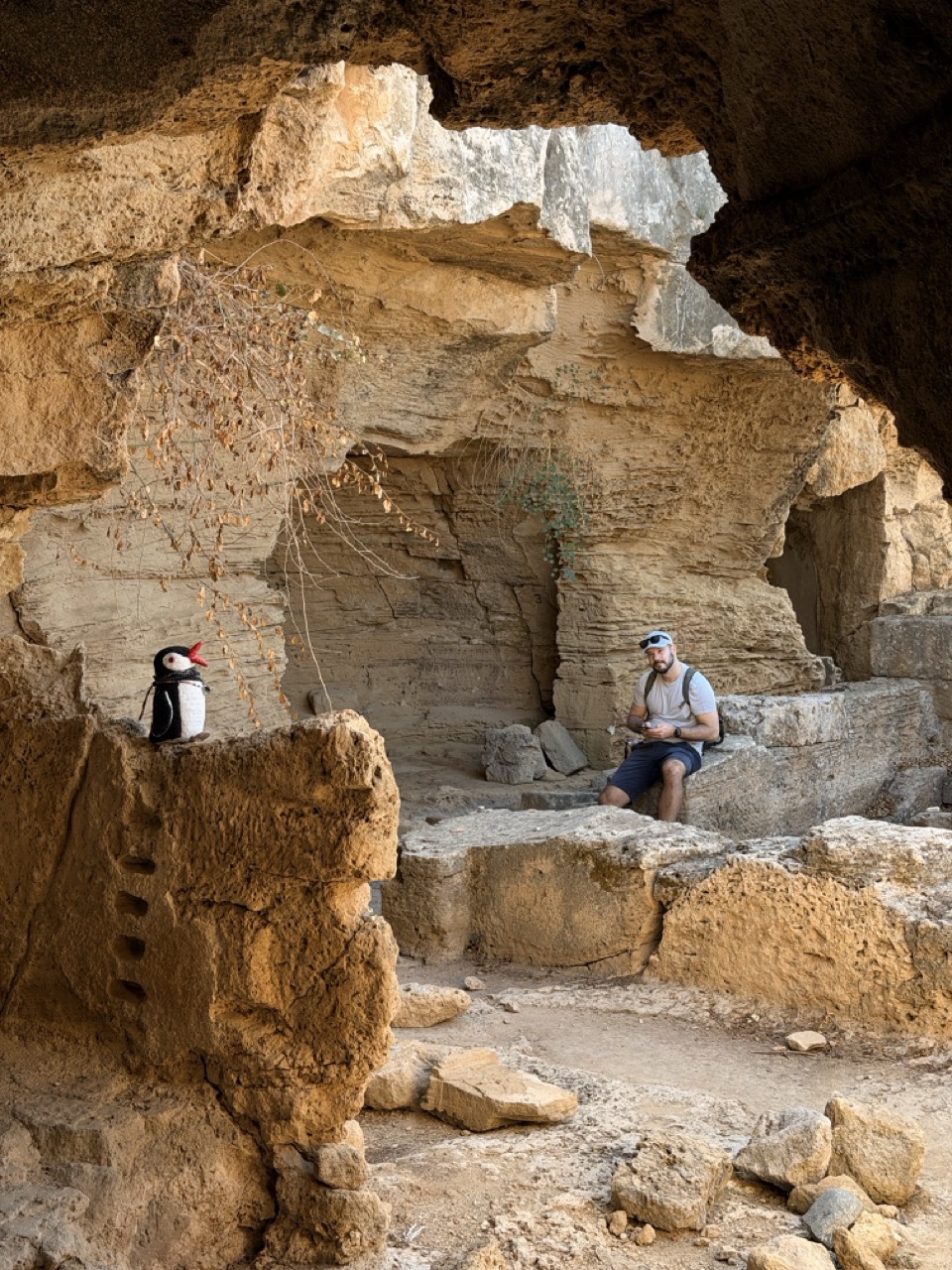
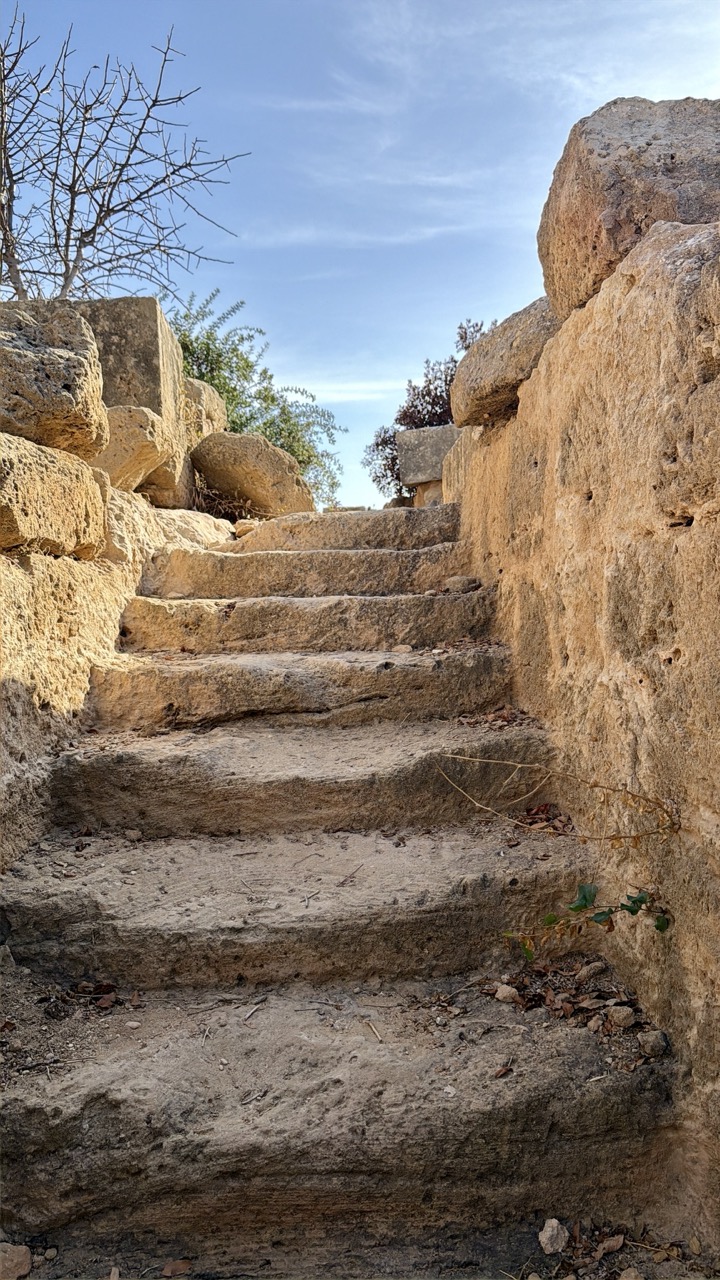
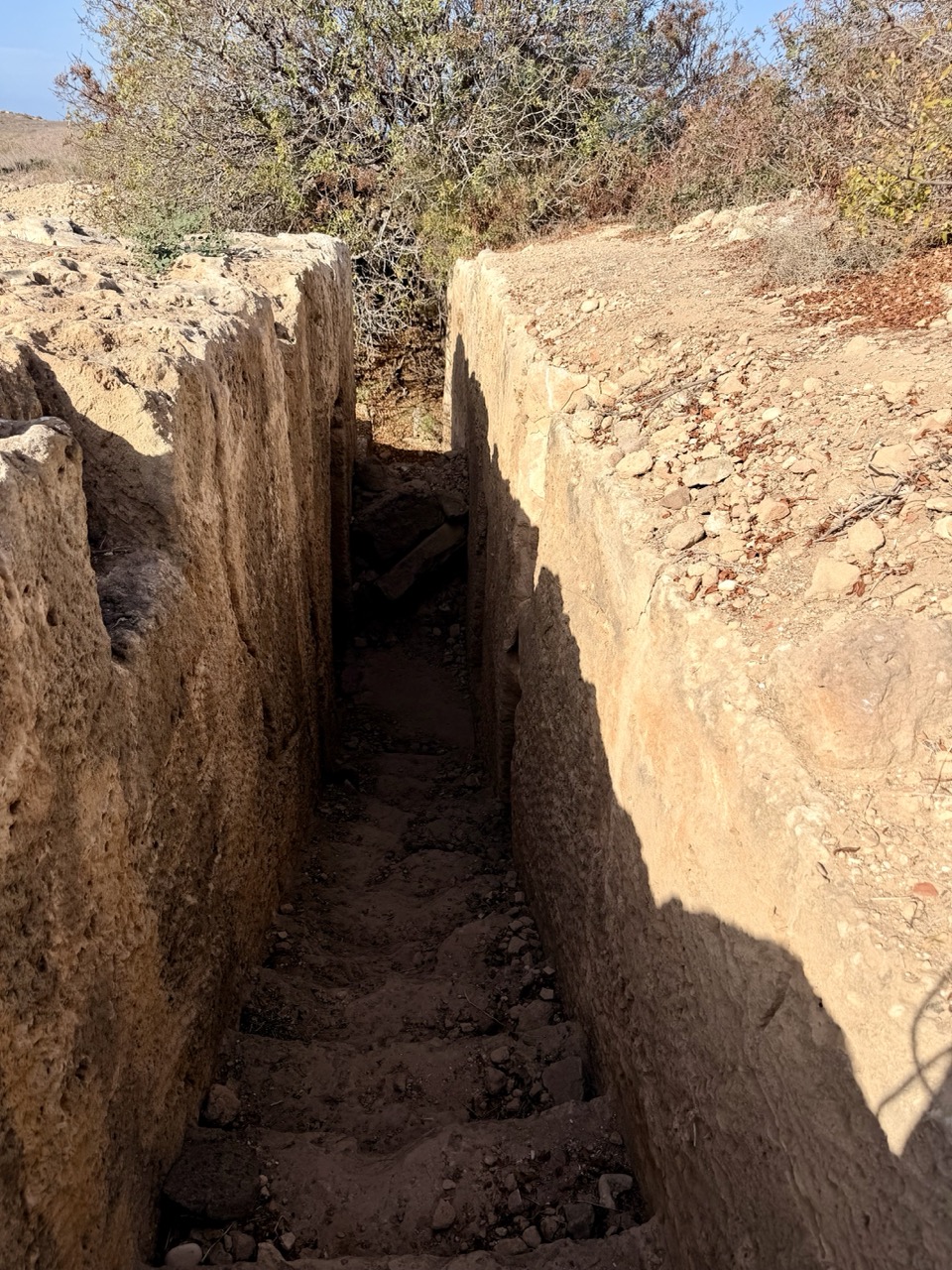
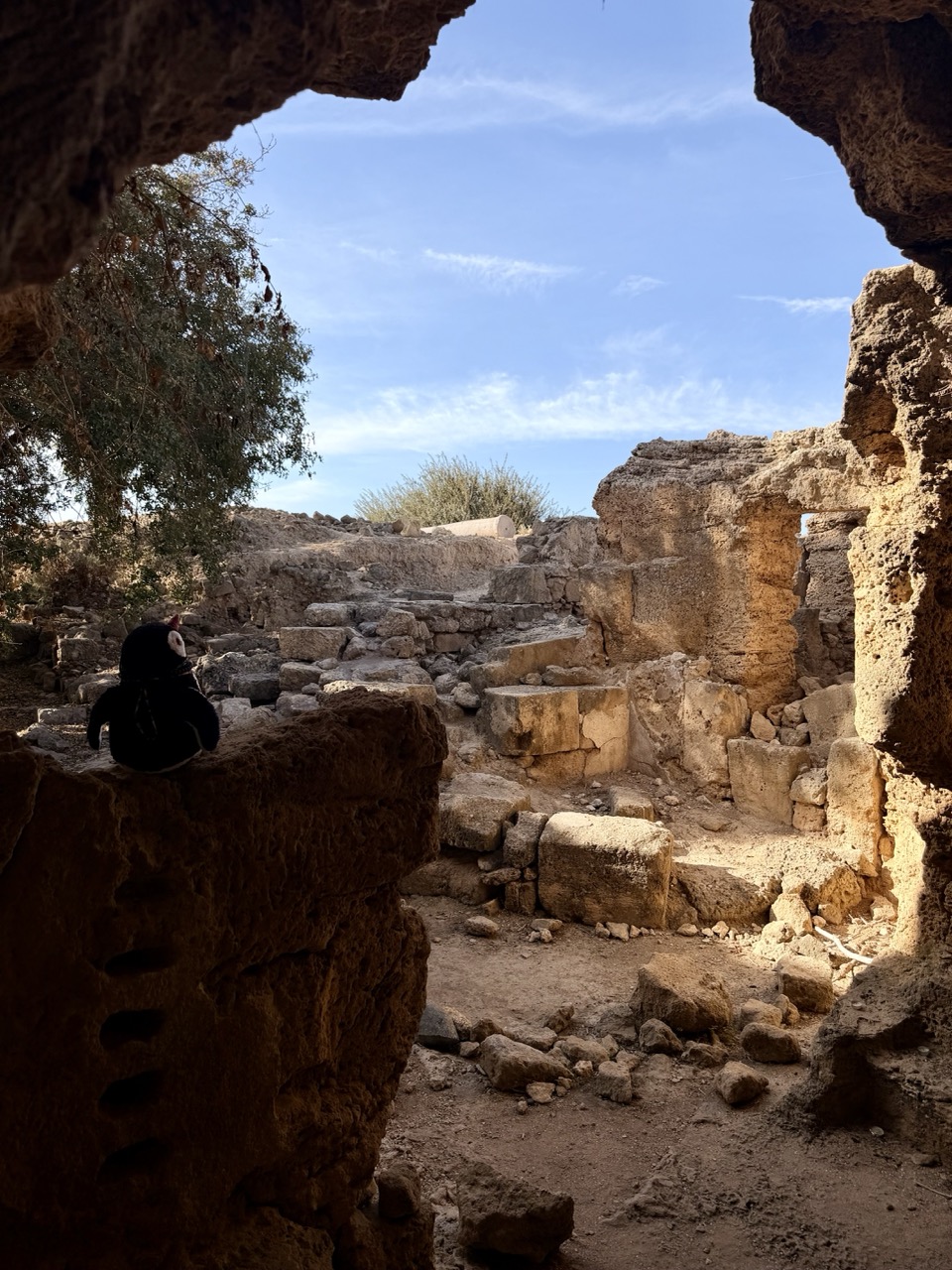
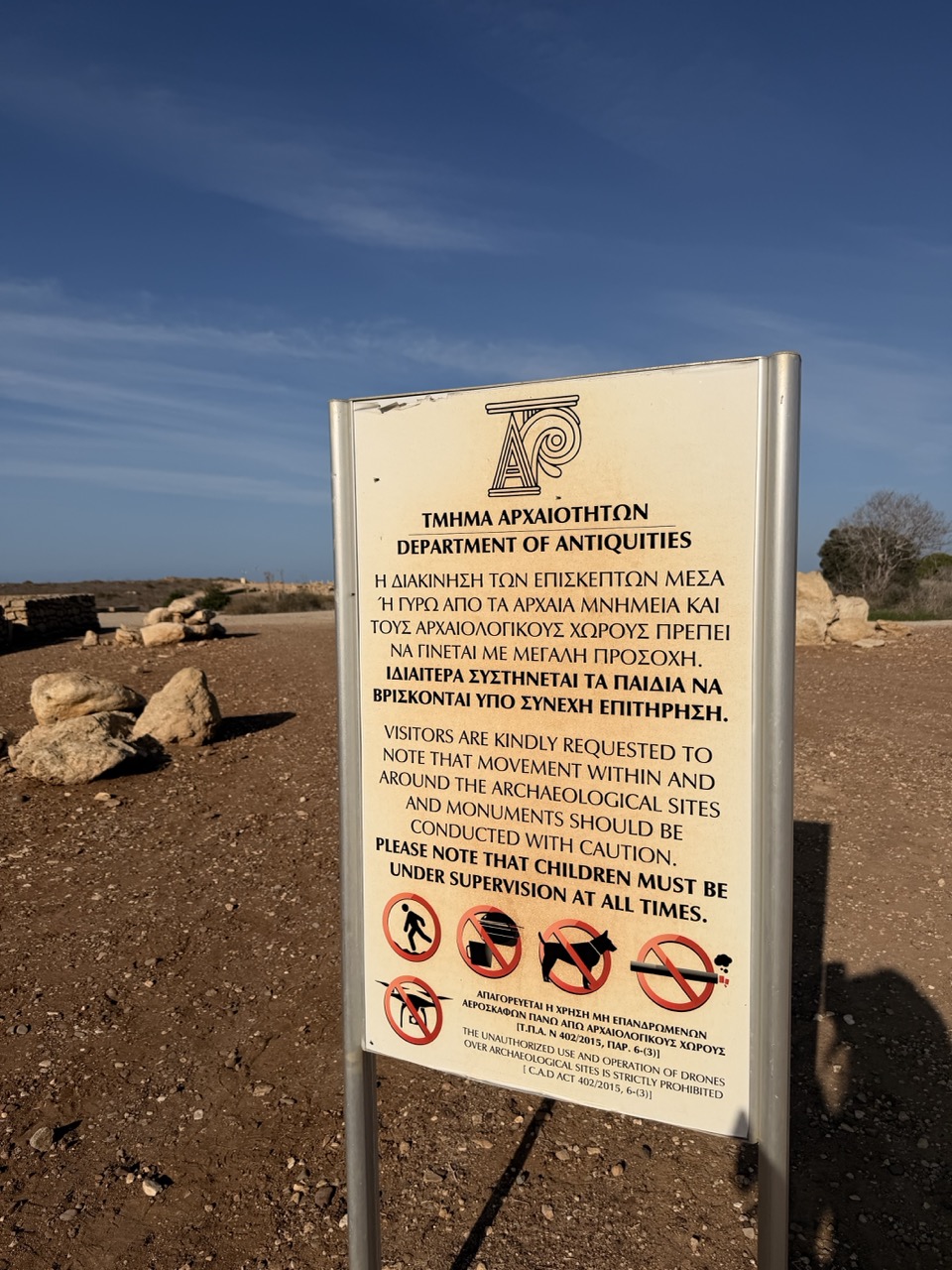
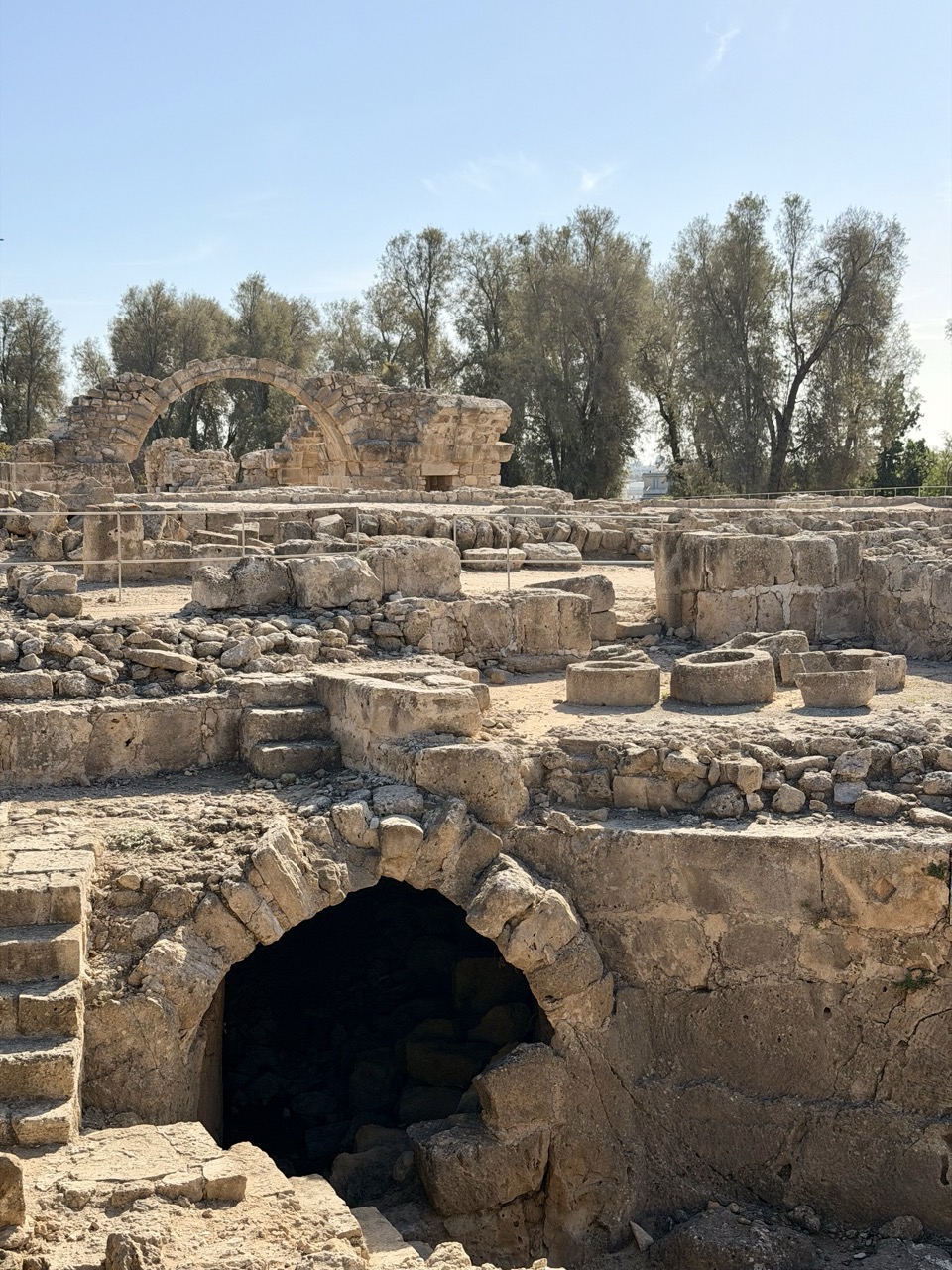
After our break, we just waddled around the rest of the park, following the paths all the way to its farthest corners. Along the way, we passed smaller ruins, ancient walls, and scattered stones that hint at how much of Paphos’s past still lies beneath the surface. Many areas are still being excavated, and you can even spot sections marked off for ongoing archaeological work, a reminder that the site is very much alive, with new discoveries still waiting to be uncovered. It’s exciting to think that beneath your feet, there might still be hidden mosaics or structures yet to see the light of day.
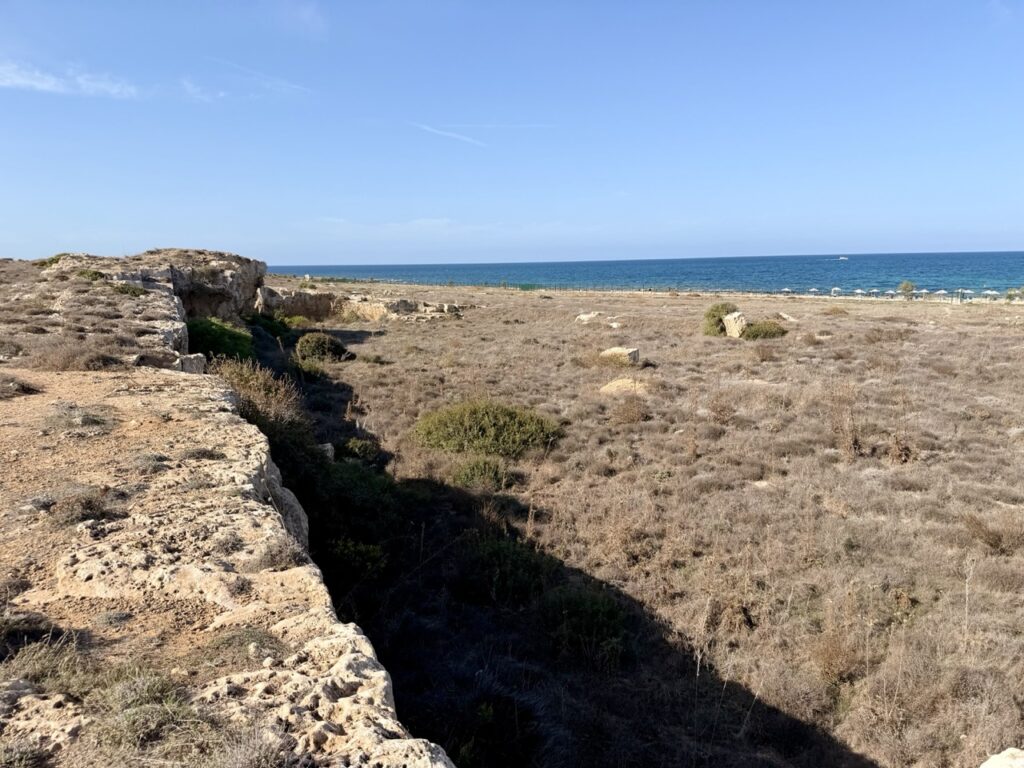
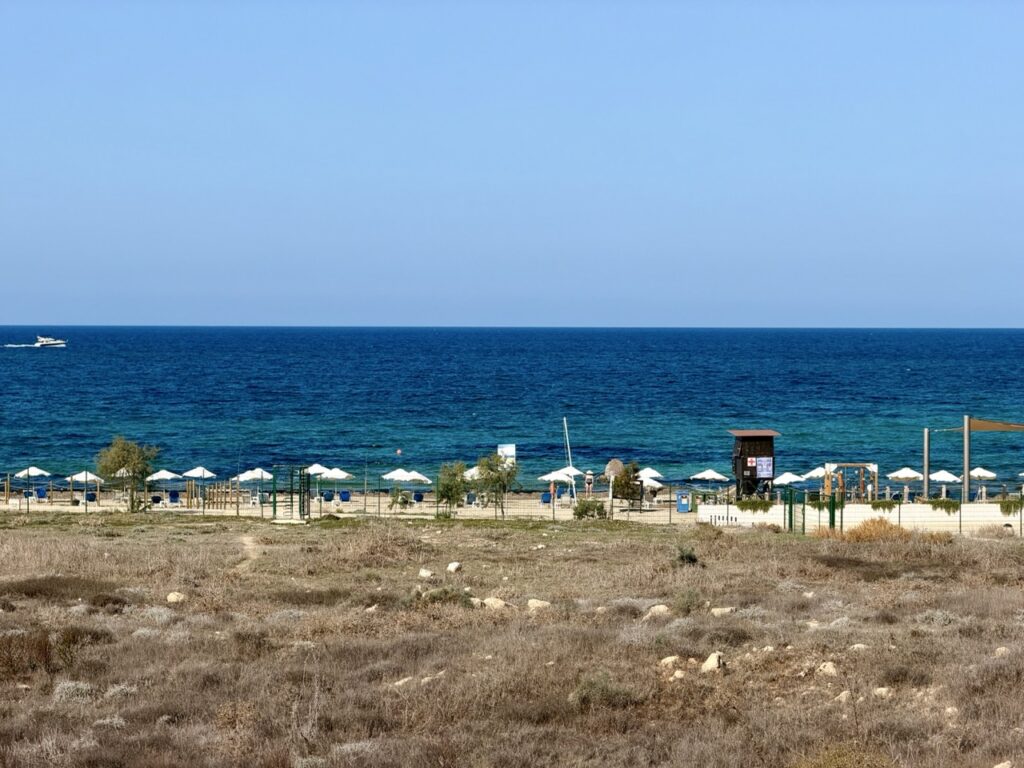
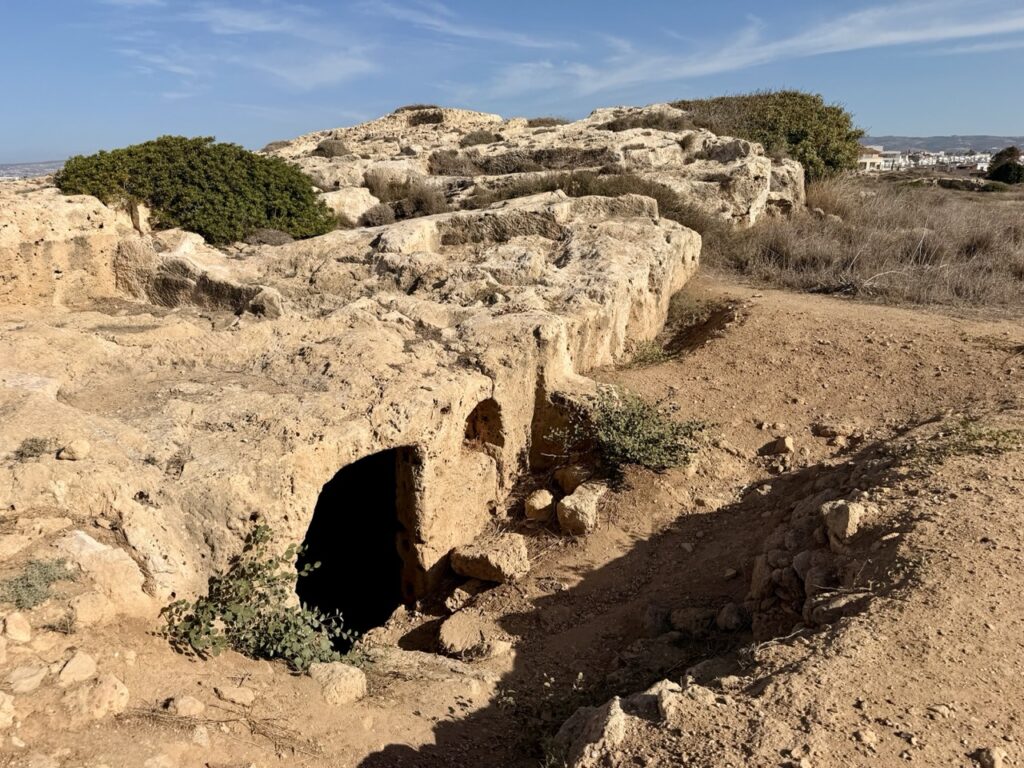
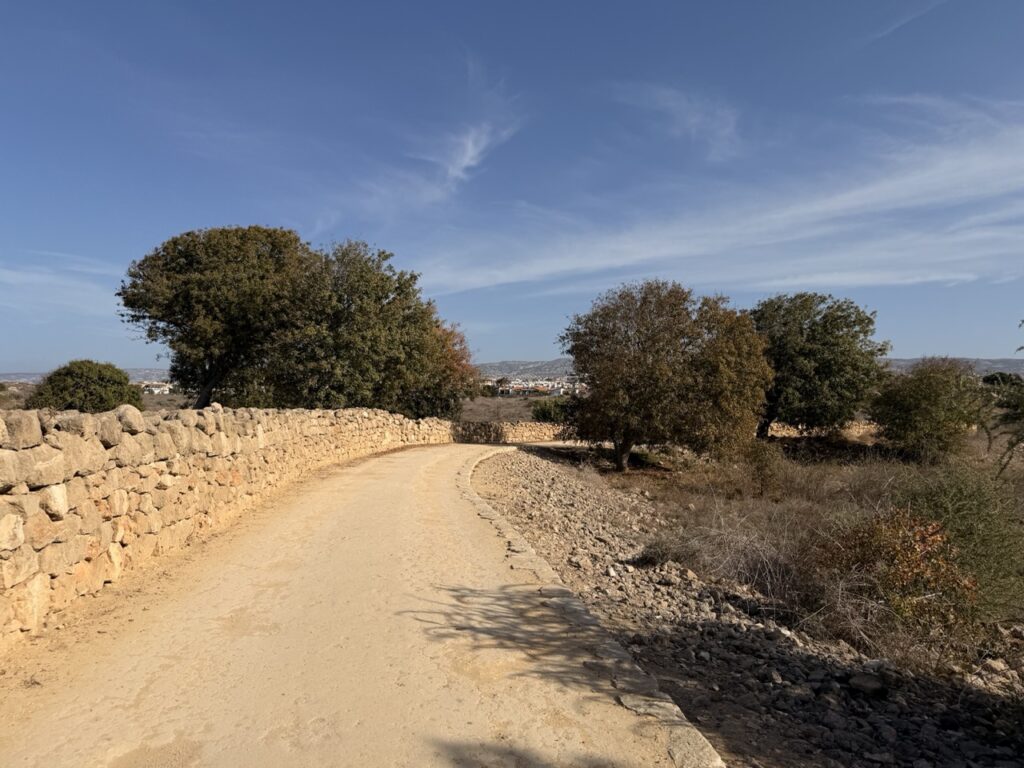

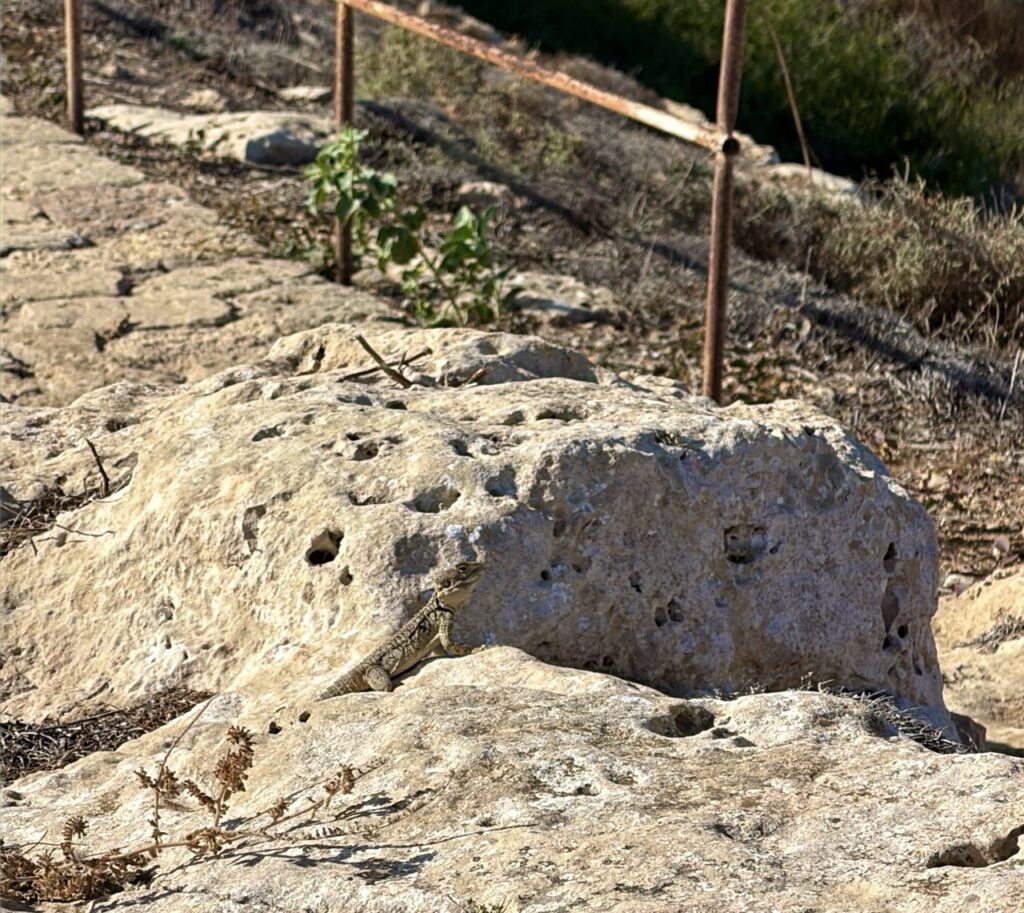
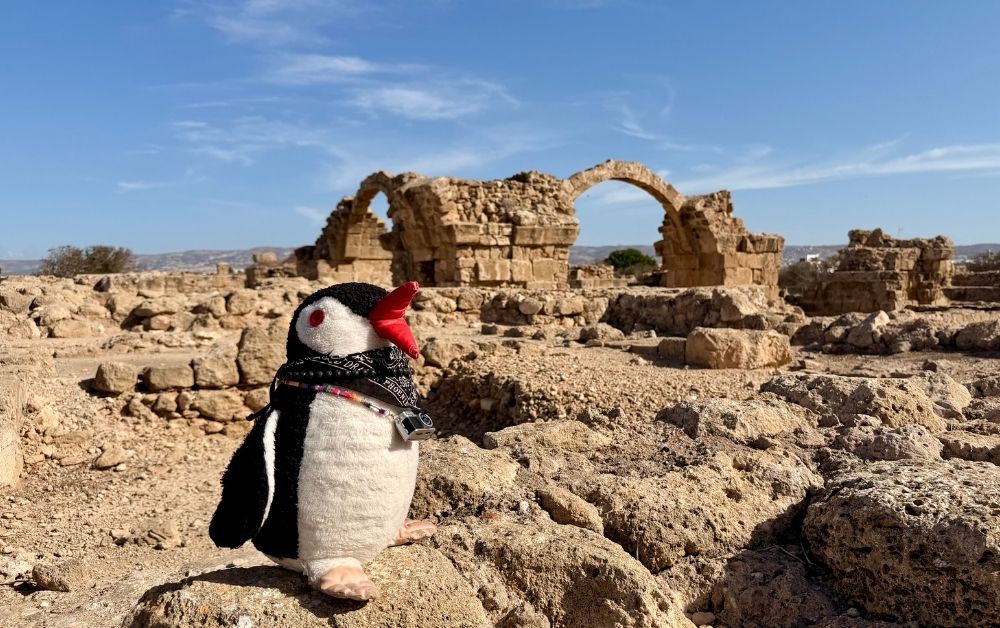
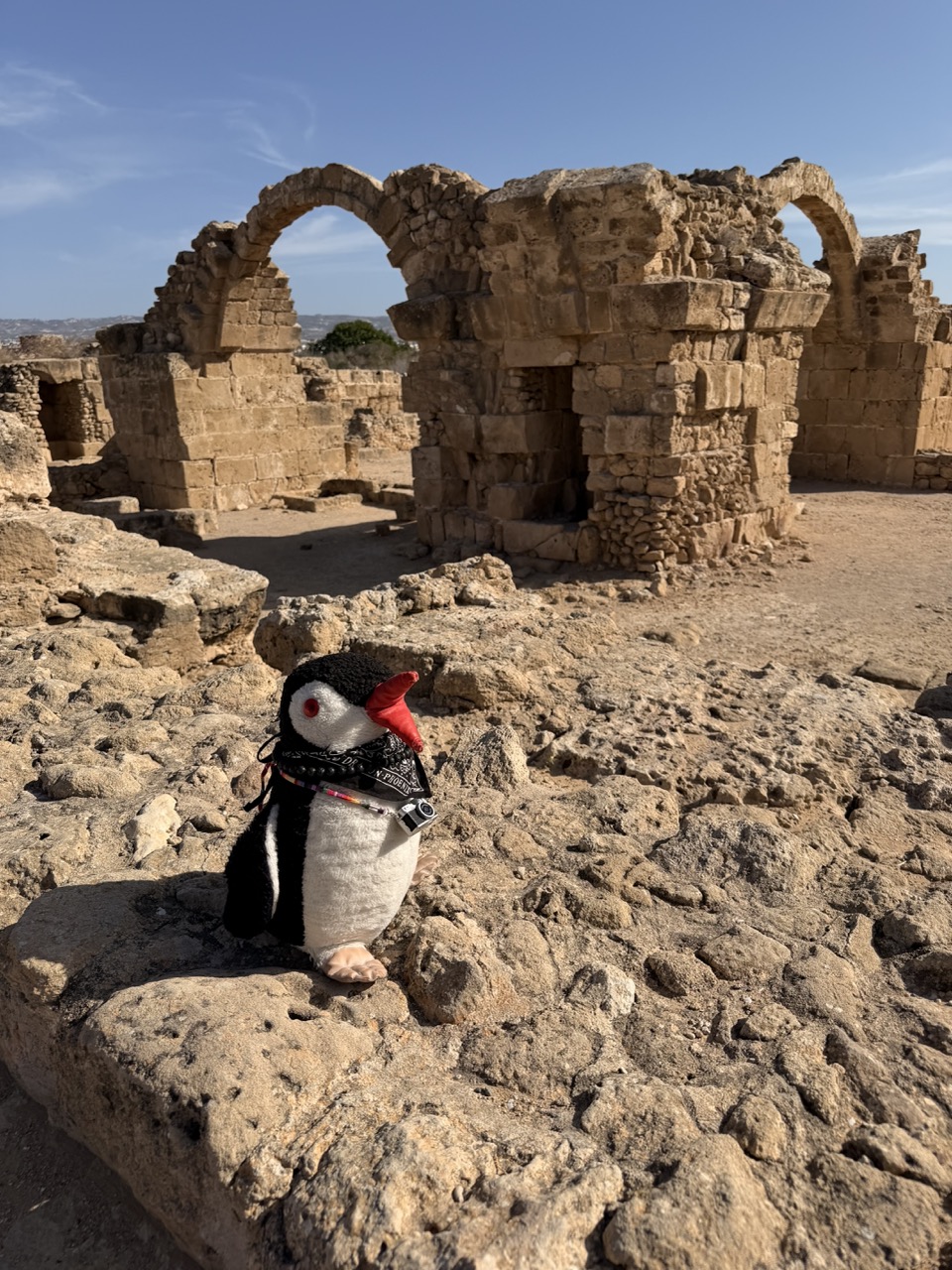
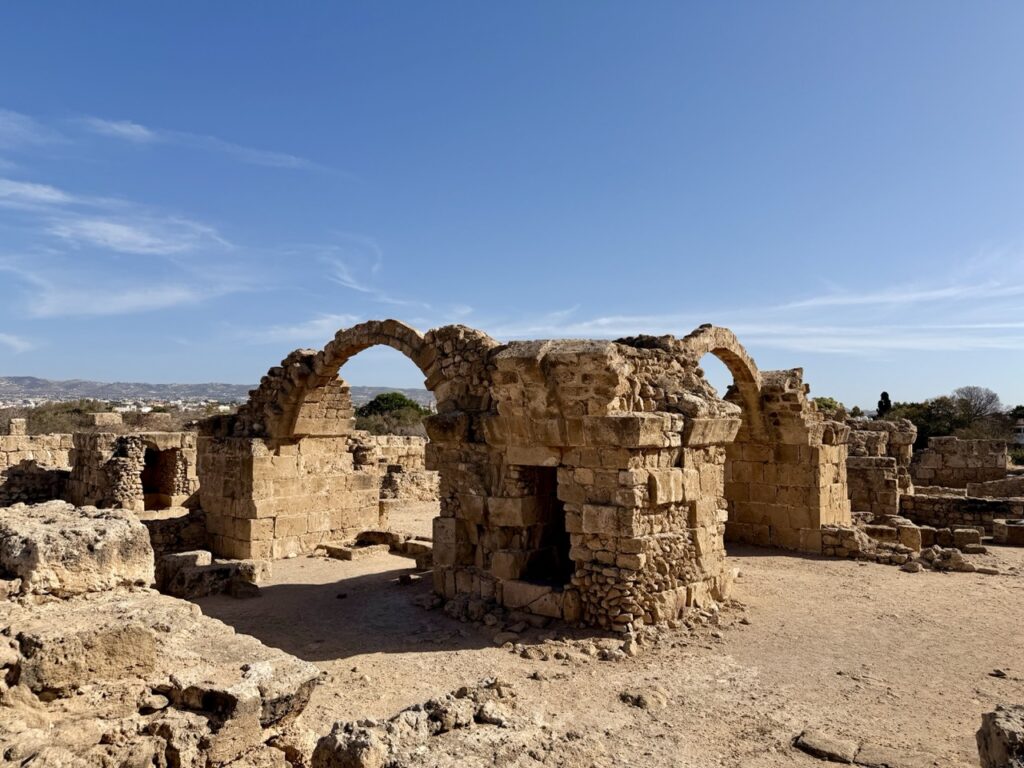
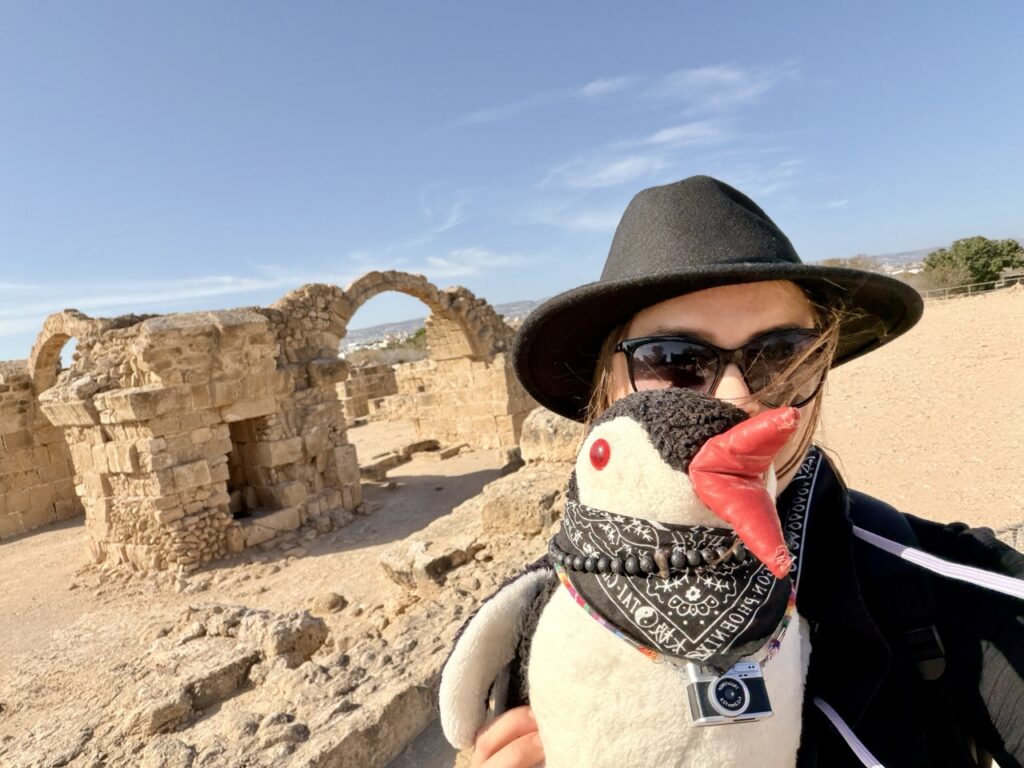
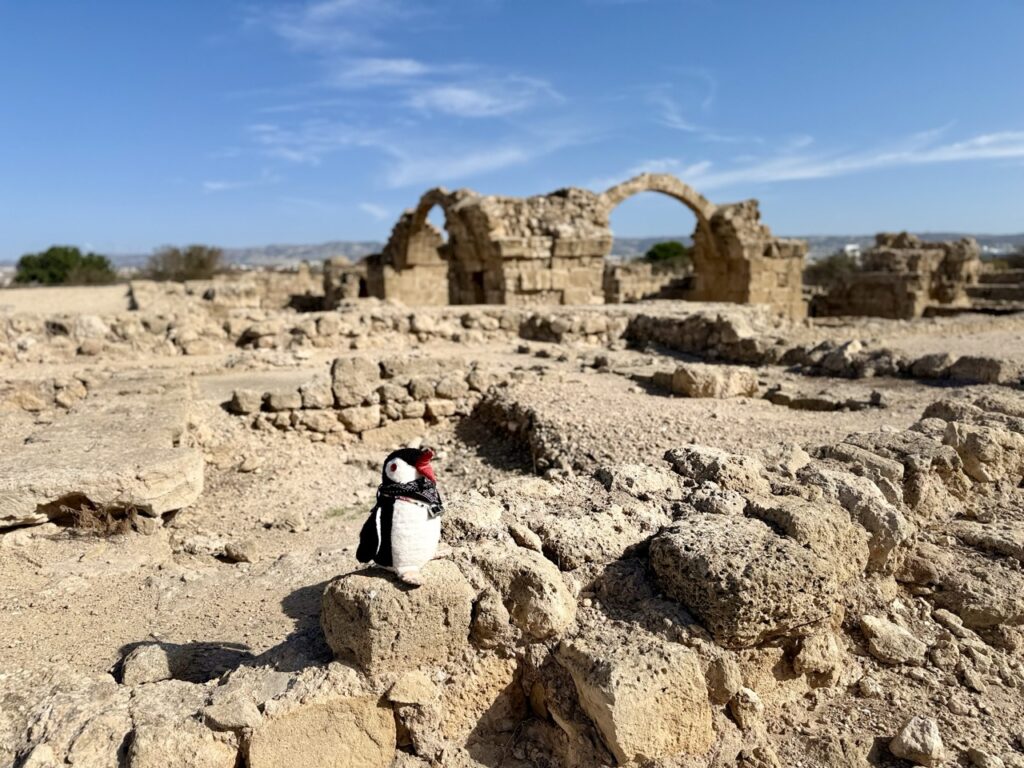
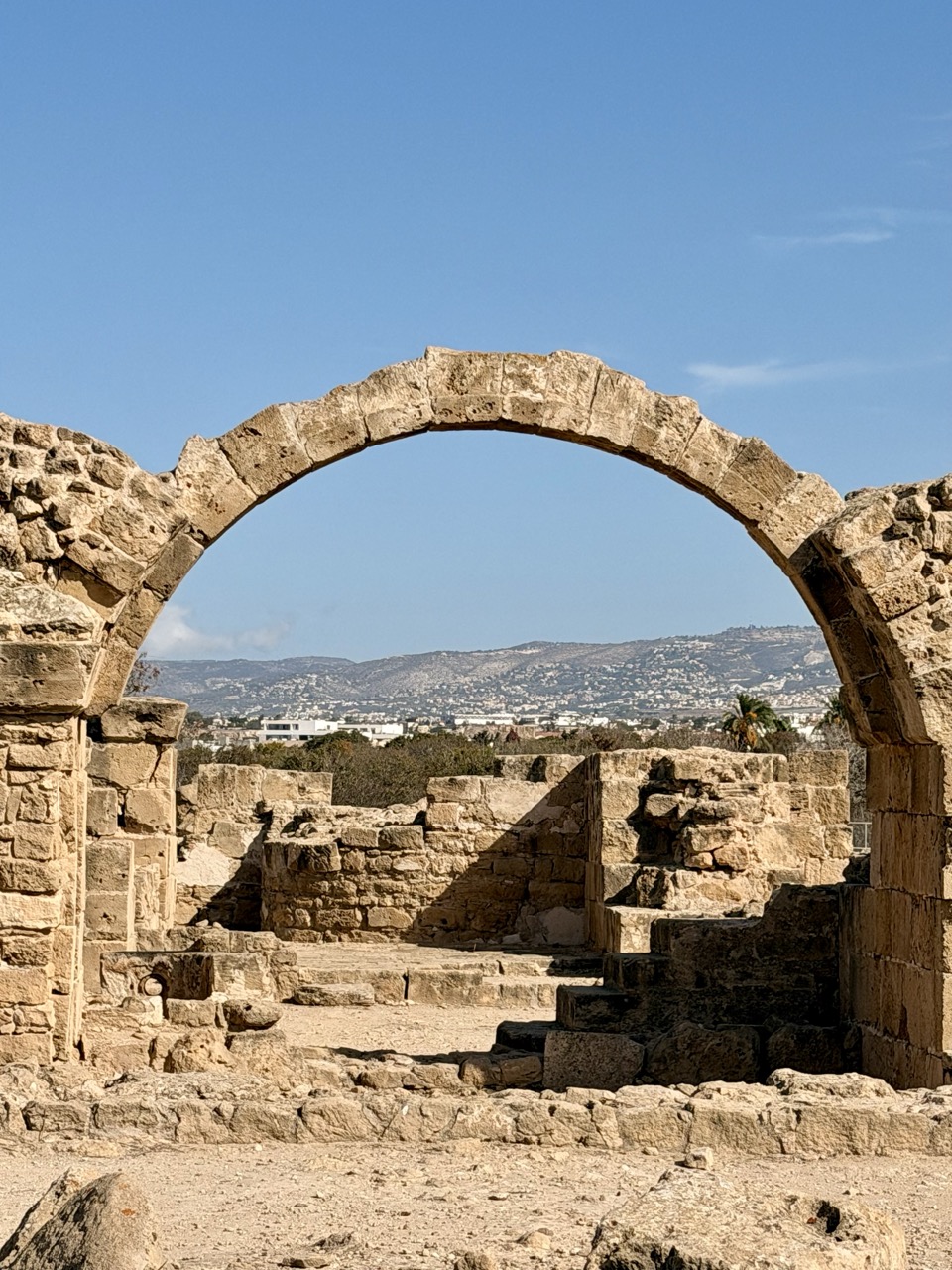
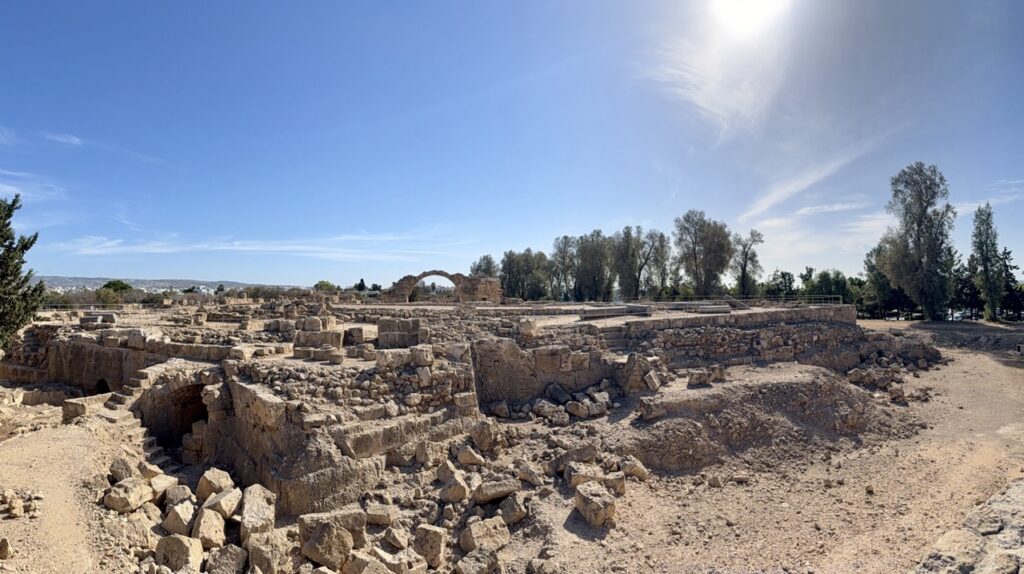
We finished our exploration at Saranta Kolones, one of the most impressive ruins in the park. The name means “Forty Columns,” referring to the granite pillars that once supported this massive Byzantine fortress, built around the 7th century AD to defend Paphos from Arab raids. Although an earthquake later destroyed it, the remains are still striking, with thick walls, arched doorways, and the outlines of rooms that hint at its former strength. Walking through the ruins, you can almost picture soldiers standing guard centuries ago. It was the perfect spot to end our visit, with history, sea breeze, and the timeless beauty of Cyprus all blending.
Is the Paphos Archaeological Park Worth Visiting
A big waddling yes from us! It was one of the highlights of our trip to Paphos, together with the Tombs of Kings. There’s something special about waddling through ancient streets, surrounded by mosaics and ruins that have survived for thousands of years. Even if you’re not a big history fan, the atmosphere, sea views, and peaceful vibe make it a beautiful place to wander. We loved that it wasn’t crowded when we visited early in the morning, so we could take our time and really soak it all in.
Pros:
- Incredibly well-preserved mosaics and ruins
- Scenic views of the sea and Paphos harbor
- Peaceful, spacious, and easy to explore at your own pace
- Affordable entry (€4.50)
- Great photo opportunities everywhere
Cons:
- Limited shade, bring a hat or umbrella
- Can get very hot after late morning
- Minimal signage in some areas, so the app or guide helps
- Uneven paths, wear good shoes

Penguin Pro Tip
Come prepared for the Cypriot sun, even in late October! Wear comfortable walking shoes, bring plenty of water, and don’t forget sunscreen, a hat, or even a small umbrella; there’s very little shade inside the park. Arriving early not only helps you avoid the heat but also lets you enjoy the ruins and mosaics almost entirely to yourself, just like we did on our peaceful morning waddle through history.
Visiting the Paphos Archaeological Park was the perfect start to our Cypriot adventure. Waddling through ancient ruins, admiring stunning mosaics, and soaking up the morning sun made us feel instantly connected to the island’s rich history. It set the tone for the rest of our trip, a mix of discovery, sunshine, and those little “wow” moments that make travel so special. If you’re beginning your Paphos journey, start here.
Pack your bag, put your waddling shoes on, and explore the Archeological Park.

This post contains affiliate links. If you click and buy, I might earn a tiny commission, enough to help a penguin keep up its globe-trotting lifestyle. No extra cost to you, just more fish for me. Thank you for supporting the adventure!