Paphos Travel Guide: Best Sights, Activities & Local Tips
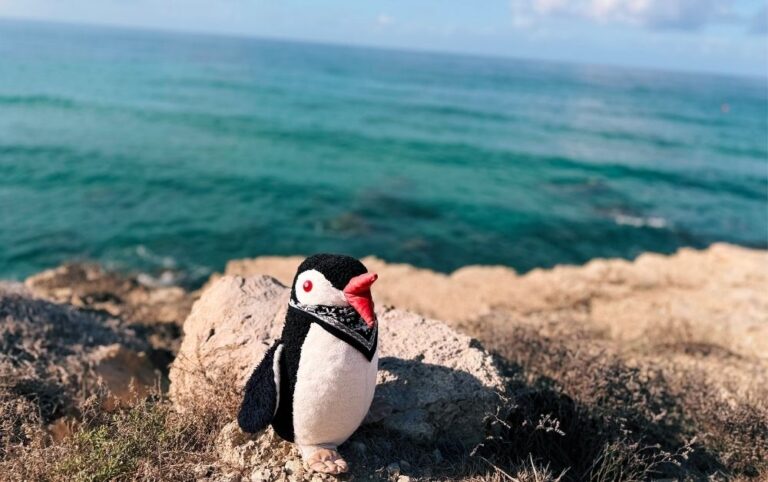
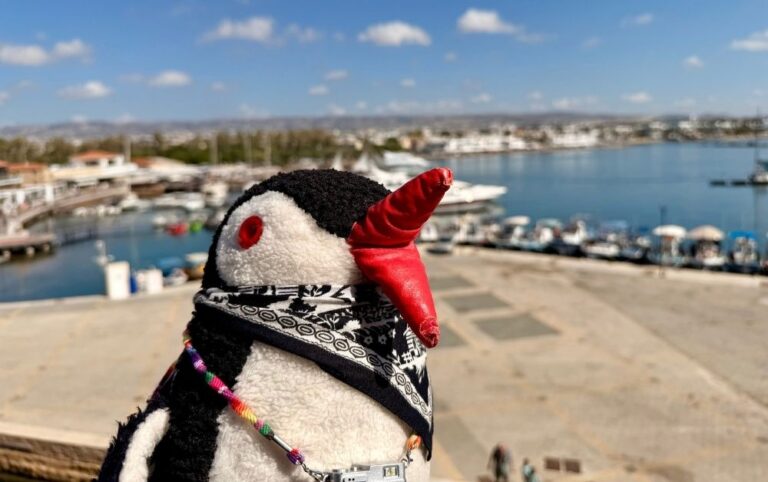
When we arrived at our hotel in Paphos, we had only caught glimpses of the city from the taxi window, the shimmer of the sea, palm trees swaying in the warm breeze, and the golden light bouncing off stone buildings. Even from those first few moments, we could tell this coastal town had something special. The mix of history, sunshine, and seaside charm made us instantly excited to explore more. So, once we dropped our bags, we set out to discover everything Paphos has to offer, from ancient ruins and hidden beaches to colorful harbors and local tavernas. Here’s our guide to the best things to see and do in Paphos, Cyprus.
- Is Paphos Worth Visiting
- Is Paphos, Cyprus, Greek or Turkish
- What to Avoid in Paphos
- Top Things to Do in Paphos
- Ancient & Historical Sites
- Natural Wonders & Beaches
- Local Life & Hidden Gems
- Where to Eat in Paphos: Best Tavernas and Restaurants
- Cafés & Dessert Spots
- Day Trips from Paphos
- How to Get Around Paphos
Tours and tickets from GetYourGuideShows GetYourGuide’s own box, which can set GetYourGuide cookies.
Is Paphos Worth Visiting
You bet it is! Without a doubt, Paphos is worth visiting. It’s one of those places that beautifully blends history, nature, and coastal charm all in one spot. You can spend your mornings exploring ancient ruins, your afternoons swimming in turquoise waters, and your evenings dining by the harbor with the sound of waves in the background. What makes Paphos truly special is its laid-back atmosphere; it never feels rushed, even when you’re surrounded by centuries of history. Whether you’re into culture, food, beaches, or just soaking up the sun, Paphos has something for everyone.
Is Paphos, Cyprus, Greek or Turkish
Paphos is part of the Greek-speaking Republic of Cyprus, located in the island’s southwest. The city is predominantly Greek Cypriot, with Greek being the primary language and the euro as the official currency. While Cyprus itself is divided, the northern part of the island is Turkish-administered, and Paphos lies entirely in the southern, Greek Cypriot region. You’ll notice the Greek influence everywhere: from the food and language to the Orthodox churches and friendly local hospitality.
What to Avoid in Paphos
While Paphos is generally safe, welcoming, and easy to explore, there are a few small things to keep in mind to ensure your trip remains as smooth and enjoyable as possible. Like any popular tourist destination, it has its share of minor traps and avoidable inconveniences. Here are a few tips to help you make the most of your stay:
- Avoid typical tourist traps. Some shops or attractions near the main harbor can be overpriced or overly commercial. Walk a few streets inland for better deals and more authentic finds.
- Book tours in advance. Popular boat trips, diving experiences, or excursions to the Akamas Peninsula can sell out fast, especially in summer. Reserving ahead saves both time and stress.
- Be smart under the Paphos sun! The Cypriot sun is strong, even in spring or autumn. Wear sunscreen, drink plenty of water, and plan outdoor activities for mornings or late afternoons.
- Skip overpriced restaurants and bars. Some places near tourist hotspots charge more for lower-quality food. Check Google Maps reviews or ask locals for recommendations before sitting down.
- Watch out for taxi overcharging. A few drivers may skip meters or overcharge, especially from the airport or late at night. Confirm the fare beforehand or use Bolt or a pre-booked transfer.
- Keep your belongings close, hidden, and secure in the tourist area.
- Be extra careful at night and aware of your surroundings, never walk alone in dark or isolated places.
- Smoking in public areas and your car is prohibited in Paphos and Cyprus, so follow the local rules.
- Be careful if someone asks you to help them on the street. They may try to steal your wallet or purse.
With just a bit of awareness, you’ll avoid the common pitfalls and enjoy Paphos exactly as it should be, relaxing, sunny, and full of charm.

Top Things to Do in Paphos
There’s so much to see and experience in Paphos that we decided to divide our favorite spots into several sections, from ancient ruins and beautiful beaches to cozy cafés and local markets. Each part of the city has its own charm, and exploring it felt like peeling back layers of history and sunshine. We were genuinely excited about every stop on our list, and by the end of our stay, Paphos had completely won us over. Here are the top things to do in Paphos that made our trip unforgettable.
Ancient & Historical Sites
Paphos is like an open-air museum where history comes to life around every corner. From ancient mosaics and underground tombs to centuries-old castles, the city is packed with landmarks that tell stories of gods, kings, and empires. Exploring these sites feels like stepping back in time.
Paphos Archaeological Park
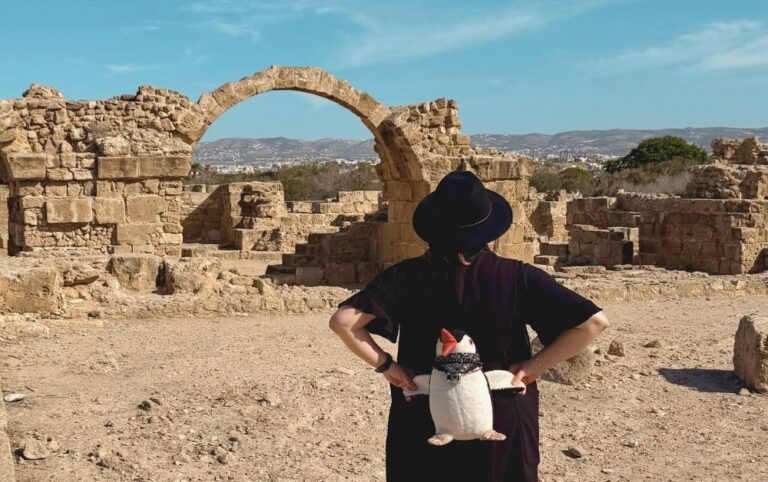
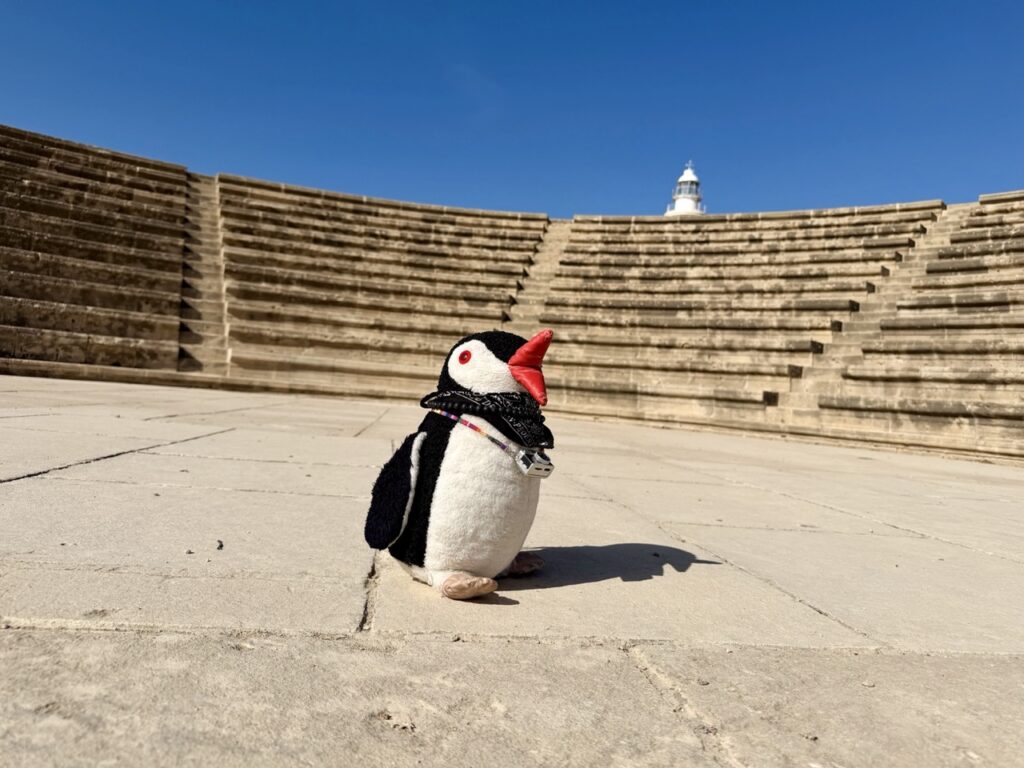
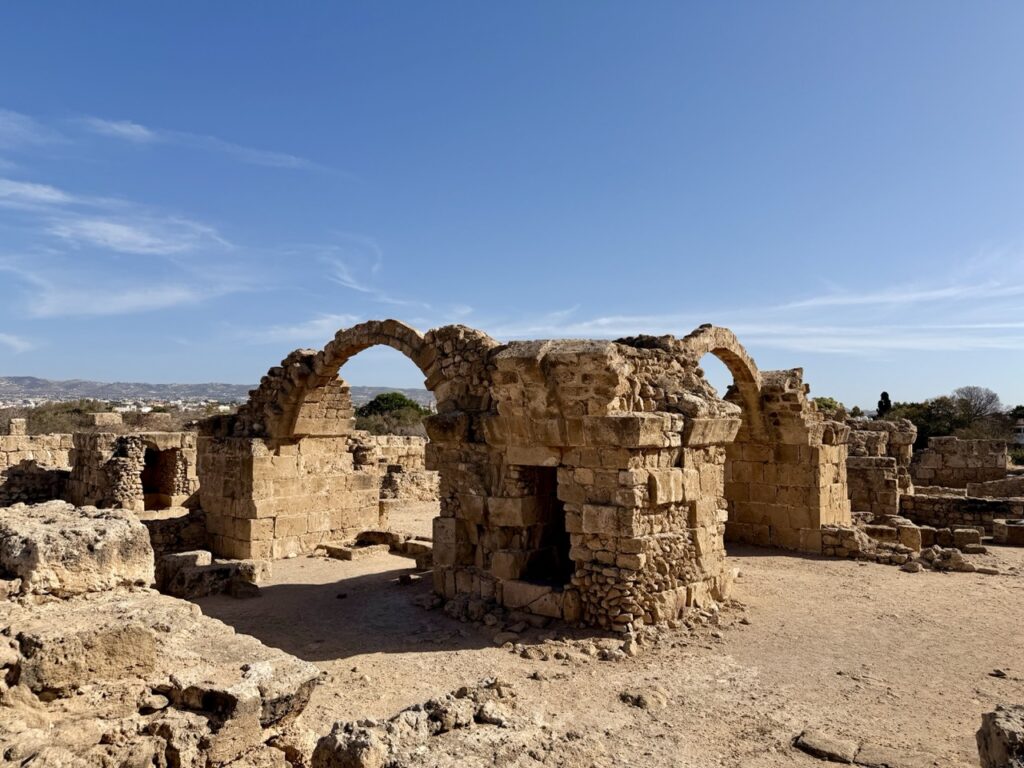
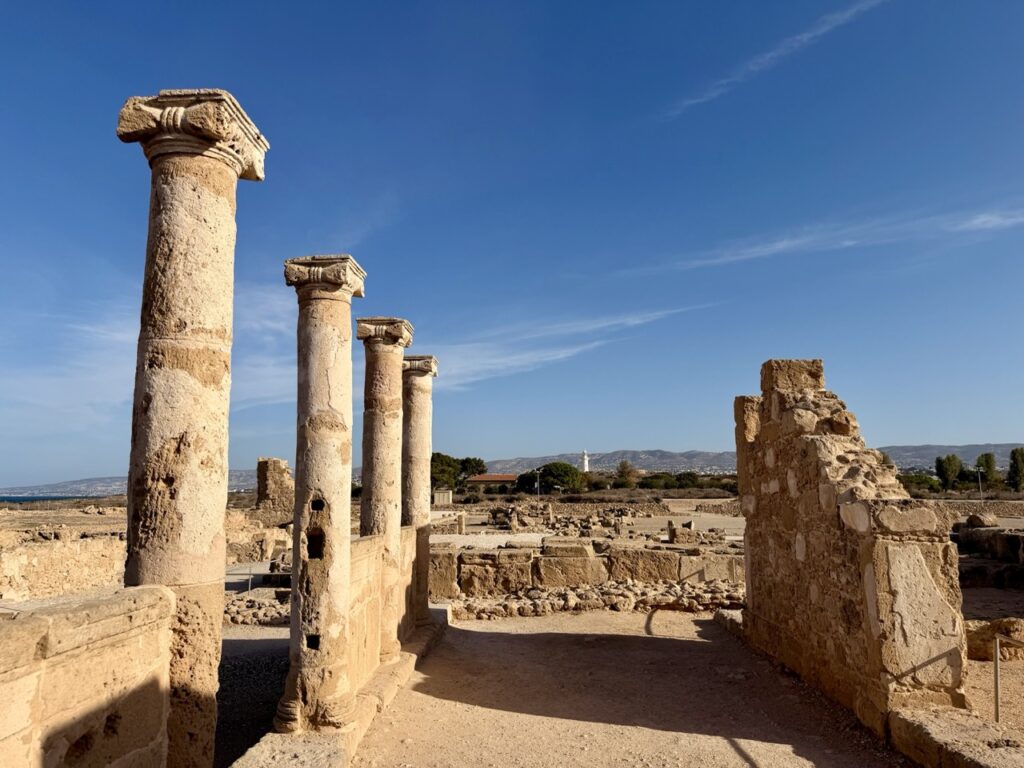
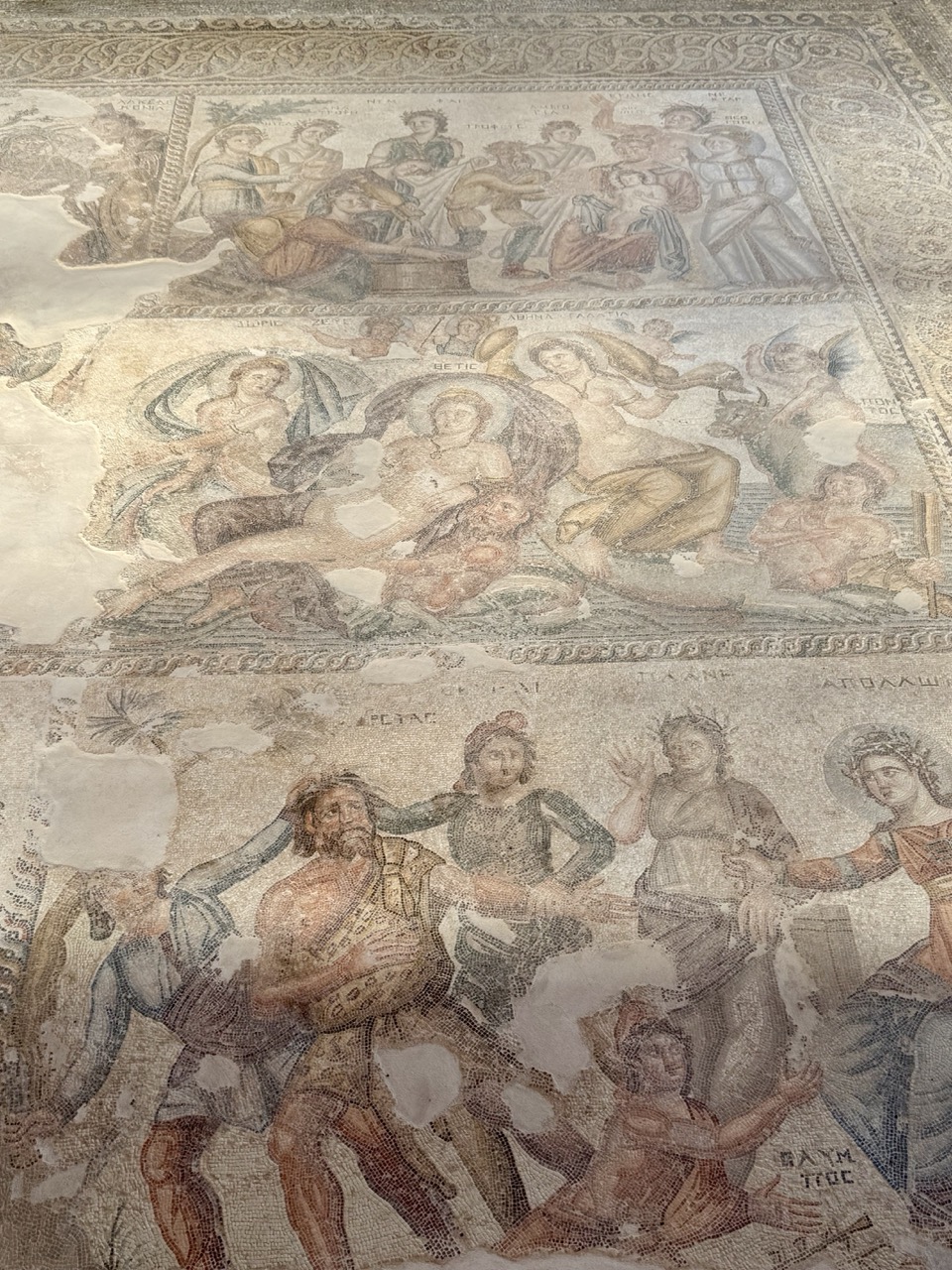
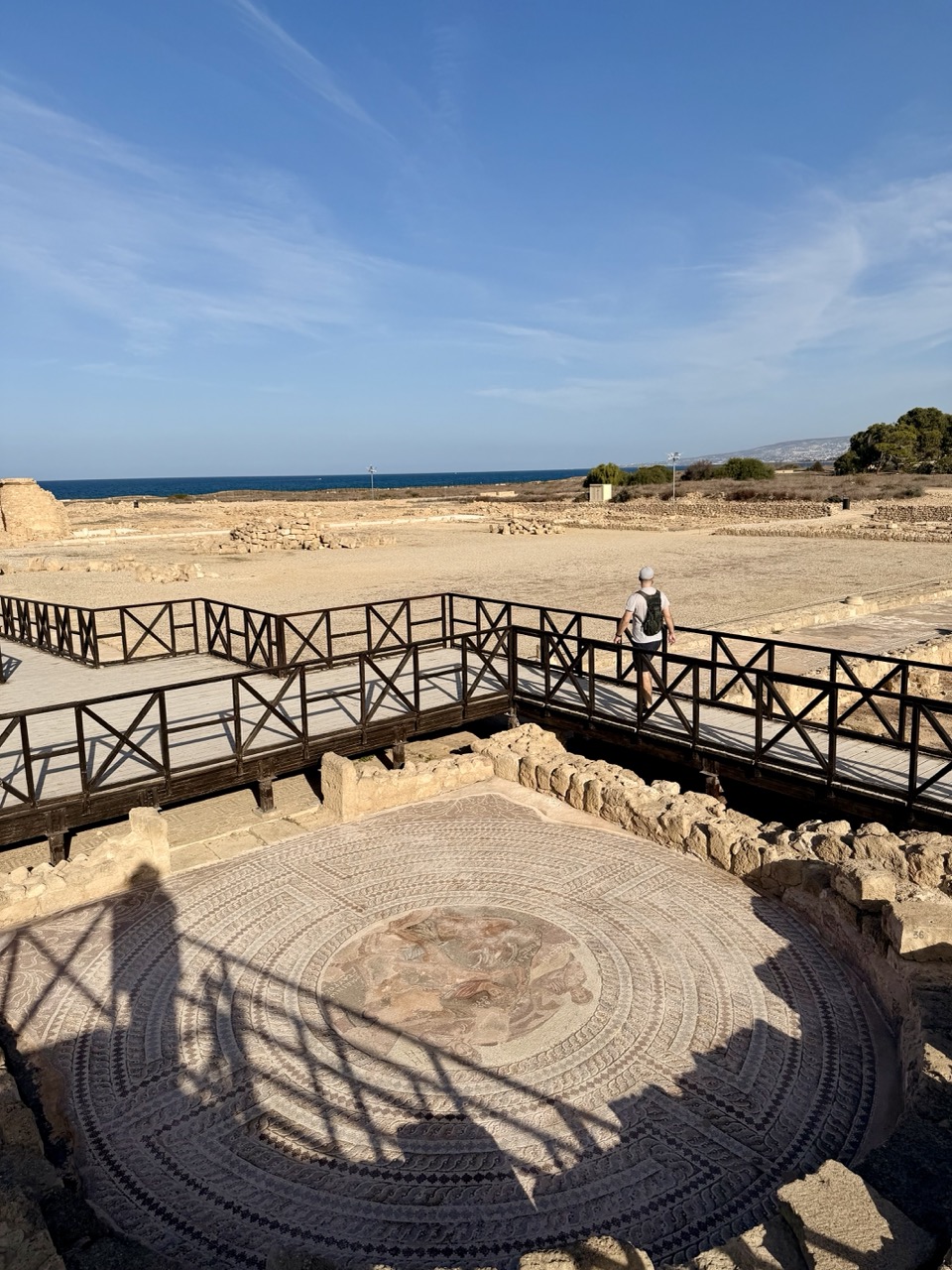
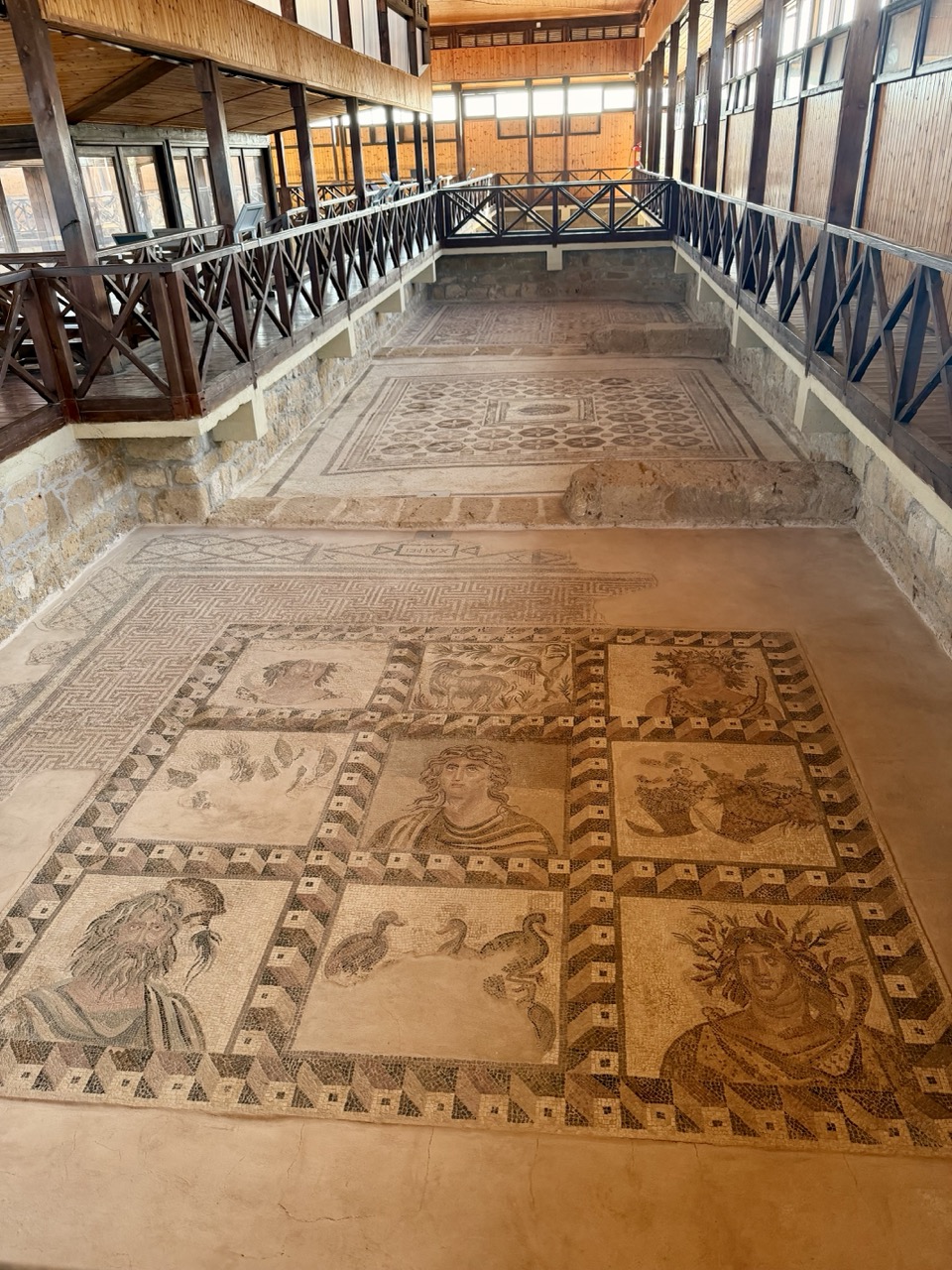
If you love history (or even if you don’t think you do), the Paphos Archaeological Park is one of those places that will completely draw you in. Waddling among ancient columns, Roman villas, and stunning mosaics that have survived thousands of years feels almost surreal. Our favorite part? The intricate floor mosaics of Dionysos and Theseus, they’re so detailed it’s hard to believe they were made centuries ago. The site is huge, so bring water and take your time exploring. It’s open daily from 8:30 AM to 5:00 PM (until 7:30 PM in summer), and admission is €4.50, which is honestly a bargain for the time travel experience you get.
Tombs of the Kings
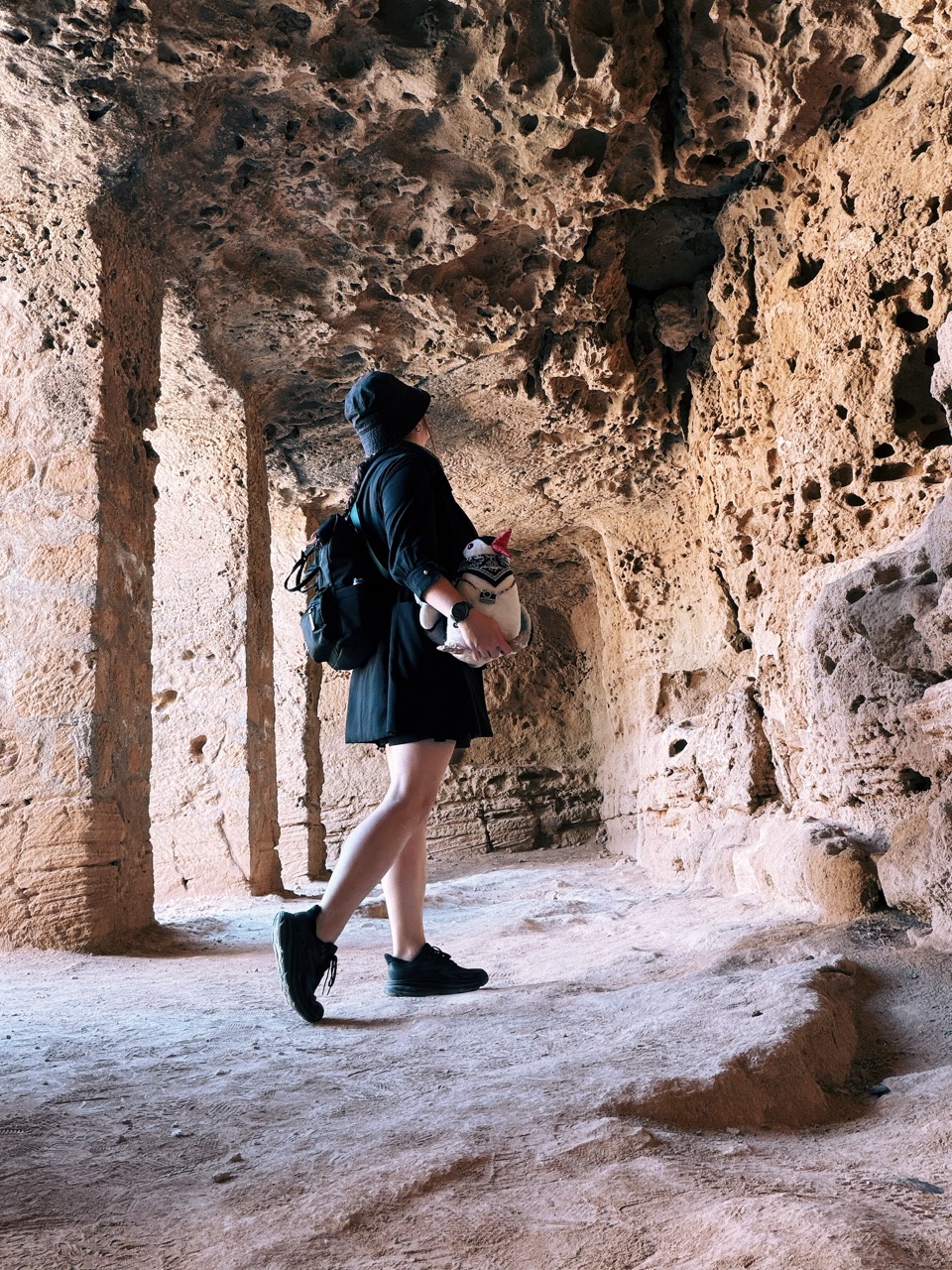
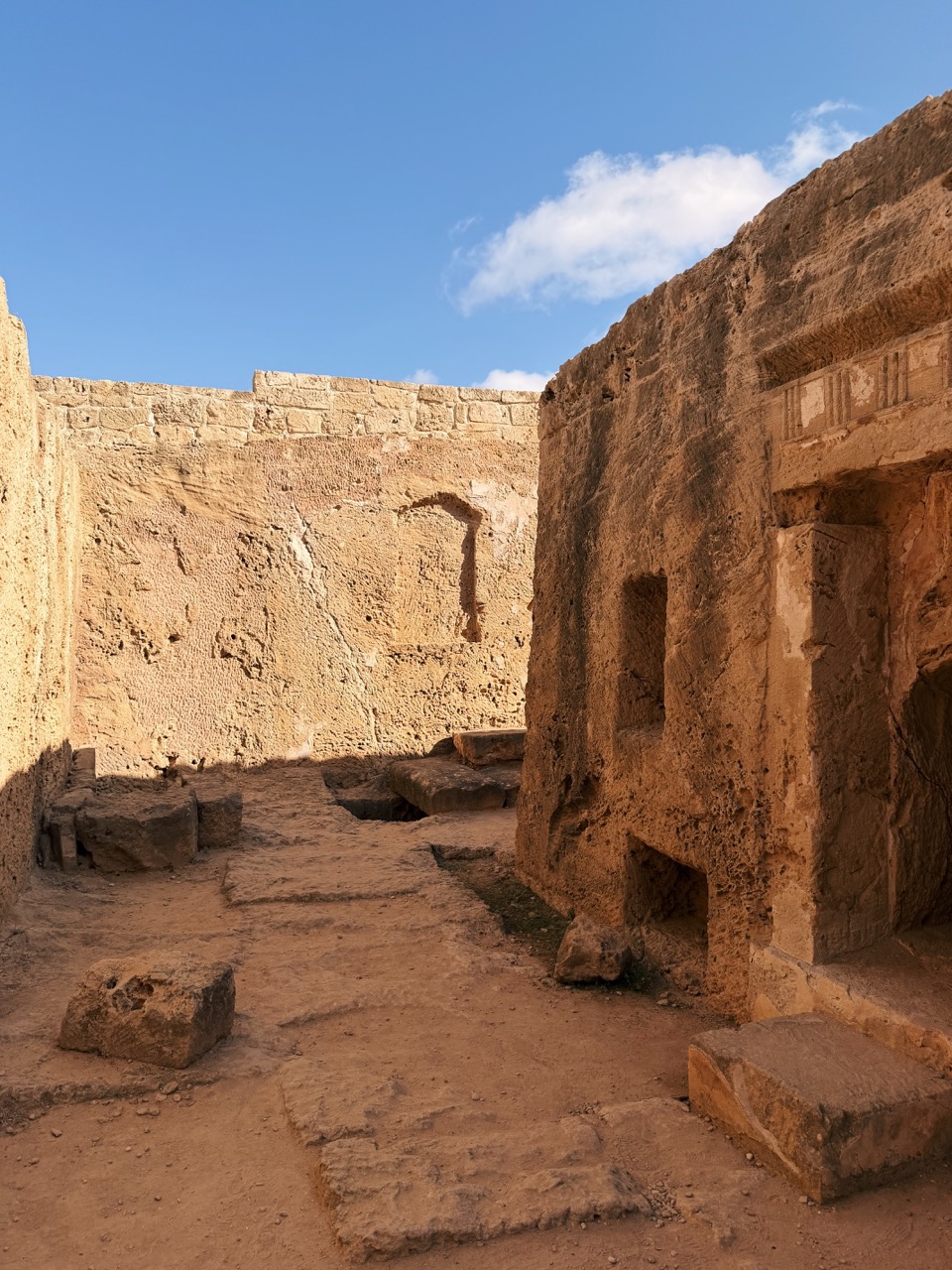
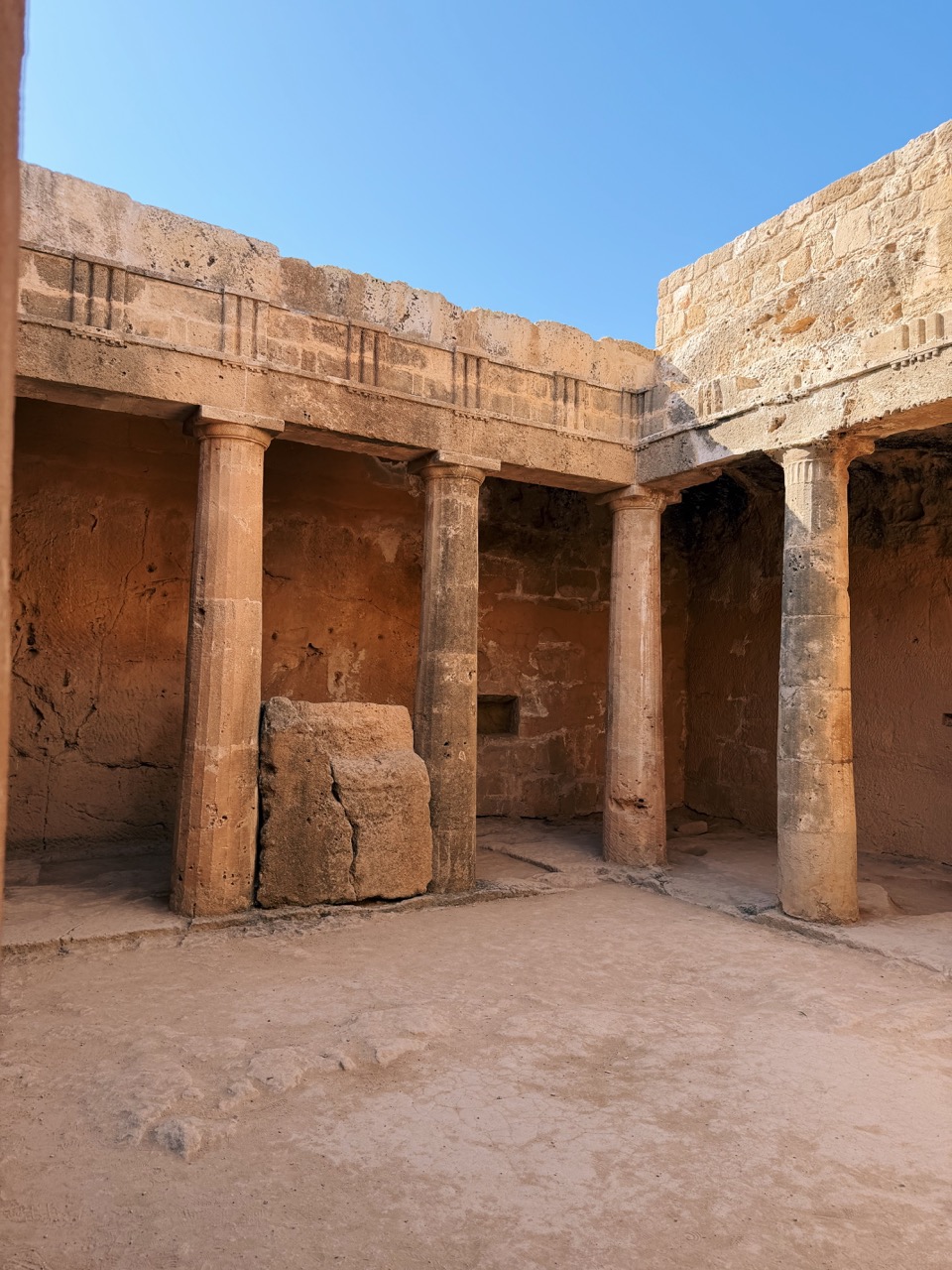
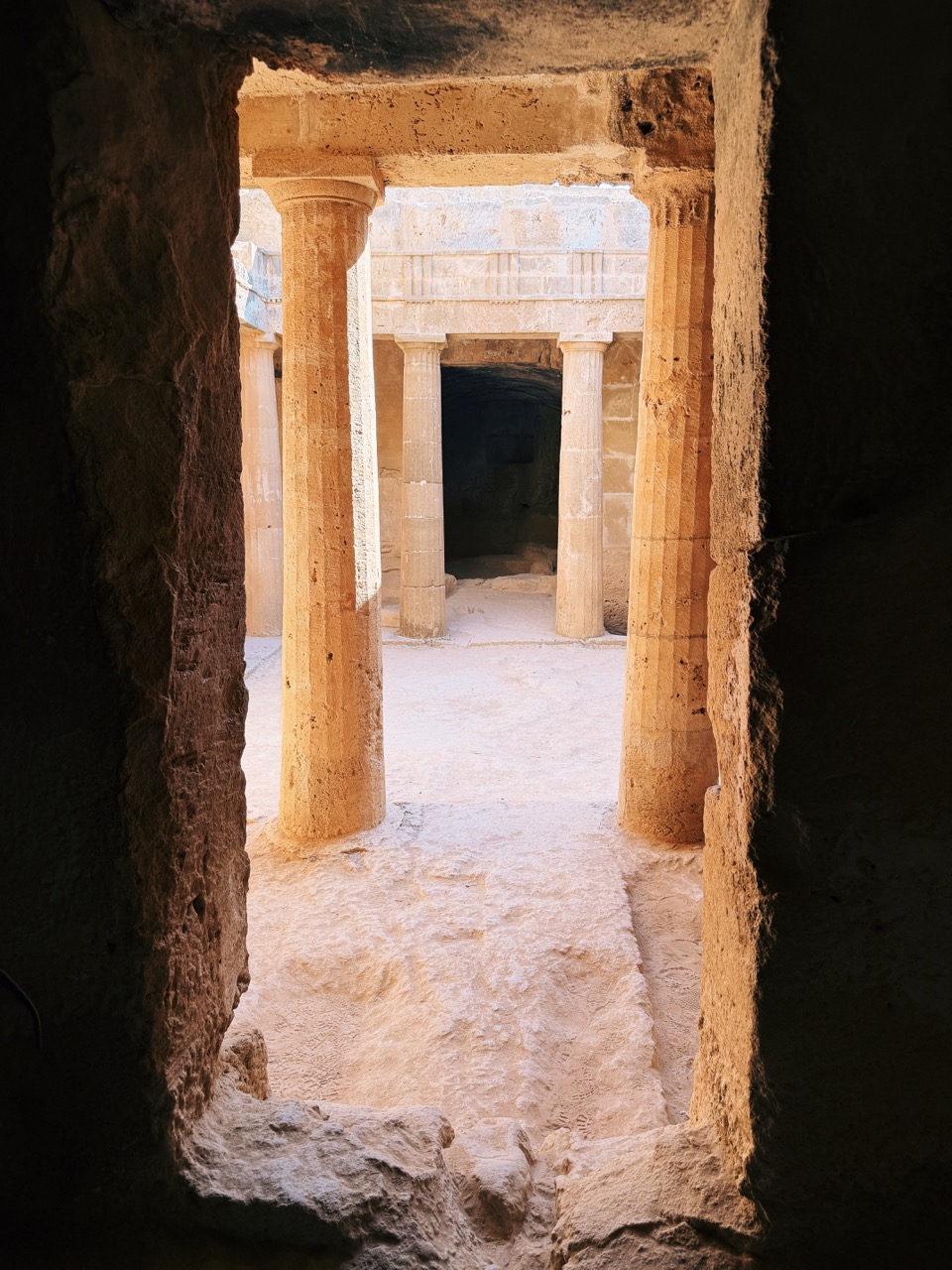
The Tombs of the Kings is one of the most fascinating places in Paphos, and despite the name, no actual kings were buried here! These underground tombs were the resting places of wealthy officials from the Hellenistic and Roman periods, carved directly into solid rock.
Waddling through the cool, echoing chambers feels a bit like stepping into an ancient secret. Some tombs even have columns and courtyards that make them look more like miniature palaces than graves. It’s open daily from 8:30 AM to 5:00 PM (until 7:30 PM in summer), and the entry fee is just €2.50, well worth it for a glimpse into Cyprus’s ancient past.
Paphos Castle
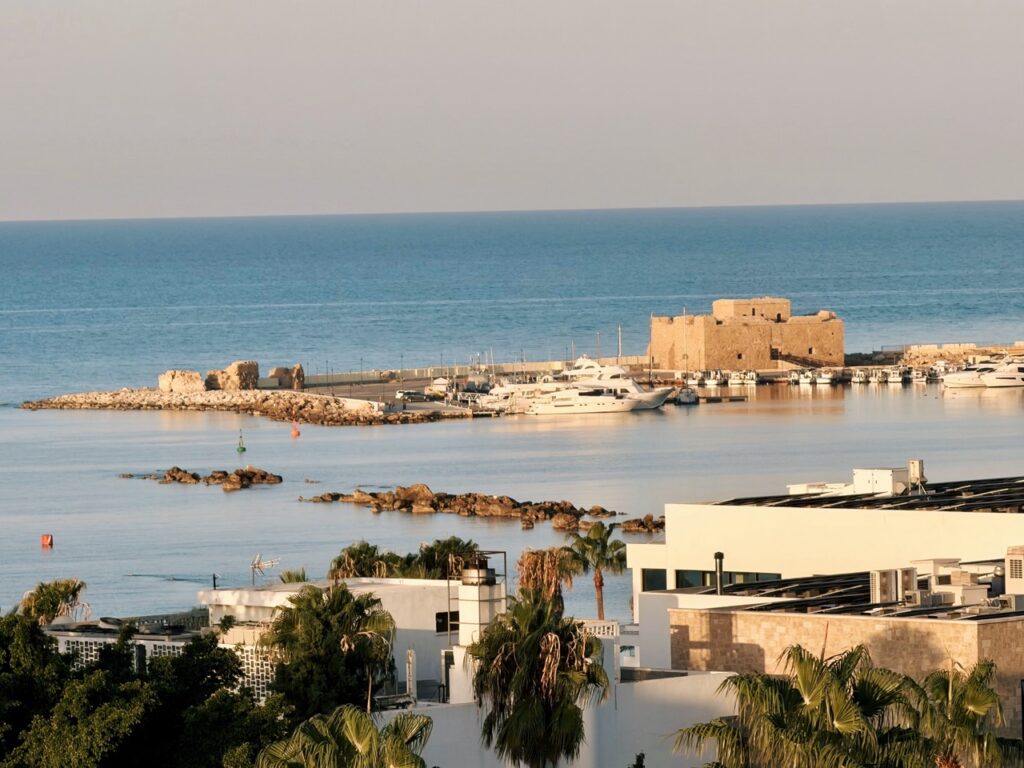
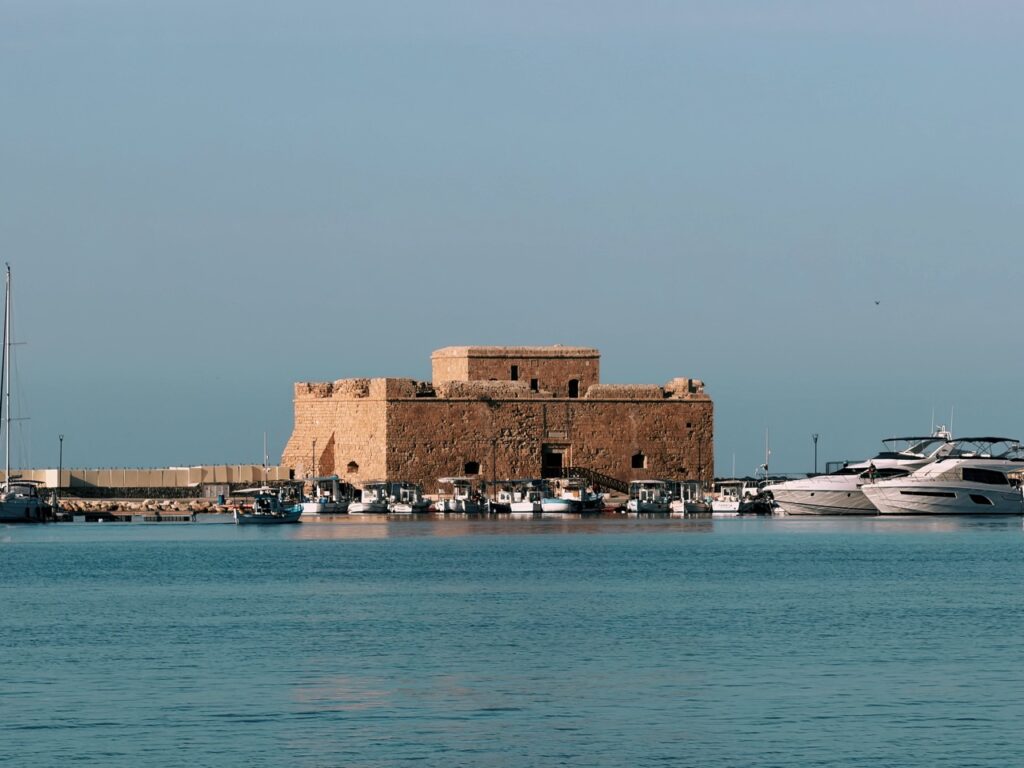
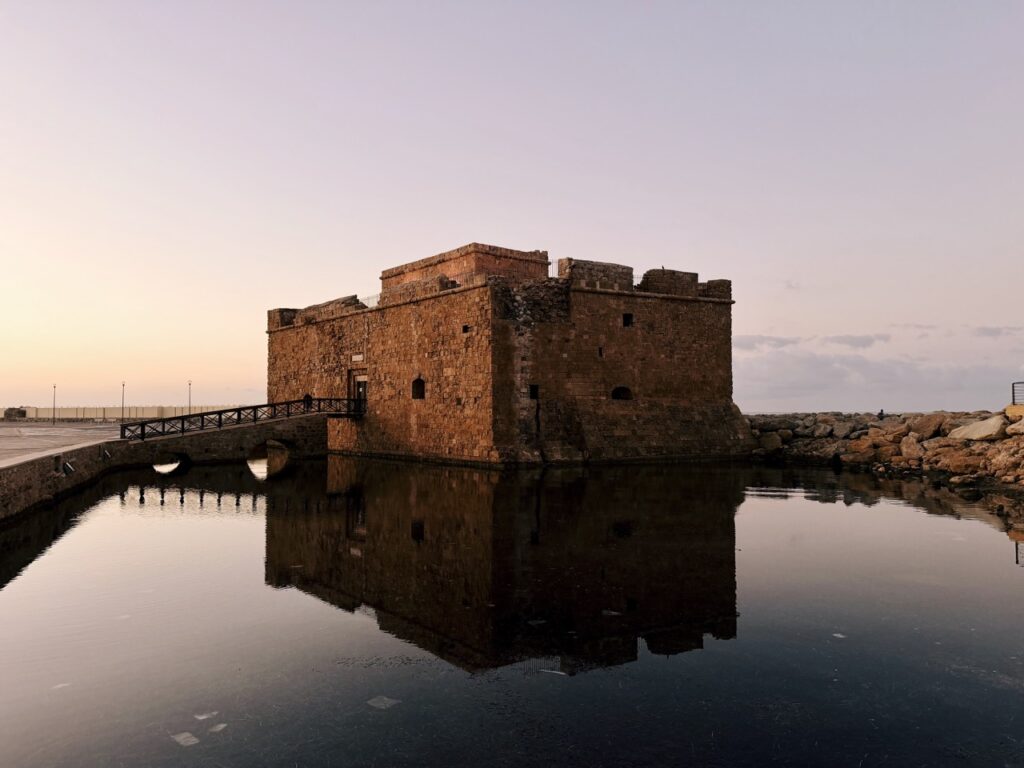
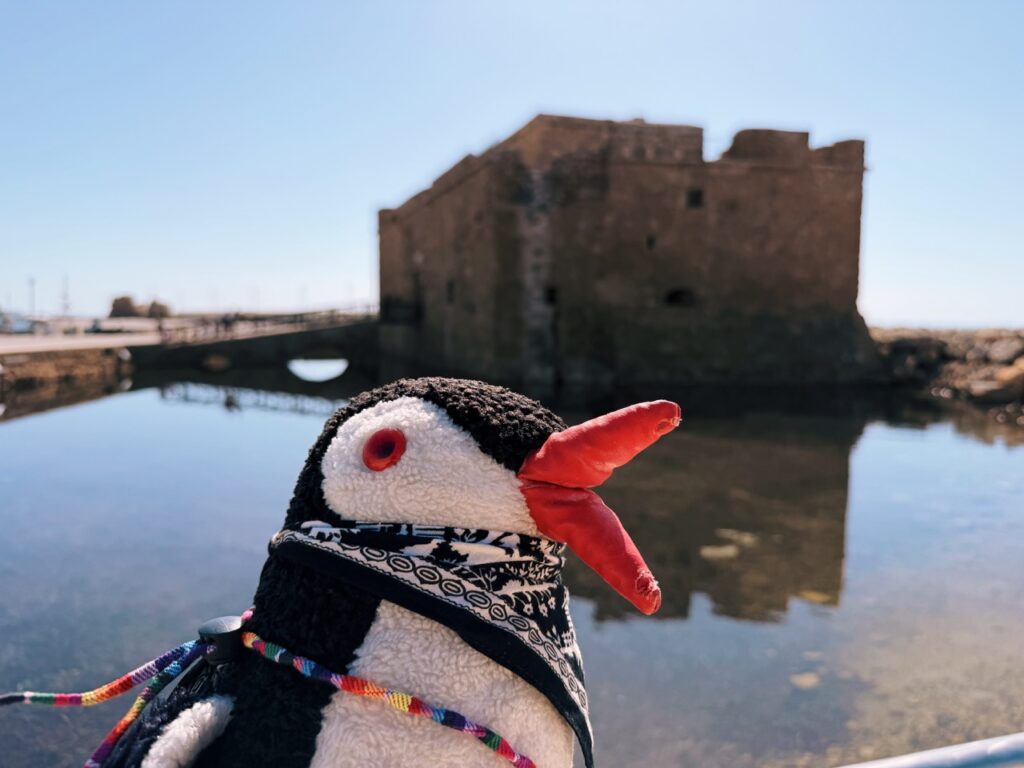
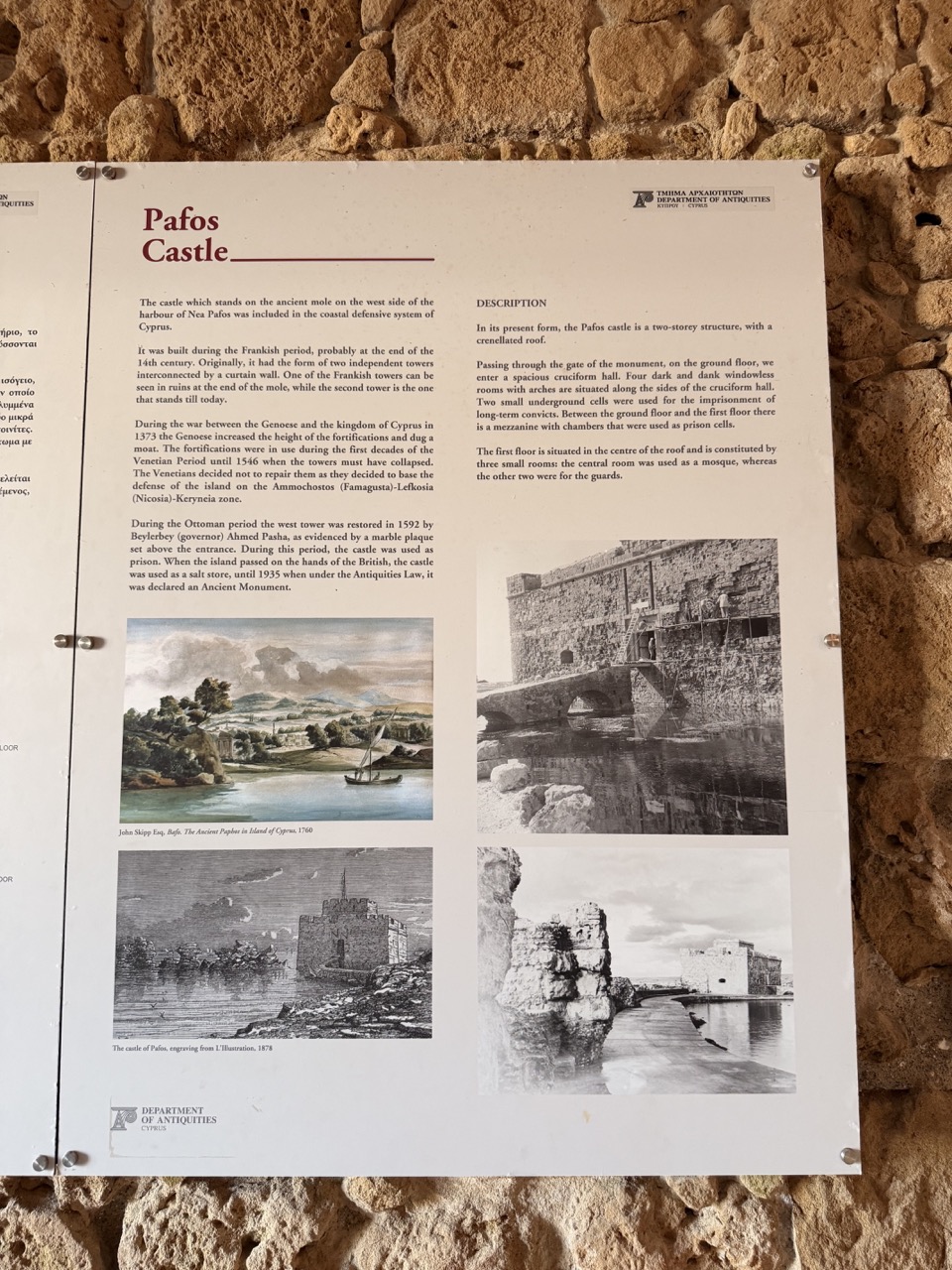
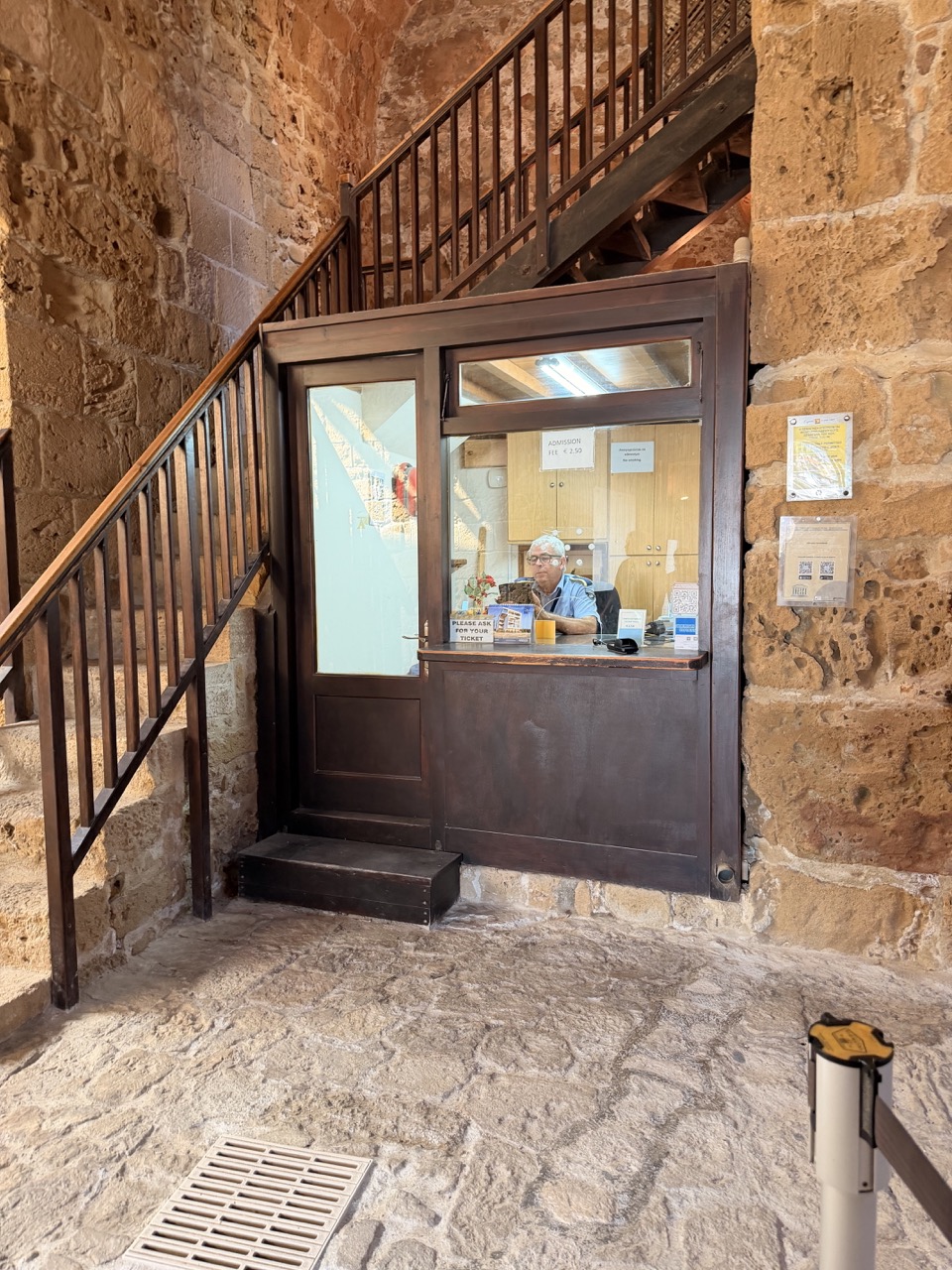
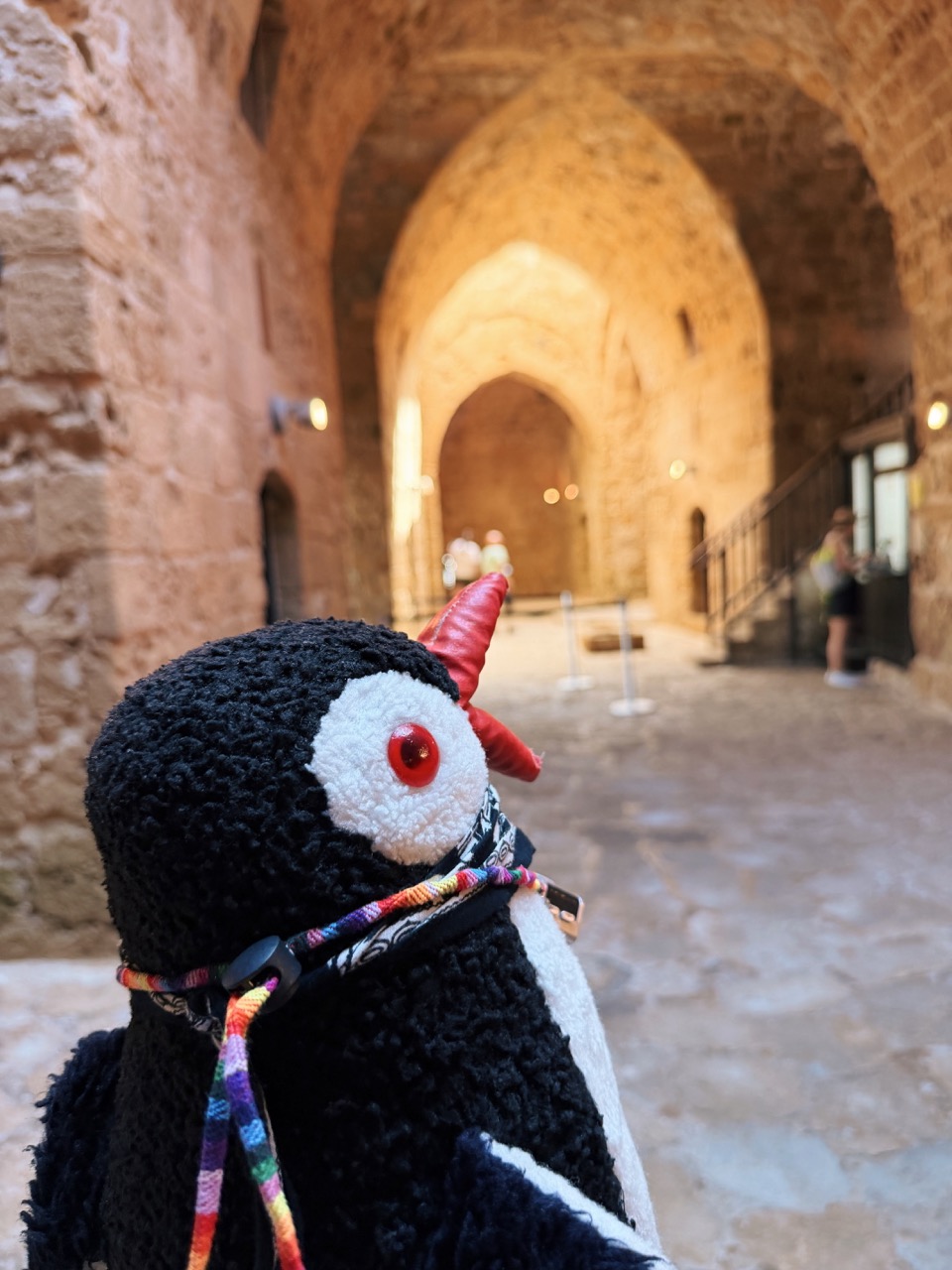
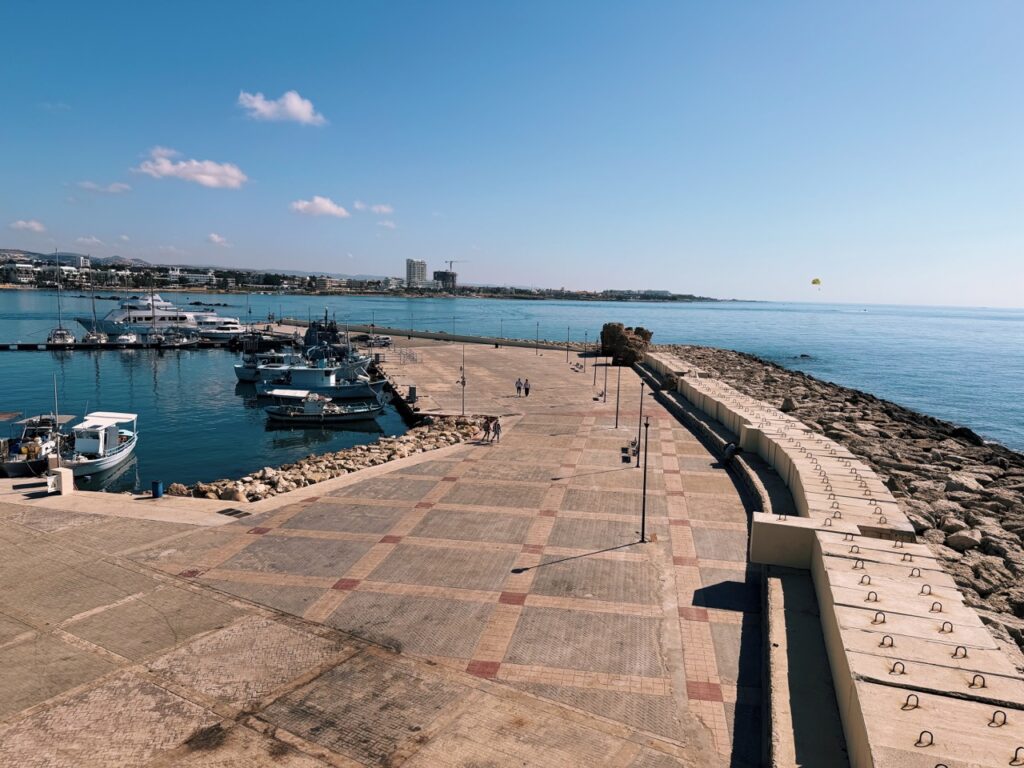
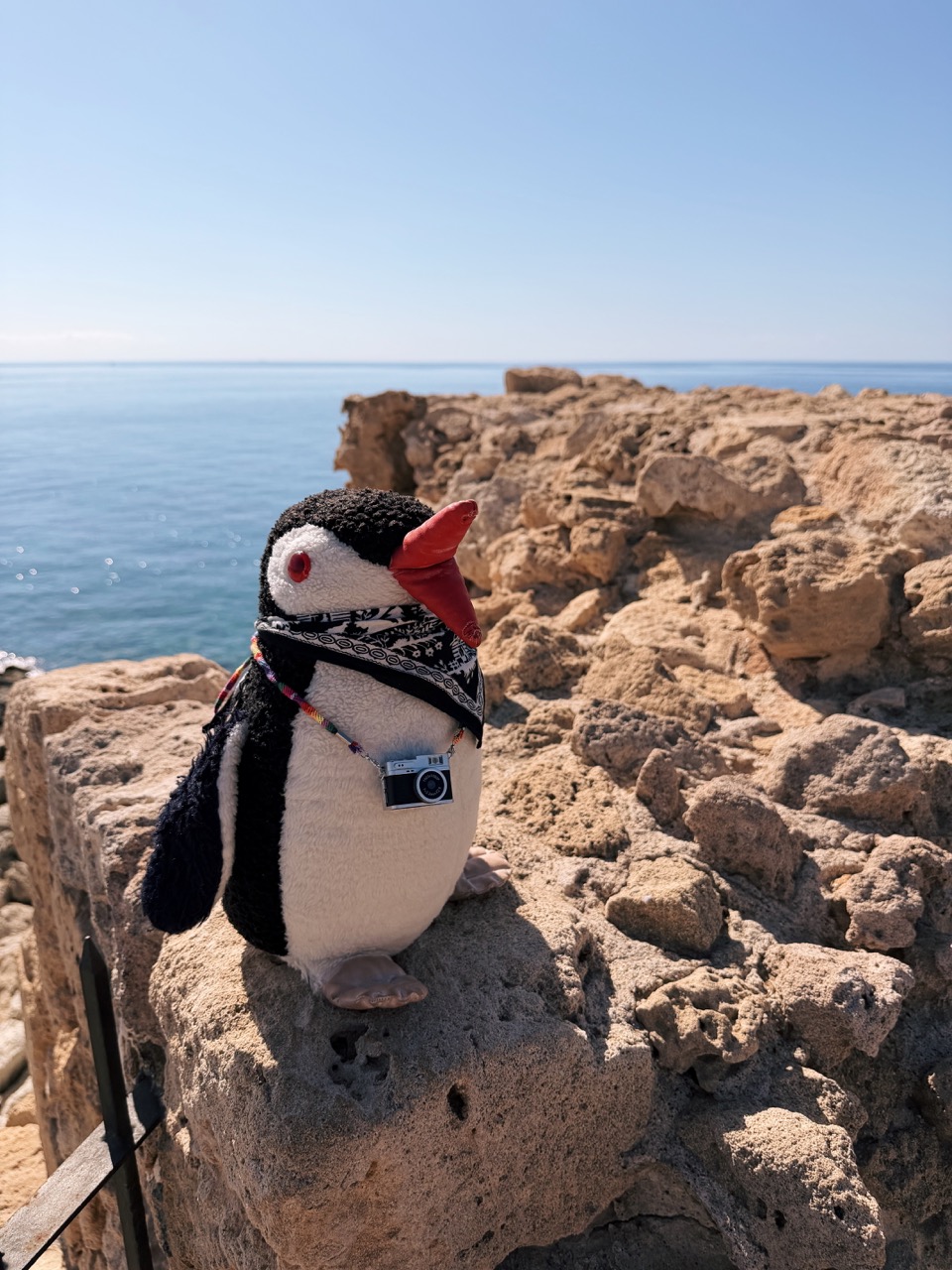
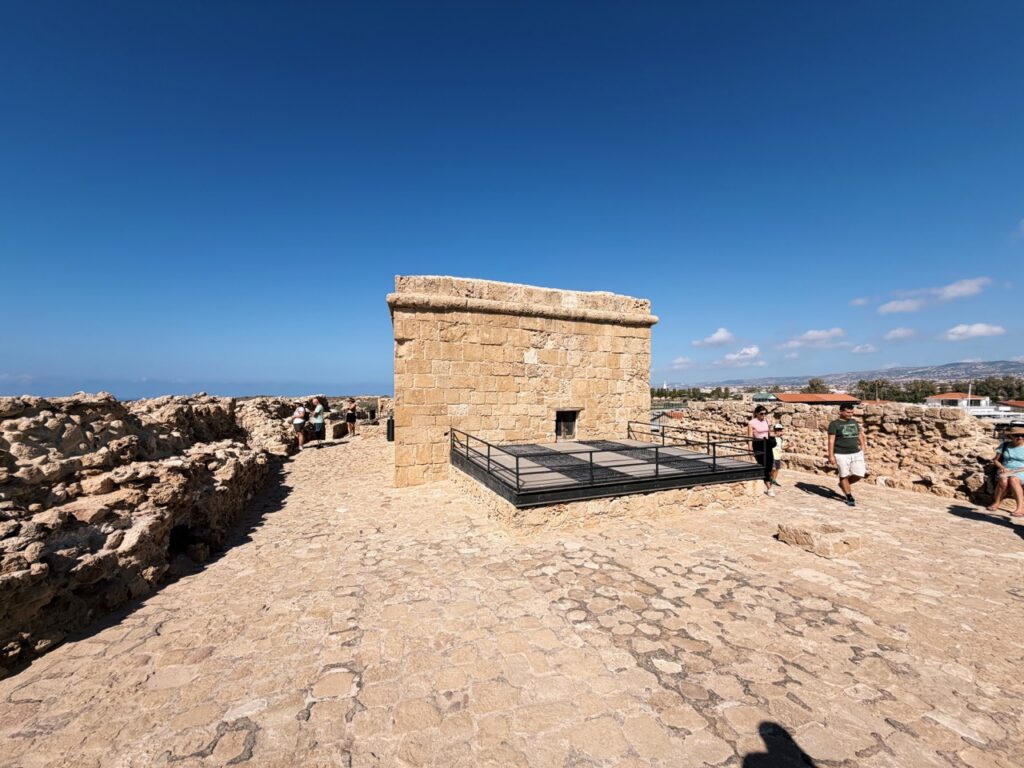
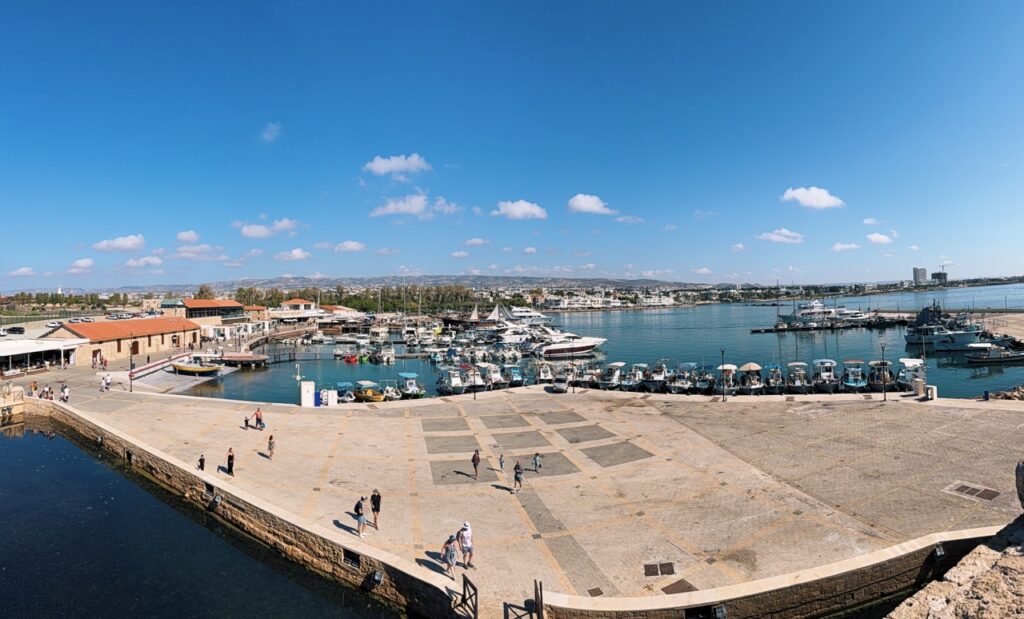
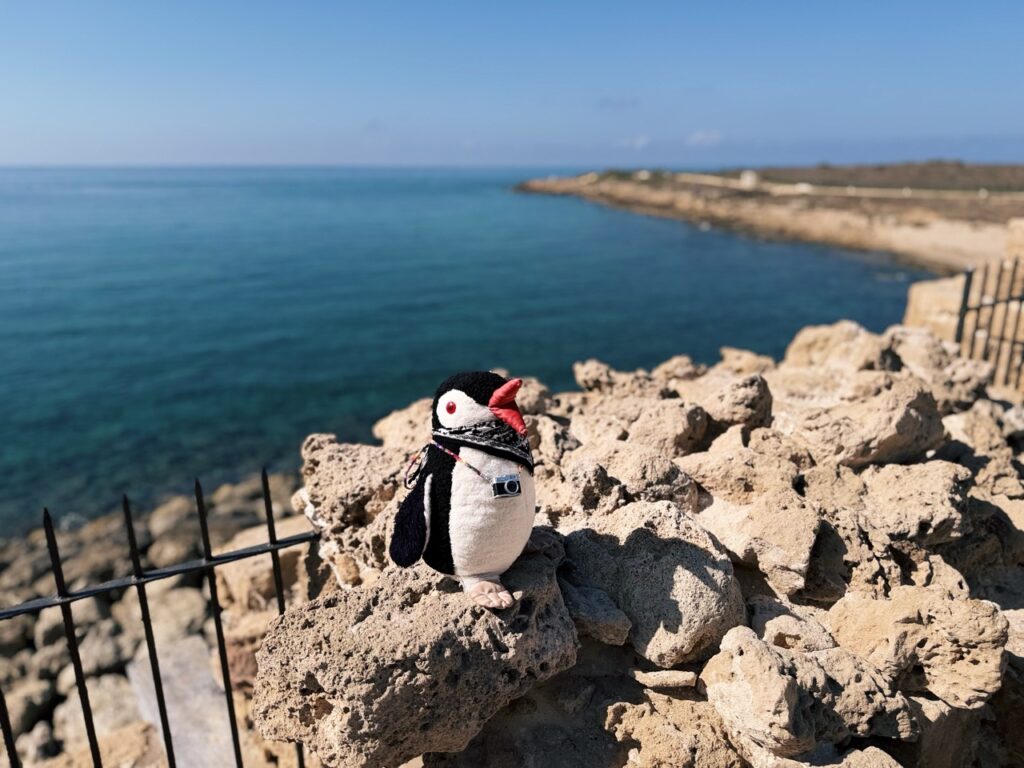
Right by the sea, the Paphos Castle stands as one of the city’s most recognizable landmarks, small but full of character. Originally built as a Byzantine fortress, it’s been rebuilt and reused by the Lusignans, Venetians, and Ottomans over the centuries. Climb to the rooftop for panoramic views of the harbor and the endless blue horizon; it’s lovely at sunset. The surrounding harbor area is perfect for a slow waddle, with cafés, boats, and street performers adding to the lively atmosphere. The castle is open daily from 8:30 AM to 5:00 PM (until 7:30 PM in summer), and entry costs €2.50, a small price for one of the best viewpoints in Paphos.
St. Paul’s Pillar
The St. Paul’s Pillar is one of those places that quietly impresses you with its history. According to tradition, this is where Saint Paul was tied and flogged when he visited Cyprus to preach Christianity in 45 AD, before converting the Roman governor and helping establish Christianity on the island. The pillar stands beside the Agia Kyriaki Chrysopolitissa Church, surrounded by ancient ruins and mosaic floors that hint at the site’s long past. It’s free to visit and open all day, so you can wander around peacefully without crowds. Even if you’re not religious, the atmosphere here feels calm and timeless, a little hidden gem right in the heart of Paphos.
Agia Kyriaki Church
The Agia Kyriaki Chrysopolitissa Church is one of the most beautiful and peaceful spots in Paphos. Built in the 13th century on the ruins of an early Christian basilica, it’s still an active place of worship today, shared by both Anglican and Catholic communities. The mix of ancient stone columns and modern faith gives it a special, timeless feel. Inside, the church is simple but full of light, with lovely icons and a sense of quiet reverence. Outside, you can stroll among the archaeological remains, including the famous St. Paul’s Pillar, just a few steps away. Entry is free, and the church is open daily from early morning until late afternoon, welcoming everyone who comes to admire its history or enjoy a few peaceful moments.

Basilica of Panagia Limeniotissa
The Basilica of Panagia Limeniotissa is one of Paphos’s most fascinating historic ruins, sitting just a few steps from the sea near the harbor. Built in the 5th century, this early Christian basilica was once one of the largest churches on the island. Although it was destroyed several times by earthquakes and invasions, its stone columns, mosaic floors, and seaside setting still make it a beautiful and peaceful place to visit. We loved waddling among the ruins at sunset, the light reflecting off the ancient stones gives it a quiet, almost timeless feeling. It’s free to visit, open year-round, and located right by the Paphos Castle, so it’s easy to include during a relaxed harbor walk.
Paphos Mosaics
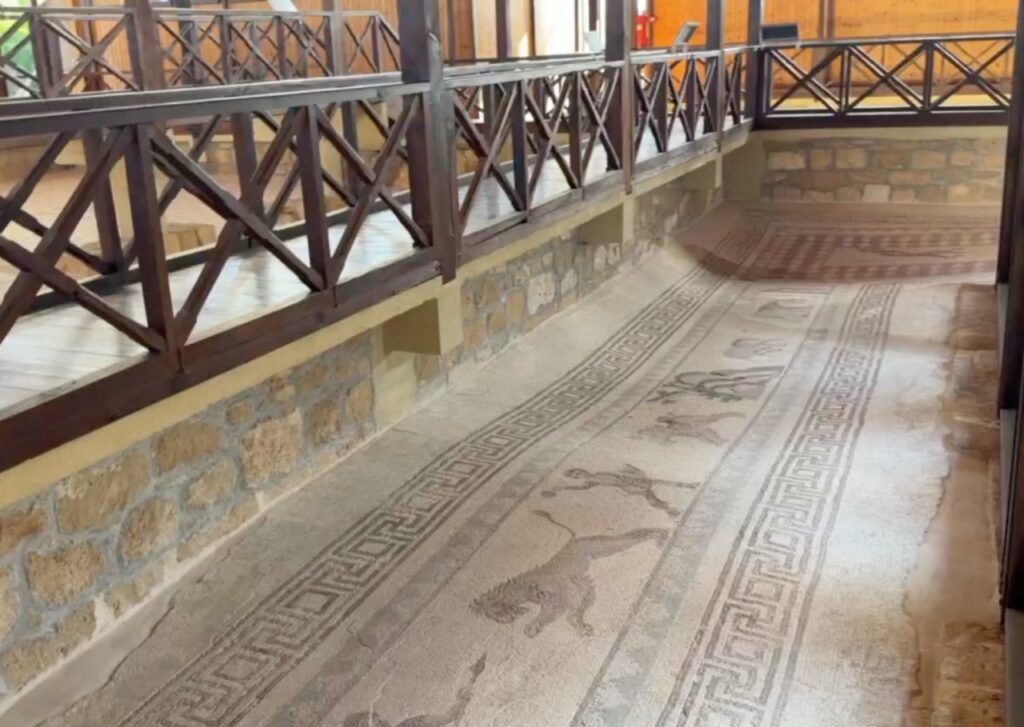
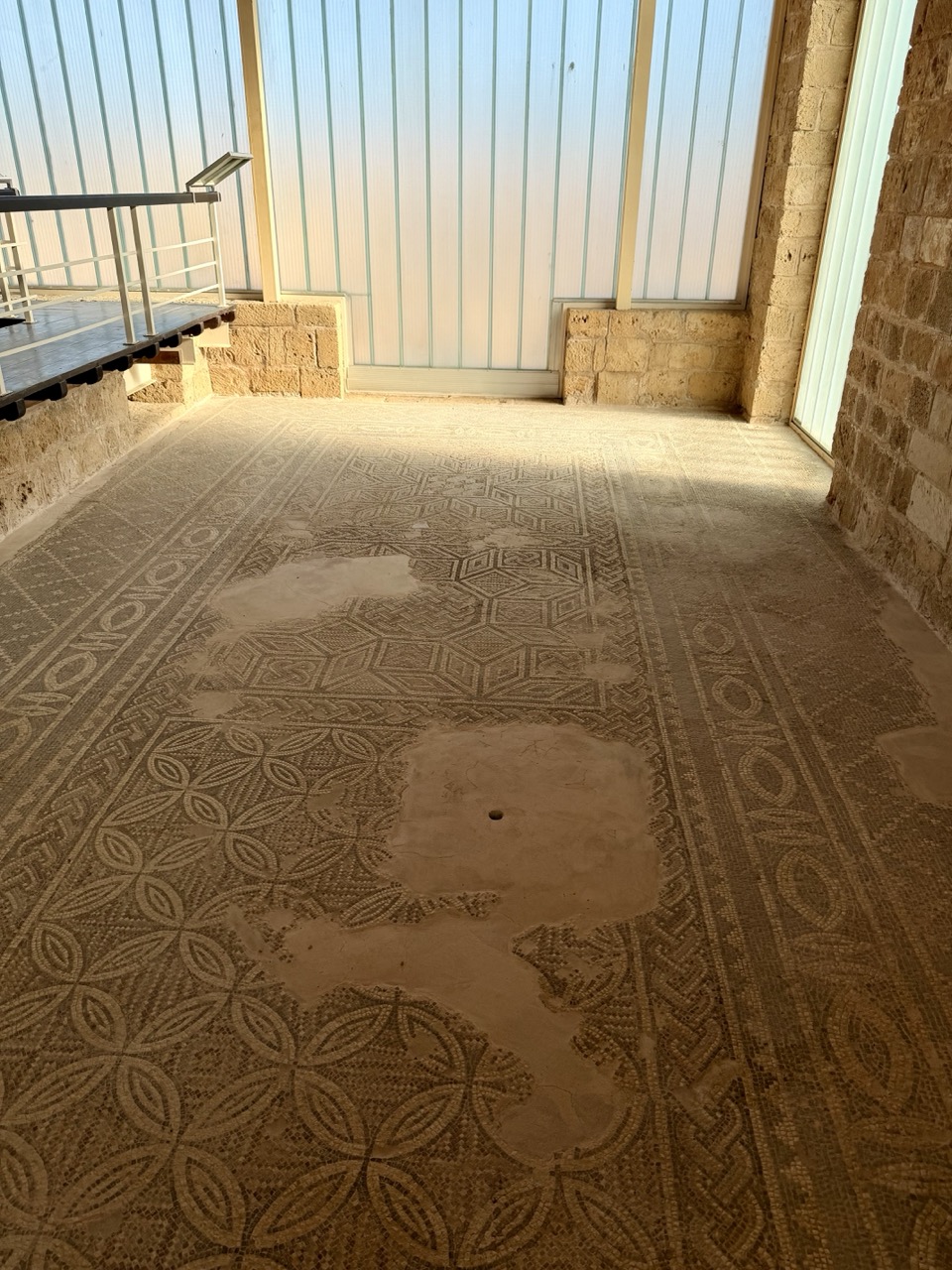
The Paphos Mosaics are one of the true highlights of the city, and honestly, they’re even more stunning in person than in any photo. Found inside the Paphos Archaeological Park, these incredibly detailed floor mosaics date back to the Roman period and depict scenes from Greek mythology, like Dionysos, Theseus, and Poseidon. What amazed us most was how vivid the colors still are after nearly 2,000 years. You can waddle along raised pathways that let you admire the mosaics up close without damaging them, and each one has signs explaining its story. It’s one of those rare places where you can almost picture the lives of the people who once lived there. The site is open daily from 8:30 AM to 5:00 PM (until 7:30 PM in summer), and the €4.50 ticket includes access to the mosaics along with the rest of the park, an absolute must-see for anyone visiting Paphos.
Natural Wonders & Beaches
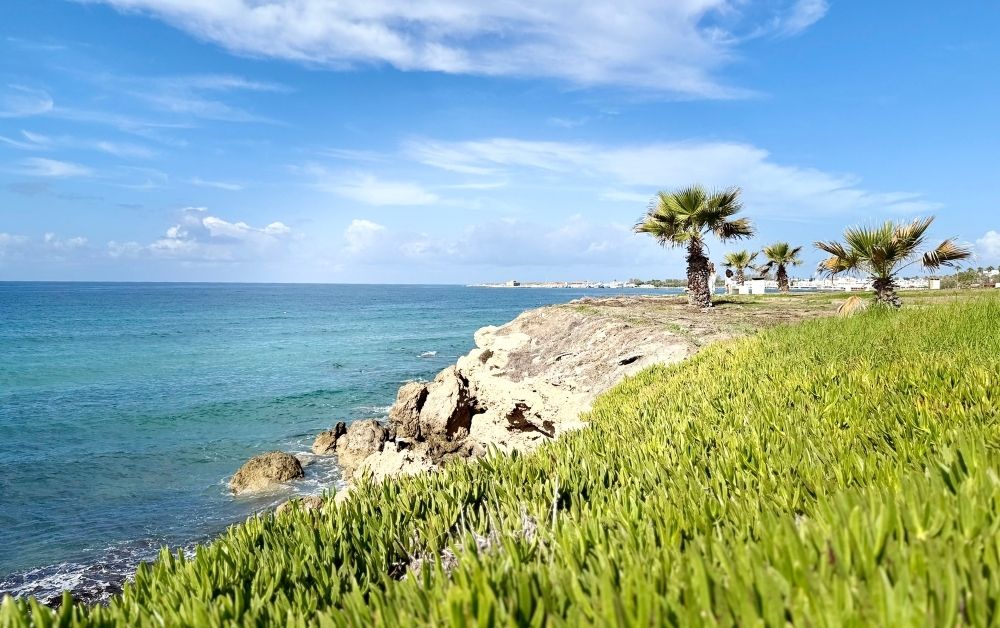
One of the things we loved most about Paphos was how quickly you can go from exploring ancient ruins to relaxing by the sea. The coastline here is stunning, with dramatic cliffs, crystal-clear water, and quiet coves that feel miles away from the crowds. Whether we were watching the waves crash against the Sea Caves, swimming at Coral Bay, or chasing the sunset near Aphrodite’s Rock, every place had its own magic. Here are some of the most beautiful natural spots and beaches in Paphos that completely stole our hearts.
Coral Bay
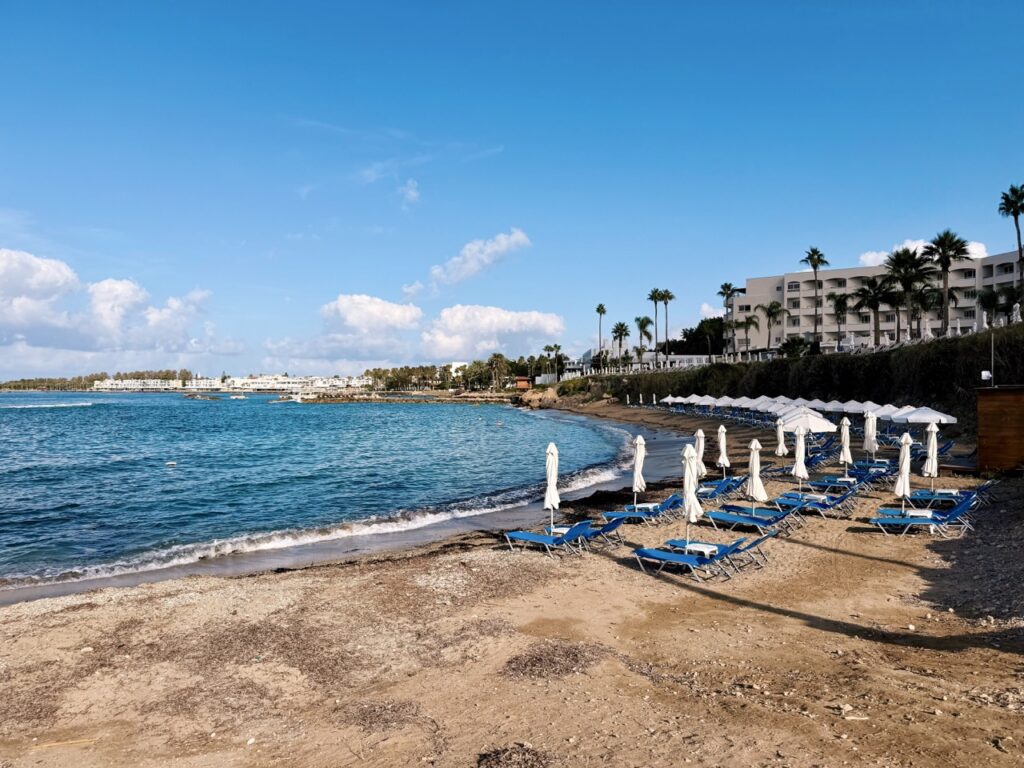
Just a short 15-minute drive north of Paphos, Coral Bay is one of those beaches that instantly makes you slow down and smile. It’s wide, sandy, and surrounded by gentle cliffs, a perfect spot to swim, sunbathe, or grab a frappe from one of the beach cafés. We spent an afternoon here and loved how relaxed it felt compared to the busier town beaches. The water is shallow and calm, great for an easy swim or floating for hours. There are sunbeds and umbrellas for rent, plus showers and a few restaurants nearby. If you’re driving, there’s free parking right by the beach, and local bus 615 from Paphos Harbor drops you off just a short waddle away, super convenient for a sunny escape.
Edro III Shipwreck
The Edro III Shipwreck is one of the most striking sights along the Paphos coast, and honestly, it’s even more impressive in person than in photos. The ship ran aground near Peyia, just a few minutes north of Coral Bay, during a storm in 2011 and has been resting dramatically on the rocks ever since. We visited at sunset, and the view was absolutely magical, the golden light reflecting off the sea and the rusted hull made it feel almost cinematic. There’s a small viewpoint nearby where you can park and take photos. While you can’t climb aboard for safety reasons, just standing there and watching the waves crash against the ship is one of those simple yet unforgettable Paphos moments.
Stone Arcade Sea Caves
The Stone Arcade Sea Caves, near Peyia, are one of the most breathtaking natural spots around Paphos, and honestly, we could’ve stayed there for hours just watching the waves. The cliffs are carved into dramatic arches and caves by the sea, creating a picture-perfect view that looks straight out of a travel postcard. We visited in the late afternoon, and the sunlight reflecting off the limestone made the whole place glow. It’s easy to reach by car (about 20 minutes from Paphos) with several viewpoints along the cliff edge, and parking is free. The area is popular for photos and sunset watching, but it still feels peaceful and wild. Just be careful near the edges; the cliffs are high and can be slippery. It’s one of those spots that truly shows off Cyprus’s natural beauty.
Tours and tickets from GetYourGuideShows GetYourGuide’s own box, which can set GetYourGuide cookies.
Aphrodite’s Rock (Petra tou Romiou)
Legend has it that Aphrodite, the Greek goddess of love and beauty, was born right here, rising from the sea foam at Petra tou Romiou, also known as Aphrodite’s Rock. Standing there with the waves crashing around the iconic rock, it’s easy to see why this place feels almost magical. It is one of those “wow” moments that makes you pull over immediately. The beach itself is pebbly but beautiful, and the turquoise water is perfect for a quick swim (just watch the waves, they can get strong. Parking is free and available across the road, with a pedestrian tunnel leading safely under the highway to the beach. The sunset here is stunning, and legend says if you swim around the rock three times, you’ll find eternal love. We’ll let you decide whether to test it!
Akamas Peninsula
The Akamas Peninsula is where Cyprus shows off its wild, untouched side, and it quickly became one of our favorite parts of the island. Located about an hour northwest of Paphos, this nature reserve is packed with rugged trails, turquoise coves, and panoramic sea views that feel a world away from the city. You can join a 4×4 tour (highly recommended unless you have an off-road vehicle) and spend the day exploring hidden spots like the Blue Lagoon, where the water is so clear it almost doesn’t look real. You can also hike, snorkel, or simply enjoy a picnic surrounded by nothing but nature and the sound of cicadas. There’s no entrance fee, but bring plenty of water, sunscreen, and good shoes. Once you’re out there, it’s pure adventure.
Local Life & Hidden Gems
Beyond its beaches and ruins, Paphos has a quieter, more local side that completely won us over. Wander just a little away from the tourist spots, and you’ll find charming streets filled with colorful doors, cozy cafés, and locals chatting over coffee. We loved exploring these tucked-away corners, the kind of places where time slows down, and you feel like you’re seeing the real Cyprus. From the lively Old Town to peaceful neighborhood markets, here are some of our favorite hidden gems and local experiences that made us feel right at home in Paphos.
Old Town Paphos
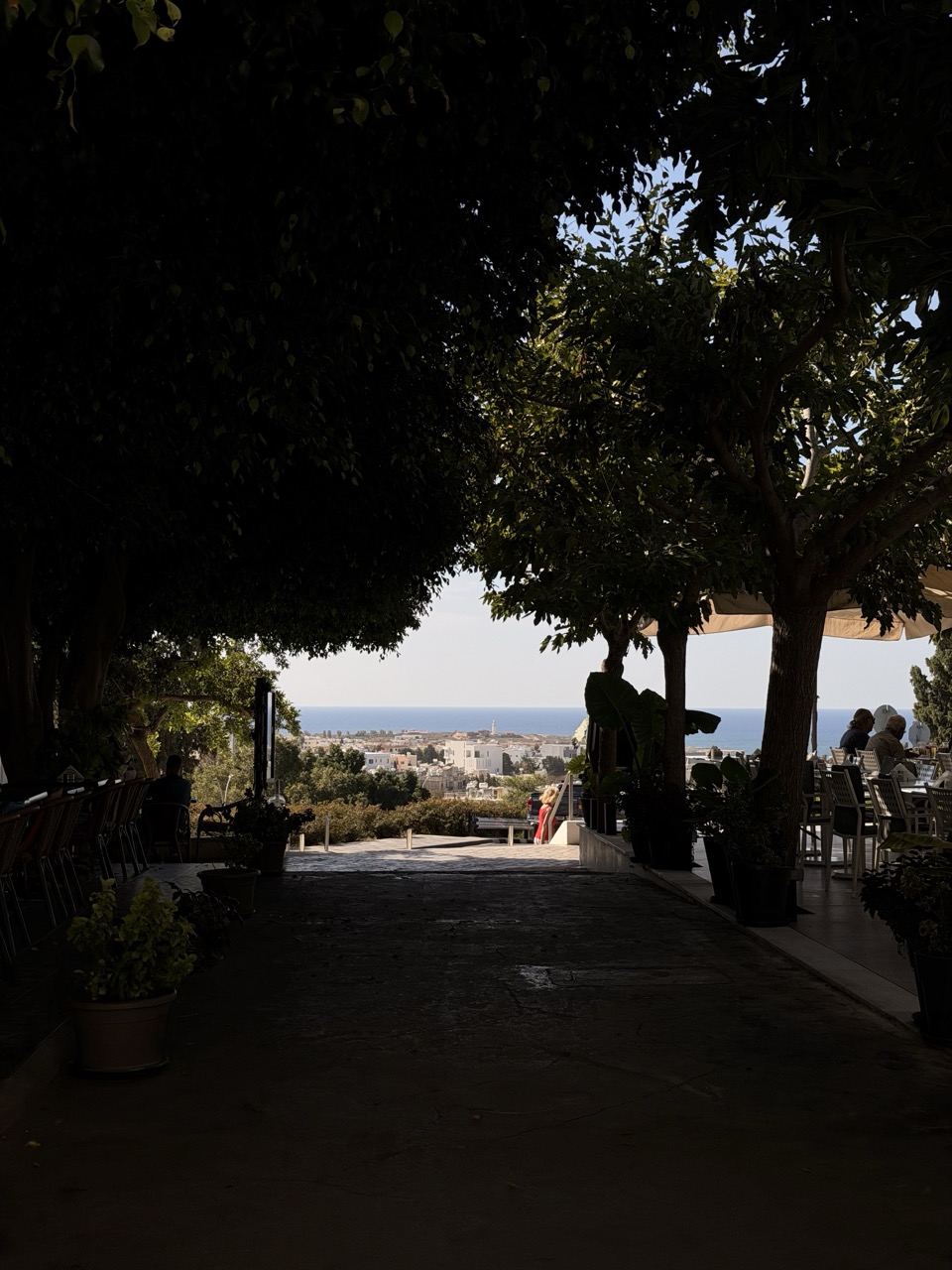
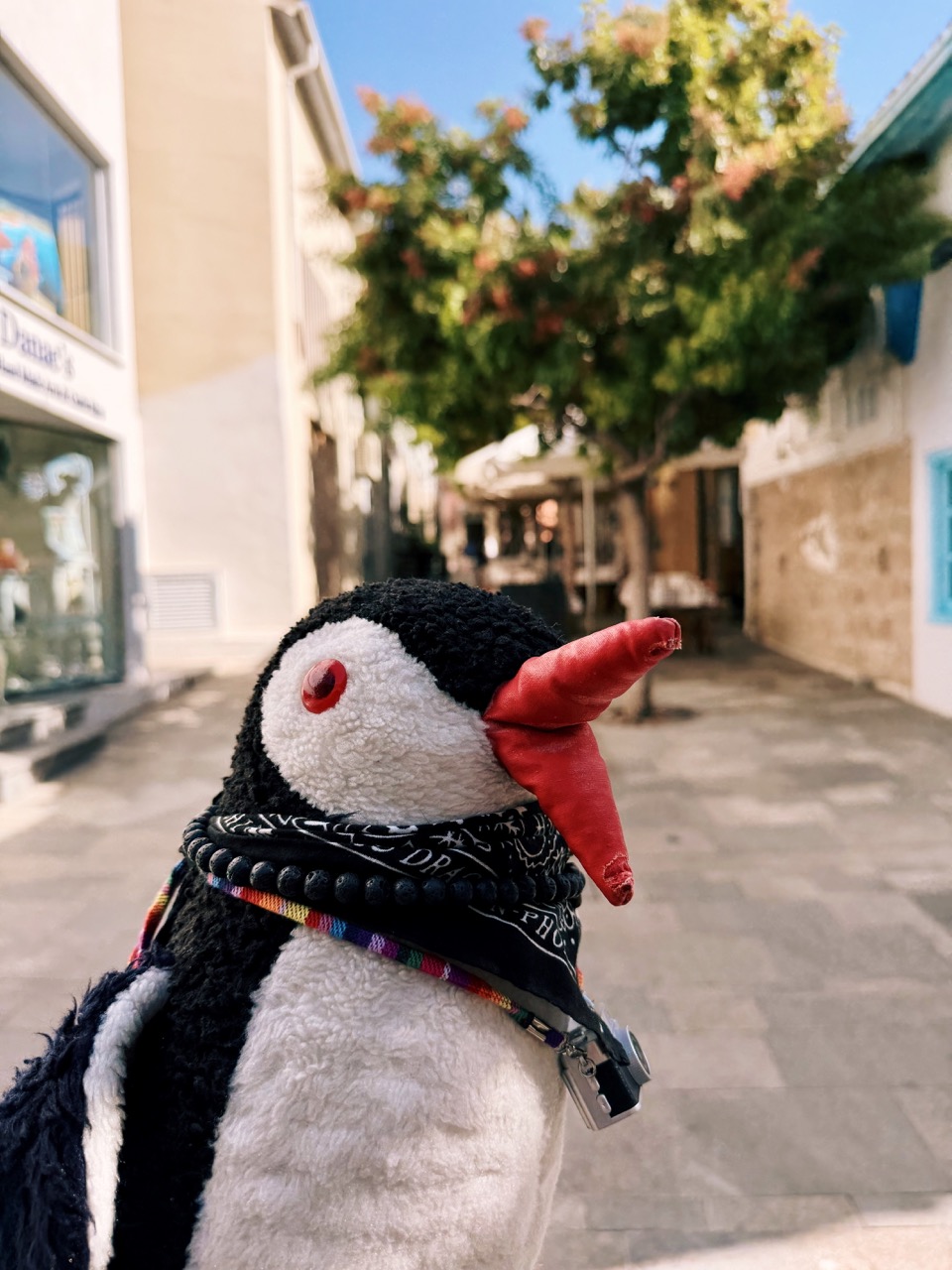
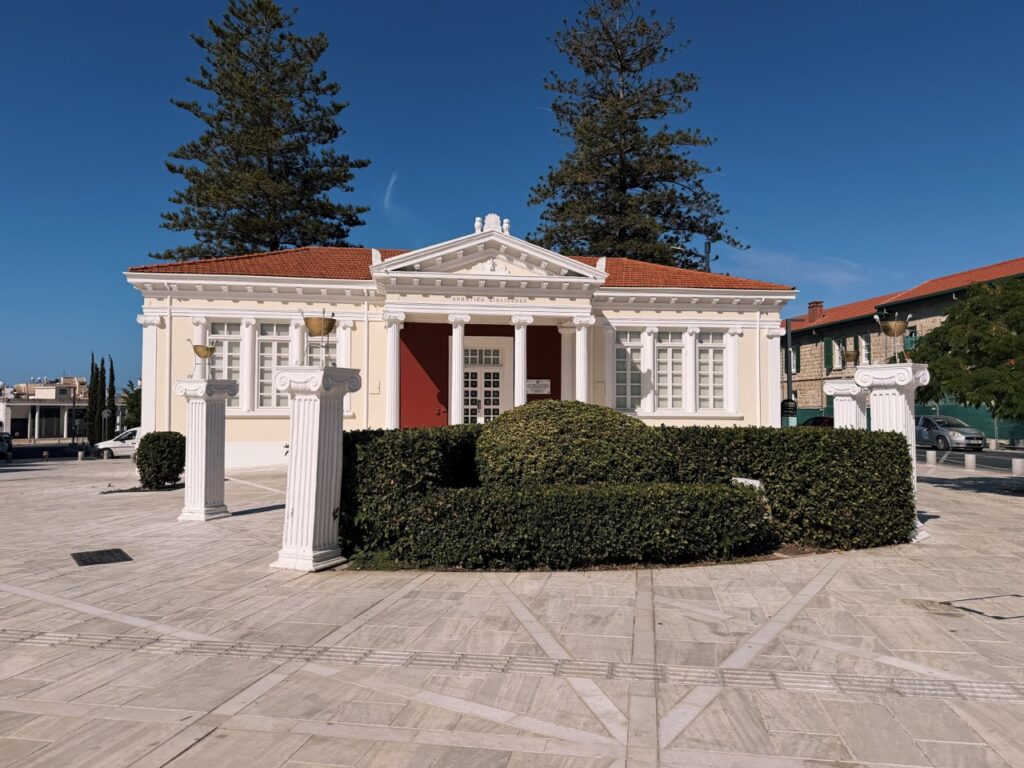
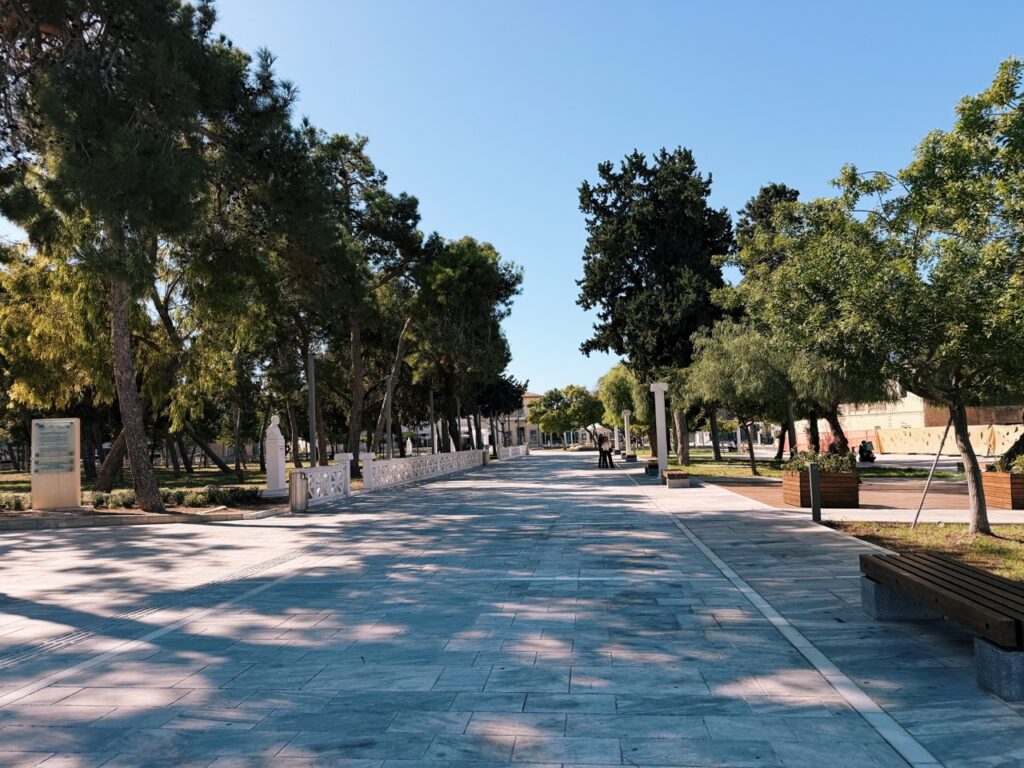
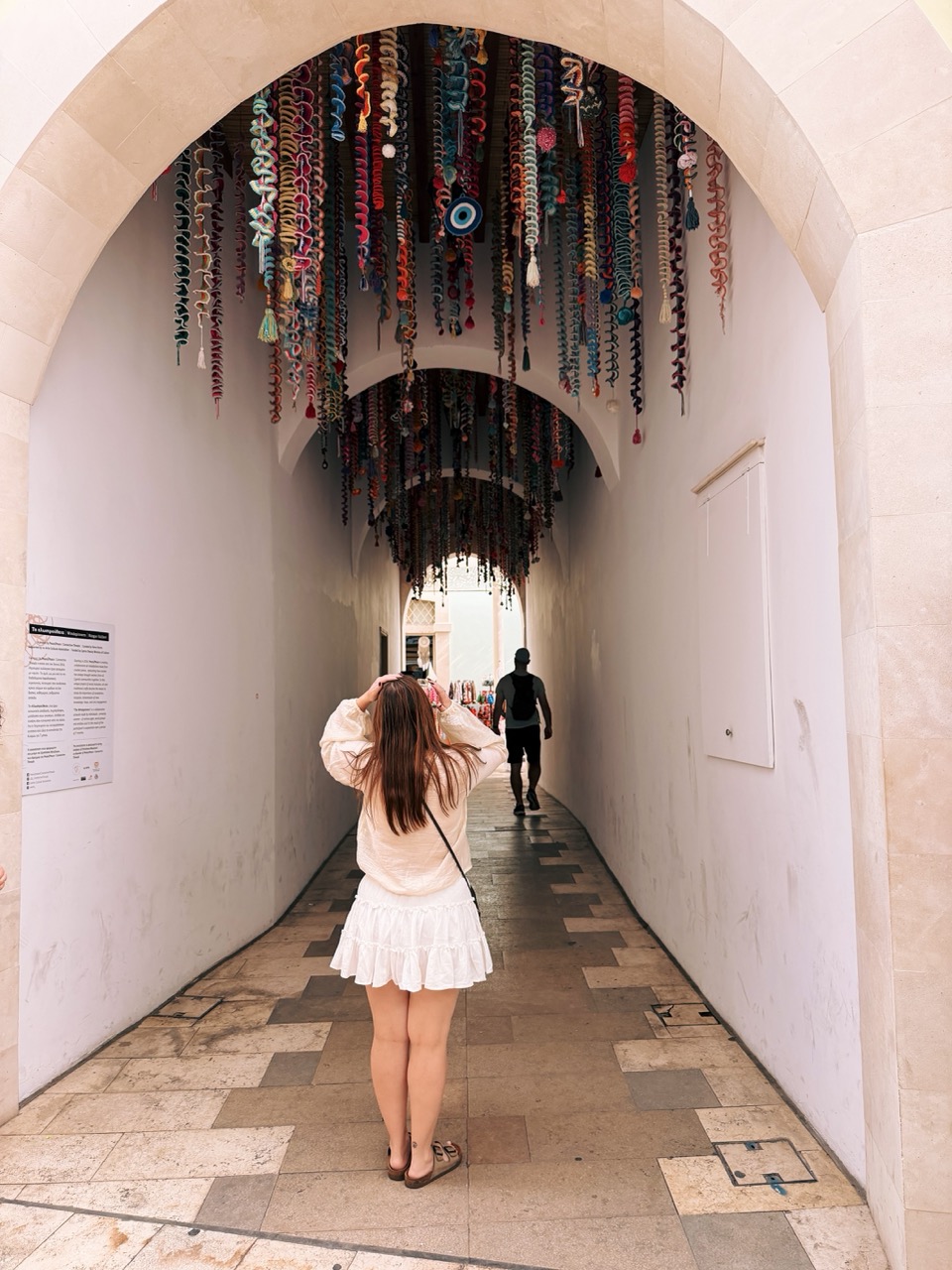
The Old Town of Paphos is where the city’s soul really shines. It’s slightly above the coast and full of charm, with narrow lanes lined with colorful houses, vibrant murals, and little boutiques selling handmade crafts and jewelry. We spent a lazy morning wandering here, stopping for Cypriot coffee and homemade pastries at a small café tucked between art galleries. The area has been beautifully restored in recent years, blending traditional architecture with a creative, modern vibe. It’s especially lovely in the late afternoon when the streets glow in the golden light. Don’t miss Kennedy Square for people-watching, and if you’re into photography, the street art near Makarios Avenue makes a perfect backdrop. It’s an easy bus or car ride from the harbor, and parking is free in several nearby lots.

Paphos Market
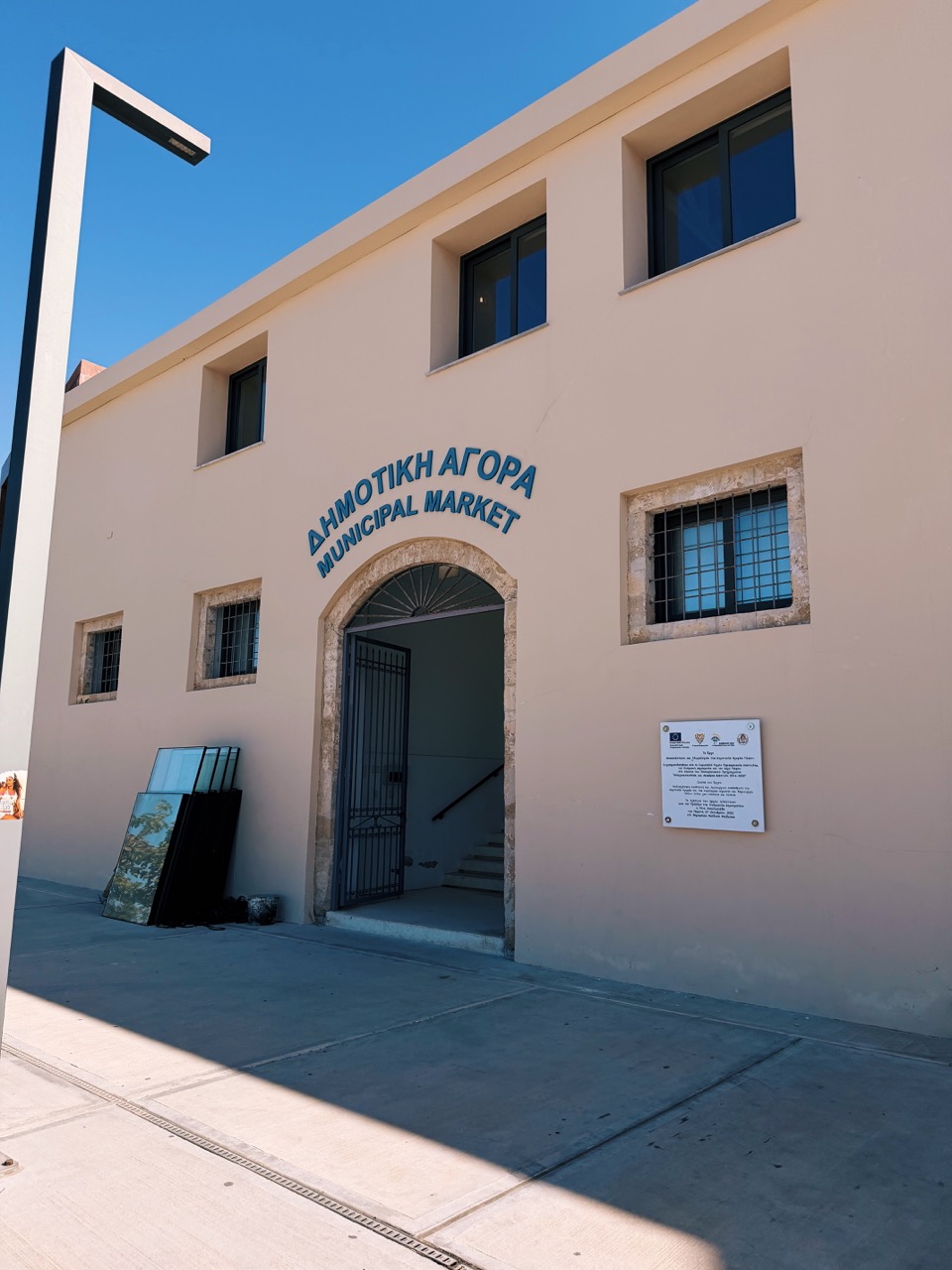
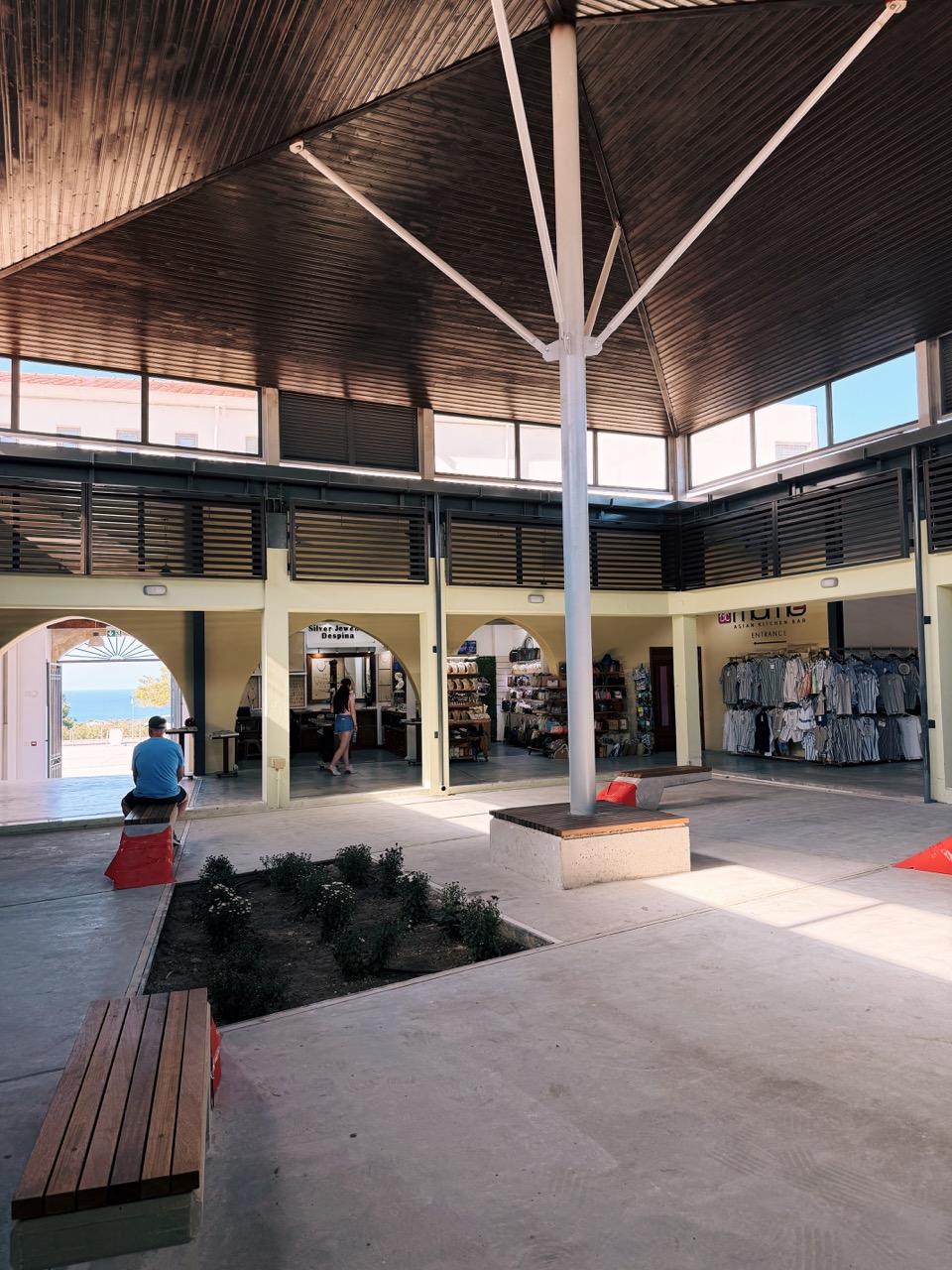
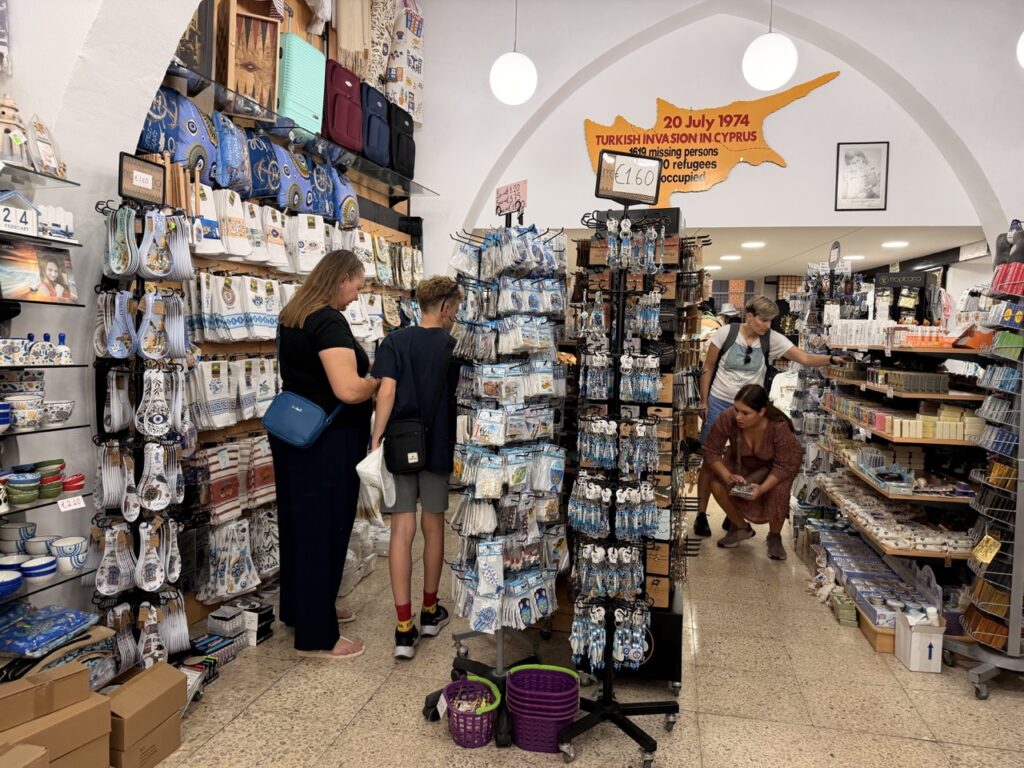
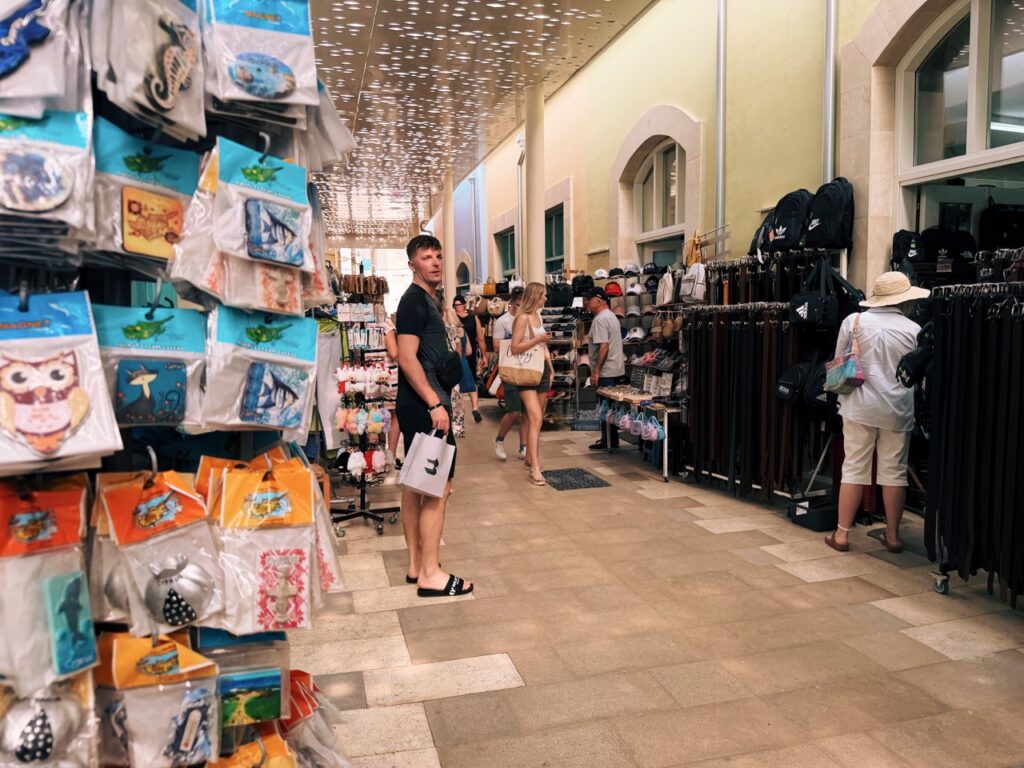
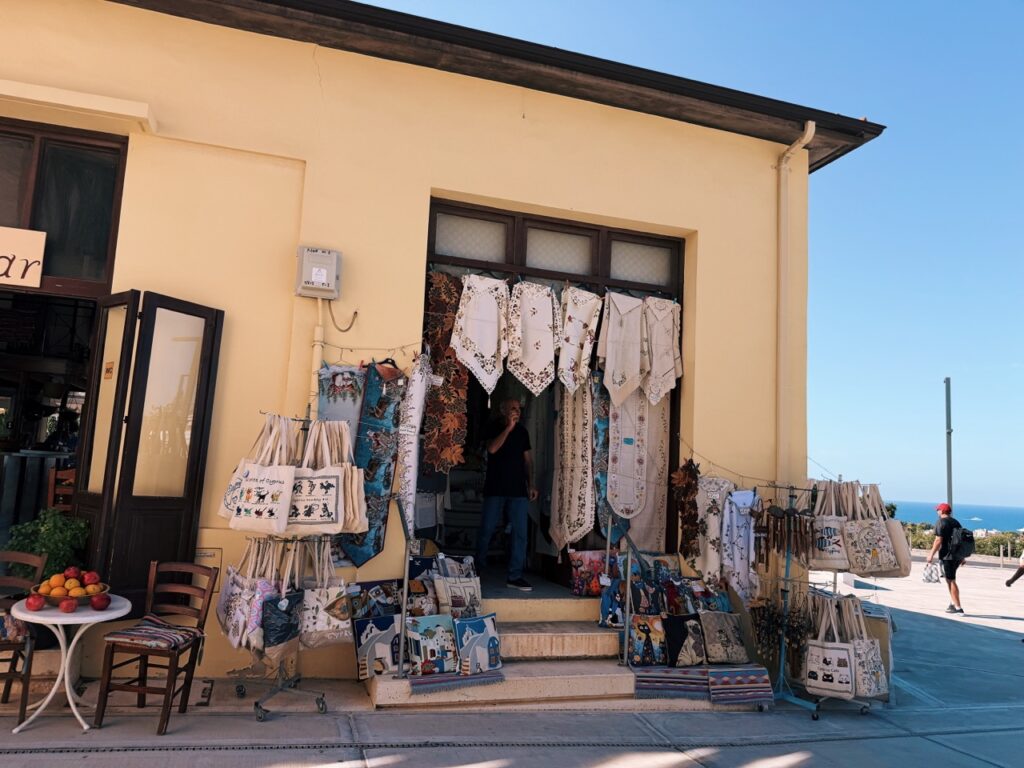
The Paphos Market, also known as the Municipal Market or Agora, is one of those places where you instantly feel the local rhythm of the city. You can find it in the Old Town, it’s a mix of traditional stalls and small shops selling everything from fresh produce and local cheeses to souvenirs, olive oil, and handmade crafts. We loved chatting with the friendly vendors, many of whom are happy to let you sample olives or halloumi before buying. It’s a great spot to pick up authentic gifts or grab a quick snack while soaking up the lively atmosphere. The market is open Monday to Saturday, usually from 7 AM to 2 PM, though some souvenir shops stay open later. Arrive early to catch it at its most vibrant, and don’t forget to bring some cash, a few stalls still don’t accept cards.
Here are a few other markets around Paphos worth visiting:
- Duck Pond Market (Chloraka). A lively weekend market with clothes, crafts, books, and local food stalls, perfect for a relaxed Sunday browse.
- Tala Monastery Market. Small community market held near the monastery, featuring handmade items, jewelry, and baked goods from local artisans.
- Harbor Market (Kato Paphos). Seasonal pop-up stalls along the promenade sell souvenirs, honey, olive oil, and beachwear, great for evening strolls.
- St. Paul’s Farmers Market. Focused on fresh produce, local honey, herbs, and traditional products directly from Cypriot farmers.
- Sunday Market at Coral Bay. A mix of antiques, handmade crafts, and secondhand treasures, ideal for a leisurely morning before hitting the beach.
Paphos Promenade
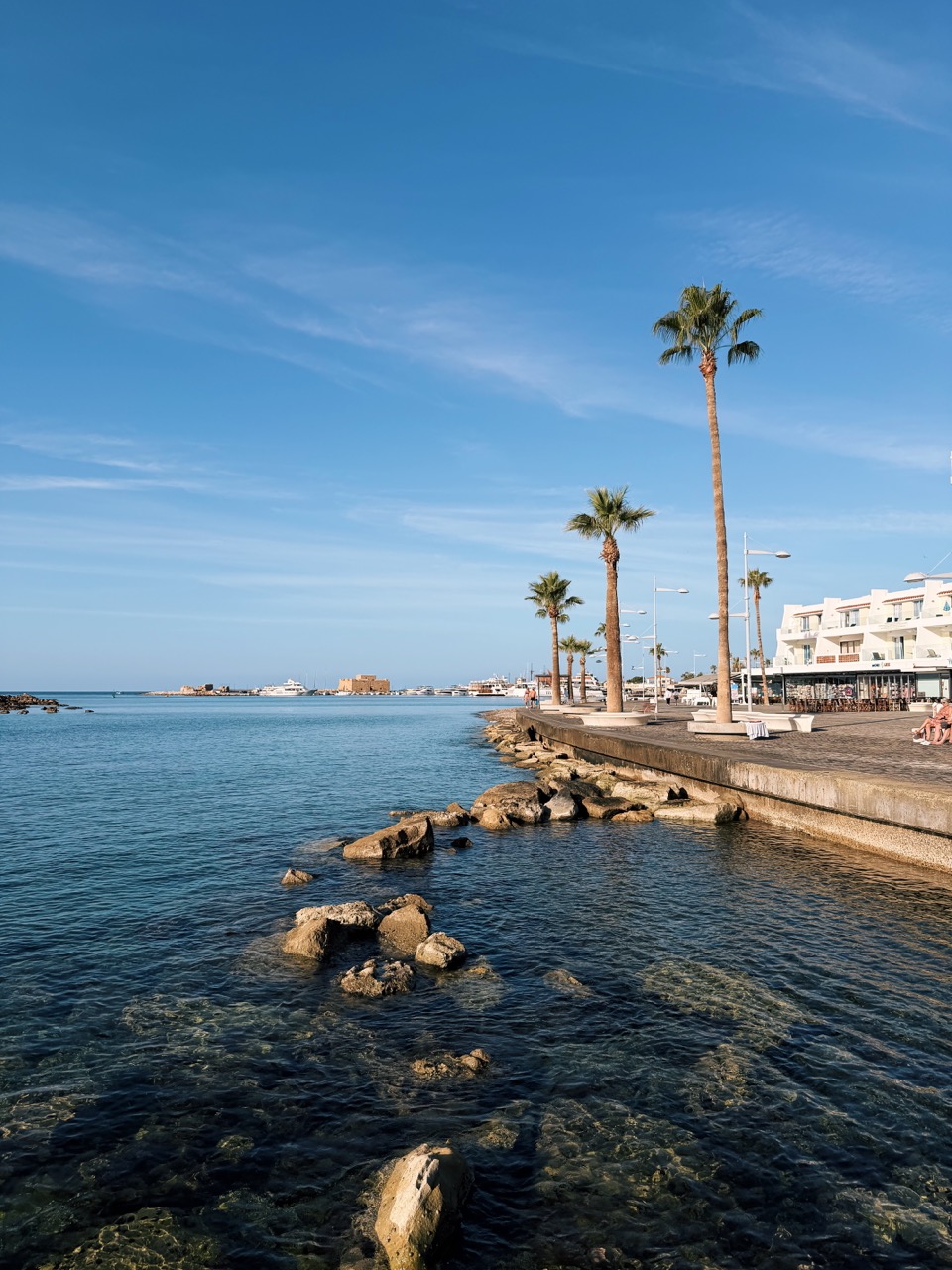
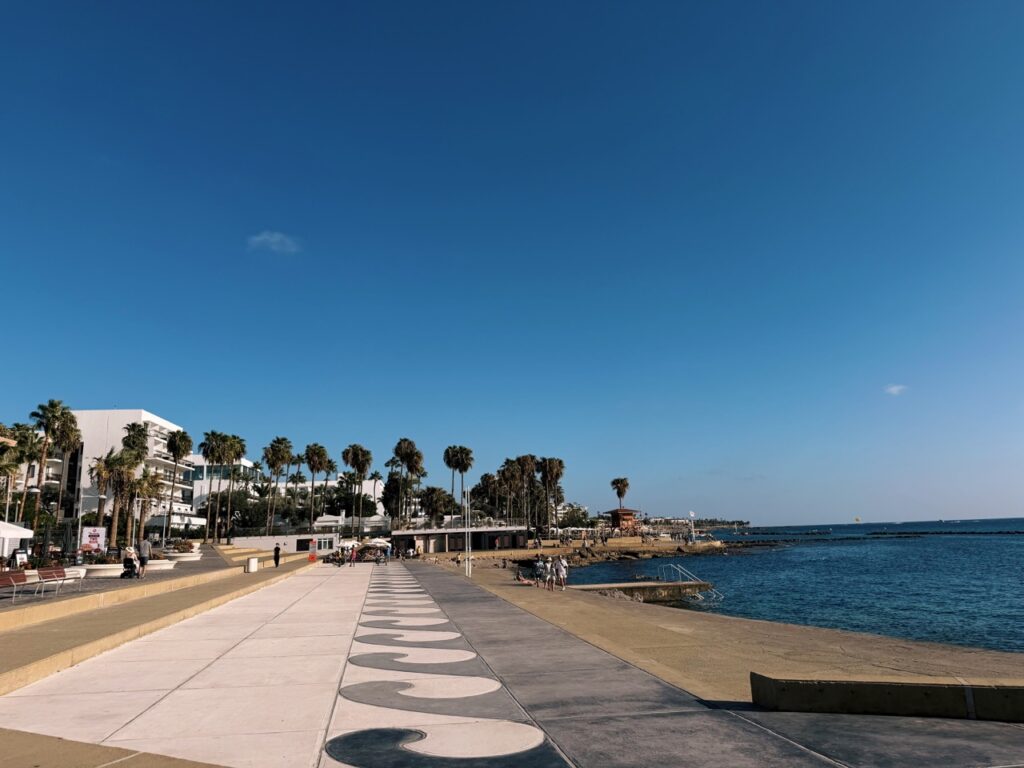
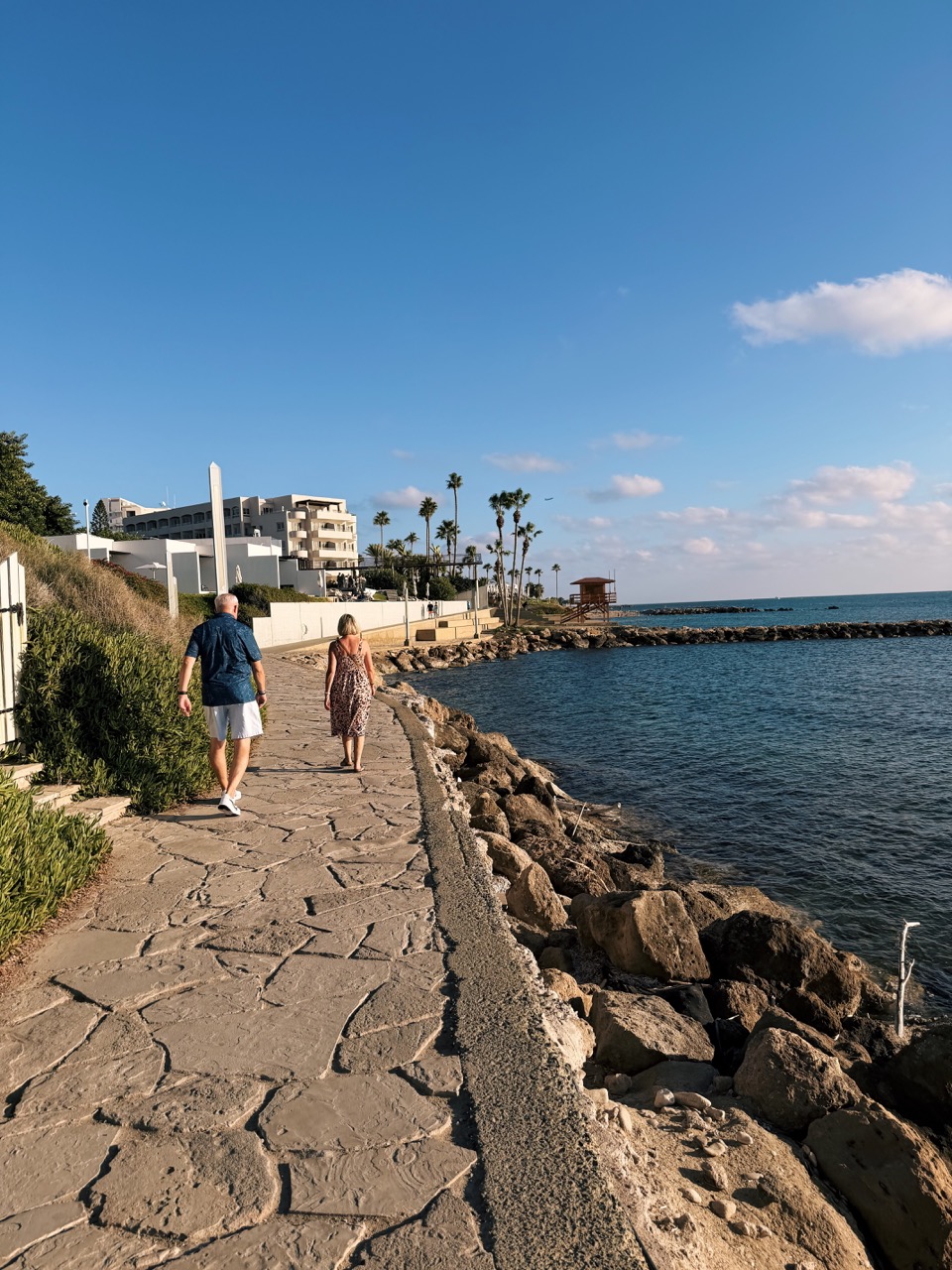
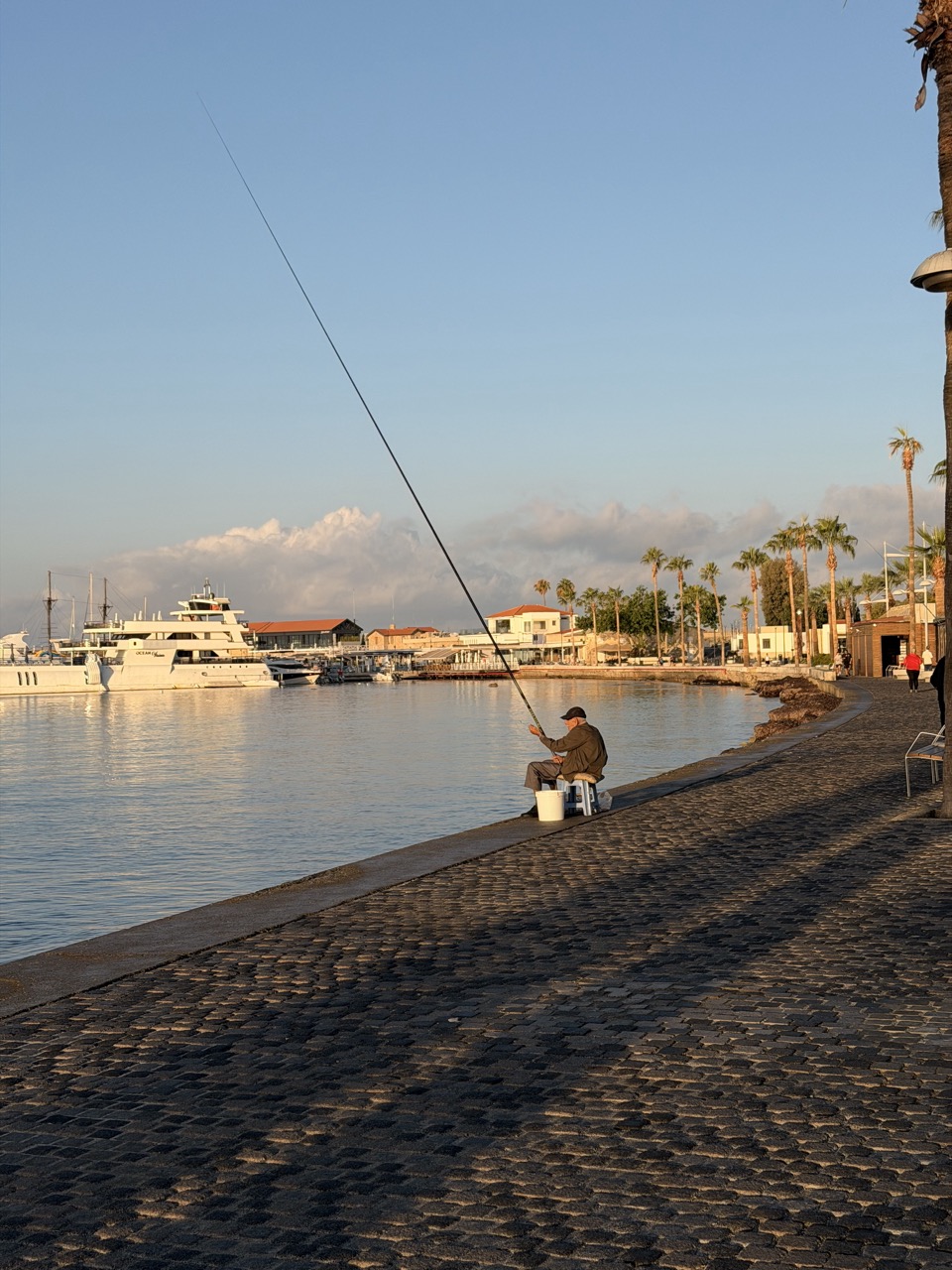
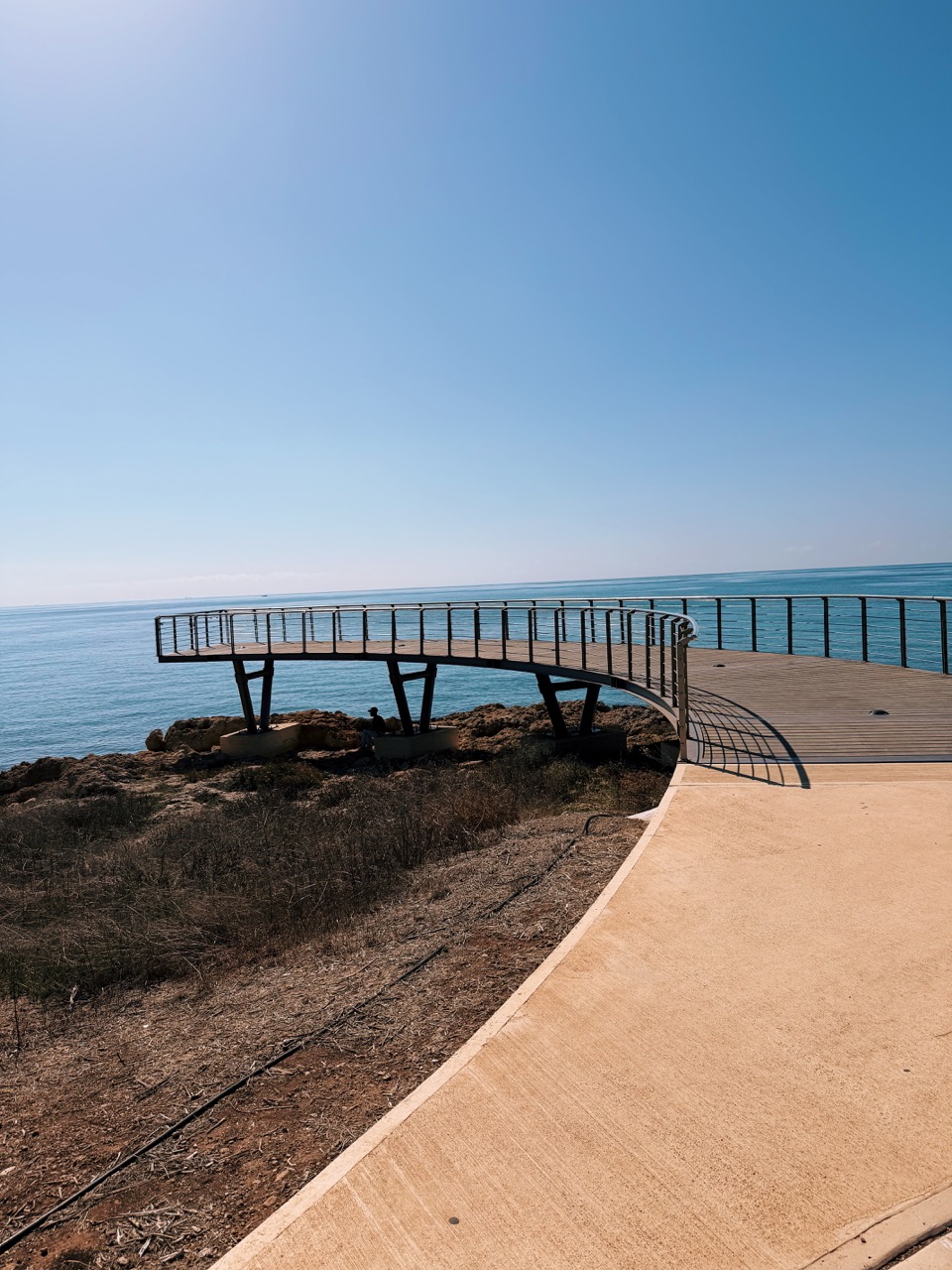
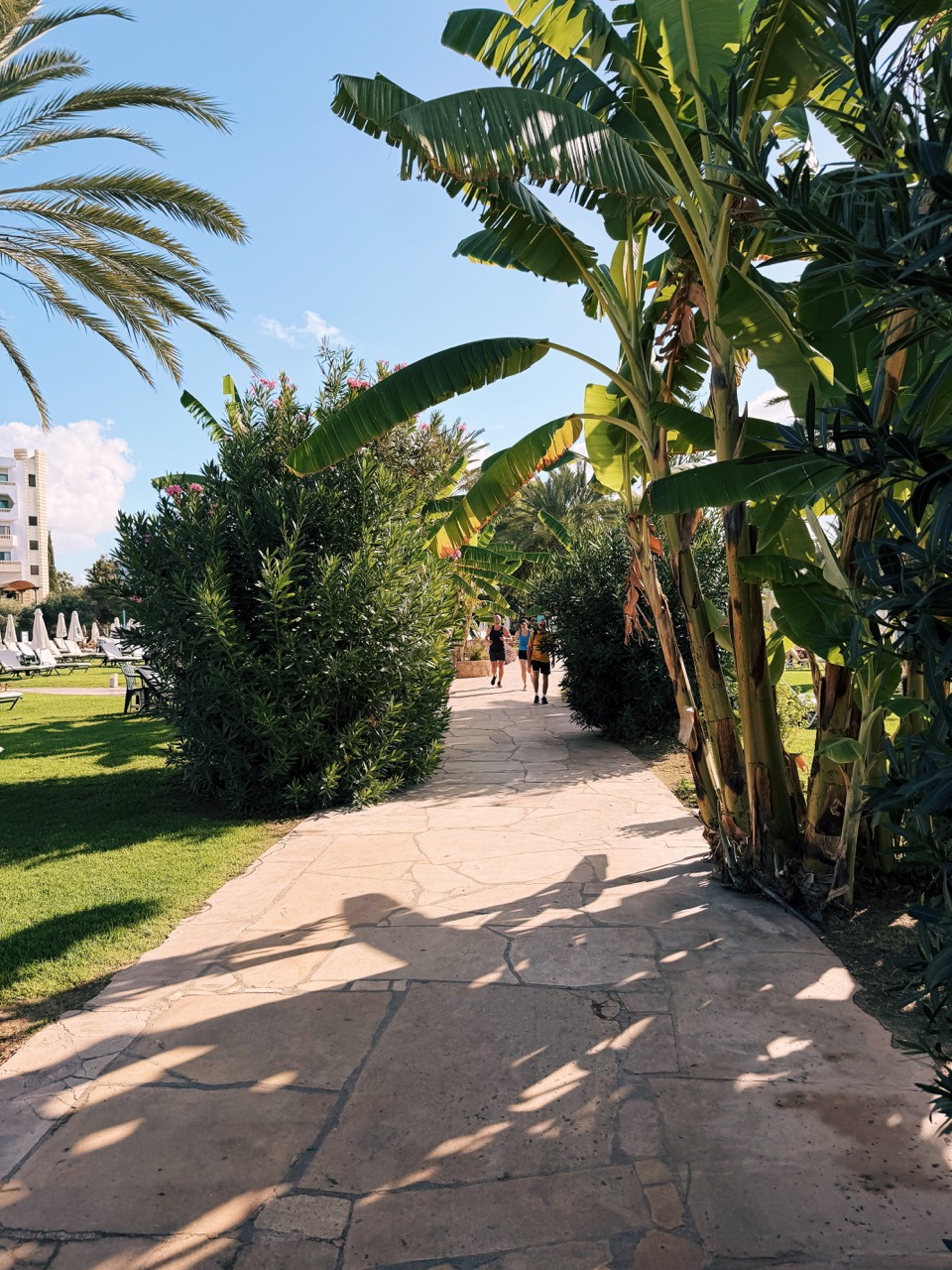
The Paphos Promenade is the heart of the city’s coastal life, a long, scenic walkway that stretches along the waterfront from the harbor all the way past the beaches and cafés. We loved coming here in the evenings when the sun began to set and the whole place glowed in warm golden light. You’ll find locals out for a stroll, kids riding bikes, and couples enjoying ice cream by the sea. The atmosphere is relaxed but lively, with plenty of restaurants, bars, and souvenir shops lining the way. It’s also one of the best spots in Paphos for sunset views, especially near the castle. Whether you’re walking, grabbing a drink, or just sitting on a bench listening to the waves, the promenade perfectly captures that easygoing Cyprus vibe we fell in love with.
Museums
Here are some of the most interesting museums to visit in Paphos, each offering a unique glimpse into the island’s rich history and culture:
- Paphos District Archaeological Museum. A must-visit for history lovers, this museum showcases artifacts from prehistoric times to the Middle Ages, including pottery, tools, jewelry, and statues found across the region. It’s small but well-curated and gives great context to the ruins you’ll see around Paphos.
- Byzantine Museum of Paphos. Located in the Old Town, this museum focuses on Cyprus’s religious art, featuring stunning icons, manuscripts, and mosaics dating back to the 7th century. A peaceful stop that highlights the island’s deep Christian heritage.
- Ethnographical Museum of Paphos. Housed in a beautiful old mansion, this private museum offers a glimpse into traditional Cypriot life, with exhibits of folk costumes, tools, furniture, and even ancient tombs in the garden. It feels more like stepping into someone’s home than a museum.
- Paphos Art Gallery. A small but vibrant space near the harbor showcasing modern Cypriot and international art. It is perfect for a quick cultural break and often hosts local artist exhibitions or events.
- Paphos Zoo Museum (Pafos Bird and Animal Park). Located near Peyia, this family-friendly museum within the zoo displays taxidermy, fossils, and educational exhibits about the island’s wildlife and natural environment, which is great if you’re visiting with kids.
Old Post Office
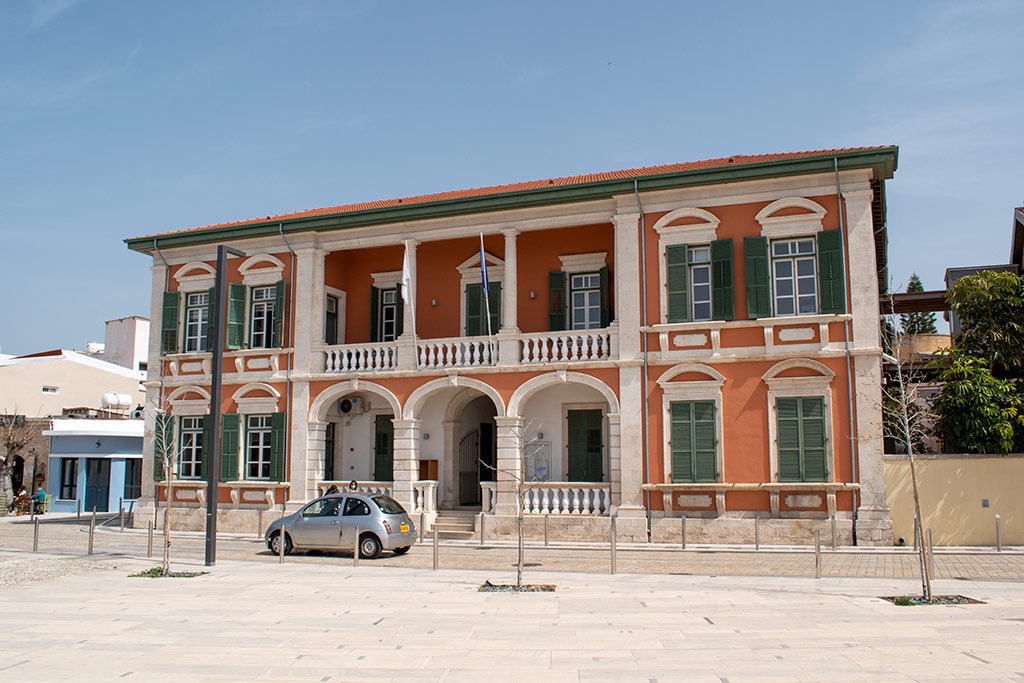
The Old Post Office in Paphos is one of those small but charming landmarks that capture the city’s mix of tradition and history. Located in the Old Town, the building dates back to the British colonial era and has been beautifully preserved, with its stone façade and vintage details still intact. Today, it continues to operate as a working post office, but it’s also a nostalgic reminder of a slower time, when letters were handwritten and stamps told stories. We stopped by while exploring the nearby shops and cafés and loved how the building adds a touch of old-world charm to the area. Even if you don’t need to mail anything, it’s worth a quick visit for a peek into Paphos’s past (and maybe to send a postcard home the old-fashioned way).
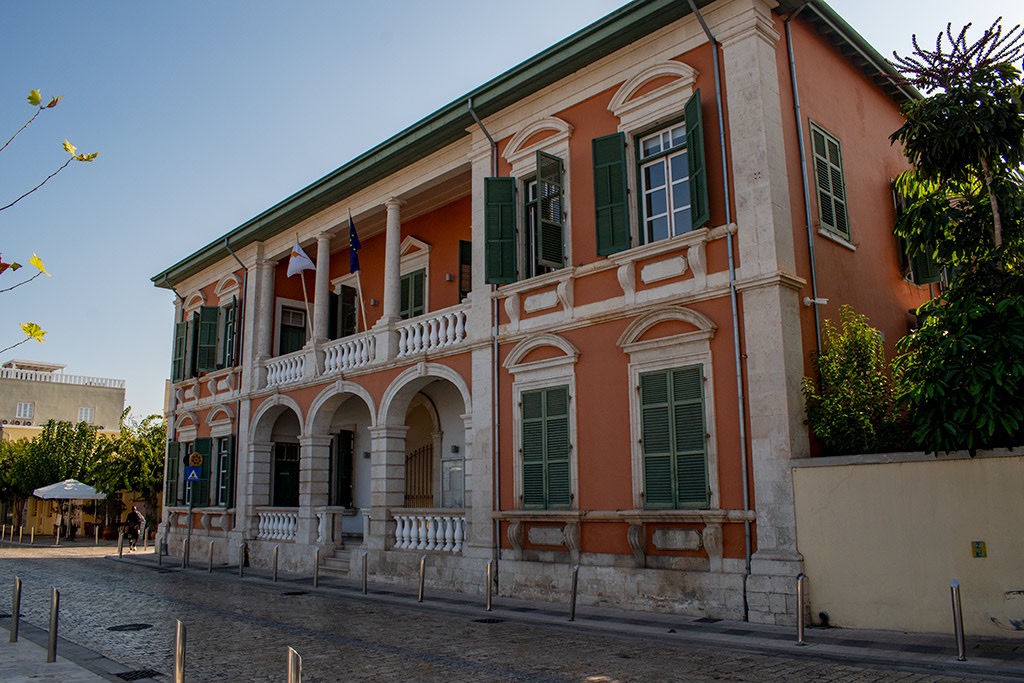
The Cursed Necropolis
The Greek name Νεκρόπολη Καταραμένη (Nekropoli Katarameni) translates to “The Cursed Necropolis.” It refers to an ancient burial site in the Paphos region, believed to date back to the Hellenistic and Roman periods. While it’s not as well-known as the famous Tombs of the Kings, this lesser-visited necropolis carries a certain mystery; locals sometimes associate it with old legends and stories of bad luck, hence the “cursed” name. The site itself is thought to contain rock-cut tombs and underground chambers, similar in style to other ancient burial complexes around Paphos. Over the centuries, erosion and superstition have added to its eerie atmosphere, making it a spot for history lovers who enjoy places with a touch of myth.
If you decide to visit, approach it as a quiet archaeological site rather than a tourist attraction. There’s not much signage or infrastructure, but the sense of history and legend makes it an intriguing stop for those curious about Paphos’s lesser-known corners.
Pafos Zoo
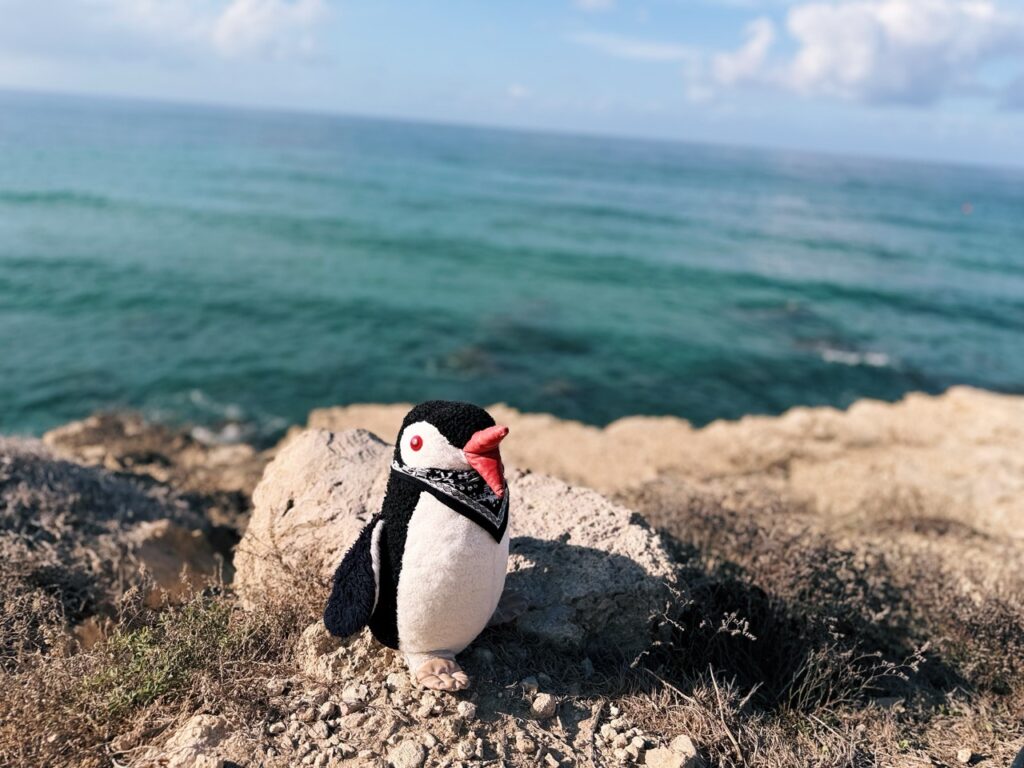
The Pafos Zoo, located near Peyia, is one of the most popular family attractions in the region, and yes, they even have penguins! Originally started as a private bird collection, it has grown into a full wildlife park home to hundreds of species, including giraffes, monkeys, tigers, and beautifully kept exotic birds. But of course, our favorite part was watching the penguins waddling and splashing around in their pool, a fun surprise in sunny Cyprus! The zoo is spacious, clean, and easy to explore, with shaded walkways and feeding shows scheduled throughout the day. There’s also a small café, souvenir shop, and playground, making it a perfect stop for families or animal lovers. The zoo is open daily from 9 AM to 5 PM (until 6 PM in summer), and tickets cost around €17 for adults and €9 for children.
Where to Eat in Paphos: Best Tavernas and Restaurants
Food in Paphos is a big part of the experience, and honestly, we were blown away by how good every meal was. Whether you’re in the mood for traditional meze, grilled halloumi, or freshly caught seafood, there’s something for every appetite and budget. Some of our favorite spots were the family-run tavernas, where meals came with generous portions and genuine Cypriot warmth. Try 7 St. Georges Tavern for a proper meze feast made with organic ingredients, or The Windmill Restaurant near the harbor for classic local dishes with a cozy, friendly vibe. For seafood lovers, Oniro by the Sea, right near the Edro III Shipwreck, is a must; the views are stunning, and the food matches it perfectly. Most restaurants open for lunch around noon and stay busy well into the evening, especially at sunset when the air smells of grilled souvlaki and sea breeze.

Cafés & Dessert Spots
Paphos has no shortage of cute cafés and dessert stops where you can unwind between sightseeing adventures. We loved starting our mornings with a Cypriot coffee or frappe, sitting outdoors while watching the town slowly come to life. For something sweet, you absolutely have to try loukoumades, golden, honey-soaked dough balls that are as addictive as they sound. The best ones we found were at Koutourou Ouzeri and small street stands around the harbor. If you’re after something more modern, Omikron Brunch & Coffee and Pingouino Café are perfect for a seaside latte or an afternoon dessert with a view. Whether it’s traditional or trendy, coffee culture in Paphos is alive and well, and every cup comes with that laid-back island charm.
Day Trips from Paphos
One of the best things about staying in Paphos is how easy it is to explore the rest of Cyprus. The island isn’t huge, so within a couple of hours, you can go from the sea to the mountains, from quiet villages to lively coastal towns. You can make a few-day trip during our stay, and each one can show you a different side of the island. Here are a few of our favorites worth adding to your itinerary.
- Troodos Mountains. About 1.5 to 2 hours from Paphos, the Troodos Mountains are a world apart from the coast, cooler, greener, and dotted with picturesque villages. We loved wandering through Omodos, known for its cobbled streets, local wine tastings, and cozy tavernas serving slow-cooked lamb and homemade bread. The mountain air is refreshing, and there are plenty of hiking trails with breathtaking views.
- Lefkara Village. A couple of hours’ drive from Paphos, Lefkara is famous for its delicate lacework (Lefkaritika)and beautiful silver jewelry. The narrow stone streets are lined with artisan shops where you can see locals crafting by hand. Don’t leave without trying glyko tou koutaliou, a traditional spoon sweet made from local fruit; it’s a delicious taste of Cypriot hospitality.
- Latchi & Blue Lagoon. Just under an hour away, Latchi is a small fishing village that serves as the gateway to the Akamas Peninsula. From the harbor, you can hop on a boat trip to the Blue Lagoon, where the water is crystal clear and perfect for swimming. It’s one of the most beautiful spots we’ve seen in Cyprus, bring snorkeling gear and plenty of sunscreen!
- Limassol. If you’re in the mood for city life, Limassol makes a great day trip, about an hour and a half east of Paphos. The city has a beautiful seafront promenade, stylish cafés, and a lively old town full of shops and street art. We enjoyed strolling around Limassol Marina, grabbing ice cream, and soaking up the modern vibe. It’s a fun contrast to laid-back Paphos.
Tours and tickets from GetYourGuideShows GetYourGuide’s own box, which can set GetYourGuide cookies.
How to Get Around Paphos
Getting around Paphos is easy and flexible, whether you prefer to explore by bus, car, or on foot. The city itself is compact, and many main sights, like the harbor, castle, and archaeological park, are within waddling distance of each other. But if you want to venture beyond the center, especially to beaches or natural sites, a little planning goes a long way.
- By Bus. Public buses are reliable and budget-friendly. The Paphos public transport system (OSYPA) connects the harbor, Old Town, Coral Bay, and even Aphrodite’s Rock (Petra tou Romiou). To reach Aphrodite’s Rock, take bus 631from Paphos Harbor to Petra tou Romiou stop, it runs a few times a day and costs only a couple of euros. Just note that service is limited in the evening, so check the return schedule in advance.
- By Car Rental. Renting a car is the best way to fully explore the area, especially if you’re planning to visit the Akamas Peninsula, Troodos Mountains, or smaller villages. Roads are well maintained, and parking in Paphos is mostly free. Just remember, driving is on the left side in Cyprus! A car also makes it easier to visit places like Aphrodite’s Rock at sunrise or sunset, when buses aren’t running and the crowds are gone.
- Waddling Tips: Within central Paphos, waddling is the most enjoyable way to get around. The harbor promenade, Old Town streets, and archaeological sites are all pedestrian-friendly, with plenty of cafés for a rest along the way. Just wear comfortable shoes; some paths can be uneven or sunny for long stretches.
Paphos has a kind of magic that’s hard to put into words, a mix of sunshine, history, and warmth that stays with you long after you’ve left. What makes it truly special isn’t just the ancient sites or the beaches, but the easy pace of life and the kindness of the people who welcome you like family. It’s a place that invites you to slow down, wander, and savor the simple joys: a sunset by the harbor, a chat with a local, a meal that lasts for hours.
Pack your bag and waddle around Phapos!
Save it for your Paphos trip!

This post contains affiliate links. If you click and buy, I might earn a tiny commission, enough to help a penguin keep up its globe-trotting lifestyle. No extra cost to you, just more fish for me. Thank you for supporting the adventure!